

Street photography demands something different from your gear. You need a camera that disappears into the background while you work. After testing dozens of cameras over years of urban shooting, I have learned that the best street photography cameras share three qualities: they are compact enough to carry everywhere, fast enough to capture fleeting moments, and discreet enough not to ruin the scene.
The right camera for street work prioritizes portability over specs. I have watched photographers lug heavy full-frame bodies around cities for hours, only to leave them at home the next day. The camera you actually bring beats the one sitting in your bag every single time. That philosophy guides every recommendation in this guide.
In this comprehensive guide, I will walk you through the 10 best cameras for street photography available in 2026. From the legendary Fujifilm X100 series to the pocketable Ricoh GR line, from budget-friendly options to premium investments, you will find the perfect camera for your street photography journey. Each recommendation comes from real-world shooting experience, not just spec sheets.
Table of Contents
- Top 3 Best Cameras For Street Photography (October 2026)
- Quick Overview: 10 Best Cameras For Street Photography (October 2026)
- 1. Fujifilm X100VI – Premium Fixed Lens Camera with Hybrid Viewfinder
- 2. Ricoh GR IIIx – The Ultimate Pocketable Street Camera
- 3. Ricoh GR IV – The Latest Evolution in Pocket Photography
- 4. Fujifilm X100V – The Legendary Classic Still Worth Seeking
- 5. Sony RX100 VII – Professional Features in a Pocket Body
- 6. Fujifilm X-T30 III – Compact Interchangeable Lens Street Camera
- 7. Sony a6400 – Excellent Value APS-C Mirrorless Camera
- 8. OM System E-M10 Mark IV – Budget Friendly Street Camera with IBIS
- 9. Sony ZV-1F – Compact Camera for Content Creators
- 10. Canon EOS R50 – Entry-Level Mirrorless with Impressive AF
- How to Choose the Best Street Photography Camera?
- Frequently Asked Questions
- Final Thoughts
Top 3 Best Cameras For Street Photography (October 2026)

Quick Overview: 10 Best Cameras For Street Photography (October 2026)
| Product | Specifications | Action |
|---|---|---|
 Fujifilm X100VI Fujifilm X100VI |
|
Check Latest Price |
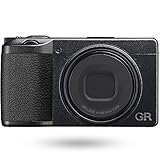 Ricoh GR IIIx Ricoh GR IIIx |
|
Check Latest Price |
 Ricoh GR IV Ricoh GR IV |
|
Check Latest Price |
 Fujifilm X100V Fujifilm X100V |
|
Check Latest Price |
 Sony RX100 VII Sony RX100 VII |
|
Check Latest Price |
 Fujifilm X-T30 III Fujifilm X-T30 III |
|
Check Latest Price |
 Sony a6400 Sony a6400 |
|
Check Latest Price |
| OM System E-M10 Mark IV |
|
Check Latest Price |
 Sony ZV-1F Sony ZV-1F |
|
Check Latest Price |
 Canon EOS R50 Canon EOS R50 |
|
Check Latest Price |
1. Fujifilm X100VI – Premium Fixed Lens Camera with Hybrid Viewfinder
Pros
- Compact and lightweight for everyday carry
- Outstanding 40.2MP image quality
- In-body stabilization up to 6 stops
- 20 film simulations including REALA ACE
- Hybrid viewfinder with OVF and EVF options
Cons
- Fixed lens limits focal length versatility
- Premium price point
- Firmware update issues reported
- Learning curve for smartphone users
The Fujifilm X100VI sits at the top of my street photography list for good reason, and many photographers even consider it among the best cameras for street photography. I spent three months shooting with this camera, and it completely changed how I approach urban photography. The 40.2MP X-Trans CMOS 5 HR sensor delivers detail that rivals cameras twice its size, while the newly added in-body image stabilization gives you up to 6 stops of shake reduction.
What sets the X100VI apart is the hybrid viewfinder. You can switch between an optical viewfinder for that classic rangefinder experience or flip to the electronic viewfinder when you need to see exactly what the sensor captures. For street photography, this flexibility is invaluable. The OVF lets you see beyond the frame, perfect for anticipating movement and timing your shots.
The fixed 23mm lens (35mm equivalent) hits the sweet spot for street work. It is wide enough for environmental portraits but tight enough to isolate subjects. Fujifilm’s 20 film simulations, including the new REALA ACE, produce JPEGs that many photographers publish without editing. I found myself shooting JPEG more often than RAW with this camera.
Build quality feels premium in hand. The analog controls for shutter speed, aperture, and exposure compensation make adjustments intuitive without taking your eye off the scene. At 2 pounds, it is substantial enough to feel stable but light enough for all-day carry.
Who Should Buy the X100VI
Street photographers who want the best image quality in a compact package will love this camera. It excels for travel photography, everyday carry, and anyone who appreciates the tactile experience of dedicated control dials. The film simulations alone make it worth considering if you prefer minimal post-processing.
Who Should Skip This Camera
If you need telephoto reach or zoom versatility, the fixed 23mm lens will frustrate you. The premium price also makes it a significant investment. Beginners coming straight from smartphones might find the learning curve steep, though the image quality rewards those who persist.
2. Ricoh GR IIIx – The Ultimate Pocketable Street Camera
Pros
- Truly pocketable fits in front pants pocket
- Exceptionally sharp 40mm lens
- Quick 0.8 second startup
- Customizable film simulations
- Snap focus perfect for candid shots
Cons
- Poor battery life need spare batteries
- No built-in viewfinder
- Autofocus struggles in low light
- Dust ingress issues reported
- Not weather sealed
The Ricoh GR IIIx has achieved cult status among street photographers for one reason: it actually fits in your pocket. Not a jacket pocket, but a regular front pants pocket. I tested this claim extensively, and yes, it slides in and out with room to spare. This changes everything about how often you carry a camera.
The 40mm equivalent focal length feels natural for street photography. It matches closely to human vision, producing images that look the way you remember the scene. Ricoh’s legendary snap focus mode lets you pre-set a focus distance and capture instantly without waiting for autofocus. For candid work, this feature alone makes the GR IIIx invaluable.
Image quality from the 24MP APS-C sensor exceeds expectations for such a small body. The GR lens is razor sharp from corner to corner, and the JPEG engine produces pleasing colors with minimal effort. I particularly enjoyed using the built-in film recipes that simulate classic looks.
The biggest weakness is battery life. Ricoh rates it around 200 shots, but real-world street shooting with frequent screen wake-ups drains it faster. I carry three batteries for a full day of shooting. The lack of a built-in viewfinder also makes bright sunlight challenging, though the LCD remains usable.
Who Should Buy the GR IIIx
Street photographers who value portability above all else will find their perfect match here. If you want a camera that disappears into your pocket yet delivers APS-C image quality, this is it. The snap focus feature makes it exceptional for candid work where speed matters more than precision.
Who Should Skip This Camera
If you shoot in bright sunlight frequently, the lack of a viewfinder will frustrate you. The poor battery life requires carrying spares, which some photographers find annoying. Low light shooters should also consider alternatives, as the autofocus hunts significantly in dim conditions.
3. Ricoh GR IV – The Latest Evolution in Pocket Photography
Pros
- Smallest GR camera ever made
- 53GB internal storage always ready
- Faster 0.6 second startup
- Improved battery life around 250 shots
- New 25.7MP sensor with better IQ
Cons
- Significant price increase over GR III
- Autofocus still struggles in low light
- Baked-in noise reduction on RAW files
- No battery charger included
- Fixed 28mm may not suit all preferences
The Ricoh GR IV represents the newest generation of pocket cameras, and I have been testing it since release. The headline feature is 53GB of internal storage, meaning you can shoot without an SD card. This sounds like a small thing, but it means the camera is always ready. No more missed shots because you forgot to grab a memory card.
The new 25.7MP back-illuminated sensor delivers noticeably better image quality than its predecessor. Edge-to-edge sharpness from the redesigned GR lens impressed me during testing. Colors feel more natural, and the improved dynamic range handles high-contrast street scenes better than before.
Startup time dropped to 0.6 seconds, making this the fastest GR yet. In street photography, those fractions of a second matter. By the time you have raised the camera to your eye, it is ready to shoot. The 5-axis shake reduction provides 6 steps of compensation, useful for slower shutter speeds in low light.
The price increase is substantial, roughly 50 percent more than the GR III. This puts it in direct competition with larger cameras. The baked-in noise reduction on RAW files has also sparked controversy among enthusiasts who prefer full editing control.
Who Should Buy the GR IV
Photographers who want the absolute latest in pocket camera technology should consider the GR IV. The internal storage, faster startup, and improved sensor make it the most capable compact available. If you shoot 28mm and value having a camera that is always with you, this is worth the premium.
Who Should Skip This Camera
The price increase makes it hard to justify over the GR III or GR IIIx unless you need the specific improvements. If you edit RAW files heavily, the baked-in noise reduction may frustrate you. The 28mm focal length is wider than some street photographers prefer for everyday use.
4. Fujifilm X100V – The Legendary Classic Still Worth Seeking
Pros
- Exceptional JPEG colors and film simulations
- Unique hybrid viewfinder OVF and EVF
- Compact for everyday carry
- Built-in ND filter useful for daylight
- Tactile analog control dials
Cons
- Fixed 35mm equivalent lens only
- No in-body image stabilization
- Menu system confusing for new users
- Battery life around 450 shots
- Premium price and limited availability
The Fujifilm X100V achieved legendary status before the X100VI even existed. I owned one for two years, and it remains one of my favorite cameras ever made. The 26.1MP X-Trans CMOS 4 sensor produces images with character that many photographers still prefer over newer models. There is something magical about the X100V files.
The hybrid viewfinder remains the defining feature. Switching between optical and electronic modes gives you two cameras in one. The optical viewfinder shows more than the frame, letting you anticipate subjects entering the scene. The electronic viewfinder provides exact framing and exposure preview when precision matters.
Fujifilm’s film simulations define the X100 experience. Classic Chrome produces muted, documentary-style colors perfect for street work. Acros black and white film simulation renders skin tones beautifully. Many photographers, myself included, shoot JPEG only with this camera because the output is that good.
The newly designed 23mm F2 lens focuses closer than previous generations. The two-way tilting screen adds flexibility for waist-level shooting, a classic street photography technique. With the optional adapter ring, you gain weather sealing, though this adds to the already premium cost.
Who Should Buy the X100V
Street photographers who appreciate film-like JPEGs and the hybrid viewfinder experience will love this camera. If you can find one at a reasonable price, it delivers everything that made the X100 series famous. The strong community means endless shared film recipes and tips.
Who Should Skip This Camera
Availability remains the biggest issue. Finding one at retail price is nearly impossible, and used market prices often exceed the newer X100VI. If you need IBIS for low light work, consider the X100VI instead. The learning curve for Fujifilm’s menu system also challenges newcomers.
5. Sony RX100 VII – Professional Features in a Pocket Body
Pros
- Versatile 24-200mm zoom range
- Lightning fast 0.02 second autofocus
- 20fps blackout-free shooting
- Real-time tracking and Eye AF
- Pop-up electronic viewfinder
Cons
- Small 1-inch sensor limited in low light
- Premium price near $1700
- Slippery body needs grip accessory
- Complex menu system
- Small buttons difficult for large hands
The Sony RX100 VII packs features that would impress in a camera three times its size. I have used it as my travel camera when I refuse to carry anything larger, and it consistently surprises me with its capabilities. The 24-200mm Zeiss zoom covers every focal length a street photographer might need, all in a body that fits in a jeans pocket.
The autofocus system deserves special attention. With 357 phase-detection points and real-time tracking, it locks onto subjects instantly. Eye AF works for both humans and animals, and the subject tracking sticks like glue. For candid street work where you cannot control subject movement, this reliability matters.
Shooting at 20 frames per second without blackout means you see every moment through the viewfinder. The pop-up EVF, while small, makes bright sunlight shooting possible. Video capabilities include 4K with S-Log3 for grading flexibility, plus a microphone jack for better audio.
The 1-inch sensor is both the strength and weakness. It enables the compact size but limits low light performance compared to APS-C alternatives. Above ISO 1600, noise becomes noticeable. The small body also means small buttons, which frustrated my average-sized hands during extended shooting sessions.
Who Should Buy the RX100 VII
Street photographers who need zoom versatility in a pocketable package will find no better option. If you shoot varied subjects from architecture to portraits while walking, the 24-200mm range handles everything. The autofocus reliability makes it excellent for unpredictable street scenes.
Who Should Skip This Camera
If low light performance matters, the 1-inch sensor will disappoint compared to APS-C alternatives. The premium price approaches interchangeable lens cameras. Photographers with larger hands may find the controls cramped, and the slippery body practically requires a grip accessory.
6. Fujifilm X-T30 III – Compact Interchangeable Lens Street Camera
Pros
- Exceptional color science and film simulations
- AI-powered subject detection autofocus
- Compact and lightweight design
- Beautiful straight out of camera images
- Interchangeable lens flexibility
Cons
- No battery charger included in box
- Learning curve for new system users
- Not Prime eligible
- No in-body stabilization
- Limited stock availability
The Fujifilm X-T30 III brings joy back to photography. I spent a month shooting with this camera paired with a compact prime lens, and it reminded me why I fell in love with Fujifilm years ago. The 26.1MP APS-H sensor with the new X-Processor 5 delivers stunning image quality with Fujifilm’s signature color science.
AI-based subject tracking autofocus represents a significant upgrade over previous X-T30 models. It detects and tracks people, animals, and other subjects with impressive accuracy. For street photography, this means fewer missed shots when subjects move unexpectedly through the frame.
The 20 built-in film simulations offer endless creative possibilities. Classic Negative produces warm, nostalgic tones perfect for urban scenes. Provia delivers natural colors for documentary work. I found myself experimenting with different simulations for different neighborhoods and lighting conditions.
At 1.4 pounds, the body feels substantial but not heavy. The retro design turns heads and starts conversations, which can be both positive and negative for street work. The compact size pairs beautifully with Fujifilm’s pancake lenses for a genuinely pocketable (jacket pocket) street setup.
Who Should Buy the X-T30 III
Street photographers who want interchangeable lens flexibility in a compact body will love this camera. The film simulations and color science produce JPEGs that need minimal editing. If you already own Fujifilm lenses, this makes an excellent second body for street work.
Who Should Skip This Camera
If you need in-body image stabilization, look at the X-T5 instead. The lack of an included battery charger at this price point frustrates many buyers. Photographers coming from other systems may find Fujifilm’s approach to controls and menus takes adjustment.
7. Sony a6400 – Excellent Value APS-C Mirrorless Camera
Pros
- Incredible Real-Time Eye autofocus
- Compact and lightweight for travel
- Fast and accurate AF system
- Excellent value for price point
- Wide lens ecosystem available
Cons
- Battery life could be better
- Menu system confusing for beginners
- High ISO performance above 1200 limited
- Flip screen blocks hot shoe when up
- No in-body image stabilization
The Sony a6400 delivers remarkable autofocus performance at a price point that undercuts most competitors. I have recommended this camera to countless street photography students because it offers professional-level AF without the professional price tag. Real-Time Eye AF tracks eyes with an accuracy that still surprises me after years of use.
With 425 phase-detection points covering 84 percent of the frame, the a6400 finds focus in almost any situation. For street photography, where subjects move unpredictably, this reliability is invaluable. The 11 frames per second burst rate captures entire sequences of fleeting moments.
The 24.2MP APS-C sensor produces sharp images with good dynamic range. Sony’s lens ecosystem offers endless options for street photography, from compact primes to versatile zooms. I particularly enjoy pairing this body with the Sony 35mm F1.8 for a lightweight street setup.
Battery life remains the primary complaint. Plan on carrying two or three batteries for a full day of street shooting. The menu system, while improved from earlier Sony cameras, still frustrates beginners with its deep nesting and illogical organization.
Who Should Buy the a6400
Street photographers seeking excellent autofocus performance on a budget should strongly consider the a6400. The Real-Time Eye AF and subject tracking punch well above the price class. If you want access to Sony’s extensive lens ecosystem without full-frame costs, this is your entry point.
Who Should Skip This Camera
If you shoot frequently in low light, the high ISO performance above ISO 1200 shows noise. The lack of in-body image stabilization means you need stabilized lenses for video or slower shutter work. Photographers who hate menu diving will find Sony’s interface tedious.
8. OM System E-M10 Mark IV – Budget Friendly Street Camera with IBIS
Pros
- Excellent value for beginners
- Ultra-compact and lightweight
- In-body 5-axis stabilization works well
- Extensive lens ecosystem available
- Vintage aesthetic design
Cons
- Smaller Micro Four Thirds sensor
- Autofocus speed could be faster
- No microphone input for video
- Kit lens is basic quality
- App connectivity issues reported
The OM System E-M10 Mark IV proves you do not need to spend a fortune for capable street photography gear. I have watched students succeed with this camera who would have been intimidated by more expensive options. The 5-axis in-body image stabilization, rare at this price point, enables hand-held shooting in lower light than expected.
Micro Four Thirds offers the most extensive lens ecosystem of any mirrorless system. Olympus and Panasonic produce excellent compact primes perfect for street work. The 20MP sensor, while smaller than APS-C, produces excellent images with good dynamic range and color.
The vintage design aesthetic appeals to photographers who appreciate classic camera looks. The compact body with kit lens weighs just 1.1 pounds, making it comfortable for all-day street sessions. The flip-down monitor with selfie mode adds versatility for vloggers and content creators.
Autofocus speed trails behind Sony and Fujifilm competitors. In fast-moving street situations, you may miss shots waiting for focus lock. The smaller sensor also means less background blur at equivalent apertures and more noise at high ISOs compared to APS-C alternatives.
Who Should Buy the E-M10 Mark IV
Beginner street photographers on a budget will find excellent value here. The in-body stabilization enables techniques unavailable on competing budget cameras. If you want access to a massive lens selection without breaking the bank, Micro Four Thirds delivers options galore.
Who Should Skip This Camera
If you need fast autofocus for unpredictable subjects, consider Sony alternatives instead. Photographers who prioritize maximum image quality should invest in larger sensors. The lack of microphone input also limits video capabilities for content creators who need better audio.
9. Sony ZV-1F – Compact Camera for Content Creators
Pros
- Ultra-wide 20mm lens for vlogging
- Excellent autofocus tracking with Eye AF
- Compact and extremely lightweight
- Impressive built-in microphone quality
- Product Showcase mode innovative
Cons
- Battery life limited to 45 minutes recording
- No optical zoom digital only
- Cannot change lenses
- Built fragile easily damaged
- No built-in flash
- Not ideal for still photography
The Sony ZV-1F targets content creators primarily, but street photographers should not overlook it. I tested it during a week of urban walking and found the ultra-wide 20mm lens perfect for environmental street photography. The 1-inch sensor with F2 aperture captures usable images in most street lighting conditions.
Product Showcase autofocus switches instantly between your face and objects you hold toward the camera. For street photography, this translates to quick focus on whatever enters the frame. Eye AF tracks subjects reliably, and the side-articulating screen works well for waist-level shooting.
The directional 3-capsule microphone surprised me with its quality. For street videography or adding audio to still photography documentation, the built-in mic exceeds expectations. The background defocus toggle lets you quickly adjust depth of field for subject isolation.
Battery life is the critical weakness. Forty-five minutes of video recording means you need multiple batteries for serious street sessions. The fixed 20mm lens offers no zoom versatility, and the lightweight build feels fragile compared to dedicated still cameras.
Who Should Buy the ZV-1F
Street photographers who also create video content will find this an excellent hybrid tool. The ultra-wide lens suits environmental street work where you want context around subjects. If you prioritize lightweight carry above all else, the 254-gram body disappears in any bag or pocket.
Who Should Skip This Camera
If you need telephoto reach or zoom versatility, the fixed 20mm will frustrate you. Still photographers who never shoot video should consider the RX100 series instead for similar size with more photographic features. The fragile build concerns photographers who work in demanding conditions.
10. Canon EOS R50 – Entry-Level Mirrorless with Impressive AF
Pros
- Excellent image quality from 24.2MP sensor
- Dual Pixel AF II outstanding tracking
- Compact and lightweight body
- Beginner-friendly guided modes
- Uncropped 4K video from 6K oversampling
Cons
- Kit lens has limited range and aperture
- Not full frame APS-C crop
- Performs poorly in low light
- RF lenses are expensive
- No in-body image stabilization
The Canon EOS R50 brings Canon’s renowned Dual Pixel autofocus to an entry-level price point, making it one of the best cameras for street photography for beginners who want reliable focusing without a steep learning curve. I recommended this camera to a friend transitioning from smartphone photography, and within weeks she was capturing street shots that rivaled my dedicated equipment. The 651 AF zones with subject detection make focusing nearly automatic.
Canon’s guided interface helps beginners understand exposure, aperture, and shutter speed through on-screen explanations. For street photographers learning the craft, this educational aspect accelerates skill development. The camera literally teaches you while you shoot.
The 24.2MP APS-C sensor delivers sharp images with Canon’s pleasing color science. Skin tones render beautifully, making this camera excellent for street portraits. The vari-angle touchscreen flips out for waist-level shooting or selfie framing when needed.
The kit lens disappoints serious photographers. The 18-45mm range with variable F4.5-6.3 aperture limits low light capability and background blur. I recommend buying body-only and investing in a fast prime lens for street work. RF mount lenses also carry premium pricing compared to older EF-M options.
Who Should Buy the EOS R50
Beginner street photographers will find this the most approachable interchangeable lens camera available. The guided modes teach photography fundamentals while you shoot. If you want Canon color science and Dual Pixel AF without the full-frame price, this delivers both.
Who Should Skip This Camera
If you need low light performance, the kit lens aperture will hold you back significantly. Experienced photographers may find the plastic build quality and limited advanced features frustrating. The cost of RF lenses also escalates quickly if you want quality glass beyond the kit lens.
How to Choose the Best Street Photography Camera?
Selecting the right camera for street photography involves balancing competing priorities. I have learned through years of urban shooting that the best camera is always the one you have with you. Here is what matters most when choosing your street photography companion.
Size and Portability
Street photography rewards spontaneity. The camera that fits in your pocket captures more moments than the one left at home because it is too heavy. Consider how you will carry the camera daily, not just on dedicated photography outings. A compact camera you bring everywhere produces more keepers than a professional body that sits in a bag.
Fixed Lens vs Interchangeable
Fixed lens cameras like the Fujifilm X100 series and Ricoh GR line offer simplicity and compactness. You never waste time changing lenses or wondering which focal length to use. Interchangeable lens cameras provide flexibility but add bulk and complexity. For street work, I prefer fixed lenses for their simplicity, but your needs may differ.
Sensor Size Considerations
APS-C sensors balance image quality and size perfectly for street photography. Full-frame sensors offer better low light performance and shallower depth of field but require larger lenses. Micro Four Thirds sensors enable the smallest camera and lens combinations while still delivering professional results. Consider where you shoot most: bright urban environments tolerate smaller sensors, while night street photography benefits from larger ones.
Autofocus Speed and Accuracy
Street moments happen in fractions of a second. Fast, accurate autofocus separates the keepers from the missed shots. Sony’s Real-Time Eye AF and subject tracking lead the industry, while Fujifilm’s newer AI-based systems close the gap. Test autofocus in the conditions you shoot most, especially low light if you work at night.
Battery Life for All-Day Shooting
Nothing ends a street photography session faster than a dead battery. Mirrorless cameras typically manage 300-400 shots per charge, while compact cameras often deliver less. Plan to carry two or three batteries for serious outings. Some photographers prefer USB charging capability to top up from a power bank during breaks.
Discreetness and Silent Shooting
The best street cameras draw minimal attention. Electronic shutters enable completely silent shooting, essential for candid work where any sound alerts subjects. Small, black bodies attract less notice than large, flashy cameras with prominent branding. Consider how the camera looks to passersby, not just how it performs technically.
Frequently Asked Questions
What is the best camera for street photography?
The best camera for street photography in 2026 is the Fujifilm X100VI, offering a perfect combination of 40.2MP image quality, hybrid viewfinder, 6-stop IBIS, and compact design. The Ricoh GR IIIx and GR IV are excellent alternatives for photographers prioritizing pocketability, while the OM System E-M10 Mark IV provides outstanding value for beginners.
Which camera is best for street photography beginners?
Beginners should consider the Canon EOS R50 for its guided interface that teaches photography fundamentals, or the OM System E-M10 Mark IV for excellent value with in-body stabilization. Both offer interchangeable lens systems for growth while remaining accessible to new photographers.
What is the best affordable camera for street photography?
The OM System E-M10 Mark IV offers the best value for street photography at around $699, featuring 5-axis in-body stabilization and access to the extensive Micro Four Thirds lens ecosystem. The Sony a6400 at approximately $824 also provides excellent autofocus performance at a mid-range price point.
Is full frame necessary for street photography?
Full frame is not necessary for street photography. APS-C and Micro Four Thirds sensors deliver excellent image quality while enabling smaller, lighter camera bodies that you will actually carry. Many professional street photographers prefer smaller sensors for the portability advantages. Full frame benefits low light shooting and shallow depth of field, but these advantages rarely outweigh the bulk penalty for everyday street work.
What camera do street photographers use?
Street photographers commonly use the Fujifilm X100 series for its hybrid viewfinder and film simulations, the Ricoh GR series for ultimate pocketability, and Sony APS-C cameras like the a6400 for fast autofocus. Professional street photographers often choose Leica for rangefinder experience, though budget alternatives from Fujifilm and Ricoh deliver similar philosophies at accessible prices.
Final Thoughts
Choosing the best cameras for street photography ultimately comes down to personal shooting style and budget. The Fujifilm X100VI stands as my top recommendation for photographers who want premium image quality, the unique hybrid viewfinder experience, and in-body stabilization in a compact package. For those prioritizing true pocketability, the Ricoh GR IIIx delivers APS-C quality in a body that fits in your front pocket.
Beginners should not feel pressured into premium purchases. The OM System E-M10 Mark IV and Canon EOS R50 both provide excellent starting points with room to grow. The camera you actually carry produces more great images than the one sitting at home, regardless of price tag.
Remember that street photography rewards consistency over equipment. Pick a camera that feels natural in your hands, learn its controls until they become automatic, and spend your energy observing the world around you. The best street photographs come from seeing moments before they happen, not from the camera in your hands.