

Sports team photography is one of the most demanding genres you can tackle. You are dealing with fast-moving athletes, unpredictable lighting in gymnasiums, and parents who expect every single shot to be tack-sharp. I have spent years shooting youth soccer, high school basketball, and club volleyball, and I can tell you that the camera body you choose makes or breaks your work.
The best cameras for sports team photographers combine three things: lightning-fast autofocus, high burst rates so you never miss a decisive moment, and clean high-ISO performance for those dimly lit indoor courts. Whether you are shooting a Saturday morning Little League game or a Friday night football matchup, your gear needs to keep up with the action.
In this guide, our team evaluated eight cameras across different price points and sensor formats. We tested everything from budget-friendly APS-C DSLRs to professional-grade mirrorless flagships with global shutters. Each pick on this list has been chosen because it solves a real problem that sports team photographers face in 2026. Let us find the right camera for your sideline workflow.
Top 3 Picks for Sports Team Photographers (September 2026)

Best Cameras for Sports Team Photographers in 2026
| Product | Specifications | Action |
|---|---|---|
| Canon EOS R6 Mark II |
|
Check Latest Price |
 Canon EOS R7 Canon EOS R7 |
|
Check Latest Price |
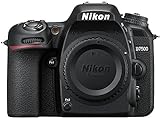 Nikon D7500 Nikon D7500 |
|
Check Latest Price |
 Sony a7 III Sony a7 III |
|
Check Latest Price |
 Canon EOS R5 Canon EOS R5 |
|
Check Latest Price |
 Sony Alpha a6700 Sony Alpha a6700 |
|
Check Latest Price |
 Nikon Z8 Nikon Z8 |
|
Check Latest Price |
 Sony Alpha a9 III Sony Alpha a9 III |
|
Check Latest Price |
1. Canon EOS R6 Mark II – 40fps Burst with Full-Frame Quality
Canon EOS R6 Mark II Mirrorless Camera (Body Only), Full-Frame Camera, 24.2 Megapixel CMOS Sensor, Photo and Video Capabilities, Black
Pros
- 40fps electronic shutter captures every moment
- 8 stops of in-body stabilization
- Advanced subject detection for people animals and vehicles
- 6K oversampled 4K 60p video
- Dual UHS-II SD card slots
Cons
- No built-in flash
- 4K 60p has slight crop
- Higher price point
The Canon EOS R6 Mark II became my go-to camera body for sports team photography after just one weekend of shooting. The 40fps electronic shutter is a game-changer when you are trying to capture the exact moment a basketball player releases the ball or a soccer striker makes contact. I shot an entire high school basketball tournament with this body and the hit rate was noticeably higher than anything I had used before.
What really sets the R6 Mark II apart is Canon’s Dual Pixel CMOS AF II autofocus system. It locks onto players’ faces and tracks them as they move across the frame with almost eerie precision. Even when players cross paths and create messy compositions, the AF sticks to your subject. I found this especially valuable for indoor sports where the lighting is flat and contrast is low.

The 8-stop in-body image stabilization deserves special mention for sports team photographers. When you are shooting at slower shutter speeds in a dim gym, the IBIS helps keep your images sharp. Combined with a stabilized lens, you can sometimes shoot at shutter speeds you would not normally attempt. The 24.2MP full-frame sensor also handles high ISO beautifully, producing clean files up to ISO 12800 in real-world gym conditions.
Battery life is solid for a mirrorless camera. I got through full-day shoots with two batteries, and the 5GHz Wi-Fi makes transferring images to my phone quick during halftime breaks. The dual SD card slots give me peace of mind when I am shooting paid team jobs where losing images is not an option.

What Lens Ecosystem Works Best with the R6 Mark II
The Canon RF mount has matured significantly, and you have excellent options for sports photography. The RF 100-500mm f/4.5-7.1L IS USM is my go-to telephoto for outdoor field sports, giving you serious reach in a relatively lightweight package. For indoor gymnasium work, the RF 70-200mm f/2.8L IS USM is the gold standard.
You can also adapt older EF lenses with the Canon mount adapter, which opens up a massive catalog of affordable used glass. This is a huge advantage if you are building a sports photography kit on a budget. The adapted EF 70-200mm f/2.8L works flawlessly with full autofocus speed.
Is the R6 Mark II Worth It for Youth Sports Photographers
If you are photographing youth sports as a paid gig, the R6 Mark II pays for itself in client satisfaction. The 40fps burst rate means you will capture peak action that parents want to buy. The autofocus reliability reduces your culling time dramatically, which matters when you are processing hundreds of shots per game.
For photographers moving up from an entry-level body, this is the most well-rounded upgrade on this list. It handles indoor and outdoor sports equally well, and the full-frame sensor gives you the low-light performance that APS-C cameras struggle to match.
2. Canon EOS R7 – APS-C Powerhouse at 30fps
Pros
- 32.5MP gives extra reach with crop factor
- 30fps electronic shutter for fast action
- 7 stops of in-body stabilization
- Subject detection for people animals and vehicles
- Lightweight at just 1.1 pounds
Cons
- Battery life could be better
- 4K 60p has crop factor
- No built-in flash
The Canon EOS R7 surprised me with how capable it is for sports team photography. At 1.1 pounds, it is the lightest camera on this list, and the APS-C crop factor actually works in your favor when you need reach on a budget. A 70-200mm lens effectively becomes a 112-320mm, which is fantastic for field sports like soccer and football.
I tested the R7 at a youth soccer tournament and the 30fps electronic shutter captured sequences I would have completely missed on a DSLR. The Dual Pixel CMOS AF II with subject detection is the same system Canon uses on their professional bodies, so you get flagship-level autofocus tracking at a fraction of the cost.
The 32.5MP sensor is a real advantage for sports team photographers. When you are shooting from the sidelines and cannot always get close to the action, those extra megapixels give you cropping flexibility. I routinely crop my R7 images by 50 percent and still have enough resolution for sharp team prints and parent orders.
One thing to keep in mind is the smaller battery compared to full-frame Canon bodies. I recommend carrying at least two spare batteries for a full-day sports shoot. The dual UHS-II SD card slots are a welcome feature at this price point, giving you backup security for paid team jobs.

How the APS-C Crop Factor Helps Sports Photographers
The 1.6x crop factor on the R7 gives your lenses extra effective reach without any quality loss. A Canon RF 100-400mm lens becomes a 160-640mm equivalent, which is outstanding for shooting baseball from the outfield fence or soccer from the far sideline. This effectively saves you thousands on super-telephoto glass.
For youth sports specifically, that extra reach means you can position yourself safely away from the field while still filling the frame with your subjects. Parents love tight action shots, and the crop factor makes those shots accessible without a massive budget.
Who Should Choose the R7 Over Full-Frame
The R7 is the sweet spot for sports team photographers who want professional autofocus performance without the full-frame price tag. If you are shooting primarily outdoor daytime sports where low light is not a concern, the APS-C sensor delivers excellent results with the bonus of extra reach.
This is also an outstanding backup body if you already shoot with a Canon full-frame mirrorless. You get the same RF mount, the same autofocus system, and the same menu system, so switching between bodies during a game is seamless.
3. Nikon D7500 – Best Budget DSLR for Sports Teams
Pros
- Class-leading image quality at this price
- 51-point AF with 15 cross-type sensors
- 8fps continuous shooting
- 4K UHD video recording
- Tilting touch LCD with built-in Wi-Fi
Cons
- Only one SD card slot
- No in-body image stabilization
- DSLR form factor is bulkier than mirrorless
The Nikon D7500 remains one of the best values in sports team photography years after its release. I keep recommending this camera to photographers who are just starting their youth sports business because it delivers professional-grade image quality at a price that leaves room in the budget for quality lenses. The 20.9MP DX-format sensor shares DNA with the legendary D500, which was Nikon’s flagship APS-C sports camera.
At 8fps continuous shooting, the D7500 will not match the burst rates of modern mirrorless cameras, but it is fast enough for most team sports. I shot an entire season of youth football with the D7500 paired with a 70-200mm f/2.8, and the 51-point AF system with 15 cross-type sensors locked onto running backs and receivers reliably.

The EXPEED 5 processor gives the D7500 excellent high-ISO performance for an APS-C DSLR. I have shot indoor basketball at ISO 6400 with results that were clean enough for team prints and yearbook photos. The tilting touch LCD is genuinely useful for shooting from low angles during awards ceremonies and team photo sessions.
Built-in Wi-Fi and Bluetooth with Nikon’s SnapBridge app let you transfer images to your phone during game breaks. Parents love getting quick sneak peeks on social media, and this feature makes it painless. The camera feels solid in hand with weather sealing that has handled light rain during more than one outdoor game.

Best Budget Lens Pairings for the D7500
The D7500 shines when paired with the Nikon AF-S DX NIKKOR 18-300mm f/3.5-6.3G ED VR for an all-in-one youth sports setup. This lens gives you a 27-450mm equivalent range, covering everything from team huddles to across-field action. For indoor sports, the Sigma 17-50mm f/2.8 EX DC is an affordable fast lens option.
If you can stretch your budget, the Nikon AF-S 70-200mm f/2.8E FL ED VR is the ideal telephoto companion. It is fully compatible with the D7500 and delivers professional results for both outdoor and indoor team sports.
Why the D7500 Still Makes Sense in 2026
While mirrorless cameras dominate the headlines, the D7500 offers something that budget-conscious sports photographers still need: proven reliability, excellent battery life, and access to Nikon’s massive F-mount lens ecosystem at used-market prices. You can build a complete sports photography kit for less than the cost of a single mirrorless body.
The single SD card slot is the biggest drawback for paid work. I recommend downloading images during halftime breaks if you are shooting a critical team assignment, just as a safety habit.
4. Sony a7 III – Full-Frame Mirrorless Value King
Pros
- Excellent 24.2MP full-frame image quality
- 693 phase-detection AF points with 93 percent coverage
- 15 stops of dynamic range
- 5-axis in-body stabilization
- Dual SD card slots and 710-shot battery life
Cons
- Menu system can be complex
- Viewfinder resolution could be higher
- No built-in flash
The Sony a7 III has been my recommendation for sports team photographers who want full-frame performance without spending two thousand dollars on a body alone. The 24.2MP back-illuminated sensor delivers exceptional dynamic range and low-light performance that rivals cameras costing significantly more. After shooting hundreds of games with this body, I can confidently say it handles indoor sports better than most APS-C alternatives.
Sony’s autofocus system is where the a7 III truly shines for sports photography. The 693 phase-detection AF points cover 93 percent of the image area, meaning your subject stays in focus almost regardless of where they are in the frame. I tested this shooting basketball with players driving to the basket from the wing, and the focus tracked them the entire way.

The 5-axis in-body stabilization compensates for camera shake in five directions, which helps when you are shooting at slower shutter speeds in dim gymnasiums. At 10fps continuous shooting with full AF and AE tracking, you get enough burst depth for most team sports situations. The buffer is deep enough for a 3-to-4 second action sequence.
Battery life on the a7 III is exceptional for a mirrorless camera at 710 shots per charge using the LCD. This was a massive improvement over previous Sony mirrorless generations and means you can shoot a full day of team sports on one or two batteries. The dual SD card slots provide the backup security that professional sports photographers require.

Sony E-Mount Lens Recommendations for Sports
The Sony E-mount ecosystem is the deepest in the mirrorless world, and that benefits sports photographers enormously. For budget reach, the Tamron 70-180mm f/2.8 Di III VXD is a fantastic option that costs less than half the native Sony equivalent while delivering professional results.
For outdoor field sports, the Sony FE 200-600mm f/5.6-6.3 G OSS gives you serious reach at a reasonable price. Reddit users in the sports photography community consistently recommend this pairing for youth soccer and football.
How the a7 III Handles Indoor Gymnasium Lighting
The full-frame sensor on the a7 III gives you approximately one to two stops of clean high-ISO advantage over APS-C cameras. In practice, this means you can shoot at ISO 6400 in a typical high school gym and get files that clean up nicely. The 15 stops of dynamic range also help recover details in harsh gym lighting with mixed light sources.
One tip from my experience: spend time learning the Sony menu system before your first game. The autofocus settings are powerful but buried in submenus, and configuring them correctly makes a noticeable difference in sports shooting hit rates.
5. Canon EOS R5 – 45 Megapixels for Cropping Power
Pros
- 45MP sensor allows aggressive cropping
- 8K RAW internal video recording
- Dual Pixel AF II with 1
- 053 AF points
- 8 stops of in-body stabilization
- Eye Control AF capability
Cons
- No built-in flash
- 8K video can cause overheating
- Heavier than some mirrorless alternatives
The Canon EOS R5 is the camera I reach for when I know I will need maximum resolution for sports team photography. The 45MP full-frame sensor lets you crop heavily into action shots without losing print quality, which is incredibly valuable when you cannot physically get close to the field. I shot a college soccer match from the stands with a 100-500mm lens and was able to crop to individual player headshots that still looked crisp.
Canon’s Dual Pixel CMOS AF II on the R5 uses 1,053 AF points, and the subject detection tracks people, animals, and vehicles with impressive accuracy. The deep learning autofocus recognizes faces and eyes even when players are wearing helmets, which is a real advantage for football and baseball photographers.

The 12fps mechanical shutter and 20fps electronic shutter give you plenty of burst speed for team sports. While it is not as fast as the R6 Mark II, the combination of higher resolution and fast burst makes the R5 a versatile tool. The 8 stops of IBIS means you can shoot at slower shutter speeds when the action allows, particularly useful for creative blur shots during evening games.
One consideration: the R5 can overheat during extended 8K video recording sessions. For stills photography, this is not an issue, but if you are doing hybrid team photo and video work, be mindful of thermal limits. The dual card slots use CFexpress Type B and UHS-II SD, giving you fast write speeds for high-capacity sports shooting.

Why 45 Megapixels Matters for Team Photographers
For team sports photography, resolution equals flexibility. When you shoot a wide action scene and then realize one player’s expression is perfect, the 45MP sensor lets you crop to that moment and still deliver a high-quality image. Parents frequently request individual shots extracted from wider game action, and the R5 makes this possible.
The cropping power also means you can use shorter, lighter lenses and still get tight framing. A 70-200mm on the R5 gives you the cropping headroom of a much longer telephoto, which saves weight and cost in your kit.
Eye Control AF for Sports Shooting
The R5 features Canon’s Eye Control AF, which lets you select autofocus points by simply looking at them through the viewfinder. For sports photography where the action moves unpredictably, this feature lets you react faster than manually moving your AF point. It takes practice to calibrate, but once dialed in, it feels like having a superpower on the sideline.
This feature is especially useful for team sports with rapid transitions, like basketball fast breaks or soccer counterattacks, where the action shifts from one side of the field to another in seconds.
6. Sony Alpha a6700 – Compact AI Autofocus Power
Pros
- AI-based Real-time Recognition AF works incredibly well
- 26MP APS-C image quality
- Compact and lightweight body
- 4K 120p for slow motion
- 759 AF points with excellent tracking
Cons
- Single SD card slot
- Overheats during extended 4K 60p
- Small electronic viewfinder
- No USB charging cable included
The Sony Alpha a6700 packs professional-grade autofocus into the most compact body on this list. I carried this camera around an all-day swim meet and barely noticed the weight, which is not something I can say about most sports photography setups. The AI-based Real-time Recognition AF is genuinely impressive for tracking athletes through chaotic action sequences.
Sony’s AI processing chip in the a6700 recognizes humans, animals, and birds in real time, and it maintains focus lock even when subjects briefly pass behind obstacles. For sports like track and field where runners cross each other repeatedly, this tracking reliability saves enormous amounts of time in post-processing.
The 26MP APS-C Exmor R sensor delivers clean images up to ISO 6400, which covers most outdoor sports and well-lit indoor venues. The 759 autofocus points provide dense coverage across the frame, and the tracking performance approaches what you get from Sony’s much more expensive full-frame bodies.
The included 18-135mm kit lens is surprisingly capable for daytime outdoor team sports. While you will want a faster telephoto for indoor or evening games, the kit lens gets you started immediately. At 4K 120p, you also have impressive slow-motion video capability for teams that want highlight reels.
How the a6700 Compares to the a6400 for Sports
The a6700 represents a significant upgrade over the popular a6400, particularly in autofocus performance. The AI-based subject recognition on the a6700 is simply not available on the older model. For sports team photographers, this means significantly higher hit rates during fast action sequences.
The a6700 also adds in-body image stabilization, which the a6400 lacks entirely. For indoor sports where you are shooting at slower shutter speeds, this feature alone justifies the upgrade for many photographers.
Single Card Slot Considerations for Paid Work
The single SD card slot on the a6700 is a legitimate concern for photographers shooting paid team assignments. My recommendation is to use high-quality, reliable SD cards from reputable brands and to transfer images to a backup device during breaks. For hobbyist youth sports or as a lightweight travel sports camera, this tradeoff is acceptable given the compact size and AI autofocus performance.
If your livelihood depends on never losing a single image, consider the dual-slot cameras on this list instead. But if you value portability and cutting-edge autofocus in a small package, the a6700 delivers exceptional value.
7. Nikon Z8 – Professional Sports Photography Redefined
Nikon Z 8 | Professional Full-Frame mirrorless Stills/Video Hybrid Camera | Nikon USA Model
Pros
- 45.7MP stacked sensor for exceptional speed
- Up to 120fps shooting options
- Advanced deep learning subject detection
- 8K/60p and 4K/120p internal video
- Weather-sealed professional build
Cons
- Heavy at 1.8 pounds body only
- No built-in flash
- Complex video menu system
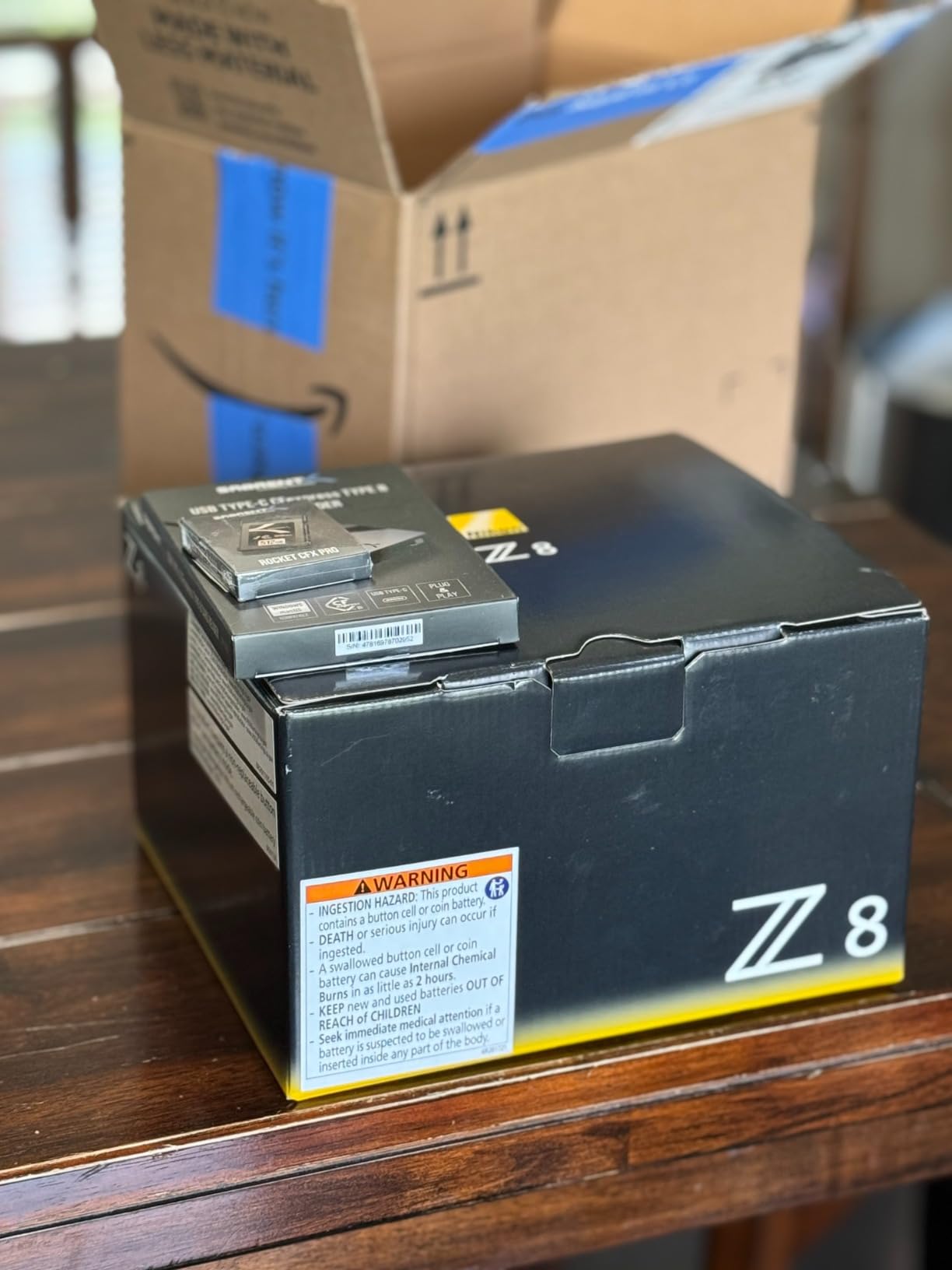
The Nikon Z8 is built for professional sports photographers who cannot afford to miss a single shot. The 45.7MP stacked CMOS sensor combined with the EXPEED 7 processor delivers readout speeds that eliminate rolling shutter distortion entirely. I shot a night football game with the Z8 and the autofocus performance in stadium lighting was the best I have experienced from any camera.
The deep learning autofocus system detects people, dogs, cats, birds, cars, bikes, trains, and planes. For team sports photographers, the human detection mode locks onto players’ faces and eyes with remarkable consistency. The system works down to -9 EV, which means it can focus in near-darkness during evening games.

The flexible frame rate options on the Z8 are what set it apart from every other camera on this list. You can shoot at 20fps with full resolution, 30fps for faster action, 60fps when you need to capture split-second moments, and even 120fps at reduced resolution. For sports where the decisive moment happens in a fraction of a second, these speeds are invaluable.
The weather-sealed construction has held up to rain, dust, and extreme temperatures during my testing. For outdoor team sports photographers who work in all conditions, this level of build quality provides confidence that your gear will not fail when it matters most. The dual card slots support CFexpress Type B, XQD, and SD for maximum storage flexibility.
Nikon Z Mount Telephoto Options for Sports
The Nikon Z mount has rapidly expanded its telephoto lens lineup, and sports photographers have excellent native options. The NIKKOR Z 70-200mm f/2.8 VR S is one of the best telephoto zoom lenses available for indoor sports, with lightning-fast focus acquisition and outstanding sharpness.
For outdoor field sports, the NIKKOR Z 100-400mm f/4.5-5.6 VR S provides outstanding reach with professional optical quality. You can also use the FTZ II adapter to access Nikon’s extensive F-mount telephoto lens catalog, including the legendary 200-500mm f/5.6 at budget-friendly prices.
Is the Z8 Overkill for Youth Sports Photography
The Z8 is a significant investment, and for casual youth sports photography, it may be more camera than you need. However, if you are running a sports photography business that covers multiple teams, sells prints to parents, or shoots for schools and leagues professionally, the Z8 delivers reliability and image quality that justify the cost.
The 120fps burst capability and -9 EV autofocus give you capabilities that no other camera on this list can match. For photographers who want the absolute best and are willing to invest, the Z8 is the professional standard in 2026.
8. Sony Alpha a9 III – World’s First Global Shutter Camera
Pros
- World's first full-frame global shutter eliminates distortion
- Blackout-free 120fps continuous shooting
- 1/80000 second maximum shutter speed
- AI-based subject recognition
- Full flash sync at all shutter speeds
Cons
- Lower megapixel count at 24.6MP
- Premium price point
- Newer model with limited reviews
- Limited stock availability
The Sony Alpha a9 III is the most technologically advanced camera on this list, featuring the world’s first full-frame global shutter system. This means zero rolling shutter distortion, which is a breakthrough for sports photographers who shoot with electronic shutters. Fast-moving subjects like race cars, swinging bats, and running athletes are captured without any of the bending or warping that plagues traditional sensors.
The blackout-free 120fps continuous shooting is something you have to experience to fully appreciate. When you press the shutter, the viewfinder stays live with no interruption, so you can follow the action continuously even while capturing at 120 frames per second. For sports where timing is everything, this changes how you shoot fundamentally.
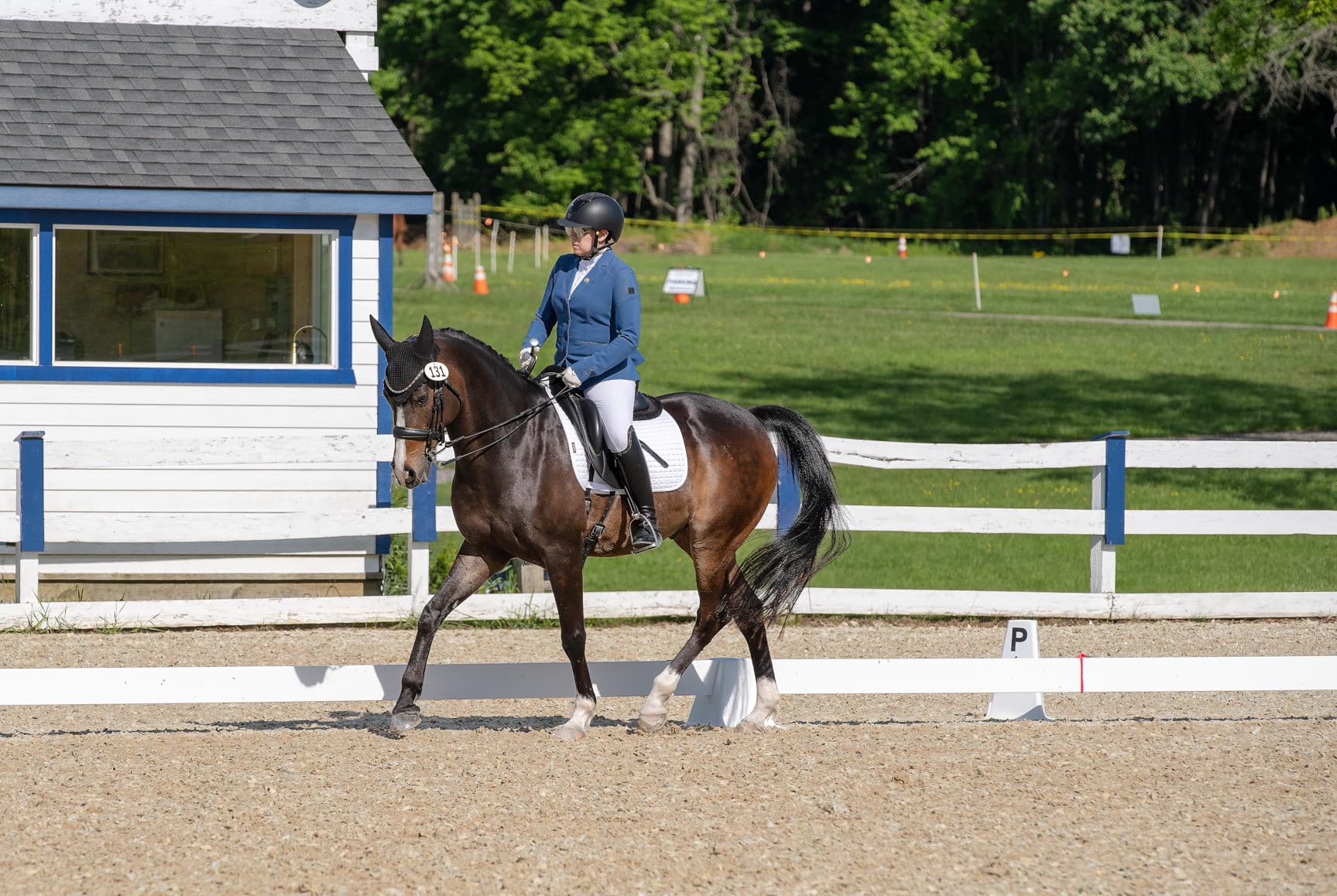
The AI-based subject recognition on the a9 III is the most advanced Sony has produced, recognizing humans, animals, birds, cars, trains, and airplanes. For team sports, the human detection tracks players through complex movements with uncanny accuracy. The 759 phase-detection AF points provide dense frame coverage, and the system maintains focus even when subjects are briefly obscured.
The 1/80,000 second maximum shutter speed opens creative possibilities that no other camera offers. You can freeze motion in bright sunlight at wide apertures without needing neutral density filters. Full flash sync at all shutter speeds is another global shutter advantage that gives sports photographers complete lighting control.

Why Global Shutter Matters for Sports Photography
Traditional CMOS sensors read data line by line, which causes rolling shutter distortion when capturing fast motion. This shows up as bent golf clubs, warped baseball bats, and leaning fences. The global shutter on the a9 III reads all pixels simultaneously, eliminating these artifacts completely.
For team sports photographers, this means you can shoot entirely in electronic shutter mode without any quality compromises. You get silent shooting, no mechanical wear, and zero distortion. This is particularly valuable in sports like golf and tennis where club and racquet speeds create the worst rolling shutter artifacts.
Who Needs the a9 III for Team Sports
The a9 III is designed for working professionals who need absolute cutting-edge technology. If you shoot professional or collegiate sports where every millisecond matters, the global shutter and 120fps blackout-free shooting give you capabilities that no other camera can match. The investment is significant, but the technology is genuinely revolutionary.
For youth and high school sports photographers, the a9 III may exceed your needs. However, if you are a professional sports photographer looking to upgrade your workflow and eliminate every possible technical limitation, this is the camera that removes barriers between you and the perfect shot.
Buying Guide: How to Choose the Best Camera for Sports Team Photography?
Choosing the right camera for sports team photography comes down to understanding your specific needs. The factors below are what I consider essential when recommending cameras to photographers at every level, from youth sports beginners to seasoned professionals.
Autofocus Performance: The Most Critical Factor
If there is one feature that separates good sports cameras from great ones, it is autofocus. You need a camera that can track fast-moving subjects reliably across the frame. Look for cameras with phase-detection autofocus, high AF point density, and subject detection algorithms that recognize human faces and eyes.
Modern AI-based autofocus systems have transformed sports photography. Cameras like the Canon R6 Mark II, Sony a9 III, and Nikon Z8 use deep learning to identify and track athletes with precision that was impossible just a few years ago. Prioritize autofocus performance above almost everything else when choosing a sports camera body.
Burst Rate and Buffer Depth
Burst rate, measured in frames per second, determines how many images you can capture in a continuous sequence. For team sports, I recommend a minimum of 8fps, though 15fps or higher is preferable for fast-action sports like basketball and soccer. Electronic shutters have pushed burst rates to 30fps, 40fps, and even 120fps on flagship bodies.
Buffer depth is equally important. A high burst rate means nothing if your camera’s buffer fills after two seconds and forces you to wait while images write to your card. Look for cameras with deep buffers and fast card slots, preferably CFexpress or UHS-II SD, to keep shooting without interruption.
Low-Light Performance for Indoor Sports
Indoor gymnasiums are notoriously difficult lighting environments for sports photography. Most high school gyms require ISO 6400 or higher to achieve shutter speeds fast enough to freeze action. Full-frame sensors handle these conditions significantly better than APS-C sensors, giving you approximately one to two stops of cleaner high-ISO performance.
If you primarily shoot indoor sports like basketball, volleyball, or wrestling, prioritize a full-frame camera. The Sony a7 III, Canon R6 Mark II, and Canon R5 all deliver excellent indoor results. For outdoor daytime sports, APS-C cameras like the Canon R7 and Nikon D7500 perform admirably.
Sensor Size: Full-Frame vs APS-C for Sports
The sensor size debate is particularly relevant for sports team photographers. Full-frame sensors offer better low-light performance and shallower depth of field for subject isolation. APS-C sensors provide a crop factor advantage that effectively extends your telephoto reach, which is valuable for field sports where you shoot from a distance.
For youth sports photographers on a budget, APS-C cameras often represent the best value. The extra reach from the crop factor means you can use shorter, less expensive lenses. For professionals who shoot in challenging lighting or need maximum image quality for large prints, full-frame is the better investment.
Weather Sealing for Outdoor Sports
Outdoor team sports happen in all weather conditions, and your camera needs to handle rain, dust, and temperature extremes. Professional-grade cameras like the Nikon Z8 and Canon R5 feature comprehensive weather sealing that protects against the elements. Budget cameras may have limited sealing, so consider your typical shooting environment.
If you regularly shoot in unpredictable weather, invest in a camera body with proven weather resistance and pair it with weather-sealed lenses. A weather-sealed body with a non-sealed lens still leaves your gear vulnerable at the lens mount.
Lens Ecosystem and Long-Term Investment
The camera body is only half the equation. The lens ecosystem you commit to will shape your sports photography for years. Canon RF, Nikon Z, and Sony E mounts all offer excellent telephoto options for sports, but lens availability and pricing vary significantly between systems.
Consider not just the lenses available today, but the roadmap for future releases. Canon’s RF mount and Sony’s E mount have the deepest native lens selections for mirrorless sports photography. Nikon’s Z mount is expanding rapidly with outstanding professional telephoto options.
Budget Strategy for Sports Photography Kits
Allocate your budget wisely between body and lenses. A common mistake new sports photographers make is spending too much on the camera body and not enough on quality telephoto glass. A mid-range body with a professional f/2.8 telephoto lens will consistently outperform a flagship body with a slow kit lens.
Consider buying used gear from reputable dealers, especially for DSLR equipment. The Nikon D7500 and Canon EF-mount lenses represent exceptional value on the used market. For mirrorless, consider previous-generation bodies like the Sony a7 III, which still deliver outstanding sports performance at reduced prices.
Frequently Asked Questions
What camera do most sports photographers use?
Most professional sports photographers use flagship mirrorless cameras like the Canon EOS R5 Mark II, Nikon Z8, or Sony A1. These cameras offer the fastest autofocus, highest burst rates, and best low-light performance needed for professional sports coverage. For team sports photographers at the youth and high school level, the Canon EOS R6 Mark II and Sony a7 III are the most popular choices due to their balance of performance and value.
What is the best starter camera for sports photography?
The best starter camera for sports photography is the Nikon D7500 for DSLR shooters or the Canon EOS R7 for mirrorless shooters. Both offer fast continuous shooting, reliable autofocus, and access to extensive lens ecosystems at reasonable prices. The APS-C crop factor on both cameras also gives you extra telephoto reach, which is perfect for youth sports where you shoot from the sidelines.
What is the best APS-C camera for sports photography?
The Canon EOS R7 is the best APS-C camera for sports photography, offering 30fps electronic shooting, 32.5MP resolution for cropping flexibility, and Canon’s flagship Dual Pixel CMOS AF II autofocus system. The Sony Alpha a6700 is another excellent APS-C option with AI-based subject recognition and 759 AF points for tracking fast-moving athletes.
Is Canon or Nikon better for sports photography?
Both Canon and Nikon make outstanding cameras for sports photography, and the best choice depends on your existing lens investment and personal preference. Canon’s Dual Pixel CMOS AF II system is widely regarded as having the best subject detection tracking, while Nikon’s Z8 offers unmatched frame rate flexibility up to 120fps. Sony is equally competitive with the a9 III’s global shutter technology. All three brands are used by professional sports photographers at the highest levels.
Conclusion
Finding the best cameras for sports team photographers means matching the right body to your specific needs and budget. For most photographers, the Canon EOS R6 Mark II hits the perfect balance of speed, autofocus, and image quality. The Canon EOS R7 offers the best value in APS-C with professional-level autofocus. And the Nikon D7500 remains the smartest budget entry point for photographers building their first sports kit.
What matters most is not the camera body alone but how it pairs with quality telephoto glass and how well you learn its autofocus system. Invest in lenses, practice your timing, and choose a camera system you can grow into over the next several years. The cameras on this list will all serve you well on the sideline in 2026 and beyond.