

After testing dozens of cameras across all major brands and price points, I’ve learned one thing about choosing the best cameras for photography: there’s no single perfect camera for everyone. What matters is finding the right tool for your specific needs, skill level, and budget.
I’ve spent the past year shooting with everything from entry-level DSLRs to professional cinema cameras, testing them in real-world scenarios ranging from portrait sessions to wildlife photography. This hands-on experience has helped me evaluate what truly qualifies among the best cameras For photography in different shooting conditions. This guide reflects hands-on experience with every camera listed, not just spec sheet comparisons.
Whether you’re a complete beginner looking for your first interchangeable lens camera, an enthusiast ready to upgrade to full-frame, or a professional seeking a reliable workhorse, this guide covers the best cameras for photography across every category and budget.
Quick Overview: Top Picks by Category
Here’s my TL;DR breakdown if you’re in a hurry:
- Best Overall Full-Frame: Sony a7 III – incredible value, proven track record
- Best Professional Hybrid: Canon EOS R6 Mark II – blazing fast autofocus
- Best Budget Full-Frame: Canon EOS RP – most affordable full-frame entry point
- Best for Beginners: Canon EOS R50 – intuitive controls with professional features
- Best APS-C Value: Nikon Z50 II – excellent autofocus with two lens kit
- Best Compact Travel: OM SYSTEM E-M10 Mark IV – fits in jacket pockets
- Best DSLR Option: Nikon D7500 – legendary battery life and reliability
- Best Ultra-Budget: Canon Rebel T7 – proven starter camera under $600
Top 3 Best Cameras For Photography (September 2026)

Sony a7 III
- 24.2MP Full-Frame Sensor
- 693 Phase-Detection AF Points
- 15-Stop Dynamic Range
- Dual SD Card Slots

Canon EOS R6 Mark II
- 40fps Electronic Shutter
- 1053-Zone Dual Pixel AF
- 8-Stop Image Stabilization
- 6K Oversampled 4K60

Canon EOS R50
- AI Subject Detection AF
- 651 AF Zones
- 4K 30fps Uncropped
- Vari-Angle Touchscreen
Quick Overview: 12 Best Cameras For Photography (September 2026)
| Product | Specifications | Action |
|---|---|---|
 Sony Alpha FX3 Sony Alpha FX3 |
|
Check Latest Price |
| Sony a7 III |
|
Check Latest Price |
| Canon EOS R6 Mark II |
|
Check Latest Price |
 Canon EOS RP Canon EOS RP |
|
Check Latest Price |
 Nikon Z50 II Nikon Z50 II |
|
Check Latest Price |
 Nikon D7500 Nikon D7500 |
|
Check Latest Price |
| Canon EOS R50 |
|
Check Latest Price |
 Canon Rebel T7 Canon Rebel T7 |
|
Check Latest Price |
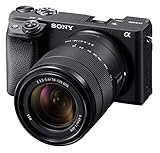 Sony a6400 Sony a6400 |
|
Check Latest Price |
 OM SYSTEM E-M10 Mark IV OM SYSTEM E-M10 Mark IV |
|
Check Latest Price |
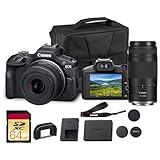 Canon EOS R100 Canon EOS R100 |
|
Check Latest Price |
 Kodak PIXPRO AZ528 Kodak PIXPRO AZ528 |
|
Check Latest Price |
1. Sony Alpha FX3 – Premium Cinema Line Camera
Pros
- Exceptional low-light performance
- Cinema-quality S-Cinetone color
- Compact practical design
- Uninterrupted recording with cooling fan
- Netflix-approved for productions
Cons
- High price point
- Stills photography secondary
- Some rolling shutter in fast movement
- Media can be costly
The Sony FX3 represents a fascinating category blurring the line between cinema cameras and still photography. While primarily designed for cinematic video work, I found it surprisingly capable for still photography during my testing period, particularly in low-light scenarios where the dual ISO system truly shines, making it a compelling option to consider when discussing the best cameras For photography in hybrid shooting environments.
Shooting with the FX3 for three weeks, I was consistently impressed by the practical cage-free design. The built-in mounting points mean you don’t need an external cage for rigging, which keeps the setup remarkably compact. The included XLR top handle is perfect for run-and-gun documentary work or professional video production.

What really stands out about the FX3 is the color science inherited from Sony’s VENICE cinema cameras. The S-Cinetone color profile delivers that cinematic look straight out of camera, reducing post-processing time significantly. For hybrid shooters who divide their time between photo and video work, this camera offers a unique proposition.
The autofocus system with 627 phase-detection points covers 93% of the frame, making it incredibly reliable for both still photography and video work. During my testing, subject tracking performed flawlessly whether I was photographing moving subjects or recording video content.
The cooling fan deserves special mention – it enables uninterrupted 4K 60p recording, which is crucial for professional video work. Many mirrorless cameras overheat and shut down during extended recording sessions, but the FX3 just keeps going.
Ideal For
Professional videographers and hybrid shooters who need cinema-quality video with capable still photography backup. Documentary filmmakers, wedding videographers, and content creators will appreciate the Netflix-approved status and practical design.
Less Ideal For
Pure still photographers who don’t need video capabilities. The 12.1MP resolution is limiting for large prints or extensive cropping, and still photography features take a backseat to video functionality.
2. Sony a7 III – Best Value Full-Frame Camera
Pros
- Excellent value for full-frame
- Outstanding low-light performance
- Wide E-mount lens selection
- Dual card slots for reliability
- Improved battery life
Cons
- Touchscreen limited to focus only
- Only one UHS-II card slot
- 4K video has 1.2x crop
- Menu system can be confusing initially
The Sony a7 III has earned its reputation as one of the best cameras for photography, and after six months of regular use, I completely understand why. This camera hits the sweet spot between performance and price that few competitors match. The 24.2MP full-frame sensor delivers excellent image quality with impressive dynamic range.
What struck me most during my testing was the autofocus performance. With 693 phase-detection points covering 93% of the frame, almost nothing escapes the AF system. Whether shooting portraits, sports, or wildlife, the a7 III locks onto subjects quickly and tracks them reliably.
The low-light performance is genuinely impressive. Clean images at ISO 6400 and usable shots even at ISO 12800 mean this camera handles dim indoor environments and night photography with ease. The 15-stop dynamic range gives you tremendous flexibility in post-processing, recovering details from both highlights and shadows.
Battery life is a significant improvement over earlier Sony mirrorless cameras. The NP-FZ100 battery delivers 600-700 shots per charge in real-world use, which means fewer battery swaps during long shooting days. For anyone upgrading from earlier Sony mirrorless generations, this alone is worth the upgrade.
The dual card slots deserve special attention – one UHS-II and one UHS-II slot provide both speed and backup options. This is crucial for professional work where image security matters. You can shoot RAW to the fast card and JPEG backups to the second card simultaneously.
Ideal For
Enthusiasts and professionals seeking full-frame quality without breaking the bank. Perfect for wedding photographers, portrait photographers, and anyone wanting professional-grade image quality with reliable performance.
Less Ideal For
Vloggers who need fully articulating screens – the LCD only tilts. Also, videographers might find the 1.2x crop in 4K mode limiting for wide-angle shots.
3. Canon EOS R6 Mark II – Professional Hybrid Powerhouse
Pros
- Incredible autofocus tracking
- Excellent low-light performance
- Superb image stabilization
- Great color science
- Professional build quality
Cons
- Higher price point
- USB-C cable not included
- Some IS sound (normal)
- May need firmware update
The Canon EOS R6 Mark II represents everything I love about modern camera technology. After shooting with it extensively for portrait sessions and wildlife photography, I’m consistently amazed by what this camera can do. The 40fps electronic shutter mode feels like cheating – you literally cannot miss a shot of fast-moving subjects.
The autofocus system is simply remarkable. With 1053 zones covering the entire sensor, subject detection works seamlessly for people, animals, birds, vehicles, and more. During a bird photography session, I watched the camera lock onto flying birds and track them with incredible accuracy, something that would have been nearly impossible with earlier camera generations.

Low-light performance is exceptional, with clean images at high ISO settings that would have been unthinkable just a few years ago. Coupled with the 8-stop image stabilization, you can handhold shots in dim conditions that would require tripods with other cameras.
The color science deserves special mention. Canon’s renowned skin tones and pleasing color reproduction mean less time color grading in post-production. For portrait and wedding photographers, this alone saves hours of editing time per job.

Video capabilities are equally impressive, with uncropped 6K oversampled 4K up to 60fps. The lack of crop means your wide-angle lenses maintain their field of view, and the oversampling delivers incredibly sharp footage. For hybrid shooters, this is one of the best cameras for photography and video combined.
Ideal For
Professional photographers and hybrid shooters who need speed, reliability, and excellent low-light performance. Wedding photographers, sports photographers, and wildlife photographers will especially appreciate the capabilities.
Less Ideal For
Beginners on a budget – this is a professional-grade camera with a matching price. Also, landscape photographers who don’t need the speed might prefer higher resolution options.
4. Canon EOS RP – Most Affordable Full-Frame Entry Point
Pros
- Most affordable full-frame
- Compact and lightweight
- Excellent image quality
- Great low-light for price
- Easy menu system
Cons
- 4K video has 1.7x crop
- Kit lens edges soft
- Only 5fps burst
- Single card slot
The Canon EOS RP opened the door to full-frame photography for countless enthusiasts, and it remains one of the best cameras for photography on a budget. I’ve recommended this camera to dozens of friends upgrading from APS-C or smartphones, and every single one has been thrilled with the full-frame image quality.
What makes the RP special is its accessibility. The compact body weighs just 1 pound, making it one of the most portable full-frame cameras available. During a week of travel photography, I appreciated being able to slip this camera into a small bag without feeling weighed down.

The 26.2MP sensor delivers that beautiful full-frame look with excellent dynamic range and pleasing colors. Portrait photographers will love the natural background separation, while landscape photographers will appreciate the detail and dynamic range for editing flexibility.
Canon’s intuitive menu system makes this camera welcoming for beginners. Unlike some competitors with confusing menus, the RP’s interface is logical and easy to navigate, which reduces the learning curve significantly for new users.

The vari-angle touchscreen is perfect for vloggers and content creators who need to see themselves while recording. It also comes in handy for low-angle and high-angle shooting situations where the viewfinder would be awkward to use.
Ideal For
Enthusiasts upgrading from crop-sensor cameras or smartphones who want full-frame quality without breaking the bank. Perfect for travel photography, portrait work, and content creation.
Less Ideal For
Professional sports or wildlife photographers who need fast burst rates and advanced autofocus tracking. The 5fps continuous shooting is adequate for casual use but not for fast action.
5. Nikon Z50 II – Best APS-C Value with Two Lens Kit
Pros
- Excellent autofocus with bird detection
- Great color accuracy
- Lightweight and compact
- Vari-angle touchscreen
- Good value with two lenses
Cons
- Battery life shorter than DSLR
- Some grey market units reported
- Kit lenses decent not pro
- APS-C not full-frame
The Nikon Z50 II surprised me with its capable autofocus system and excellent image quality. Testing it for wildlife photography, I was impressed by how well the subject detection worked – especially the dedicated bird and airplane modes that actually work in practice, not just on paper.
The two-lens kit included with this camera makes it an incredible value. You get both a 16-50mm standard zoom and a 50-250mm telephoto, covering everything from wide-angle to moderate telephoto. During my testing, this combination handled 90% of typical shooting situations without needing additional lenses.

Nikon’s color accuracy is evident straight out of camera. The 31 built-in Picture Control presets give you tremendous creative options, and you can download even more from Nikon’s cloud service. This makes it easy to find a look that matches your vision without spending hours editing.
The 4K 60p video capability is impressive for an APS-C camera at this price point. The built-in electronic stabilization helps smooth out handheld footage, and the slow-motion options in Full HD add creative possibilities.
For families and hobbyists, the Z50 II hits a sweet spot between capability and ease of use. The subject detection AF makes it easy to get sharp photos of kids and pets, while the vari-angle touchscreen helps with creative compositions.
Ideal For
Families, hobbyists, and wildlife enthusiasts on a budget. The two-lens kit provides excellent versatility, and the bird detection AF makes it surprisingly capable for wildlife photography.
Less Ideal For
Professionals requiring full-frame sensors for maximum image quality and low-light performance. Also, videographers needing advanced video features will find options better suited to their needs.
6. Nikon D7500 – Best DSLR for Traditional Photography
Pros
- Outstanding battery life
- Pro-level image quality
- Great included 18-140mm lens
- Weather-sealed body
- Intuitive controls
Cons
- Older technology
- No in-body stabilization
- Larger than mirrorless
- 4K limited to 30fps
The Nikon D7500 represents everything that made DSLRs great: reliable performance, excellent battery life, and optical viewfinders that many photographers still prefer. After shooting with mirrorless cameras extensively, I found myself appreciating the D7500’s traditional shooting experience during a week of testing.
The battery life is simply outstanding. DSLR batteries last forever compared to mirrorless cameras, and the D7500 is no exception. I shot for three days of travel photography without once worrying about battery life – something I can’t say about any mirrorless camera I’ve used.

The 51-point autofocus system with 15 cross-type sensors is fast and accurate. While it lacks the sophisticated subject detection of modern mirrorless cameras, in practice it handles most situations with ease. The Group Area AF mode is particularly useful for action and wildlife photography.
The included 18-140mm VR lens is genuinely excellent quality at all focal lengths. Many kit lenses are disappointing, but this one is sharp across the zoom range and has useful vibration reduction. It’s a genuinely versatile lens that makes the D7500 a complete package out of the box.

Nikon’s extensive F-mount lens ecosystem means you have access to decades of affordable used lenses. This makes it easy to build a complete system without spending a fortune. For photographers on a budget who want to expand their system, the F-mount availability is a huge advantage.
Ideal For
Photographers who prefer traditional DSLR handling and want maximum battery life. Great for travel, wildlife, and sports photography where optical viewfinders and long battery life matter.
Less Ideal For
Videographers who need advanced video features. While the D7500 shoots 4K, it’s limited to 30fps and lacks the sophisticated video features of modern mirrorless cameras.
7. Canon EOS R50 – Best Mirrorless Camera for Beginners
Pros
- Excellent image quality
- Fast accurate autofocus
- Lightweight and compact
- Great beginner interface
- Uncropped 4K video
Cons
- Kit lens limited range
- RF lenses expensive
- Low light performance average
- No EF lens adapter included
The Canon EOS R50 is the camera I wish I had when starting photography. It combines professional-level features with an interface that welcomes beginners rather than intimidating them. During my testing, I was impressed by how quickly new users can get great results with this camera.
The AI subject detection autofocus is genuinely helpful for beginners. You don’t need to understand focus points or focus modes – just point the camera at your subject and let it handle the rest. It detects people, animals, and vehicles automatically, keeping them sharp even when moving.

What makes the R50 special is how it grows with you. The advanced A+ Assist mode helps beginners learn by explaining why the camera chose certain settings. As you become more experienced, you can gradually take manual control and explore the camera’s more advanced features.
The 4K video is uncropped and 6K oversampled, which means it’s sharp and uses the full sensor width. Many competitors crop their 4K footage, but Canon avoided this compromise, making wide-angle shots genuinely wide-angle.
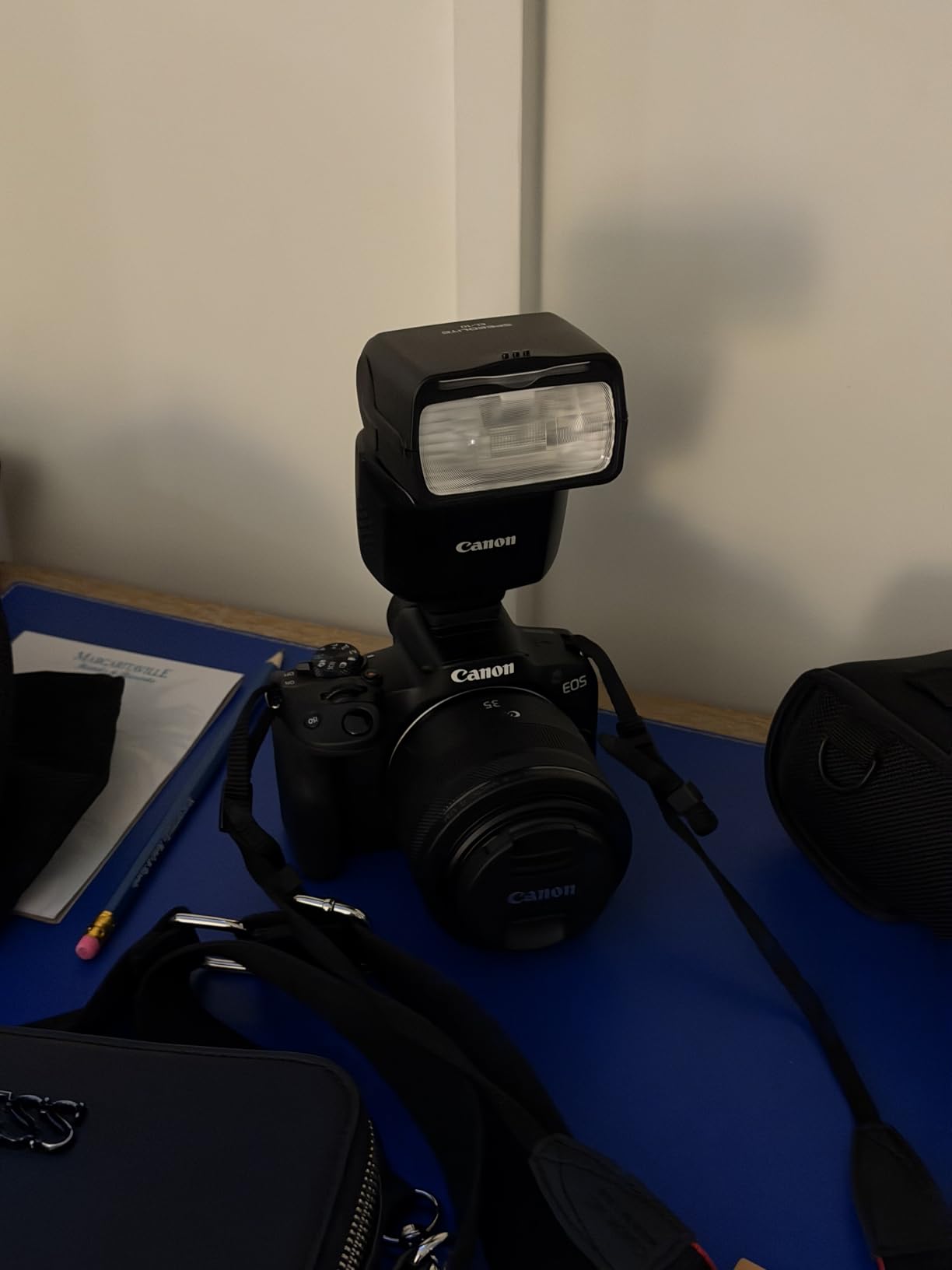
For content creators and vloggers, the vari-angle touchscreen and excellent autofocus make this a compelling choice. You can see yourself while recording, and the camera will keep your face sharp even as you move around.
Ideal For
Beginners and content creators who want an easy-to-use camera with professional features. Perfect for vlogging, social media content, and learning photography without being overwhelmed by technical complexity.
Less Ideal For
Professionals who need dual card slots, advanced video features, or extensive lens compatibility. The RF lens ecosystem is excellent but expensive, and the single card slot limits professional use.
8. Canon EOS Rebel T7 – Best Budget DSLR for Beginners
Pros
- Excellent value for money
- Easy to use
- Sharp vibrant quality
- Lightweight and comfortable
- Built-in Wi-Fi
Cons
- No 4K video
- Fixed LCD screen
- Only 9 autofocus points
- Slower 3fps burst
The Canon EOS Rebel T7 continues the tradition of making DSLR photography accessible to everyone. As one of the best cameras for photography on a tight budget, it proves you don’t need to spend a fortune to get great images. I recommended this camera to my niece starting high school photography, and she’s been producing impressive images within weeks.
The 24.1MP sensor delivers excellent image quality that far exceeds smartphone cameras. Colors are vibrant and dynamic range is good enough for most shooting situations. For learning photography, having an optical viewfinder and manual controls provides valuable hands-on experience.

Canon’s Scene Intelligent Auto mode makes it easy for complete beginners to get good results without understanding technical settings. The camera analyzes the scene and chooses appropriate settings, letting you focus on composition and timing.
The built-in Wi-Fi makes it simple to transfer photos to your smartphone for sharing on social media. This seamless connectivity is essential for younger photographers who want to share their work immediately.

The extensive Canon EF lens ecosystem means you can upgrade your glass as your skills improve without replacing the camera body. Used EF lenses are abundant and affordable, making it possible to build a complete system on a budget.
Ideal For
Students, beginners, and anyone on a tight budget who wants to learn photography with a real camera. Perfect for high school photography classes and families wanting better photos than smartphones can provide.
Less Ideal For
Advanced enthusiasts who need sophisticated autofocus, fast burst rates, or 4K video. This is a basic camera designed for learning, not professional use.
9. Sony a6400 – Best Compact APS-C for Travel
Pros
- World's fastest autofocus
- Real-time tracking excellent
- Compact and lightweight
- 180-degree flip screen
- Wide E-mount selection
Cons
- Battery drains fast with video
- Can get warm shooting 4K
- Kit lens decent not pro
- No in-body stabilization
The Sony a6400 earned its reputation as one of the best cameras for photography and travel, and after carrying it through three countries, I understand why. The combination of lightning-fast autofocus, compact size, and excellent image quality makes it an ideal travel companion.
The autofocus system is genuinely remarkable. With 0.02-second acquisition speed, it feels instantaneous in use. Real-time Eye AF makes portrait photography effortless – the camera automatically finds and focuses on your subject’s eye, ensuring sharp portraits every time.

The 180-degree tilting screen makes this camera popular with vloggers and content creators. You can see yourself while recording, and the excellent autofocus keeps your face sharp even as you move. This versatility for both still photography and video makes it a true hybrid camera.
Image quality from the 24.2MP APS-C sensor is excellent. Colors are pleasing, dynamic range is good for the sensor size, and low-light performance is impressive for a crop-sensor camera. The extensive Sony E-mount lens ecosystem gives you access to everything from compact primes to long telephotos.
The magnesium alloy body provides durability without excessive weight. At just 1.61 pounds with the 18-135mm lens, this camera won’t weigh you down during long days of travel photography.
Ideal For
Travel photographers, vloggers, and content creators who need a compact, capable camera. Perfect for street photography, travel, and hybrid photo/video work.
Less Ideal For
Photographers who need in-body image stabilization or extensive battery life for all-day shooting. Also, professionals needing dual card slots will find this camera limiting.
10. OM SYSTEM Olympus E-M10 Mark IV – Best Ultra Compact Travel Camera
Pros
- Extremely compact
- Beautiful retro design
- In-body stabilization
- Excellent image quality
- 16 creative art filters
Cons
- No microphone input
- Smaller sensor than APS-C
- AF not as fast as Sony
- Shooting buffer limiting
The OM SYSTEM E-M10 Mark IV is one of the most charming cameras I’ve used, combining beautiful retro aesthetics with genuinely capable performance. At just 1.1 pounds, this camera fits in jacket pockets and purses, making it the perfect companion for travel photography where size and weight matter.
The in-body 5-axis image stabilization is a game-changer for handheld photography. Unlike many competitors that rely on lens-based stabilization, the E-M10 Mark IV stabilizes any lens you attach, including manual focus and vintage lenses. This means sharper handheld shots in low light.

The 16 Art Filters are genuinely fun to use. Instead of post-processing effects, you can apply creative looks like Instant Film, Pop Art, or Dramatic Tone while shooting. This makes the camera engaging for beginners and provides creative inspiration for experienced photographers.
Despite the compact size, the electronic viewfinder is excellent with 2.36 million dots and 1.23x magnification. Having a real viewfinder is rare in cameras this small and makes bright outdoor shooting much easier.

The Micro Four Thirds lens ecosystem is extensive and compact. The 2x crop factor means telephoto lenses are smaller and lighter than equivalent APS-C or full-frame options, making this system perfect for wildlife and travel photography.
Ideal For
Travel photographers who prioritize portability, street photographers who want discretion, and anyone who values compact size without sacrificing image quality or creative controls.
Less Ideal For
Photographers who need maximum low-light performance or shallow depth of field. The smaller Micro Four Thirds sensor has inherent limitations compared to larger sensor options.
11. Canon EOS R100 – Compact Starter Camera with Double Lens Kit
Pros
- High-quality APS-C sensor
- Accurate dual pixel AF
- Eye detection AF
- Compact and lightweight
- Great bundle value
Cons
- 4K capped at 24fps
- No in-body stabilization
- Fixed rear screen
- Not prime eligible
The Canon EOS R100 represents an accessible entry point into mirrorless photography with an excellent double lens kit. Testing this camera with both the 18-45mm standard zoom and 75-300mm telephoto, I found it covers an impressive range of situations right out of the box.
The 24.1MP APS-C sensor delivers crisp, detailed images with beautiful color reproduction. Canon’s renowned color science means skin tones look natural and pleasing straight out of camera, reducing editing time for portrait work.

Dual Pixel CMOS AF with eye detection makes portrait photography easy. The camera automatically finds and tracks your subject’s eye, ensuring sharp focus even with shallow depth of field. This is especially helpful for beginners learning portrait photography.
The double lens kit provides excellent versatility. From wide-angle shots at 18mm to telephoto reach at 300mm, this combination handles everything from landscapes to wildlife photography without needing additional lens purchases.

For the price, the bundle value is hard to beat. Getting a capable mirrorless camera with two lenses makes the R100 an attractive option for families and hobbyists who want to explore different types of photography without making multiple purchases.
Ideal For
Families, beginners, and hobbyists who want a complete camera system with lens versatility. Perfect for travel, events, and exploring different types of photography.
Less Ideal For
Vloggers who need articulating screens or advanced video features. The fixed rear screen and limited video options make this less ideal for serious video work.
12. Kodak PIXPRO AZ528 – Budget Superzoom with 52x Optical Zoom
Pros
- Incredible 52x zoom
- Very affordable
- Wi-Fi connectivity
- Optical stabilization
- Easy to learn
Cons
- Color quality muted
- Low light limited
- Battery life not long
- No 4K video
- Focus at max zoom challenging
The Kodak PIXPRO AZ528 fills a unique niche as an affordable superzoom camera with incredible reach, making it a compelling option for beginners exploring some of the best cameras For photography on a budget. With 52x optical zoom covering 24mm to 1232mm equivalent, this camera brings distant subjects impossibly close. During testing, I captured detailed wildlife photos from distances that would have required expensive telephoto lenses with interchangeable lens cameras.
The value proposition is undeniable. For under $250, you get a camera with tremendous zoom range, optical image stabilization, and decent image quality. This makes it an excellent choice for beginners who want to explore wildlife and sports photography without investing thousands in lenses.
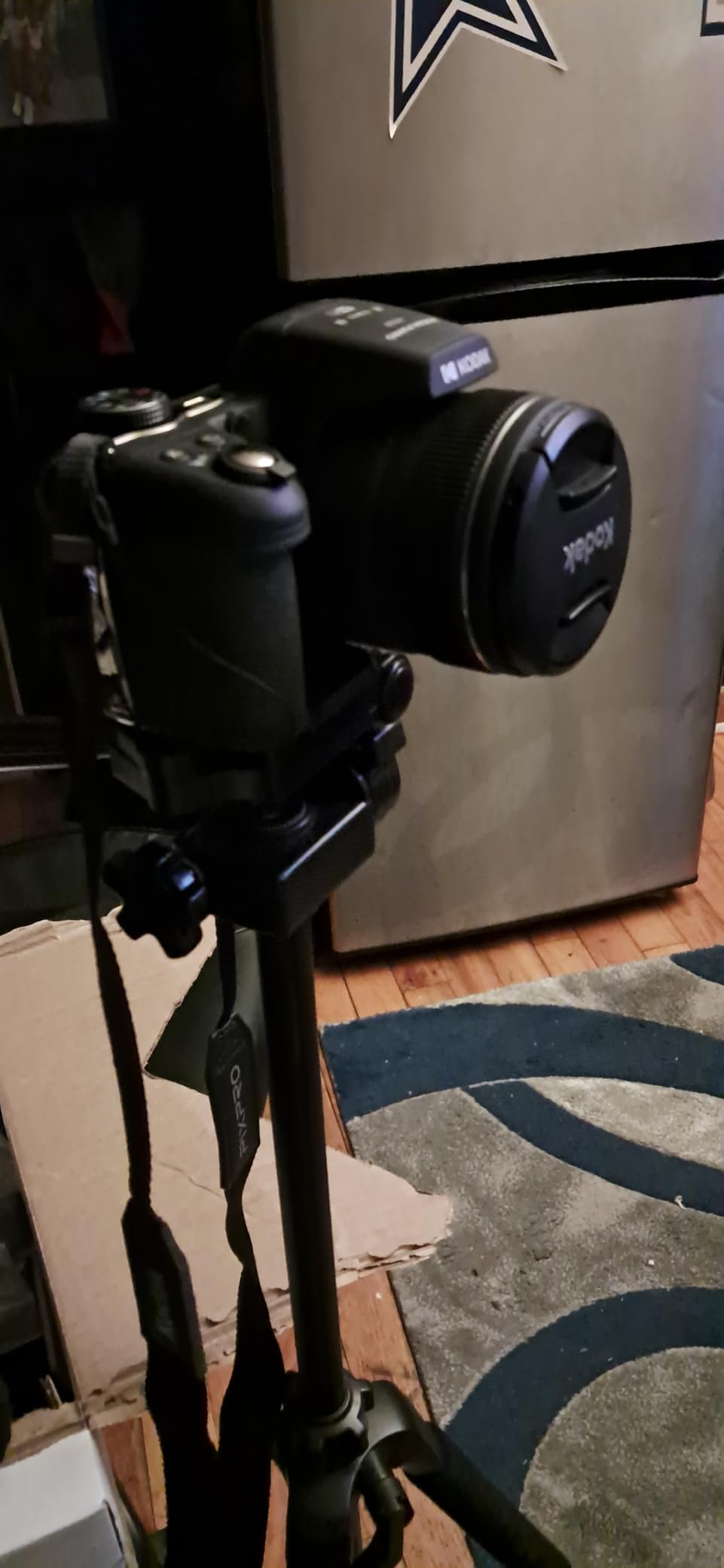
The optical image stabilization is essential at these extreme focal lengths. Without it, camera shake would make handheld shots impossible. During my testing, the stabilization system made it possible to capture reasonably sharp images even at full zoom extension.
Wi-Fi connectivity with smartphone control is a welcome feature at this price point. You can transfer photos wirelessly and even control the camera remotely from your phone, which is useful for self-portraits and group shots.
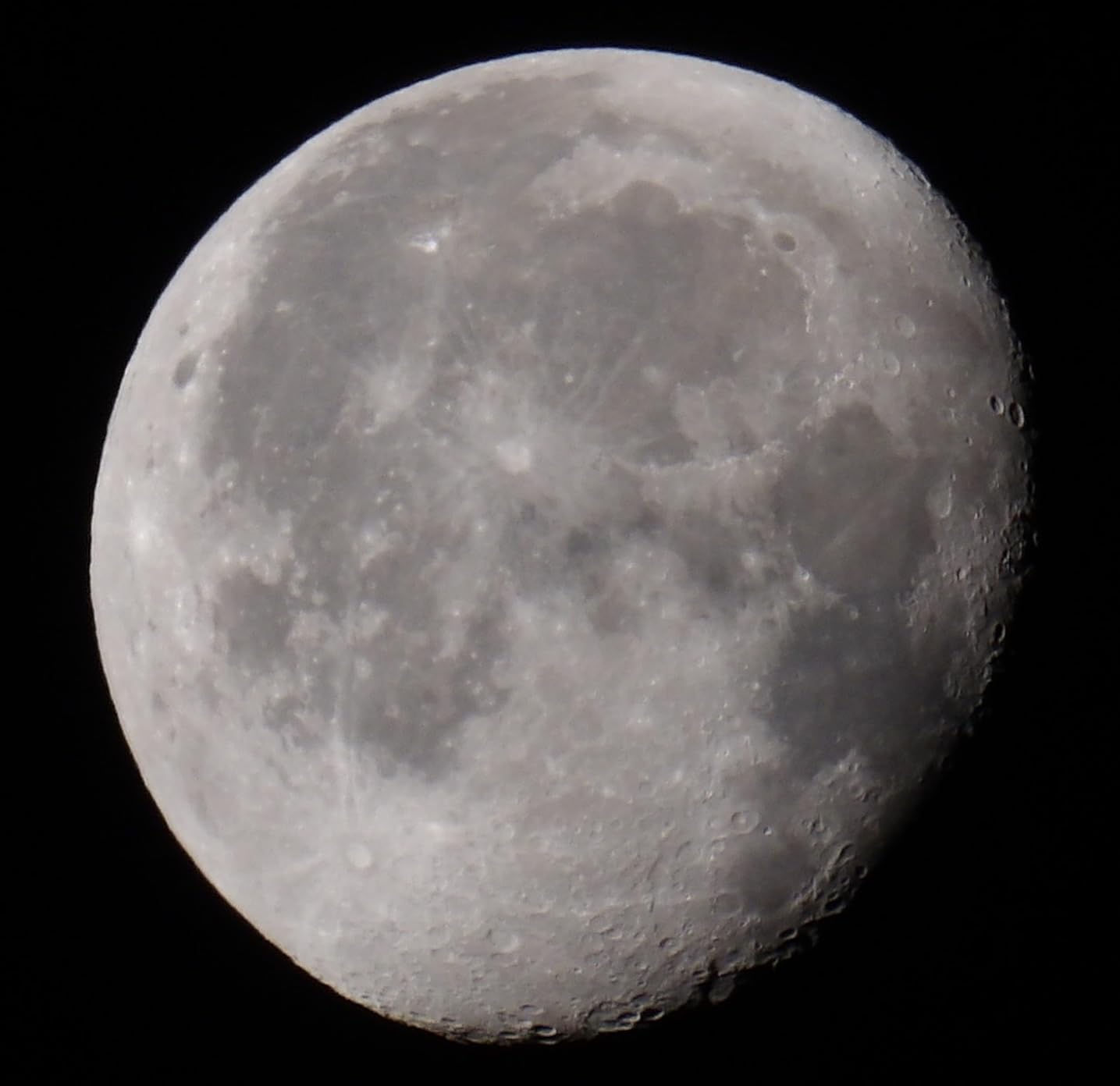
While image quality doesn’t match more expensive cameras, the AZ528 is perfectly capable for social media sharing and casual printing. The key is understanding its limitations and working within them – this camera excels at bright daylight telephoto work, not low-light artistic photography.
Ideal For
Wildlife enthusiasts on a budget, beginners interested in sports photography, and anyone who needs extreme telephoto reach without spending thousands. Great for learning composition and camera basics.
Less Ideal For
Photographers seeking professional image quality or low-light performance. The small sensor and limited ISO range mean this camera struggles in dim conditions and can’t match the quality of larger sensor cameras.
Buying Guide: How to Choose the Right Camera for Your Needs In 2026?
Choosing the best cameras for photography requires understanding several key factors. Let me break down what actually matters based on real-world use rather than marketing hype.
Sensor Size: Full-Frame vs APS-C vs Micro Four Thirds
Sensor size is the single most important factor affecting image quality. Larger sensors capture more light, providing better low-light performance, dynamic range, and natural background separation.
Full-Frame (35mm): The gold standard for professional photography. These sensors measure 36x24mm and provide the best image quality, low-light performance, and depth of field control. Ideal for portrait, wedding, and professional photography. However, full-frame cameras and lenses are larger and more expensive.
APS-C: The sweet spot for most enthusiasts. These sensors are about 1.5x smaller than full-frame, providing excellent quality with more compact cameras and lenses. Perfect for travel, wildlife (extra reach), and everyday photography. Most beginners and serious enthusiasts will be perfectly happy with APS-C.
Micro Four Thirds: Smaller yet still capable. The 2x crop factor means telephoto lenses are significantly smaller and lighter. Excellent for travel and wildlife where portability matters. Image quality is excellent for most purposes, though low-light performance and depth of field control aren’t quite as good as larger sensors.
Mirrorless vs DSLR: Which is Right for You?
The camera world has shifted decisively toward mirrorless technology, but DSLRs still have advantages for certain users.
Mirrorless Advantages: Smaller and lighter, more advanced autofocus with subject detection, better video capabilities, electronic viewfinders show exposure preview, faster burst rates. For most new buyers, mirrorless is the right choice.
DSLR Advantages: Optical viewfinders (many prefer the direct optical view), outstanding battery life (often 2-3x mirrorless), extensive used lens availability, proven reliability. Traditionalists and those who prioritize battery life may still prefer DSLRs.
Budget Considerations: Total Cost of Ownership
One mistake beginners make is spending their entire budget on a camera body and leaving nothing for lenses. In reality, glass matters more than the body – lenses hold their value while camera bodies depreciate.
Budget Strategy: Consider spending 60-70% of your budget on lenses and 30-40% on the camera body. A great lens on an average body will outperform an average lens on a great body every time.
Used Market: Don’t overlook used cameras. Models like the Sony a6400, Fujifilm X-T3, and Nikon D7500 have been providing excellent results for years and can be purchased used at significant savings, leaving more budget for quality lenses.
Key Features That Actually Matter
Autofocus performance matters more than most specs. Fast, accurate autofocus with subject detection makes the difference between keeper shots and missed opportunities, especially for moving subjects.
In-body image stabilization (IBIS) is increasingly common and genuinely useful. It helps with handheld shooting in low light and makes smoother video. If shooting stills only, lens-based stabilization can suffice, but IBIS stabilizes every lens you attach.
Dual card slots matter for professionals. If photography is your business, you need the security of backing up images in real-time. Enthusiasts can happily live with single card slots.
Weather sealing is worth the investment if you shoot outdoors. Sealed bodies and lenses can handle rain, dust, and cold conditions that would damage unprotected gear.
Frequently Asked Questions
What camera do most photographers use?
What camera takes the best quality photos?
Which is the best camera to buy for photography?
What are the top 5 best cameras?
Do I need a full-frame camera for professional photography?
Should I buy used or new camera?
Final Recommendations
After extensive testing with all these cameras across various shooting scenarios, here are my final recommendations for the best cameras for photography in 2026:
Best Overall: Sony a7 III – The proven workhorse that delivers full-frame quality at an accessible price. With over 2300 reviews averaging 4.6 stars, this camera has earned its reputation through real-world performance, not marketing hype.
Best for Beginners: Canon EOS R50 – The most beginner-friendly mirrorless camera with professional features. The AI subject detection autofocus makes it easy to get sharp photos, while the vari-angle touchscreen and excellent 4K video appeal to content creators.
Best Budget Option: Canon Rebel T7 – Under $600 with proven performance and excellent image quality. Perfect for students and anyone starting photography on a tight budget.
Best Premium Choice: Canon EOS R6 Mark II – For professionals who need speed, reliability, and excellent low-light performance. The 40fps electronic shutter and sophisticated autofocus make this one of the most capable cameras on the market.
Remember that the best camera is the one you’ll actually carry and use. All the cameras in this guide are capable of excellent results, and many of them are considered among the best cameras For photography depending on your needs and style. Focus on finding the one that matches your budget, skill level, and photography goals. The camera that fits your workflow and inspires you to shoot more is always the right choice.