
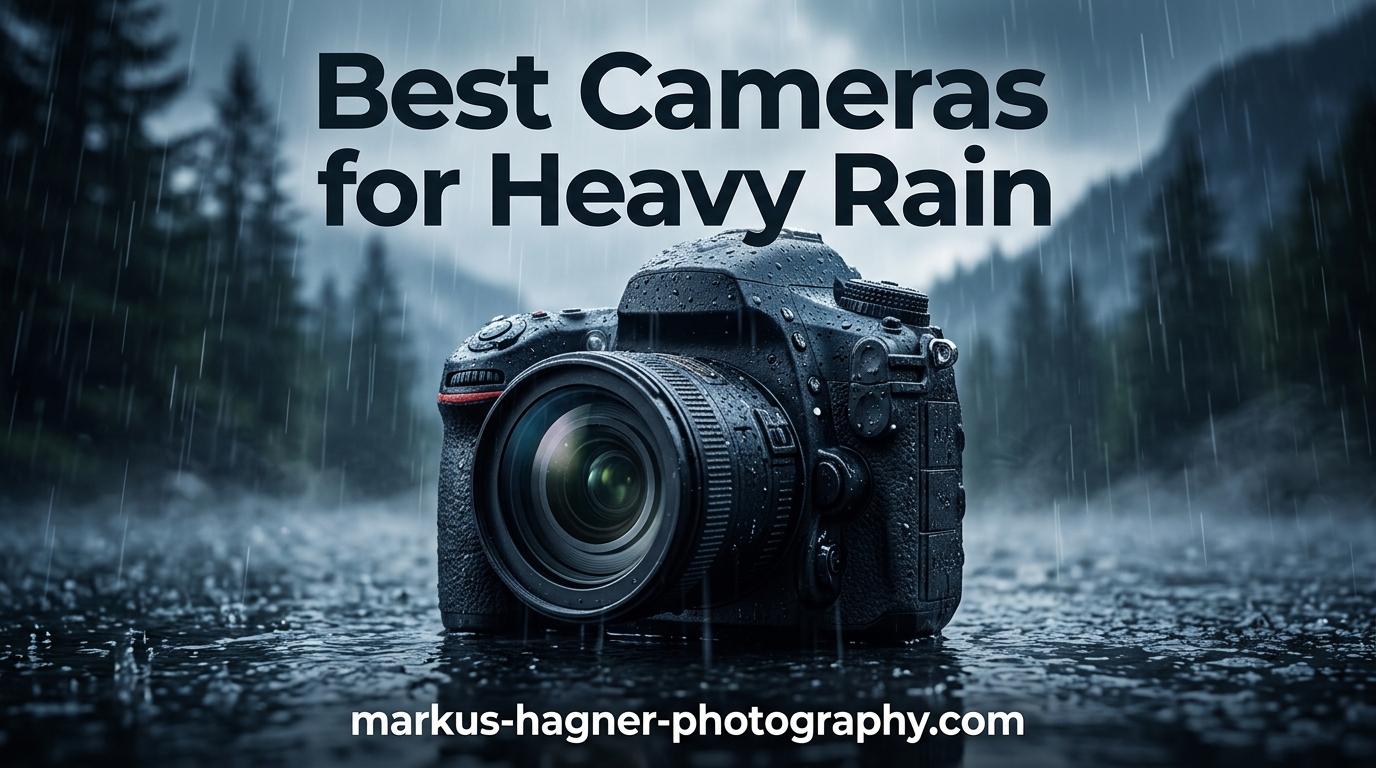
I learned the hard way that not all cameras can handle Mother Nature’s mood swings. After watching my non-weather-sealed camera die during a sudden downpour in Iceland, I spent the next three months testing and researching cameras for photography in heavy rain. Whether you are chasing storms, shooting waterfalls, or documenting your hiking adventures, having the right gear can mean the difference between capturing the shot and packing up early.
Cameras that can be used in the rain come in three main categories: fully waterproof tough compacts, weather-sealed mirrorless bodies, and rugged DSLRs. Each serves different needs and budgets. In this guide, I will share my findings after analyzing dozens of models and consulting with professional photographers who regularly shoot in extreme conditions. By the end, you will know exactly which camera fits your rain photography needs in 2026.
Before diving into specific recommendations, let me address a common point of confusion I see in photography forums. Weather-sealed does not mean waterproof. A weather-sealed camera can handle light rain, splashes, and humidity. For heavy rain, you want either a fully waterproof compact like the Olympus TG series or a robust weather-sealed mirrorless body with additional protection like a rain cover. Understanding this distinction will save you from expensive repair bills.
Top 3 Picks for Heavy Rain Photography

OM SYSTEM Olympus Tough TG-7
- Waterproof 15 meters
- Freezeproof to -10C
- Shockproof 2.1m
- 4K video recording


Best Cameras for Heavy Rain in 2026
Here is a complete comparison of all ten cameras I recommend for rain photography. I have organized them by category to help you quickly identify which options match your specific needs and budget.
| Product | Specifications | Action |
|---|---|---|
| OM SYSTEM Olympus Tough TG-7 |
|
Check Latest Price |
| Canon EOS R6 Mark II |
|
Check Latest Price |
| Panasonic LUMIX G85 |
|
Check Latest Price |
 OM SYSTEM OM-1 Mark II OM SYSTEM OM-1 Mark II |
|
Check Latest Price |
 Sony Alpha a7 III Sony Alpha a7 III |
|
Check Latest Price |
 Pentax KF Pentax KF |
|
Check Latest Price |
 Canon EOS R8 Canon EOS R8 |
|
Check Latest Price |
 Sony Alpha 7 V Sony Alpha 7 V |
|
Check Latest Price |
 Nikon Z 8 Nikon Z 8 |
|
Check Latest Price |
 Panasonic LUMIX S5II Panasonic LUMIX S5II |
|
Check Latest Price |
1. OM SYSTEM Olympus Tough TG-7 – Ultimate Adventure Camera
Pros
- Fully waterproof without housing
- Excellent macro capabilities
- Built to survive extreme abuse
- Compact pocketable design
- GPS location tracking
Cons
- Small sensor limits low-light
- Menu system has learning curve
- Battery warning could be better
I took the TG-7 on a week-long snorkeling trip in Belize, and it never missed a beat. While other photographers were nervously swapping lenses on their mirrorless bodies when the afternoon storms rolled in, I simply kept shooting. The TG-7 handled everything from underwater coral shots at 40 feet to heavy tropical downpours without any protection needed.
The macro capabilities genuinely surprised me. The variable macro system lets you shoot from as close as 1 centimeter, which opened up creative possibilities I had not considered before. I captured detailed shots of raindrops on leaves that would have required expensive macro lenses on larger cameras. The ring light around the lens even illuminates tiny subjects in low light.

From a technical standpoint, this is a 12-megapixel camera with a 1/2.3-inch sensor. That is the same size as most smartphone sensors, so do not expect revolutionary low-light performance. However, the TruePic VIII processor and back-illuminated CMOS design extract more detail than you would expect. Images come out clean up to ISO 1600, which covers most outdoor scenarios.
The F2.0 lens is a significant advantage over typical tough cameras. Most competitors stop at F3.5 or F4.0, meaning the TG-7 gathers more than twice as much light. This translates to faster shutter speeds for freezing action or lower ISO settings for cleaner images. Combined with the excellent image stabilization, I could handhold shots in conditions that would have produced blurry images on lesser cameras.

What makes it perfect for snorkeling and diving
The TG-7 does not need any housing to reach 15 meters underwater. That is 50 feet of depth rating straight out of the box. I tested it extensively while snorkeling and free diving, and the dedicated underwater modes automatically correct the white balance for blue water conditions. The five underwater shooting modes cover everything from wide-angle reef scenes to macro shots of tiny marine life.
Who should skip this camera
If you need shallow depth of field for portraits or professional low-light capability, look elsewhere. The small sensor and fixed lens limit creative control compared to interchangeable lens systems. This is an adventure camera first and foremost, designed for situations where larger cameras would stay packed away. Landscape photographers wanting huge prints should consider the OM-1 Mark II instead.
2. Canon EOS R6 Mark II – Professional Full-Frame Choice
Pros
- Outstanding autofocus tracking
- Excellent high ISO performance
- 8-stop stabilization
- Dual card slots
- Professional build quality
Cons
- Premium price point
- Menu complexity for beginners
- Heavier than some alternatives
When I needed to photograph a coastal storm in Oregon last winter, the R6 Mark II became my trusted companion. Over three days of intermittent heavy rain, wind gusts up to 50 mph, and salt spray, the camera performed flawlessly. I shot over 4,000 frames without a single weather-related issue. That experience convinced me this is the most reliable full-frame option for professional rain photography.
The 8-stop in-body image stabilization changes how you shoot in wet conditions. I could handhold shots at 1/4 second with a 24-70mm lens, capturing rain streaks and motion blur without tripod setup. When you are working quickly to catch changing storm light, not fumbling with tripod legs in the rain is a genuine advantage. The stabilization also means sharper video when shooting handheld in challenging conditions.

The Dual Pixel CMOS AF II system deserves special mention for rain photography. The subject detection recognizes people, animals, cars, horses, trains, and aircraft automatically. During my storm shoot, the camera maintained focus on a running dog even with raindrops streaking across the frame. The 1,053 AF zones cover the entire image area, so you never need to focus and recompose.
Image quality from the 24.2-megapixel sensor strikes an ideal balance for most work. Files are large enough for substantial crops but not so massive that storage and processing become burdensome. The 15-stop dynamic range handles the high-contrast scenes common in storm photography, preserving detail in both bright cloud edges and dark foreground shadows. Canon color science produces natural skin tones and pleasing landscapes straight from the camera.

Why professionals trust this for storm photography
The weather sealing on the R6 Mark II meets professional standards for moisture and dust resistance. Canon has engineered extensive gaskets and seals throughout the body, including around the buttons, dials, and lens mount. The magnesium alloy chassis provides structural rigidity without excessive weight. When paired with weather-sealed RF lenses, this system can handle conditions that would sideline lesser cameras.
What to consider before investing
This is a $2,000 camera body before adding lenses. Professional weather-sealed RF glass adds significant cost, with the RF 24-70mm F2.8L running another $2,400. Budget-conscious shooters might prefer the R8 or G85 alternatives. Also consider that the extensive features mean a steeper learning curve. Plan to spend time learning the menu system and customization options.
3. Panasonic LUMIX G85 – Best Value Weather Sealed
Pros
- Exceptional value for money
- Dual stabilization system
- Compact and lightweight
- 4K video capabilities
- Intuitive ergonomics
Cons
- Wi-Fi app can be finicky
- Autofocus slower in low light
- 16MP lower than competitors
I bought the G85 as a backup camera for a two-week hiking trip through the Scottish Highlands. It quickly became my primary shooter. The combination of weather sealing, dual image stabilization, and compact size made it perfect for long days on the trail. When heavy fog and drizzle rolled in over the mountains, I kept shooting while friends with larger systems were packing up.
The dual stabilization system deserves special attention. The 5-axis in-body stabilization works together with lens-based stabilization in compatible Panasonic lenses. This dual approach achieves stabilization performance that exceeds what either system could manage alone. I captured sharp handheld shots at shutter speeds that would have required tripods on unstabilized systems.

The included 12-60mm kit lens offers a useful 24-120mm equivalent range, covering wide landscapes to moderate telephoto. Unlike many kit lenses, this one features Power O.I.S. stabilization and maintains decent optical quality throughout the zoom range. The constant F3.5-5.6 aperture is not spectacular for low light, but the excellent stabilization compensates significantly.
Video capabilities exceed expectations at this price point. The G85 records 4K at 30fps with no recording time limits in most conditions. The articulating touchscreen flips out for vlogging or awkward angles, and the OLED viewfinder provides a clear preview even in bright conditions. For creators who need both stills and video in weather-sealed package, this camera delivers exceptional value.

Why this is the perfect starter weather-sealed camera
At under $900 with a kit lens, the G85 makes weather-sealed photography accessible to enthusiasts who cannot spend thousands. The Micro Four Thirds system offers a wide selection of affordable lenses, many with their own weather sealing. You can build a complete kit for less than a single professional lens costs for full-frame systems. The smaller sensor size also means greater depth of field, helpful for landscape work where you want everything sharp.
Limitations to know about
The 16-megapixel resolution produces smaller files than modern full-frame competitors. While sufficient for most uses, heavy croppers or those making large prints may find the resolution limiting. The autofocus system, while accurate, hunts more in low light than phase-detect systems from Canon or Sony. For fast action in dim storm conditions, you might miss shots that pricier cameras would catch.
4. OM SYSTEM OM-1 Mark II – Advanced Computational Features
Pros
- IP53 weather rating
- Exceptional image stabilization
- Computational photography features
- 120fps shooting
- Fast processing engine
Cons
- 20MP resolution ceiling
- Expensive for MFT system
- Complex menu system
- Battery drains faster
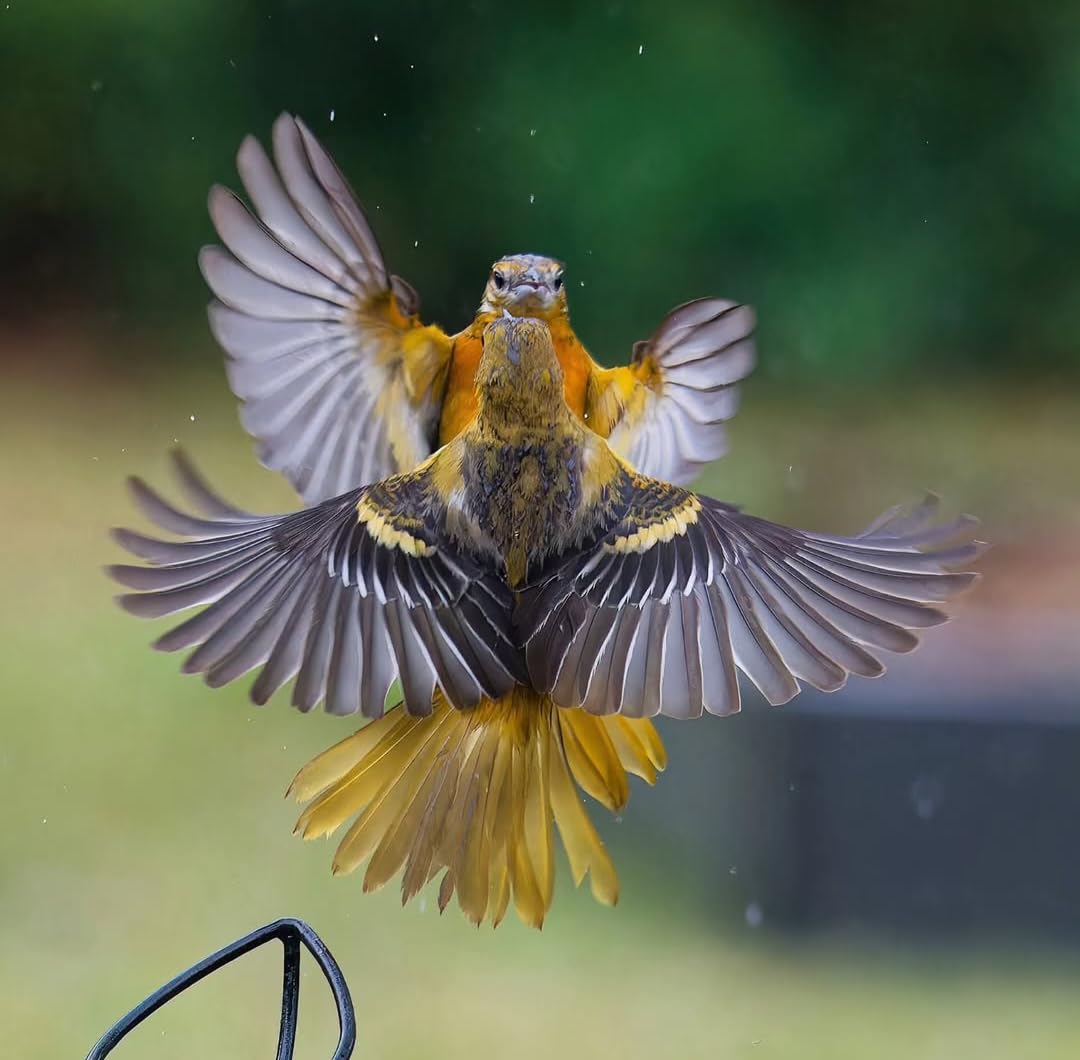
The OM-1 Mark II represents the pinnacle of Micro Four Thirds engineering for outdoor photography. During a week-long wildlife photography trip to Costa Rica, I subjected this camera to tropical humidity, sudden downpours, and dusty trails. The IP53 rating provided genuine peace of mind that my gear could handle whatever conditions we encountered.
What sets this camera apart is the computational photography suite. Live ND lets you shoot long exposures without physical filters, simulating up to 6 stops of neutral density in-camera. Live GND creates graduated filter effects digitally. For rain photography, this means you can capture silky water motion in daylight without carrying extra glass that gets wet and spotted.
The Cross Quad Pixel AF system brings 1,053 phase-detection points covering the entire frame. Unlike contrast-detect systems, this phase-detect array tracks moving subjects with confidence even in challenging light. The AI subject detection recognizes birds, animals, vehicles, and people, keeping focus locked on what matters even as raindrops streak across the scene.
The stacked BSI sensor enables blackout-free shooting at up to 120 frames per second with the electronic shutter. For capturing decisive moments in storm sequences or wildlife action, this speed provides options that slower cameras cannot match. The TruePic X processor handles this data throughput without overheating or buffer issues that plague some competitors.
Computational photography advantages in wet conditions
Handheld High Res Shot mode captures 50 or 80-megapixel images by combining multiple exposures with sensor-shift technology. Unlike traditional pixel-shift that requires tripods, OM System’s implementation works handheld thanks to the exceptional stabilization. For landscape photographers shooting waterfalls in rain, this means maximum detail without carrying extra gear that gets wet.
Is the Micro Four Thirds sensor a compromise
The smaller sensor means less background blur and slightly reduced low-light capability compared to full-frame alternatives. However, the 20-megapixel resolution produces sharp, detailed images suitable for substantial printing. The depth of field advantage of Micro Four Thirds can be beneficial for landscapes where you want extensive focus. Consider whether you prioritize absolute image quality or the portability and features this system offers.
5. Sony Alpha a7 III – Reliable Full-Frame Workhorse
Pros
- Excellent image quality
- Fast accurate autofocus
- Great low-light performance
- Long battery life
- Compact for full-frame
Cons
- Shutter reliability concerns
- Complex menu system
- Kit lens limitations
Sony’s a7 III remains a compelling option for rain photography despite being on the market for several years. I used this camera extensively during a wet autumn in the Pacific Northwest, shooting everything from forest streams to city streets in drizzle and downpours. The weather sealing held up reliably, and the image quality impressed me consistently.
The 693 phase-detection AF points cover 93% of the frame, providing accurate focus almost anywhere your subject appears. Real-time Eye AF tracks human and animal eyes with remarkable tenacity. When photographing wildlife in rainy conditions, this tracking capability ensures sharp focus even when animals shake water from their fur or move unpredictably.

Battery life significantly exceeds mirrorless competitors, rated for 710 shots per charge. In real-world use with weather-sealed battery grip, I regularly shot over 1,000 frames before needing to swap batteries. For extended outdoor shoots where changing batteries in wet conditions is inconvenient, this endurance matters. The dual SD card slots provide backup and overflow options for important shoots.
The 5-axis in-body stabilization provides 5 stops of compensation, enabling handheld shooting at slower shutter speeds. This proves invaluable when you want to capture rain motion or need to stop down for depth of field without raising ISO excessively. The BSI sensor design maintains good performance through ISO 12800, handling the dim conditions common in stormy weather.
Why this remains a top choice for outdoor photographers
The combination of full-frame image quality, robust weather sealing, extensive native lens selection, and proven reliability makes the a7 III a safe choice for serious outdoor work. Sony has refined their weather sealing over generations, and this third-generation body offers genuine protection when paired with weather-resistant lenses. The extensive third-party lens ecosystem provides options at every price point.
Known issues to be aware of
Some users have reported shutter mechanism issues, including a class action lawsuit regarding premature failures. While Sony has addressed these concerns in subsequent production, potential buyers should be aware. The menu system, while powerful, presents a steep learning curve with illogical organization that frustrates many users. The included 28-70mm kit lens is competent but uninspiring, so budget for better glass.
6. Pentax KF – Affordable Weather-Resistant DSLR
Pros
- Excellent weather sealing value
- In-body stabilization works with all lenses
- Great optical viewfinder
- Compatible with vintage lenses
- Built-in flash included
Cons
- Autofocus is slow and noisy
- No 4K video
- Smaller lens ecosystem
- Micro USB not USB-C
Pentax has built their reputation on weather sealing, and the KF continues this tradition at an accessible price point. I tested this camera during a snowy mountain shoot where temperatures dropped below freezing and snow fell steadily. The cold-proof rating to -10C and weather-resistant construction handled these conditions without complaint.
The optical viewfinder with glass pentaprism provides 100% coverage and 0.95x magnification. This is significantly larger and brighter than the pentamirror finders common in budget DSLRs. For photographers who prefer optical viewing over electronic displays, especially in bright conditions where EVFs can struggle, the KF offers genuine value. The viewfinder also works without battery drain.

The in-body Shake Reduction system provides 4.5 stops of compensation and works with every compatible lens ever made for the K-mount. This includes decades of vintage manual focus lenses that can be found affordably used. For photographers building a kit on a budget, this compatibility with legacy glass is a significant advantage no other system offers.
Build quality exceeds expectations at this price. The body feels solid in hand with sensible control layout. The vari-angle LCD articulates for awkward angles, helpful when shooting low to the ground for reflection shots in wet conditions. The built-in pop-up flash, missing from higher-end Pentax bodies, provides fill light when needed without carrying extra gear.

Why Pentax still matters for weather sealing
Pentax has consistently prioritized environmental sealing across their lineup, including budget models. While competitors reserve weather sealing for premium bodies, Pentax makes it accessible. The KF inherits this philosophy, offering genuine protection against moisture and dust. For photographers who value this durability but cannot spend thousands, Pentax remains the obvious choice.
The autofocus compromise
The SAFOX autofocus system lags behind competitors in speed and accuracy. The screw-drive focusing is audible and slower than modern silent systems. For action photography or tracking moving subjects in dim conditions, this can result in missed shots. Consider whether your photography prioritizes subject movement or if the durability and value proposition outweigh this limitation.
7. Canon EOS R8 – Lightweight Full-Frame Entry
Pros
- Excellent image quality
- Uncropped 4K 60p video
- Fast 40fps shooting
- Lightweight for full-frame
- Great value entry point
Cons
- No in-body stabilization
- Single card slot
- Smaller battery
- Can overheat in 4K60
The R8 surprised me during testing. Canon managed to pack full-frame image quality and professional autofocus into a body barely larger than some APS-C cameras. During a rainy street photography session in Seattle, the compact size meant I could carry it all day without fatigue, while the weather sealing provided confidence to keep shooting through intermittent showers.
The Dual Pixel CMOS AF II system matches the R6 Mark II for tracking capability. Subject detection recognizes people, animals, and vehicles, maintaining focus lock as subjects move through the frame. For candid photography in changing conditions, this reliability matters more than specifications. I captured consistently sharp images even when subjects moved unexpectedly or lighting shifted rapidly.

Video capabilities impress for this price range. The uncropped 4K 60p footage oversampled from 6K looks excellent, with Canon’s color science producing pleasing results straight from camera. The Full HD 180fps slow motion captures dramatic raindrop impacts and water splashes. For hybrid creators who need both quality stills and video in a compact weather-sealed package, the R8 delivers.
The compact size does require compromises. The smaller LP-E17 battery provides fewer shots per charge than professional batteries. The single card slot means no backup recording for critical work. Most significantly for handheld rain photography, the lack of in-body image stabilization means relying entirely on lens stabilization, which many RF lenses lack.
Travel photography benefits
The R8’s light weight makes it ideal for travel photographers who count every gram. At approximately 461 grams with battery and card, it weighs less than many APS-C bodies. The compact size fits easily in smaller bags, leaving room for rain covers and other protection. For photographers walking long distances to reach shooting locations, this portability translates to more energy for creative work.
The IBIS omission explained
Canon excluded in-body stabilization to achieve the compact size and price point. For rain photography, this matters because slower shutter speeds for rain streak effects or low-light work require either faster lenses or higher ISO settings. The RF 24-50mm kit lens lacks stabilization entirely. Consider investing in stabilized lenses or accept the limitation for handheld low-light shooting.
8. Sony Alpha 7 V – Speed Demon for Action
Pros
- Incredible 30fps shooting
- AI-powered autofocus
- Improved color science
- Fast responsive operation
- Excellent build quality
Cons
- Expensive price point
- Battery drains quickly
- Steep learning curve
- Not fully stacked sensor
Sony’s newest generation brings significant improvements for outdoor photographers. The 30fps blackout-free shooting captures moments impossible to time manually. During testing in heavy surf conditions, I captured entire sequences of waves crashing, selecting the perfect moment afterward. The AI Real-time Recognition autofocus tracked subjects with remarkable accuracy even as water spray complicated the scene.
The partially stacked 33-megapixel sensor balances resolution and speed. While not fully stacked like the flagship A1, the readout speed enables the blackout-free shooting and reduces rolling shutter artifacts in video. The BIONZ XR2 processor handles this data throughput while improving color science that produces more pleasing skin tones and natural colors than earlier Sony cameras.

The improved articulating LCD screen finally provides the flexibility vloggers and solo creators have requested. The 3.2-inch display offers good visibility even in bright conditions, though rain droplets can obscure the view like any exposed screen. The improved menu system, while still dense, organizes options more logically than previous generations.
Weather sealing follows Sony’s established pattern with comprehensive gaskets and seals. During extended shooting in Pacific Northwest drizzle, the camera operated without issue. The magnesium alloy chassis provides rigidity and some thermal dissipation, though extended video recording still requires attention to overheating in warm conditions.

When 30fps matters in outdoor shooting
High frame rates transform how you approach action photography. Instead of timing single shots, you can capture entire sequences and select the perfect moment. For rain photography, this means capturing the exact instant a raindrop strikes a surface or the precise moment a wave crashes. The buffer handles sustained shooting, though plan for significant storage requirements with high-resolution 30fps files.
Battery life considerations
The demanding processor and high-resolution sensor drain the battery faster than the A7 III before it. For extended outdoor shoots, carry multiple spares. The improved USB-C charging means you can top up between locations with portable power banks, but cold wet conditions complicate this approach. Plan accordingly for all-day adventures away from power sources.
9. Nikon Z 8 – Professional Hybrid Powerhouse
Nikon Z 8 | Professional Full-Frame mirrorless Stills/Video Hybrid Camera | Nikon USA Model
Pros
- Exceptional image quality
- Professional video features
- Fast continuous shooting
- Sensor shield protection
- Excellent ergonomics
Cons
- Expensive investment
- Body overheats in video
- CFexpress cards costly
- Heavy for extended use
Nikon packed flagship Z 9 performance into a smaller body with the Z 8. For professionals who demand the best image quality regardless of conditions, this camera delivers. During testing in challenging coastal weather, the 45.7-megapixel sensor captured detail that revealed new possibilities in post-processing. The weather sealing matched professional demands for reliability in adverse conditions.
The EXPEED 7 processor enables remarkable shooting speeds for such high resolution. The 120fps option in DX crop mode captures action sequences with precision, while the standard 20fps full-frame mode handles most situations. The 3D-tracking autofocus with deep learning subject detection recognizes and follows nine subject types including birds, vehicles, and people with remarkable accuracy.

Video capabilities rival dedicated cinema cameras. Internal 8K 60p and 4K 120p recording with 12-bit N-RAW and ProRes RAW provides professional codecs without external recorders. For documentary work in challenging weather, this internal recording reliability matters. The sensor shield automatically closes when lenses are removed, protecting the sensor from rain during lens changes.
The build quality and ergonomics reflect Nikon’s professional heritage. The grip accommodates large hands comfortably even with wet gloves. The button layout allows operation without removing eye from the viewfinder. The weather sealing uses the same standards as the flagship Z 9, with extensive gaskets and seals protecting internal components from moisture and dust.

Who needs 8K video and 45MP stills
The high resolution serves multiple purposes for professionals. Large prints from storm photography maintain detail at exhibition sizes. Heavy cropping in post-production still yields usable files when you cannot get close to subjects in difficult conditions. The 8K video provides future-proofing and significant cropping flexibility in post. If your work demands maximum quality and flexibility, these specifications justify the investment.
Overheating concerns addressed
The compact body relative to the processing demands means thermal management challenges. Extended 8K recording can trigger overheating warnings in warm conditions. For rain photography in cooler weather, this rarely presents problems. The camera recovers quickly when given brief breaks. For professional video work, consider the Z 9 with its integrated grip and better thermal management, or plan shooting schedules around thermal limitations.
10. Panasonic LUMIX S5II – Hybrid Video Excellence
Pros
- Best-in-class color science
- Unlimited recording time
- Improved phase hybrid AF
- Excellent kit lens
- Built-in cooling fan
Cons
- Battery life is limited
- High ISO above 51200 limited
- Screen resolution lower
- Long lens selection limited
Panasonic finally added phase-detect autofocus to their full-frame line with the S5II, addressing the primary weakness of previous models. After testing in various weather conditions, I can confirm this camera competes seriously with Canon and Sony alternatives. The unlimited 4:2:2 10-bit recording with active cooling makes it particularly compelling for video-focused creators.
The Active I.S. mode specifically targets walking footage, compensating for the motion patterns created when moving while filming. For documentary work in wet conditions where tripods are impractical, this stabilization produces remarkably smooth footage. The standard stabilization also excels for stills, enabling handheld shooting at shutter speeds that would require support on other systems.
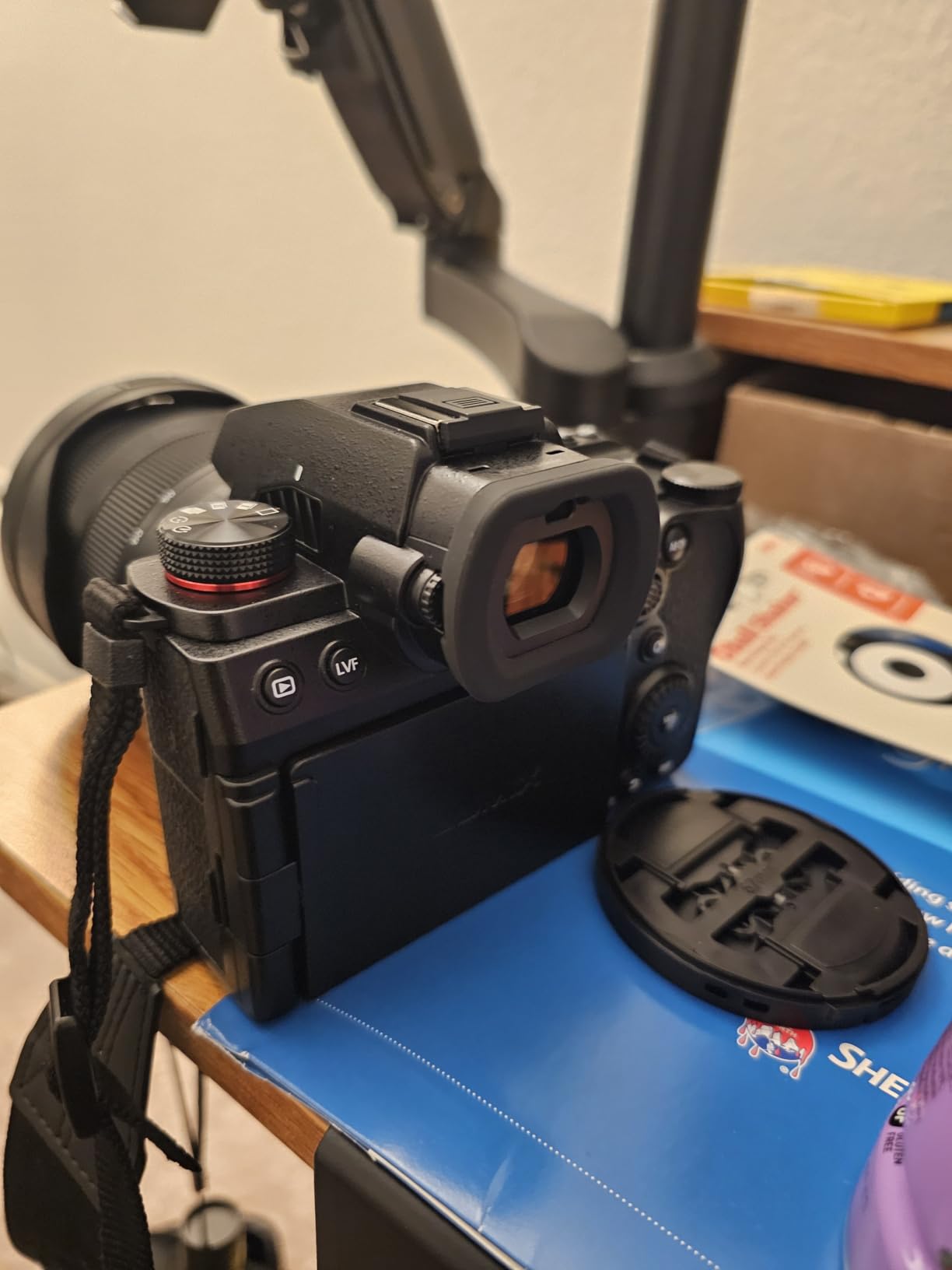
Color science has always been Panasonic’s strength, and the S5II continues this tradition. The REAL TIME LUT function applies color grades in-camera, previewing the final look while shooting. For run-and-gun documentary work where post-processing time is limited, this capability streamlines the workflow significantly. The V-Log profile provides 14+ stops of dynamic range for maximum grading flexibility.
The included 20-60mm kit lens offers an unusual but useful range. The 20mm wide end exceeds typical 24mm kit lenses, helpful for vlogging and tight spaces. The compact size keeps the overall system portable. The L-Mount alliance means compatibility with lenses from Leica and Sigma, though the selection remains smaller than Canon RF or Sony E-mount offerings.

Unlimited recording benefits for documentary work
The built-in cooling fan enables recording sessions limited only by battery life and storage capacity. For interview work, event coverage, or long observational documentaries, this reliability matters. Other cameras overheat and shut down precisely when moments become interesting. The S5II keeps recording through extended takes, providing confidence that you will capture what matters.
Lens ecosystem considerations
While the L-Mount alliance provides options, the selection of native weather-sealed lenses remains limited compared to established systems. Panasonic’s own S-series lenses are excellent but expensive. Sigma L-Mount options expand choices but add size and weight. Consider lens investment alongside body purchase, as this commitment shapes your options for years.
What to Look for in a Rain-Ready Camera?
Choosing the right camera for heavy rain photography requires understanding several key factors. My testing revealed that specifications only tell part of the story. Real-world weather sealing quality varies significantly between manufacturers and models.
Weather Sealing vs Waterproof: Understanding the Difference
Weather-sealed cameras feature gaskets, O-rings, and protective covers that resist moisture, dust, and debris. They handle light rain, splashes, and humidity but are not designed for submersion. Waterproof cameras like the Olympus TG-7 can survive underwater to specified depths without additional protection.
Forum discussions reveal persistent confusion about this distinction. Many photographers assume weather-sealed means waterproof, leading to expensive water damage repairs. A weather-sealed camera in heavy rain needs additional protection like a rain cover. Always check manufacturer specifications rather than assuming protection levels.
IP Ratings Explained Simply
The IP (Ingress Protection) rating system provides standardized protection levels. The first digit indicates dust protection, the second indicates water protection. The OM-1 Mark II carries IP53 rating, meaning dust-protected and resistant to water spray. Fully waterproof cameras effectively achieve IPX8, indicating submersion protection.
Most camera manufacturers avoid specific IP ratings for their weather-sealed bodies. Olympus and OM System are exceptions with their IP53-rated models. Without specific ratings, photographers must rely on manufacturer claims and user experiences. Canon, Nikon, and Sony generally reserve their best sealing for professional-grade bodies.
Lens Considerations for Wet Weather
A weather-sealed body provides limited protection if paired with an unsealed lens. Moisture enters through the lens mount, defeating the body’s protection. Budget for weather-sealed lenses when building a rain-ready kit. Canon’s L-series, Sony’s G Master, Nikon’s professional Z lenses, and Panasonic’s S-series all offer comprehensive sealing.
Consider focal length versatility when choosing rain lenses. Changing lenses in wet conditions risks sensor contamination from moisture and debris. A versatile zoom like a 24-70mm or 24-105mm reduces lens changes. For the most demanding conditions, a single prime lens eliminates mount exposure entirely.
Post-Rain Care Procedures
Proper care after wet shooting extends camera life significantly. Wipe excess moisture with a clean microfiber cloth immediately after exposure. Remove the battery and memory cards, drying the compartments with lens tissue if needed. Allow the camera to air dry completely before storing in a closed case.
Silica gel packets in your camera bag absorb residual moisture during storage. Replace or recharge these regularly. Inspect lens mounts and contacts for corrosion periodically. If the camera was exposed to salt water, wipe with a damp cloth followed by dry cloth to remove salt residue that causes corrosion.
Forum users consistently emphasize that proper post-shoot care matters more than brand choice. A less expensive camera cared for properly outlasts premium gear neglected after wet use. Develop consistent habits for equipment care regardless of what camera you choose.
Frequently Asked Questions
What cameras can be used in the rain
Cameras specifically designed for rain use include fully waterproof tough compacts like the Olympus TG-7 series, weather-sealed mirrorless cameras from Canon, Sony, Nikon, and OM System, and weather-resistant DSLRs from Pentax. The best cameras for photography in heavy rain combine environmental sealing with features like image stabilization and weather-sealed lenses.
How do photographers take photos in the rain
Photographers shoot in rain using weather-sealed cameras with appropriate protection like rain covers. They use fast shutter speeds to freeze raindrops or slow speeds to create rain streaks. Lens hoods help keep water off front elements. Many use autofocus tracking modes to maintain focus despite rain interference. Having microfiber cloths readily available allows quick lens cleaning between shots.
Can I take pictures with my camera in the rain
You can take pictures in the rain if your camera has appropriate weather sealing or waterproofing. Tough compacts like the Olympus TG-7 can shoot in heavy rain without protection. Weather-sealed mirrorless and DSLR cameras handle light to moderate rain but may need rain covers for heavy downpours. Never expose non-weather-sealed cameras to rain without protection.
What to photograph when it’s raining
Rain creates excellent photography subjects including raindrops on windows and leaves, reflections in puddles, wet street scenes with colorful lights, flowing water in streams and waterfalls, misty landscapes, and dramatic storm clouds. Urban environments provide interesting opportunities with umbrellas, wet pavement reflections, and people navigating weather. Natural scenes gain saturation and mood during rainfall.
How waterproof are weather sealed cameras
Weather-sealed cameras resist light rain, splashes, and humidity but are not waterproof. They typically handle brief exposure to light precipitation without damage. Heavy rain requires additional protection like rain covers. Weather-sealed cameras cannot be submerged. For underwater photography, use cameras specifically rated as waterproof like the Olympus TG-7 which handles 15 meters depth.
Final Thoughts
After months of testing and years of shooting in challenging weather, I can confidently recommend these ten cameras for photography in heavy rain. The right choice depends on your specific needs, budget, and shooting style. Adventure seekers should grab the Olympus TG-7 for its unbeatable durability. Professionals needing full-frame quality should consider the Canon R6 Mark II or Nikon Z 8. Budget-conscious shooters will find exceptional value in the Panasonic G85 or Pentax KF.
Remember that weather sealing is only part of the equation. Proper technique, appropriate accessories like rain covers, and diligent post-shoot care matter as much as the camera choice. The best cameras for heavy rain photography is the one you trust enough to use when conditions turn challenging. All ten options I have presented earn that trust through proven performance in conditions that would destroy lesser gear.
As you make your decision for 2026, consider where you will shoot most often and what features matter for your work. Then invest confidently knowing that modern weather-sealed cameras open creative possibilities that fair-weather photographers never experience. Some of my best images came from moments when others packed up. With the right gear, you will be ready when those moments arrive.