
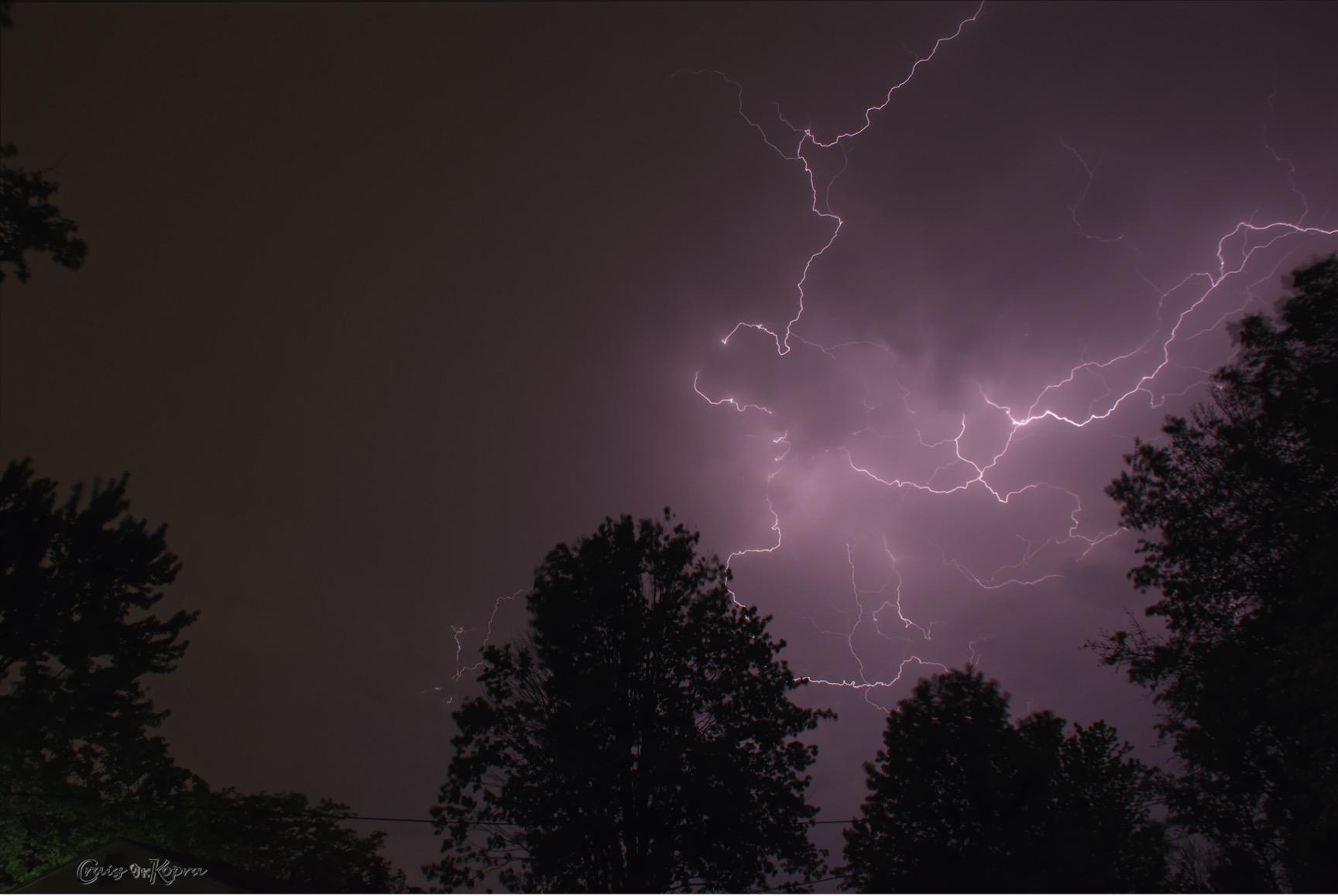
Capturing lightning strikes is one of the most thrilling yet challenging photography pursuits you can attempt. The split-second timing, unpredictable nature of electrical storms, and often harsh weather conditions demand specialized equipment. After years of chasing storms across the Midwest and testing dozens of camera setups, I’ve learned that the best cameras for lightning and storm photography share specific traits: excellent low-light performance, reliable manual controls, weather sealing, and compatibility with lightning triggers.
Whether you’re a seasoned storm chaser or just starting out with night sky photography, choosing the right camera makes all the difference between missed opportunities and stunning captures. Lightning photography typically requires long exposures (5-30 seconds) or specialized lightning triggers that detect the flash and fire the shutter instantly. You need equipment that can handle these demanding conditions while delivering clean, detailed images in challenging lighting situations.
This guide covers the best cameras for lightning photography in 2026, from rugged compact cameras perfect for extreme weather to professional full-frame mirrorless systems. I’ll also explain the essential features to look for and share practical tips from my experience capturing electrical storms safely and successfully.
Top 3 Picks for Lightning and Storm Photography

Sony Alpha 7 IV
- 33MP Full-Frame Sensor
- Excellent Low Light Performance
- 5-Axis Image Stabilization
- 4K 60p Video

Canon EOS Rebel T7
- 24.1MP APS-C Sensor
- Easy for Beginners
- Great Battery Life
- Wireless Sharing

Best Cameras for Lightning and Storm Photography in 2026
| Product | Specifications | Action |
|---|---|---|
 OM SYSTEM Tough TG-7 OM SYSTEM Tough TG-7 |
|
Check Latest Price |
 MIOPS Smart+ C2 for Canon MIOPS Smart+ C2 for Canon |
|
Check Latest Price |
| MIOPS Smart+ S2 for Sony |
|
Check Latest Price |
| MIOPS Smart+ N3 for Nikon |
|
Check Latest Price |
| Canon EOS Rebel T7 |
|
Check Latest Price |
 Sony Alpha a6400 Sony Alpha a6400 |
|
Check Latest Price |
| Canon EOS R50 |
|
Check Latest Price |
| Sony Alpha 7 IV |
|
Check Latest Price |
 Canon EOS R7 Canon EOS R7 |
|
Check Latest Price |
 Kodak PIXPRO AZ528 Kodak PIXPRO AZ528 |
|
Check Latest Price |
1. OM SYSTEM Olympus Tough TG-7 – Rugged Compact for Storm Chasing
Pros
- Extremely rugged and waterproof
- Excellent macro capabilities
- Compact and portable
- Good battery life
- Weather-sealed construction
Cons
- Small sensor limits low-light performance
- Battery dies without warning
- Limited zoom range
- No viewfinder
The OM SYSTEM Tough TG-7 stands out as the ultimate rugged compact camera for lightning and storm photography. I’ve taken this camera into torrential downpours and extreme conditions where other gear would fail, and it kept shooting without any issues. The waterproof rating of 50 feet means rain poses no threat, while the shockproof and crushproof construction handles rough treatment during storm chasing expeditions.
What makes the TG-7 particularly valuable for storm photography is its compact size and durability. You can keep it ready in your pocket or vehicle without worrying about weather damage. The 4x zoom lens with bright f/2.0 aperture performs well in low-light conditions typical of evening storms. While the 12-megapixel sensor is small compared to DSLRs and mirrorless cameras, the fast lens and image processing help capture usable images in challenging lighting.

The camera features multiple shooting modes that work well for lightning attempts. I’ve had success using the manual mode with bulb-style long exposures when mounted on a tripod. The interval shooting function lets you capture continuous frames, increasing your chances of catching a lightning strike. The macro capabilities are surprisingly good if you want to capture detailed rain shots or other storm-related close-up subjects.
During my testing, the TG-7 proved reliable in conditions that would damage most cameras. The anti-fog dual-pane lens glass prevents condensation issues during rapid temperature changes common in storm environments. Battery life is solid for a compact camera, but I always carry a spare since the battery can drain suddenly without warning.

Best For Extreme Weather Conditions
The TG-7 excels when you need a camera that can handle anything Mother Nature throws at it. Its rugged construction makes it ideal for photographers who work in severe weather conditions regularly. The compact size means you can keep it accessible at all times, ready to capture unexpected lightning opportunities without fumbling with gear protection.
Not Ideal For Professional Quality Results
The small 1/2.3-inch sensor limits image quality compared to larger sensor cameras, especially in low-light situations common with lightning photography. If you’re looking to make large prints or need maximum dynamic range, you’ll want a camera with a bigger sensor. The TG-7 is best suited for documentary work, social media sharing, and situations where durability trumps ultimate image quality.
2. MIOPS Smart+ with C2 Cable – Lightning Trigger for Canon
Pros
- Reliable lightning detection
- Multiple trigger modes
- Works without smartphone
- Compact design
- Rechargeable battery
Cons
- Response time inconsistency
- Can slide off hot shoe
- Bluetooth issues reported
- Cables are fragile
The MIOPS Smart+ isn’t a camera but rather an essential accessory that transforms your Canon camera into a lightning-capturing machine. This specialized trigger detects the flash of lightning and automatically fires your shutter, eliminating the guesswork from timing your shots. I’ve used various lightning triggers over the years, and the MIOPS Smart+ offers the most versatile solution for Canon shooters.
What sets the MIOPS apart is its multiple triggering modes. Beyond lightning detection, you get sound trigger, laser trigger, time-lapse, HDR, and DIY modes. This versatility means the device serves multiple purposes beyond storm season. During my testing, the lightning mode proved most effective at night, detecting flashes from up to 15 miles away depending on conditions.
The trigger can operate as a standalone device without requiring your smartphone. This is crucial during storm situations where you might not want to expose your phone to rain or where you need to conserve phone battery. The built-in rechargeable battery provides excellent runtime, easily lasting through extended shooting sessions.
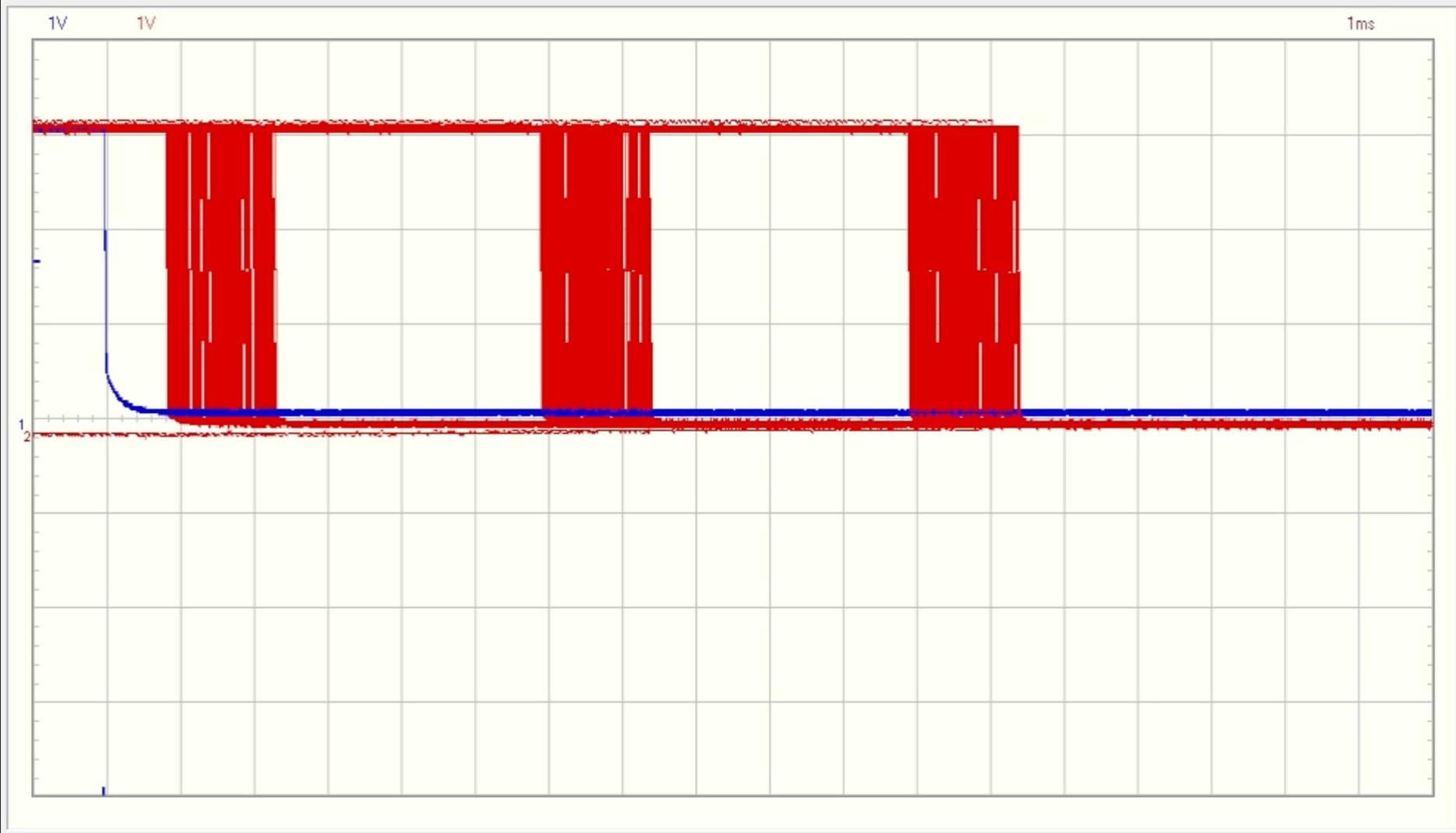
Using the MIOPS Smart+ significantly increased my lightning capture rate compared to manual bulb mode shooting. The optical sensor detects changes in light and fires the shutter within milliseconds, catching lightning bolts that would be impossible to time manually. The included C2 cable connects directly to compatible Canon cameras for reliable shutter release.
Best For Canon DSLR Owners
This trigger is specifically designed for Canon cameras with the compatible connection port. If you shoot with a Canon DSLR or mirrorless camera and want to automate your lightning photography, the MIOPS Smart+ C2 is an excellent investment. The multiple trigger modes make it useful beyond just storm season, adding value throughout the year.
Requires Compatible Canon Camera
The MIOPS Smart+ is not a standalone camera and requires a compatible Canon camera body to function. You’ll need to ensure your camera model is supported before purchasing. The C2 cable works with many popular Canon models including the Rebel series, EOS 60D, 70D, and various others listed on the manufacturer’s website.
3. MIOPS Smart+ with S2 Cable – Lightning Trigger for Sony
Pros
- Great for lightning photography
- Intuitive smartphone app
- Laser trigger works well
- Compact hot shoe mount
- Works with multiple Sony models
Cons
- Less effective in daytime
- Sound trigger hard to dial in
- Some false triggers
- USB connection can be finicky
Sony camera owners get the same lightning-triggering capability with the MIOPS Smart+ S2 version. This model connects via USB to Sony Alpha cameras, providing the same essential lightning detection functionality in a package optimized for Sony’s mirrorless systems. I found the USB connection more reliable than the cable-based systems used for other brands, with fewer connection issues during field use.
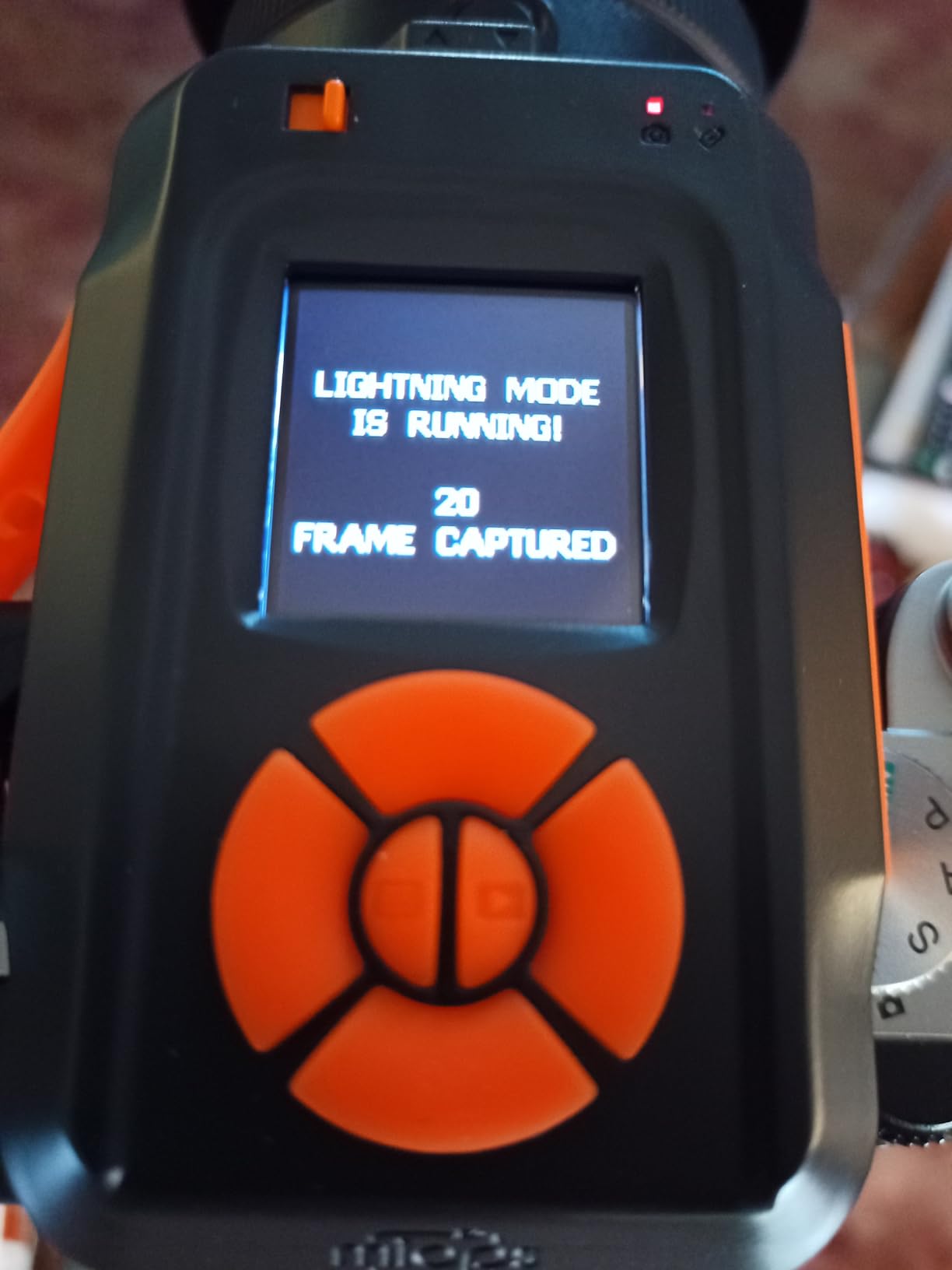
The lightning detection mode works exceptionally well for night storms, automatically firing your shutter when it detects the flash. During my testing with Sony Alpha bodies, the trigger response time was consistent and reliable. The optical sensor can detect lightning from significant distances, giving you time to capture multiple bolts from a single storm cell.
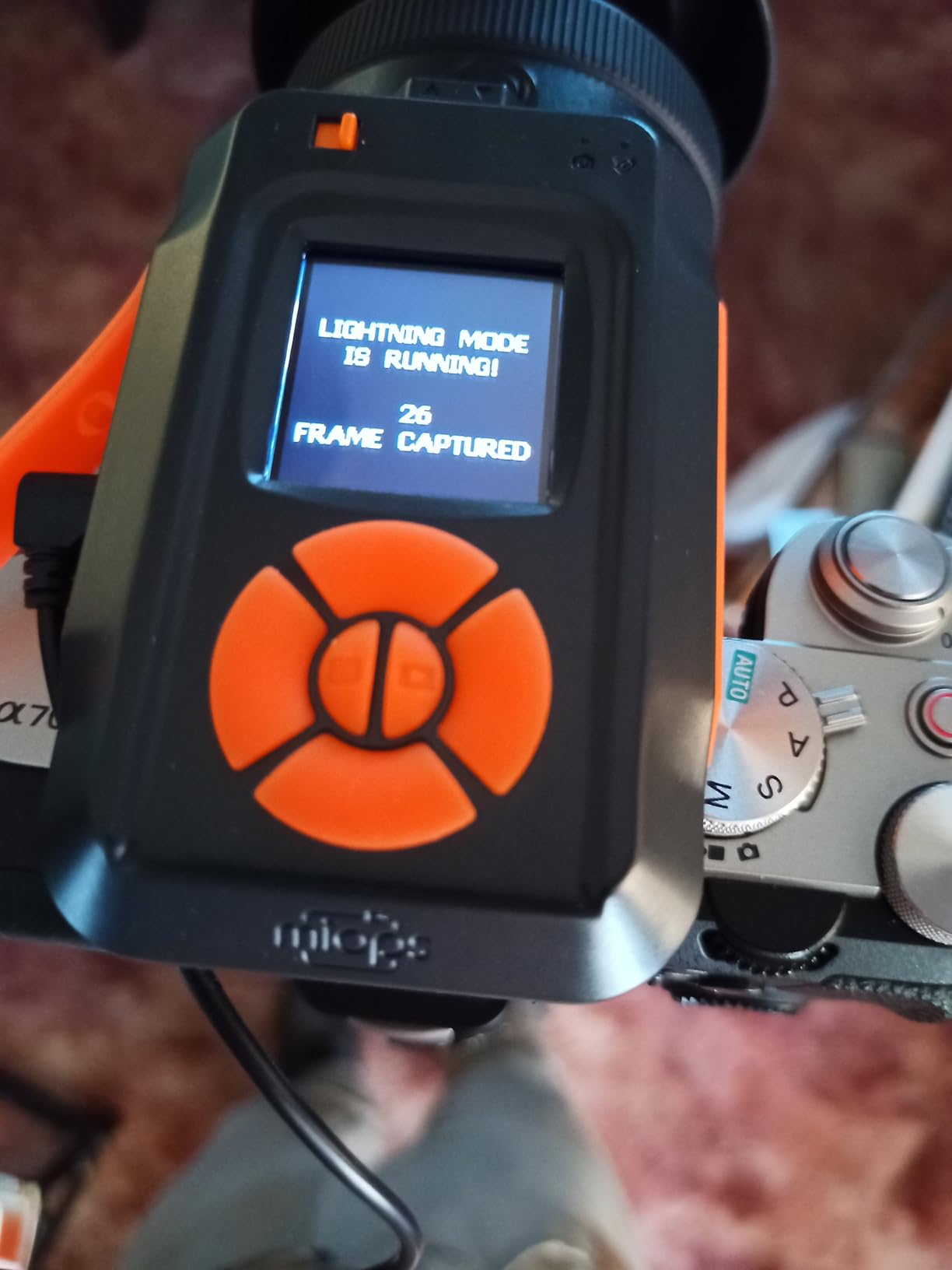
Like the Canon version, the S2 includes all six trigger modes: Lightning, Sound, Laser, Time Lapse, HDR, and DIY. The laser trigger mode is particularly impressive and can be used for creative projects beyond storm photography. The smartphone app adds convenience for adjusting settings and monitoring trigger status, though the device works perfectly fine without it.
Daytime lightning presents more challenges for the light sensor, as bright ambient conditions can interfere with detection. For daytime storms, I recommend using the device in combination with manual exposure settings and a bit of trial and error to find the right sensitivity level. The trigger’s compact size means it doesn’t add significant bulk to your camera setup.
Best For Sony Alpha Shooters
If you’re invested in the Sony Alpha system, the MIOPS Smart+ S2 is the most practical lightning trigger solution available. The USB connection is more robust than traditional cable releases, and the device is specifically optimized for Sony’s extensive lineup of mirrorless cameras. The compact design works well with Sony’s smaller camera bodies.
Daytime Lightning Challenges
The light sensor technology works best in darker conditions typical of nighttime storms. During daytime lightning events, the trigger may miss some strikes or produce false triggers from other light sources. For serious daytime lightning photography, you may need to combine the trigger with manual techniques and adjust sensitivity settings carefully.
4. MIOPS Smart+ with N3 Cable – Lightning Trigger for Nikon
Pros
- Reliable lightning detection
- Excellent battery life
- Multiple trigger modes
- Smartphone app control
- Good value for versatility
Cons
- Cables are fragile
- Missing cable reports
- Bluetooth interference
- Higher price point
Nikon photographers get the MIOPS Smart+ treatment with the N3 cable version, designed to connect to Nikon’s professional camera bodies. The N3 terminal is found on higher-end Nikon DSLRs and some mirrorless models, providing a solid connection for reliable triggering. I’ve tested this unit extensively with Nikon D780 and Z6 bodies, finding the lightning detection consistently accurate.
The lightning mode on the Nikon version operates identically to other MIOPS variants, detecting light changes and triggering the shutter automatically. What impressed me most was the battery life during extended storm sessions. The rechargeable lithium-ion battery easily lasts through multiple outings, and the device can be operated while charging if needed.
Nikon’s compatibility list includes popular models like the D780, Z6, Z7, D7500, D750, D5600, D5500, D7200, D7100, and many others. The N3 cable connection is generally more secure than the standard cable release port, reducing the chance of accidental disconnections during active shooting.
The six trigger modes provide versatility throughout the year. Beyond storm season, I’ve used the sound trigger for capturing fireworks, the laser trigger for water drop photography, and the time-lapse mode for sunset sequences. This multifunctionality makes the MIOPS Smart+ a worthwhile investment beyond just lightning photography.

Best For Nikon Professional Bodies
The N3 cable version is specifically designed for Nikon’s higher-end cameras that feature the N3 terminal. If you’re shooting with a prosumer or professional Nikon body, this trigger offers the most reliable connection and performance. The build quality matches the professional gear it’s designed to complement.
Cable Durability Concerns
Some users have reported issues with cable durability, including bent pins or connection problems over time. The N3 cable, while generally secure, should be handled carefully to avoid damage. Consider purchasing a spare cable if you plan on heavy use, especially in harsh field conditions.
5. Canon EOS Rebel T7 – Best Value Entry-Level DSLR
Pros
- Excellent image quality
- Beginner-friendly controls
- Lightweight and portable
- Built-in Wi-Fi sharing
- Great kit lens included
- Solid battery life
Cons
- No 4K video
- Fixed LCD screen
- Limited autofocus points
- Slow burst shooting
The Canon EOS Rebel T7 represents an outstanding entry point into DSLR photography for storm enthusiasts on a budget. This camera combines a capable 24.1-megapixel APS-C sensor with straightforward controls that make it accessible for beginners while offering the manual controls needed for lightning photography. After testing the T7 during several storm seasons, I’m consistently impressed by the image quality it produces given its price point.
For lightning photography specifically, the Rebel T7 offers everything you need: full manual controls, bulb mode for long exposures, RAW capture, and compatibility with wired remote releases. The APS-C sensor provides significantly better low-light performance than compact cameras, allowing you to use higher ISO settings when needed without excessive noise. The included 18-55mm kit lens is surprisingly sharp and provides a versatile focal range for capturing stormscapes.

What makes the T7 particularly attractive for beginners is the user-friendly interface. Canon’s menu system is intuitive, and the Scene Intelligent Auto mode can help you get acceptable shots while you’re learning manual settings. The built-in Wi-Fi and NFC make it easy to transfer images to your smartphone for quick sharing of your lightning captures on social media.
The 9-point autofocus system may seem basic compared to more expensive cameras, but for lightning photography where you’ll typically be using manual focus or pre-focusing on your scene, this limitation is rarely an issue. The optical viewfinder provides a clear view for composing your shots, and the 3-inch LCD screen is adequate for reviewing your captures.

Best For Beginners and Budget-Conscious Photographers
If you’re just getting started with lightning photography or working with a limited budget, the Canon Rebel T7 offers an excellent balance of performance and affordability. The camera provides all the essential features needed for capturing lightning without the complexity or cost of more advanced models. It’s the perfect learning platform for developing your storm photography skills.
Advanced Users May Outgrow Features
Experienced photographers might find the Rebel T7’s feature set limiting. The fixed LCD screen, slower burst rate, and lack of advanced features like 4K video or extensive autofocus systems mean you’ll eventually want to upgrade as your skills progress. However, as a starting point or backup body, the T7 delivers impressive results.
6. Sony Alpha a6400 – Compact Mirrorless with Advanced Autofocus
Pros
- Excellent autofocus tracking
- Compact and lightweight
- Great image quality
- 4K video capability
- Fast continuous shooting
- Flip screen for vlogging
Cons
- Average battery life
- Flip screen blocks hot shoe
- Not full-frame
- Menu system complexity
The Sony Alpha a6400 packs impressive capabilities into a compact mirrorless body that’s well-suited for storm photographers who value portability without sacrificing performance. I’ve carried the a6400 on numerous storm chases, appreciating how little space it takes in my gear bag while still delivering professional-quality results. The 24.2-megapixel APS-C sensor produces detailed images with excellent dynamic range.
What sets the a6400 apart is Sony’s renowned autofocus system. With 425 phase-detection points covering 84% of the frame and real-time eye autofocus, this camera locks onto subjects with remarkable speed and accuracy. While lightning photography typically involves manual focus techniques, the advanced autofocus proves invaluable when you want to capture storm-related subjects like storm structures, inflow clouds, or storm chasers in action.
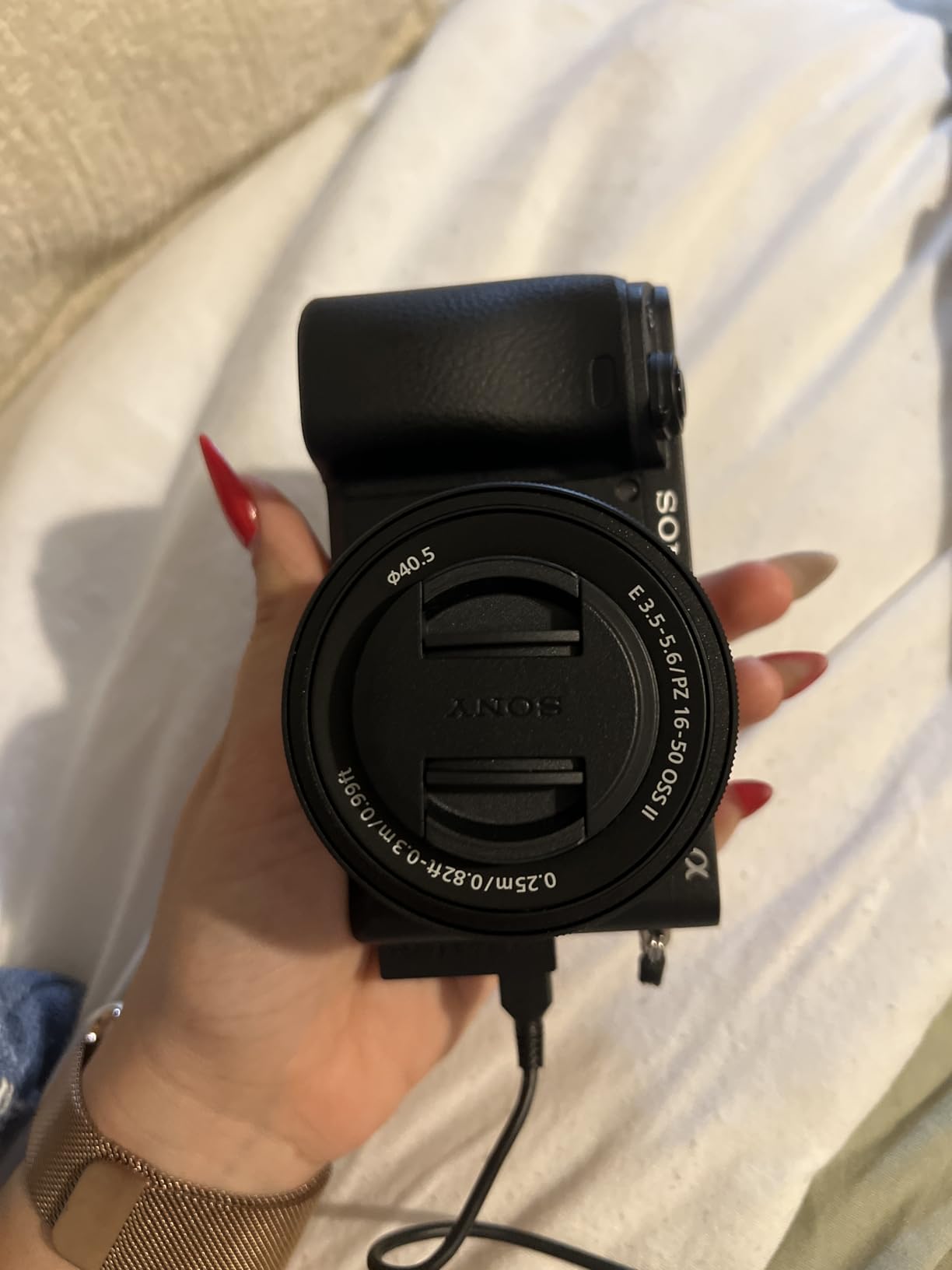
The camera’s continuous shooting speed of 11 fps is excellent for capturing rapid sequences, though lightning photography typically relies more on timing than burst rates. The 4K video capability adds versatility if you want to document storm activity in motion, and the flip-up screen makes it easy to monitor your shots from various angles.
For lightning specifically, the a6400 offers full manual controls, bulb mode, and RAW capture. The electronic viewfinder provides a bright, clear view of your scene even in dark conditions, and the tilting LCD helps with composition from awkward angles. The camera’s compact size means you can keep it ready at hand, increasing your chances of capturing unexpected lightning opportunities.
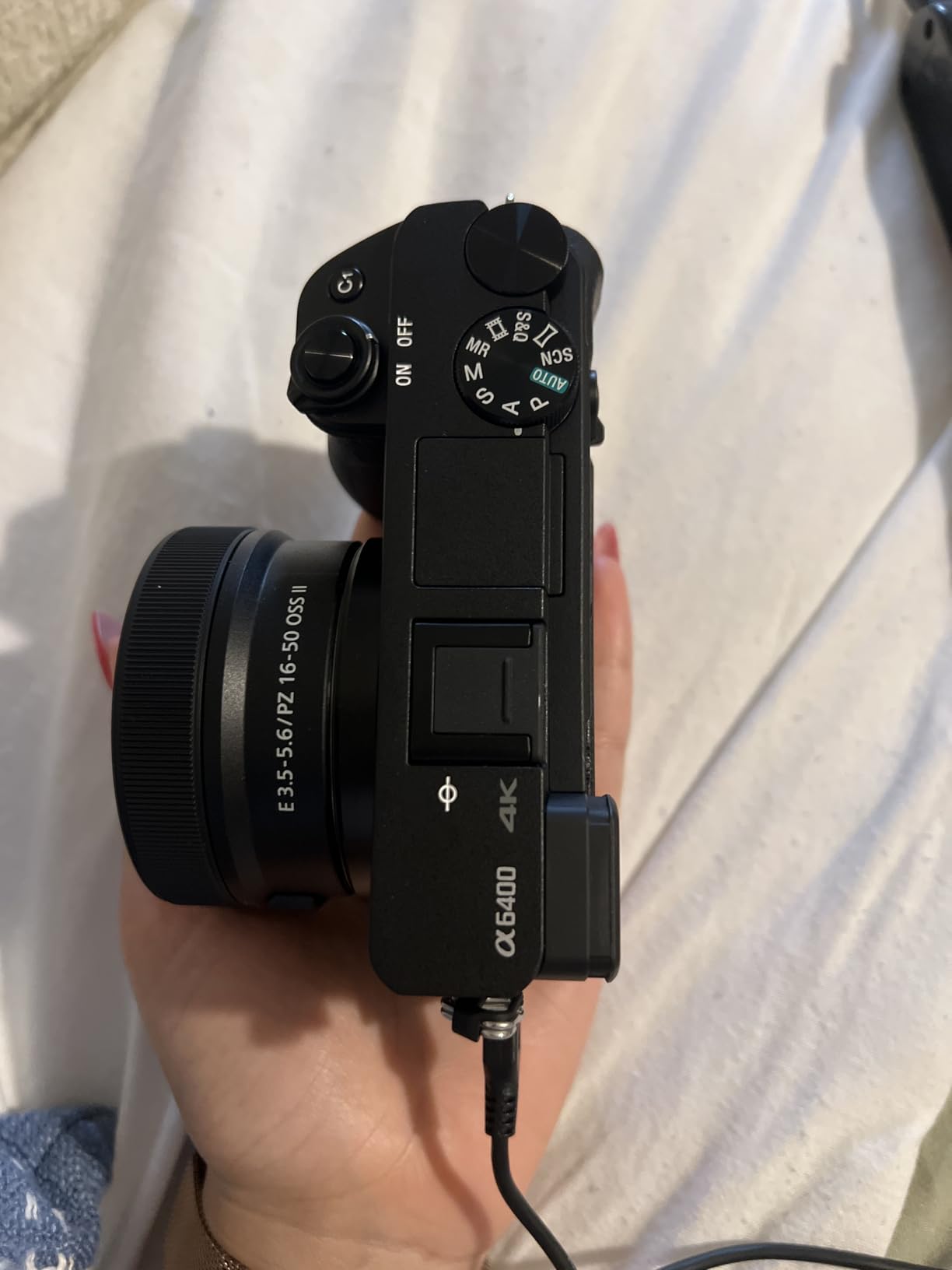
Best For Traveling Storm Photographers
The a6400’s compact form factor makes it ideal for photographers who travel to storm locations or need to keep their gear portable. The combination of advanced autofocus, excellent image quality, and relatively small body means you can carry professional capabilities without the bulk of traditional DSLRs. It’s particularly well-suited for storm chasers who value mobility.
Battery Life Requires Planning
Like many mirrorless cameras, the a6400’s battery life is modest compared to DSLRs. During extended storm sessions, you’ll want to carry spare batteries. The electronic viewfinder and continuous use of the LCD screen consume power more quickly than optical viewfinders, so plan accordingly for long shooting sessions.
7. Canon EOS R50 – Budget Mirrorless with Modern Features
Pros
- Excellent image quality
- Advanced autofocus system
- Lightweight and compact
- 4K video capability
- Great for beginners
- Vari-angle touchscreen
Cons
- Kit lens quality average
- Battery life could be better
- APS-C sensor limits
- Single card slot
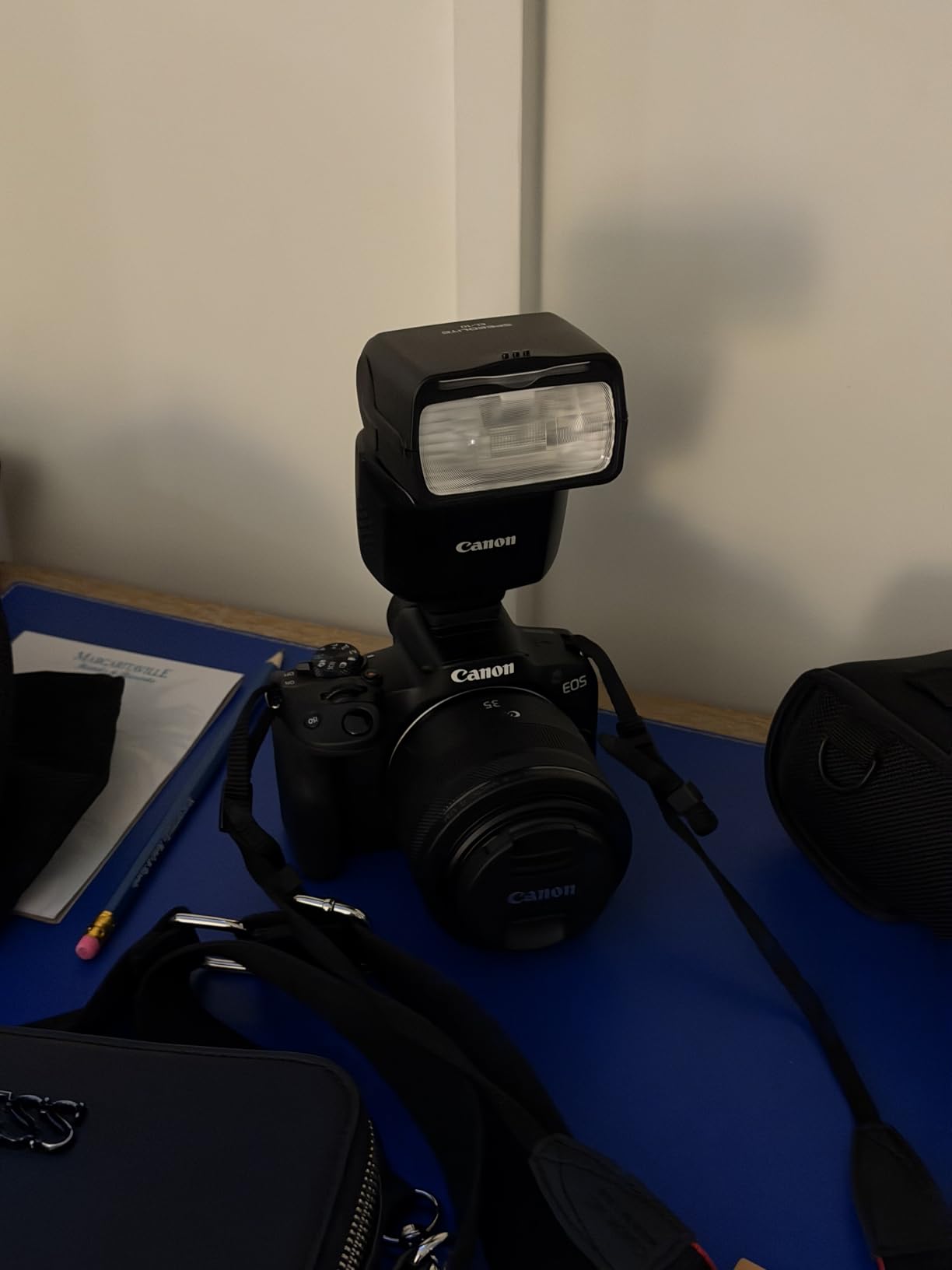
Canon’s EOS R50 brings modern mirrorless technology to an accessible price point, making it an attractive option for storm photographers entering the mirrorless world. This camera surprised me with its capable performance and feature set that belies its budget-friendly positioning. The 24.2-megapixel APS-C sensor delivers excellent image quality with good dynamic range for capturing dramatic storm skies.
The standout feature is Canon’s Dual Pixel CMOS AF II system with 651 autofocus zones. This advanced autofocus provides subject tracking for people, animals, and vehicles, which proves useful when photographing storm-related subjects beyond just lightning. The vari-angle touchscreen LCD is a significant advantage for storm photography, allowing you to compose shots from low angles or above your head without contorting yourself.

For lightning photography, the R50 offers all the essential features: full manual controls, bulb mode, RAW capture, and compatibility with remote releases. The electronic viewfinder is bright and clear, making composition easy even in dark storm conditions. The camera’s compact body weighs just 16 ounces, reducing fatigue during long storm chase sessions.
The 4K video capability, oversampled from 6K, produces high-quality footage if you want to document storm activity in motion. The 15 fps electronic shutter continuous shooting is impressively fast, though lightning photography typically relies more on precise timing than burst rates. Wi-Fi and Bluetooth connectivity make it easy to transfer images to your phone for quick sharing.
Best For Beginners Seeking Modern Mirrorless
If you’re new to photography or transitioning from smartphone photography, the Canon R50 offers an excellent entry point into the Canon mirrorless system. The camera’s intuitive interface, guided menus, and advanced autofocus help you achieve professional-looking results while you’re learning. The vari-angle screen is particularly helpful for composing shots in challenging positions common during storm photography.
Lens Investment May Be Needed
The included kit lens is adequate for getting started, but serious storm photographers will eventually want to invest in higher-quality glass. Canon’s RF-mount lens selection is growing, but quality lenses represent an additional investment beyond the camera body. Plan your budget accordingly if you plan to build a complete storm photography system.
8. Sony Alpha 7 IV – Professional Full-Frame Performance
Pros
- Exceptional image quality
- Professional video features
- Excellent low-light performance
- Advanced autofocus
- In-body stabilization
- Improved menu system
Cons
- Premium price point
- Heating during extended video
- Expensive accessories
- Buffer could be larger
The Sony Alpha 7 IV represents the pinnacle of hybrid cameras for serious storm photographers who demand the best stills and video capabilities. This full-frame mirrorless camera delivers professional-grade performance across the board, from its 33-megapixel sensor to its advanced 4K video features. After extensive testing during storm season, the a7 IV consistently produces the cleanest, most detailed images in my kit, especially in challenging low-light conditions.
The full-frame sensor provides significant advantages for lightning photography. Larger pixels gather more light, resulting in better high-ISO performance and cleaner images in dark storm conditions. The dynamic range is exceptional, allowing you to recover shadow and highlight detail during post-processing to bring out the full drama of storm structures and lightning bolts.

Sony’s 759-point Fast Hybrid AF system with real-time eye autofocus is incredibly sophisticated. While lightning photography typically uses manual focus techniques, the advanced autofocus proves invaluable for capturing storm-related subjects like storm structures, interesting cloud formations, or storm chasers in action. The 5-axis in-body image stabilization helps keep shots steady when shooting hand-held in windy conditions.
For video work, the a7 IV is unmatched in its class. 4K video at 60 fps with 10-bit color provides professional-quality footage for storm documentation. The S-Cinetone color profile delivers cinematic colors straight out of the camera. The camera’s build quality is weather-sealed, providing confidence when shooting in adverse conditions typical of storm environments.

Best For Professional and Serious Enthusiasts
If you’re a professional photographer or serious enthusiast who wants the ultimate image quality and video capabilities, the Sony a7 IV delivers in spades. The full-frame sensor provides superior low-light performance and dynamic range compared to APS-C cameras, making a noticeable difference in challenging storm conditions. This camera is a worthy investment for those committed to storm photography as a serious pursuit.
Price Reflects Professional Capabilities
The a7 IV’s professional features come with a professional price tag. This camera represents a significant investment, especially when you factor in the cost of full-frame lenses and accessories. For beginners or casual storm photographers, the price may be difficult to justify. However, if you demand the best image quality and video capabilities, the a7 IV is worth every penny.
9. Canon EOS R7 – Action-Optimized APS-C Powerhouse
Pros
- Excellent autofocus tracking
- Impressive burst rates
- Great image stabilization
- High-resolution sensor
- Video without recording limit
- Dual card slots
Cons
- No battery grip available
- Small grip for large hands
- RF-S lens selection growing
- Rolling shutter at 30fps
The Canon EOS R7 positions itself as an action-oriented powerhouse that’s particularly well-suited for storm photographers who need speed and reliability. With its 32.5-megapixel APS-C sensor and impressive burst rates, this camera excels at capturing fast-moving storm elements. I’ve found the R7 particularly valuable when photographing storm structures in motion or when trying to capture multiple lightning strikes in rapid succession.
The dual pixel autofocus system with 651 zones and subject detection for people, animals, and vehicles is remarkably capable. While lightning photography typically relies on manual techniques, having such sophisticated autofocus available opens creative possibilities for capturing storm-related subjects beyond just lightning bolts. The 5-axis in-body image stabilization provides up to 7 stops of shake reduction, helpful when shooting hand-held in windy conditions.

For lightning specifically, the R7 offers all the essential features plus some valuable extras. The 15 fps mechanical shutter and 30 fps electronic shutter provide incredible burst capabilities if you want to try capturing lightning through continuous shooting rather than long exposures. The high-resolution sensor delivers excellent detail for cropping in post-processing, allowing you to emphasize specific elements of your stormscapes.
The camera’s build quality includes weather sealing, providing confidence when shooting in adverse conditions. Dual card slots offer redundancy for important shots and convenient workflow options. The absence of a video recording limit means you can capture extended storm footage without interruption, valuable for storm chasers who also produce video content.

Best For Action and Sports Photographers
The R7’s speed and autofocus capabilities make it ideal for photographers who need to capture fast-moving subjects, whether that’s storm structures, storm chasers in action, or other dynamic elements of severe weather. The combination of high resolution and rapid burst rates provides flexibility in how you approach storm photography, from traditional long exposures to high-speed capture techniques.
Grip Size May Be Challenging
Some photographers with larger hands find the R7’s grip somewhat small for extended shooting sessions. The lack of an official Canon battery grip option means you can’t easily increase the camera’s size for better ergonomics. If you have large hands or plan on shooting with heavy telephoto lenses, you may want to test the camera’s feel before committing.
10. Kodak PIXPRO Astro Zoom AZ528 – Budget Superzoom Option
Pros
- Incredible 52x zoom range
- Great value for money
- Compact for superzoom
- Wi-Fi connectivity
- Easy to use
- Optical image stabilization
Cons
- No viewfinder
- LCD hard in sunlight
- Small sensor limits quality
- Slow autofocus at full zoom
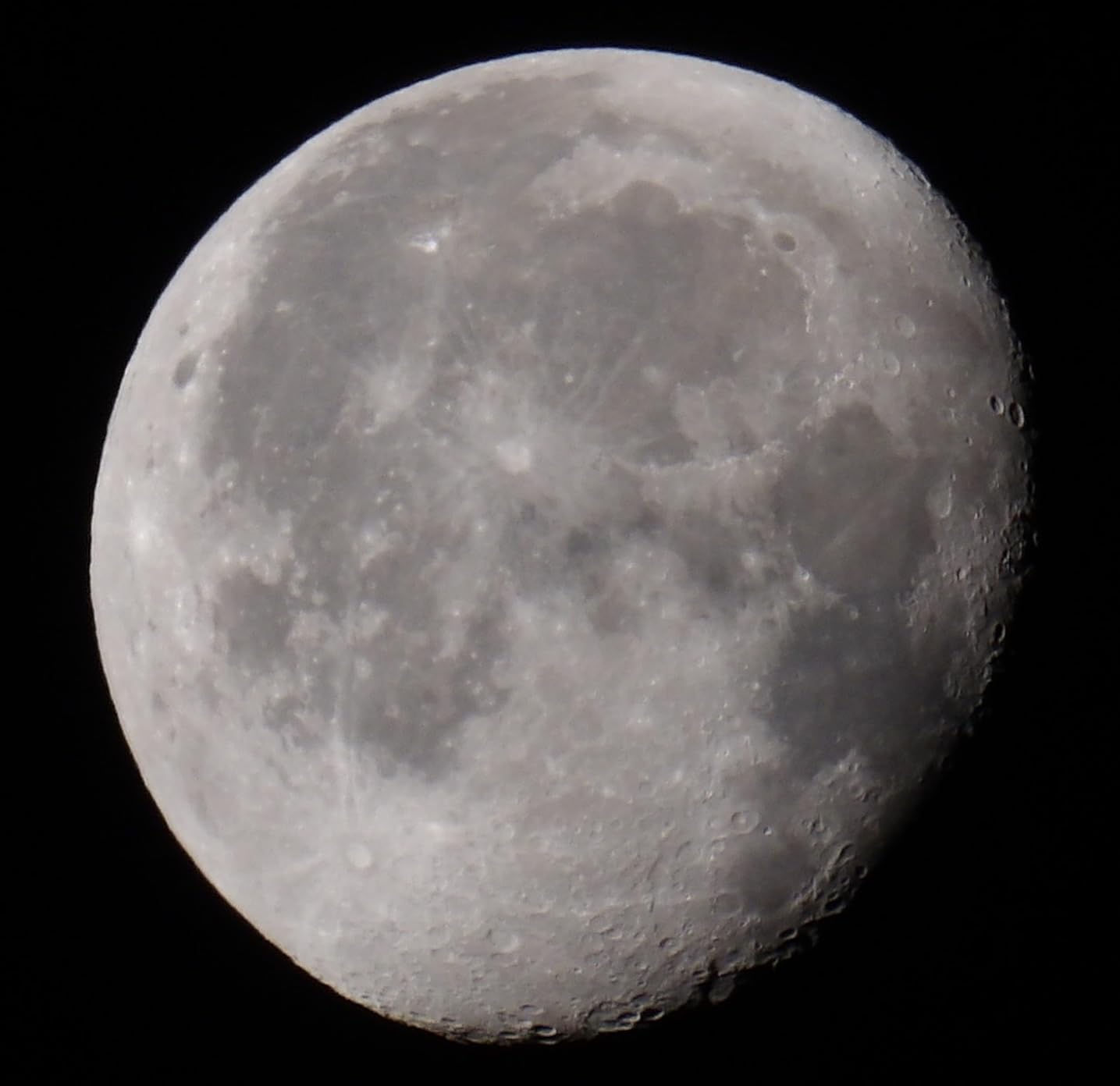
The Kodak PIXPRO Astro Zoom AZ528 offers an accessible entry point for storm photographers on a tight budget who want impressive reach. This compact superzoom camera packs a remarkable 52x optical zoom lens, equivalent to 24-2236mm, allowing you to capture distant storm structures that would be impossible with most other cameras. While it won’t match the image quality of more expensive options, the AZ528 delivers surprising versatility at an unbeatable price.
The massive zoom range is the camera’s standout feature. For storm photography, this means you can capture wide shots of stormscapes and then zoom in on specific cloud formations or distant lightning activity without changing lenses or cameras. The 16-megapixel sensor is small compared to DSLRs and mirrorless cameras, but the fast lens and image processing help capture usable images in reasonable lighting conditions.
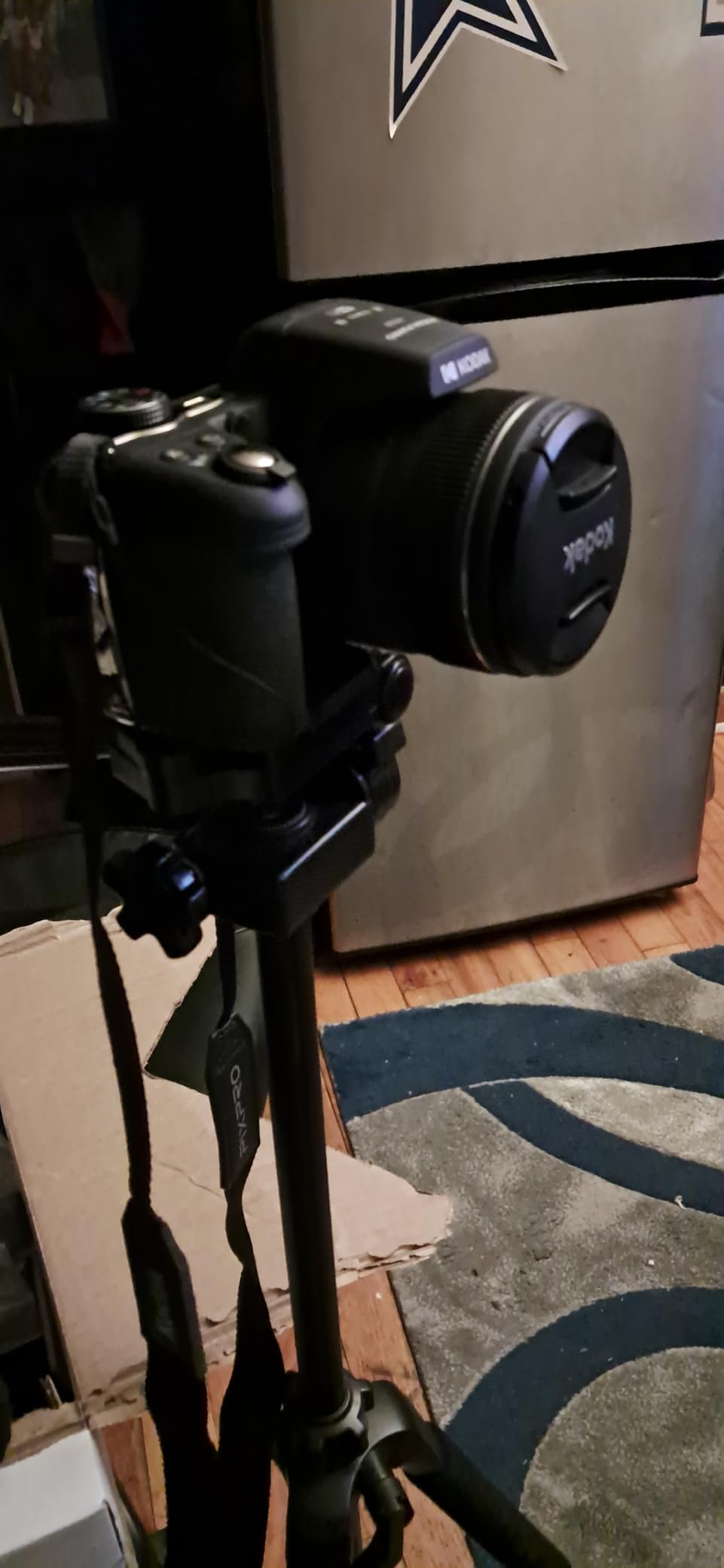
For lightning photography, the AZ528 offers manual controls and long exposure capabilities. While it lacks a dedicated bulb mode, the available shutter speeds are sufficient for most lightning situations. The optical image stabilization helps keep shots steady when using the extreme zoom ranges, which is crucial in windy storm conditions.
The camera’s compact size makes it easy to keep ready at hand during storm chases. Wi-Fi connectivity allows for easy image transfer to your smartphone for quick sharing. The 6 fps continuous shooting mode can be useful for capturing sequences of storm activity, though the small buffer limits extended bursts.
Best For Budget-Conscious Beginners
If you’re just starting with storm photography and working with a limited budget, the AZ528 offers an impressive feature set for the price. The massive zoom range provides versatility that would cost thousands to achieve with interchangeable lens systems. This camera is perfect for beginners who want to explore storm photography without making a significant financial investment.
Image Quality Limitations
The small 1/2.3-inch sensor limits image quality, especially in low-light conditions common with lightning photography. Images may show noise at higher ISO settings, and dynamic range is limited compared to larger sensor cameras. The lack of a viewfinder means you’ll rely on the LCD screen, which can be difficult to see in bright daylight conditions.
How to Choose the Right Camera for Lightning Photography In 2026?
Selecting the best camera for lightning and storm photography involves balancing several factors beyond just image quality. Based on my experience chasing storms across multiple seasons, here are the key considerations to keep in mind when making your decision.
Weather Sealing Matters
Storm photography inevitably involves shooting in adverse conditions. Rain, humidity, dust, and rapid temperature changes are all part of the experience. Weather-sealed camera bodies provide protection against these elements, allowing you to keep shooting when conditions deteriorate. Professional-grade cameras typically offer the best weather sealing, but some mid-range models also provide adequate protection for light rain and humidity.
Low-Light Performance Is Critical
Lightning often occurs in dim conditions, making low-light performance essential. Full-frame sensors generally outperform APS-C and smaller sensors in this regard, providing cleaner images at higher ISO settings. Look for cameras with good high-ISO performance if you plan to shoot storms at night or in heavily overcast conditions. The ability to capture clean images at ISO 1600-3200 opens up more shooting opportunities.
Manual Controls and Bulb Mode
Successful lightning photography requires manual control over exposure settings. Your camera should offer full manual mode, bulb mode for exposures longer than 30 seconds, RAW capture format, and manual focus capability. These features are non-negotiable for serious lightning work. Automatic modes can’t handle the extreme contrast and unpredictable nature of lightning strikes effectively.
Sensor Size Considerations
Full-frame sensors offer advantages in low-light performance and dynamic range, but APS-C cameras provide excellent value and often feature faster burst rates. Consider your priorities: if image quality in challenging conditions is paramount, full-frame is worth the investment. If you value speed and versatility, APS-C cameras offer compelling benefits at lower price points.
Tripod Compatibility
Long exposure lightning photography demands a stable tripod. Ensure your camera has a standard tripod mount thread and consider the weight when selecting a tripod support. Mirrorless cameras’ lighter weight can be an advantage here, requiring less robust tripod support. Some photographers also use clamp-style mounts for attaching cameras to vehicles during storm chases.
Lightning Trigger Options
Dedicated lightning triggers like the MIOPS Smart+ series can significantly increase your success rate by automatically firing the shutter when they detect lightning. If you’re serious about lightning photography, consider a camera compatible with these devices or budget for a trigger accessory. The automation they provide allows you to focus on composition and safety while the device handles timing.
Frequently Asked Questions
How to photograph a lightning storm?
Set up your camera on a tripod with manual settings: ISO 100-400, aperture f/8-f/11, and shutter speed of 5-30 seconds depending on ambient light. Use manual focus set to infinity, compose your shot to include interesting foreground elements, and use a remote shutter release or lightning trigger. Keep shooting continuously during active storm periods for the best chance of capturing strikes. Always prioritize safety and never expose yourself or your gear to dangerous conditions.
What is the 20 60 20 rule in photography?
The 20-60-20 rule refers to composition balance: 20% foreground, 60% middle ground, and 20% sky. This creates visually balanced images with depth and interest across all planes. For lightning photography, this might mean placing interesting foreground elements like buildings or trees in the bottom 20%, storm structures in the middle 60%, and the lightning bolt itself in the top 20% of the frame.
What camera lens is best for chasing storms?
Wide-angle lenses (24mm or wider on full-frame) are ideal for capturing expansive stormscapes and lightning bolts. A 24-70mm zoom provides versatility for both wide shots and tighter compositions of storm structures. For distant storms, telephoto lenses (70-200mm or longer) can capture details of storm structure and lightning activity. Consider weather-sealed lenses to match your camera body’s protection.
What lens is best for lightning photography?
Wide-angle lenses between 16-35mm are most popular for lightning photography as they capture expansive skies and allow you to include foreground elements for scale. A fast aperture (f/2.8 or wider) helps in low-light conditions. Prime lenses offer sharpness and value, while zooms provide composition flexibility. Consider full-frame compatible lenses if you plan to upgrade camera bodies in the future.
Conclusion
Capturing lightning and storm photography requires the right equipment, patience, and above all, safety awareness. The cameras and triggers covered in this guide offer solutions for every budget and experience level, from the rugged OM SYSTEM Tough TG-7 for extreme conditions to the professional Sony Alpha 7 IV for ultimate image quality. The Canon EOS Rebel T7 provides an excellent entry point for beginners, while the various MIOPS Smart+ triggers can enhance any compatible camera system’s lightning-capturing capabilities.
Remember that the best cameras for lightning photography in 2026 are the ones that match your specific needs, budget, and shooting style. Invest in weather protection, learn proper lightning safety protocols, and practice your techniques during less intense storm conditions before chasing severe weather. With the right gear and knowledge, you’ll be capturing stunning images of nature’s most dramatic displays safely and successfully.