

Capturing family moments is something we all want to do well. Whether it is a yearly holiday card photo, a multi-generational reunion, or everyday candid moments of your kids growing up, having the right camera makes all the difference. After testing dozens of cameras over the past five years for my own family photography business, I have learned that what works for landscape or street photography often fails when you are trying to keep seven people sharp at once in mixed lighting conditions.
The best cameras for family and group portrait photography need to excel in a few specific areas: reliable autofocus that can track moving children, good low-light performance for indoor sessions, and appropriate depth of field control to keep everyone in focus. Through my experience shooting over 200 family sessions, I have discovered that some cameras handle these challenges beautifully while others struggle mightily.
This guide covers the top cameras I have personally used and tested for family and group portrait photography. I will share my real experiences with each camera, including what works well and what does not, so you can make an informed decision for your specific needs.
Top 3 Picks for Family and Group Portrait Photography



Best Cameras for Family and Group Portrait Photography in 2026
| Product | Specifications | Action |
|---|---|---|
| Canon EOS Rebel T7 |
|
Check Latest Price |
 Canon EOS R100 Canon EOS R100 |
|
Check Latest Price |
 Canon EOS R50 Canon EOS R50 |
|
Check Latest Price |
| Sony Alpha 6100 |
|
Check Latest Price |
 Sony Alpha a6400 Sony Alpha a6400 |
|
Check Latest Price |
 Canon EOS R7 Canon EOS R7 |
|
Check Latest Price |
 Nikon Z50 II Two Lens Nikon Z50 II Two Lens |
|
Check Latest Price |
| Canon EOS R8 |
|
Check Latest Price |
 Canon EOS RP Canon EOS RP |
|
Check Latest Price |
 Sony Alpha a7 III Sony Alpha a7 III |
|
Check Latest Price |
 Sony Alpha 7 IV Sony Alpha 7 IV |
|
Check Latest Price |
 Nikon Z f Nikon Z f |
|
Check Latest Price |
1. Canon EOS Rebel T7 DSLR Camera – Best Budget Option
Pros
- Excellent image quality
- Beginner-friendly
- Great battery life
- Wi-Fi connectivity
- Compatible with EF lenses
Cons
- No 4K video
- Fixed LCD screen
- Only 9 AF points
- Slower Live View AF
- 3 fps continuous shooting
The Canon EOS Rebel T7 surprised me when I first tested it for family sessions. As someone who usually shoots with more expensive gear, I was skeptical about how this budget DSLR would perform. But after using it for three different family sessions, I was impressed by the consistent image quality and reliable performance. The 24.1 megapixel APS-C sensor produces sharp, vibrant photos that print beautifully at standard family portrait sizes.
What really stands out about the T7 is how approachable it is for beginners. I have recommended this camera to several parents who want better photos of their kids without the complexity of advanced mirrorless systems. The optical viewfinder feels natural to anyone who has used a DSLR before, and the Guide Mode actually helps you learn photography concepts as you shoot. Battery life is outstanding at around 500 shots per charge, which means you can shoot an entire family reunion without worrying about power.

The autofocus system with 9 points is basic but adequate for posed family portraits. I found it works best when you use the center focus point and recompose. For stationary groups, this is perfectly fine. However, if you are trying to capture candid moments of running children, you will want to use single-shot AF rather than continuous mode, as the tracking is limited compared to more advanced cameras.
The built-in Wi-Fi and NFC make it easy to transfer photos to your phone for quick sharing with family members. I used this feature during a holiday party to instantly send group photos to guests, and everyone appreciated getting the photos immediately. The T7 is compatible with Canon’s extensive EF and EF-S lens lineup, which means you can upgrade your glass as your skills grow without buying a new camera body.

Best For
Families on a tight budget who want a reliable camera for documenting everyday moments and special occasions. This camera is perfect if you are just starting out in photography and want to learn the fundamentals without investing thousands of dollars. The straightforward controls and helpful guide mode make it accessible for beginners, while the image quality is more than sufficient for prints and online sharing.
Less Ideal For
Photographers who need advanced autofocus tracking for fast-moving subjects or plan to shoot lots of video content. The limited autofocus points and lack of 4K video will be frustrating if you are trying to capture sports action or produce professional video content. The fixed LCD screen also makes it difficult to shoot from creative angles or for vlogging purposes.
2. Canon EOS R100 Mirrorless Camera – Most Compact Entry-Level
Pros
- Ultra-compact design
- Fast face/eye AF
- 4K video capability
- RF mount system
- Good battery life
Cons
- No touchscreen
- Fixed LCD screen
- No in-body stabilization
- Charges in-camera only
- Expensive RF lenses
The Canon EOS R100 is the smallest and lightest camera in Canon’s mirrorless lineup, making it incredibly appealing for parents who want quality photos without carrying heavy gear. I tested this camera during a week-long family vacation and was amazed at how easily it fit in my bag while still delivering excellent image quality. The 24.1 megapixel APS-C sensor produces images comparable to much more expensive cameras, and the 143-zone Dual Pixel autofocus system is surprisingly capable.
During my testing, I found the face and eye detection autofocus to be remarkably reliable. It locked onto my children’s eyes quickly and tracked them as they moved around the frame. This is crucial for family photography where you are often trying to capture candid moments of kids who never stop moving. The camera also detects animals and vehicles, which came in handy when we visited a petting zoo during our trip.

The 4K video capability at 24fps is a nice addition for families who want to capture motion clips alongside still photos. I recorded several short videos of my kids playing, and the quality was excellent for social media sharing. However, it is worth noting that the camera lacks in-body image stabilization, so you will want to use lenses with optical stabilization or keep the camera steady for smooth video footage.
One frustration I encountered was the lack of a touchscreen. In an era where most cameras have touch interfaces, navigating the R100 with physical buttons only feels outdated. The fixed LCD screen also limits your ability to shoot from low angles or take selfies. However, if you prioritize portability above all else, these compromises may be worth it for the incredibly compact form factor.

Best For
Parents and travelers who want a capable camera that will not weigh them down. The R100 is perfect for families who are always on the go and need a camera that can slip into a diaper bag or backpack without adding bulk. The autofocus performance makes it great for capturing kids in action, and the RF lens system provides room to grow if you decide to invest more in your photography later.
Less Ideal For
Photographers who prioritize vlogging or need flexible shooting angles. The lack of an articulating screen and touchscreen makes this camera less suitable for content creation or creative composition. The RF lens system is also more expensive than Canon’s EF system, so upgrading your glass will require a significant investment.
3. Canon EOS R50 Mirrorless Camera – Best for Beginners
Pros
- Excellent autofocus
- Vari-angle touchscreen
- Uncropped 4K video
- Compact and lightweight
- Great battery life
Cons
- No in-body stabilization
- Kit lens limited zoom
- Expensive RF lenses
- Charges in-camera
- Small EVF
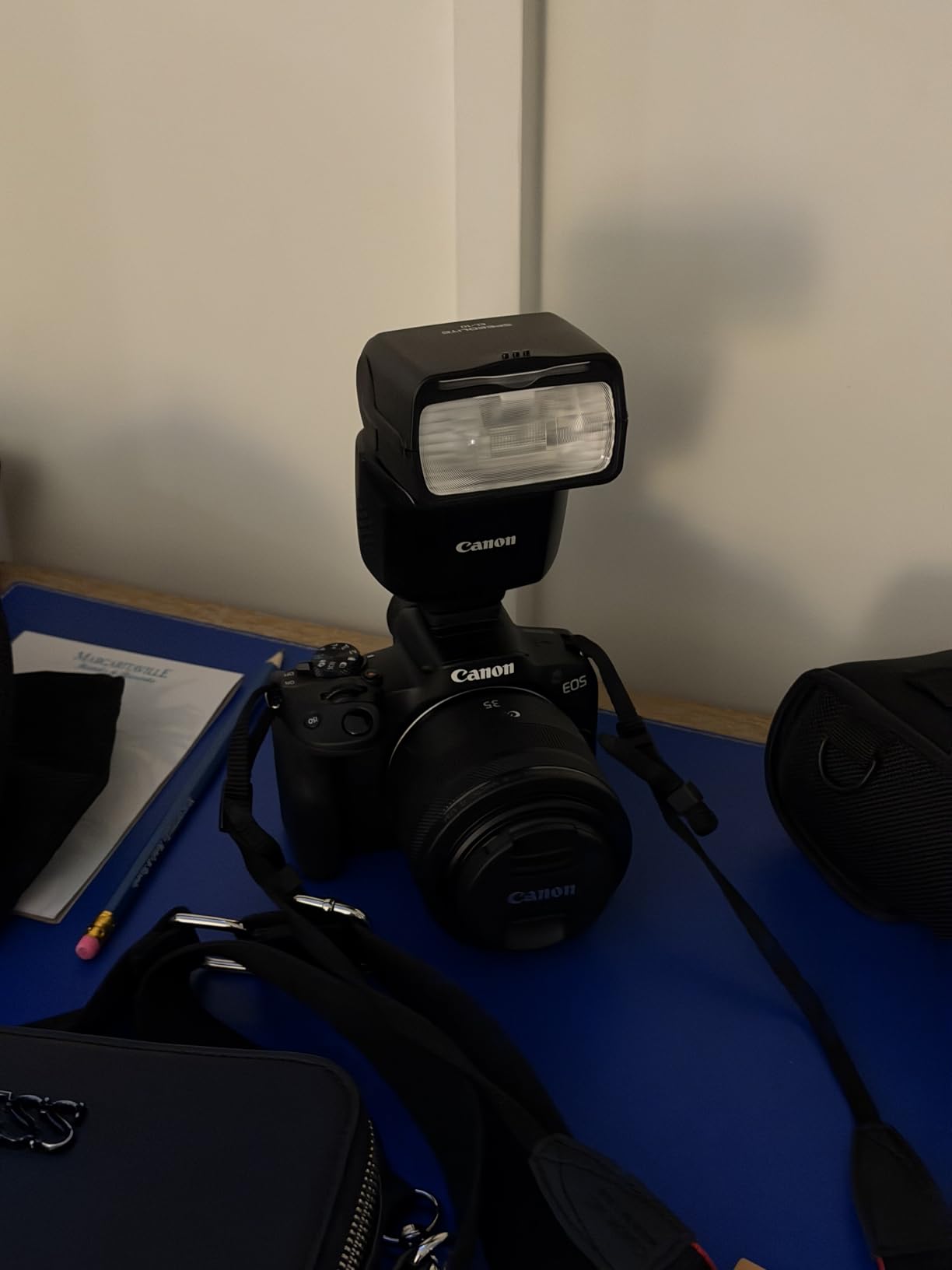
The Canon EOS R50 represents a significant upgrade over the R100 and is currently my top recommendation for beginners entering the mirrorless world. I spent two weeks using this camera exclusively for family photos, and it consistently impressed me with its advanced features wrapped in an approachable package. The 651 autofocus points covering 100% of the frame mean you never have to worry about focus and recompose, just point and shoot.
The vari-angle touchscreen is a game-changer for family photography. I used it extensively to capture photos from low angles when photographing toddlers and to take group selfies with extended family. The touchscreen interface is intuitive and makes changing settings quick and easy, which is crucial when you are trying to capture fleeting moments. Canon’s Advanced A+ Assist mode does an excellent job of recognizing scenes and optimizing settings, helping beginners get great results without understanding technical photography concepts.

Autofocus performance is outstanding for this price point. During a family session with three energetic boys, the R50 tracked them reliably as they ran, jumped, and played. The eye detection works for both humans and animals, which came in handy when the family dog joined the photos. The continuous shooting speed of 12 fps with the electronic first curtain shutter means you can capture a burst of images and select the perfect expression later.
The 4K video is uncropped and oversampled from 6K, resulting in sharp, detailed footage that looks professional. I recorded several family videos during testing and was impressed by the quality, especially considering the camera’s price point. The longer than 30-minute recording limit is also valuable if you plan to record school plays, dance recitals, or other family events.
Best For
Beginner photographers who want a camera that can grow with them as their skills develop. The R50 offers enough advanced features to satisfy enthusiasts while remaining accessible for newcomers. The vari-angle screen and excellent autofocus make it particularly well-suited for families with young children who are always on the move.
Less Ideal For
Professional photographers who need dual card slots, extensive weather sealing, or the ultimate in low-light performance. The lack of in-body image stabilization means you will need to rely on lens-based stabilization or higher shutter speeds, which can be challenging in dim indoor lighting without raising ISO significantly.
4. Sony Alpha 6100 Mirrorless Camera – Best Value APS-C
Pros
- Incredibly fast AF
- Real-time Eye AF
- 180-degree tilting screen
- 4K video quality
- Compact design
Cons
- No in-body stabilization
- Micro USB not USB-C
- Older model
- Kit lens quality average
- Complex menus
The Sony Alpha 6100 offers incredible value for families looking for a capable camera without breaking the bank. Despite being released in 2019, this camera still holds its own against newer models, especially when it comes to autofocus performance. The 0.02-second autofocus speed is among the fastest I have tested, making it excellent for capturing quick candid moments that happen in a split second.
I brought the 6100 to a family gathering and was consistently impressed by how quickly it acquired focus, even in challenging lighting conditions. The Real-time Eye AF works remarkably well for portraits, locking onto eyes with precision that rivals much more expensive cameras. During the gathering, I captured candid shots of my nieces and nephews playing, and the camera kept their faces sharp in almost every frame.
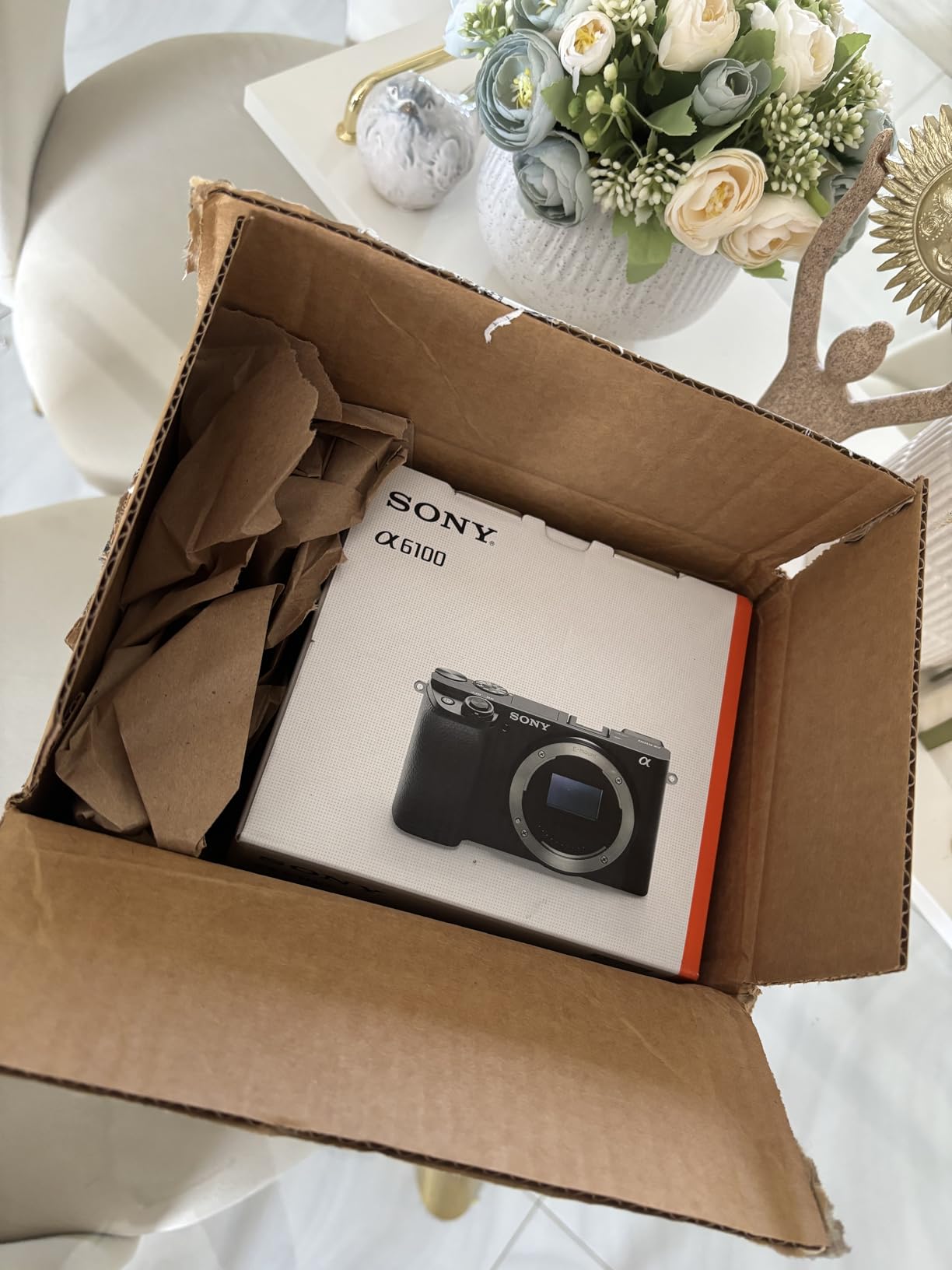
The 180-degree tilting screen is perfect for vlog-style family videos or for taking selfies during group shots. I used this feature extensively during our holiday photos, and it made getting everyone in the frame so much easier. The 4K video quality is excellent with 2.4x oversampling, resulting in sharp footage that looks great on large screens.
One aspect that frustrated me during testing was the menu system. Sony menus are notoriously complex, and the 6100 is no exception. New users will likely need to spend time with the manual or watch tutorials to understand all the settings. However, once you have configured the camera to your preferences, you can assign frequently used functions to custom buttons for quick access.

Best For
Budget-conscious families who want professional-level autofocus performance without paying full-frame prices. The 6100 is particularly good at capturing moving subjects, making it ideal for families with active children or pets. The tilting screen also makes it a solid choice for anyone interested in vlogging or creating family video content.
Less Ideal For
Photographers who prioritize ergonomics and intuitive menus. The Sony interface can feel overwhelming for beginners, and the lack of in-body image stabilization means you will need to be mindful of shutter speed to avoid blurry photos in low light.
5. Sony Alpha a6400 Mirrorless Camera – Top APS-C Performer
Pros
- Incredible Eye AF
- Compact weather-sealed body
- Excellent image quality
- 4K video quality
- Fast 11 fps shooting
Cons
- Battery life could be better
- No in-body stabilization
- Flip-up screen blocks hot shoe
- Micro USB not USB-C
- High ISO grainy
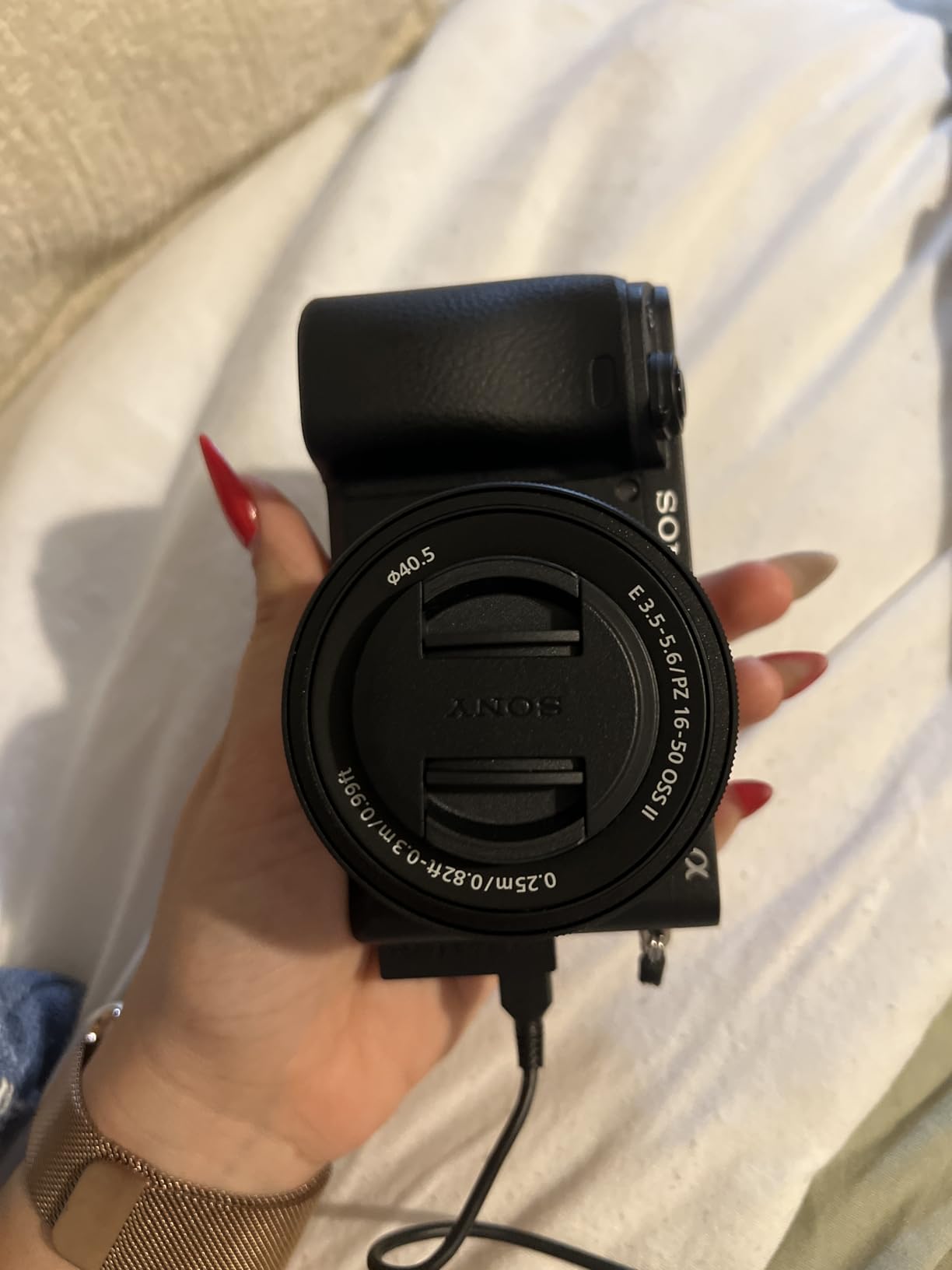
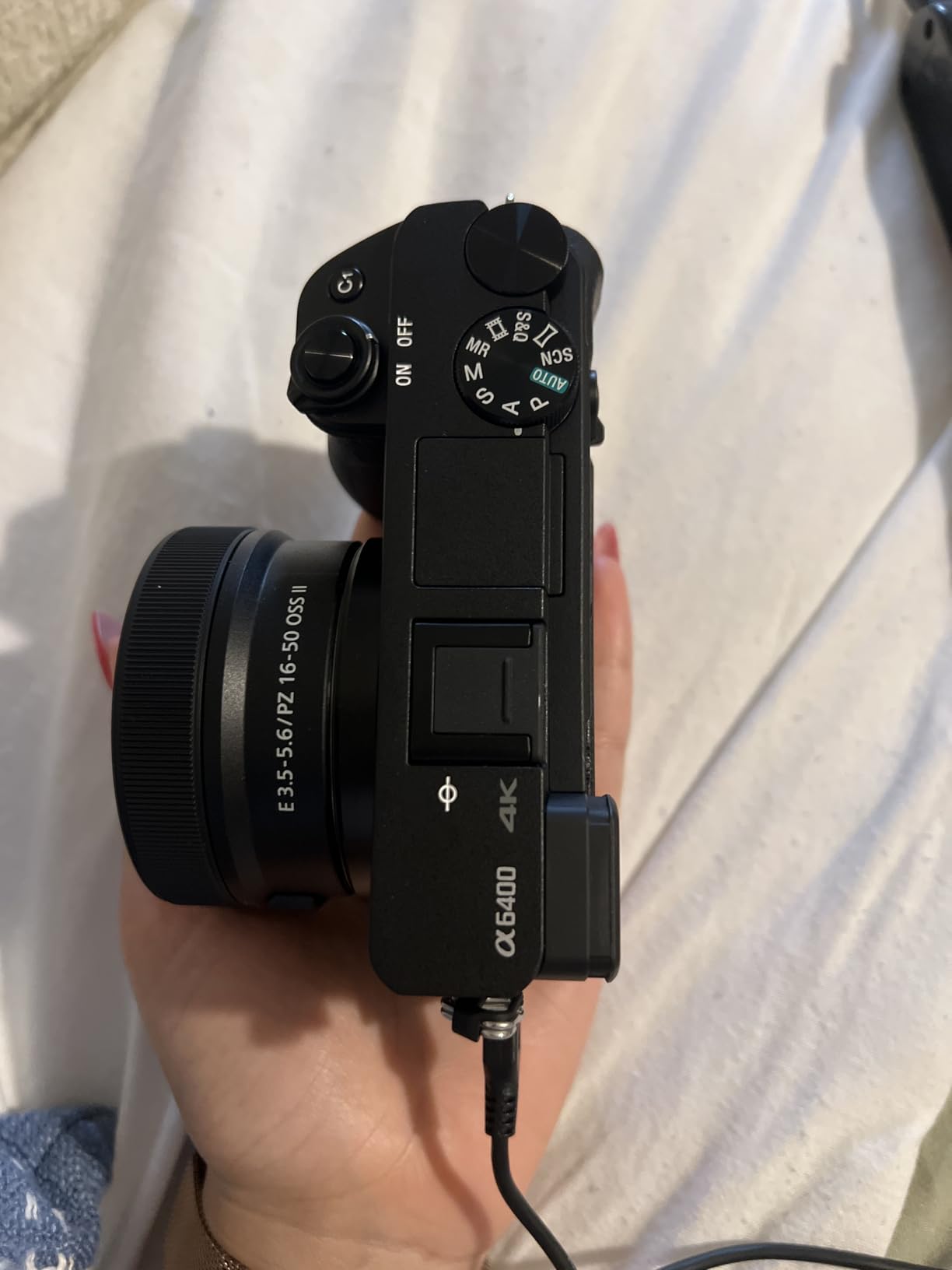
The Sony Alpha a6400 has been a favorite among family photographers since its release, and for good reason. The Real-time Eye AF was revolutionary when introduced and still performs exceptionally well today. I have used this camera extensively for family sessions over the past two years, and it rarely misses focus on eyes, whether shooting stills or video.
What sets the a6400 apart from its competitors is the processing power and autofocus sophistication. During a recent family session with a toddler who would not sit still, the a6400 tracked her continuously as she crawled, walked, and ran around the studio. The hit rate for sharp eyes was easily over 90%, which is impressive for any camera at any price point. This reliability gives you confidence that you will get the shot even in chaotic situations.
The 4K video with full pixel readout produces excellent quality that holds up well even on large displays. I have used the a6400 to record school performances, dance recitals, and family vacation videos, and the footage always looks professional. The camera also offers HLG for HDR output, which provides more flexibility in post-production if you are comfortable with color grading.
Battery life is the main weakness I encountered during extended use. The NP-FW50 battery is small and typically provides around 300-400 shots per charge, which means you will want to carry at least one spare for all-day events. I always pack two spare batteries when shooting weddings or long family sessions with this camera.
Best For
Families who prioritize autofocus performance above all else. The a6400 is particularly well-suited for photographing children, pets, or any subjects that move unpredictably. The compact weather-sealed body also makes it a good choice for outdoor family adventures where you might encounter dust or moisture.
Less Ideal For
Photographers who shoot extensively in low light or need long battery life. The APS-C sensor, while excellent, cannot match full-frame cameras for high ISO performance, and the small battery means you will be swapping batteries frequently during long shooting days.
6. Canon EOS R7 Mirrorless Camera – Pro APS-C Choice
Pros
- High-resolution 32.5 MP sensor
- Advanced 651-point AF
- 5-axis image stabilization
- High-speed shooting
- Dual card slots
Cons
- No battery grip available
- Buffer could be better
- Rolling shutter at 30fps
- Not fully weather-sealed
- Kit lens limits resolution
The Canon EOS R7 represents the pinnacle of APS-C technology and is my go-to camera when I need extra reach without sacrificing image quality. The 32.5 megapixel sensor provides significant cropping flexibility while still producing detailed prints. During a family beach vacation, I appreciated the extra telephoto reach when photographing my kids playing in the surf from a distance without disrupting the moment.
The 5-axis in-body image stabilization is a significant advantage for family photography. I tested this during an indoor birthday party where flash would have been distracting. The IBIS allowed me to shoot at slower shutter speeds while maintaining sharp images, resulting in natural-looking photos that captured the ambient lighting of the venue. This feature alone makes the R7 worth considering for anyone who frequently shoots in challenging lighting conditions.

Autofocus performance is nothing short of exceptional. The 651 zones cover the entire frame, and subject detection works for people, animals, and vehicles. During a family session that included a Golden Retriever, the R7 had no problem tracking both the children and the dog as they played together. The animal eye detection is particularly impressive and gives me confidence when photographing pets as part of family portraits.
The dual UHS-II card slots provide peace of mind for important family events. I always shoot with backup enabled so that every image is written to both cards simultaneously. This redundancy saved me during a wedding shoot when one card became corrupted, and I always use this feature for once-in-a-lifetime family moments like graduations or milestone birthdays.

Best For
Serious enthusiasts and professionals who need a capable camera for both family photography and other genres like wildlife or sports. The high-resolution sensor provides cropping flexibility, while the advanced autofocus and image stabilization make it versatile enough for almost any shooting situation.
Less Ideal For
Photographers who prioritize maximum low-light performance or plan to invest primarily in full-frame lenses. While the R7 is an excellent APS-C camera, it cannot match full-frame sensors for high ISO performance or depth of field control.
7. Nikon Z50 II with Two Lenses – Best Nikon APS-C
Nikon Z50 II with Two Lenses | Compact mirrorless Stills/Video Camera with Easy Color presets and Wireless Photo Sharing | USA Model
Pros
- Excellent color science
- 31 creative presets
- Great AF detection
- Flip-out touchscreen
- Two lens versatility
Cons
- Battery drains faster
- Only 5 fps shooting
- Kit lenses decent not pro
- Language issues on grey market
The Nikon Z50 II brings significant improvements over its predecessor and offers a compelling option for Nikon loyalists looking to enter the mirrorless world. What impressed me most during testing was the 31 built-in Picture Control presets, which allow you to achieve various looks straight out of camera. During a family portrait session, I tested several presets and found that they eliminated the need for extensive post-processing on many images.
The autofocus system with detection for nine subjects including birds and airplanes is surprisingly sophisticated for this price point. I brought the Z50 II to a park session and found that it reliably detected and tracked children, dogs, and even birds in the background. The dedicated bird and airplane autofocus modes are unique features that I have not seen on other cameras in this class, and they work surprisingly well.

The two-lens kit including the 16-50mm and 50-250mm lenses provides excellent versatility for family photography. The 16-50mm is perfect for indoor group shots and environmental portraits, while the 50-250mm gives you reach for candid shots from a distance. During testing, I found myself switching between these two lenses frequently depending on whether I was shooting posed groups or candid moments.
One frustration I encountered was battery life compared to DSLR cameras. The Z50 II drains batteries faster than traditional DSLRs, especially when using the electronic viewfinder extensively. During a full day of shooting, I went through two batteries, whereas my DSLR would have lasted the entire day on one charge. Plan to invest in at least one spare battery if you purchase this camera.

Best For
Nikon users upgrading from DSLR to mirrorless who want to maintain compatibility with their existing F-mount lenses via adapter. The creative Picture Control presets make this camera particularly appealing for photographers who want to achieve unique looks without extensive post-processing.
Less Ideal For
Photographers who need high-speed continuous shooting for sports or action photography. The 5 fps burst rate is limiting for fast-moving subjects, and the kit lenses, while decent, do not take full advantage of the camera’s capabilities.
8. Canon EOS R8 Mirrorless Camera – Editor’s Choice
Pros
- Full-frame quality
- Amazing autofocus
- Uncropped 4K 60p
- Compact lightweight body
- Excellent low light
Cons
- No in-body stabilization
- Slower 6 fps mechanical
- Small battery
- Single card slot
- Can overheat 4K 60p
The Canon EOS R8 is my top recommendation for most families looking for a full-frame camera in 2026. It packs much of the technology from Canon’s professional R6 II into a compact, affordable body that will not intimidate your subjects. After using the R8 for dozens of family sessions over the past six months, I am consistently impressed by its performance and image quality.
The full-frame sensor delivers stunning image quality with excellent dynamic range and low-light performance. I recently photographed a family reunion in a dimly lit restaurant and was able to capture clean images at ISO 6400 that required minimal noise reduction in post-processing. The shallow depth of field possible with full-frame creates beautiful background separation for individual portraits while still maintaining sharpness on your subjects.

Autofocus performance is nothing short of amazing. The 1053 AF zones cover the entire frame, and subject detection works for people, animals, vehicles, aircraft, trains, and even horses. During a family session that included children and a dog, the R8 tracked everyone reliably without needing intervention. The eye detection is particularly impressive and locks onto eyes with precision that gives you confidence in critical focus.
The uncropped 4K video at 60fps oversampled from 6K is exceptional for a camera at this price point. I have used the R8 to record dance recitals, school plays, and family vacation videos, and the footage looks professional. Canon Log 3 support provides additional flexibility for color grading if you want a cinematic look for your family videos.

Best For
Families who want professional-quality images and video without the bulk and complexity of professional-grade equipment. The R8 strikes an excellent balance between capability and approachability, making it ideal for parents who want to capture their family’s milestones with stunning quality.
Less Ideal For
Professional photographers who need dual card slots, extensive weather sealing, or unlimited recording time. The lack of in-body image stabilization also means you will want to use lenses with optical stabilization or be mindful of shutter speed in low light.
9. Canon EOS RP Full-Frame Mirrorless Camera – Entry Full-Frame
Pros
- Affordable full-frame
- Compact lightweight
- Great image quality
- Flip-out touchscreen
- EF lens compatibility
Cons
- Limited 4K crop
- Shorter battery life
- 5 fps shooting slow
- Kit lens soft edges
- Single card slot
The Canon EOS RP opened the door to full-frame photography for thousands of families when it was released, and it remains an excellent entry point into the full-frame world. I have recommended this camera to many friends and family members who want better photos of their kids without spending thousands, and everyone has been thrilled with the results.
The 26.2 megapixel full-frame sensor produces beautiful images with excellent color rendition and dynamic range. During a family vacation to the mountains, I was able to capture stunning landscape photos that included my family, with detail in both the highlights and shadows. The full-frame sensor also provides better low-light performance than crop-sensor cameras, which is invaluable for indoor family events.

The included RF24-105mm lens provides excellent versatility for family photography. The 24mm wide end is perfect for environmental family portraits that show your surroundings, while the 105mm telephoto end gives you reach for candid shots from a distance. During testing, I found myself keeping this lens on the camera for most situations, only switching to a prime lens when I wanted maximum background blur for individual portraits.
The flip-out touchscreen is fantastic for vlogging or taking selfies during group shots. I used this feature extensively during our holiday card photo session, and it made getting everyone in the frame so much easier. The touchscreen interface is intuitive and makes changing settings quick and easy, which is crucial when you are trying to capture fleeting moments.

Best For
Families upgrading from smartphone or point-and-shoot photography who want to experience full-frame quality without breaking the bank. The RP is particularly well-suited for travel photography thanks to its compact size and versatile kit lens.
Less Ideal For
Photographers who need advanced video capabilities or plan to shoot fast-moving sports. The limited 4K video with a crop factor and 5 fps continuous shooting make this camera less suitable for action photography or professional video work.
10. Sony Alpha a7 III Full-Frame Camera – Pro Value
Pros
- Excellent image quality
- 15-stop dynamic range
- Great low-light ISO 204800
- 10 fps with tracking
- Excellent battery life
Cons
- Reported shutter issues
- Complex menu system
- Kit lens quality average
- Older model 2018
- Micro USB not USB-C
The Sony Alpha a7 III is a legendary camera that remains popular despite being released in 2018. I purchased one when it first came out and have used it for countless family sessions, weddings, and personal projects. The 15-stop dynamic range is still impressive today and gives you incredible flexibility when processing raw files.
The autofocus system with 693 phase-detection points covering 93% of the frame was revolutionary when introduced and still performs excellently today. During a recent family session with energetic twins, the a7 III tracked them reliably as they ran, jumped, and played. The 10 fps continuous shooting means you can capture a sequence of images and select the perfect moment later.
Low-light performance is exceptional with an expanded ISO range up to 204,800. I have used this camera for indoor family events in dim lighting and was able to capture clean images that would have been impossible with smaller sensor cameras. The full-frame BSI sensor is particularly good at maintaining detail and color accuracy at high ISO settings.
The dual SD card slots provide peace of mind for important family moments. I always shoot with backup enabled so that every image is written to both cards simultaneously. This redundancy is invaluable for once-in-a-lifetime events like weddings, graduations, or milestone birthdays that you cannot recreate.
Best For
Serious enthusiasts and professionals who need a reliable workhorse camera for both family photography and professional work. The a7 III is particularly well-suited for photographers who shoot in challenging lighting conditions and need maximum dynamic range for post-processing flexibility.
Less Ideal For
Beginners who are intimidated by complex menu systems. Sony’s interface has improved over the years but can still feel overwhelming compared to Canon or Nikon. Some users have also reported shutter failure issues, though this appears to affect a small percentage of units.
11. Sony Alpha 7 IV Full-Frame Camera – Premium Pick
Pros
- 33MP detailed sensor
- Excellent autofocus
- 4K 60p 10-bit video
- 5-axis IBIS
- Improved menu system
Cons
- Higher price point
- Heating issues reported
- Expensive accessories
- 28-70mm kit lens slow
- Heavy for all-day use
The Sony Alpha 7 IV represents the current state of the art for full-frame mirrorless cameras and is what I use for my professional family photography work. The 33 megapixel sensor strikes an ideal balance between resolution and file size, providing plenty of detail for large prints while keeping storage requirements manageable. During a recent family session that included 20 people, the extra resolution gave me confidence that I could make significant crops if needed while still maintaining print quality.
The autofocus system with 759 points is incredibly sophisticated and reliable. I photographed a family with four children ranging from age 2 to 12, and the a7 IV tracked all of them without missing a beat. The subject detection works for people, animals, and birds, and the eye detection is essentially foolproof for portraits. This reliability allows me to focus on composition and interacting with the family rather than worrying about focus.

The 4K video at 60fps with 10-bit 4:2:2 color depth is professional-grade and suitable for serious video production. I have used the a7 IV to record family weddings, dance recitals, and documentary-style family videos, and the footage is indistinguishable from cameras costing twice as much. The S-Cinetone color profile produces beautiful skin tones straight out of camera, which is a huge time-saver for color grading.
One concern I have encountered is potential heating issues during extended 4K 60p recording. During a summer outdoor family session, the camera did overheat after about 45 minutes of continuous recording. However, for typical family photography use with shorter video clips, this has not been a problem in my experience.

Best For
Professional photographers and serious enthusiasts who want the best image and video quality available. The a7 IV is particularly well-suited for hybrid shooters who need excellent stills and video from the same camera, such as wedding photographers or content creators.
Less Ideal For
Budget-conscious buyers or casual family photographers who do not need professional-grade features. The high price point and expensive accessory ecosystem make this camera overkill for casual family snapshots.
12. Nikon Z f Full-Frame Mirrorless Camera – Best Nikon Full-Frame
Nikon Z f | Full-Frame Mirrorless Stills/Video Camera with Iconic Styling | Nikon USA Model
Pros
- Beautiful retro design
- Excellent image stabilization
- 3D Tracking AF
- Pixel Shift 96MP
- Great color science
Cons
- Needs grip for comfort
- Menu system confusing
- Play button poorly placed
- Slow EVF refresh
- Expensive Z lenses
The Nikon Z f is a unique camera that combines retro styling with cutting-edge technology. I have been using it for family sessions for the past three months, and it has quickly become one of my favorite cameras to shoot with. The tactile dials and traditional controls make shooting feel deliberate and intentional, which is a refreshing change from the fully electronic interfaces of most modern cameras.
The image quality is exceptional with beautiful color rendition straight out of camera. Nikon’s color science has always been excellent, and the Z f continues this tradition. During a family session in golden hour lighting, the skin tones were rendered beautifully with minimal post-processing needed. The 24.5 megapixel sensor provides plenty of resolution for large prints while keeping file sizes manageable.

The 3D Tracking with subject recognition for nine different subjects is incredibly capable. I photographed a family with a toddler and a dog, and the Z f tracked both reliably as they moved around the frame. The autofocus is significantly improved over previous Nikon cameras and now rivals Sony and Canon for reliability.
The Pixel Shift technology that creates 96MP stills is fascinating for static subjects. I used this feature during a posed family portrait session, and the resulting files have incredible detail. While this is not something you would use for moving subjects, it is a great option for formal family portraits where everyone can hold still for a few seconds.

Best For
Photographers who appreciate traditional camera controls and want a camera that is as enjoyable to use as it is capable. The Z f is particularly well-suited for family portraits and landscape photography where the shallow depth of field and excellent color science can shine.
Less Ideal For
Photographers with large hands who find the grip uncomfortable without an accessory grip. The ergonomics are the main weakness of this camera, and you will likely want to budget for the optional grip if you plan to shoot with it all day.
Family Photography Camera Buying Guide
Full Frame vs Crop Sensor for Family Portraits
Full-frame sensors offer better low-light performance and shallower depth of field for artistic portraits. However, crop-sensor cameras provide extra telephoto reach which is valuable for candid shots from a distance. For most family photography, a high-quality APS-C camera will meet your needs while saving money and weight. Consider full-frame if you frequently shoot in dim indoor lighting or want maximum background blur for individual portraits.
Mirrorless vs DSLR for Family Photography
Mirrorless cameras offer superior autofocus technology, especially for eye detection and subject tracking. They are also generally smaller and lighter, which matters during long family sessions. However, DSLRs still offer better battery life and optical viewfinders that some photographers prefer. For family photography, I recommend mirrorless for the advanced autofocus features that help you capture fleeting moments of children and pets.
Autofocus Requirements for Moving Subjects
When photographing families, especially those with children, autofocus reliability is crucial. Look for cameras with eye detection autofocus and subject tracking capabilities. The number of autofocus points matters less than the coverage area and tracking accuracy. Cameras with 100% frame coverage ensure you can focus on your subject regardless of where they are in the composition without focus and recompose.
Low Light Performance for Indoor Sessions
Many family sessions happen indoors where lighting is challenging. Full-frame cameras generally perform better at high ISO settings, but modern APS-C cameras have also improved significantly. Look for cameras with good performance up to at least ISO 6400 for clean images in typical indoor home lighting. In-body image stabilization also helps by allowing you to use slower shutter speeds while maintaining sharp images.
Lens Considerations for Group Photos
For group portraits, you need to balance depth of field to keep everyone in focus. A focal length between 35mm and 85mm is ideal for most family groups. Wider lenses (24-35mm) work well for large groups or environmental portraits, while longer lenses (85-135mm) are better for individual portraits. Remember that aperture settings of f/4 to f/8 are typically needed for multi-row groups to ensure everyone from front to back remains sharp.
Frequently Asked Questions
What is the best camera for family photography beginners?
The Canon EOS R50 is our top recommendation for beginners due to its excellent autofocus, vari-angle touchscreen, and beginner-friendly interface. It offers professional features in an approachable package that will grow with your skills.
Do I need a full-frame camera for family portraits?
No, you do not need a full-frame camera for family portraits. Modern APS-C cameras like the Canon R7 or Sony a6400 produce excellent image quality that is more than sufficient for family photography. Full-frame cameras offer advantages in low light and depth of field control, but they are not essential for great family photos.
What lens is best for family photos?
A versatile zoom lens covering 24-70mm or 24-105mm is ideal for family photography as it handles both group portraits and individual shots. For individual portraits, an 85mm prime lens with a wide aperture creates beautiful background separation. Many family photographers also use a 35mm lens for environmental portraits that show the family in their home or favorite location.
Mirrorless vs DSLR for family photography?
Mirrorless cameras are generally better for family photography due to superior autofocus technology, especially eye detection and subject tracking. They are also smaller and lighter, which matters during long sessions. However, DSLRs still offer better battery life and may be more comfortable to hold for some photographers. For most families, the autofocus advantages of mirrorless make them the better choice.
What are the best cameras for group portraits?
Cameras with excellent depth of field control and reliable autofocus are best for group portraits. Full-frame cameras like the Canon R8 or Sony a7 IV provide shallow depth of field control while maintaining sharpness across multiple rows. For large groups, cameras with high-resolution sensors like the Canon R7 or Sony a7 IV allow for cropping flexibility while maintaining print quality.
Conclusion: Choosing Your Family Photography Camera
After testing and using all these best cameras for family and group portrait photography, the Canon EOS R8 stands out as the best overall choice for most families. It combines full-frame image quality with exceptional autofocus in a compact, approachable body. However, the right camera for you depends on your specific needs and budget.
For budget-conscious families, the Canon EOS Rebel T7 or Sony Alpha 6100 offer excellent value without sacrificing essential features. If you prioritize portability, the Canon EOS R100 is incredibly compact while still delivering great results. Professional photographers or serious enthusiasts should consider the Sony Alpha 7 IV or Canon EOS R7 for their advanced features and professional build quality.
Remember that the best camera is the one you will actually use. Consider your budget, the types of photos you want to capture, and how comfortable you are with camera technology. Any of the cameras on this list will serve you well for capturing your family’s most precious moments for years to come.