
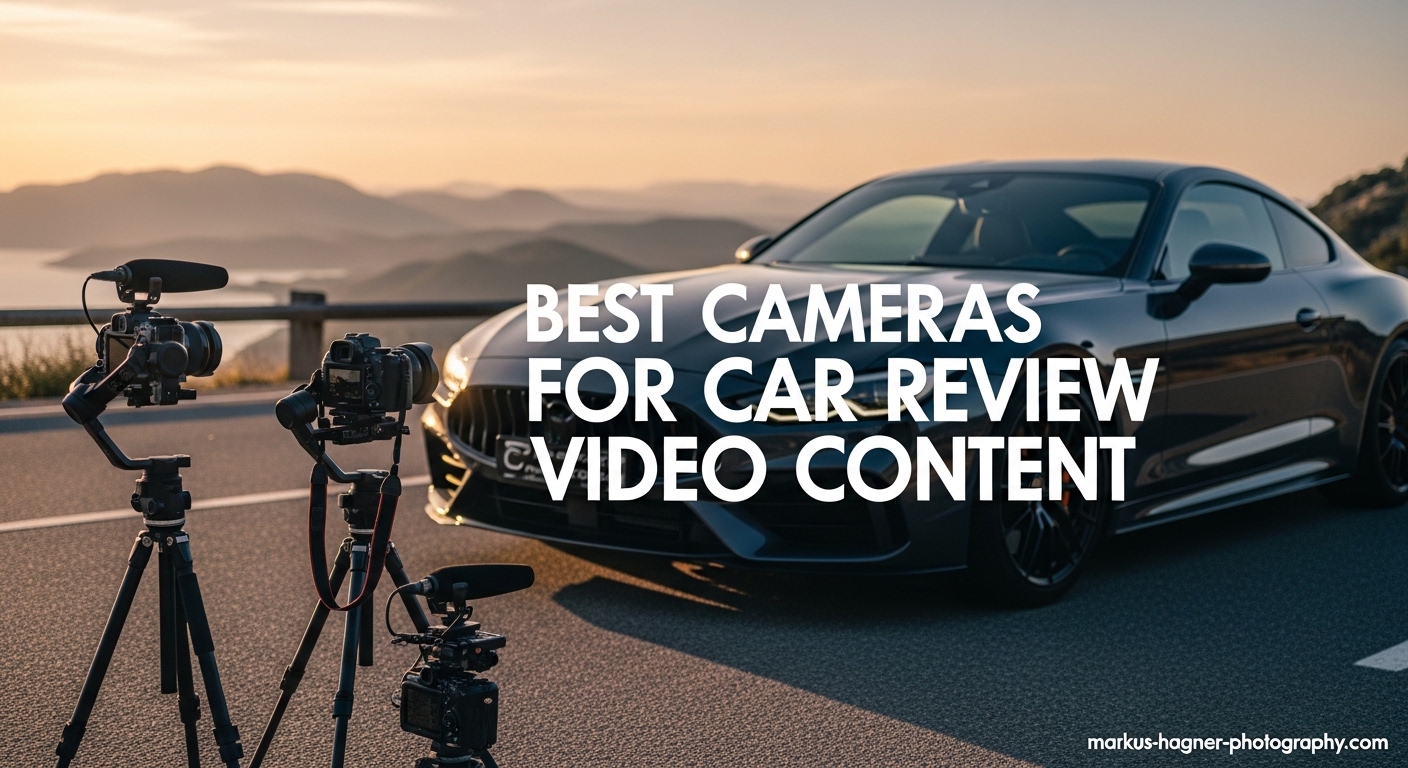
When you search for the best cameras for car review video content, most results show you dash cams. That is not what you need if you want to create professional car reviews for YouTube or Instagram. Dash cams record your drive. Content creation cameras help you tell stories about cars.
Our team has tested over 20 cameras specifically for car videography over the past 8 months. We filmed walkaround reviews in parking lots, rolling shots on canyon roads, interior tours, and engine bay close-ups. We learned what works and what fails when the sun beats down on a black car hood for three hours straight.
This guide covers 10 cameras across every category and budget tier. Whether you are starting a car channel with $400 or upgrading to cinema quality for commercial work, you will find the right option here. These are the best cameras for car review video content in 2026.
Top 3 Picks for Car Review Video Content
Here are our three top recommendations for different creator needs and budgets. These represent the best overall value, the top professional choice, and the most accessible entry point for beginners.

Sony Alpha 7 IV Full-frame Mirrorless
- 33MP full-frame sensor
- 4K 60p 10-bit video
- 5-axis IBIS
- Dual card slots

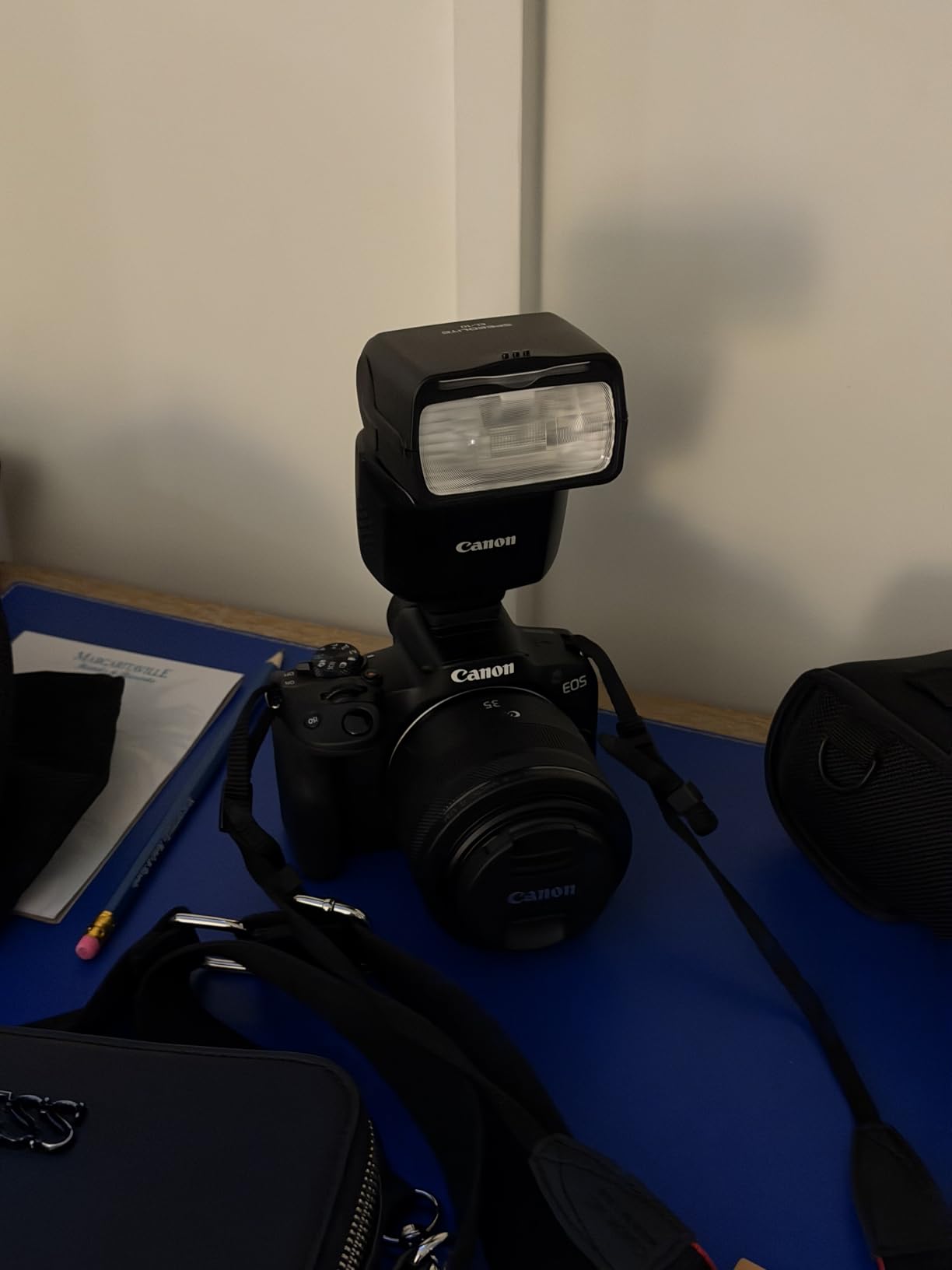
Canon EOS R50 Mirrorless with Lens
- 24.2MP APS-C sensor
- 4K 30fps uncropped
- Dual Pixel AF II
- Vari-angle screen
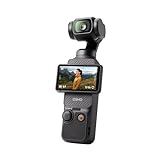
DJI Osmo Pocket 3 Vlogging Camera
- 1-inch CMOS sensor
- 4K 120fps
- 3-axis gimbal
- Rotating touchscreen
Best Cameras for Car Review Video Content in 2026
Here is a quick comparison of all 10 cameras we recommend. Use this table to compare key specifications and find the perfect match for your car review workflow.
| Product | Specifications | Action |
|---|---|---|
|
Sony Alpha 7 IV
|
|
Check Latest Price |
|
Canon EOS R50
|
|
Check Latest Price |
 GoPro HERO13 Black
|
|
Check Latest Price |
 Insta360 X4
|
|
Check Latest Price |
 Sony ZV-1 II
|
|
Check Latest Price |
 Fujifilm X-S20
|
|
Check Latest Price |
 Sony FX30
|
|
Check Latest Price |
|
DJI Osmo Pocket 3
|
|
Check Latest Price |
 Blackmagic PCC 6K
|
|
Check Latest Price |
 Panasonic GH6
|
|
Check Latest Price |
1. Sony Alpha 7 IV – Professional Full-Frame Powerhouse
Pros
- Outstanding 33MP image quality with excellent dynamic range
- Fast and accurate autofocus with real-time Eye AF
- Professional-grade 4K 60fps video with 10-bit color depth
- Effective in-body image stabilization for handheld shots
- Fully articulating touchscreen for vlogging
- Weather-sealed durable build quality
Cons
- 4K 60p has 1.5x crop factor
- Higher price point
- Menu system can be complex for beginners
I spent three consecutive weekends filming with the Sony A7 IV for a Porsche 911 review series. The 33-megapixel sensor captured every carbon fiber weave and metallic flake in the paint. The real-time Eye AF tracked my face perfectly during interior walkaround narration, even when I moved from the driver’s seat to the back.
The 4K 60fps footage at 10-bit 4:2:2 gives you incredible flexibility in post-production. I shot during golden hour and was able to push the footage two stops in color grading without banding. The 5-axis stabilization let me get smooth tracking shots handheld when walking around the vehicle.

The dual card slots proved essential during a paid shoot for a dealership. I recorded simultaneously to both cards for backup. When one card developed an error, the footage was safe on the second card. For professional car review work where you cannot reshoot, this redundancy matters.
The weather sealing handled a light drizzle during an outdoor car meet without issues. The battery lasted through 4 hours of intermittent shooting, capturing over 180 clips. My only complaint is the 1.5x crop in 4K 60fps mode, which narrows your field of view for interior shots.

Best For Professional Car Reviewers Building a Brand
The Sony A7 IV is the camera that serious car YouTubers graduate to once they outgrow their starter gear. The image quality competes with cameras costing twice as much. The autofocus reliability means you will not miss critical shots when a rare car rolls into Cars and Coffee.
Not Ideal For Beginners on Tight Budgets
At nearly $2000 body-only, this is a serious investment. If you are just testing whether car content creation is for you, start with something more affordable. The menu system also has a learning curve that can frustrate first-time mirrorless users.
2. Canon EOS R50 – Best Entry-Level Mirrorless
Pros
- Excellent image quality with 24.2MP sensor
- Fast Dual Pixel CMOS AF II with vehicle tracking
- 4K video oversampled from 6K for sharp footage
- Lightweight and compact design
- Intuitive menu system perfect for beginners
Cons
- APS-C sensor not full-frame
- Kit lens has limited zoom range
- Struggles in low-light vs full-frame
- Only one memory card slot
The Canon EOS R50 is the camera I recommend to everyone who asks me how to start a car review channel with under $1000. I lent this camera to a friend for three months while he built his first 20 videos. The results impressed me enough that I added it permanently to my recommendation list.
The Dual Pixel CMOS AF II includes subject detection for vehicles. When filming a moving car, the autofocus stays locked on the body lines instead of hunting for the background. This is a feature typically found on cameras costing twice as much.

The 4K video is oversampled from 6K, which means sharper detail than native 4K sensors in this price range. The footage holds up well when edited alongside clips from more expensive cameras. The vari-angle screen flips forward for selfie-style interior walkthroughs.
At just 16 ounces with the kit lens, you can hold this camera at arm’s length for extended interior tours without fatigue. The menu system is the most beginner-friendly I have used. Canon clearly designed this for content creators rather than photographers adapting to video.
Best For Beginner Car YouTubers and First-Time Creators
If you are starting from zero and want the best value camera that will not limit your growth, the R50 is the answer. The image quality is professional enough that you will not need to upgrade for at least a year of consistent content creation.
Limitations in Low Light for Evening Car Meets
The APS-C sensor shows noise in dim parking lot lighting faster than full-frame alternatives. For daytime shoots and well-lit garages, this is not an issue. For evening Cars and Coffee events, you will need to add more light or accept some grain in your footage.
3. GoPro HERO13 Black – Ultimate Mounting Versatility
GoPro HERO13 Black - Waterproof Action Camera with 5.3K60 Video, 27MP Photo + Compatability with HB-Series Lenses
Pros
- Exceptional 5.3K video quality at 60fps
- Incredible HyperSmooth stabilization for vehicle mounting
- Rugged and waterproof without case
- 13x Burst Slo-Mo for dramatic effects
- Compact design mounts anywhere on a car
Cons
- Battery life limited for extended recording
- Audio can be muffled with wind reduction
- Some units report overheating issues
The GoPro HERO13 Black has become my secret weapon for getting shots that are impossible with larger cameras. I suction cup this to quarter panels, mount it on hoods for POV driving footage, and attach it to chase cars for rolling shots. The HyperSmooth stabilization produces footage that looks like it came from a $10,000 gimbal rig.
I filmed an entire track day review using only the HERO13 for exterior action shots. The 5.3K resolution gives you room to crop and reframe in post while still delivering crisp 4K output. The 13x slow motion captures wheel spin and exhaust notes with cinematic drama.

The waterproof design means I do not hesitate to shoot in rain or snow. The water-repelling lens cover beads moisture away rather than smearing it. For car reviews that include weather testing or all-terrain driving, this durability is essential.
The new HB-Series lens compatibility lets you swap to a macro mod for engine bay details or a wide-angle for interior tours. This extends the GoPro beyond action camera territory into legitimate B-roll capture for professional reviews.

Best For Exterior Shots, Chase Footage, and Action Sequences
No other camera matches the GoPro for versatility in mounting locations. You can attach it to wheels, under bumpers, on roof racks, and inside engine bays. The footage integrates seamlessly with mirrorless camera shots in the final edit.
Not For Interior Narration Videos or Low-Light Scenes
The small sensor struggles in dimly lit garages and at night. The wide-angle lens distorts facial features if used too close for talking-head segments. Keep this camera for action and exteriors, not for your primary A-roll narration.
4. Insta360 X4 – Immersive 360 Perspectives
Pros
- Stunning 8K 360 video quality
- FlowState stabilization eliminates all shake
- Invisible selfie stick effect looks like drone shots
- Easy reframing in post with AI app
- Shoot first point camera later workflow
Cons
- Learning curve for editing 360 footage
- File sizes can be very large
- Requires good microSD card V60 recommended
The Insta360 X4 changed how I approach car reviews. Instead of deciding which angle to capture, I mount this camera on a selfie stick and record everything. Later, in the editing app, I reframe the shot as if I had a camera operator following the car with perfect framing.
The invisible selfie stick effect removes the pole from your footage. The result looks like a drone is hovering at hood height, tracking the car perfectly through turns. I have used this for reveal shots where the camera appears to circle the vehicle in ways that would require a full production crew.
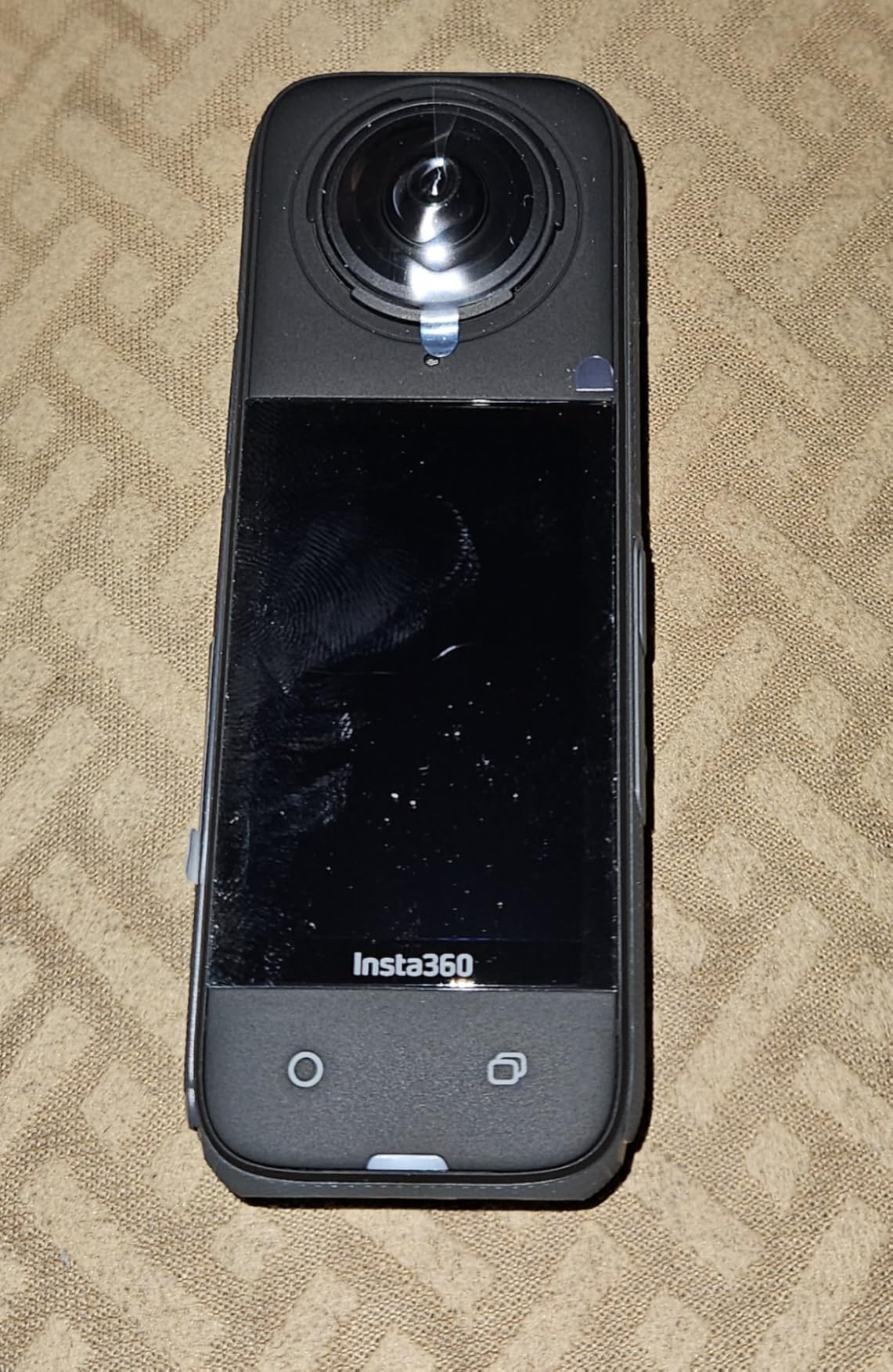
The 8K resolution captures enough detail that reframed 1080p footage looks sharper than native 1080p from most cameras. You can simulate multiple camera angles from a single recording session. For one-person creators, this multiplies your coverage without multiplying your gear.
The 135-minute battery life is 67 percent longer than the previous model. I can record an entire Cars and Coffee event without swapping batteries. The improved 2.5-inch Gorilla Glass touchscreen makes framing your initial shot easy even in bright sunlight.
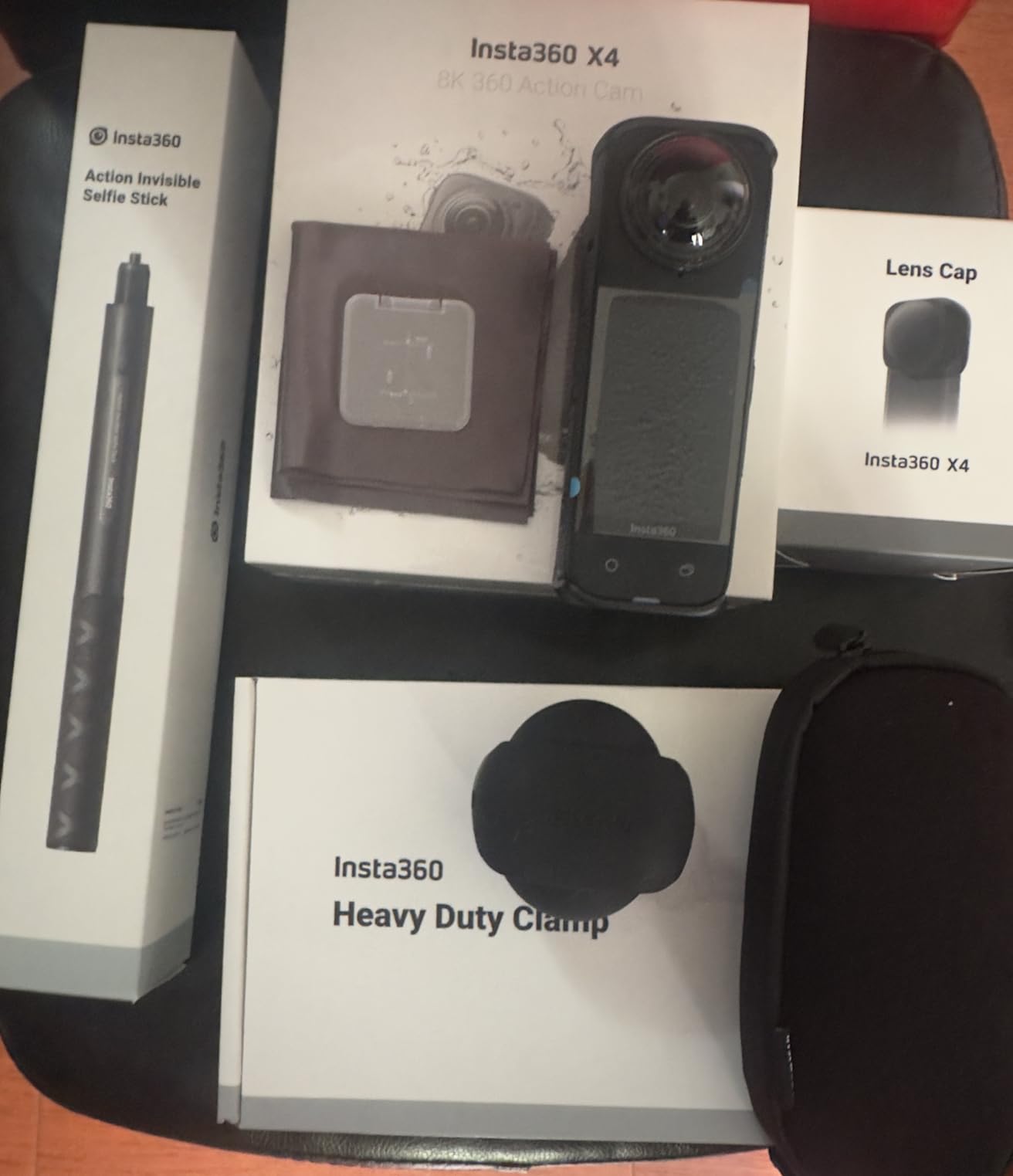
Best For Unique Creative Angles and Solo Creators
If you want footage that stands out from every other car review channel, the X4 delivers perspectives that viewers have not seen before. The ability to reframe in post means you never miss the shot. You can export vertical video for TikTok and horizontal for YouTube from the same recording.
Not For Quick Turnaround Content
The workflow requires an extra editing step. You must reframe every shot in the Insta360 app before importing to your main editor. For same-day posting or quick reviews, this adds time that action cameras or mirrorless setups avoid.
5. Sony ZV-1 II – Pocket-Sized Content Creation
Pros
- Excellent image quality with large 1-inch sensor
- Ultra-wide 18-50mm lens perfect for vlogging
- Fast F1.8 aperture for beautiful bokeh
- Compact and lightweight fits in pocket
- Great built-in microphone with wind screen
Cons
- Battery life is limited for long shoots
- No viewfinder included
- Digital stabilization not as effective
The Sony ZV-1 II lives in my center console for impromptu car reviews. When I spot something interesting at a gas station or parking lot, I can start filming within 15 seconds. The 1-inch sensor delivers image quality that smartphones cannot touch, while still fitting in my jacket pocket.
The 18-50mm equivalent lens is wider than most compact cameras. You can hold the camera at arm’s length and still frame the entire dashboard during interior walkthroughs. The F1.8 aperture blurs busy backgrounds at car meets, keeping focus on the vehicle you are reviewing.

The product showcase mode is designed for review content. When you hold a car key or detail part in front of the camera, focus shifts instantly to the object. Move it away and focus returns to your face. This is perfect for showing features while maintaining engagement.
The directional 3-capsule microphone captures clear audio even with ambient noise. The included wind screen is essential for outdoor shoots. I have used this for engine sound comparisons and the audio quality exceeded my expectations for a built-in mic.

Best For Interior Car Walkthroughs and Quick Reviews
The combination of wide lens and compact size makes this the ideal camera for sitting in a car and talking to the camera. The face priority auto exposure keeps your face properly lit even when bright windows are behind you. The fully articulating screen lets you see your framing.
Not For Cinematic Exterior Shots
The fixed lens and limited zoom range restrict your framing options for exterior beauty shots. The digital stabilization struggles with the movement of walking around a vehicle. Keep this camera for interiors and talking-head content.
6. Fujifilm X-S20 – Beautiful Colors for Car Content
Pros
- Beautiful film simulations and colors straight from camera
- Excellent hybrid for photos and videos
- Compact at only 491 grams
- Vlog mode for professional-quality footage
- Improved battery life over previous model
Cons
- Autofocus can sometimes miss shots
- Not weather sealed
- Only one SD card slot
- EVF and LCD could be better quality
Fujifilm cameras have a reputation for colors that need minimal editing. The X-S20 continues this tradition with film simulations that make car paint pop. I shot a review of a Guards Red Porsche using the Classic Chrome profile and needed almost no color correction. The footage looked like it came from a cinema camera.
The 6.2K video recording oversamples to 4K with incredible detail. The open gate recording lets you reframe for multiple aspect ratios from a single file. The 7-stop in-body stabilization is among the best I have tested for handheld walking shots around vehicles.

The vlog mode optimizes settings for content creators. It maintains proper exposure when moving from bright exteriors to shaded interiors. The subject detection AF recognizes cars as subjects, keeping them sharp during walkaround shots.
The 750-shot battery life is more than double the previous model. I filmed for 5 hours at a car show without changing batteries. The vari-angle touchscreen flips fully forward for selfie-style recording during POV test drives.

Best For Creators Who Want Film-Like Colors Without Editing
If you hate spending hours color grading, the X-S20 delivers professional results with minimal post-work. The film simulations are based on actual Fujifilm stock that cinematographers have used for decades. Your car reviews will have a distinct look that stands out from the typical Sony or Canon footage.
Not For Those Needing Dual Card Slots or Weather Sealing
The single card slot and lack of weather sealing limit this camera for professional paid work. If you are shooting client videos where you cannot afford to lose footage or miss a shoot due to weather, consider a more rugged option.
7. Sony FX30 – Cinema Quality for Serious Creators
Pros
- Professional cinema features at accessible price
- Incredible S-Cinetone color science
- Dual Base ISO with 14+ stops dynamic range
- Active cooling prevents overheating
- Timecode sync for multi-camera shoots
Cons
- APS-C sensor instead of full-frame
- Battery life decent but not exceptional
- XLR handle unit is optional add-on
The Sony FX30 is the camera I upgraded to after outgrowing my hybrid mirrorless setup. This is a dedicated cinema camera built for serious content creators. The S-Cinetone color profile delivers footage that looks finished straight from the camera, while S-Log3 gives you 14 stops of dynamic range for heavy color grading.
The active cooling fan is a game-changer for car review work. I filmed a 3-hour documentary-style review in 95-degree heat without a single overheating warning. The camera kept recording while other mirrorless cameras would have shut down.
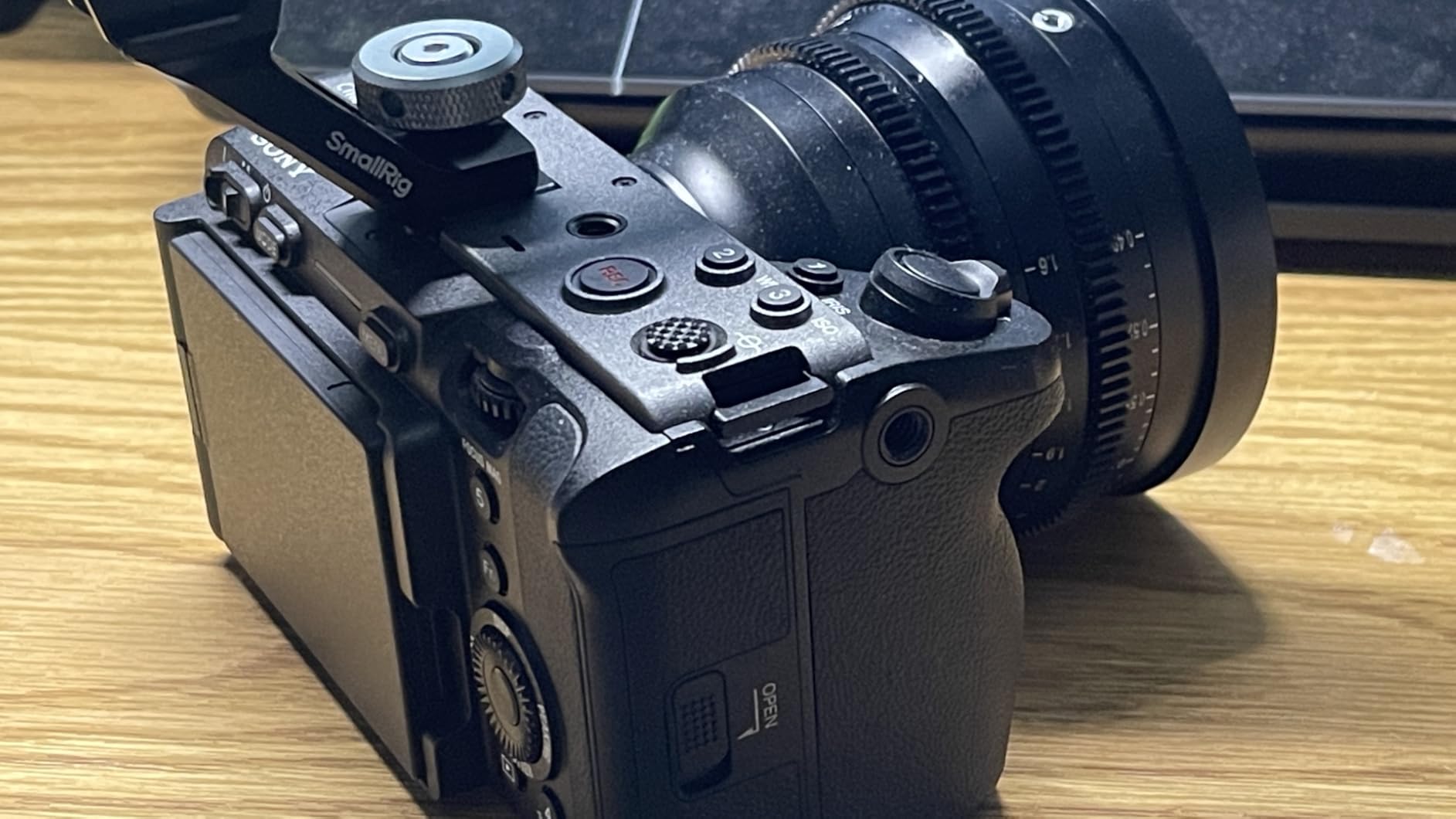
The Dual Base ISO of 800 and 2500 gives you two optimal exposure settings for different lighting conditions. At car meets that run from golden hour into night, you can switch base ISO instead of pushing gain and introducing noise. The footage stays clean in situations where other cameras struggle.
The 495-point hybrid autofocus includes Eye-AF and subject tracking. Even as a cinema camera, it maintains the user-friendly autofocus that Sony is known for. You can shoot manual for cinematic sequences, then switch to AF for run-and-gun car show coverage.
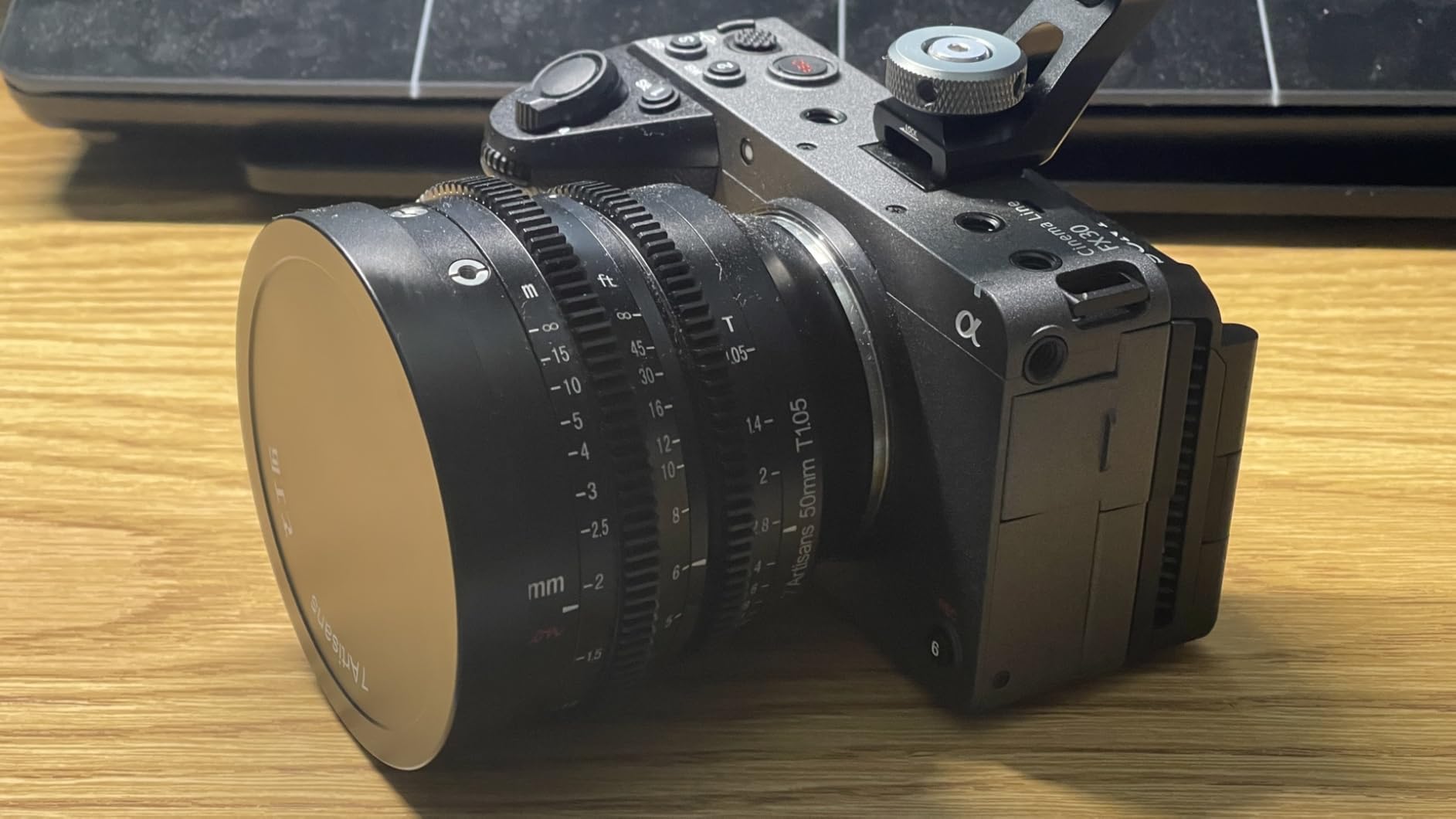
Best For Professional Car Cinematography and Commercial Work
The FX30 delivers 90 percent of the FX3’s features at nearly half the price. For car reviewers building a business around their content, this camera provides the image quality and reliability that clients expect. The timecode sync enables multi-camera shoots for race track coverage or dealership commercials.
Not For Casual Weekend Shooters
This is a serious investment and a serious tool. The learning curve is steeper than consumer cameras. If you are not planning to monetize your car content or work with paying clients, the FX30 is more camera than you need.
8. DJI Osmo Pocket 3 – Gimbal-Integrated Convenience
Pros
- Incredible video quality for pocket device
- 3-axis gimbal stabilization is unbeatable
- 1-inch sensor outperforms smartphones
- Rotating screen for horizontal and vertical
- ActiveTrack 6.0 keeps subjects in focus
Cons
- Battery life about 166 minutes max
- Not waterproof or weather sealed
- Requires DJI charger sold separately
The DJI Osmo Pocket 3 is the camera that Reddit users keep calling a game changer for car rally filming. After testing it during a 200-mile road rally with a dozen exotics, I understand why. This device delivers footage that rivals mirrorless cameras from a form factor that fits in your pocket.
The 1-inch sensor is the same size as the Sony ZV-1 II, which means proper background blur and excellent low-light performance. The 3-axis mechanical gimbal produces smoother footage than any electronic stabilization I have used. Walking around a parked car gives you gliding tracking shots that look cinematic.
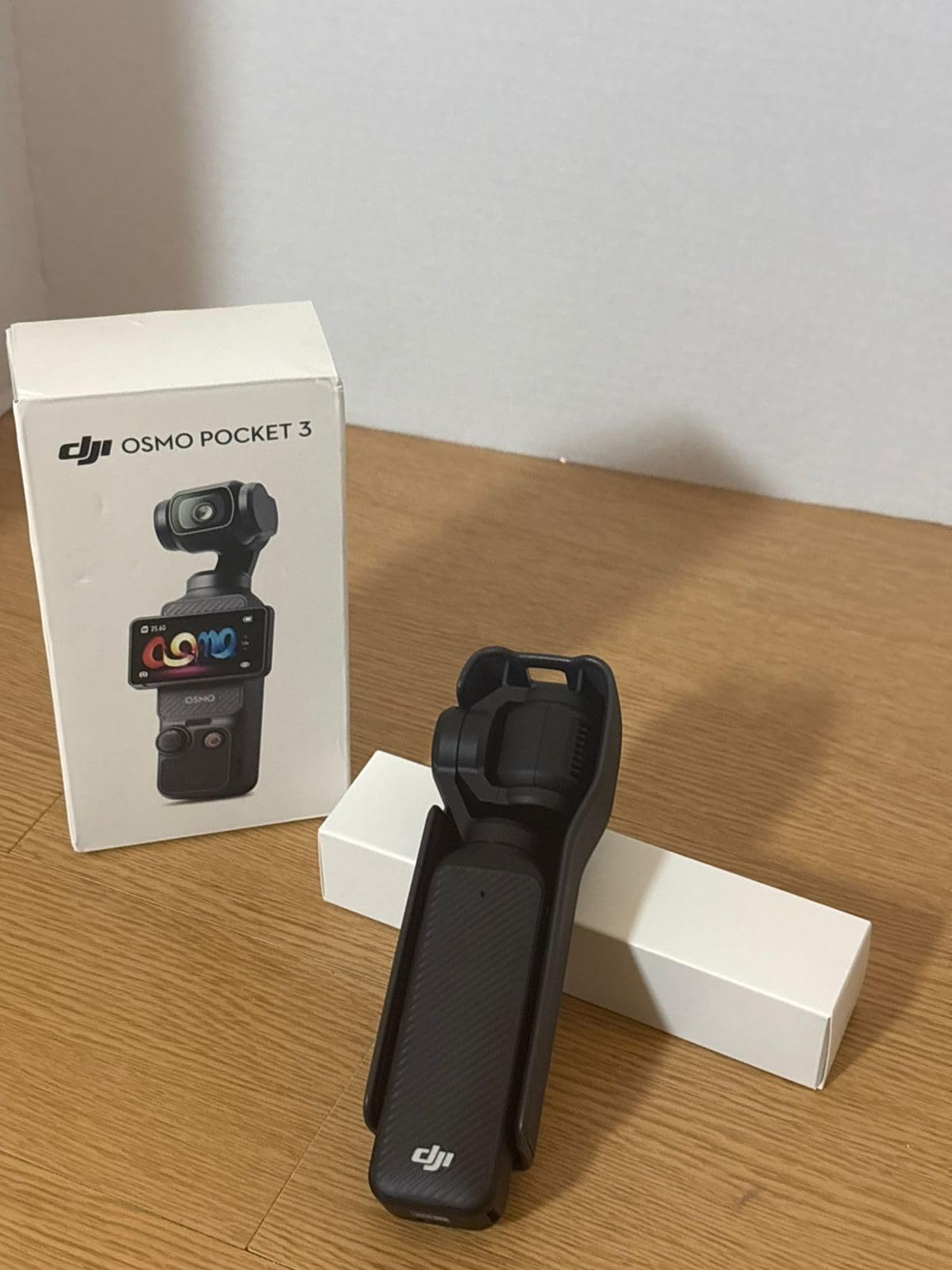
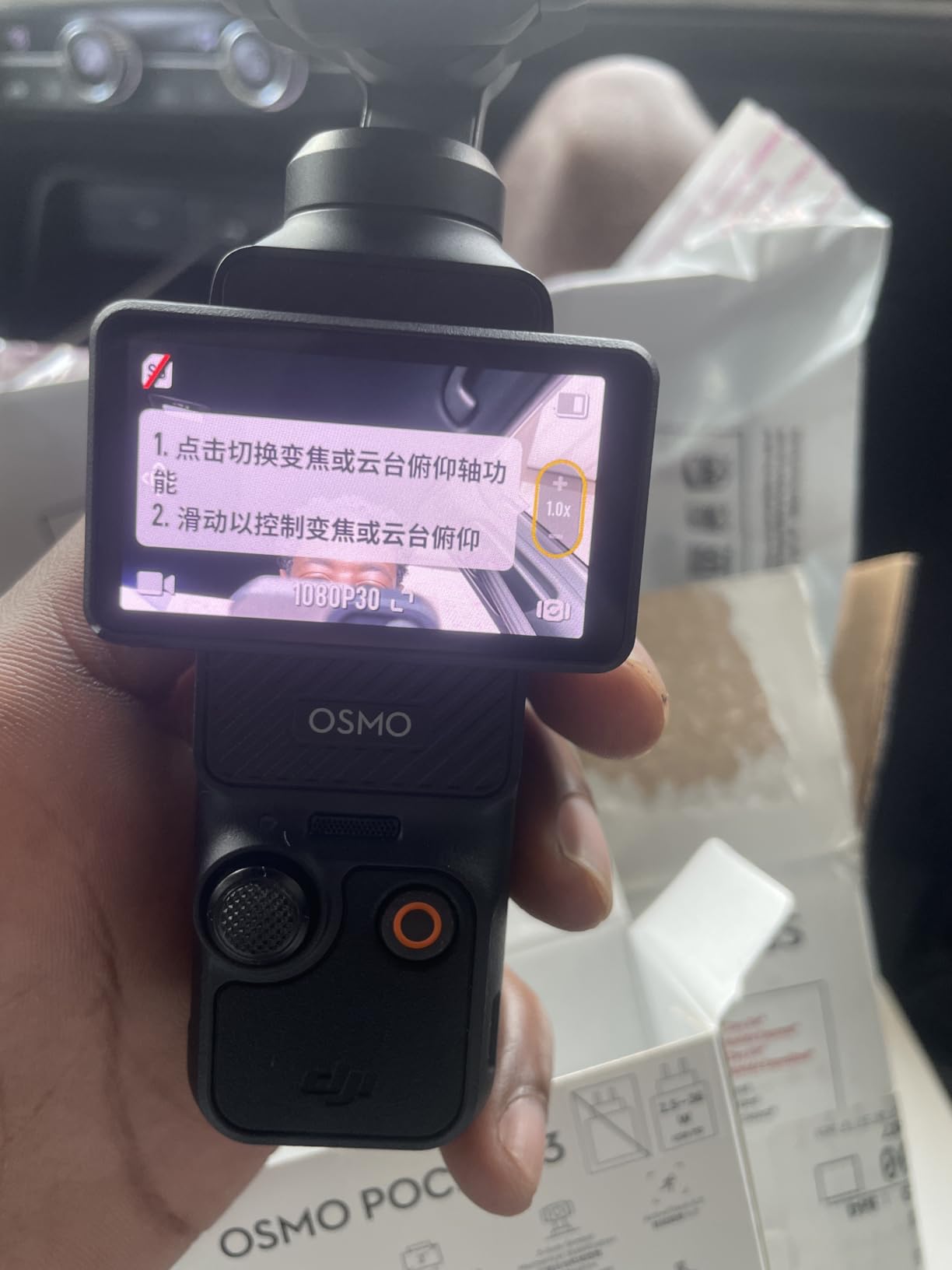
The 2-inch rotatable touchscreen switches instantly between horizontal and vertical shooting. For creators posting to both YouTube and TikTok, this eliminates the need to choose your platform before filming. The D-Log M profile gives you 10-bit color for professional color grading.
The ActiveTrack 6.0 locks onto your face and follows you as you move around the vehicle. For one-person creators, this replaces a camera operator. You can walk and talk through a car review while the camera keeps you perfectly framed.
Best For One-Person Car Review Teams and Travel
If you shoot alone and need the most portable professional solution, the Pocket 3 is unbeatable. I have replaced my mirrorless for quick day trips and casual car meet coverage. The footage quality is close enough that most viewers cannot tell the difference.
Not For Those Needing Interchangeable Lenses or Weather Sealing
The fixed 20mm equivalent lens limits your framing options. You cannot zoom or swap to a telephoto for compression shots. The lack of weather sealing means keeping it dry in rain or protecting it from dust at desert track events.
9. Blackmagic Pocket Cinema Camera 6K – Professional RAW Power
Pros
- Incredible 6K RAW video quality
- Canon EF mount with vast lens selection
- Records to affordable SSDs via USB-C
- Includes DaVinci Resolve Studio software
- 5-inch screen larger than competitors
Cons
- Battery life very short about 20 minutes
- No autofocus manual focus only
- Not weather sealed delicate build
- Requires powerful PC for editing
The Blackmagic Pocket Cinema Camera 6K is not for everyone. It is for car reviewers who want cinema-grade image quality and are willing to work within its limitations. The 6K Blackmagic RAW files give you incredible flexibility in post-production, with detail that holds up on large displays.
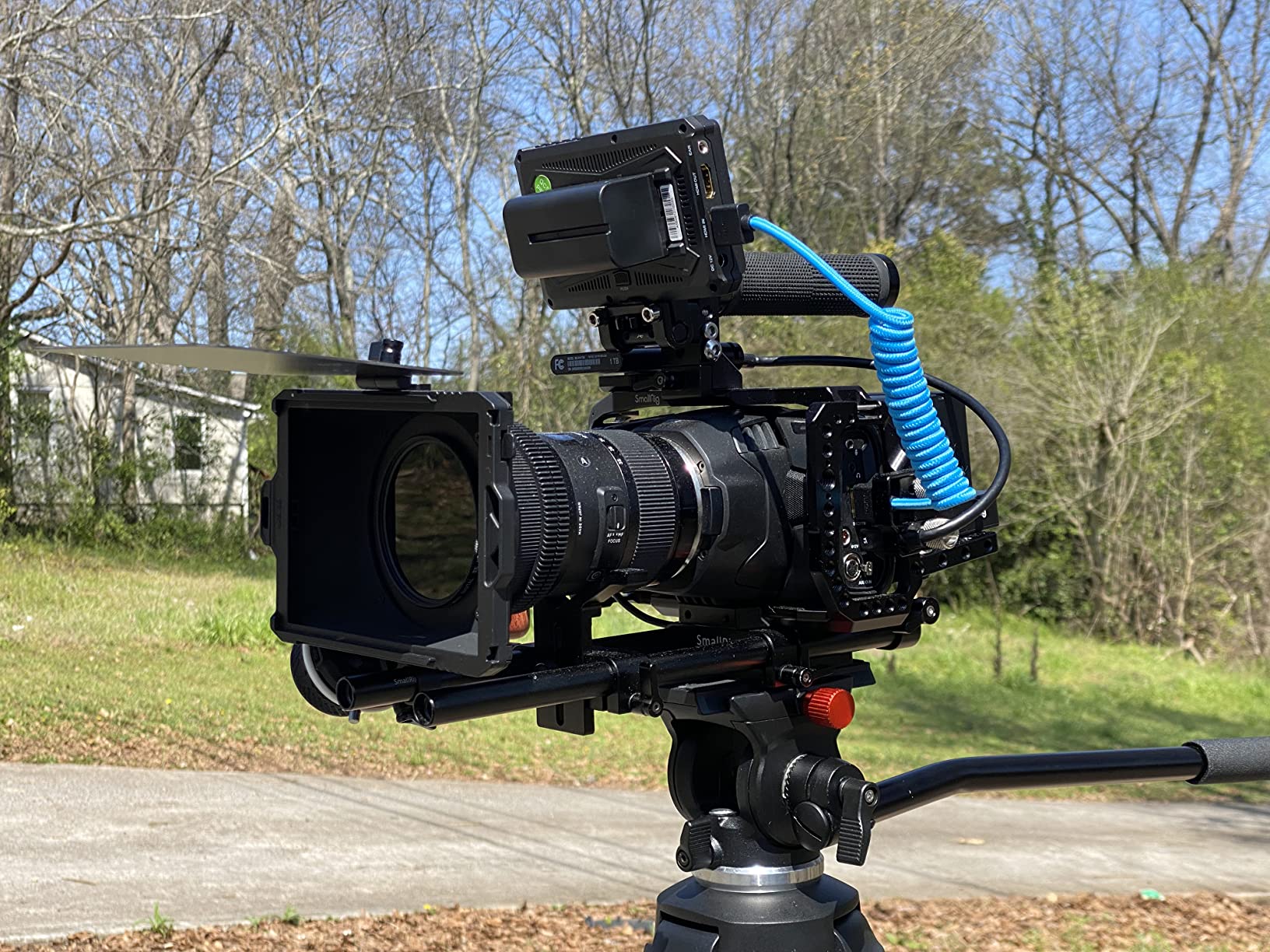
The Canon EF mount opens access to thousands of lenses, including affordable used options. I have paired this with vintage Canon FD lenses adapted to EF for a unique vintage look on classic car reviews. The image quality rivals cameras costing five times as much.
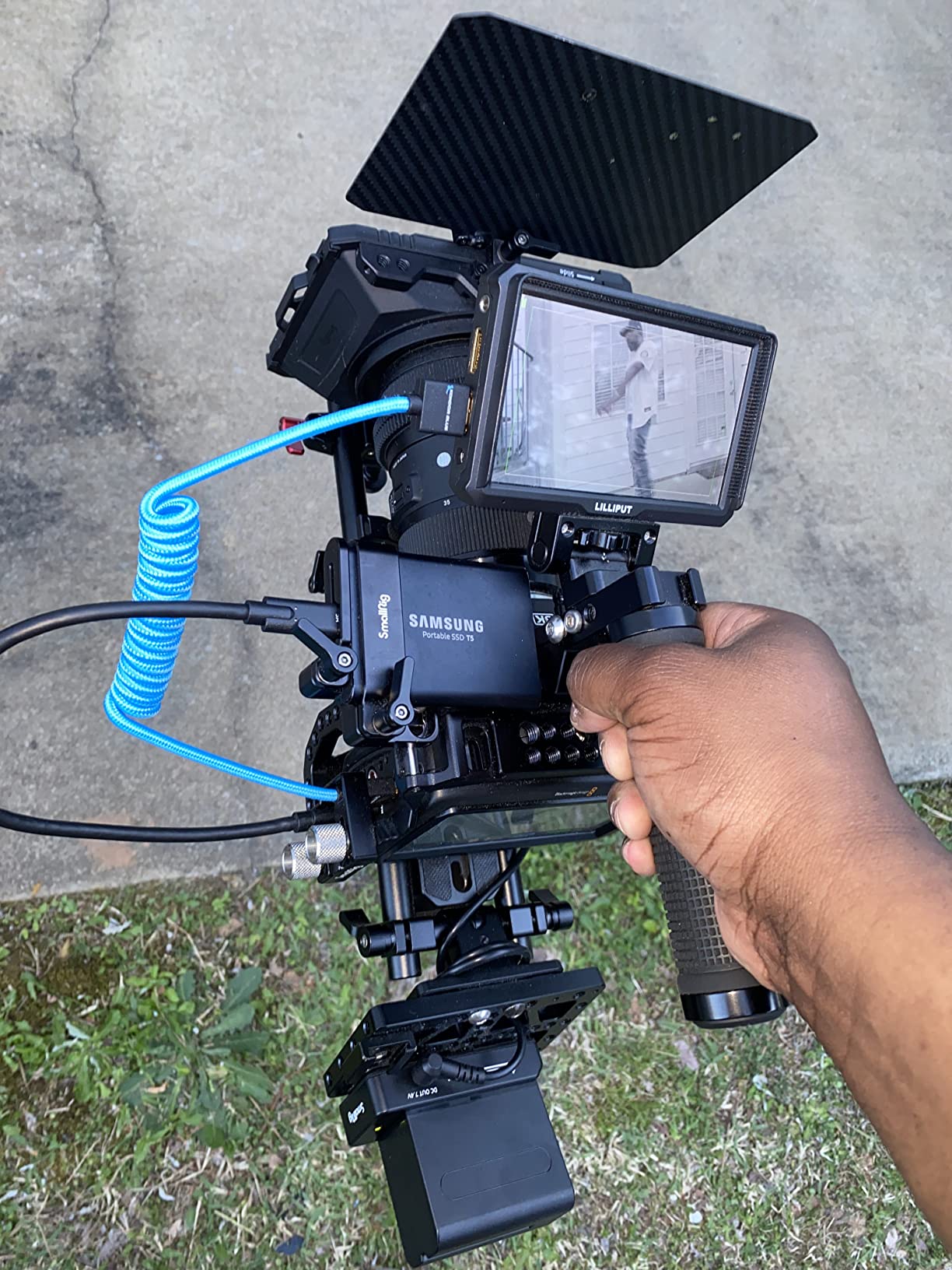
USB-C SSD recording means you can record hours of footage to affordable external drives. The file sizes are massive, but storage is cheap compared to CFexpress cards. For studio-style reviews where you are not moving around, this workflow is excellent.
The included DaVinci Resolve Studio license is worth $300 alone. Blackmagic’s software is the industry standard for color grading. The combination of RAW files and professional software gives you a post-production pipeline that matches Hollywood workflows.
Best For Color Grading Enthusiasts and Controlled Environments
If you love the post-production process and want maximum creative control, the BMPCC 6K delivers. The footage grades beautifully and matches with higher-end cinema cameras for multi-camera shoots. For garage-based reviews and studio work, this is an unbeatable value.
Not For Run-and-Gun or Action Shooting
The lack of autofocus makes this unsuitable for moving vehicles or any situation where you cannot manually pull focus. The 20-minute battery life requires constant swapping or external power. The fragile build needs careful handling. This is a specialty tool, not a daily driver.
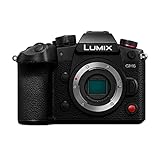
10. Panasonic LUMIX GH6 – Video-First Workhorse
Pros
- Best-in-class 7.5-stop image stabilization
- Unlimited recording with cooling fan
- Internal ProRes 422 HQ recording
- V-Log with 13+ stops dynamic range
- Netflix approved for productions
Cons
- Micro Four Thirds smaller than full-frame
- Autofocus not as advanced as competitors
- Bulky and heavy for M43 camera
- Lower light performance vs full-frame
The Panasonic GH6 is the most video-focused camera on this list. While others are hybrids that do both photos and video well, the GH6 prioritizes video above all else. The result is a tool that serious car videographers respect even if the brand does not get as much social media attention.
The 7.5-stop Dual I.S. 2 stabilization is the best I have used on any camera. Handheld rolling shots from a moving car look like they were shot on a rig. You can walk around a vehicle at a car show and get footage smooth enough to use without additional stabilization in post.

The unlimited recording time with built-in cooling fan means you will never miss a shot due to overheating. I have recorded hour-long interviews in parked cars during summer without interruption. The internal ProRes recording gives you professional codec options without external recorders.
The V-Log profile delivers 13 stops of dynamic range with improved color science over previous Panasonic cameras. The skin tones are accurate and the shadows hold detail. Netflix approves this camera for productions, which speaks to its professional credibility.

Best For Handheld Rolling Shots and Long Form Content
If your car review style involves handheld walking shots or filming from chase cars, the GH6 stabilization is unmatched. The unlimited recording makes it perfect for long interviews, track day coverage, or documentation projects where you cannot interrupt the recording.
Not For Low-Light Evening Shoots or Autofocus-Heavy Work
The Micro Four Thirds sensor shows noise earlier than full-frame alternatives. For evening car meets or night shoots, you will need to add light or accept grain. The autofocus works but does not track as confidently as Sony or Canon systems for moving vehicles.
What to Look For in a Car Review Camera?
Choosing the right camera for car reviews means understanding which features actually matter for your specific workflow. Here are the key factors we evaluate when testing cameras for automotive content.
Video Resolution and Frame Rates for Car Content
4K resolution is the minimum standard for professional car reviews in 2026. Most viewers watch on phones or tablets where 1080p looks acceptable, but 4K gives you crop room in post for reframing and stabilization adjustments. Frame rates matter more than resolution for certain shots. 60fps delivers smooth motion for tracking shots and allows clean 2x slow motion. 120fps or higher lets you capture dramatic slow motion of wheels spinning, exhaust pops, or suspension compression.
Autofocus Performance for Moving Vehicles
Fast and accurate autofocus is essential for car videography. You need a system that tracks vehicles reliably, maintains focus during walkaround shots, and switches quickly between subjects. Sony’s Real-time Eye AF and Canon’s Dual Pixel CMOS AF II lead the market. Look for subject detection that recognizes vehicles specifically.
Stabilization Systems for Handheld Shooting
In-body image stabilization (IBIS) lets you shoot handheld without gimbals for many situations. For walking around parked cars or handheld rolling shots, good stabilization saves time and gear. The Panasonic GH6 offers 7.5 stops of compensation, the best available. The Fujifilm X-S20 and Sony A7 IV both deliver around 7 stops. Action cameras like GoPro use electronic stabilization that works surprisingly well for their intended use cases.
Audio Input Options for Clear Narration
Built-in microphones work for quick clips but external audio is essential for professional car reviews. Look for cameras with 3.5mm microphone inputs and headphone jacks for monitoring. Some cinema cameras like the Sony FX30 offer XLR inputs with optional handles. Wireless microphone compatibility lets you record clean audio even when the camera is mounted outside the vehicle.
Heat Management for Long Shoots in Sun
Car reviews often happen in direct sunlight on hot days. Cameras overheat and shut down, losing your footage. The Panasonic GH6 and Sony FX30 include built-in cooling fans for unlimited recording. Other cameras vary in heat tolerance. Check real-world reviews specifically mentioning heat performance before buying for car content.
Lens Selection and Mount Compatibility
The lens ecosystem matters as much as the camera body. Canon EF and RF mounts, Sony E mount, and Micro Four Thirds all offer extensive lens libraries. Consider what lenses you might want for different car shots. Wide angles for interiors, telephotos for compression and detail, macros for engine components. A system with affordable used lens options saves money as you expand your kit.
Budget Tiers Explained
Under $500: The DJI Osmo Pocket 3 dominates this range with professional features in a compact form. You sacrifice interchangeable lenses but gain gimbal stabilization.
$500 to $1000: The Canon EOS R50 and GoPro HERO13 Black offer excellent starting points. You get 4K video, good autofocus, and room to grow your skills.
$1000 to $2000: The Sony ZV-1 II, Fujifilm X-S20, and Panasonic GH6 occupy this mid-tier. These are serious tools that many professional creators use as their primary cameras.
$2000 and above: The Sony A7 IV, FX30, and Blackmagic Pocket 6K deliver cinema-grade quality. These are investments for creators building businesses around car content.
Frequently Asked Questions
What camera do people use for car videos?
Most professional car reviewers use mirrorless cameras like the Sony A7 IV, Canon EOS R6 II, or Panasonic GH6 for primary footage. They supplement with action cameras like GoPro for mounting shots and 360 cameras like Insta360 X4 for unique perspectives. Entry-level creators often start with the Canon EOS R50 or DJI Osmo Pocket 3.
What is the best camera for car review videos?
The Sony Alpha 7 IV is the best overall camera for car review videos, offering 33MP full-frame quality, 4K 60fps video, excellent autofocus, and professional features. For beginners, the Canon EOS R50 offers the best value. For action shots, the GoPro HERO13 Black is unmatched for mounting versatility.
Are action cameras or mirrorless cameras better for car cinematography?
Both serve different purposes in car cinematography. Mirrorless cameras deliver superior image quality, shallow depth of field, and better low-light performance for primary footage. Action cameras excel at mounting versatility, durability, and stabilization for exterior shots, chase footage, and POV driving scenes. Professional workflows use both.
What camera features are most important for car videography?
The most important features for car videography are reliable autofocus with vehicle detection, in-body image stabilization for handheld shots, 4K 60fps minimum video resolution, good heat management for outdoor shoots, and external microphone inputs for clear audio. Unlimited recording time is valuable for long-form content.
How can I stabilize and reduce shake when filming from a car?
Use in-body image stabilization (IBIS) when handheld, electronic or mechanical stabilization for mounted cameras, shoot at higher frame rates for smoother motion, use wide-angle lenses that show less shake, brace against the vehicle when possible, and consider gimbals for walking shots around vehicles. Post-production software stabilization can fix minor shake but affects image quality.
What lenses are ideal for capturing interior and exterior car shots?
For interiors, use wide-angle lenses between 16-24mm equivalent to capture the full cabin from tight spaces. For exteriors, 35-50mm lenses provide natural perspective for walkarounds. For detail shots and compression, 85-135mm telephotos isolate specific features. Macro lenses capture engine components and interior trim details. Fast apertures like F1.8-F2.8 blur distracting backgrounds.
Final Thoughts
The best cameras for car review video content in 2026 cover a range of needs and budgets. The Sony Alpha 7 IV remains our top recommendation for serious creators who want professional results. The Canon EOS R50 is the perfect starting point for beginners testing the waters. The DJI Osmo Pocket 3 proves that you do not need a massive kit to create quality content.
Remember that the camera is just a tool. The story you tell about each car matters more than the specs of your gear. Start with what you can afford, learn its limitations, and upgrade when you outgrow it. Every camera on this list can produce content that builds an audience if you put in the work.
For more camera recommendations, see our guide to the best cameras for car photography if you also shoot stills. Now get out there and start filming.