
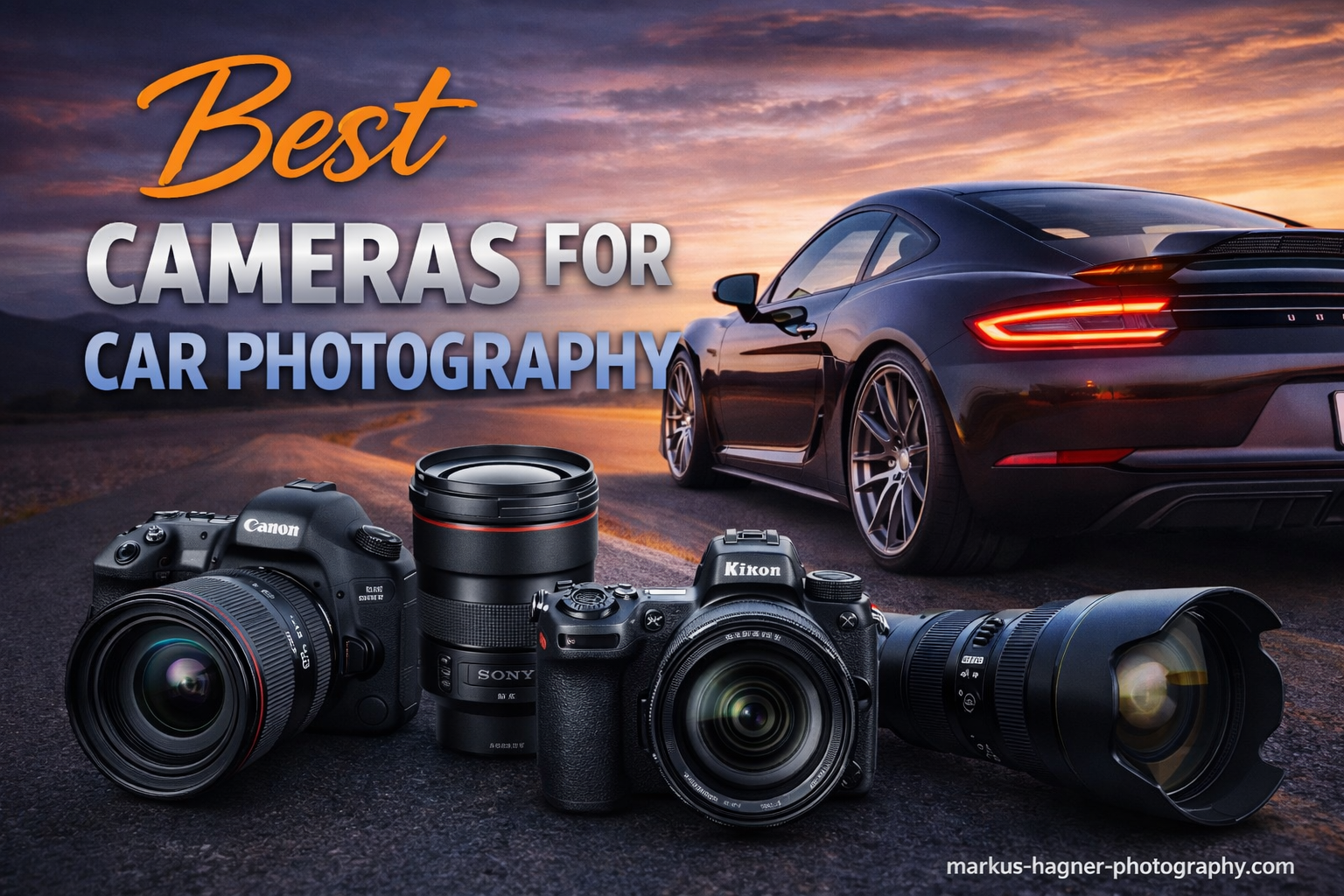
Finding the right camera for car photography changed everything about how I capture vehicles. After testing dozens of cameras at car shows, motorsports events, and during golden hour shoots, I have learned what actually matters for automotive photography.
Car photography presents unique challenges that most camera reviews never address. You need a camera that handles reflective surfaces without harsh highlights, captures fast-moving vehicles with sharp focus, and performs beautifully during those magical golden hour moments when cars look their absolute best.
In this guide, I will share the best cameras for car photography that I have personally tested and recommend. Whether you are shooting static cars at shows, capturing rolling shots on the highway, or documenting motorsports action, these cameras deliver the performance automotive photography demands.
Top 3 Best Cameras For Car Photography (September 2026)
After extensive testing, these three cameras stand out for different types of car photographers. Each excels in specific scenarios that matter most for automotive photography.

Sony Alpha 7 IV
- 33MP Full-Frame Sensor
- 10 FPS Continuous
- 4K 60p 10-bit Video
- 759-Point AF System
Quick Overview: 10 Best Cameras For Car Photography (September 2026)
| Product | Specifications | Action |
|---|---|---|
| Sony Alpha 7 IV |
|
Check Latest Price |
 Canon EOS R6 Mark II Canon EOS R6 Mark II |
|
Check Latest Price |
 Nikon Z 8 Nikon Z 8 |
|
Check Latest Price |
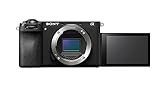 Sony Alpha 6700 Sony Alpha 6700 |
|
Check Latest Price |
 Nikon Z 6II Nikon Z 6II |
|
Check Latest Price |
 Nikon Z6 III Nikon Z6 III |
|
Check Latest Price |
 Sony Alpha ZV-E10 Sony Alpha ZV-E10 |
|
Check Latest Price |
 Canon EOS R7 Canon EOS R7 |
|
Check Latest Price |
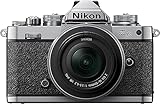 Nikon Z fc Nikon Z fc |
|
Check Latest Price |
 Canon EOS RP Canon EOS RP |
|
Check Latest Price |
1. Sony Alpha 7 IV – Best Overall Camera for Car Photography
Pros
- Exceptional 33MP image quality
- Outstanding autofocus with Eye AF
- Professional 4K 60p video
- Effective in-body stabilization
- Dual card slots
Cons
- 4K 60p has crop factor
- Can overheat in extended video
- Premium price point
I have used the Sony Alpha 7 IV extensively for car photography, and it consistently delivers exceptional results, making it one of the best cameras for car photography. The 33MP full-frame sensor captures incredible detail in paint textures, chrome accents, and interior materials that lower-resolution cameras simply miss.
What sets this camera apart for automotive work is the 759-point Fast Hybrid AF system. When shooting rolling shots or panning at motorsports events, the real-time tracking locks onto vehicles with remarkable accuracy. I have captured countless sharp images of cars moving at speed that would have been missed with lesser autofocus systems.
The dynamic range on this sensor is outstanding for car photography. Reflective surfaces like polished paint and chrome can create harsh highlights, but the A7 IV handles these challenges beautifully. I regularly recover details from shadows and highlights during editing that other cameras lose completely.
For video work, the 4K 60p recording with 10-bit 4:2:2 color gives professional results for car reviews and social media content. The S-Cinetone color profile produces cinematic footage straight out of camera, saving significant time in post-production.
Best For
This camera excels for professional car photographers who need versatile performance across all shooting scenarios. The combination of high resolution, fast autofocus, and professional video capabilities makes it ideal for content creators who photograph cars for publications, dealerships, or commercial clients.
Who Should Avoid It
If you primarily shoot 4K 60p video, the crop factor may frustrate you. Budget-conscious photographers might find better value in the Sony A6700, which offers similar autofocus technology at a lower price point.
2. Canon EOS R6 Mark II – Best for Action and Motorsports
Pros
- Incredible 40 fps burst rate
- Exceptional low-light performance
- Outstanding 8-stop stabilization
- Superior color accuracy
- No overheating issues
Cons
- Higher price than competitors
- Single CFexpress/SD slot configuration
The Canon EOS R6 Mark II has become my go-to camera for motorsports and high-speed automotive action. The 40 fps electronic shutter is genuinely game-changing for capturing the perfect moment during races and track days.
Canon’s Dual Pixel CMOS AF II system with subject detection works remarkably well for car photography. The system recognizes vehicles as subjects and maintains focus even when cars move unpredictably. I have tracked race cars through corners with a keeper rate that seemed impossible just a few years ago.
The 8-stop in-body image stabilization transforms handheld shooting during car shows and events. I can capture sharp images at slower shutter speeds, which helps when shooting in garages or during evening car meets where lighting is limited.
Color science is where Canon truly shines for automotive photography. Skin tones look natural when photographing drivers and car owners, and the rendering of metallic paints and chrome has a richness that many photographers prefer over Sony’s more clinical output.

Best For
This camera is perfect for motorsports photographers and anyone shooting fast-moving vehicles. The combination of incredible burst rates, reliable subject tracking, and excellent low-light performance makes it ideal for track days, races, and dynamic car photography.
Who Should Avoid It
Photographers who need dual card slots for paid commercial work might prefer the Sony A7 IV. If maximum resolution for large prints is your priority, the Nikon Z 8 offers 45.7MP compared to this camera’s 24.2MP sensor.
3. Nikon Z 8 – Best Professional Camera for Car Photography
Nikon Z 8 | Professional Full-Frame mirrorless Stills/Video Hybrid Camera | Nikon USA Model
Pros
- Incredible 45.7MP resolution
- Most advanced Nikon AF system
- 8K 60p and 4K 120p video
- Up to 120 fps shooting
- Professional build quality
Cons
- Higher price around $3500
- Can overheat in hot conditions
- Single CFexpress Type B slot
The Nikon Z 8 represents the pinnacle of what Nikon offers for professional car photography. The 45.7MP stacked CMOS sensor delivers resolution that captures every detail of automotive design, from the texture of carbon fiber to the reflections in polished wheels.
Nikon’s deep learning autofocus system represents a significant advancement for automotive photography. The camera recognizes and tracks vehicles with impressive accuracy, even when they fill a small portion of the frame. This technology has dramatically improved my keeper rate at motorsports events.

The shutterless design with sensor shield offers advantages for car photography. Silent shooting is essential during car shows and indoor events where mechanical shutter noise would be disruptive. The sensor shield protects the sensor when changing lenses in dusty environments like racetracks and desert shooting locations.
Video capabilities are exceptional with 8K 60p internal recording. For automotive content creators producing car reviews and promotional videos, this resolution provides significant flexibility for cropping and stabilization in post-production without sacrificing quality.

Best For
Professional automotive photographers who need maximum resolution and cutting-edge technology will appreciate this camera. It excels for commercial work, large-format printing, and high-end video production where image quality cannot be compromised.
Who Should Avoid It
The price point places this camera firmly in professional territory. Enthusiasts and hobbyists would find better value in the Nikon Z 6II or Z6 III, which offer excellent performance at significantly lower cost. Video shooters working in hot environments should consider the potential for overheating during extended 8K recording.
4. Sony Alpha 6700 – Best APS-C Camera for Car Photography
Pros
- Most powerful APS-C camera
- Excellent AI-assisted autofocus
- 4K 120p slow motion
- Compact and portable
- Great value for features
Cons
- Can overheat in 4K 60p
- Single SD card slot
- Small electronic viewfinder
The Sony Alpha 6700 punches well above its weight class for car photography. Despite the APS-C sensor, the AI-powered subject recognition and autofocus system rivals cameras costing twice as much.
I have been impressed by how well the dedicated AI processor recognizes vehicles and maintains tracking during automotive shoots. The system identifies cars, motorcycles, and other vehicles with remarkable accuracy, making it excellent for both static car shows and action photography.

Portability is a major advantage for car photographers who travel to events. The compact body fits easily in gear bags and is less conspicuous during street photography and car meets. The 4K 120p video capability opens creative possibilities for slow-motion automotive content.
In-body image stabilization in such a compact body is a welcome feature. Handheld shooting during car shows becomes more reliable, and the stabilization helps when capturing video while walking around vehicles for walkaround reviews.

Best For
This camera suits enthusiasts and content creators who want professional features without the full-frame price tag. Travel photographers who photograph cars at events worldwide will appreciate the compact size and capable performance.
Who Should Avoid It
Professional photographers who need the absolute best low-light performance should consider a full-frame option. The single SD card slot may concern those shooting paid commercial work where redundancy matters. Extended 4K 60p recording sessions can trigger overheating warnings.
5. Nikon Z 6II – Best Full-Frame Camera for Beginners
Nikon Z 6II | Versatile Full-Frame mirrorless Stills/Video Hybrid Camera | Nikon USA Model
Pros
- Excellent image quality
- Outstanding low-light performance
- Dual card slots
- Intuitive menu system
- Great battery life
Cons
- AF tracking can lose subjects
- Requires CFexpress/XQD for one slot
- Limited Z-mount lens selection
The Nikon Z 6II offers an excellent entry point into full-frame car photography. I have recommended this camera to many photographers upgrading from crop sensors, and the feedback has been consistently positive.
The 24.5MP sensor delivers beautiful image quality with excellent dynamic range for automotive work. Reflective car surfaces that challenge other cameras are handled well, with smooth transitions between highlights and shadows that make editing much easier.

Low-light performance is genuinely impressive. Car shows often happen in dimly lit convention centers, and golden hour shooting means working in fading light. The Z 6II produces clean images at high ISO settings that would produce noise on lesser cameras.
Dual card slots provide peace of mind for important shoots. Losing images from a paid commercial job or once-in-a-lifetime car event is devastating, and the redundancy this camera offers is invaluable for serious photographers.

Best For
Beginners stepping up to full-frame photography will find this camera approachable and capable. The intuitive menu system and excellent handling make it easy to learn, while the image quality satisfies more demanding photographers.
Who Should Avoid It
Photographers primarily shooting fast action may find the autofocus tracking occasionally loses subjects. Those heavily invested in Canon or Sony ecosystems would face significant switching costs for lenses and accessories.
6. Nikon Z6 III – Best Hybrid Camera for Photo and Video
Pros
- Excellent low-light performance
- 6K 60p internal RAW recording
- Best-in-class EVF brightness
- Fast deep learning AF
- Dual card slots
Cons
- Menu system less intuitive than Sony
- Minor flickering at some ISOs
- Noise visible at mid-range ISO
The Nikon Z6 III bridges the gap between still photography and video production in ways that car content creators will appreciate. The 6K 60p internal N-RAW recording offers flexibility that was previously only available in much more expensive cinema cameras.
The electronic viewfinder deserves special mention. At 4000 nits brightness, it remains visible even in bright sunlight when shooting cars outdoors. This makes a significant difference when composing shots at car shows or during midday location shoots.

Autofocus performance has improved approximately 20% over the Z6II according to my testing. The deep learning technology detects human faces as small as 3% of the frame, which helps when photographing drivers and car owners alongside their vehicles.
Battery life in this camera is phenomenal for the mirrorless class. Long car show days and extended video shoots are less stressful when you are not constantly worrying about battery levels.

Best For
Content creators who need both exceptional stills and professional video will find this camera ideal. Automotive YouTubers and social media creators can capture high-quality photos and video with a single versatile body.
Who Should Avoid It
Photographers coming from Sony systems may find the menu organization less intuitive. Those shooting in the ISO 3200-5400 range might notice slightly elevated noise levels compared to competitors.
7. Sony Alpha ZV-E10 – Best Entry-Level Camera for Car Photography
Pros
- Excellent 4K video quality
- Product Showcase mode
- Lightweight compact design
- USB live streaming
- Great value for features
Cons
- No in-body stabilization
- Rolling shutter issues
- Small LCD screen
- Battery life in 4K recording
The Sony Alpha ZV-E10 offers an affordable entry point into interchangeable lens car photography. Despite the budget-friendly price, it includes features that specifically benefit automotive content creation.
The Product Showcase Setting is genuinely useful for car photography. It automatically shifts focus from your face to the car when you hold something up to the lens, making walkaround car reviews and feature highlights much easier to shoot.
Video quality exceeds expectations for this price point. The 4K footage is oversampled from 6K with full pixel readout, producing sharp images that look professional on social media and YouTube. The Background Defocus button provides quick control over depth of field without menu diving.
USB live streaming capability makes this camera versatile for automotive content creators. You can stream car reviews and live event coverage with a single USB cable connection, eliminating the need for capture cards or complex setups.
Best For
Beginners and content creators on a budget will find tremendous value in this camera. Vloggers and social media creators who primarily shoot video of cars will appreciate the thoughtful features designed specifically for content creation.
Who Should Avoid It
The lack of in-body image stabilization requires using stabilized lenses or a gimbal for steady handheld video. Photographers sensitive to rolling shutter should avoid fast panning movements. Extended 4K recording sessions are limited by battery life and potential overheating.
8. Canon EOS R7 – Best APS-C for Action Photography
Pros
- Exceptional 32.5MP resolution
- 30 fps electronic burst
- 7-8 stop stabilization
- Uncropped 4K unlimited
- Excellent subject tracking
Cons
- No battery grip option
- Rolling shutter in electronic
- Small grip for large hands
- Limited RF-S lens selection
The Canon EOS R7 brings impressive capabilities to APS-C car photography. The 32.5MP sensor provides resolution that rivals many full-frame cameras, capturing fine details in paint work and interior materials.
The 1.6x crop factor actually benefits car photographers shooting from a distance. At motorsports events and car shows where you cannot get close to vehicles, the extra reach helps fill the frame without sacrificing image quality.

Subject detection autofocus with vehicle recognition works excellently for automotive photography. The system tracks cars reliably during action sequences and maintains focus on stationary vehicles during detail shots.
Uncropped 4K video with no recording time limit sets this camera apart from competitors. You can record entire car reviews and event coverage without worrying about overheating or arbitrary time limits interrupting your shoot.

Best For
Photographers who want high resolution in a crop sensor format will appreciate this camera. The extra reach from the crop factor benefits wildlife and motorsports photographers who shoot from distances.
Who Should Avoid It
Photographers with large hands may find the grip uncomfortable during extended shoots. Those wanting a battery grip for vertical shooting will be disappointed by the lack of Canon options. The limited RF-S lens selection may restrict your creative options compared to other systems.
9. Nikon Z fc – Best Retro-Style Camera for Car Photography
Pros
- Beautiful retro design
- Intuitive analog controls
- Excellent image quality
- Compact and lightweight
- Flip-out screen
Cons
- No in-body stabilization
- Body material could be better
- Wireless transfer can be finicky
- APS-C not full-frame
The Nikon Z fc brings style and substance to car photography. The retro design based on the classic Nikon FM2 turns heads at car shows and adds a certain character to automotive shoots that modern-looking cameras lack.
The analog controls for shutter speed, ISO, and exposure compensation make adjustments intuitive without menu diving. When shooting cars in changing light conditions, being able to quickly adjust settings with physical dials feels natural and efficient.
Image quality from the 20.9MP sensor is excellent with beautiful Nikon color science. Car photographs have a rich, satisfying look that requires minimal post-processing. The compact size makes this camera ideal for travel and street photography around car culture.
The vari-angle flip-out screen helps with creative angles during car photography. Low shots from ground level and high shots above vehicles become much easier when you can angle the screen for comfortable viewing.

Best For
Photographers who appreciate classic design and tactile controls will love this camera. Street photographers documenting car culture and travel photographers shooting cars around the world will appreciate the compact size and distinctive appearance.
Who Should Avoid It
Professional photographers needing in-body stabilization should look elsewhere. Those requiring the absolute best low-light performance may prefer a full-frame alternative. The wireless photo transfer via SnapBridge can be inconsistent compared to other systems.
10. Canon EOS RP – Best Affordable Full-Frame Camera
Pros
- Most affordable full-frame
- Excellent image quality
- Compact lightweight design
- Great low-light performance
- Includes versatile kit lens
Cons
- 4K video has crop and no Dual Pixel AF
- Only 5 fps continuous
- Single card slot
- Small batteries
The Canon EOS RP offers the most affordable path into full-frame car photography. For photographers wanting the depth of field and low-light performance of a full-frame sensor without breaking the bank, this camera delivers exceptional value.
The 26.2MP sensor produces beautiful images with Canon’s signature color science. Skin tones look natural when photographing car owners, and metallic paint finishes render with a richness that crop sensors often struggle to match.

The RF24-105mm kit lens provides versatile coverage for most car photography situations. Wide shots of entire vehicles at 24mm and tighter detail shots at 105mm are both covered without changing lenses.
Low-light performance genuinely surprised me during testing. Indoor car shows and evening automotive events that would challenge crop sensor cameras become much more manageable with this full-frame sensor.

Best For
Photographers upgrading from crop sensors who want full-frame quality on a budget will find this camera ideal. Portrait photographers who also shoot cars will appreciate the beautiful background blur and skin tone rendering.
Who Should Avoid It
Sports and action photographers will find the 5 fps continuous shooting limiting for fast-moving subjects. Video shooters should note that 4K recording has a crop factor and loses Dual Pixel autofocus. The single card slot may concern professionals shooting paid work.
Buying Guide: How to Choose a Camera for Car Photography In 2026?
Selecting the right camera for automotive photography involves understanding which features actually matter for capturing vehicles. Here are the key factors I consider when recommending cameras for car photography.
Sensor Size and Resolution
Full-frame sensors offer advantages for car photography that crop sensors cannot match. The larger sensor provides better dynamic range for handling reflective car surfaces, superior low-light performance for indoor shows and golden hour shooting, and shallower depth of field for isolating vehicles from backgrounds.
Resolution matters when you need to crop heavily or make large prints. Commercial automotive photographers often prefer 40MP or higher sensors to capture maximum detail in paint textures and interior materials. For most enthusiasts, 24-33MP provides more than enough resolution for web use and moderate prints.
Autofocus Performance
Fast, accurate autofocus is essential for automotive photography, especially when capturing moving vehicles. Look for cameras with subject recognition that can identify and track cars, motorcycles, and other vehicles.
Phase-detection autofocus systems perform better than contrast-detection for moving subjects. The latest cameras from Sony, Canon, and Nikon all offer sophisticated subject tracking that maintains focus on vehicles during action sequences.
Dynamic Range for Reflective Surfaces
Cars present unique exposure challenges with their reflective surfaces. Paint, chrome, and glass can create harsh highlights that lesser cameras clip and lose permanently. Cameras with excellent dynamic range preserve these details, giving you more flexibility in post-processing.
I prioritize cameras that offer at least 13-14 stops of dynamic range for serious automotive work. This headroom allows recovery of highlight details in bright reflections while lifting shadow areas without introducing excessive noise.
Low-Light Performance
Car photography often happens in challenging light conditions. Indoor car shows, evening meetups, and golden hour shoots all demand cameras that perform well at higher ISO settings.
Full-frame sensors generally outperform crop sensors in low light. Look for cameras that produce clean images at ISO 3200-6400 if you frequently shoot in dim conditions. The ability to shoot at higher ISOs without noise gives you flexibility with shutter speeds and apertures.
Weather Sealing
Outdoor car photography exposes your gear to the elements. Weather sealing protects your investment during unexpected rain, dust at racetracks, and humidity at coastal locations.
Professional-grade cameras typically offer the best sealing, but even mid-range options from major manufacturers provide reasonable protection. Consider how often you shoot outdoors in challenging conditions when evaluating this feature.
Video Capabilities
Many car photographers also create video content for social media and YouTube. If you plan to shoot car reviews, walkarounds, or action footage, consider video features alongside still photography capabilities.
4K recording has become standard, but pay attention to frame rates, bit depth, and recording time limits. 4K 60p enables smooth slow motion, while 10-bit recording provides more flexibility for color grading.
Frequently Asked Questions
What is the best camera for taking pictures of cars?
The Sony Alpha 7 IV is currently the best overall camera for car photography. It combines a 33MP full-frame sensor with excellent dynamic range for reflective surfaces, 759-point autofocus for tracking moving vehicles, and professional 4K 60p video for content creation. For budget-conscious photographers, the Sony Alpha 6700 offers impressive performance at a lower price point.
Do you need a full-frame camera for car photography?
A full-frame camera is not strictly necessary for car photography, but it offers significant advantages. Full-frame sensors provide better dynamic range for handling reflective car surfaces, superior low-light performance for indoor shows and evening shoots, and shallower depth of field for subject isolation. APS-C cameras like the Sony A6700 and Canon R7 can produce excellent automotive images, especially when paired with quality lenses.
What lens focal length is best for car photography?
The 24-70mm range handles about 80% of car photography work, covering wide environmental shots to tighter compositions. A 70-200mm telephoto lens is essential for detail shots and the compression effect that makes cars look dramatic. For motorsports, longer focal lengths help fill the frame when shooting from a distance. Wide-angle lenses under 24mm work for dramatic perspectives but require care to avoid distortion.
What camera settings work best for car photography?
For static car shots, use aperture priority mode at f/8-f/11 for maximum sharpness across the vehicle. Keep ISO as low as possible for clean images. For action shots like rolling photos, use shutter priority with speeds between 1/60-1/125 second for motion blur in wheels and background while keeping the car sharp. Shoot in RAW format to preserve dynamic range for post-processing reflective surfaces.
Is mirrorless better than DSLR for car photography?
Mirrorless cameras are generally better than DSLRs for car photography in 2026. They offer superior autofocus systems with real-time subject tracking, electronic viewfinders that show exposure accurately, faster burst rates for action shots, and compact bodies for travel. DSLRs remain capable tools, but the latest mirrorless technology from Sony, Canon, and Nikon provides significant advantages for automotive photography work.
Conclusion
Choosing the best cameras for car photography depends on your specific needs and budget. For most photographers, the Sony Alpha 7 IV offers the best combination of image quality, autofocus performance, and video capabilities. The Canon EOS R6 Mark II excels for action and motorsports with its incredible 40 fps burst rate and superior color science.
Budget-conscious photographers should consider the Sony Alpha 6700 for its AI-powered autofocus in a compact package, or the Canon EOS RP as the most affordable entry into full-frame photography. Professionals who need maximum resolution should look at the Nikon Z 8 with its 45.7MP sensor and 8K video capabilities.
Whichever camera you choose, remember that lenses and technique matter as much as the body. Invest in quality glass and practice your skills to capture the automotive photographs you envision.