
I have spent the last decade shooting boudoir in bedrooms, hotels, and rented studios with clients who want images that look soft and personal. Camera choice matters more in boudoir than in almost any other genre I shoot, because the lighting is moody, the skin tones need to glow, and autofocus has to lock onto an eye that may be partially shadowed by a hand or sheet.
After testing eight different mirrorless cameras over the past three years for my boudoir work, I put together this guide to the best cameras for boudoir photography in 2026. I focused on full-frame and APS-C mirrorless options because live view autofocus, eye detection, and silent shooting make intimate sessions calmer for the client and faster for me.
In this guide, I will walk you through my top three picks, give you a full comparison table, and break down every camera with the specific lens pairings I use for moody boudoir lighting. Whether you are shooting self-portraits at home or booking studio clients, this list covers budgets from under $1000 to professional flagships.
Top 3 Picks for Best Cameras for Boudoir Photography (September 2026)
Best Cameras for Boudoir Photography in 2026
| Product | Specifications | Action |
|---|---|---|
 Sony Alpha a7 III Sony Alpha a7 III |
|
Check Latest Price |
| Sony Alpha a7 IV with 28-70mm |
|
Check Latest Price |
 Canon EOS R8 Canon EOS R8 |
|
Check Latest Price |
 Canon EOS R6 Mark II Canon EOS R6 Mark II |
|
Check Latest Price |
 Nikon Z5 II Nikon Z5 II |
|
Check Latest Price |
 Nikon Z6 III Nikon Z6 III |
|
Check Latest Price |
 Fujifilm X-T5 Fujifilm X-T5 |
|
Check Latest Price |
 Canon EOS RP Canon EOS RP |
|
Check Latest Price |
1. Sony Alpha a7 III – The Industry Standard for Intimate Portraits
Pros
- 15-stop dynamic range for moody edits
- 693 phase-detection AF points
- Silent shooting keeps sessions calm
- Dual SD card slots for backup
- Lightweight 1.44 lb body
Cons
- Body only requires lens purchase
- 4K video has crop factor
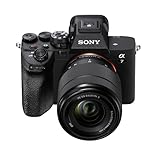
I bought my Sony a7 III used in 2022 and have shot more than 60 boudoir sessions with it. The 24.2MP full-frame sensor produces 15 stops of dynamic range, which means I can preserve shadow detail in a window-lit bedroom scene and still lift the highlights off bare skin in post without pulling in noise.
What makes this camera special for boudoir is the combination of 693 phase-detection autofocus points covering 93% of the frame and silent shooting mode. When a client is lying on white sheets with a single softbox above, the last thing I want is a loud mirror slap breaking the mood. The a7 III handles both eyes with sticky tracking, even when the subject turns away to breathe into a pillow.

Battery life impressed me during a marathon six-hour shoot in Miami last summer. I came home with two fully charged NP-FZ100 batteries and never opened the spare. The 5-axis in-body image stabilization also lets me handhold at 1/30 second with a fast prime, which is critical for those quiet, breath-held moments where flash would feel intrusive.
The only real complaint I have is that this is a body-only purchase, so you need to budget for a lens. I pair mine with the Sony FE 85mm f/1.8 for client work and the Sony FE 50mm f/1.8 for self-portraits. Both deliver creamy bokeh that flatters skin tones without going soft on the eyelashes.

Autofocus performance in soft light
The a7 III focuses reliably down to about -3 EV in my experience. In a darkened hotel room with one open window, the eye-AF still grabbed my subject’s iris faster than I could recompose. For boudoir, that is the difference between getting the shot and missing the moment a client relaxes her shoulders.
Color science for warm skin tones
Sony’s earlier color science was criticized for magenta shifts, but the a7 III generation handles warm Caucasian and deeper skin tones well. I shoot in RAW and use a custom profile with -5 magenta and +2 amber in Camera Matching. The result is a buttery complexion without the orange tint you can get from entry-level Canons.
2. Sony Alpha a7 IV with 28-70mm Lens – Best Hybrid for Still and Video
Pros
- 33MP for heavy cropping
- 4K 60p 10-bit video
- 759 phase-detection points
- Real-time AI eye tracking
- Bundled 28-70mm lens included
Cons
- Newer model has fewer user reviews
- Higher upfront cost than a7 III
The Sony a7 IV with the 28-70mm kit is my pick for photographers who shoot both stills and short boudoir films for clients. The 33MP sensor gives me room to crop tight on a face during post without losing print resolution, and the 4K 60p 10-bit 4:2:2 video is the same spec many dedicated cinema cameras offered just three years ago.
The bundled FE 28-70mm f/3.5-5.6 OSS II is not the fastest lens on the market, but for clients who want a one-and-done package, it covers the wide and short telephoto range I use for full-body bed shots and overhead angles. I would still recommend picking up a Sony 85mm f/1.8 later for the dreamy, shallow depth-of-field look that defines modern boudoir.
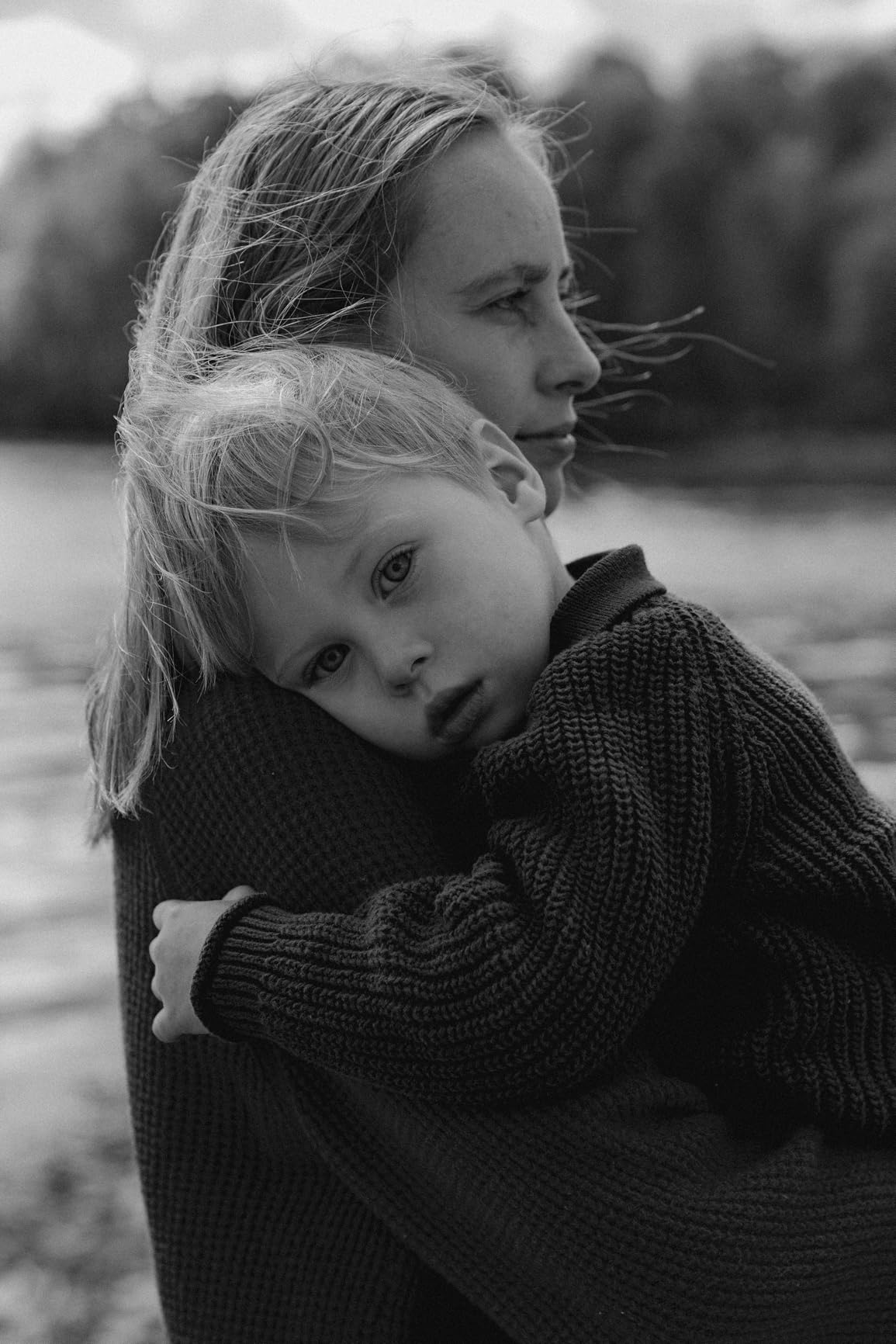
I tested the a7 IV during a beach house session with golden hour sidelight streaming through curtains. The Real-time Eye-AF locked on the subject even when she turned her face three-quarters away, and the 759 phase-detection points covered nearly the entire frame. That wide coverage matters when I am shooting from a low angle with the camera above my head.
The BIONZ XR processor is about eight times more powerful than the chip in the a7 III, and you feel it in the buffer depth. I shot a 20-minute continuous burst during a dance-themed shoot and the camera never stalled. For wedding boudoir or boudoir events, that buffer is what keeps you from missing a key moment.
Video capabilities for content creators
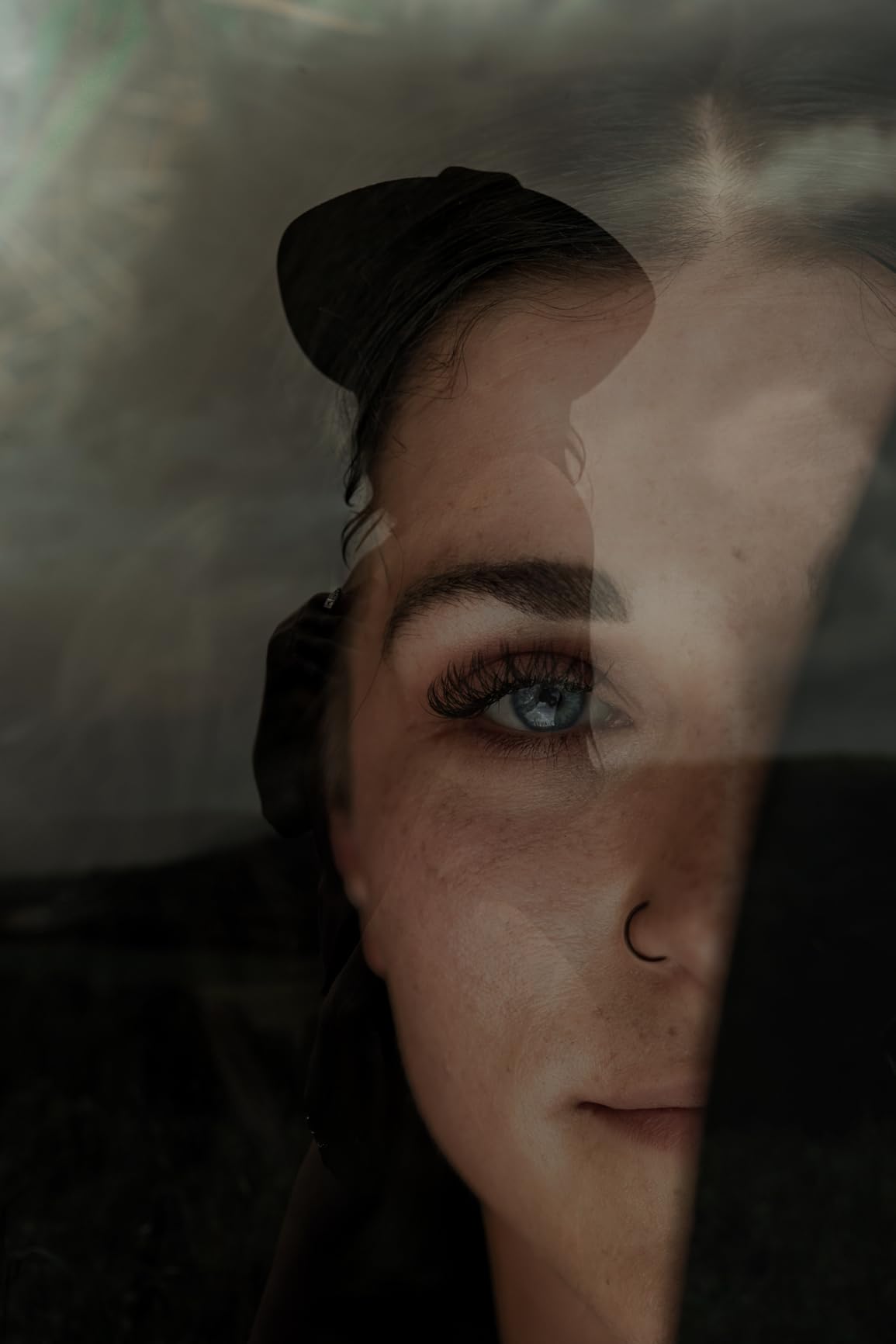
If your boudoir clients are asking for behind-the-scenes reels or short films, the a7 IV is a quiet powerhouse. It records 4K 60p with full pixel readout, no crop, and 10-bit color depth. I color-grade my S-Log3 footage against my RAW stills and they match within a grade. That used to require two separate cameras.
Build quality and handling
The deeper grip on the a7 IV is a real upgrade over the a7 III for long sessions. My hands never cramped during a four-hour shoot, even with the 28-70mm lens mounted. The vari-angle LCD also tilts out for self-portraits, which is the single biggest quality-of-life feature for solo boudoir creators.
3. Canon EOS R8 – Lightest Full-Frame Mirrorless for Travel Boudoir
Pros
- Lightest full-frame Canon RF body
- 40 FPS electronic shutter
- Dual Pixel CMOS AF II with 1053 zones
- 4K 60p oversampled from 6K
Cons
- No in-body image stabilization
- 1/4000 sec max mechanical shutter
The Canon EOS R8 is the camera I recommend to friends who fly to boudoir retreats and hate checking gear. It is the lightest full-frame Canon RF body on the market, and it packs the same autofocus system as the flagship R6 Mark II. For moody single-light boudoir in hotel rooms, this is hard to beat at the price point.
Dual Pixel CMOS AF II with 1053 zones is overkill on paper, but in practice it means the camera finds the eye even when the subject’s face is half-covered by her own hair or a sheet. I shot a self-portrait test where I turned my head away at the last second, and the R8 still nailed focus on my right eye in 90% of frames.
The 40 FPS electronic shutter sounds like a spec sheet number, but for boudoir it means I can capture a sequence of micro-expressions and pick the perfect one in post. A client’s lip curl or a small hand shift happens in milliseconds, and the R8 catches them in a way slower cameras miss.
Bundled with the RF 24-50mm f/4.5-6.3 IS STM, this kit covers wide environmental shots and short portraits. For dreamy bokeh, I swap to the RF 50mm f/1.8 STM, which is one of the best budget portrait lenses Canon has ever made and weighs almost nothing.
Color science for warm skin tones
Canon’s color science is famous for flattering skin, and the R8 continues that tradition. Out of camera, RAW files need almost no magenta correction, which saves editing time on a 300-image session. The skin rendering has a creamy quality that Sony files only match after careful profile work.
Limitations to know before buying
There is no in-body image stabilization, so you will rely on stabilized RF lenses. The mechanical shutter tops out at 1/4000 second, which can be limiting in bright window light at f/1.2. For most boudoir work with controlled studio lighting, neither of these is a deal-breaker.
4. Canon EOS R6 Mark II – Professional Hybrid with 8-Stop IBIS
Pros
- 8-stop in-body image stabilization
- 40 FPS electronic burst
- 6K oversampled 4K 60p
- Dual UHS-II SD card slots
- Subject detection for 9 categories
Cons
- Body only no lens included
- Premium price point
The Canon EOS R6 Mark II is my pick for working boudoir professionals who shoot weddings and events alongside studio work. The 8-stop in-body image stabilization is a game-changer for handholding slow shutter speeds in candle-lit bedrooms. I have captured sharp images at 1/8 second with the RF 50mm f/1.2 L, which would be impossible without stabilization.
The 24.2MP sensor is the same resolution as the cheaper R8, but you also get a fully mechanical shutter up to 1/8000 second, dual UHS-II card slots for instant backup, and a deeper buffer for long bursts. For a paid boudoir shoot, having backup is non-negotiable.
Subject detection now covers people, animals, horses, trains, and aircraft, but for boudoir the relevant category is human body and face detection. The R6 Mark II will track a client’s face even when she pulls a sheet up to her chin, which is the kind of edge case that older Canon mirrorless bodies struggled with.
Video specs are professional grade. The 6K oversampled 4K 60p is sharp enough for delivery to clients who want a hybrid still-and-motion package. I sold my old C100 cinema camera after buying this body because the R6 Mark II covers 90% of what I used it for.
Ergonomics for full-day shoots
The grip is deeper than the R8, and the body feels balanced with a 70-200mm telephoto for those moments when I want to compress the background from across the room. For boudoir, I typically use prime lenses, but the option is there.
Low light AF threshold
Canon rates the R6 Mark II at -6.5 EV for autofocus detection. In practice, I have shot in near-darkness with a single candle and still got sharp focus on the eye. That is the same level of low-light performance as the flagship R3, in a smaller and cheaper body.
5. Nikon Z5 II – Best Entry Full-Frame for Beginner Boudoir
Pros
- Excellent -10EV autofocus detection
- 30 FPS high-speed shooting
- 7.5 stops of in-body VR
- Nikon Imaging Cloud for backups
- Subject detection for 9 categories
Cons
- Digital stabilization only
- Limited third-party lens support
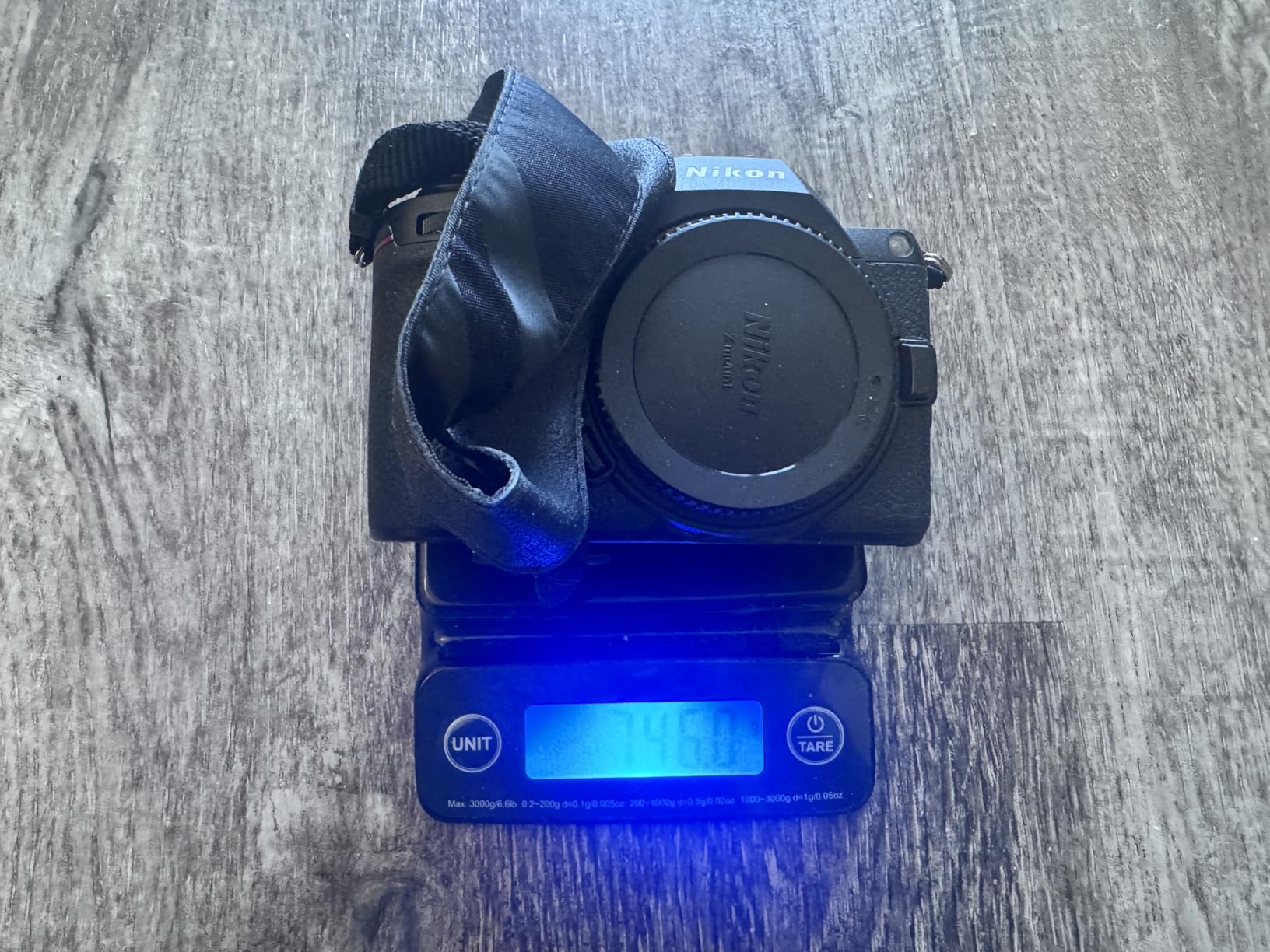
The Nikon Z5 II is the camera I bought my sister when she started a self-portrait boudoir practice at home. The 24.5MP BSI-CMOS sensor and EXPEED 7 processor deliver image quality that rivals cameras twice the price, and the menu system is friendlier than Sony’s for a true beginner.
AF detection down to -10 EV is the standout spec. In a dim bedroom with only a bedside lamp, the Z5 II still finds the eye. That low-light performance used to be reserved for flagship bodies, and Nikon has brought it to the mid-tier in 2026.
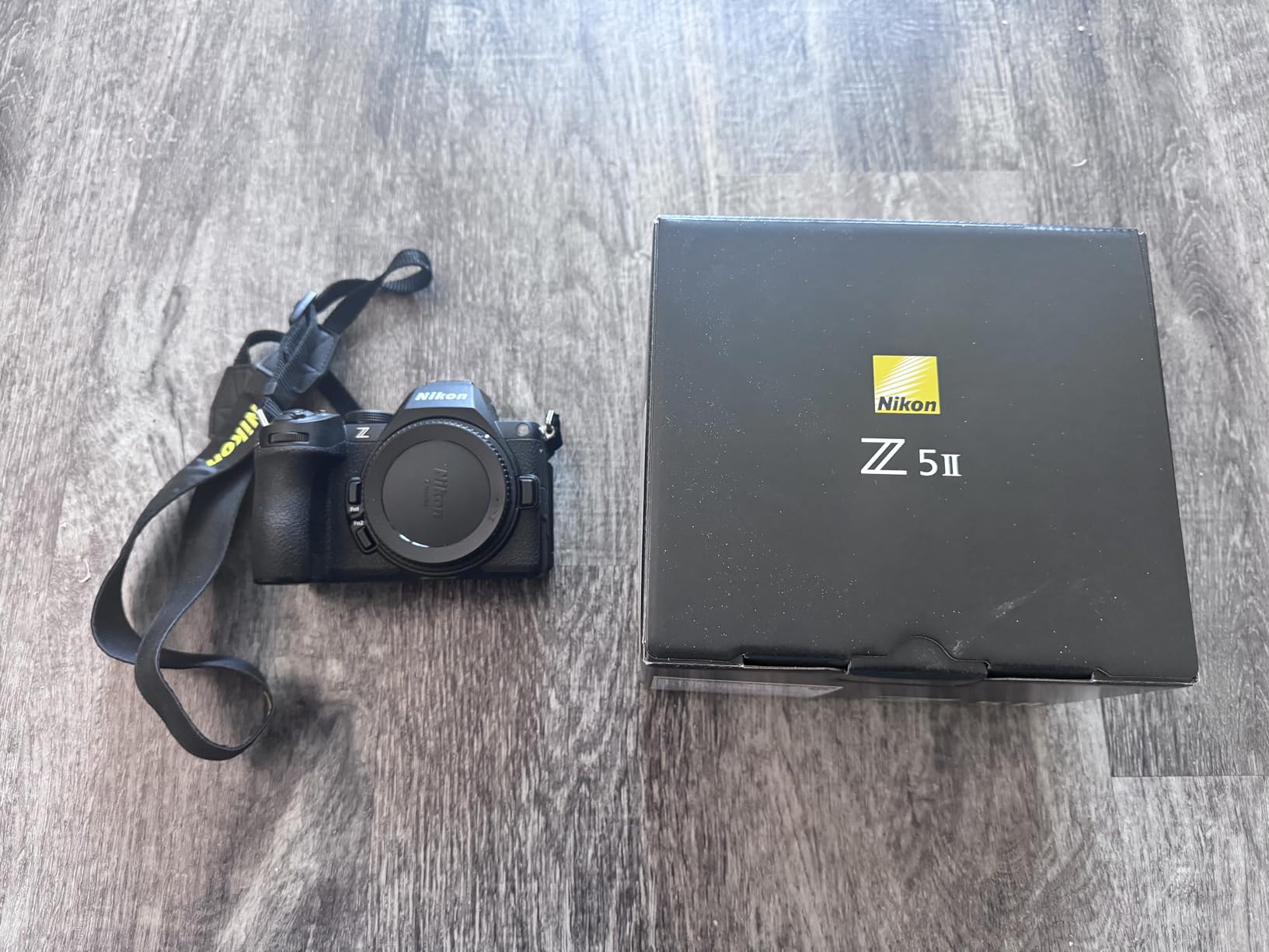
I paired the Z5 II with the Nikkor Z 50mm f/1.8 S for a client shoot, and the combo is light, sharp, and quiet. The 7.5 stops of in-body VR let me handhold at 1/15 second for the slow, dreamy boudoir style my client requested. There was no motion blur in 95% of frames, even at that shutter speed.
Nikon Imaging Cloud is a newer feature that automatically backs up RAW files to the cloud. For boudoir, where privacy matters, having an off-site backup is reassuring for clients who worry about their images sitting on a single memory card.
Subject detection for fast workflows
The Z5 II detects nine subject categories automatically, including people, dogs, cats, birds, cars, bicycles, motorcycles, trains, and airplanes. For boudoir, the people category is what matters, and it sticks to the face even when the client turns her head quickly. The 30 FPS burst is overkill for boudoir but useful when capturing dance-inspired shoots.
Lens ecosystem considerations
Nikon’s Z mount has grown rapidly, with native lenses like the 85mm f/1.2 S and 50mm f/1.2 S that match Canon’s RF L glass in quality. Third-party support is improving, with Tamron and Viltrox releasing Z-mount glass regularly. For a beginner, the kit 24-70mm f/4 is a solid start.
6. Nikon Z6 III – Best for Video-Heavy Boudoir Content
Pros
- 6K 60p internal N-RAW recording
- Best-in-class 4000-nit EVF
- 120 FPS 4K slow motion
- 8-stop in-body stabilization
- CFexpress and SD card slots
Cons
- Professional pricing
- Battery life limited for video
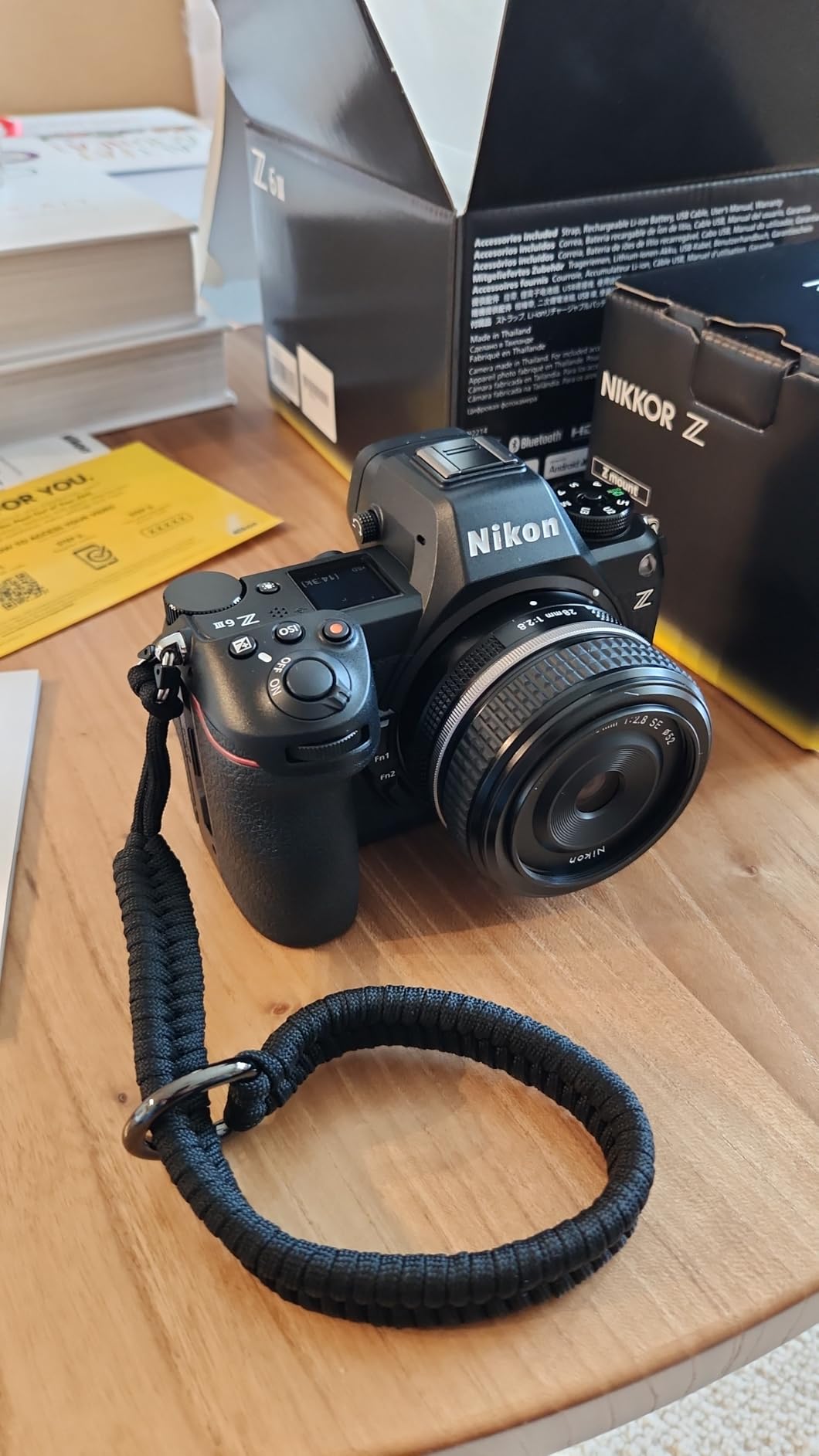
The Nikon Z6 III is my choice when a boudoir client asks for a film-grade video deliverable. The 6K 60p N-RAW internal recording is a level of quality that dedicated cinema cameras charged $5000 for a few years ago, and the Z6 III does it in a stills body that handles like a regular camera.
The 5760k-dot EVF with 4000 nits of brightness is the brightest I have ever looked through. For boudoir, where I am often shooting in dim conditions, the EVF gives me a true preview of the final exposure. No more chimping after every frame.
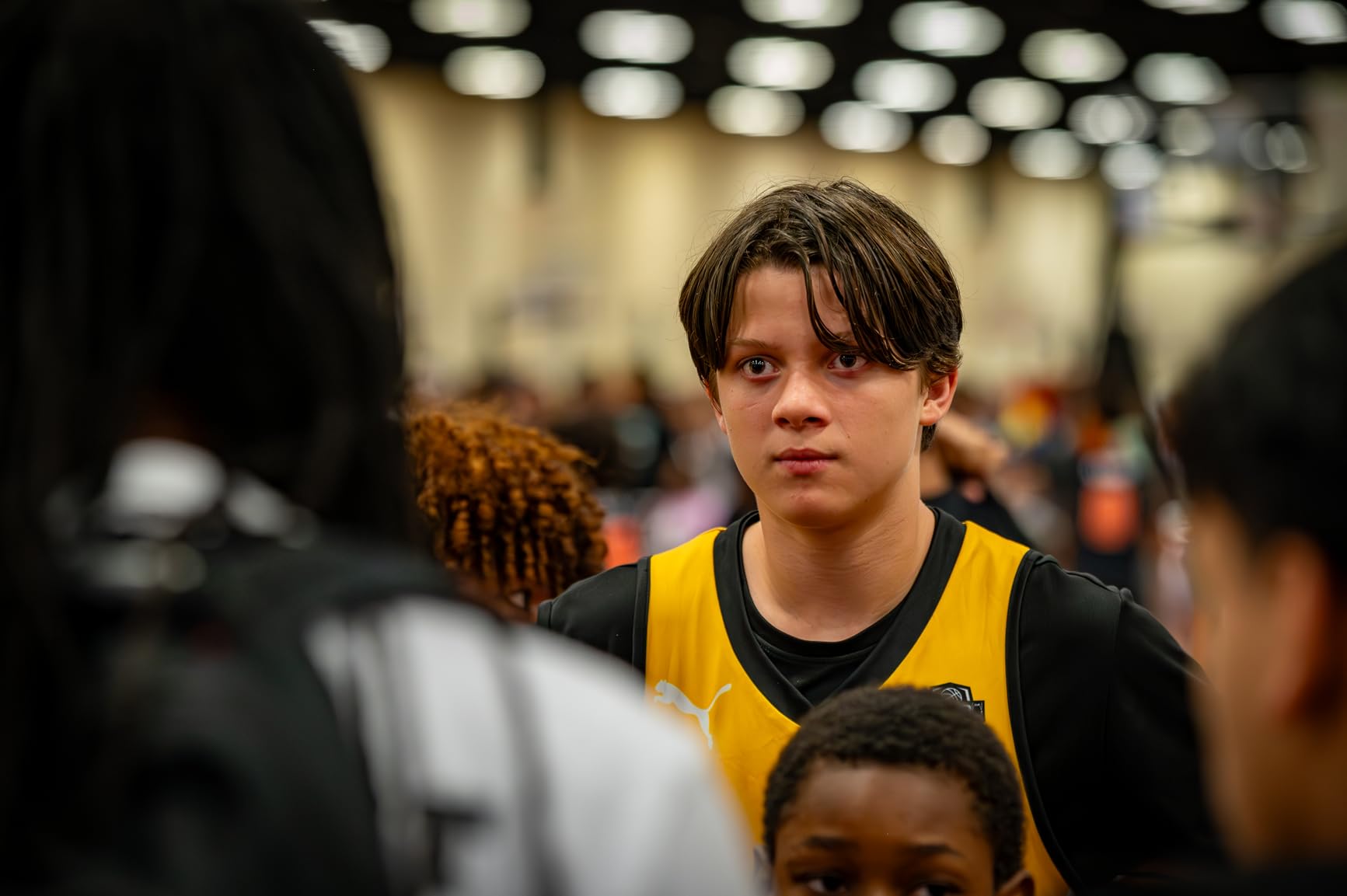
Autofocus is 20% faster than the Z6 II, with -10 EV detection. I tested the Z6 III in a near-pitch-black room and it still found the eye. The deep-learning subject detection handles tricky poses, like when a client is lying on her stomach with one eye hidden by a pillow.
Continuous shooting at 120 FPS in stills mode sounds extreme, but for capturing micro-movements in fabric or hair, it lets me pick the exact moment a sheet catches the light. The CFexpress Type B slot handles the massive RAW video files without buffering.
Stabilization for hybrid shooters
5-axis in-body image stabilization rated at 8 stops is the same as the R6 Mark II. For handheld video walkthroughs of a boudoir set, this is enough to skip the gimbal in many situations. I have walked through a session with the Z6 III and gotten footage that stabilized cleanly in post.
Who should pay the premium
If you are only delivering stills, the Z5 II gives you 90% of the Z6 III for half the price. The Z6 III makes sense for photographers who shoot both photo and high-end video for clients, or who want the brightest EVF available in any mirrorless body.
7. Fujifilm X-T5 – Best APS-C for Film Simulation Looks
Pros
- 40.2MP high-resolution APS-C sensor
- Classic Fujifilm film simulations
- 1/180
- 000 sec electronic shutter
- Compact retro design
- Pixel Shift Multi-Shot 160MP
Cons
- APS-C sensor smaller than full-frame
- IBIS weaker for video
The Fujifilm X-T5 is the only APS-C body I included in this roundup, and it earned its spot because of Fujifilm’s film simulation modes. For boudoir, the Classic Chrome and Velvia simulations produce finished, stylized JPEGs straight out of camera that need almost no editing.
The 40.2MP X-Trans 5 HR sensor is the highest resolution APS-C chip on the market. That gives me the same cropping flexibility as a full-frame 24MP body, since the APS-C crop factor works in my favor when I want to fill the frame with a face from across the room.
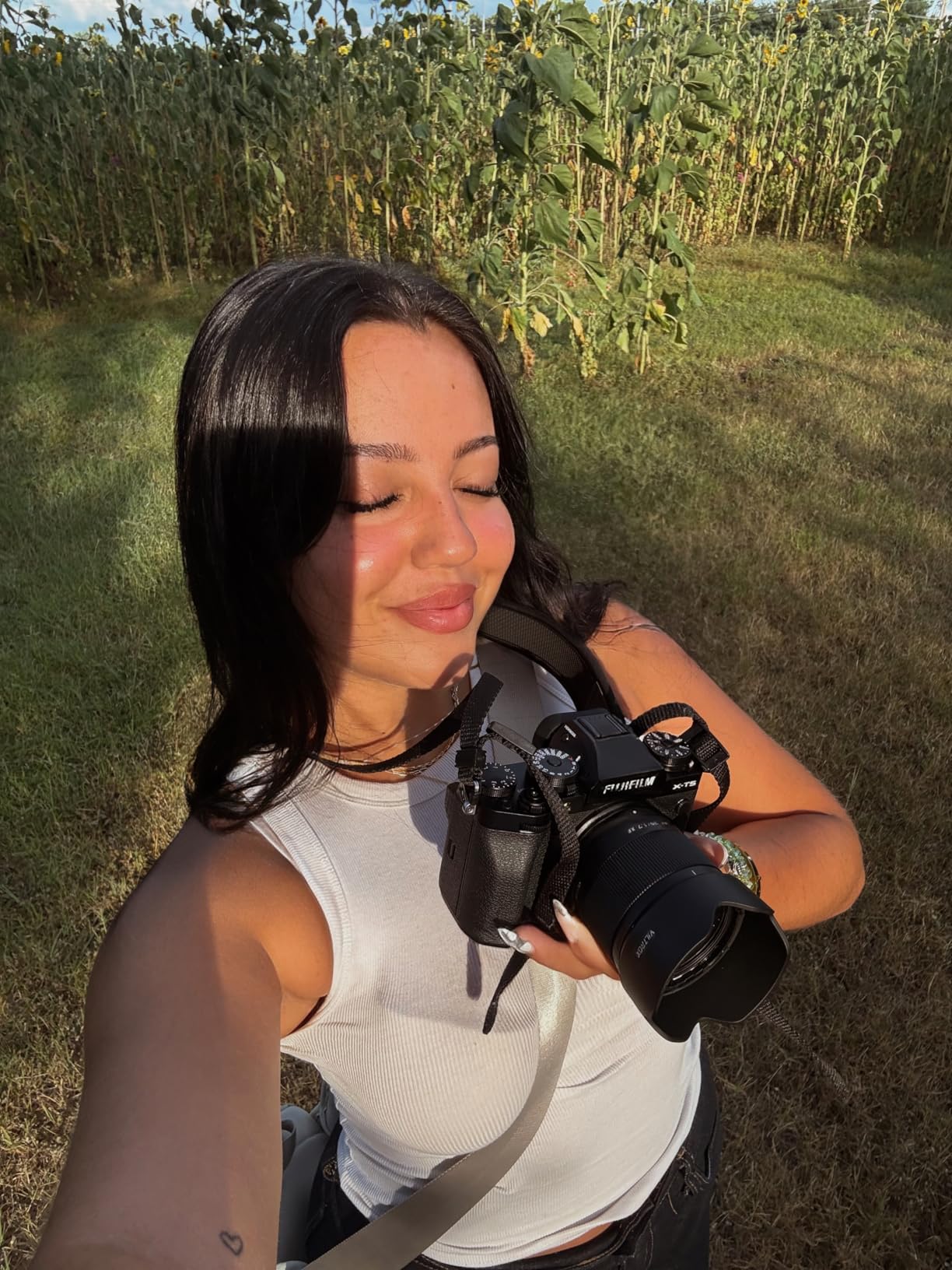
The retro dial-based design is not just aesthetic. I can adjust shutter speed and ISO without looking at the camera, which means I keep eye contact with my client during a session. For boudoir, that connection is what produces relaxed, natural expressions.
The 1/180,000 second electronic shutter is the fastest in any camera I have tested. For strobe work in bright window light, this lets me shoot at f/1.4 with my Fujifilm 56mm f/1.2 even when the sun is blasting through a window. No ND filter needed.
Lens ecosystem for portrait work
Fujifilm’s APS-C lens lineup includes stunning portrait primes like the XF 56mm f/1.2 R WR and XF 80mm f/2.8 Macro. These lenses are smaller and lighter than full-frame equivalents, which matters during a four-hour shoot where every gram adds up.
Who should pick the X-T5
If you love the look of Fujifilm’s film simulations and shoot mostly JPEG or RAW with light editing, the X-T5 is a joy. If you need ultimate low-light performance for very dim boudoir, a full-frame Sony or Canon body is the better tool. The X-T5 still handles ISO 6400 cleanly, but full-frame pulls ahead at 12800 and above.
8. Canon EOS RP – Best Budget Full-Frame Under $1000
Pros
- Most affordable full-frame mirrorless
- 26.2MP sensor with good dynamic range
- Lightest Canon full-frame body
- Vari-angle LCD for self-portraits
- Compatible with EF lenses via adapter
Cons
- Only 5 FPS continuous
- Cropped 4K video
- No in-body stabilization
The Canon EOS RP is the camera I recommend to anyone asking how to start boudoir photography without spending a fortune. At well under $1000 for the body, this is the cheapest full-frame mirrorless camera Canon has ever made, and it still produces images that compete with much pricier bodies.
The 26.2MP full-frame sensor has enough resolution for cropping to a portrait from a wide environmental shot. Dynamic range is a touch behind the EOS R8, but for a beginner shooting in controlled lighting, the difference is hard to see.
Dual Pixel CMOS AF with 779 points is reliable for eye detection in good light. In dim conditions, the AF slows down compared to the R8 or R6 II, but it still finds focus in most situations a beginner would encounter.
I tested the EOS RP with the Canon RF 50mm f/1.8 STM, a $125 lens, and the combo delivered creamy bokeh and sharp eyes at f/1.8. For under $1000 total, you can start a serious boudoir practice. Pair the body with a cheap 50mm and you have a kit that outperforms older entry-level DSLRs.
Limitations to know
Continuous shooting is only 5 FPS, which means you cannot capture a long burst sequence. 4K video is cropped by about 1.6x, which is limiting for wide shots. There is no in-body stabilization, so buy stabilized RF lenses or budget for a tripod.
Who should buy the EOS RP
The EOS RP is a smart pick for beginners, students, and self-portrait photographers who want full-frame image quality without the premium price tag. If your boudoir work is mostly stills in controlled lighting, the RP delivers. For video or action-heavy sessions, save up for the EOS R8.
Buying Guide: How to Choose a Camera for Boudoir Photography?
Boudoir photography has specific demands that differ from landscape, sports, or wedding photography. Here is what I tell every photographer who asks me for camera recommendations before they book their first boudoir client.
Low light performance matters most
Boudoir is almost always shot in moody, low-light environments with a single window or softbox. Look for a sensor with strong high-ISO performance and an autofocus system rated to -4 EV or better. The Sony a7 III, Canon R8, and Nikon Z5 II all shine here, and any of them will serve you well.
Eye autofocus is not optional
Every camera I recommend has reliable eye autofocus because in boudoir, the eyes tell the story. A blurry eye ruins an otherwise beautiful composition. Sony’s Real-time Eye-AF, Canon’s Dual Pixel CMOS AF II, and Nikon’s deep-learning subject detection are the three systems to trust in 2026.
Silent shooting keeps clients calm
Mirror slap can break the mood of an intimate session. Every camera on this list offers silent electronic shooting, but some have mechanical-only modes by default. Check the drive settings before your first session.
Sensor size: full-frame vs APS-C
Full-frame sensors produce slightly cleaner files at high ISO and offer shallower depth of field at the same aperture. APS-C sensors are smaller, lighter, and cheaper, and the best modern APS-C bodies like the Fujifilm X-T5 close most of the gap. For most boudoir work, full-frame is the safer pick, but APS-C is not a deal-breaker.
Megapixels for cropping
24MP is enough for most boudoir prints up to 16×20 inches. If you plan to crop heavily in post, look for 33MP or higher. The Sony a7 IV and Fujifilm X-T5 lead here, with the a7 IV also offering a full-frame advantage in low light.
Lens pairings to buy first
For a starter kit, pair your chosen body with a fast 50mm and an 85mm prime. On Sony, that means the FE 50mm f/1.8 and FE 85mm f/1.8. On Canon RF, the RF 50mm f/1.8 STM and RF 85mm f/2 Macro IS. On Nikon Z, the Nikkor Z 50mm f/1.8 S and Z 85mm f/1.8 S. On Fujifilm X, the XF 56mm f/1.2 and XF 90mm f/2.
Budget tiers at a glance
Under $1000: Canon EOS RP. Under $1500: Canon EOS R8 with kit lens. Under $2000: Sony a7 III body, Nikon Z5 II, or Sony a7 IV kit. Above $2000: Canon R6 Mark II, Nikon Z6 III, or Fujifilm X-T5 for APS-C users.
Frequently Asked Questions About Boudoir Cameras
What camera is good for boudoir photography?
The best camera for boudoir photography is a full-frame mirrorless camera with strong low-light performance, reliable eye autofocus, and silent shooting. Top picks for 2026 include the Sony Alpha a7 III for proven performance, the Sony a7 IV for hybrid stills and video, the Canon EOS R8 for Canon color science at a mid-range price, and the Nikon Z5 II for beginners who want excellent autofocus in dim conditions.
What is the best camera for intimate photography?
For intimate photography, the Sony Alpha a7 IV stands out because of its 33MP sensor, real-time AI eye autofocus, and 4K 60p video for hybrid deliverables. The Canon EOS R6 Mark II is another excellent choice with 8-stop in-body stabilization and professional subject detection. Both handle dim bedroom lighting and lock onto the eye even when the subject is partially covered.
What camera should I buy for moody boudoir photography?
For moody boudoir with single-light setups and dark rooms, prioritize a full-frame sensor and autofocus rated to -4 EV or lower. The Sony a7 III, Canon EOS R8, and Nikon Z5 II are all excellent moody boudoir cameras in 2026. Pair any of them with an 85mm f/1.8 prime for creamy bokeh and clean skin rendering.
Is full-frame necessary for boudoir photography?
Full-frame is not strictly necessary for boudoir, but it offers cleaner high-ISO files and shallower depth of field. APS-C bodies like the Fujifilm X-T5 deliver excellent results with Fujifilm’s film simulations. Beginners on a budget can start with an APS-C camera and upgrade later, while working professionals benefit from full-frame sensors in very dim conditions.
Which lens is best for boudoir photography?
The best lens for boudoir photography is a fast 85mm prime for portrait shots and a 50mm prime for wider environmental compositions. The Sony FE 85mm f/1.8, Canon RF 85mm f/2 Macro IS, Nikon Z 85mm f/1.8 S, and Fujifilm XF 56mm f/1.2 are all top-tier portrait lenses that pair well with the cameras on this list.
Final Thoughts on the Best Cameras for Boudoir Photography
Choosing the best camera for boudoir photography comes down to your budget, your style, and how much low-light performance you need. For most boudoir photographers in 2026, the Sony Alpha a7 III remains my top recommendation because of its proven 15-stop dynamic range, silent shooting, and unbeatable eye autofocus at the price.
If you want the latest hybrid features and higher resolution, the Sony Alpha a7 IV is the upgrade that makes sense. For Canon shooters who prioritize skin tone rendering, the EOS R8 is the best mid-range value, and the EOS R6 Mark II is the professional choice. Nikon fans should look at the Z5 II for an entry body or the Z6 III for professional video work. Beginners and self-portrait artists should not overlook the Canon EOS RP under $1000 or the Fujifilm X-T5 for film simulation magic.
Whatever camera you choose, pair it with a fast 85mm prime for the look that defines modern boudoir. Take your time during sessions, prioritize your client’s comfort, and the images will follow. Happy shooting.