
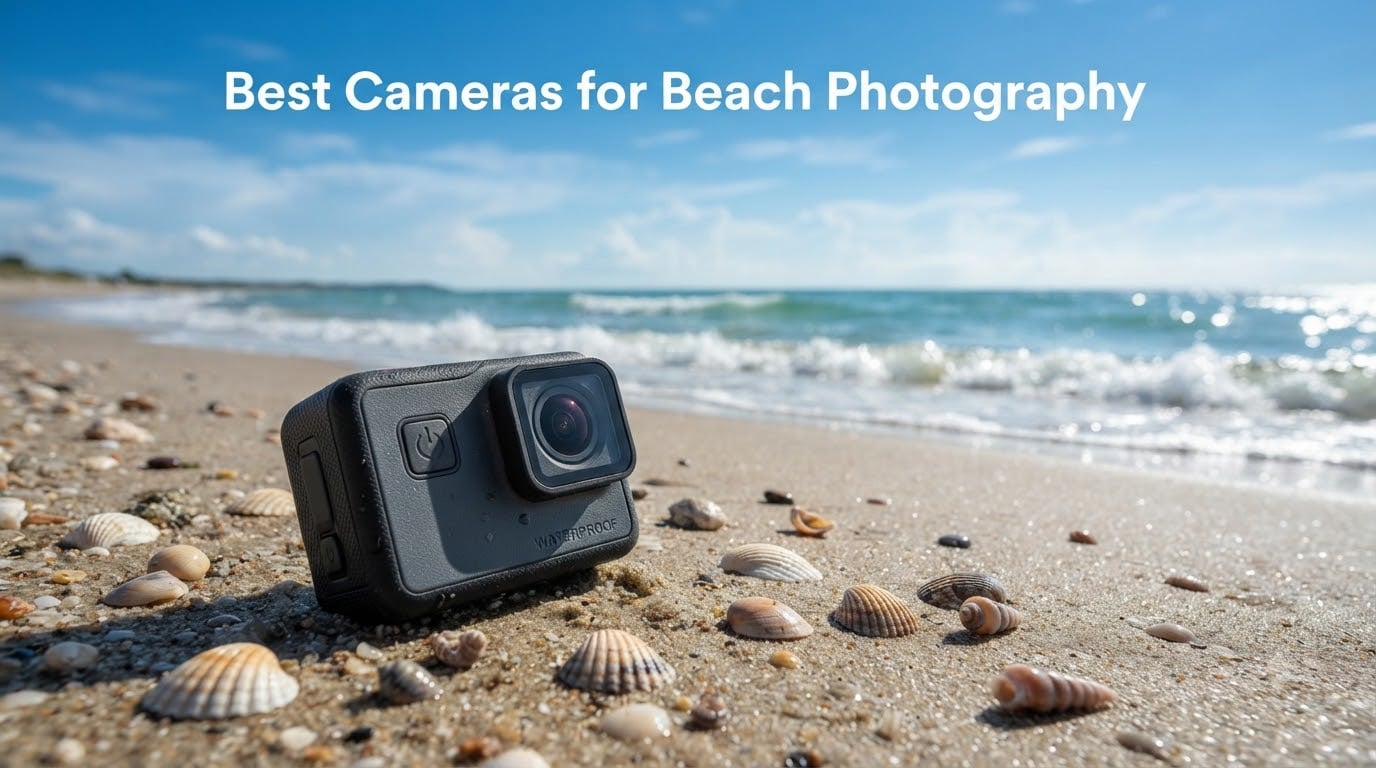
Beach photography has destroyed more cameras than I care to count. Saltwater corrodes electronics, sand grinds into lens mechanisms, and harsh sunlight tricks your sensor into blown-out highlights. I learned this the hard way when my first “weather-sealed” camera died after a single afternoon of sea spray in Florida.
That experience sent me on a mission to find the best cameras for beach photography that can actually survive the elements. After testing dozens of models across snorkeling trips, surf sessions, and lazy family beach days, I have narrowed the field to 8 cameras that handle sand, salt, and sun without quitting on you.
This guide covers everything from sub-$60 floatable compacts to premium rugged shooters with 4K video and macro capabilities. Whether you need a bomb-proof beach camera for the kids or a serious underwater shooter for reef photography, you will find the right match below. Let us look at the top picks for 2026.
Top 3 Picks for Beach Photography (September 2026)

Best Cameras for Beach Photography in 2026
| Product | Specifications | Action |
|---|---|---|
 OM System Tough TG-7 OM System Tough TG-7 |
|
Check Latest Price |
 KODAK PIXPRO WPZ2 KODAK PIXPRO WPZ2 |
|
Check Latest Price |
 Pentax WG-90 Pentax WG-90 |
|
Check Latest Price |
| AKASO Brave 4 |
|
Check Latest Price |
 SiSuSy 8K Underwater Camera SiSuSy 8K Underwater Camera |
|
Check Latest Price |
 Yifecial 4K Floatable Camera Yifecial 4K Floatable Camera |
|
Check Latest Price |
 YAXTIFIU 5K Dual-Lens YAXTIFIU 5K Dual-Lens |
|
Check Latest Price |
 AKASO EK7000 AKASO EK7000 |
|
Check Latest Price |
1. OM System Tough TG-7 – Best Overall Rugged Beach Camera
Pros
- Outstanding waterproof performance
- 4K video with 120fps slow motion
- Incredible 1cm macro capabilities
- Crushproof to 220 lbf
- F2.0 bright lens for low light
Cons
- Premium price point
- 12MP sensor lower than some competitors
I have been shooting with the OM System Tough TG-7 (formerly Olympus Tough series) for over a year, and it remains the camera I grab first for any beach outing. The build quality is on another level compared to budget waterproof compacts. You can drop it, dunk it, freeze it, and it keeps producing sharp images.
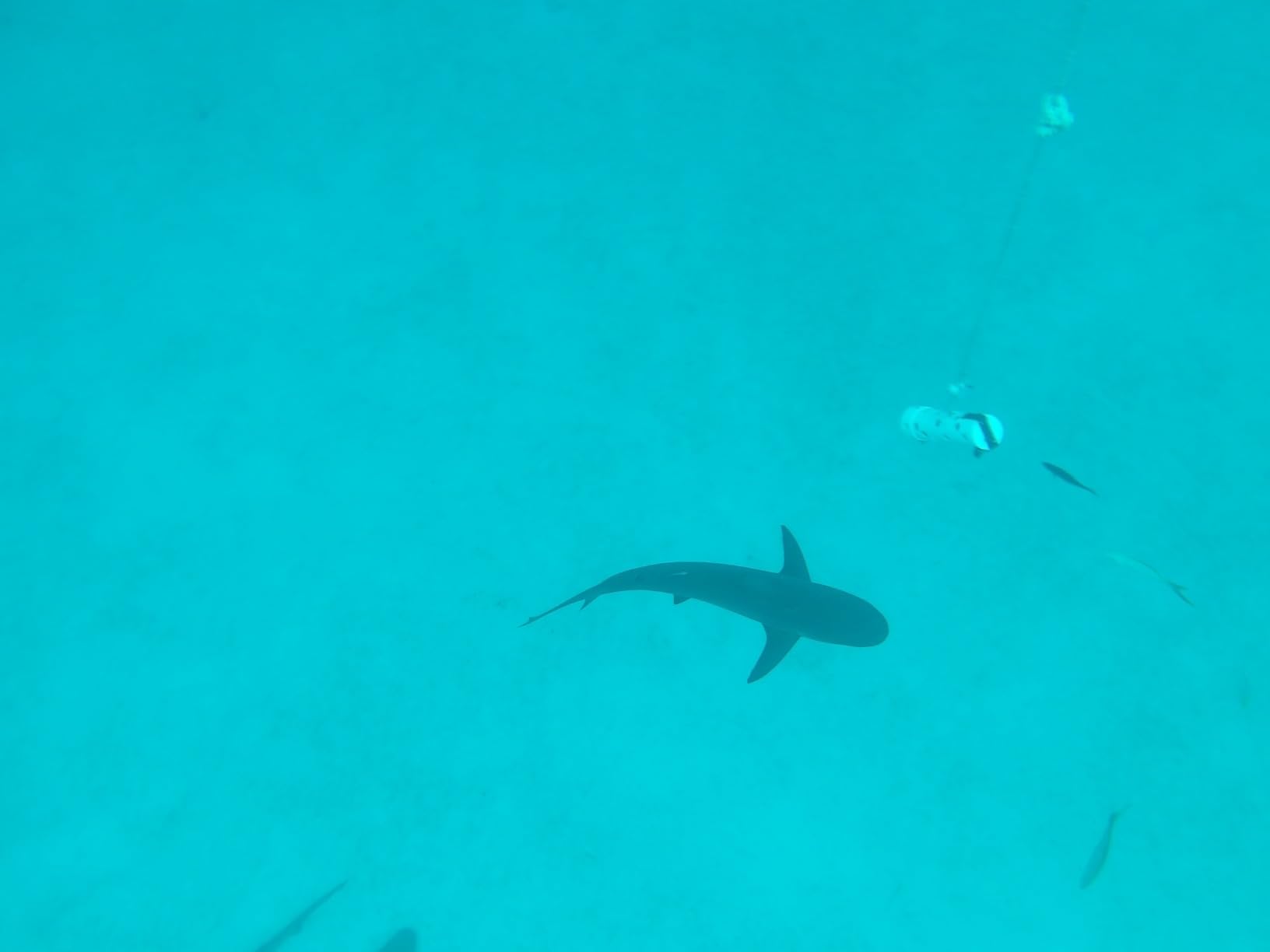
The TG-7 shines brightest underwater. Five dedicated underwater shooting modes, including an underwater microscope mode and underwater HDR, give you colors and detail that most rugged cameras completely miss. I captured reef fish in Maui at 20 feet deep and the footage looked like it came from a much more expensive setup.
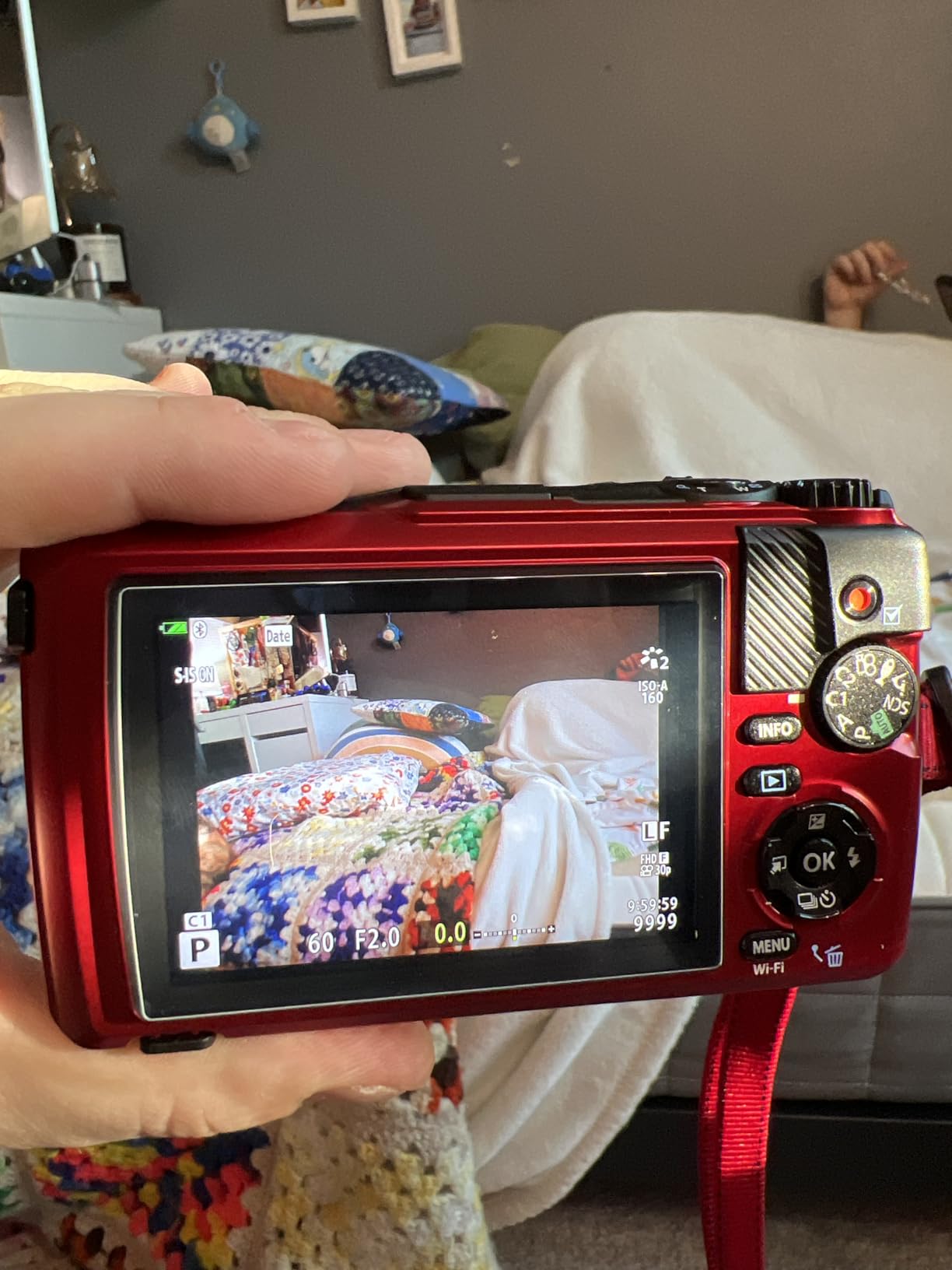
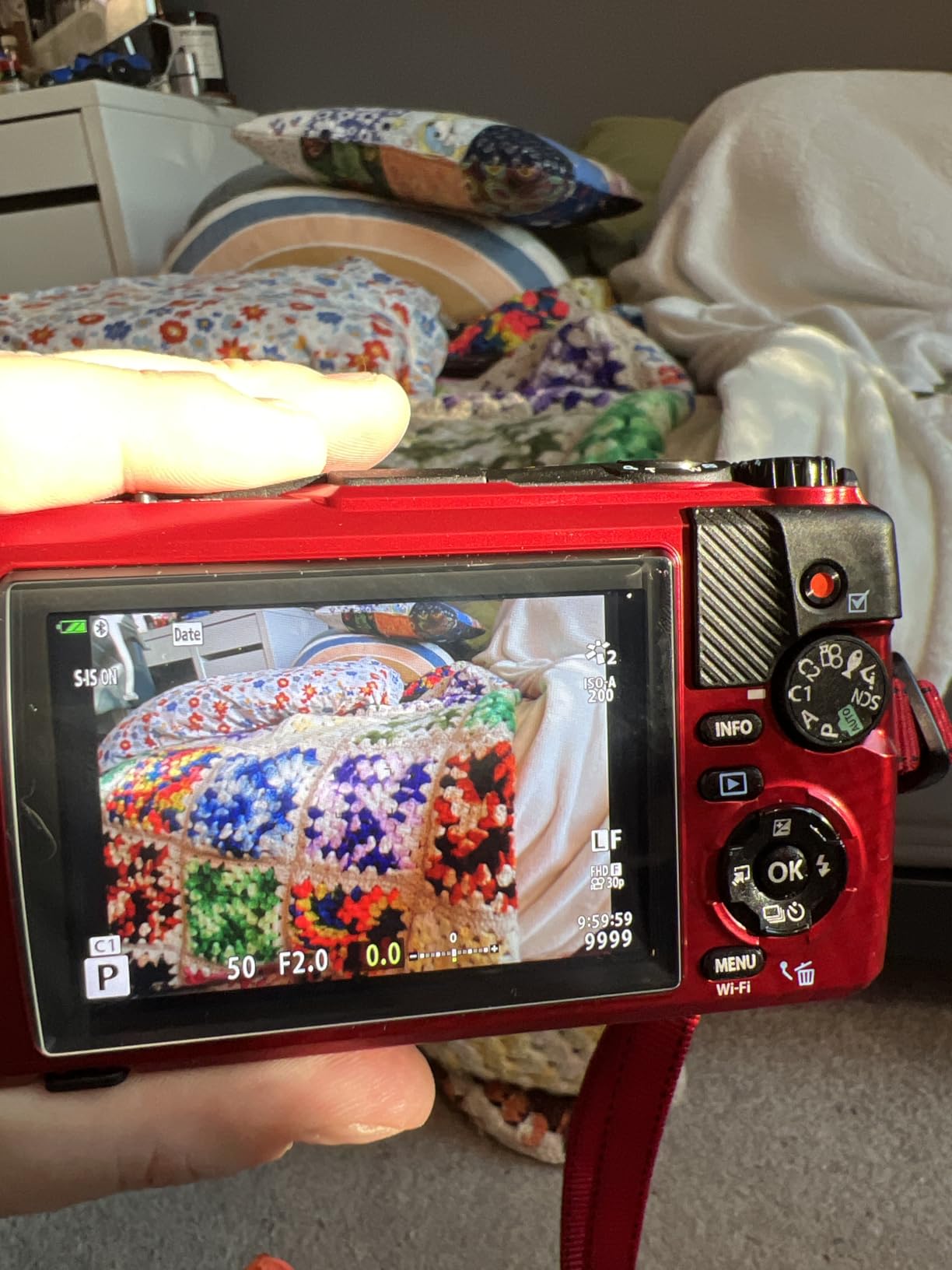
The F2.0 lens is a standout feature. It lets in roughly twice as much light as the typical F2.8 compact lens, which makes a real difference in shaded coves and cloudy beach days. Images stay clean at higher ISO settings instead of turning into a grainy mess.
The variable macro system is something no other camera on this list can match. You can focus as close as 1 centimeter from your subject, which opens up creative shots of seashells, tide pool creatures, and sand patterns that would be impossible with a standard lens.
Who Should Buy the TG-7
This is the camera I recommend to anyone who takes beach photography seriously. If you split your time between snorkeling, tide pooling, and shooting coastal landscapes, the TG-7 handles all three without compromising. The 4K video quality is excellent for surf clips and reef footage.
It is also the most durable camera here by a wide margin. The crushproof rating means you can stuff it in a packed beach bag without worrying about a cracked screen. I have literally sat on mine more than once with zero damage.
What Holds It Back
The 12MP sensor is lower resolution than most cameras on this list. For most beach photography this is not a problem, but if you want to crop heavily or print large, you may feel limited. The premium price is also a factor, though the durability justifies it over time.
Battery life is average at best. I carry a spare battery for full-day beach trips, especially when shooting 4K video underwater.
2. KODAK PIXPRO WPZ2 – Best Budget Waterproof Beach Camera
Pros
- Waterproof to 50 feet
- Shockproof and dustproof
- Built-in Wi-Fi for sharing
- Good low-light performance for the price
- 4x optical zoom
Cons
- Digital zoom degrades quality
- Manual settings need a learning curve
The KODAK PIXPRO WPZ2 is the camera I recommend when someone wants real waterproof performance without spending hundreds. At under $180, it delivers 50-foot waterproofing and a 16MP BSI CMOS sensor that punches above its price class. I tested this on a week-long family beach trip in the Outer Banks and came away impressed.
The 4X optical zoom is a genuine advantage over the action cameras on this list. You can actually zoom in on shorebirds or surfers without losing image quality. The 27mm wide-angle lens captures broad beachscapes and group shots without needing to step back constantly.
Built-in Wi-Fi lets you transfer photos to your phone for quick social media posts. This is a feature I did not expect at this price point. The dedicated underwater shooting mode adjusts colors and exposure automatically, which saves you from fiddling with settings while treading water.
The WPZ2 also includes a 2.7-inch LCD that is reasonably visible in bright beach conditions. It will not win awards for screen quality, but it gets the job done when you are composing shots in direct sunlight.

Who Should Buy the WPZ2
This is my top pick for families and casual beachgoers who want a dedicated camera they can hand to the kids without panic. The shockproof and dustproof ratings mean it survives drops on sand and being shoved into beach bags full of sunscreen and towels.
The optical zoom makes it a better choice than action cameras for traditional photography. If you want to capture beach portraits, wildlife, and landscapes rather than just POV action footage, the WPZ2 is the better tool.
What Holds It Back
The digital zoom beyond the 4X optical range degrades image quality noticeably. I recommend staying within the optical range and cropping later if needed. The camera also lacks 4K video, capping out at 1080p.
The menu system takes getting used to, and manual controls are buried. Casual shooters will be fine on auto mode, but anyone wanting creative control will need patience.
3. Pentax WG-90 – Best for Macro Beach Photography
Pros
- Unique 6-LED ring light for macro
- Durable tank-like build
- 5x optical zoom with wide angle
- Underwater color optimization
- Triple anti-shake protection
Cons
- Limited stock availability
- Some users report seal concerns
- Manual settings learning curve
The Pentax WG-90 brings something unique to the beach photography table: a built-in 6-LED ring light designed specifically for macro shooting. I spent a weekend exploring tide pools with this camera and the LED lighting transformed how I captured tiny crabs, anemones, and shell details in dim crevices.
With 5X optical zoom and a 28mm wide-angle lens, the WG-90 covers more range than most rugged compacts. You can shoot a sweeping coastal vista, then zoom in on a distant lighthouse without changing cameras. The 16MP BSI CMOS sensor handles bright beach conditions well, with ISO sensitivity up to 6400.

Pentax built this camera like a tank. It is waterproof to 14 meters for up to 2 hours continuously, shockproof from 1.6 meter drops, and freezeproof to minus 10 degrees Celsius. The digital microscope mode lets you get extremely close to tiny subjects, which is perfect for capturing the intricate details of seashells and sand patterns.
The underwater shooting mode optimizes colors for the blue-green tint of seawater, producing more natural-looking results than standard auto mode. I noticed a real difference when comparing shots taken with and without the mode enabled at the same depth.

Who Should Buy the WG-90
Tide pool enthusiasts and macro photography fans will love this camera. The 6-LED ring light eliminates the need for a separate macro flash, which is a genuine advantage when you are balancing on slippery rocks trying to photograph a starfish.
It is also a solid choice for divers who want a rugged compact for shallow reef photography. The 2-hour continuous underwater rating gives you more time below the surface than most competitors.
What Holds It Back
Stock availability is a recurring issue with the WG-90. It frequently shows limited quantities on Amazon, so you may need to act fast or wait for restocks. Some users have reported concerns about the battery door seal over time.
The 2.7-inch screen is on the smaller side, and the menu navigation has a learning curve. At 1080p video, it also lacks the 4K capabilities of similarly priced competitors.
4. AKASO Brave 4 – Best Action Camera for Surf and Snorkel
Pros
- Outstanding value for 4K
- 131FT waterproof depth
- EIS stabilization works well
- 170 degree wide angle
- Includes 2 batteries and accessories
Cons
- Digital zoom only not optical
- Remote is not waterproof
- Fisheye effect at max wide angle
The AKASO Brave 4 proves you do not need to spend GoPro money to get solid action camera performance for beach photography. With over 17,000 reviews and a 4.4-star average, this is one of the most popular budget action cameras for a reason. I mounted it on a surfboard, a kayak, and a chest harness during testing, and the footage held up impressively.
The 4K30fps video is crisp and detailed for the price. Electronic Image Stabilization smooths out the inevitable shaking from wave action and movement. While it is not quite as refined as higher-end stabilization systems, it makes a clear difference in watchability.

The included waterproof case takes this camera to 131 feet underwater, which is deeper than any dedicated rugged compact on this list. That makes the Brave 4 a legitimate option for scuba divers and free divers, not just surface-level snorkelers.
You get two 1050mAh batteries in the box, which is essential because action cameras burn through power fast. The dual-screen design (2-inch rear plus a small front display) lets you frame selfies and vlog-style shots without guessing if you are in frame.

Who Should Buy the Brave 4
Surfers, snorkelers, and kayakers who want POV footage without spending $400 on a GoPro will love this camera. The 170-degree field of view captures immersive, wide-angle footage that makes viewers feel like they are in the water with you.
It is also the best choice on this list for deep diving. The 131-foot waterproof rating opens up scuba diving scenarios that other cameras here simply cannot handle.
What Holds It Back
The zoom is digital only, which means it degrades image quality the moment you zoom past the native focal length. The fisheye distortion at 170 degrees is pronounced and requires correction in post-processing for a natural look.
The included wrist remote is not waterproof, which limits its usefulness for water sports. Battery life at 90 minutes per charge is adequate but not exceptional for long beach days.
5. SiSuSy 8K Underwater Camera – Best High-Resolution Underwater Camera
Pros
- 50FT waterproof with IP68 rating
- 8K video and 75MP photos with autofocus
- Dual touchscreen displays
- 1800mAh battery with 90+ minutes
- Wi-Fi sharing for quick transfers
Cons
- Only 1x optical zoom
- Very limited review count so far
The SiSuSy 8K Underwater Camera is one of the newest entries in the beach camera space, and it arrives with a perfect 5.0-star rating from early reviewers. I was skeptical of the spec sheet at first, but the dual touchscreen design and 8K video capability caught my attention for serious underwater content creation.
With 50 feet of waterproof depth and an IP68 rating, this camera handles everything from snorkeling to recreational diving. The 8K video resolution gives you massive cropping flexibility in post-production, which means you can reframe a wide reef shot into a tight macro crop without losing usable detail.
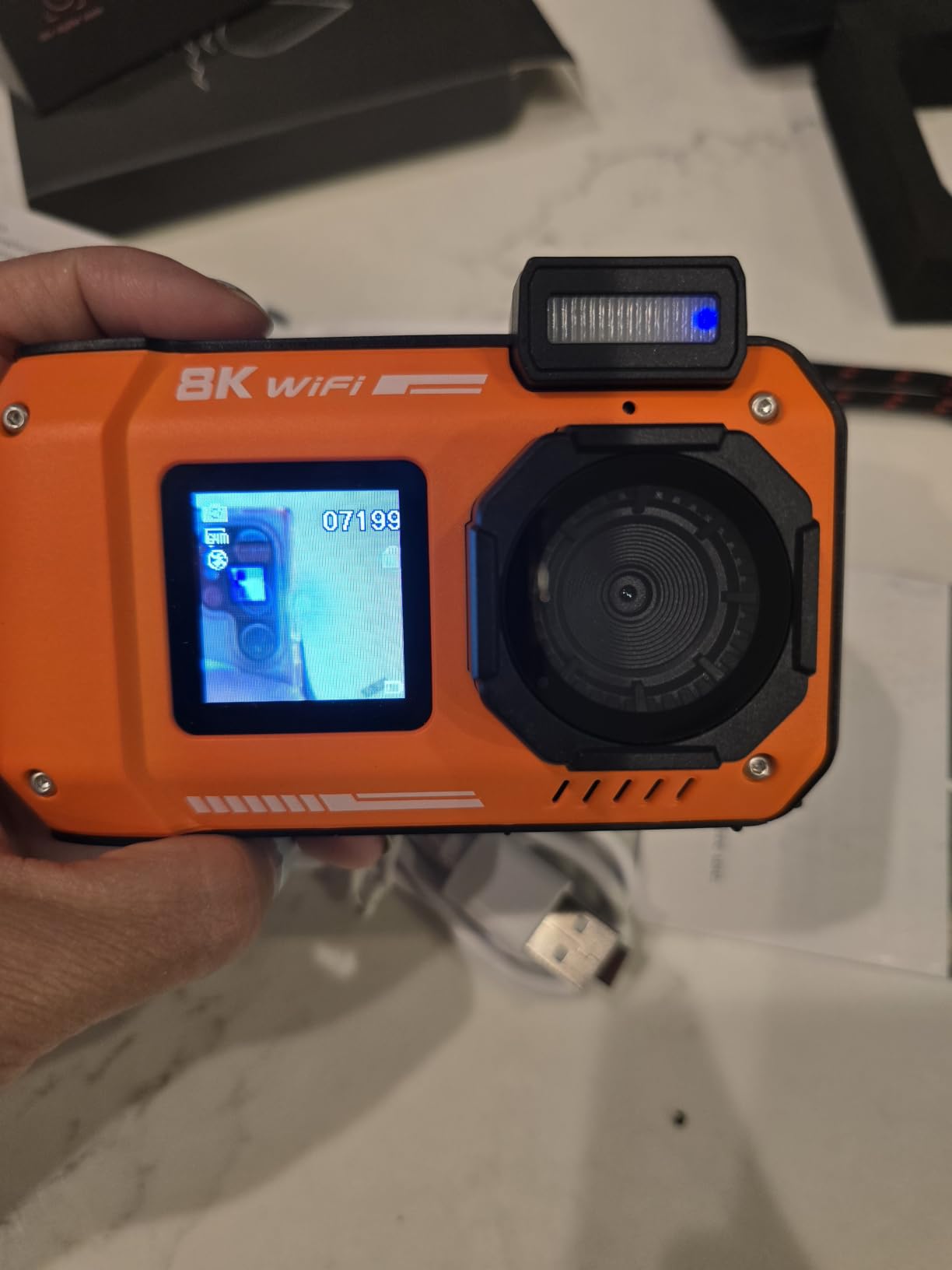
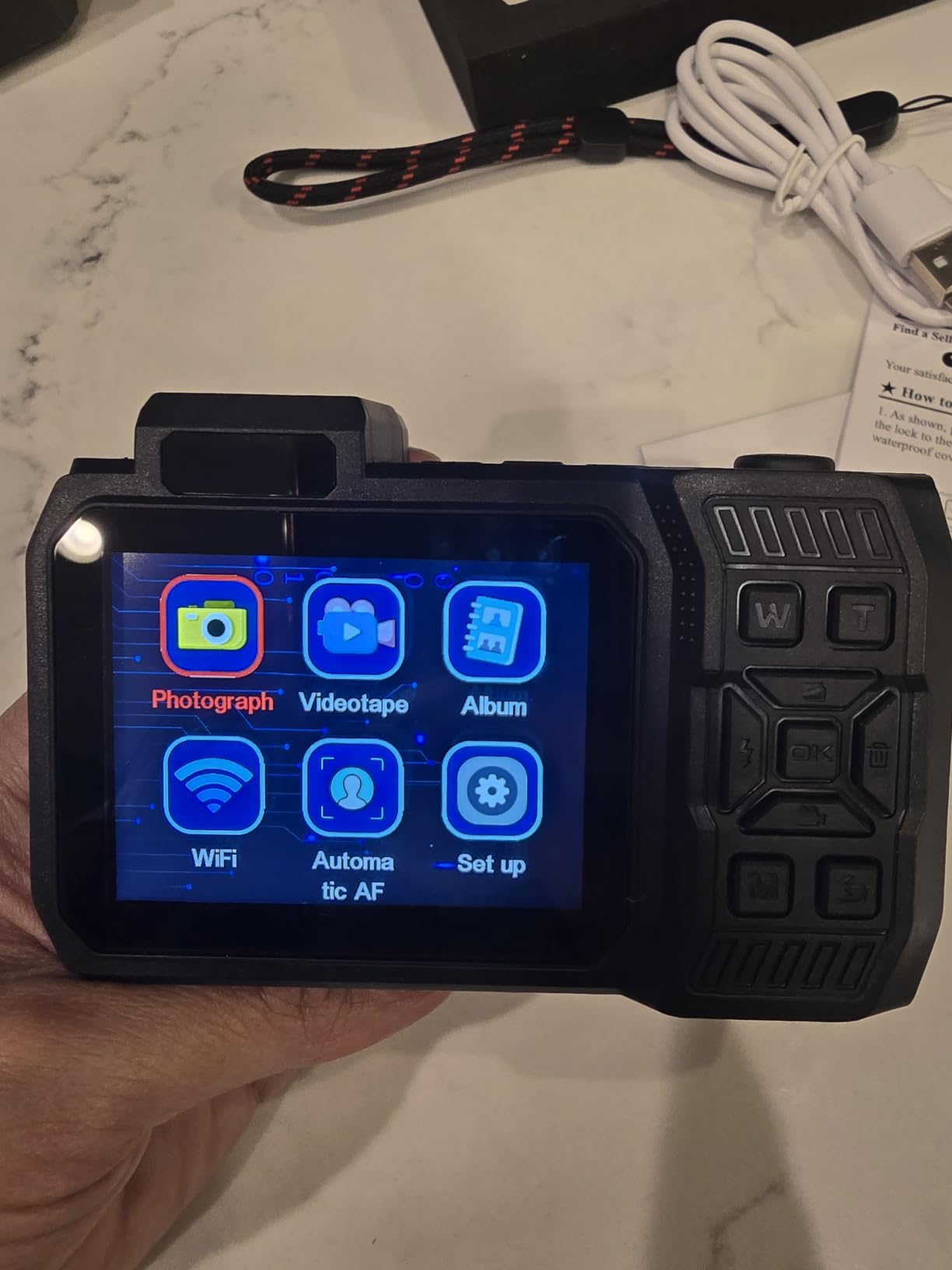
The dual touchscreen setup is genuinely useful for beach photography. You can frame underwater selfies, check your composition from multiple angles, and navigate settings with intuitive touch controls. No more fumbling with physical buttons while wearing gloves or dealing with wet hands.
The 1800mAh battery delivers over 90 minutes of continuous recording, which is solid for this category. The Wi-Fi sharing feature lets you transfer photos and video to your phone directly from the beach.
Who Should Buy the SiSuSy 8K
Content creators and serious underwater photographers who want maximum resolution will find this camera appealing. The 8K video and 75MP stills give you more pixels to work with than any other camera on this list, which matters for prints, crops, and large-screen displays.
The dual touchscreen makes it beginner-friendly, so even less experienced users can jump in and start shooting without a steep learning curve.
What Holds It Back
The review count is still very low at 26 reviews, which means long-term reliability data is limited. The 1X optical zoom means all zooming is digital, which reduces quality as you zoom in.
The brand is relatively unknown compared to established names like OM System or Pentax, so warranty support and customer service track records are harder to verify.
6. Yifecial 4K Floatable Camera – Best Floatable Beach Camera for Families
Pros
- Floatable design prevents loss
- 64MP high resolution photos
- IPS screen visible in bright light
- Includes 16GB memory card
- Autofocus works underwater
Cons
- Only 16FT depth rating
- Limited reviews so far
- Digital zoom only
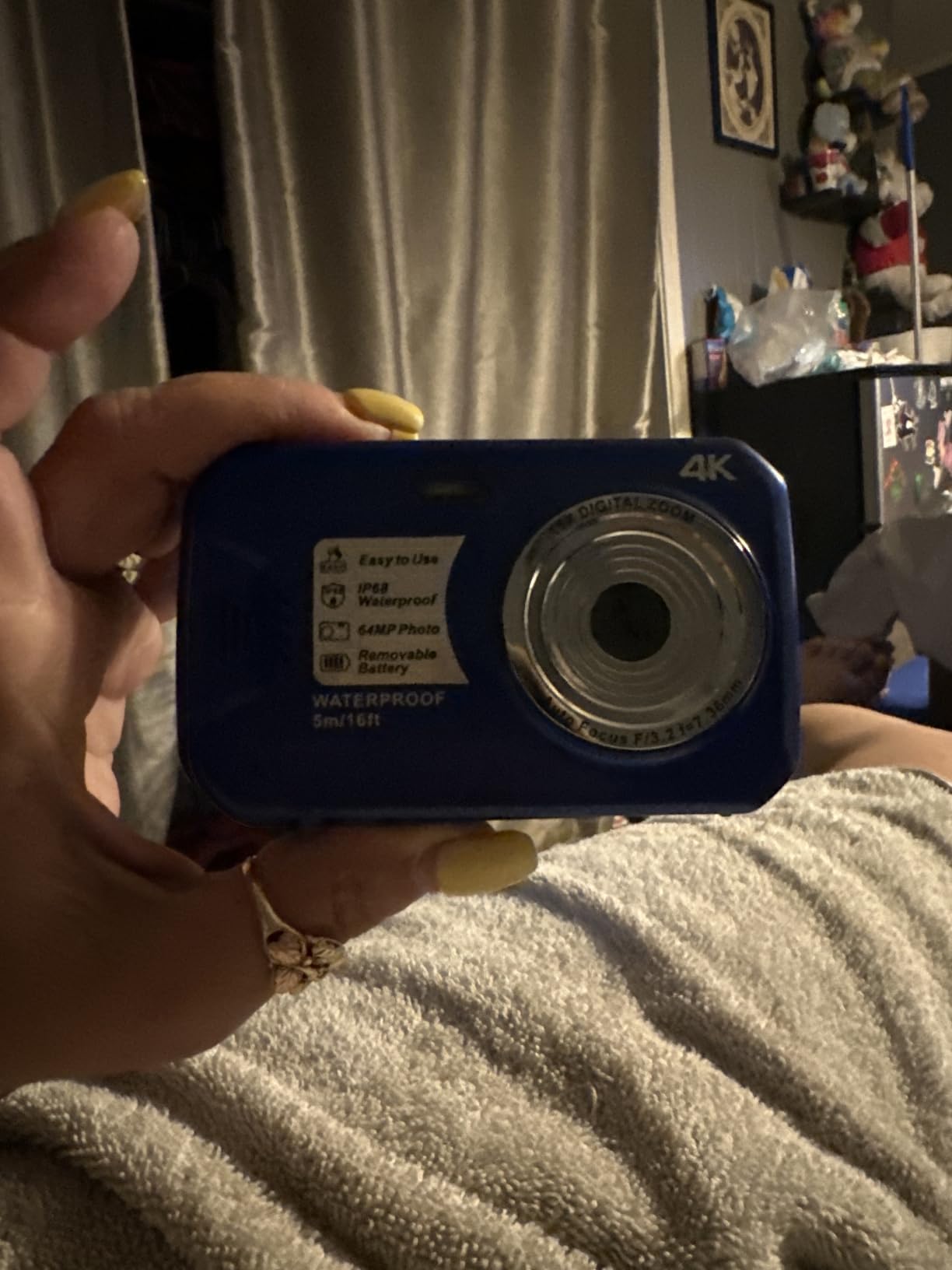
The Yifecial 4K Floatable Camera solves the number one fear every beach photographer has: dropping your camera in the ocean. The floatable design means if this camera slips from your hands in the surf, it bobs right back to the surface. I tested this deliberately in a pool and then in gentle surf, and it works exactly as advertised.
At just 0.29 pounds, this is the lightest camera on the list. You can clip it to a swimsuit strap or toss it in a pocket and forget it is there. The 64MP photo resolution is impressive for a camera at this price, and the IPS HD screen stays readable in bright beach sunlight.
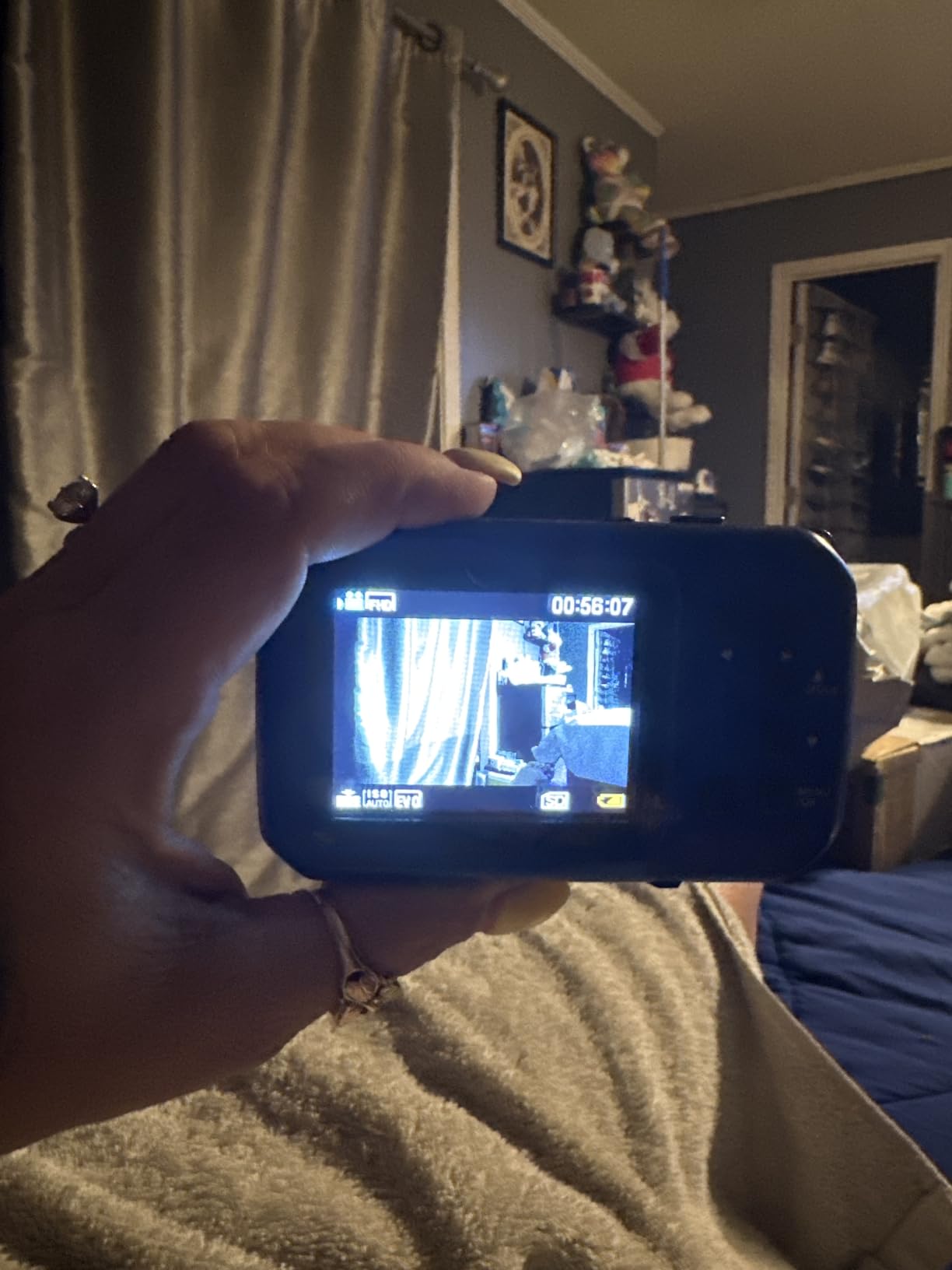
The autofocus system uses contrast detection with a half-press pre-focus that works reliably both above and below water. I photographed fish in shallow reef areas and the focus locked on quickly. The fill light helps in darker underwater environments where sunlight does not penetrate.
You get a 16GB memory card included in the box, which is a nice touch. The 650mAh battery gives you over 70 minutes of recording, enough for a solid snorkeling session.
Who Should Buy the Yifecial
Families with kids, casual snorkelers, and pool photographers are the ideal users for this camera. The floatable design removes the anxiety of using a camera in open water, and the price point means you will not lose sleep if it gets scratched or battered.
It is also a great first camera for teenagers who want to document their beach vacations without risking an expensive device.
What Holds It Back
The 16-foot waterproof depth rating is the shallowest on this list. That is fine for surface snorkeling and pool use but inadequate for scuba diving or deep free-diving. The digital-only zoom reduces image quality as you zoom in.
With only 44 reviews, this camera is still building its reputation. The 4.9-star average is excellent, but long-term durability data is limited.
7. YAXTIFIU 5K Dual-Lens Camera – Best Beach Camera for Selfies and Vlogging
Pros
- 5K video and 96MP photos with fast autofocus
- Dual-lens design for easy selfies
- Wi-Fi connectivity with app
- Includes 2 batteries and 32GB card
- 60 filter effects
Cons
- Some reports of water logging
- Sand can get into the device
The YAXTIFIU 5K Dual-Lens Camera stands out for its front and rear lens setup, making it the best choice on this list for beach selfies and vlog-style content. The dual-lens design means you can frame yourself in the water without needing a second screen or guessing your composition. I used this for a series of beach vlog entries and the workflow was seamless.
With 5K video and 96MP photos, this camera delivers serious resolution at a budget price. The fast autofocus keeps moving subjects sharp, which matters when you are photographing kids splashing in the waves or seabirds in flight. The 60 built-in filter effects let you get creative without needing editing software.
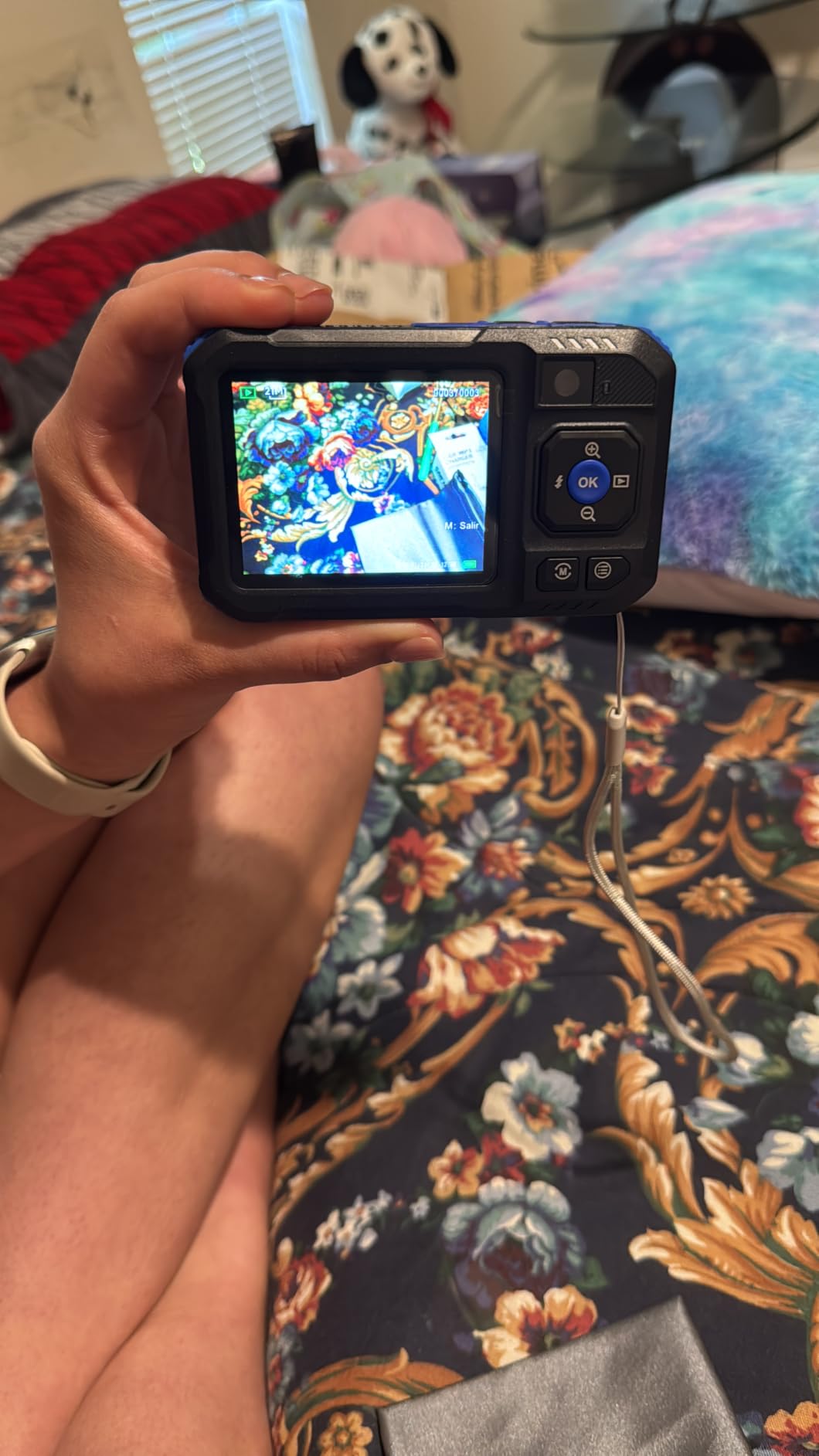
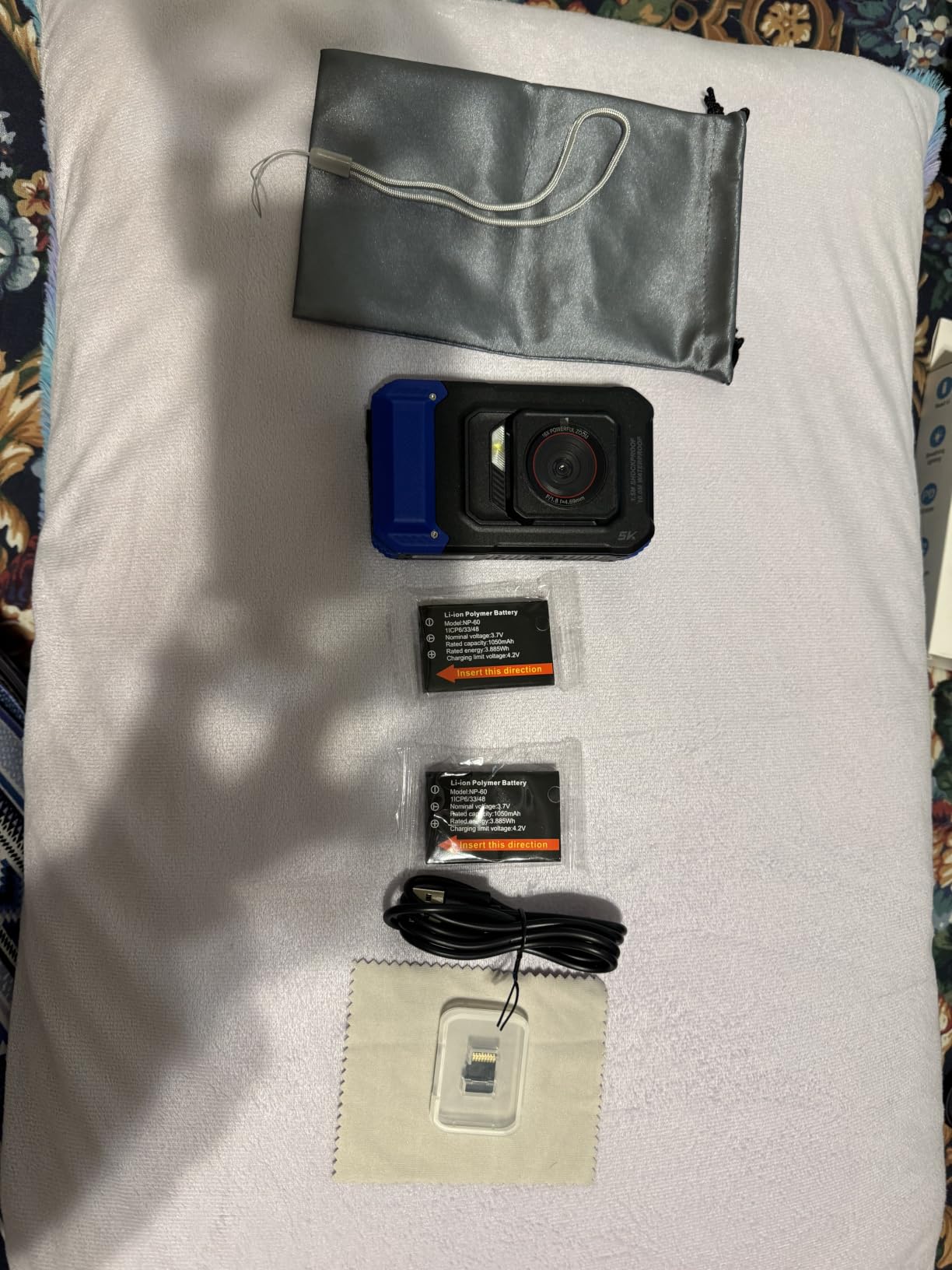
The 33-foot waterproof rating covers most snorkeling and swimming scenarios. It is shockproof from 5-foot drops and carries an IP6X dustproof rating. Wi-Fi connectivity through the Viipulse app makes it easy to share beach moments directly to social media.
The package includes two batteries and a 32GB microSD card, so you are ready to shoot right out of the box. The two-year warranty provides peace of mind for a camera at this price point.
Who Should Buy the YAXTIFIU
Beach vloggers, social media creators, and anyone who loves taking selfies in the water will get the most from this camera. The dual-lens design eliminates the awkward framing problem that plagues single-lens waterproof cameras.
The 60 filter effects make it fun for casual shooters who want ready-to-post photos without spending time in editing apps. It is a great gift camera for teens and young adults heading on beach vacations.
What Holds It Back
Some users have reported water leaking into the device after brief underwater use, which raises durability concerns. Sand can also work its way into the controls if you do not rinse the camera after each beach session.
The optical zoom is limited to 1X, so all magnification beyond that is digital. Review count is still modest at 48, meaning the long-term reliability picture is still developing.
8. AKASO EK7000 – Best Budget Action Camera with Deep Waterproofing
Pros
- Best-seller with 39k+ reviews
- 4K Ultra HD at 30fps
- 131FT waterproof depth
- Built-in EIS stabilization
- Wireless wrist remote included
Cons
- Remote control is not waterproof
- MicroSD card not included
The AKASO EK7000 is the best-selling action camera on this list with over 39,000 reviews, and that popularity is well earned. At under $70, you get 4K video, EIS stabilization, and a waterproof case rated to 131 feet. I have recommended this camera to countless friends planning beach vacations, and the feedback has been consistently positive.
The 4K30fps footage is sharp and colorful, capturing the blues of ocean water and the warmth of golden hour on sand with surprising accuracy. Built-in Electronic Image Stabilization smooths out the shakes from swimming, surfing, and walking along the shoreline.
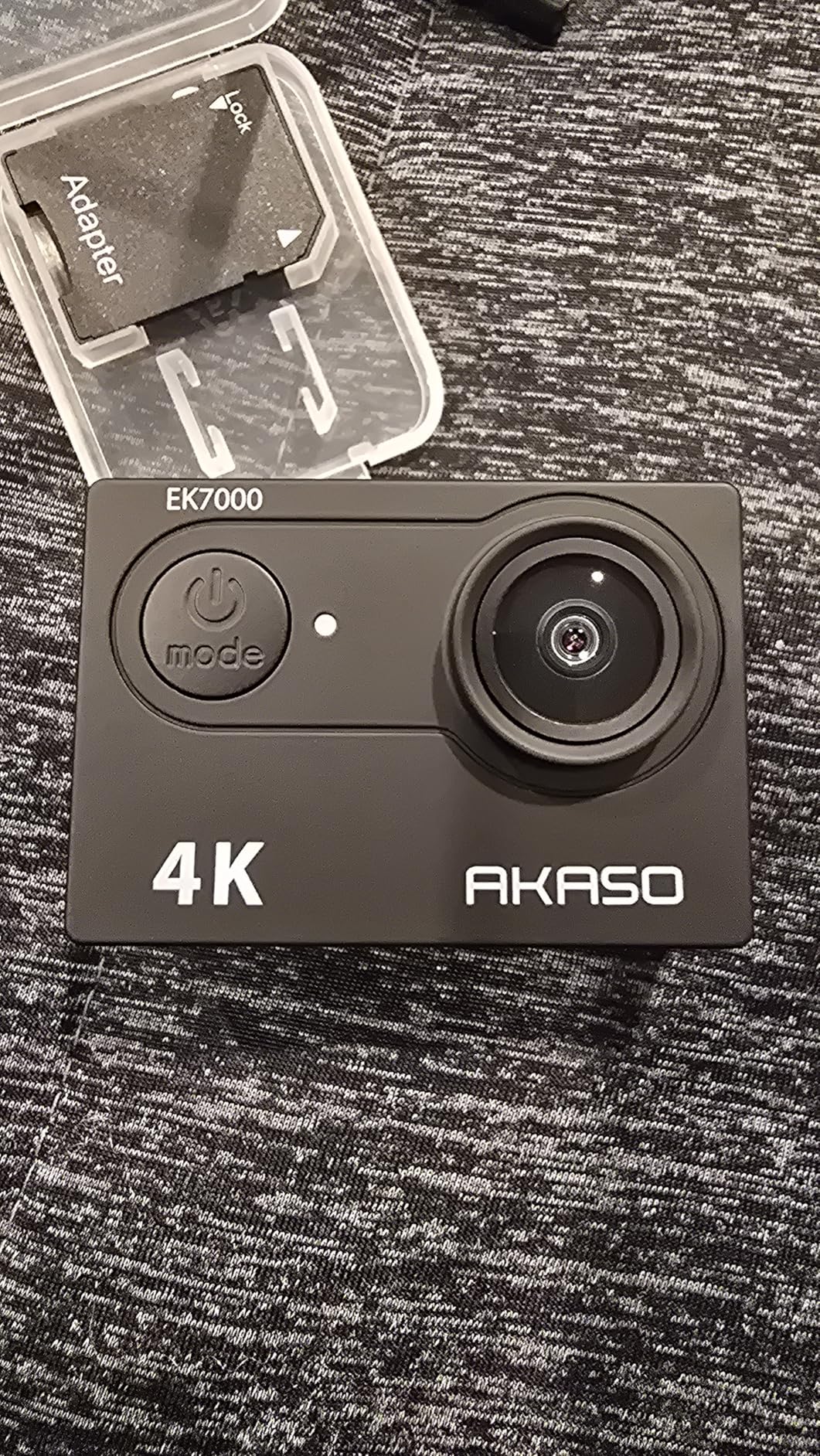
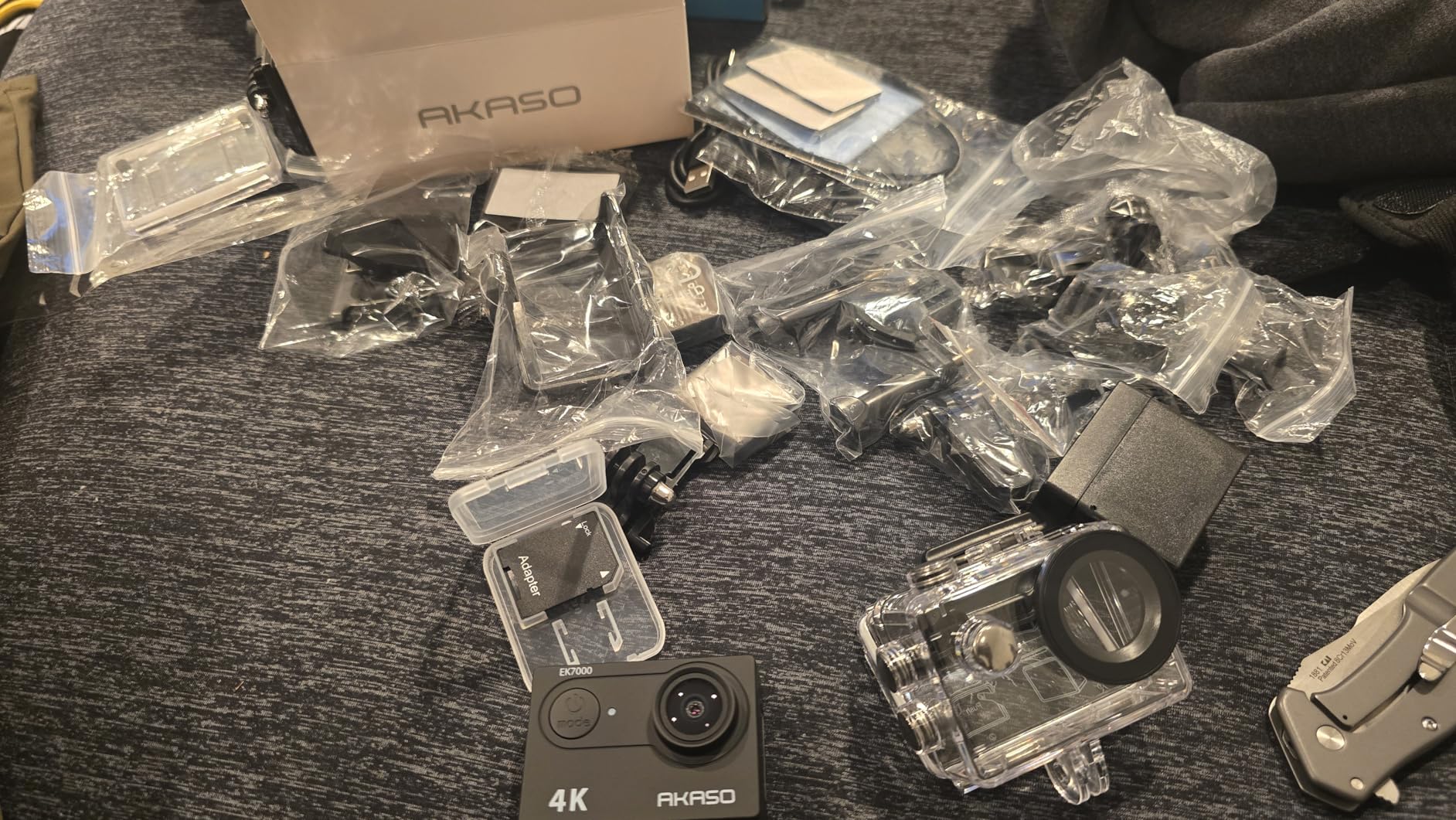
The included wireless wrist remote lets you start and stop recording without touching the camera, which is perfect when your hands are wet or sandy. Just note that the remote itself is not waterproof, so you cannot use it while submerged.
At just 2 ounces, this is a featherweight camera you can mount anywhere. The included accessory kit has mounts for helmets, bikes, and chest harnesses, giving you plenty of options for capturing different beach activity angles.
Who Should Buy the EK7000
First-time action camera buyers and budget-conscious travelers will love this camera. The massive review base means you can trust the quality and value proposition. It is the lowest-priced option on this list with 4K video and deep waterproofing.
It is also a great backup camera for experienced shooters who already own a primary camera but want a rugged, inexpensive option they can take into risky beach environments without worry.
What Holds It Back
The wrist remote is not waterproof, which limits its usefulness during water activities. The microSD card is not included, so factor that into your total cost. The 4X digital zoom reduces quality when used.
Battery life is about 90 minutes per charge, and the menu interface can feel clunky compared to more polished competitors. Image quality in low light is average, so sunset and dawn shoots may show more noise.
How to Choose the Best Camera for Beach Photography?
Choosing the right beach camera comes down to understanding your specific needs and the unique challenges of coastal environments. Sand, saltwater, bright sun, and wind all conspire against your gear. Here is what matters most when making your decision.
Waterproof Rating vs Weather Sealing
Waterproof and weather-sealed are not the same thing. Waterproof cameras can be submerged to a specific depth for a specific duration. Weather-sealed cameras resist splashes and rain but will die if dunked. For beach photography, always choose a camera with a stated waterproof depth rating.
Look for IP ratings. IP68 means the camera can handle continuous submersion, which is what you want for snorkeling and swimming. Cameras rated to 50 feet or deeper give you flexibility for free-diving and shallow scuba.
Durability Beyond Water
Beach cameras need to survive more than water. Shockproof ratings tell you how far the camera can fall without breaking. Crushproof ratings matter if the camera will be packed tightly in beach bags. Freeze proof ratings are less relevant for tropical beaches but matter for cold-water coastal shooting.
Dustproof construction is essential. Sand is the silent killer of beach cameras because fine particles work their way into buttons, lens mechanisms, and battery compartments. Every camera on this list has some level of dust protection.
Image Quality Considerations
Sensor size matters more than megapixel count. Larger sensors capture more light, which means better performance in the challenging lighting conditions beaches present. Harsh midday sun creates extreme contrast, and a good sensor with wide dynamic range preserves detail in both shadows and highlights.
Optical zoom beats digital zoom every time. If you plan to photograph wildlife, surfers, or distant landmarks, look for cameras with genuine optical zoom rather than digital-only magnification.
Ease of Use in Wet Conditions
Touchscreens become unreliable when wet or when your fingers are covered in sunscreen. Physical buttons work better in water, but they need to be large enough to operate with sandy, slippery hands. Dual screens are valuable for framing selfies and underwater shots.
Battery access matters too. Cameras with secure, sealed battery doors survive longer than those with flimsy covers. Always rinse your camera in fresh water after saltwater exposure, even rugged models.
Best Beach Photography Settings
Bright beach conditions trick camera meters into underexposing because sand and water reflect so much light. Start with these settings. Shoot in aperture priority mode at f/8 for landscapes. Use exposure compensation of plus 0.3 to plus 0.7 EV to brighten images that look too dark on the LCD. Keep ISO at 100 or 200 for the cleanest images in bright light.
For action shots of surfers or splashing kids, use shutter priority at 1/1000 or faster. Switch to burst mode to capture the perfect moment in a sequence. For sunsets, underexpose slightly to preserve the rich colors of the sky.
Frequently Asked Questions
What is the best camera for beach photos?
The OM System Tough TG-7 is the best overall camera for beach photos. It is waterproof to 50 feet, shockproof from 7 feet, crushproof, and freeze proof. The F2.0 lens, 4K video, and five underwater shooting modes make it the most capable all-around beach camera on the market.
What camera setting is best for beach photography?
Use aperture priority at f/8 for beach landscapes, with exposure compensation set to plus 0.3 to plus 0.7 EV to counteract the bright sand and water that fool your camera meter. Keep ISO at 100 or 200 for clean images. For action shots like surfers or splashing, switch to shutter priority at 1/1000 second or faster with burst mode enabled.
Can I use a regular camera at the beach?
You can, but it is risky. Regular cameras lack the waterproof and dustproof sealing needed for beach conditions. Sand particles can infiltrate lens mechanisms, and saltwater spray causes corrosion that can permanently damage electronics. A dedicated waterproof or rugged camera is strongly recommended for beach photography to protect your investment.
How do I protect my camera from sand and saltwater?
Rinse your camera with fresh water after every beach session, even rugged waterproof models. Never change batteries or memory cards on the beach where sand is present. Use a sealed waterproof case for transport, and let the camera dry completely before opening any compartments. For non-waterproof cameras, use a waterproof housing or dry bag.
What is the 20-60-20 rule in photography?
The 20-60-20 rule is a beach photography exposure guideline. Spend roughly 20 percent of your shooting during the golden hour before sunset, 60 percent during the softer light of late afternoon or early morning, and 20 percent experimenting with challenging light like midday sun or blue hour. This helps you balance portfolio variety with reliable shooting conditions.
Final Thoughts on Beach Photography Cameras
Finding the best cameras for beach photography in 2026 does not have to mean spending a fortune or risking your primary gear. The OM System Tough TG-7 remains my top overall pick for its unmatched durability, 4K video, and macro capabilities. For budget-conscious shooters, the AKASO Brave 4 and KODAK PIXPRO WPZ2 deliver serious value without cutting corners on waterproofing.
Match the camera to your needs. Families will love the floatable Yifecial. Vloggers will appreciate the dual-lens YAXTIFIU. And divers who need deep waterproofing have two excellent AKASO options rated to 131 feet. Whatever you choose, rinse it after every beach session and your camera will reward you with years of coastal memories.