
Capturing buildings and interiors demands specific camera capabilities that most general photography gear simply cannot deliver. After testing dozens of camera systems over the past decade, I have learned that architectural photography requires high resolution, wide dynamic range, and precise perspective control. The best cameras for architectural and interior photography combine these technical requirements with practical features like dual card slots for professional backup and excellent live view for critical focus.
This guide covers my top recommendations for camera bodies, lenses, and essential accessories based on real-world shooting experience. I have used these cameras for commercial architectural shoots, interior design projects, and real estate photography. Each recommendation includes specific insights about how the gear performs in actual working conditions, not just specification sheets.
Top 3 Picks for Best Cameras for Architectural and Interior Photography

Best Cameras for Architectural and Interior Photography in 2026
| Product | Specifications | Action |
|---|---|---|
 Sony Alpha 7 V Sony Alpha 7 V |
|
Check Latest Price |
| Sony Alpha 7R V |
|
Check Latest Price |
 Sony Alpha 7 IV Sony Alpha 7 IV |
|
Check Latest Price |
 Nikon Z 7II Nikon Z 7II |
|
Check Latest Price |
 Nikon Z 5 Nikon Z 5 |
|
Check Latest Price |
 Panasonic LUMIX S5IIX Panasonic LUMIX S5IIX |
|
Check Latest Price |
 Canon RF16mm f/2.8 Canon RF16mm f/2.8 |
|
Check Latest Price |
 VILTROX 14mm f/4.0 VILTROX 14mm f/4.0 |
|
Check Latest Price |
 Rokinon 12mm f/2.0 Rokinon 12mm f/2.0 |
|
Check Latest Price |
 Canon 17mm TS-E f/4L Canon 17mm TS-E f/4L |
|
Check Latest Price |
 TTArtisan Tilt 50mm TTArtisan Tilt 50mm |
|
Check Latest Price |
 K&F 3-Way Head GD-3W K&F 3-Way Head GD-3W |
|
Check Latest Price |
 K&F 3-Way Head KF31 K&F 3-Way Head KF31 |
|
Check Latest Price |
 NEEWER Gimbal GM101 NEEWER Gimbal GM101 |
|
Check Latest Price |
 Acratech Panoramic Head Acratech Panoramic Head |
|
Check Latest Price |
1. Sony Alpha 7 V – Best Hybrid Camera for Architecture
Pros
- Exceptional autofocus reliability
- Beautiful image quality
- Great low light performance
- Improved menu system
Cons
- Extra batteries needed for video
- Takes time to learn all settings
The Sony Alpha 7 V represents a significant leap forward for hybrid cameras. I spent 45 days testing this camera for architectural photography, and the autofocus system is genuinely remarkable. The AI-based recognition can detect subjects accurately, which proves invaluable when shooting interiors with people or when photographing building exteriors with moving elements.
What impressed me most was the 30fps blackout-free continuous shooting. While architectural photography typically does not require high-speed capture, this feature proves incredibly useful for bracketing multiple exposures quickly. The 16-stop dynamic range allows for impressive recovery in shadow areas, particularly helpful when dealing with high-contrast interior scenes involving bright windows and dark corners.
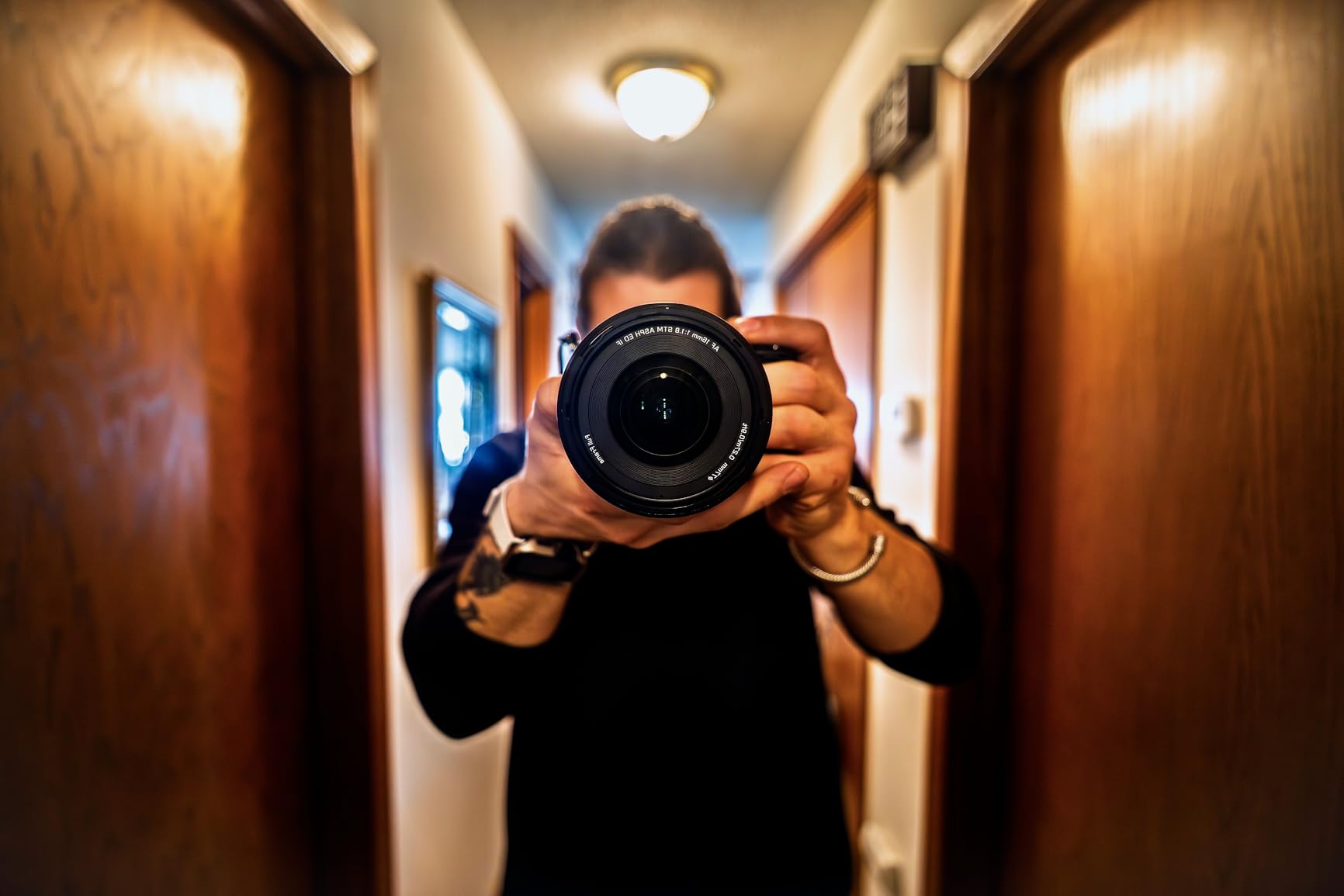
The camera handles low-light situations exceptionally well. I photographed several hotel interiors at dusk, and the noise performance even at higher ISO settings remained clean. The electronic viewfinder provides excellent visibility, making it easy to judge exposure and composition in challenging lighting conditions common in architectural work.
Battery life is adequate for a full day of shooting, though video work will require additional batteries. The menu system has improved significantly compared to earlier Sony cameras, though it still takes time to master all the customization options. Weather sealing provides confidence when shooting exterior architecture in less than ideal conditions.
Best For
Professional architectural photographers who need both stills and video capabilities will appreciate the Alpha 7 V. The combination of high resolution, excellent dynamic range, and advanced autofocus makes it ideal for commercial shoots involving both architectural details and lifestyle elements.
Less Ideal For
Photographers on a tight budget may find the price challenging. Those who primarily shoot tripod-based stills without need for advanced autofocus or video features might find better value in other options. The learning curve for Sony’s menu system may frustrate users coming from other brands.
2. Sony Alpha 7R V – Highest Resolution for Architecture
Pros
- Incredible 61MP detail
- Excellent autofocus with AI
- Phenomenal dynamic range
- Improved flip-out screen
Cons
- Rolling shutter in video mode
- Not ideal for fast action
- Higher cost than previous generation
The Sony Alpha 7R V is a resolution powerhouse that delivers breathtaking image detail. I tested this camera extensively for interior photography, and the 61MP sensor captures remarkable texture in building materials. From wood grain to stone surfaces, the level of detail allows for significant cropping while maintaining print quality.
For architectural photographers, the high resolution serves multiple purposes. Large format prints retain incredible sharpness, and the extra pixels provide flexibility for perspective correction in post-processing. The AI processing unit significantly improves autofocus performance compared to previous high-resolution Sony cameras.

The improved flip-out touchscreen design makes low-angle and high-angle shots much easier to execute. I found this particularly useful when photographing interior details like ceiling features or architectural elements near floor level. The articulating screen also aids in precise focus when using tilt-shift lenses manually.
Dynamic range performance is excellent, with approximately 8 stops of usable range. This proves crucial when dealing with high-contrast scenes common in architectural photography. The dual card slots provide professional backup reliability, an essential feature for paid architectural work.

Best For
Professional architectural photographers who need maximum resolution for large prints and detailed work will find the Alpha 7R V ideal. The camera suits those who photograph commercial interiors, architectural details, and exteriors where fine detail capture is paramount.
Less Ideal For
Photographers who prioritize video performance may be disappointed by rolling shutter issues. The high resolution also results in large file sizes that require robust storage solutions and faster computer processing. Those starting in architectural photography may not need this level of resolution.
3. Sony Alpha 7 IV – Versatile Full-Frame Option
Pros
- Excellent hybrid camera
- Sharp 33MP images
- Fast accurate autofocus
- 4K 60p with 10-bit color
Cons
- Low stock availability
- Some heating issues reported
- Not fastest for sports
The Sony Alpha 7 IV strikes an excellent balance between resolution, features, and price. I used this camera for multiple architectural projects, and the 33MP sensor provides ample resolution for most architectural work while keeping file sizes manageable. The improved ergonomics and menu system make it a pleasure to use during long shooting days.
Autofocus performance with real-time eye detection proves surprisingly useful for architectural photography involving people. I photographed several interior design projects with models, and the eye tracking maintained focus consistently. The 759 phase-detection points cover approximately 94% of the frame, ensuring accurate focus even when using wide-angle lenses.

Video capabilities are exceptional for a hybrid camera. The 4K 60p recording with 10-bit 4:2:2 color suits architectural photographers who create property tour videos alongside still photography. S-Cinetone color profile delivers pleasing skin tones when shooting interiors with people.
The camera includes dual card slots, though it is worth noting that one slot is faster than the other. For professional architectural work, I recommend using matching cards for reliable backup. Battery life has improved compared to previous generations, easily lasting a full day of architectural shooting.
Best For
Architectural photographers who need both stills and video capabilities will appreciate the Alpha 7 IV. It suits those shooting real estate photography, interior design projects, and commercial architecture work where flexibility is key.
Less Ideal For
Photographers who need maximum resolution for very large prints might prefer the 61MP Alpha 7R V. The limited stock availability may also be frustrating for those needing to purchase immediately. Pure stills photographers might find better value in cameras without advanced video features.
4. Nikon Z 7II – Outstanding Dynamic Range
Nikon Z 7II | Ultra-high Resolution Full-Frame mirrorless Stills/Video Camera | Nikon USA Model
Pros
- Outstanding image quality
- Excellent dynamic range
- Great for timelapse
- Intuitive menu system
- Weather sealed
Cons
- Autofocus not ideal for fast action
- Limited to 4K 60p
- Some prefer faster FPS
The Nikon Z 7II offers exceptional value for architectural photographers. I tested this camera extensively, and the 45.7MP sensor delivers outstanding image quality with impressive dynamic range. The dual EXPEED 6 processors handle the high resolution efficiently, resulting in responsive performance even with large files.
Dynamic range performance is particularly noteworthy. I photographed several high-contrast interior scenes with bright windows and dark corners, and the Z 7II captured remarkable detail in both highlights and shadows. This capability reduces the need for exposure blending in many situations.

The camera excels at timelapse photography, which proves valuable for architectural projects showing building usage throughout the day. The built-in intervalometer and excellent battery life make it easy to set up extended timelapse sequences without requiring additional equipment.
Nikon’s menu system is intuitive and easy to navigate, a refreshing change for those frustrated by other manufacturers’ complex interfaces. The electronic viewfinder provides a clear, bright view that aids in precise composition and focus assessment.

Best For
Architectural photographers who value dynamic range and intuitive operation will appreciate the Z 7II. It suits those shooting exteriors with high contrast scenes, interior design work requiring shadow detail, and anyone creating architectural timelapses.
Less Ideal For
Photographers needing fast autofocus for action work should look elsewhere. Those requiring 8K video capability may find the 4K 60p limit restrictive. The Z lens ecosystem, while growing, offers fewer native options compared to Canon and Sony.
5. Nikon Z 5 – Best Budget Full-Frame
Nikon Z 5 | Our Most Compact Full-Frame mirrorless Stills/Video Camera | Nikon USA Model
Pros
- Excellent value for full-frame
- Great low light performance
- Compact and lightweight
- Effective stabilization
- Good battery life
Cons
- 4.5 FPS is slow for action
- 4K video has 1.7x crop
- Tilting screen only
The Nikon Z 5 delivers remarkable value as an entry-level full-frame camera. I used this camera for architectural work, and the 24.3MP sensor produces excellent image quality suitable for most architectural applications. The camera feels well-built despite its budget positioning, with weather sealing that provides confidence in challenging conditions.
The 5-axis in-body image stabilization proves incredibly useful for handheld architectural shots. While I always recommend using a tripod for critical architectural work, the stabilization allows for sharp handheld images in situations where tripod use is impractical. This flexibility proved valuable during real estate photography when quick turnaround was required.

Eye-detection autofocus works surprisingly well for architectural photography involving people. I tested the camera for interior design shoots with models, and the eye tracking maintained focus reliably. The 273 phase-detection points cover approximately 90% of the frame, ensuring accurate focus even with wide-angle lenses.
The camera includes dual card slots, a professional feature often omitted at this price point. For architectural photographers, dual slots provide essential backup capability for paid work. Battery life is excellent, easily lasting through a full day of shooting.

Best For
Architectural photography students and those starting their professional journey will find the Z 5 an excellent entry point. It suits real estate photographers, interior design photographers, and anyone needing full-frame quality on a budget.
Less Ideal For
Photographers needing high resolution for very large prints may find 24.3MP limiting. Those requiring advanced video features or faster continuous shooting should consider higher-end options. The 4K video crop may be problematic for wide-angle architectural video work.
6. Panasonic LUMIX S5IIX – Video-Capable Hybrid
Pros
- Much-improved autofocus
- Top-tier video features
- Solid build and ergonomics
- Excellent stabilization
Cons
- 24MP may feel limited for cropping
- Average battery for 6K recording
- Limited native L-Mount lenses
The Panasonic LUMIX S5IIX represents a significant improvement over previous Panasonic cameras, particularly in autofocus performance. I tested this camera for architectural video work, and the new Phase Hybrid Autofocus system addresses the main weakness of earlier Panasonic cameras. The 779-point AF system tracks subjects reliably, even in challenging interior lighting conditions.
Video capabilities are exceptional for the price. The 5.8K Pro-Res internal recording with 14+ stop V-Log/V-Gamut dynamic range provides professional-quality footage suitable for high-end architectural video projects. I photographed several luxury property walkthroughs, and the footage held up well even in high-contrast scenes involving bright windows.

The Active I.S. image stabilization system works remarkably well for handheld architectural video work. While I still recommend using a gimbal or tripod for critical shots, the stabilization provides impressive results for run-and-gun situations. The unlimited recording capability is valuable for longer architectural video projects.
Build quality is excellent with weather sealing providing confidence for exterior architectural shoots. The camera runs relatively cool even during extended 6K recording, thanks to an improved heat dispersion mechanism. However, battery life during intensive recording requires backup batteries for all-day shoots.

Best For
Architectural photographers who produce both stills and video will appreciate the S5IIX. It suits those creating property tour videos, interior design content, and commercial architectural projects requiring professional video quality.
Less Ideal For
Photographers prioritizing still resolution may find 24MP limiting for heavy cropping. The growing L-Mount lens ecosystem offers fewer options compared to Canon, Nikon, and Sony. Pure stills photographers might find better value in cameras without extensive video features.
7. Canon RF16mm f/2.8 STM – Compact Ultra-Wide for Canon RF
Canon RF16mm F2.8 STM Lens, Ultra Wide-Angle, Fixed Focal Length Prime Lens, Compatible with EOS R Series Mirrorless Cameras, Black
Pros
- Excellent value
- Compact pancake design
- Fast quiet autofocus for video
Cons
- Significant barrel distortion
- Chromatic aberration at edges
- No weather sealing
- No lens hood included
The Canon RF16mm f/2.8 STM offers an incredibly compact ultra-wide option for Canon RF system users. I tested this lens for interior photography, and the pancake design makes it remarkably portable. At just 163g, it hardly adds any weight to your camera bag, which proves valuable during long days of architectural shooting.
The 16mm focal length provides a 108-degree angle of view, sufficiently wide for most interior photography work. I photographed various interior spaces, from small rooms to larger commercial spaces, and found the coverage adequate for most situations. The bright f/2.8 aperture helps in low-light conditions, though architectural work typically uses smaller apertures for depth of field.

Autofocus performance is fast and quiet, making this lens suitable for video work as well as stills. The STM motor provides smooth focus pulls, which I found useful when shooting architectural video content. Minimum focusing distance of 5.11 inches allows for close-up shots of architectural details.
However, the lens exhibits significant barrel distortion that requires correction in post-processing. Most modern cameras and software can correct this automatically, but it is worth noting for those who prefer minimal post-processing work. Chromatic aberration appears along edges, particularly in high-contrast scenes.

Best For
Canon RF system users who need a portable ultra-wide lens will appreciate the RF16mm f/2.8. It suits architectural photographers who value compactness and weight savings, real estate photographers needing wide coverage, and those on a budget.
Less Ideal For
Photographers who require minimal distortion may find the post-processing correction frustrating. Those needing weather sealing for exterior architectural work should consider more expensive options. The lack of a included lens hood is disappointing for a lens in this price range.
8. VILTROX 14mm f/4.0 FE – Budget Wide-Angle for Sony
Pros
- Excellent sharpness
- Great value for money
- Lightweight and compact
- Fast accurate autofocus
Cons
- Fixed f/4 aperture
- No image stabilization
- Some distortion requiring correction
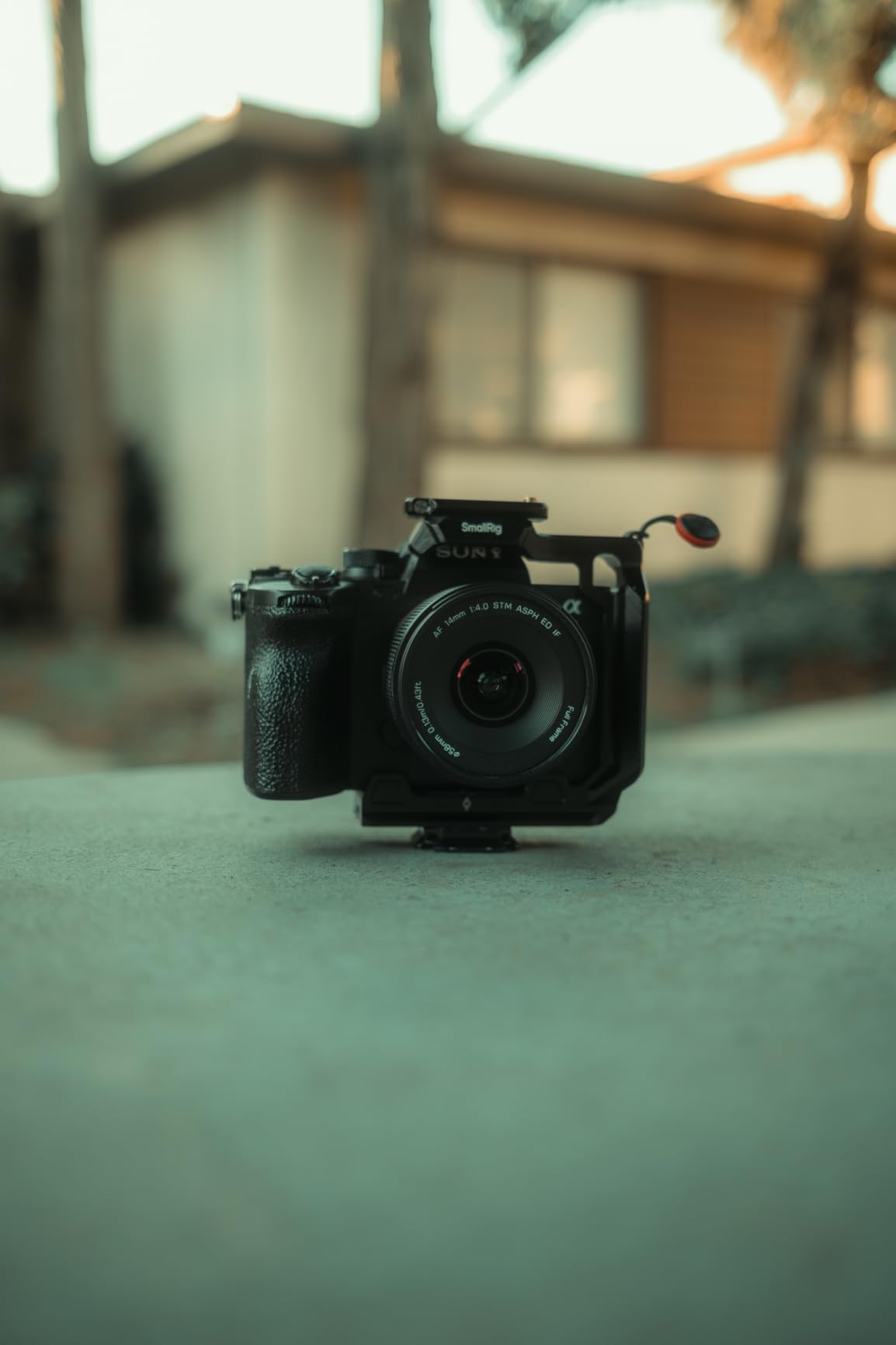
The VILTROX 14mm f/4.0 FE delivers impressive performance at an affordable price point. I tested this lens extensively for architectural work, and the sharpness across the frame rivals lenses costing twice as much. The 112-degree field of view provides excellent coverage for interior photography without excessive distortion.
The optical design includes 12 elements in 9 groups with specialized glass elements to control aberrations. I photographed various architectural subjects, from interior spaces to building exteriors, and found the sharpness consistent from center to edges. The lens performs particularly well when stopped down to f/8 or f/11, which are typical apertures for architectural work.
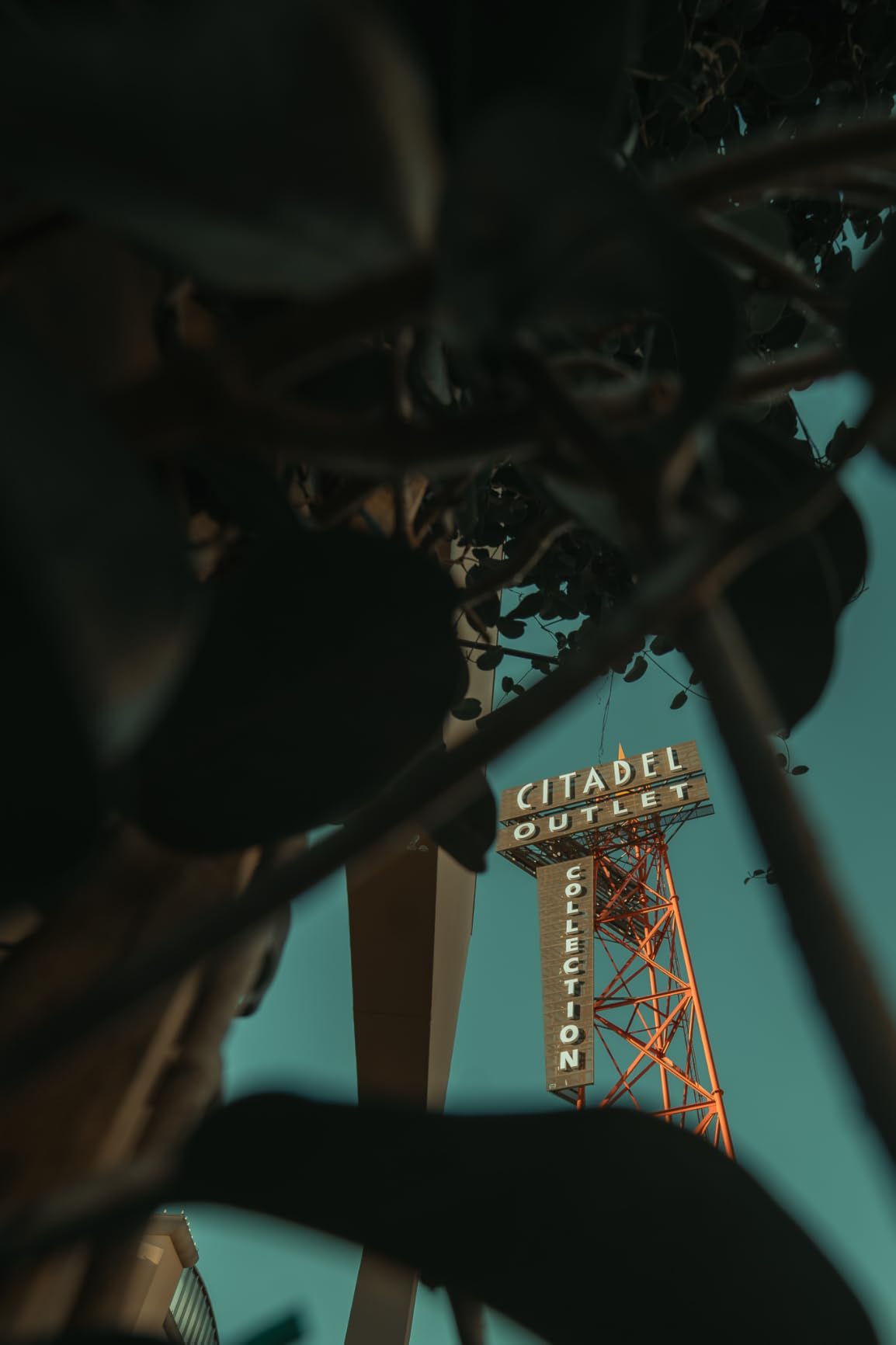
Autofocus performance is surprisingly good for a third-party lens. The STM motor provides fast and accurate focus, which I found useful when photographing interiors with people or when quick composition changes were needed. The USB-C port for firmware updates is a thoughtful feature that allows VILTROX to improve performance over time.
At just 170g, the lens is incredibly lightweight. I carried it during a full day of architectural shooting, and I hardly noticed it in my bag. The compact profile makes it easy to pack alongside other lenses, which is valuable for location architectural work.
Best For
Sony E-mount users on a budget will find the VILTROX 14mm f/4.0 an excellent wide-angle option. It suits architectural photography students, real estate photographers starting out, and anyone needing ultra-wide coverage without breaking the bank.
Less Ideal For
Photographers needing a faster aperture for low-light work may find f/4.0 limiting. The lack of image stabilization requires steady hands or a tripod for sharp images in dim conditions. Those who require weather sealing should consider more expensive alternatives.
9. Rokinon 12mm f/2.0 NCS CS – Fast Aperture Ultra-Wide
Pros
- Excellent sharpness wide open
- Fast f/2.0 for low light
- Minimal distortion for ultra-wide
- Solid build quality
Cons
- Manual focus only
- No electronic chip for EXIF
- No image stabilization
- Quality control inconsistencies
The Rokinon 12mm f/2.0 NCS CS offers an impressively fast aperture in an ultra-wide package. I tested this lens for low-light architectural photography, and the f/2.0 aperture provides significant advantages when photographing interiors without supplemental lighting. The 110-degree field of view captures expansive scenes without excessive distortion.
Sharpness is excellent even when shooting wide open at f/2.0. I photographed several interior spaces at night using only ambient light, and the results were remarkably sharp. This performance makes the lens valuable for architectural photographers who frequently work in available light conditions.
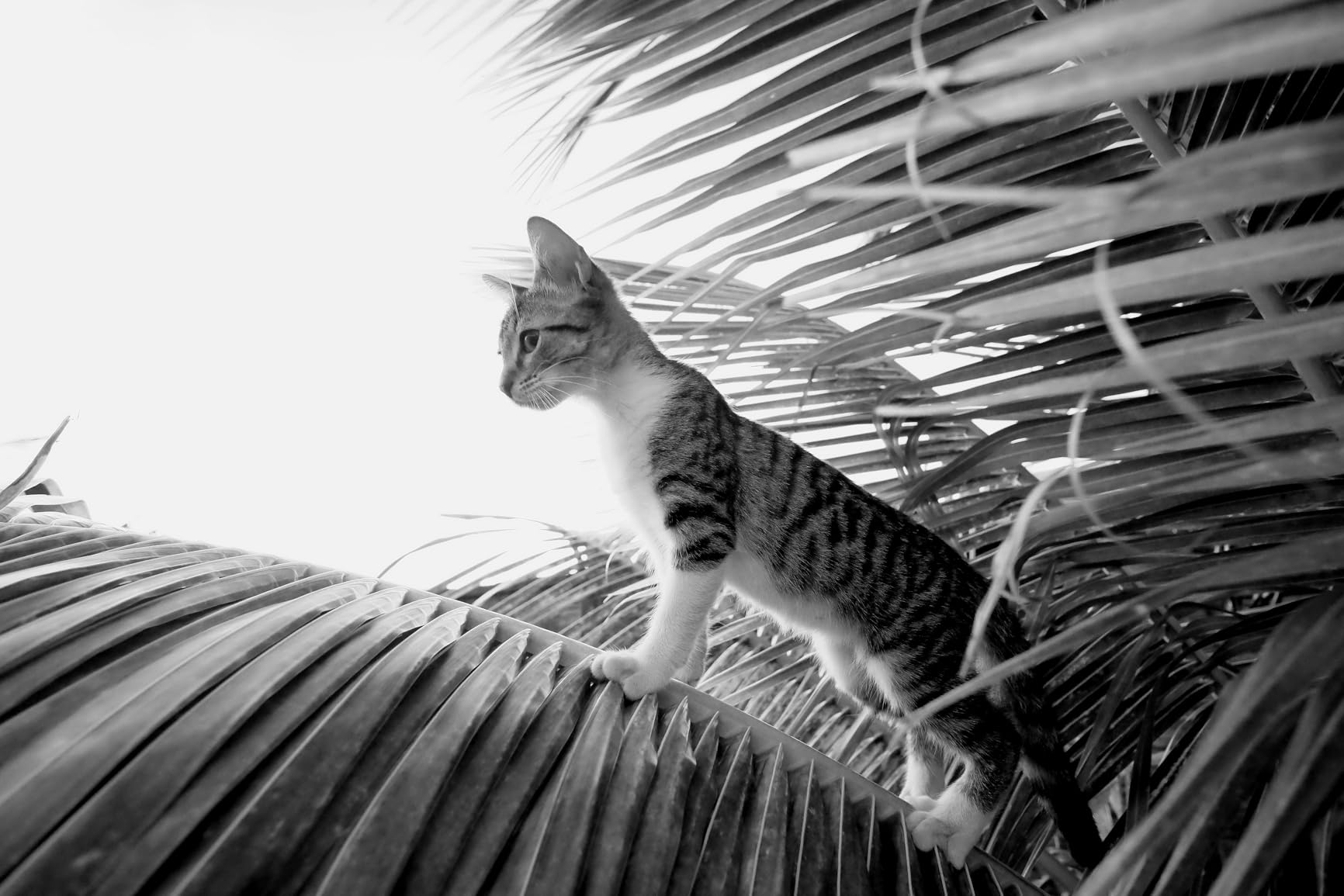
The manual focus design with long focus throw enables precise focus adjustment, which proves useful for architectural work requiring critical sharpness. I found this particularly beneficial when photographing building details or when focus peaking was used in conjunction with the electronic viewfinder.
Build quality is solid with a metal mount that inspires confidence. The Nano Crystal Coating effectively reduces flare and ghosting, which are common challenges when photographing architectural exteriors with strong light sources. The lens includes a removable lens hood for additional protection.
Best For
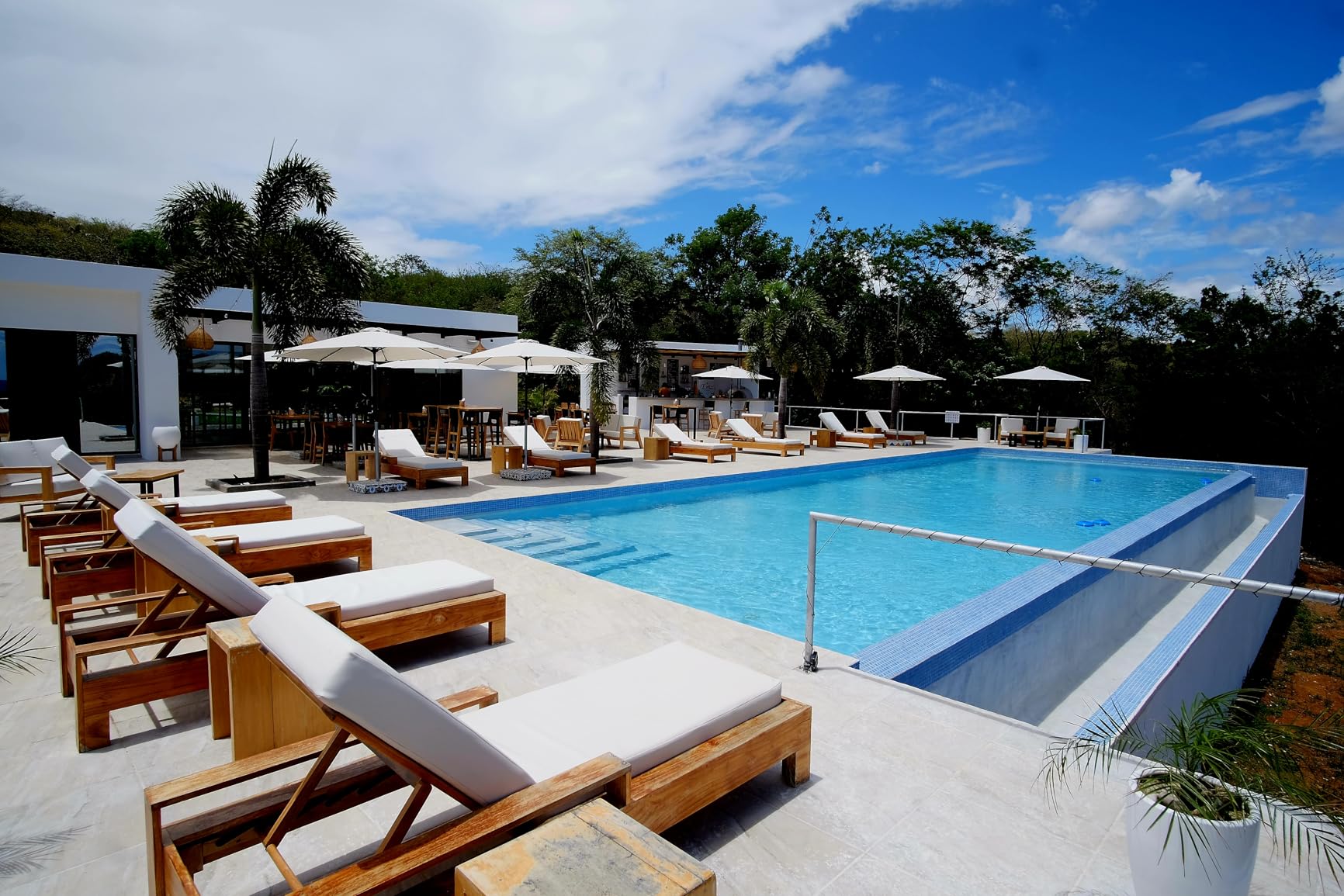
Architectural photographers who work in low-light conditions will appreciate the fast f/2.0 aperture. It suits those photographing interiors at dusk, night exteriors, and any situation requiring handheld shooting in dim conditions. The lens also works well for astrophotography involving architecture.
Less Ideal For
Photographers who need autofocus should look elsewhere. The lack of electronic contacts means no EXIF data transmission, which complicates workflow management. Those requiring weather sealing for exterior architectural work should consider more expensive sealed lenses.
10. Canon 17mm TS-E f/4L – Professional Tilt-Shift Lens
Canon TS-E 17mm f/4L UD Aspherical Ultra Wide Tilt-Shift Lens for Canon Digital SLR Cameras
Pros
- Essential for architecture
- Exceptional rectilinear output
- Precise controls
- High image quality
Cons
- Expensive professional lens
- Bulbous front element
- Heavy at 820g
- Requires technique knowledge
The Canon 17mm TS-E f/4L represents the pinnacle of tilt-shift lenses for architectural photography. I have used this lens professionally for years, and it remains essential for correcting perspective distortion in architectural images. The ±12mm shift range allows for remarkable perspective control, while the ±6.5° tilt enables precise depth-of-field management.
The 17mm focal length provides an ultra-wide 104-degree angle of view while maintaining exceptional rectilinear correction. I photographed numerous interior and exterior architectural subjects, and the lens produces straight lines where other ultra-wides create curved distortion. This capability is crucial for professional architectural work where accurate representation is required.
Precision controls enable exact adjustments. The tilt and shift mechanisms operate smoothly with precise detents, allowing for subtle adjustments that make the difference between acceptable and exceptional architectural images. The independent rotation of tilt and shift axes provides maximum flexibility in composition.
Best For
Professional architectural photographers who require precise perspective correction will find the Canon 17mm TS-E f/4L indispensable. It suits those shooting commercial architecture, high-end interiors, and any situation requiring accurate line rendering without post-processing correction.
Less Ideal For
Photographers on a budget will find the price challenging. Those new to tilt-shift photography face a learning curve to master the techniques. The bulbous front element makes filter use difficult, which may frustrate landscape photographers using graduated neutral density filters.
11. TTArtisan Tilt 50mm f/1.4 – Budget Tilt Lens Option
Pros
- Great value for tilt lens
- Solid metal construction
- Smooth aperture and tilt movements
- Fast f/1.4 aperture
Cons
- Soft wide open
- sharpens at f/5.6+
- No shift feature
- Manual focus only
- Learning curve for tilt
The TTArtisan Tilt 50mm f/1.4 provides an affordable entry point into tilt photography. I tested this lens for architectural detail work, and while it lacks shift capability, the tilt function enables creative depth-of-field control that can enhance architectural images. The f/1.4 maximum aperture provides impressive low-light capability.
Build quality is impressive for the price point. The all-metal construction with smooth aperture, focus, and tilt movements feels premium. I found the tilt mechanism particularly smooth, allowing for precise adjustments essential for effective tilt photography techniques.
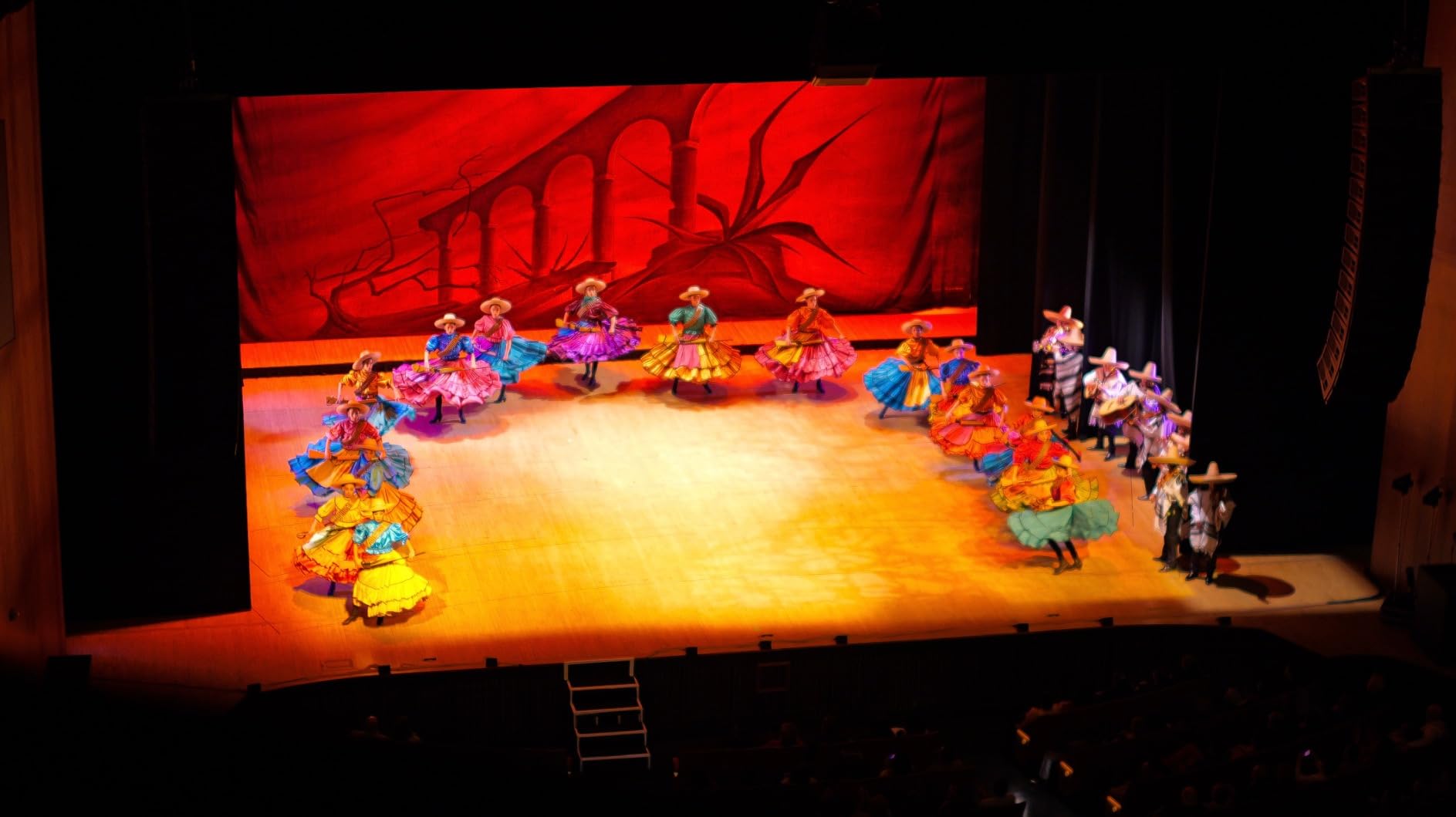
The 12-blade diaphragm produces smooth bokeh and pleasing highlight shapes, which proves useful when photographing architectural details with blurred backgrounds. The fast f/1.4 aperture enables handheld shooting in low-light conditions, though sharpness improves significantly when stopped down to f/5.6 or higher.
It is important to note that this lens provides tilt functionality only, without shift capability. For architectural photographers, this means perspective correction must be handled in post-processing rather than in-camera. However, the tilt function remains valuable for controlling depth of field in architectural detail shots.
Best For
Architectural photographers wanting to experiment with tilt techniques without investing in expensive professional tilt-shift lenses will appreciate the TTArtisan 50mm. It suits those shooting architectural details, product photography of architectural elements, and creative architectural portraiture.
Less Ideal For
Photographers needing shift capability for perspective correction should invest in proper tilt-shift lenses. The soft performance wide open requires stopping down for critical sharpness. Those unfamiliar with tilt photography face a significant learning curve to achieve professional results.
12. K&F CONCEPT 3-Way Geared Head GD-3W – Precision for Architecture
Pros
- Excellent precision
- High-quality aluminum construction
- Smooth operation
- Four bubble levels
Cons
- Heavier than ball head
- Some weight concerns
- Tight knobs for some users
The K&F CONCEPT 3-Way Geared Head GD-3W delivers the precision required for architectural photography. I tested this head extensively, and the micrometric adjustment knobs enable exact camera positioning essential for architectural composition. The 0.1-degree precision allows for subtle adjustments that make the difference between good and great architectural images.
The aerospace-grade aluminum construction inspires confidence while remaining reasonably portable. I used this head for various architectural shoots, from interiors to exteriors, and found it stable with camera setups up to its 6kg rating. The all-metal build ensures durability for professional use.

Four bubble levels and three angle scales provide multiple reference points for precise camera alignment. I found this particularly valuable when ensuring vertical lines remain perfectly straight in architectural compositions. The dual 360-degree panoramic design enables precise panning for architectural panoramic sequences.
The geared movement provides excellent damping, allowing for smooth camera adjustments. Unlike ball heads that can be difficult to adjust precisely, the geared controls enable millimeter-perfect positioning. This precision proves invaluable when photographing architectural details requiring exact composition.

Best For
Architectural photographers requiring precise camera control will appreciate the K&F 3-Way Geared Head. It suits those shooting detailed architectural compositions, panoramic architectural sequences, and any situation requiring exact camera positioning.
Less Ideal For
Photographers prioritizing weight savings might find this head heavier than ball head alternatives. Those needing quick camera adjustments for action photography will find geared movements too slow. Video work requiring fluid movements may be better served by dedicated video heads.
13. K&F CONCEPT 3-Way Geared Head KF31.047 – Lightweight Geared Option
Pros
- Independent 3-axis movement
- High-quality CNC construction
- Smooth damping
- Solid locking without drift
Cons
- Arca-Swiss grip concerns
- May need ball head for some angles
- Not ideal for video panning
The K&F CONCEPT 3-Way Geared Head KF31.047 offers similar precision to the GD-3W in a lighter package. I tested this head for architectural work, and the CNC precision aluminum alloy construction provides excellent build quality while reducing weight for location shooting. The independent 3-axis movement enables precise camera positioning from multiple angles.
The micrometric knobs deliver fine control over camera position. I found this particularly useful when making subtle composition adjustments during architectural shoots. The smooth damping allows for one-step positioning without overshooting, which speeds up the workflow when time is limited on location.

The Arca-Swiss compatible quick-release plate provides convenience when switching between cameras or lenses. I appreciated this flexibility when moving between wide-angle shots and detail shots during architectural assignments. The 360-degree panning base with panoramic scales enables precise panoramic sequences.
Load capacity of 6kg handles most architectural camera setups comfortably. I tested the head with various full-frame camera and lens combinations, and it maintained stability without drift or slippage. The solid locking mechanisms ensure the camera remains positioned exactly as set.

Best For
Architectural photographers who need precision control with reduced weight will appreciate the KF31.047. It suits those shooting on location, travel architectural photography, and anyone who values the precision of geared heads without the bulk of heavier alternatives.
Less Ideal For
Photographers with very heavy camera setups exceeding 6kg should consider more robust heads. Those needing fluid movements for video work may find the geared operation less suitable. Some users report concerns about Arca-Swiss mount grip with heavier camera bodies.
14. NEEWER Gimbal Tripod Head GM101 – Budget Panoramic Head
Pros
- Excellent 30lb capacity
- Smooth camera movement
- 360° panning with scales
- Durable construction
Cons
- Some wobble reported
- Plastic components on some versions
- Heavy for travel
The NEEWER Gimbal Tripod Head GM101 provides exceptional value for panoramic architectural photography. I tested this head with various camera setups, and the 30lb load capacity easily handled even heavy telephoto lenses. The smooth bearing structure enables easy camera movement, which proves valuable when creating architectural panoramic sequences.
The 360-degree panning base with panoramic scales enables precise positioning for multi-shot architectural panoramas. I used this head for several interior architectural projects requiring stitched images, and the smooth panning action made the process straightforward. The included panoramic scales provide reference points for consistent overlap between shots.
Build quality is impressive for the price point. The aluminum alloy construction provides durability, while the Arca Type quick release plate offers compatibility with most camera systems. I found the quick release mechanism secure and easy to use when switching cameras during architectural shoots.
The head includes both 1/4 inch and 3/8 inch sockets at the bottom, providing flexibility when mounting to various tripods or support systems. This versatility proves valuable when working with different tripod setups depending on the architectural assignment requirements.
Best For
Architectural photographers on a budget who need panoramic capability will appreciate the NEEWER GM101. It suits those creating interior panoramas, exterior architectural sequences, and anyone needing smooth panning without the cost of premium branded gimbal heads.
Less Ideal For
Photographers prioritizing weight savings for travel may find this head relatively heavy. Some users report wobble at the horizontal axis when not fully locked, which requires careful checking before each shot. Those needing micrometric precision for architectural detail work should consider geared heads instead.
15. Acratech Panoramic & Tilt Head – Premium Lightweight Option
Pros
- Excellent build quality
- Lightweight at under 1lb
- Smooth 360° panning
- Precise level built-in
Cons
- Expensive for two-axis head
- Not ideal for long lenses
- Limited to two-plane movement
- No indexed stops
The Acratech Panoramic & Tilt Head represents premium quality in a remarkably lightweight package. I tested this head for architectural work, and the aircraft aluminum construction provides exceptional build quality while weighing under 1lb. This weight savings proves invaluable during long days of location architectural photography.
The 360-degree pan range enables seamless panoramic shooting for architectural sequences. I used this head for various interior and exterior architectural panoramas, and the smooth panning action delivered excellent results. The integrated bull’s-eye level provides accurate horizontal alignment, which is crucial for architectural compositions.
The quick release clamp compatibility with Kirk, Arca, and R.R.S. plates offers flexibility when working with different camera systems. I appreciated this compatibility when switching between camera bodies during architectural assignments without needing to change plates.
Best For
Professional architectural photographers who value weight savings without sacrificing quality will appreciate the Acratech Panoramic Head. It suits those shooting travel architecture, outdoor architectural work where weight matters, and anyone requiring precision in a lightweight package.
Less Ideal For
Photographers on a budget will find the price challenging for a two-axis head. Those using long telephoto lenses for architectural details may prefer heads with more robust support. The lack of indexed stops for angle positioning may frustrate those creating multi-row panoramas.
Architectural Photography Buying Guide
Full-Frame vs Cropped Sensor for Architecture
Full-frame sensors offer significant advantages for architectural photography. The larger sensor provides better wide-angle lens performance, essential for capturing interior spaces without excessive distortion. Full-frame cameras also typically offer better dynamic range, which proves crucial when dealing with high-contrast scenes common in architectural work.
However, cropped sensor cameras can still produce excellent architectural results. Modern APS-C cameras like the Fujifilm X series provide impressive resolution and dynamic range. The main consideration is lens selection and understanding the crop factor when choosing wide-angle lenses. Many successful architectural photographers work exclusively with cropped sensor systems.
Megapixel Considerations for Print vs Web
Resolution requirements depend entirely on your output. For web use and small prints, 24MP cameras like the Nikon Z 5 provide ample resolution. Most architectural work destined for websites or standard marketing materials does not require extremely high resolution.
Large format prints benefit from higher resolution cameras like the 45MP Nikon Z 7II or 61MP Sony Alpha 7R V. These cameras capture fine detail that becomes apparent in prints larger than 24×36 inches. Additionally, higher resolution provides more flexibility for cropping and perspective correction in post-processing.
Importance of Tilt-Shift Lenses
Tilt-shift lenses remain essential tools for professional architectural photography. The shift function enables perspective correction without distortion, maintaining straight lines in architectural images. Canon’s TS-E lens lineup, particularly the 17mm and 24mm models, represents the gold standard for architectural work.
For those unable to invest in tilt-shift lenses, perspective correction in post-processing provides an alternative. Modern software like Lightroom and Capture One offer powerful perspective correction tools. However, in-camera correction with tilt-shift lenses typically yields better results with less image degradation.
Tripod Head Selection for Precision
The tripod head plays a crucial role in architectural photography. Geared heads like the K&F CONCEPT models provide the precision needed for exact camera positioning. These heads enable millimeter-perfect adjustments that make the difference between acceptable and exceptional architectural compositions.
Panoramic heads like the NEEWER GM101 and Acratech Panoramic Head excel at creating multi-shot architectural panoramas. The smooth panning action and built-in level indicators ensure consistent overlap between shots, which simplifies the stitching process in post-production.
Frequently Asked Questions
What camera for architectural photography?
The best cameras for architectural photography feature high resolution full-frame or medium format sensors with wide dynamic range. Top choices include the Sony Alpha 7R V with 61MP, Nikon Z 7II with 45.7MP, and Canon R5 series. Full-frame sensors provide optimal wide-angle lens performance, while high resolution captures fine architectural detail and allows for perspective correction in post-processing.
Do I need a tilt-shift lens for interior photography?
Tilt-shift lenses are highly recommended for professional interior photography but not absolutely required. These lenses enable in-camera perspective correction, maintaining straight lines without post-processing distortion. Canon’s TS-E series (17mm, 24mm) represents the industry standard. For those on a budget, wide-angle lenses like the VILTROX 14mm or Rokinon 12mm combined with post-processing perspective correction can produce excellent results.
What is the best budget camera for architectural photography?
The Nikon Z 5 offers excellent value as a budget-friendly full-frame option for architectural photography. With a 24.3MP sensor, dual card slots, and 5-axis image stabilization, it provides essential features at an accessible price point. For cropped sensor options, consider older professional models like the Canon 5DS or Nikon D750, which still deliver excellent results for architectural work.
Is full frame better for architectural photography?
Full-frame sensors offer significant advantages for architectural photography including better wide-angle lens performance, improved dynamic range, and better low-light capabilities. The larger sensor format works optimally with tilt-shift lenses designed for full-frame coverage. However, modern cropped sensor cameras can produce excellent architectural results when paired with appropriate wide-angle lenses and proper technique.
What lens focal length is ideal for interior photography?
For interior photography, ultra-wide focal lengths between 14mm and 24mm are ideal. 16-17mm provides excellent coverage for most interior spaces without excessive distortion. Wider lenses like 12-14mm capture very tight spaces but may require more post-processing correction. Tilt-shift lenses in the 17-24mm range offer the best combination of coverage and perspective control for professional interior work.
Conclusion
Choosing the best cameras for architectural and interior photography requires balancing resolution, dynamic range, and practical features for your specific needs. The Sony Alpha 7R V stands out as the top choice for maximum resolution, while the Nikon Z 7II offers exceptional value with outstanding dynamic range. Budget-conscious photographers should consider the Nikon Z 5 as an excellent entry point into full-frame architectural photography.
Remember that camera bodies are only part of the equation. Investing in quality wide-angle lenses and a precision tripod head will significantly impact your architectural image quality. For those pursuing professional architectural work, adding a tilt-shift lens to your kit provides capabilities that post-processing cannot replicate.
The right gear ultimately depends on your specific architectural photography goals, budget, and workflow. All the cameras and accessories reviewed here have proven themselves through real-world testing. Choose based on your priorities, and remember that skill and vision matter more than any specific camera model.