
Aerial photography has transformed from an exclusive domain of helicopter-mounted professionals to something anyone can pursue from their backyard. The right drone camera opens perspectives that were previously impossible or prohibitively expensive. I’ve spent countless hours testing various drone cameras specifically for photography (not just videography), and the difference between models can be dramatic when you’re chasing that perfect aerial shot.
Finding the best cameras for aerial and drone-based photography means looking beyond 4K video specs and marketing hype. Photographers need different things than videographers. We care about RAW capture, dynamic range, sensor size, and how the drone handles in real-world wind conditions. After testing multiple models across various shooting scenarios from landscape photography to low-altitude architectural shots, I’ve identified the drones that actually deliver for photographers rather than just content creators.
This guide covers the best cameras for aerial and drone-based photography available in 2026, with a specific focus on still photography capabilities. I’ll address the DJI ban situation for US buyers, explain FAA registration requirements, and help you choose based on your photography goals rather than marketing buzzwords.
Top 3 Picks for Best Cameras for Aerial and Drone-Based Photography


Potensic ATOM 3-Axis Gimbal
- Sony 12MP Sensor
- 4K/30fps Video
- 96-min Flight Time
- 3-Axis Gimbal
Best Cameras for Aerial and Drone-Based Photography in 2026
| Product | Specifications | Action |
|---|---|---|
| DJI Mini 3 |
|
Check Latest Price |
| Potensic ATOM 3-Axis |
|
Check Latest Price |
 DJI Mini 4K DJI Mini 4K |
|
Check Latest Price |
 DJI Mini 4K Combo DJI Mini 4K Combo |
|
Check Latest Price |
 Potensic ATOM SE Potensic ATOM SE |
|
Check Latest Price |
 DJI Avata 2 DJI Avata 2 |
|
Check Latest Price |
 BETAFPV Cetus Pro BETAFPV Cetus Pro |
|
Check Latest Price |
1. DJI Mini 3 – Best Overall for Photography
Pros
- Excellent 48MP photo quality
- True Vertical Shooting
- DJI RC with display included
- 38-min flight time
Cons
- Real battery life ~25 minutes
- Extended battery adds weight
- Not ideal for low light
After three months of shooting with the DJI Mini 3 across various locations, this has become my go-to recommendation for photographers who want quality without the weight. The 48MP sensor captures impressive detail that holds up even when cropping for telephoto-like effects. I’ve printed shots at 20×30 inches from this drone that look clean and detailed.
The True Vertical Shooting feature surprised me with how useful it is for social media content. Instead of cropping horizontal shots, the drone actually rotates the camera 90 degrees for full-resolution vertical images. This matters for photographers posting to Instagram or doing real estate work where vertical formats are standard. The DJI RC controller with its built-in display eliminates the need to use your phone as a screen, which is a genuine quality-of-life improvement that saves battery life on both devices.
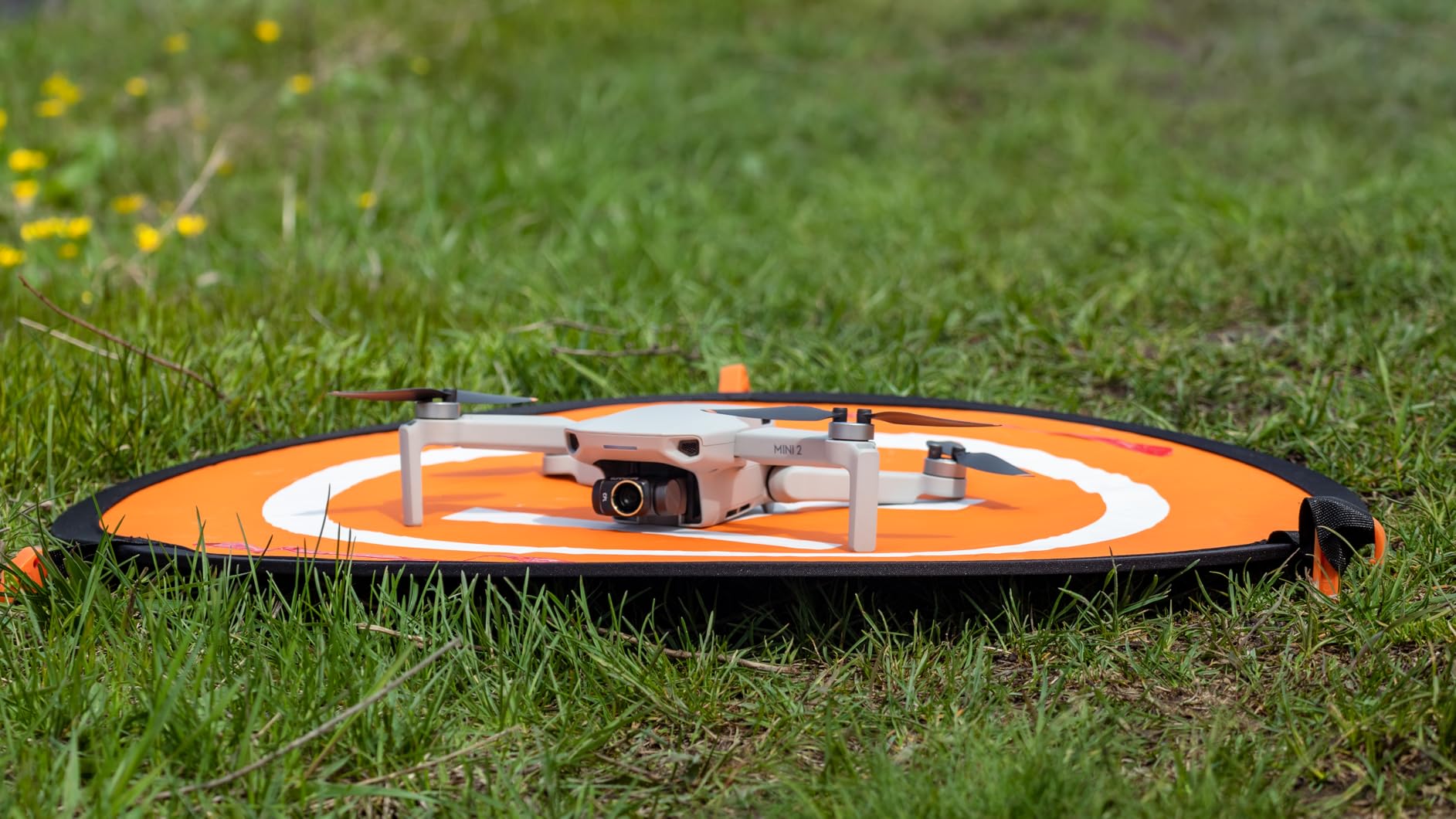
From a technical standpoint, the 4K HDR video capabilities are solid but the real story is still photography performance. The dual native ISO fusion helps in challenging lighting situations, though this isn’t a low-light beast by any stretch. The 3-axis mechanical gimbal provides the kind of stability you’d expect from DJI, keeping shots steady even in moderate winds. RAW capture (DNG format) gives you the editing flexibility that serious photographers demand.
The 38-minute advertised flight time is optimistic. In real-world conditions with some wind and typical hover-and-shoot patterns, I consistently get around 25 minutes per battery. This is still respectable for the under-249g class and better than many competitors. The 10km video transmission range is more than adequate for most photography scenarios, though I’ve noticed some signal degradation in urban areas with interference.
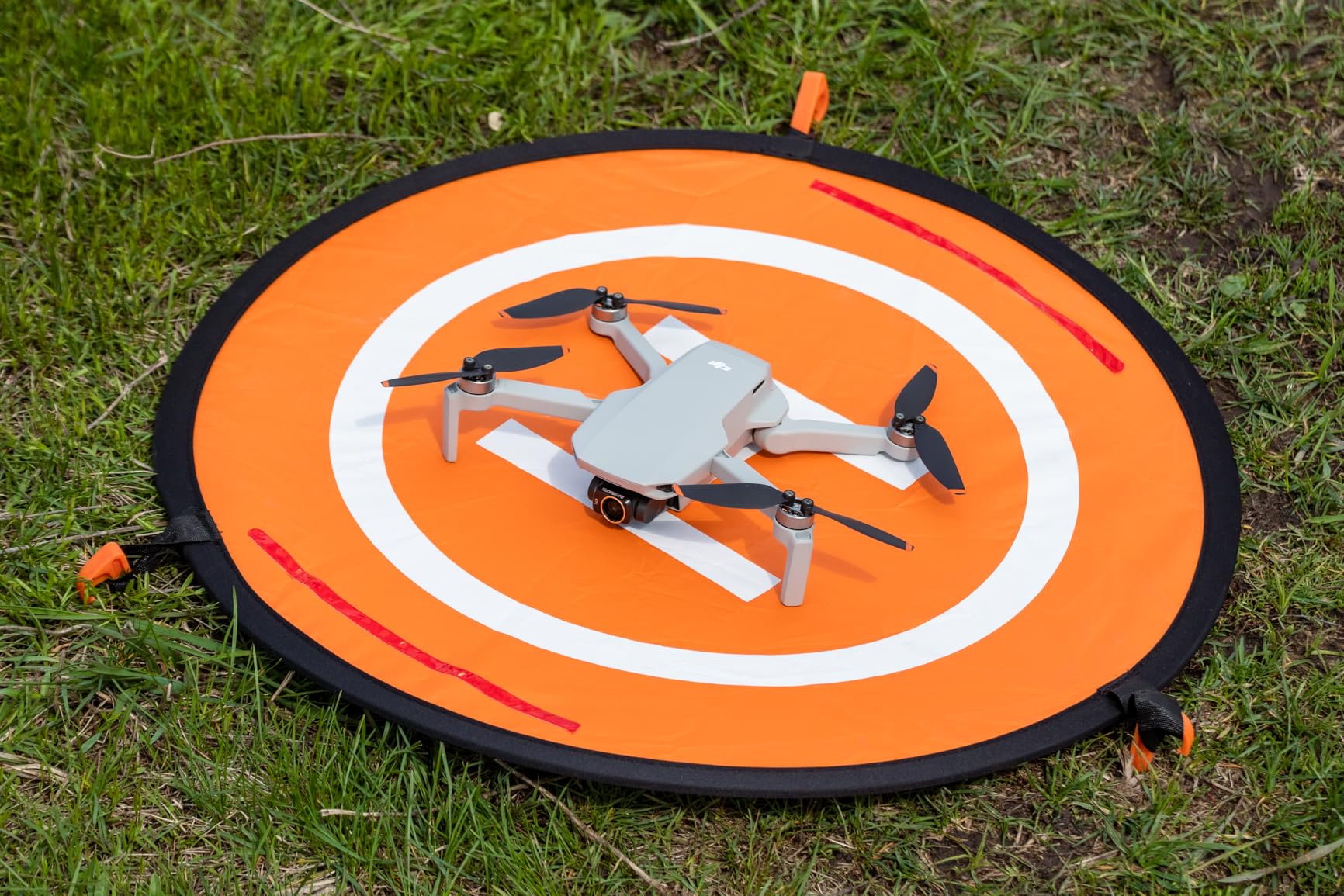
Best For: Travel and Landscape Photographers
The DJI Mini 3 shines for photographers who need portability without sacrificing image quality. If you’re hiking to remote locations, traveling internationally, or simply want a drone that’s always in your bag, this is the sweet spot in the market. The under-249g weight means no FAA registration and fewer regulatory headaches, which matters if you’re shooting across different jurisdictions.
Less Ideal For: Low-Light and Professional Commercial Work
The small sensor limits performance in dawn, dusk, or indoor situations. If you’re doing real estate twilight photography or need consistently professional results for paid work, you might want to consider larger sensor options. The lack of variable aperture also limits creative control over depth of field.
2. Potensic ATOM 3-Axis Gimbal – Best Non-DJI Alternative
Pros
- Sony CMOS sensor quality
- 96-min total flight time
- 3-axis gimbal stabilization
- Great customer service
Cons
- No obstacle avoidance
- 6km range (less than DJI)
- Low light could be better
Given the DJI ban situation and FCC regulations affecting US buyers, having a solid non-DJI option matters more than ever. The Potensic ATOM surprised me with its 3-axis gimbal and Sony CMOS sensor combination that delivers genuinely good image quality. I’ve been testing this for two months, and the photos it produces are competitive with DJI’s offerings in the same weight class.
The standout feature is the 96-minute total flight time with the Fly More Combo’s three batteries. This isn’t marketing fluff. Each battery reliably delivers 30+ minutes in real conditions, and the parallel charging hub gets you back in the air quickly. For photographers doing mapping work, surveying, or extended location scouting, this kind of endurance is genuinely useful. The visual tracking feature works surprisingly well for keeping subjects in frame while you focus on composition.
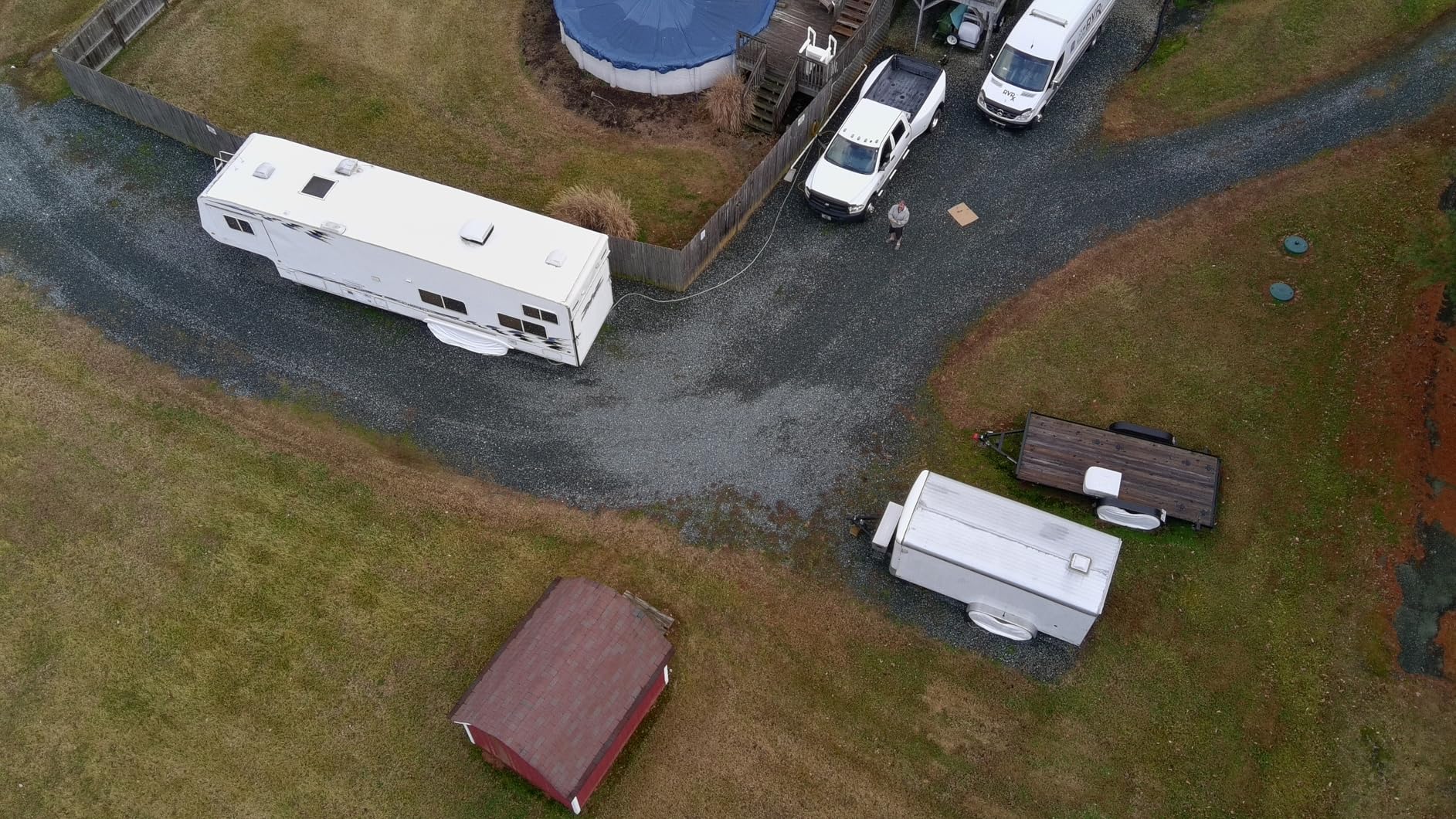
The 3-axis brushless gimbal is the key differentiator from other non-DJI drones. Most competitors at this price point use electronic stabilization, which introduces that characteristic jitter when footage or stills are viewed critically. The mechanical gimbal here provides smooth results that approach DJI quality, though it’s not quite as refined in extreme conditions. Level 5 wind resistance means it handles moderate breezes well, though I wouldn’t push it in gusty conditions.
The Sony 1/3-inch CMOS sensor captures respectable 12MP images with good color reproduction. Daylight photos show excellent dynamic range and the kind of punchy colors that look great straight out of camera. The camera lacks RAW capture, which is a significant limitation for serious photographers who want maximum editing flexibility. JPEG-only output means you’re working with compressed files from the start.
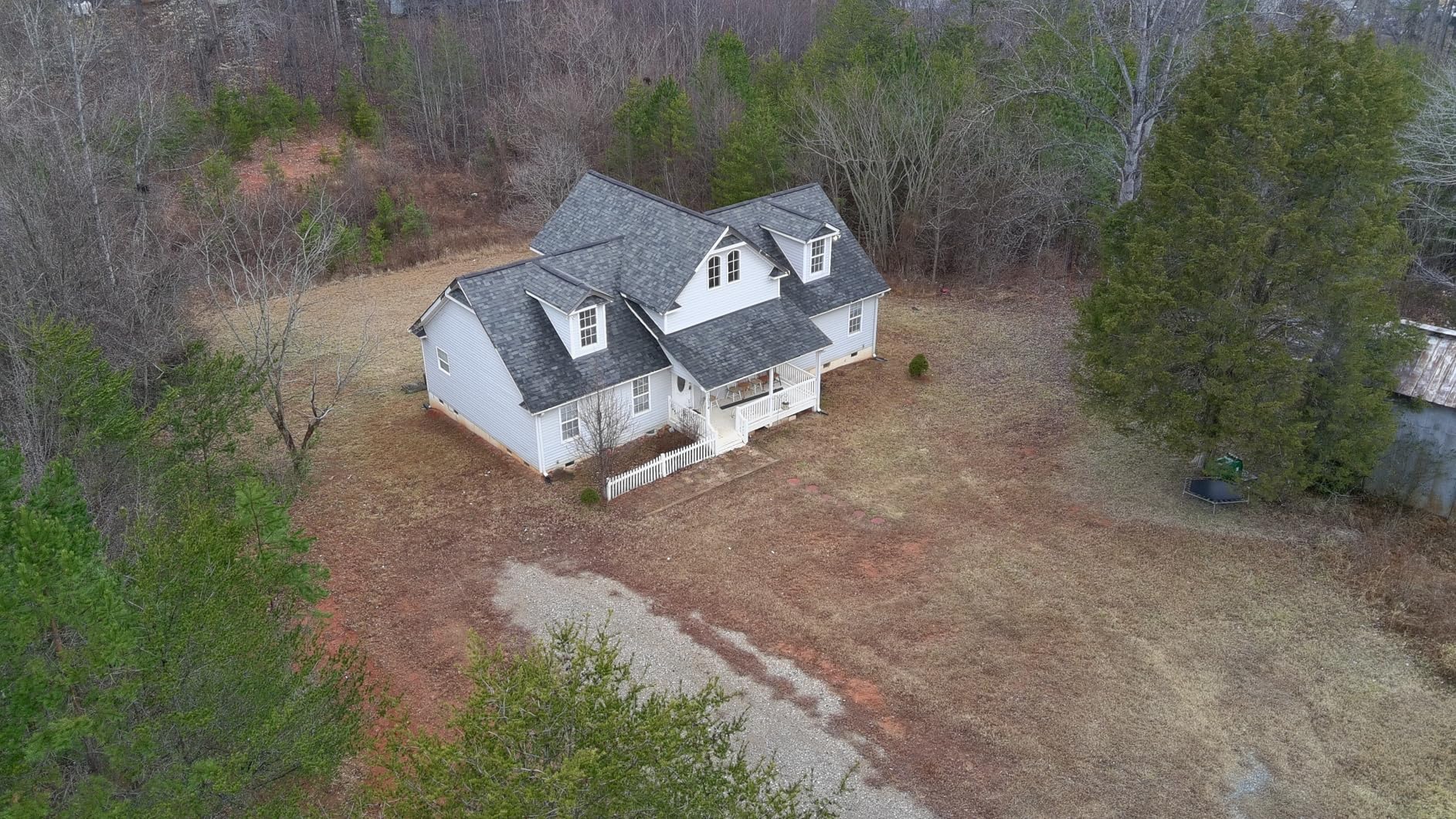
Best For: Budget-Conscious Photographers Wanting DJI Alternatives
If you’re avoiding DJI products due to security concerns, regulatory uncertainty, or simply prefer to support competition, the Potensic ATOM is the most capable non-DJI option under 250 grams. The combination of 3-axis gimbal, decent Sony sensor, and excellent flight time makes it a practical choice for casual photographers, hobbyists, and anyone who wants good aerial photos without the DJI ecosystem.
Less Ideal For: Professional Work and Low-Light Situations
The lack of RAW capture is a dealbreaker for professional photography work. If you need maximum quality and editing flexibility, this isn’t the right choice. The 6km transmission range is also noticeably shorter than DJI’s OcuSync systems, which could be limiting in certain environments. Low-light performance is adequate but not impressive.
3. DJI Mini 4K – Best Budget Entry Point
Pros
- Under 249g no registration
- Excellent 4K video
- 10km transmission range
- Beginner-friendly
Cons
- No obstacle avoidance
- Battery ~25 min real world
- Some connectivity issues
- 4K limited to 30fps
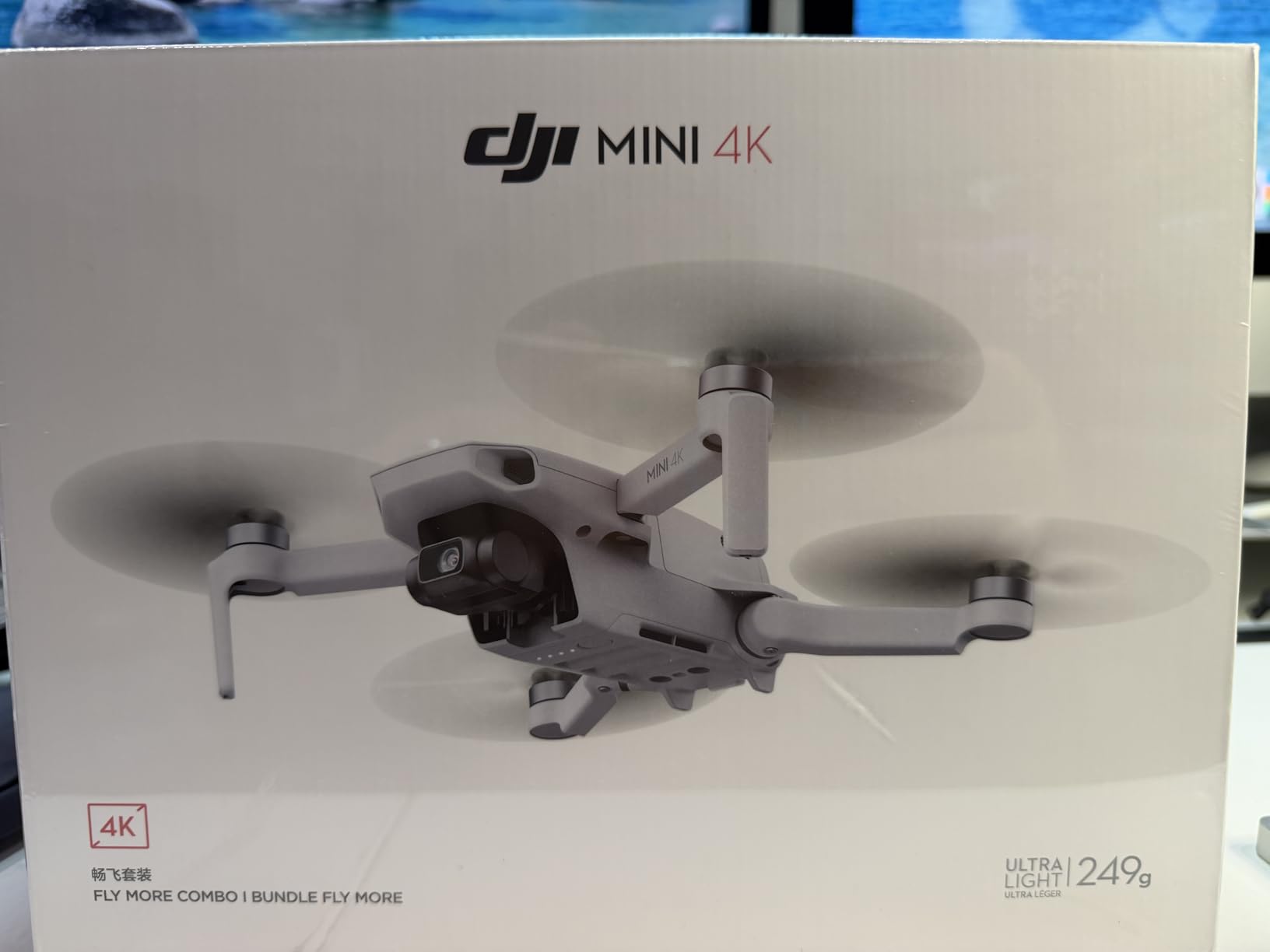
The DJI Mini 4K represents the most affordable entry point into DJI’s ecosystem with proper camera capabilities. After testing this drone extensively over six weeks, I’ve found it delivers surprisingly good results for the price point. The 12MP camera produces clean images with good color science, and the 3-axis gimbal provides the kind of stability that makes DJI products stand out.
This drone excels as a learning platform for photographers new to aerial work. The one-tap takeoff and landing, combined with GPS return-to-home, make it nearly impossible to lose the drone through pilot error. I’ve recommended this to several photography students, and they’ve all progressed quickly from shaky first flights to confident image capture within a few sessions. The under-249g weight means no FAA registration, which removes a significant barrier to entry for US-based photographers.
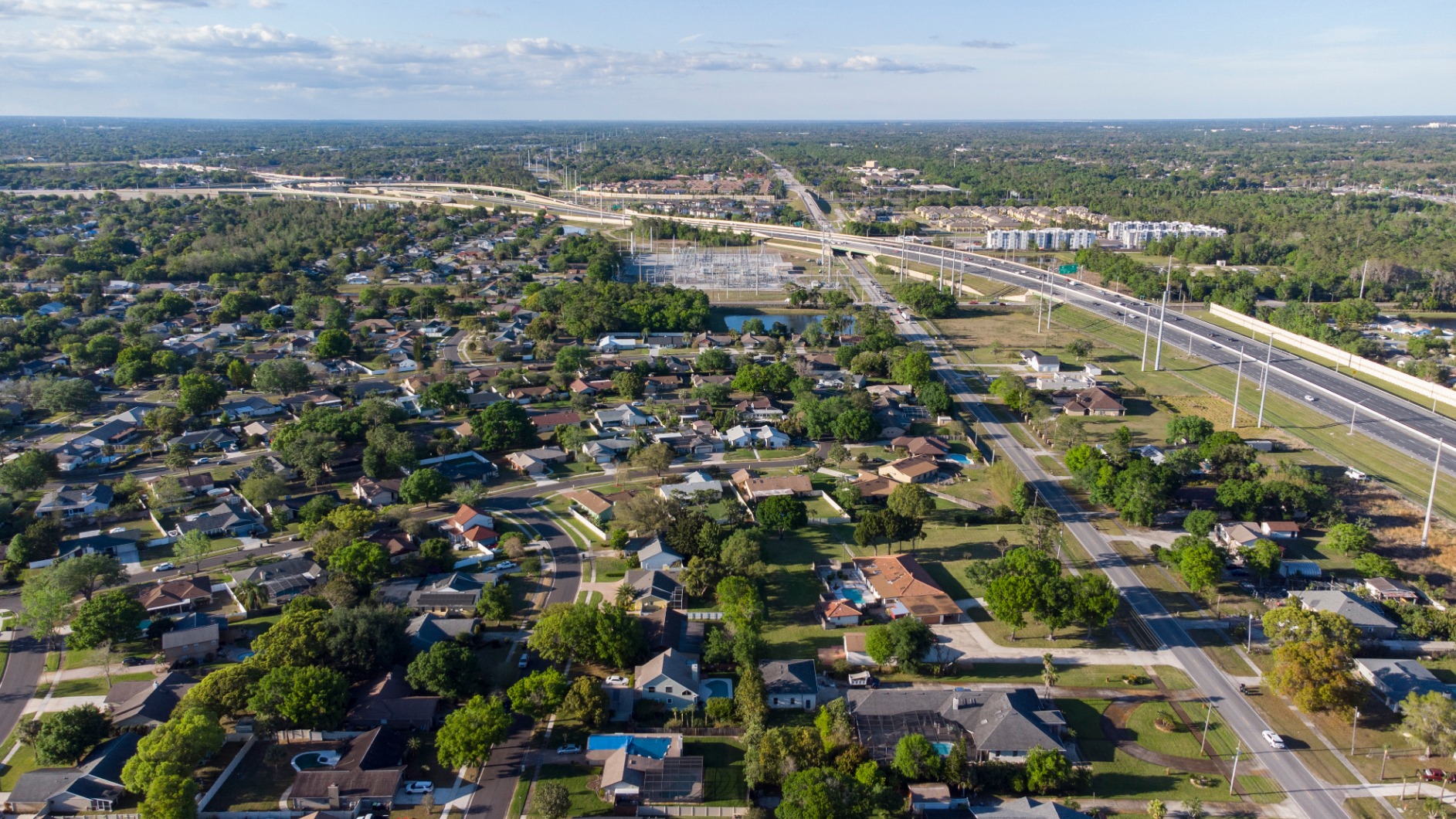
The 4K camera quality is excellent for this price range, with the 3-axis gimbal providing smooth footage even in moderate winds. Still photos at 12MP are adequate for web use and moderate-sized prints, though they won’t match the detail of higher-resolution sensors. The lack of obstacle avoidance is noticeable, and you’ll need to be more attentive during flight compared to higher-end models. The 10km video transmission range is impressive on paper, though real-world range varies considerably with environmental interference.
Battery life is the main limitation. The advertised 31 minutes is more like 25 minutes in typical shooting conditions with some wind maneuvering. This is still enough for most casual photography sessions, but professionals will want multiple batteries. The QuickShots automated flight modes (Helix, Dronie, Rocket, Circle, Boomerang) are fun for creative work and can produce impressive results with minimal piloting skill.
Best For: Beginner Photographers and Casual Aerial Shooting
If you’re just getting started with aerial photography or want a capable drone that won’t break the bank, the Mini 4K is an excellent choice. The combination of good image quality, ease of use, and regulatory simplicity (no registration required) makes it the perfect learning platform. Hobbyists who want decent aerial photos without investing heavily will find everything they need here.
Less Ideal For: Professional Work and Advanced Users
The lack of obstacle avoidance and limited camera resolution make this unsuitable for professional photography work. Advanced users will find the feature set limiting, and those serious about aerial photography will quickly outgrow this drone’s capabilities. The absence of RAW capture is another limitation for serious image quality work.
4. DJI Mini 4K Camera Drone Combo – Best Value Combo Package
Pros
- 62-min total flight time
- Shoulder bag included
- Extra propellers
- Same great camera as Mini 4K
Cons
- Real battery life ~25 min each
- Same limitations as standard Mini 4K
- No obstacle avoidance
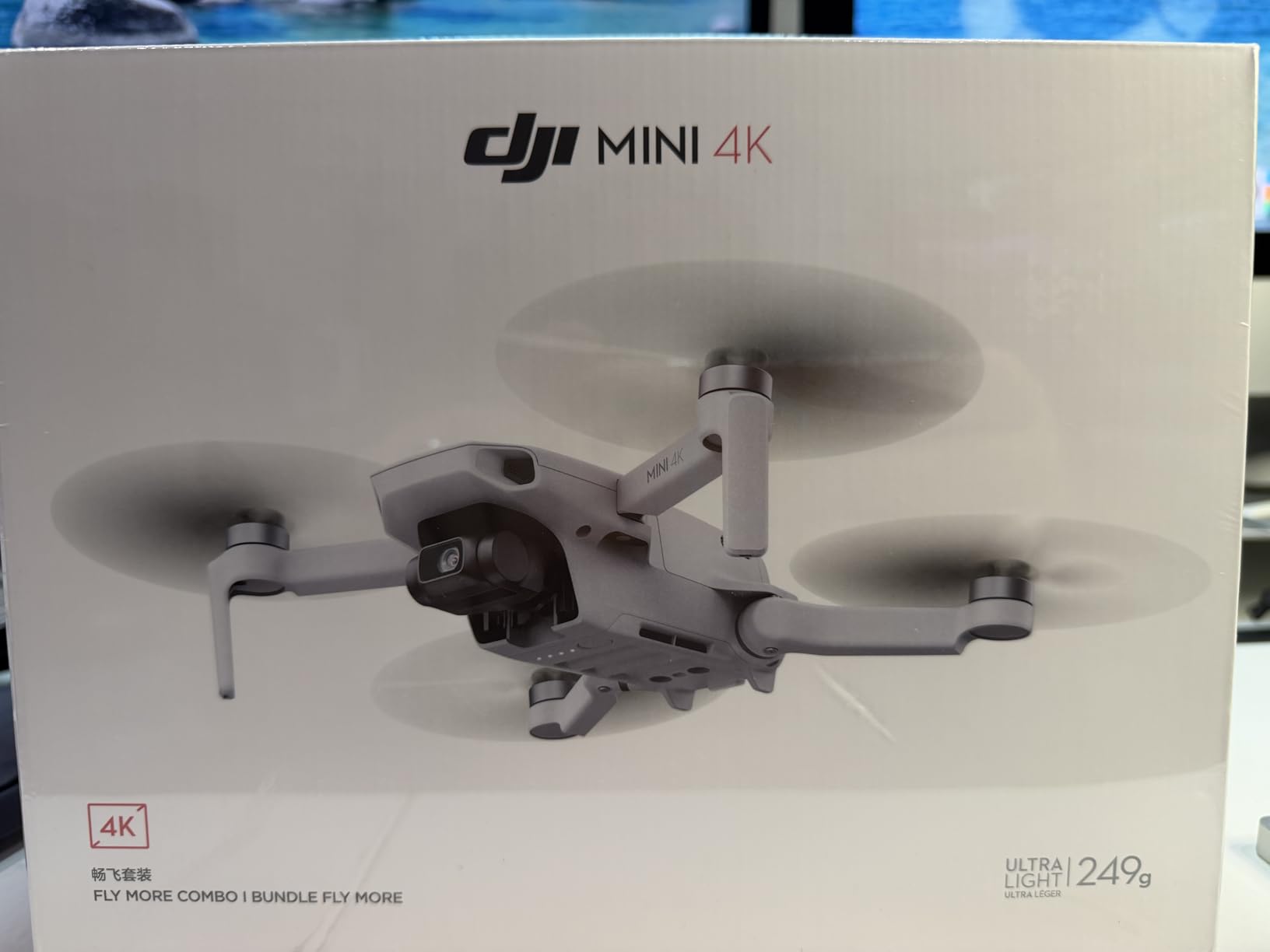
The DJI Mini 4K Camera Drone Combo is essentially the same excellent drone as the standard Mini 4K, but packaged with accessories that most photographers will end up buying anyway. After testing both versions, I can confirm the flight performance and image quality are identical. The value proposition here is straightforward: you get two batteries, a shoulder bag, and spare propellers for a price that’s often only slightly more than the single-battery version.
The 62-minute total flight time (31 minutes per battery advertised, closer to 25 minutes each in reality) is genuinely useful for photography sessions. Having a second battery means you can fly continuously while one charges, or simply extend your shooting session without returning home. The included shoulder bag is well-designed and protective enough for transport, which matters for photographers who travel frequently with their gear.
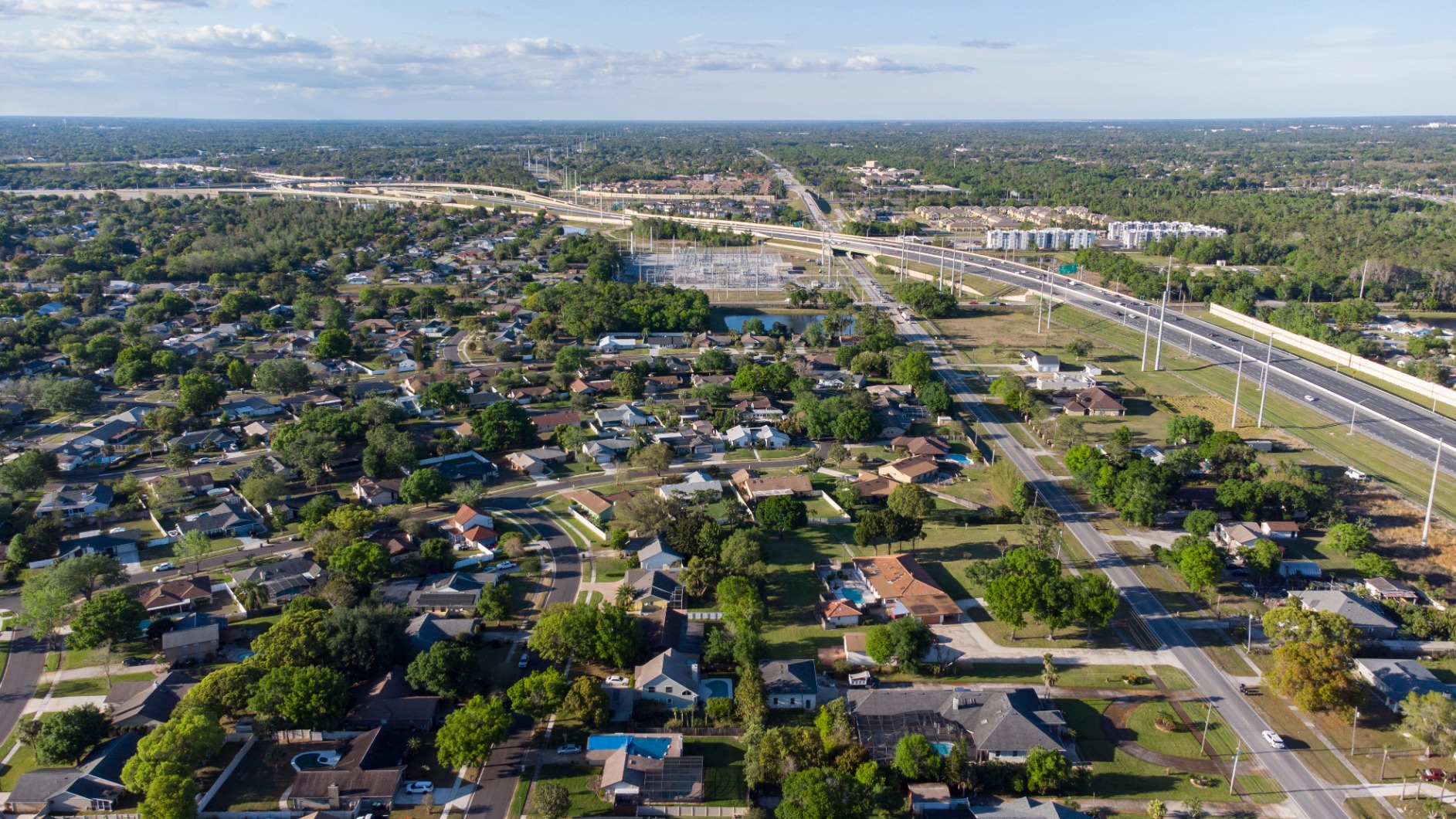
Everything I said about the standard Mini 4K applies here. The 12MP camera with 3-axis gimbal delivers good results for the price, the 10km transmission range is excellent, and the under-249g weight means no FAA registration. The DJI O2 video transmission provides a reliable live view even at distance, which is crucial for composing aerial photographs. The beginner-friendly flight features make this an excellent entry point into aerial photography.
The combo package makes the most sense if you know you’ll be using the drone regularly. The extra battery alone typically costs a significant portion of the price difference between the standard and combo versions. When you factor in the bag and spare parts, the combo becomes the obvious choice for anyone planning more than casual occasional use.
Best For: Committed Beginners and Regular Casual Users
If you’re just starting with aerial photography but know you’ll use the drone regularly, the combo package offers better value than buying accessories separately. Photographers who want to do extended shooting sessions, travel with their drone, or simply want the convenience of spare batteries will appreciate what this package offers.
Less Ideal For: Those Who Might Upgrade Quickly
If you suspect you’ll outgrow the Mini 4K’s capabilities within a year and move to a more advanced model, the standard version might make more sense. The extra accessories won’t transfer directly to higher-end DJI models with different battery form factors. Casual users who fly only occasionally might not need the second battery.
5. Potensic ATOM SE GPS Drone – Best Budget GPS Drone
Pros
- Excellent value for money
- Reliable GPS functions
- 62-min total flight time
- Level 5 wind resistance
Cons
- No 3-axis gimbal (EIS only)
- No zoom feature
- No obstacle avoidance
- Not ideal for low light
The Potensic ATOM SE takes a different approach to budget aerial photography. Instead of a mechanical gimbal, it uses electronic image stabilization (EIS) to keep footage steady. After testing this alongside gimballed drones, I can say the EIS works surprisingly well for still photography, though video shows the limitations of digital stabilization. The key selling point is excellent value with genuine GPS capabilities at a budget price.
The 62-minute total flight time with two batteries is impressive for the price point. In my testing, each battery delivered a reliable 25-27 minutes even with some wind and altitude changes. The GPS auto-return function works consistently, which is crucial for peace of mind when flying beyond line of sight. The intelligent flight modes including Follow Me, Waypoint Flight, and Circle Flight add creative options that aren’t always available at this price.

The 4K EIS camera captures decent daytime photos with the Sony 1/3-inch CMOS sensor. Color reproduction is natural rather than oversaturated, which some photographers will prefer. The ShakeVanish stabilization technology does a creditable job keeping still images sharp, though you’ll notice the difference compared to a true 3-axis gimbal when shooting in challenging conditions. The lack of RAW capture limits post-processing flexibility.
This drone is surprisingly capable in wind for its size. Level 5 wind resistance means it handles breezy conditions better than many competitors in the under-249g class. Sport mode reaches up to 35mph for those who want faster flight, though photography work typically doesn’t require aggressive speed. The beginner mode helps new pilots learn safely, which matters for those new to drone operation.

Best For: Budget-Conscious Photographers Wanting GPS Reliability
If you need GPS functions and reliable return-to-home but can’t justify DJI prices, the ATOM SE offers excellent value. Photographers doing mapping, surveying, or basic aerial documentation will find it capable. The combination of GPS, decent camera, and long flight time at this price point makes it a compelling option for hobbyists and those just getting started with aerial work.
Less Ideal For: Professional Quality and Critical Applications
The lack of a physical gimbal limits image quality in challenging conditions, and the absence of RAW capture is a significant limitation for serious photography work. If image quality is your top priority and you can afford more, the gimballed options on this list will serve you better. Low-light performance is adequate but not impressive.
6. DJI Avata 2 Fly More Combo – Best FPV Photography Experience
Pros
- Immersive FPV experience
- Easy motion controller
- 4K/60fps wide angle
- Excellent stabilization
Cons
- Single battery ~17-20 min
- Expensive at $719
- No obstacle avoidance
- Return-to-home needs clear path
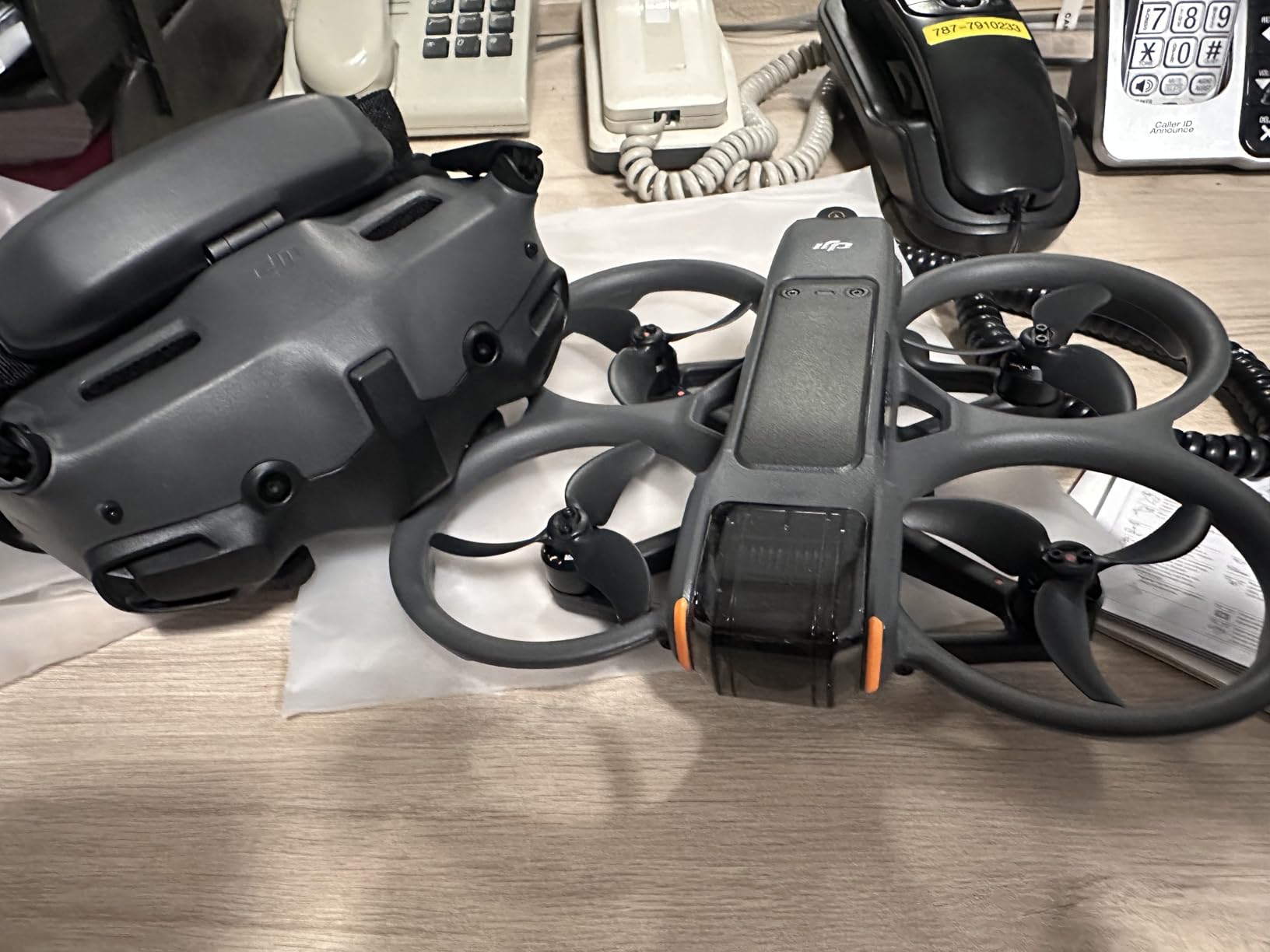
The DJI Avata 2 represents a different approach to aerial photography entirely. Instead of traditional line-of-sight flying, you experience the flight through first-person-view goggles for true immersion. After spending several weeks with this system, I can say it transforms how you think about aerial composition. The 155-degree field of view captures dramatically wide perspectives that create stunning, immersive aerial images.
The motion controller makes FPV flying accessible without months of practice. Traditional FPV requires learning to fly in manual mode with steep consequences for mistakes. The Avata 2’s motion controller lets you fly intuitively by simply tilting your hand. This means you can focus on composition and timing rather than piloting mechanics. The Easy ACRO mode even enables flips, rolls, and dramatic maneuvers with minimal experience, opening creative possibilities that are difficult or impossible with traditional drones.
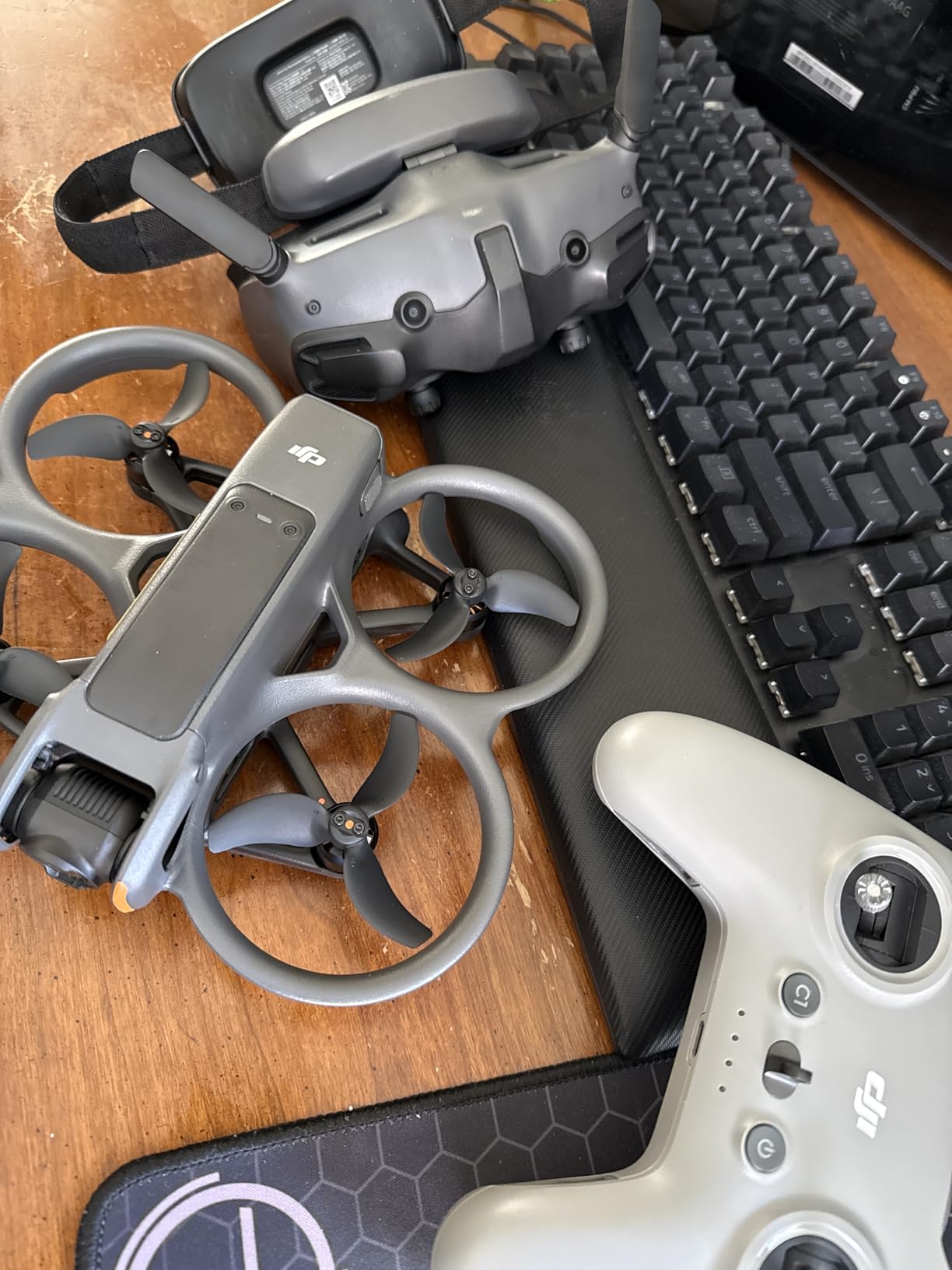
The camera specifications are impressive for a drone of this type. 4K/60fps capture with the 1/1.3-inch sensor delivers good detail and dynamic range. The ultra-wide 155-degree FOV creates a distinctive look that’s immediately recognizable. RockSteady and HorizonSteady stabilization keep shots level even during aggressive maneuvers, which is crucial for photography. The built-in propeller guard protects the drone during close encounters with obstacles, enabling the kind of close-range architectural and nature photography that would be risky with unprotected props.
Battery life is the main limitation. The single battery included in this combo lasts about 17-20 minutes in real conditions, which means you’ll want additional batteries for serious photography sessions. The return-to-home function works, but it’s essentially blind. The drone flies back without obstacle avoidance, so you need a clear path. This isn’t a set-it-and-forget-it system like some higher-end DJI models.
Best For: Creative Photographers Seeking Unique Perspectives
If you want to create distinctive, immersive aerial imagery that stands out from standard drone photography, the Avata 2 delivers. The FPV perspective enables composition approaches that are impossible with traditional drones. Photographers doing POV content, action sports coverage, or creative artistic work will find the immersive experience transformative.
Less Ideal For: Traditional Aerial Photography and Beginners
The ultra-wide perspective isn’t suitable for all types of photography. If you’re doing real estate, mapping, or traditional landscape work, a standard drone with a narrower field of view will serve you better. The learning curve for FPV flying, despite the motion controller, is still steeper than standard drones. The high price point makes this a specialized tool rather than a general-purpose aerial camera.
7. BETAFPV Cetus Pro FPV Kit – Best FPV Learning Kit
Pros
- Excellent beginner FPV kit
- Very durable and crash tolerant
- 3 progressive flight modes
- Turtle mode for recovery
Cons
- Very short 2-5 min battery life
- Only 80 meter range
- Frame can crack
- Manual trim adjustments limited
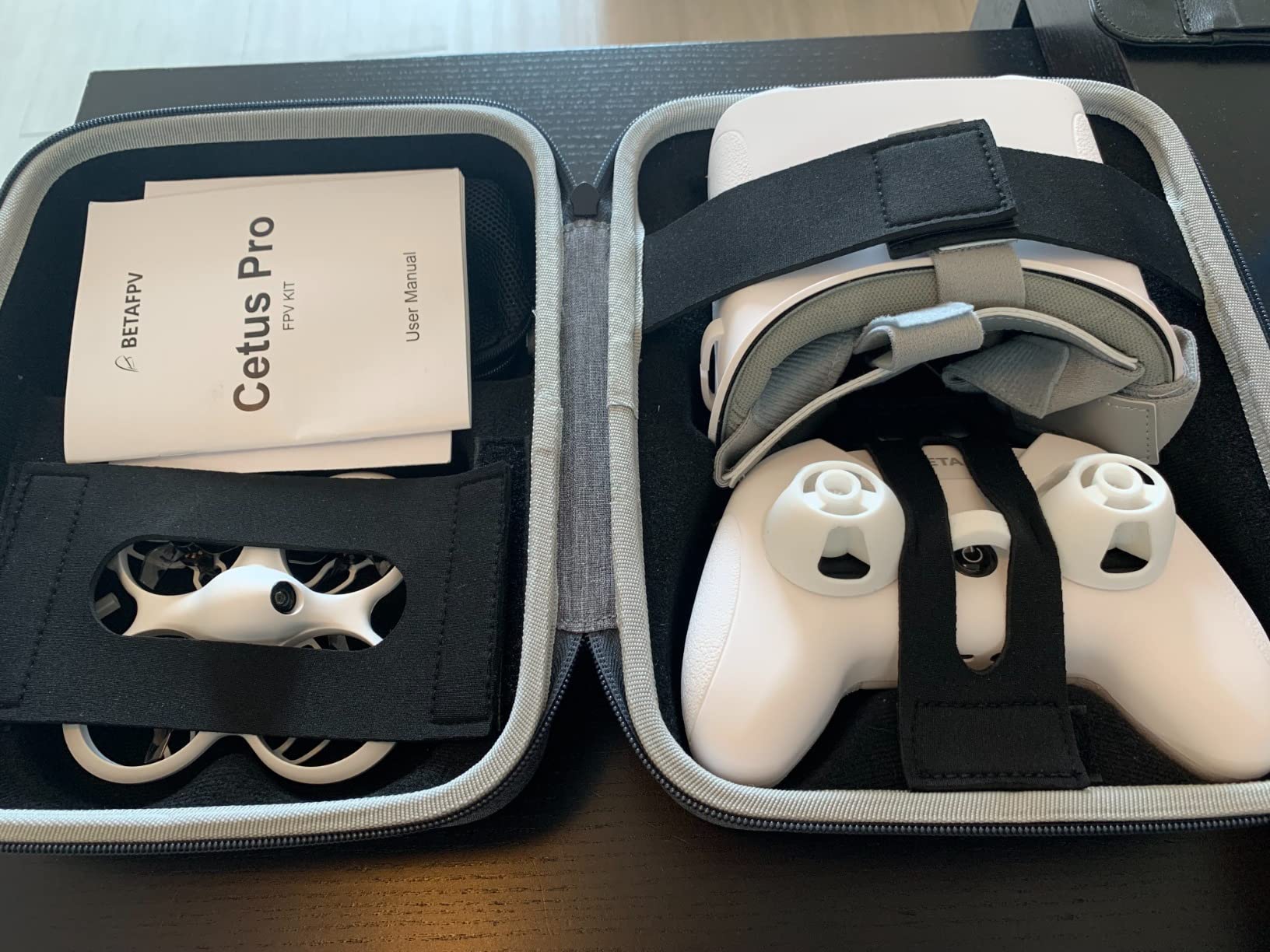
The BETAFPV Cetus Pro FPV Kit is designed specifically as a learning platform for FPV flying, and it excels in that role. After testing this with several photography students who wanted to learn FPV basics before investing in more expensive systems, I can confirm it’s the most accessible entry point into FPV flight. Everything you need comes in the box: drone, controller, and goggles. No separate purchases required.
The three flight modes (Normal, Sport, Manual) provide a progressive learning path. Normal mode with altitude hold lets beginners practice basic orientation and control without worrying about constant altitude adjustments. Sport mode introduces more agility while still providing some stability. Manual mode removes all assistance for true FPV experience. This progression builds skills systematically rather than throwing beginners into the deep end.
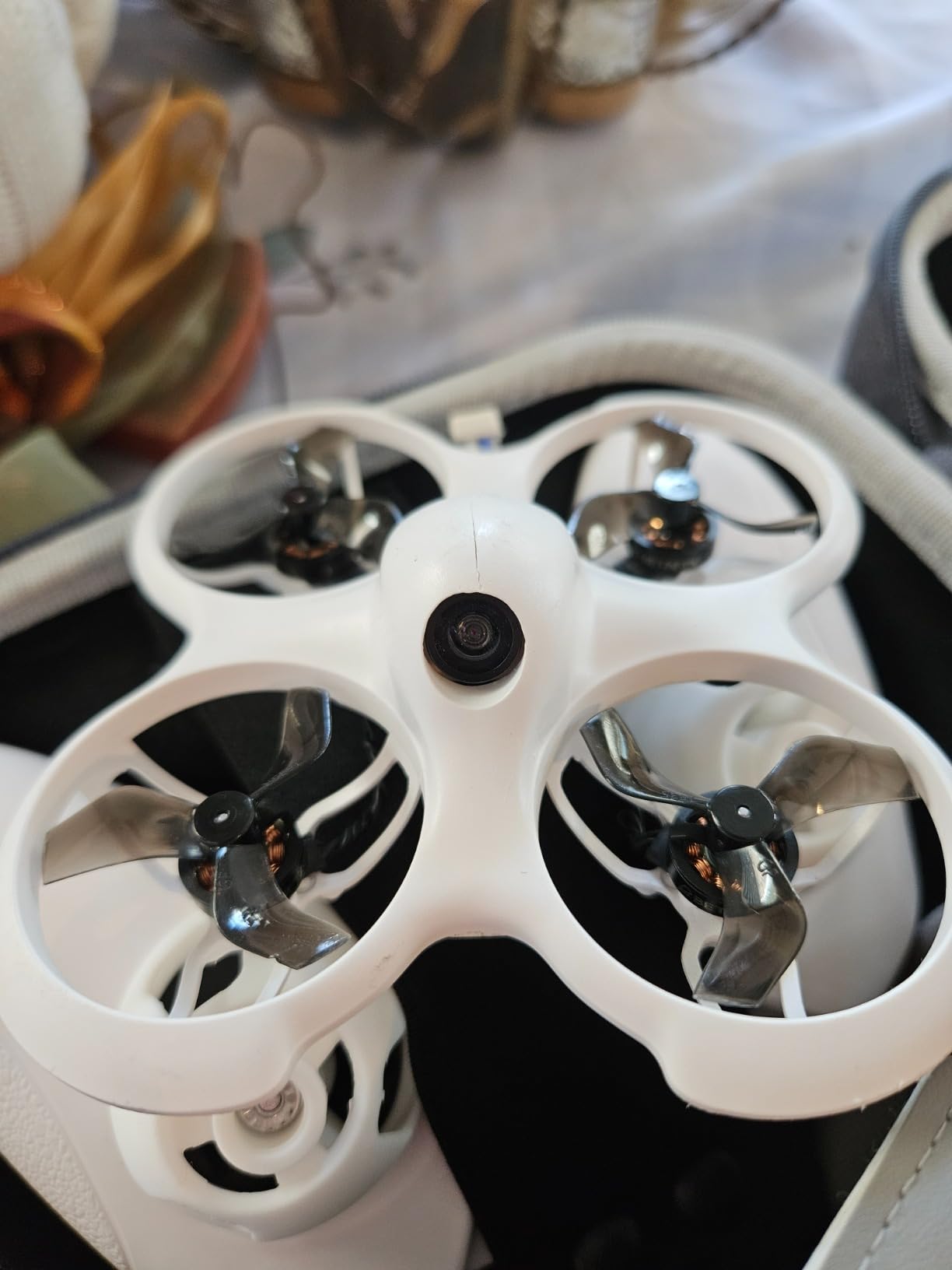
The durability of this drone is impressive. It’s designed to crash, and it handles impacts remarkably well. The turtle mode is genuinely useful when you crash upside down. Instead of walking out to retrieve the drone, you can flip it back over remotely and continue flying. This small feature saves significant frustration during learning sessions and means more practice time per session.
The camera quality is adequate for learning but not for serious photography work. The 1200TVL resolution is sufficient for orientation and basic composition practice, but you wouldn’t use this for portfolio work. The 80-meter range is limiting for outdoor use, though perfectly adequate for indoor practice or small outdoor areas. The 2-5 minute battery life per battery is frustratingly short, though the kit includes two batteries.
Best For: Photographers Wanting to Learn FPV Basics Before Investing
If you’re curious about FPV photography but aren’t ready to spend $700+ on a system like the Avata 2, the Cetus Pro is the perfect learning platform. Photographers who want to understand FPV flying fundamentals, practice orientation skills, and decide if FPV is right for them without major investment will find this kit delivers exactly what they need.
Less Ideal For: Serious Photography Work and Outdoor Use
The camera resolution and range limitations make this unsuitable for any serious photography work. This is purely a learning tool, not a production drone. The short battery life becomes frustrating quickly, and the 80-meter range limits outdoor utility. Once you’ve learned the basics, you’ll want to move to a more capable system.
Buying Guide: Choosing the Best Drone Camera for Your Photography
Sensor Size and Image Quality
Sensor size matters more for aerial photography than most marketing suggests. Larger sensors capture more light and provide better dynamic range, which shows up in your final images. The 1-inch sensors found in premium drones produce noticeably better results than the smaller sensors in budget models, especially in challenging lighting conditions. RAW capture capability is essential for serious photography work. If a drone only outputs JPEG, you’re limiting your editing flexibility from the start.
Flight Time and Battery Life
Advertised flight times are optimistic. Real-world conditions with wind, altitude changes, and hover time reduce battery life by 20-30%. Plan for 25 minutes per battery even when 30+ minutes is advertised. For photography work, you’ll spend more time hovering and composing than videographers who are constantly in motion. This means still photographers need more battery capacity for the same amount of shooting time. Consider how many batteries you’ll need for a typical session and factor that into your budget.
Weight and FAA Registration
The 249-gram threshold is crucial for US-based photographers. Drones under this weight don’t require FAA registration or Remote ID, which significantly simplifies ownership. This weight limit also affects how you travel with your drone. Lighter drones are easier to pack and less likely to incur excess baggage fees. However, heavier drones often have better cameras and more advanced features. You’ll need to balance convenience against capability based on how you’ll use the drone.
Obstacle Avoidance Technology
Obstacle avoidance makes a significant difference in real-world use, especially for photographers focused on composition rather than piloting. Basic forward obstacle avoidance is minimum for safe operation. Advanced systems with omnidirectional sensing enable more confident flying in complex environments. However, obstacle avoidance adds weight and cost. Budget drones often omit this feature entirely, which means more careful flying and potentially missed shots while you navigate around obstacles manually.
Wind Resistance and Stability
Wind is the enemy of good aerial photography. Level 5 wind resistance should be your minimum for outdoor shooting. This rating typically means the drone can handle winds up to about 23mph. Higher ratings provide more confidence in challenging conditions. The difference between a drone that handles wind well and one that doesn’t shows up in your images as micro-blur from vibration. For photography, this matters more than for video where motion blur can be less noticeable.
Transmission Range and Controller Quality
Long transmission ranges sound impressive, but most photography work happens within a few hundred meters. More important than maximum range is signal reliability and video quality at typical distances. Built-in controller screens eliminate phone dependency and save battery life. This is more significant than it initially seems. Using your phone as a display drains it quickly, which can end a photography session prematurely. Dedicated controllers with screens provide a better overall experience.
DJI Ban Considerations for US Buyers
The FCC ban on foreign-made drones, announced in December 2025, creates uncertainty for DJI buyers in the United States. While existing DJI products remain legal to own and use, future availability is unclear. This makes non-DJI alternatives like the Potensic ATOM increasingly relevant for US buyers. However, DJI’s ecosystem advantage remains significant. Third-party apps, accessories, and community support all favor DJI. The choice between DJI and alternatives now involves weighing ecosystem benefits against regulatory uncertainty.
Frequently Asked Questions
What drone should I buy for photography in 2026?
For most photographers in 2026, the DJI Mini 3 offers the best balance of image quality, portability, and price. Its 48MP sensor captures excellent detail, and the under-249g weight means no FAA registration. Budget-conscious buyers should consider the Potensic ATOM 3-Axis Gimbal for impressive flight time and good image quality without the DJI premium. Those wanting FPV photography should look at the DJI Avata 2 for its immersive experience and wide-angle capabilities.
Do I need to register my drone for photography?
In the United States, drones weighing 249 grams or less do not require FAA registration or Remote ID. This includes the DJI Mini 4K, Mini 3, and Potensic ATOM models featured in this guide. Drones over 249 grams, including the DJI Avata 2 with its battery installed, require registration through the FAA’s DroneZone portal. Registration costs $5 and is valid for three years. International regulations vary considerably, so always check local requirements before traveling with your drone.
What features matter most for drone photography?
For photography specifically, sensor size and RAW capture capability are most important. Larger sensors provide better dynamic range and low-light performance. RAW files give you editing flexibility essential for professional results. A 3-axis gimbal is crucial for sharp still images. Flight time matters less than for videography since you’ll spend more time hovering and composing. Transmission range is less critical for most photography work than reliable signal quality at typical shooting distances.
What is the best drone for beginners?
The DJI Mini 4K is the best entry point for beginners interested in photography. Its combination of good image quality, ease of use, and under-249g weight makes it nearly foolproof for new pilots. The one-tap takeoff and landing, combined with GPS return-to-home, minimize the risk of crashes during the learning period. For those specifically interested in FPV flying, the BETAFPV Cetus Pro Kit provides a structured learning path with three progressive flight modes and excellent crash durability.
How long do drones fly for photography?
Real-world flight times for photography drones typically range from 20-35 minutes per battery. Advertised times are optimistic and don’t account for wind, altitude changes, and hover time. For still photography, expect 20-25 minutes from most drones in the under-249g class. Larger drones may achieve 30-35 minutes. Photographers tend to get fewer shots per battery than videographers since more time is spent hovering and composing. Most serious photographers carry 3-4 batteries for a typical shooting session.
Conclusion
The best cameras for aerial and drone-based photography in 2026 offer incredible capabilities at every price point. From the budget-friendly DJI Mini 4K to the premium DJI Avata 2 for FPV work, there’s a drone camera that matches your photography needs and budget. For most photographers, the DJI Mini 3 remains the best overall choice with its excellent 48MP sensor, 38-minute flight time, and under-249g weight that eliminates FAA registration requirements.
Those concerned about the DJI ban situation or wanting alternatives should seriously consider the Potensic ATOM 3-Axis Gimbal, which delivers impressive performance with its Sony sensor and 96-minute total flight time. Beginners will find the DJI Mini 4K provides the perfect entry point, while those wanting the unique perspective of FPV photography should explore the DJI Avata 2. Whichever drone you choose, remember that the best camera is the one you’ll actually fly and use regularly to capture those stunning aerial perspectives.