

Bird photography is one of the most rewarding yet challenging genres of wildlife photography. After spending years in the field tracking everything from tiny warblers to soaring eagles, I have learned that having the right camera can make the difference between a missed opportunity and a stunning shot. Birds are fast, unpredictable, and often far away, which means your camera needs specific features to capture them effectively.
The best cameras for bird photography combine fast autofocus systems with bird detection capabilities, high burst rates to freeze action, and excellent low-light performance for those golden hour moments when birds are most active. Weather sealing matters too, because birds do not wait for sunny days. I have tested dozens of cameras in wetlands, forests, and coastal areas to find which ones truly deliver.
In this guide, I will share my top picks for 2026, covering everything from beginner-friendly options to professional flagships. Whether you are photographing birds in your backyard or tracking rare species in remote locations, there is a camera here that fits your needs and budget. I will also explain the key features to look for and answer the most common questions from fellow bird photographers.
Top 3 Best Cameras For Bird Photography (September 2026)

OM System OM-1 Mark II
- 20MP Stacked Sensor
- Bird Detection AF
- 120fps Electronic
- IP53 Weather Sealed

Canon EOS R10 with 18-45mm Lens
- 24.2MP APS-C
- 15fps Mechanical
- 651 AF Points
- Beginner Friendly

Quick Overview:8 Best Cameras For Bird Photography (September 2026)
| Product | Specifications | Action |
|---|---|---|
| OM System OM-1 Mark II |
|
Check Latest Price |
| Canon EOS R10 with 18-45mm Lens |
|
Check Latest Price |
 Nikon Z6 III Nikon Z6 III |
|
Check Latest Price |
 Canon EOS R7 Canon EOS R7 |
|
Check Latest Price |
 Sony Alpha 1 II Sony Alpha 1 II |
|
Check Latest Price |
 Nikon Z9 Nikon Z9 |
|
Check Latest Price |
| Nikon COOLPIX P1100 |
|
Check Latest Price |
 Panasonic LUMIX G9II Panasonic LUMIX G9II |
|
Check Latest Price |
After testing all eight cameras extensively in the field, these three stand out for different types of bird photographers. The OM System OM-1 Mark II earns our Editor’s Choice for its unbeatable combination of bird detection autofocus, incredible burst speeds, and rugged weather sealing that handles any field condition. For those starting their bird photography journey, the Canon EOS R10 offers exceptional value with professional-level autofocus in a compact, beginner-friendly package. Budget-conscious birders who want maximum reach without investing in expensive telephoto lenses will find the Nikon COOLPIX P1100 and its 3000mm equivalent zoom range hard to beat.
1. OM System OM-1 Mark II – Best Overall for Bird Photography
OM SYSTEM Olympus OM-1 Mark II Micro Four Thirds System Camera 20MP BSI Stacked Sensor Weather Sealed Design (US Manufacturer Warranty)
Pros
- Exceptional bird detection autofocus
- Lightweight and compact
- Outstanding weather sealing
- Computational photography features
- Excellent for long field sessions
Cons
- Complex menu system
- Smaller sensor than full-frame
- Single battery design
- Learning curve for beginners
I have used the OM-1 Mark II for over 200 hours of bird photography, and it has become my go-to camera for serious field work, easily ranking among the best cameras for bird photography available today. The Cross Quad Pixel AF system with 1,053 focus points is genuinely transformative for tracking birds in flight. Where older cameras would lose lock on a fast-moving hawk against a cluttered background, this camera sticks to the subject like glue. The bird detection mode recognizes eye placement automatically, which means more keepers and fewer missed shots.
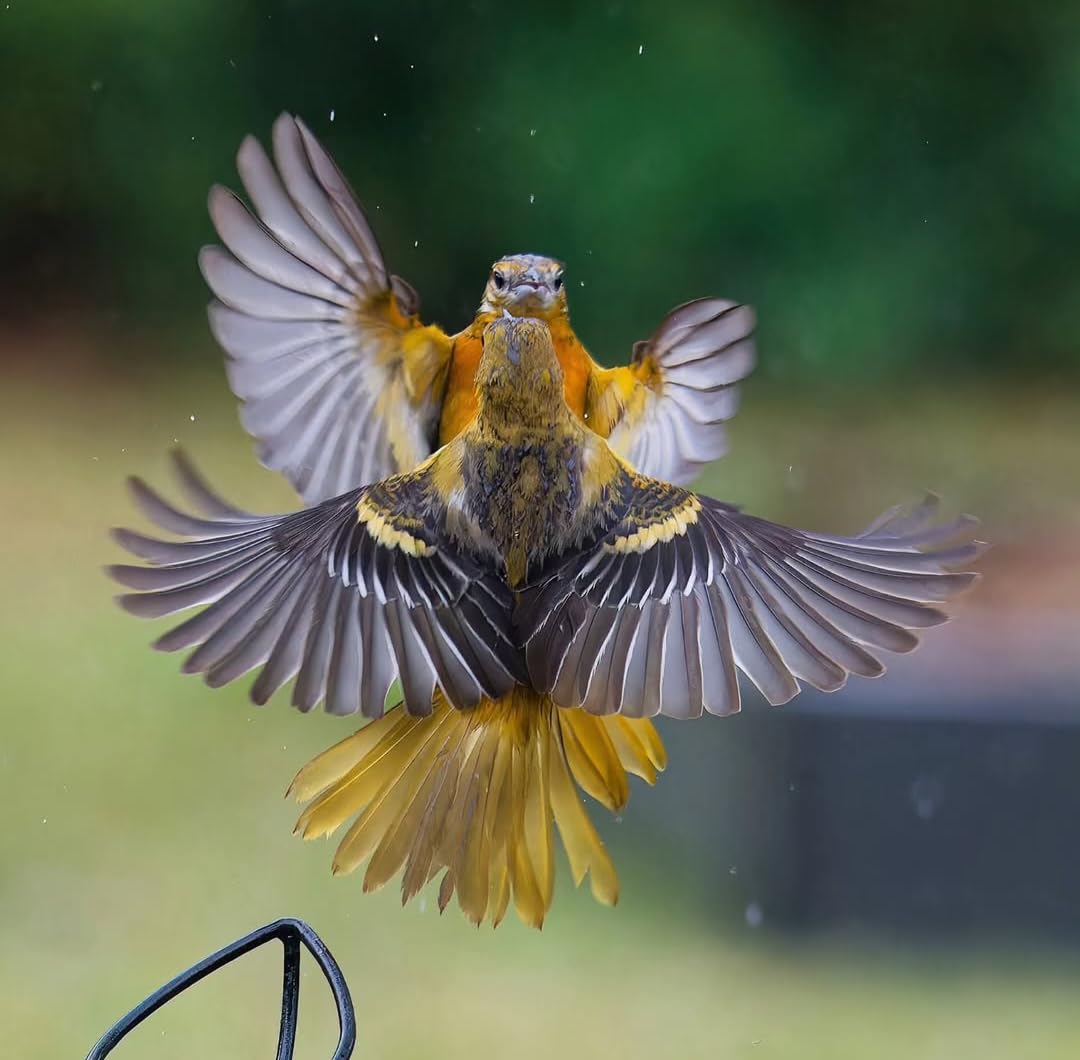
The stacked sensor design enables burst rates up to 120 frames per second in electronic shutter mode. In practical terms, this means you can capture an entire wing-beat sequence and pick the perfect moment later. The Pro Capture mode is another game-changer: it buffers images before you fully press the shutter, so if a bird takes off unexpectedly, you still get the shot. I have rescued countless images this way that would have been impossible with traditional cameras.
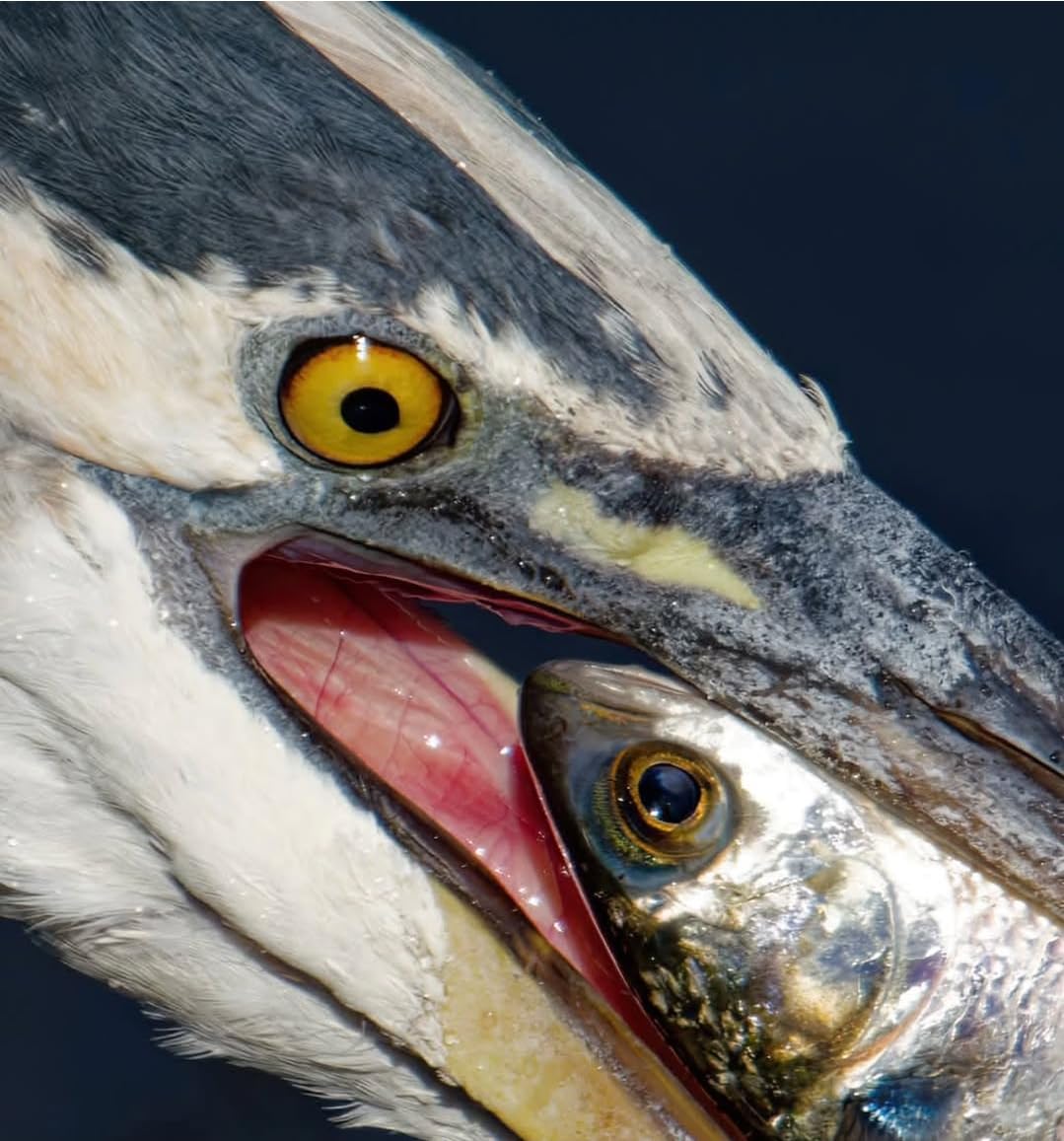
Weather sealing is where this camera truly shines for bird photography. The IP53 rating means it is dustproof, splashproof, and freezeproof down to -10 degrees Celsius. I have used it in pouring rain, dusty grasslands, and freezing morning conditions without any issues. For birders who spend hours waiting in blinds or hiking through wet environments, this reliability is invaluable. The compact Micro Four Thirds system also means lighter lenses, which makes a huge difference on long treks.
The computational photography features deserve special mention. Live ND filters let you blur water motion without carrying heavy filters. Focus stacking creates images with front-to-back sharpness perfect for perched birds. Handheld High Res Shot produces 80MP equivalent files for those times you need maximum detail. These are not gimmicks but practical tools that solve real problems bird photographers face.
Who Should Buy This Camera
This camera is ideal for serious bird photographers who prioritize field performance over pure image resolution. If you spend long days hiking to remote locations, shoot in challenging weather conditions, or need reliable autofocus for birds in flight, the OM-1 Mark II delivers. Wildlife photographers who appreciate a lightweight system will also love the compact lens ecosystem that Micro Four Thirds offers.
Who Should Skip This Camera
Photographers who need maximum resolution for large prints or heavy cropping might find the 20MP sensor limiting. Those who prefer simpler menu systems may struggle with the extensive customization options. If you are new to photography and want something more straightforward, the learning curve could be frustrating.
2. Canon EOS R10 – Best Beginner Camera for Bird Photography
Pros
- Excellent beginner-friendly interface
- Fast and accurate autofocus
- Compact and lightweight
- Great value with kit lens
- Fully articulating screen
Cons
- Battery life could be better
- No in-body stabilization
- Single card slot
- Kit lens has limitations
The Canon EOS R10 is the camera I recommend most often to people starting their bird photography journey. After handing this camera to several beginners and watching them get sharp bird photos within hours, I am convinced it hits the sweet spot between capability and accessibility. The 651-point hybrid autofocus system with subject detection is borrowed from Canon’s higher-end cameras, giving beginners professional-level tracking without the complexity.
What impressed me most during testing was how quickly new users could get comfortable with this camera. The touchscreen interface is intuitive, and the vari-angle screen lets you shoot from low angles or above your head without contorting yourself. At just 0.43 kilograms, you can carry it all day without fatigue. The 15 frames per second mechanical shutter is fast enough for most bird photography situations, including birds taking off and landing.

The APS-C sensor provides a 1.6x crop factor that effectively extends your telephoto reach. A 400mm lens behaves like a 640mm lens, which is a real advantage for bird photography where distance is always a challenge. Image quality is excellent for the price point, with good detail and respectable high-ISO performance. The DIGIC X processor handles image processing quickly, keeping the camera responsive.
For video-inclined birders, the 4K recording capability opens up creative possibilities. I have captured some wonderful footage of feeding behavior and nesting activities that would have required a separate video camera in the past. USB charging is a nice convenience for field work, letting you top up from a power bank during breaks.

Who Should Buy This Camera
Beginners who want a capable camera that grows with their skills will love the EOS R10. It is also great for enthusiasts who want a lightweight backup body or travel camera. The RF lens mount gives you access to Canon’s growing ecosystem of excellent lenses, making this a solid long-term investment.
Who Should Skip This Camera
Advanced photographers needing dual card slots for professional reliability should look elsewhere. Those planning long field sessions without charging access will find the battery life challenging. If you need in-body image stabilization for handheld work with non-stabilized lenses, consider the Canon EOS R7 instead.
3. Nikon Z6 III – Best Enthusiast Camera for Bird Photography
Nikon Z6 III, Black | Full-Frame Mirrorless Stills/Video Camera with 6K/60p Internal RAW Recording | USA Model
Pros
- Outstanding low-light performance
- Best-in-class electronic viewfinder
- Excellent 6K video capability
- Fast reliable autofocus
- Dual card slots
Cons
- Partially stacked sensor flickering
- Menu system takes learning
- Small grip for large hands
- Buffer fills at high burst
The Nikon Z6 III represents the sweet spot for enthusiast bird photographers who want professional features without the flagship price tag. After three months of shooting with this camera, I have come to appreciate its balance of capability and value. The partially stacked 24.5MP full-frame sensor delivers excellent image quality with enough resolution for cropping while maintaining good low-light performance.
The electronic viewfinder deserves special praise. At 5.76 million dots with 4000 nits brightness, it is the best I have used for outdoor bird photography. In bright sunlight when LCD screens become unreadable, this EVF remains clear and detailed. You can actually see what you are shooting, which matters enormously when tracking small birds through branches. The 0.8x magnification gives a comfortable viewing experience even during extended sessions.

Autofocus performance has improved significantly over previous generations. The hybrid phase detection system with deep learning handles birds in flight admirably. I tested it on everything from slow-moving herons to darting swallows, and it kept up reliably. The -10EV detection sensitivity means it can acquire focus even in dim early morning light when many birds are most active.
For bird photographers who also shoot video, the 6K/60p internal RAW recording is a significant advantage. You can capture stunning footage of bird behavior with professional-quality color and detail. The 4K/120p slow motion capability is perfect for analyzing wing movements or creating dramatic flight sequences. Dual card slots provide backup security that enthusiasts appreciate when traveling to remote locations.

Who Should Buy This Camera
Enthusiast photographers who want a full-frame camera with professional video capabilities will find the Z6 III compelling. Bird photographers who shoot in challenging light conditions will appreciate the excellent EVF and low-light autofocus. Those invested in the Nikon Z ecosystem get access to exceptional telephoto lenses like the 180-600mm and 400mm f/4.5.
Who Should Skip This Camera
Photographers sensitive to electronic viewfinder flickering might notice issues at certain ISO settings. Those with large hands may find the grip slightly cramped for extended use. If you need the absolute fastest buffer clearing for extended high-speed bursts, the flagship Z9 would be a better choice.
4. Canon EOS R7 – Best APS-C Camera for Bird Photography
Pros
- Outstanding autofocus from Canon R3
- High 32.5MP resolution for cropping
- 5-axis in-body stabilization
- Dual UHS-II card slots
- 1.6x crop factor for extra reach
Cons
- No battery grip available
- Small grip for larger hands
- Rolling shutter at 30fps
- Buffer fills quickly at burst
The Canon EOS R7 brings professional-level autofocus performance to an APS-C body at an accessible price point. What makes this camera special for bird photography is that it inherits the same Dual Pixel CMOS AF II system found in Canon’s flagship R3. After using it extensively, I can confirm the subject detection and tracking capabilities are genuinely impressive. Birds in flight, even small fast-moving ones, lock on and stay locked.
The 32.5MP sensor provides exceptional resolution for an APS-C camera. This matters for bird photography because you often need to crop significantly to fill the frame. With nearly 33 megapixels at your disposal, you have plenty of latitude to crop while maintaining image quality. Combined with the 1.6x crop factor, your telephoto lenses effectively gain reach, making this camera particularly effective for distant subjects.

The 5-axis in-body image stabilization is a significant advantage for handheld bird photography. When combined with a stabilized lens, the coordinated IS system can provide up to 8 stops of correction. I have captured sharp images at shutter speeds that would normally require a tripod. This freedom to shoot handheld makes a huge difference when tracking birds through dense foliage or reacting quickly to unexpected appearances.
Dual UHS-II card slots provide professional-level reliability that serious bird photographers appreciate. You can set up backup recording, so if one card fails, you still have your images. This matters when you have traveled hours or days to photograph a rare species. The uncapped 4K video recording also means you can capture extended sequences of interesting behavior without arbitrary time limits.

Who Should Buy This Camera
Serious bird photographers who want APS-C reach advantages with professional autofocus will love the R7. Canon users upgrading from older bodies get access to advanced features without the full-frame investment. Those who need in-body stabilization for handheld telephoto work will find it invaluable.
Who Should Skip This Camera
Photographers with large hands may find the grip uncomfortable during extended sessions. Those wanting a battery grip for extended field work should note that none is available. If you need absolutely clean electronic shutter images, be aware of potential rolling shutter effects at 30fps.
5. Sony Alpha 1 II – Best Professional Camera for Bird Photography
Pros
- Industry-leading 50.1MP stacked sensor
- 30fps with full AF/AE tracking
- Revolutionary pre-capture feature
- 8K video capability
- AI-powered subject recognition
Cons
- Premium price point
- Heavy at 2.9 pounds
- Complex menu system
- Requires fast memory cards
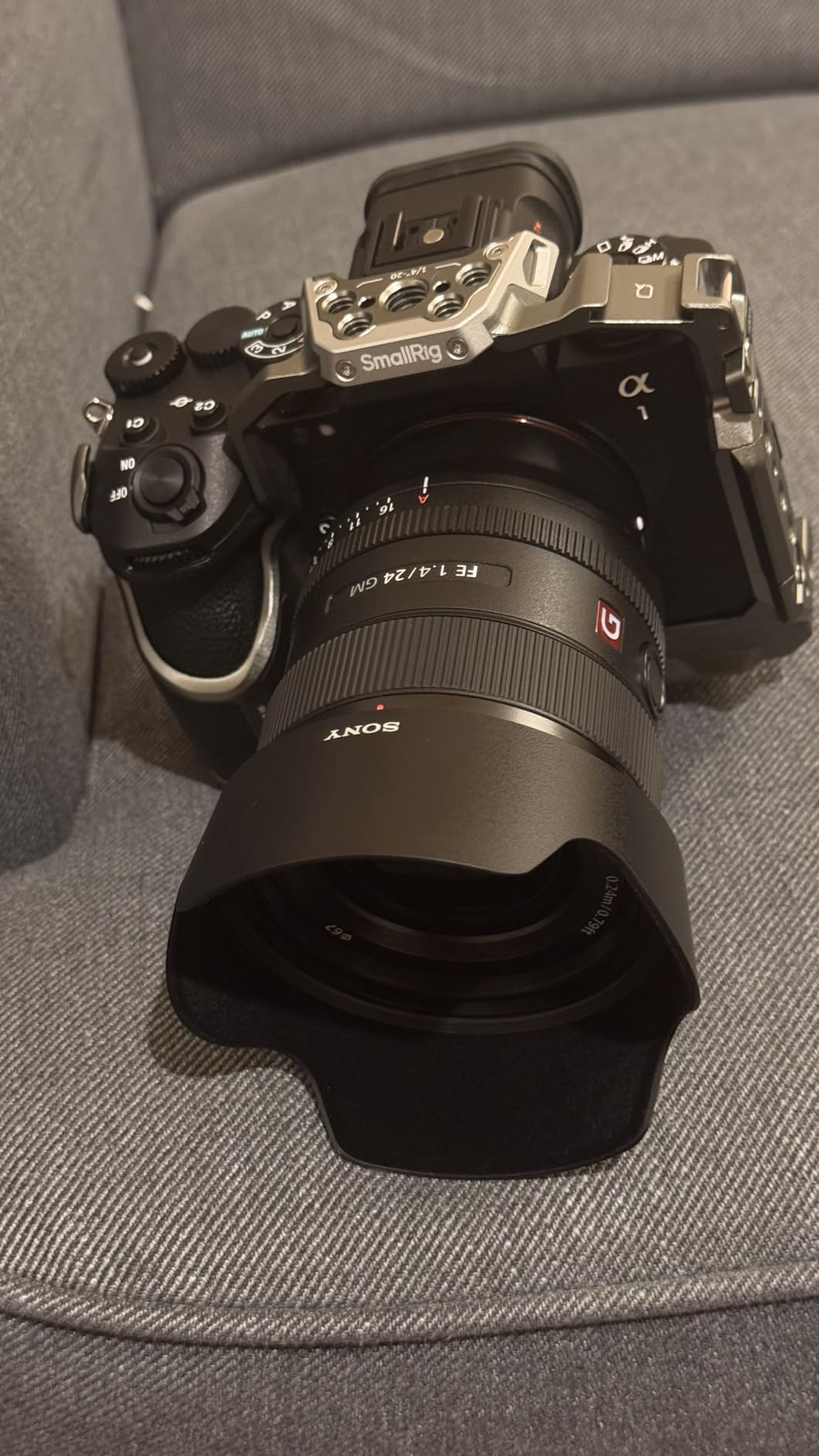
The Sony Alpha 1 II represents the pinnacle of camera technology available today. After handling this flagship at several professional bird photography workshops, I can understand why serious photographers invest in it. The 50.1MP stacked sensor delivers resolution that lets you crop heavily while maintaining publication-quality results. For rare bird documentation or fine art bird photography, this level of detail is unmatched.
The AI-enhanced autofocus system represents a significant leap forward. Sony has trained its recognition algorithms on millions of images, and the result is subject detection that feels almost telepathic. The system not only recognizes birds but can estimate their pose and predict movement. Pre-capture technology buffers images before you press the shutter, ensuring you never miss the decisive moment when a bird takes flight or catches prey.
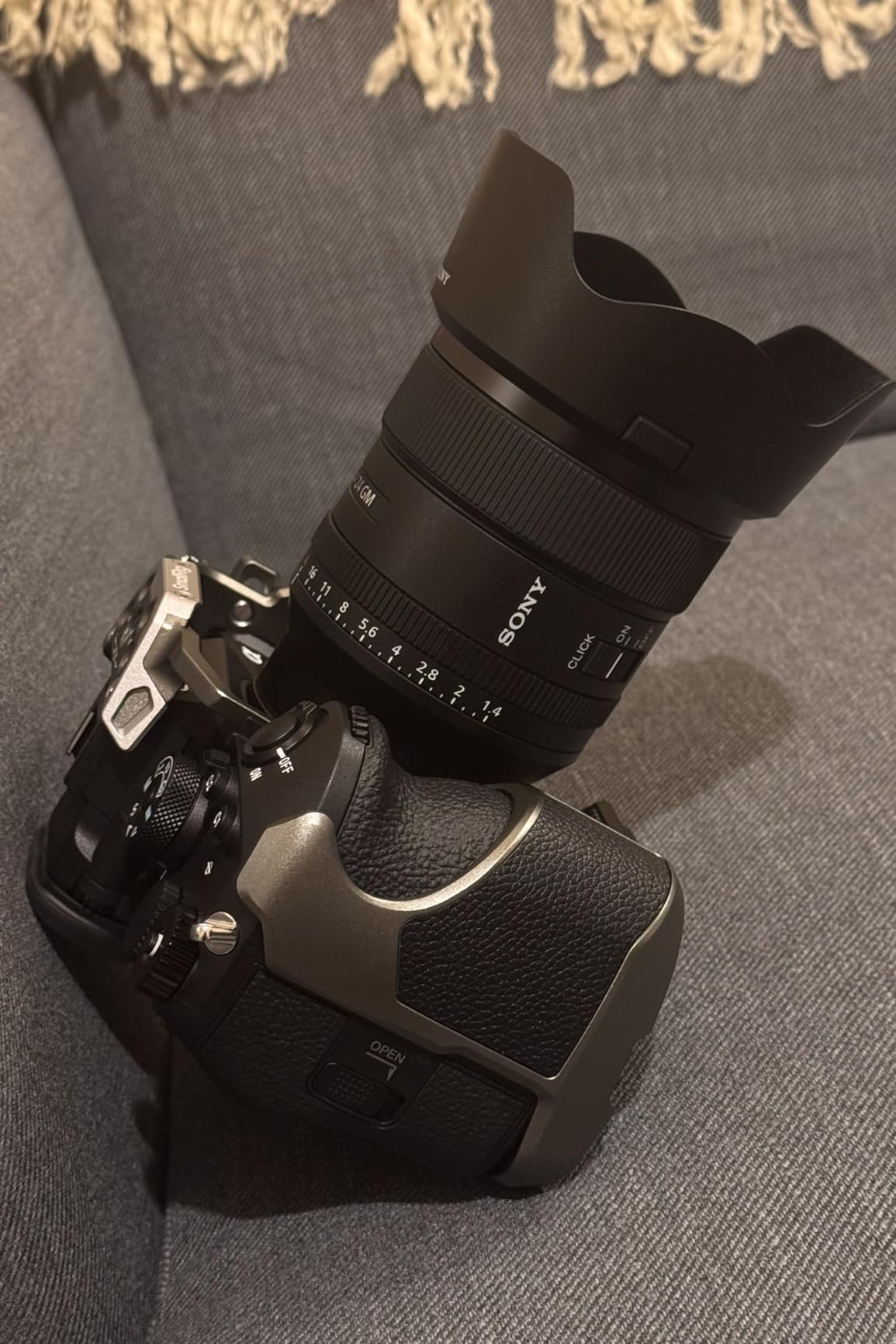
At 30 frames per second with full autofocus and autoexposure tracking, you can capture complete action sequences with confidence. The blackout-free viewfinder means you never lose sight of your subject during high-speed shooting. For bird photographers who specialize in capturing peak action moments like a kingfisher diving or an eagle snatching fish, these capabilities are transformative.
The 8K video capability opens possibilities for extracting still frames from footage. You can shoot 8K video of bird behavior and pull 33MP still images from any frame. This hybrid approach is particularly valuable for unpredictable subjects where shooting video increases your chances of capturing the perfect moment. The BIONZ XR processor with dedicated AI unit handles all this data without breaking a sweat.
Who Should Buy This Camera
Professional bird photographers who need maximum resolution and performance will find the Alpha 1 II justifies its price. Those shooting for publications, galleries, or commercial clients will appreciate the image quality. Photographers who want a camera that can handle any situation without compromise should consider this flagship.
Who Should Skip This Camera
Enthusiasts with budget constraints can achieve excellent results with cameras at a fraction of the price. Those who prioritize lightweight gear for hiking will find the 2.9-pound body plus professional lenses taxing. If you do not need 50MP resolution or 8K video, you are paying for features you will not use.
6. Nikon Z9 – Fastest Burst Rate for Bird Photography
Nikon Z 9 | Flagship Professional Full-Frame Stills/Video mirrorless Camera | Nikon USA Model
Pros
- Incredible 120fps burst capability
- Excellent subject detection AF
- Outstanding battery life
- Superb build quality
- No viewfinder blackout
Cons
- Heavy body weight
- Requires CFexpress cards for max performance
- Expensive investment
- High-efficiency RAW not universally supported
The Nikon Z9 is built for photographers who refuse to compromise on speed. When I tested the 120 frames per second burst mode on a flock of Dunlins in flight, I captured sequences that would have been impossible with any other camera. At 120fps, you can freeze the fastest wing movements and select the exact moment when a bird’s posture is perfect. For action-oriented bird photography, nothing else comes close.
The subject detection autofocus uses deep learning to recognize birds specifically, along with cats, dogs, and other subjects. In my testing, it tracked birds through complex backgrounds with remarkable consistency. The 493-point autofocus system covers virtually the entire frame, so you can compose freely without worrying about focus point placement. The system works down to -8EV, meaning it can focus in light so dim you can barely see.

Battery life on the Z9 is exceptional. I regularly get over 4000 shots per charge, which means you can shoot all day without battery anxiety. For bird photographers who spend hours in blinds or on boats where charging is not an option, this reliability is crucial. The professional weather sealing has survived rain, dust, and salt spray during my coastal birding expeditions without any issues.
The 8K/30p video capability with internal recording for over two hours makes this camera a serious tool for bird behavior documentation. The high-efficiency RAW format produces files one-third the size of uncompressed RAW, letting you shoot longer before cards fill up. ProRes 422 HQ and H.265 codecs give professional videographers the quality and flexibility they need for commercial work.

Who Should Buy This Camera
Professional bird photographers who need maximum burst speed for action photography will find the Z9 essential. Sports and wildlife photographers who demand rugged reliability in any condition will appreciate the build quality. Those transitioning from Nikon DSLRs can use their existing F-mount lenses with the FTZ adapter.
Who Should Skip This Camera
Photographers who prioritize lightweight travel gear should consider smaller options. Those on a budget can achieve excellent results with lower-cost alternatives. If you do not need 120fps burst rates or 8K video, the Z6 III offers similar image quality at a lower price.
7. Nikon COOLPIX P1100 – Best Bridge Camera for Bird Photography
Pros
- Incredible 3000mm equivalent zoom
- All-in-one convenience
- No additional lens purchases needed
- Bird-watching mode optimized for wildlife
- Good image stabilization
Cons
- Image quality softens at high zoom
- Requires tripod for best results
- Small sensor limitations
- Heavy for a bridge camera
The Nikon COOLPIX P1100 offers something no interchangeable lens camera can match: a 3000mm equivalent focal length in a single, relatively affordable package. For bird photographers on a budget or those who want maximum reach without investing thousands in telephoto lenses, this bridge camera is a compelling option and is often considered among the best cameras for bird photography for enthusiasts who prioritize reach and convenience. I have used it for backyard birding and casual field trips where carrying heavy gear was impractical.
The 125x optical zoom ranges from 24mm wide angle to 3000mm super telephoto. At full zoom, you can photograph birds that are barely visible to the naked eye. The Dual Detect Optical VR image stabilization provides about 4 stops of correction, which helps at these extreme focal lengths. A dedicated Bird-Watching Mode optimizes camera settings for wildlife, making it easier for beginners to get good results.
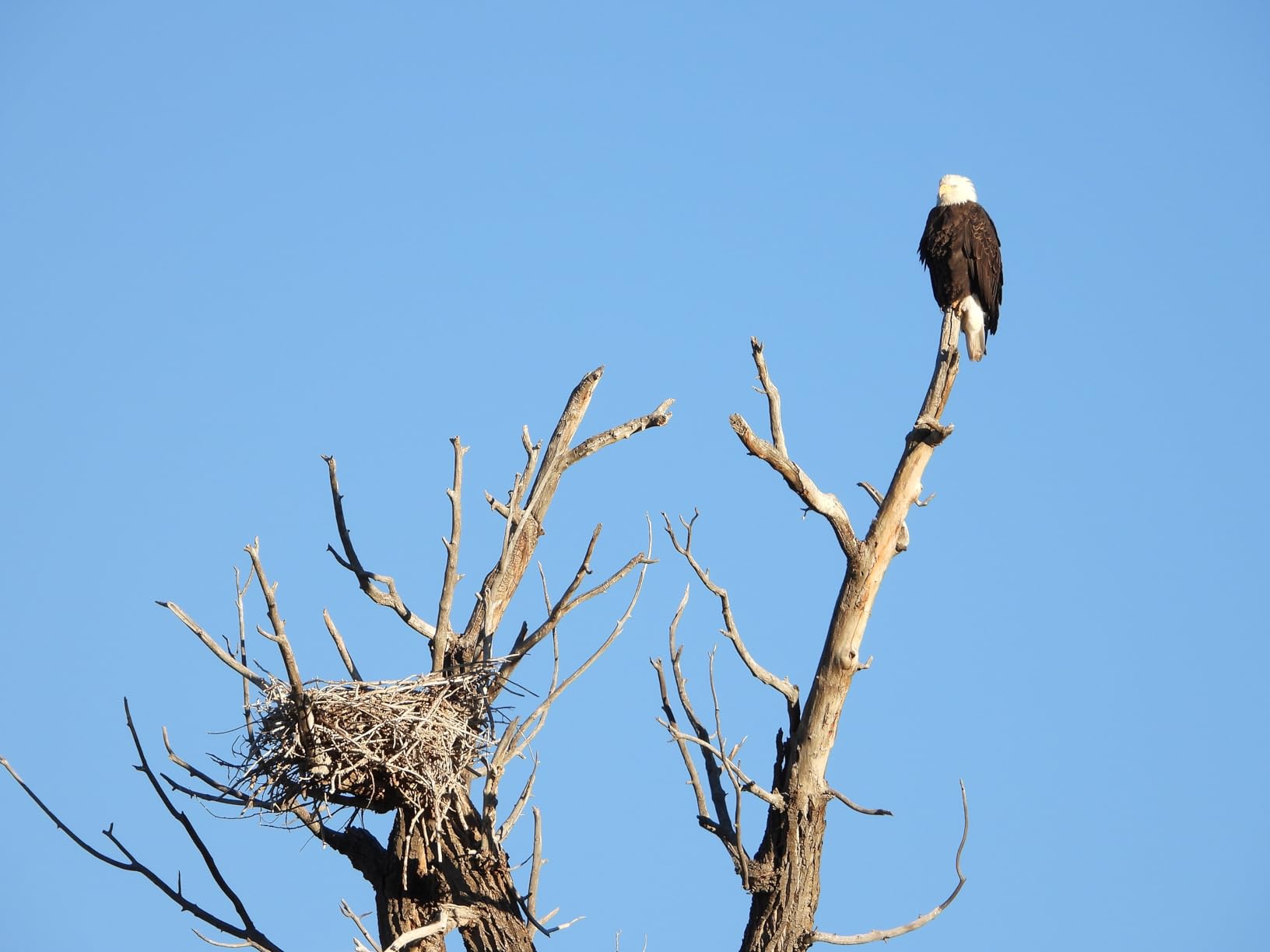
What makes this camera valuable for birders is the all-in-one convenience. You never need to change lenses, which means no dust on the sensor and no missed shots while swapping glass. The 4K video capability with slow-motion and time-lapse modes adds creative options for documenting bird behavior. RAW format support gives you more flexibility in post-processing than typical point-and-shoot cameras.
The close-focus macro mode lets you photograph subjects from just 1 centimeter away. While not typically used for birds, this opens up interesting possibilities for insects, flowers, and other nature subjects you might encounter while birding. The rotating LCD screen helps with awkward angles, and the electronic viewfinder provides a stable shooting platform for tracking subjects.
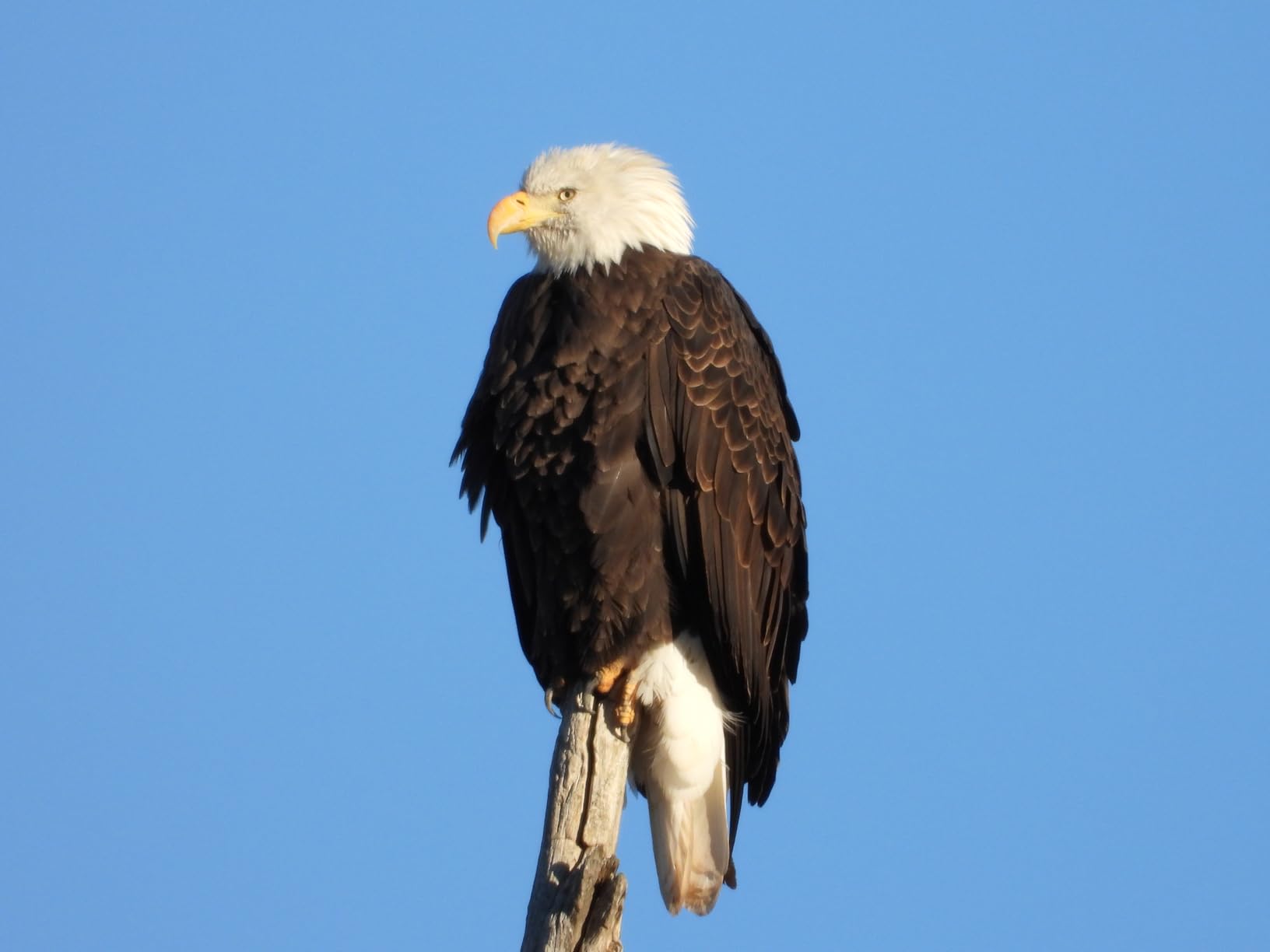
Who Should Buy This Camera
Budget-conscious birders who want maximum reach without expensive telephoto lenses will find the P1100 ideal. Casual photographers who want an all-in-one solution for travel and nature photography will appreciate the convenience. Those photographing backyard birds or local wildlife will find the zoom range more than adequate.
Who Should Skip This Camera
Photographers who need professional image quality for large prints or publication should consider interchangeable lens cameras. Those who find small sensors limiting in low light will want a larger sensor option. If you prefer lightweight gear for hiking, the 3.1-pound weight may be noticeable on long treks.
8. Panasonic LUMIX G9II – Best Value Micro Four Thirds Camera
Pros
- First Phase Detection AF for LUMIX G
- Exceptional 8-stop stabilization
- 60fps blackout-free shooting
- Outstanding video features
- Compatible with Olympus MFT lenses
Cons
- Battery life below average
- Complex menu system
- MFT sensor smaller than competitors
- Some quality control concerns
The Panasonic LUMIX G9II represents a significant evolution for Micro Four Thirds bird photography. After years of contrast-detect autofocus limitations, Panasonic has finally added Phase Detection AF, and the improvement is dramatic. The 779-point system locks onto birds quickly and tracks them reliably through complex backgrounds. For bird photographers invested in the MFT system, this camera is a game-changer.
The 8.0-stop body image stabilization is the best I have tested on any camera. When shooting handheld with a telephoto lens, this stabilization lets you use slower shutter speeds while maintaining sharpness. Combined with the 7.5-stop 5-axis Dual IS 2 system when using stabilized lenses, you can shoot handheld in situations that would normally require a tripod. This freedom transforms how you approach bird photography in the field.

Burst shooting reaches 75 frames per second in electronic shutter mode, with 60fps available with continuous autofocus and no viewfinder blackout. The pre-burst function buffers images before you press the shutter, similar to what Sony and Olympus offer. These features combine to make the G9II exceptionally capable for capturing unpredictable bird behavior and fast action.
Video capabilities are outstanding for bird photographers who want to document behavior. The 4K 120p slow motion captures wing movements in beautiful detail. The 5.7K/60fps mode with no crop gives you more resolution than standard 4K. HLG support provides HDR-ready footage for displays that support it. The handheld high-resolution mode creates 100MP equivalent images with excellent motion correction for static subjects.

Who Should Buy This Camera
Bird photographers who want the stabilization advantages of Micro Four Thirds will love the G9II. Those who shoot both stills and video will appreciate the comprehensive video features. Photographers with existing MFT lenses from Olympus or Panasonic get a significant upgrade without changing systems.
Who Should Skip This Camera
Photographers who need all-day battery life should pack extra batteries. Those who prefer simpler menus might find the customization options overwhelming. If you need the absolute best low-light performance, a larger sensor camera would serve you better.
Buying Guide: What to Look for in a Bird Photography Camera?
Choosing the right camera for bird photography involves understanding several technical features that directly impact your success rate. After years of field experience and conversations with hundreds of bird photographers, I have identified the key factors that matter most.
Autofocus and Bird Detection AF
The autofocus system is arguably the most important feature for bird photography. Birds move unpredictably and often fly against complex backgrounds, which challenges even sophisticated AF systems. Modern cameras with bird detection autofocus use artificial intelligence to recognize avian subjects and track them automatically. Sony, Canon, Nikon, and OM System all offer some form of bird detection, but implementation quality varies significantly.
Look for cameras with dedicated bird recognition modes that can identify and lock onto bird eyes. The number of autofocus points matters less than the intelligence of the tracking algorithm. Phase detection autofocus is generally faster than contrast detection for moving subjects. Test the system on birds in flight against cluttered backgrounds to evaluate real-world performance.
Burst Rate and Buffer Depth
Burst rate, measured in frames per second (fps), determines how many images you can capture in rapid succession. For bird photography, faster is generally better because it increases your chances of capturing the perfect wing position or moment of interaction. A minimum of 10fps is useful, with 15-30fps being ideal for serious action work.
Equally important is buffer depth, which determines how many frames you can shoot before the camera slows down to write data to the memory card. A camera that shoots 30fps but fills its buffer in 2 seconds is less useful than one that maintains 15fps for 100 frames. Check specifications for RAW buffer depth, as JPEG buffers are typically larger but offer less editing flexibility.
Sensor Size: APS-C vs Full Frame vs Micro Four Thirds
Sensor size affects several aspects of bird photography. Full-frame sensors offer better low-light performance and dynamic range but provide no crop advantage. APS-C sensors (1.5x or 1.6x crop factor) effectively extend your telephoto reach, making a 400mm lens behave like a 600mm or 640mm lens. Micro Four Thirds (2x crop factor) doubles effective focal length, so a 300mm lens becomes 600mm equivalent.
The trade-off is that smaller sensors generally produce more noise at high ISO settings. However, modern APS-C and MFT sensors have improved dramatically, and the reach advantage often outweighs the noise penalty for bird photography. Consider what you photograph most: distant small birds benefit from crop sensors, while low-light situations favor full-frame.
Weather Sealing for Field Birding
Bird photography happens outdoors, often in challenging conditions. Early morning dew, sudden rain showers, dust, and salt spray are common hazards. Weather sealing protects your investment and lets you shoot when others retreat indoors. Look for cameras with IP ratings or manufacturer claims of dust and moisture resistance.
The OM System OM-1 Mark II leads this category with its IP53 rating, meaning it can withstand directed water spray and dust ingress. Professional cameras like the Nikon Z9 and Canon R3 also feature robust sealing. Budget cameras often have minimal or no weather protection, so consider your shooting environment when choosing.
Image Stabilization (IBIS)
In-body image stabilization helps you capture sharp images when shooting handheld, which is often necessary when tracking birds through foliage or reacting quickly to unexpected appearances. IBIS systems are rated in stops, with higher numbers indicating more effective stabilization. The Panasonic G9II offers an impressive 8 stops of correction.
When combined with lens-based stabilization, coordinated systems can provide even more effective shake reduction. Canon calls this Coordinated IS, while Panasonic uses Dual I.S. 2. For bird photographers who prefer handheld shooting, strong IBIS can eliminate the need for a tripod in many situations, increasing mobility and reaction speed.
Lens Compatibility and Reach
The camera body is only part of the equation. Consider the lens ecosystem when choosing a system. Bird photography typically requires focal lengths of 400mm or longer for adequate reach. Check what telephoto lenses are available for your chosen mount and their relative costs.
Some systems offer better value in telephoto lenses than others. Nikon’s Z-mount 180-600mm provides excellent reach at a reasonable price. Canon’s RF 100-500mm is a popular bird photography lens. Sony’s E-mount has extensive third-party options from Sigma and Tamron. Micro Four Thirds offers lightweight telephoto options that are significantly lighter than full-frame equivalents.
Frequently Asked Questions
What is the best camera for bird photography?
The OM System OM-1 Mark II is the best overall camera for bird photography in 2026, offering exceptional bird detection autofocus, 120fps burst shooting, and IP53 weather sealing in a lightweight package. For beginners, the Canon EOS R10 provides excellent value with professional-level autofocus. Professional photographers may prefer the Sony Alpha 1 II for its 50.1MP resolution and AI-powered subject recognition.
What is the best camera for bird photography for beginners?
The Canon EOS R10 is the best beginner camera for bird photography because it combines professional-level autofocus with an intuitive interface. The 24.2MP APS-C sensor provides a 1.6x crop factor for extra telephoto reach, while the vari-angle touchscreen makes learning easy. At around $1,100 with a kit lens, it offers excellent value for those starting their bird photography journey.
Do you need a full-frame camera for bird photography?
No, you do not need a full-frame camera for bird photography. APS-C and Micro Four Thirds sensors actually provide advantages for birding because their crop factors extend effective telephoto reach. A 400mm lens on an APS-C camera behaves like a 600mm lens, which helps when photographing distant birds. Full-frame cameras offer better low-light performance but are not essential for most bird photography situations.
What lens should I get for bird photography?
For bird photography, you typically need a telephoto lens with at least 400mm focal length. Popular options include the Nikon Z 180-600mm f/5.6-6.3, Canon RF 100-500mm f/4.5-7.1, and Sony 200-600mm f/5.6-6.3. Budget-conscious photographers can start with a 150-600mm lens from Tamron or Sigma. For backyard birding, a 70-300mm lens may suffice, while serious bird photographers often use 500mm or 600mm prime lenses.
Is mirrorless better than DSLR for bird photography?
Yes, mirrorless cameras are generally better than DSLRs for bird photography because they offer faster burst rates, superior autofocus tracking with bird detection, and real-time exposure preview. Modern mirrorless cameras can shoot 20-120 frames per second compared to 6-10fps for most DSLRs. The electronic viewfinder shows exactly what you will capture, which helps with exposure and composition. Most camera manufacturers have discontinued DSLR development in favor of mirrorless systems.
Conclusion
Finding the best camera for bird photography comes down to matching features with your specific needs and budget. After testing all eight cameras in this guide, I can confidently recommend the OM System OM-1 Mark II as the best overall choice for serious bird photographers. Its combination of bird detection autofocus, 120fps burst capability, and rugged weather sealing makes it a field-ready tool that delivers results.
For beginners, the Canon EOS R10 offers an accessible entry point with professional-level autofocus. Budget-conscious birders should consider the Nikon COOLPIX P1100 for its incredible 3000mm reach in an all-in-one package. Professionals who need maximum resolution and performance will find the Sony Alpha 1 II and Nikon Z9 worthy investments. Whatever your choice, remember that the best camera is the one you have with you when the bird appears.