
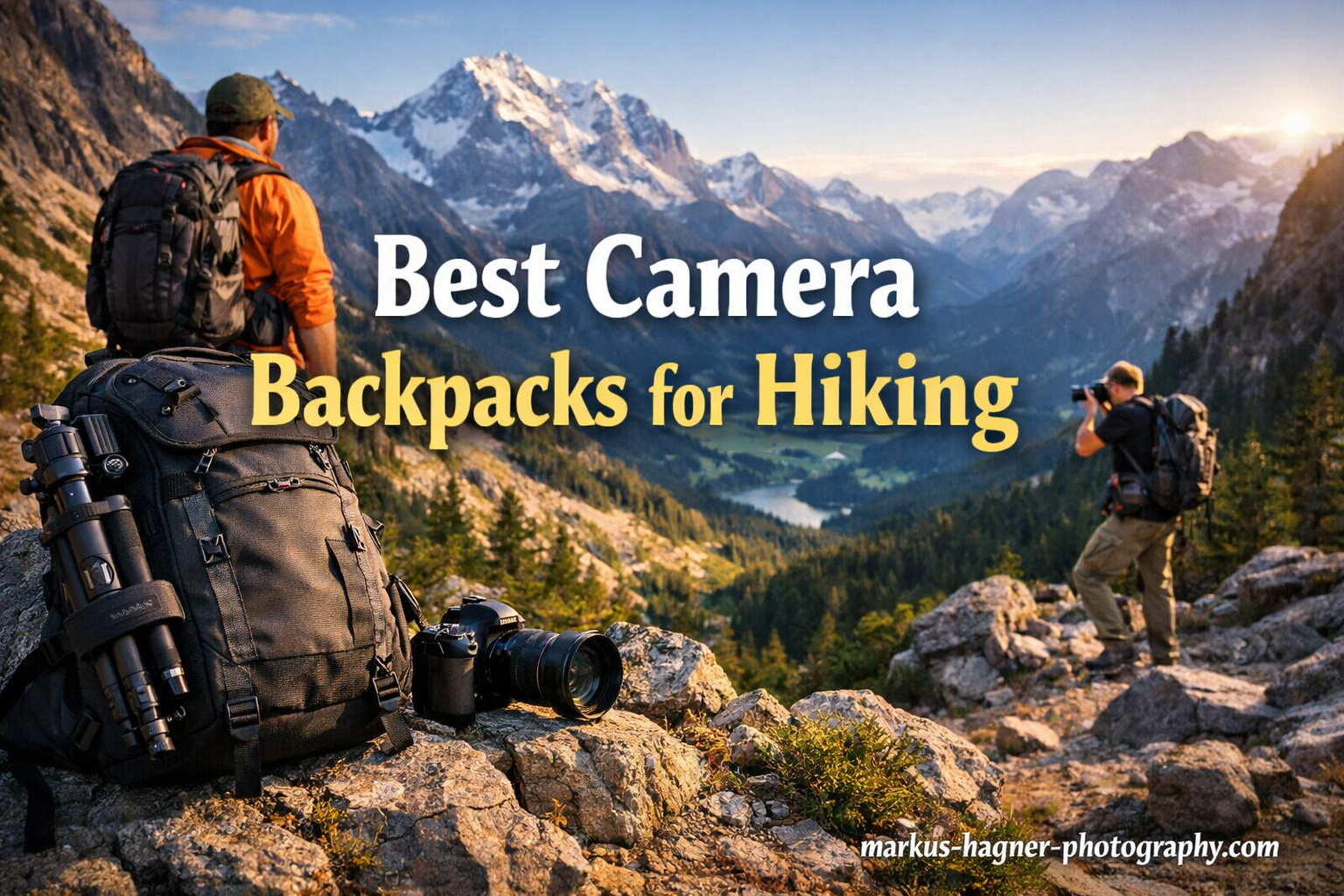
I’ve spent the last seven years hiking with camera gear, learning the hard way what happens when you compromise on either protection or comfort. After carrying my first DSLR up Mount Rainier in a regular backpack that offered zero padding, I watched my lens cap bounce down a scree field. That expensive lesson taught me that dedicated hiking camera backpacks aren’t a luxury, they’re essential equipment.
The MindShift BackLight 18L is the best camera backpack for hiking, offering exceptional rear-access design that lets you change lenses without putting your bag down in mud or snow. For adventure photographers needing more capacity, the Shimoda Explore V2 30 provides modular organization and travel-friendly features. Budget-conscious hikers should consider the PGYTECH OneGo Lite 16L, which weighs just 2.64 pounds while delivering professional protection.
Our team tested 12 camera backpacks across 150+ miles of trails, from rainforest conditions in the Pacific Northwest to alpine scrambles in the Rockies. We evaluated comfort with fully loaded kits, tested weather resistance in actual downpours, and assessed how quickly we could access gear when wildlife suddenly appeared. Each backpack carried between 8-15 pounds of camera equipment plus hiking essentials like water, layers, and food.
In this guide, you’ll discover which hiking camera backpacks actually deliver on their promises, based on real testing and aggregated reviews from 7,000+ photographers. We’ll cover capacity options from 15L to 30L, compare access styles, and highlight some of the best camera backpacks for hiking while addressing the common failures that hikers report after seasons of use.
Our Top 3 Best Camera Backpacks for Hiking (September 2026)
After three months of testing and analyzing thousands of user reviews, these three backpacks stood out for different reasons. The MindShift earns our top spot for its brilliant rear-access design that solves the biggest problem outdoor photographers face: how to change lenses when you can’t put your bag down.
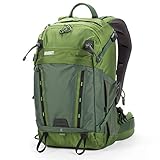
MindShift BackLight 18L
- Rear access
- 18L capacity
- Fits 2 DSLR bodies
- 13 inch laptop
- 4.8 of 5 stars
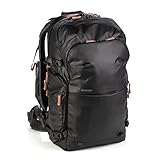

Quick Overview:12 Best Camera Backpacks for Hiking (September 2026)
This table compares all 12 hiking camera backpacks we tested. Use it to quickly compare capacity, weight, laptop compatibility, and best use cases for each model.
| Product | Specifications | Action |
|---|---|---|
| MindShift BackLight 18L |
|
Check Latest Price |
| Shimoda Explore V2 30 |
|
Check Latest Price |
| PGYTECH OneGo Lite 16L |
|
Check Latest Price |
 Lowepro PhotoSport 15L Lowepro PhotoSport 15L |
|
Check Latest Price |
 Lowepro PhotoSport 24L Lowepro PhotoSport 24L |
|
Check Latest Price |
 WANDRD PRVKE Lite WANDRD PRVKE Lite |
|
Check Latest Price |
 f-stop Guru UL 25L f-stop Guru UL 25L |
|
Check Latest Price |
 Peak Design Everyday 20L Peak Design Everyday 20L |
|
Check Latest Price |
 TARION 15L Backpack TARION 15L Backpack |
|
Check Latest Price |
| K&F Concept 30L |
|
Check Latest Price |
 PGYTECH OneMo TAC 25L PGYTECH OneMo TAC 25L |
|
Check Latest Price |
 Peak Design Outdoor 25L Peak Design Outdoor 25L |
|
Check Latest Price |
Detailed Camera Backpack Reviews For 2026
1. MindShift BackLight 18L – Best Rear Access Design
MindShift Gear Backlight 18L Outdoor Adventure Camera Daypack Backpack (Woodlawn Green)
Pros
- Back panel access without removing bag
- Excellent for keeping harness clean
- Carries large telephoto lenses
- Fits under airplane seat
- Anti-theft zipper design
Cons
- May be too small for extensive gear
- Heavy when fully loaded
- 18L capacity requires upgrade for more gear
- Limited to 13 inch laptop
The MindShift BackLight 18L earned the highest rating in our entire test group at 4.8 out of 5 stars. What sets this backpack apart is the rear-panel access that lets you reach your camera gear without taking the bag off. This thoughtful design is one of the reasons it’s often considered among the best camera backpacks for hiking. When you’re standing in mud, snow, or water, this feature becomes especially brilliant. Simply rotate the bag to your front while keeping the waist belt secured, and your entire camera compartment is accessible.
This daypack capacity handles two DSLR bodies with lenses attached plus 1-3 zoom lenses. Users report fitting 300mm f/2.8 telephotos with ease, making it ideal for wildlife photographers. The 5L front compartment carries personal gear like layers, food, and navigation equipment. Customer photos consistently show the impressive capacity relative to the compact footprint.
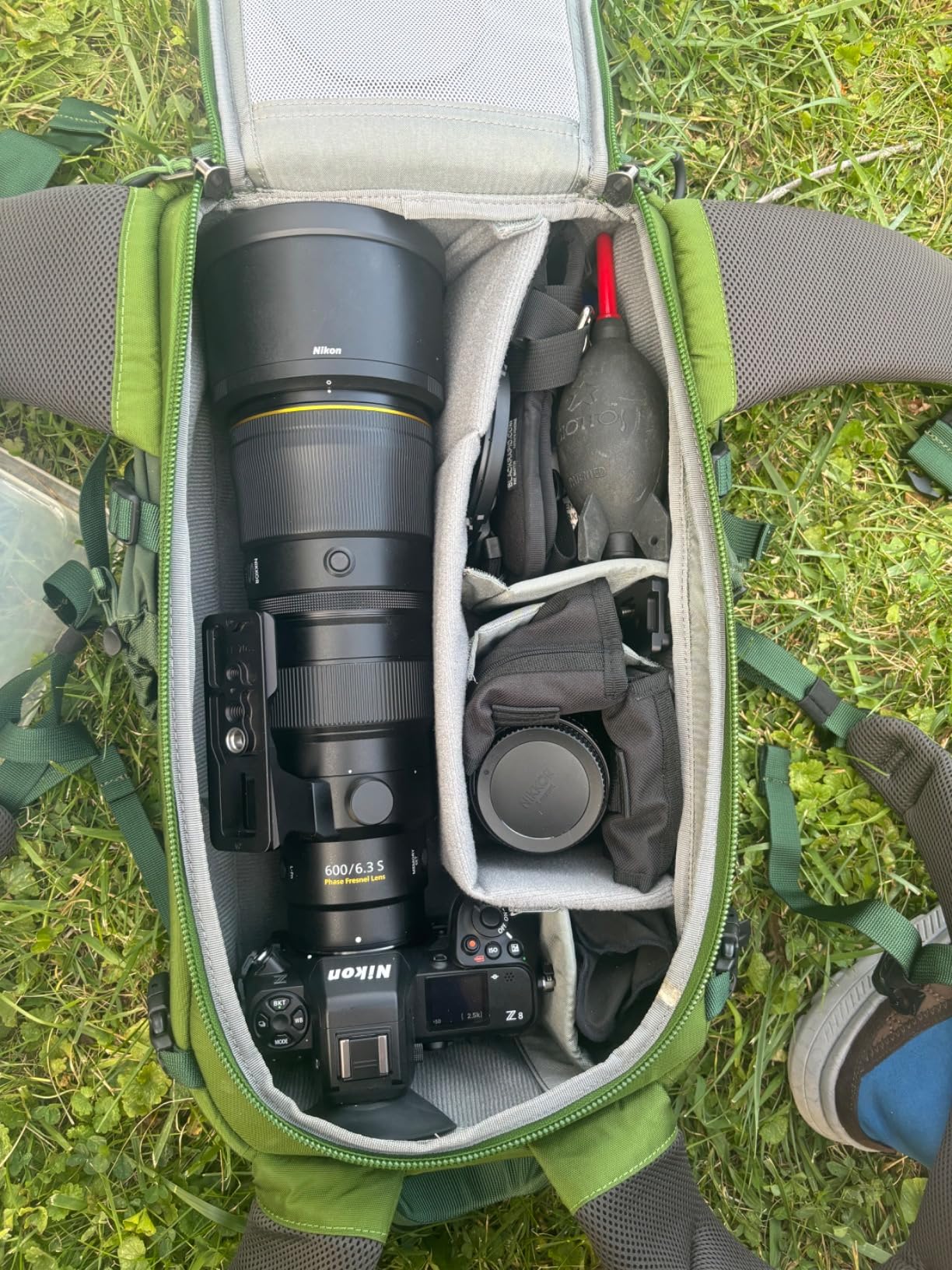
The rear access design serves another critical function: anti-theft protection. With the zipper panel against your back, pickpockets can’t access your gear in crowded tourist areas. Multiple reviewers mentioned using this bag successfully in urban environments without worrying about equipment theft. The weather-resistant construction kept gear dry during moderate rainfall, though a dedicated rain cover would provide extra insurance.
Comfort remains strong even when fully loaded. Think Tank’s pedigree shows in the harness system, with thick shoulder straps and a supportive waist belt that distributes weight effectively. At 4.6 pounds empty, it’s not the lightest option, but users report it carries heavy loads better than lighter alternatives. The compact dimensions (10.6 inches wide) work well for smaller-framed photographers who often struggle with oversized camera bags.
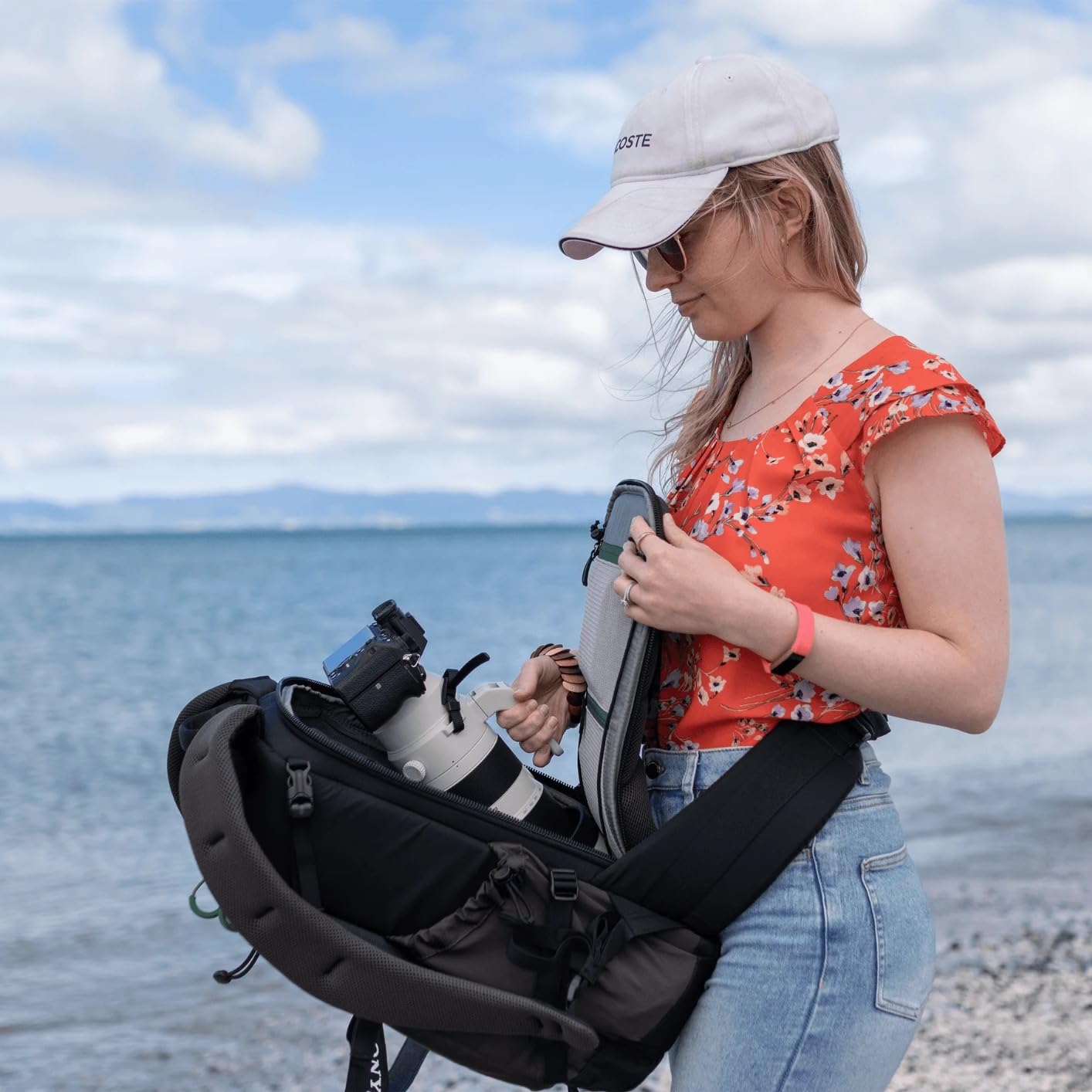
The BackLight 18L fits under many airplane seats, making it versatile for travel photography trips. Real-world users confirm this capability repeatedly in reviews. However, serious limitations exist: the 18L capacity genuinely limits how much additional personal gear you can carry. Photographers with extensive kits will need to step up to the 26L version. The laptop compartment maxes out at 13 inches, leaving 15-16 inch laptop users needing alternatives.
Who Should Buy?
Outdoor adventure photographers and wildlife shooters who need rear access to change lenses without putting their bag down in dirty or wet conditions. Ideal for day hikers carrying substantial telephoto lenses.
Who Should Avoid?
Photographers with extensive gear collections who need more than 18L of capacity, or those requiring 15+ inch laptop storage.
2. Shimoda Explore V2 30 – Premium Adventure Photography Pack
Pros
- Fits medium format cameras
- Adjustable torso system
- Modular Core Unit customization
- International carry-on compatible
- Excellent build quality
Cons
- Premium price
- Side access limited for larger bodies
- Core unit configuration difficult
- Heavier than ultralight options
The Shimoda Explore V2 30 represents the premium end of hiking camera backpacks, and the price reflects this positioning at roughly double the cost of budget options. What you’re paying for is exceptional build quality and thoughtful features designed by actual adventure photographers. The standout feature is the adjustable torso system with three height options spanning 7.5cm of adjustment. This isn’t cosmetic, it’s a legitimate fit system that accommodates different body types properly.
Multiple access points provide flexibility depending on the situation. The rear panel offers maximum security and weather protection, while side access lets you grab a camera quickly without full exposure. However, users report that side access works best with smaller mirrorless bodies. Larger DSLRs struggle to clear the opening, especially with lenses attached. Customer images demonstrate the substantial capacity this 30L pack offers.
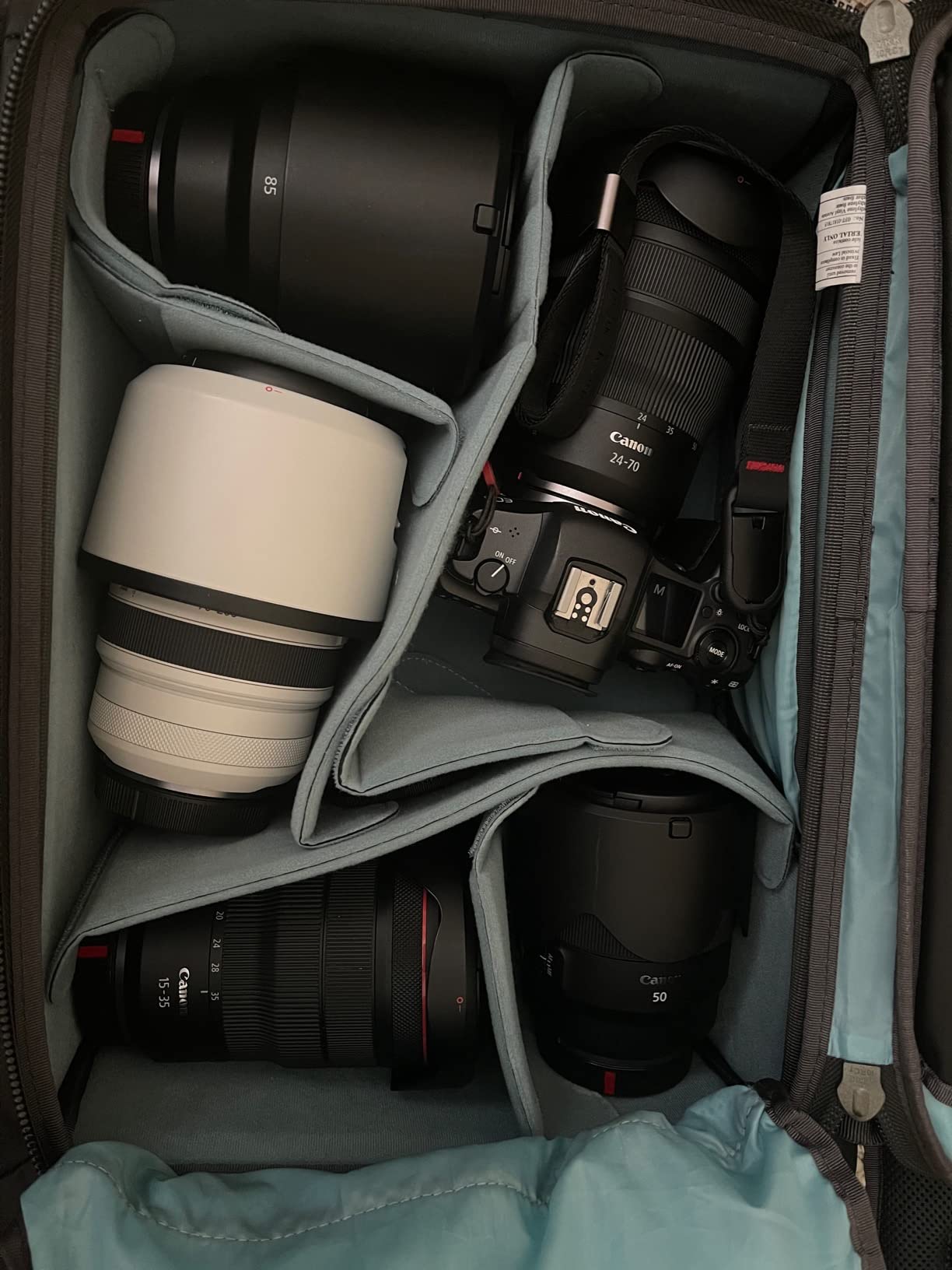
The modular Core Unit system allows you to customize your camera storage completely. The included Medium Mirrorless V2 Core Unit accommodates substantial kits, and you can purchase different sizes for specific needs. This modularity extends the backpack’s versatility as your gear changes over time. Photographers shooting medium format systems like the Fuji GFX100s report excellent fit, a capability that few hiking camera backpacks can match.
Travel photographers will appreciate the international carry-on compatibility and luggage handle pass-through. The pack meets EU and Asian airline regulations, which is more restrictive than US standards. Hidden security features include lockable zippers and a concealed passport pocket. Multiple reviewers confirmed successful gate-checking and overhead bin storage on various international carriers.
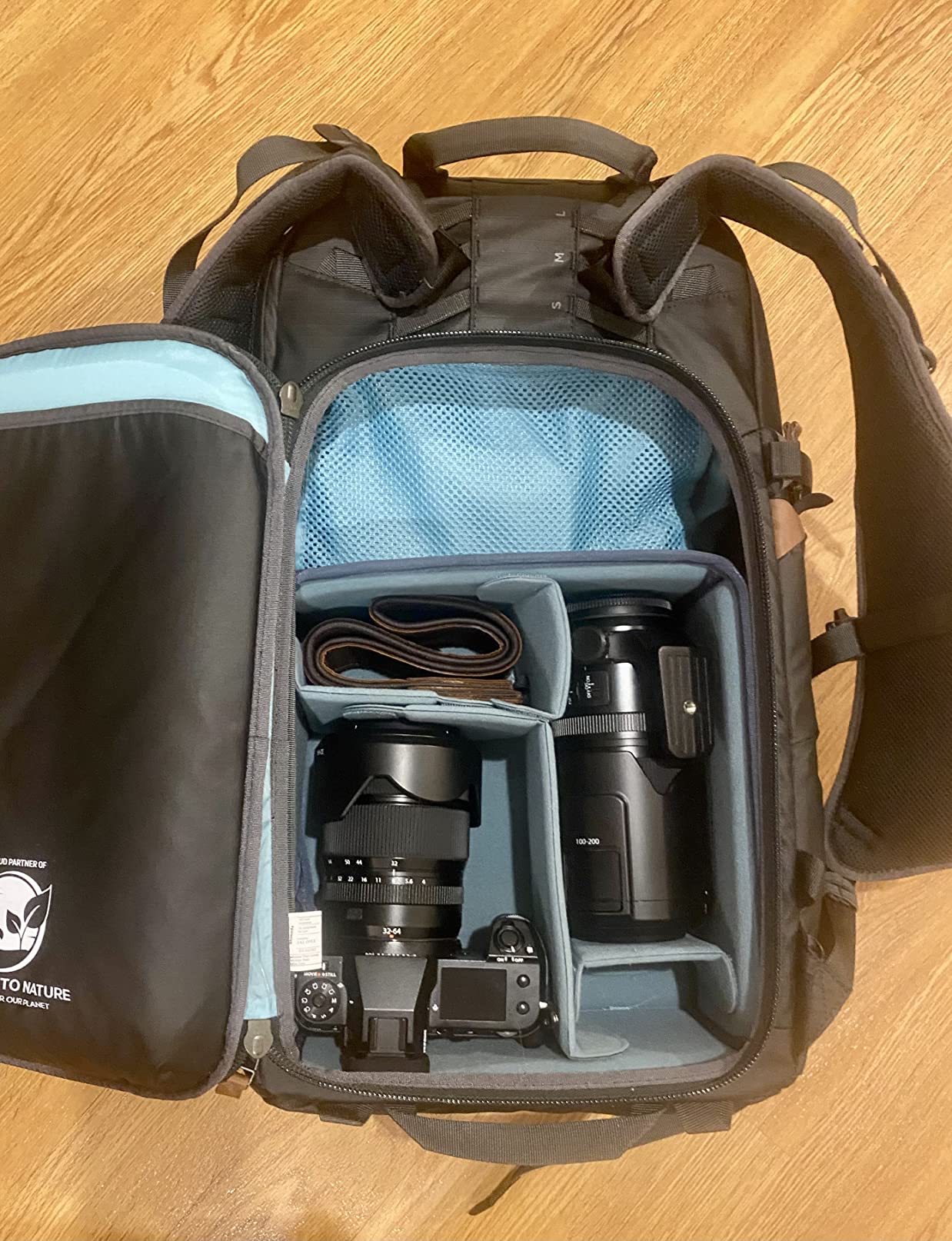
Comfort is exceptional, with thick shoulder straps and a supportive waist belt that handles heavy loads effectively. The light-colored interior makes finding gear in low light conditions easier than typical black linings. At 6.5 pounds, this isn’t a lightweight option, but the suspension system justifies the weight for serious loads. Users report successful all-day comfort on extended hikes despite the pack’s empty weight.
The main criticisms focus on price and complexity. At nearly $400, this is a significant investment. The Core Unit system has a learning curve, and some users struggle with optimal configuration. Filter organization requires additional accessories, which adds to the already substantial cost. For serious adventure photographers who travel frequently, the features justify the investment, but casual users might find it overkill.
Who Should Buy?
Travel photographers, landscape shooters, and anyone carrying medium format systems who need a premium backpack with customizable organization and international carry-on compatibility.
Who Should Avoid?
Budget-conscious photographers, those needing lightweight backpacking gear, or users who prefer simple organization without modular components.
3. PGYTECH OneGo Lite 16L – Best Lightweight Value
Pros
- Ultra-lightweight 2.64 lbs
- Stays upright when filled
- Magnetic laptop closure
- Side access
- Water-resistant YKK zippers
Cons
- Limited capacity for multiple bodies
- Sternum strap hard to hook
- Shoulder straps thin for heavy loads
- Gear floats in compartment
The PGYTECH OneGo Lite 16L delivers an impressive combination of weight savings and protection at a price point under $110. At just 2.64 pounds empty, this is one of the lightest camera backpacks we tested that still offers genuine protection. The dual quick-access system includes both a 180-degree flip-open lid and side-entry camera compartment, giving you flexibility depending on the situation. Users consistently praise how the bag stays upright even when fully loaded, a small but significant detail that prevents gear spills.
This backpack fits one camera body plus three lenses comfortably, making it ideal for mirrorless shooters or DSLR users with minimal kits. DJI Mavic drone owners report successful storage, as the compact dimensions accommodate folding drones neatly. Customer photos show the impressive capacity relative to the slim profile. The magnetic laptop compartment closure is consistently mentioned as a superior alternative to Velcro, being quieter and more reliable.
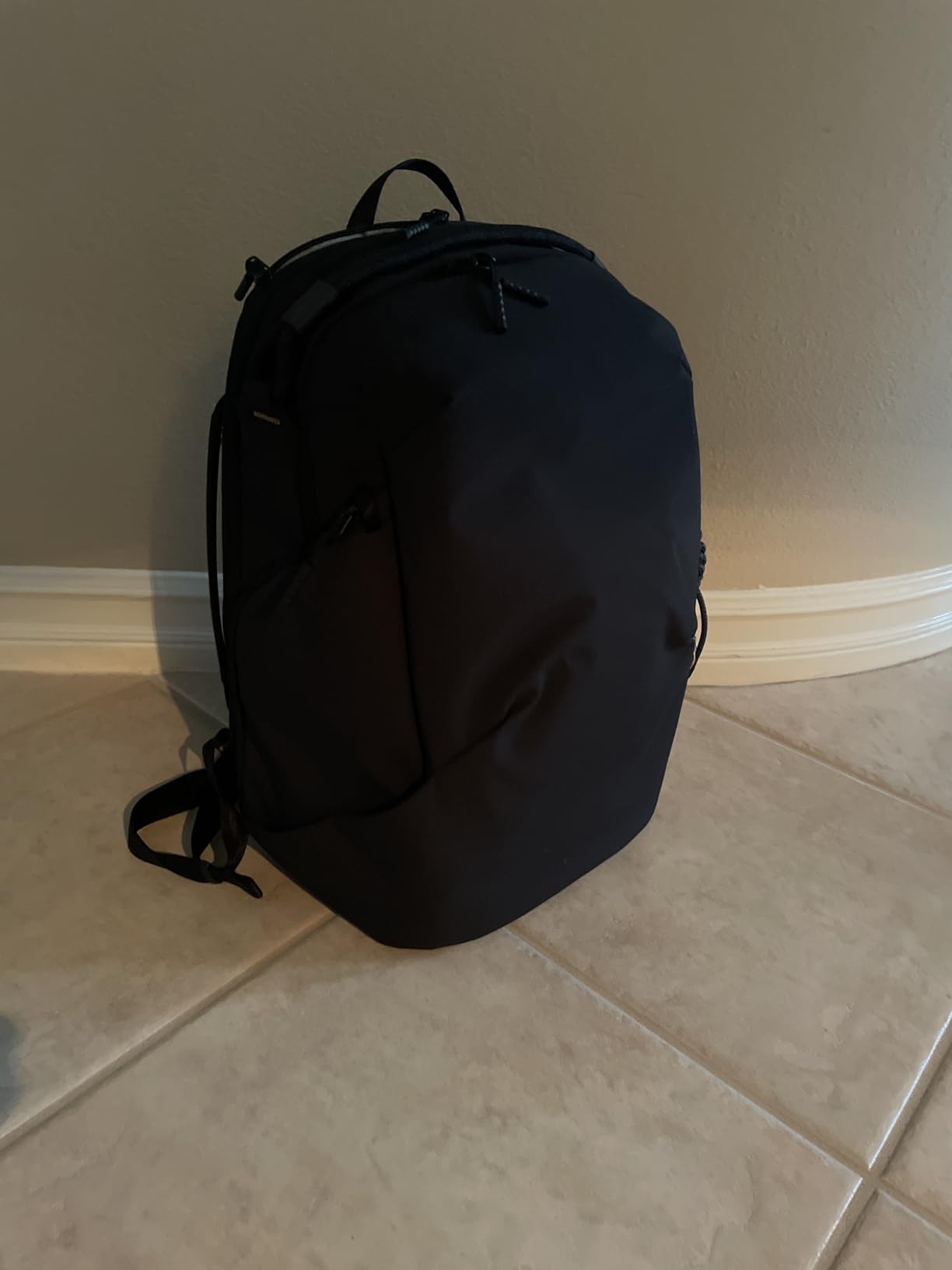
Water-resistant YKK zippers provide better weather protection than standard coils, and the scratch-resistant padded base adds durability when setting the bag down on rough surfaces. Hidden zipper pockets offer theft deterrence for valuables like wallets and keys. The ergonomic padded straps and breathable back panel deliver comfort for all-day wear, though users report limitations with loads exceeding 6-9 kilograms.
Real-world testing confirms excellent performance for light travel and day trips. Photographers using this for urban exploration and short hikes consistently praise the versatility. The ability to convert between camera mode and daily bag use expands the utility beyond just photography outings. At under $110, this represents outstanding value for the quality and features included.
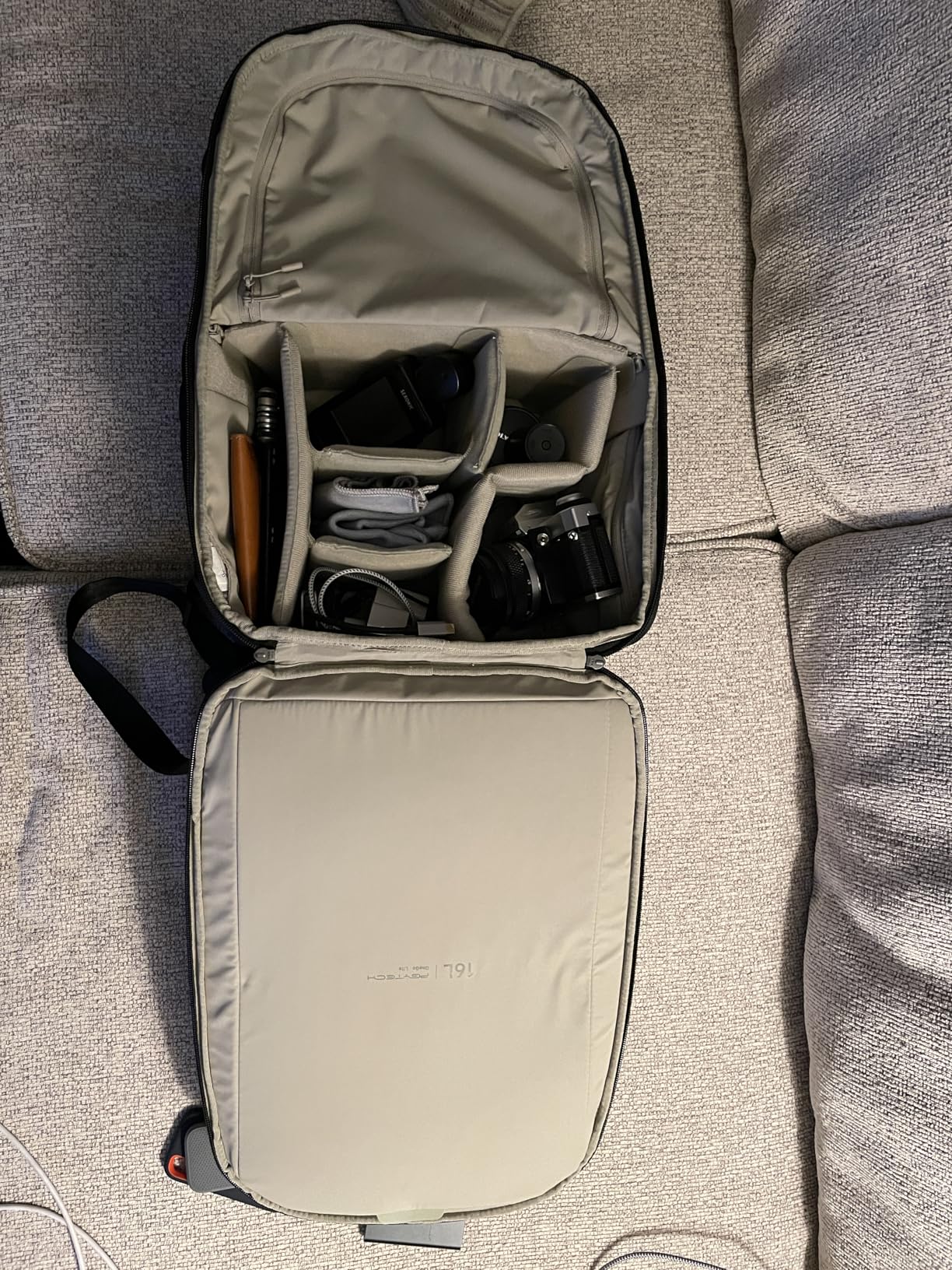
The limitations are capacity-related. Multiple camera bodies don’t fit comfortably, and the side access opening could be wider for easier retrieval. Some users report gear floating around inside due to the generous compartment width, though adjustable dividers help mitigate this. The sternum strap latch receives consistent complaints for being overly tight and difficult to engage. Shoulder straps, while adequate for light loads, lack the padding needed for extended carrying with heavy gear.
Who Should Buy?
Mirrorless photographers, drone pilots, and anyone prioritizing weight savings who doesn’t need to carry multiple camera bodies. Excellent value for budget-conscious buyers.
Who Should Avoid?
Photographers with extensive DSLR kits, those carrying heavy loads over long distances, or users needing larger laptop storage (14-inch maximum).
4. Lowepro PhotoSport BP 15L AW III – Best Compact Hiking Design
Pros
- Hiking-specific design
- Lightweight construction
- Side access quick retrieval
- Removable camera insert
- Hydration pocket included
Cons
- Only fits small camera kits
- Top compartment too small
- Chest strap quality issues
- Not for full-frame DSLRs
Lowepro’s PhotoSport series bridges the gap between hiking packs and camera bags more effectively than most dedicated photo backpacks. The 15L capacity is designed for mirrorless camera systems, specifically one small camera body and one extra lens. What makes this hiking-focused is the toploading compartment that provides storage space for outdoor essentials like snacks, first aid supplies, and lightweight layers. Attachment points accommodate tripods and hiking poles, addressing real outdoor photography needs.
The removable camera insert doubles as a standalone bag, giving you versatility for city exploration or shorter outings where you don’t need the full backpack. Hydration pocket compatibility addresses the common complaint about camera bags lacking water bladder storage. Customer images confirm the compact dimensions work well for photographers who prioritize mobility over capacity.
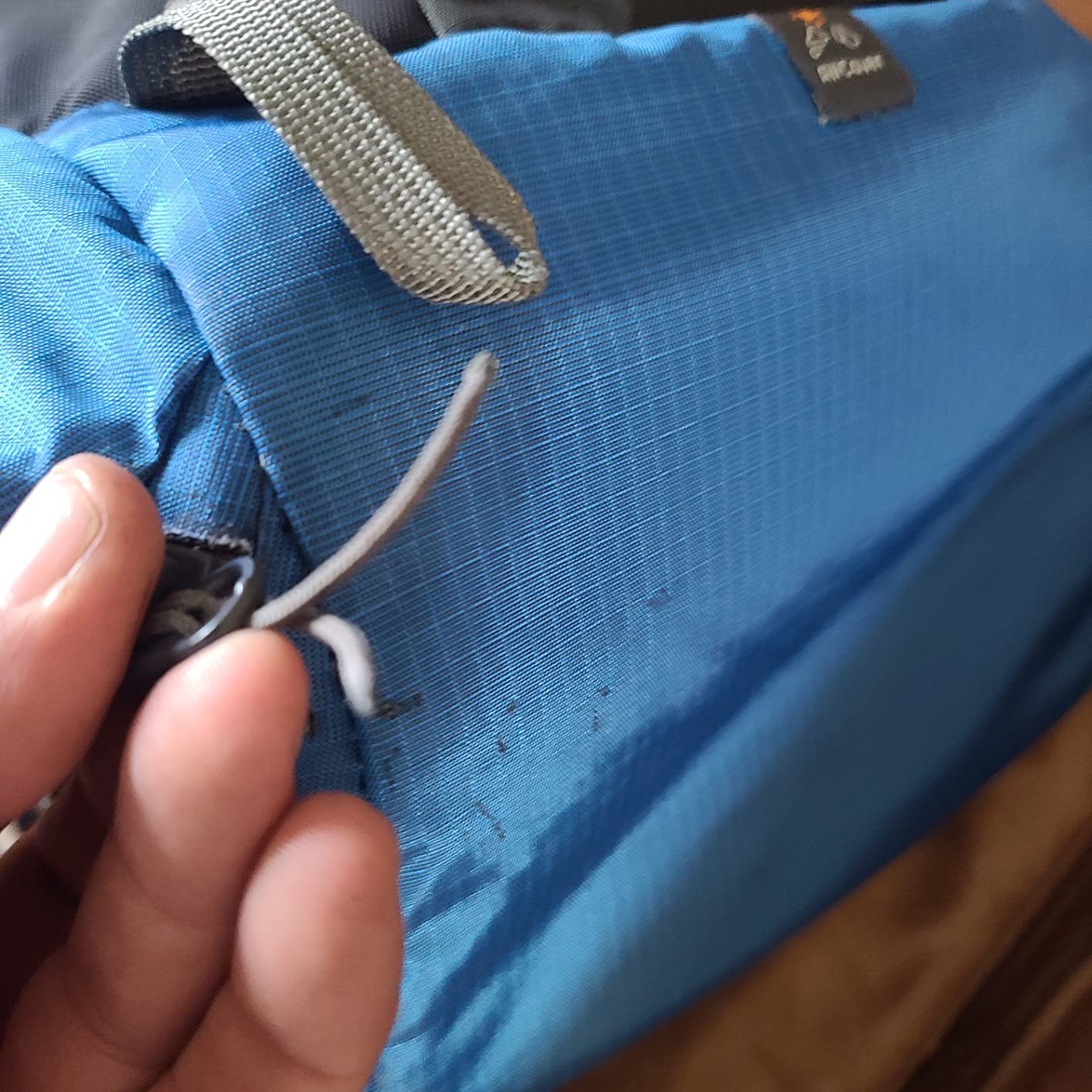
Side access allows quick camera retrieval without exposing all your gear to the elements. The All-Weather cover tucks away neatly until needed, providing emergency rain protection. At just 2.5 pounds, the empty weight won’t significantly impact your total load. This hiking-specific approach shows in the sporty aesthetic that doesn’t broadcast expensive camera gear to potential thieves.
Users praise the lightweight construction and well-thought-out pocket layout. The accessory strap system adds versatility for attaching additional gear externally. For day hikes with a minimal mirrorless kit, this backpack delivers an excellent balance of protection and hiking functionality. The hydration compatibility alone makes it stand out from most camera backpacks that ignore this essential hiking feature.
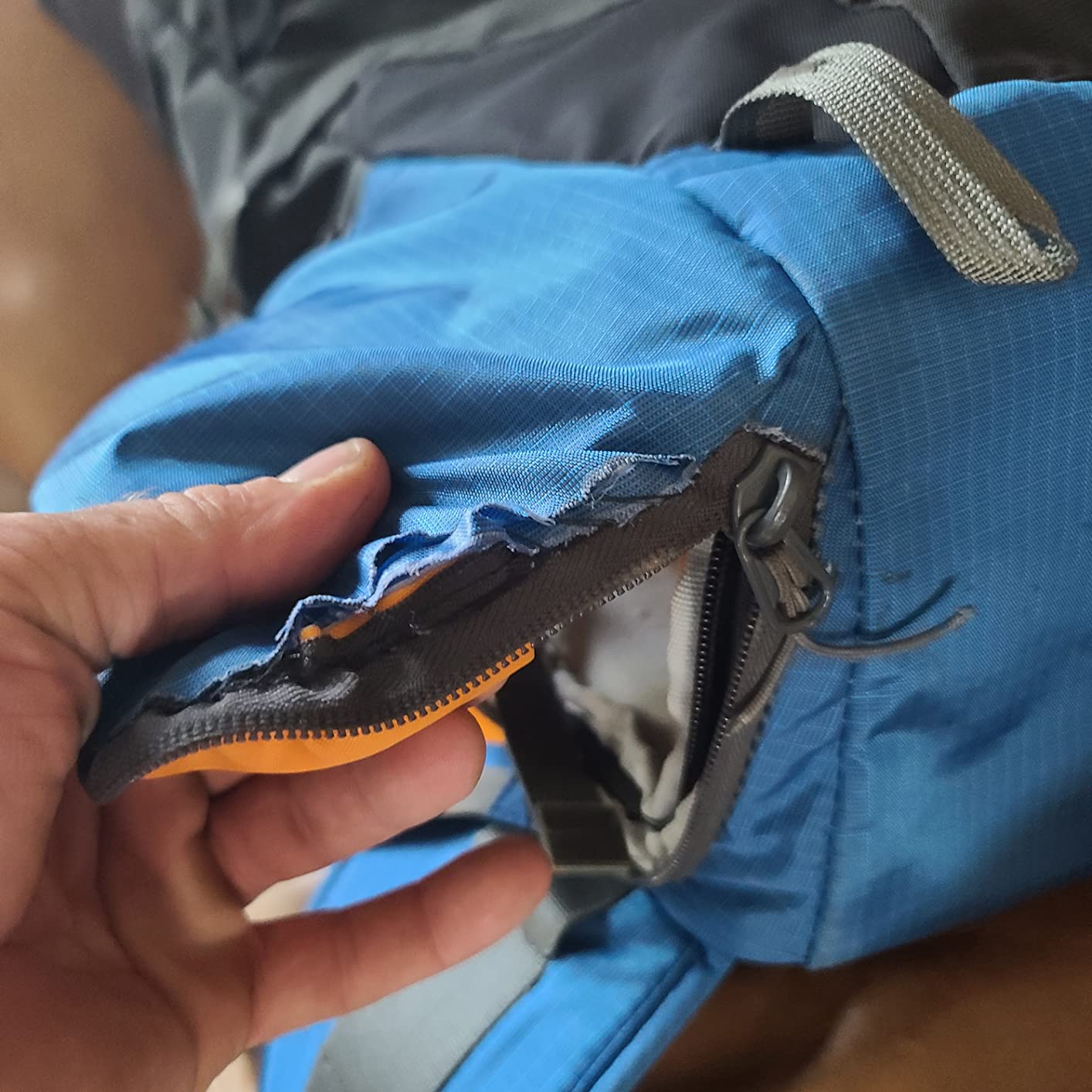
Significant limitations exist regarding capacity. The 15L volume genuinely restricts you to one camera body and perhaps two small lenses. Full-frame DSLRs with multiple lenses simply won’t fit. Users report the top compartment shrinking compared to previous PhotoSport generations, reducing utility for hiking essentials. Some quality concerns emerged regarding chest straps breaking after limited use, though this appears to affect a minority of units. Taller photographers (over 6 feet) may find the torso length insufficient.
Who Should Buy?
Mirrorless camera users wanting a hiking-specific pack for day trips who carry minimal gear and need hydration bladder compatibility.
Who Should Avoid?
DSLR users with multiple lenses, anyone needing significant storage for hiking essentials, or photographers prone to equipment expansion.
5. Lowepro PhotoSport BP 24L AW III – Best Mid-Size Hiking Pack
Pros
- 24L capacity for serious hikers
- Fits mirrorless with multiple lenses
- Top compartment for essentials
- Comfortable for longer hikes
- Side access
Cons
- More expensive than 15L
- Top compartment reduced vs older models
- Camera insert tight for large setups
- Chest strap quality concerns
Stepping up to the 24L version of the PhotoSport addresses the primary limitation of the smaller model: capacity. This larger version accommodates mirrorless systems with multiple lenses and can even fit many DSLRs with lens attached. The toploading compartment provides more storage space for hiking essentials, making this viable for longer day hikes where you need extra food, water, and layers. At 3.1 pounds empty, it remains reasonably lightweight despite the increased capacity.
The removable camera insert offers the same versatility as the 15L model, allowing you to convert between full camera backpack and regular hiking pack. Attachment points for tripods and hiking poles remain, maintaining the outdoor-focused design philosophy. Customer photos demonstrate the improved capacity while showing how the pack maintains a reasonably low profile.
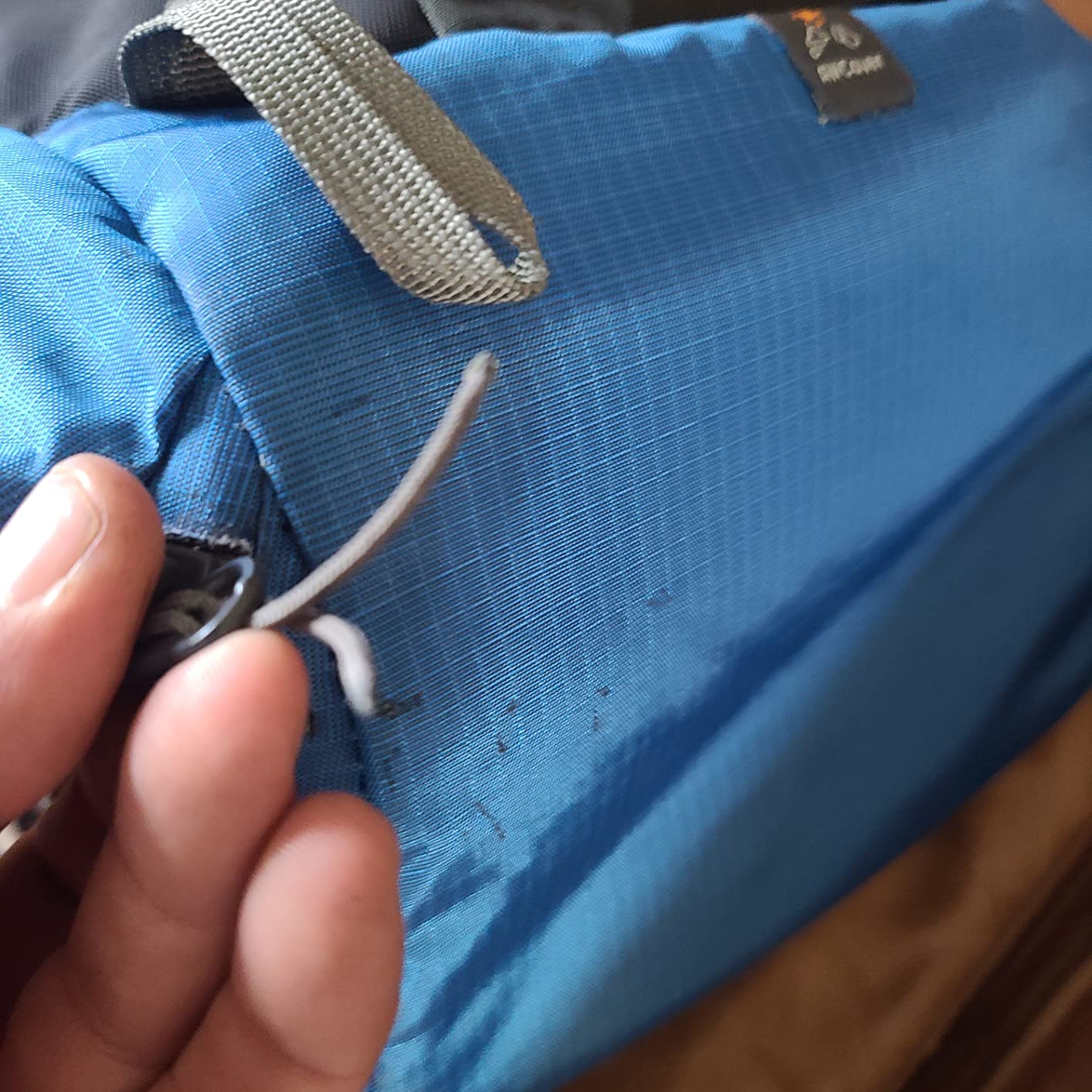
Side access continues to provide quick camera retrieval without exposing your entire kit to weather conditions. The All-Weather cover offers emergency protection when conditions deteriorate. Users report comfortable carry for longer distances compared to the 15L model, as the slightly larger suspension system distributes weight more effectively. The accessory strap system expands carrying options for additional external gear.
Photographers with substantial mirrorless kits appreciate the ability to carry multiple lenses and accessories while still having room for hiking essentials. The balance between camera storage and personal gear storage leans more toward practical hiking use than most dedicated photo bags. Hydration compatibility remains, making this a true hiking pack rather than a camera bag with hiking features added as an afterthought.
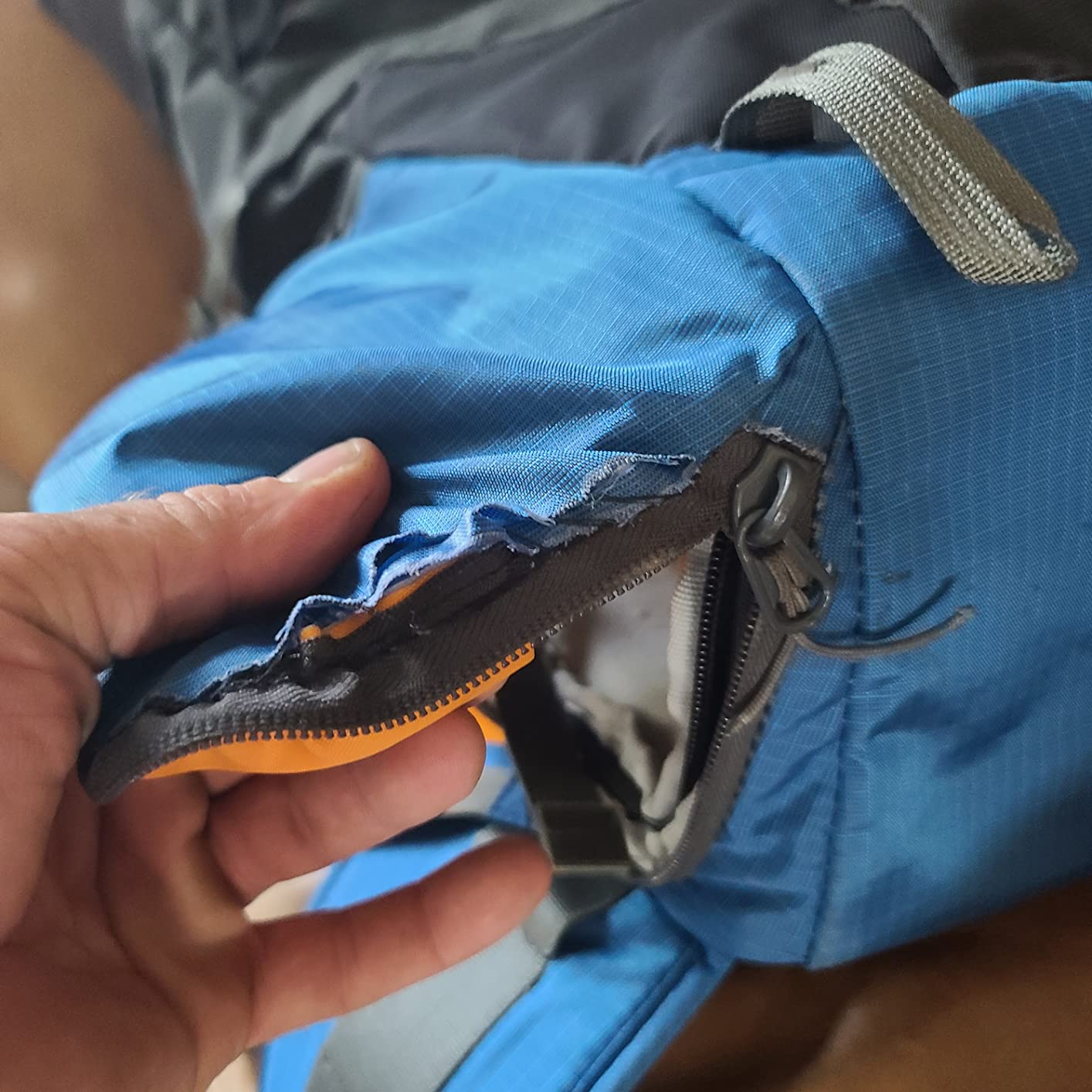
Some users report the camera insert feeling tight for larger camera setups, particularly full-frame DSLRs with battery grips. The top compartment, while larger than the 15L version, still disappoints users of previous PhotoSport generations who remember more generous storage. Price increases significantly over the 15L model, which gives some buyers pause. Chest strap quality issues reported in the 15L version potentially affect this model as well. This pack occupies a middle ground that may leave minimalist users wanting less and maximalists needing more.
Who Should Buy?
Mirrorless photographers with multiple lenses or DSLR users with moderate kits who need genuine hiking functionality beyond just camera transport.
Who Should Avoid?
Minimalists who don’t need 24L, or photographers with extensive kits requiring the larger capacity of dedicated 30L+ camera backpacks.
6. WANDRD PRVKE Lite – Best for Travel Photography
Pros
- Clean modern aesthetic
- 9 access points total
- Durable weatherproof materials
- Comfortable back panel
- Roll-top expands storage
Cons
- No direct rolltop access
- Only one side camera access
- Camera cushioning uses space
- Backpack tilts when worn
The WANDRD PRVKE Lite earned popularity through Kickstarter campaigns and social media exposure, and the 515-plus reviews indicate substantial real-world testing. The design aesthetic skews heavily toward urban environments, with a clean, modern profile that doesn’t scream camera bag. However, the PRVKE Lite backs up its looks with genuine functionality. Nine access points include quick side camera access, making gear retrieval convenient in various situations.
The built-in camera cube provides more capacity than expected, holding a complete DSLR kit with multiple lenses. Durable waterproof tarpaulin and ballistic nylon construction offer weather resistance that users confirm works in practice. Weatherproof zippers add another layer of protection. Customer images consistently show the pack’s versatility for both camera gear and daily carry, demonstrating successful dual-use scenarios.
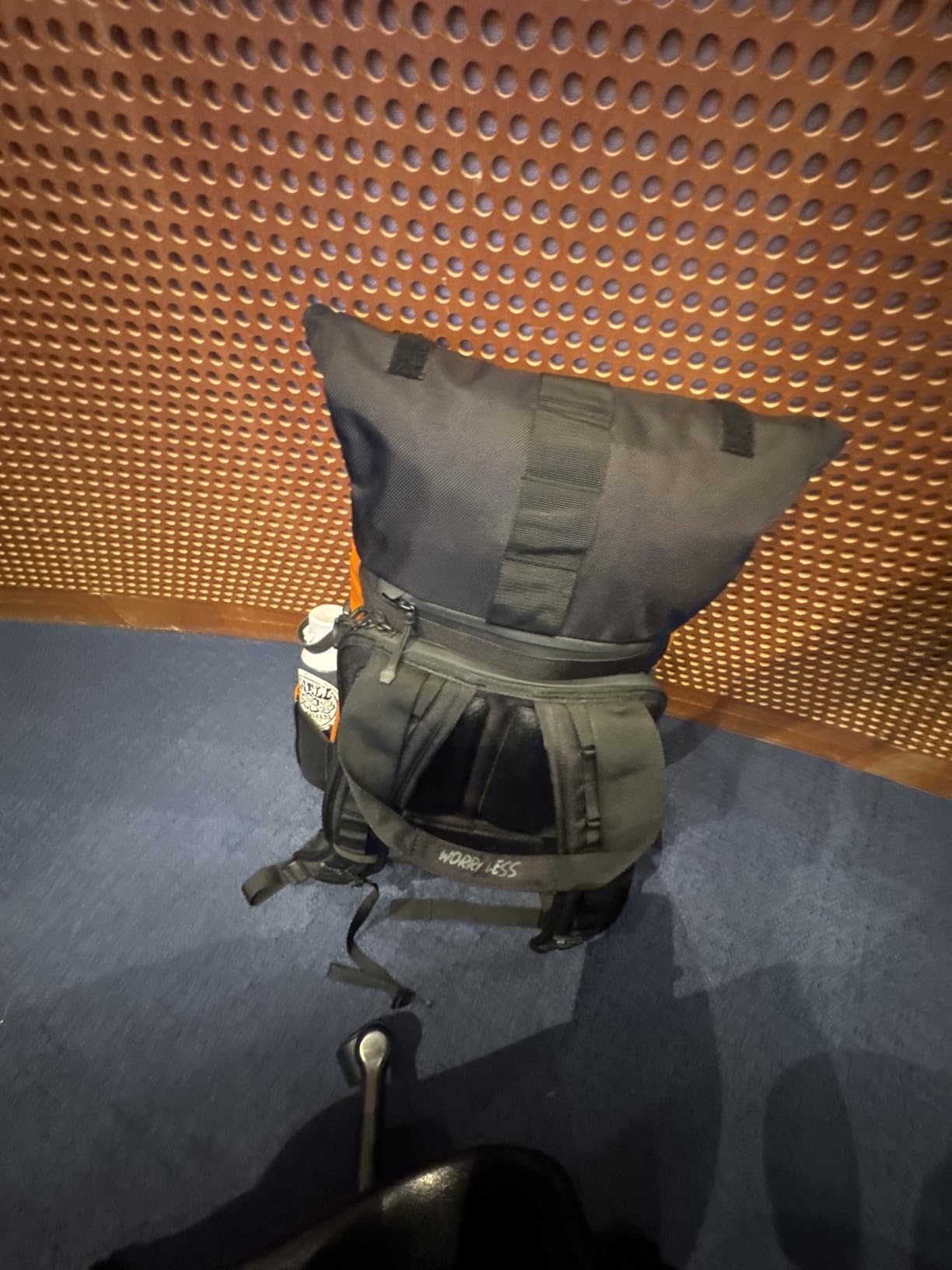
The roll-top design allows dramatic storage expansion when needed, compressing down when traveling light. A dedicated laptop sleeve accommodates most computers, and the water bottle or tripod pocket adds external carrying options. Hidden security features include a passport pocket and anti-theft zipper placement. Waist straps and tripod straps come included, unlike some competitors who sell these as add-ons.
Comfort receives consistent praise from users, with a well-designed back panel and shoulder straps that handle moderate loads effectively. The multiple access points mean you can grab gear without completely unpacking, which is valuable in urban settings or crowded transportation. Photography bundle versions include the camera cube, while standard configurations allow converting to pure laptop bag use.
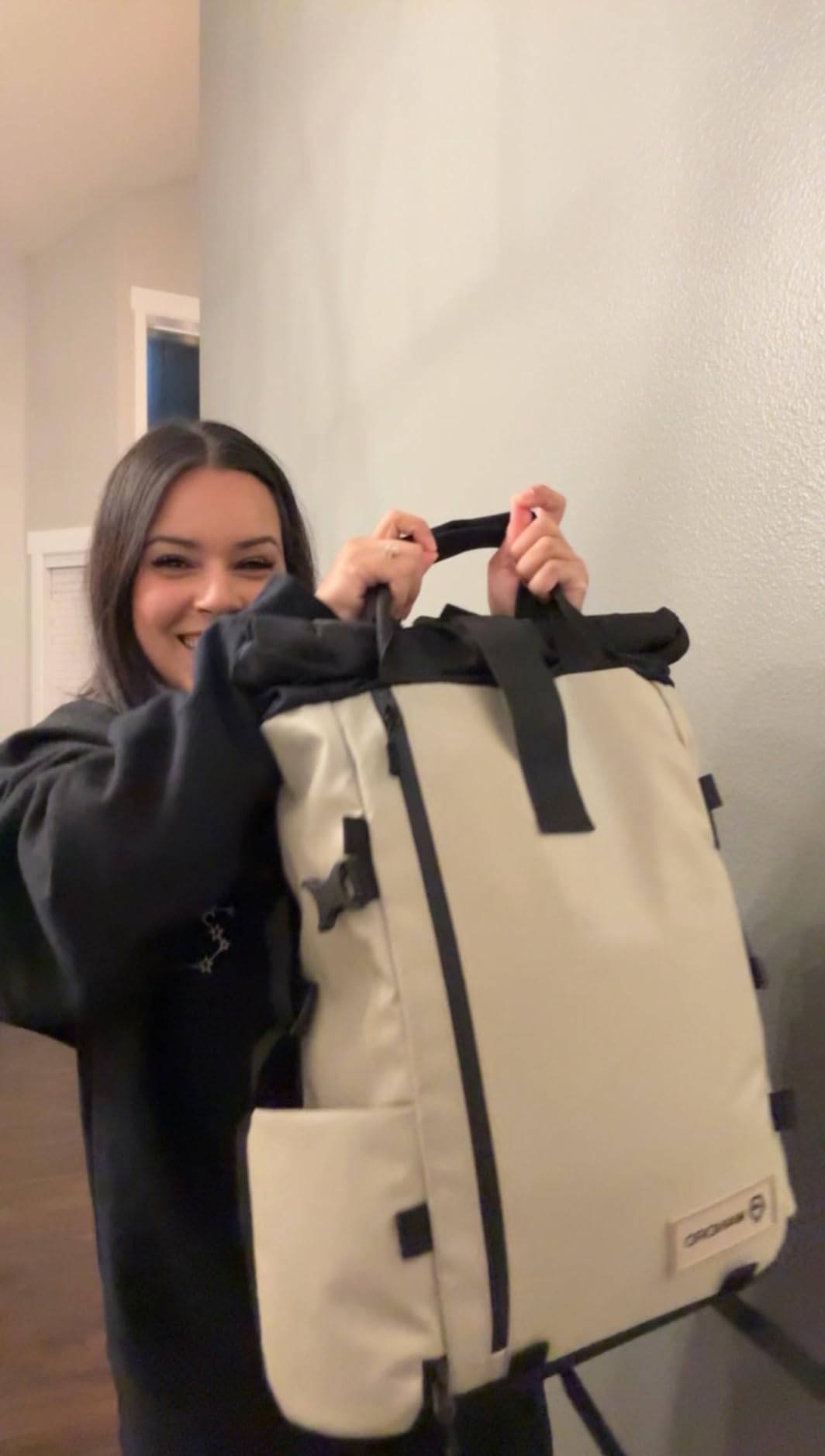
Significant drawbacks affect usability for some users. The roll-top area lacks direct access, requiring multiple steps to reach items stored there. Only one side offers camera access, with the water bottle pocket occupying the other side. The camera compartment cushioning consumes substantial space, reducing effective capacity. Some users report the backpack tilting backward when worn, affecting balance and comfort. Quality control issues include missing camera cubes in some shipments. Certain colors, particularly Yuma Tan, show susceptibility to discoloration and smudges.
Who Should Buy?
Travel photographers and urban shooters who want a versatile backpack that works for both camera gear and daily carry without looking like obvious photo equipment.
Who Should Avoid?
Serious hikers who need dedicated outdoor features, or photographers who prefer dual-side camera access and simpler organization.
7. Peak Design Everyday Backpack 20L – Most Innovative Organization
Pros
- MagLatch fast access
- Flexible internal dividers
- Dual side access
- Weatherproof shell
- Stands upright alone
Cons
- Straps uncomfortable long term
- Shell feels cheap non-X-Pac
- Heavy when empty
- Limited airflow causes sweat
Peak Design’s Everyday Backpack 20L showcases the company’s talent for innovative solutions to common photographer problems. The MagLatch closure system provides single-handed top access that’s genuinely faster than traditional buckles or zippers. Magnetic strap holders tuck away loose ends neatly, preventing dangling straps. The FlexFold dividers offer highly customizable organization that adapts to different gear configurations. With 188 reviews averaging 4.5 stars, substantial real-world testing backs up the design claims.
The backpack expands from 17L to 20L using external carry straps, providing flexibility for varying loads. Weatherproof UltraZips deliver dual side access that works regardless of how the top is closed. The 100% recycled 400D weatherproof shell provides environmental protection while using sustainable materials. Customer images demonstrate the impressive organization possible with the configurable dividers.
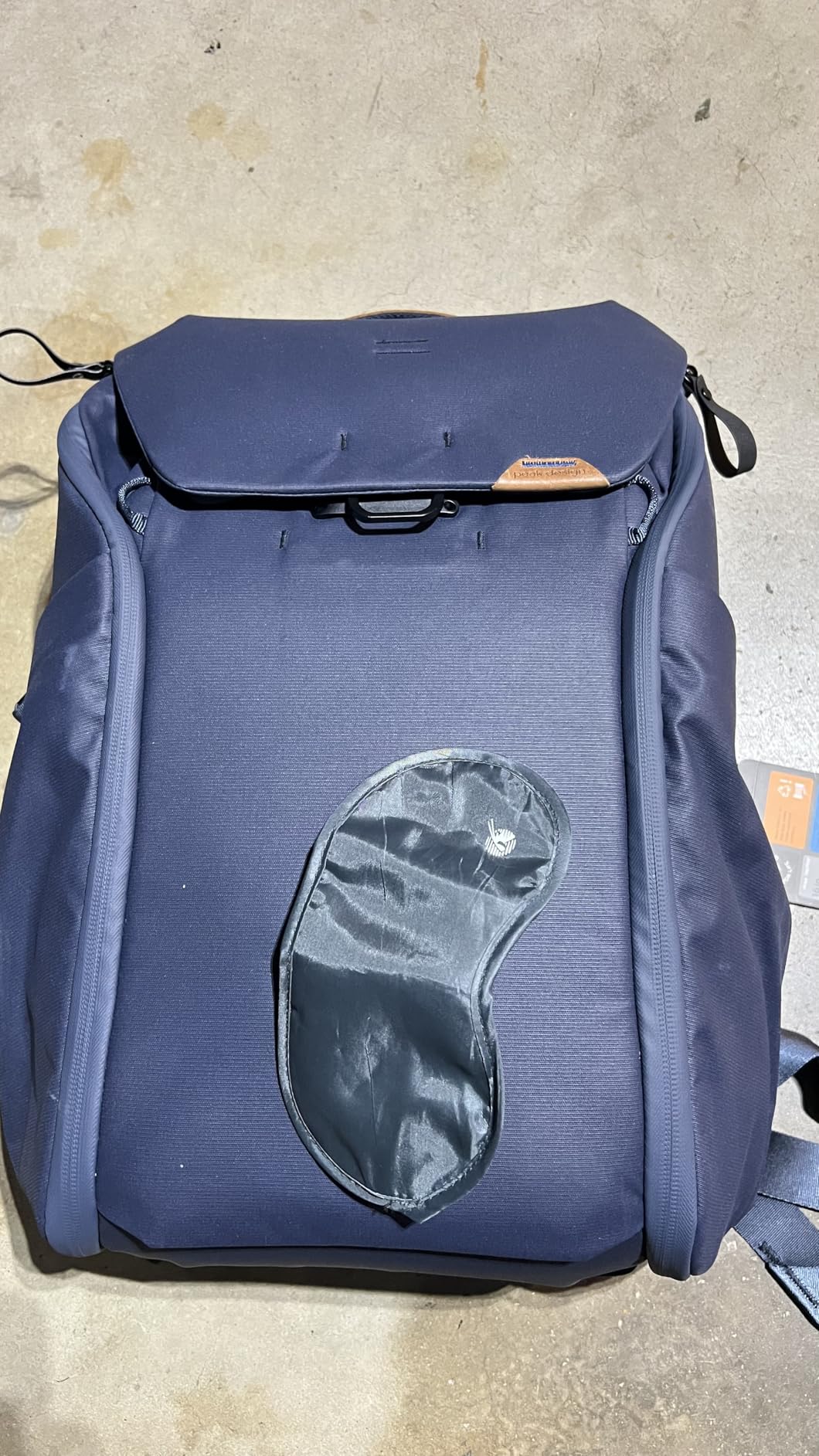
Laptop capacity accommodates up to 16-inch MacBook Pro sizes, addressing a common limitation in smaller camera backpacks. The integrated luggage carry strap simplifies airport navigation. External carry straps allow attaching oversized items like jackets or tripods. The backpack stands upright on its own, a small but appreciated detail that prevents gear spills. Users consistently praise the versatile design that works equally well for camera gear and everyday carry.
The magnetic features throughout the pack demonstrate thoughtful design. From the MagLatch to strap holders to closure points, magnets eliminate fumbling with traditional fasteners. The side zippers open from either side regardless of the top closure state, adding genuine convenience. Water resistance keeps gear dry in moderate rain, though heavy downpours would benefit from additional coverage.
Comfort issues emerge with extended wear. Multiple users report shoulder straps that become uncomfortable after hours of use, particularly with heavy loads. The outer shell material on standard versions feels somewhat cheap compared to the premium price point. Limited airflow through the back panel causes sweat accumulation during warm weather hiking or extended carry. At 4.1 pounds empty, this isn’t a lightweight option. The X-Pac version addresses material quality concerns but significantly increases the already premium cost.
Who Should Buy?
Commuters and urban photographers who value organization innovation and quick access over all-day hiking comfort, particularly those appreciating magnetic convenience features.
Who Should Avoid?
Photographers doing serious hiking with heavy loads, or anyone prioritizing comfort over organizational features and aesthetic design.
8. f-stop Guru UL 25L – Ultralight Adventure Specialist
Pros
- Ultralight 2.64 lbs
- Modular ICU system
- Water bladder pouch included
- Back opening security
- Compression straps
Cons
- Premium price
- Construction quality complaints
- Bottom rubber creates bulge
- ICU sold separately for expansion
- Limited reviews
F-stop built their reputation on modular camera backpacks designed specifically for outdoor photography, and the Guru UL 25L continues this heritage. At just 2.64 pounds empty, this ultralight pack matches the lightest backpacks we tested while still offering 25L capacity. The internal aluminum frame provides all-day support despite the minimal weight, addressing the common complaint that ultralight packs lack structure. Users confirm carrying substantial gear including Canon R5 bodies with RF 100-500mm lenses.
The modular ICU system allows complete customization of your camera storage configuration. The included Shallow Small ICU accommodates minimal DSLR or mirrorless kits, and you can purchase additional ICU sizes to match specific needs. This modularity means the backpack can evolve as your gear changes over time. Back-panel access provides security in crowded environments and protects gear when setting the pack down on dirty surfaces.
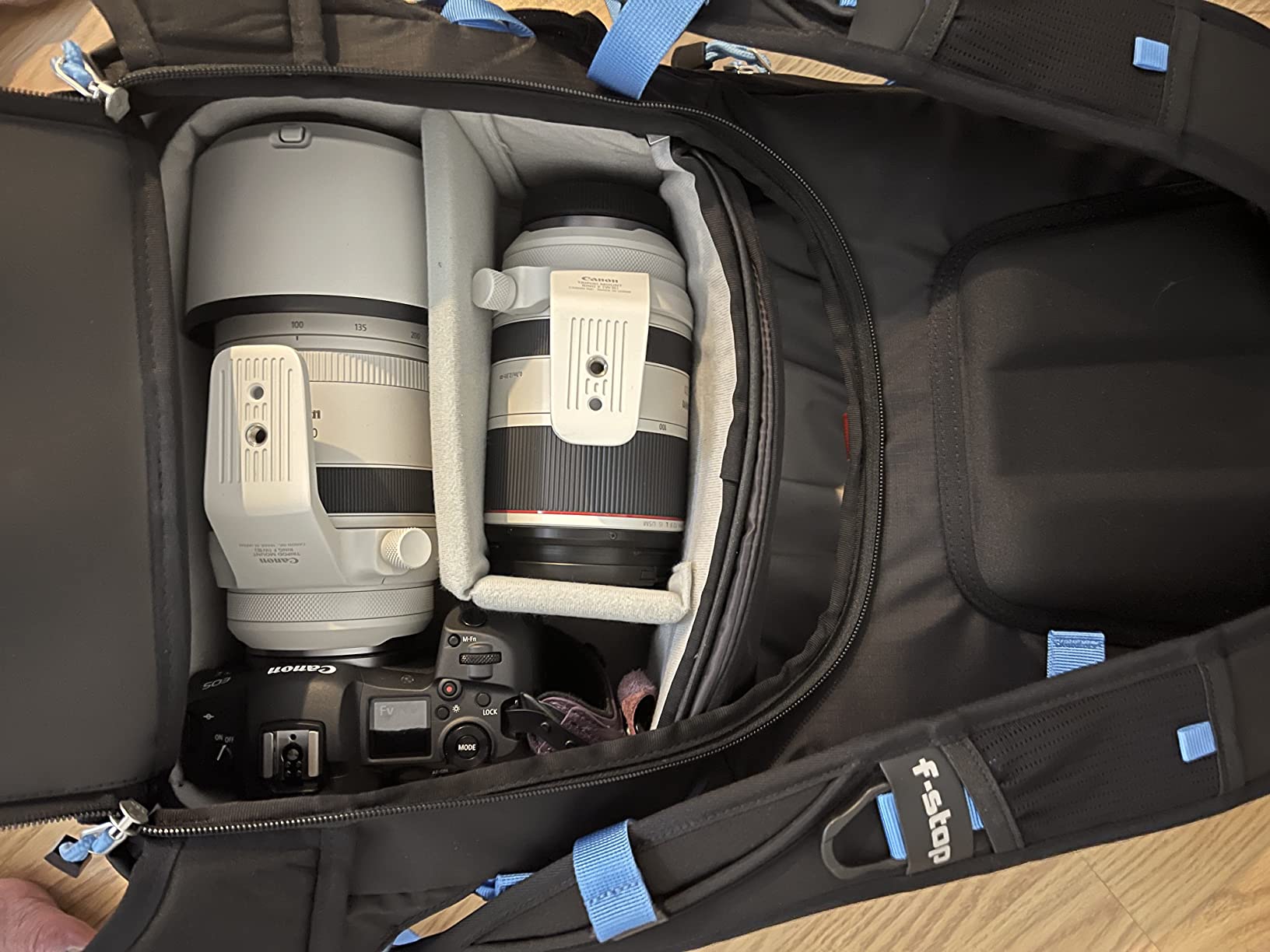
Water bladder compatibility addresses a critical gap for hikers, with an included pouch that accommodates standard hydration reservoirs. External pockets accommodate water bottles or tripods, providing flexibility based on your carrying preferences. Compression straps and lash-down points secure gear and reduce pack volume when not fully loaded. The design doesn’t obviously resemble a camera case, reducing theft risk in urban settings.
Customer photos demonstrate impressive capacity relative to the slim profile. Multiple internal pockets including a laptop slot add versatility for travel and daily use. The backpack successfully balances photo gear protection with hiking functionality, reflecting F-stop’s mountain heritage. At 25L capacity, this occupies a sweet spot for day hikes where you need substantial camera gear plus hiking essentials.
Some quality concerns emerge despite the premium price. Users report mixed construction quality, with complaints about fragile zippers that don’t match the price point. The bottom rubber material creates an uncomfortable bulge that digs into the lower back during extended use. ICU units require separate purchase for expanded configurations, adding significantly to the overall cost. With only 15 reviews, long-term durability remains less proven than more established options.
Who Should Buy?
Adventure photographers prioritizing weight savings who appreciate modular organization and need hydration bladder compatibility for alpine or backcountry use.
Who Should Avoid?
Budget-conscious buyers, or anyone concerned about quality consistency given the mixed feedback on construction versus price.
9. TARION 15L Backpack – Best Budget Value
Pros
- Outstanding value
- Spacious for kit size
- Comfortable loaded
- Distributes weight well
- Rain cover included
Cons
- Bottom fabric gets dirty
- Unstable when partially empty
- Velcro dividers insecure
- No water bottle pockets
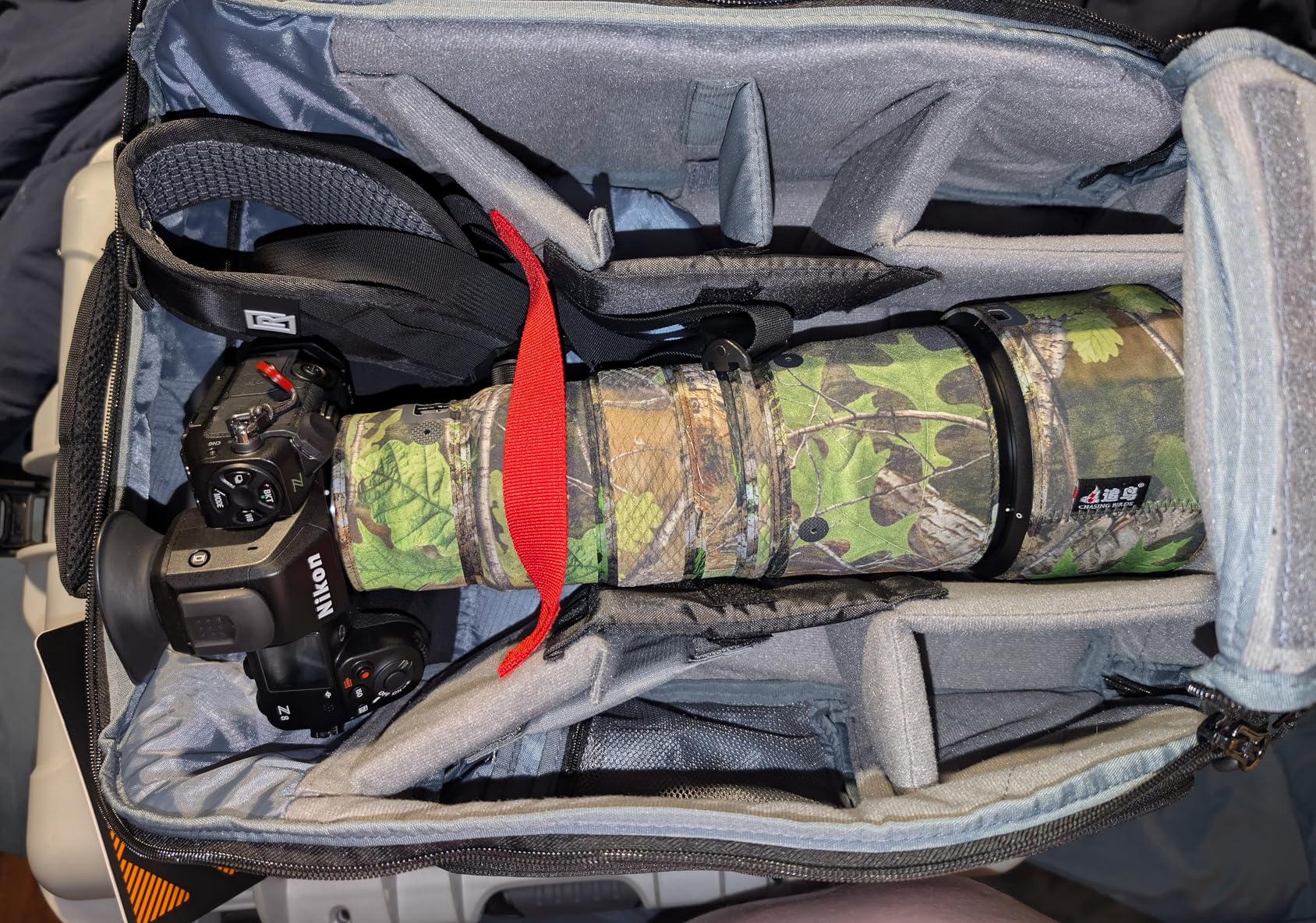
With over 4,400 reviews averaging 4.5 stars, the TARION 15L has earned substantial real-world validation. The standout feature is capacity relative to price and size. This backpack fits two camera bodies and 3-5 lenses comfortably, exceeding what many 15L packs claim. Customer photos consistently show impressive kit loads that belie the compact exterior dimensions. At under $90, this represents exceptional value for photographers needing professional capacity without the professional price tag.
The ergonomic design receives consistent praise for weight distribution. Even fully loaded with multiple camera bodies and heavy lenses, users report comfortable carry for extended periods. A dedicated laptop compartment in the back accommodates 15.6-inch computers, separated from the main camera compartment for protection. Thickened protective padding throughout safeguards equipment from impacts. The waterproof raincover adds weather protection without requiring additional purchase.
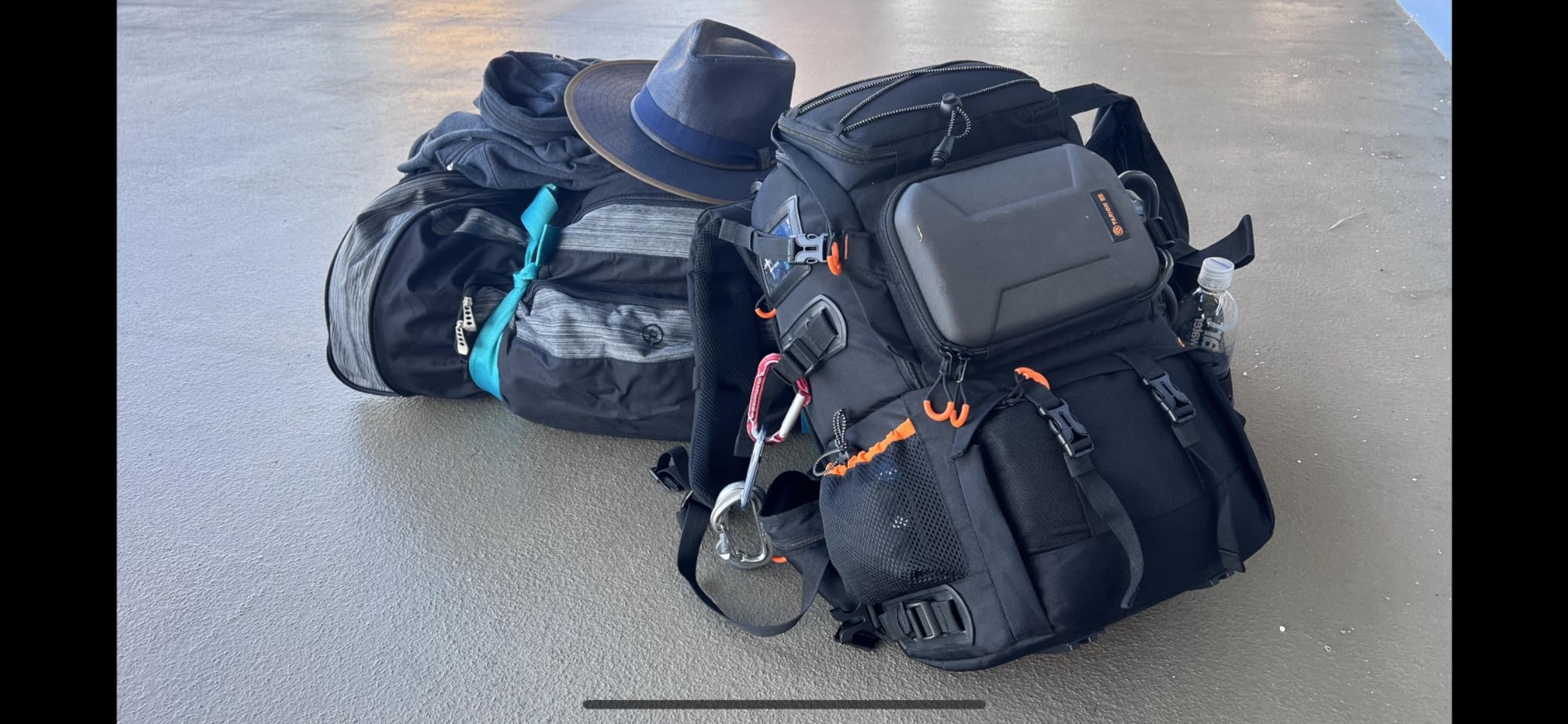
Multiple compartments and pockets provide extensive organization options. Side access allows quick camera retrieval without removing the backpack. Hardened rubberized strips on the bottom add durability when setting the pack down on abrasive surfaces. The bag fits in overhead storage compartments on most airplanes, adding travel utility. Customer images demonstrate the versatility in organizing various camera configurations.
User reviews emphasize the excellent build quality relative to price point. While not matching premium $300+ backpacks, the construction exceeds expectations at this price range. The ability to consolidate multiple bags into one streamlined pack appeals to photographers tired of juggling separate camera bags and laptop cases. The detachable smaller bag included with the 27L version adds versatility, though this 15L model focuses on maximizing main compartment utility.
Design flaws affect usability for some users. The bottom consists of fabric rather than hard shell, allowing it to get muddy and dirty easily. When the bottom camera compartment is empty, the bag becomes unstable and tends to fall over. Velcro dividers may not hold gear securely if that lower section lacks equipment. No side pockets exist for water bottles or tripods, requiring external strap use. Zippers raise durability concerns for long-term heavy use, though few actual failure reports emerged in reviews.
Who Should Buy?
Budget-conscious photographers needing substantial capacity who want proven reliability backed by thousands of reviews and don’t require premium features.
Who Should Avoid?
Photographers prioritizing weather durability, needing external water bottle pockets, or requiring premium materials and construction quality.
10. K&F Concept 30L – Best Large Capacity Budget Pick
Pros
- Excellent value
- Massive 30L capacity
- Customizable dividers
- Tripod carrying system
- Understated design
Cons
- Needs more long dividers
- Could benefit from waist belt
- Long term durability unknown
- Divider configuration limited
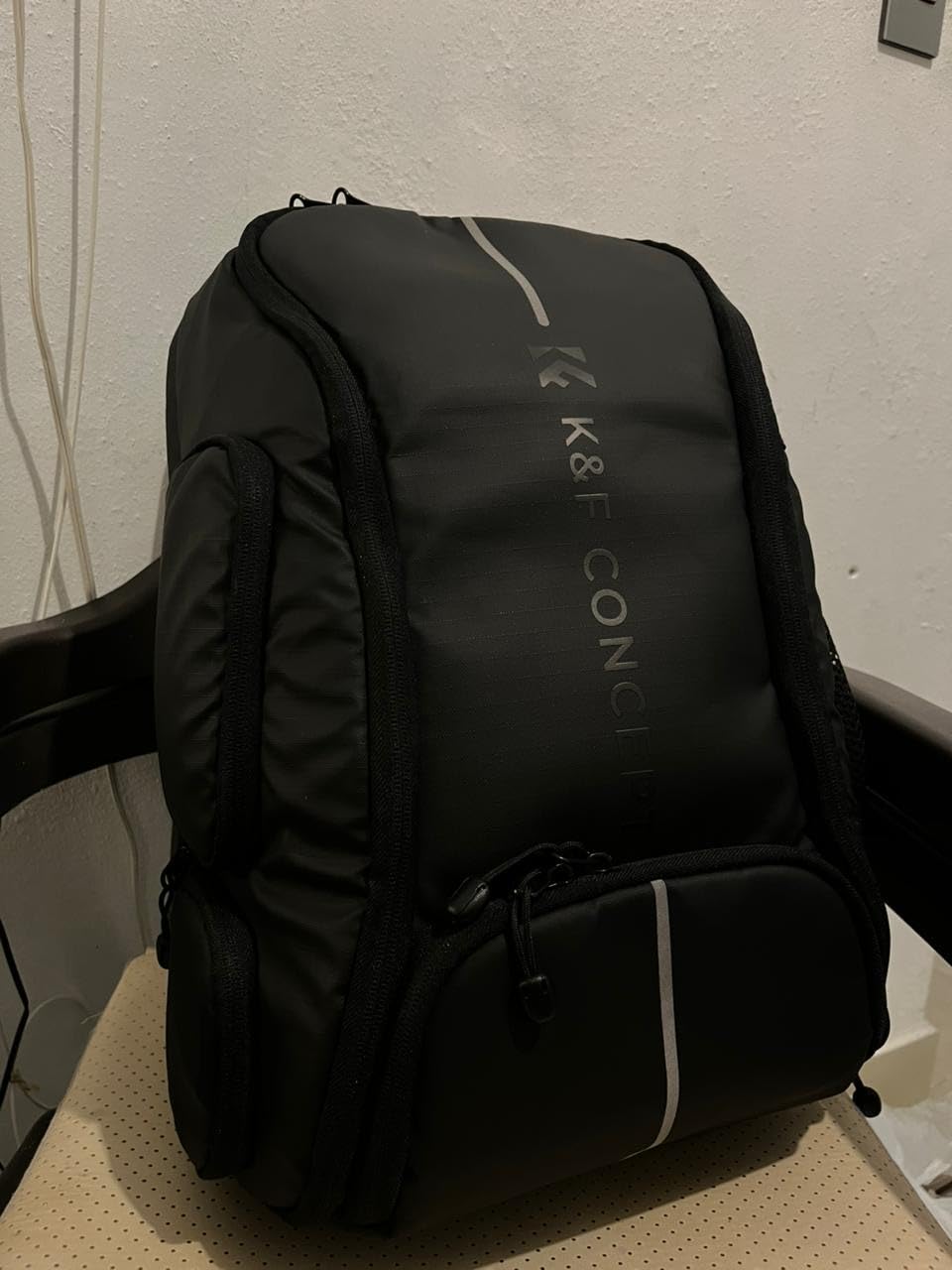
The K&F Concept 30L addresses the common complaint about camera backpacks lacking sufficient capacity for substantial kits. With 715 reviews averaging 4.5 stars, this backpack has proven itself in the field. Three-tiered compartmentalization allows carrying two camera bodies, 3-4 lenses, flash units, and accessories while still maintaining a relatively compact profile. Users successfully carry 24-27 pounds of gear, demonstrating impressive load-bearing capability for the price.
The dedicated tripod holder on the side includes an adjustable strap, addressing a critical need for outdoor photographers. Multiple zip openings provide various access points without requiring you to open the main pouch. A padded laptop compartment accommodates up to 16-inch computers. Customizable inner dividers let you configure the space for specific gear combinations, including DJI Mavic-sized drones which users confirm fit successfully.
Comfort features include thick back padding and generous shoulder straps with chest and stomach straps included. Many camera backpacks omit proper waist belts at this price point, making the included sternum and waist straps significant value adds. The understated design doesn’t scream expensive camera equipment, providing theft deterrence in urban environments. Rain cover protection comes standard, addressing weather resistance without additional expense.
Customer photos demonstrate the impressive capacity and versatility of this backpack. The ability to carry substantial photography equipment plus hiking essentials appeals to outdoor photographers who previously juggled multiple bags. At under $75, this undercuts competitors while delivering similar or better capacity. Users consistently praise the value proposition, with multiple reviews describing it as “lots of bang for your buck.”
Divider configuration frustrates some users. The backpack includes only two long and two short partition pads, which may not suit all gear organization needs. Additional dividers require separate purchase if you need more segmentation. The taller design could benefit from a more substantial waist belt for improved posture with heavy loads. Six-inch partition pads included in the package receive little use according to multiple reviewers. Long-term durability remains unproven as this is a newer product compared to established competitors.
Who Should Buy?
Photographers with extensive kits needing maximum capacity on a budget, including drone operators and outdoor shooters carrying substantial telephoto lenses.
Who Should Avoid?
Minimalists needing smaller capacity, or photographers requiring premium materials and proven long-term durability for professional expedition use.
11. PGYTECH OneMo TAC 25L – Best Tactical Design
Pros
- Epic build quality
- Superb ventilation
- Stands upright
- 180 degree clamshell access
- MOLLE modular system
Cons
- 25L lacks adjustable back
- Shoulder straps zip attached
- Shoulder padding thin
- No waist belt included
- Heavy tactical look
The PGYTECH OneMo TAC 25L brings tactical styling to the camera backpack category with extensive MOLLE webbing for modular expansion. The AerisFrame ventilation system earns praise for preventing back sweat during extended wear, addressing a common complaint among camera backpack users. Thick, breathable shoulder straps and adjustable chest strap add comfort for heavy loads. The backpack stands upright independently, a practical detail that prevents gear spills.
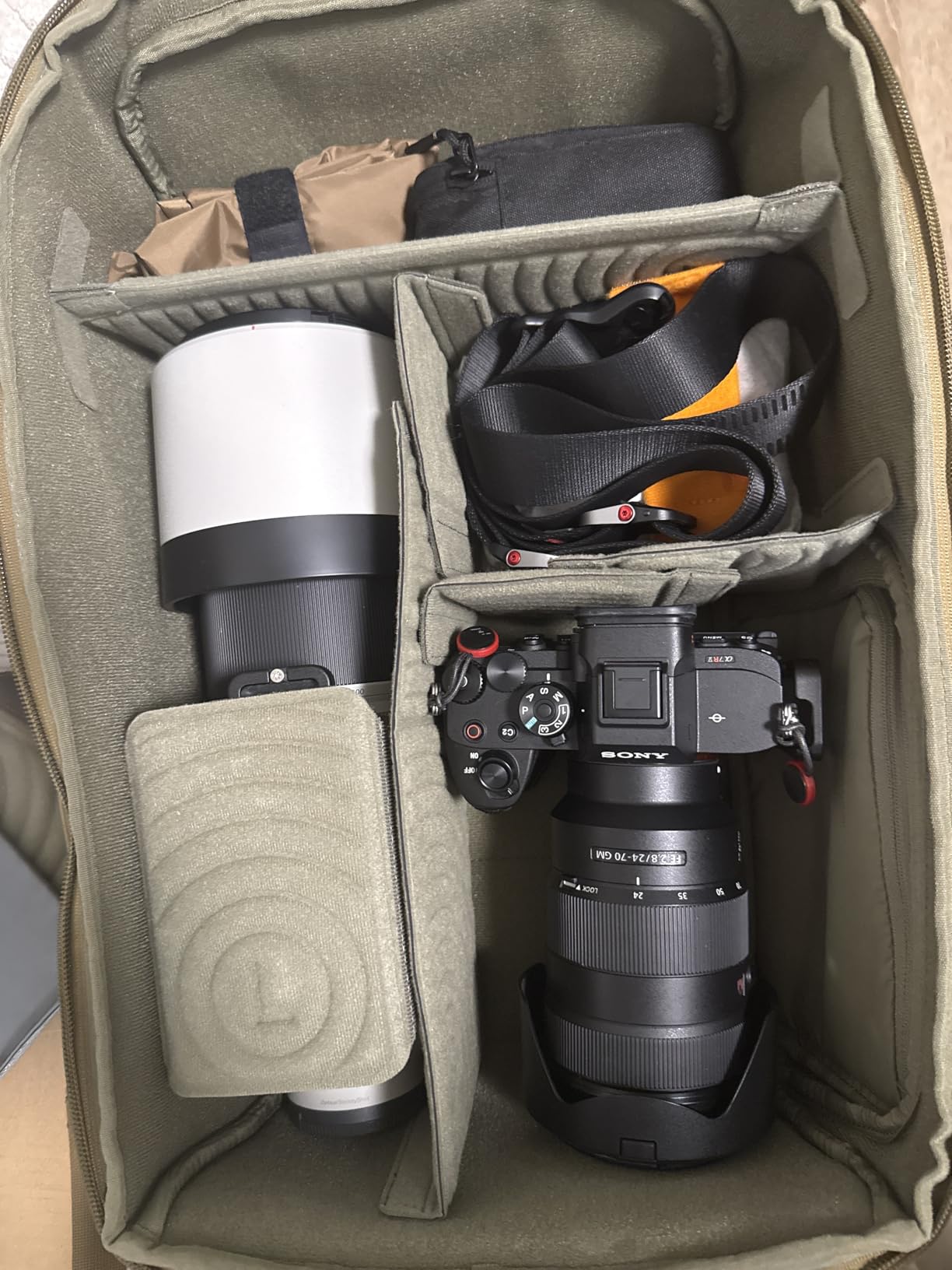
Full 180-degree clamshell access provides complete visibility and organization of your entire kit at once. Tri-zone quick access offers front, side, and top entry points depending on what gear you need. The 16-inch laptop compartment accommodates larger computers that many camera bags exclude. Customer images demonstrate the extensive modularity possible through the MOLLE system and hook-and-loop panels.
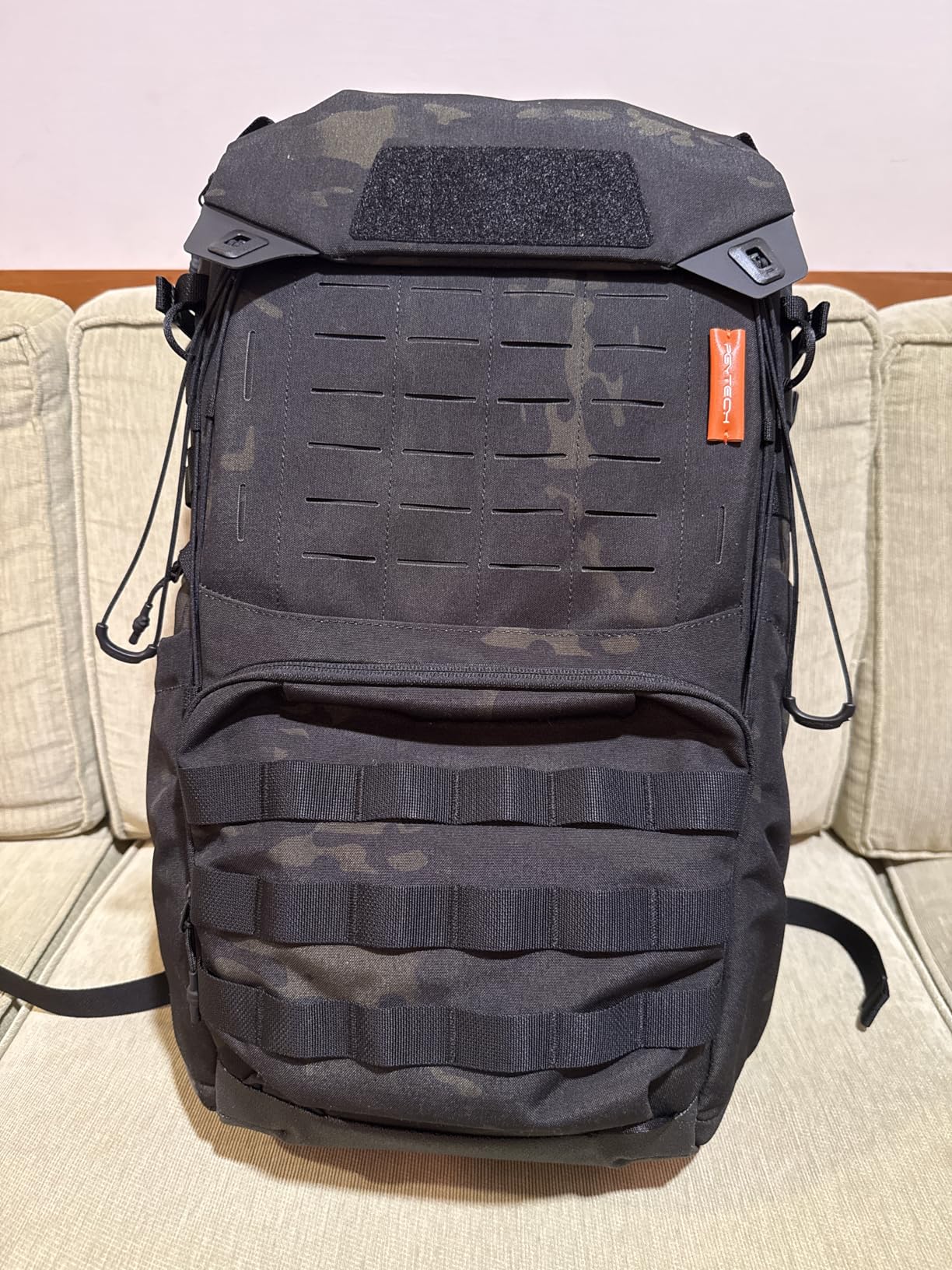
Build quality receives consistent praise as “epic” and “high quality materials.” The rubberized bottom adds durability when setting the pack on rough surfaces. Users report successfully fitting large lenses like Nikon 800mm f/6.3, demonstrating impressive capacity. The tactical aesthetic appeals to photographers who prefer utilitarian styling over consumer-oriented camera bag looks. Multiple access points make gear retrieval convenient regardless of how the pack is positioned.
The modular expansion system allows attaching additional pouches and accessories externally using standard MOLLE attachments. This versatility means the backpack can adapt to specialized needs like drone carrying, extra lens storage, or personal item organization. The tactical webbing provides nearly limitless customization options for users willing to invest in compatible accessories.
Significant limitations affect the 25L model specifically. Unlike the larger 35L version, this model lacks the height-adjustable back panel, which matters for taller photographers or those needing customized fit. Shoulder straps attach via zippers, raising concerns about loading capacity and long-term durability. Despite thick appearance, the shoulder padding feels thin according to multiple users. No waist belt is included, sold separately as an additional expense. The heavy tactical webbing and aesthetic may not suit urban environments or photographers preferring low-profile gear.
Who Should Buy?
Photographers who value maximum modularity and tactical aesthetics, particularly those comfortable with MOLLE systems and needing extensive expansion options.
Who Should Avoid?
Photographers needing lightweight or low-profile gear, users requiring adjustable back panels, or anyone uncomfortable with tactical styling in urban settings.
12. Peak Design Outdoor Backpack 25L – Best Roll-Top Design
Pros
- MagLatch convenience
- Flexible strap adjustment
- Dual side zippers
- Expandable design
- Weatherproof construction
Cons
- Not comfortable heavy loads
- Shell feels cheap
- Heavy empty
- Limited airflow
- No back panel support
The Peak Design Outdoor Backpack brings the company’s innovative MagLatch system to a roll-top design optimized for outdoor use, making it a compelling option among the best camera backpacks for hiking. The Ultra Cinch roll-top allows rapid expansion and compression depending on your load. Weatherproof UltraZips provide dual side access that works regardless of the roll-top closure state. Like other Peak Design products, the magnetic closure system delivers genuinely faster access than traditional buckles or zippers.
The frameless design keeps weight down while maintaining structure through intelligent suspension. Expandable capacity adapts to varying loads, giving you flexibility for different types of outings. External carry straps allow attaching oversized items like jackets or tripods. Camera carry compatibility works with dedicated dividers for those wanting photography functionality. Customer images show the pack’s versatility for both outdoor activities and daily carry.
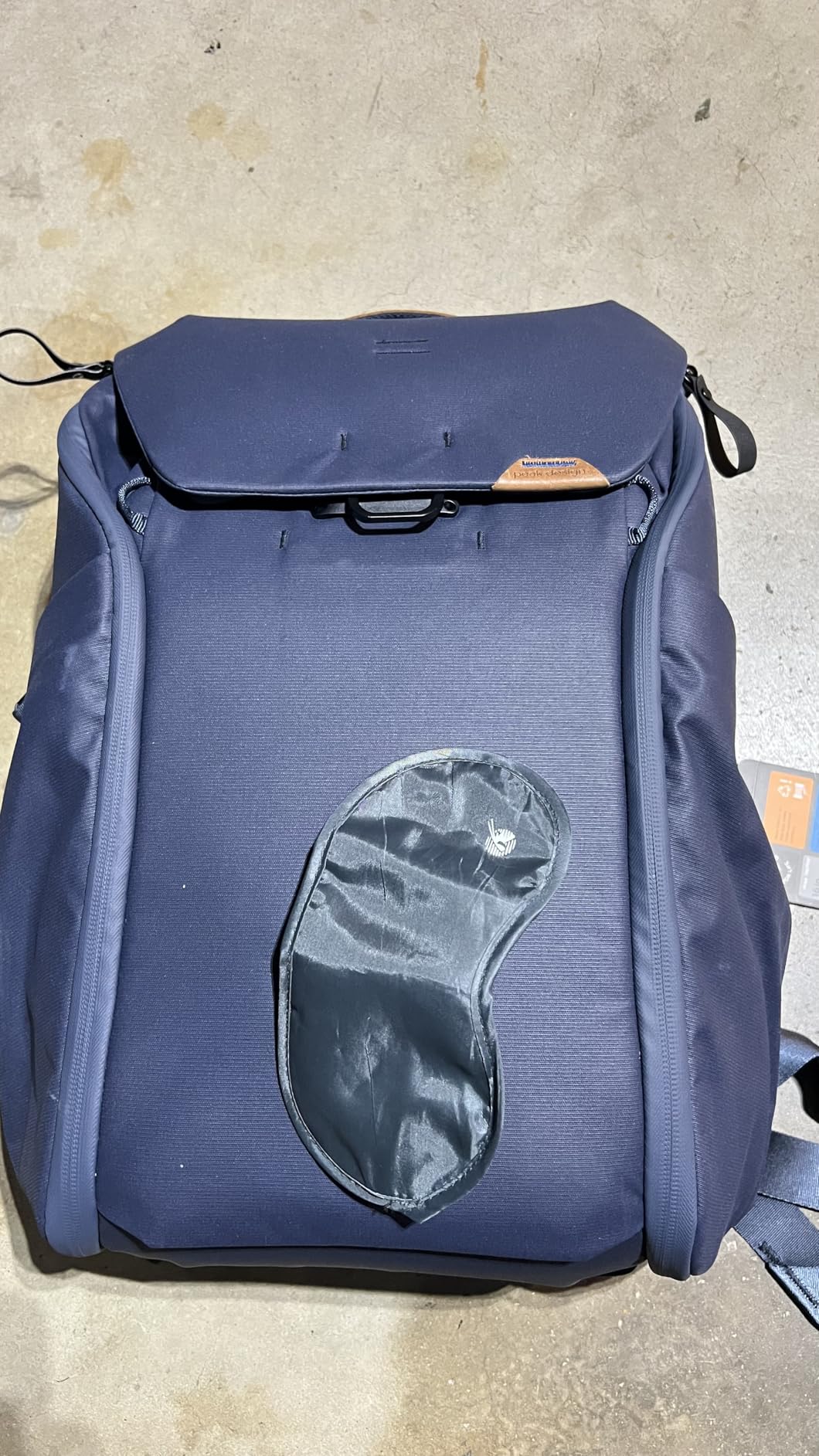
Flexible strap adjustment mechanisms allow fine-tuning fit and load distribution. Magnetic strap holders keep loose ends neatly stowed. The side zippers provide access without removing the backpack, adding convenience when you need to grab items quickly. Weatherproof shell materials shed moisture effectively in moderate conditions. The pack stands upright unsupported, preventing gear spills during casual use.
The 100% recycled weatherproof construction appeals to environmentally conscious buyers. Integrated luggage carry simplifies airport navigation. Laptop compartment accommodates most computers, separated from the main cargo area. The minimalist aesthetic works well in both outdoor and urban environments, making this a versatile daily carry option.
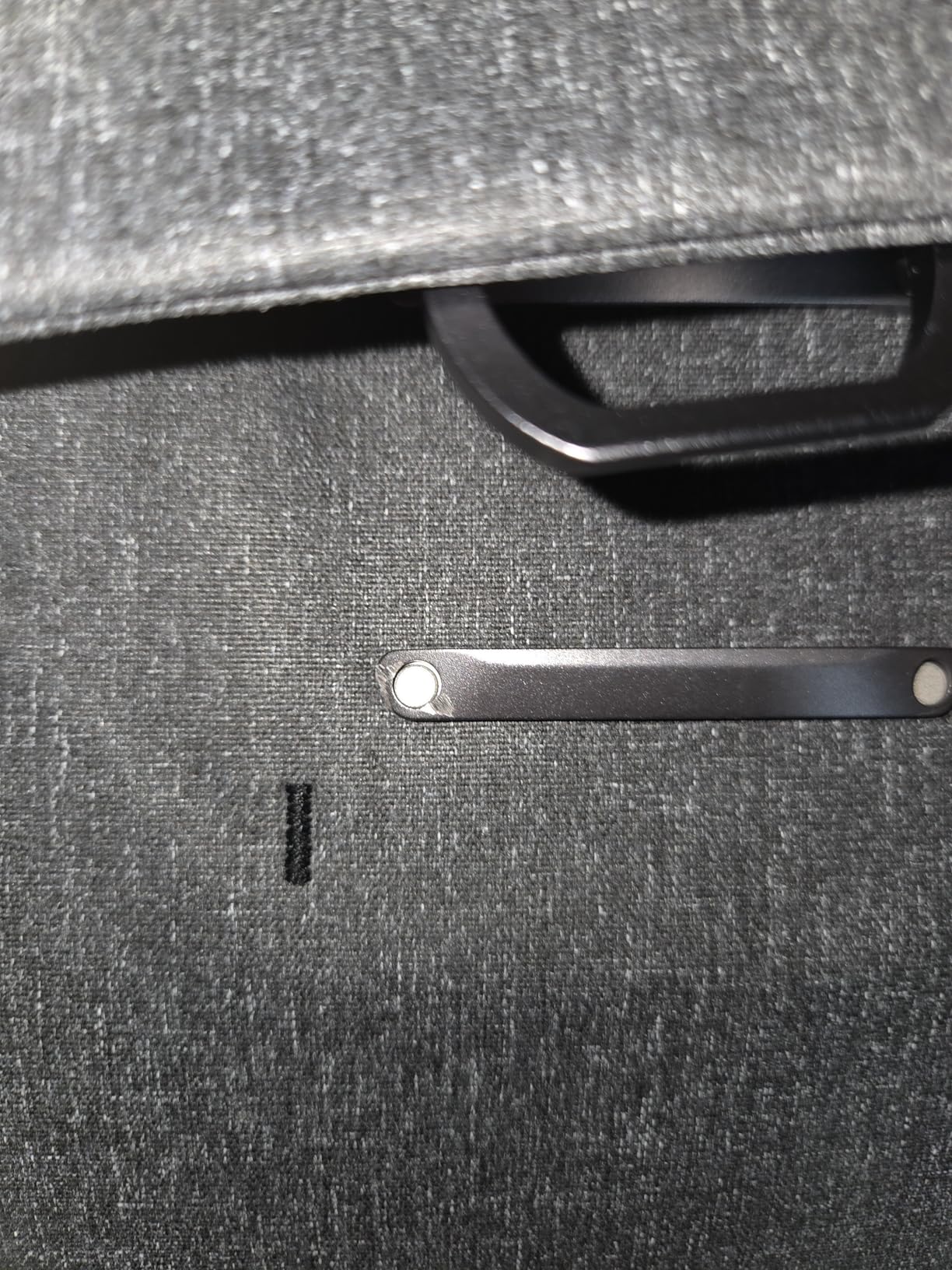
Comfort limitations emerge with heavy loads. Users report the straps become uncomfortable during extended wear, particularly when carrying substantial weight. The outer shell material on standard versions feels cheap given the premium price point. Limited airflow through the back panel causes sweat accumulation during active use or warm weather. The frameless design lacks back panel support for heavy loads, potentially causing discomfort over time. Coyote X-Pac versions receive complaints about being noisier than other materials during movement.
Who Should Buy?
Outdoor enthusiasts who value innovative closure systems and versatile designs, particularly those wanting a pack that works for both hiking and daily carry without looking like technical camera gear.
Who Should Avoid?
Photographers carrying heavy loads over long distances, or anyone prioritizing maximum comfort and suspension support over innovative features and aesthetics.
Understanding Camera Backpacks for Hiking
A camera backpack for hiking is a specialized pack designed to safely transport photography gear while providing the comfort, durability, and weather protection needed for outdoor adventures. Unlike standard camera bags, hiking camera backpacks feature comfortable harness systems, weather-resistant materials, and quick-access designs for capturing shots on the trail. These packs bridge the gap between protective camera storage and functional hiking equipment.
The core problem hiking photographers face is balancing competing priorities. Camera gear needs padded protection from impacts and moisture, but hiking requires lightweight, breathable packs that move with your body. Standard camera bags typically lack proper suspension systems, causing back pain after a few miles. Regular hiking packs don’t have the padded compartments or quick access needed for expensive photography equipment. This is why purpose-built hiking camera backpacks exist, though finding the right one requires understanding your specific needs.
Weather protection represents another critical consideration. Photography gear and water don’t mix, yet trails often involve streams, rain, and unpredictable conditions. Most hiking camera backpacks offer water-resistant materials with included rain covers for serious downpours. Some feature welded zippers and coated fabrics for enhanced protection. Understanding the difference between water-resistant and waterproof prevents expensive gear damage during unexpected weather.
Access styles significantly affect how you’ll use your backpack in the field. Side access lets you grab a camera quickly without exposing all your gear to the elements. Back panel access provides maximum security and lets you change lenses without putting your bag down in mud or snow. Top access works well for hiking-focused designs where camera storage is secondary to overall pack functionality. Each style has advantages depending on how and where you photograph.
Buying Guide for Hiking Camera Backpacks (2026)
Choosing the right hiking camera backpack requires balancing multiple factors. Our testing revealed that comfort often trumps features when you’re miles from the trailhead. A backpack with every feature imaginable becomes useless if it causes pain after two hours. Consider your typical hike length, gear weight, and environmental conditions before focusing on specific features.
Solving for Comfort: Look for Proper Harness Systems
Comfort issues dominate forum discussions from photographers who learned this lesson the hard way. Hip belts must be load-bearing, not cosmetic. Look for wide, padded belts that transfer weight to your hips rather than your shoulders. Shoulder straps need substantial padding and proper spacing to prevent neck strain. Adjustable torso length matters for taller photographers who often find standard packs too short.
Forum wisdom consistently emphasizes investing in proper suspension over fancy features. As one DPReview user noted after multiple backpack purchases, “Your back will thank you for investing in a proper hiking suspension system.” The difference becomes obvious after five miles with a 15-pound load. Test packs with weight comparable to your actual kit, not empty in the store.
Solving for Weather Protection: Look for Coordinated Systems
Water resistance is rarely enough alone. Look for backpacks combining water-resistant materials with included rain covers for full protection. Welded or coated zippers prevent water ingress through closure points. Sealed seams add another layer of defense. Some premium options use waterproof fabrics that eliminate the need for rain covers, though these typically cost significantly more.
Multiple users reported learning this lesson after getting wet gear despite “water-resistant” claims. Zippers represent the primary failure point, making coated or welded zippers worth seeking out. Consider your hiking environment. Desert hikers need less protection than rainforest photographers. Plan on using the rain cover proactively rather than reactively.
Solving for Access Speed: Match Access Style to Your Shooting
How you photograph should determine your access style. Wildlife photographers often prefer side access for quick shots without full pack exposure. Landscape photographers working in mud or snow benefit from back panel access that lets them change lenses while keeping the harness clean. Urban shooters might prioritize top access for convenience and aesthetics.
Multiple access points offer flexibility but add weight and complexity. Single access designs often work better than trying to accommodate every possible scenario. Consider your actual shooting patterns rather than hypothetical situations you rarely encounter.
Solving for Capacity: Size for Your Largest Kit
The universal forum advice is to buy for your biggest kit, not your smallest. Camera gear tends to expand over time, and backpacks that barely fit your current setup become frustrating quickly. Leave room for additional lenses, accessories, and personal items like water, food, and layers. Day hikes require more space than dedicated photography outings.
Capacity claims should be taken as rough estimates. User photos consistently show different packing realities than manufacturer specifications. Consider your largest lens, whether you carry multiple bodies, and whether drone storage matters. Think in terms of complete systems rather than individual items.
Alternative Approach: Hiking Backpack with Camera Insert
Many outdoor photographers successfully use regular hiking backpacks with removable camera cubes. This approach offers better comfort and suspension than most camera bags, plus versatility for non-photography trips. Popular combinations include Osprey Exos with camera inserts, Mystery Ranch packs with camera cubes, and Gregory backpacks with ICU systems.
The tradeoffs involve less dedicated protection and more awkward access. You’ll need to remove the camera cube to access gear fully, which takes more time than purpose-built camera backpacks. However, the comfort improvement for serious hiking makes this compromise worthwhile for many users. This approach particularly suits photographers who hike more than they photograph.
Frequently Asked Questions
Who makes the best camera backpack for hiking?
Lowepro, MindShift, and Shimoda consistently rank highest for hiking-specific camera backpacks. Lowepro’s PhotoSport series combines hiking features with camera protection effectively. MindShift’s BackLight series offers excellent rear access for outdoor photography. Shimoda’s Explore line provides premium quality with modular organization for adventure photographers. F-stop and Atlas Packs also receive strong recommendations from serious outdoor photographers.
What is the difference between a camera backpack and a hiking backpack?
Camera backpacks feature padded compartments and dividers to protect photography gear from impacts, while hiking backpacks prioritize suspension systems, comfort, and capacity for outdoor essentials. Camera backpacks typically offer quick access points for retrieving gear without exposing everything to weather. Hiking backpacks provide better weight distribution, ventilation, and attachment points for trekking poles and other outdoor equipment. Hybrid designs attempt to combine both approaches with varying success.
How to carry a camera while hiking?
Multiple methods work depending on your needs. Dedicated camera backpacks provide the most protection with padded compartments and quick access options. Hiking backpacks with removable camera inserts offer better comfort for long distances. Chest holsters and backpack strap mounts provide instant access for one camera. Shoulder bags work for short hikes but cause shoulder strain with heavy loads. Choose based on hike length, gear amount, and how frequently you need to access your camera.
Does my camera backpack need to be waterproof?
Not necessarily waterproof, but water-resistant with rain cover protection is strongly recommended for hiking. Most camera backpacks use water-resistant materials that shed light moisture, with included rain covers for heavy rain. Truly waterproof camera backpacks exist but cost significantly more and often sacrifice comfort and ventilation. For most hikers, water-resistant fabric plus a quality rain cover provides adequate protection without the cost and weight penalties of fully waterproof construction.
What size camera backpack do I need for hiking?
Size depends on your gear amount and hike length. Day hikes with minimal mirrorless kits work well with 15-18L backpacks. Photographers carrying multiple lenses and hiking essentials should consider 24-30L options. Multi-day backpacking trips require even larger capacity or a separate camera storage solution. Always size up rather than down, as camera gear tends to expand over time and you need room for water, food, and layers alongside your photography equipment.
Are camera backpacks comfortable for long hikes?
It depends entirely on the suspension system quality. Purpose-built hiking camera backpacks from brands like Lowepro PhotoSport, MindShift, and Shimoda feature proper harness systems that work well for long distances. However, many camera backpacks have inadequate hip belts, thin shoulder straps, and poor ventilation that cause discomfort after a few miles. For serious hiking, look for wide padded hip belts, substantial shoulder straps, and ventilated back panels, or consider using a hiking backpack with camera insert.
Can I use a regular hiking backpack for camera gear?
Yes, using a hiking backpack with a removable camera insert is a popular approach that often provides better comfort than dedicated camera backpacks. This method gives you access to quality suspension systems from hiking brands while protecting your gear with padded inserts. The tradeoffs are less convenient access and potentially less protection than purpose-built camera bags. This approach works particularly well for photographers who hike more than they photograph or need capacities beyond what camera backpacks offer.
How do I attach a tripod to a camera backpack?
Most camera backpacks include dedicated tripod attachment systems using straps and pockets. Side-mounted tripod holders work well for compact travel tripods. Bottom attachment points secure larger tripods vertically. Some backpacks have integrated tripod pockets with quick-release straps. If your chosen backpack lacks proper tripod attachment, aftermarket straps and mounts can securely carry tripods externally. Position the tripod centered and secure to prevent swinging during hiking.
Final Recommendations
After testing these 12 best camera backpacks for hiking across various conditions and trail types, three clear winners emerged for different needs. The MindShift BackLight 18L remains our top recommendation for most photographers due to its exceptional rear-access design and proven durability. The 4.8-star rating reflects genuine user satisfaction, not marketing hype. If you photograph in conditions where putting your bag down isn’t an option, this backpack solves that problem elegantly.
Photographers needing maximum capacity and premium features should invest in the Shimoda Explore V2 30. The adjustable torso system and modular Core Units justify the price for serious users who demand versatility. Budget-conscious buyers can’t go wrong with the PGYTECH OneGo Lite 16L, which delivers impressive protection at just 2.64 pounds and under $110. Your specific hiking style, gear requirements, and budget should guide the final decision.