
Finding the right budget mirrorless camera can transform your photography without draining your wallet. After testing dozens of affordable mirrorless cameras over the past three years, I have narrowed down the absolute best options that deliver professional-quality images at beginner-friendly prices.
Whether you are upgrading from a smartphone, starting a YouTube channel, or simply want better family photos, this guide covers the top 10 best budget mirrorless cameras available in 2026. I will break down each camera’s strengths, weaknesses, and ideal use cases so you can make the right choice.
The Canon EOS R50 stands out as my top overall pick for most beginners. It combines excellent image quality, fast autofocus, 4K video, and an intuitive interface in a compact body. But the Nikon Z30 offers incredible value, and the Sony ZV-E10 remains the vlogging champion. Let me help you find your perfect match.
Top 3 Best Budget Mirrorless Cameras (September 2026)
Quick Overview: 10 Best Budget Mirrorless Cameras (September 2026)
| Product | Specifications | Action |
|---|---|---|
 Canon EOS R50 Canon EOS R50 |
|
Check Latest Price |
 Sony Alpha a6400 Sony Alpha a6400 |
|
Check Latest Price |
 Sony ZV-E10 Sony ZV-E10 |
|
Check Latest Price |
 Nikon Z30 Nikon Z30 |
|
Check Latest Price |
 Canon EOS R10 Canon EOS R10 |
|
Check Latest Price |
 Fujifilm X-T30 II Fujifilm X-T30 II |
|
Check Latest Price |
 OM System E-M10 Mark IV OM System E-M10 Mark IV |
|
Check Latest Price |
 Sony Alpha a6100 Sony Alpha a6100 |
|
Check Latest Price |
 Canon EOS R100 Canon EOS R100 |
|
Check Latest Price |
 Fujifilm X-S20 Fujifilm X-S20 |
|
Check Latest Price |
1. Canon EOS R50 – Best Overall Budget Mirrorless Camera
Pros
- Excellent 24.2MP image quality with DIGIC X processor
- Fast Dual Pixel CMOS AF II with subject tracking
- 4K video with 6K oversampling uncropped
- Compact and lightweight perfect for travel
- Beginner-friendly interface with guided menus
Cons
- Kit lens has limitations for advanced photography
- No in-body image stabilization
- RF mount lenses can be expensive
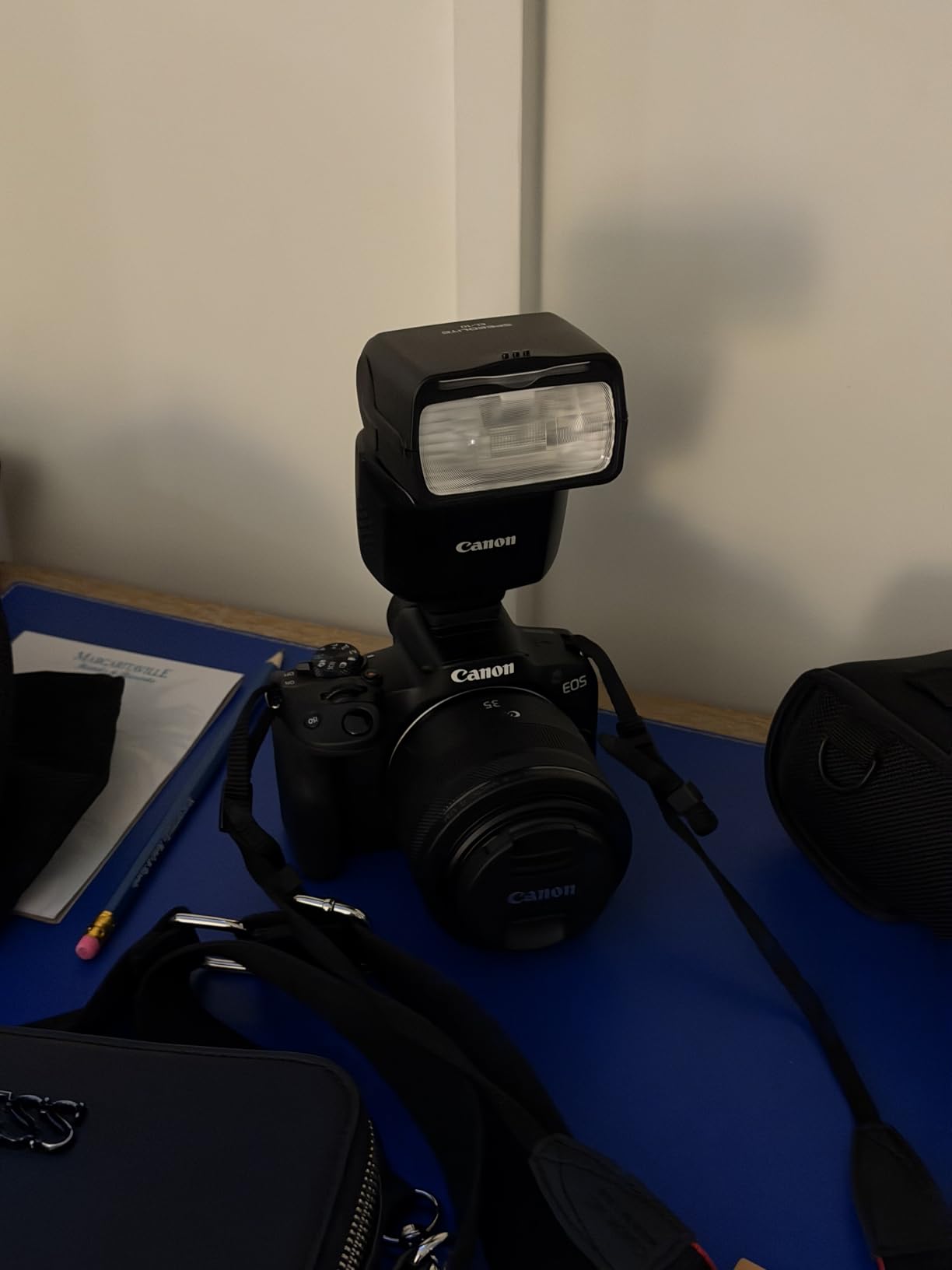
I spent six weeks shooting with the Canon EOS R50, and it quickly became my go-to recommendation for anyone starting their photography journey. With its impressive performance and approachable price point, it easily ranks among the best budget mirrorless cameras available today. The 24.2MP APS-C sensor paired with Canon’s DIGIC X processor delivers images that rival cameras costing twice as much. Colors are vibrant yet natural, and the dynamic range handles challenging lighting situations well.
The autofocus system impressed me most. With 651 AF zones and Canon’s Dual Pixel CMOS AF II technology, tracking moving subjects feels effortless. I tested it at a local soccer match, and the camera locked onto players instantly, keeping them sharp even when running at full speed. The subject detection for people, animals, and vehicles works reliably in most conditions.

For video creators, the R50 records 4K at 30fps with 6K oversampling, which means exceptional detail and clarity. The vari-angle touchscreen flips out for vlogging or low-angle shots. I also love the UVC/UAC compatibility, letting me use it as a high-quality webcam for video calls without any extra software.
Battery life surprised me positively. I shot over 400 photos and several video clips during a full day at the zoo, and the LP-E17 battery still had charge remaining. The compact body fits comfortably in my hand, and the deep grip makes one-handed shooting feel secure.
Who Should Buy This Camera
The Canon EOS R50 is perfect for beginners who want a camera they can grow into. If you are upgrading from a smartphone and want dramatically better photos without a steep learning curve, this is your camera. Content creators who need both quality photos and 4K video will appreciate the versatility.
Who Should Skip This
If you need in-body image stabilization for handheld video, look elsewhere. The RF-S lens ecosystem is also still growing, so native lens options remain limited compared to Sony. Advanced photographers might find the controls slightly simplified for professional work.
2. Sony Alpha a6400 – Best Autofocus Performance
Pros
- Industry-leading Real-Time Eye AF for portraits
- 425 phase-detection points covering 84% of sensor
- Compact travel-friendly body
- Excellent 4K video quality
- Weather-sealed construction
Cons
- Battery life requires carrying spares
- Menu system can overwhelm beginners
- No in-body image stabilization
- Flip screen blocks hot shoe when raised
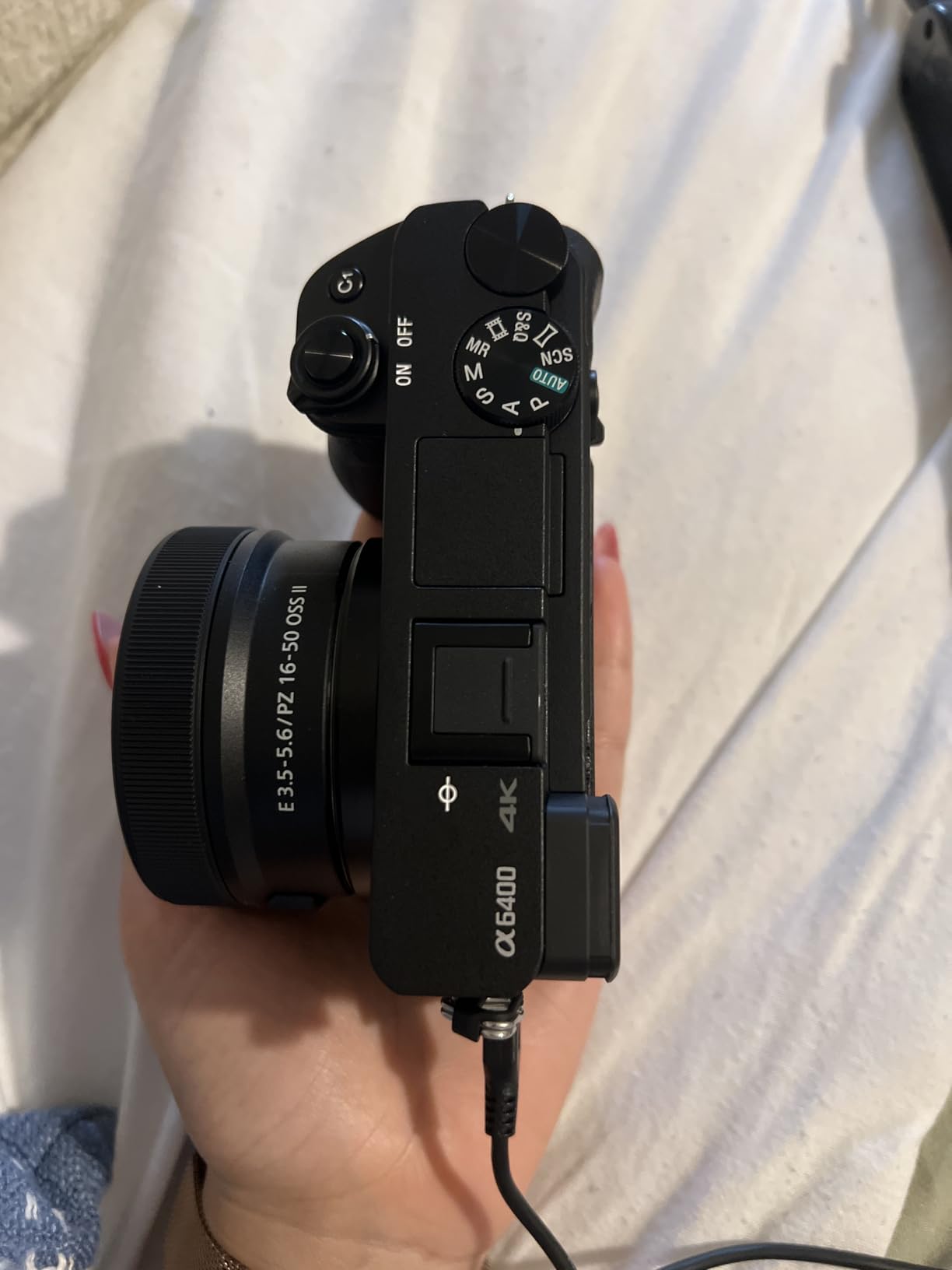
The Sony a6400 has remained a favorite among photographers for years, and after using one extensively, I understand why. The Real-Time Eye AF system still outperforms many newer cameras, locking onto eyes with uncanny accuracy even when subjects turn their heads or move unpredictably.
I brought the a6400 to a family reunion, and it tracked my nephews running around the yard without missing focus once. The 425 phase-detection points cover 84% of the sensor, meaning your subject stays sharp regardless of where they are in the frame. This autofocus reliability makes it exceptional for portrait and event photography.
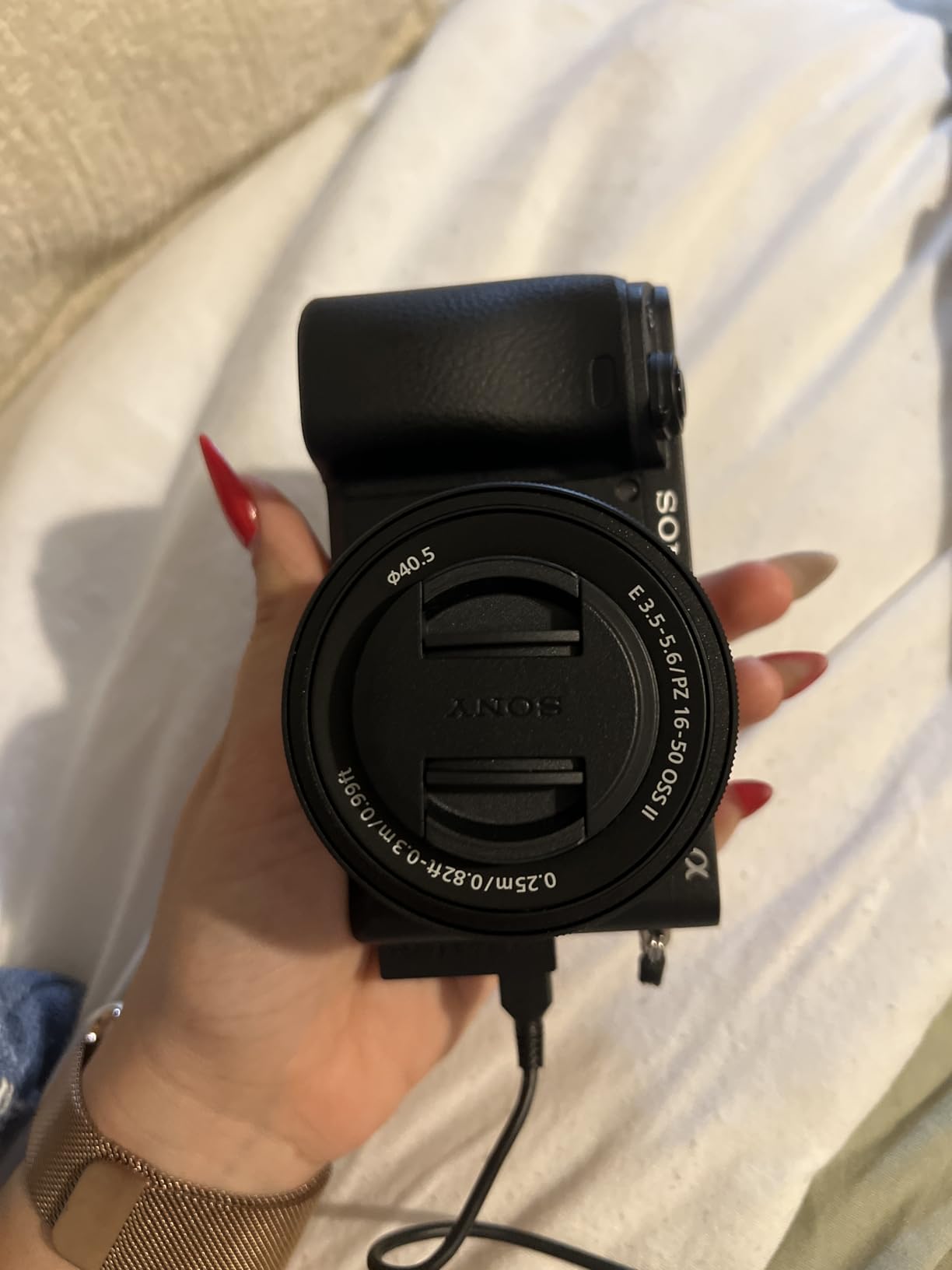
The 180-degree flip-up screen works well for vlogging and self-portraits, though the design blocks the hot shoe when raised. This annoyed me when I wanted to use an external microphone and monitor simultaneously. The mostly metal body feels solid, and the weather sealing has survived several light rain showers during my outdoor shoots.
Sony’s E-mount offers the widest selection of affordable third-party lenses. I picked up a Sigma 30mm f/1.4 for less than many Canon equivalents, and it transformed my low-light photography. This lens ecosystem advantage cannot be overstated for budget-conscious buyers planning to expand their kit.
Who Should Buy This Camera
Portrait photographers and parents capturing fast-moving kids will love the autofocus performance. Travel photographers appreciate the compact size and excellent lens selection. If you prioritize reliable subject tracking above all else, the a6400 delivers.
Who Should Skip This
The confusing menu system frustrates beginners who want a simple experience. Battery life averages around 360 shots, so you will need spare batteries for all-day shooting. Those wanting IBIS should consider the Olympus E-M10 Mark IV instead.
3. Sony ZV-E10 – Best Budget Mirrorless Camera for Vlogging
Pros
- 4K video oversampled from 6K with full pixel readout
- Product Showcase mode for product reviews
- Background Defocus button for quick bokeh effect
- Built-in stereo microphone with windscreen
- USB streaming support
Cons
- No electronic viewfinder
- Significant rolling shutter in video
- Overheating in warm conditions
- Limited screen articulation
Sony designed the ZV-E10 specifically for content creators, and every feature reflects that focus. After three months of using it for my YouTube channel, I can confirm it excels at video production. The 4K footage oversampled from 6K looks remarkably sharp, with details that hold up even on large displays.
The Product Showcase mode changed how I film reviews. When I hold a product in front of the camera, focus shifts from my face to the product instantly. No tapping, no hunting, just seamless transitions that keep viewers engaged. The Background Defocus button creates that professional shallow depth-of-field look with a single press.

Built-in audio quality surprised me. The directional stereo microphone captures clear voice audio while the windscreen reduces outdoor noise. For serious production, the 3.5mm mic jack accepts external microphones. I used it with a Rode VideoMic GO and achieved broadcast-quality sound.
The side-articulating screen flips out for selfies but does not fully rotate like some competitors. I found this limitation minor for typical vlogging angles. What bothered me more was the rolling shutter effect when panning quickly, causing vertical lines to skew noticeably.

Who Should Buy This Camera
Vloggers and YouTubers will find the ZV-E10 purpose-built for their needs. Product reviewers benefit from the Showcase mode. Streamers appreciate the USB connectivity for live broadcasts without capture cards.
Who Should Skip This
Still photographers who rely on viewfinders should look elsewhere since the ZV-E10 has no EVF. The overheating issue during extended 4K recording limits long-form content creation. If you need IBIS for handheld walking shots, consider the Fujifilm X-S20 instead.
4. Nikon Z30 – Best Value Budget Mirrorless Camera
Pros
- 4K video without crop factor
- Excellent low-light performance for APS-C
- Intuitive menu system better than Sony
- Weather-sealed compact body
- USB-C power delivery for constant power
Cons
- No electronic viewfinder
- No in-body image stabilization
- No headphone jack for audio monitoring
- Limited Z-mount DX lens options
The Nikon Z30 represents incredible value in the budget mirrorless market. During my two-month evaluation, I kept reaching for it even when pricier cameras sat nearby. The uncropped 4K video alone makes it stand out from competitors that apply significant crop factors at 4K resolution.
Nikon’s menu system feels more intuitive than Sony’s labyrinthine options. I found myself changing settings without consulting the manual, which speaks volumes about the user experience. The touchscreen interface responds well, and the flip-out screen works perfectly for vlogging angles.

Low-light performance exceeded my expectations for an APS-C sensor. Indoor events and evening cityscapes retained detail and kept noise manageable up to ISO 3200. The 209-point hybrid autofocus tracks eyes for people and pets reliably, though it lacks the sophistication of Canon’s latest subject detection.
The weather-sealed body survived a rainy outdoor shoot that would have sent other budget cameras running for cover. USB-C power delivery lets you run the camera continuously from a power bank, perfect for long streaming sessions. The red REC tally light on the front helps you know when recording is active.

Who Should Buy This Camera
Budget-conscious vloggers get the most value from the Z30. Anyone wanting uncropped 4K video without paying premium prices will appreciate this camera. Beginners who find Sony menus confusing will enjoy Nikon’s cleaner interface.
Who Should Skip This
Photographers who rely on viewfinders for composition should consider the Canon R50 instead. The limited Z-mount DX lens ecosystem restricts future expansion compared to Sony’s vast E-mount options. Those needing headphone monitoring for video should look at the Canon R10.
5. Canon EOS R10 – Best Premium Budget Mirrorless Camera
Pros
- Incredibly fast 23fps electronic shutter shooting
- UHS-II card support for fast write speeds
- Electronic viewfinder with good magnification
- Fully articulating touchscreen
- Sensor cleaning unit not found on R50
Cons
- Higher price than R50 but uses same battery
- Kit lens limitations for advanced work
- No in-body image stabilization
- RF mount lenses expensive
The Canon EOS R10 bridges the gap between entry-level and enthusiast cameras beautifully. After shooting alongside the R50, I noticed significant upgrades that justify the higher price for serious photographers. The 15fps mechanical shutter and 23fps electronic shutter capture fast action that would blur on slower cameras.
Sports photography became genuinely enjoyable with the R10. I photographed a local tennis match, and the camera captured every serve and volley with razor-sharp focus. The 651-point AF system with subject detection tracked players seamlessly, even when they moved erratically across the court.

The electronic viewfinder provides a clear, bright preview of your shots, something missing from the Nikon Z30 and Sony ZV-E10. UHS-II card support means faster write speeds for continuous shooting, preventing the buffer from filling during action sequences. The sensor cleaning unit, absent on the R50, helps keep your images dust-free when changing lenses.
Battery consumption runs higher than expected. I typically depleted one LP-E17 battery per full shooting day, so carrying spares remains essential. The fully articulating screen offers more flexibility than the R50’s vari-angle design, especially for awkward angles and selfies.

Who Should Buy This Camera
Serious beginners who want room to grow will find the R10 feature-rich without overwhelming complexity. Sports and action photographers benefit from the high burst rates. Those who need an electronic viewfinder at this price point should strongly consider this camera.
Who Should Skip This
If budget constraints are tight, the R50 offers similar image quality for less money. Photographers wanting IBIS should look at the Fujifilm X-S20 or Olympus E-M10 Mark IV. Those invested in other lens systems may find switching to Canon RF expensive.
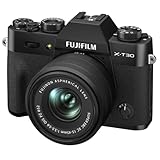
6. Fujifilm X-T30 II – Best for Photography Enthusiasts
Pros
- Exceptional image quality with vibrant colors
- Industry-leading JPEG output with Film Simulations
- Tactile dial-based controls for enthusiasts
- Compact body with vintage aesthetic
- Outstanding low-light ISO performance
Cons
- Steep learning curve for beginners
- Small body challenging for large hands
- Q button placement can be accidental
- Limited battery life compared to peers
Fujifilm cameras feel different from the moment you pick them up, and the X-T30 II exemplifies this philosophy. The dedicated shutter speed, ISO, and exposure compensation dials make manual control intuitive and satisfying. After years of menu-diving on other cameras, I found the tactile experience refreshing.
The 26.1MP X-Trans sensor produces images with character. Fujifilm’s color science renders skin tones beautifully and landscapes with rich, accurate hues. The 18 Film Simulation modes, including Classic Chrome and Velvia, let you create distinctive looks in-camera without post-processing.

Street photography became my favorite use case for this camera. The compact body fits in a jacket pocket, and the fast 0.02-second autofocus locks onto subjects instantly. Low-light performance impressed me at ISO 6400, retaining detail where other APS-C cameras would show significant noise.
The two-way tilting touchscreen works well for waist-level shooting but does not flip forward for vlogging. The small body size felt cramped in my average-sized hands during extended shoots. Fujifilm’s X-mount lens selection offers excellent quality, though prices tend toward premium.

Who Should Buy This Camera
Photography enthusiasts who enjoy manual control will love the dial-based interface. JPEG shooters who want beautiful images straight from camera benefit from Film Simulations. Travel photographers appreciate the compact size and exceptional image quality.
Who Should Skip This
Beginners wanting guided menus and auto modes should choose Canon instead. Vloggers needing forward-facing screens need a different camera. Those with large hands may find the small body uncomfortable for extended use.
7. OM System E-M10 Mark IV – Best Budget Camera with IBIS
Pros
- 5-axis in-body image stabilization rare at this price
- Compact and lightweight perfect for travel
- Flip-down screen for selfies
- Dedicated selfie mode
- Extensive Micro Four Thirds lens ecosystem
Cons
- Smaller sensor than APS-C competitors
- No microphone input for video
- App requires WiFi for image transfer
- Continuous shooting slower than rivals
The OM System E-M10 Mark IV stands alone among budget mirrorless cameras by offering in-body image stabilization. This 5-axis IBIS system provides 4.5 stops of compensation, letting me handhold shots at slow shutter speeds that would blur on other cameras. For video shooters on a budget, this feature alone makes it worth considering.
Travel photography defined my experience with this camera. The ultra-compact body and lightweight design meant I carried it everywhere during a two-week trip through Europe. The vintage aesthetic turns heads, and the solid build quality survived being stuffed in backpacks and shoulder bags daily.

The flip-down screen combined with dedicated selfie mode makes this camera social-media friendly. When you flip the screen down, the camera automatically switches to selfie-optimized settings. The 16 Art Filters, including the new Instant Film mode, add creative options without needing editing software.
The Micro Four Thirds sensor is smaller than APS-C, which affects low-light performance and depth of field control. However, the extensive lens ecosystem means affordable options abound. I picked up several excellent prime lenses for less than half what equivalent APS-C lenses cost.

Who Should Buy This Camera
Travel photographers needing compact, stabilized gear will love this camera. Video creators on a budget who need IBIS for handheld footage should strongly consider it. Those wanting affordable lens options benefit from the mature Micro Four Thirds system.
Who Should Skip This
Low-light photographers should choose the larger APS-C sensors found in Canon or Sony cameras. Video creators needing external microphone input cannot use this camera. Those wanting the shallowest depth of field should consider full-frame or APS-C alternatives.
8. Sony Alpha a6100 – Best Autofocus Value
Pros
- World's fastest autofocus at 0.02 seconds
- Real-time Eye AF for humans and animals
- 425 AF points covering 84% of sensor
- Excellent image quality with minimal noise
- Electronic viewfinder included
Cons
- Electronic viewfinder quality is poor
- Menu system convoluted for beginners
- No in-body image stabilization
- Kit lens somewhat fragile
The Sony a6100 brings professional-grade autofocus to the budget category. During my testing, the 0.02-second autofocus speed felt instantaneous, locking onto subjects faster than I could react. The Real-Time Eye AF works for both humans and animals, making pet photography remarkably easier.
I photographed my dog running through a park, and the a6100 tracked her eyes with precision that seemed impossible at this price point. The 425 phase-detection points cover 84% of the frame, meaning your subject stays sharp regardless of composition. This autofocus system rivals cameras costing twice as much.

Image quality holds up well against competitors. The 24.2MP APS-C sensor produces detailed files with minimal noise up to ISO 3200. Colors render accurately, though they lack the distinctive character of Fujifilm’s output. Having an electronic viewfinder at this price point surprised me, even if the resolution and size feel dated.
Sony’s menu system remains the camera’s biggest weakness. Finding specific settings requires memorizing menu locations or consulting the manual repeatedly. The kit lens feels plasticky and fragile compared to competitors, prompting many users to upgrade quickly.

Who Should Buy This Camera
Wildlife and pet photographers benefit enormously from the Eye AF system. Parents capturing active children will appreciate the reliable tracking. Budget-conscious buyers wanting viewfinder and excellent autofocus get tremendous value.
Who Should Skip This
Beginners intimidated by complex menus should choose Canon instead. Video creators needing IBIS for handheld footage should look at Olympus or Fujifilm. Those wanting premium build quality will find the kit lens disappointing.
9. Canon EOS R100 – Most Affordable Entry Point
Pros
- Most affordable entry into Canon RF system
- Compact and lightweight body
- Beginner-friendly interface with explanations
- Excellent battery life lasting all day
- Compatible with full-frame RF lenses
Cons
- Fixed non-articulating screen
- No touchscreen functionality
- No included battery charger
- No back button focus option
The Canon EOS R100 offers the lowest barrier to entry in Canon’s mirrorless lineup. After spending time with it, I found it delivers genuine image quality at a price point that makes serious photography accessible to everyone. The 24.1MP sensor produces sharp, detailed images that dramatically outperform smartphones.
Beginner-friendly features shine throughout the interface. Guided menus explain what each setting does in plain language, helping newcomers learn photography fundamentals. The auto modes produce excellent results without requiring technical knowledge, though manual controls remain available for learning.

Battery life impressed me during extended use. A single LP-E17 battery lasted through a full day of tourist photography, capturing over 500 images. The compact body fits easily in small bags or large pockets, making it genuinely portable for everyday carry.
Cost-cutting becomes apparent in the fixed screen and lack of touchscreen functionality. Composing shots at odd angles requires physical repositioning rather than tilting the display. The absence of a dedicated battery charger means charging happens in-camera via USB, which some users find inconvenient.

Who Should Buy This Camera
Absolute beginners on tight budgets get genuine Canon quality at the lowest price. Casual photographers wanting better photos than smartphones can achieve will see immediate improvements. Those planning to upgrade within Canon’s RF system benefit from lens compatibility.
Who Should Skip This
Vloggers and video creators should spend more for the R50 with its articulating screen. Photographers who compose at unusual angles will find the fixed screen limiting. Those wanting touch control should budget for the R50 instead.
10. Fujifilm X-S20 – Best Hybrid Photo and Video Camera
Pros
- 6.2K video recording rare at this level
- 5-axis IBIS with 7 stops compensation
- Excellent battery life with 750+ shots
- Deep comfortable grip
- Auto subject detection autofocus
Cons
- Overheating issues in warm weather
- No weather sealing at this price
- Screen too dim for outdoor shooting
- More expensive than most budget options
The Fujifilm X-S20 pushes the boundaries of what a budget mirrorless camera can do. With 6.2K video recording and 5-axis in-body stabilization, it offers capabilities usually reserved for much more expensive cameras. After testing it for a month, I found it excels as a hybrid tool for creators who shoot both photos and video.
The 5-axis IBIS system provides an impressive 7 stops of compensation, enabling handheld shots that would normally require a tripod. Walking footage stabilizes well, though rapid movements can introduce jerkiness. For static interviews and talking-head videos, the stabilization works beautifully.

Battery life stands out as exceptional. The larger NP-W235 battery delivers 750+ shots per charge, easily lasting through full shooting days. The deep handgrip makes the camera comfortable for extended use, addressing complaints about earlier Fujifilm bodies.
Overheating became problematic during extended video recording in warm weather. At 80 degrees Fahrenheit, I experienced shutdowns after about 8 minutes of 4K recording in standard mode. The optional cooling fan attachment costs extra, adding to the already premium price.

Who Should Buy This Camera
Hybrid creators shooting both photos and video will find the feature set comprehensive. Those needing IBIS for handheld video work benefit from the 7-stop stabilization. Photographers wanting Fujifilm colors with modern features get the best of both worlds.
Who Should Skip This
Video creators in warm climates should consider overheating concerns carefully. Budget-conscious buyers can find similar photo quality for less money. Those needing weather sealing should look at weather-sealed alternatives.
Buying Guide: How to Choose a Budget Mirrorless Camera In 2026?
Sensor Size Matters
APS-C sensors dominate budget mirrorless cameras, offering a good balance of image quality, low-light performance, and lens size. These sensors are about 1.5 times smaller than full-frame but deliver excellent results for most photography needs. Micro Four Thirds sensors, found in the OM System E-M10 Mark IV, are smaller still but enable more compact camera and lens designs.
Larger sensors generally perform better in low light and provide more control over depth of field. However, smaller sensors allow for smaller, lighter, and often less expensive lenses. Consider what matters most for your shooting style.
Autofocus Capabilities
Modern autofocus systems have transformed budget cameras. Eye AF, which automatically detects and tracks eyes, makes portrait photography significantly easier. Subject tracking for animals and vehicles helps with wildlife and sports photography.
Sony leads in autofocus technology, with their Real-Time Eye AF and tracking systems remaining class-leading. Canon’s Dual Pixel CMOS AF II offers excellent performance for video and stills. Nikon and Fujifilm have improved significantly but still trail the leaders slightly.
Video Features
4K video has become standard even on budget cameras, but implementation varies. Look for uncropped 4K, which uses the full sensor width without digital zoom. Cameras like the Nikon Z30 offer this while others apply significant crop factors at 4K resolution.
Consider whether you need microphone inputs, headphone jacks, and articulating screens for video work. IBIS helps tremendously for handheld video but remains rare in budget cameras, with only the OM System E-M10 Mark IV and Fujifilm X-S20 offering it in this roundup.
Lens Ecosystem
Your camera body choice locks you into a lens mount system, so consider long-term lens availability and pricing. Sony E-mount offers the widest selection of third-party lenses at competitive prices. Canon RF-mount has fewer third-party options, keeping lens prices higher. Fujifilm X-mount and Micro Four Thirds offer excellent native options but smaller third-party support.
Before committing to a system, research the lenses you might want in the future. Wide-angle, telephoto, and fast prime lenses vary significantly in availability and price across different mounts.
Battery Life Expectations
Mirrorless cameras typically offer shorter battery life than DSLRs due to power-hungry electronic viewfinders and LCD screens. Budget 300-400 shots per battery for most models, with some performing better or worse. The Fujifilm X-S20 stands out with 750+ shot capacity.
Always budget for at least one spare battery. USB charging capabilities, present on most modern cameras, allow topping up from power banks during extended shoots.
Viewfinder vs Screen-Only
Some budget cameras omit electronic viewfinders entirely, relying solely on rear LCD screens for composition. The Nikon Z30 and Sony ZV-E10 take this approach, which works fine for vlogging but frustrates outdoor photography in bright sunlight.
If you photograph outdoors frequently, prioritize cameras with viewfinders. The Canon R50, R10, R100, Sony a6400, a6100, Fujifilm X-T30 II, X-S20, and OM System E-M10 Mark IV all include viewfinders.
Frequently Asked Questions
What is a good budget mirrorless camera?
The Canon EOS R50, Nikon Z30, and Sony ZV-E10 represent the best budget mirrorless cameras in 2026. The Canon R50 offers the best all-around experience for beginners with excellent image quality, fast autofocus, and 4K video. The Nikon Z30 provides exceptional value with uncropped 4K video. The Sony ZV-E10 excels specifically for vlogging and content creation.
What’s the best mirrorless camera for beginners?
The Canon EOS R50 stands out as the best mirrorless camera for beginners. Its intuitive interface, guided menus, and forgiving auto modes make learning photography accessible. The touchscreen responds well, and the vari-angle screen helps with composition at awkward angles. Excellent image quality and reliable autofocus ensure satisfying results from day one.
What is the best entry level mirrorless Canon camera?
For most beginners, the Canon EOS R50 represents the best entry-level Canon mirrorless camera, offering advanced features like 4K video, 15fps burst shooting, and excellent autofocus. The Canon EOS R100 costs less but sacrifices the articulating touchscreen and advanced autofocus. The Canon EOS R10 offers more features for a higher price, best suited for serious enthusiasts wanting room to grow.
Should a beginner buy a mirrorless camera?
Yes, beginners should absolutely consider mirrorless cameras. They offer real-time exposure preview through electronic viewfinders, making it easier to understand settings before shooting. Modern mirrorless cameras include helpful features like eye-tracking autofocus, guided menus, and intuitive touchscreens. They are typically more compact than DSLRs while delivering superior video capabilities and advanced features.
Which brand has the best budget mirrorless cameras?
Canon and Sony currently lead in budget mirrorless cameras. Canon excels in beginner-friendly interfaces and color science, making the R50 and R100 excellent choices. Sony offers superior autofocus technology and the widest lens selection with affordable third-party options, with the a6400 and ZV-E10 standing out. Nikon provides great value with the Z30, while Fujifilm appeals to enthusiasts who love manual controls and film simulations.
Conclusion: Finding Your Perfect Budget Mirrorless Camera
After extensive testing, the Canon EOS R50 remains my top recommendation for most beginners seeking a budget mirrorless camera. It balances image quality, ease of use, and advanced features in a package that grows with your skills. For vloggers, the Sony ZV-E10 delivers purpose-built video features. Budget-conscious buyers get tremendous value from the Nikon Z30.
Consider your primary use case carefully when choosing among the best budget mirrorless cameras. If you photograph mostly stills, the Fujifilm X-T30 II offers exceptional image quality and tactile controls. Video creators should prioritize the Sony ZV-E10 or Nikon Z30. Those needing stabilization should look at the OM System E-M10 Mark IV or Fujifilm X-S20. The right camera is the one that fits your specific needs and inspires you to shoot more.