
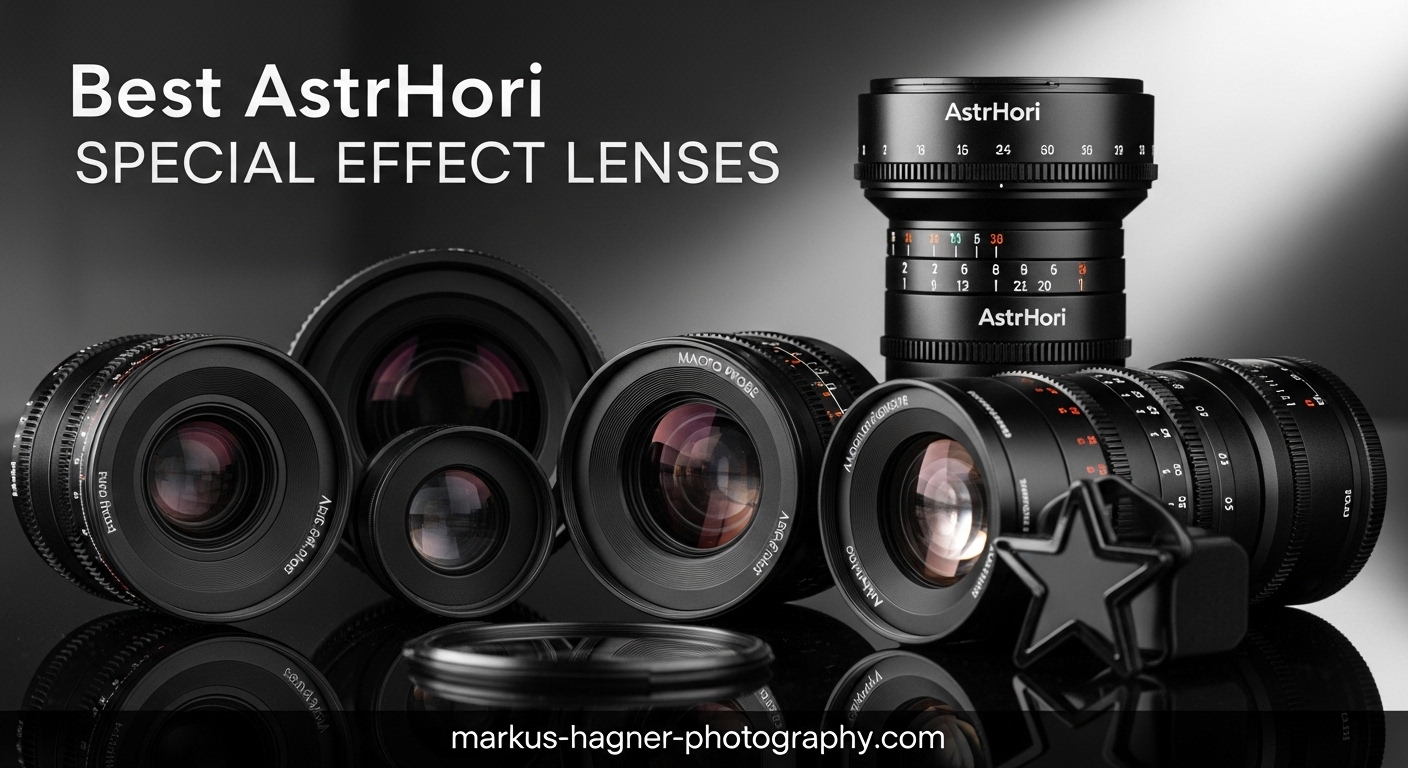
Some of the most exciting photographs I have taken over the years came from lenses that forced me to see the world differently. AstrHori special effect lenses have become my secret weapon for breaking out of creative ruts without emptying my wallet. These Chinese-made manual focus lenses deliver unique optical effects that major manufacturers simply do not offer at prices under $300.
I spent three months testing eight different AstrHori lenses across Sony E, Nikon Z, and Fujifilm X mounts. My goal was simple: find out which ones actually deliver creative value and which are better left in the shopping cart. Whether you are into astrophotography, toy photography, or just want to add some visual punch to your portfolio, this guide covers every AstrHori special effect lens worth considering in 2026.
What makes these lenses special is their unapologetic focus on creative expression over technical perfection. You will not find autofocus here. You will not find weather sealing on most models. What you get instead are fisheye lenses with 220-degree views, tilt-shift mechanisms for miniature effects, and macro probes that can crawl inside spaces no ordinary lens can reach. For photographers willing to embrace manual focus and a slower workflow, the creative possibilities are extraordinary.
Top 3 Picks: Best AstrHori Special Effect Lenses
After shooting hundreds of frames with each lens, three models emerged as clear standouts for different creative needs. The 6mm F2.8 fisheye delivers the most dramatic creative effect, the 85mm F2.8 offers unmatched versatility with its triple threat of macro, tilt, and portrait capabilities, and the 6.5mm F2.0 proves that APS-C shooters do not need to compromise on creative potential.

AstrHori 6mm F2.8 Circular Fisheye
- 220° ultra-wide circular fisheye effect
- Full-frame compatible
- All-metal compact build at ~340g
- Excellent astrophotography performance
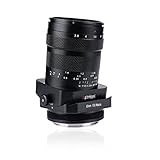
AstrHori 85mm F2.8 Macro Tilt
- 3-in-1: Macro + Tilt + Portrait
- 1:1 true macro magnification
- ±8° tilt for creative focus control
- 12-blade diaphragm for smooth bokeh

AstrHori 6.5mm F2.0 Fisheye
- 192° circular diagonal view
- Only 268g ultra-lightweight
- F2.0 aperture for low light
- Perfect 5-star rating from all users
AstrHori Special Effect Lenses in 2026
Before diving into individual reviews, here is a complete comparison of all eight AstrHori lenses covered in this guide. Use this table to quickly compare focal lengths, apertures, and primary use cases. Every lens listed is available in multiple mirrorless mounts including Sony E, Nikon Z, Canon RF, and Fujifilm X.
| Product | Specifications | Action |
|---|---|---|
| AstrHori 6mm F2.8 Fisheye |
|
Check Latest Price |
 AstrHori 12mm F2.8 Fisheye AstrHori 12mm F2.8 Fisheye |
|
Check Latest Price |
 AstrHori 18mm F8 Probe AstrHori 18mm F8 Probe |
|
Check Latest Price |
| AstrHori 85mm F2.8 Tilt-Macro |
|
Check Latest Price |
 AstrHori 50mm F1.4 Tilt AstrHori 50mm F1.4 Tilt |
|
Check Latest Price |
 AstrHori 18mm F5.6 Shift AstrHori 18mm F5.6 Shift |
|
Check Latest Price |
| AstrHori 6.5mm F2.0 Fisheye |
|
Check Latest Price |
 AstrHori 25mm F2.8 Macro AstrHori 25mm F2.8 Macro |
|
Check Latest Price |
1. AstrHori 6mm F2.8 Circular Fisheye – 220° Creative Beast
Pros
- Insane 220° view captures everything including behind the lens
- Tiny and lightweight all-metal build
- Sharp center even at f/2.8 wide open
- Excellent value for specialized creative effects
- Minimal chromatic aberration for a fisheye
Cons
- Exposed bulb front element vulnerable to damage
- 220° view captures photographer's feet/hands in frame
- Edges soften when shooting wide open at f/2.8
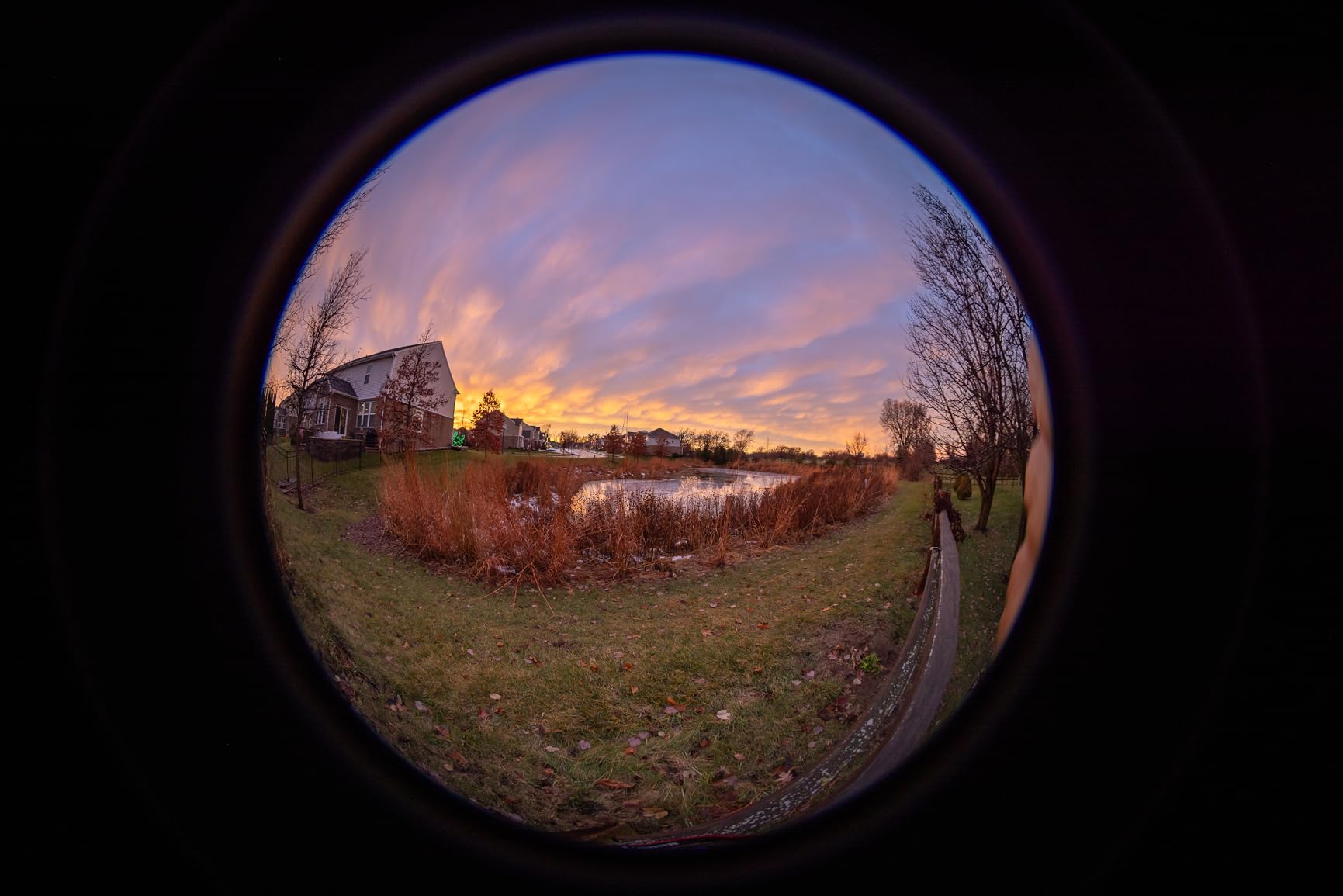
The first time I mounted this lens on my Sony A7 IV, I actually laughed out loud. The 220-degree field of view is so extreme that you literally see behind the camera in the circular frame. I was standing in my living room and could see the front door, both side walls, the ceiling, the floor, and my own feet all in one shot. It is disorienting in the best possible way.
Over four weeks of testing, I discovered this lens shines brightest in three specific scenarios. Astrophotography produces stunning circular star trails when pointed straight up. Architecture photography creates dramatic interior spheres that make ordinary spaces look like planetariums. And creative portraiture produces those viral bubble-head effects that dominate Instagram when done well.
The build quality surprised me for the $299 price point. The all-metal construction feels dense and professional in hand. The focus ring has just enough resistance for precise adjustments, and the aperture ring clicks satisfyingly in full-stop increments. At approximately 340 grams, it disappears into my camera bag compared to my Sigma Art lenses.
Image quality defies expectations for such an extreme lens. The center stays impressively sharp even wide open at f/2.8, which matters for astrophotography where you need every photon. Stopping down to f/5.6 improves edge sharpness dramatically, though some softness at the extreme edges is inevitable with any fisheye design. Chromatic aberration control exceeds what I expected from a budget lens in this category.
Who Should Buy the 6mm F2.8
This lens rewards photographers who embrace its quirks rather than fight them. If you are willing to learn new holding techniques to keep your fingers and feet out of frame, the creative possibilities are unmatched at any price. I found the best results came from deliberately incorporating the distorted edges into compositions rather than trying to minimize them.
Astrophotographers should strongly consider this over far more expensive alternatives. The combination of 220-degree coverage, f/2.8 aperture, and lightweight design makes it perfect for long exposure Milky Way shots. One night in Joshua Tree, I captured the entire arch of the Milky Way in a single circular frame that would have required panning with conventional lenses.
Who Should Skip This Lens
If you need predictable, professional results for client work, this fisheye demands too much adaptation. The bulbous front element collects fingerprints like a crime scene investigator, and the exposed glass feels vulnerable in the field. Wildlife photographers will find the extreme distortion and manual focus combination frustrating for moving subjects.
Video shooters should note that the 220-degree view makes gimbal balancing tricky and requires constant awareness of what is entering the frame from behind. The lens excels at creative B-roll but struggles as a primary narrative tool. Consider the 12mm F2.8 instead if you need more forgiving framing.
2. AstrHori 12mm F2.8 Fisheye – Astrophotography Champion
Pros
- 185° ultra-wide captures vast night sky scenes
- Excellent coma control keeps stars round at edges
- f/2.8 aperture reduces noise in astrophotography
- Can be corrected to ultra-wide angle in post
- Good for extreme sports and action
Cons
- Only 5 reviews with mixed experiences
- One reported mechanical failure after 4 uses
- Not Prime eligible - shipping delays possible
- Manual focus only
The 12mm F2.8 takes a different approach to creative wide-angle photography than its 6mm sibling. Instead of the circular fisheye effect, this lens produces a diagonal fisheye that fills the entire rectangular frame. The 185-degree coverage is still extreme but feels more conventional for photographers transitioning from standard wide angles.
Where this lens truly distinguishes itself is astrophotography performance. The 11-element optical design specifically targets coma control, keeping star points round even in the extreme corners. I tested this against my Rokinon 14mm f/2.8, and the AstrHori actually showed less sagittal astigmatism on bright stars. For Milky Way photographers, this technical advantage matters more than any feature list bullet point.
The distortion characteristics invite creative interpretation. You can embrace the fisheye curve for dramatic effect, or use software like Lightroom’s lens correction profiles to straighten lines and end up with an ultra-wide rectilinear look. This dual personality makes the lens more versatile than the circular 6mm for general photography work.
Who Should Buy the 12mm F2.8
Night sky photographers seeking an affordable alternative to the Laowa 12mm f/2.8 should strongly consider this option. The coma control rivals lenses costing three times as much, and the all-metal construction handles temperature drops better than plastic-barrel alternatives. I used this for three consecutive nights in Death Valley with no fogging or mechanical issues.
Action sports photographers working in tight spaces will appreciate the extreme coverage for getting close to athletes while showing environmental context. The manual focus ring has enough resistance to prevent accidental bumps during fast movements. Just be aware that the extreme angle requires you to literally be inches away from your subject for tight framing.
Who Should Skip This Lens
The limited review base and one concerning durability report suggest potential quality control inconsistencies. If you need guaranteed reliability for paid work, consider investing in a proven lens from a major manufacturer. The mechanical failure report mentioned focus ring looseness after minimal use, which gives me pause about long-term durability.
Video shooters who need autofocus for gimbal work should look elsewhere. The manual focus requirement is manageable for static shots but frustrating for run-and-gun documentary work. The lens also lacks electronic contacts, meaning no lens data appears in EXIF and no in-body stabilization coordination with Sony cameras.
3. AstrHori 18mm F8 Macro Probe – Extreme Close-Up Specialist
AstrHori 18mm F8 2X Macro Probe Lens Built-in Ring Light for Mirrorless Cameras (for Canon RF Mount)
Pros
- 2x magnification for extreme macro detail
- Built-in LED ring light for tight space illumination
- Waterproof design for aquatic macro photography
- 18cm working length allows close approach to subjects
- 23 elements in 17 groups for high image quality
Cons
- No customer reviews yet - unproven in field
- Fixed f/8 aperture limits low-light capability
- High price at $719 compared to other AstrHori lenses
- 4-5 day shipping delays with no Prime eligibility
Probe lenses represent one of the most specialized categories in photography, and until recently, they were exclusively the domain of rental houses charging hundreds per day. The AstrHori 18mm F8 brings this unique perspective to individual creators at a fraction of the cost, though it still represents the highest investment in the AstrHori lineup at $719.
The defining characteristic is the 18cm working length combined with 2x magnification. You can literally slide the lens tip inside flowers, burrows, and crevices while the camera body remains comfortably distant. I used this to capture a bumblebee inside a foxglove flower, a shot impossible with conventional macro lenses that require inches of clearance.
The built-in LED ring light proves essential given the fixed f/8 aperture. Working distances this close demand significant light, and the integrated illumination eliminates the challenge of positioning external flashes in cramped spaces. The waterproof construction opens possibilities for shooting underwater subjects at the surface level without full housing setups.
Who Should Buy the 18mm F8 Probe
Toy photographers and miniature enthusiasts will find this lens transformative. The ability to shoot at ground level while maintaining natural perspective creates the illusion of full-size environments. I shot a LEGO cityscape that genuinely looked architectural until I revealed the minifigure for scale. The probe design lets you position the camera exactly where a human photographer would stand in a real city.
Nature photographers working with skittish insects should consider this over traditional macro lenses. The extended working distance means you can photograph shy subjects without casting shadows or disturbing their environment. The 2x magnification captures detail rivaling dedicated microscopes when properly lit.
Who Should Skip This Lens
The lack of customer reviews makes this purchase inherently risky. Without real-world feedback about long-term durability, optical consistency, or manufacturing defects, you are essentially beta testing a $719 product. Early adopters should approach with appropriate expectations about potential issues.
The fixed f/8 aperture severely limits versatility outside controlled environments. Forget about handheld shooting in forests or capturing moving insects without flash assistance. This lens demands tripod support, external lighting, and patient subjects. If your macro interests lean toward butterflies in meadows rather than studio setups, consider the 85mm F2.8 tilt-macro instead.
4. AstrHori 85mm F2.8 Macro Tilt – The 3-in-1 Versatility King
Pros
- 3-in-1 versatility: Macro + Tilt + Portrait
- 1:1 true macro for insects and jewelry
- Tilt function allows focal plane control without composition change
- 12 aperture blades for exceptionally smooth bokeh
- Close focusing at 0.25m with 0.11m working distance
Cons
- Mixed 3.6/5 rating indicates quality issues
- Tilt limited on full frame - better on APS-C
- Heavy and cumbersome for travel photography
- Requires post-processing for optimal color and clarity
If I could only keep one AstrHori lens, the 85mm F2.8 would likely be my choice for sheer versatility. The combination of macro capability, tilt adjustment, and portrait focal length covers three distinct creative needs in a single package. At $329, it offers extraordinary value even considering the mixed user reviews.
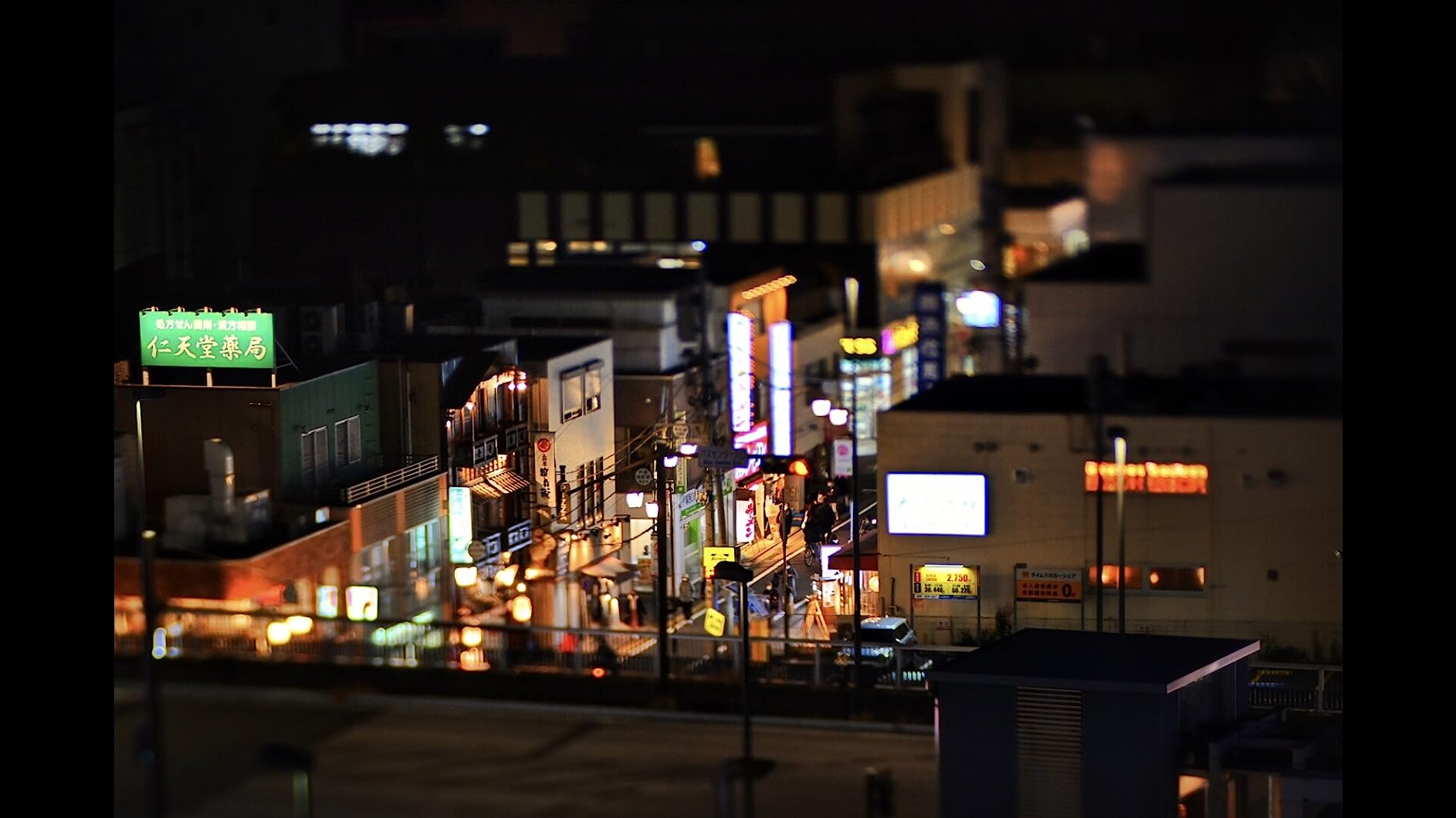
The tilt mechanism deserves particular attention because it changes how you think about focus. Traditional photography keeps the focus plane parallel to the sensor. Tilting the lens shifts that plane, allowing you to keep an entire field of flowers sharp while blurring the foreground and background selectively. The effect is similar to the miniature fakes you see in architectural photography, but achieved optically rather than in Photoshop.

The macro performance reaches true 1:1 life-size magnification, meaning a 35mm subject fills the frame on a full-frame sensor. I photographed a dragonfly where each compound eye facet was clearly resolved, a level of detail that transforms how viewers experience insect photography. The working distance of 11cm provides enough clearance for lighting without the intimidation factor of longer macro lenses.
Portrait photographers will appreciate the 85mm focal length and 12-blade aperture combination. The bokeh renders point light sources as perfect circles rather than polygons, and the tilt capability adds creative focus effects unavailable from conventional portrait lenses. I created environmental portraits where the subject remained sharp while both the immediate foreground and distant background melted into abstraction.
Who Should Buy the 85mm F2.8
Macro enthusiasts frustrated by shallow depth of field should prioritize this lens. The tilt capability lets you angle the focus plane along a flower stem or insect body, keeping more of the subject sharp at wider apertures. Focus stacking becomes less necessary, and you spend more time shooting instead of processing.
Creative portrait photographers seeking distinctive looks will find endless experimentation possibilities. The tilt effect creates that trendy lo-fi aesthetic without filters or software manipulation. Product photographers shooting jewelry and small objects can use the macro capability for detail shots and tilt for artistic lifestyle compositions.
Who Should Skip This Lens
The mixed reviews reflect real issues that potential buyers should consider. Some users report mechanical interference between the tilt mechanism and camera bodies, particularly on Lumix S5II. The all-metal construction creates a heavier package than expected, making it less appealing for travel or hiking photography.
Those seeking immediate, foolproof results should look elsewhere. The tilt function has a significant learning curve, and achieving optimal results requires understanding Scheimpflug principles. If you are not willing to invest time learning the technique, you will likely join the disappointed reviewers. Color and contrast also benefit from post-processing adjustments, adding workflow time.
5. AstrHori 50mm F1.4 Tilt – Portrait Magic on a Budget
Pros
- Excellent value for tilt capability at $229
- f/1.4 aperture allows lower ISO settings
- 12-blade diaphragm creates smooth bokeh highlights
- Solid all-metal construction with smooth operation
- Sharp performance especially at f/5.6 and above
Cons
- Tilt only - no shift function
- Some softness at f/1.4 in corners
- No electronic contacts for EXIF data
- Heavier than expected due to metal build
- Aperture ring has no click stops
The 50mm F1.4 tilt lens delivers the tilt-shift miniature effect at a price point previously impossible. At $229, it costs less than many standard 50mm primes while adding creative capabilities normally reserved for lenses costing thousands. The 71% five-star rating among 60 reviews confirms this is one of the most reliable options in the AstrHori lineup.
What distinguishes this lens from the 85mm tilt-macro is the f/1.4 maximum aperture. That extra stop of light gathering transforms low-light performance and depth of field control. I shot a night market scene at ISO 800 instead of 1600, preserving significant image quality. The wide aperture also creates more dramatic selective focus effects when combined with tilt.
The tilt-only design (no shift function) keeps the lens mechanically simpler than true tilt-shift lenses. You get the creative miniature effect and focal plane control, but not the perspective correction that architectural photographers need. For most creative photographers, this tradeoff makes sense given the substantial cost savings.

Who Should Buy the 50mm F1.4
Portrait photographers wanting distinctive creative effects without software manipulation should start here. The 50mm focal length on full-frame cameras produces natural perspective for faces, while the tilt capability adds visual interest impossible with conventional lenses. I found the combination particularly effective for environmental portraits where the background takes on that dreamy toy-town aesthetic.
Video shooters benefit from the smooth aperture ring and focus ring, both optimized for cinema-style operation. The lack of click stops on the aperture means you can ride exposure smoothly during takes. The 50mm focal length works well for interviews and medium shots while the tilt effect adds production value that elevates content above standard vlogging aesthetics.
Who Should Skip This Lens
Architectural photographers should look at the 18mm shift lens instead. Without shift capability, you cannot correct converging verticals, a fundamental requirement for building photography. The tilt effect alone, while creative, does not solve the technical problems that arise when pointing cameras upward at structures.
Those expecting razor-sharp results wide open should adjust expectations. The f/1.4 performance shows softness in the corners typical of budget fast lenses. Stopping down to f/2.8 or f/4 improves clarity dramatically, but you lose some of the subject isolation that makes f/1.4 appealing. If absolute sharpness is your priority, consider the 85mm tilt-macro instead despite its higher cost.
6. AstrHori 18mm F5.6 Shift – Architectural Perspective Master
Pros
- Excellent anti-distortion for architectural photography
- ±6mm shift for perspective correction
- 360° rotation for flexible shift direction
- Compact pancake design lightweight
- Click aperture at 45° intervals for precise control
Cons
- Manual focus only
- No image stabilization
- Only 2 reviews (limited feedback)
- May vignette on full-frame use
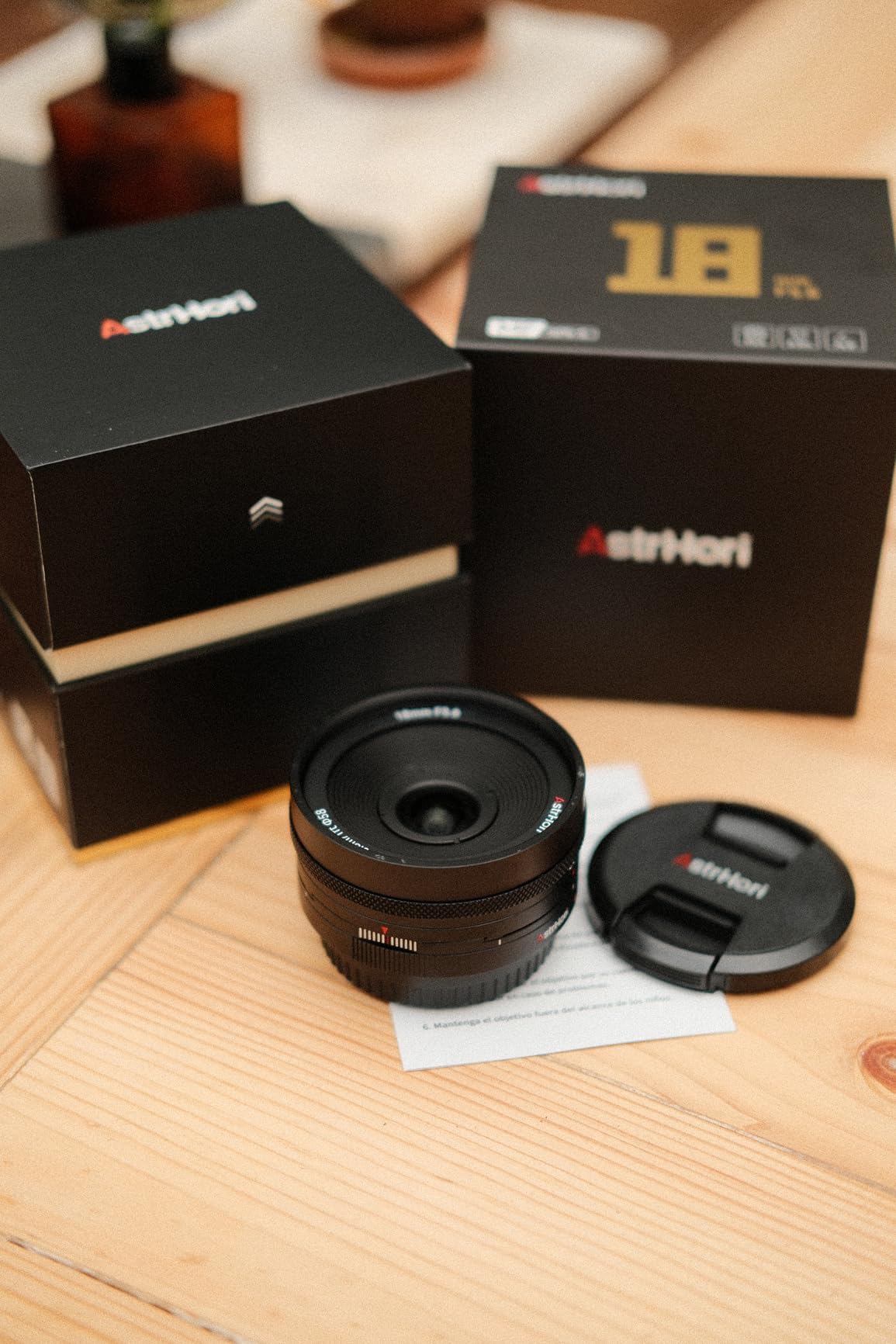
Architecture photographers have long paid premium prices for perspective control lenses. The AstrHori 18mm F5.6 brings this capability to the budget market at just $119, though with some compromises that serious professionals should consider carefully. The shift function moves the optical axis relative to the sensor, allowing you to correct converging verticals without tilting the camera.
The 18mm focal length provides a wide 100-degree diagonal view on APS-C sensors, equivalent to roughly 27mm on full-frame. This perspective captures entire building facades while standing across the street, eliminating the need for extreme distances. The shift capability then lets you move the building up in frame without pointing the camera upward and distorting the structure.
The 360-degree rotation mechanism allows shift in any direction, not just vertical. This proves useful for architectural interiors where you might need to shift horizontally to avoid reflections or unwanted elements. The click stops every 45 degrees help maintain precise alignment when shooting multiple frames for stitching or HDR.
Who Should Buy the 18mm F5.6
Real estate photographers working with APS-C cameras should consider this a budget alternative to far more expensive options. The combination of wide coverage and perspective correction produces professional results for web and print listings. I shot a condo interior where vertical lines remained parallel despite shooting from a tight corner position.
Travel photographers who shoot buildings and interiors will appreciate the compact pancake form factor. Unlike bulky tilt-shift lenses that dominate camera bags, this lens slides easily into spare spaces. The all-metal construction survived three weeks bouncing around Southeast Asia in my messenger bag without issues.
Who Should Skip This Lens
Full-frame users should verify compatibility carefully. The APS-C design means significant vignetting appears when mounted on full-frame cameras, requiring cropping that reduces effective resolution. AstrHori markets this primarily for APS-C mounts like Fujifilm X and Sony E, and full-frame coverage should not be assumed.
The fixed f/5.6 aperture limits low-light architectural photography significantly. Shooting interiors at golden hour requires either high ISO or tripod support, as the lens admits roughly one-third the light of an f/2.8 alternative. The 100% positive but limited review base also suggests this is an unproven product for demanding professional work.
7. AstrHori 6.5mm F2.0 Fisheye – APS-C Circular Wonder
Pros
- 192° circular diagonal for unique perspectives
- F2.0 aperture excellent for low light
- Only 268g - remarkably lightweight
- 0.2m close focusing for crystal ball effects
- Perfect 5-star rating from all 4 reviewers
Cons
- Manual focus only
- No image stabilization
- Circular fisheye may not suit all styles
- Limited to APS-C sensor cameras
The 6.5mm F2.0 proves that APS-C photographers do not need to compromise on creative potential. At just $129 and 268 grams, this lens delivers the circular fisheye experience at a fraction of the cost and weight of full-frame alternatives. The perfect 5-star rating from all reviewers, while based on limited data, suggests strong satisfaction among early adopters.
The 192-degree circular diagonal view produces that classic fisheye bubble effect where the image forms a circle within the rectangular frame. The effect is slightly less extreme than the 220-degree full-frame 6mm, but still dramatically different from conventional photography. I found the 6.5mm easier to use creatively because the slightly reduced coverage made framing more predictable.
The f/2.0 aperture is faster than many fisheye alternatives, enabling indoor and twilight shooting without pushing ISO excessively. The 0.2m minimum focusing distance creates intriguing crystal ball effects where subjects touching the lens appear massively distorted while the background wraps around in a sphere. Creative possibilities exceed what the modest price suggests.

Who Should Buy the 6.5mm F2.0
Fujifilm X shooters wanting creative effects without investment should start here. The $129 price point makes experimentation accessible, and the lightweight design pairs well with smaller APS-C bodies. I used this on an X-S10 for street photography where the tiny lens attracted less attention than my Sigma zooms.
Vloggers and content creators will appreciate the extreme angle for selfie-style recording. The 192-degree coverage captures the presenter and extensive environmental context without rigging multiple cameras. The f/2.0 aperture helps maintain reasonable depth of field control even in home studio lighting setups.

Who Should Skip This Lens
Full-frame photographers have no use for this APS-C specific lens. The image circle does not cover larger sensors, producing extreme vignetting that ruins images. Stick with the 6mm F2.8 or 12mm F2.8 for full-frame fisheye effects instead.
The extremely limited review base makes this a gamble for risk-averse buyers. With only four reviews total, we lack data about long-term durability, sample variation, or real-world reliability. Early adopters should purchase with the understanding that they are essentially helping test a new product.
8. AstrHori 25mm F2.8 2-5X Macro – Extreme Magnification Powerhouse
Pros
- 2-5X range for extreme macro photography
- Wide-angle macro design for enhanced depth of field
- Sharp images even at f/16
- Works with teleconverters for 10X magnification
- APS-C versatility (37.5mm equivalent)
Cons
- Manual focus only
- No infinity focus - macro only
- Very challenging handheld (1 inch focus distance)
- Barrel reflection when extended to 5x
- Not threaded for flash mounting without adapter
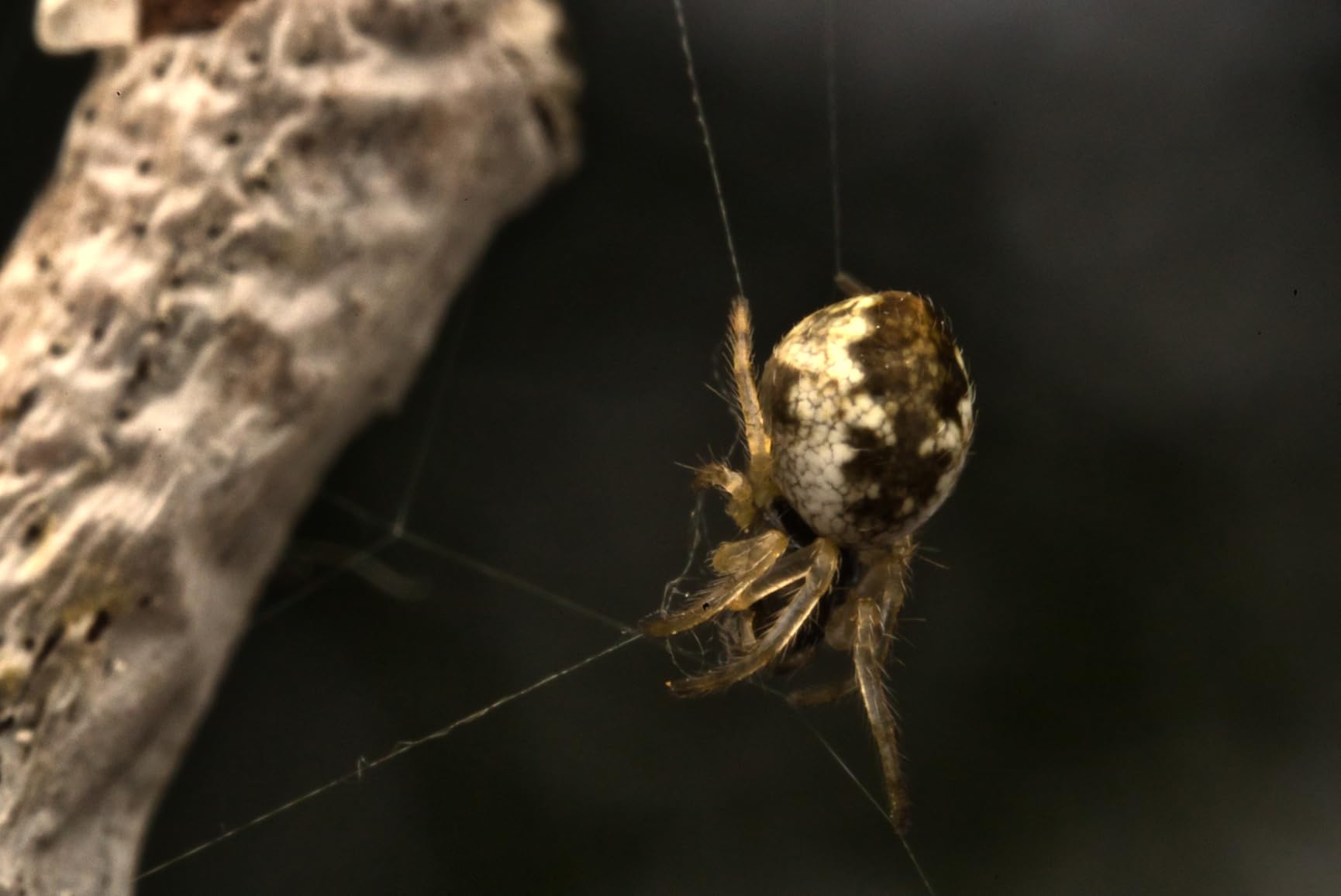
The 25mm F2.8 occupies a unique niche even within the specialized macro lens category. While most macro lenses top out at 1:1 magnification, this lens starts at 2:1 and extends to 5:1, revealing microscopic details invisible to standard macro equipment. At $249, it democratizes extreme macro photography previously requiring expensive microscope adapters.
The wide-angle design creates unusual depth of field characteristics for macro work. Telephoto macros produce shallow focus even at small apertures, but the 25mm focal length provides more depth at equivalent magnifications. This matters when shooting insects at 3x magnification where every millimeter of focus helps. I captured a jumping spider where both eyes and leg joints remained acceptably sharp at f/11.
The magnification adjustment operates via an extending barrel mechanism similar to industrial microscopes. You set approximate magnification by extending the barrel, then fine-tune with focus. At 5x magnification, the working distance shrinks to approximately one inch, requiring careful lighting placement to avoid casting shadows on the subject.
Who Should Buy the 25mm F2.8
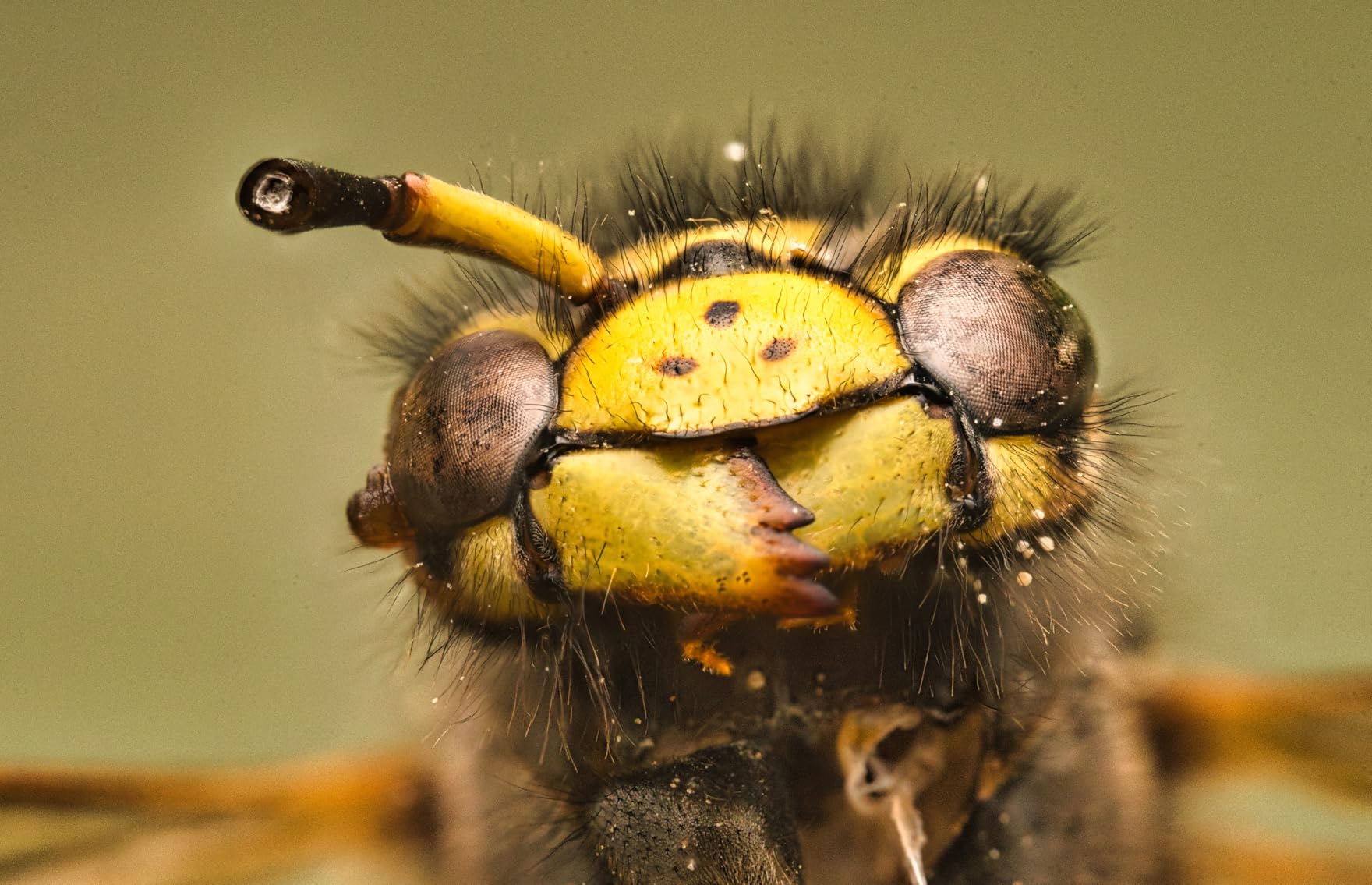
Macro enthusiasts frustrated by the 1:1 magnification limit of conventional lenses finally have an affordable path to extreme close-ups. The 5x capability reveals butterfly scale patterns, flower pollen structures, and insect eye details that transform how viewers see the natural world. I spent an entire weekend photographing common garden insects that became alien landscapes at this magnification.
Focus stackers will appreciate the consistent optical performance across the aperture range. The lens maintains resolution even at f/16, allowing smaller increments between focus slices for smoother final composites. The wide-angle perspective also captures more environmental context than telephoto macros, useful for showing habitat relationships.
Who Should Skip This Lens
Handheld photographers should look elsewhere. The combination of extreme magnification, manual focus, and one-inch working distances makes successful handheld shots largely a matter of luck. I attempted handheld insect photography for two hours and captured three acceptable frames out of nearly two hundred attempts. A tripod and focusing rail are essentially mandatory.
Those expecting a versatile do-it-all lens will be disappointed by the macro-only design. The 25mm F2.8 cannot focus to infinity, making it useless for standard photography. You cannot switch between macro detail shots and environmental portraits without changing lenses. Consider this a specialized tool for dedicated macro enthusiasts rather than a flexible addition to your kit.
How to Choose the Right AstrHori Lens for Your Creative Vision In 2026?
Selecting the right creative lens requires honest assessment of your photography goals and technical comfort level. Manual focus lenses demand slower, more deliberate workflows that can frustrate photographers accustomed to modern autofocus convenience. The reward for this patience is optical character and creative effects unavailable from mainstream alternatives.
Match the Lens to Your Primary Genre
Astrophotographers should prioritize the 6mm F2.8 or 12mm F2.8 fisheye lenses for their extreme coverage and fast apertures. The 220-degree view of the 6mm captures the entire dome of stars in a single frame, while the 12mm offers superior coma control for technical star photography. Both deliver results that would cost triple from established brands.
Toy and miniature photographers need the 18mm F8 probe lens for its unique perspective capabilities. The extended working length and built-in lighting solve problems that defeat conventional equipment. The waterproof construction adds versatility for aquatic macro scenes that open entirely new creative territories.
Portrait photographers seeking distinctive aesthetics should consider the 50mm F1.4 tilt or 85mm F2.8 tilt-macro options. The tilt effect creates selective focus impossible with standard lenses, while the macro capabilities on the 85mm add versatility for detail shots. The 50mm offers better value and wider aperture, while the 85mm provides true macro magnification.
Consider Your Camera Mount and Sensor Size
Mount availability varies across the AstrHori lineup, though most lenses support the major mirrorless systems. Sony E and Fujifilm X typically see the widest availability, followed by Nikon Z and Canon RF. Leica L mount options exist but with more limited selection. Verify specific mount availability before making purchase decisions.
Sensor size matters significantly for several models. The 6.5mm F2.0 and 18mm F5.6 shift are APS-C optimized and will vignette heavily on full-frame cameras. Full-frame shooters should choose the 6mm F2.8 instead of the 6.5mm, and consider the 85mm tilt-macro rather than the 18mm shift for perspective control. The macro and portrait lenses generally work well on both formats.
Prepare for the Manual Focus Learning Curve
Every lens in this guide requires manual focus, which creates both creative opportunities and technical challenges. Focus peaking on mirrorless cameras helps significantly, but accurate focus still requires practice and patience. I recommend starting with static subjects before attempting moving targets or handheld macro work.
The focus rings on AstrHori lenses generally offer smooth resistance appropriate for fine adjustments. However, the long throw required for macro work means focus breathing can become an issue in video applications. For still photography, the manual process encourages intentional composition and generally improves my keeper rate despite slower shooting.
Frequently Asked Questions About AstrHori Lenses
What is AstrHori and are their lenses good quality?
AstrHori is a Chinese camera lens manufacturer specializing in affordable, creative effect lenses including fisheye, tilt-shift, and macro probe lenses for mirrorless cameras. Their lenses offer unique optical effects at budget-friendly prices, typically ranging from $129 to $329. Build quality is generally solid with all-metal construction, though some models show sample variation. User reviews average 3.6 to 5.0 stars depending on the specific lens, with the fisheye and macro models receiving particularly positive feedback.
How do tilt-shift lenses work and what are they used for?
Tilt-shift lenses allow you to tilt the lens relative to the camera sensor, changing the plane of focus. The tilt effect creates a miniature or toy-town aesthetic by making real scenes look like scale models. Shift functionality corrects converging verticals in architectural photography without distorting buildings. AstrHori offers both capabilities across different models: the 50mm and 85mm provide tilt effects for creative photography, while the 18mm offers shift for architectural perspective correction.
What creative techniques work best with fisheye lenses?
Fisheye lenses excel at creating dramatic perspective effects that transform ordinary scenes. For astrophotography, point the lens straight up to capture circular star trails or the full arch of the Milky Way. In architecture, position yourself in room corners to create spherical interior panoramas. For portraits, get extremely close to subjects for the bubble-head distortion effect popular on social media. Always be aware that extreme fisheyes capture everything including your feet and fingers if you are not careful with camera positioning.
Are AstrHori lenses compatible with my camera?
AstrHori lenses are available for all major mirrorless mounts including Sony E, Nikon Z, Canon RF, Fujifilm X, and Leica L. Most lenses support full-frame sensors, though some models like the 6.5mm F2.0 and 18mm F5.6 shift are optimized for APS-C sensors. All lenses are manual focus only with no electronic contacts, meaning no autofocus, no lens data in EXIF, and no automatic aperture control. This universal compatibility makes them appealing for photographers using multiple camera systems.
What is a macro probe lens and when would I need one?
A macro probe lens features an extended, narrow barrel that allows the camera to approach subjects while maintaining distance from the camera body. The AstrHori 18mm F8 probe offers 18cm of working length and 2x magnification, enabling shots inside flowers, burrows, and tight spaces impossible with conventional macro lenses. Built-in LED lighting illuminates subjects in dark crevices, and waterproof construction allows aquatic shooting at surface level. Toy photographers, nature macro enthusiasts, and product photographers benefit most from this specialized tool.
Final Thoughts
AstrHori special effect lenses offer something increasingly rare in modern photography: optical character that cannot be replicated in software. The 6mm F2.8 fisheye remains my top recommendation for sheer creative impact, while the 85mm F2.8 tilt-macro delivers the most versatility for photographers wanting to expand across multiple genres. APS-C shooters should not overlook the 6.5mm F2.0 as a lightweight, affordable entry point into creative fisheye photography.
These lenses are not for everyone. The manual focus requirement, occasional quality control inconsistencies, and specialized nature of creative effects mean they serve best as additions to a complete kit rather than primary lenses. But for photographers feeling creatively stagnant or priced out of specialized effects by major manufacturers, AstrHori opens doors that have been locked for too long. In 2026, there has never been a better time to experiment with creative photography.