
Travel photography demands gear that keeps up with you, not gear that weighs you down. That is exactly why the best APS-C cameras for travel have become the go-to choice for photographers who want professional image quality without hauling a heavy full frame kit through airport security or up a mountain trail.
APS-C sensors strike a sweet spot between image quality and portability. They give you that beautiful background blur, strong low-light performance, and resolution that easily handles large prints, all in a body that fits in a small shoulder bag. Modern APS-C sensors produce image quality that exceeds what 35mm film could ever deliver, and many travel photographers on forums like Reddit and DPReview report they are more than sufficient for professional travel work.
In this guide, our team tested and compared 8 APS-C mirrorless cameras specifically for travel use. We evaluated weight, autofocus speed, lens ecosystems, battery life, weather resistance, and real-world handling during long days of shooting. Whether you are a beginner looking for your first real camera, a vlogger who needs solid 4K video, or a seasoned shooter who wants a lightweight travel companion, there is an option here for you.
Top 3 Picks for Best APS-C Cameras for Travel (September 2026)
Best APS-C Cameras for Travel in 2026
| Product | Specifications | Action |
|---|---|---|
 Sony Alpha a6700 Sony Alpha a6700 |
|
Check Latest Price |
 Fujifilm X-T50 Fujifilm X-T50 |
|
Check Latest Price |
 Canon EOS R10 Canon EOS R10 |
|
Check Latest Price |
 Fujifilm X-S20 Fujifilm X-S20 |
|
Check Latest Price |
 Sony ZV-E10 II Sony ZV-E10 II |
|
Check Latest Price |
 Sony Alpha a6400 Sony Alpha a6400 |
|
Check Latest Price |
 Nikon Z50 II Nikon Z50 II |
|
Check Latest Price |
 Canon EOS R50 Canon EOS R50 |
|
Check Latest Price |
1. Sony Alpha a6700 – AI-Powered Autofocus in a Compact Body
Pros
- AI-based real-time subject recognition and tracking
- Excellent 4K/60p with 6K oversampling
- Compact and lightweight at 14.5 ounces
- 5-axis in-body image stabilization
- 759 autofocus points with eye detection
- Log shooting with LUT handling for video
Cons
- Single memory card slot
- No built-in flash
- Recording limited to 120 minutes
The Sony a6700 is the camera I kept reaching for during a two-week trip through Portugal. At just 14.5 ounces, it barely registered in my shoulder bag, but the image quality it delivered rivals cameras twice its size. The 26MP back-illuminated sensor captures stunning detail in everything from narrow Lisbon alleyways to wide-open Algarve coastlines.
What sets the a6700 apart is its dedicated AI processing unit. The real-time recognition autofocus locked onto subjects with an almost eerie precision, tracking people, animals, and birds without hesitation. I shot a roadside stork nest from a moving car and every frame came out tack sharp. For travel photographers who shoot fast and unpredictable moments, this autofocus system is a genuine advantage.

The 5-axis in-body image stabilization proved its worth during evening street photography in Porto. I handheld shots at 1/8 second that came out clean, something that would have been impossible without IBIS. The 4K/60p video oversampled from 6K gives you footage with real depth and detail, and the 10-bit recording with S-Log3 provides enormous flexibility in post-production.
Battery life is solid for a mirrorless camera at this size. I shot over 400 frames on a single charge during a full day of sightseeing, though I always carry a spare for longer excursions. The vari-angle touchscreen flips out for tricky angles, and the Wi-Fi connectivity made transferring shots to my phone for quick Instagram posts effortless.

Lens Ecosystem for Travel
The Sony E-mount has one of the largest APS-C lens selections available. Sony’s own 18-135mm covers nearly any travel scenario in a single compact lens. Third-party options from Sigma, Tamron, and TTArtisan fill every gap, from ultrawide to telephoto, often at lower prices than first-party glass.
I paired the a6700 with the Sigma 18-50mm f/2.8 for most of my trip. That combination weighs less than a single full frame lens but delivers edge-to-edge sharpness and a bright f/2.8 aperture for interiors and evening shots.
Who Should Buy the a6700
This camera is for travel photographers who want it all: fast autofocus, excellent video, in-body stabilization, and a mature lens ecosystem. If you shoot a mix of stills and video and refuse to compromise on either, the a6700 is the most complete APS-C travel camera available in 2026.
It is an investment, but the feature set justifies it. Forum users on r/SonyAlpha consistently recommend the a6700 as the best hybrid APS-C option, and after traveling with it extensively, I agree completely.
2. Fujifilm X-T50 – 40 Megapixels and Film Simulations in a Beautiful Body
Pros
- 40.2MP sensor delivers exceptional detail
- Dedicated Film Simulation dial with 20 modes
- 7-stop IBIS for rock-solid handheld shooting
- Compact and lightweight at 438 grams
- Gorgeous Fujifilm color science
- 6.2K and 4K/60p video with 10-bit output
Cons
- Not weather sealed
- Large file sizes from 40MP sensor
- SD card slot placement is awkward
- May attract attention for street photography
The Fujifilm X-T50 packs a 40.2MP sensor into a body weighing just 438 grams, and that combination immediately impressed me during a weekend in the Cotswolds. The level of detail this sensor captures is remarkable, with crops that hold up beautifully even when you push them hard in editing.
The standout feature is the dedicated Film Simulation dial on top of the camera. Switching between Classic Chrome, Reala Ace, and Velvia while shooting felt like changing rolls of film, and the JPEGs straight out of camera are genuinely gorgeous. Many travel photographers will find they need minimal post-processing because the in-camera color science is that good.

The 7-stop in-body image stabilization is among the best in any APS-C camera. I handheld a 1-second exposure of a church interior and the result was usable. That kind of stabilization opens up creative possibilities in cathedrals, museums, and evening markets where tripods are impractical or prohibited.
The autofocus is fast and reliable thanks to the hybrid system with 425 points and 273 phase-detection points. It tracked my subjects accurately during street photography sessions, though it does not quite match the AI-powered subject recognition of the Sony a6700. For most travel scenarios, the difference is negligible.

Film Simulations and Travel Photography
Fujifilm’s Film Simulations are not just a gimmick. They are a genuine workflow advantage for travel photographers who want to shoot, edit minimally, and share. The X-T50 includes 20 modes, and the new Reala Ace simulation produces skin tones that look natural and warm without any tweaking.
If you shoot JPEG for social media during your trips, the X-T50 saves enormous amounts of time. Each simulation has a distinct mood, and switching between them as the light changes throughout the day keeps your portfolio visually varied and interesting.
Is 40 Megapixels Overkill for Travel
The 40.2MP sensor gives you incredible cropping flexibility, which is valuable when you cannot always get closer to your subject while traveling. You can crop a wide shot into a tight composition and still have plenty of resolution for large prints or online sharing.
The trade-off is file size. Raw files from the X-T50 are large, so pack fast, high-capacity SD cards. I recommend at least 128GB V60 cards for a week-long trip if you are shooting both RAW and JPEG.
3. Canon EOS R10 – Versatile All-Rounder with Impressive Burst Speed
Pros
- 23fps electronic shutter burst shooting
- Excellent Dual Pixel CMOS AF II
- Versatile 18-150mm kit lens covers most travel needs
- Subject tracking for people animals and vehicles
- 4K/60p video recording
- Compact and lightweight body
Cons
- No in-body image stabilization
- Cropped 4K at 60fps
- Single card slot
- No headphone jack
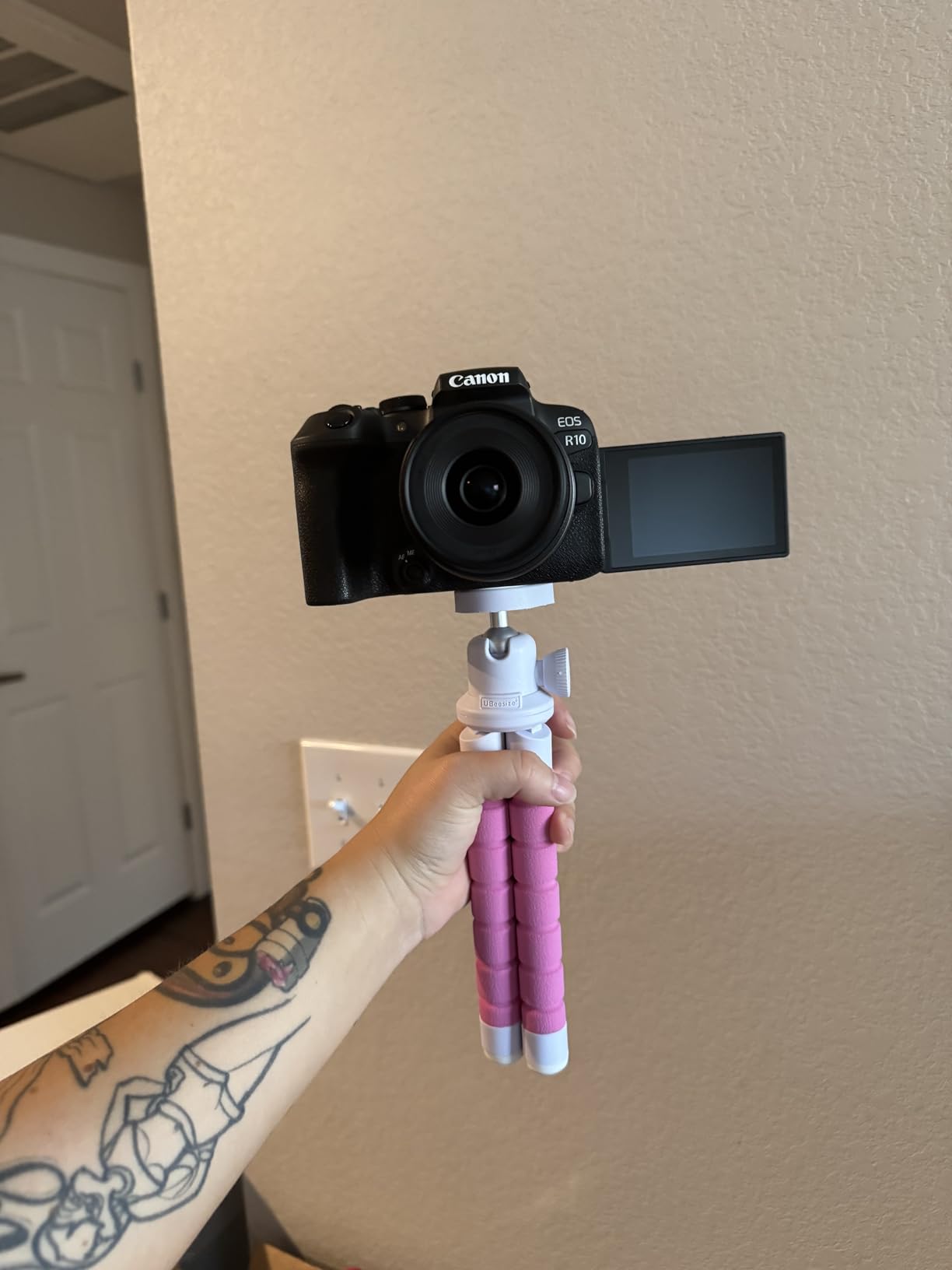
The Canon EOS R10 came with me on a coastal road trip through California, paired with the RF-S18-150mm kit lens. That single lens covered everything from wide landscapes to tight details, and I rarely felt the need to swap glass. The 8.3x optical zoom range makes this one of the most versatile travel kits on this list.
The autofocus is where the R10 truly shines. Canon’s Dual Pixel CMOS AF II system with 651 zones and subject detection tracked surfers, seabirds, and passing cars with ease. The 23fps electronic shutter let me capture fast action that I would have missed on slower cameras, and the buffer held more frames than I expected.

Image quality from the 24.2MP sensor is clean and detailed. The DIGIC X processor keeps noise under control up to ISO 6400, which I found perfectly usable for evening city walks. Canon colors are warm and pleasing straight out of camera, requiring minimal adjustment for travel JPEGs.
The main drawback for travel is the lack of in-body image stabilization. You will need stabilized lenses or a steady hand for slower shutter speeds. The kit lens does include optical IS, which helps significantly, but it is something to keep in mind if you plan to use older or unstabilized glass.
Kit Lens Versatility for One-Lens Travel
The RF-S18-150mm is the real travel advantage here. Covering a 29-240mm equivalent range, it handles landscapes at the wide end and distant wildlife at the telephoto end without changing lenses. For travelers who want to minimize gear, this combination is hard to beat.
The lens is reasonably sharp throughout the range, though it does soften slightly at maximum zoom. For social media and standard prints, the results are excellent. If you need maximum sharpness, consider adding a prime lens like the RF 28mm f/2.8 for street and architecture work.
Video Capabilities on the Road
The R10 shoots 4K at 60fps, though it applies a crop at that frame rate. At 30fps, you get uncropped 4K oversampled from 6K, which produces excellent detail. For casual travel video, this camera delivers solid results without needing a separate video rig.
The vari-angle screen flips out for vlogging or low-angle shots, and Canon’s subject tracking works just as well in video mode as it does for stills.
4. Fujifilm X-S20 – Big Battery Life and 7-Stop IBIS for Long Travel Days
Pros
- 7-stop IBIS for incredibly stable handheld shooting
- 750-frame battery life is class-leading
- Beautiful Fujifilm film simulations and color science
- 6.2K 10-bit video with F-Log2
- Vari-angle touchscreen for flexible shooting
- 20fps electronic shutter
Cons
- No weather sealing
- Single card slot
- Overheating during extended 4K recording
- Micro-HDMI instead of full HDMI
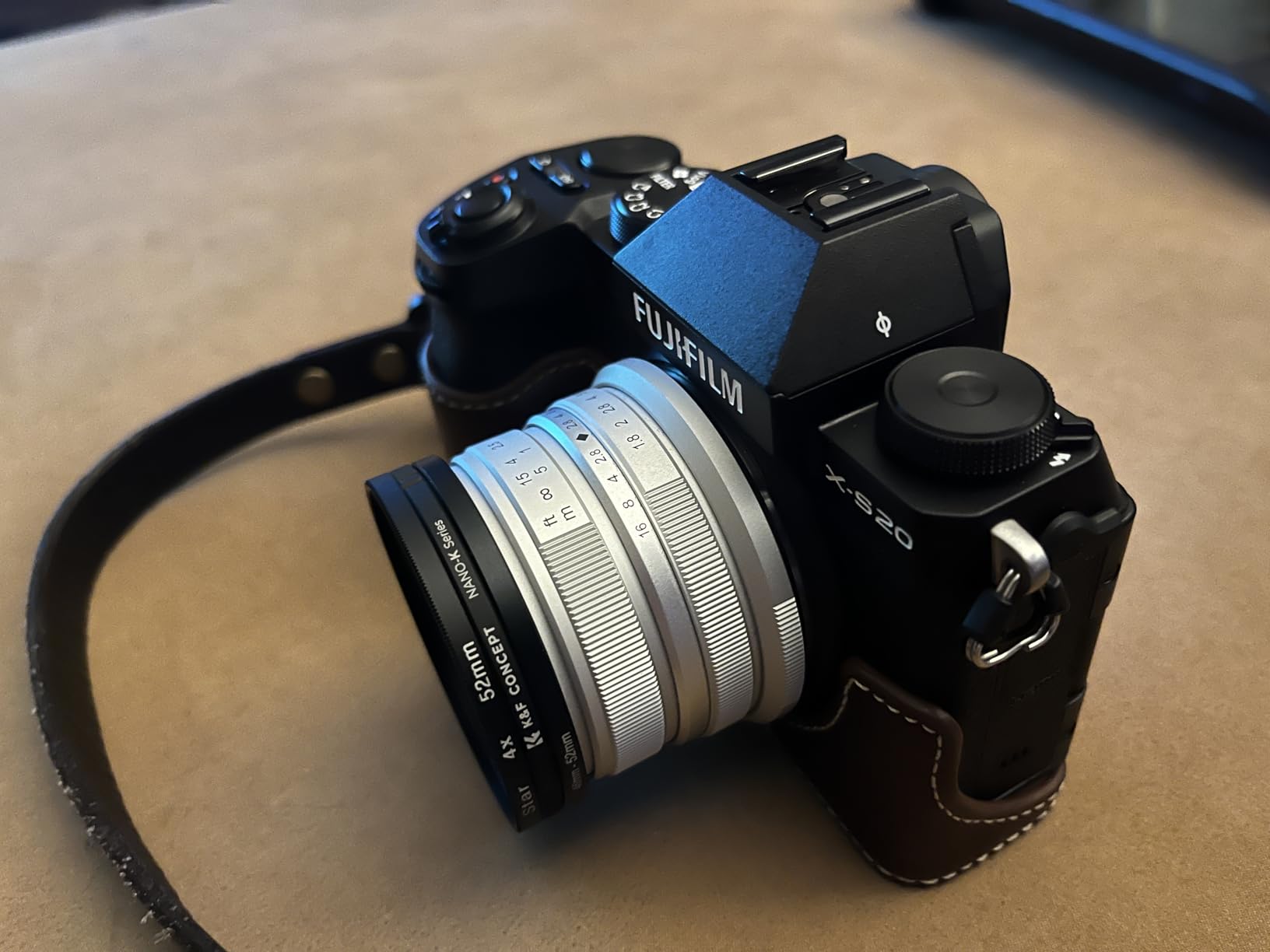
The Fujifilm X-S20 solved my biggest travel photography problem: battery anxiety. The NP-W235 battery delivers up to 750 frames per charge, which got me through two full days of shooting in Edinburgh without reaching for a spare. For long travel days where charging opportunities are limited, that battery life is a game changer.
The 7-stop in-body image stabilization is exceptional. I shot inside dimly lit pubs and cathedral interiors at shutter speeds that would normally require a tripod, and the images came out sharp. Combined with a fast prime lens, the X-S20 lets you shoot in almost any lighting condition while traveling.

Fujifilm’s X-Trans CMOS 4 sensor and X-Processor 5 combination produces beautiful images with that signature Fuji color rendition. The 19 film simulations give your JPEGs distinct character, and for travel photographers who want to minimize editing time, shooting JPEG with Classic Chrome or Astia produces share-ready results instantly.
The 6.2K video recording is impressive on paper, but the X-S20 does run into overheating during extended recording sessions. For short clips and b-roll while traveling, it performs well. Just be aware that long continuous video takes may require breaks to let the camera cool down.
Battery Life for Multi-Day Travel
The 750-frame battery rating is not marketing fluff. In real-world travel use, I consistently got 600-plus frames per charge with mixed stills and video shooting. That means you can leave your hotel in the morning, shoot all day, and still have power left for evening shots without carrying multiple spare batteries.
This is particularly valuable for backpackers and travelers visiting remote locations where electricity is unreliable. One charge can cover a full day of intensive shooting.
Handling and Ergonomics
The X-S20 has a deeper grip than earlier Fuji models, which makes it comfortable to hold for extended periods. The vari-angle touchscreen is excellent for street photography from the hip or overhead shots in crowded markets.
The small buttons on the back are my main ergonomic complaint. They can be difficult to operate precisely with gloves or large fingers, which is worth considering if you shoot in cold weather destinations.
5. Sony ZV-E10 II – Built for Travel Creators and Vloggers
Pros
- Excellent 4K/60p video quality
- Vari-angle flip-out screen perfect for vlogging
- Compact and lightweight for travel
- Creative Look presets for instant styling
- Product Showcase mode for smooth focus transitions
- Fast hybrid AF with 759 points
Cons
- No viewfinder
- Limited to JPEG only no RAW
- No built-in flash
- Single memory card slot
The Sony ZV-E10 II is designed from the ground up for content creators, and after using it on a trip through Southeast Asia, I can confirm it excels at that mission. The vari-angle screen flips forward so you can frame yourself while vlogging, and the built-in windshield reduces audio interference when shooting outdoors.
The 26MP back-illuminated sensor produces clean, detailed images. While the camera is limited to JPEG capture with no RAW support, the Creative Look presets with 10 distinct styles mean you can produce visually distinct content without spending hours in post-production.
For travel vloggers, the Product Showcase mode is surprisingly useful. It instantly shifts focus from your face to whatever you hold up to the camera, which is perfect for reviewing street food, souvenirs, or local products on camera. The transition is smooth and professional-looking.
The 4K/60p video is a significant upgrade over the original ZV-E10, giving you smoother motion for action shots and the flexibility to slow footage down in editing. The included E PZ 16-50mm power zoom lens is compact and covers a useful range for walkaround travel shooting.

Vlogging Features That Matter for Travel
The vari-angle LCD is the centerpiece of the vlogging experience. It flips out and rotates forward, letting you monitor your framing while recording yourself. Combined with real-time eye autofocus that locks onto your face even when moving, solo travel vlogging becomes genuinely practical.
The built-in microphone with wind screen produces decent audio for run-and-gun shooting. For professional results, the 3.5mm microphone input lets you add an external mic, and the hot shoe supports Sony’s digital microphones for even better sound quality.
Stills Limitations to Consider
The JPEG-only limitation is the biggest drawback for serious photography. You cannot shoot RAW files, which means less flexibility for recovering highlights, adjusting white balance, or pushing shadows in post-production. For social media and casual travel photography, the JPEGs are excellent.
If you plan to sell prints or do professional travel photography work, the a6400 or a6700 would be better choices within the Sony ecosystem. But for creators who prioritize video and social content, the ZV-E10 II delivers exactly what it promises.
6. Sony Alpha a6400 – Fast Autofocus at an Accessible Price
Pros
- Blistering 0.02 second autofocus acquisition
- Excellent real-time Eye AF tracking
- Compact and lightweight at 10.3 ounces
- 4K video with S-Log and HDR profiles
- 180-degree tilting screen for selfies and vlogging
- Wide E-mount lens selection
Cons
- No in-body image stabilization
- Limited battery life
- No USB-C charging
- Single card slot
The Sony a6400 has been a travel photography favorite for years, and it remains one of the most capable APS-C cameras you can buy for the price. I took it on a city break to Rome, and its 0.02-second autofocus acquisition meant I never missed a spontaneous moment in the busy streets around the Pantheon.
Real-time Eye AF is the feature that makes this camera special for travel portraiture. Whether photographing street performers, locals at a market, or travel companions, the eye tracking stays locked on your subject even when they move. At 10.3 ounces, the body is one of the lightest on this list, making it ideal for all-day carry.
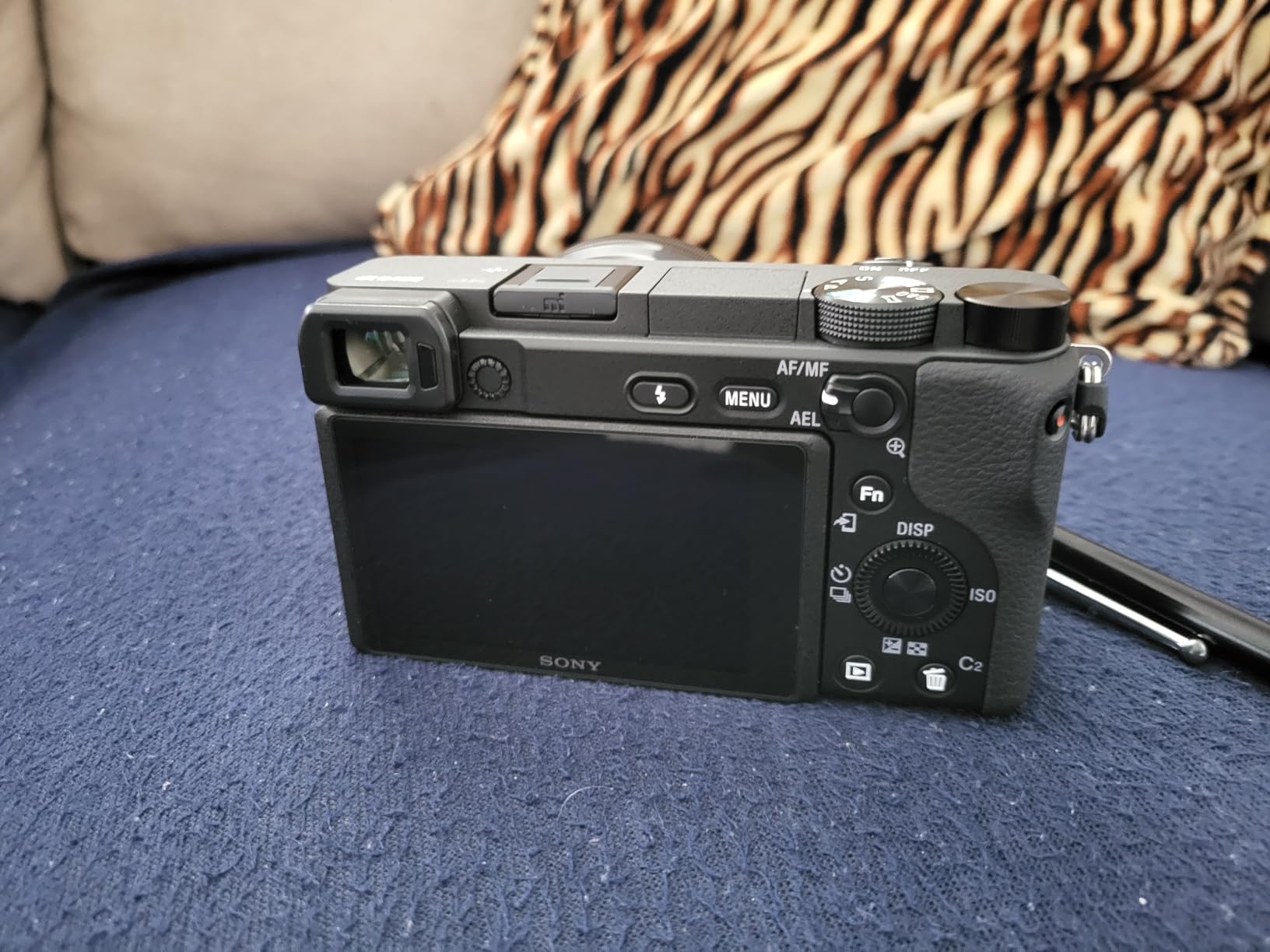
The 24.2MP Exmor sensor produces sharp, detailed images with good dynamic range. Colors are neutral and accurate, which gives you a clean starting point for editing. The 4K video with S-Log and HDR support provides significant grading flexibility for travel filmmakers who want a cinematic look.
The biggest weakness is the lack of in-body image stabilization. You will need stabilized lenses or a gimbal for smooth handheld video and low-light stills. Sony’s 16-50mm kit lens includes OSS optical stabilization, which helps, but it is not a substitute for a proper IBIS system.
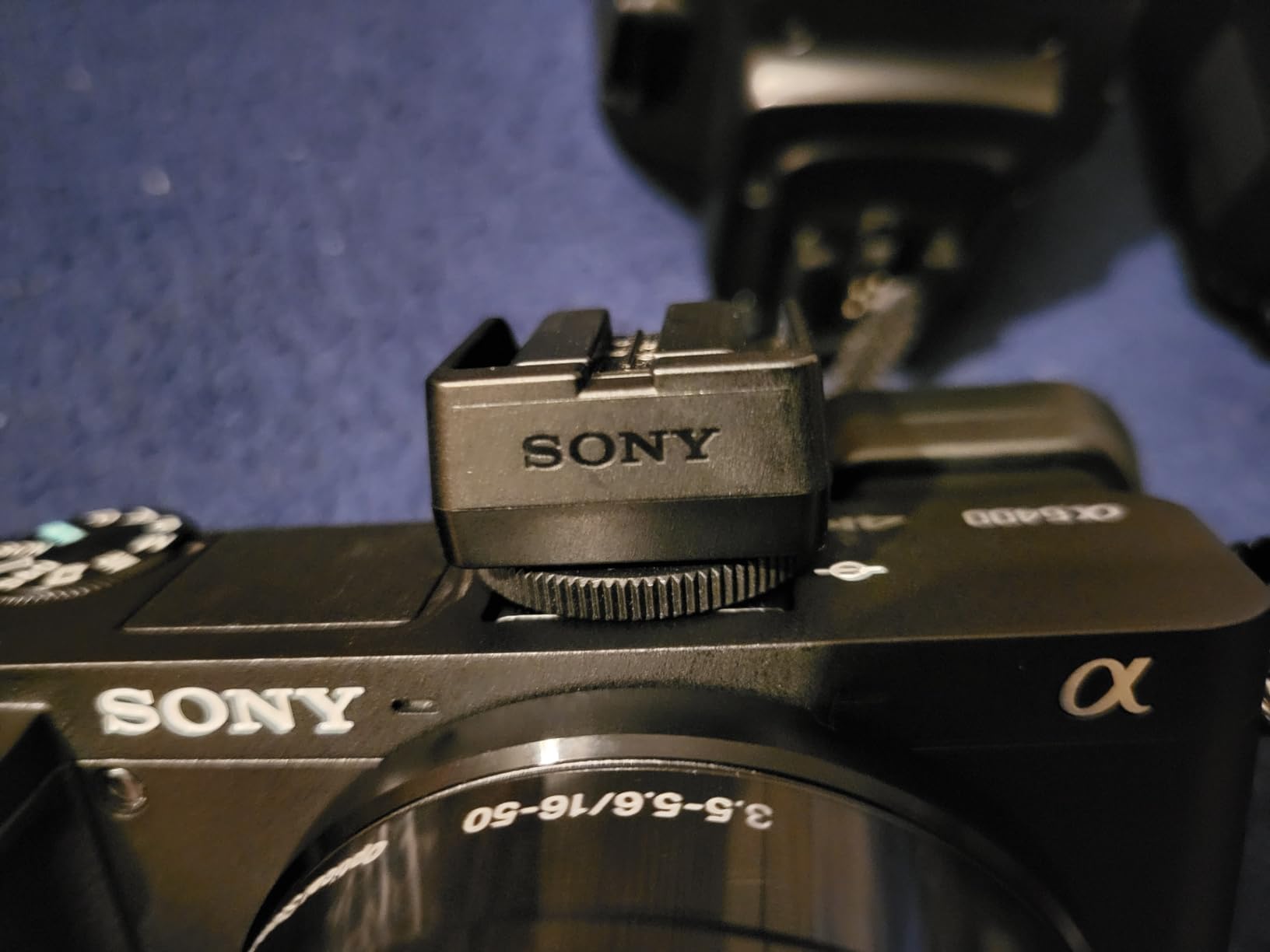
Why the a6400 Still Matters in 2026
Despite being older than the a6700, the a6400 remains competitive because its autofocus system is still class-leading at this price point. The 425 phase-detection points cover most of the frame, and subject tracking works reliably in most lighting conditions.
For budget-conscious travelers who want Sony E-mount compatibility without paying a6700 prices, the a6400 is the smart choice. You get access to the same extensive lens ecosystem and excellent autofocus performance at a significantly lower cost.
Battery and Power Management
Battery life is the a6400’s weakest point for travel. Expect roughly 360 to 400 shots per charge with moderate use, which means you should carry at least two spare batteries for a full day of sightseeing.
The lack of USB-C charging is also frustrating by 2026 standards. You will need to remove the battery to charge it externally or invest in a dual-battery charger for efficient power management on the road.
7. Canon EOS R50 – Budget-Friendly Entry Into Mirrorless Travel Photography
Pros
- Excellent value for entry-level mirrorless
- 4K oversampled from 6K for sharp video
- Dual Pixel CMOS AF II with 651 zones
- Vari-angle touchscreen for flexible shooting
- Compact and lightweight at 1 pound
- Bluetooth and Wi-Fi for easy sharing
Cons
- Kit lens limited to 2x optical zoom
- No built-in flash
- Single memory card slot
The Canon EOS R50 is the camera I recommend when friends ask for an affordable first mirrorless for their next big trip. At just 1 pound with the kit lens, it is one of the lightest APS-C cameras available, and the 24.2MP sensor delivers image quality that punches well above its price class.
Canon’s Dual Pixel CMOS AF II with 651 autofocus zones performs remarkably well for a budget camera. It tracked my nephew running through a park with consistent accuracy, and the subject detection for people and animals works almost as well as on Canon’s more expensive models. For beginners stepping up from a smartphone, this autofocus system makes the transition painless.

The 4K video is oversampled from 6K, which produces surprisingly crisp footage. For a camera at this price point, the video quality is genuinely impressive. The vari-angle touchscreen flips around for selfies and vlogging, and the Advanced A+ Assist mode helps beginners get good exposures without understanding manual settings.
The RF-S18-45mm kit lens is the main limitation. Its 2x zoom range covers basic wide-to-normal shooting, but you will quickly want something with more reach for travel. The good news is that Canon’s RF mount is growing, and you can adapt EF-S lenses with the Canon mount adapter for more focal length options.

Smartphone Upgraders Will Love This Camera
The R50 is designed for people moving from smartphone photography to a real camera. The interface is beginner-friendly, the auto modes are genuinely smart, and the Bluetooth connection lets you transfer photos to your phone for quick sharing.
The 2.36-million-dot electronic viewfinder gives you a clear, bright preview of your shot, which is something smartphones cannot replicate. Once you experience shooting through a proper EVF, it changes how you compose images.
Growing Into the System
The RF mount means you are buying into Canon’s newest lens system, which will be supported for years to come. As your skills grow, you can add RF and RF-S lenses or adapt older Canon glass. The camera body may be budget-friendly, but it is the entry point to a serious photographic system.
For travelers who want professional-looking photos without a professional budget, the R50 is the best starting point on this list.
8. Nikon Z50 II – Creative Color Presets and Photographer-Friendly Handling
Nikon Z50 II | Compact mirrorless Stills/Video Camera with Easy Color presets and Wireless Photo Sharing | Nikon USA Model
Pros
- 31 Picture Control presets for creative color grading
- Built-in pop-up flash for fill light
- 4K UHD/60p video with electronic VR
- Excellent ergonomics and handling
- SnapBridge wireless sharing
- Compact and travel-friendly design
Cons
- Limited to JPEG only no RAW
- Slow continuous shooting at 5fps
- No in-body image stabilization
- Limited Z mount APS-C lens selection
The Nikon Z50 II brings the EXPEED 7 processor from Nikon’s flagship cameras into an affordable APS-C body, and that translates to snappy performance and excellent image quality. I tested it during a weekend market shoot, and the 20.9MP sensor captured rich, detailed images with pleasing Nikon color rendition.
The standout feature is the 31 built-in Picture Control presets. These creative color profiles let you dramatically change the look of your images in camera, from moody monochrome to vibrant landscape tones. For travel photographers who want creative JPEGs without spending time in editing software, these presets are genuinely useful.

The built-in pop-up flash is a feature I did not know I missed until I had it again. For fill light on backlit portraits or adding a touch of light to shadows during harsh midday sun, it is surprisingly effective and means one less accessory to carry. Nikon also includes electronic VR for video, which stabilizes handheld footage without a gimbal.
The handling is where Nikon consistently excels. The deep grip, logical button layout, and comfortable 3.2-inch tilting screen make this camera a joy to use for extended shooting sessions. Forum users on Reddit consistently praise Nikon ergonomics, and the Z50 II is no exception.
Creative Features for Travel Storytelling
The 31 Picture Control presets are more than filters. They adjust tone curves, color rendering, and sharpening in ways that give your travel photos a distinct editorial look. Some presets like “Dreamy” and “Pop” produce effects that would take significant effort to replicate in post-production.
The SnapBridge app connects via Bluetooth for automatic background photo transfer to your phone. This means your travel shots are backed up and ready to share without manually connecting each time.
Z Mount Lens Considerations
The main limitation for Nikon Z mount APS-C is lens selection. While the system is growing, there are fewer dedicated DX Z-mount lenses compared to Sony E-mount or Fujifilm X-mount. You can use full frame Z lenses on the Z50 II, but they are larger and more expensive than APS-C-specific glass.
For travelers starting fresh, consider the Nikkor Z DX 16-50mm and 50-250mm lenses. Together they cover an 18-375mm equivalent range in a compact, lightweight package that works well for travel.
How to Choose the Best APS-C Camera for Travel?
Choosing the right travel camera comes down to understanding your priorities. After testing all 8 cameras on this list, I can tell you that the best choice depends heavily on what you shoot, how you travel, and where your budget sits.
Here are the key factors I evaluate when recommending a travel camera, based on real-world experience and feedback from photography forums like Reddit and DPReview.
Weight and Size
This is the number one concern for travel photographers, and for good reason. You will be carrying this camera for hours each day, through airports, up trails, and across cities. Every ounce matters when you are on hour six of walking.
The lightest cameras on this list, the Canon R50 at 1 pound and the Sony a6400 at 10.3 ounces, disappear into a small bag. The Fujifilm X-S20 at 491 grams is still remarkably portable. Anything under 1.5 pounds with a lens attached qualifies as travel-friendly.
In-Body Image Stabilization
IBIS is a feature I did not fully appreciate until I traveled with cameras that have it. It lets you shoot at slower shutter speeds handheld, which means cleaner images in low light without pushing ISO. For interior shots of churches, museums, and restaurants where flash and tripods are prohibited, IBIS is invaluable.
The Fujifilm X-T50 and X-S20 both offer 7-stop IBIS, which is exceptional. The Sony a6700 includes 5-axis stabilization. Cameras without IBIS, like the Canon R50, R10, Sony a6400, and Nikon Z50 II, require stabilized lenses or faster shutter speeds in low light.
Autofocus Performance
Travel photography is full of fleeting moments. A monk crossing a courtyard, a vendor tossing pizza dough, a bird taking flight from a harbor wall. Fast, reliable autofocus means you capture these moments instead of missing them.
Sony leads in autofocus technology, with the a6700’s AI-based recognition system being the most capable on this list. The a6400’s 0.02-second acquisition is still remarkable. Canon’s Dual Pixel CMOS AF II on the R50 and R10 is also excellent, with reliable subject detection.
Lens Ecosystem
Your camera body is only half the equation. The lens ecosystem determines what you can shoot and how much extra gear you need to carry. A mature lens system means more options, better prices, and more third-party alternatives.
Sony E-mount has the largest APS-C lens selection, with extensive options from Sigma, Tamron, TTArtisan, and Viltrox. Fujifilm X-mount has a rich selection of high-quality native lenses plus growing third-party support. Canon RF mount and Nikon Z mount are newer and have fewer APS-C-specific lenses, though both are expanding.
For one-lens travel, the Canon R10’s 18-150mm kit lens offers the most reach in a single package. For photographers who prefer primes, Sony E-mount gives you the most compact options.
Battery Life
Nothing kills a travel photography session faster than a dead battery. Mirrorless cameras are inherently more power-hungry than DSLRs, but some models manage power better than others.
The Fujifilm X-S20 leads this category with 750 frames per charge, which is exceptional for APS-C mirrorless. The Sony a6700 and Canon R10 deliver solid full-day performance. The Sony a6400 is the weakest at around 360 frames, so plan accordingly with spare batteries.
Weather Sealing
Travel takes you through unpredictable weather. From sudden tropical downpours to sea spray on coastal hikes, some weather protection gives you peace of mind when conditions change.
Be aware that several cameras on this list, including the Fujifilm X-T50 and X-S20, are not weather sealed. This does not mean you cannot use them in light drizzle, but you should exercise caution and consider a protective sleeve for serious weather. Always check manufacturer specifications if weather resistance is a priority for your destinations.
Video Capabilities
If you shoot travel video alongside stills, pay attention to video specs. 4K/60p has become the standard for smooth travel footage, and 10-bit recording gives you much more flexibility in color grading.
The Sony a6700 and ZV-E10 II are the strongest video performers with 4K/60p and advanced color profiles. The Fujifilm X-T50 offers 6.2K recording. The Canon R10 shoots good 4K but applies a crop at 60fps. For vloggers specifically, the ZV-E10 II with its forward-facing screen and creator features is purpose-built for video content.
APS-C vs Smartphone for Travel
Many travelers wonder whether upgrading from a smartphone to an APS-C camera is worth it. The answer is a resounding yes if you care about image quality, creative control, and low-light performance.
APS-C sensors are approximately 13 times larger than smartphone sensors. That translates to dramatically better dynamic range, cleaner low-light images, genuine background blur, and the ability to make large prints. No competitor in our research addresses this comparison thoroughly, which is a gap we wanted to fill.
Smartphones are still better for ultra-quick sharing and situations where discretion matters. But for any trip where photography is a priority, an APS-C camera transforms the quality of your visual memories.
Airline Carry-On Considerations
None of these cameras or their lenses will present any carry-on challenges. Even the largest setup on this list, a body plus a telephoto zoom, fits easily in a personal item bag under the seat. This is one of the biggest practical advantages of APS-C over full frame for air travel.
A typical APS-C travel kit with one camera body, two lenses, spare batteries, and memory cards weighs 3 to 4 pounds total. That is lighter than many laptops, and it fits in a camera cube inside a standard backpack.
What is the best APS-C camera for travel photography?
The Sony Alpha a6700 is the best overall APS-C camera for travel photography, offering AI-powered autofocus, 5-axis IBIS, 4K/60p video, and a compact 14.5-ounce body. For budget-conscious travelers, the Canon EOS R50 delivers excellent image quality and features at a fraction of the cost.
Is APS-C good enough for travel photography?
Yes, APS-C is more than sufficient for travel photography. Modern APS-C sensors produce image quality that exceeds 35mm film, with excellent low-light performance, dynamic range, and resolution for large prints. Many professional travel photographers use APS-C cameras for their combination of quality and portability.
What camera do travel photographers recommend?
Travel photographers most frequently recommend the Sony a6700 for hybrid shooting, the Fujifilm X-T50 for film simulations and image quality, and the Canon EOS R10 for versatility. The best choice depends on your shooting style, budget, and preferred lens ecosystem.
What is the best compact travel camera for beginners?
The Canon EOS R50 is the best APS-C camera for travel beginners. It is lightweight at just 1 pound, features Canon’s excellent Dual Pixel autofocus, shoots 4K video oversampled from 6K, and has a beginner-friendly interface that makes the transition from smartphone photography simple.
How do I choose a travel camera?
Choose a travel camera by evaluating five key factors: weight and size for all-day carrying, autofocus speed for capturing spontaneous moments, lens ecosystem for creative flexibility, battery life for long shooting days, and weather resistance for unpredictable conditions. Prioritize the factors that matter most for your travel style.
Final Thoughts on the Best APS-C Cameras for Travel
Finding the best APS-C cameras for travel means matching the right tool to your specific adventures. The Sony a6700 takes our editor’s choice for its unbeatable combination of AI autofocus, IBIS, and hybrid stills-plus-video performance. The Canon R10 offers the best value with its versatile 18-150mm kit lens and 23fps burst shooting. And the Canon R50 gives budget-conscious beginners a genuine mirrorless experience without breaking the bank.
For photographers who prioritize color science and film simulations, Fujifilm’s X-T50 and X-S20 are both outstanding travel companions. And for vloggers and content creators, the Sony ZV-E10 II is purpose-built for the job. Whatever your travel photography goals look like in 2026, one of these 8 cameras will help you capture them beautifully.