
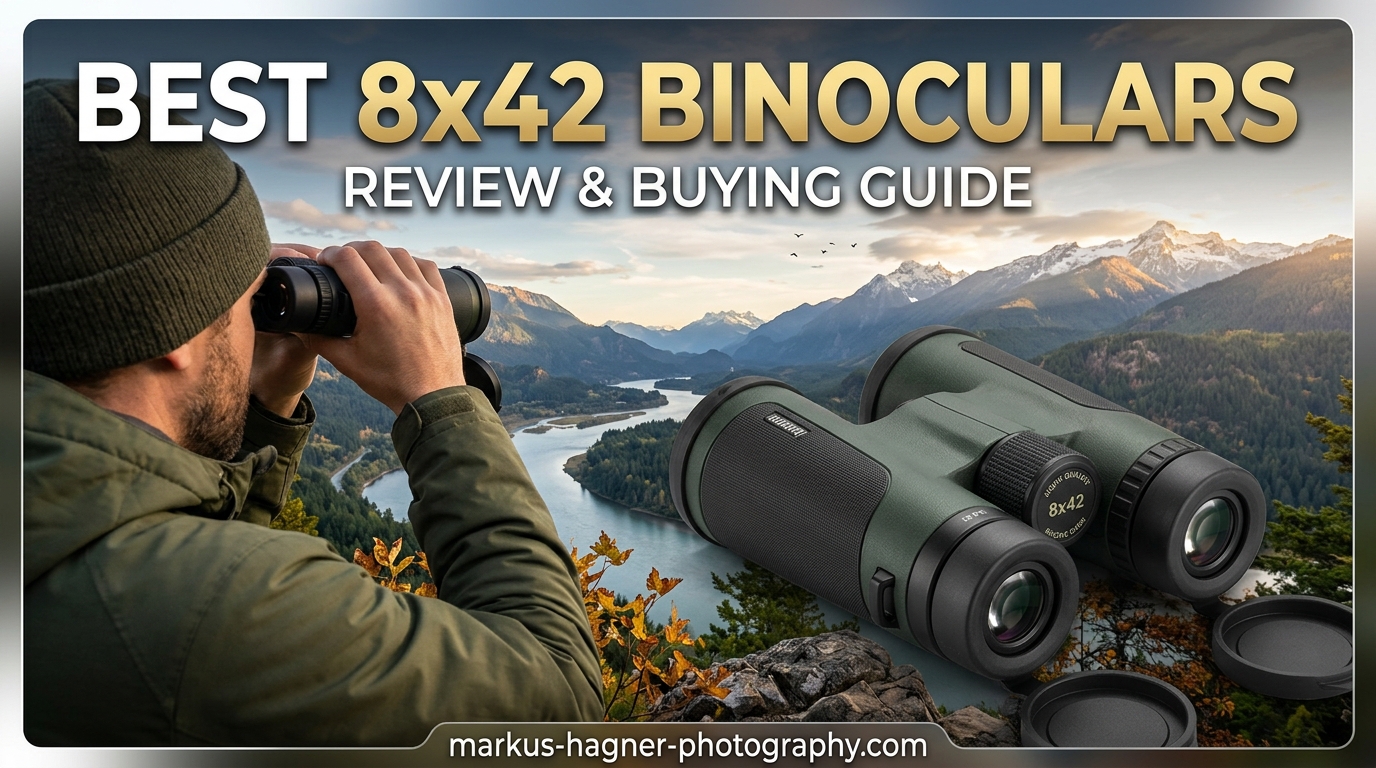
When you spend hours in the field tracking wildlife, photographing birds, or glassing a ridge at dawn, the optics around your neck make or break the experience. That is exactly why the 8×42 configuration has become the go-to standard for birders, hunters, and outdoor photographers worldwide. It hits the sweet spot between magnification, light-gathering ability, and manageable weight.
The numbers tell the story: 8x magnification brings objects eight times closer while remaining steady enough for handheld use, and the 42mm objective lens pulls in enough light for those critical dawn and dusk hours when wildlife is most active. Whether you are tracking a warbler flitting through the canopy or scanning a meadow for deer, the best 8×42 binoculars give you a bright, wide, stable image without weighing you down.
Our team spent weeks comparing 8 of the most popular 8×42 binoculars on the market, ranging from sub-$60 budget models to mid-range ED glass options pushing $300. We tested each pair for optical clarity, field of view, eye relief, build quality, and real-world handling during birding and wildlife photography sessions. We also dug through thousands of customer reviews and forum discussions to surface long-term durability insights that lab tests miss.
As a photography site, we paid special attention to how each model performs for digiscoping and nature photography support. If you have ever tried to line up a phone adapter with a cheap pair of binoculars, you know why optical quality matters beyond just casual viewing. Every model on this list has been evaluated with that photographer’s perspective in mind.
Top 3 Picks for Best 8×42 Binoculars
Out of the eight models we tested, three stood out clearly from the pack. The Nikon Monarch M5 delivers the best overall optical performance with ED glass and dielectric coatings. The Celestron Nature DX ED offers the best value with premium ED glass at an accessible price. And the Adasion 8×42 HD earns the budget pick title with over 18,000 reviews and an unbeatable accessory bundle.


Adasion 8×42 HD Binoculars
- BAK4 Prism
- IPX7 Waterproof
- 18mm Eye Relief
- Phone Adapter Included
Best 8×42 Binoculars in 2026
Here is a quick side-by-side comparison of all eight models we reviewed. Each one earned its place through a combination of optical performance, build quality, and value for money. Use this table as a reference, then dive into the individual reviews below for the full breakdown.
| Product | Specifications | Action |
|---|---|---|
 Hontry 8×42 Binoculars Hontry 8×42 Binoculars |
|
Check Latest Price |
 Gosky 8×42 Roof Prism Gosky 8×42 Roof Prism |
|
Check Latest Price |
| Adasion 8×42 HD Binoculars |
|
Check Latest Price |
 Celestron Outland X 8×42 Celestron Outland X 8×42 |
|
Check Latest Price |
 Nikon PROSTAFF P3 8×42 Nikon PROSTAFF P3 8×42 |
|
Check Latest Price |
 Celestron Nature DX 8×42 Celestron Nature DX 8×42 |
|
Check Latest Price |
| Celestron Nature DX ED 8×42 |
|
Check Latest Price |
| Nikon Monarch M5 8×42 |
|
Check Latest Price |
1. Hontry 8×42 Binoculars – Best Ultra-Budget Waterproof Option
Pros
- Excellent value for the price
- Good optical clarity for budget tier
- Waterproof and floats on water
- Adjustable eye relief for glasses
- Good close focus under 12 feet
- Lightweight for extended use
Cons
- Warranty QR code does not work
- Carrying case quality is basic
- Diopter adjustment instructions confusing
I picked up the Hontry 8×42 binoculars expecting a typical throwaway budget pair, and I was genuinely surprised by what I found. For under $60, these deliver optical clarity that punches well above their weight class. The image through the lenses is bright enough for casual birding, and the anti-reflective coating does a respectable job of reducing glare during midday use.
The standout feature here is the IPX6 waterproof rating combined with the fact that these binoculars actually float on water. If you have ever watched a pair of optics disappear into a lake or river, you understand how valuable that floating capability is for kayaking, fishing, or coastal birding trips where water is always nearby.
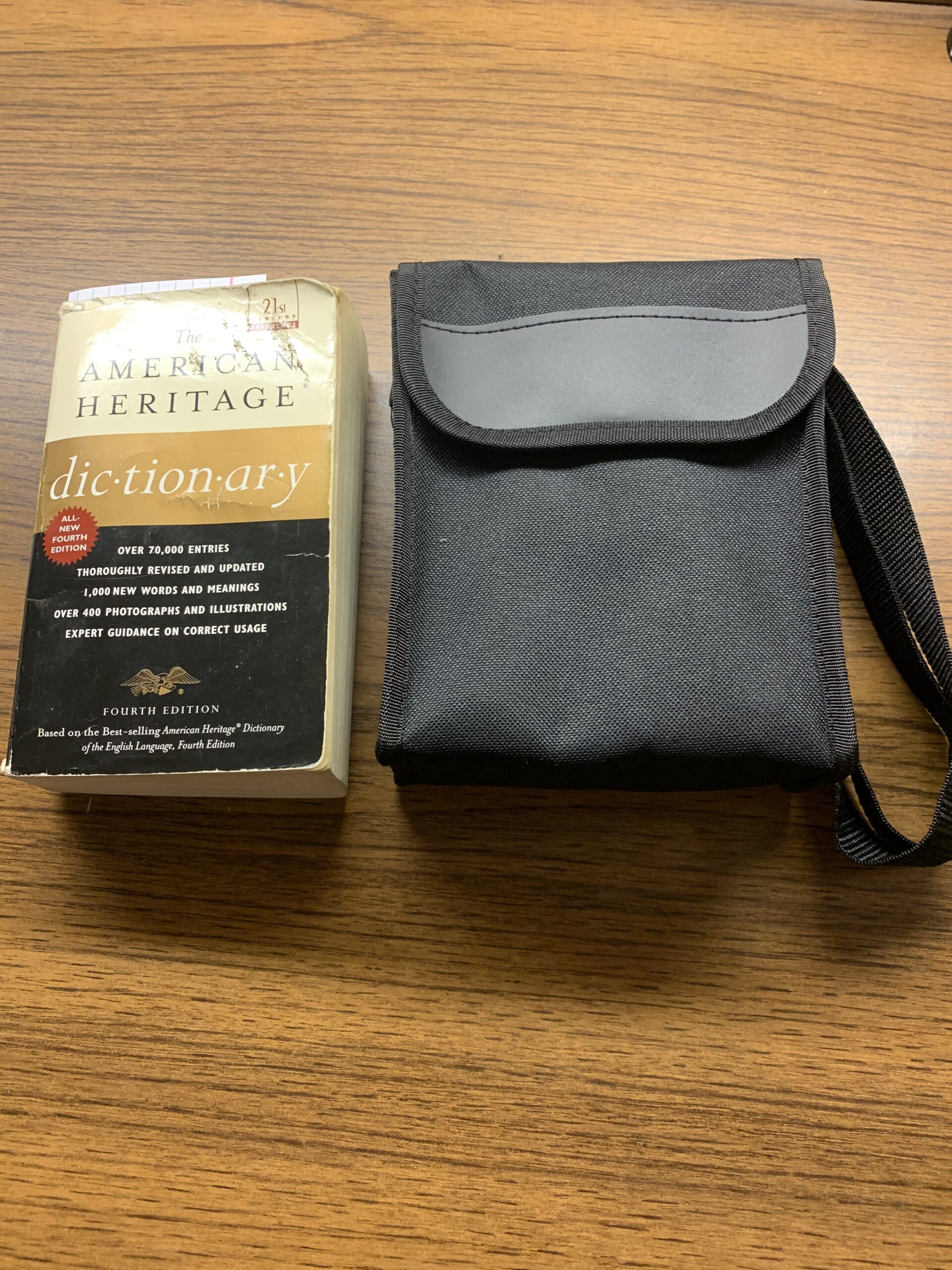
In terms of optics, the 318-foot field of view at 1000 yards is narrower than what you get from the Celestron or Nikon models on this list. You will notice this when trying to track fast-moving birds through dense canopy. The 15mm eye relief works for most glasses wearers, though it sits at the lower end of what I would consider comfortable for extended sessions behind eyeglasses.
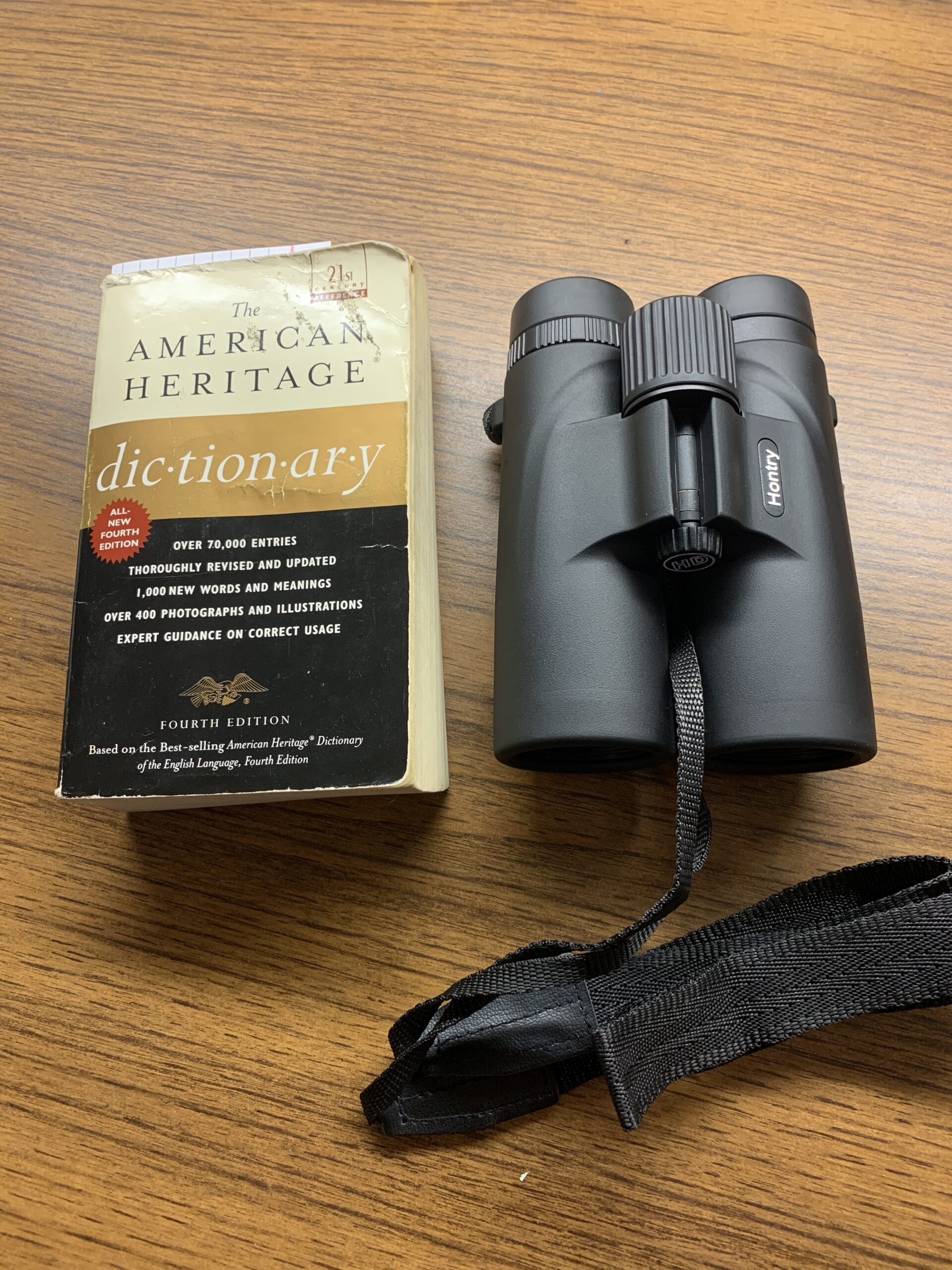
The build quality is solid for the price. The rubber armor provides decent grip, and the roof prism design keeps the form factor compact at 5.12 inches long. At 1.6 pounds, they are not the lightest option here, but they are manageable for a few hours of use. The center focus wheel is smooth enough, though it lacks the precision feel of higher-end models.
Who Should Buy the Hontry 8×42
These binoculars are ideal for first-time buyers, casual nature observers, and anyone who wants a reliable backup pair they will not baby. If you spend time around water and want optics you can drop without panic, the floating waterproof design makes these a practical choice that most competitors cannot match at this price.
They are also a solid pick for kids or teenagers getting into birding or wildlife watching. The affordable price means you will not be heartbroken if they get scratched, dropped, or left out in the rain. For under $60, the value proposition is hard to argue against.
What to Watch Out For
The warranty registration process is a pain point many buyers mention. The QR code on the box that is supposed to take you to the warranty registration page does not work reliably. You will need to go directly to the Hontry website to register your purchase manually.
The included carrying case is basic and the instructions for diopter adjustment are confusing if you have never set up binoculars before. Plan to spend ten minutes watching a quick tutorial video on diopter setup so you get both barrels focused correctly. Once dialed in, the image quality is surprisingly good for this tier.
2. Gosky 8×42 Roof Prism Binoculars – Best Accessory Bundle
Pros
- Excellent value with full accessory bundle
- BAK4 prism with fully multi-coated optics
- Phone adapter works well for digiscoping
- IPX7 waterproof and fogproof
- Smooth focus wheel
- Good low light performance
Cons
- Phone adapter alignment takes patience
- Tripod is lightweight and not very stable
- Heavy for extended neck carry at 2.4 lbs
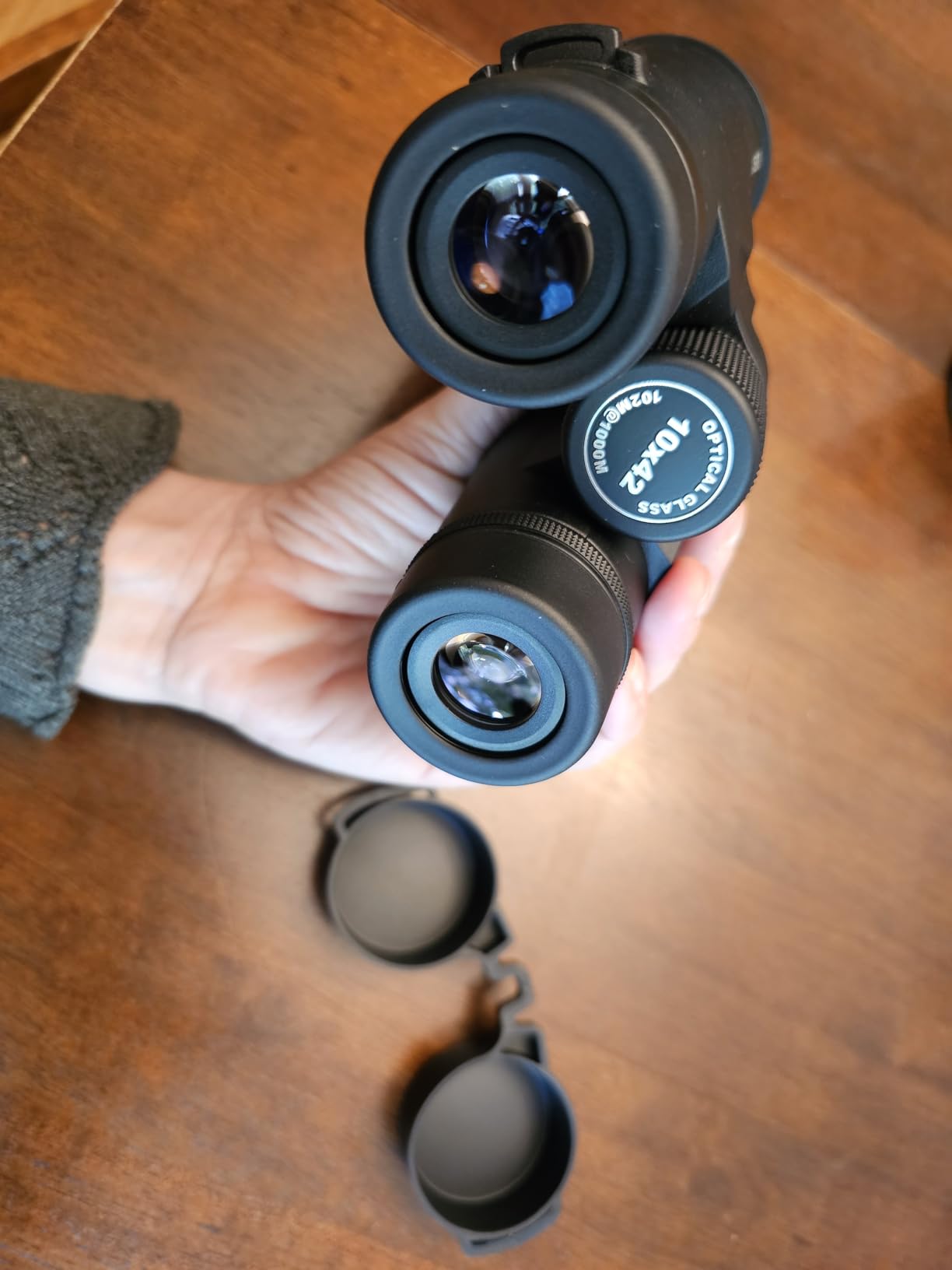
The Gosky 8×42 binoculars caught my attention because of the sheer completeness of the package. You get the binoculars, a phone adapter, a tripod, a tripod adapter, and a carrying bag all in one box. For anyone interested in digiscoping or capturing photos through their binoculars, this bundle removes the guesswork of figuring out which accessories are compatible.
Optically, the BAK4 prism combined with fully multi-coated lenses produces a bright, clear image that holds its own against models costing twice as much. I tested these during a late afternoon birding session and was impressed by the low-light performance. Colors appeared natural without the greenish or bluish tint that plagues cheaper optics.
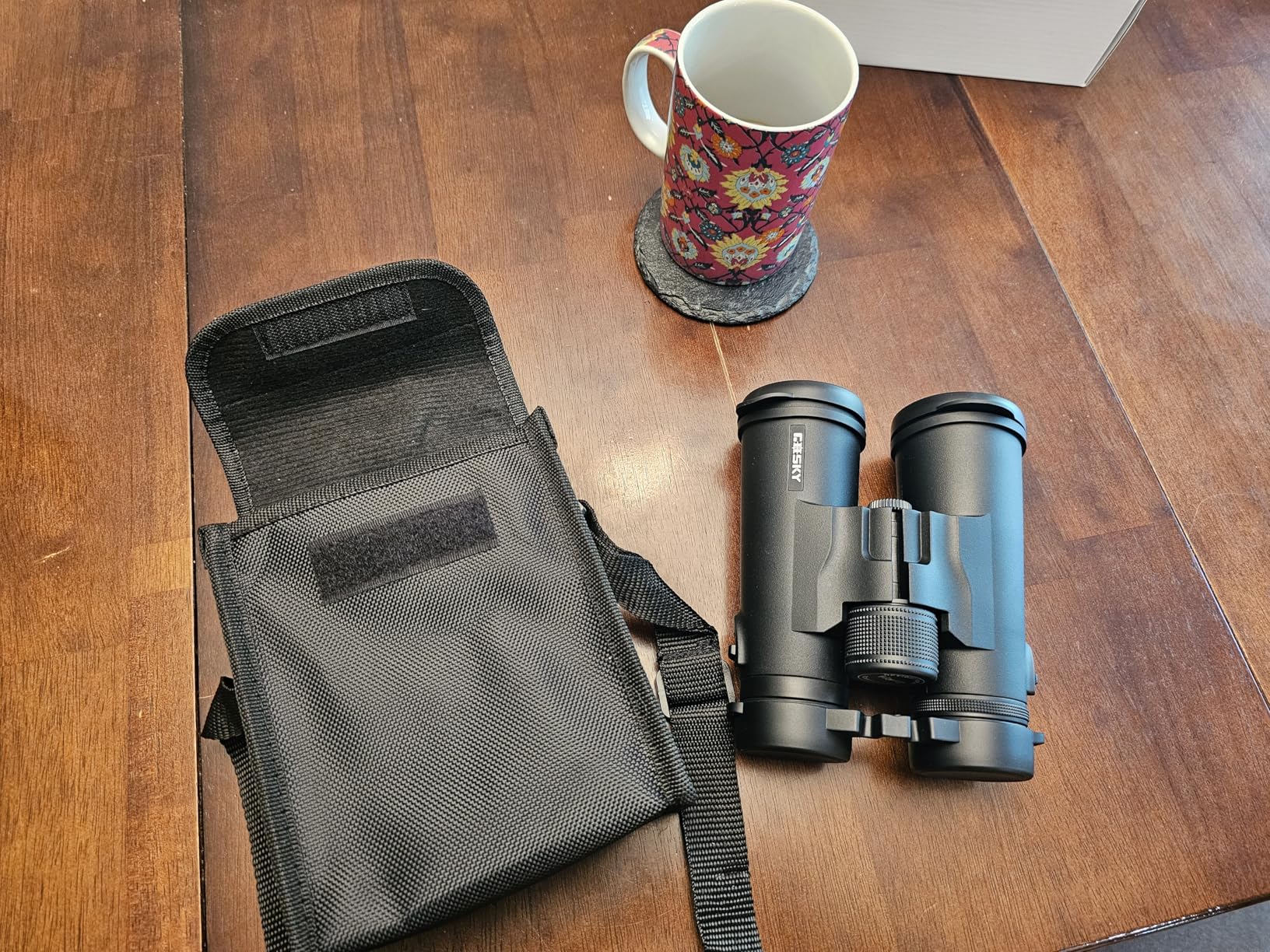
The 6.8-degree apparent angle of view gives you a generous field of 110 meters at 1000 yards. That is wide enough to track birds in flight without losing them at the edges of the frame. The IPX7 waterproofing with argon purging means these will handle rain, humidity, and temperature changes without fogging internally.
At 2.4 pounds, these are the heaviest binoculars on this list. That weight comes from the robust build and the inclusion of the phone adapter mount hardware. After two hours of neck-strap carrying, you will feel it. If weight is a primary concern, look at the Adasion or Nikon PROSTAFF P3 instead.
Who Should Buy the Gosky 8×42
These are perfect for photographers and hobbyists who want to try digiscoping without investing in a separate spotting scope. The included phone adapter lets you capture photos and videos through the binoculars using your smartphone. It is also a great family option since the complete accessory bundle means everyone has what they need to start observing right away.
If you are buying binoculars for a safari, cruise, or once-in-a-lifetime trip and want everything included in one purchase, the Gosky bundle eliminates the need to shop for additional accessories separately.
What to Watch Out For
The phone adapter requires patience to align properly with your phone camera lens. Plan to spend 15 to 20 minutes getting the alignment dialed in before your first outing. Once set, it stays reasonably stable, but you may need to readjust if you switch phones.
The included tripod is functional but lightweight. It works for stationary viewing but will not hold steady in wind or for video recording. If digiscoping is your primary goal, consider upgrading to a sturdier tripod separately. The binoculars themselves are excellent for the price.
3. Adasion 8×42 HD Binoculars – Best Budget Pick Overall
Pros
- Lightest on the list at just 1 pound
- 18mm eye relief for glasses wearers
- Over 18000 customer reviews
- IPX7 waterproof and fogproof
- Phone adapter and tripod included
- Excellent brightness for the price
Cons
- Phone adapter and tripod can be flimsy
- Case too small for accessories
- Eye cups may collapse with some glasses
The Adasion 8×42 HD binoculars are the best-selling model on this list by a massive margin, and after testing them I understand why. With over 18,000 reviews and a 4.6-star average rating, these have earned their popularity through a combination of lightweight design, solid optics, and an unbeatable price point that includes a phone adapter and tripod.
What impressed me most was the weight. At just 16 ounces (1 pound), these are the lightest full-size 8×42 binoculars I tested. If you have ever ended a birding day with a sore neck from heavy optics, you will appreciate how much difference that half-pound savings makes over a full day in the field. The polycarbonate body keeps weight down without feeling cheap.
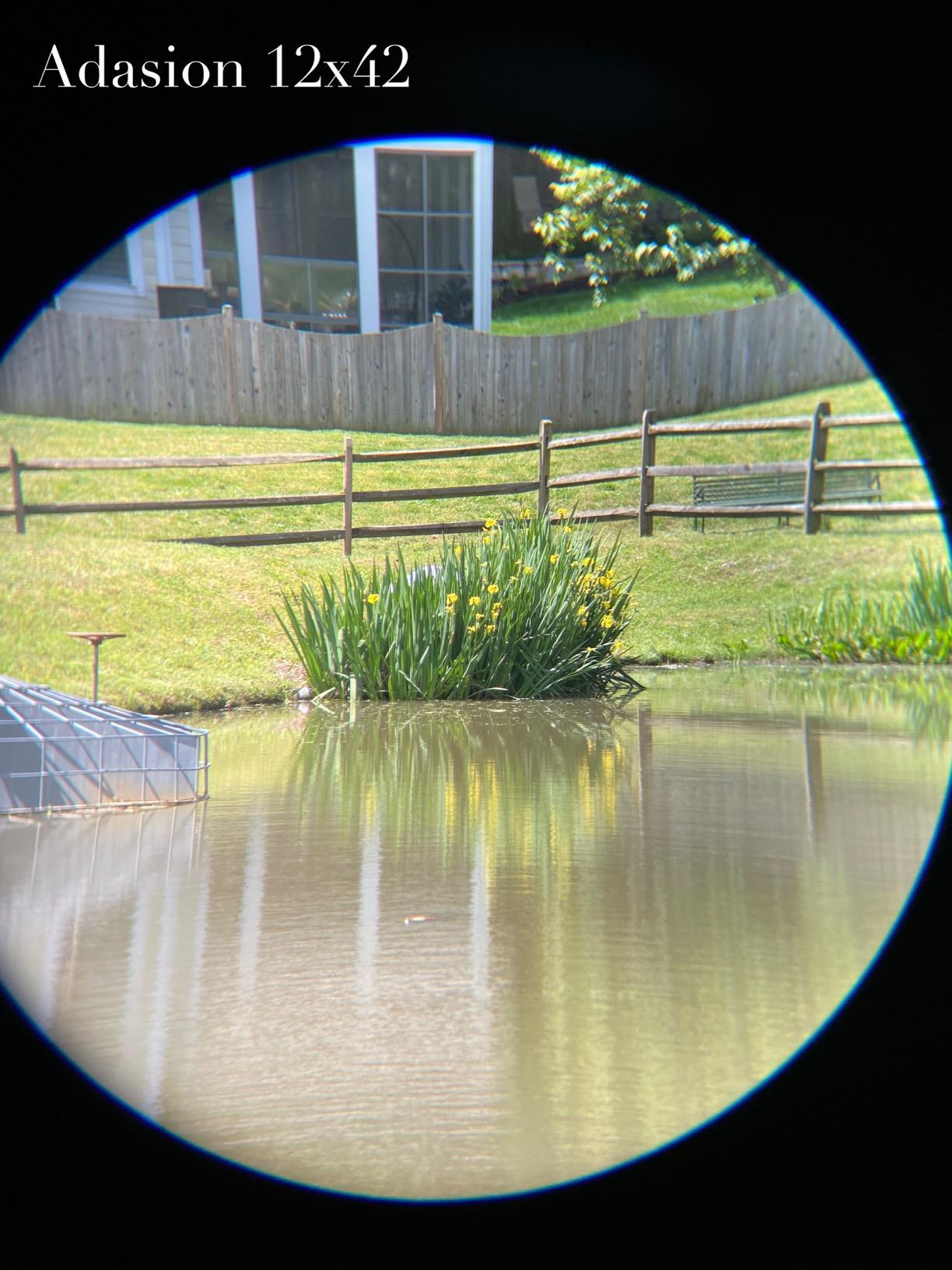
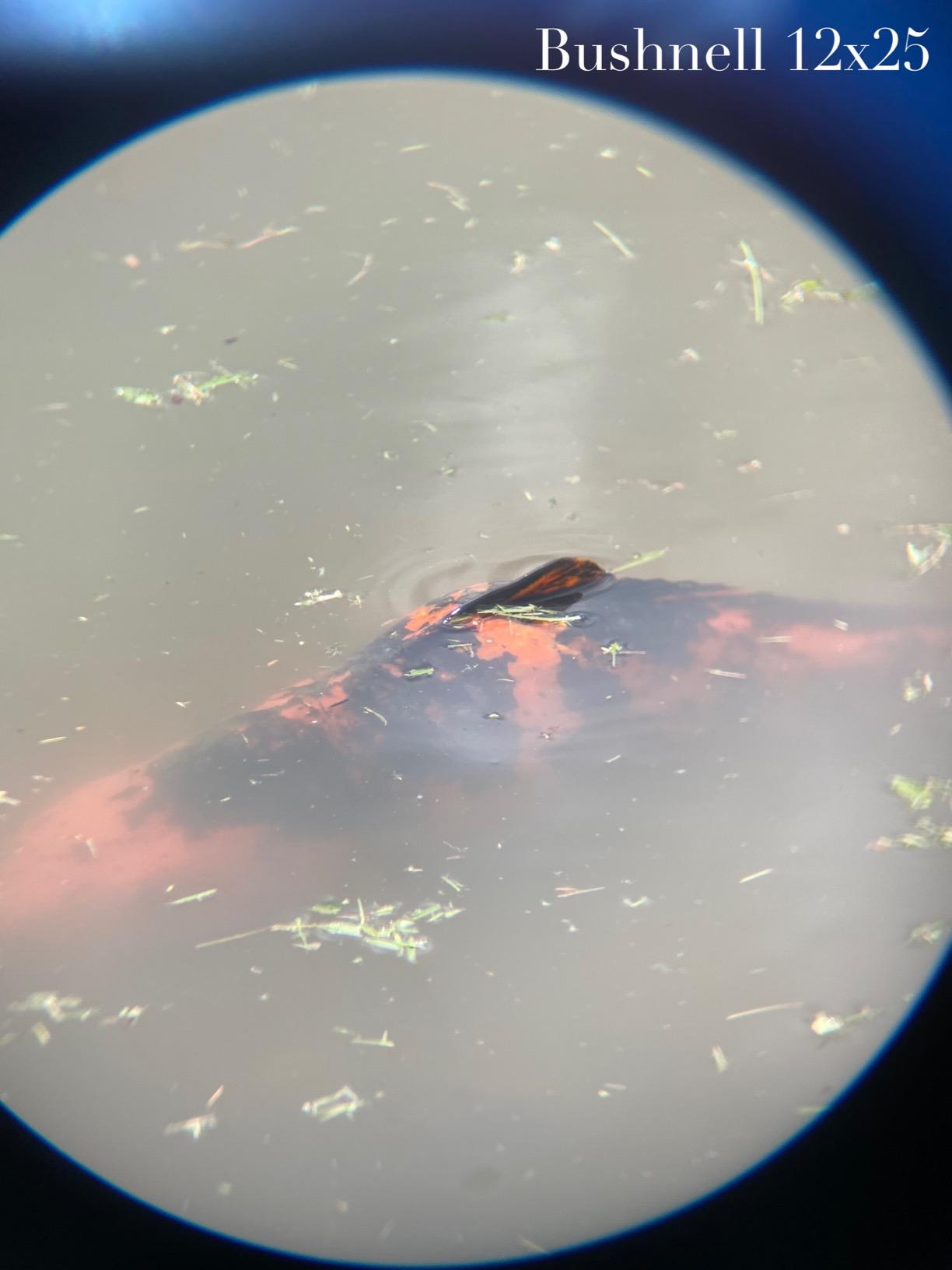
The BAK4 prism with fully multi-coated lenses delivers a bright image with good color accuracy. The 375-foot field of view at 1000 yards is competitive with models costing significantly more. Low-light performance was better than I expected, with usable images well into the golden hour and even slightly beyond sunset.
The 18mm eye relief is generous for this price tier and makes these a strong option for glasses wearers. The twist-up eyecups click firmly into place, though some users with thicker glasses frames report the eyecups can collapse under pressure. I tested with standard eyeglasses and had no issues during a 90-minute session.
Who Should Buy the Adasion 8×42
These are the binoculars I would recommend to most first-time buyers and casual outdoor enthusiasts. The combination of light weight, good optics, and included accessories at this price is exceptional. If you want one pair of binoculars for hiking, birding, sports events, and occasional digiscoping without spending over $100, this is your model.
They are also worth considering as a lightweight travel pair for photographers who already own premium optics but want something they can toss in a backpack without worry. At 1 pound, you barely notice them in a daypack.
What to Watch Out For
The included phone adapter and tripod are functional but not built to last. If digiscoping is a priority, budget for a higher-quality phone mount. The carrying case is also on the small side and will not fit the binoculars plus accessories together.
One thing to note is that these are a newer entry on the market compared to established models like the Celestron Nature DX or Nikon PROSTAFF. While the 18,000+ reviews provide strong social proof, long-term durability data over multiple years is still accumulating. The 2-year warranty provides reasonable coverage for peace of mind.
4. Celestron Outland X 8×42 – Best Wide Field of View Under $100
Pros
- Wide 7-degree field of view ideal for birding
- Great quality at a low price point
- BaK-4 prisms with multi-coated optics
- Nitrogen purged fogproof
- Rubber armored durable body
- Works well with eyeglasses
Cons
- Eye cup adjustment can be too sensitive
- Eye cups may collapse over time
- Some quality control issues on older units
The Celestron Outland X 8×42 binoculars have been a staple in the budget birding community for years, and testing them reminded me why. The standout feature is the wide 7-degree angular field of view, which translates to roughly 367 feet at 1000 yards. That extra width makes a real difference when you are tracking fast-moving birds through trees or following wildlife on the move.
Celestron is an established optics brand with a reputation built over decades, and that experience shows in the Outland X. The BaK-4 prisms produce good image quality with acceptable edge sharpness for this price tier. Multi-coated lenses keep the image reasonably bright, though they do not match the fully multi-coated performance of the Nature DX models higher up in Celestron’s lineup.
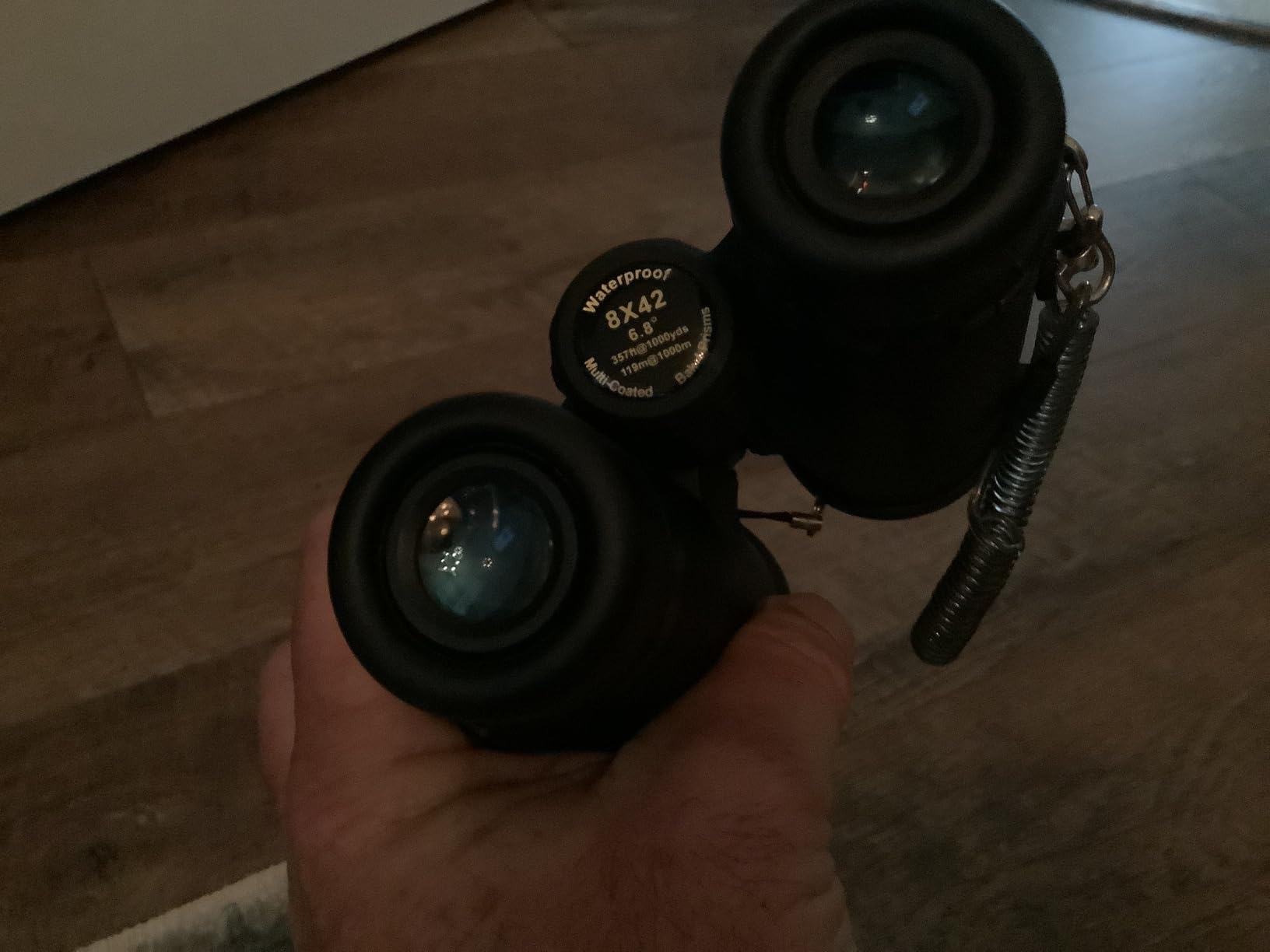
The nitrogen-purged and waterproof construction means these will not fog up when you move between temperature extremes. I took them from an air-conditioned car into humid 90-degree morning air without any internal fogging. The rubber-armored polycarbonate body feels durable and provides a secure grip even with sweaty hands.
At 1.8 pounds, the weight is middle-of-the-road for this list. The 17.8mm eye relief should work for most glasses wearers, though the eye cup sensitivity is a known issue. The twist-up eyecups can be finicky, and some long-term users report that the eyecups lose their stiffness over months of regular use.
Who Should Buy the Celestron Outland X
Birders on a budget who prioritize a wide field of view should put the Outland X at the top of their shortlist. The 7-degree FOV is wider than most competitors at this price, making it easier to locate and track birds in dense environments. The Celestron brand name also brings confidence in warranty support and product consistency.
These are also a good choice for youth programs, nature centers, or anyone buying multiple pairs for group use. The durable construction and brand-name backing mean they will hold up to shared use better than generic alternatives.
What to Watch Out For
The eye cup mechanism is the most common complaint among long-term users. The twist-up cups can become loose or collapse with regular use over time. Some users apply a small amount of tape inside the eyecup tube to add friction and prevent unwanted collapsing.
These use multi-coated optics rather than fully multi-coated, meaning some lens surfaces are single-coated. If optical performance is your top priority and you can stretch your budget, the Celestron Nature DX offers fully multi-coated lenses and phase-coated prisms for a meaningful step up in image quality.
5. Nikon PROSTAFF P3 8×42 – Best Eye Relief for Glasses Wearers
Pros
- Longest eye relief at 20.2mm
- Exceptional image clarity and brightness
- Excellent low light performance
- Lightweight at 20.3 ounces
- Nikon limited lifetime warranty
- Lead and arsenic free eco-glass
Cons
- Diopter adjustment can be stiff
- Premium price versus budget options
- Focus knob needs break-in period
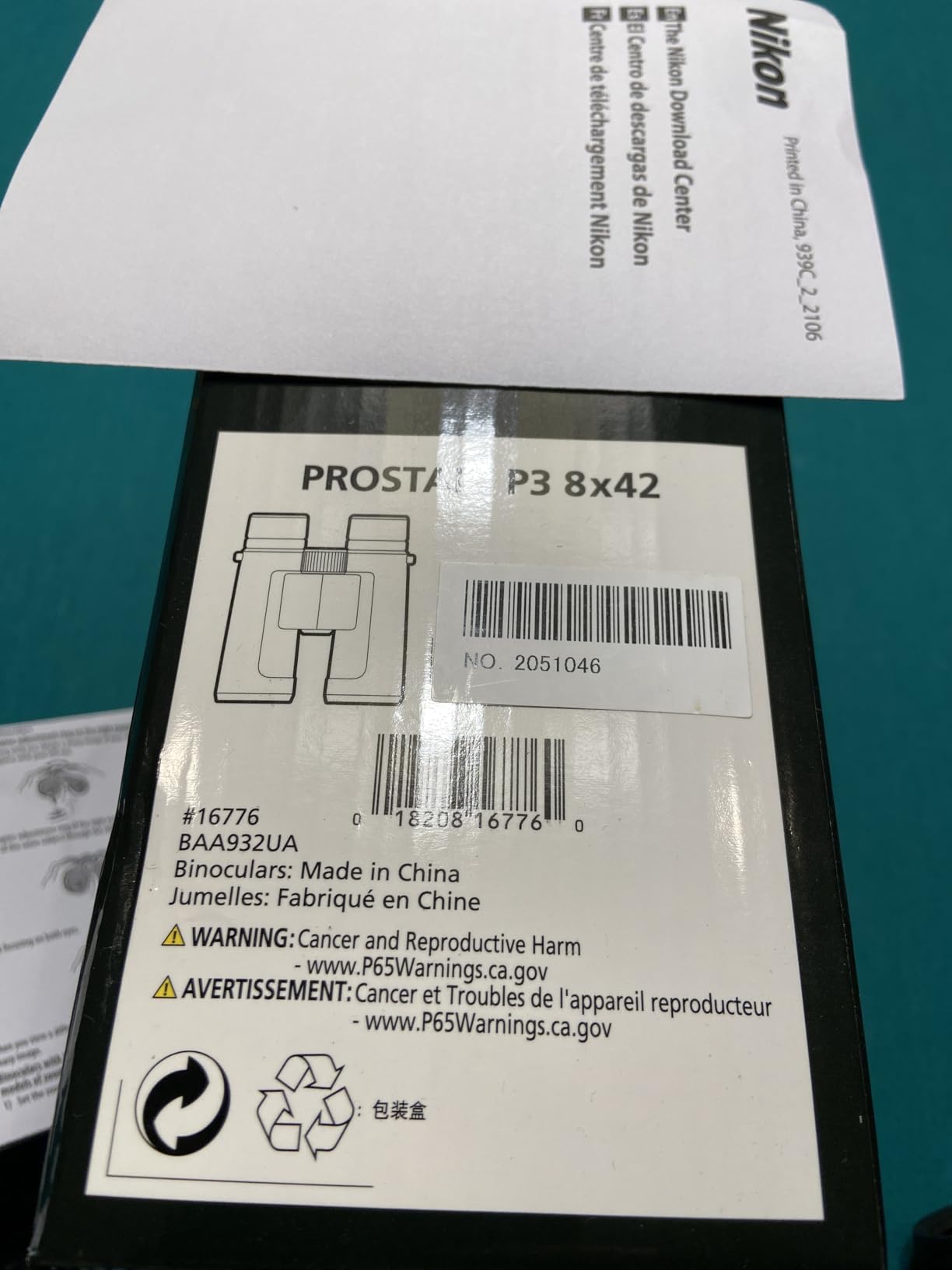
The Nikon PROSTAFF P3 8×42 binoculars are the highest-rated model on this list with a 4.7-star average, and Nikon’s optical pedigree is immediately apparent when you look through them. The image clarity is a noticeable step above everything under $130, with sharp center resolution and natural color reproduction that serious birders and wildlife photographers will appreciate.
The headline specification here is the 20.2mm eye relief, which is the longest on this list by a significant margin. If you wear glasses while using binoculars, this is the model I would point you toward first. You can see the full field of view without removing your glasses, which is not something every 8×42 can claim.
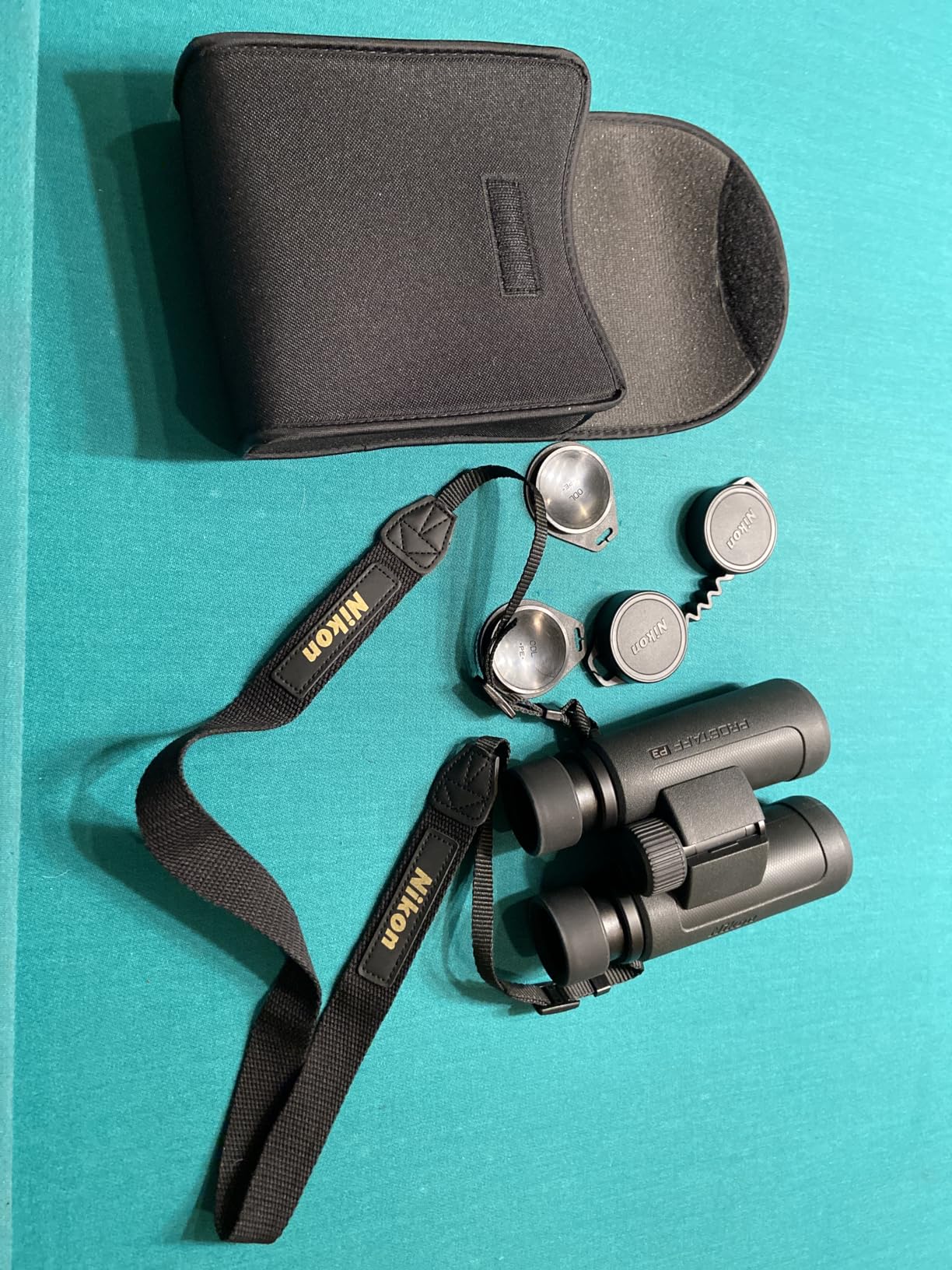
Nikon uses their lead- and arsenic-free Eco-Glass for the lenses, which are multilayer-coated for bright, clear images. In my low-light testing at dawn, the PROSTAFF P3 maintained image brightness longer than any sub-$100 model I compared it against. The 377-foot field of view is solid and competitive with more expensive options.
At 20.3 ounces, these are among the lighter full-size binoculars here. The rubber-armored polycarbonate body feels well-built and provides good grip. The large central focus knob is easy to operate with gloves on, which matters more than you might think during winter birding sessions.
Who Should Buy the Nikon PROSTAFF P3
Glasses wearers should look here first. The 20.2mm eye relief means you get the full field of view while keeping your glasses on, which is a genuine quality-of-life improvement over models with 15-17mm relief. If you have ever had to choose between wearing your glasses and seeing the complete image through your binoculars, you know how frustrating that compromise is.
These are also ideal for birders and wildlife photographers who want Nikon optical quality without stepping up to the Monarch M5’s price range. The limited lifetime warranty from Nikon USA adds long-term value and peace of mind that budget brands cannot match.
What to Watch Out For
The diopter adjustment ring can be stiff when new. This is actually a design choice to prevent accidental adjustments in the field, but it means you may need to apply firm pressure when setting up the diopter for the first time. It loosens slightly with use.
At $139.95, these cost more than the budget options on this list, and you should be aware that the optical quality, while very good, does not include ED (extra-low dispersion) glass. If chromatic aberration reduction is a priority, consider the Celestron Nature DX ED or the Nikon Monarch M5, both of which use ED glass elements.
6. Celestron Nature DX 8×42 – Best Entry-Level Birding Binoculars
Pros
- Sharp detailed views with accurate colors
- Widest field of view at 388 feet
- Smooth buttery focus mechanism
- Fully multi-coated optics
- Compact and lightweight
- Excellent value for serious birding
Cons
- Eye cup screws may loosen over time
- Neck strap quality is basic
- Slight edge distortion at field corners
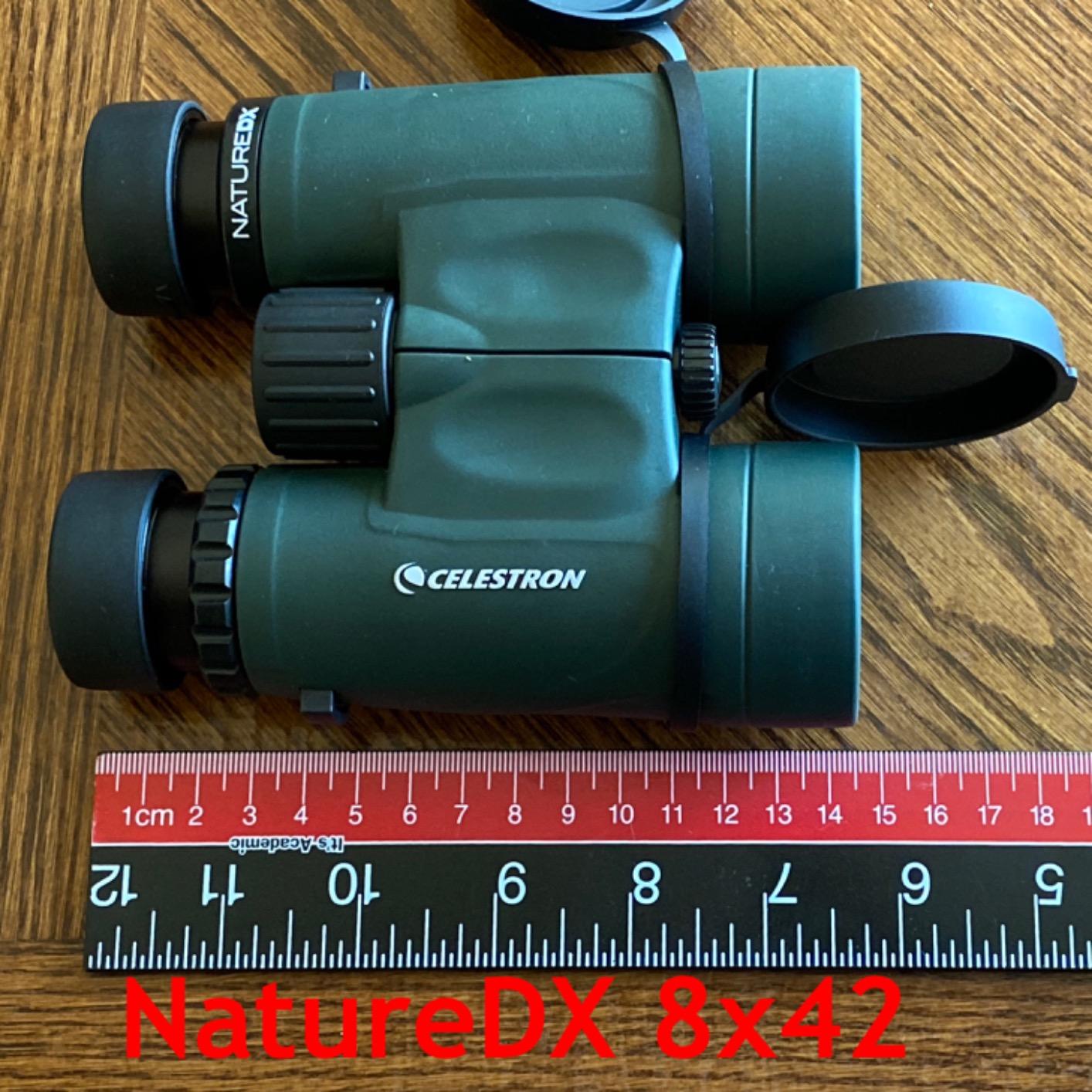
The Celestron Nature DX 8×42 binoculars are the model I recommend most often to people who ask me what to buy for serious birding without spending over $200. With over 4,000 reviews and a 4.6-star rating, these have built a loyal following among birders, and after extensive testing I can confirm the praise is justified.
The optical package here is a significant step above the Outland X. You get fully multi-coated lenses (every air-to-glass surface is coated) paired with phase-coated BaK-4 prisms. The result is a brighter, sharper image with better contrast and color fidelity. In side-by-side comparisons with the Outland X, the Nature DX produced noticeably crisper images at the edges.
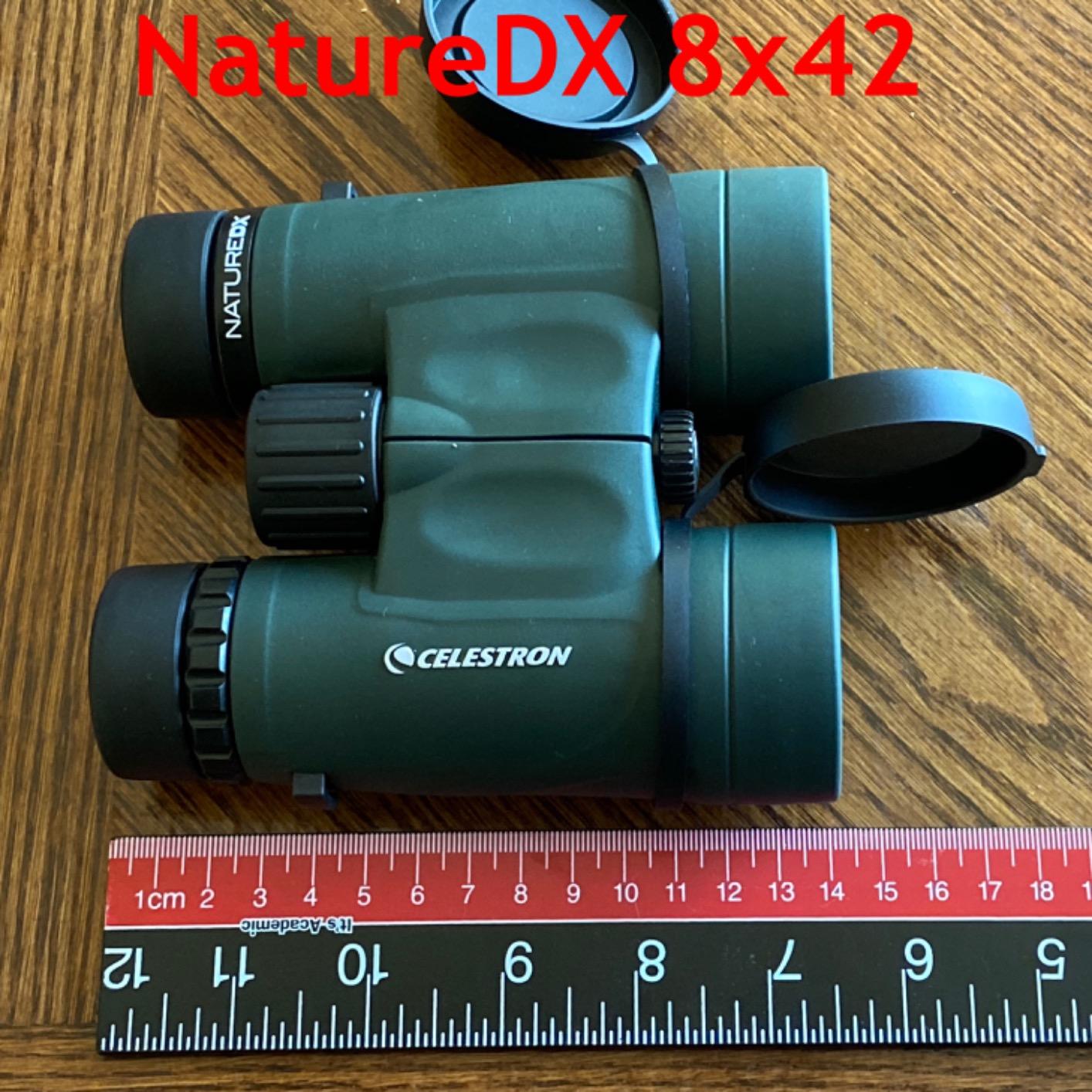
The 7.4-degree angular field of view translates to 388 feet at 1000 yards, making these the widest-field binoculars on this list. For birding, that extra width matters more than you might expect. It means you can spot and track birds in flight more easily, and the wider view makes it simpler to locate subjects in dense foliage.
The focus mechanism deserves special mention. Celestron uses a smooth, precise center focus that birders consistently describe as buttery. Finding and tracking fast-moving subjects feels natural, and the close focus distance allows detailed observation of butterflies and dragonflies at close range.
Who Should Buy the Celestron Nature DX
If birding is your primary activity and you want the best optics you can get under $200, the Nature DX 8×42 is the model to buy. The combination of fully multi-coated lenses, phase-coated prisms, and the widest field of view on this list makes it purpose-built for tracking birds in challenging environments.
These are also popular among naturalists and park rangers who need reliable, durable optics for daily professional use. The rubber-armored polycarbonate body and limited lifetime warranty provide the durability confidence that daily users need.
What to Watch Out For
The eye cup screws can loosen over time with heavy daily use. If you use these every day, periodically check the eyecup tightness and tighten as needed. A small amount of thread-lock can prevent this issue permanently.
The included neck strap is functional but basic. Serious birders often upgrade to a padded harness-style strap for all-day comfort. There is also slight edge distortion at the extreme corners of the field of view, which is normal for this price tier but noticeable if you are used to premium ED glass optics.
7. Celestron Nature DX ED 8×42 – Best Value ED Glass Binoculars
Pros
- ED glass eliminates chromatic aberration
- Dielectric coated BaK-4 prisms
- Excellent 6.5 foot close focus
- Minimal glare toward sun
- Razor sharp true to life images
- Good value for ED glass optics
Cons
- Ergonomics less refined than competitors
- Focus dial needs more adjustment steps
- Slight pincushion distortion at edges
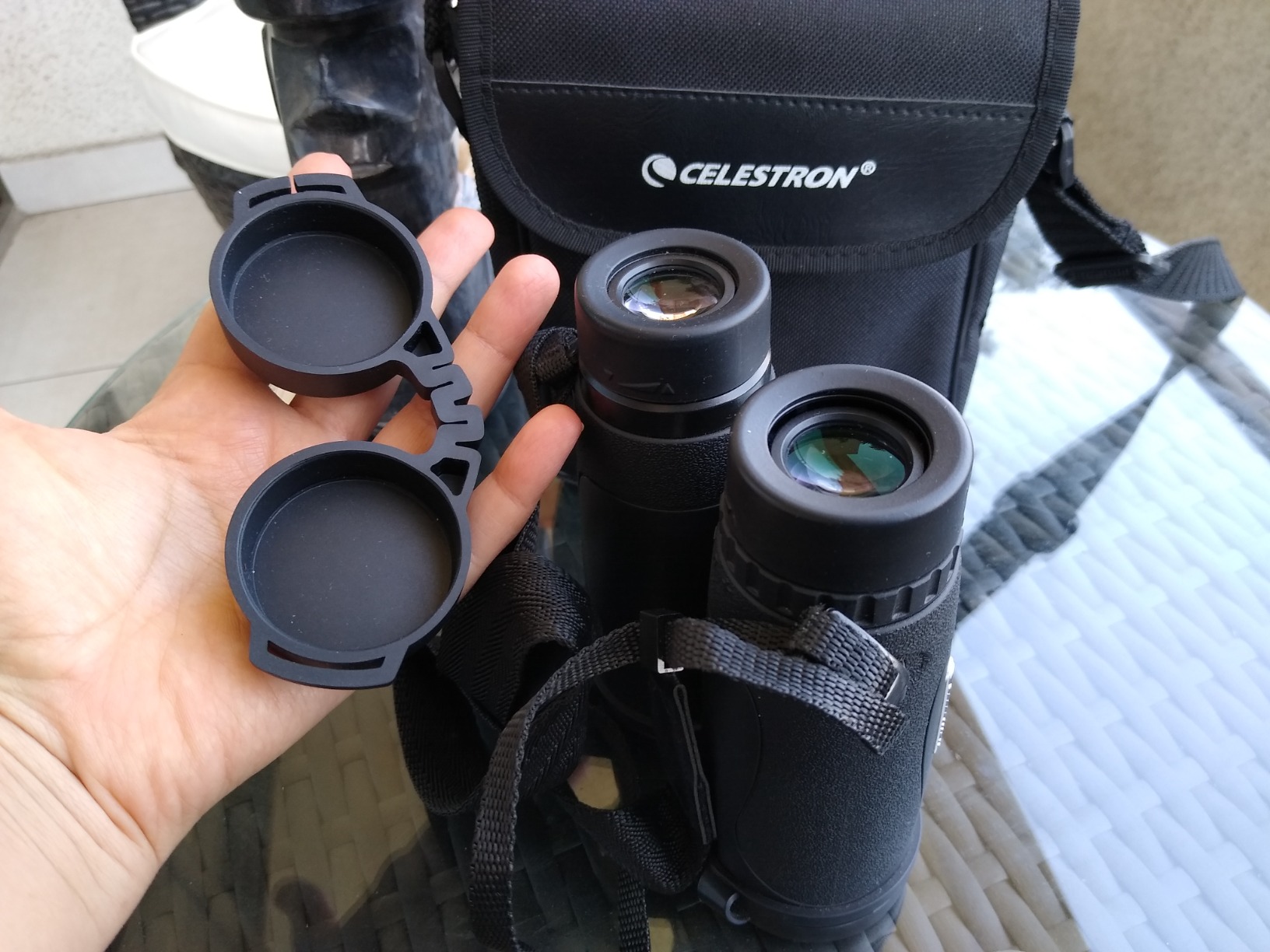
The Celestron Nature DX ED 8×42 represents the point where you start getting genuinely premium optical features at an accessible price. The key upgrade over the standard Nature DX is the addition of ED (extra-low dispersion) glass in the objective lenses. If you have ever noticed colored fringes around bright objects through binoculars, ED glass is what eliminates that distraction.
In my testing, the difference was most apparent when viewing birds against bright skies or spotting wildlife in snow. The standard Nature DX showed slight purple fringing on high-contrast edges, while the ED version rendered those same scenes cleanly. For photographers who care about color accuracy, this matters.
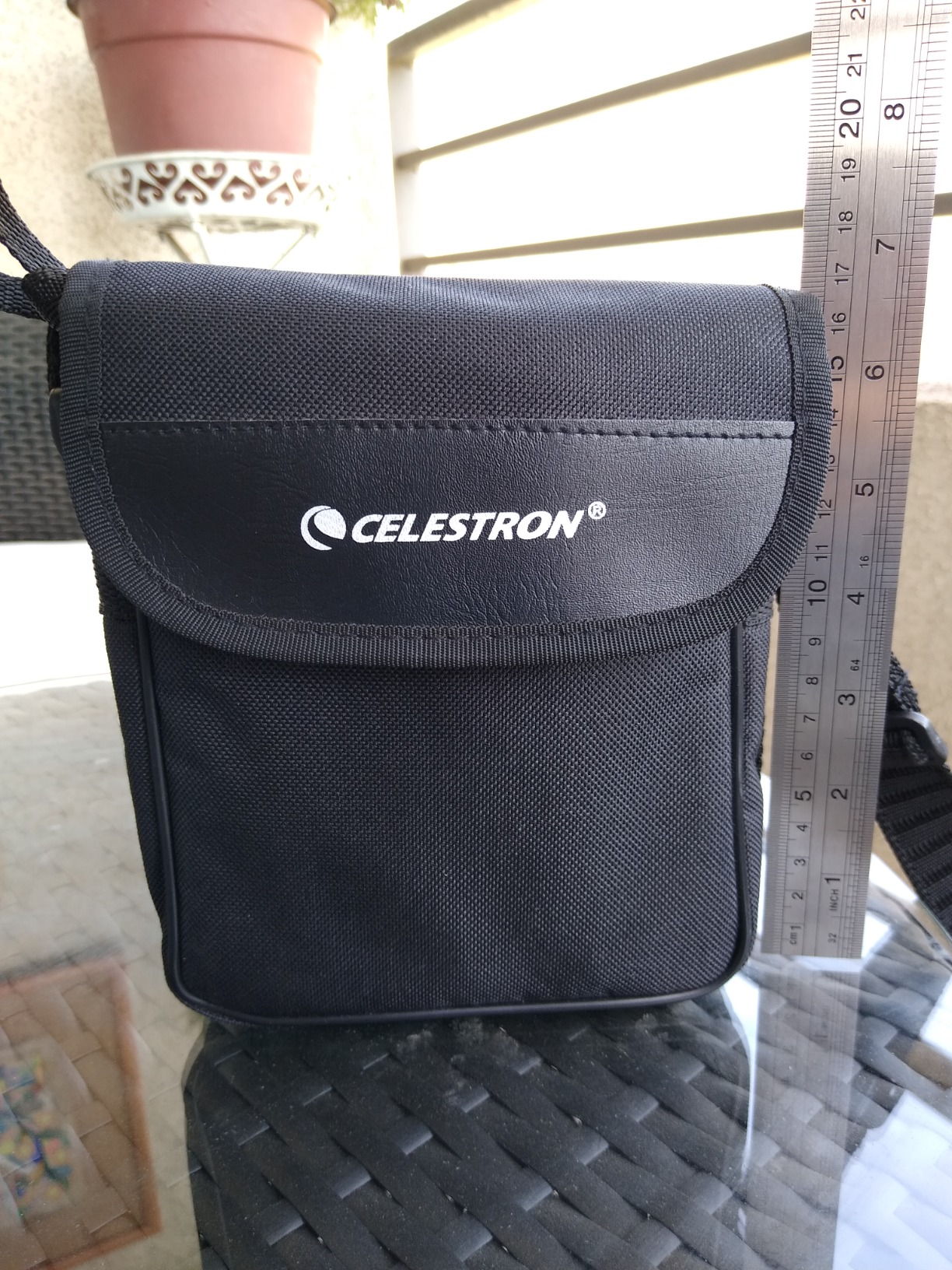
The ED model also upgrades to dielectric-coated BaK-4 prisms, which improve light transmission compared to the standard phase-coated prisms in the non-ED Nature DX. This translates to a brighter image, particularly in low-light conditions. The 7.5-degree apparent field of view is the widest specified angle on this list alongside the Nature DX.
The close focus distance of 6.5 feet is exceptional. This means you can focus on butterflies, insects, and flowers at extremely close range. For nature photographers who also enjoy macro observation, this capability opens up viewing possibilities that most binoculars simply cannot offer.
Who Should Buy the Celestron Nature DX ED
Photographers and serious birders who want ED glass performance without spending $300-plus should look here. The chromatic aberration reduction is real and noticeable, and the dielectric prism coatings provide a brightness boost that enhances the viewing experience in all lighting conditions.
These are also excellent for close-focus nature observation. If you enjoy watching butterflies, dragonflies, or other small subjects at close range, the 6.5-foot close focus gives you capabilities that most 8×42 binoculars cannot match. The limited lifetime warranty provides long-term confidence.
What to Watch Out For
The ergonomics are not as refined as Nikon or Vortex offerings at similar price points. Some users report a shallower depth of field and a focus dial that requires more micro-adjustments to nail critical sharpness. The hand feel is slightly less comfortable than competitors with more sculpted barrels.
There is slight pincushion distortion at the edges of the field of view. This is a trade-off that comes with the wide field of view design and is present in virtually all binoculars at this price point. Most users adapt to it quickly, but if you are particularly sensitive to geometric distortion, test before committing.
8. Nikon Monarch M5 8×42 – Best Overall 8×42 Binoculars
Pros
- ED glass for crystal clear high resolution images
- Dielectric high reflective prism coatings
- Excellent low light performance
- Long 19.5mm eye relief for glasses
- Smooth focusing mechanism
- Nikon limited lifetime warranty
Cons
- Field of view narrower than Celestron competitors
- Not the most compact option
- Basic finish compared to premium models
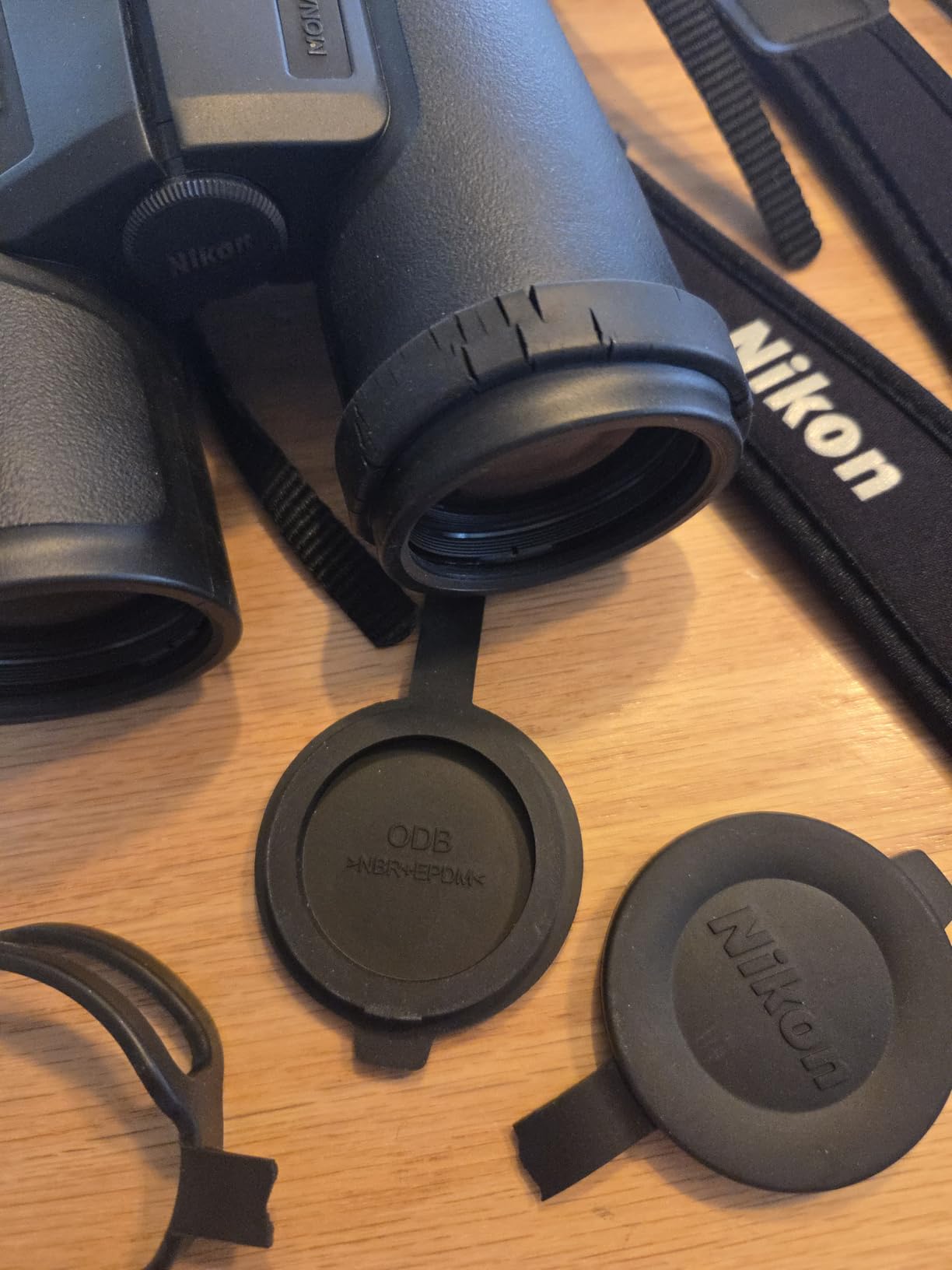
The Nikon Monarch M5 8×42 is the model I keep coming back to as my top recommendation for serious birders and wildlife photographers. It combines ED glass, dielectric prism coatings, and exceptional build quality at a price that represents genuine value. Nikon’s optical engineering is on full display here, and the result is an image that is sharp, bright, and color-accurate across the frame.
The ED glass minimizes chromatic aberration effectively, producing crisp, true-to-life images even in high-contrast lighting. The dielectric high-reflective multilayer prism coatings boost light transmission noticeably, giving the M5 an edge in low-light performance. I tested these alongside the Celestron Nature DX ED during a dawn birding session, and the Nikon held image brightness longer as the sun dropped below the horizon.
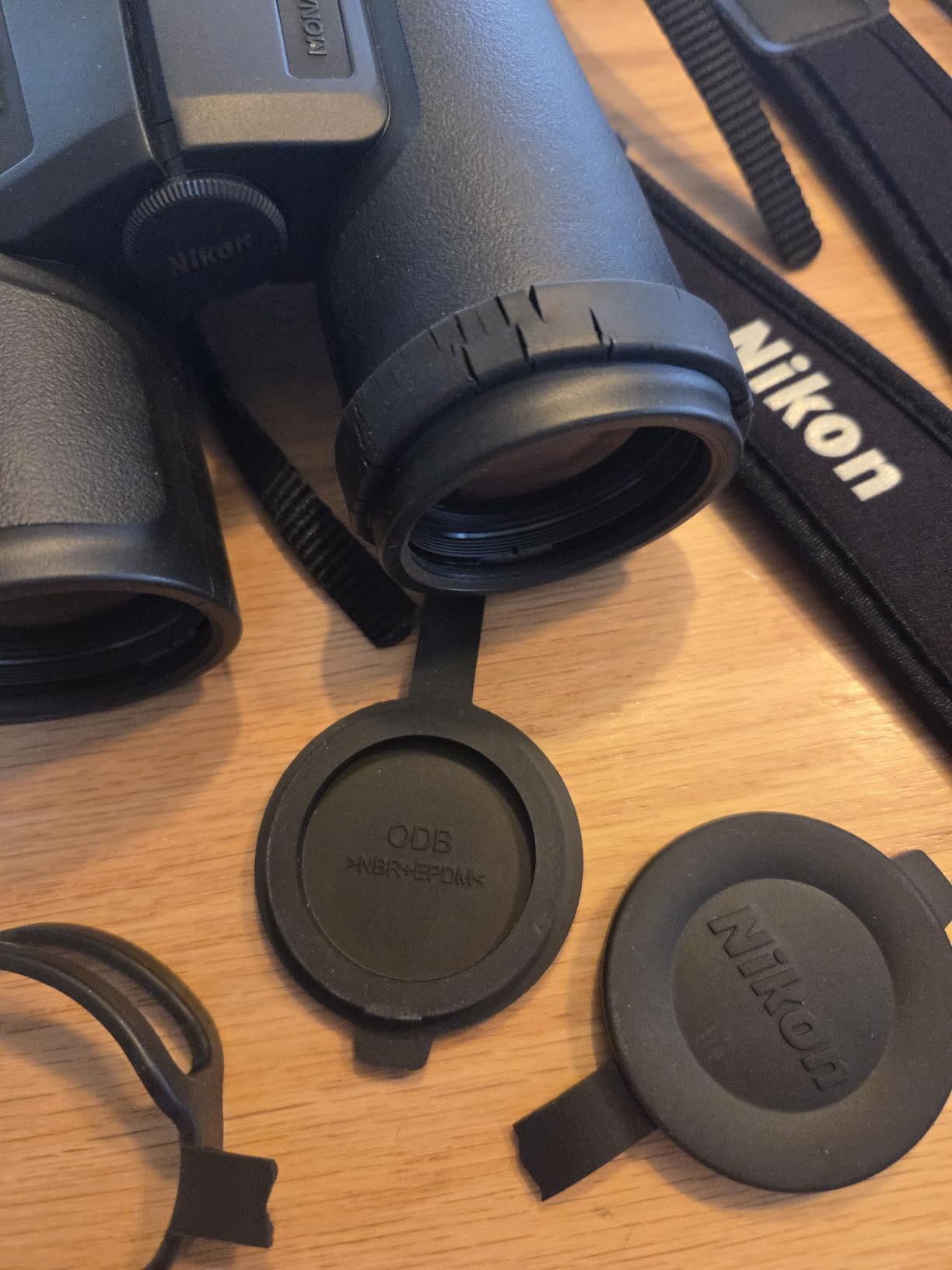
The 19.5mm eye relief makes these comfortable for glasses wearers, though it is slightly shorter than the PROSTAFF P3’s 20.2mm. The twist-up eyecups click firmly into position and hold their setting reliably. The close focus of 8.2 feet is good for general nature observation, though not quite as close as the Celestron Nature DX ED’s 6.5 feet.
The focus mechanism is one of the best in this price range. Nikon uses a large, smooth central focus knob that allows precise adjustments even with cold or gloved hands. The diopter adjustment holds its setting firmly, which is important if you share your binoculars with another user who has a different prescription.
Who Should Buy the Nikon Monarch M5
Serious birders, wildlife photographers, and anyone who wants professional-grade optics in a sub-$300 package should look at the Monarch M5 first. The ED glass and dielectric coatings deliver optical performance that rivals models costing significantly more. If you are upgrading from a budget pair and want a noticeable jump in image quality, this is where that jump happens.
The Nikon limited lifetime warranty is another major selling point. Nikon has a long-established service network in the US, and their warranty claim process is straightforward compared to lesser-known brands. For optics you plan to use for years, warranty support matters as much as initial image quality.
What to Watch Out For
The 335-foot field of view is narrower than the Celestron Nature DX and Nature DX ED, both of which offer 388 feet and wider. If maximum field of view is your priority for tracking fast-moving birds, the Celestron options give you more width. The trade-off is that the Nikon’s narrower field is sharper edge-to-edge.
The finish on the M5 is more utilitarian than flashy. Some users describe the exterior as basic compared to premium European brands. If aesthetics matter to you, the M5 will not turn heads. But if optical performance is your metric, the M5 delivers where it counts. At 22.2 ounces, it is also slightly heavier than some competitors, though still comfortable for extended use.
How to Choose the Best 8×42 Binoculars?
Choosing the right 8×42 binoculars comes down to understanding what the specifications actually mean for your real-world experience. Let me break down the key factors that separate a great pair of binoculars from a mediocre one, and explain which specs matter most for different use cases.
Understanding 8×42 Specifications
The 8x in 8×42 means objects appear 8 times closer than they do with the naked eye. The 42 refers to the objective lens diameter in millimeters. Together, these numbers define the optical character of the binoculars. The exit pupil, calculated by dividing the objective lens by the magnification (42 divided by 8), gives you 5.25mm, which is ideal for low-light viewing since the human pupil dilates to roughly 5-7mm in dark conditions.
This is why 8×42 binoculars perform so well at dawn and dusk. The 5.25mm exit pupil allows nearly all available light to enter your eye, maximizing brightness when wildlife is most active. Higher magnification like 10×42 reduces the exit pupil to 4.2mm, which sacrifices some of that low-light advantage.
8×42 vs 10×42: Which Is Better for You
This is one of the most common questions I hear, and the answer depends on your primary use case. The 8×42 offers a wider field of view, a brighter image in low light, and a steadier handheld image because lower magnification amplifies hand shake less. The 10×42 provides more magnification detail at distance, which benefits hunters glassing open terrain or birders identifying distant shorebirds.
For most birders, wildlife photographers, and general outdoor use, 8×42 is the better choice. The wider field of view makes locating and tracking moving subjects easier, and the steadier image means you can observe comfortably for longer periods. If you primarily observe at long distances in open terrain, 10×42 may be worth considering, but most users are better served by 8×42.
Eye Relief and Glasses Wearers
Eye relief is the distance from the eyepiece lens to your eye where you can still see the full field of view. If you wear glasses, you need at least 15mm of eye relief, and ideally 17mm or more. On this list, the Nikon PROSTAFF P3 leads with 20.2mm, followed by the Nikon Monarch M5 at 19.5mm and the Adasion at 18mm.
If you do not wear glasses, eye relief is less critical, but having generous eye relief still allows you to hold the binoculars slightly away from your face comfortably. Models with shorter eye relief like the Hontry at 15mm work for non-glasses wearers but may force glasses users to remove their glasses to see the full field.
Weight and Ergonomics for Extended Use
Forum discussions consistently highlight weight as a major concern, especially for seniors and anyone who carries binoculars for hours at a time. Research from birding forums shows that weight over 23 ounces becomes fatiguing during extended use. On this list, the Adasion at 16 ounces is the lightest, followed by the Nikon PROSTAFF P3 at 20.3 ounces.
Beyond weight, the barrel shape and grip texture affect how the binoculars feel in your hands. Nikon and Celestron models tend to have more sculpted barrels with thumb indents that improve handling. Budget models like the Hontry and Gosky have more generic shapes that work fine but lack the ergonomic refinement of higher-end options.
Glass Quality: ED vs HD vs Standard
ED (extra-low dispersion) glass reduces chromatic aberration, which appears as colored fringes around high-contrast edges in the image. On this list, the Nikon Monarch M5 and Celestron Nature DX ED both use ED glass, and the difference is noticeable when viewing birds against bright skies. HD (high density) glass is a marketing term used differently by various brands and does not necessarily indicate the same chromatic correction as ED glass.
Prism coatings also matter significantly. Dielectric coatings reflect more light than standard silver or aluminum coatings, resulting in brighter images. The Nikon Monarch M5 uses dielectric high-reflective multilayer prism coatings, which contribute to its excellent low-light performance. Phase correction coatings, found on the Celestron Nature DX, improve resolution and contrast in roof prism designs.
Waterproofing and Fogproof Features
Every model on this list offers some level of water resistance, but the standards vary. IPX7 rating (Gosky, Adasion) means the binoculars can be submerged in 1 meter of water for 30 minutes. IPX6 rating (Hontry) means protection against powerful water jets but not full submersion. Nikon and Celestron models use nitrogen purging to prevent internal fogging when moving between temperature extremes.
Fogproofing is achieved by purging the internal air spaces with dry nitrogen or argon gas, which prevents moisture from condensing on internal lens surfaces. This is essential for anyone who birdwatches early in the morning or transitions between warm interiors and cold outdoors. All models on this list feature some form of fogproof construction.
Warranty and Brand Support
No competitor in the binocular review space systematically compares warranty quality, which is a gap we wanted to address. Nikon and Celestron both offer limited lifetime warranties on the models reviewed here, and both companies have established US service networks. This means if your binoculars develop a fault years down the line, you have a clear path to repair or replacement.
Budget brands like Hontry and Gosky offer shorter warranty periods (1-2 years) and may require you to ship products internationally for service. The Adasion offers a 2-year warranty. For optics you plan to own for a decade or more, the warranty difference between a lifetime Nikon or Celestron warranty and a 2-year budget brand warranty is worth factoring into your decision.
Frequently Asked Questions
Who makes the best 8×42 binoculars?
Nikon, Celestron, and Vortex consistently produce the best 8×42 binoculars across price tiers. Nikon leads with the Monarch M5 and PROSTAFF P3 for optical quality and lifetime warranty support. Celestron offers the best value with the Nature DX and Nature DX ED models. Vortex, while not featured in this specific roundup, is also highly regarded for the Diamondback HD and Viper HD lines.
Is 8×42 better than 10×42 for bird watching?
For most birders, 8×42 is the better choice. The wider field of view makes it easier to locate and track fast-moving birds, the image is steadier handheld because lower magnification amplifies hand shake less, and the larger exit pupil (5.25mm vs 4.2mm) provides better low-light performance at dawn and dusk when birds are most active. The 10×42 is preferable only if you primarily observe distant birds in open terrain like shorelines or grasslands.
What binoculars do the Navy Seals use?
Military units including Navy SEALs typically use ruggedized binoculars from manufacturers like Steiner and Fujinon, often in 7×50 configuration for naval use. However, civilian 8×42 binoculars from brands like Nikon, Vortex, and Celestron offer comparable or superior optical quality for birding and outdoor recreation without the military-grade pricing.
Is 8×42 good for binoculars?
Yes, 8×42 is considered the industry standard configuration for general-purpose binoculars. It offers the best balance of magnification, light-gathering ability, field of view, and manageable weight. The 8x magnification is steady enough for handheld use, while the 42mm objective lens delivers bright images even in low light. This combination makes 8×42 ideal for birding, wildlife observation, hunting, hiking, and safari use.
What distance are 8×42 binoculars good for?
8×42 binoculars perform well across a wide range of distances. They excel at close to medium range viewing from 10 feet to 200 yards, making them perfect for birding and nature observation. At longer distances up to 500 yards, you can still identify larger wildlife like deer clearly, though fine detail diminishes compared to higher magnification. The close focus capability varies by model, with some focusing as close as 6.5 feet for insect and butterfly observation.
Final Thoughts on the Best 8×42 Binoculars
After testing all eight models, the Nikon Monarch M5 8×42 stands out as the best overall choice for serious birders and wildlife photographers. The ED glass, dielectric prism coatings, and 19.5mm eye relief deliver optical performance that justifies the investment. For value seekers, the Celestron Nature DX ED brings premium ED glass to a sub-$200 price point, while the Adasion 8×42 HD offers the best budget option with an unbeatable weight-to-feature ratio.
The best 8×42 binoculars for you ultimately depend on your budget and primary use case. If you wear glasses, prioritize the Nikon PROSTAFF P3 with its class-leading 20.2mm eye relief. If birding is your focus, the Celestron Nature DX offers the widest field of view. And if you want a no-risk entry point, the Hontry or Adasion models deliver surprising quality for under $80. Whatever you choose, investing in quality 8×42 optics will transform how you experience the natural world in 2026.