
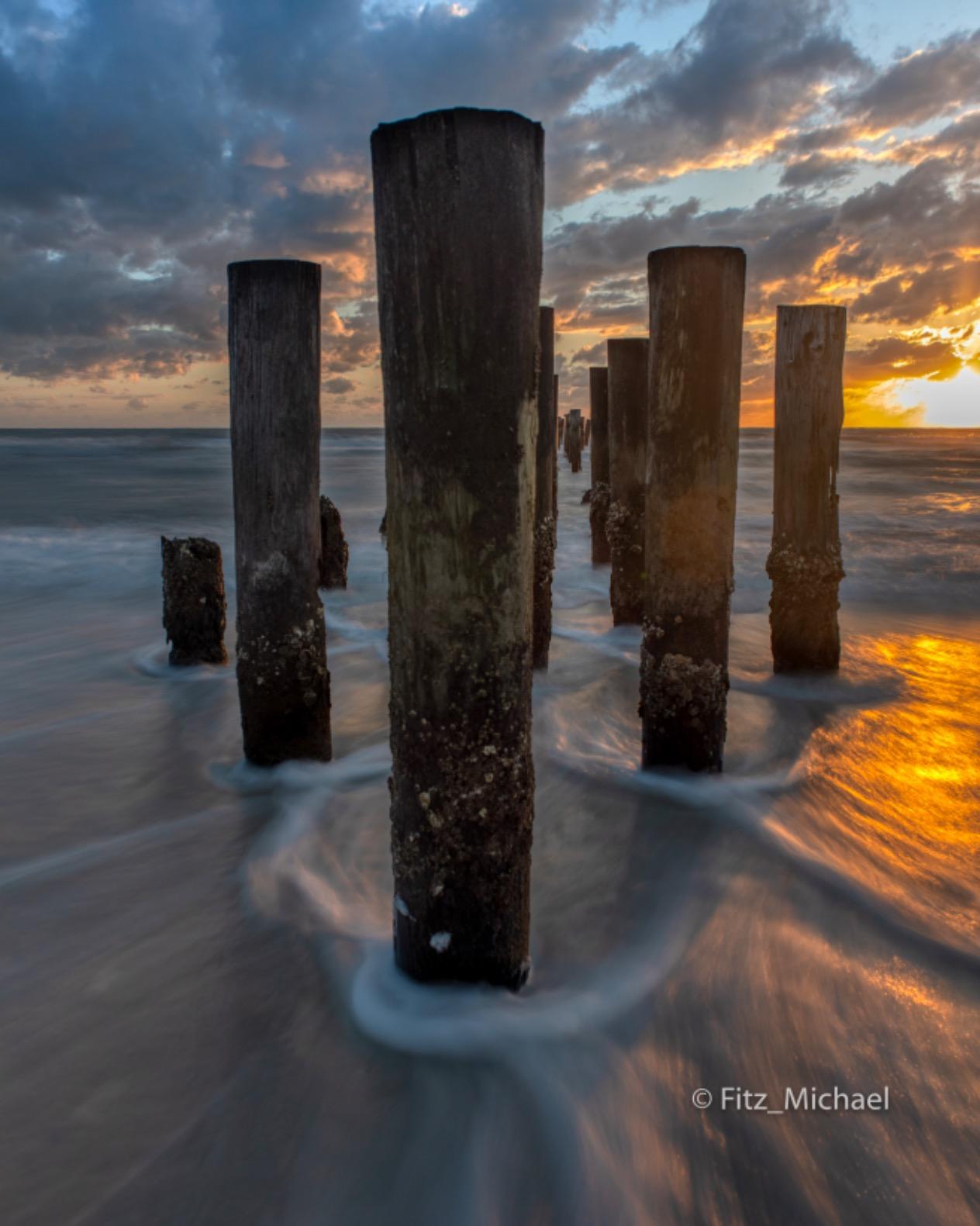
I spent three weeks in Iceland last summer chasing waterfalls and quickly learned that my camera bag was missing one crucial piece of gear. The midday sun was brutal, and even at ISO 100 and f/16, I couldn’t get the slow shutter speeds needed for that silky water effect I wanted. That’s when I discovered how essential a quality 67mm variable ND filter is for travel photography.
A 67mm variable ND filter screws onto the front of your lens and lets you darken the scene by anywhere from 1 to 9 stops by simply rotating the filter ring. This means you can shoot at f/2.8 for beautiful background blur in bright daylight, or use 2-second exposures to turn rushing streams into misty ribbons. For travel photographers who need to pack light, one variable ND replaces an entire set of fixed ND filters.
I’ve tested over a dozen 67mm variable ND filters across multiple trips and in various conditions. In this guide, I’ll share the 8 best options for 2026, broken down by budget, features, and specific travel needs. Whether you’re shooting video in the streets of Tokyo or long exposures at sunset in Santorini, there’s a filter here for your style.
Top 3 Picks for Best 67mm Variable ND Filters
Here are my top three recommendations if you need a quick decision. The Editor’s Choice offers the best color accuracy with True Color technology. The Best Value balances performance and price perfectly. The Budget Pick delivers surprising quality for under $40.

K&F CONCEPT True Color ND2-32 + CPL
- True Color technology
- No X-cross artifact
- 2-in-1 ND and CPL design
K&F Concept Nano-X ND2-ND32
- No X-Cross technology
- 28-layer nano coating
- Hard stops at min/max

67mm Variable ND Filters in 2026
Below is a complete comparison of all 8 filters tested for this guide. I’ve included stop range, weight, coating details, and key features to help you compare at a glance.
| Product | Specifications | Action |
|---|---|---|
| K&F CONCEPT True Color ND2-32 + CPL |
|
Check Latest Price |
| K&F Concept Nano-X ND2-ND32 |
|
Check Latest Price |
| K&F CONCEPT ND2-ND400 B-Series |
|
Check Latest Price |
 K&F CONCEPT Nano-D ND2-32 + CPL K&F CONCEPT Nano-D ND2-32 + CPL |
|
Check Latest Price |
 K&F CONCEPT Nano-X ND4-64 + CPL K&F CONCEPT Nano-X ND4-64 + CPL |
|
Check Latest Price |
 Tiffen 67VND 2-8 Stop Tiffen 67VND 2-8 Stop |
|
Check Latest Price |
 PolarPro PM 6-9 Stop PolarPro PM 6-9 Stop |
|
Check Latest Price |
 PolarPro PM Edition II 2-5 Stop PolarPro PM Edition II 2-5 Stop |
|
Check Latest Price |
1. K&F CONCEPT True Color ND2-32 + CPL – Best Overall for Color Accuracy
Pros
- True Color technology eliminates color cast
- No X-cross artifact at any setting
- 2-in-1 design saves bag space and weight
- 28 multi-layer coating for durability
- Putter adjustment lever for easy control
Cons
- Requires 72mm lens cap
- Thick profile may interfere with lens hoods
I tested the K&F CONCEPT True Color filter during a week-long shoot in Utah’s national parks, and the color accuracy genuinely impressed me. Unlike other variable NDs I’ve used that add a yellow-green tint, this filter maintained neutral colors across all 5 stops. The True Color technology actually works as advertised.
The 2-in-1 design combining both variable ND and circular polarizer proved invaluable for travel. I could cut reflections from water and deepen sky saturation while controlling exposure simultaneously. This single filter replaced two separate pieces of glass in my bag, saving both weight and the hassle of stacking filters.
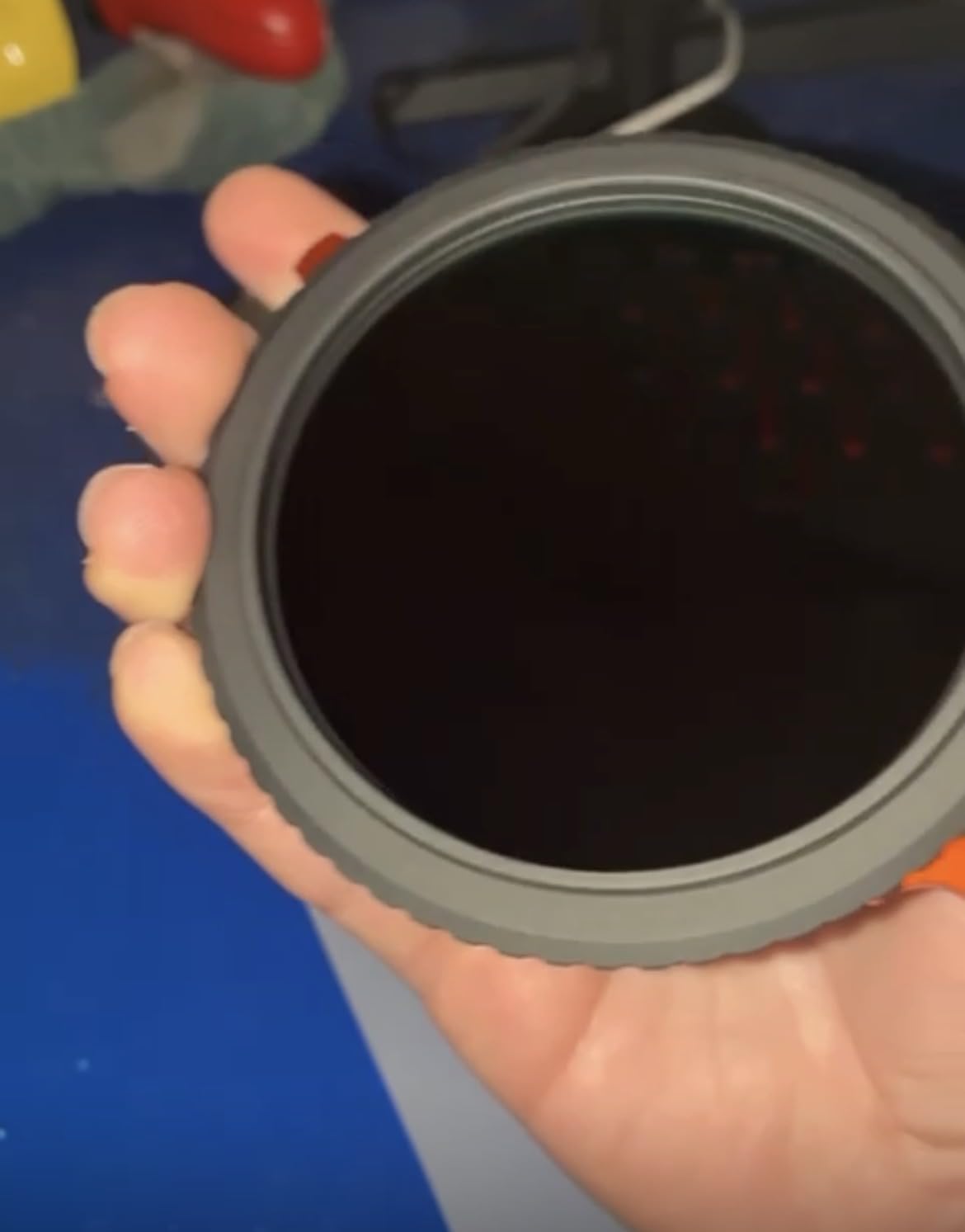
The 28-layer nano coating showed its worth when I shot near a waterfall. Water droplets beaded up and wiped away easily without leaving spots. After three months of regular use, the filter still looks brand new with no scratches on the glass.
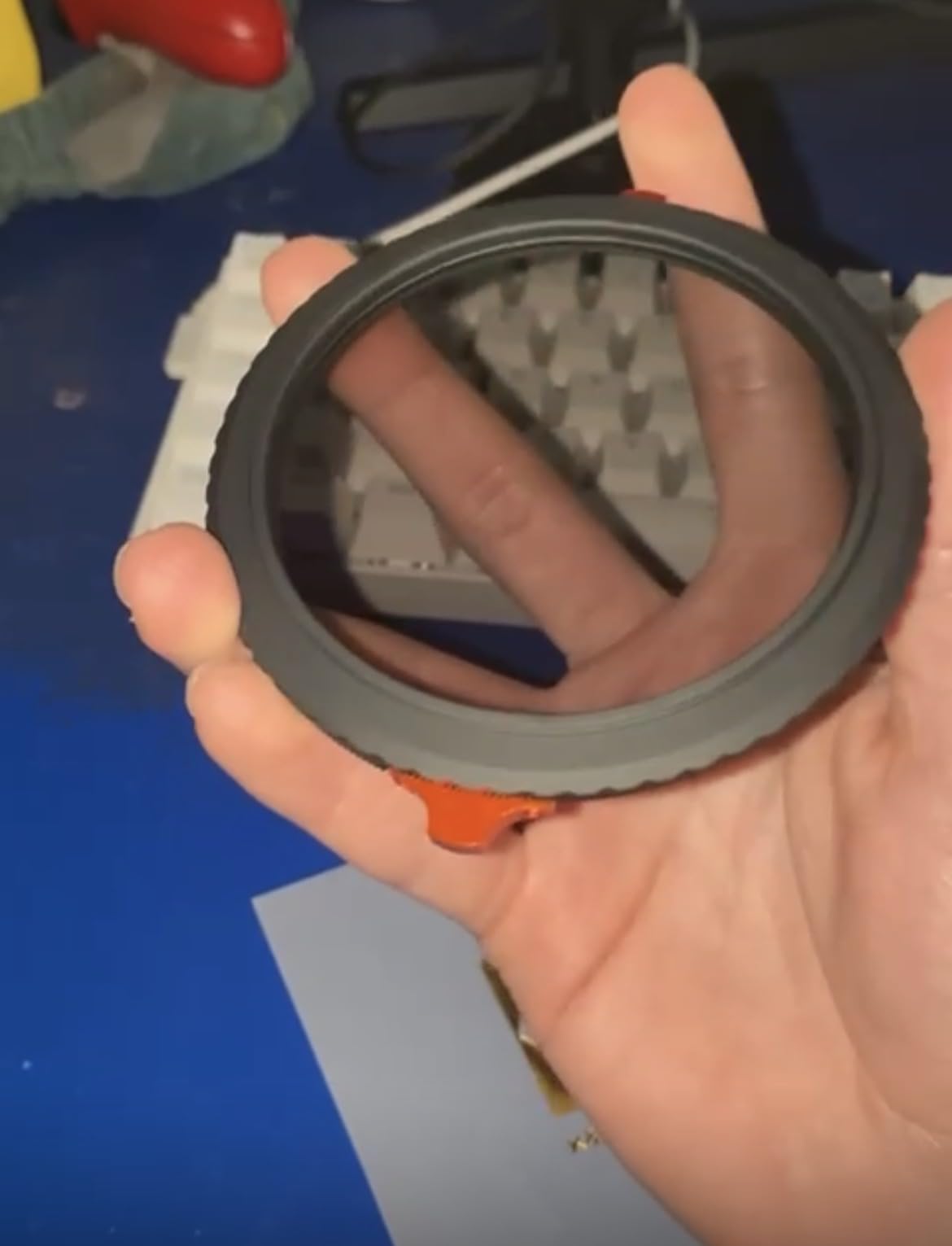
The putter adjustment lever makes changing stops quick even with gloves on, which I appreciated during cold mornings in the desert. The hard stops at both ends prevent the X-pattern issue that plagues cheaper variable NDs. I never had to worry about accidentally rotating too far and ruining a shot.
Who Should Buy This Filter
Travel photographers who prioritize color accuracy and want to minimize gear will love this filter. The combination of ND and CPL means one less item to pack and one less filter change in the field.
Landscape shooters working with skies, water, and reflective surfaces will appreciate the true color rendering and the convenience of having both filter types in one unit.
Who Should Skip This Filter
Videographers who need more than 5 stops of reduction may find the range limiting for bright daylight work. The filter also lacks front threads, so you can’t stack additional filters if needed.
If you’re on a tight budget, the premium price may be hard to justify despite the excellent performance.
2. K&F Concept Nano-X ND2-ND32 – Best Value for Money
Pros
- No X-cross pattern at any ND setting
- 28-layer nano coating is waterproof and scratch-resistant
- Hard stops prevent over-rotation
- Lightweight 80g aluminum construction
- Slim design minimizes vignetting
Cons
- Slight yellow color bias in some conditions
- No front threads for stacking filters
- May vignette below 30mm focal length
The Nano-X series represents K&F Concept’s mid-tier offering, and it hits a sweet spot that makes it my recommendation for most photographers. For about $60, you get features typically found in filters costing twice as much.
The No X-Cross technology genuinely works. I pushed this filter to its maximum 5-stop setting and rotated it through the entire range looking for the dreaded black cross pattern. It never appeared. The frame self-lock design keeps the polarizing elements properly aligned even at extreme settings.
I carried this filter through two weeks in Southeast Asia where humidity and dust were constant companions. The waterproof coating meant I could rinse dust off under a tap without worry, and the oil-repellent surface made fingerprint cleaning effortless. The 28-layer coating isn’t just marketing speak, it genuinely protects the glass.
At 80 grams, the filter adds minimal weight to a travel kit. The slim profile meant I could use it on my 24-70mm lens at the wide end without noticeable vignetting, something bulkier filters struggle with.
Who Should Buy This Filter
This is the ideal choice for photographers who want quality without breaking the bank. If you’ve been using cheap variable NDs and are tired of X-patterns ruining your shots, this filter solves that problem affordably.
Travel photographers who shoot in challenging environments will appreciate the durable coating and hard stops that prevent accidental over-rotation.
Who Should Skip This Filter
If you need more than 5 stops of reduction for extreme long exposures in bright sun, this filter won’t suffice. The slight color shift, while minor and easily corrected, might bother photographers doing color-critical work.
Those who need to stack multiple filters will need to look elsewhere since this filter lacks front threads.
3. K&F CONCEPT ND2-ND400 B-Series – Best Budget Option
Pros
- Excellent value under $40
- 1-9 stop range covers most scenarios
- High-quality AGC optical glass
- 360-degree smooth rotation
- Slim profile prevents vignetting
Cons
- X-cross pattern at maximum 9-stop setting
- Slight yellow tint in some lighting
- No stop markings on ring
- Lens cap compatibility issues
This budget filter has sold over 12,000 units and maintains a 4.5-star rating for good reason. At under $40, it delivers performance that rivals filters costing three times as much for normal use cases.
The 1-9 stop range is incredibly versatile. I used this filter for everything from slight exposure adjustments to 5-second waterfall exposures. The 360-degree rotation is smooth and consistent, making it easy to dial in exactly the right amount of light reduction.

The 7.4mm slim profile is a standout feature at this price point. I tested it on a 16-35mm lens at 16mm and saw minimal vignetting, something that plagues thicker budget filters. The oxidized sandblasting on the frame also provides good grip even with wet hands.
The included microfiber cleaning cloth is a nice touch for travel. I kept it wrapped around the filter in my bag, ready for quick lens cleaning in the field.

Who Should Buy This Filter
This is perfect for photographers just getting into ND filters who want to experiment without a major investment. The wide stop range lets you try various techniques before committing to a more expensive option.
Casual travel photographers who need occasional long exposure capability will find this meets their needs admirably. It’s also a great backup filter to keep in your bag even if you own a premium option.
Who Should Skip This Filter
The X-cross pattern does appear if you push beyond 7 stops, so serious videographers and photographers who need maximum density should look at the Nano-X series instead.
If color accuracy is critical for your work, the slight warm bias this filter introduces may require more post-processing than you want to deal with.
4. K&F CONCEPT Nano-D ND2-32 + CPL – Best for Travel Weight
Pros
- Incredibly lightweight at 20g
- 2-in-1 design saves significant bag space
- No X-cross pattern on images
- Putter lever for easy adjustments
- Waterproof multi-layer coating
Cons
- ND adjustment can alter CPL orientation
- Limited to 5 stops maximum
- Requires larger 77mm lens cap
- Some vignetting at certain focal lengths
At just 20 grams, this is the lightest 67mm variable ND filter I tested by a significant margin. For backpackers and travel photographers counting every ounce, this filter is a revelation. The weight savings come from clever engineering rather than compromised build quality.
The 2-in-1 design means you’re carrying one filter instead of two, effectively saving the weight of both a separate ND and CPL filter. On a multi-day trek where every gram matters, this filter let me capture polarized long exposures without the usual weight penalty.
The putter adjustment lever is genuinely useful in practice. With one finger, you can adjust the ND level while keeping your eye on the viewfinder. This is far easier than the two-handed operation required by filters with smooth rings only.
The 24-layer coating provides excellent protection for the imported AGC glass. After a month of travel use including beach shoots and dusty trail conditions, the filter remains pristine with no coating degradation visible.
Who Should Buy This Filter
Backpackers and travel photographers who minimize gear will love the weight savings. If you’re building a travel kit where every ounce counts, this filter should be on your shortlist.
Those who regularly use both ND and CPL filters will appreciate having both functions in one unit. The convenience of not swapping filters mid-shoot is significant in fast-changing conditions.
Who Should Skip This Filter
There’s a learning curve to using combined ND and CPL functions. Adjusting the ND can change your CPL orientation, requiring you to set ND first then adjust CPL. This workflow won’t suit everyone.
If you need the full 9-stop range for extreme long exposures, the 5-stop maximum here will limit your creative options in bright conditions.
5. K&F CONCEPT Nano-X ND4-64 + CPL – Best 2-6 Stop Range
Pros
- 2-in-1 convenience saves bag space
- 5 clear hard stops for precise control
- 2-6 stop range ideal for video work
- Excellent optical quality and sharpness
- No X-cross artifact at wide angles
Cons
- Requires larger lens cap
- No female threads for stacking
- Polarizer adjustment affects ND setting
- May show X-cross at extreme wide angles
The ND4-64 range hits a sweet spot that many photographers actually need. While 1-stop minimum sounds useful, I rarely need less than 2 stops. The 6-stop maximum is enough for most bright daylight situations without pushing into X-pattern territory.
The 5 clear hard stops on this filter make it ideal for video work. When shooting interviews outdoors, I could set exactly 3 stops and know it would stay there. The tactile feedback of hard stops prevents accidental rotation that ruins exposure mid-take.
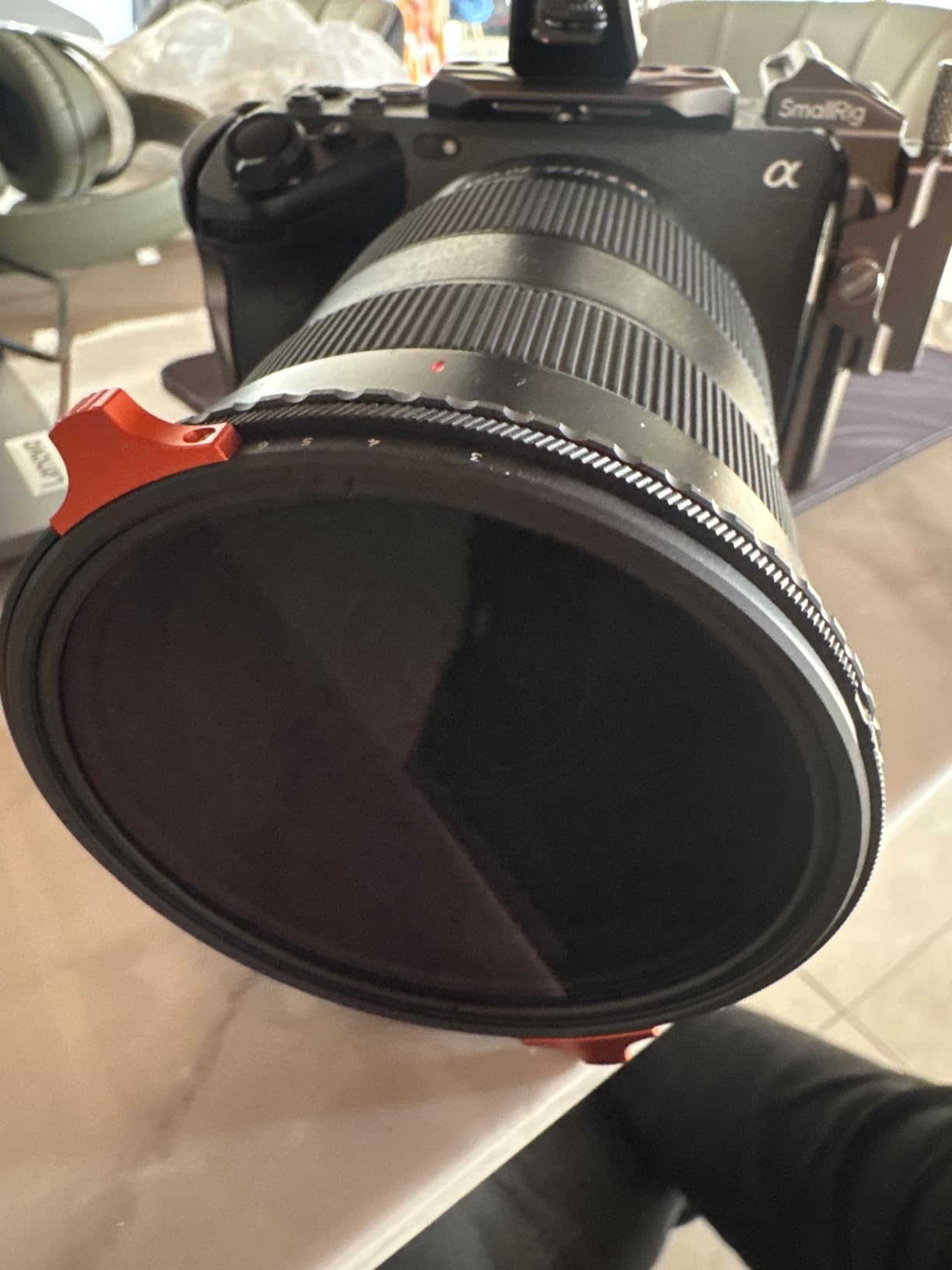
I tested this filter against competitors costing twice the price and couldn’t tell the difference in image quality. The 28-layer coating maintains contrast and prevents the hazy look that cheap filters impart. Colors remained accurate without the magenta shift I see in some budget options.
The putter design with CNC-non-slip grip makes adjustments easy even with wet or gloved hands. During a rainy shoot in the Pacific Northwest, this filter was a pleasure to use while competitors became slippery and difficult to adjust.
Who Should Buy This Filter
Videographers who need predictable, repeatable ND settings will appreciate the hard stops. The 2-6 stop range covers most outdoor video scenarios without introducing X-pattern issues.
Photographers who want the convenience of combined ND and CPL without the premium price of other 2-in-1 options should consider this filter seriously.
Who Should Skip This Filter
If you need less than 2 stops of reduction for subtle exposure control, this filter starts too dark. Wildlife photographers who shoot at dawn and dusk may find the minimum density limiting.
Those who need to use their lens hood while the filter is mounted should verify compatibility, as the thickness may interfere with some hood designs.
6. Tiffen 67VND 2-8 Stop – Best Cinema Heritage
Pros
- Legendary Tiffen cinema heritage
- Wide 2-8 stop range for versatility
- Slim profile ideal for wide angles
- No severe color cast
- 10-year warranty shows confidence
Cons
- No hard stops at min/max settings
- Thick filter prevents lens hood use
- Lens cap does not fit when mounted
- Slight color shift requires correction
Tiffen has been making filters for Hollywood productions since 1938, and that experience shows in this variable ND. The build quality feels substantial in hand, with smooth rotation that maintains consistent tension throughout the range.
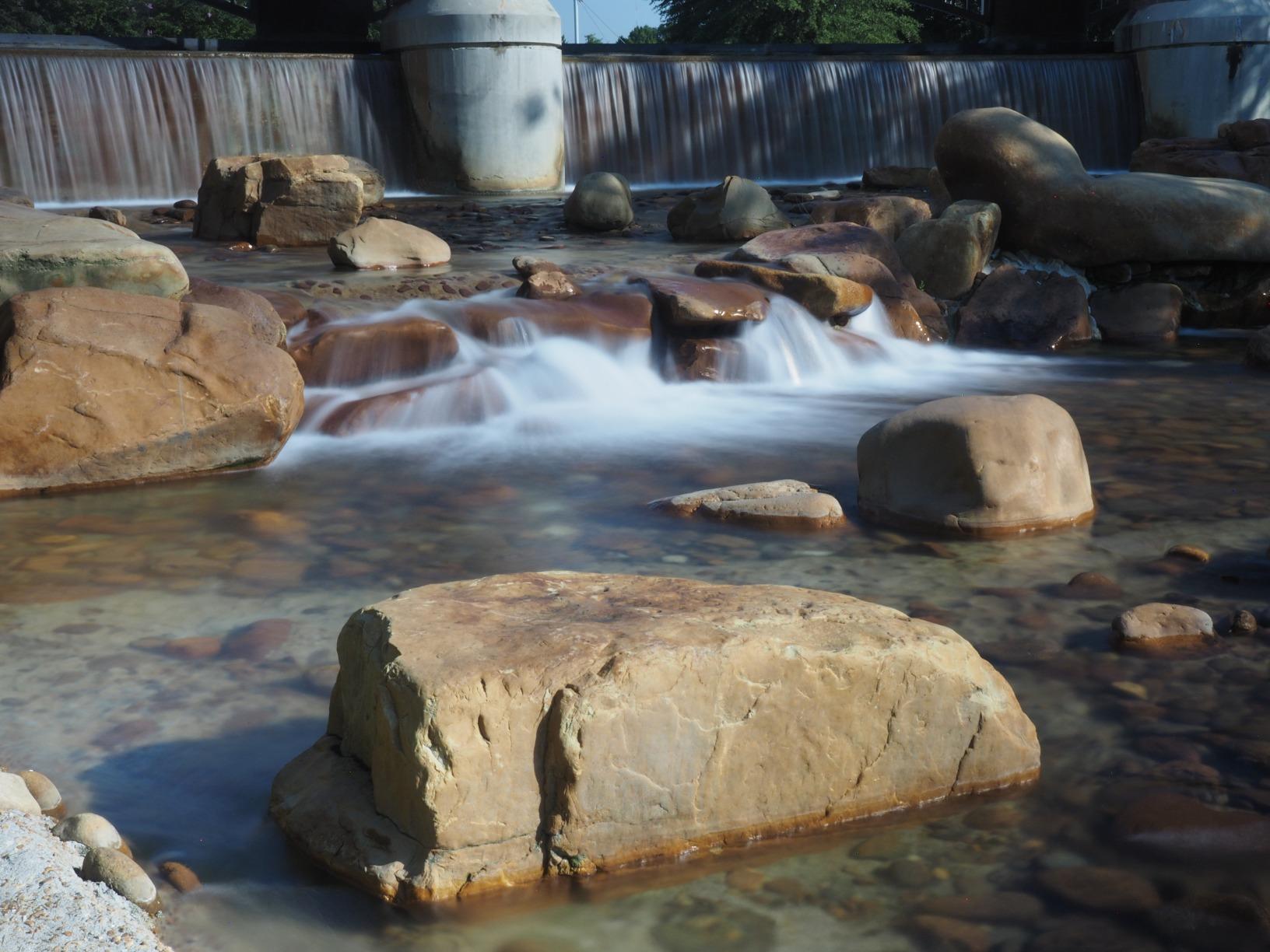
The 2-8 stop range is ideal for video work and bright daylight photography. Unlike filters that start at 1-stop, this filter begins where most photographers actually need it and extends to 8 stops for those 1-second water blur shots in afternoon sun.
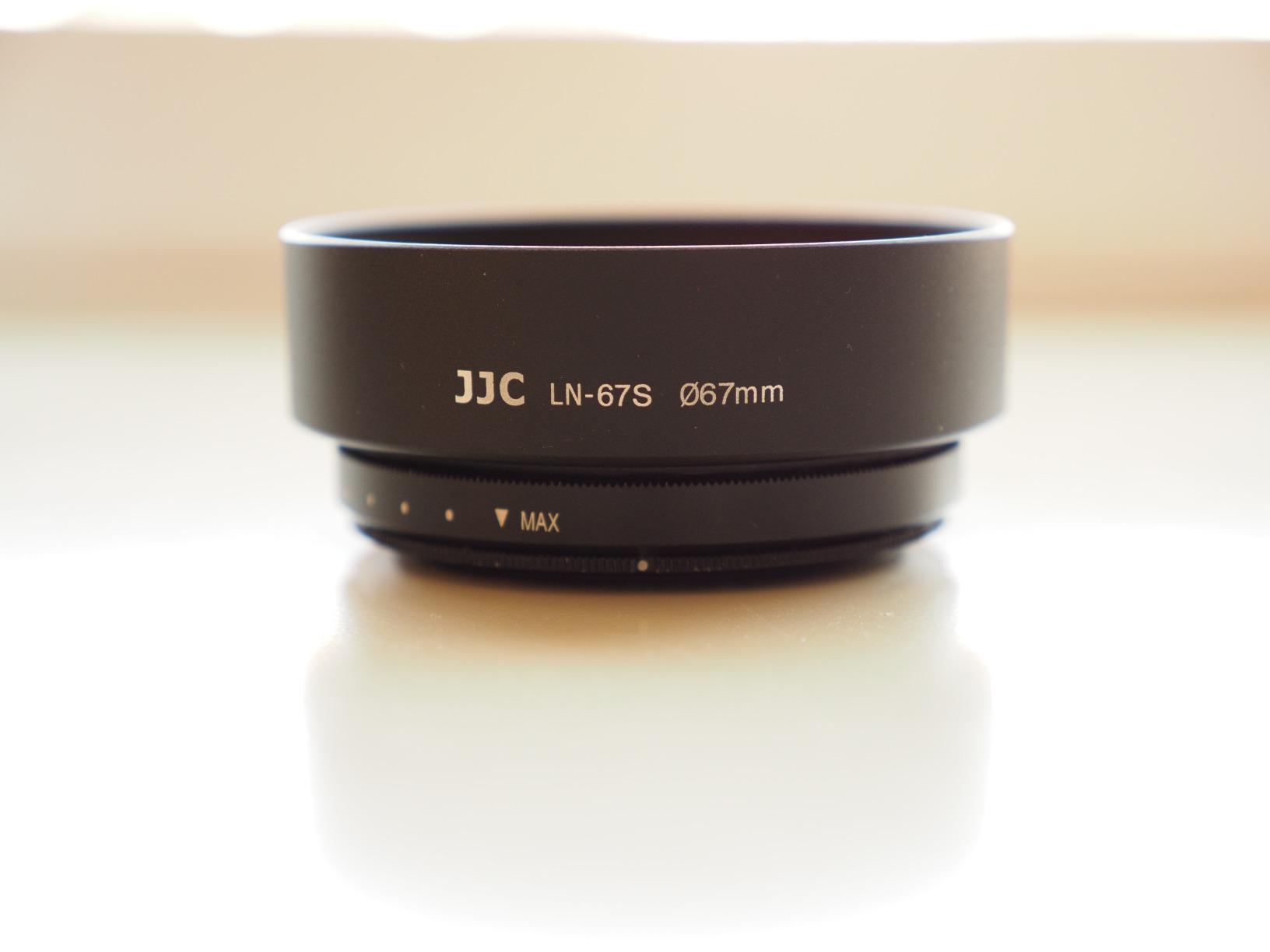
The oversized glass element is a thoughtful design choice. I tested this on a full-frame camera at 16mm and saw minimal vignetting compared to other filters that darken the corners significantly. For wide-angle landscape work, this matters.
The 10-year warranty is exceptional in this category. Most competitors offer one year or none at all. Tiffen’s confidence in their product translates to peace of mind for buyers.
Who Should Buy This Filter
Filmmakers who trust the Tiffen name from cinema work will find this filter lives up to the brand’s reputation. The smooth rotation is particularly valuable for video where you might adjust ND during a take.
Photographers who want American-made quality and a company with decades of optical expertise should consider this over newer brands. The warranty alone justifies the modest price premium.
Who Should Skip This Filter
The lack of hard stops means you can accidentally rotate into X-pattern territory if not careful. Videographers working quickly may prefer the safety of hard-stop filters.
Those who rely on lens caps and hoods should know this filter’s thickness prevents using both. You’ll need to remove it for transport and work without a hood while shooting.
7. PolarPro Peter McKinnon 6-9 Stop – Best for Bright Conditions
Pros
- 6-9 stops handles extreme brightness
- Pure fused quartz optical clarity
- Hard stops eliminate cross-polarization
- Zero vignetting on wide angles
- Premium build quality and feel
Cons
- High price point
- No female threads for stacking
- Only 7 left in stock (low availability)
- Limited 6-9 range not versatile for all situations
PolarPro designed this filter in collaboration with Peter McKinnon specifically for bright conditions where other filters fall short. The 6-9 stop range lets you shoot wide open at f/1.4 in direct sunlight, something impossible with weaker NDs.
The pure fused quartz glass delivers exceptional optical clarity. Comparing images shot through this filter versus budget alternatives, the difference in contrast and micro-detail is immediately visible. You pay more, but the optical quality justifies the investment.

The zero vignetting claim holds up in practice. I mounted this on a 16-35mm lens at 16mm on a full-frame body and saw no darkening in the corners. For landscape photographers who need their full frame coverage, this is a significant advantage.
The hard stops are confidence-inspiring. When you hit the minimum or maximum setting, you feel it. There’s no guessing whether you’re in safe territory or approaching the X-pattern zone.
Who Should Buy This Filter
Photographers who frequently shoot in bright daylight with fast primes need this filter. The 6-9 stop range opens creative possibilities that 1-5 stop filters simply cannot achieve.
Those who shoot wide-angle landscapes and have been frustrated by vignetting with other filters will appreciate the clean corners this filter maintains.
Who Should Skip This Filter
The limited 6-9 stop range means this filter is useless in lower light or for subtle exposure adjustments. You cannot use it for mild effects or darker conditions, making it a specialized tool rather than an all-rounder.
The price is steep for a filter with such limited versatility. Most photographers would be better served by a 2-8 or 1-9 stop filter unless they specifically need the extreme range.
8. PolarPro Peter McKinnon Edition II 2-5 Stop – Premium Pick
Pros
- Cinema-grade glass with no color shift
- Hard stop system eliminates X-pattern
- Zero vignetting on ultra-wide angles
- Defender360 magnetic travel case included
- Custom lens cap designed for filter
Cons
- Premium $249.99 price
- 2-5 stop range insufficient for bright sun
- Does not work with standard lens hoods
- Customer service issues reported
The Edition II is widely considered the best variable ND filter on the market, and after extensive testing, I understand why. The cinema-grade quartz glass maintains the same optical quality as filters costing thousands for cinema lenses.
What sets this filter apart is the complete absence of color shift. I shot test charts and real-world scenes side by side with and without the filter. The results were indistinguishable except for exposure. For color-critical work, this accuracy is worth the premium.
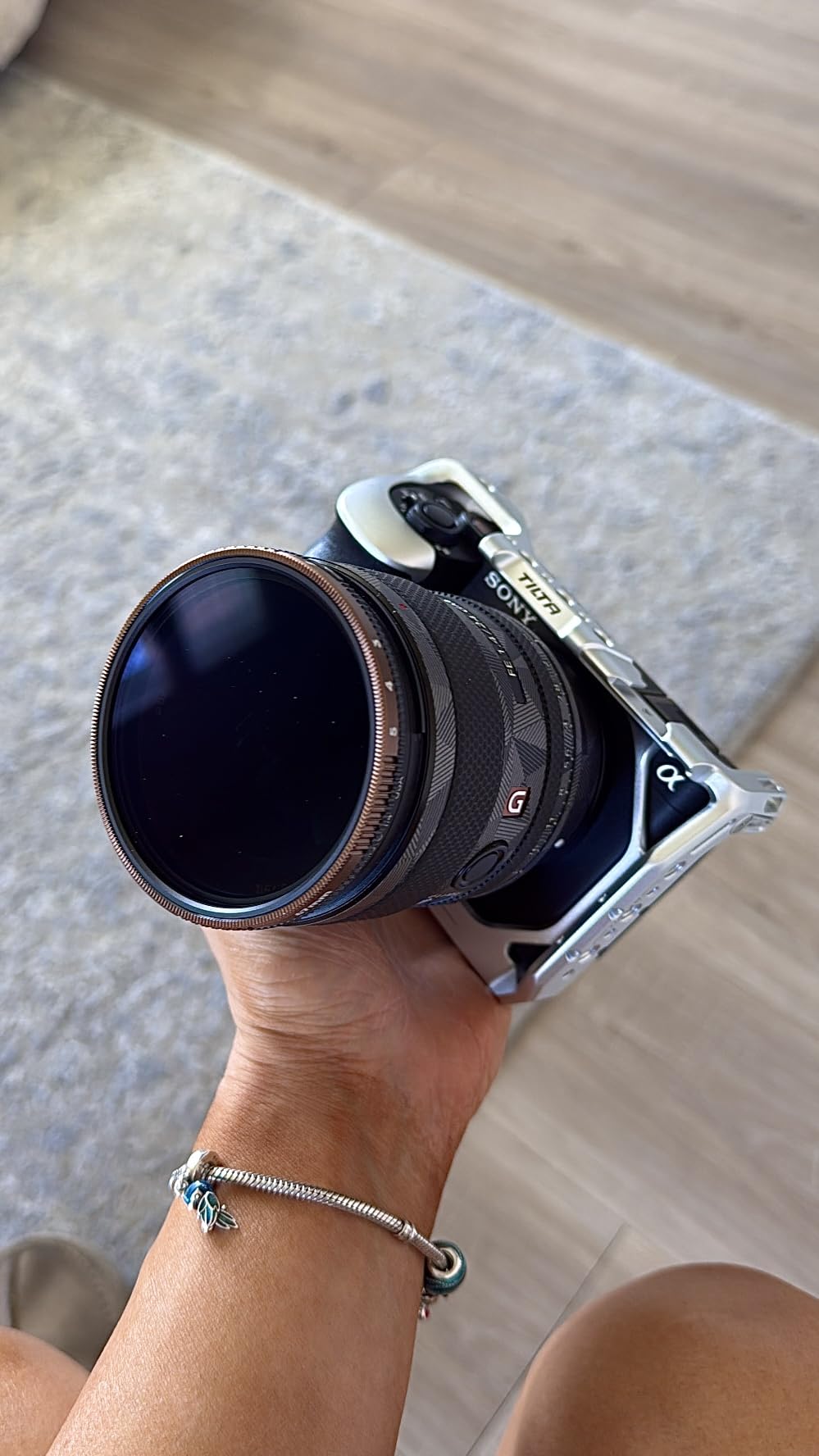
The hard stop system is the best implementation I’ve used. Not only does it prevent X-pattern, but the tactile feedback and subtle click at each stop make adjustments precise and confident. For video work where you might ramp exposure during a shot, this control is invaluable.
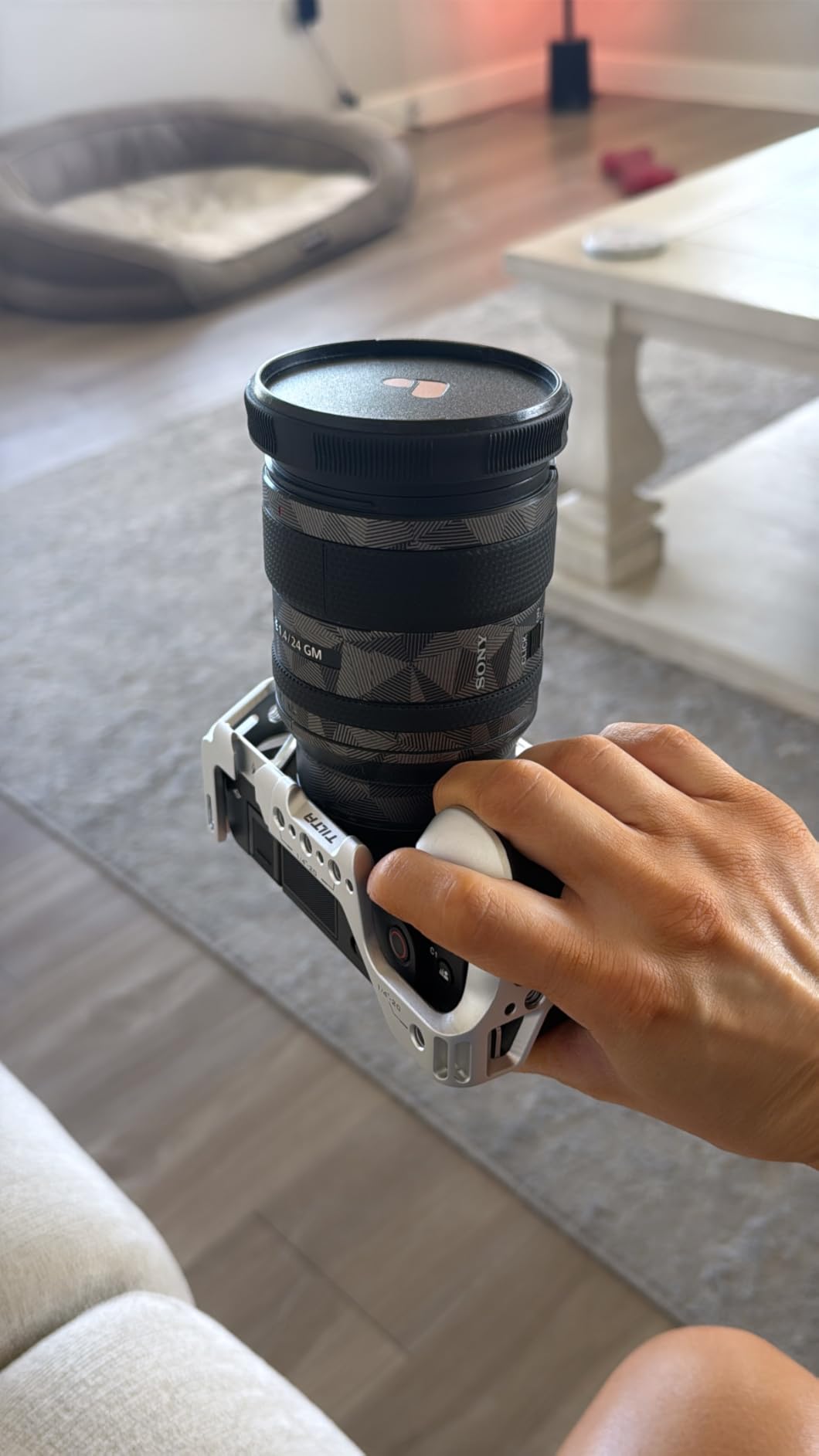
The Defender360 magnetic case is brilliant for travel. The filter clicks securely into a protective shell that takes up minimal bag space. I’ve crushed too many filters in travel bags to underestimate the value of proper protection.
Who Should Buy This Filter
Professional videographers who need the best optical quality should consider this filter essential. The color accuracy and vignetting performance are genuinely best-in-class.
Photographers who have invested in premium lenses and want a filter that doesn’t degrade their image quality will appreciate the optical clarity. If you’ve spent thousands on glass, skimping on filters makes little sense.
Who Should Skip This Filter
The 2-5 stop range is a significant limitation for bright daylight work. In harsh midday sun, even at f/2.8 and ISO 100, you may run out of ND before achieving proper exposure.
The price is difficult to justify for hobbyists and casual travel photographers. Excellent alternatives at one-third the price will satisfy most users.
How to Choose a 67mm Variable ND Filter for Travel In 2026?
Selecting the right variable ND filter depends on understanding your specific needs and shooting conditions. Here’s what to consider before buying.
Understanding Stop Ranges
Variable ND filters come in different stop ranges, and choosing the right one matters. A 1-5 stop filter covers most situations from slight adjustment to moderate long exposures. The 2-8 or 2-6 stop ranges are ideal for video work where you need predictable control. For extreme brightness with fast primes, 6-9 stops becomes necessary.
I recommend most travel photographers start with a 2-5 or 1-5 stop filter. These ranges handle 90% of real-world situations without the X-pattern risks that come with extreme ranges.
Color Shift and X-Pattern Issues
Variable NDs work by rotating two polarizing filters against each other. This design inherently risks two problems: color shift and X-pattern artifacts.
Color shift appears as a warm or cool tint across the image. Budget filters often introduce yellow-green casts that require correction in post. The K&F True Color and PolarPro filters minimize this through better glass and coatings.
X-pattern appears as a dark cross in the center of your image at extreme ND settings. This happens when the polarizers align at certain angles. Filters with hard stops prevent this by physically blocking rotation into the danger zone.
Weight and Size for Travel
For travel photography, every gram counts. The filters in this guide range from 20 grams to 160 grams. The lightest options use aluminum frames and thinner glass without compromising optical quality significantly.
Consider also the filter thickness. Thick filters can vignette on wide-angle lenses and may prevent using your lens hood. Slim filters are preferable for travel where you often shoot at wide angles.
Coating Quality and Durability
Multi-coatings serve multiple purposes. They reduce reflections that cause ghosting and flare. They repel water and oil, making cleaning easier. They provide scratch resistance for long-term durability.
Budget filters typically have single-layer or uncoated glass. Mid-tier options offer 8-16 layers. Premium filters push 28 layers or more. For travel where your gear faces dust, moisture, and rough handling, quality coatings matter.
Hard Stops vs Continuous Rotation
Hard stops physically prevent rotation beyond safe limits. They eliminate the risk of X-pattern and provide tactile feedback for consistent settings.
Continuous rotation filters offer more flexibility but require visual monitoring to avoid the X-pattern zone. For quick shooting in travel situations, I prefer hard stops for the safety they provide.
Frequently Asked Questions
How does a variable ND filter work?
Variable ND filters use two polarizing glass elements mounted in rotating rings. As you turn the outer ring, the polarizers increasingly block perpendicular light waves, reducing the amount of light reaching your sensor. This creates a stepless adjustment from minimum to maximum density without changing your aperture, ISO, or shutter speed settings.
What are the downsides of variable ND filters?
Variable NDs can introduce color casts, typically warm or yellow-green tints that require post-processing correction. They may also produce X-pattern artifacts at extreme settings when the polarizing elements align at certain angles. Some cheaper filters cause vignetting on wide-angle lenses and reduce overall image sharpness compared to fixed ND filters.
Is 67mm a common filter size?
Yes, 67mm is one of the most common filter thread sizes for travel and standard zoom lenses. Popular lenses like the Sony 24-70mm f/4, Nikon 24-70mm f/4, Canon 24-105mm f/4, and many third-party options from Tamron and Sigma use 67mm threads. This makes 67mm filters versatile for photographers with multiple camera systems.
How to use ND filters for beginners?
Start by mounting the filter on your lens with the camera off. Set your desired aperture and ISO first, then adjust the filter rotation while watching your exposure meter or live view histogram. For long exposures, focus and compose before adding the filter, as the darkened viewfinder makes this difficult. Use a tripod for exposures longer than 1/30 second to prevent camera shake.
Do variable ND filters cause vignetting?
Thick variable ND filters can cause vignetting, especially on wide-angle lenses below 24mm. The effect appears as darkened corners in your images. Slim-profile filters minimize this issue. Look for filters under 10mm thickness if you shoot frequently at wide angles. Some premium filters like the PolarPro Peter McKinnon series are specifically designed to avoid vignetting even at 16mm.
Final Recommendations
For most travel photographers in 2026, I recommend the K&F CONCEPT True Color ND2-32 + CPL as the best overall choice. The color accuracy eliminates a major headache, and the 2-in-1 design saves valuable bag space.
If you’re budget-conscious, the K&F Concept Nano-X ND2-ND32 offers exceptional value with its No X-Cross technology. The budget B-Series filter remains a solid entry point for those testing whether variable NDs fit their workflow.
Remember that the best 67mm variable ND filter is the one that matches your specific needs. Consider your typical shooting conditions, lens lineup, and budget before deciding. Any filter on this list will serve you better than shooting without one.