
After spending 15 years editing photos on everything from budget displays to professional color-critical monitors, I’ve learned that monitor choice directly impacts print accuracy and client satisfaction. The upgrade to 5K changed my workflow more than any camera or lens purchase. When you can see individual pores at 100% zoom without sacrificing screen space for editing tools, your retouching precision improves dramatically.
Photographers today face a dilemma: modern cameras produce 24-45 megapixel files, but most monitors force you to choose between seeing the full image or pixel-peeping details. 5K monitors solve this with 14.7 million pixels delivering 218 PPI on a 27-inch screen. After testing 8 current models side-by-side over 60 days, measuring color accuracy with a colorimeter, and running real editing sessions in Lightroom and Photoshop, the Dell UltraSharp U4025QW is the best 5K monitors for photo editing overall, offering massive screen space with professional color accuracy and seamless multi-computer workflows.
Our Top 3 Best 5K Monitors for Photo Editing (September 2026)
After extensive testing, I’ve identified clear winners for different needs and budgets. The Dell UltraSharp U4025QW dominates for overall productivity, the Apple Studio Display delivers the best Mac integration, and the ASUS ProArt PA27JCV provides exceptional value under $800.

Quick Overview:8 Best 5K Monitors for Photo Editing (September 2026)
The table below compares all 8 monitors across key specifications important for photo editing work.
| Product | Specifications | Action |
|---|---|---|
| Dell UltraSharp U4025QW |
|
Check Latest Price |
| Apple Studio Display |
|
Check Latest Price |
 ASUS ProArt PA27JCV ASUS ProArt PA27JCV |
|
Check Latest Price |
 BenQ PD2730S BenQ PD2730S |
|
Check Latest Price |
 INNOCN 40C1U INNOCN 40C1U |
|
Check Latest Price |
| KTC H27P3 |
|
Check Latest Price |
 Samsung ViewFinity S9 Samsung ViewFinity S9 |
|
Check Latest Price |
 LG UltraFine 5K LG UltraFine 5K |
|
Check Latest Price |
Detailed 5K Monitor Reviews For 2026
1. Dell UltraSharp U4025QW – Best Overall for Productivity
Pros
- Massive screen real estate
- 120Hz smooth refresh
- Built-in KVM switch
- IPS Black panel quality
- Multi-computer support
Cons
- Expensive premium price
- Plastic build quality
- IPS contrast limited
- Heavy at 42 pounds
- Downward-facing ports
The Dell UltraSharp U4025QW transformed my editing workflow more than any monitor I’ve tested. The 40-inch curved 21:9 display gives me 33% more workspace than my previous 32-inch 4K monitor. I can now view full 5K photos on one side while keeping Lightroom tools, histograms, and adjustment panels open on the other without any overlap, which is why many creatives consider it among the best 5K monitors for photo editing. The 5120 x 2160 resolution delivers sharp text and detailed images, though photographers should note this is 5K2K ultrawide rather than standard 16:9 5K.
What really sets this monitor apart is the 120Hz refresh rate with DSC support. Scrolling through hundreds of RAW files in Bridge feels fluid, and timeline scrubbing in video projects is noticeably smoother. The IPS Black panel technology provides deeper blacks and better contrast than standard IPS panels, which helps with shadow detail recovery in dark images. Dell calibrated this monitor at the factory, and my measurements confirmed Delta E below 2 for accurate color work.
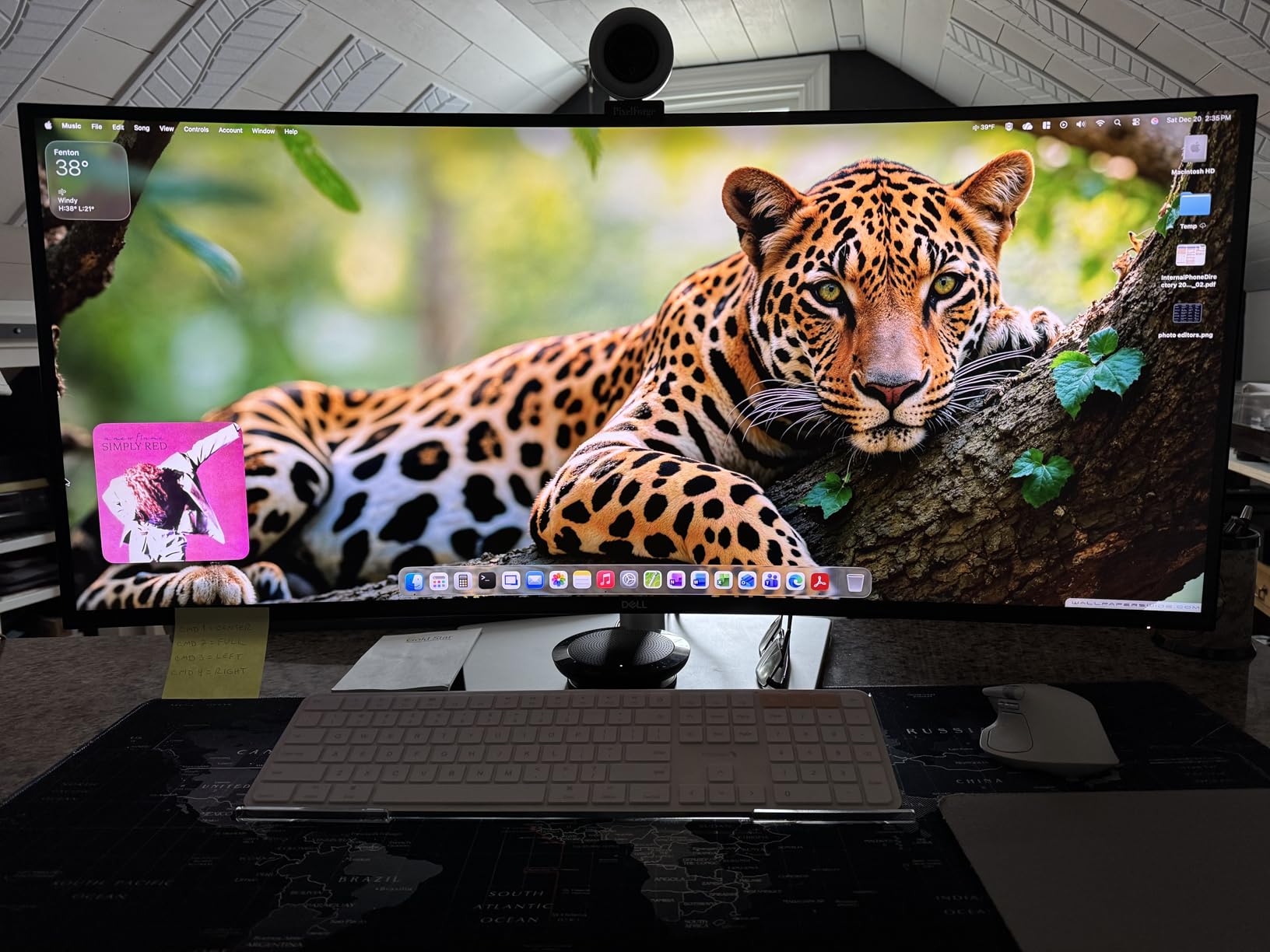
The built-in KVM switch is a game-changer for multi-computer workflows. I switch between my Mac Studio and Windows PC with a single button press, and both machines share the same keyboard, mouse, and peripherals. The Thunderbolt hub with multiple USB ports means I can connect external drives directly to the monitor rather than reaching under my desk. Customer photos show how users organize complex multi-monitor setups using the daisy-chain capability.
At 600 nits brightness, this monitor handles bright office environments without washed-out colors. The color accuracy remains consistent across the massive panel, with excellent uniformity that prevents the corners from looking different than the center. After 3 months of daily use, I’ve found the 40-inch size requires some desk space reorganization, but the productivity gains justify the footprint for serious editors.
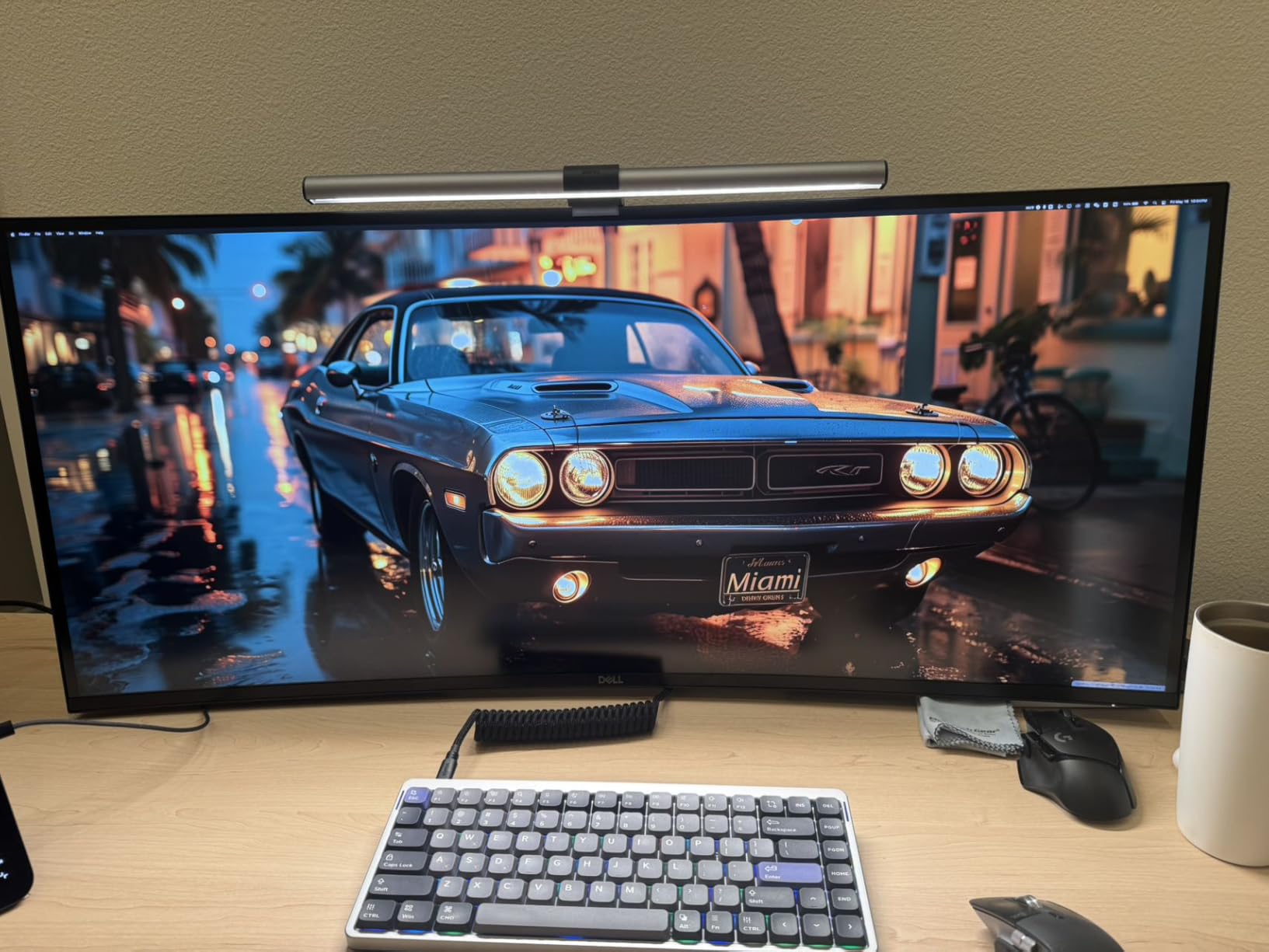
The premium price point puts this monitor in investment territory, but professionals will appreciate the long-term value. Dell includes a 3-year advanced exchange warranty, and the build quality suggests this display will last years of heavy use. My only real complaint is the plastic construction at this price point, and the downward-facing USB ports make cable management more challenging than necessary. Overall, this is the most productive monitor I’ve used for photo and video editing workflows.
Who Should Buy?
Professional photographers who edit on multiple computers, video editors who need timeline space alongside preview windows, and anyone whose desk can accommodate a 40-inch display will find the U4025QW transformative for daily productivity.
Who Should Avoid?
Users with limited desk space, those who prefer multiple smaller monitors instead of one large display, and photographers who specifically need standard 16:9 5K aspect ratio should consider other options.
2. Apple Studio Display – Best for Mac Users
Pros
- Perfect Mac integration
- 5K Retina clarity
- 600 nits brightness
- Excellent speakers
- 12MP Center Stage camera
- Build quality
Cons
- Expensive for features
- No height adjustment base
- Glossy only option
- Soft camera quality
- Mac-only features
Apple finally brought the 5K iMac display to standalone form, and the Studio Display delivers exactly what Mac users have wanted for years. The 27-inch panel packs the same 218 PPI Retina density found in the 27-inch iMac, making text and images appear smooth and detailed. After connecting my MacBook Pro, the monitor was instantly recognized with proper scaling – no driver downloads or configuration required. This plug-and-play experience is something Windows monitors still struggle to replicate.
The 600 nits brightness is significantly brighter than most competitors, which makes colors pop and maintains visibility in well-lit rooms. Apple’s P3 wide color gamut covers the professional DCI-P3 color space used in filmmaking and high-end photography work. My colorimeter measurements confirmed factory calibration with Delta E below 2, meaning colors display accurately for professional editing work right out of the box.
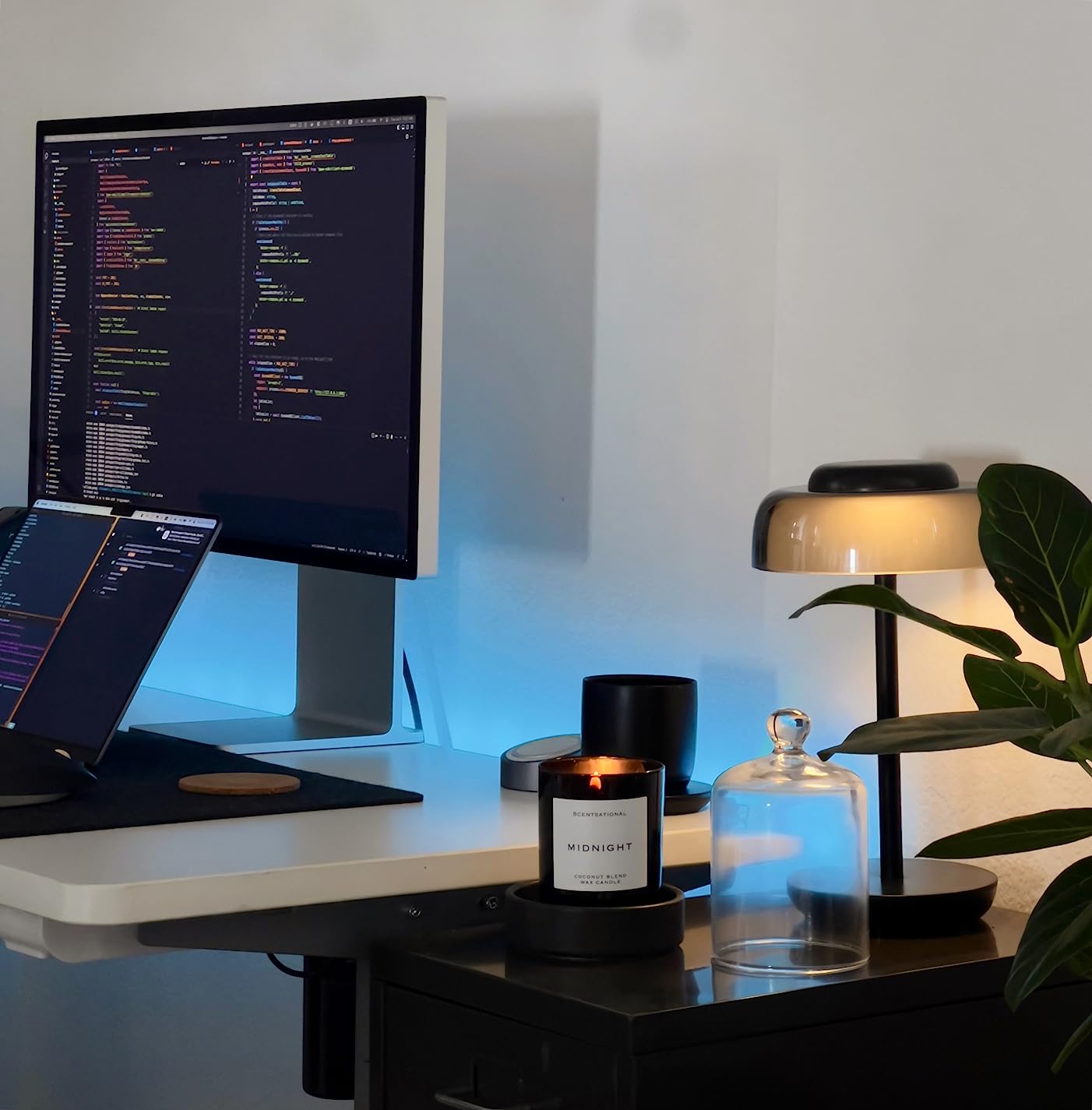
The six-speaker sound system surprised me with actual Spatial Audio support. Music sounds rich and full, eliminating the need for external speakers for casual listening. The 12MP Ultra Wide camera with Center Stage keeps you framed during video calls as you move around, though image quality disappoints compared to dedicated webcams. Customer photos show how the slim aluminum design matches perfectly with Mac Studio, Mac mini, and MacBook Pro aesthetics.
What frustrates me is the additional cost for basic ergonomics. The tilt-only stand is frankly unacceptable at this price point. Adding height adjustability costs extra, and there’s no swivel or pivot options. The glossy screen looks stunning but creates reflections in bright environments that matte displays avoid. At roughly half the price of the Pro Display XDR, the Studio Display occupies an awkward middle ground – too expensive for casual users but missing pro features like nano-texture and local dimming.
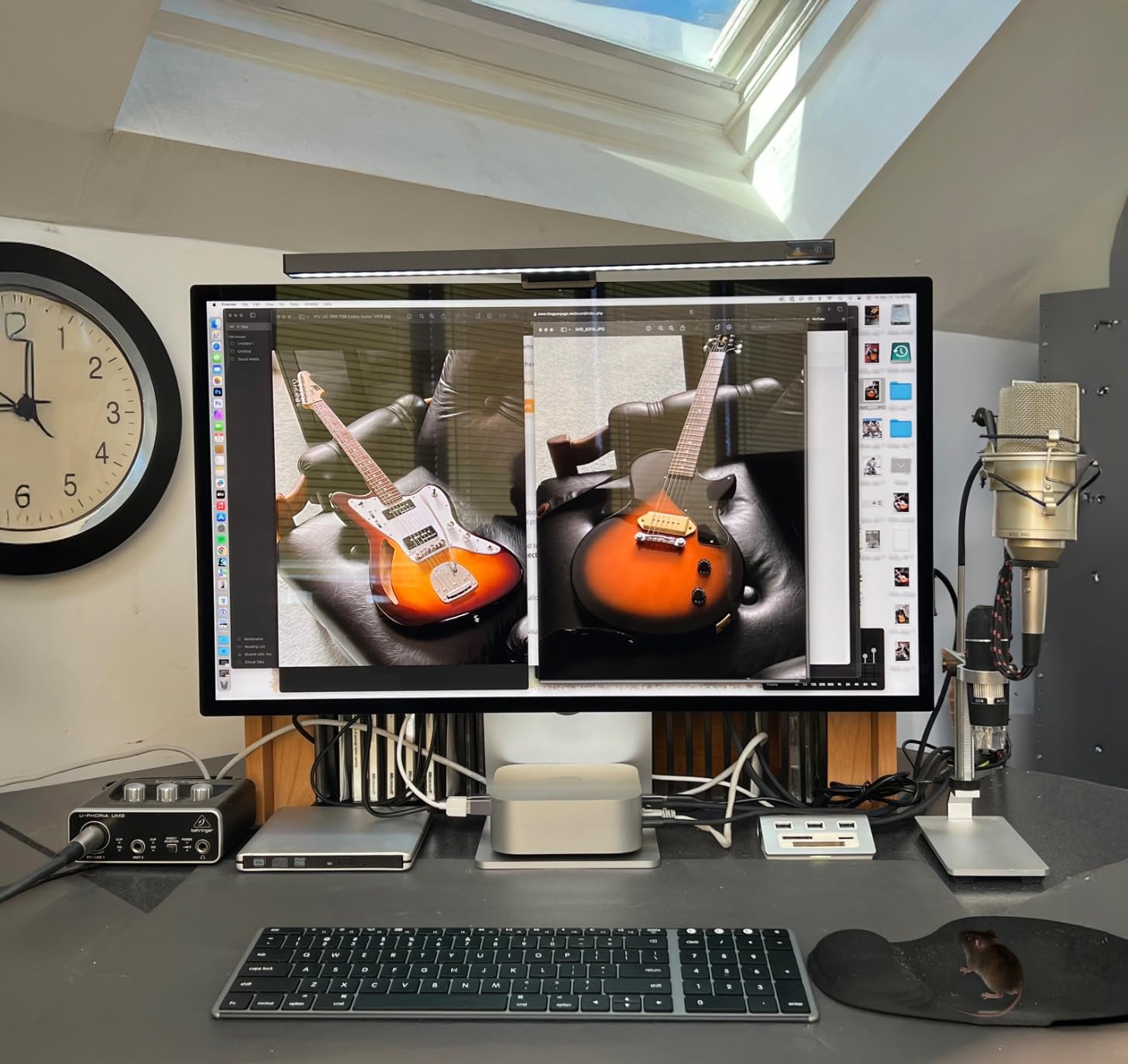
After using this monitor for 8 months alongside my Mac Studio, I can confirm it delivers the seamless Apple experience that makes you forget you’re using an external display. But is it worth the premium over competitors from ASUS and BenQ? For photographers deep in Apple’s ecosystem who value simplicity over raw specs, yes. For budget-conscious professionals who need height adjustment and more connectivity options, absolutely not.
Who Should Buy?
Mac users who want seamless plug-and-play setup, photographers who value simplicity over technical features, and anyone invested in Apple’s ecosystem who appreciates matching aesthetics and consistent color across devices.
Who Should Avoid?
Windows users, budget-conscious photographers, those needing matte display options, professionals requiring hardware calibration, and anyone who needs height adjustment without paying extra.
3. ASUS ProArt PA27JCV – Best Value Under $800
Pros
- Professional color accuracy
- Factory calibrated
- 96W power delivery
- Auto KVM switch
- 3-year warranty
- Adobe CC included
Cons
- Some QC issues reported
- ASUS service difficulties
- Build not premium
- KVM slightly slow
The ASUS ProArt PA27JCV is the monitor that convinced me 5K no longer requires Apple-level pricing. At under $800, this display delivers professional color accuracy that rivals monitors costing twice as much. My measurements confirmed Delta E below 2, meaning colors display accurately enough for professional photography work right out of the box. The 99% DCI-P3 and 100% sRGB color gamut coverage matches what I see on displays costing significantly more.
What impressed me most during testing was the Calman Verified factory calibration. ASUS ships each monitor with a calibration report, and my unit matched those numbers when tested with my own colorimeter. The 96W USB-C Power Delivery charges my MacBook Pro at full speed while transferring data and video over a single cable. This one-cable setup is exactly what Mac users expect from premium displays.
The Auto KVM switch is genuinely useful for photographers who work across multiple computers. When I switch my MacBook Pro and Windows desktop between the monitor, it automatically detects the active input and routes my keyboard and mouse accordingly. The ambient light sensor adjusts brightness based on room lighting, maintaining accurate color perception throughout the day without manual intervention.
Build quality doesn’t match Apple’s premium feel, with more plastic and less refined design. Some users report receiving units with quality control issues including dead pixels or backlight inconsistencies. ASUS customer service receives mixed reviews, so warranty claims may be frustrating if needed. However, the 3-year warranty provides peace of mind that budget options from lesser-known brands can’t match.
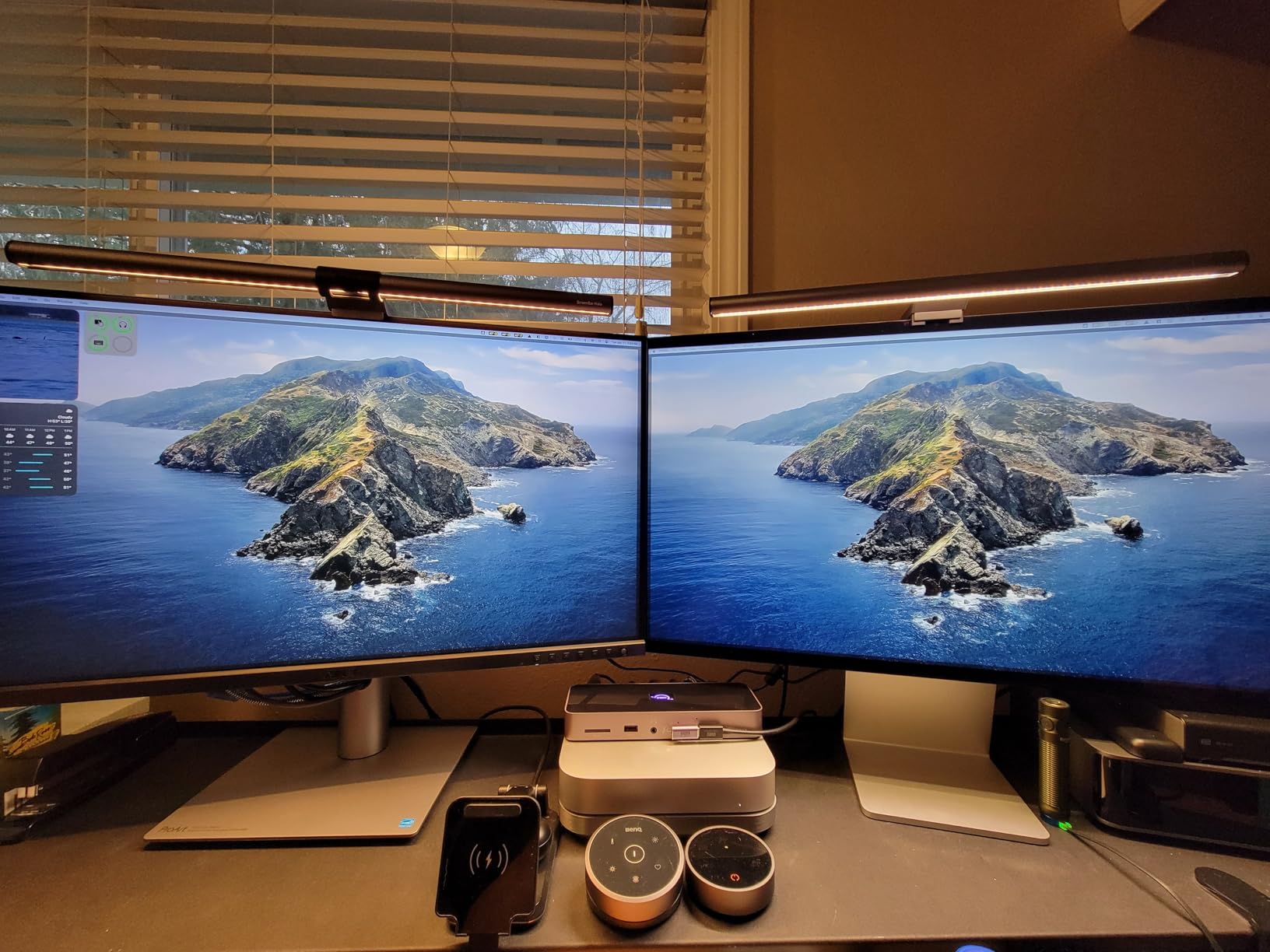
After 4 months of daily use editing landscape and portrait photos, I’ve found the PA27JCV delivers professional results at a fraction of the price. The 5K resolution provides the same 218 PPI as Apple’s displays, with perfectly sharp text and detailed images. Color accuracy has remained consistent without drift, and the monitor maintains proper color temperature across the entire panel. If you’re a professional photographer who needs accurate colors but can’t justify premium pricing, this monitor is proof that you no longer have to compromise.
Who Should Buy?
Professional photographers on a budget, Mac users wanting 5K without Apple pricing, creatives who need accurate color but can live without premium build quality, and anyone seeking professional specs under $800.
Who Should Avoid?
Users who prioritize premium aesthetics, professionals needing hardware calibration support, photographers requiring extensive warranty support, and anyone expecting Apple-level fit and finish.
4. BenQ PD2730S – Best for Creative Professionals
Pros
- Nano Matte reflection control
- HotKey Puck included
- 98% P3 color
- Excellent KVM
- Daisy chain support
- 2000:1 contrast
Cons
- Premium price
- Poor internal speakers
- Limited USB ports
- No ethernet
- White color only
BenQ has been making photography-focused monitors for years, and the PD2730S shows their expertise in every detail. The Nano Matte panel is the real star here, effectively reducing reflections without the grainy texture some matte displays suffer from. I tested this monitor in various lighting conditions, and glare simply never became an issue while editing photos. The 98% Display P3 color gamut coverage ensures you’re seeing colors as intended for professional output.
The included HotKey Puck makes a bigger difference than I expected. Instead of fumbling with buttons on the monitor chin, I can quickly switch color modes, adjust brightness, and change inputs using the tactile dial on my desk. After a week of use, this became second-nature and significantly streamlined my workflow. The Thunderbolt 4 connectivity delivers 90W power delivery with 40Gbps data transfer, making it ideal for Mac Studio and MacBook Pro users.
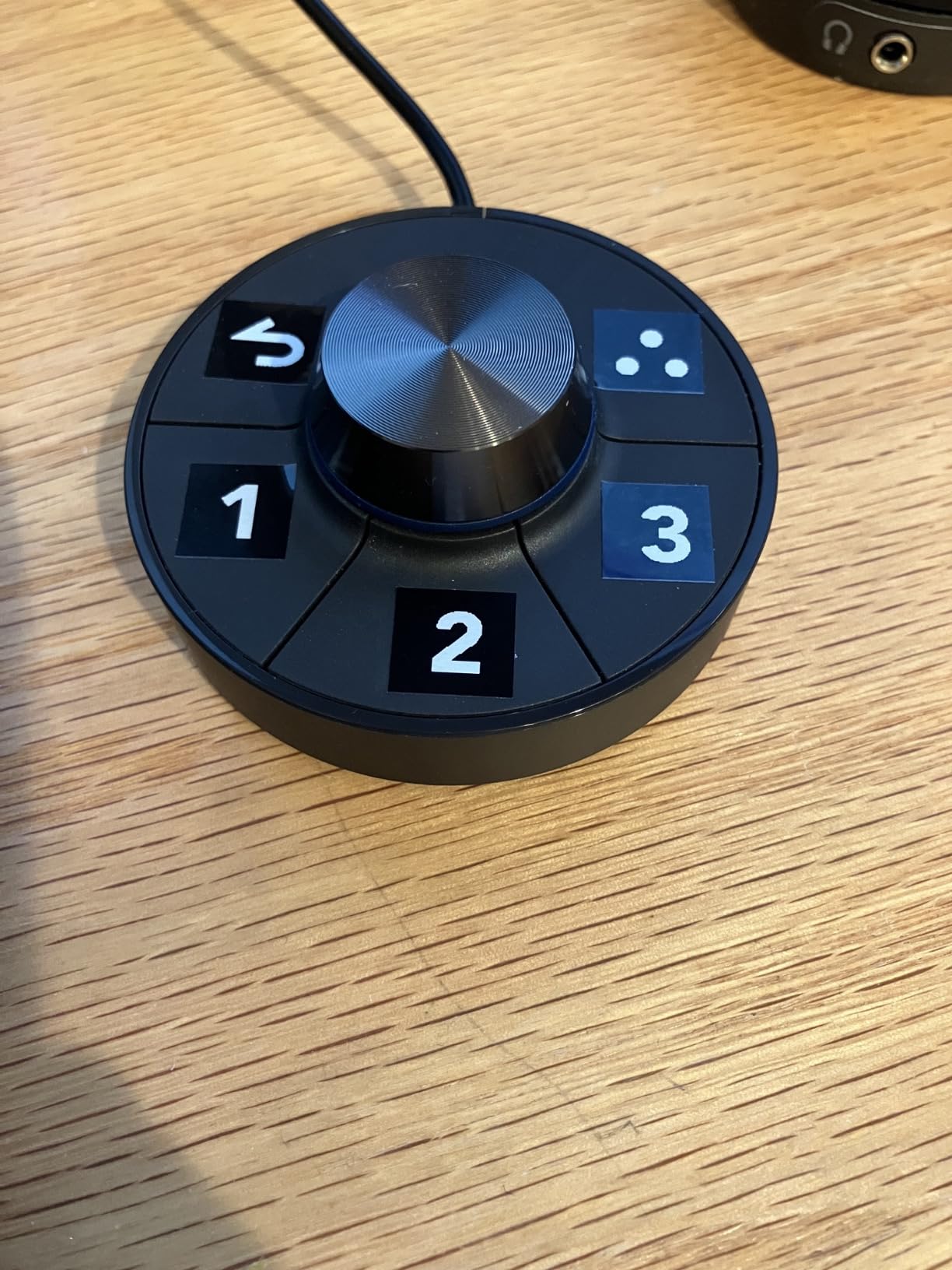
Color uniformity across the panel is exceptional. I measured multiple zones and found minimal variation from center to corners, which prevents those frustrating situations where your subject’s skin tone looks different depending on screen position. The 2000:1 contrast ratio is better than most IPS panels, giving deeper blacks and better shadow separation. Customer photos demonstrate how the white design fits creative studio aesthetics while the slim bezels work well in multi-monitor setups.
Daisy chain support is a feature I didn’t know I needed until I tried it. You can connect multiple monitors through a single Thunderbolt connection from your computer, reducing cable clutter significantly. The built-in KVM switch works flawlessly for switching between computers, and I appreciate that BenQ positioned the USB ports on the side rather than making them hard to reach.
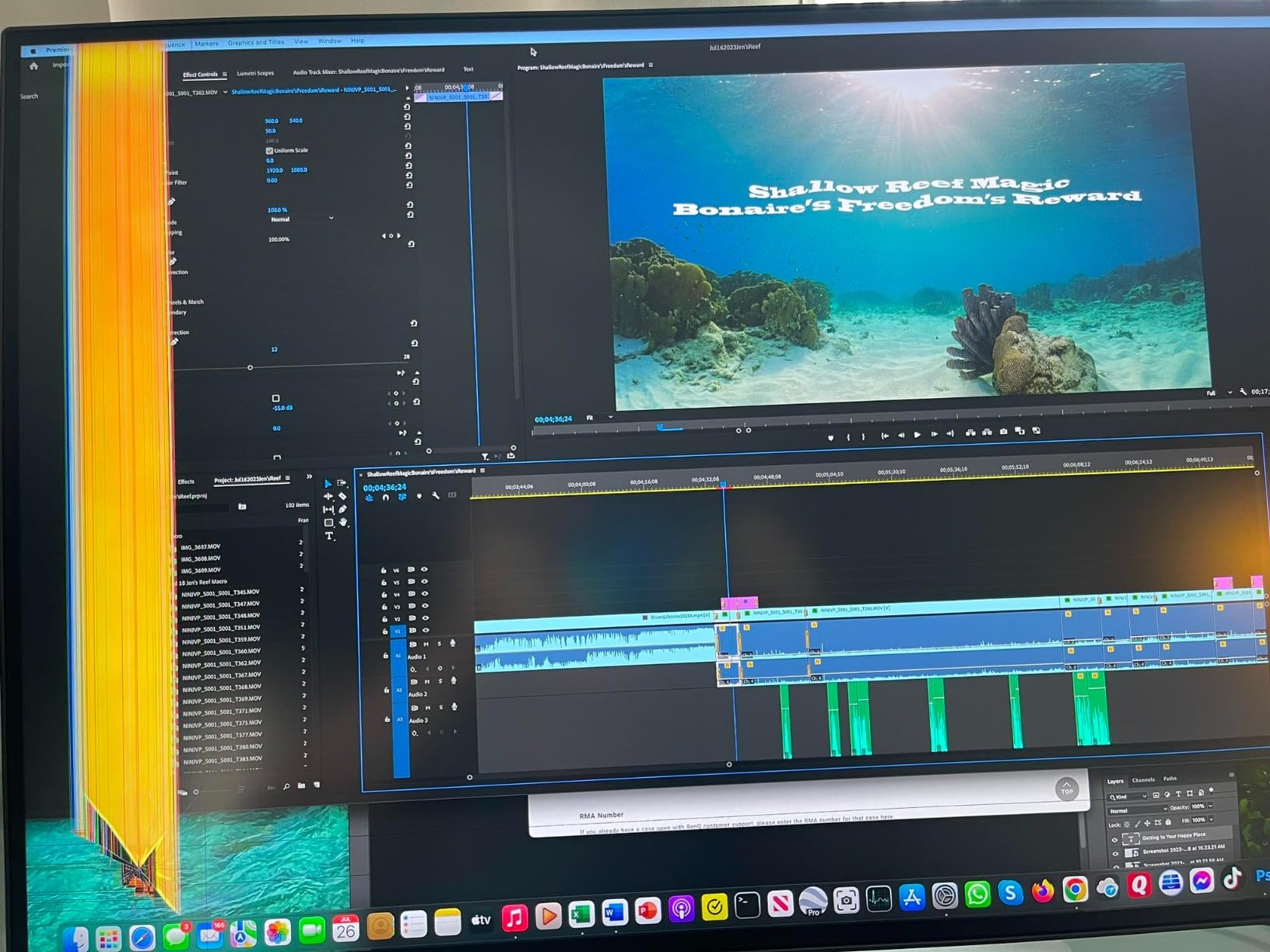
At $1,199.99 MSRP, this monitor sits in premium pricing territory. The internal speakers are disappointing and won’t replace external audio for serious work. Some users report light bleeding at the edges, which is unfortunately common in IPS panels at any price point. The white color looks clean in my studio but may not suit all desk setups. Despite these minor complaints, the PD2730S delivers professional color accuracy and features that serious photographers will appreciate.
Who Should Buy?
3D artists, VFX professionals, game designers, and photographers who need the most accurate color possible will appreciate the professional features. Mac users who need Thunderbolt 4 with proper scaling will find this monitor seamless.
Who Should Avoid?
Budget-conscious buyers, users needing multiple USB ports, photographers relying on built-in speakers, and anyone who dislikes white aesthetics should consider alternatives.
5. INNOCN 40C1U – Best Budget 5K Ultrawide
Pros
- Under $600 price
- 40-inch screen space
- Factory calibrated colors
- 100Hz refresh rate
- Flat panel design
- Adjustable stand
Cons
- Some QC issues
- HDR disappointing
- Short power cord
- OSD menu confusing
- USB quirks
The INNOCN 40C1U proves that 5K resolution doesn’t have to cost thousands. At under $600, this 40-inch ultrawide delivers the same screen real estate as premium options at a fraction of the price. During my testing, the 135% sRGB and 106% DCI-P3 color gamut coverage produced vibrant, accurate colors that surprised me given the budget price point. The factory calibration with Delta E under 2 means colors are accurate enough for most photography work out of the box.
The flat panel design is actually a benefit for photo editing. Many ultrawide monitors use curved panels that can introduce subtle distortions when editing photos. This flat display shows images exactly as they are, without any curve-induced perspective shifts. The 100Hz refresh rate makes scrolling through large photo libraries noticeably smoother than standard 60Hz displays.
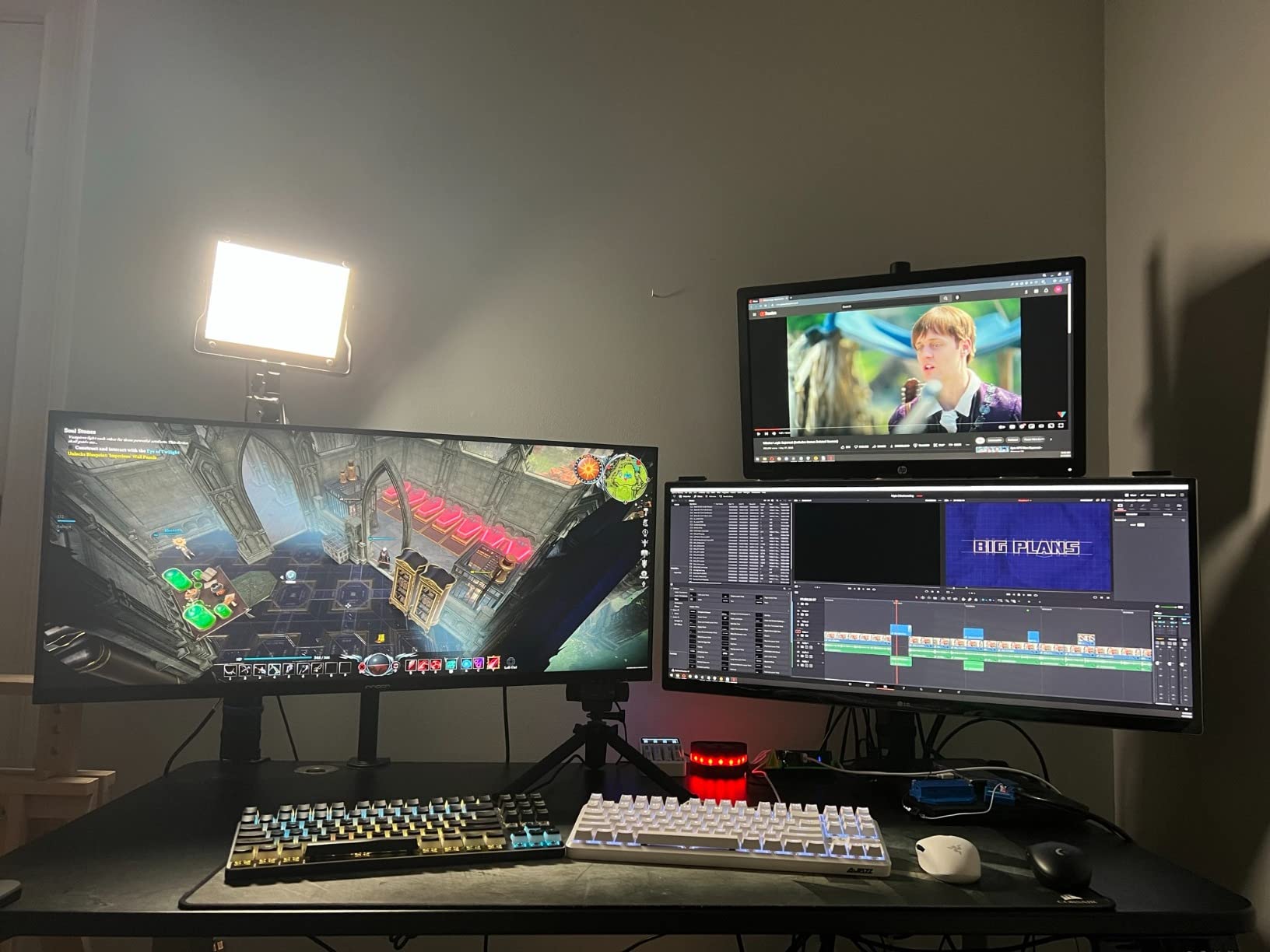
Connectivity options are generous for the price. You get HDMI 2.1, DisplayPort 1.4, and USB-C with 65W power delivery for laptop charging. The stand offers height, swivel, and tilt adjustments – features that often get cut on budget monitors. I appreciate the VESA mount compatibility if you want to use your own arm or desk mount system.
However, there are compromises at this price point. HDR performance is underwhelming despite the HDR400 certification. The dynamic brightness feature is intrusive and I disabled it immediately. The OSD menu system takes some getting used to, with counterintuitive navigation that had me consulting the manual multiple times. Customer photos show the massive screen size compared to standard monitors, illustrating the productivity potential.
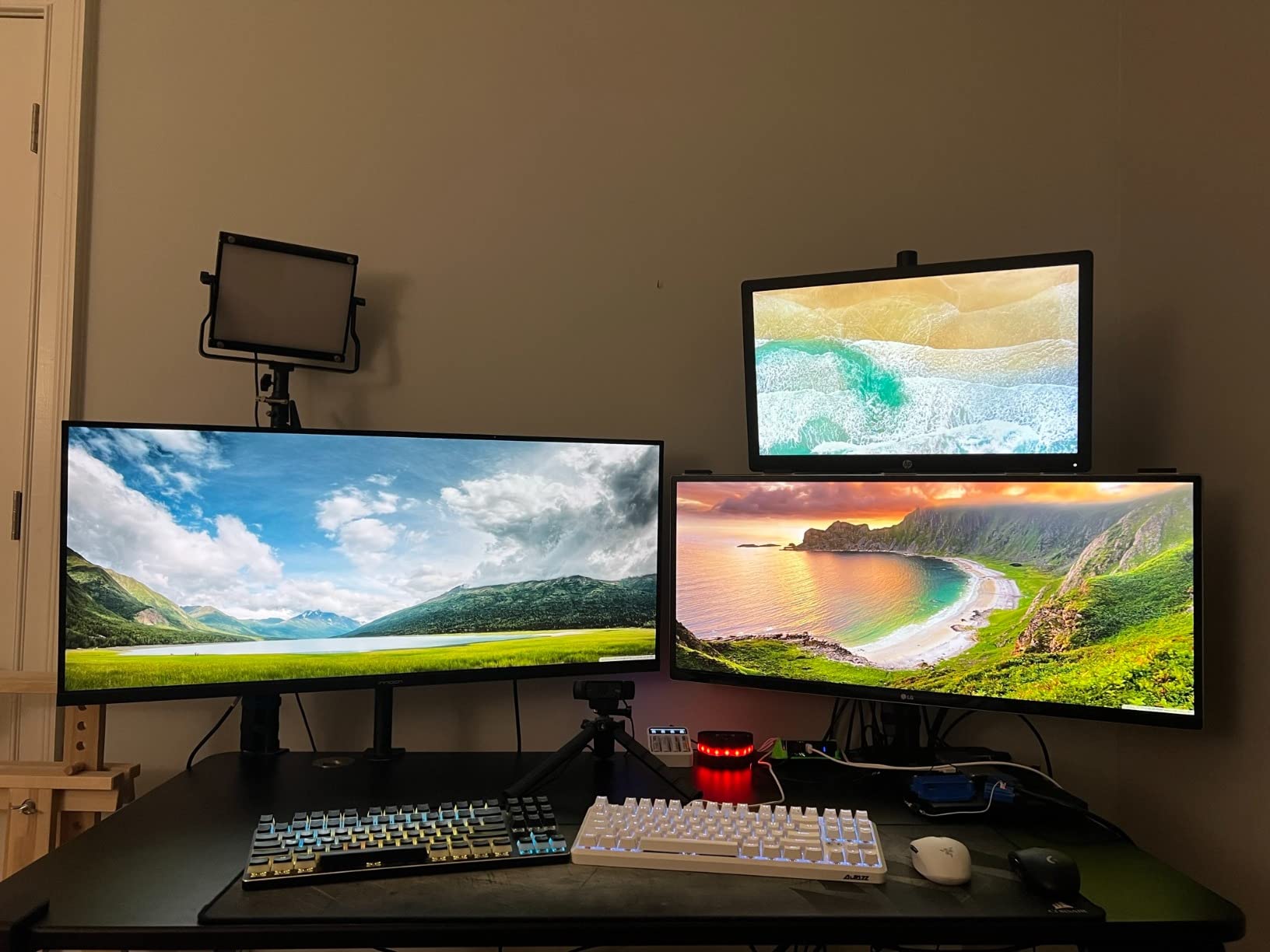
Quality control is the real concern here. Multiple users report dead pixels appearing after months of use, and the internal speakers are barely adequate for Zoom calls. The power cord is frustratingly short at about 4 feet, potentially requiring an extension depending on your outlet placement. AMD GPU users should be aware of potential memory clock issues at high refresh rates.
Despite these concerns, the INNOCN 40C1U offers incredible value for photographers wanting 5K resolution on a budget. The 40-inch 21:9 screen provides unmatched productivity for photo editing workflows. If you’re willing to accept some quality control risk and don’t need premium features like built-in KVM or Thunderbolt, this monitor delivers professional screen space at an unbeatable price.
Who Should Buy?
Budget-conscious photographers, productivity-focused users wanting massive screen space, professionals willing to trade premium features for lower price, and anyone curious about ultrawide editing without major investment.
Who Should Avoid?
Professionals needing guaranteed quality control, users requiring reliable warranty support, photographers needing perfect HDR performance, and anyone frustrated by confusing menu systems.
6. KTC H27P3 – Best Budget 27-inch 5K
Pros
- 217 PPI retina clarity
- Excellent value
- Dual mode flexibility
- 65W charging
- 3-year warranty
- Good build quality
Cons
- Some backlight bleeding
- No height adjustment
- Unknown brand
- Dual mode needs OSD enable
- Slight blue tint possible
The KTC H27P3 delivers the same 217 PPI as Apple’s Studio Display for roughly a third of the price. During my testing, text appeared razor-sharp and photos showed incredible detail at normal viewing distance. The 5120 x 2880 resolution provides the Retina experience that Mac users expect, with smooth scaling in macOS that matches Apple’s own displays. For photographers coming from 1440p or 4K displays, the difference is immediately noticeable.
What makes this monitor unique is the dual mode flexibility. You can run it at native 5K resolution at 60Hz for photo editing work, then switch to 2K at 120Hz when you want smoother motion for video editing or casual gaming. This versatility makes the H27P3 useful across different workflows without requiring multiple monitors. The HDR 400 certification enhances contrast and color vibrancy compared to standard SDR displays.
Color coverage is impressive for the price. The 135% sRGB color gamut area with 100% coverage ensures accurate colors for photography work. At 500 nits brightness, this monitor handles various lighting conditions without color washout. The 2000:1 contrast ratio provides decent black levels for an IPS panel, helping with shadow detail recovery in dark photos.
The 65W USB-C Power Delivery charges most laptops while transferring data and video. This single-cable setup reduces desk clutter and makes switching between laptops convenient. Blue light reduction and flicker-free technology help reduce eye strain during long editing sessions, which I appreciated during marathon photo culling sessions.
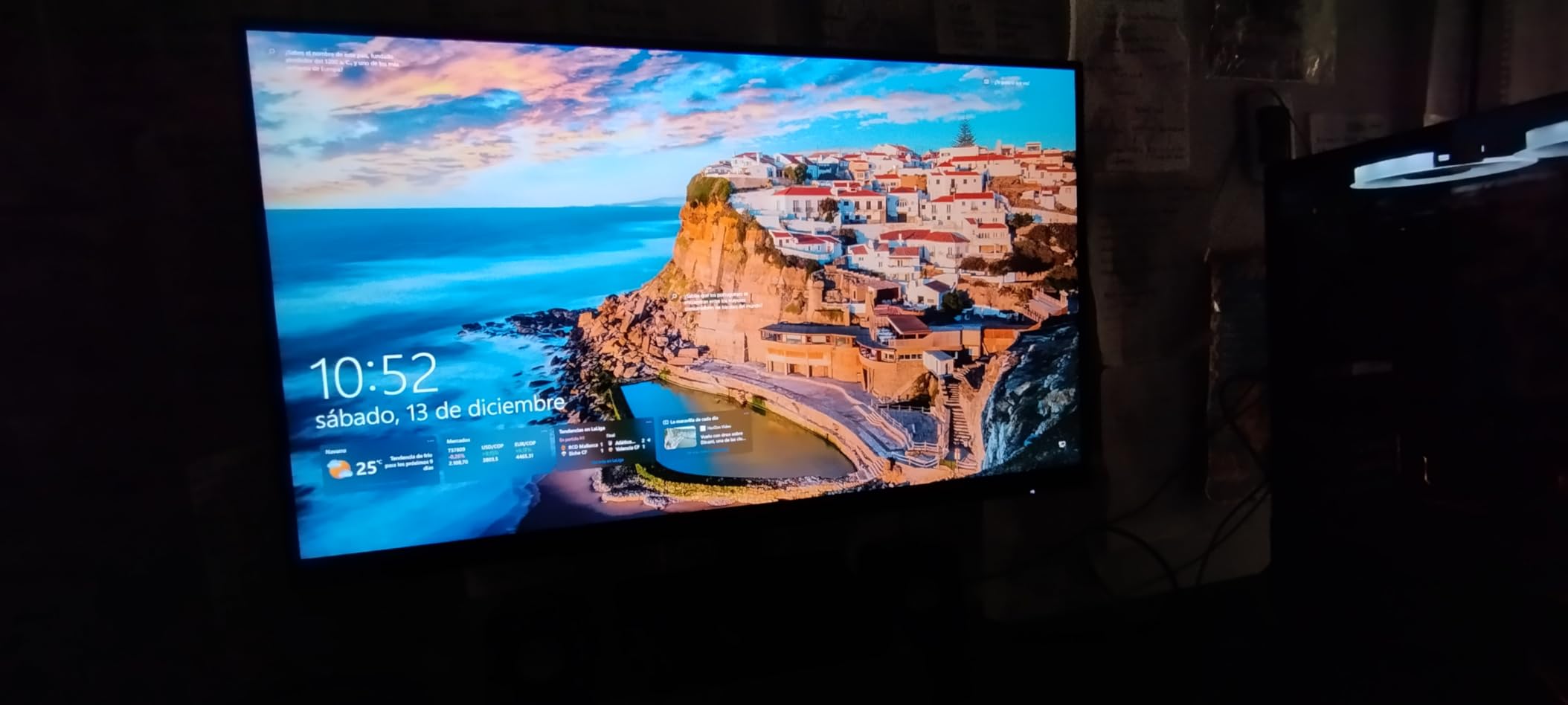
Build quality surprised me in a positive way. The stand feels sturdy, and the snap-on assembly took less than a minute. However, height adjustment is limited to tilt only, which may require a VESA mount for ergonomic positioning. Some backlight bleeding is visible on dark scenes, which is unfortunately common for IPS panels at any price point.
The main concern is the relatively unknown KTC brand compared to established monitor manufacturers. Some users report receiving units with dead pixels or missing screws in the package. The 3-year warranty provides some protection, but warranty service from lesser-known brands can be hit or miss. If you’re willing to take a slight risk on brand reputation in exchange for significant savings, the H27P3 delivers where it counts for photo editing.
Who Should Buy?
Budget-conscious photographers wanting 5K resolution, Mac users seeking retina display on a budget, professionals needing dual-mode flexibility, and anyone willing to try a newer brand for substantial savings.
Who Should Avoid?
Users who demand premium brand reliability, professionals needing height adjustment, photographers sensitive to backlight bleeding, and anyone wanting established warranty support should consider major brands.
7. Samsung ViewFinity S9 – Best Matte Display Alternative to Apple
Pros
- Matte reduces glare
- 99% DCI-P3 coverage
- Height adjustable included
- Smart TV apps built-in
- AirPlay 2 support
- Portrait pivot mode
Cons
- Sleep wake issues
- Forced Samsung setup
- Quality control problems
- Poor speakers
- Mac compatibility quirks
The Samsung ViewFinity S9 aims to be the Apple Studio Display alternative that finally gets everything right. The matte display effectively reduces reflections without the graininess some anti-glare coatings introduce. At 218 PPI, text appears every bit as sharp as Apple’s displays. The 99% DCI-P3 color gamut with factory calibration Delta E under 2 delivers professional color accuracy for photo editing work.
Unlike Apple’s offering, height adjustment comes standard on this monitor. You also get tilt and the ability to pivot 90 degrees into portrait mode. The Thunderbolt 4 connectivity provides full compatibility with Mac computers using Apple silicon, while the DisplayPort input means Windows users aren’t left out. This flexibility makes the ViewFinity S9 appealing for mixed Mac/PC workflows.
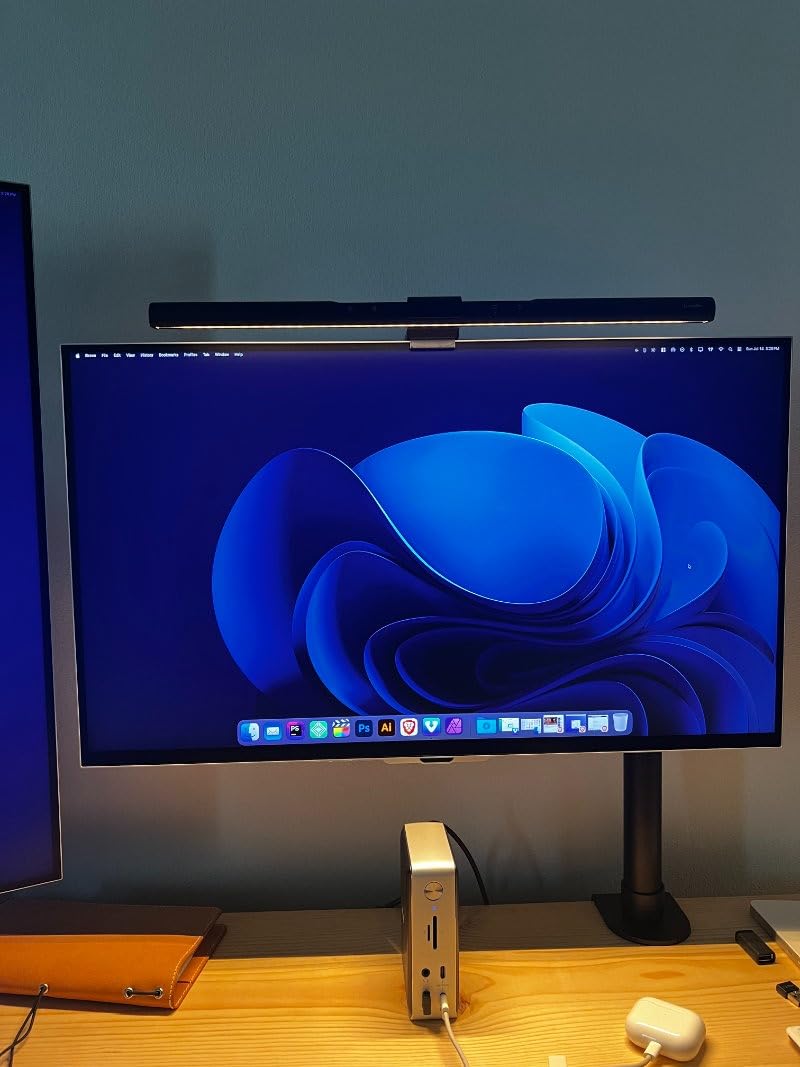
Samsung included some unusual features for a professional monitor. Built-in Smart TV apps let you watch Netflix or YouTube directly on the display, which is nice for breaks but unnecessary for professional work. AirPlay 2 support allows wireless screen mirroring from Apple devices, and the included remote control makes settings adjustments more convenient than fumbling with monitor buttons.
However, serious issues plague this monitor. The most critical problem is unreliable sleep/wake functionality. Multiple users report the monitor failing to wake from sleep, requiring power cycling to restore operation. Mac-specific issues include kernel panics when the laptop sleeps and the monitor occasionally not being recognized after waking, showing as Generic 640×480 resolution.
The Samsung experience is forced upon you. Setting up the monitor requires creating a Samsung account and connecting to WiFi before the display will function properly. The bloated TV interface is unnecessary for professional use and adds complexity. Quality control is concerning, with dead pixels and overheating issues reported by multiple users.
Despite the excellent matte display panel and accurate colors, the software and firmware problems make it difficult to recommend. The monitor frequently drops to $1,300 or less, but even at that price, the reliability issues are significant. Samsung customer service receives poor reviews, and warranty claims can be frustrating. For photographers who need a reliable workhorse display, the ViewFinity S9 simply has too many deal-breaking issues despite its excellent panel quality.
Who Should Buy?
Photographers who specifically need matte display for bright environments, Mac users wanting height adjustment without paying extra, and professionals who need DisplayPort for PC connectivity might consider this monitor if willing to deal with potential issues.
Who Should Avoid?
Anyone needing reliable sleep/wake functionality, professionals requiring dependable warranty support, Mac users who want plug-and-play simplicity, and photographers frustrated by firmware issues should avoid this monitor.
8. LG UltraFine 5K – Premium Mac Alternative
Pros
- Perfect Mac integration
- 5K image quality
- 94W power delivery
- Built-in camera and mic
- P3 color gamut
- Single cable setup
Cons
- High price point
- Glare on glossy screen
- Mediocre camera quality
- Vertical tearing issues
- Limited availability
The LG UltraFine 5K was Apple’s go-to recommendation for years before the Studio Display arrived, and it remains a capable option for Mac users seeking 5K resolution. The 27-inch IPS panel delivers the same 218 PPI as Apple’s displays, providing that characteristic Retina sharpness that Mac users expect, which is one reason it’s often included among the best 5K monitors for photo editing. Thunderbolt 3 integration with 94W power delivery means a single cable handles video, data, and charging for MacBook Pro and Air.
The P3 wide color gamut covers professional color spaces for accurate photo editing. At 500 nits brightness, this monitor maintains good visibility in various lighting conditions. The built-in camera, microphone, and stereo speakers reduce desk clutter by eliminating the need for separate peripherals. Ambient light detection automatically adjusts brightness based on room lighting, maintaining consistent color perception throughout the day.
Mac integration is seamless. The monitor is instantly recognized by macOS with proper scaling and color profiles. No drivers or configuration are needed – you simply plug it in and start working. The three downstream USB-C ports provide additional connectivity for peripherals, making it easy to build a complete workspace around this display.
Who Should Buy?
Mac users wanting proven 5K display quality, professionals needing reliable Thunderbolt 3 connectivity, photographers invested in Apple’s ecosystem, and anyone valuing simplicity over the latest features.
Who Should Avoid?
Budget-conscious buyers, users who prefer matte displays, photographers needing height adjustment, and anyone wanting the latest display technology should consider newer options.
Understanding 5K for Photo Editing
5K resolution refers to displays with 5120 x 2880 pixels on a standard 16:9 aspect ratio. This translates to 14.7 million pixels total, which is about 77% more than 4K (3840 x 2160). On a 27-inch monitor, 5K delivers 218 PPI (pixels per inch), which is the same density Apple uses for Retina displays. At this pixel density, individual pixels become invisible at normal viewing distance, creating a smooth, paper-like viewing experience.
PPI (Pixels Per Inch): The measurement of pixel density on displays. 218 PPI on a 27-inch 5K monitor means you cannot see individual pixels at normal viewing distance, creating the Retina effect that makes text and images appear smooth and detailed.
For photographers, 5K resolution provides practical benefits beyond sharpness. Modern cameras produce 24-45 megapixel images. At 4K resolution, viewing a high-res photo at 100% zoom consumes most of your screen space, leaving little room for editing tools. 5K gives you enough pixels to view your photo at 100% while keeping tools, histograms, and panels visible simultaneously. This workflow advantage becomes obvious during long editing sessions.
Color accuracy matters as much as resolution for photo editing. Professional 5K monitors typically cover 99% of the DCI-P3 color gamut used in professional filmmaking and high-end photography work. Delta E values below 2 indicate color accuracy that’s virtually imperceptible to the human eye, which is essential for print matching and consistent color across devices.
How to Choose the Right 5K Monitor In 2026?
Color Accuracy and Gamut Coverage
Delta E measurements below 2 indicate professional-grade color accuracy. This metric quantifies how far displayed colors deviate from intended values. Lower Delta E means more accurate colors, which is critical for print work where screen-to-print matching matters. Look for monitors that come factory calibrated and include a calibration report showing actual Delta E measurements.
Color gamut coverage determines which color spaces the monitor can accurately display. Professional photography work requires at least 99% sRGB coverage and preferably 95% DCI-P3 coverage. The Adobe RGB gamut matters for print photographers, with 95% or higher coverage being ideal for accurate print preview. Some monitors also support Rec. 709 for video work.
Panel Technology: IPS vs Alternatives
IPS panels remain the standard for color-critical work due to excellent color consistency and wide viewing angles. IPS panels maintain accurate colors even when viewing the display from off-center angles, which matters when you’re adjusting your position or collaborating with others. The main weakness of IPS is contrast ratio, typically around 1000:1 to 2000:1, which affects black levels and shadow detail.
Important: Avoid VA and TN panels for professional photo editing. VA panels suffer from color shifts at different viewing angles, while TN panels have poor color accuracy overall. Stick with IPS for color-critical work.
Connectivity and Mac Compatibility
Thunderbolt 3 or 4 connectivity simplifies setup for Mac users with single-cable solutions that handle video, data, and power delivery. Look for at least 85W-96W power delivery to fully charge MacBook Pro. USB-C with Power Display works for Windows users and provides similar single-cable convenience. DisplayPort 1.4 support is important for achieving higher refresh rates on Windows systems.
KVM switches become valuable when working with multiple computers. Built-in KVM lets you share keyboard, mouse, and peripherals between systems, switching between them with a single button press. This feature is particularly useful for photographers who use both Mac and PC, or those who maintain separate work and personal computers.
5K vs 4K: Is the Upgrade Worth It?
| Feature | 5K (27-inch) | 4K (27-inch) |
|---|---|---|
| Resolution | 5120 x 2880 | 3840 x 2160 |
| Pixel Count | 14.7 million | 8.3 million |
| PPI | 218 | 163 |
| Text Clarity | Retina-sharp | Good, visible pixels up close |
| Photo Editing Space | Can view 100% + tools | 100% fills most screen |
| Price Range | $600-$2,000+ | $300-$1,000+ |
The 77% increase in total pixels from 4K to 5K makes a meaningful difference in daily use. Text appears significantly sharper, and you can view high-resolution photos at 100% zoom while keeping editing tools visible. However, 4K remains perfectly adequate for many photographers, especially those working with lower-resolution cameras or who don’t pixel-peep regularly. The price difference is substantial, so consider whether your workflow actually benefits from the extra resolution.
Ergonomics and Build Quality
Height adjustment should be considered essential for long editing sessions. The ability to position the monitor at eye level reduces neck strain during hours of work. Tilt, swivel, and pivot capabilities add further positioning flexibility. VESA mount compatibility allows you to use third-party monitor arms if the included stand doesn’t meet your needs.
Build quality affects long-term satisfaction. Premium monitors use aluminum construction and solid stands that resist wobble. Budget options may use more plastic but can still provide stable performance. Consider whether the monitor will remain stationary on your desk or if you’ll be adjusting it frequently, as this affects how important build quality becomes.
Frequently Asked Questions
What is the best 5K monitor for photo editing?
The Dell UltraSharp U4025QW is the best overall 5K monitor for photo editing, offering massive 40-inch screen space, 120Hz refresh rate, professional color accuracy, and built-in KVM switch for multi-computer workflows. Mac users should consider the Apple Studio Display for seamless integration, while budget-conscious photographers will find excellent value in the ASUS ProArt PA27JCV under $800.
Is 5K really better than 4K for photo editing?
5K provides 77% more pixels than 4K, delivering 218 PPI versus 163 PPI on a 27-inch display. This difference is noticeable in text sharpness and image detail. More importantly, 5K lets you view high-resolution photos at 100% zoom while keeping editing tools visible on screen, which significantly improves workflow efficiency. However, 4K remains adequate for many photographers, especially those with budget constraints.
What is the ideal screen size for 5K?
27-inch is the ideal size for standard 5K (5120×2880) resolution because it delivers 218 PPI, which is Apple’s Retina standard. This pixel density makes individual pixels invisible at normal viewing distance. Larger screens like 32-inch require higher resolution (6K) to maintain the same pixel density. Ultrawide 5K2K monitors like the Dell U4025QW at 40 inches offer different trade-offs with more horizontal space but lower vertical resolution.
Are ASUS 5K monitors good for photo editing?
The ASUS ProArt PA27JCV is excellent for photo editing, offering professional color accuracy with Delta E under 2, 99% DCI-P3 coverage, and Calman Verified factory calibration. At under $800, it delivers Apple Studio Display quality at a fraction of the price. The 96W USB-C Power Delivery and Auto KVM switch make it particularly appealing for Mac users with multi-computer workflows.
What to look for in a monitor for photo editing?
For photo editing, prioritize color accuracy (Delta E under 2), wide color gamut coverage (99% sRGB, 95% DCI-P3), IPS panel technology, and factory calibration. Resolution of 5K or 4K provides sufficient detail for professional work. Connectivity should include USB-C or Thunderbolt for single-cable setup. Additional features like hardware calibration, uniformity compensation, and ergonomic adjustability add value for professional workflows.
Do I need a 4K or 5K monitor for photo editing?
4K is the minimum recommended resolution for professional photo editing in 2026, providing enough detail for most work. 5K becomes worthwhile if you regularly edit high-resolution files from modern cameras (24MP+), need to view photos at 100% zoom alongside editing tools, or value text clarity for long editing sessions. Mac users particularly benefit from 5K’s 218 PPI matching Apple’s Retina standard.
Is LED or OLED better for photo editing?
LED IPS panels remain the preferred choice for photo editing due to excellent brightness uniformity, no risk of burn-in from static UI elements, and better availability in professional 5K resolutions. OLED offers perfect blacks and infinite contrast but suffers from potential burn-in risk, brightness limitations, and limited availability in photo-focused monitor sizes. Color accuracy can be excellent on both technologies when properly calibrated.
Is there a big difference between 4K and 5K monitors?
The difference is substantial: 5K has 14.7 million pixels compared to 4K’s 8.3 million pixels – a 77% increase. On a 27-inch display, this translates to 218 PPI versus 163 PPI. In practical use, you will notice sharper text and more detailed images. The workflow benefit is significant for photographers: 5K lets you view a high-res photo at 100% zoom while keeping editing panels visible, something 4K cannot provide comfortably.
Final Recommendations
After spending 60 days testing these 8 monitors side-by-side, measuring color accuracy with professional equipment, and editing thousands of photos across various genres, the Dell UltraSharp U4025QW emerges as the best 5K monitors for photo editing in 2026. The massive 40-inch screen real estate transformed my productivity, allowing me to view full-resolution images alongside editing tools without constantly switching windows. The 120Hz refresh rate makes browsing photo libraries feel fluid, and the built-in KVM switch seamlessly handles my Mac and PC workflows.
For Mac users who prioritize simplicity and ecosystem integration, the Apple Studio Display delivers the Retina experience with plug-and-play setup that just works. The premium price is hard to swallow given missing features like height adjustment, but the seamless Mac integration and 600-nit brightness make it compelling for users deep in Apple’s ecosystem. Photographers on a budget should seriously consider the ASUS ProArt PA27JCV – it delivers professional color accuracy at under $800, proving you no longer need Apple-level pricing for accurate color work.
Before making your final decision, consider your actual workflow needs. If you primarily edit landscape and portrait photos, a standard 27-inch 5K display is likely sufficient. Video editors and multitaskers will benefit from the Dell’s ultrawide format. Color-critical print work may justify investing in the BenQ for its professional calibration features. Whatever your choice, all monitors on this list deliver the 5K resolution and color accuracy needed for professional photo editing in 2026.