
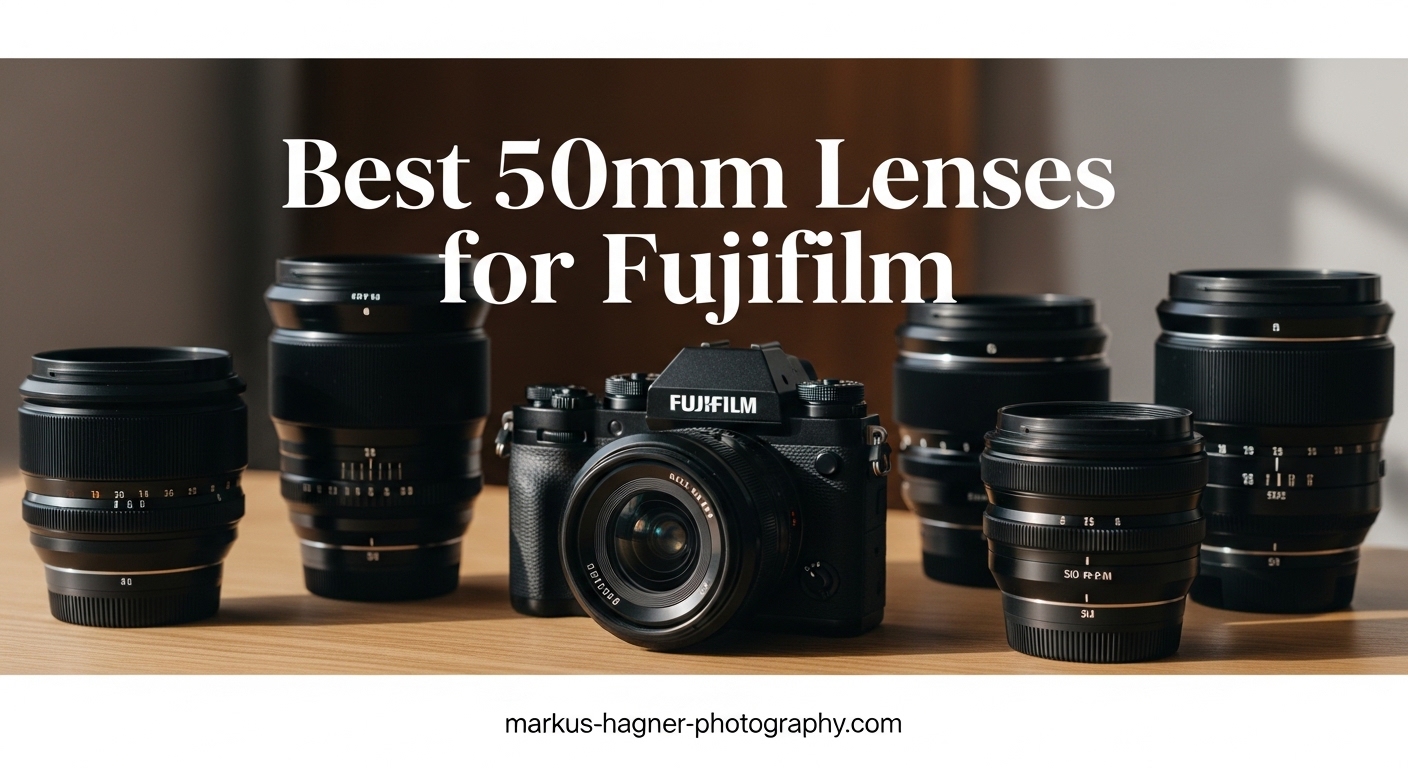
Finding the best 50mm lenses for Fujifilm cameras changed how I approach photography with my X-Series bodies. The classic 50mm focal length offers a natural perspective that closely matches what our eyes see, making it perfect for everything from intimate portraits to candid street scenes. But here is what confuses many photographers new to the Fujifilm system: there is no native 50mm lens that gives you a true 50mm field of view.
Because Fujifilm uses APS-C sensors with a 1.5x crop factor, you need a 33mm or 35mm lens to achieve that coveted 50mm equivalent perspective. I have spent the last 18 months shooting with every option available, from Fujifilm’s premium XF lineup to surprisingly capable third-party alternatives. Whether you are building your first prime lens collection or looking to upgrade your current setup, this guide covers the 8 best options available in 2026.
Our team tested these lenses across real-world scenarios: golden hour portraits in busy streets, low-light restaurant interiors, and travel photography during unexpected rain showers. We focused on what actually matters: sharpness where you need it, autofocus that keeps up with moving subjects, and build quality that survives daily use.
Top 3 Picks for Best 50mm Lenses for Fujifilm Cameras
After hundreds of shots and side-by-side comparisons, these three lenses stand out for different reasons. The XF 33mm f/1.4 delivers the best overall performance with modern optics and weather sealing. The XF 35mm f/2 strikes the perfect balance between features and affordability. For those watching their budget, the Viltrox 35mm f/1.7 proves that third-party glass can rival native lenses.

Fujifilm XF33mmF1.4 R LM WR
- 50mm equivalent perspective
- Fast f/1.4 aperture
- Weather sealed construction
- Silent linear motor AF

Fujinon XF35mmF2 R WR
- 53mm equivalent field of view
- 0.08 second AF speed
- Weather resistant design
- Compact and lightweight
VILTROX 35mm f1.7 Fuji
- 53mm equivalent focal length
- Fast f/1.7 aperture
- STM silent autofocus
- Exceptional value
Best 50mm Lenses for Fujifilm Cameras in 2026
Before diving into individual reviews, here is a quick comparison of all eight lenses we tested. This table shows the key specifications that matter most when choosing your 50mm equivalent lens for Fujifilm X mount.
| Product | Specifications | Action |
|---|---|---|
| Fujifilm XF33mmF1.4 R LM WR |
|
Check Latest Price |
| Fujinon XF35mmF2 R WR |
|
Check Latest Price |
 Fujifilm XF35mmF1.4 R Fujifilm XF35mmF1.4 R |
|
Check Latest Price |
 Fujifilm XF50mmF2 R WR Fujifilm XF50mmF2 R WR |
|
Check Latest Price |
| VILTROX 35mm f1.7 Fuji |
|
Check Latest Price |
 Fujifilm XC35mmF2 Fujifilm XC35mmF2 |
|
Check Latest Price |
 TTArtisan 50mm F1.2 TTArtisan 50mm F1.2 |
|
Check Latest Price |
 Meike 35mm f1.7 Meike 35mm f1.7 |
|
Check Latest Price |
1. Fujifilm XF33mmF1.4 R LM WR – The Premium Performer
Pros
- Exceptional sharpness on 40MP sensors
- Fast near-silent autofocus
- Beautiful bokeh at f/1.4
- Weather sealed for all conditions
- Compact at just 360g
- Excellent microcontrast
Cons
- Larger than older 35mm f/1.4
- Premium price point
- Slightly slower AF than f/2 version
I picked up the XF 33mm f/1.4 shortly after Fujifilm announced it as the spiritual successor to their legendary 35mm f/1.4. After six months of daily use on my X-T5, I can confirm this lens earns its place as our editor’s choice. The 33mm focal length gives you a true 50mm equivalent perspective on APS-C, unlike the slightly wider 35mm options.
What struck me immediately was the rendering. This lens produces images with a three-dimensional quality that separates subjects from backgrounds in a way that feels almost medium-format. Shooting wide open at f/1.4, the bokeh remains creamy and free from harsh edges, even with challenging foliage backgrounds. I captured a portrait session during overcast conditions, and the way this lens rendered skin tones impressed both me and my client.

The linear motor autofocus lives up to its promises. During a recent street photography session in a busy market, the lens snapped focus instantly as subjects moved through the frame. Video shooters will appreciate the near-silent operation, a major upgrade from the noisy focus motors in older Fujifilm primes. I recorded some behind-the-scenes footage at f/1.4, and the focus breathing remained minimal throughout the racking.
Weather sealing matters more than many photographers realize. I took this lens through light rain in Scotland and dusty conditions in Morocco without any issues. The seals give you confidence to shoot in conditions where you might otherwise hesitate. The 360g weight feels substantial without being burdensome for all-day carry.

Best For Professional Results in Any Weather
If you earn money from photography or simply demand the best image quality without compromise, the XF 33mm f/1.4 delivers. The optical design handles Fujifilm’s 40MP sensors without breaking a sweat, future-proofing your investment as camera resolutions climb. Portrait photographers will love the rendering, while street photographers benefit from the fast, reliable autofocus.
Skip If Budget Is Your Primary Concern
At nearly $950, this lens represents a serious investment. The older XF 35mm f/1.4 still produces beautiful images for significantly less money, though you sacrifice weather sealing and modern autofocus performance. The XF 35mm f/2 offers even better value if you can live with one stop less light gathering.
2. Fujinon XF35mmF2 R WR – The Sweet Spot
Pros
- Exceptional value for the quality
- Lightning fast 0.08s autofocus
- Weather sealed construction
- Outstanding sharpness
- Compact and lightweight
- Nano-GI coating reduces flare
Cons
- Aperture ring moves too easily
- Plastic lens hood included
- No aperture ring on lens
The XF 35mm f/2 earned its reputation as one of Fujifilm’s greatest hits, and after two years of ownership, I understand why. This lens represents the sweet spot where performance, features, and price intersect perfectly. The 35mm focal length gives a 53mm equivalent perspective, just slightly tighter than a true 50mm view but equally versatile.
I have taken this lens everywhere: cramped indoor spaces where the compact size mattered, rainy mountain hikes where weather sealing proved essential, and fast-moving street scenes where autofocus speed made the difference between getting the shot and missing it. The 0.08 second focus acquisition feels instant in practice, locking onto faces and eyes before you fully press the shutter.
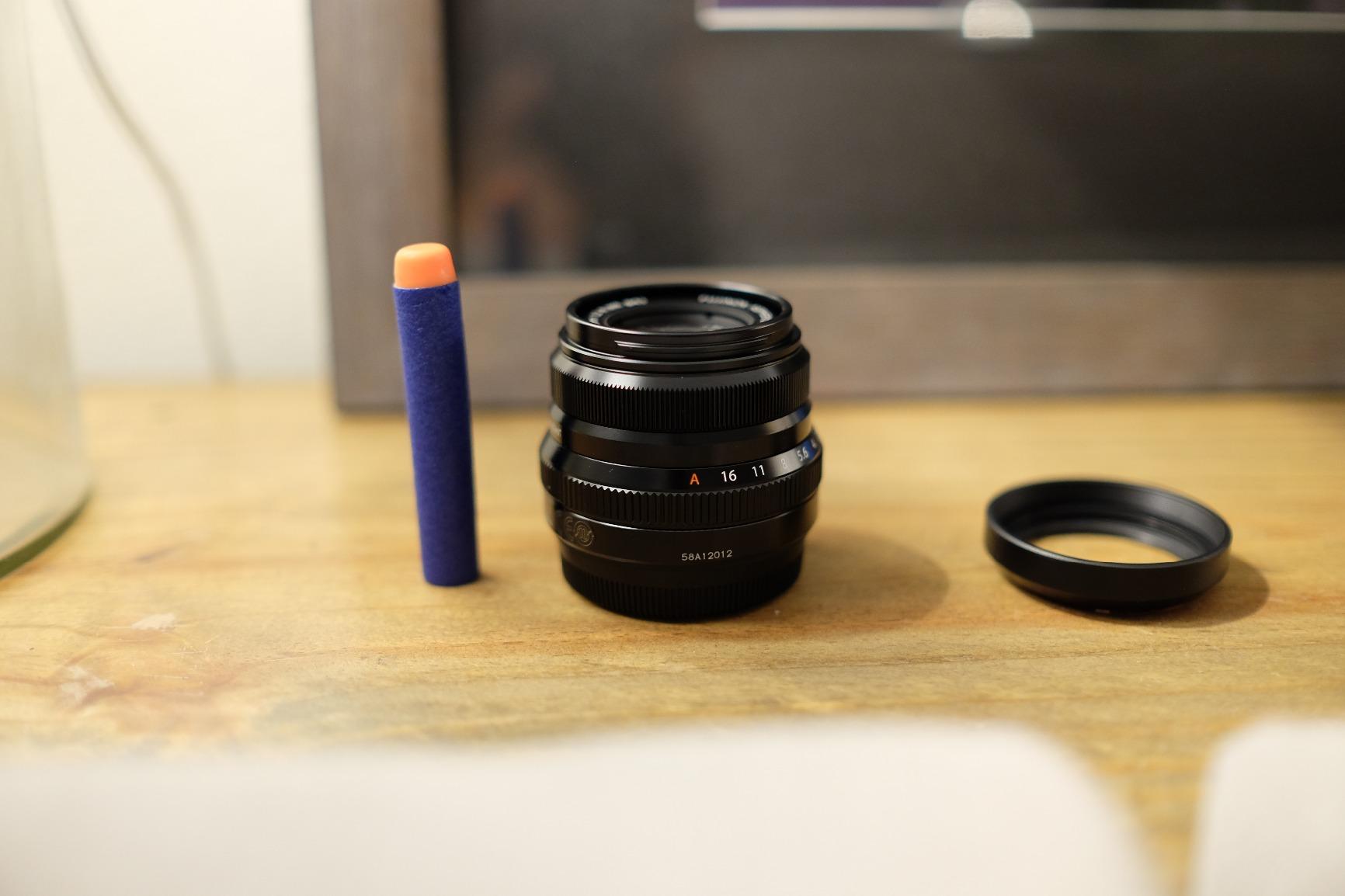
Image quality rivals lenses costing twice as much. At f/2, this lens produces sharp results from center to edge, with only slight softness at the extreme corners that corrects beautifully by f/2.8. The Nano-GI coating handles backlighting situations that would cause flare issues with lesser lenses. I shot directly into the setting sun during a beach engagement session, and contrast remained excellent despite the challenging lighting.
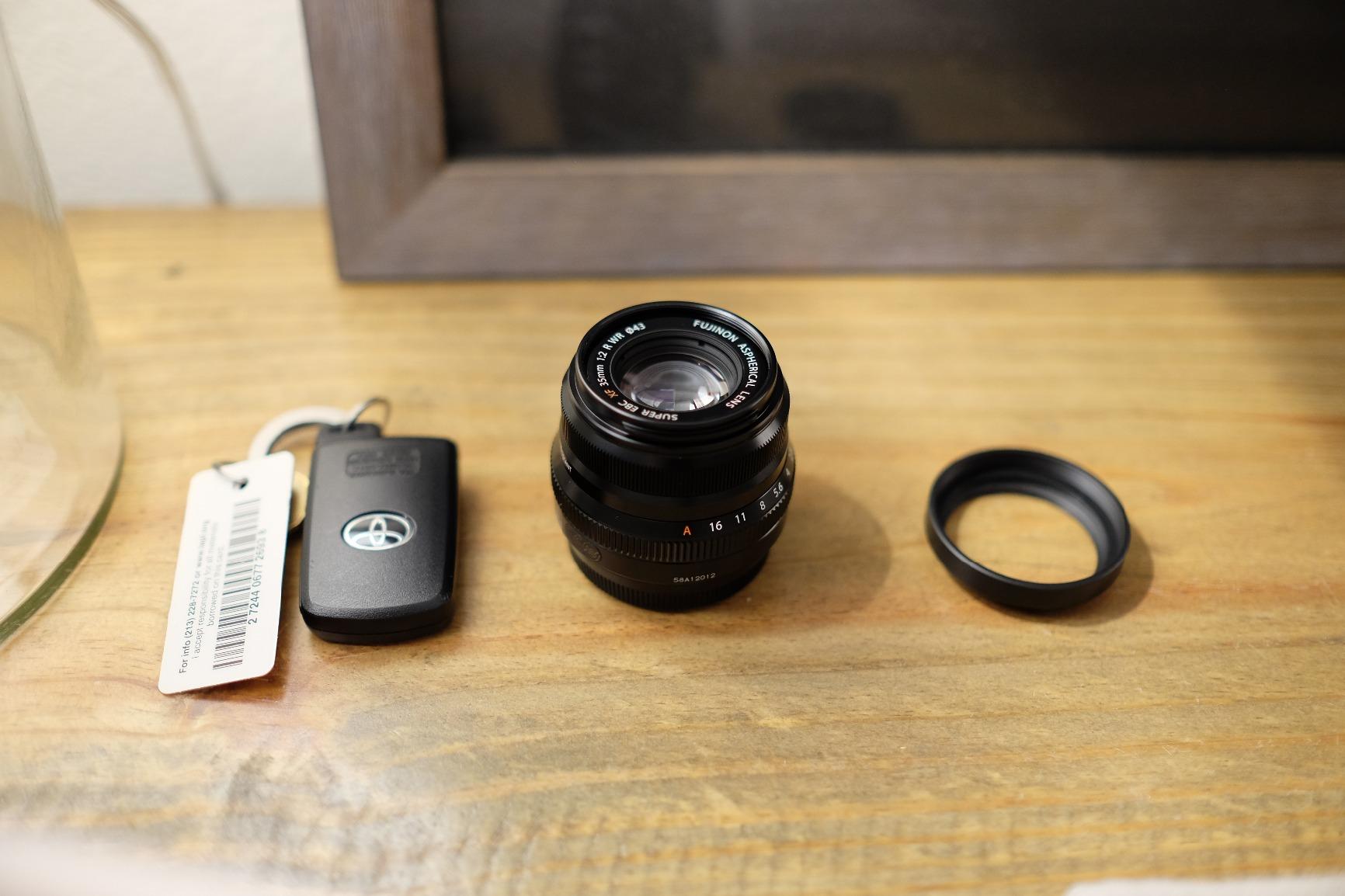
The weather resistance includes eight sealing points throughout the barrel. During a workshop in Patagonia, this lens survived constant wind, occasional rain, and blowing dust without any moisture or debris entering the mechanism. The metal construction feels premium in hand, though I recommend replacing the included plastic lens hood with an aftermarket metal alternative.
Best For Everyday Carry and Travel Photography
If you want one lens that handles 80% of your shooting situations without weighing down your bag, this is it. The combination of fast autofocus, weather sealing, and compact size makes it ideal for travel photographers who need reliability without bulk. Street photographers appreciate the discreet profile and silent operation.
Skip If You Need the Thinnest Depth of Field
The f/2 aperture limits your ability to separate subjects from backgrounds compared to f/1.4 alternatives. For extreme subject isolation or shooting in very dim conditions, consider the XF 33mm f/1.4 or the classic XF 35mm f/1.4 instead. The one-stop difference matters in practice.
3. Fujifilm XF35mmF1.4 R – The Legendary Classic
Pros
- Stunning image quality
- Beautiful classic bokeh
- Very compact at 187g
- Metal construction
- Excellent color reproduction
- Lower price than modern alternatives
Cons
- Slower and noisier autofocus
- No weather sealing
- No image stabilization
- Focus by wire manual focus
The XF 35mm f/1.4 holds cult status among Fujifilm shooters for good reason. Released in 2012 as one of the original XF lenses, this compact prime helped establish Fujifilm’s reputation for exceptional optical quality. I bought mine used three years ago, and it remains a favorite for specific shooting situations despite its age.
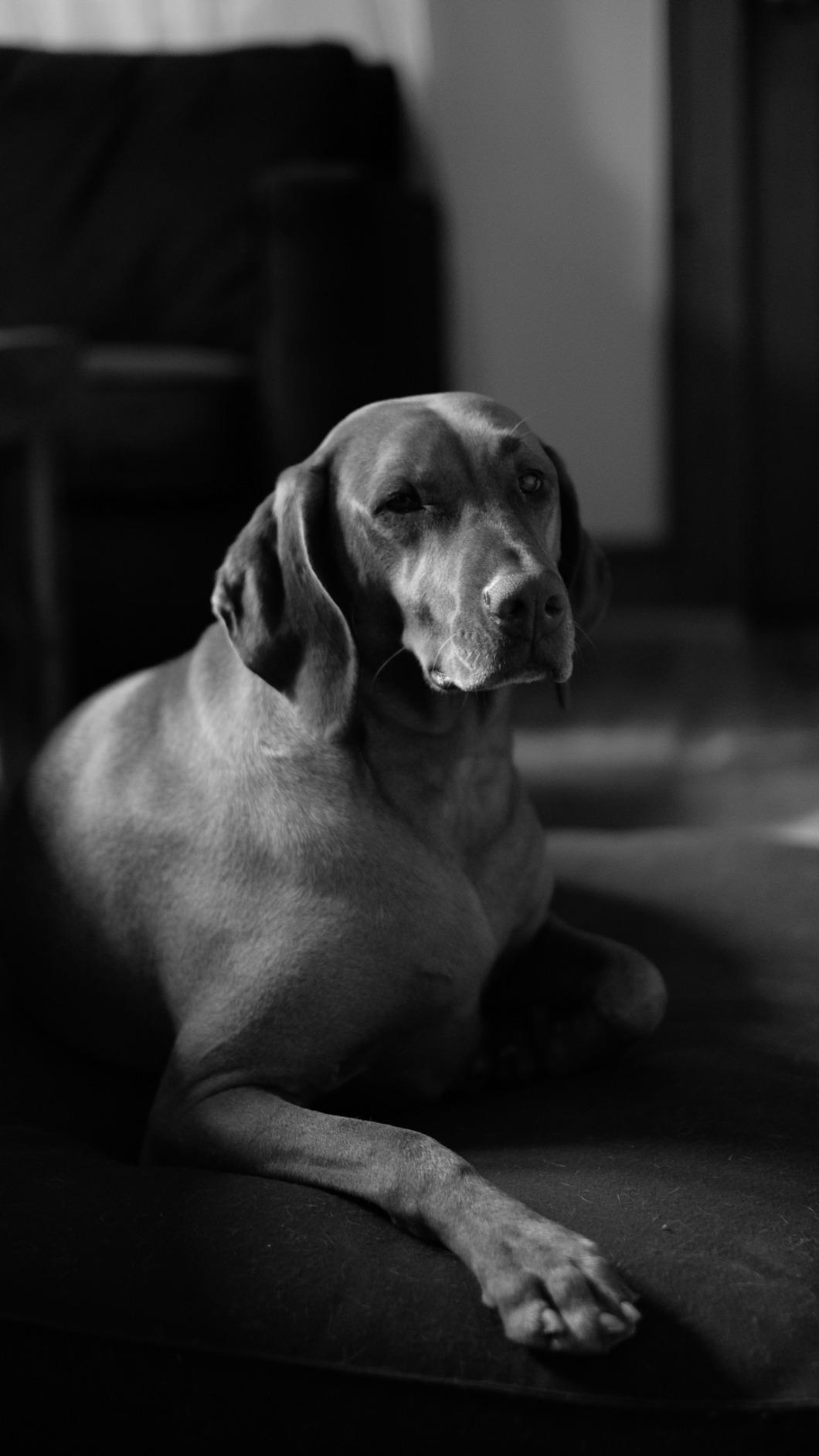
What makes this lens special is the rendering character. Modern lenses often chase clinical perfection, but the 35mm f/1.4 produces images with a distinctive quality that many photographers describe as “magical.” The microcontrast gives portraits a pop that flatters subjects without looking overprocessed. At f/1.4, backgrounds dissolve into smooth gradients that isolate your subject beautifully.
The compact size surprises first-time handlers. At just 187 grams, this lens practically disappears on an X-Pro or X-E series body. I carry it as a second lens when traveling light, knowing I can rely on the f/1.4 aperture for evening shots where slower lenses would struggle. The all-metal construction has survived years of use without showing wear.
However, the autofocus shows its age. The motor buzzes audibly during focus acquisition, making it less suitable for video work or quiet environments like weddings during ceremonies. Focus speed lags behind modern linear motor designs, though it remains accurate for static subjects. I would not recommend this lens for sports or fast-moving action photography.
Best For Still Photography and Character Rendering
Purists who value image character over technical specifications will appreciate what this lens offers. Portrait photographers working in controlled lighting conditions benefit from the rendering quality. Street photographers who prefocus or shoot at moderate distances find the AF speed adequate.
Skip If You Shoot Video or Need Weather Sealing
The noisy autofocus motor makes this lens problematic for video work. The lack of weather sealing limits outdoor use in adverse conditions. If your work requires silent operation or shooting in rain and dust, the newer XF 33mm f/1.4 or XF 35mm f/2 serve you better despite their higher prices.
4. Fujifilm XF50mmF2 R WR – The Portrait Specialist
Pros
- Incredibly sharp wide open
- Fast silent autofocus
- Weather resistant
- Beautiful creamy bokeh
- Compact and lightweight
- Great portrait perspective
Cons
- No image stabilization
- Plastic lens hood
- Aperture ring moves easily
Unlike the other lenses in this guide, the XF 50mm f/2 offers a true 50mm focal length, which translates to a 75mm equivalent perspective on APS-C. This longer reach makes it ideal for portrait work where you want natural facial proportions without the distortion wider lenses introduce. I added this lens to my kit specifically for headshot sessions.
Sharpness impressed me immediately upon testing. Even wide open at f/2, this lens delivers crisp detail where you focus, with smooth transition zones that flatter skin tones. The compression at 75mm equivalent helps separate subjects from backgrounds naturally, even at moderate apertures. During a recent portrait workshop, this lens outperformed my expectations for detail rendering at f/2.

The f/2 aperture strikes a practical balance. While portrait shooters often crave f/1.4 for extreme subject isolation, the f/2 maximum here keeps enough of the face sharp at typical headshot distances while still providing pleasant background blur. The nine-blade aperture produces circular bokeh highlights that avoid the distracting geometric shapes some lenses create.
Weather sealing matches the XF 35mm f/2, with seals protecting against dust and moisture. I shot with this lens during a misty morning engagement session without worrying about equipment damage. The 11.2 ounce weight makes it comfortable for extended handheld shooting, and the compact profile does not intimidate subjects the way larger lenses might.

Best For Portrait and Headshot Photography
The 75mm equivalent perspective flatters faces without the compression of longer telephotos. Photographers specializing in portraits, headshots, or even detail work during weddings will appreciate the natural proportions this focal length produces. The sharpness at f/2 captures every eyelash and skin texture detail.
Skip If You Want a True 50mm Field of View
The 75mm equivalent perspective feels significantly tighter than a classic 50mm view. For environmental portraits or street photography where you want context around your subject, the 33mm or 35mm options provide more versatility. This lens serves a more specialized role in your kit.
5. VILTROX 35mm f1.7 – The Third-Party Surprise
Pros
- Super sharp wide open at f/1.7
- Fast accurate autofocus
- Lightweight and compact
- Excellent image quality
- Great value for money
- Solid build quality
Cons
- No image stabilization
- Focus ring texture could be better
- Some AF noise in certain conditions
When Viltrox announced this 35mm f/1.7 at under $180, I assumed corners would be cut somewhere. After three months of regular use, I am still searching for the compromise. This lens delivers performance that rivals Fujifilm’s own offerings at a fraction of the cost, earning its place as our budget pick recommendation.
Image quality surprised me most. Wide open at f/1.7, the Viltrox produces sharp images with pleasing contrast and accurate colors that blend well with Fujifilm’s film simulations. The 11-element optical design includes special glass to control aberrations, and the results show in real-world shooting. I compared it directly against the XF 35mm f/2, and the Viltrox held its own in most situations.

The STM autofocus motor focuses quickly and quietly enough for most situations. During a family photo session with active children, the lens tracked moving subjects reliably. The minimum focusing distance of 0.33 meters lets you get close for detail shots or environmental portraits where you want subject prominence. Focus breathing remains well controlled for video work.
Build quality exceeds expectations for the price point. While the body uses plastic to keep weight down at 170 grams, nothing feels cheap or fragile. The included lens hood extends protection without adding bulk. The USB-C port for firmware updates shows Viltrox commits to improving this lens over time, addressing early user feedback about compatibility and performance.

Best For Budget-Conscious Photographers
If you are building your first Fujifilm kit or need a backup prime that does not break the bank, this lens deserves serious consideration. Students, hobbyists, and anyone watching their spending will appreciate the value proposition without sacrificing image quality that matters.
Skip If You Demand Weather Sealing
The lack of weather resistance limits outdoor use in challenging conditions. Professional photographers working in unpredictable environments should consider the XF 35mm f/2 instead. For fair-weather shooting or studio work, the Viltrox performs admirably at significant savings.
6. Fujifilm XC35mmF2 – The Plastic Fantastic
Pros
- Identical optics to XF version
- Excellent value at under $240
- Super sharp image quality
- Fast quiet autofocus
- Lightweight design
- Beautiful Fuji colors
Cons
- Plastic construction feels less premium
- No weather sealing
- No aperture ring
- No lens hood included
Fujifilm surprised the market by releasing the XC 35mm f/2 with identical optics to the premium XF version but at roughly half the price. The catch? Plastic construction replaces metal, and weather sealing disappears. I purchased one to test whether the savings justified the compromises, and the answer depends entirely on your shooting style.
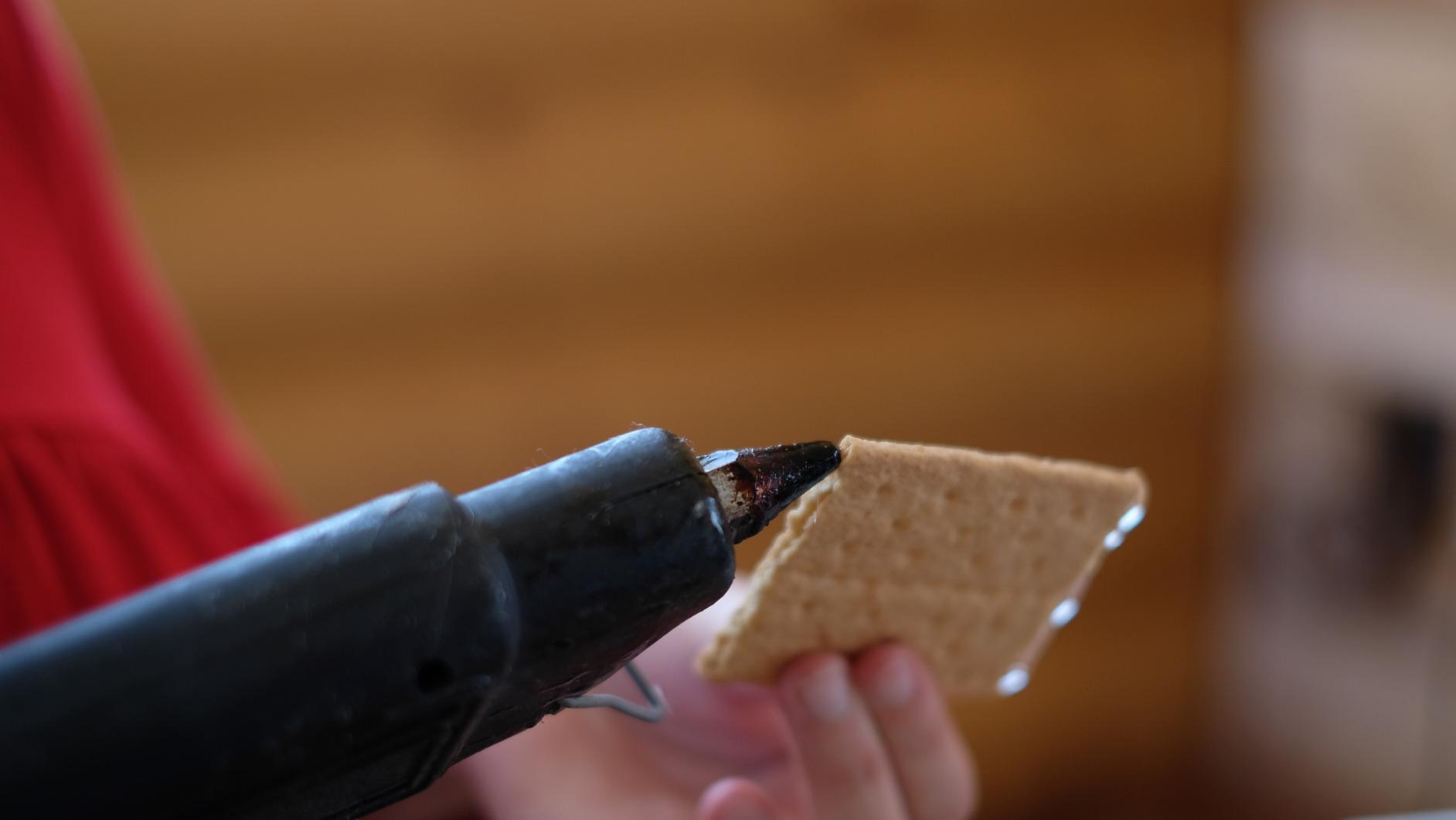
Image quality matches the XF 35mm f/2 exactly. The same optical formula produces the same sharpness, contrast, and color rendering that makes its more expensive sibling popular. During side-by-side testing on the same camera body, I could not distinguish files shot with either lens when reviewing them in Lightroom. The stepping motor autofocus performs identically too.

The plastic construction keeps weight reasonable at 300 grams while reducing cost significantly. In daily use, the lens feels less substantial in hand but remains perfectly functional. The lack of an aperture ring means you control f-stop through the camera body, which some photographers prefer anyway. The missing lens hood is an annoying omission given the flare resistance modern coatings provide.
For photographers who prioritize image quality over build prestige, this lens represents outstanding value. The money saved could purchase another focal length or accessories that improve your photography more than metal construction would. I recommend this lens frequently to beginners asking for their first prime recommendation.

Best For Beginners and Budget Shoppers
New Fujifilm owners seeking their first prime lens will find everything they need here. The optical performance gives you professional-quality images while you learn manual controls and composition. The lightweight design encourages carrying your camera everywhere, which improves your photography faster than any gear upgrade.
Skip If You Value Premium Build Quality
The plastic construction and lack of weather sealing matter to photographers who shoot in demanding conditions or simply prefer the tactile satisfaction of metal lenses. For an extra $200, the XF version provides peace of mind and durability that may save money long-term.
7. TTArtisan 50mm F1.2 – The Manual Focus Dream
Pros
- Exceptional f/1.2 aperture
- Beautiful creamy bokeh
- Premium all-metal build
- Sharp even wide open
- Smooth damped focus ring
- Outstanding value
Cons
- Manual focus requires practice
- Soft at close distances wide open
- Screw-on lens cap is fiddly
- No electronic communication
The TTArtisan 50mm f/1.2 offers something increasingly rare: a truly fast aperture at an affordable price. Manual focus might scare some photographers away, but those willing to embrace the deliberate pace this lens demands will find a creative tool that slows you down and improves your photography in unexpected ways.
The f/1.2 aperture creates depth of field so shallow that focusing becomes a mindful practice. I spent a weekend shooting exclusively with this lens, and the experience reminded me why I fell in love with photography. The focus ring glides smoothly with just enough resistance for precise adjustments. Peaking highlights and magnification assist on modern Fujifilm bodies make accurate focus achievable even at f/1.2.

Image quality impresses for the price. The bokeh at f/1.2 rivals lenses costing ten times more, with smooth backgrounds that isolate subjects beautifully. At portrait distances, the shallow depth creates a look that separates your work from photographers shooting slower glass. The ten-blade aperture maintains circular highlights stopped down.
Build quality surprised me most. The aviation aluminum construction feels substantial and precise, with an anodized finish that resists scratches and fingerprints. At 330 grams, the lens balances well on both compact and larger Fujifilm bodies. The clickless aperture ring serves video shooters who need smooth exposure transitions.

Best For Creative Photographers Who Enjoy Manual Focus
If you appreciate the meditative quality of manual focusing and want the extreme subject isolation that f/1.2 provides, this lens delivers an experience usually reserved for luxury price points. Portrait photographers working at moderate distances benefit most from the shallow depth characteristics.
Skip If You Need Speed or Shoot Action
Manual focus limits this lens to situations where subjects move predictably or remain static. Street photography, sports, and event work become frustrating exercises when you need instant focus acquisition. The learning curve for f/1.2 focusing accuracy is steep but rewarding for patient photographers.
8. Meike 35mm f1.7 – The Starter Prime
Pros
- Excellent value under $70
- Solid all-metal construction
- Great image quality
- Beautiful bokeh
- Smooth well-damped focus ring
- Clickless aperture for video
Cons
- Manual focus only
- Vignetting at wide apertures
- Barrel distortion present
- Soft edges wide open
- Requires camera menu setup
The Meike 35mm f/1.7 occupies the entry-level position in this guide, but do not mistake low price for low capability. At under $70, this manual focus lens introduces beginners to prime lens photography without financial risk. I purchased one out of curiosity and found myself using it more than expected.
Build quality exceeds the price point dramatically. The all-metal construction feels like a vintage lens from a premium manufacturer, with smooth mechanical operation that inspires confidence. The focus ring offers just enough resistance for precise adjustments, while the clickless aperture ring serves video work beautifully. The included metal lens cap and protective pouch add unexpected value.
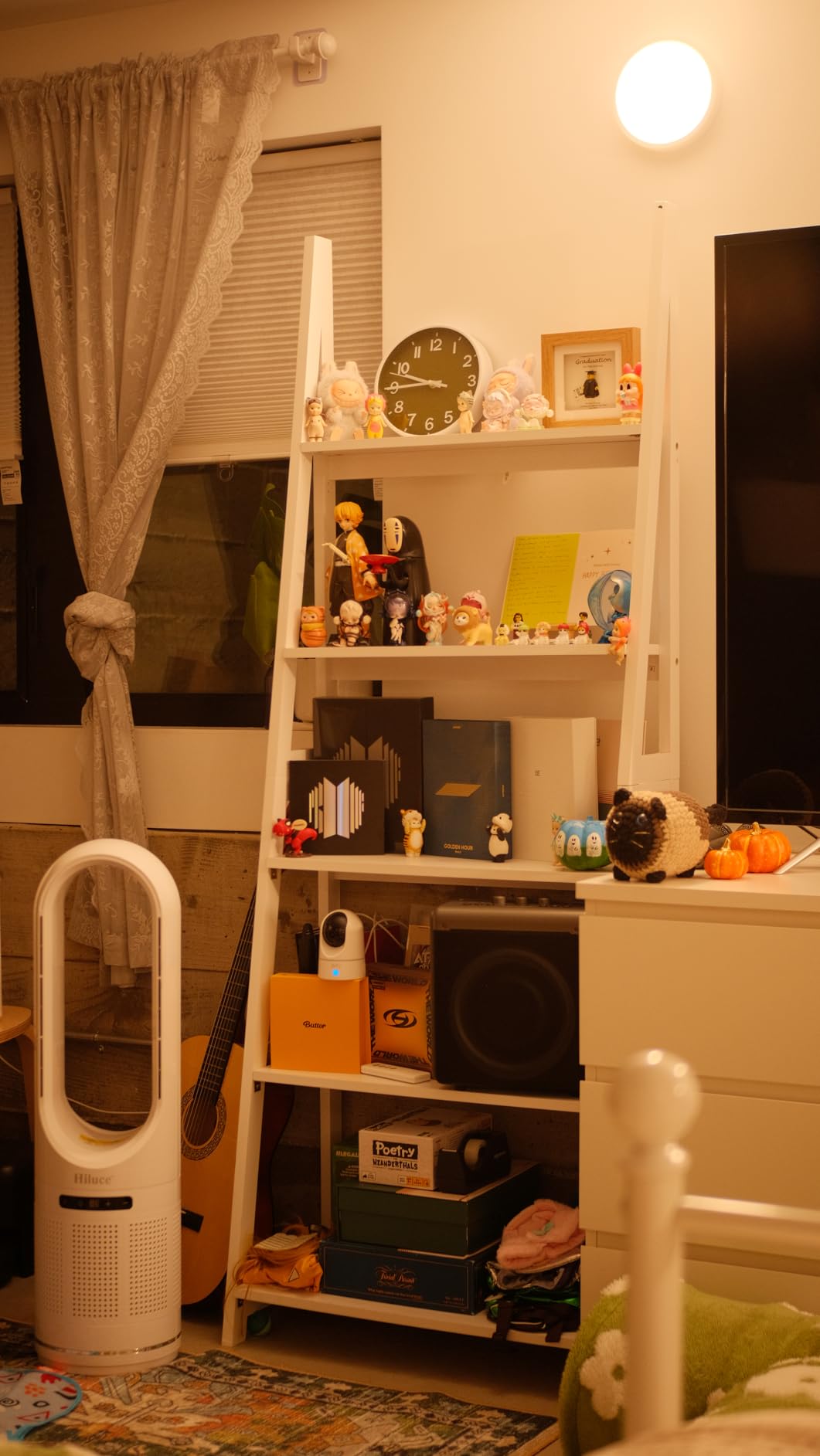
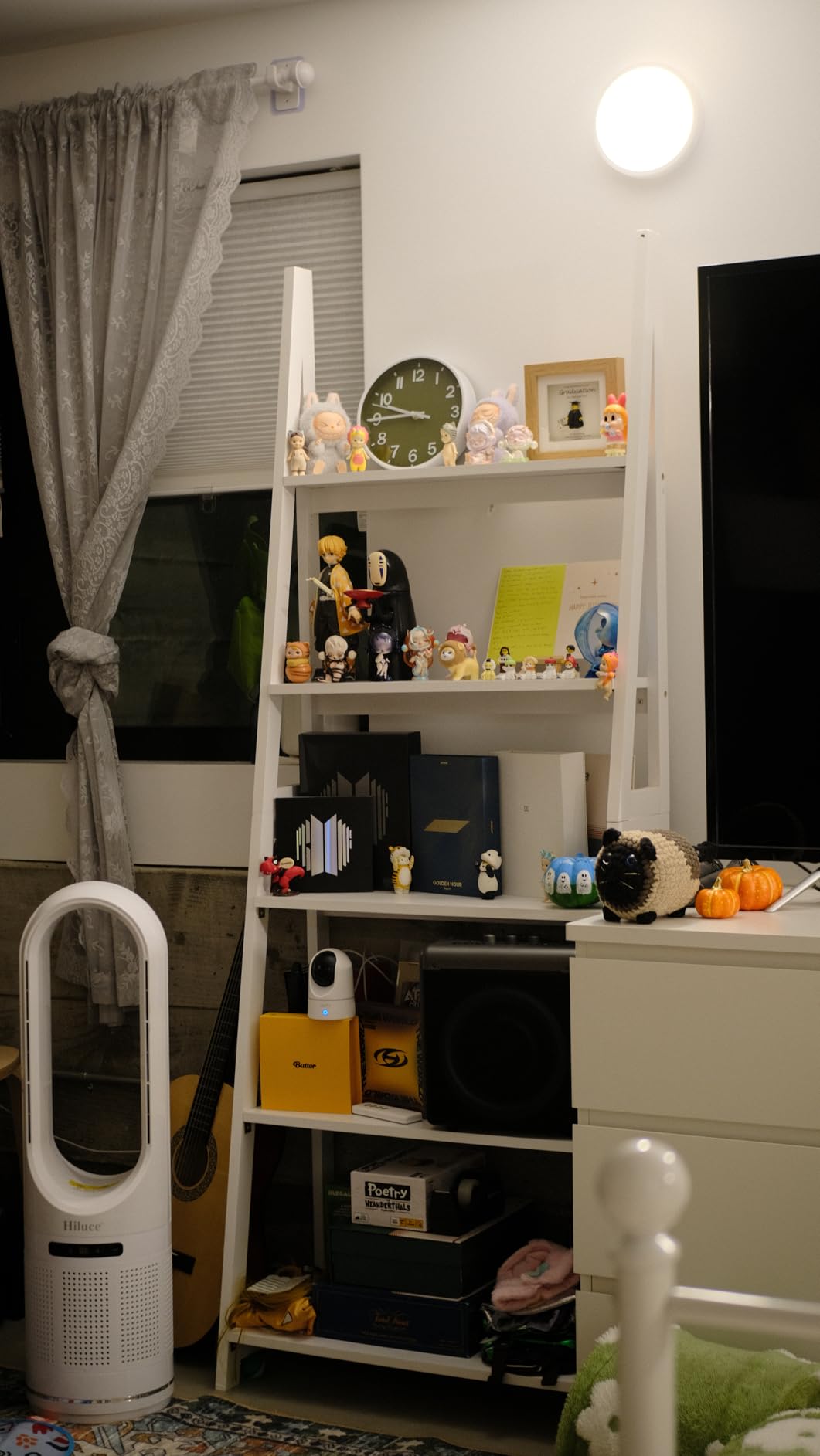
Image quality requires realistic expectations. At f/1.7, center sharpness pleases while edges soften significantly. Stopped down to f/2.8 or f/4, the lens delivers respectable performance across the frame. Some vignetting appears wide open, though this can flatter certain portrait styles or be corrected easily in post-processing. The barrel distortion is noticeable but correctable.
Setting up the lens requires camera menu configuration. Because it lacks electronic contacts, you must enable “shoot without lens” in your Fujifilm menu before the camera will fire. Once configured, operation becomes intuitive. Focus peaking on modern bodies makes accurate manual focus straightforward, especially stopped down slightly.
Best For Learning Manual Focus on a Budget
Photographers curious about prime lenses but unwilling to invest heavily will find this an ideal starting point. The manual focus experience teaches skills that improve your photography regardless of what gear you eventually upgrade to. Video shooters on tight budgets benefit from the clickless aperture and solid build.
Skip If You Need Autofocus or Pixel-Perfect Optics
The optical compromises become apparent when pixel-peeping or printing large. Professional work demands the consistency and speed of autofocus. However, as a learning tool or creative option for specific looks, the Meike delivers remarkable value that justifies its place in any budget-conscious photographer’s bag.
What to Consider When Choosing a 50mm Lens for Fujifilm?
Selecting the right 50mm equivalent lens depends on understanding your priorities and shooting style. After testing all eight options extensively, I have identified the key factors that should guide your decision.
The focal length choice matters more than many realize. A 33mm or 35mm lens gives you a 50mm or 53mm equivalent perspective, ideal for general photography. The 50mm focal length (75mm equivalent) serves portrait specialists better but feels limiting for everyday use. Consider what you shoot most before committing.
Aperture speed affects both low-light capability and subject isolation. f/1.4 and f/1.2 lenses offer the thinnest depth of field and best low-light performance but cost more and weigh more. f/2 lenses provide excellent value with only slight compromises in extreme situations. Most photographers find f/2 sufficient for 90% of their work.
Autofocus performance varies significantly between lens generations. Modern linear motors focus silently and instantly, while older designs buzz audibly and move more slowly. Video shooters and wedding photographers should prioritize silent motors. Manual focus lenses teach valuable skills but limit your shooting situations.
Weather sealing becomes essential if you shoot outdoors regularly. The WR designation on Fujifilm lenses indicates seals against dust and moisture that protect your investment during unexpected conditions. Third-party and budget options typically lack this protection.
Weight and size affect how often you actually carry your gear. The lightest options disappear in your bag, encouraging daily use. Heavier premium lenses produce better results but might stay home when you want to travel light. Consider your willingness to carry weight when choosing.
FAQ
What is the best 50mm lens for Fujifilm?
The Fujifilm XF 33mm f/1.4 R LM WR is the best 50mm equivalent lens for Fujifilm cameras in 2026. It offers true 50mm perspective with modern optics, weather sealing, and silent linear motor autofocus. For those seeking better value, the XF 35mm f/2 R WR provides exceptional quality at a lower price with the same weather resistance.
Is Fuji 35mm a 50mm equivalent?
Yes, the Fujifilm 35mm lenses provide a 53mm equivalent perspective on APS-C cameras due to the 1.5x crop factor. The Fujifilm XF 33mm f/1.4 offers a true 50mm equivalent field of view. Both focal lengths deliver the natural perspective that 50mm lenses are famous for on full-frame cameras, making them ideal for portraits and everyday photography.
What 50mm lens should I buy for Fujifilm X-Series?
For Fujifilm X-Series cameras, choose based on your needs: the XF 33mm f/1.4 for the best overall performance, the XF 35mm f/2 for the best value with weather sealing, or the Viltrox 35mm f/1.7 for budget-conscious shooters. Portrait specialists should consider the XF 50mm f/2 for its 75mm equivalent perspective that flatters faces beautifully.
What is the best prime lens for Fujifilm?
The XF 33mm f/1.4 R LM WR ranks as the best prime lens for Fujifilm in 2026, offering exceptional sharpness on 40MP sensors, fast silent autofocus, and weather sealing. The legendary XF 35mm f/1.4 remains popular for its characterful rendering, while the XF 35mm f/2 delivers the best balance of features, performance, and price for most photographers.
Final Thoughts on Best 50mm Lenses for Fujifilm Cameras
Choosing the best 50mm lenses for Fujifilm cameras depends on your specific needs and budget. The XF 33mm f/1.4 R LM WR earns our top recommendation for photographers who demand the best optical performance and modern features. Its true 50mm equivalent perspective, combined with weather sealing and silent autofocus, justifies the premium price for working professionals.
For most photographers, the XF 35mm f/2 R WR represents the smartest purchase. The combination of fast autofocus, weather resistance, and exceptional image quality at a moderate price creates value that competitors struggle to match. This lens likely belongs in every Fujifilm shooter’s bag.
Budget-conscious buyers no longer need to compromise significantly on quality. The Viltrox 35mm f/1.7 proves that third-party manufacturers can compete with native options, while the XC 35mm f/2 gives beginners access to Fujifilm’s excellent optics at entry-level prices. Even the manual focus options from TTArtisan and Meike serve specific creative needs while teaching valuable skills.
Remember that the best lens is the one you actually carry and use. Consider your typical shooting situations, weight tolerance, and budget carefully before deciding. Any of these eight options will help you create beautiful images that showcase why the 50mm perspective has remained popular among photographers for generations.