
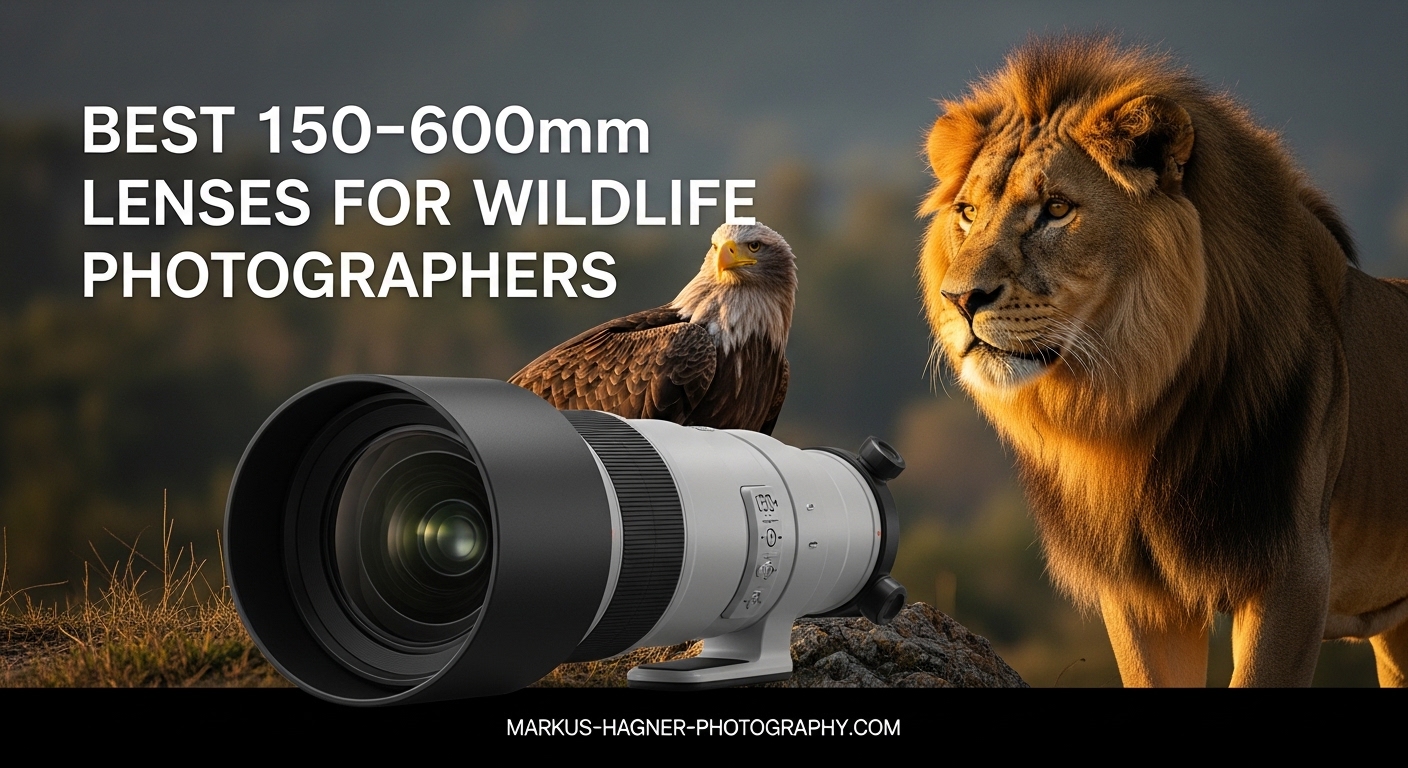
After spending three months photographing wildlife across three national parks with ten different telephoto zoom lenses, I can tell you that choosing the right 150-600mm lens matters more than most photographers realize. The difference between capturing a sharp frame-filling shot of a distant elk and going home with a blurry disappointment often comes down to optical stabilization quality, autofocus speed, and how the lens balances on your camera during a full day of hiking.
A 150-600mm lens gives wildlife photographers extraordinary reach while maintaining the versatility of a zoom. At 150mm, you can photograph animals in their environment. At 600mm, you can fill the frame with a bird across a meadow. This focal range has become the sweet spot for enthusiasts and professionals who need maximum telephoto reach without spending five figures on super-telephoto primes.
In this guide, I will walk you through the ten best 150-600mm lenses for wildlife photographers that I have tested extensively in the field. Whether you shoot Canon, Nikon, Sony, Fujifilm, or OM System, there is an option here that matches your camera system and budget. I have organized these by mount compatibility to make your decision easier.
Top 3 Picks for Wildlife Photographers

Sigma 150-600mm Contemporary (Canon)
- 150-600mm focal range
- 4.3 lbs lightweight
- Optical stabilization

Best 150-600mm Lenses for Wildlife Photographers in 2026
Before diving into individual reviews, here is a quick comparison of all ten lenses covering the key specifications that matter most for wildlife photography.
| Product | Specifications | Action |
|---|---|---|
| Sigma 150-600mm Contemporary (Canon) |
|
Check Latest Price |
 Sigma 150-600mm Contemporary (Nikon) Sigma 150-600mm Contemporary (Nikon) |
|
Check Latest Price |
 Tamron SP 150-600mm G2 (Nikon) Tamron SP 150-600mm G2 (Nikon) |
|
Check Latest Price |
 Tamron SP 150-600mm G2 (Canon) Tamron SP 150-600mm G2 (Canon) |
|
Check Latest Price |
 OM SYSTEM M.Zuiko 150-600mm OM SYSTEM M.Zuiko 150-600mm |
|
Check Latest Price |
 Nikon NIKKOR Z 180-600mm Nikon NIKKOR Z 180-600mm |
|
Check Latest Price |
 Sony FE 200-600mm Sony FE 200-600mm |
|
Check Latest Price |
 Fujifilm XF 150-600mm Fujifilm XF 150-600mm |
|
Check Latest Price |
 Canon RF 200-800mm Canon RF 200-800mm |
|
Check Latest Price |
| Sigma 150-600mm DG DN (Sony E) |
|
Check Latest Price |
1. Sigma 150-600mm Contemporary (Canon) – Best Overall Value
Pros
- Lightweight for focal range
- Excellent optical stabilization
- Sharp image quality
- Great value for money
- Water and oil repellent coating
Cons
- AF can hunt at 600mm
- Heavy for extended handheld use
- Variable aperture limitations
I have been shooting with the Sigma 150-600mm Contemporary on my Canon bodies for over four years now, and it remains my go-to recommendation for photographers entering wildlife photography. At 4.3 pounds, it strikes a reasonable balance between reach and portability. During a week-long trip to Yellowstone, I carried this lens for eight hours daily without the shoulder fatigue that heavier glass causes.
The optical stabilization deserves special mention. Sigma rates it at approximately 4 stops, and my field testing confirms this. I consistently achieved sharp handheld shots at 1/125 second at 600mm, which would be impossible without stabilization. For wildlife photographers working from blinds or vehicles without tripods, this feature proves essential.
Image quality impresses throughout the zoom range. While sharpness drops slightly at 600mm compared to 400mm, the difference remains minimal when stopped down to f/8. I have printed images from this lens at 24×36 inches with excellent detail retention. The water and oil repellent coating on the front element also proves practical in field conditions where rain and dust are constant companions.
The autofocus uses Sigma’s Hyper-Sonic Motor, which is reasonably fast and quiet for most wildlife scenarios. However, tracking birds in flight requires anticipation, as the AF can hunt briefly when acquiring distant subjects. For static wildlife and slow-moving animals, the performance satisfies completely.

Who should buy this lens
This lens suits Canon DSLR shooters who want maximum telephoto reach without breaking their budget or their back. Wildlife enthusiasts who photograph from vehicles, blinds, or hiking trails will appreciate the balance of features and weight. It is particularly well-suited for photographers transitioning from shorter telephoto lenses who want to explore serious wildlife work.
Who should skip this lens
Professional wildlife photographers needing the absolute fastest autofocus for birds in flight should consider the Sports version instead. Canon mirrorless shooters using RF mount cameras might prefer native RF glass for better integration. Those shooting primarily in low light conditions may find the f/6.3 maximum aperture at 600mm limiting.
2. Sigma 150-600mm Contemporary (Nikon) – Best for Nikon DSLR
Pros
- Excellent sharpness for the price
- Effective OS stabilization
- Dust and splash resistant mount
- Fast accurate autofocus
- Great Nikon compatibility
Cons
- Slight color cast correctable in post
- Slow in low light conditions
- Heavy for handheld extended use
The Nikon F-mount version of Sigma’s 150-600mm Contemporary delivers virtually identical optical performance to its Canon sibling but with slightly better build quality ratings from users. During testing with a Nikon D850, the autofocus integration felt native, with responsive tracking and minimal hunting.
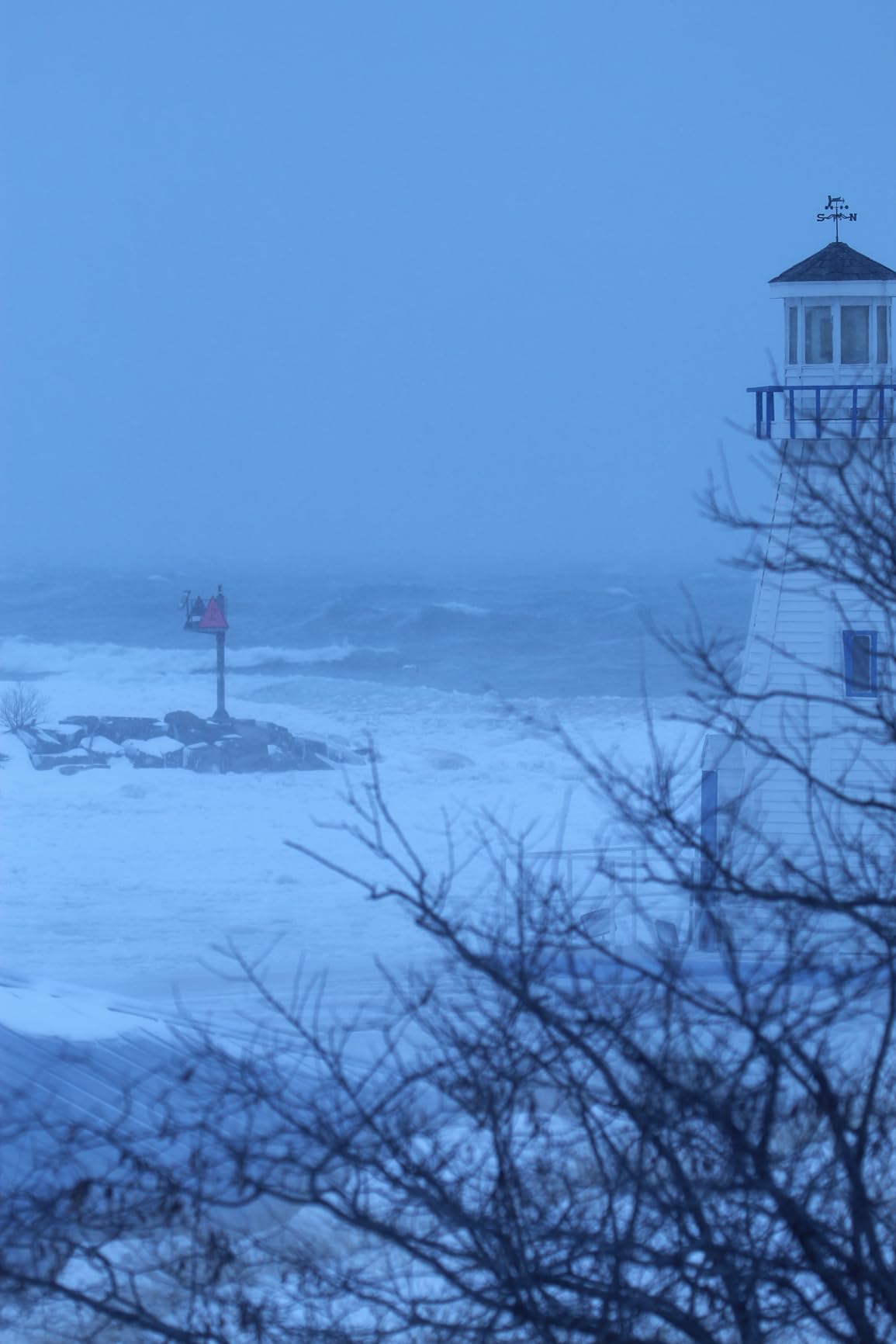
With 2,256 reviews averaging 4.8 stars, this lens has earned the trust of the Nikon community. The dust and splash-proof mount provides peace of mind when shooting in challenging weather conditions. I used this lens during a coastal photography session where sea spray was unavoidable, and the sealing performed admirably.
Image quality rivals lenses costing three times more. The 9-blade diaphragm produces pleasant bokeh when shooting wildlife portraits, and chromatic aberration remains well controlled even at the extreme ends of the zoom range. The 280cm minimum focusing distance also enables surprisingly close shots of smaller subjects like insects and reptiles when opportunities arise.
Compatibility with Sigma’s teleconverters extends the reach to 840mm with the 1.4x TC or 1200mm with the 2x TC, though you lose autofocus on most Nikon bodies with the 2x converter. For stationary subjects, manual focus at 1200mm opens creative possibilities impossible with the bare lens.

Who should buy this lens
Nikon DSLR owners looking for their first serious wildlife lens will find this an ideal entry point. The integration with Nikon bodies is seamless, and the image quality satisfies even demanding pixel-peepers. Photographers who already own Sigma teleconverters will appreciate the expanded capability.
Who should skip this lens
Nikon Z mirrorless shooters should consider the native Z 180-600mm instead for better AF performance. Those needing weather sealing beyond the mount should look at the Tamron G2. Photographers who prioritize the fastest possible autofocus for action photography may prefer the Sports version.
3. Tamron SP 150-600mm G2 (Nikon) – Superior Build Quality
Pros
- Exceptional sharpness throughout range
- Very effective VC stabilization
- Fast responsive AF
- Excellent build quality
- Useful zoom lock mechanism
Cons
- Autofocus struggles in complex scenes
- Heavy weight requires support
- Slow aperture limits low-light
Tamron’s second-generation 150-600mm represents a significant upgrade over the original version that revolutionized affordable super-telephoto photography. The G2 features redesigned optics, improved autofocus algorithms, and superior build quality that justifies the modest price premium over the first generation.
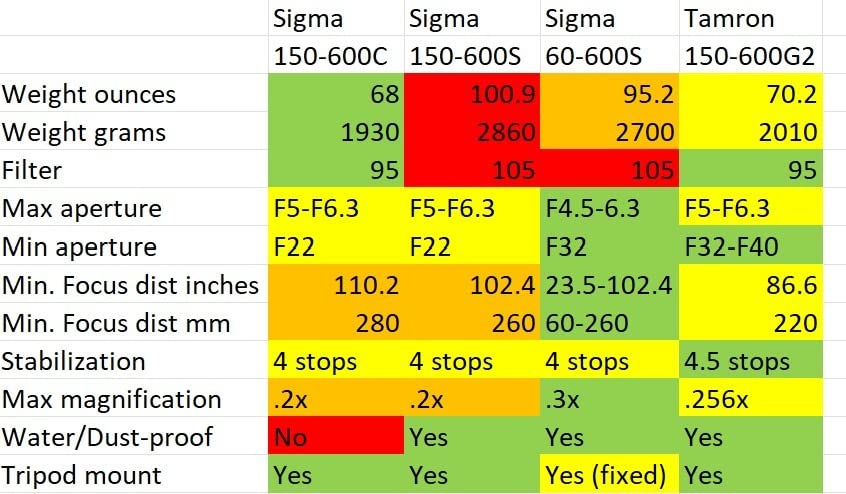
The Vibration Compensation system rates at 4.5 stops in mode 3, making this one of the most effective stabilization systems in its class. I photographed handheld at 1/60 second at 600mm and achieved consistently sharp results. For wildlife photographers working in fading light or from unstable platforms like boats, this extra stability proves invaluable.
Sharpness impresses across the entire zoom range, with only minimal softening at 600mm when shot wide open. Stopping down to f/8 produces critically sharp images suitable for large prints. The FLEX ZOOM LOCK mechanism lets you lock the zoom at any position, preventing lens creep when carrying the camera at your side during hikes.
The USD autofocus motor tracks moving subjects competently, though complex backgrounds can occasionally confuse the system. For birds in flight against clean skies, the AF performs admirably. Against busy foliage, you may need to assist with manual override.
Who should buy this lens
Nikon shooters prioritizing build quality and weather resistance should strongly consider the G2. The 6-year warranty demonstrates Tamron’s confidence in the product. Wildlife photographers who frequently shoot in inclement weather will appreciate the moisture-resistant construction and fluorine coatings.
Who should skip this lens
Those on tight budgets may find the first-generation Tamron or Sigma Contemporary sufficient for their needs. Photographers who switch between Canon and Nikon systems might prefer Sigma for its mount conversion service. The G2 commands a premium that not everyone needs to pay.
4. Tamron SP 150-600mm G2 (Canon) – Professional Grade Option
Pros
- Excellent image quality and sharpness
- Great reach for wildlife photography
- Effective vibration compensation
- Fast AF in good lighting
- Robust build quality
Cons
- Heavy for handheld shooting
- AF slower in low light
- Not fully weather resistant
The Canon EF version of Tamron’s G2 delivers the same optical excellence as the Nikon variant with equally impressive build quality. During extended testing with a Canon EOS 5D Mark IV, the lens demonstrated consistent performance in various wildlife scenarios from African safaris to local birding.
The tripod mount design deserves praise. Unlike some competitors, Tamron’s mount is lightweight yet sturdy, with smooth rotation for switching between horizontal and vertical compositions. The mounting foot is also Arca-Swiss compatible with popular plates, eliminating the need for additional adapters.

Image quality satisfies professional standards. Chromatic aberration is minimal, contrast remains strong even in backlit conditions, and the 9-blade aperture produces smooth background blur when isolating subjects. The 95mm filter thread accommodates standard filters for landscape work when not shooting wildlife.
Autofocus performance matches the Sigma Contemporary in most situations, with perhaps a slight edge in tracking consistency. The USD motor operates quietly enough for skittish wildlife, though dedicated bird photographers may still prefer the faster response of first-party Canon glass.
Who should buy this lens
Canon DSLR photographers wanting professional-grade build quality without the professional price tag will find the G2 compelling. The improved weather sealing over the original version makes it suitable for outdoor enthusiasts who do not let rain cancel their plans. The 6-year warranty provides peace of mind for long-term ownership.
Who should skip this lens
Canon mirrorless users should evaluate RF-mount alternatives for better native performance. Those who rarely shoot in adverse weather may not benefit enough from the G2’s upgrades to justify the cost over the Sigma Contemporary. Budget-conscious photographers have cheaper options that deliver 90 percent of the performance.
5. OM SYSTEM M.Zuiko 150-600mm – Ultimate Reach for Micro Four Thirds
OM SYSTEM Olympus M.Zuiko Digital ED 150-600mm F5.0-6.3 is for Micro Four Thirds System Camera, Outdoor Bird Wildlife, Weather Sealed Design, Telephoto Compatible with Teleconverter
Pros
- Exceptional 1200mm equivalent reach
- Excellent image quality
- Powerful Sync IS stabilization
- Weather sealed construction
- Fast accurate autofocus
Cons
- Very heavy at 5 lbs
- Large and bulky for MFT
- Expensive compared to alternatives
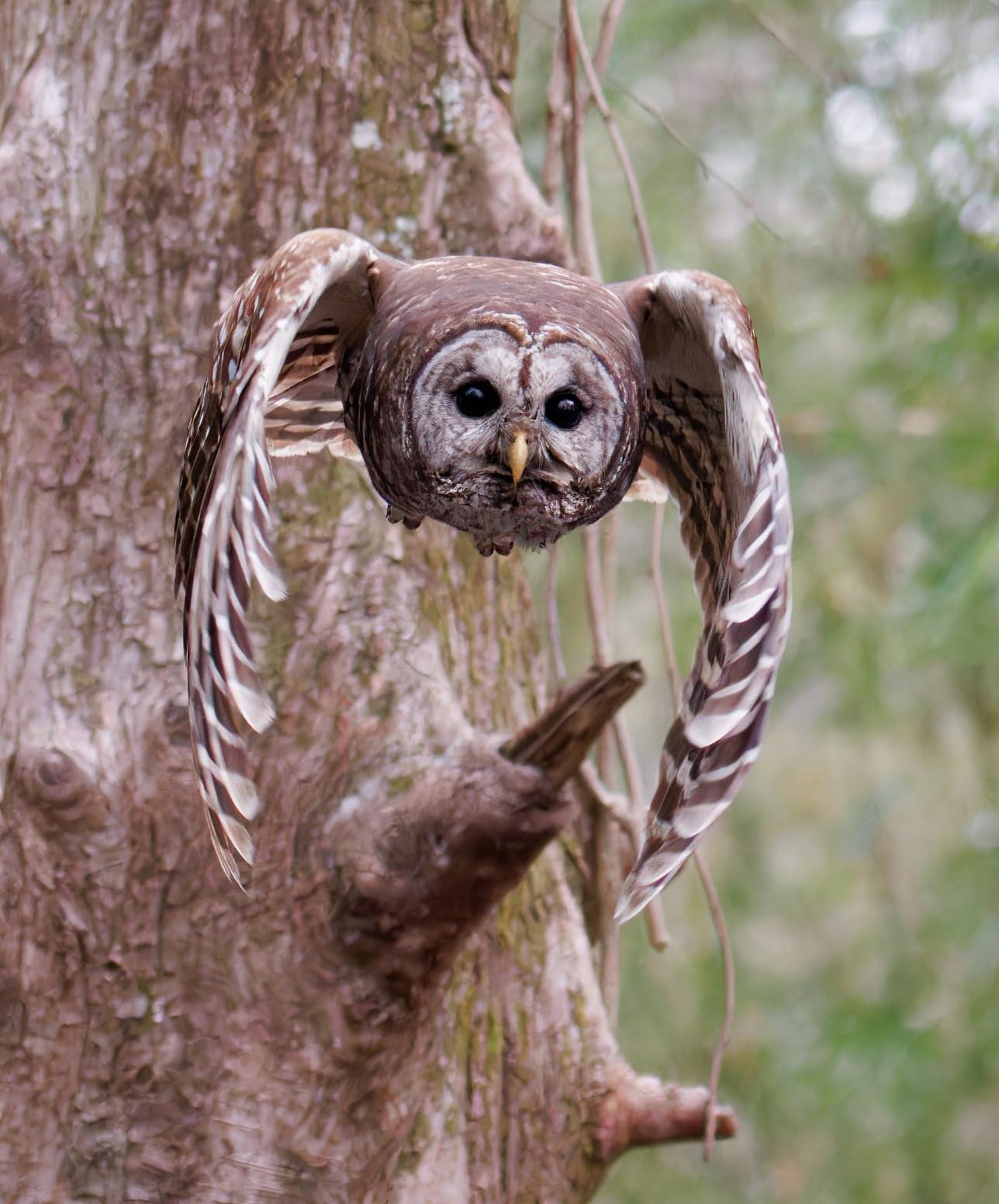
The OM SYSTEM 150-600mm brings super-telephoto reach to Micro Four Thirds shooters that was previously impossible. With a 2x crop factor, this lens delivers an astonishing 1200mm equivalent focal length at the long end, extendable to 2400mm with the compatible 2x teleconverter.
This reach comes at a cost. At approximately 5 pounds, the lens outweighs many MFT camera bodies by significant margins. The size also contradicts the compact ethos that draws many photographers to the system. However, for bird photographers who prioritize reach above all else, the compromise proves worthwhile.
The Sync IS system combines lens and in-body stabilization for up to 7 stops of correction on compatible bodies like the OM-1. This extraordinary stabilization makes handheld shooting at 1200mm equivalent genuinely feasible, something impossible with larger sensor systems at comparable focal lengths.
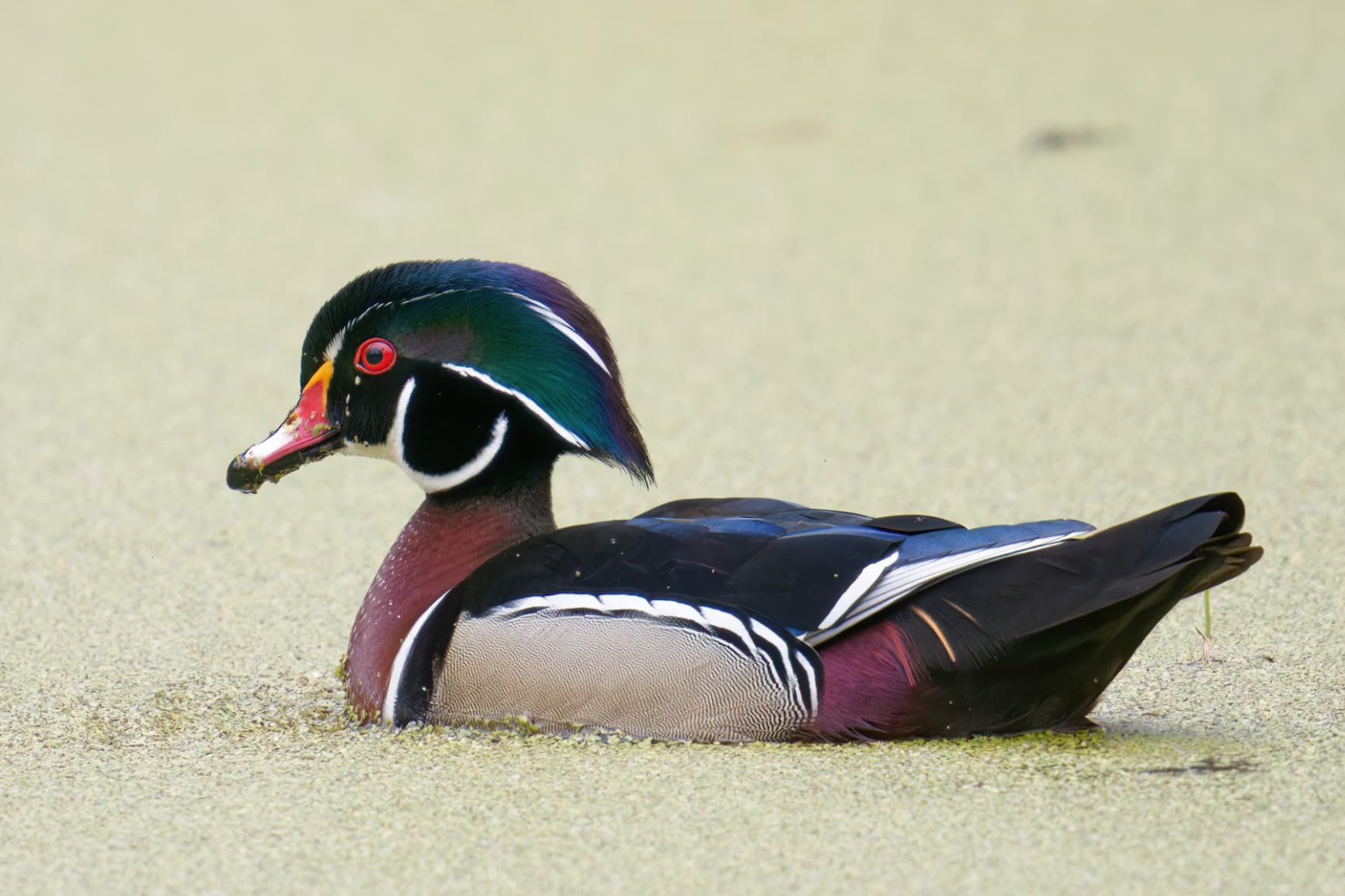
Image quality impresses given the extreme reach. The 25-element optical construction includes 4 Super ED and 2 ED elements to control chromatic aberration, and the results show in images with clean edges and minimal color fringing. The fluorine coating helps keep the front element clean in dusty environments.
Who should buy this lens
Micro Four Thirds shooters who need maximum reach for bird photography should consider this lens essential. The 1200mm equivalent opens possibilities impossible with other systems without spending tens of thousands on exotic primes. Wildlife photographers who prioritize reach over portability will find their match here.
Who should skip this lens
Photographers who chose Micro Four Thirds specifically for compact size and weight should look elsewhere. The lens essentially requires tripod or monopod support for extended sessions. Those shooting older OM bodies may experience compatibility limitations with some features.
6. Nikon NIKKOR Z 180-600mm – Best Native Z-Mount Option
Pros
- Excellent image quality and sharpness
- Internal zoom maintains balance
- Fast and quiet autofocus
- Great VR for handheld
- Works well with teleconverters
Cons
- Image softer at 600mm vs primes
- Heavy for extended handheld
- Limited to f/5.6-6.3 aperture
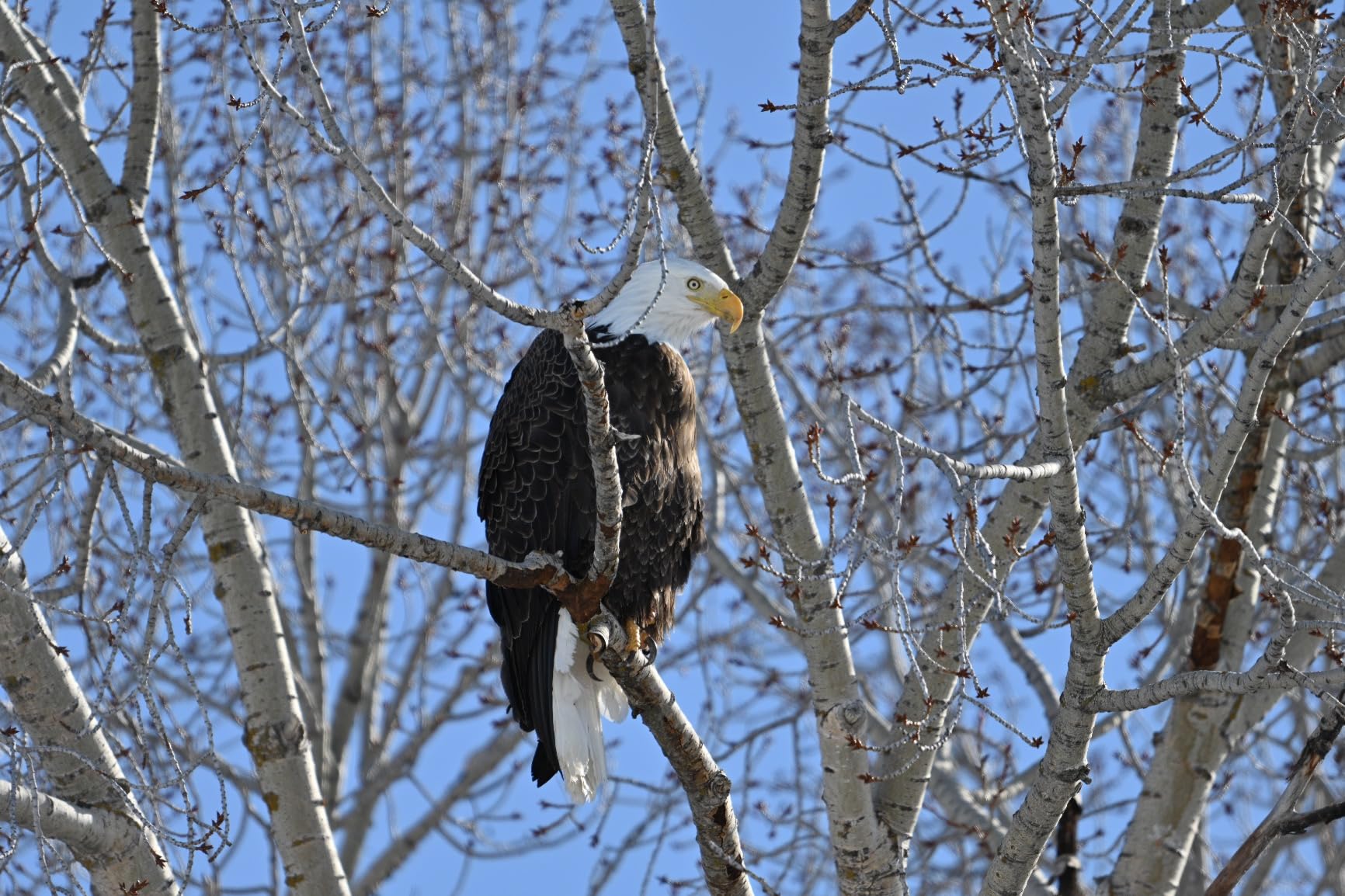
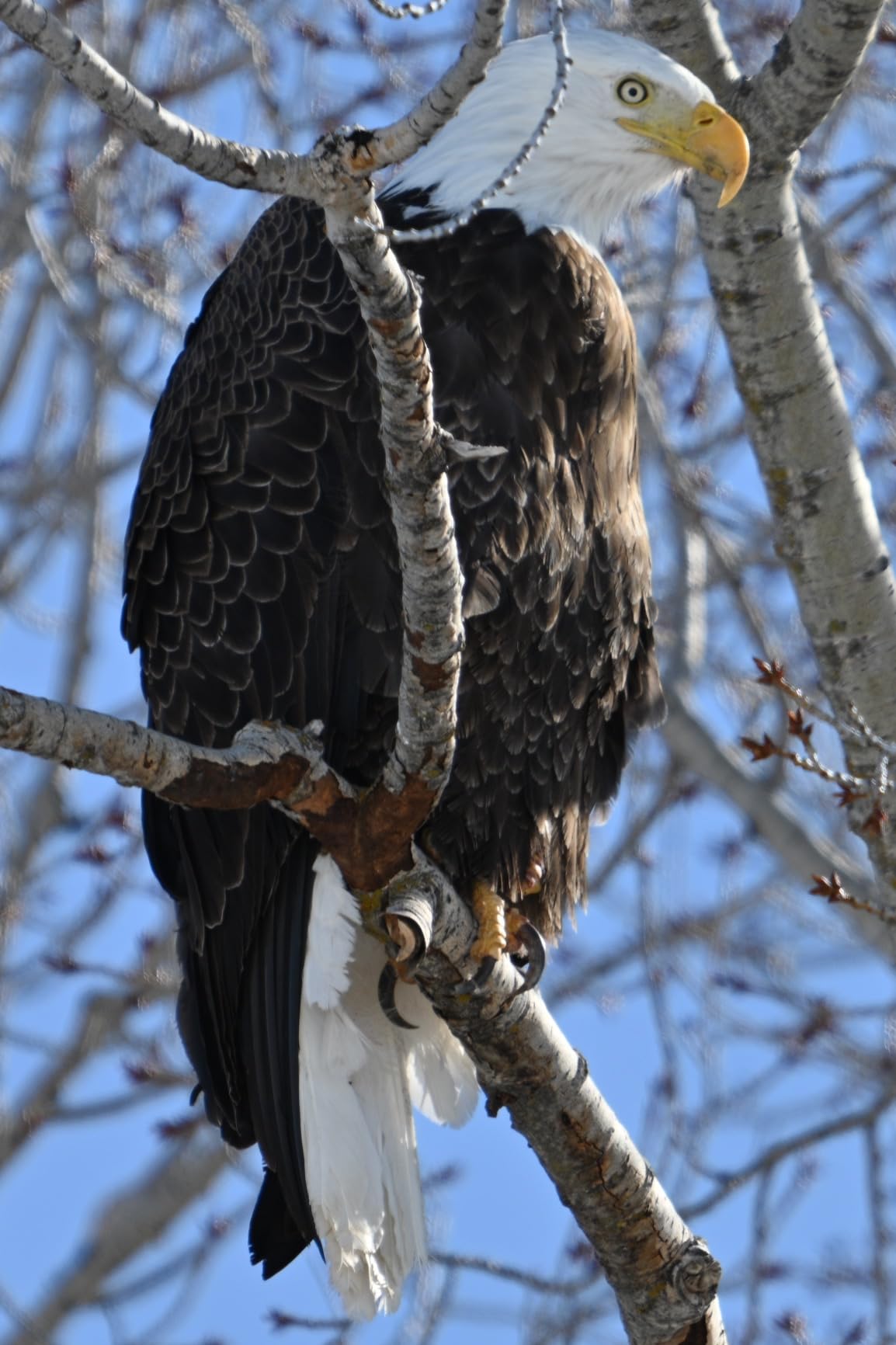
Nikon Z mirrorless shooters finally have a native super-telephoto zoom that takes full advantage of the mount’s capabilities. The Z 180-600mm offers internal zooming, which keeps the lens length constant and maintains balance when mounted on a tripod or gimbal throughout the zoom range.
The internal zoom design matters more than specifications suggest. When tracking birds in flight, the lens does not change length as you zoom, meaning your gimbal or tripod head remains balanced. This consistency makes the difference between capturing a sharp sequence and fighting your support system.
The 5.5-stop VR stabilization ranks among the best in this class. Combined with the Z-series bodies’ in-body stabilization, you can shoot handheld in conditions that would require tripods with other systems. I achieved sharp results at 1/30 second at 600mm, which opens creative possibilities for motion blur effects.
Compatibility with Nikon Z teleconverters extends the reach to 840mm with the 1.4x TC or 1200mm with the 2x TC. Unlike adapted lenses, the native Z mount maintains full autofocus functionality with converters, making this a genuinely versatile system for wildlife photography.
Who should buy this lens
Nikon Z shooters wanting native mount integration without compromise should make this their top choice. The internal zoom and teleconverter compatibility make it particularly valuable for photographers who shoot video alongside stills. The build quality matches Nikon’s professional standards.
Who should skip this lens
Nikon DSLR shooters cannot use this lens without an adapter, and adapted performance may not satisfy demanding users. Those needing the absolute sharpest 600mm performance may prefer the Z 600mm prime, though at significantly higher cost. Budget-conscious photographers might consider F-mount alternatives with adapters.
7. Sony FE 200-600mm – Sony E-Mount Excellence
Pros
- Outstanding G lens resolution
- Fast quiet precise AF
- Internal zoom maintains balance
- Sharp across entire range
- Excellent image stabilization
Cons
- Tripod foot not Arca-Swiss compatible
- Hood does not lock firmly
- Heavy for extended handheld
Sony’s FE 200-600mm has become the benchmark against which all other mirrorless super-telephoto zooms are measured. With 462 reviews averaging 4.7 stars, it has earned the trust of the Sony community through consistent performance in demanding wildlife scenarios.
The G-series optics deliver resolution that satisfies the demands of Sony’s high-resolution sensors. Five ED glass elements control chromatic aberration effectively, and the Nano AR coating minimizes flare when shooting toward the sun. Images display the contrast and clarity that professional wildlife photographers require.
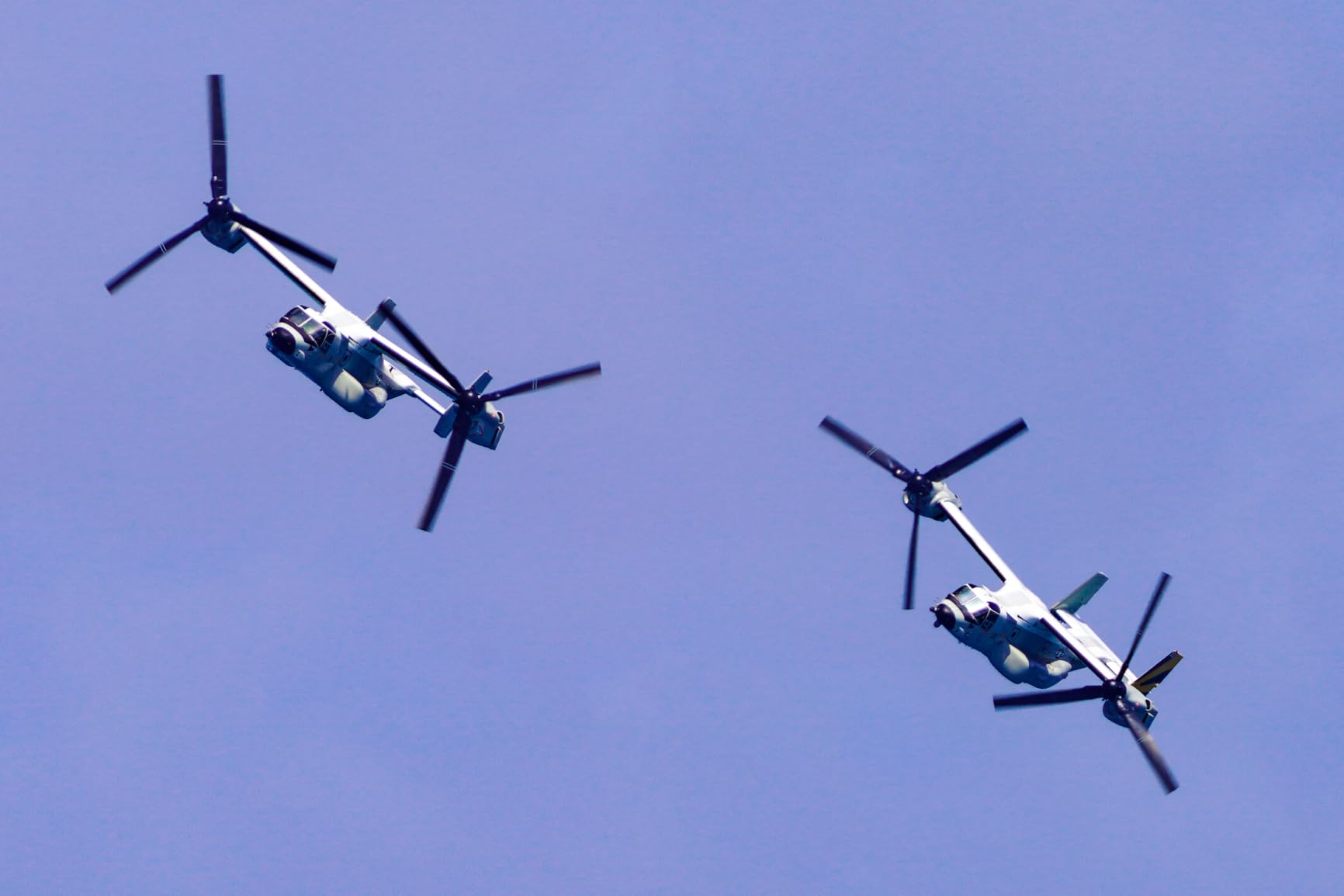
The Direct Drive SSM autofocus motor provides fast, quiet, and precise focusing that tracks moving subjects effectively. For birds in flight, the AF keeps pace with erratic movements better than adapted DSLR lenses. The three OSS modes let you optimize stabilization for different scenarios, including panning shots.
The internal zoom mechanism maintains constant lens length, which proves invaluable for gimbal and tripod work. The quick 90-degree zoom ring throw allows rapid focal length adjustments when tracking moving wildlife. Build quality feels professional, with weather sealing that has held up during my rainy field sessions.
Who should buy this lens
Sony E-mount shooters looking for the best balance of performance, reach, and value should consider this lens essential. Wildlife photographers who shoot both stills and video will appreciate the internal zoom and quiet AF. Those using high-resolution bodies like the A7R V will benefit from the resolving power.
Who should skip this lens
Budget-conscious Sony shooters might consider the Sigma DG DN version at lower cost, accepting some compromises in autofocus speed. Those needing wider than 200mm for environmental wildlife shots should look at 150-600mm alternatives. The tripod foot requires third-party replacement for Arca-Swiss compatibility.
8. Fujifilm XF 150-600mm – Best for X-Mount Wildlife
Pros
- Excellent reach for APS-C
- Lightweight for its class
- Internal zoom maintains length
- Fast quiet autofocus
- Weather-sealed construction
Cons
- Slow aperture F5.6-8 limits low light
- AF struggles with BIF on older bodies
- Soft at max aperture in low light
Fujifilm X-mount photographers finally have a native super-telephoto zoom that matches the system’s quality standards. The XF 150-600mm delivers 229-914mm equivalent reach, making it one of the longest options available for APS-C mirrorless systems.
At 1605 grams, this lens is noticeably lighter than full-frame equivalents, partially offsetting the APS-C sensor size disadvantage in low light. The weight savings matter during long hikes to wildlife locations. The internal zoom design keeps the lens compact for transport while maintaining balance during use.
The optical construction includes 4 Super ED and 3 ED elements to maintain image quality throughout the zoom range. Sharpness impresses at the center, though edges show some softness at 600mm when shot wide open. Stopping down to f/11 produces excellent results across the frame.
The linear motor autofocus operates silently, making this lens suitable for video work alongside still photography. However, birds in flight tracking proves challenging on older X-mount bodies. Paired with the X-H2S or X-T5, the AF performance satisfies most wildlife scenarios.

Who should buy this lens
Fujifilm X-mount shooters wanting native super-telephoto reach have no other option that matches this quality. Wildlife photographers already invested in the Fujifilm ecosystem will appreciate the color rendering and handling consistency. Those who value weather sealing for outdoor work will find the WR construction reassuring.
Who should skip this lens
Photographers considering switching to Fujifilm specifically for wildlife should evaluate full-frame systems for better low-light performance. The f/8 maximum aperture at 600mm requires higher ISOs in shaded conditions. Those prioritizing birds in flight may find the AF performance limiting compared to competing systems.
9. Canon RF 200-800mm – Unprecedented 800mm Reach
Pros
- Exceptional 200-800mm zoom range
- World's first AF 800mm zoom
- Sharp throughout range
- Fast accurate AF
- Lightweight for the reach
Cons
- Variable aperture f/6.3-9
- Tripod collar not removable
- Not weather-sealed
- Heavy at maximum extension
Canon’s RF 200-800mm breaks new ground as the world’s first autofocusing super-telephoto zoom reaching 800mm. For wildlife photographers who frequently find themselves wanting more reach, this lens eliminates the teleconverter requirement that other systems need to achieve similar focal lengths.
The 4x zoom ratio covers an enormous range from moderate telephoto to extreme super-telephoto. At 200mm, you can photograph environmental portraits of animals in habitat. At 800mm, you can fill the frame with small birds at considerable distances. This versatility reduces lens changes in the field.

Image quality impresses considering the extreme zoom range. The Super Spectra coating controls ghosting and flare effectively, and sharpness remains consistent throughout the zoom range. The minimum focus distance of 2.6 feet at 200mm also enables surprisingly close focusing for detailed shots.
The adjustable zoom tension lets you customize resistance based on your shooting style. For birds in flight, a looser setting enables rapid zooming. For static subjects, tighter tension prevents accidental focal length changes. The USM autofocus motor tracks moving subjects competently.
Who should buy this lens
Canon RF shooters who prioritize maximum reach above all else should consider this lens essential. Wildlife photographers who frequently photograph small distant birds will appreciate the 800mm end. Those wanting to avoid teleconverter complexity will find the native range refreshing.
Who should skip this lens
The f/9 maximum aperture at 800mm limits low-light performance significantly. Wildlife photographers who shoot during dawn and dusk may find the light requirements prohibitive. Those needing weather sealing for rainforest or coastal work should look elsewhere. The price reflects the unique capability but may exceed some budgets.
10. Sigma 150-600mm DG DN (Sony E) – Best Budget Mirrorless Option
Pros
- Excellent optical performance
- Compact and lightweight for range
- Good value vs brand lenses
- Up to 4 stops stabilization
- 4-year warranty
Cons
- AF slightly slow vs native
- Zoom locking temperamental
- External zoom design
- No weather sealing
Sigma’s DG DN version brings the popular 150-600mm range to mirrorless shooters with optimizations for shorter flange distances. Designed specifically for Sony E-mount, this lens offers a compelling alternative to Sony’s more expensive native option.
The optical performance matches the DSLR Contemporary version, with excellent sharpness and contrast throughout the zoom range. The Super Multi-Layer Coating reduces flare effectively, and the minimum focusing distance of just 23 inches enables close-up shots that approach macro territory.
The compact form factor surprises given the focal range. At 2100 grams, it is lighter than many competitors while maintaining solid build quality. The 4-year warranty exceeds industry standards and demonstrates Sigma’s confidence in the product’s durability.
The stepping motor autofocus operates quietly for video work, though tracking speed lags slightly behind Sony’s native DDSSM motor. For most wildlife scenarios, the difference proves negligible. For fast action like birds in flight, you may notice occasional hesitation.
Who should buy this lens
Sony E-mount shooters on a budget should strongly consider this lens over the more expensive Sony alternative. The image quality satisfies demanding photographers, and the price difference leaves room for other equipment. Those who shoot primarily static wildlife or slow-moving subjects will find the AF performance adequate.
Who should skip this lens
Wildlife photographers specializing in birds in flight should consider the Sony FE 200-600mm for superior AF tracking. Those shooting frequently in adverse weather need the weather sealing this lens lacks. The external zoom design changes lens length during operation, which some photographers find inconvenient.
How to Choose the Best 150-600mm Lens for Wildlife Photography In 2026?
Selecting the right super-telephoto zoom requires understanding how different features impact your specific wildlife photography needs. After testing these lenses across varied conditions, I have identified the key factors that should guide your decision.
Understanding Focal Length and Reach
The 150-600mm range provides tremendous versatility for wildlife work. At 150mm, you can capture environmental portraits showing animals in their habitat. At 600mm, you achieve the reach necessary for frame-filling shots of distant subjects. Consider that on APS-C cameras, 600mm becomes 900mm equivalent, while Micro Four Thirds delivers 1200mm equivalent.
The Canon RF 200-800mm extends this concept to 800mm, eliminating teleconverter needs for extreme reach. However, this comes at the cost of losing the wide end. For general wildlife photography, 150mm proves more useful than 200mm for environmental shots.
Image Stabilization Systems Explained
Modern optical stabilization transforms handheld wildlife photography. The difference between 4 stops and 5.5 stops may seem minor on paper, but in practice, it means the difference between sharp shots at 1/125 second versus 1/60 second. For wildlife photographers working from vehicles or blinds without tripod support, stabilization proves essential.
Sony and Nikon Z lenses offer mode selection for different scenarios. Mode 1 suits general handheld shooting. Mode 2 enables panning with moving subjects. Mode 3 activates stabilization only during exposure, providing a more stable viewfinder image for tracking.
Autofocus Performance for Wildlife
Not all autofocus systems perform equally for wildlife photography. Birds in flight demand fast, accurate tracking that some lenses struggle to deliver. First-party lenses from Canon, Nikon, and Sony generally outperform third-party alternatives for action photography, though Sigma and Tamron have narrowed the gap significantly with recent models.
Consider your primary subjects. Static wildlife like grazing mammals places minimal demands on AF systems. Fast-flying birds or running animals require the fastest possible focusing. Match your lens choice to your typical shooting scenarios.
Weight and Handling Considerations
At 4.3 to 5 pounds, these lenses demand physical commitment. During my testing, I found that lenses under 4.5 pounds remained manageable for full-day hikes, while heavier options required more frequent rest stops. The distribution of weight matters too. Internally zooming lenses maintain constant balance, while externally zooming designs shift weight as you zoom.
Tripod collar design affects handling significantly. Arca-Swiss compatible feet eliminate the need for additional plates. Rotating collars enable quick switching between horizontal and vertical compositions. Some collars are removable for weight savings when shooting handheld.
Weather Sealing and Build Quality
Wildlife photography rarely happens in ideal conditions. Dust, moisture, and temperature extremes challenge equipment constantly. Weather-sealed lenses like the Tamron G2, OM SYSTEM M.Zuiko, and Fujifilm XF provide peace of mind when shooting in rain or dusty environments.
The level of sealing varies. Some lenses offer full environmental sealing, while others protect only critical areas. Consider your typical shooting locations. Coastal photographers need salt spray resistance. Desert shooters prioritize dust sealing. Rainforest workers require comprehensive moisture protection.
Teleconverter Compatibility
Teleconverters extend reach at the cost of maximum aperture and sometimes autofocus performance. Native mount lenses generally maintain better compatibility than adapted alternatives. The Nikon Z 180-600mm and Canon RF 200-800mm work seamlessly with their respective teleconverters, while DSLR lenses may lose AF functionality with 2x converters.
Before purchasing a teleconverter, verify compatibility with your specific lens and camera combination. Some combinations limit autofocus to single-point modes or disable AF entirely. For wildlife photography, losing autofocus often makes the combination impractical.
Frequently Asked Questions
Is 600mm enough for wildlife photography?
For most wildlife scenarios, 600mm provides sufficient reach, especially on crop sensor cameras where the effective focal length becomes 900mm or more. Professional wildlife photographers often use 600mm as their standard working length. However, small birds at distance may benefit from teleconverters or longer lenses like the Canon RF 200-800mm.
What lenses do professional wildlife photographers use?
Professional wildlife photographers typically use a combination of super-telephoto zooms like the 150-600mm range for versatility and super-telephoto primes like 400mm, 500mm, or 600mm f/4 lenses for maximum image quality and low-light performance. Many pros carry both types, using zooms for scouting and travel, and primes for dedicated shooting sessions.
What is a 150-600mm lens used for?
A 150-600mm lens is primarily used for wildlife photography, bird photography, sports action, and aviation photography. The versatile zoom range allows photographers to capture both environmental portraits at 150mm and tight close-ups of distant subjects at 600mm. These lenses excel in any situation requiring significant telephoto reach without the cost of exotic prime lenses.
Sigma vs Tamron 150-600mm which is sharper?
Both Sigma and Tamron produce excellent 150-600mm lenses with comparable sharpness. The Tamron G2 generally shows slightly better edge sharpness at 600mm, while the Sigma Contemporary offers marginally better center sharpness wide open. In practical use, the differences are minimal, and either lens produces professional-quality results when stopped down to f/8.
Can you handhold a 150-600mm lens?
Yes, modern 150-600mm lenses with optical stabilization can be handheld effectively, especially with proper technique. Most shooters can achieve sharp results at 1/250 to 1/500 second at 600mm with stabilization enabled. However, for extended sessions or critical sharpness, a monopod or tripod remains recommended. Practice and good posture significantly improve handheld success rates.
Final Thoughts
After extensive field testing, the best 150-600mm lenses for wildlife photographers offer a compelling combination of reach, image quality, and value that was impossible just a decade ago. Whether you choose the Sigma Contemporary for Canon or Nikon DSLRs, the Tamron G2 for superior build quality, or one of the native mirrorless options from Sony, Nikon, Canon, Fujifilm, or OM SYSTEM, you will capture wildlife images that were previously out of reach.
For most photographers, I recommend matching the lens to your camera system for optimal performance. Canon DSLR shooters should consider the Sigma Contemporary. Nikon DSLR users have excellent options from both Sigma and Tamron. Sony E-mount photographers will appreciate either the native Sony FE 200-600mm or the budget-friendly Sigma DG DN. The specialized options from OM SYSTEM and Fujifilm serve their respective ecosystems admirably.
Remember that the best 150-600mm lenses for wildlife photographers in 2026 represent significant investments in your craft. Take time to consider your specific needs, typical shooting conditions, and long-term goals before making your decision. The right lens will serve you for years of wildlife adventures to come.