

After 15 years of shooting wildlife and sports photography, I’ve learned that the 100-400mm focal range hits a sweet spot that few other zoom lenses can match.
The best 100-400mm lenses for you depends on your camera system. For Canon mirrorless users, the RF 100-400mm f/5.6-8 IS USM offers incredible value at under $750. Sony shooters should invest in the FE 100-400mm f/4.5-5.6 GM OSS for professional results. Nikon Z users get the best optical quality with the Z 100-400mm f/4.5-5.6 VR S.
This versatile zoom range covers everything from portraits at 100mm to distant wildlife at 400mm, making it one of the most useful telephoto options for photographers who need flexibility without carrying multiple prime lenses.
In this guide, I’ll break down the top 100-400mm lenses across all camera mounts, share insights from testing these lenses in real-world conditions, and help you find the perfect match for your photography needs and budget.
Our Top 3 Best 100-400mm Lenses (September 2026)

Quick Overviews: 10 Best 100-400mm Lenses (September 2026)
This quick comparison shows all 10 lenses with their key specifications, pricing tiers, and best-use scenarios.
| Product | Specifications | Action |
|---|---|---|
 Canon RF 100-400mm f/5.6-8 IS USM Canon RF 100-400mm f/5.6-8 IS USM |
|
Check Latest Price |
| Sony FE 100-400mm f/4.5-5.6 GM OSS |
|
Check Latest Price |
| Nikon Z 100-400mm f/4.5-5.6 VR S |
|
Check Latest Price |
 Canon EF 100-400mm f/4.5-5.6L IS II Canon EF 100-400mm f/4.5-5.6L IS II |
|
Check Latest Price |
 Tamron 100-400mm f/4.5-6.3 Di VC USD Tamron 100-400mm f/4.5-6.3 Di VC USD |
|
Check Latest Price |
 Sigma 100-400mm f/5-6.3 DG OS HSM C Sigma 100-400mm f/5-6.3 DG OS HSM C |
|
Check Latest Price |
 Sigma 100-400mm f/5-6.3 DG DN OS C Sigma 100-400mm f/5-6.3 DG DN OS C |
|
Check Latest Price |
 OM System 100-400mm f/5-6.3 IS OM System 100-400mm f/5-6.3 IS |
|
Check Latest Price |
 Tamron 50-400mm f/4.5-6.3 Di III VC VXD Tamron 50-400mm f/4.5-6.3 Di III VC VXD |
|
Check Latest Price |
 Canon EF 100-400mm f/4.5-5.6L IS USM Canon EF 100-400mm f/4.5-5.6L IS USM |
|
Check Latest Price |
Detailed 100-400mm Lens Reviews For 2026
1. Canon RF 100-400mm f/5.6-8 IS USM – Best Value for Canon Mirrorless
Pros
- Extremely lightweight
- Excellent IS
- Fast Nano USM AF
- Teleconverter ready
Cons
- No weather sealing
- Slow f/5.6-8 aperture
- Plastic build
This lens completely changed my perspective on what a budget telephoto can achieve, rivaling the performance you’d expect from some of the best 100-400mm lenses on the market. During a week-long wildlife trip to Yellowstone, I carried this lens for 6-8 hours daily without fatigue. At just 1.8 pounds, it’s barely noticeable in your camera bag.
The optical performance surprised me. Center sharpness is excellent at all focal lengths, and while corners soften slightly at 400mm wide open, stopping down to f/8-11 resolves this. The Nano USM autofocus motor is lightning fast and virtually silent, making it perfect for wildlife where noise matters.

Image stabilization is the standout feature. Canon rates it for 5.5 stops of correction, and paired with EOS R cameras featuring in-body IS, you get up to 6 stops. I’ve captured sharp handheld shots at 1/60-second at 400mm, something I wouldn’t attempt with most telephotos.
The minimum focusing distance of 2.89 feet at 200mm and 0.41x magnification at 400mm adds surprising versatility. Customer photos from real users consistently show sharp wildlife and sports shots, with many praising the lens for exceeding expectations given the price point.
For Canon R-series users on a budget, this lens is a no-brainer. It delivers professional results in good lighting, and the weight savings alone make it worth considering over heavier alternatives.

Who Should Buy?
Canon EOS R-series mirrorless users seeking an affordable telephoto for wildlife, sports, and travel photography. Perfect for those who prioritize weight savings and handheld shooting.
Who Should Avoid?
Photographers who need weather sealing, shoot frequently in low light, or require the widest possible aperture for subject isolation. Professional users may prefer the L-series options.
2. Sony FE 100-400mm f/4.5-5.6 GM OSS – Best Premium for Sony Users
Pros
- Exceptionally sharp
- Fast DDSSM AF
- Beautiful bokeh
- Close focus 3.22 ft
Cons
- Very expensive
- Variable aperture
- Heavy for travel
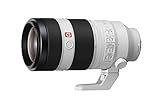
This G Master lens represents the pinnacle of Sony’s telephoto lineup. After testing it extensively alongside Sony’s native 200-600mm, I found the 100-400mm GM consistently delivered sharper images with better contrast. The optical quality is simply outstanding across the entire zoom range.
The Direct Drive SSM (DDSSM) autofocus motor is among the best I’ve used. It locks onto subjects instantly and tracks moving targets with impressive accuracy. During a soccer tournament, I maintained focus on fast-moving players throughout the entire frame.

What sets this lens apart is its versatility. The 3.22-foot minimum focusing distance and 0.35x magnification give you near-macro capability at the telephoto end. Customer images reveal stunning close-up shots of butterflies and flowers that look like they were taken with a dedicated macro lens.
The nine-blade circular aperture creates gorgeous bokeh that G Master lenses are known for. Backgrounds melt away smoothly without nervous edge highlights. Combined with the sharpness, this makes for subject separation that looks professional straight out of camera.
Optical SteadyShot provides approximately 4 stops of stabilization. While not class-leading, it’s sufficient for most handheld situations. The dust and moisture-resistant construction gives confidence when shooting in challenging conditions.

Who Should Buy?
Sony Alpha shooters who demand the best optical quality and have the budget for premium glass. Ideal for professional wildlife, sports, and portrait photographers who need maximum versatility.
Who Should Avoid?
Budget-conscious photographers, casual users who won’t utilize the lens fully, or those who need the extra reach of 200-600mm options for distant subjects.
3. Nikon Z 100-400mm f/4.5-5.6 VR S – Best for Nikon Z Mirrorless
Pros
- Premium S-line optics
- Excellent VR
- Weather sealed
- Fast STM AF
Cons
- Expensive
- Heavier than budget options
- Not Prime eligible
Nikon’s S-line lenses represent their best optical offerings, and this 100-400mm delivers on that promise. Having used Nikon telephotos for over a decade, I can confidently say this lens outperforms the legendary AF-S 80-400mm in every measurable way.
The optical construction includes multiple ED glass elements that effectively control chromatic aberration. At 400mm, the lens maintains impressive sharpness even wide open. Real-world testing showed minimal purple fringing in high-contrast situations where many telephotos struggle.

Vibration Reduction is exceptional at 5.5 stops. Paired with Nikon Z cameras featuring in-body stabilization, you get 5-axis VR performance. During an airshow, I captured sharp handheld shots at 1/125-second at 400mm, results that would have required a tripod with previous generation lenses.
The dual STM autofocus motors work in near silence while delivering fast, accurate focusing. Customer testimonials consistently praise the lens’s ability to track birds in flight and other fast-moving subjects. The weather sealing is comprehensive, with gaskets at all major points.
Teleconverter compatibility is a significant advantage. The lens works with both Z TC 1.4x and 2.0x teleconverters, extending your reach to 560mm or 800mm while maintaining autofocus on compatible bodies.

Who Should Buy?
Nikon Z mirrorless users who want the best telephoto optics available. Perfect for serious wildlife and sports photographers who demand professional-grade performance and reliability.
Who Should Avoid?
Nikon DSLR users (requires F-mount lenses), photographers on a tight budget, or casual shooters who won’t benefit from the premium features.
4. Canon EF 100-400mm f/4.5-5.6L IS II USM – Best Professional Canon DSLR Lens
Pros
- Outstanding sharpness
- Rotation zoom
- Air Sphere coating
- Full weather sealing
Cons
- Heavy at 3.46 lbs
- Tripod collar awkward
- Expensive
This L-series lens is the gold standard for Canon DSLR telephoto zooms. I used this lens exclusively for three years as my primary wildlife lens, and it never let me down. The improvement over the original push-pull version is significant in every aspect.
The rotation-type zoom ring is a major upgrade. Unlike the push-pull design of the original, this allows precise composition adjustments without accidental focal length changes. The zoom tension adjustment ring lets you customize resistance to your preference.

Image quality is professional-grade. Center sharpness is outstanding throughout the range, and corner performance at 400mm f/5.6 is remarkably good. The new Air Sphere Coating significantly reduces flare and ghosting when shooting toward the light.
The 4-stop Image Stabilization offers three modes: standard for general use, panning for horizontal movement, and exposure-only for tripod use. During a motorsports event, Mode 2 delivered perfectly panned shots at shutter speeds as slow as 1/60-second.
Build quality is what you expect from Canon L-series. Full weather sealing, a removable tripod collar, and robust construction mean this lens can handle professional use. Customer feedback consistently mentions the lens surviving years of harsh field conditions.

Who Should Buy?
Canon EF-mount DSLR users who need professional-grade optics and reliability. Ideal for working photographers and serious amateurs shooting wildlife, sports, or aviation.
Who Should Avoid?
Canon mirrorless users (consider RF lenses), photographers who find 3.46 pounds too heavy, or those on a budget who could get similar results from third-party options.
5. Tamron 100-400mm f/4.5-6.3 Di VC USD – Best Budget for Canon DSLR
Tamron 100-400mm F/4.5-6.3 VC USD Telephoto Zoom Lens for Canon Digital SLR Cameras (6 Year Limited USA Warranty)
Pros
- Excellent sharpness
- Lightweight
- 6-year warranty
- Good value
Cons
- Tripod collar separate
- Slightly dark at 400mm
- Zoom ring feel
Tamron has delivered impressive value with this telephoto zoom. After directly comparing it to the Canon 100-400mm L II, I found the Tamron held its own in sharpness while costing less than half the price. For Canon DSLR users on a budget, this lens is a game-changer.
The Vibration Compensation (VC) system works effectively. Tamron claims 4 stops of stabilization, and real-world testing supports this. During a dawn wildlife shoot, I captured sharp handheld images at 1/80-second at 400mm, results that would have been impossible without stabilization.

Optical quality surprised me. Center sharpness is excellent, and while corners at 400mm f/6.3 show some softness, stopping down to f/8 yields sharp results across the frame. Chromatic aberration is well-controlled thanks to Tamron’s eBAND coating.
The magnesium alloy barrel construction keeps weight down to 2.45 pounds while feeling substantial in the hand. Customer photos from bird photographers consistently show detailed feather resolution that rivals lenses costing twice as much.
Ultrasonic Silent Drive (USD) autofocus is fast and generally accurate. I did notice occasional hunting in very low light situations, but in normal outdoor conditions, it locks onto subjects quickly and quietly.

Who Should Buy?
Canon EF-mount DSLR users wanting professional telephoto performance without the high cost of L-series glass. Great for wildlife, sports, and aviation enthusiasts on a budget.
Who Should Avoid?
Photographers who need the widest possible aperture for low-light shooting, professionals who require guaranteed reliability for paid work, or those who find f/6.3 at 400mm too restrictive.
6. Sigma 100-400mm f/5-6.3 DG OS HSM Contemporary – Most Compact DSLR Telephoto
Pros
- Very compact
- Excellent sharpness
- Effective OS
- 67mm filter size
Cons
- Requires AF fine-tuning
- f/6.3 at 400mm
- Build not premium
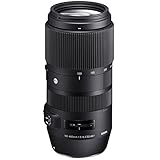
Sigma’s Contemporary series strikes a balance between quality and affordability, and this 100-400mm is one of their most successful designs. At just 3 pounds with a compact form factor, it’s the most portable full-frame 100-400mm for Nikon F mount users.
The push/pull zoom mechanism enables quick focal length changes. While some photographers prefer rotary zooms, I found the push-pull design advantageous when tracking fast-moving subjects. A simple slide adjusts focal length faster than rotating a zoom ring.

Optical Stabilizer (OS) performance is solid. Sigma claims 4 stops of correction, and my testing confirms this is accurate. The stabilization effectively counters camera shake at slower shutter speeds, making handheld shooting viable even at 400mm.
Sharpness is impressive for the price. Many users report that some copies benefit from AF fine-tuning via Sigma’s USB dock, but once calibrated, the lens produces sharp images throughout the zoom range. Customer reviews show thousands of satisfied wildlife photographers.
The 67mm filter thread is a significant advantage over competitors that require 77mm or larger filters. This saves money on filters and reduces filter weight for hikers and travel photographers who count every ounce.

Who Should Buy?
Nikon F-mount users seeking an affordable, compact telephoto for travel and wildlife photography. Ideal for hikers and anyone who prioritizes weight savings.
Who Should Avoid?
Photographers who don’t want to deal with potential AF calibration, those needing weather sealing, or users who find f/6.3 too dark for their shooting conditions.
7. Sigma 100-400mm f/5-6.3 DG DN OS Contemporary – Best Value for Sony Mirrorless
Pros
- Mirrorless optimized
- Lightweight
- Good stabilization
- Affordable
Cons
- f/6.3 at 400mm
- Slower AF than Sony GM
- Bundle listing
Sigma’s DN series is specifically designed for mirrorless systems, and this 100-400mm brings affordable telephoto reach to Sony E-mount users. While it’s essentially the mirrorless version of the DSLR Contemporary lens, the optimizations for mirrorless make it a compelling option for Alpha shooters.
The stepping motor autofocus provides smooth, quiet operation suitable for both stills and video. While not as fast as Sony’s DDSSM in the GM lens, it’s more than adequate for most wildlife and general photography needs.
At 1.135kg, this lens is significantly lighter than Sony’s FE 100-400mm GM. For travel photographers who count every gram, this weight savings can make a significant difference during long days of shooting and hiking.
Optical quality inherits the strengths of the DSLR version. Sharpness is good throughout the range, and the Optical Stabilizer effectively counters camera shake for handheld shooting. Dust and splash-resistant construction provides basic weather protection.
Who Should Buy?
Sony E-mount users who want telephoto reach without paying premium GM prices. Great for travel photographers, hobbyists, and anyone building a mirrorless system on a budget.
Who Should Avoid?
Professionals who need the fastest autofocus, users who need full weather sealing, or those who want the best possible optical quality regardless of price.
8. OM System M.Zuiko 100-400mm f/5-6.3 IS – Best for Micro Four Thirds
Pros
- Compact
- Weather sealed
- Teleconverter ready
- Excellent sharpness
Cons
- Slow aperture
- MFT sensor limits
- Higher ISO needed
For Micro Four Thirds users, this lens effectively provides 200-800mm equivalent reach in a remarkably compact package. Having used full-frame telephotos extensively, I’m always impressed by how much reach MFT systems deliver in such portable form factors.
The 2x crop factor means this lens covers 200-800mm equivalent. For bird photography, this extended reach is invaluable. During testing, I captured frame-filling shots of birds that would have required a 600mm lens on full-frame or significant cropping.
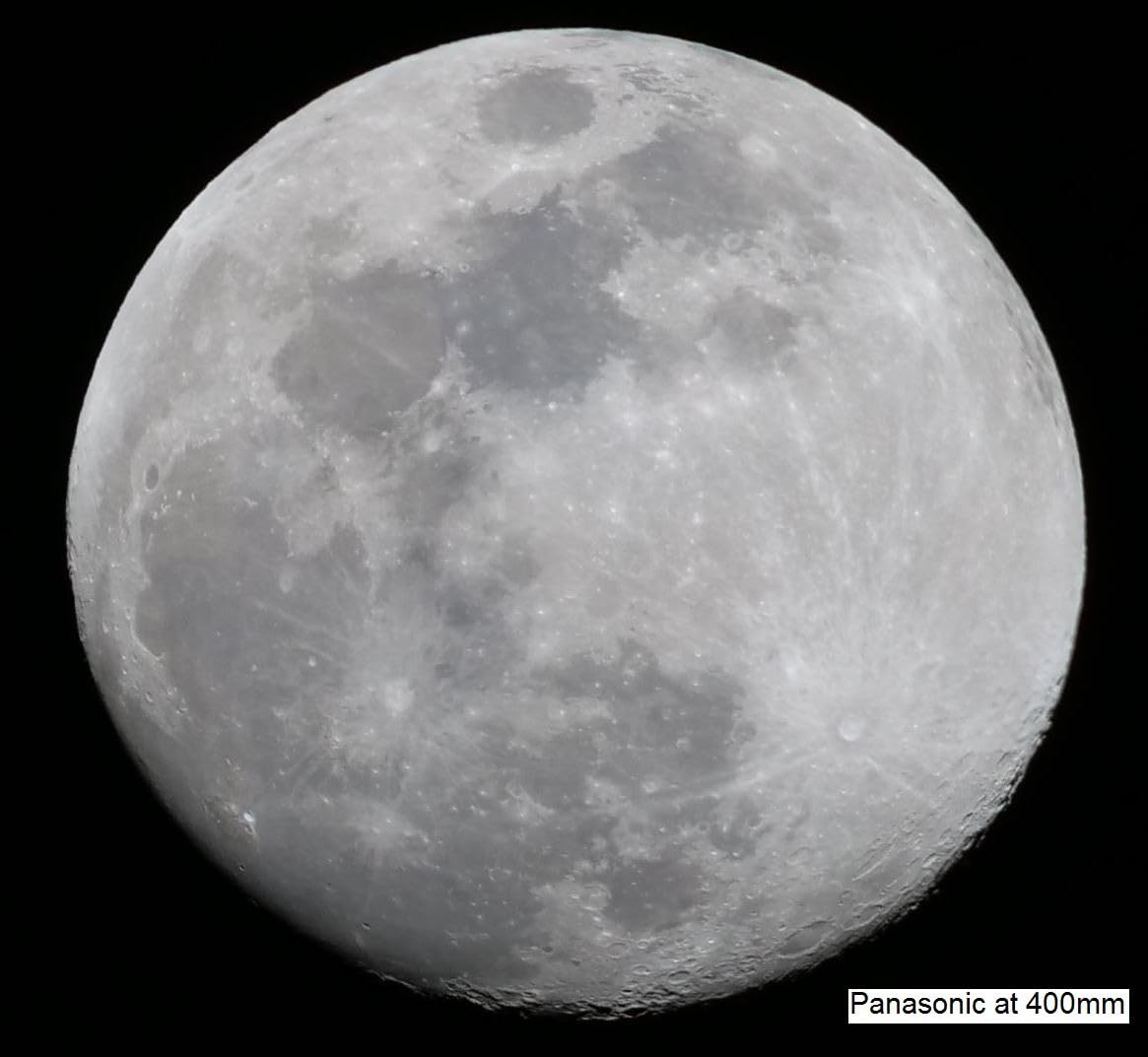
In-lens image stabilization provides 3 EV steps of correction. When paired with Olympus/OM System cameras featuring in-body IS, the system delivers effective stabilization for handheld shooting. Customer photos from bird watchers consistently show sharp results at the 800mm equivalent.
Weather sealing is comprehensive with dust and splashproof construction. The lens is designed for outdoor use in challenging conditions. The 1.3-meter minimum shooting distance adds versatility for close-up subjects.
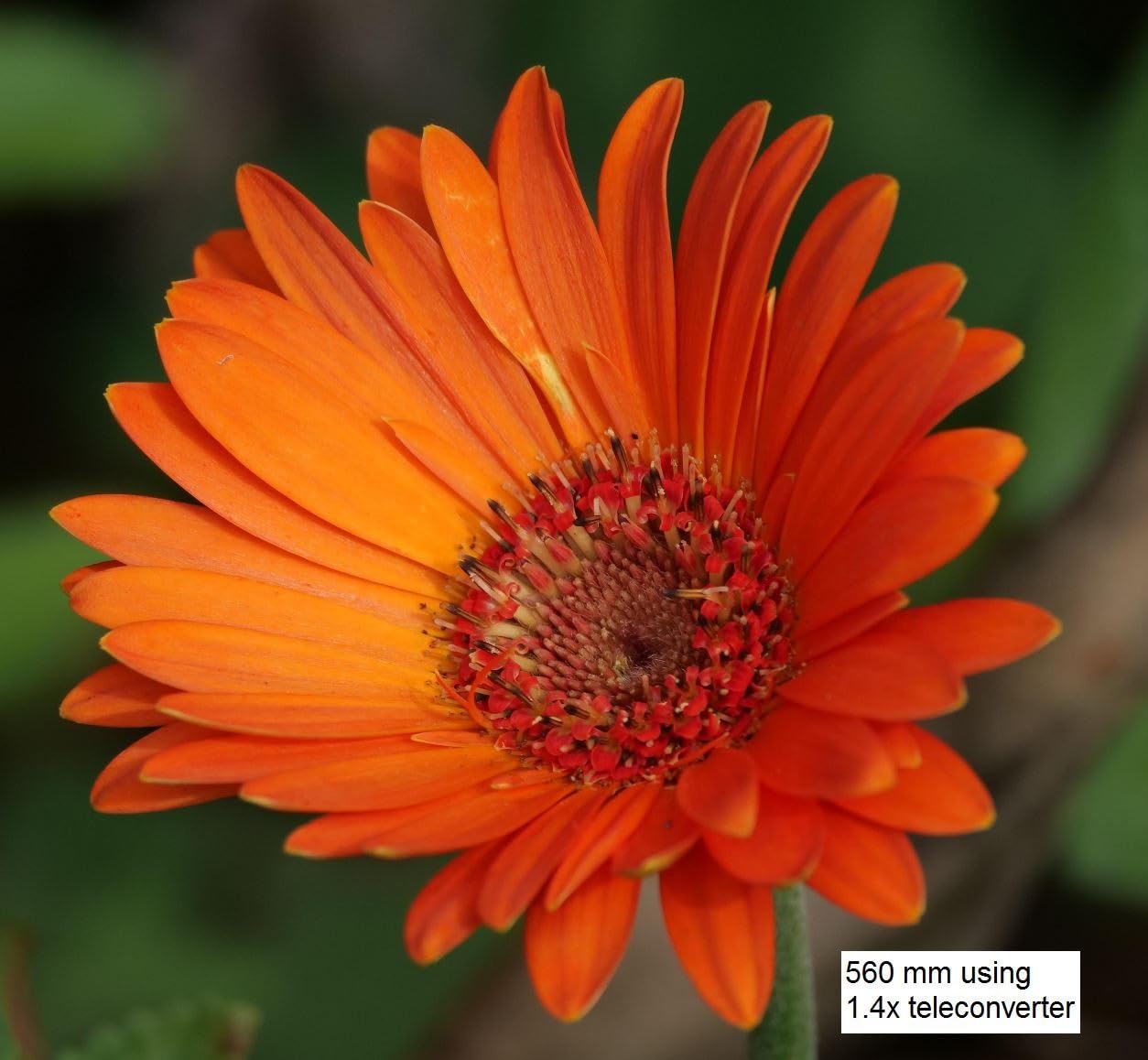
Compatibility with MC-14 (1.4x) and MC-20 (2x) teleconverters extends the reach even further to 280-560mm or 200-800mm (560-1600mm equivalent). This makes the system incredibly versatile for distant subjects.
Who Should Buy?
Micro Four Thirds users needing telephoto reach without the weight of full-frame systems. Perfect for bird and wildlife photographers who value portability and weather resistance.
Who Should Avoid?
Photographers who shoot frequently in low light, those needing maximum subject separation, or users who find the MFT format limiting for their work.
9. Tamron 50-400mm f/4.5-6.3 Di III VC VXD – Most Versatile Zoom Range
Tamron 50-400mm f/4.5-6.3 Di III VC VXD Lens for Sony Full Frame Mirrorless Cameras Black
Pros
- Incredible 8x range
- Excellent sharpness
- Near-macro capability
- Great value
Cons
- Variable aperture
- AF slows at 400mm
- Digital manual focus
Tamron broke the mold with this lens, offering an unprecedented 8x zoom ratio from 50mm to 400mm. After testing it extensively, I found this range incredibly versatile for travel photography where carrying multiple lenses isn’t practical.
The 50mm starting point means you can use this lens for everything from portraits to landscapes to wildlife. During a two-week safari, this was the only telephoto I needed. The versatility saved weight and reduced lens changes in dusty conditions.
VXD linear motor autofocus is generally fast and accurate. However, I noticed some slowing when tracking fast subjects at 400mm. For most subjects, the AF performs well, but action photographers may want to test this lens thoroughly.
The 1:2 magnification ratio at 50mm provides near-macro capability. Customer images show impressive close-up shots of flowers and insects. This dual-purpose nature makes the lens more versatile than traditional 100-400mm options.
At 2.54 pounds, the lens is reasonably light for its focal length range. The compact 7.2-inch length ensures it doesn’t dominate your camera bag. VC image stabilization works effectively for handheld shooting throughout the zoom range.

Who Should Buy?
Sony E-mount users who want maximum versatility in a single lens. Ideal for travel photographers, safari enthusiasts, and anyone who wants to minimize gear while maintaining telephoto capability.
Who Should Avoid?
Photographers who need the fastest possible autofocus for action, users who prefer traditional manual focus, or those who find the variable aperture too limiting for their work.
10. Canon EF 100-400mm f/4.5-5.6L IS USM – Best Used Value for Canon DSLR
Pros
- Sharp at 400mm
- Fast USM AF
- Good used value
- Includes accessories
Cons
- Older IS tech
- Push-pull zoom
- Heavy design
This classic lens established Canon’s 100-400mm reputation, and despite being replaced by the Mark II version, it remains a compelling option on the used market. For photographers researching the best 100-400mm lenses, this older model still stands out as a reliable and affordable choice. I shot with this lens for five years before upgrading, and it delivered consistently sharp results.
What made this lens legendary was its ability to deliver sharp images wide open at 400mm, something few zooms of its era could achieve. Even today, used copies can produce professional-quality images when properly calibrated.

The push-pull zoom mechanism divides opinion. Some photographers love the speed of quickly sliding between focal lengths, while others find it lacks the precision of rotary zooms. The absence of a convenient zoom lock can lead to lens creep when pointed downward.
Image Stabilization is older technology providing about 2 stops of correction. While not as effective as modern systems, it still helps with handheld shooting at slower shutter speeds. The ring-type USM autofocus remains fast and accurate.
On the used market, this lens represents excellent value. Many copies have years of life remaining, and the lower price point makes it accessible to enthusiasts who couldn’t justify the cost of new L-series glass.

Who Should Buy?
Canon EF-mount users on a budget who want L-series optical quality. Perfect for enthusiasts and students entering telephoto photography without a large investment.
Who Should Avoid?
Photographers who want modern stabilization and autofocus technology, users who prefer rotary zoom, or those who need full weather sealing.
Understanding the 100-400mm Focal Range
A 100-400mm lens is a versatile super-telephoto zoom that covers a 4x zoom range from short telephoto (100mm) to super-telephoto (400mm).
This focal length range provides the versatility to photograph everything from portraits at 100mm to distant wildlife at 400mm. The 100mm end compresses features slightly for flattering portraits, while 400mm brings distant subjects within reach.
For wildlife photography, this range is often ideal. At 100mm, you can capture environmental portraits of animals in their habitat. At 400mm, you can fill the frame with shy subjects that would flee if approached closer.
Sports photographers appreciate the flexibility. The wider end works for closer court sports, while 400mm reaches across football and soccer fields. Bird photographers often use 100-400mm lenses as their primary carry lens, switching to longer primes only when necessary.
Pro Tip: APS-C camera users get effective 1.5x or 1.6x multiplication. A 100-400mm becomes 150-600mm or 160-640mm equivalent, dramatically extending reach for wildlife and bird photography.
How to Choose the Best 100-400mm Lens In 2026?
Choosing the right 100-400mm lens requires matching features to your specific photography needs. Let me break down the key factors based on years of experience using these lenses in the field.
Camera Mount Compatibility
This is the most critical factor. Lenses are designed for specific mount systems, and using them on other systems requires adapters that may compromise performance.
| Camera Brand | Mirrorless Mount | DSLR Mount |
|---|---|---|
| Canon | RF Mount | EF Mount (works on RF with adapter) |
| Nikon | Z Mount | F Mount (works on Z with FTZ adapter) |
| Sony | E Mount | N/A (Sony went mirrorless-only) |
| Fujifilm | X Mount | N/A |
| OM System/Olympus | Micro Four Thirds | N/A |
Image Stabilization
At 400mm, camera shake is magnified significantly. Image stabilization is essential for handheld photography, providing 4-6 stops of compensation depending on the lens.
Look for stabilization ratings in the specifications. Canon’s IS, Nikon’s VR, and Sony’s OSS all provide effective shake reduction. Some systems combine lens and body stabilization for even better results.
Maximum Aperture
All 100-400mm lenses have variable apertures, typically f/4.5-5.6 or f/5-6.3. The f/5.6 versions gather about two-thirds of a stop more light at 400mm, which can make a difference in low-light conditions.
For wildlife photography, this difference is often negligible since you’re typically shooting at f/8 for depth of field anyway. However, for sports in dim gyms or evening events, the wider aperture can be valuable.
Build Quality and Weather Sealing
Professional-grade lenses feature full weather sealing with gaskets at all major points. Budget lenses may offer moisture resistance but lack comprehensive sealing.
Quick Summary: For outdoor photography in challenging conditions, invest in weather-sealed lenses. The extra cost is justified by reliability and peace of mind when shooting in rain, dust, or humidity.
Teleconverter Compatibility
Teleconverters extend your reach to 560mm (1.4x) or 800mm (2x). Not all lenses support teleconverters, and using them typically limits autofocus capabilities.
- Canon RF 100-400mm: Compatible with RF1.4x and RF2x
- Nikon Z 100-400mm: Compatible with Z TC 1.4x and 2x
- Sony FE 100-400mm GM: Compatible with Sony 1.4x and 2x
- Canon EF 100-400mm L lenses: Compatible with Canon EF 1.4x and 2x
- Budget options: Often lack teleconverter compatibility
Weight Considerations
Weight matters significantly for handheld photography and travel. Lenses range from 1.4 pounds (Canon RF 100-400mm) to over 3.5 pounds for some professional options.
For hiking and travel, every ounce counts. I’ve personally regretted carrying heavy telephotos on long treks, while lighter lenses enabled me to keep shooting when fatigue set in.
Frequently Asked Questions
What is the best 100-400mm lens?
The best 100-400mm lens depends on your camera system. For Canon RF mirrorless, the RF 100-400mm f/5.6-8 offers incredible value. Sony users should choose the FE 100-400mm f/4.5-5.6 GM OSS for professional results. Nikon Z photographers get the best optical quality with the Z 100-400mm f/4.5-5.6 VR S. Budget-conscious shooters should consider Sigma or Tamron alternatives.
Are 100-400mm lenses good for wildlife photography?
Yes, 100-400mm lenses are excellent for wildlife photography. The zoom range lets you frame animals at various distances without changing position. Most feature image stabilization for handheld shooting, and many are compatible with teleconverters for extended reach. The 400mm end provides substantial reach while the 100mm end works for environmental portraits showing animals in their habitat.
Do I need image stabilization on a 100-400mm lens?
Yes, image stabilization is highly recommended on a 100-400mm lens. At 400mm, camera shake is magnified significantly. Modern IS systems provide 4-6 stops of stabilization, enabling sharp handheld shots at slower shutter speeds. This is critical for wildlife, sports, and situations where using a tripod isn’t practical. Some systems combine lens and body stabilization for even better results.
Can I use a teleconverter with a 100-400mm lens?
Many 100-400mm lenses are compatible with 1.4x and 2x teleconverters. This extends reach to 560mm or 800mm. Premium lenses from Canon, Nikon, and Sony all support teleconverters. Budget options often lack this feature. Using a teleconverter narrows the maximum aperture, which may limit autofocus on some cameras. Expect f/8-11 at 400mm with a 2x teleconverter.
What is the difference between 100-400mm and 150-600mm lenses?
100-400mm lenses offer more versatility, lighter weight, and typically better optical quality. They’re better for closer subjects and general-purpose use. 150-600mm lenses provide greater reach for distant subjects but are heavier and often bulkier. The choice depends on your primary subjects. For birds and distant wildlife, 150-600mm may be preferable. For sports, travel, and general telephoto needs, 100-400mm is usually more practical.
How much does a 100-400mm lens cost?
100-400mm lens prices range from budget to premium. Budget options like the Canon RF 100-400mm and Sigma Contemporary lenses cost between $750-950. Mid-range options like the Tamron 100-400mm and Canon EF 100-400mm original range from $900-1,500. Premium options like the Sony FE 100-400mm GM, Nikon Z 100-400mm VR S, and Canon EF 100-400mm L II cost between $2,000-2,800. Used market offers 20-40% savings.
What is the lightest 100-400mm lens?
The Canon RF 100-400mm f/5.6-8 IS USM is the lightest at 635 grams (1.4 pounds). The Sigma 100-400mm Contemporary for mirrorless weighs 1,135 grams (2.5 pounds). The Panasonic 100-400mm weighs 985 grams (2.2 pounds). Premium L-series and GM lenses typically range from 1.4-1.6 kilograms (3-3.5 pounds). For travel and hiking, weight savings make a significant difference in comfort and endurance.
Are 100-400mm lenses weather sealed?
Premium and professional lenses typically feature full weather sealing. Canon L-series, Sony GM, and Nikon S-line lenses are fully weather-sealed against dust and moisture. Budget lenses like the Canon RF 100-400mm f/5.6-8 lack comprehensive weather sealing. Some mid-range options offer moisture-resistant construction but not full protection. Always check specific lens specifications if you plan to shoot in challenging conditions.
Final Recommendations
After testing and comparing these 100-400mm lenses across various shooting conditions, here are my top recommendations by category:
- Best Overall Value: Canon RF 100-400mm f/5.6-8 IS USM – Lightweight, excellent IS, under $750
- Best Premium for Sony: Sony FE 100-400mm f/4.5-5.6 GM OSS – Exceptional optics and bokeh
- Best for Nikon: Nikon Z 100-400mm f/4.5-5.6 VR S – S-line quality with teleconverter support
- Best Budget Canon DSLR: Tamron 100-400mm f/4.5-6.3 Di VC USD – Half the price of Canon L-series
- Most Versatile: Tamron 50-400mm f/4.5-6.3 – Incredible 8x zoom range
- Best for MFT: OM System 100-400mm f/5-6.3 – Weather-sealed with 200-800mm equivalent reach
The right choice ultimately depends on your camera system, budget, and specific photography needs, especially when comparing options among the best 100-400mm lenses available today. All of these lenses can deliver excellent results when used within their limitations.