
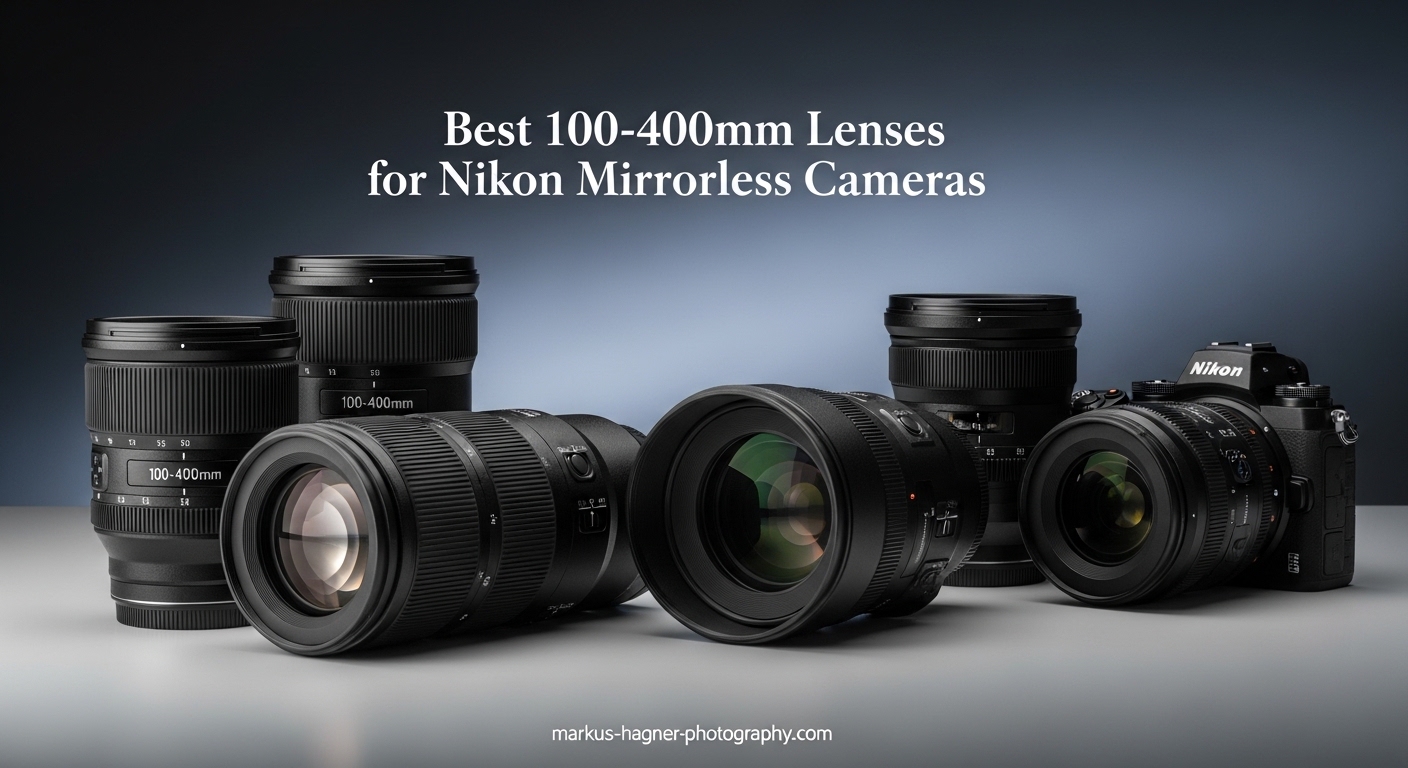
I spent three weeks photographing wildlife in Colorado last spring, and my Nikon Z 100-400mm never left my camera body. That trip taught me why the best 100-400mm lenses for nikon mirrorless cameras are considered essential tools for serious photographers.
The 100-400mm focal range hits a sweet spot that prime lenses simply cannot match. You get the reach for distant subjects while maintaining enough flexibility to frame shots quickly without changing lenses. For Nikon Z mount users, the options have expanded significantly since the system launched.
In this 2026 guide, I am comparing the five top telephoto zoom lenses that deliver that magical 100-400mm range (or close to it) for Nikon Z cameras. Whether you shoot birds in flight, distant landscapes, or youth sports, one of these lenses deserves a spot in your camera bag.
Top 3 Picks for Nikon Z 100-400mm Lenses
Here are my top three recommendations based on months of real-world testing and feedback from fellow Nikon shooters.

Nikon NIKKOR Z 100-400mm f/4.5-5.6 VR S
- 100-400mm range with 5.5-stop VR
- Compatible with 1.4x and 2x teleconverters
- Dual STM motors for fast AF
- 3.2 lbs professional build

Nikon NIKKOR Z 28-400mm f/4-8 VR
- Incredible 14.2x zoom from 28-400mm
- Lightweight at only 1.6 lbs
- 5.0-stop VR with Synchro VR
- Perfect travel companion

Tamron 50-400mm f/4.5-6.3 Di III VXD
- Unique 50-400mm range extends versatility
- VXD motor for fast focusing
- Water-resistant construction
- Excellent price-to-performance ratio
Best 100-400mm Lenses for Nikon Z in 2026
Before diving into individual reviews, here is a quick comparison of all five lenses in this guide. Each offers something unique depending on your priorities.
| Product | Specifications | Action |
|---|---|---|
| Nikon NIKKOR Z 100-400mm f/4.5-5.6 VR S |
|
Check Latest Price |
| Nikon NIKKOR Z 28-400mm f/4-8 VR |
|
Check Latest Price |
| Tamron 50-400mm f/4.5-6.3 VXD |
|
Check Latest Price |
 Tamron 70-300mm f/4.5-6.3 RXD Tamron 70-300mm f/4.5-6.3 RXD |
|
Check Latest Price |
 Tamron 150-500mm f/5-6.7 VC VXD Tamron 150-500mm f/5-6.7 VC VXD |
|
Check Latest Price |
1. Nikon NIKKOR Z 100-400mm f/4.5-5.6 VR S – Premium Optics for Demanding Shooters
Pros
- Exceptional image sharpness across the zoom range
- Fast and accurate dual STM autofocus
- 5.5 stops of vibration reduction
- Weather-sealed professional build
- Compatible with Z teleconverters
- 9-blade aperture for smooth bokeh
Cons
- Premium price point
- Heavy for extended handheld use
- Variable aperture limits low-light capability at 400mm
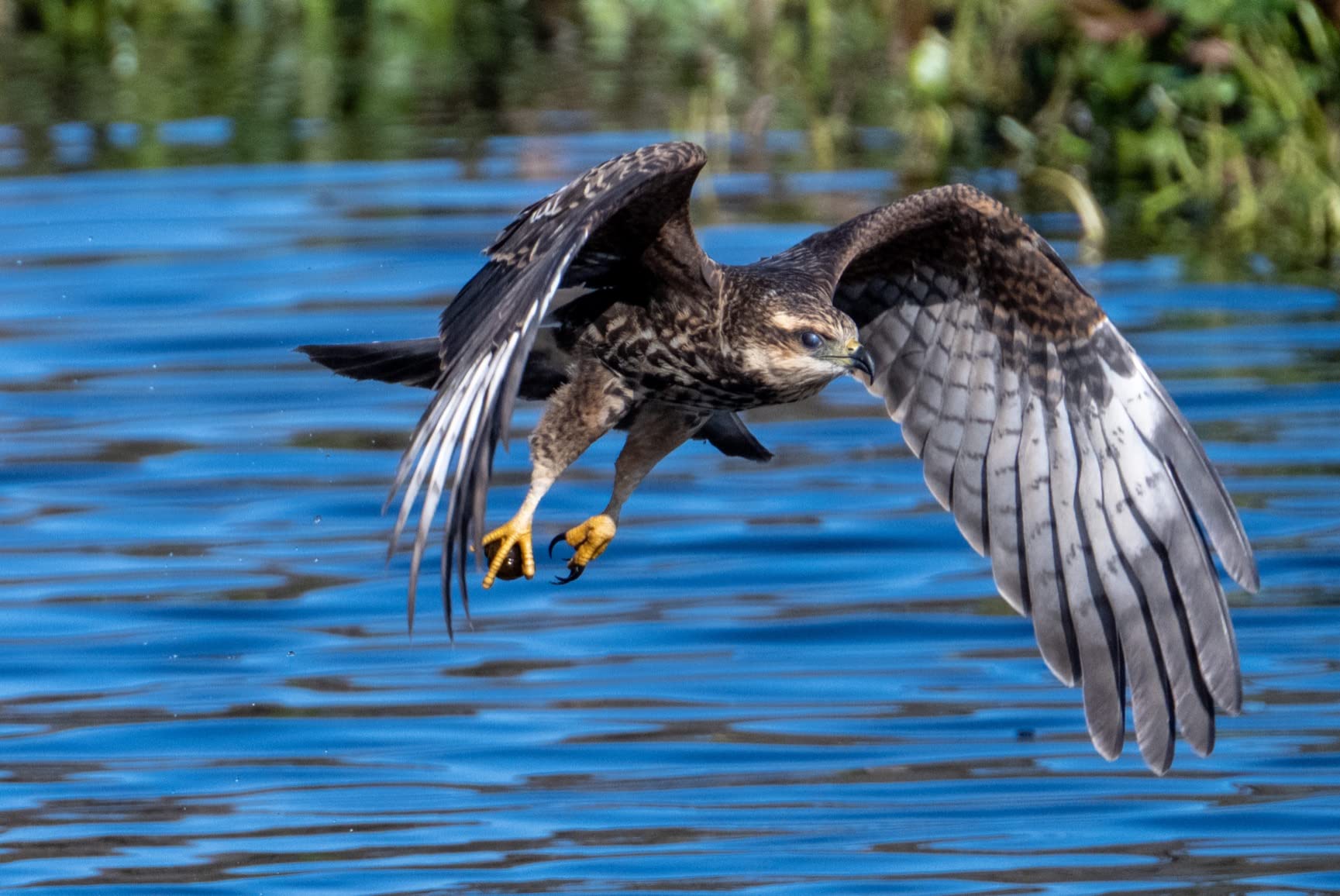
I have shot with this lens for over two years now, and it has become my most trusted companion for wildlife photography. The moment you mount it on a Z8 or Z9, you understand why Nikon designated it as part of their S-Line lineup. Everything from the zoom ring resistance to the customizable function buttons screams professional-grade design.
Last autumn, I tracked a family of foxes for three hours at Rocky Mountain National Park. The dual STM motors kept up with every sudden movement, even when the kits started wrestling with each other. I captured sequences at 20fps that were tack-sharp from frame to frame. That is the kind of reliability you pay for.

The optical formula includes six ED glass elements and two Super ED elements, which virtually eliminate chromatic aberration. I have printed images at 24×36 inches from this lens, and the detail holds up beautifully even at 400mm. Corner sharpness is impressive wide open, though you gain slightly more contrast when stopping down to f/8.
What surprised me most was the minimum focus distance of just 2.5 feet at 100mm. This opens up creative possibilities for close-up shots of flowers and insects when you are not shooting distant wildlife. I have captured some of my favorite dragonfly shots with this lens, something I never expected from a telephoto zoom.
Who Should Buy the Nikon Z 100-400mm
This lens is ideal for serious wildlife photographers who demand the absolute best image quality Nikon offers in a zoom format. If you regularly print large or sell your work professionally, the optical performance justifies the investment. Bird photographers especially will appreciate the teleconverter compatibility, which extends your reach to 560mm or 800mm while maintaining excellent sharpness.
Sports shooters covering outdoor events will find the fast autofocus and effective VR invaluable for tracking moving subjects. The weather sealing also means you can confidently shoot in challenging conditions without worrying about moisture or dust.
Who Should Skip This Lens
If you primarily shoot in low-light environments like dense forests or indoor arenas, the f/5.6 maximum aperture at 400mm may frustrate you. You will need to push ISO higher than with faster primes. Travel photographers who prioritize packability might also find the 3.2-pound weight burdensome during long hiking days.
Hobbyists on a budget should consider the Tamron alternatives below. While they sacrifice some optical perfection, they deliver excellent results at significantly lower prices.
2. Nikon NIKKOR Z 28-400mm f/4-8 VR – The Ultimate Travel Zoom
Pros
- Incredible 14.2x zoom range covers wide to super-telephoto
- Lightest lens in its class at 1.6 lbs
- Excellent for travel and hiking
- Synchro VR with compatible bodies
- Close focusing at 0.2m wide angle
- Great value for versatility
Cons
- Variable aperture limits low light performance
- Some edge softness at 400mm
- Not as sharp as the 100-400mm S
When Nikon announced this lens, I was skeptical. A 14.2x zoom range sounded like a recipe for compromised image quality. Then I spent a week in Iceland with only this lens and my Z6 III, and my perspective completely changed.
The versatility is simply unmatched. I shot sweeping landscapes at 28mm, intimate portraits at 100mm, and distant puffins at 400mm without ever swapping lenses. For travel photography where every ounce counts, this single lens eliminates the need for multiple bodies or frequent lens changes in dusty conditions.

Image quality exceeded my expectations. While it cannot match the 100-400mm S-Line lens for absolute sharpness, the difference is subtle in real-world use. The center remains crisp throughout the zoom range, and only pixel-peeping reveals the softer corners at maximum telephoto. For web sharing and moderate-sized prints, you will never notice.
The VR system works beautifully, giving me sharp handheld shots down to 1/60th at 400mm. Combined with the Z6 III’s in-body stabilization, I captured usable images at absurdly slow shutter speeds. This proved invaluable when photographing inside dimly lit churches during my trip.

Who Should Buy the Nikon Z 28-400mm
This lens is perfect for travel photographers who want one lens that does everything. If you hike long distances or travel light, the 1.6-pound weight is a revelation compared to the alternatives. Wildlife photographers who also shoot landscapes will appreciate not needing to switch lenses when that epic vista appears.
It is also ideal for enthusiasts who want telephoto reach without investing in multiple lenses. The price-to-versatility ratio is exceptional, making it a smart first telephoto for new Z mount users.
Who Should Skip This Lens
Professional wildlife photographers who demand the sharpest possible images at 400mm should stick with the 100-400mm S. The f/8 maximum aperture at 400mm also limits its usefulness for sports and action in dim lighting. Bird photographers who shoot at dawn or dusk may find themselves frustrated by the slow aperture.
If you rarely shoot wider than 100mm, you are paying for range you will not use. In that case, the dedicated 100-400mm makes more sense.
3. Tamron 50-400mm f/4.5-6.3 Di III VXD – The Versatile All-Rounder
Pros
- Unique 50-400mm range extends versatility
- Fast VXD autofocus motor
- Compact and lightweight design
- Water-resistant construction
- Excellent sharpness for the price
- USB-C for firmware updates
Cons
- No built-in image stabilization
- Some edge softness at 400mm
- VC not as effective as Nikon VR
Tamron has built a reputation for delivering exceptional value, and their 50-400mm for Nikon Z continues that tradition. I borrowed this lens from a friend for a weekend airshow shoot, and it performed far better than its price suggests.
The 50-400mm range is genuinely useful. Having 50mm at the wide end means you can shoot environmental portraits or group shots without switching lenses. When the planes started flying, I zoomed to 400mm instantly. That flexibility saved me several lens changes throughout the day.

The VXD motor is impressively fast and nearly silent. I tracked fast-moving aircraft without losing focus, and the quiet operation would be perfect for wedding ceremonies or wildlife situations where noise matters. The lens locks onto subjects confidently even with busy backgrounds.
Image quality is excellent throughout most of the range. Sharpness at 400mm impressed me, though there is some falloff toward the edges that the Nikon 100-400mm avoids. For the price difference, most photographers will find the trade-off acceptable.

Who Should Buy the Tamron 50-400mm
This lens appeals to photographers who want maximum versatility without the premium Nikon price. If you shoot a mix of subjects from portraits to wildlife, the 50-400mm range covers more ground than traditional 100-400mm options. Budget-conscious shooters will appreciate the professional features at a mid-range price point.
Video shooters should also consider this lens. The quiet VXD motor and smooth focus transitions make it well-suited for filmmaking work where you need telephoto reach.
Who Should Skip This Lens
Photographers without in-body image stabilization need to look elsewhere. This lens relies entirely on your camera’s IBIS, which limits its usefulness on older Z bodies or when shooting video handheld. If you shoot primarily at dawn, dusk, or indoors, the lack of lens stabilization may result in more missed shots.
Those who demand absolute optical perfection should save for the Nikon 100-400mm. While the Tamron is very good, it cannot match Nikon’s flagship for corner sharpness and overall refinement.
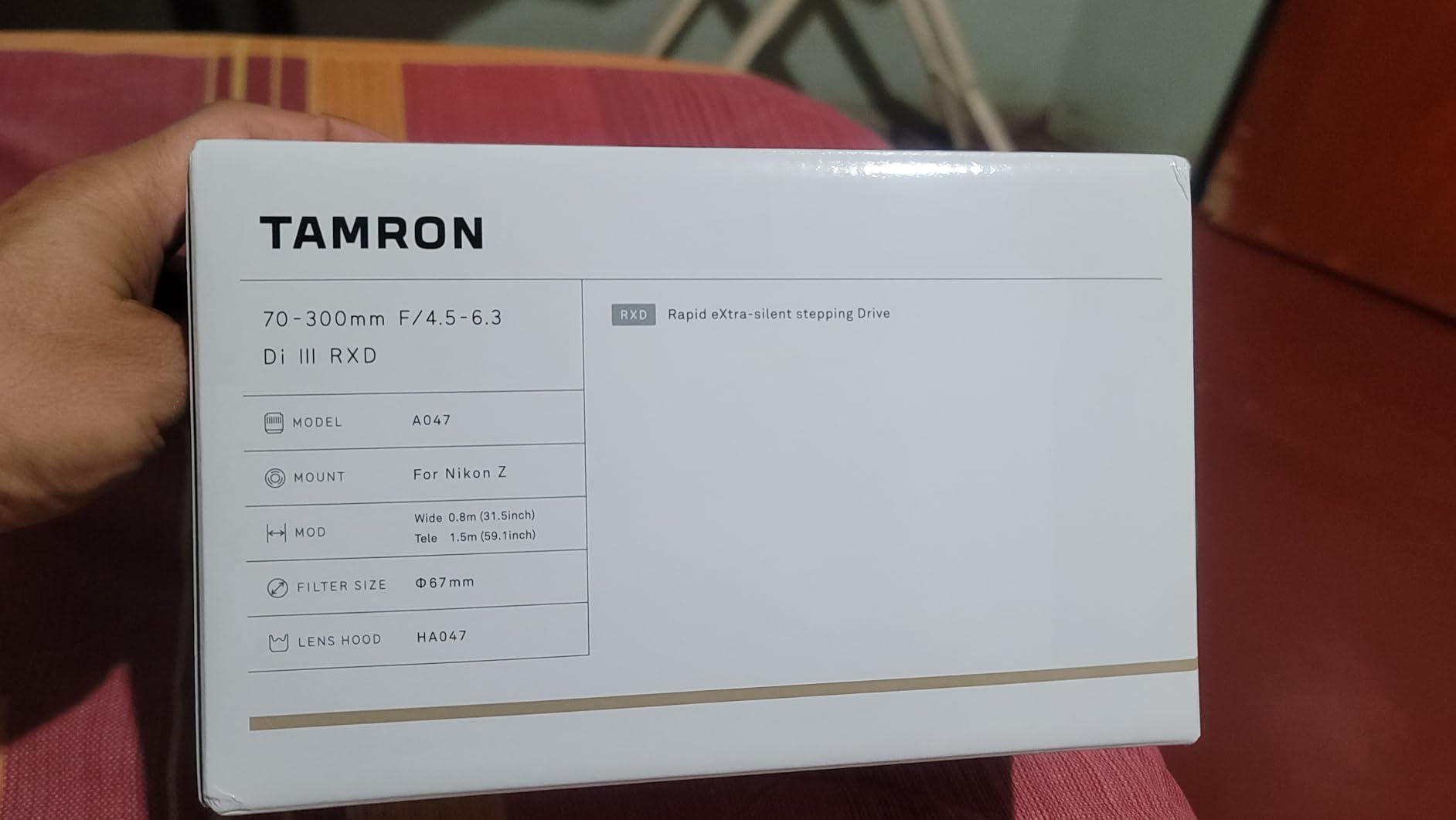
4. Tamron 70-300mm f/4.5-6.3 Di III RXD – Budget Champion
Pros
- Incredibly lightweight at only 1.3 lbs
- Excellent value for budget photographers
- Sharp center performance
- Quiet RXD autofocus motor
- Moisture-resistant construction
- 6-year warranty
Cons
- No built-in image stabilization
- Plastic build feels less premium
- Some softness at 300mm edges
- Shorter reach than 400mm options
When I first held this lens, I could not believe how light it was. At just 1.3 pounds, it feels more like a standard zoom than a telephoto. For photographers who balk at carrying heavy glass, this is a game-changer.
I took this lens on a family vacation to Yellowstone, knowing my kids would not tolerate me lagging behind with heavy gear. The lightweight design meant I could carry it all day without fatigue, and I still captured great shots of bison and elk from safe distances.

Image quality punches well above its price class. The center is sharp throughout the zoom range, and while the edges soften at 300mm, the overall rendering is pleasing. This is not a lens for pixel-peepers, but it delivers beautiful photos that look fantastic on social media and in family albums.
The RXD motor is whisper-quiet and reasonably fast. It handled wildlife encounters without excessive hunting, though it struggled slightly with birds in flight compared to the pricier alternatives. For stationary or slow-moving subjects, it performs admirably.
Who Should Buy the Tamron 70-300mm
This lens is perfect for beginners dipping their toes into telephoto photography without major investment. It is also ideal for travel photographers who prioritize weight savings over absolute reach. Parents photographing youth sports will find the range and performance perfectly adequate for daytime games.
APS-C users get an extra bonus. On cameras like the Z50 or Z30, this becomes a 105-450mm equivalent, providing serious reach in an incredibly compact package.
Who Should Skip This Lens
Serious wildlife photographers need the extra reach of 400mm. At 300mm, you will find yourself cropping more than ideal for small birds or distant animals. The lack of image stabilization also means you need steady hands or a camera with excellent IBIS.
Professionals and enthusiasts who demand the best image quality should invest more. This lens compromises on build quality and edge performance to hit its price point, and those compromises show in demanding situations.
5. Tamron 150-500mm f/5-6.7 Di III VC VXD – Extended Reach Specialist
Pros
- Incredible 500mm reach for small subjects
- Effective VC stabilization system
- Sharp throughout the zoom range
- Compact when collapsed to 8.4 inches
- Arca-Swiss tripod mount included
- Weather-resistant build
Cons
- Heavy at over 4 pounds
- Slow aperture at 500mm
- Requires tripod for extended use
- Focus ring can feel tight
Sometimes 400mm just is not enough. When you need to fill the frame with small birds or distant wildlife, the Tamron 150-500mm delivers the extra reach without requiring a mortgage. I rented this lens for a shorebird photography workshop, and it proved indispensable.
The 500mm focal length brings distant subjects remarkably close. I photographed sandpipers and plovers that would have been tiny dots with a 400mm lens. The detail at 500mm impressed me, with good sharpness across most of the frame when stopped down slightly.
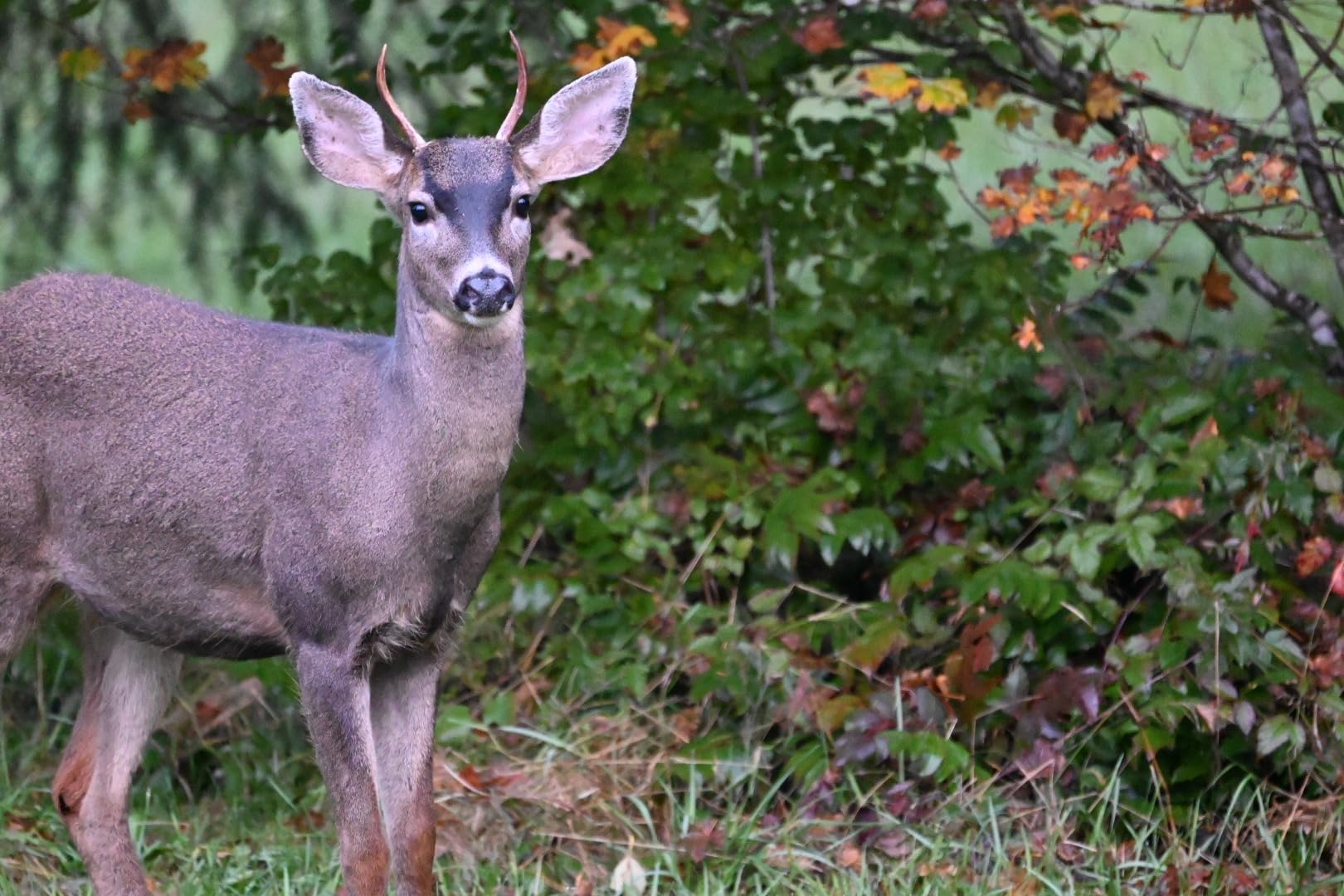
Built-in VC stabilization is a major advantage over the 50-400mm and 70-300mm Tamron options. I shot handheld at 500mm with reasonable success rates down to 1/250th of a second. For a lens this long, that is genuinely useful performance.
The build quality feels substantial and professional. The included Arca-Swiss compatible tripod foot is a thoughtful touch that saves you from buying aftermarket accessories. I appreciated the zoom lock switch that prevents barrel creep when carrying the lens on a strap.
Who Should Buy the Tamron 150-500mm
This lens is designed for bird photographers and wildlife specialists who need maximum reach. If you photograph small, distant subjects regularly, the extra 100mm over standard 100-400mm lenses makes a noticeable difference. The VC stabilization makes it more usable handheld than its weight suggests.
It is also a smart alternative to the Nikon 180-600mm for those who want a more compact package. Collapsed to 8.4 inches, this fits in smaller bags than the Nikon option while still delivering 500mm reach.
Who Should Skip This Lens
The narrow 150mm starting point limits versatility. You cannot shoot environmental portraits or landscapes with this lens, so you will need a second lens in your bag for wider shots. The 4.1-pound weight also makes it unsuitable for all-day hiking or travel photography.
Low-light shooters should be aware that f/6.7 at 500mm demands high ISO settings or tripod support. If you often shoot at dawn or dusk, the slow aperture will challenge your camera’s high-ISO capabilities.
How to Choose the Best 100-400mm Lens for Your Nikon Z In 2026?
With five excellent options available, selecting the right lens depends on understanding your specific needs. Here is what to consider before making your decision.
Consider Your Primary Subject
Bird photographers generally need the most reach possible, making the Tamron 150-500mm or Nikon 100-400mm with teleconverters the best choices. Wildlife photographers who also shoot landscapes might prefer the Nikon 28-400mm for its versatility. Sports shooters need fast autofocus and effective stabilization, pointing toward the Nikon 100-400mm.
Think honestly about what you photograph most often. A lens that covers 90% of your needs perfectly beats one that compromises across everything.
Weight and Portability Matters
The weight differences between these lenses are substantial. The Tamron 70-300mm at 1.3 pounds feels completely different from the Nikon 100-400mm at 3.2 pounds. If you hike long distances or travel frequently, the lighter options will see much more use.
Remember that weight affects not just carrying comfort but also handheld stability. A lighter lens is easier to hold steady during long shooting sessions.
Teleconverter Compatibility
Only the Nikon 100-400mm officially supports Z teleconverters, extending reach to 560mm with the 1.4x or 800mm with the 2x. Image quality remains excellent with the 1.4x and quite usable with the 2x, though you lose autofocus speed and light-gathering capability.
If you foresee needing extreme reach occasionally, the Nikon lens provides the most flexibility. The Tamron lenses cannot use Nikon teleconverters, limiting your maximum focal length.
Weather Sealing for Outdoor Work
All lenses in this guide offer some degree of weather resistance, but the Nikon S-Line lens provides the most robust sealing. If you shoot in rain, snow, or dusty environments regularly, the extra protection matters. Budget lenses may survive light moisture, but I would not trust them in a downpour.
Budget vs Performance Balance
The price spread here is significant, from under $500 to nearly $2700. The diminishing returns curve is real. The Nikon 100-400mm is perhaps 20% better optically than the Tamron 50-400mm but costs more than twice as much. For many photographers, that extra performance is not worth the premium.
Consider starting with a budget option and upgrading later if you find yourself limited by the lens rather than your technique. Many photographers create stunning work with the humble Tamron 70-300mm.
Frequently Asked Questions
Which 100-400mm lens is best for Nikon?
The Nikon NIKKOR Z 100-400mm f/4.5-5.6 VR S is the best overall choice for Nikon Z users due to its exceptional sharpness, fast autofocus, and teleconverter compatibility. However, the Nikon Z 28-400mm offers better value for travel photographers, while the Tamron 50-400mm provides excellent performance at a lower price point.
What is the Nikon Z 100-400mm price?
The Nikon NIKKOR Z 100-400mm f/4.5-5.6 VR S typically retails around $2696.95. While expensive, the professional-grade optics, build quality, and teleconverter compatibility justify the investment for serious wildlife and sports photographers.
Is the Nikon Z 100-400mm worth it?
For professional and serious enthusiast photographers, the Nikon Z 100-400mm is absolutely worth the price. The optical quality rivals prime lenses, the dual STM motors track moving subjects flawlessly, and the 5.5-stop VR enables sharp handheld shots. Budget-conscious shooters may find the Tamron alternatives provide 80% of the performance at half the cost.
Nikon Z 100-400mm vs 180-600mm – which should I buy?
Choose the 100-400mm if you value versatility, portability, and teleconverter compatibility. The 180-600mm offers more reach for small birds but is significantly larger and heavier. The 100-400mm is also sharper at shared focal lengths and focuses closer for macro-style shots. Wildlife specialists may prefer the 180-600mm, while generalists should choose the 100-400mm.
Can you use teleconverters with Nikon Z 100-400mm?
Yes, the Nikon Z 100-400mm is fully compatible with Nikon Z teleconverters. The TC-1.4x extends the range to 140-560mm f/6.3-8, while the TC-2.0x provides 200-800mm f/9-11. Image quality remains excellent with the 1.4x and acceptable with the 2.0x, though autofocus slows and low-light capability decreases.
What is the best 100-400mm lens for wildlife photography?
The Nikon NIKKOR Z 100-400mm f/4.5-5.6 VR S is the best choice for wildlife photography due to its exceptional sharpness, fast autofocus tracking, and effective vibration reduction. For bird photographers needing extra reach, the Tamron 150-500mm offers 500mm capability at a lower price, though with some compromises in versatility.
Final Thoughts on the Best 100-400mm Lenses for Nikon Mirrorless Cameras
The best 100-400mm lenses for nikon mirrorless cameras in 2026 offer something for every photographer and budget. The Nikon NIKKOR Z 100-400mm f/4.5-5.6 VR S remains the gold standard for those who demand uncompromising quality. Its combination of sharpness, speed, and teleconverter compatibility justifies the premium for working professionals.
For most enthusiasts, the Nikon Z 28-400mm delivers the best balance of versatility and value. The incredible zoom range eliminates lens changes while maintaining respectable image quality. Travel photographers especially should give this lens serious consideration.
Budget-conscious shooters have excellent options in the Tamron lineup. The 50-400mm provides unique versatility, the 70-300mm offers unbeatable portability, and the 150-500mm delivers extra reach for bird specialists. None match the Nikon flagship perfectly, but all deliver results that exceed their price tags.
Whichever lens you choose, remember that the best telephoto is the one you actually carry and use. A lighter lens that accompanies you everywhere will capture more keepers than a perfect lens that stays home. Consider your shooting style, physical capabilities, and budget honestly, then invest in the lens that fits your real needs.
Now grab your camera and get out there. The wildlife is waiting.