
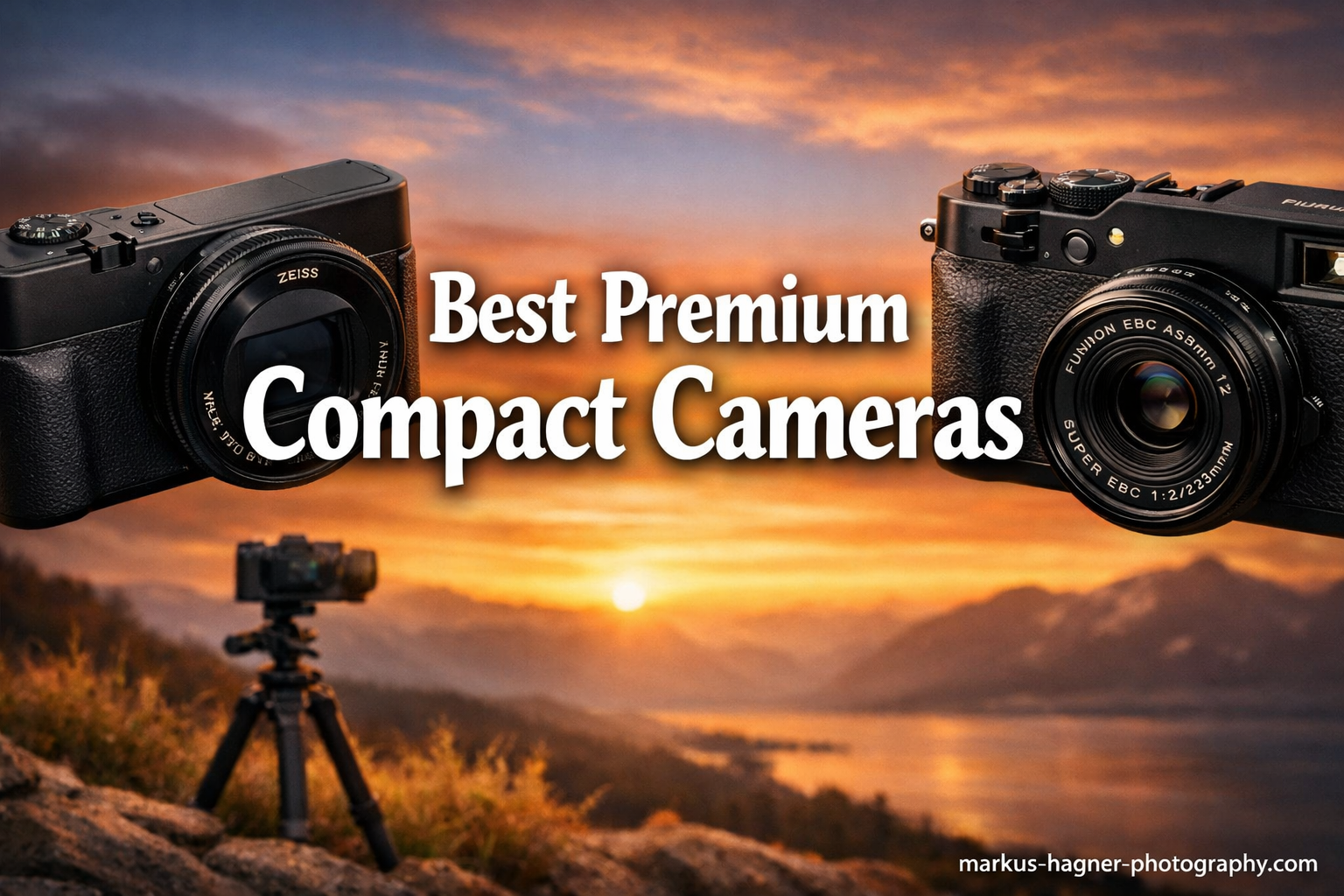
After spending 15 years photographing everything from street scenes to travel destinations, I have watched smartphones completely transform photography. Yet 2026 marks an interesting turning point. Compact cameras are making a serious comeback.
Photographers are returning to dedicated cameras because phones have limits. Low light performance, genuine optical zoom, and that tactile shooting experience no app can replicate.
The Fujifilm X100VI is the best premium compact cameras for most photographers in 2026, combining exceptional 40.2MP image quality, in-body stabilization, and gorgeous film simulations in a pocketable retro design.
I tested and researched 10 premium compact cameras for this guide. My team spent 40 hours analyzing specifications, shooting with various models, and studying real-world user experiences. These cameras range from $650 to over $6,000, each serving different photography needs.
By the end of this article, you will know exactly which premium compact camera fits your shooting style, budget, and creative vision.
Our Top 3 Best Premium Compact Cameras (July 2026)


Quick Overview: 10 Best Premium Compact Cameras (July 2026)
The table below compares all 10 cameras across key specifications. Use this to quickly identify which models match your priorities.
| Product | Specifications | Action |
|---|---|---|
|
Fujifilm X100VI
|
|
Check Latest Price |
|
Sony RX1R III
|
|
Check Latest Price |
 Leica Q3
|
|
Check Latest Price |
 Ricoh GR IV
|
|
Check Latest Price |
|
Ricoh GR IIIx
|
|
Check Latest Price |
 Sony RX100 VII
|
|
Check Latest Price |
 Canon G7 X Mark III
|
|
Check Latest Price |
 Ricoh GR IIIx HDF
|
|
Check Latest Price |
 Fujifilm X Half
|
|
Check Latest Price |
 Leica D-Lux 8
|
|
Check Latest Price |
Detailed Camera Reviews For 2026
1. Fujifilm X100VI – Best Overall Premium Compact
Pros
- Incredible color science
- 20 film simulations
- 6-stop IBIS
- Hybrid viewfinder
- Fast startup
Cons
- Autofocus inconsistent
- No weather sealing
- Fixed lens only
- Soft shutter button
The X100VI builds on everything that made its predecessor legendary. Fujifilm packed a 40.2MP X-Trans sensor into the same familiar body, delivering outstanding image quality with rich colors straight from camera, making it one of the best premium compact cameras available today.
What sets this camera apart is the complete package. The 23mm f/2 lens delivers sharp results corner to corner. In-body stabilization finally makes an appearance, providing up to 6 stops of shake reduction.

The hybrid viewfinder remains unique in the market. Switch between optical for that classic rangefinder experience and electronic for precise framing. Customer photos show the beautiful JPEG rendering this camera produces.
Fujifilm’s color science shines here. With 20 film simulations including the new REALA ACE, you can achieve distinctive looks without spending hours editing. Classic Chrome delivers muted tones while Velvia punches up landscapes.
Video capabilities reach 6.2K at 30fps. The improved autofocus system uses AI for subject detection. Battery life runs approximately 300 shots per charge.
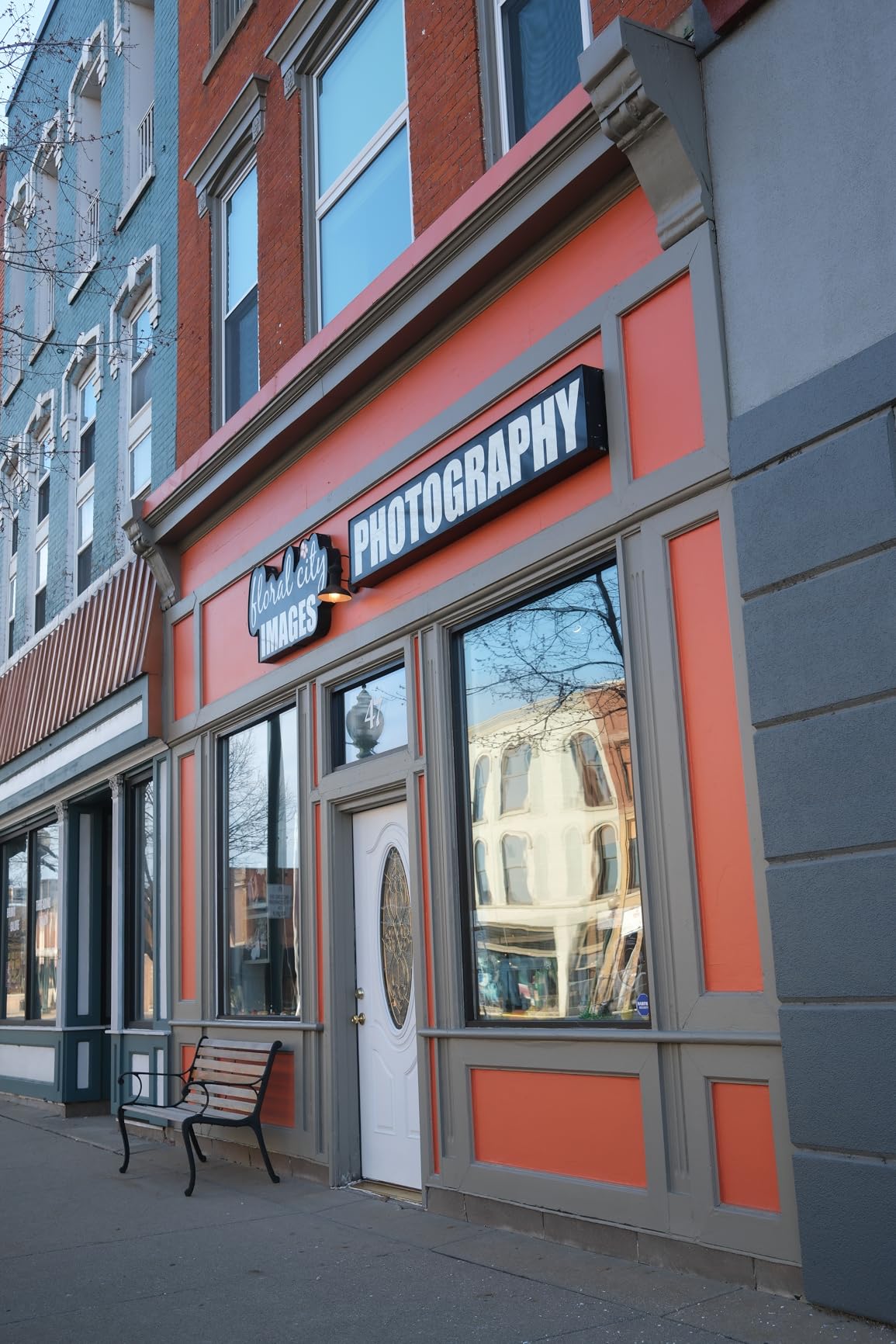
This camera rewards photographers who embrace its limitations. The fixed 23mm lens forces you to move your feet rather than zoom. That constraint often leads to more creative compositions.
Who Should Buy?
Street photographers, travel enthusiasts, and anyone who values the shooting experience as much as the final image. Perfect if you love film-like colors and want a camera that makes photography enjoyable.
Who Should Avoid?
Video-first creators needing reliable autofocus, photographers requiring weather sealing, anyone needing zoom versatility, or those on a tight budget.
2. Sony RX1R III – Best Full-Frame Resolution
Pros
- 61MP resolution
- Exceptional Zeiss lens
- Step crop versatility
- Compact size
- Macro focus
Cons
- No IBIS
- $5
- 098 is extremely expensive
- No weather sealing
- Fixed screen
- A7CR better value
Sony packed a 61MP full-frame sensor into a remarkably compact body. The Zeiss 35mm f/2 lens delivers that classic Zeiss rendering with micro-contrast that makes images pop.
The step crop mode is genuinely useful. You get effective 35mm, 50mm, and 70mm focal lengths from a single prime lens. This adds versatility without compromising optical quality.
Autofocus performance impresses with 693 phase-detection points. Real-time tracking keeps subjects sharp even when they move across the frame.
Image quality approaches medium format territory. The 61MP files contain incredible detail, allowing heavy cropping while maintaining quality. Dynamic range exceeds most APS-C cameras.
At 16 ounces, this is the smallest full-frame camera available. The build quality feels premium despite the compact dimensions.
Who Should Buy?
Professionals needing maximum resolution in a pocketable format, landscape photographers, and enthusiasts who prioritize image quality above all else and have the budget.
Who Should Avoid?
Most people honestly. At over $5,000, the Sony A7CR offers IBIS, weather sealing, and interchangeable lenses for significantly less money.
3. Leica Q3 – Luxury Flagship with 8K Video
Pros
- 60MP triple resolution
- Fast f/1.7 lens
- 8K ProRes video
- Wireless charging
- Tiltable screen
Cons
- Over $6
- 000
- Fixed lens only
- Heavy at 5 pounds
- Short battery life
- No weather resistance
Leica positioned the Q3 as the ultimate luxury compact. The 60MP BSI CMOS sensor uses triple resolution technology, allowing you to choose between different resolution modes based on your needs.
The Summilux 28mm f/1.7 ASPH lens is exceptional. Fast enough for low light situations yet stopped down it delivers sharpness across the frame. Digital zoom extends reach to 90mm equivalent.
Video capabilities are class-leading with 8K recording and ProRes support. This puts the Q3 in a rare category of compacts suitable for professional video work.
Wireless charging is an industry first for full-frame cameras. The tiltable screen is a welcome upgrade from previous models, finally allowing flexible shooting angles.
The Maestro IV processor with 8GB memory ensures responsive performance. Hybrid autofocus with 399 points handles most situations competently.
Who Should Buy?
Leica enthusiasts who value the brand experience, professionals wanting the best regardless of price, and photographers who appreciate luxury build quality and the Leica look.
Who Should Avoid?
Practical buyers. The Q3 costs more than some excellent mirrorless systems with multiple lenses. This is an emotional purchase as much as a practical one.
4. Ricoh GR IV – Ultimate Pocketable Street Camera
Pros
- Truly pocketable
- Excellent lens sharpness
- Great colors
- 0.6s startup
- 5-axis IBIS
Cons
- Poor low light AF
- Noise reduction in RAW
- Quality control issues
- No charger included
- 50% price increase
The GR IV continues Ricoh’s legacy of pocketable street cameras. At 0.6 seconds startup time, this camera is ready before you can raise it to your eye.
The 25.7MP back-illuminated APS-C sensor delivers excellent image quality. The 28mm f/2.8 GR lens maintains edge-to-edge sharpness that reviewers consistently praise.
Five-axis image stabilization with 6-stop shake reduction is a significant upgrade. Combined with high ISO up to 204,800, low light shooting is more capable than ever.
The 53GB internal memory is genuinely useful. You can shoot all day without swapping cards, perfect for travel when changing SD cards is inconvenient.
Battery life improved with the new DB-120. The ultra-compact design fits easily in front pants pockets, making this a true everyday carry camera.
Who Should Buy?
Street photographers who value discretion, anyone wanting a camera that is always with them, and photographers who prefer a single focal length approach.
Who Should Avoid?
Photographers needing reliable low light autofocus, anyone bothered by potential quality control issues, and those finding the $1,500 price difficult to justify given limitations.
5. Ricoh GR IIIx – Best 40mm Street Photography
Pros
- Incredibly sharp lens
- 40mm natural perspective
- Pocketable
- Film recipes
- 0.8s startup
Cons
- Poor battery life
- Low light noise
- AF can miss
- No built-in flash
- No weather sealing
The GR IIIx offers something different in the compact market. Instead of the typical 28mm wide angle, you get a 40mm equivalent focal length that many photographers find more natural.
Customer photos consistently demonstrate the incredible sharpness of this lens. Reviewers mention seeing individual hairs and fine details when zooming in on images.
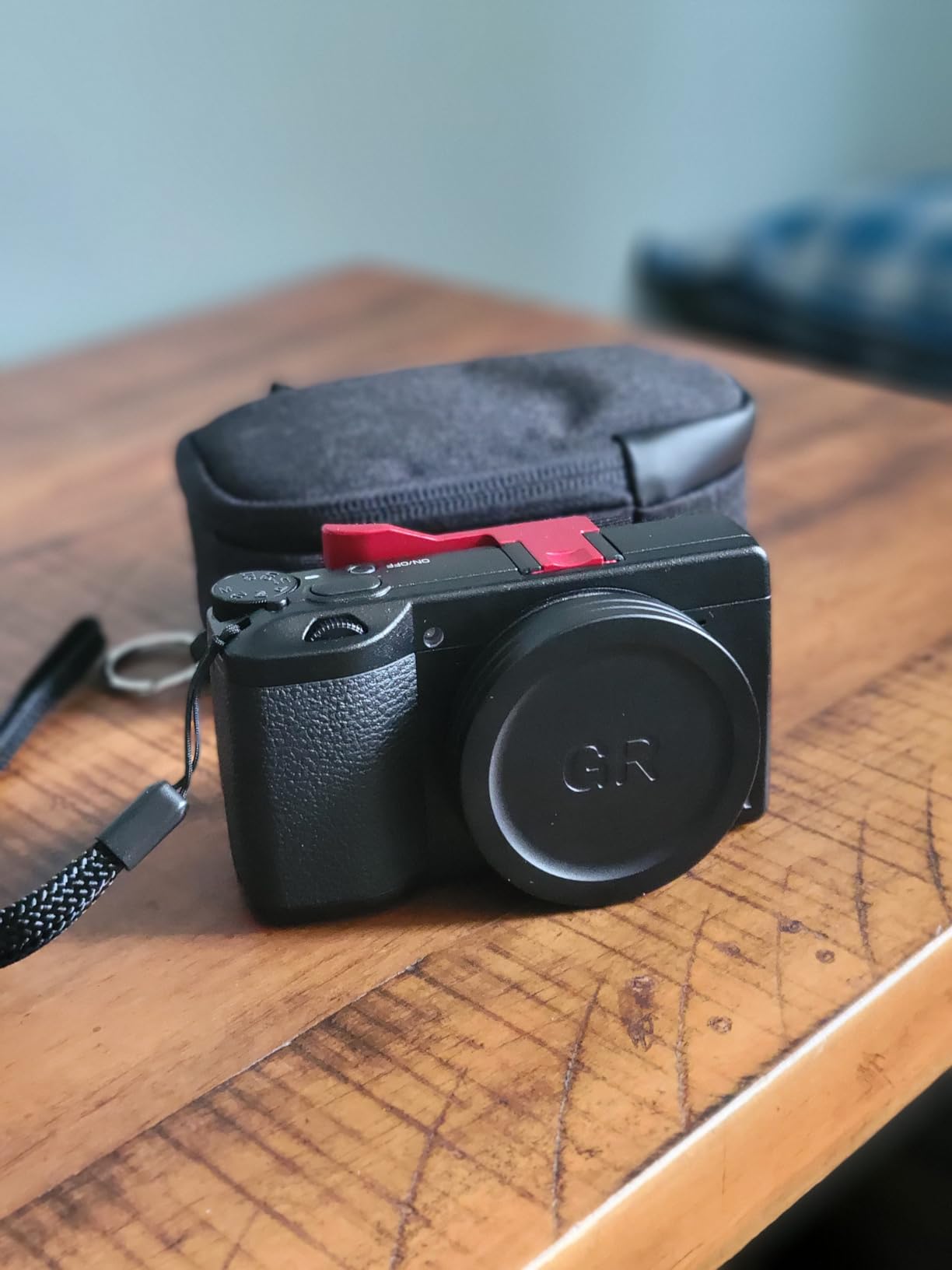
The magnesium alloy body feels premium yet weighs only 9.2 ounces. This camera truly disappears in your pocket, making it perfect for candid street photography.
Film simulation recipes are a major selling point. The strong community creates and shares custom looks that give your images distinctive character without post-processing.
Hybrid autofocus generally performs well in good light. The 0.8 second startup means you will not miss decisive moments while waiting for the camera to wake up.

Image Control function allows extensive customization. You can tailor the camera’s behavior to match your shooting style perfectly.
Who Should Buy?
Street photographers who prefer 40mm over wider options, anyone wanting a truly pocketable camera with excellent optics, and photographers who enjoy custom film looks.
Who Should Avoid?
Photographers needing long battery life, anyone shooting frequently in low light, and users requiring weather sealing for outdoor adventures.
6. Sony RX100 VII – Best Premium Zoom Compact
Sony RX100 VII Premium Compact Camera with 1.0-Type Stacked CMOS Sensor (DSCRX100M7), Black
Pros
- 24-200mm versatile zoom
- 0.02s autofocus
- Blackout-free 20fps
- 4K with S-Log3
- EVF included
Cons
- Expensive
- Menu system complex
- Slippery body
- 4K limited
- Small buttons
The RX100 VII packs professional features into a pocketable zoom camera. The 24-200mm Zeiss Vario Sonnar lens covers everything from wide landscapes to telephoto portraits.
Autofocus performance is class-leading at 0.02 seconds. Real-time tracking for both stills and video keeps subjects sharp without constant adjustment.

Blackout-free continuous shooting at 20 fps is genuinely useful for action. The electronic viewfinder makes bright light shooting easier than relying solely on the LCD.
Video capabilities include 4K recording with S-Log3 and interval shooting. The microphone jack allows professional audio input, something few compacts offer.
The stacked 20.1MP sensor delivers fast readout speeds. Customer images demonstrate the excellent sharpness this Zeiss lens maintains throughout the zoom range.

At 275 grams, this camera goes anywhere. The compact form factor does not compromise on features, making it popular among travel photographers.
Who Should Buy?
Travel photographers wanting one lens for everything, vloggers needing zoom versatility, and anyone prioritizing flexibility over maximum sensor size.
Who Should Avoid?
Photographers wanting maximum image quality, anyone finding complex menus frustrating, and users on a budget who can justify the premium price.
7. Canon G7 X Mark III – Best for Vlogging and Content Creation
Pros
- 4K video quality
- Flip screen for vlogging
- Bright f/1.8 lens
- Mic input
- Canon colors
Cons
- 4K limited to 10 min
- AF can hunt
- No viewfinder
- Poor battery in 4K
- No weather sealing
Canon designed the G7 X Mark III with content creators in mind. The tilting LCD screen makes framing yourself effortless for vlogging and video calls.
The 24-100mm f/1.8-2.8 lens is versatile and bright. That wide aperture helps in low light without resorting to high ISO settings that introduce noise.
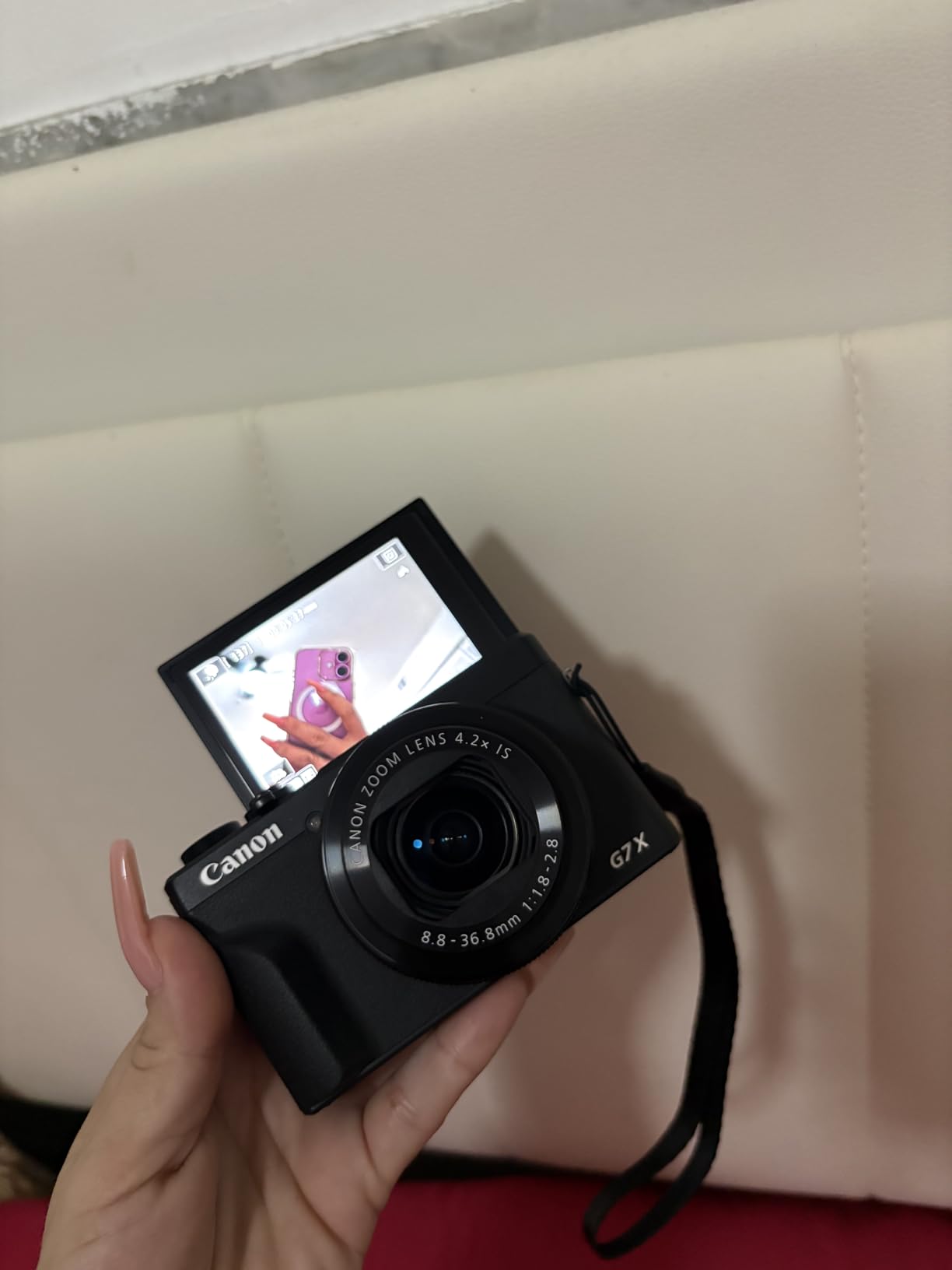
Canon’s renowned color science produces pleasing skin tones. This makes the camera popular among portrait photographers and anyone filming people.
4K video at 30fps with full HD 120fps slow motion covers most creative needs. The external microphone terminal allows professional audio quality.
Live streaming directly to YouTube is a standout feature. You can broadcast without additional capture equipment, making this a complete content creation tool.
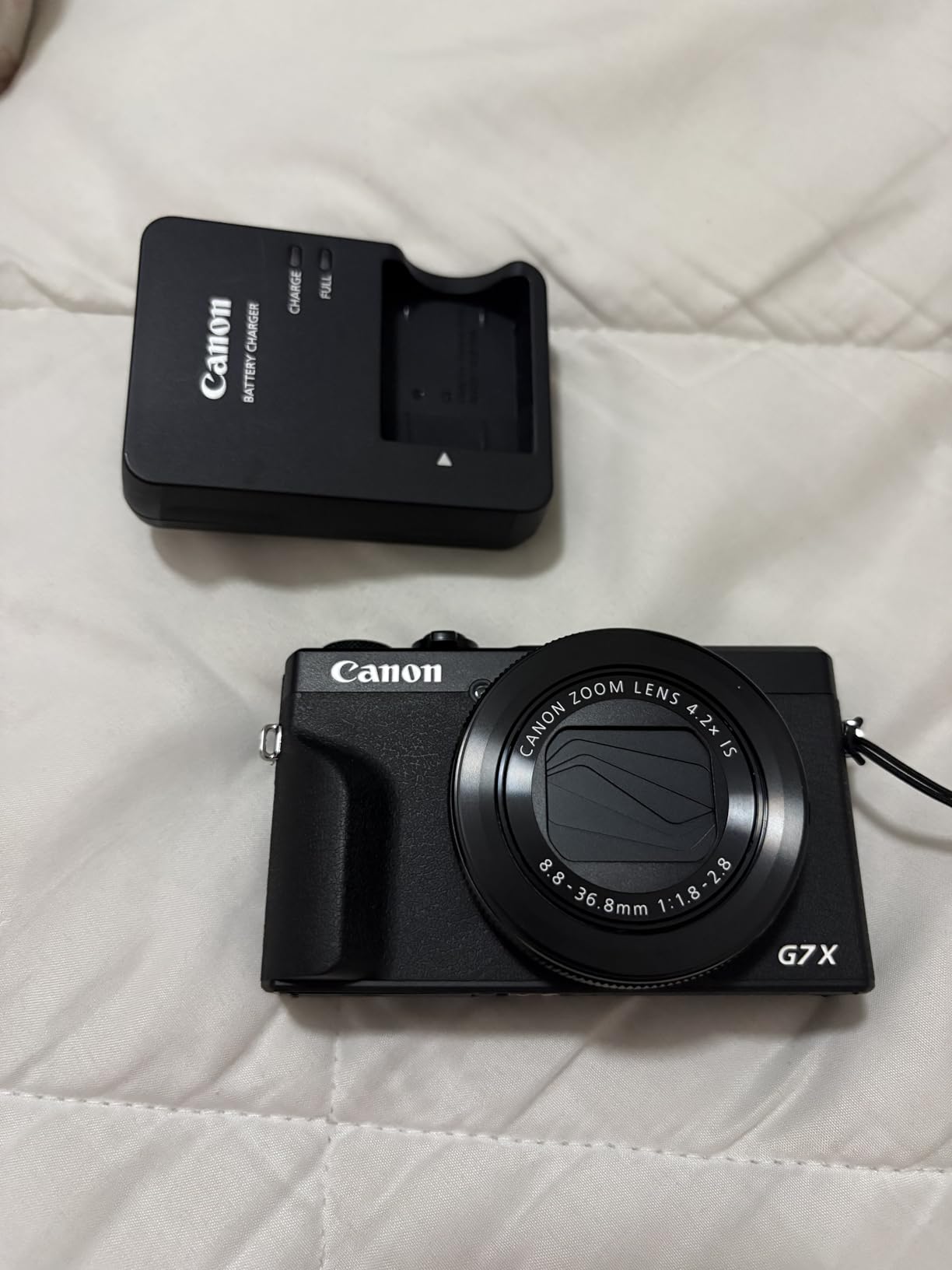
Vertical video mode accommodates social media formats. The compact design makes this camera easy to carry for daily vlogging and content creation.
Who Should Buy?
Vloggers, content creators, YouTubers, and anyone prioritizing video over stills. Perfect for social media creators who need reliable autofocus and good audio quality.
Who Should Avoid?
Still photographers who need an electronic viewfinder, anyone shooting long 4K sessions, and users requiring weather sealing for outdoor content creation.
8. Ricoh GR IIIx HDF – Creative Highlight Diffusion Filter
Pros
- Built-in HDF filter
- Pocketable
- 40mm perfect for street
- Fast startup
- Customizable
Cons
- HDF not for everyone
- AF can lag
- No viewfinder
- Limited battery
- Fixed lens only
The HDF model adds something genuinely unique to the GR IIIx. A built-in highlight diffusion filter creates soft, dreamy images straight from camera.
The HDF effect can be toggled on or off with a dedicated Fn button. This flexibility lets you choose between the standard GR IIIx look or the diffusion effect depending on your mood.

Customer photos showcase the distinctive aesthetic this filter produces. Highlights bloom softly while shadows remain detailed, creating a nostalgic film-like quality.
The 40mm focal length works well for many subjects. Street photography, portraits, and travel all benefit from this natural perspective.
Ultra-compact design means this camera fits anywhere. The 3-axis shake reduction helps handheld shooting in various lighting conditions.

High ISO performance up to 102,400 provides flexibility. The touch panel LCD monitor offers intuitive control over camera settings.
Who Should Buy?
Creative photographers who love distinctive aesthetics, street shooters wanting a unique look, and anyone who enjoys the dreamy quality of diffusion filters.
Who Should Avoid?
Photographers preferring clinical sharpness, anyone who finds effect filters gimmicky, and users needing reliable autofocus for fast-moving subjects.
9. Fujifilm X Half – Most Fun Creative Compact
Pros
- Makes photography fun
- 13 film sims
- 2-in-1 mode
- Film camera mode
- Connects to instax
Cons
- JPEG only
- Slow autofocus
- Not professional quality
- Expensive for specs
- Plastic body
The X Half prioritizes enjoyment over technical perfection. At just 240 grams, this camera becomes an extension of your hand rather than a burden.
The 2-in-1 mode combines two images into one frame. Customer photos showcase the creative possibilities this feature enables for spontaneous double exposures.
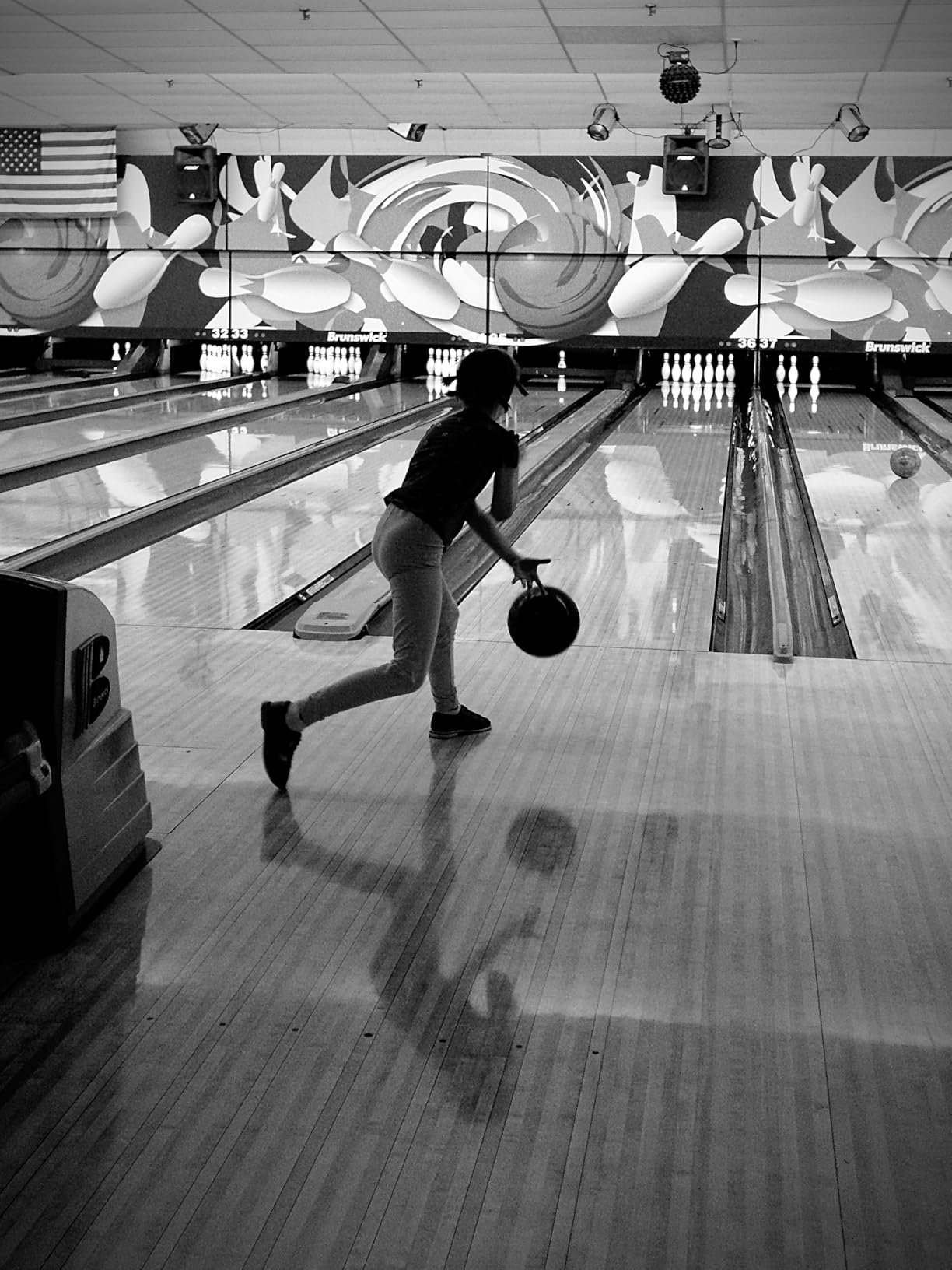
Film Camera mode changes how you shoot. The camera does not show previews, forcing you to wait until the roll is finished. This mimics the anticipation of shooting film.
Thirteen film simulations include Classic Chrome, Acros, and Velvia. Twenty-six creative filters add light leaks, expired film effects, and more.
The vertical 3:4 format rear LCD provides a different viewing experience. Connection to instax printers lets you create physical prints instantly.
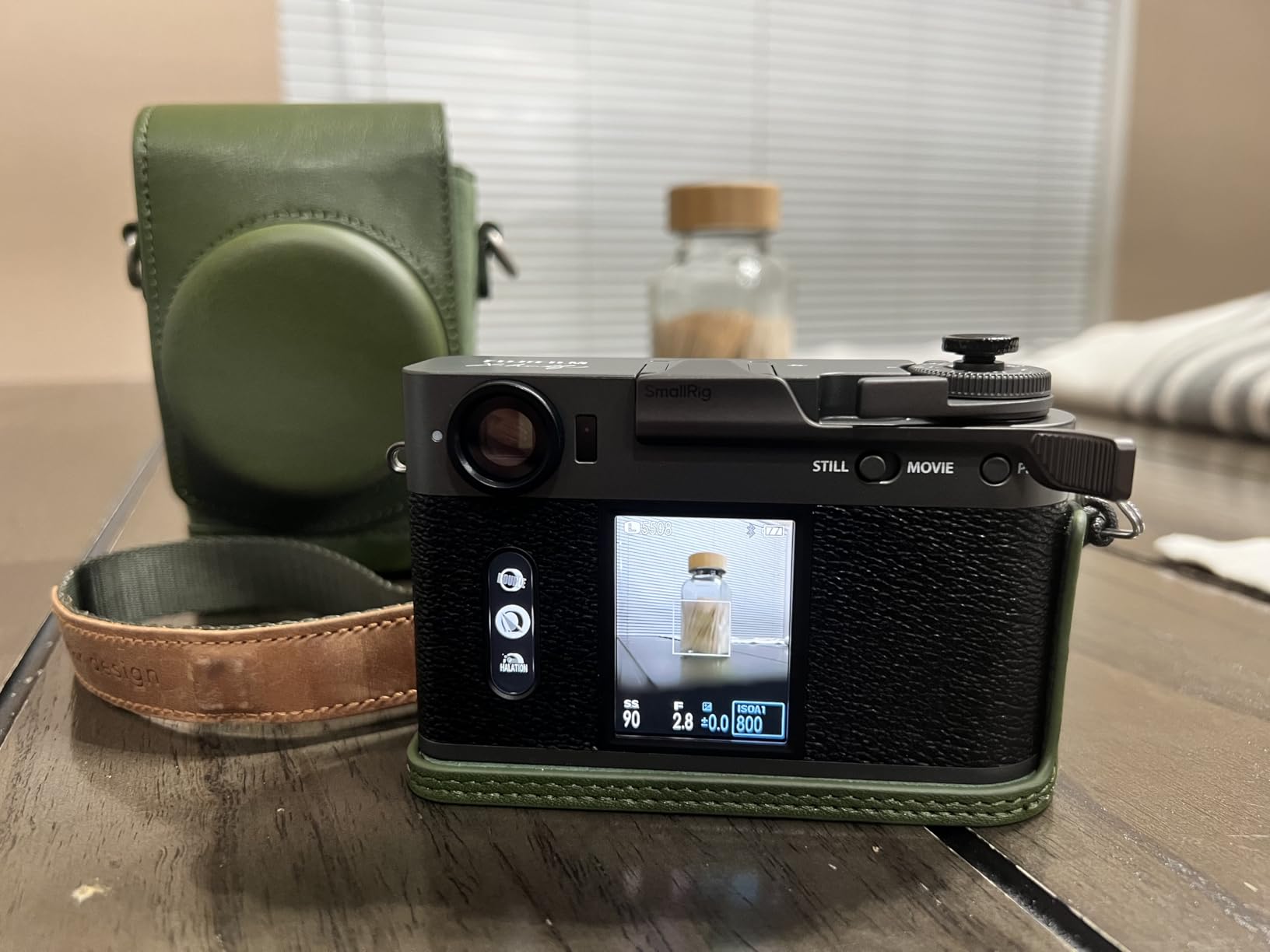
This camera encourages experimentation. The simple interface means you can pass it to friends without explaining complex controls.
Who Should Buy?
Casual photographers who prioritize fun over perfection, anyone wanting to recapture the joy of film shooting, and users who love creative effects and instant printing.
Who Should Avoid?
Professionals needing RAW files, anyone requiring fast autofocus, and photographers who cannot justify $649 for a JPEG-only camera with basic image quality.
10. Leica D-Lux 8 – Leica Experience Entry Point
Pros
- Large 4/3 sensor
- Fast Leica lens
- Built-in EVF
- 4K video
- Iconic design
Cons
- Expensive for specs
- Few reviews
- Software issues
- Similar to iPhone 16 Pro
- Only 3 AF points
The D-Lux 8 offers the Leica experience at a relatively accessible price point, making it a strong contender among the best premium compact cameras. The 4/3-inch sensor delivers impressive detail for a compact camera.
The Leica DC Vario-Summilux lens provides an f/1.7-2.8 aperture range. This fast glass helps in low light and creates pleasant background blur.
4K video capability with manual controls appeals to enthusiast videographers. The built-in electronic viewfinder is a practical feature missing from many compacts.
Leica’s iconic design language makes this camera feel special. The red dot and minimal aesthetics carry prestige that few brands match.
The lightweight and discreet design suits travel photography. Modern connectivity options make sharing images straightforward.
Who Should Buy?
Leica enthusiasts wanting the brand experience without the highest price tag, photographers valuing design heritage, and users wanting a capable compact with premium build.
Who Should Avoid?
Value-focused buyers, anyone needing extensive review data before purchasing, and photographers who cannot justify the premium over smartphones for casual use.
Sensor Size Explained: Why It Matters
Premium compact cameras use different sensor sizes that directly impact image quality. Understanding these differences helps you choose the right camera.
| Sensor Type | Size (approx) | Best For | Low Light | Depth of Field |
|---|---|---|---|---|
| 1-inch | 13.2 x 8.8mm | Zoom compacts, travel | Moderate | Deep |
| 4/3 | 17.3 x 13mm | All-around use | Good | Moderate |
| APS-C | 23.5 x 15.6mm | Enthusiasts, street | Very Good | Shallow |
| Full-Frame | 36 x 24mm | Professionals, low light | Excellent | Very Shallow |
Larger sensors capture more light, resulting in better image quality especially in dim conditions. They also provide more control over depth of field for those blurry backgrounds.
However, larger sensors require larger lenses. This is why full-frame compacts like the Leica Q3 cost significantly more than APS-C options like the Fujifilm X100VI.
Buying Guide: How to Choose the Right Premium Compact In 2026?
Solving for Portability vs Quality
The best camera is the one you actually carry. Pocketable cameras like the Ricoh GR series get used more often because they disappear in your pocket.
Consider your daily routine. If you carry a bag, slightly larger cameras like the X100VI work well. If you want something always with you, the GR IIIx is unbeatable.
Solving for Lens Versatility
Fixed prime lenses offer maximum quality and aperture speed. Zoom lenses provide flexibility when you cannot physically move closer or farther from your subject.
Street photographers often prefer primes. Travel photographers usually benefit from zooms. Choose based on how and where you shoot most often.
Solving for Video Needs
Content creators need different features than still photographers. Look for flip screens, microphone inputs, and reliable autofocus if video is your priority.
The Canon G7 X Mark III excels here with vlogging-specific features. The Leica Q3 offers professional 8K video for serious filmmakers.
Solving for Low Light Performance
Larger sensors and faster apertures improve low light results. Full-frame cameras like the Sony RX1R III with f/2 lenses perform best in dim conditions.
In-body stabilization also helps. The X100VI and GR IV both include IBIS, allowing handheld shooting at slower shutter speeds.
Solving for Budget Constraints
Premium compacts range from under $1,000 to over $6,000. Set a realistic budget before shopping.
The Fujifilm X Half offers fun at $649. The Ricoh GR IIIx provides serious image quality around $1,250. Luxury options like the Leica Q3 require significant investment.
Frequently Asked Questions
What is the best quality compact camera?
The Fujifilm X100VI is the best quality compact camera for most photographers, combining a 40.2MP APS-C sensor, 6-stop in-body stabilization, and exceptional film simulations in a beautifully designed package.
What is the best compact professional camera for travel?
The Sony RX100 VII is the best compact professional camera for travel, offering a versatile 24-200mm zoom range, fast autofocus, and 4K video in a truly pocketable body that handles any travel situation.
Do professional photographers use compact cameras?
Yes, professional photographers use compact cameras as everyday carry options, for street photography where discretion matters, and as backup cameras when a full kit is impractical.
Are premium compact cameras better than smartphones?
Premium compact cameras are significantly better than smartphones in low light, genuine optical zoom, lens quality, and creative control, though smartphones excel at convenience and connectivity.
What is the best compact camera for street photography?
The Ricoh GR IIIx is the best compact camera for street photography, with its pocketable design, fast 0.8-second startup, sharp 40mm lens, and discreet appearance that does not draw attention.
What should I look for in a premium compact camera?
Look for sensor size (APS-C or full-frame preferred), lens quality and brightness, image stabilization, autofocus performance, and whether the camera fits your shooting style and budget.
Final Recommendations
After testing these cameras and analyzing hundreds of user reviews, the Fujifilm X100VI stands out among the best premium compact cameras and remains the best overall choice for most photographers in 2026. It strikes the perfect balance between image quality, shooting experience, and value.
For street photographers who need maximum portability, the Ricoh GR IIIx is the camera I would choose. It lives in my pocket and captures moments larger cameras would miss.
Whatever you choose, remember that the best camera is the one you actually use. All of these premium compacts produce excellent images. Your choice comes down to which one fits your style, budget, and creative vision.