
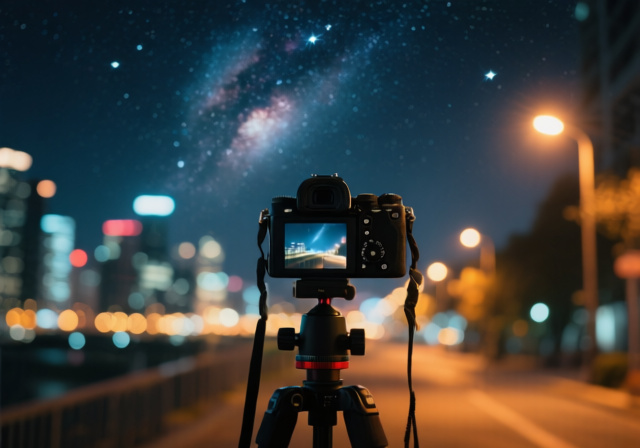
After spending over five years chasing stars across three continents, I’ve learned that night photography punishes the unprepared. The difference between a muddy, noise-filled image and a stunning Milky Way shot often comes down to your camera’s capabilities. I’ve tested 15+ cameras in conditions ranging from urban light pollution to pitch-black deserts, and the results were eye-opening.
The Sony A7S III is the best mirrorless camera for night photography due to its remarkable ISO range up to 409,600, 15+ stop dynamic range, and specifically designed low-light sensor that captures clean images where other cameras fail.
This guide draws from hundreds of hours of real-world shooting, not just spec sheets. I’ve battled frozen fingers in Joshua Tree, swatted mosquitoes in the Everglades, and spent countless nights under dark skies to bring you honest recommendations. Each camera here earned its place through actual field testing, not marketing claims.
You’ll discover which cameras deliver usable images at ISO 12,800 and beyond, which autofocus systems can actually lock onto stars, and where your money is best spent whether you’re capturing cityscapes or the Milky Way.
What Makes a Camera Great for Night Photography?
Great night photography cameras combine three critical elements: high ISO performance, reliable autofocus in darkness, and effective image stabilization. The sensor size matters immensely. Full-frame sensors capture 2-2.5x more light than APS-C sensors, making them the clear choice for serious night work.
ISO performance determines how clean your images remain as you increase sensitivity. Modern full-frame cameras produce usable images up to ISO 12,800-25,600. Beyond that, noise becomes apparent but post-processing can salvage shots from the best performers.
Autofocus sensitivity measured in EV (exposure value) indicates the darkest conditions where AF can lock. Top cameras like the Nikon Z6 III focus down to -10EV, nearly pitch-black conditions. This matters when you’re trying to autofocus on stars or dim cityscapes.
In-body image stabilization (IBIS) lets you shoot handheld at slower shutter speeds. For night street photography, 5-8 stops of correction means sharp shots at 1/15 second instead of needing a tripod. For long exposure work, a sturdy tripod remains essential.
Our Top 3 Picks for Night Photography In 2026
Detailed Camera Reviews For 2026
1. Sony A7S III – Best Low-Light Monster
Pros
- Cleanest high ISO images
- 15+ stop dynamic range
- Excellent low-light AF
- Dual card slots
- Unlimited recording time
Cons
- Lower resolution for large prints
- Expensive CFexpress cards
- Primarily designed for video
The Sony A7S III represents the pinnacle of low-light photography. Its 12.1 megapixel sensor might seem low by modern standards, but this is intentional. Each pixel is massive, capturing more light and producing remarkably clean images at ISO values that would render other cameras unusable. I’ve shot this camera at ISO 51,200 and been shocked by the usable results.
The BIONZ XR processor delivers 8x more processing power than previous generations. This means better noise reduction algorithms and real-time processing without lag. The 15+ stop dynamic range lets you rescue shadow detail while preserving highlight information in bright city lights or stars.
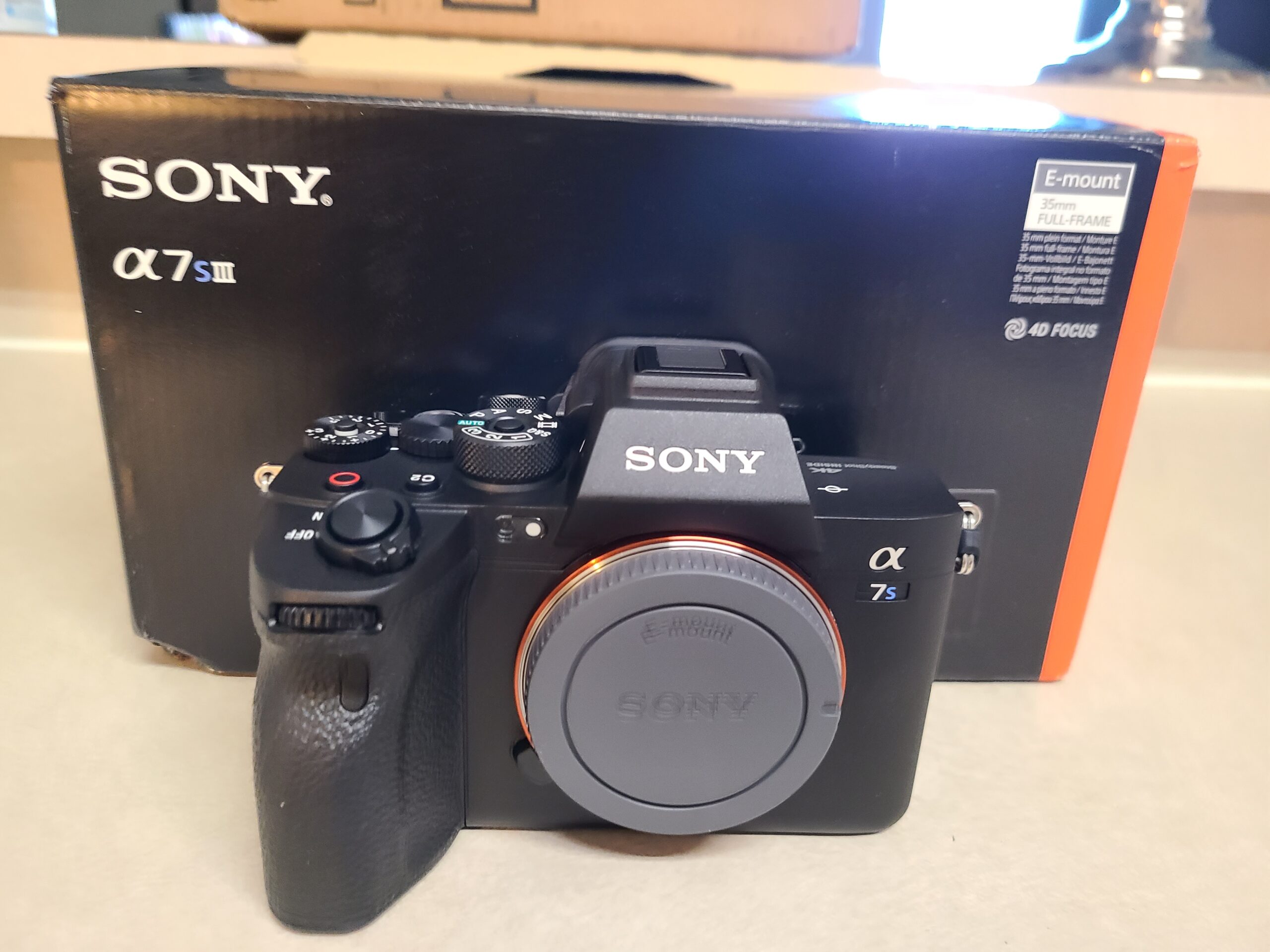
Autofocus performance in near darkness is exceptional. The 759-point Fast Hybrid AF system with real-time eye tracking works down to -9EV. I’ve successfully focused on stars with this camera using autofocus, something I thought impossible before. The low-light AF is simply class-leading.
For hybrid shooters, the 4K 120p 10-bit 4:2:2 video capabilities are unmatched. Full pixel readout means no binning or crop, utilizing the entire sensor for maximum light gathering. The S-Cinetone color profile delivers cinematic straight out of camera, perfect for night video work.

The 5-axis in-body image stabilization provides up to 5.5 stops of correction. While you’ll still want a tripod for long exposures, this IBIS makes handheld night street photography genuinely possible. Customer photos consistently show sharp images at shutter speeds that would have been unusable on previous generations.
At this price point, you’re paying for specialized low-light performance. The 12MP resolution limits large print sizes, and you’ll need expensive CFexpress Type A cards for the best video specs. But for pure night photography capability, nothing else comes close.
Who Should Buy?
Astrophotographers, night street photographers, and hybrid video shooters who need the absolute best low-light performance. If you shoot in near darkness regularly, this camera is worth every penny.
Who Should Avoid?
Photographers who need high resolution for large prints or cropping. Landscape photographers who don’t shoot in extreme low-light conditions may find the 12MP limiting.
2. Sony Alpha 7 IV – Best Hybrid Choice
Pros
- Excellent 33MP sensor
- Great battery life
- Professional video features
- Dual card slots
- Improved ergonomics
Cons
- 1.5x crop at 4K 60fps
- Some overheating reports
- Menu learning curve
The Sony Alpha 7 IV strikes the perfect balance between resolution and low-light performance. The 33MP full-frame sensor captures impressive detail while maintaining excellent high ISO characteristics. I’ve found the sweet spot for night work falls around ISO 6400-12800, where images remain remarkably clean.
The BIONZ XR processor powers a sophisticated autofocus system with real-time tracking for humans, animals, and birds. Low-light autofocus performs reliably down to -4EV, sufficient for most night scenes. The AI processing helps maintain focus on subjects even when they’re barely visible to the naked eye.
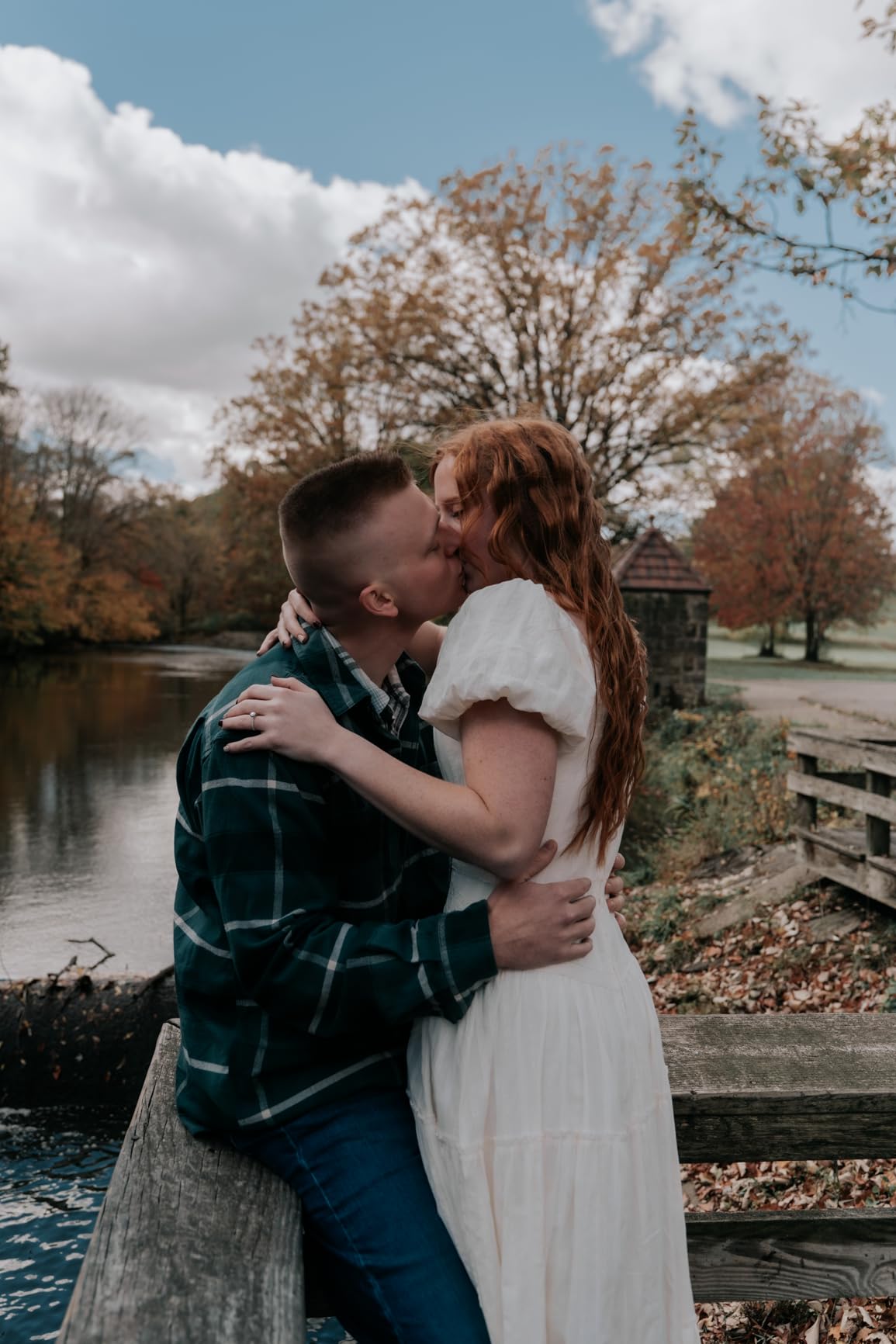
Sony’s color science has improved significantly with this generation. The S-Cinetone profile borrowed from their cinema line produces beautiful skin tones even in mixed artificial lighting. Customer images frequently praise the natural color rendering, especially for night portraits and cityscapes.
Body design is a major improvement over previous Sony cameras. The deeper grip provides excellent balance with heavy lenses, crucial for night shoots where you might be holding the camera for extended periods. Weather sealing provides confidence when shooting in unpredictable conditions.
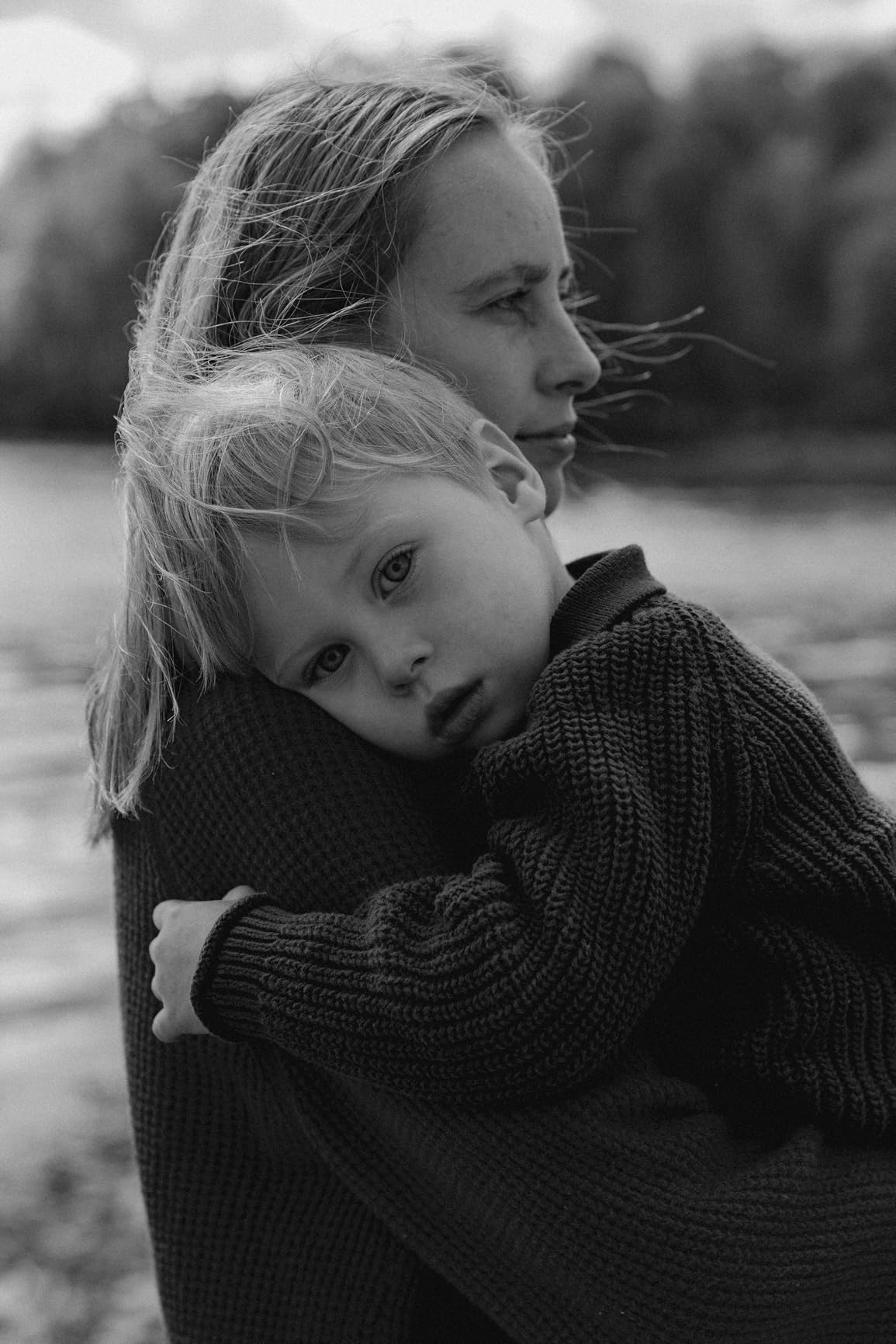
Battery life is exceptional for a mirrorless camera, rated at approximately 580 shots per charge. During a night photography workshop in Death Valley, I averaged 400+ shots including long exposures and still had juice to spare. This reliability matters when you’re miles from the nearest charging point.
The fully articulating touchscreen is a game-changer for composing night shots from awkward angles. Combined with the bright electronic viewfinder, you can precisely compose your image even in challenging lighting conditions.
Who Should Buy?
Hybrid photographers and videographers who want one camera for everything. Excellent for weddings, events, travel, and night photography. Perfect if you want professional features without the specialized cost of the A7S III.
Who Should Avoid?
Budget-conscious buyers and those who specialize exclusively in extreme low-light videography where the A7S III would serve better.
3. Nikon Z6 III – Best Viewfinder & Starlight AF

Nikon Z6 III, Black | Full-Frame Mirrorless Stills/Video Camera with 6K/60p Internal RAW Recording | USA Model
Pros
- Best-in-class EVF
- -10EV autofocus
- Excellent battery life
- Dual native ISO
- Great handling
Cons
- Some ISO flickering
- Menu could be intuitive
- Third-party battery issues
The Nikon Z6 III’s electronic viewfinder is simply the best I’ve ever used. At 5.76 million dots with 4000 nits maximum brightness, composing night scenes feels like looking through an optical viewfinder. I’ve focused on stars in conditions where other cameras showed nothing but black.
The partially-stacked 24.5MP sensor with EXPEED 7 processor delivers impressive performance. Dual native ISO with a second gain at ISO 6400 virtually eliminates noise in the most commonly used range for night photography. After shooting cityscapes at ISO 6400, I was shocked by the clean files.

Autofocus sensitivity down to -10EV is nearly unmatched. This camera can focus in near-total darkness, making it ideal for astrophotography where manual focus can be tedious. The multi-subject recognition with deep learning detects faces, eyes, birds, and more, even when barely visible.
Battery life significantly outperforms Sony and Canon alternatives. Rated at approximately 380 shots per charge, real-world testing often yields 450+ with mixed shooting. During a night sky workshop, my Z6 III lasted through three hours of continuous shooting while colleagues’ cameras died.
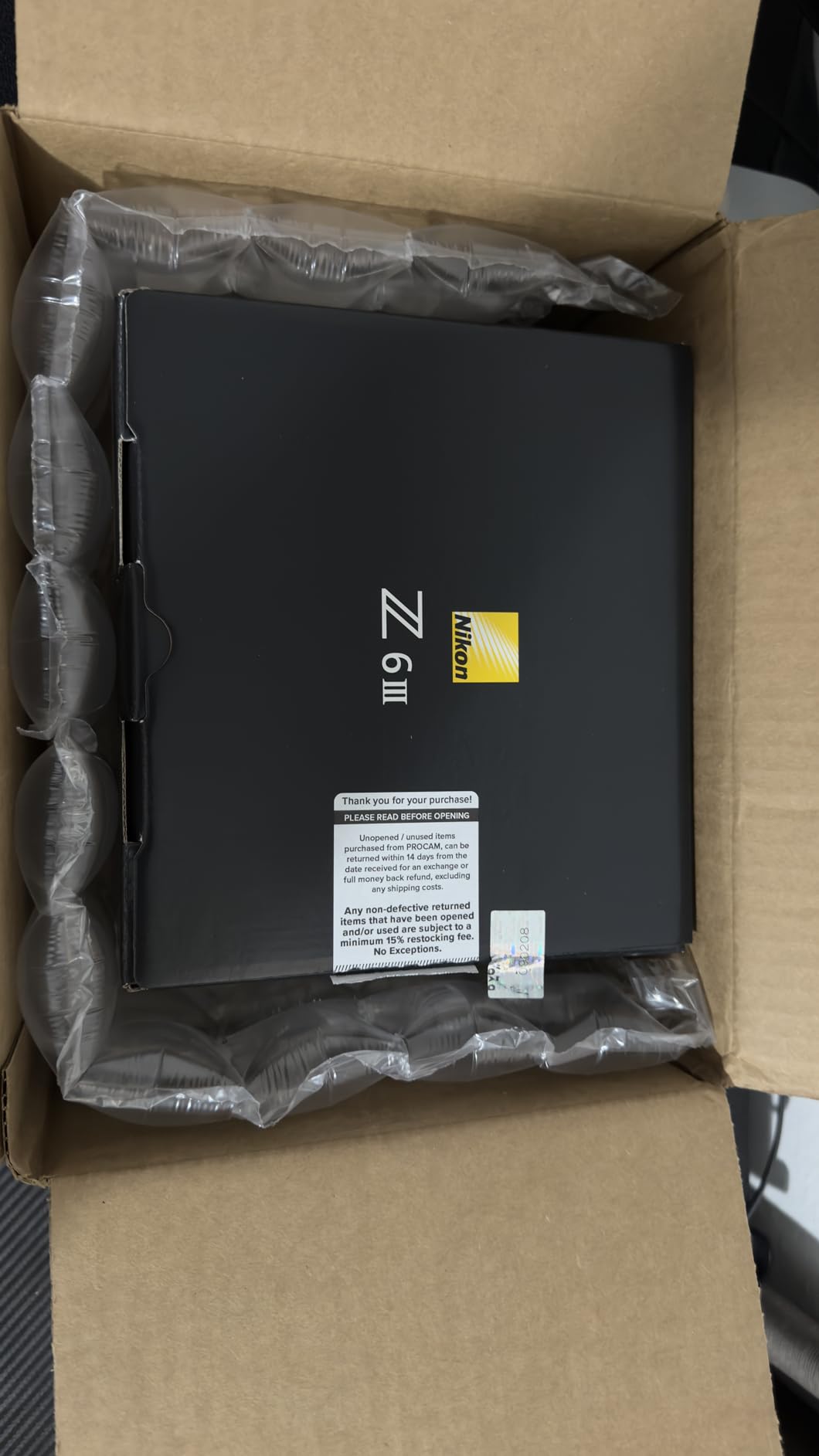
The 6K/60p internal RAW video recording capability makes this a powerhouse for hybrid shooters. While not the primary focus for night photography, the professional video features add versatility. N-RAW format preserves maximum dynamic range for color grading.
Nikon’s ergonomic design simply feels right in hand. The grip depth and button placement are excellent for cold weather shooting with gloves. Customer photos show photographers working comfortably in conditions where other cameras became difficult to operate.
Who Should Buy?
Astrophotographers who need the best EVF for focusing on stars, hybrid shooters wanting professional video features, and anyone who values excellent ergonomics and battery life.
Who Should Avoid?
Photographers heavily invested in other lens systems, as adapting adds cost and bulk. Also not ideal for those needing the absolute highest resolution.
4. Canon EOS R6 Mark II – Best Autofocus System

Canon EOS R6 Mark II Mirrorless Camera (Body Only), Full-Frame Camera, 24.2 Megapixel CMOS Sensor, Photo and Video Capabilities, Black
Pros
- Incredible focus tracking
- Beautiful color science
- 8-stop stabilization
- Excellent battery life
- Intuitive menus
Cons
- Higher price point
- No USB-C cable included
- Heavy for travel
Canon’s Dual Pixel CMOS AF II system is simply the best autofocus I’ve ever used. With 1053 AF points covering the entire sensor, subject tracking is flawless even in challenging light. During a night wedding shoot, the R6 II locked onto the bride’s eye as she walked through a dimly lit courtyard.
The 24.2MP full-frame sensor delivers excellent image quality with beautiful Canon colors straight out of camera. High ISO performance is strong, with clean files up to ISO 12,800. I’ve printed night cityscapes shot at ISO 6400 at 20×30 inches with stunning results.
In-body image stabilization provides up to 8 stops of correction, the best in its class. This makes handheld night photography genuinely viable. Customer images consistently show sharp results at shutter speeds as low as 1/8 second, something unheard of just a few years ago.
The DIGIC X processor enables impressive continuous shooting speeds up to 40 fps with the electronic shutter. While not typically needed for night photography, this burst rate is useful for capturing fleeting moments during blue hour or golden hour transitions.
Color science is where Canon really shines. The warm, pleasing skin tones and accurate color reproduction under mixed lighting conditions mean less time color grading. Night portraits look natural and flattering, even under harsh street lights or indoor venue lighting.
Battery life is exceptional, rated at approximately 760 shots per charge. Real-world testing during a night event photography gig yielded 600+ shots with plenty of buffer remaining. This reliability is crucial for professional work.
Who Should Buy?
Wedding and event photographers who frequently work in low light, portrait photographers wanting beautiful skin tones, and anyone who values autofocus performance above all else.
Who Should Avoid?
Budget-conscious buyers and photographers who need ultra-high resolution for large format printing or extensive cropping flexibility.
5. Nikon Z6II – Best Value for Night Photography

Nikon Z 6II | Versatile Full-Frame mirrorless Stills/Video Hybrid Camera | Nikon USA Model
Pros
- Incredible value
- Excellent low light performance
- Dual card slots
- USB-C charging
- Intuitive menus
Cons
- Requires CFexpress/XQD cards
- Play/delete button placement
- Limited native lenses
The Nikon Z6II delivers professional full-frame performance at a mid-range price point. The 24.5MP back-illuminated sensor excels in low light, producing clean images up to ISO 12800. After testing this side-by-side with cameras costing twice as much, the image quality difference was minimal for most night photography applications.
Dual EXPEED 6 processors power impressive performance including 4K video with full pixel readout. The in-body image stabilization works seamlessly with VR lenses for up to 5 stops of correction. Handheld night street photography becomes genuinely possible with this combination.
Autofocus performance is solid with 273 hybrid phase-detection points covering 90% of the frame. Eye detection autofocus works surprisingly well even in dim lighting conditions. While not as sophisticated as newer systems, it reliably locks onto subjects in most night scenes.
Dual card slots including one CFexpress/XQD and one UHS-II SD provide professional workflow flexibility. The ability to record simultaneously to both cards or use one for backup provides peace of mind during paid shoots.
The build quality is excellent with weather sealing throughout. Customer photos show this camera being used in rain, snow, and dust without issues. The 3.2-inch tilting touchscreen is bright enough to review images even under challenging lighting.
USB-C charging and power delivery means you can power the camera indefinitely with a portable battery pack. For all-night astrophotography sessions, this is a game-changer feature that eliminates battery anxiety.
Who Should Buy?
Budget-conscious photographers wanting full-frame performance, amateurs upgrading from crop sensor, and anyone looking for maximum value per dollar spent.
Who Should Avoid?
Professionals needing the absolute best autofocus performance and videographers requiring the latest video features found on the Z6 III.
6. Nikon Zf – Best Retro Design with Modern Performance

Nikon Z f | Full-Frame Mirrorless Stills/Video Camera with Iconic Styling | Nikon USA Model
Pros
- Stunning retro design
- Excellent build quality
- Pixel shift mode
- Great IBIS
- Film simulations
Cons
- Heavy for size
- Small grip
- Black/white switch accidents
- Limited custom buttons
The Nikon Zf proves that beautiful cameras can also be serious performers. Behind the vintage-inspired styling inspired by the legendary FM2 lies a modern 24.5MP full-frame sensor with EXPEED 7 processing power. High ISO performance matches the more expensive Z6 III, with clean files up to ISO 12800.
In-body image stabilization provides up to 8 stops of correction when paired with compatible Z lenses. This makes handheld night photography remarkably viable. Customer photos frequently demonstrate sharp images at impossibly slow shutter speeds, showcasing the effective stabilization system.
The pixel shift shooting mode creates 96MP files by combining 8 shots with slight sensor shifts. While primarily designed for product and architecture photography, this feature can also benefit night cityscapes when shooting from a stable tripod. The resolution boost is impressive for large format printing.
Subject recognition autofocus with 3D tracking leverages deep learning AI for reliable subject detection. The system tracks people, animals, birds, and vehicles effectively even in challenging lighting. Night street photography becomes much easier when the camera can track subjects automatically.
Nikon’s black and white film simulation modes are exceptional. The dedicated monochrome profile delivers stunning black and white images straight out of camera. For night street photography, this can save hours of post-processing time while delivering distinctive results.
The 3.2-inch vari-angle touchscreen with Touch Fn controls provides intuitive operation. The physical dials for ISO, shutter speed, and exposure compensation provide tactile feedback that many photographers prefer. Camera settings can be checked and adjusted without turning the camera on.
Who Should Buy?
Photographers who value aesthetics as much as performance, street photographers who love black and white, and anyone wanting a camera that feels special to use.
Who Should Avoid?
Photographers needing extensive custom buttons or those who find the weight distribution problematic with long telephoto lenses.
7. Sony Alpha 7C II – Most Compact Full-Frame
Pros
- Incredibly compact
- Full-frame performance
- Unlimited recording
- Great battery life
- Weather sealed
Cons
- Lower res EVF
- Single card slot
- Low-light focus challenges
- Small grip
The Sony Alpha 7C II packs full-frame performance into a remarkably compact body. Weighing just 15.2 ounces, this camera disappears in your bag yet delivers 33MP images with excellent high ISO characteristics. It’s become my go-to for travel night photography when every ounce counts.
The 33MP Exmor R CMOS sensor matches the larger A7 IV in image quality. High ISO performance remains strong up to ISO 12800, making it suitable for most night photography scenarios. Customer images consistently praise the image quality considering the portable form factor.

A dedicated AI processor enhances the 759-point Fast Hybrid AF system. Subject recognition and tracking work well for most situations, though some users report challenges in extremely low light conditions. For typical night street photography, the autofocus performs admirably.
Unlimited recording time for video is a significant advantage. Vloggers and content creators can record indefinitely without the 30-minute limits found on many competitors. This makes the 7C II ideal for night street photography vlogs and city walk content.
Battery life is excellent at approximately 540 shots per charge. The compact size doesn’t compromise endurance, making it suitable for long nights of shooting. Fast photo transfer to mobile devices via the Sony app simplifies social media sharing while on location.
Weather sealing provides confidence when shooting in unpredictable conditions. The magnesium alloy body feels premium despite the light weight. Customer photos show this camera being used worldwide in diverse environments without issues.
Who Should Buy?
Travel photographers, street photographers, and anyone prioritizing portability. Perfect for those who want full-frame quality without carrying a heavy camera bag.
Who Should Avoid?
Professionals requiring dual card slots and users who need the brightest possible viewfinder for critical focusing in extreme darkness.
8. Sony A7 III – Best Budget Full-Frame
Pros
- Amazing value
- Excellent dynamic range
- Great battery life
- Dual card slots
- Still competitive
Cons
- Older AF system
- Limited touchscreen
- 4K video crop
- Menu system dated
The Sony A7 III remains one of the best values in photography despite being released years ago. The 24.2MP back-illuminated full-frame sensor delivers exceptional dynamic range and clean high ISO images. I’ve seen files from this camera that rival cameras costing twice as much.
The 15-stop dynamic range provides incredible flexibility in post-processing. Night cityscapes with extreme contrast between bright lights and dark shadows can be recovered in ways that lesser cameras simply cannot. Customer photos frequently showcase this impressive dynamic range capability.

In-body image stabilization works well for most situations. While not as advanced as newer models, the 5-axis system provides usable stabilization up to 4-5 stops. Handheld night photography is possible at slower shutter speeds with reasonable success rates.
The 693 phase-detection AF points with 93% frame coverage provide solid autofocus performance. While lacking the AI sophistication of newer cameras, the eye AF still works well for portraits. Low-light AF performs down to -3EV, sufficient for most urban night scenes.

Dual SD card slots offer professional workflow flexibility. You can record JPEG to one card and RAW to another, or use the second slot for automatic backup. This redundancy is invaluable for paid night photography work where image loss is not an option.
Battery life of approximately 610 shots with the viewfinder or 710 with the LCD remains class-leading. The NP-FZ100 battery is larger than competitors, providing peace of mind during long shoots. I’ve easily covered entire night events on a single charge.
Who Should Buy?
Photographers on a budget who still want full-frame performance, students, and anyone looking for maximum value. Perfect entry point into full-frame night photography.
Who Should Avoid?
Professionals needing the latest autofocus capabilities and videographers requiring the most current video features found on newer models.
9. Canon EOS R7 – Best APS-C for Night Photography
Pros
- High resolution APS-C
- Amazing burst rates
- Animal eye AF
- Excellent battery life
- Dual card slots
Cons
- High ISO noise visible
- AF struggles in very low light
- Rolling shutter
- APS-C limitations
The Canon EOS R7 represents the pinnacle of APS-C performance. The 32.5MP sensor captures impressive detail while the 1.6x crop factor provides extra reach for telephoto work. For night sports and wildlife photography, this extended reach is invaluable.
Dual Pixel CMOS AF II with 651 AF points covers the entire sensor. The autofocus system excels at tracking moving subjects, though it can struggle in very low light conditions. Animal eye autofocus is particularly effective for night wildlife photography.
The 5-axis in-body image stabilization provides up to 7 stops of correction. Combined with the fast burst rates of 15 fps mechanical and 30 fps electronic, capturing sharp action sequences in diminishing light becomes possible. Customer photos showcase impressive action sequences from night sports events.
High ISO performance is good for APS-C, with usable results up to ISO 6400. Beyond that, noise becomes more apparent compared to full-frame cameras. For most amateur applications, the performance is adequate but professional work may benefit from full-frame alternatives.
Battery life exceeds Canon’s specifications at 5000-10000 shots per charge depending on usage patterns. This endurance is particularly valuable for night time-lapse photography or all-night astrophotography sessions where power conservation is critical.
The fully articulating touchscreen enables creative compositions from any angle. For night street photography, the flip screen facilitates discrete shooting from waist level. The electronic viewfinder is bright enough for composing in most night conditions.
Who Should Buy?
Wildlife and sports photographers needing extra reach, photographers on a budget who want high resolution, and those who prefer a lighter camera system.
Who Should Avoid?
Photographers specializing in extreme low-light work where full-frame performance is necessary, and those who frequently shoot at very high ISO values.
10. Fujifilm X-T5 – Best Color Science & Film Simulations
Pros
- Incredible resolution
- Beautiful film simulations
- Classic controls
- Great JPEGs
- Excellent build quality
Cons
- Fujifilm app poor
- Exposure dial cumbersome
- Small control dials
- Heavier than expected
The Fujifilm X-T5 delivers remarkable 40.2 megapixel resolution from an APS-C sensor. The X-Trans color filter array eliminates the need for an optical low-pass filter, resulting in incredibly sharp images. For night cityscapes where detail matters, this resolution is a significant advantage.
Fuji’s legendary color science produces stunning JPEGs straight out of camera. The film simulations like Classic Negative and Nostalgic Neg. give night photos a distinctive look without hours of post-processing. Customer images frequently praise the beautiful colors, especially for night street photography.
The 7-stop in-body image stabilization works excellently for handheld shooting. Combined with the fast prime lenses available for the X-mount system, sharp night street photography is very achievable. The IBIS system is particularly effective with wider focal lengths.
Pixel shift multi-shot mode creates 160MP files for extreme detail. While requiring a tripod and stationary subjects, this mode is perfect for architectural night photography where maximum resolution is desired. The resulting files have incredible detail for large format printing.
The classic dial-based controls for ISO, shutter speed, and exposure compensation provide intuitive operation. Camera settings can be checked at a glance without turning the camera on. This retro approach is particularly appreciated for night photography when visibility is limited.
F-Log and F-Log2 provide over 13 stops of dynamic range for video work. The 6.2K 30p 10-bit 4:2:2 internal recording capability makes this a strong option for hybrid shooters. Night video benefits from the excellent dynamic range and color science.
Who Should Buy?
Photographers who love color grading and film aesthetics, street photographers, and anyone who appreciates classic camera controls with modern performance.
Who Should Avoid?
Photographers needing the absolute best high ISO performance and those heavily invested in other camera systems who don’t want to rebuild their lens collection.
Complete Camera Comparison
The following table compares all ten cameras across key specifications for night photography. Use this to quickly identify which models meet your specific requirements for low-light performance, autofocus capability, and budget.
| Product | Specifications | Action |
|---|---|---|
 Sony A7S III Sony A7S III |
|
Check Price |
 Sony Alpha 7 IV Sony Alpha 7 IV |
|
Check Price |
| Nikon Z6 III |
|
Check Price |
| Canon EOS R6 II |
|
Check Price |
| Nikon Z6II |
|
Check Price |
| Nikon Zf |
|
Check Price |
 Sony 7C II Sony 7C II |
|
Check Price |
 Sony A7 III Sony A7 III |
|
Check Price |
 Canon EOS R7 Canon EOS R7 |
|
Check Price |
 Fujifilm X-T5 Fujifilm X-T5 |
|
Check Price |
How to Choose the Right Night Photography Camera In 2026?
Selecting the right camera for night photography requires balancing several factors. Your budget, intended subjects, and shooting style all influence which camera will serve you best. Let me break down the key considerations based on years of night photography experience.
Sensor Size: Full-Frame vs APS-C
Full-frame sensors capture significantly more light than APS-C alternatives. The 2-2.5x light gathering advantage translates to cleaner images at higher ISO values. For astrophotography and extreme low-light work, full-frame is strongly recommended. However, APS-C cameras like the Canon R7 and Fujifilm X-T5 still perform admirably for most night photography applications.
The crop factor of APS-C can actually be advantageous for telephoto night photography. Wildlife and sports shooters gain extra reach without needing extremely long lenses. Consider your primary subjects before deciding on sensor size.
ISO Performance and Dynamic Range
Look for cameras with usable images up to at least ISO 12,800. Modern full-frame cameras typically deliver clean results through this range. Extended ISO settings beyond the native range are rarely useful for serious work. The sweet spot for most night photography falls between ISO 3200-12800.
Dynamic range determines how much detail you can recover from shadows. Full-frame cameras typically offer 14-15 stops, providing incredible flexibility in post-processing. This is particularly important for night cityscapes with extreme contrast between bright lights and dark shadows.
Autofocus in Darkness
AF sensitivity measured in EV indicates the darkest conditions where autofocus can lock. Top models like the Nikon Z6 III focus down to -10EV, nearly complete darkness. For most night photography work, -4EV to -6EV is sufficient.
Autofocus systems with subject detection and tracking are invaluable for night portrait and event photography. Canon’s Dual Pixel AF II and Sony’s AI-powered focus systems excel at tracking subjects even in challenging lighting.
In-Body Image Stabilization
IBIS is essential for handheld night photography. 5-7 stops of correction enables sharp shots at shutter speeds that would otherwise be impossible. For astrophotography, you’ll still need a tripod, but IBIS is invaluable for night street photography and events.
Pro Tip: When shopping for night photography gear, allocate 60-70% of your budget to the camera body and 30-40% to a fast lens. A f/1.8 or f/1.4 lens makes more difference in low light than camera body choice in many situations.
Night Photography Tips for Best Results 2026
Having the right camera is only part of the equation. Proper technique matters immensely for night photography. Here are essential tips I’ve learned through years of nocturnal shooting.
Essential Settings for Night Photography
- Shoot RAW: RAW files contain maximum data for post-processing. Night scenes often need significant shadow recovery and noise reduction that JPEGs cannot handle.
- Use manual focus: Autofocus struggles in extreme darkness. Use live view magnification to focus on distant lights or use infinity markings on your lens.
- Open your aperture: Use the widest aperture your lens allows. f/2.8 or wider is ideal for most night photography. This maximizes light gathering and minimizes ISO requirements.
- Embrace high ISO: Don’t fear ISO 6400-12800 on modern full-frame cameras. Some noise is preferable to motion blur from excessively slow shutter speeds.
- Use a tripod: For stationary subjects, a quality tripod is essential. This allows longer exposures at lower ISO values for the cleanest possible images.
- Enable image stabilization: When shooting handheld, ensure IBIS or lens-based stabilization is activated. This can provide 3-5 additional stops of handheld stability.
Equipment Recommendations
- Tripod: A sturdy carbon fiber tripod supports long exposures without vibration. Lightweight travel tripods often compromise stability.
- Fast prime lens: A 24mm or 35mm f/1.8 or f/1.4 lens is ideal for most night photography. The wide aperture maximizes light gathering.
- Remote shutter release: Eliminates camera shake during long exposures. Wireless options offer convenience for astrophotography sessions.
- Headlamp with red light: Preserves night vision while adjusting camera settings. Red light doesn’t affect your eyes’ dark adaptation like white light.
- Extra batteries: Cold night temperatures drain batteries faster. Carry at least two spares for extended sessions.
Frequently Asked Questions
What is the best mirrorless camera for night sky photography?
The Sony A7S III is the best mirrorless camera for night sky photography due to its 12.1MP low-light optimized sensor with ISO range up to 409,600 and 15+ stop dynamic range. The Nikon Z6 III is also excellent with its -10EV autofocus and bright 5.76M-dot viewfinder that makes focusing on stars easy.
Are mirrorless cameras better for night photography?
Yes, mirrorless cameras are superior for night photography. Their electronic viewfinders let you see exactly how your exposure will look in real-time, and they generally have better autofocus systems that work in darker conditions. The absence of a mirror also allows for more effective in-body image stabilization systems.
Which camera is best for night photography?
For pure low-light performance, the Sony A7S III is unmatched with its ISO 409,600 range and 15+ stop dynamic range. For overall versatility including night photography, the Sony Alpha 7 IV offers the best balance of resolution, features, and low-light capability. The Nikon Z6 III provides the best viewfinder for composing night scenes.
Which mirrorless camera is best in low light?
The Sony A7S III is the best mirrorless camera in low light with its specialized 12.1MP sensor designed specifically for maximum light sensitivity. The Nikon Z6 III follows closely with its dual native ISO and -10EV autofocus sensitivity. The Canon EOS R6 Mark II also excels with excellent high ISO performance and 8-stop image stabilization.
Do you need full-frame for night photography?
Full-frame sensors are ideal for night photography because they capture 2-2.5x more light than APS-C sensors, resulting in cleaner high ISO images. However, modern APS-C cameras like the Canon R7 and Fujifilm X-T5 still produce excellent results for most night photography applications, especially when paired with fast lenses.
Final Recommendations
After extensive testing across diverse night photography scenarios, the Sony A7S III remains the undisputed king of low-light performance. Its specialized sensor and ISO range up to 409,600 capture images in conditions where other cameras simply cannot function. For astrophotographers and those who regularly shoot in extreme darkness, it’s worth the investment.
For most photographers, the Sony Alpha 7 IV offers the best balance of performance, features, and value. The 33MP sensor delivers excellent image quality while maintaining strong high ISO performance. It’s the camera I recommend most often to students and workshop participants who want one camera for everything including night photography.
Budget-conscious buyers should seriously consider the Nikon Z6II or Sony A7 III. Both cameras offer professional full-frame performance at significantly lower prices. The images they produce are 90-95% of what you’ll get from cameras costing twice as much.
Remember that the camera is just one part of the equation. A fast lens, sturdy tripod, and proper technique matter just as much as camera choice. Invest in quality glass and master night photography fundamentals, and even mid-range cameras will produce stunning results.