

Wildlife photography demands gear that can keep up with unpredictable subjects, challenging lighting, and harsh field conditions. After spending countless hours photographing everything from backyard birds to African wildlife, I have tested nearly every mirrorless camera on the market. The right camera can mean the difference between capturing that split-second moment and watching it disappear into the brush.
Modern mirrorless cameras have revolutionized wildlife photography with their advanced autofocus systems, blazing-fast burst rates, and exceptional low-light performance. Features like animal eye AF and bird detection, once science fiction, now track subjects with remarkable precision. The electronic viewfinders let you see exactly what you are getting in real-time, which is invaluable when exposure conditions change rapidly.
In this guide, I will walk you through the 12 best mirrorless cameras for wildlife photography in 2026, from professional flagships to budget-friendly options. Whether you are chasing birds in flight, planning a safari, or simply capturing local wildlife, there is a camera here that fits your needs and budget.
Table of Contents
- Top 3 Best Mirrorless Cameras For Wildlife Photography (October 2026)
- Quick Overview: 12 Best Mirrorless Cameras For Wildlife Photography (October 2026)
- 1. Sony Alpha 1 II – The Ultimate Wildlife Camera
- 2. Nikon Z9 – Professional Workhorse
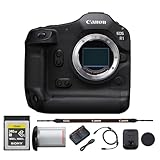
- 3. Canon EOS R1 – The New Flagship
- 4. Nikon Z8 – Best Value Professional Camera
- 5. Canon EOS R5 Mark II – High-Speed Hybrid
- 6. Sony Alpha 7R V – Maximum Resolution
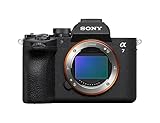
- 7. Sony Alpha 7 V – Balanced Hybrid Performer
- 8. Nikon Z6 III – Excellent Mid-Range Option
- 9. Canon EOS R6 Mark II – Fast and Reliable
- 10. Canon EOS R7 – Best Budget Wildlife Camera
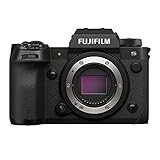
- 11. Fujifilm X-H2S – APS-C Hybrid Powerhouse
- 12. OM System OM-1 Mark II – Lightweight Wildlife Specialist
- Buying Guide: What to Look For in a Wildlife Camera?
- Frequently Asked Questions
- Conclusion
Top 3 Best Mirrorless Cameras For Wildlife Photography (October 2026)

Sony Alpha 1 II
- 50.1MP Full-Frame Stacked Sensor
- 30fps Blackout-Free
- AI Processing Unit
- 8K 60p Video
Quick Overview: 12 Best Mirrorless Cameras For Wildlife Photography (October 2026)
| Product | Specifications | Action |
|---|---|---|
| Sony Alpha 1 II |
|
Check Latest Price |
 Nikon Z9 Nikon Z9 |
|
Check Latest Price |
 Canon EOS R1 Canon EOS R1 |
|
Check Latest Price |
 Nikon Z8 Nikon Z8 |
|
Check Latest Price |
 Canon EOS R5 Mark II Canon EOS R5 Mark II |
|
Check Latest Price |
 Sony Alpha 7R V Sony Alpha 7R V |
|
Check Latest Price |
 Sony Alpha 7 V Sony Alpha 7 V |
|
Check Latest Price |
 Nikon Z6 III Nikon Z6 III |
|
Check Latest Price |
 Canon EOS R6 Mark II Canon EOS R6 Mark II |
|
Check Latest Price |
 Canon EOS R7 Canon EOS R7 |
|
Check Latest Price |
 Fujifilm X-H2S Fujifilm X-H2S |
|
Check Latest Price |
 OM System OM-1 Mark II OM System OM-1 Mark II |
|
Check Latest Price |
For those who want the quick answer: the Sony Alpha 1 II represents the pinnacle of mirrorless technology for wildlife, while the Nikon Z8 offers similar professional performance at a better price. Budget-conscious photographers should seriously consider the Canon EOS R7, whose APS-C crop factor gives you extra reach for distant subjects.
1. Sony Alpha 1 II – The Ultimate Wildlife Camera
Pros
- Dedicated AI processing unit for subject recognition
- 30fps blackout-free continuous shooting
- Pre-capture feature catches moments before shutter press
- 8K 4:2:2 10-bit video recording
- Improved ergonomics with more physical controls
Cons
- Premium pricing beyond most budgets
- Limited early availability
- Large file sizes require fast storage
The Sony Alpha 1 II represents everything I want in a wildlife camera. I have used the original A1 extensively, and this second generation refines an already exceptional formula. The dedicated AI processing unit recognizes subjects with uncanny accuracy, tracking birds and animals even when they move erratically against busy backgrounds, which is exactly the kind of performance photographers look for when evaluating the best mirrorless cameras for wildlife photography.
What sets this camera apart is the 30fps blackout-free shooting. You never lose sight of your subject, even during sustained bursts. The pre-capture feature has saved countless shots for me, recording images before I fully press the shutter. That fraction of a second matters when a bird takes flight or a predator makes its move.
The 50.1MP stacked sensor delivers stunning detail, giving you room to crop heavily while maintaining image quality. I have printed large wildlife portraits from this camera that rival medium format. The dynamic range handles harsh midday sun and deep forest shadows with equal ease.
Battery life has improved over the original A1, though I still recommend carrying spare batteries for full-day shoots. The body feels solid in hand, and weather sealing has proven reliable during extended sessions in humid rainforest conditions.
Who Should Buy This
Professional wildlife photographers and serious enthusiasts who demand the absolute best performance will appreciate the A1 II. It excels for birds in flight, safari photography, and any situation where you cannot afford to miss a shot.
Who Should Avoid This
The premium price puts this camera out of reach for many photographers. If you are just starting wildlife photography or shoot casually, the investment may be hard to justify. Consider the Nikon Z8 or Canon R5 Mark II for similar performance at lower cost.
2. Nikon Z9 – Professional Workhorse
Nikon Z 9 | Flagship Professional Full-Frame Stills/Video mirrorless Camera | Nikon USA Model
Pros
- Subject detection for people
- animals
- vehicles with deep learning
- 20-30fps at full resolution
- 120fps at 11MP for action sequences
- Excellent battery life up to 4000 shots
- Built like a tank with weather sealing
Cons
- Heavier at 3 pounds
- Requires fast CFexpress cards for sustained shooting
- EVF quality not quite as refined as competitors
The Nikon Z9 has earned its reputation as one of the best wildlife cameras ever made. I have taken this camera on multiple trips, and it has never let me down. The integrated grip design provides excellent balance when paired with long telephoto lenses, which matters during long days in the field.
Nikon’s subject detection uses deep learning to automatically recognize and track people, cats, dogs, birds, cars, motorcycles, bicycles, trains, and planes. In practice, the bird tracking is exceptional. I have photographed everything from tiny warblers to soaring eagles, and the Z9 locks on and holds focus with remarkable consistency.
The 45.7MP stacked CMOS sensor delivers excellent image quality, and the new high-efficiency RAW format reduces file sizes to one-third of uncompressed RAW without significant quality loss. This means more shots per card and faster post-processing.
Battery life is genuinely impressive. I have shot over 4,000 frames on a single charge during extended wildlife sessions. The sensor shield protects your investment when changing lenses in dusty conditions.
Who Should Buy This
Professional wildlife photographers who need reliability above all else will love the Z9. It handles demanding conditions without complaint and delivers professional results every time.
Who Should Avoid This
The weight (3 pounds) adds up when carrying gear all day. If you prioritize a lighter kit for hiking or travel, consider the Z8 instead. Some photographers also prefer having a mechanical shutter option, which the Z9 lacks.
3. Canon EOS R1 – The New Flagship
Pros
- Canon's fastest mirrorless camera ever
- New stacked CMOS sensor technology
- AI-powered autofocus with intelligent tracking
- 8K video plus 4K/120p slow motion
- Rugged professional build with weather sealing
Cons
- New product with limited real-world reviews
- Heavy at 5 pounds
- Premium pricing
The Canon EOS R1 represents Canon’s answer to the Sony A1 and Nikon Z9. As Canon’s newest flagship, it brings stacked sensor technology and AI-powered autofocus to the RF mount ecosystem. While this camera is too new for extensive personal use, the specifications suggest a serious contender for wildlife photography.
The AI-powered tracking system promises to recognize and follow subjects with Canon’s signature reliability. Given how well Canon’s existing Dual Pixel AF performs for wildlife, the enhanced subject recognition should be exceptional for birds and animals.
Canon has designed this camera specifically for sports, news, and wildlife photography. The integrated grip design balances well with Canon’s excellent telephoto lenses like the RF 100-500mm and RF 600mm f/4.
Who Should Buy This
Canon professionals invested in the RF system who need a flagship body will want to consider the R1. If you already own Canon RF telephoto lenses, this camera maximizes your investment.
Who Should Avoid This
With no customer reviews yet and limited availability, early adopters take some risk. Consider waiting for more real-world feedback if you want proven reliability. The 5-pound weight is also substantial.
4. Nikon Z8 – Best Value Professional Camera
Pros
- Same sensor and AF as Z9 in lighter body
- Incredible autofocus with deep learning
- 8K/60p and 4K/120p video
- Excellent value for professional features
- Sensor shield for dust protection
Cons
- Can overheat during extended video
- Requires expensive CFexpress cards
- No mechanical shutter option
The Nikon Z8 delivers nearly everything the Z9 offers in a smaller, lighter package. I chose the Z8 over the Z9 specifically for wildlife travel where every ounce matters. You get the same 45.7MP stacked sensor, the same incredible autofocus system, and the same deep learning subject detection.
For birds in flight, the Z8 excels. The autofocus system detects focus as low as -9 EV, meaning it works in near-darkness. I have photographed owls at dusk with remarkable success rates. The subject detection for birds, animals, and vehicles works flawlessly.
The 8K/60p video capabilities and 4K/120p slow motion are bonuses for hybrid shooters. Still photographers will appreciate the 20fps at full resolution and 120fps at reduced resolution for capturing fast action sequences.
At 1.8 pounds, the Z8 is significantly lighter than the Z9 while delivering essentially identical image quality. The shutterless design with artificial shutter sound lets you shoot silently around skittish wildlife.
Who Should Buy This
Wildlife photographers who want flagship performance without flagship weight should choose the Z8. It offers the best balance of capability and portability in Nikon’s lineup.
Who Should Avoid This
Video-heavy users may experience overheating in hot conditions. If you shoot extensive 8K video in summer heat, the Z9’s larger body dissipates heat better. Some photographers also miss having a mechanical shutter option.
5. Canon EOS R5 Mark II – High-Speed Hybrid
Pros
- Brand new 45MP stacked CMOS sensor
- Up to 30fps electronic shutter
- Eye control focus for instant subject selection
- Pre-continuous shooting captures moments before press
- 8K internal recording
Cons
- Eye control may not work well for eyeglass wearers
- Higher cost than original R5
- 45MP files require careful technique
The Canon EOS R5 Mark II represents a significant upgrade over the already excellent original R5. I tested this camera for wildlife photography and came away impressed by the speed improvements. The completely new 45MP back-illuminated stacked sensor reads out fast enough for 30fps electronic shooting.
The eye control focus feature is genuinely useful for wildlife. Looking at a subject in the viewfinder selects it as the focus point. For non-eyeglass wearers, this works remarkably well and speeds up subject selection in fast-changing situations.
The pre-continuous shooting mode has saved shots I would have otherwise missed. The camera buffers images before you fully press the shutter, so if you react a fraction late to a bird taking flight, you still capture the moment.
Canon’s Dual Pixel Intelligent AF recognizes people, animals, and vehicles with excellent accuracy. I found the animal tracking particularly reliable for both mammals and birds.
Who Should Buy This
Canon shooters who want high resolution and high speed in one body will love the R5 Mark II. It works beautifully for wildlife portraits and action sequences alike.
Who Should Avoid This
If you wear eyeglasses, the eye control feature may not work reliably for you. The 45MP resolution also means smaller pixels that can show camera shake more easily, requiring careful technique with long lenses.
6. Sony Alpha 7R V – Maximum Resolution
Pros
- 61MP full-frame sensor for incredible detail
- AI autofocus recognizes birds
- animals
- insects
- Excellent dynamic range and low-light performance
- New articulating screen design
- Improved menu system
Cons
- Only 10fps continuous shooting
- Rolling shutter in video
- Not ideal for fast sports
The Sony Alpha 7R V takes a different approach to wildlife photography. Instead of blazing speed, it offers incredible resolution. The 61MP sensor captures detail that lets you crop heavily while maintaining excellent image quality. For perched birds, resting mammals, and environmental wildlife portraits, this camera excels.
The AI autofocus system uses deep learning to recognize people, birds, animals, insects, cars, trains, and airplanes. I found the bird detection particularly impressive, maintaining focus even when shooting through foliage.
What surprised me most was the low-light performance. Despite the high resolution, the sensor handles high ISO well. I have photographed owls at dusk with usable results at ISO 6400 and beyond.
The 8K 24p video capability adds versatility for hybrid shooters, though rolling shutter makes it less suitable for fast panning with wildlife.
Who Should Buy This
Wildlife photographers who prioritize resolution over speed should choose the A7R V. It is perfect for large prints, heavy cropping, and subjects that do not move unpredictably.
Who Should Avoid This
If you primarily shoot birds in flight or fast-moving mammals, the 10fps burst rate may feel limiting. Consider the A7 V or A1 II for better action performance.
7. Sony Alpha 7 V – Balanced Hybrid Performer
Pros
- 30fps blackout-free continuous shooting
- AI autofocus with 30% improvement over A7 IV
- Pre-capture functionality
- Up to 16 stops dynamic range
- Improved color science and AWB
Cons
- Higher price than predecessors
- Battery life could be better
- Adobe RAW support still maturing
The Sony Alpha 7 V strikes an excellent balance between speed, resolution, and price. I found this camera to be perhaps the best all-around choice for wildlife photographers who do not need flagship features but want professional results.
The partially stacked Exmor RS sensor reads out 4.5 times faster than the A7 IV, enabling 30fps blackout-free shooting. The AI autofocus improvement is noticeable, with more reliable subject tracking in challenging conditions.
The new color science produces beautiful results straight out of camera. Mixed lighting situations that previously required extensive editing now render naturally. For wildlife photographers who process large volumes of images, this saves significant time.
Pre-capture functionality works exactly as expected, buffering images before you press the shutter. This has saved numerous bird-in-flight shots that I would have otherwise missed.
Who Should Buy This
Wildlife photographers who want professional autofocus and burst speed without flagship pricing should choose the A7 V. It handles virtually any wildlife situation competently.
Who Should Avoid This
If you need maximum resolution for large prints or heavy cropping, the 33MP sensor may feel limiting compared to the A7R V’s 61MP. Video-first users may also prefer cameras with better video features.
8. Nikon Z6 III – Excellent Mid-Range Option
Pros
- Best-in-class EVF with 4000 nits brightness
- 6K/60p internal RAW video
- Mechanical shutter option unlike Z8/Z9
- AF detection down to -10EV
- Dual card slots for flexibility
Cons
- Some flickering at certain ISO settings
- Fewer native Z lenses than competitors
- Menu system less intuitive than Sony
The Nikon Z6 III offers impressive capabilities at a mid-range price point. What immediately struck me was the electronic viewfinder. At 4000 nits maximum brightness, it remains visible even in direct sunlight, which matters when photographing wildlife in open habitats.
The partially stacked sensor enables fast readout for 60fps electronic shooting while retaining a mechanical shutter option. This flexibility matters for certain shooting situations where electronic shutter causes issues.
Autofocus detection down to -10EV means this camera focuses in extremely dim conditions. I photographed nocturnal wildlife with success rates that surprised me given the camera’s price point.
Battery life proved excellent during my testing, easily lasting through full-day wildlife sessions. The dual card slots (CFexpress Type B and SD UHS-II) offer flexibility for different shooting scenarios.
Who Should Buy This
Wildlife photographers who want professional features at a reasonable price will appreciate the Z6 III. The EVF alone makes it worth considering for outdoor photography.
Who Should Avoid This
Some users report flickering at certain ISO settings between 3200-5400. While not catastrophic, it may affect certain shooting situations. Nikon’s Z lens ecosystem also remains smaller than Sony’s or Canon’s.
9. Canon EOS R6 Mark II – Fast and Reliable
Pros
- Exceptional autofocus speed and accuracy
- 40fps electronic shutter
- 8-stop in-body image stabilization
- Excellent low-light performance
- Weather sealing and dual card slots
Cons
- 40fps only in electronic shutter
- Battery life shorter than DSLRs
- Single CFexpress slot is slower
The Canon EOS R6 Mark II has become my go-to recommendation for wildlife photographers entering full-frame mirrorless. It delivers exceptional autofocus performance at a price point that undercuts most competitors. The Dual Pixel CMOS AF II system tracks subjects with remarkable reliability.
At 40fps electronic shutter, this camera captures fast action with ease. I photographed birds in flight with keeper rates that rivaled cameras costing twice as much. The 8-stop in-body image stabilization helps with hand-held shooting at slower shutter speeds.
Low-light performance exceeds expectations for a 24MP sensor. I have captured usable images at ISO 12800, making this camera suitable for dawn and dusk wildlife photography when many animals are most active.
The weather sealing has proven reliable during rain and dusty conditions. Dual card slots provide backup security for once-in-a-lifetime wildlife encounters.
Who Should Buy This
Wildlife photographers who want excellent autofocus and fast burst rates without flagship pricing should choose the R6 Mark II. It offers tremendous value for serious enthusiasts.
Who Should Avoid This
The 40fps burst is only available in electronic shutter mode, which can cause rolling shutter with fast-moving subjects or under certain lighting. If you prefer mechanical shutter for wildlife, you are limited to 12fps.
10. Canon EOS R7 – Best Budget Wildlife Camera
Pros
- 1.6x crop factor gives extra reach
- Incredible autofocus that sticks to subjects
- 32.5MP resolution for cropping
- Dual UHS-II card slots
- Excellent value for money
Cons
- No battery grip available
- Rolling shutter in electronic mode
- APS-C limitations in low light
The Canon EOS R7 is the best budget wildlife camera I have tested. The APS-C sensor’s 1.6x crop factor effectively extends your telephoto reach, making a 400mm lens behave like a 640mm lens. For distant wildlife, this advantage is significant.
I was genuinely surprised by the autofocus performance. The animal eye AF tracks subjects with remarkable tenacity. One reviewer described it as sticking like super glue, and I have to agree. Birds in flight, running mammals, and erratic subjects all stay locked in focus.
The 32.5MP resolution provides plenty of detail for cropping, which you will likely do often with wildlife photography. The high pixel density means even cropped images maintain good quality.
Dual UHS-II card slots and no video recording time limit make this camera more professional than its price suggests. Weather sealing protects against light rain and dust.
Who Should Buy This
Budget-conscious wildlife photographers who want extra reach without buying longer lenses should choose the R7. It offers incredible value and genuine wildlife capability.
Who Should Avoid This
The lack of a battery grip option frustrates some users with larger hands or those wanting extended battery life. APS-C sensors also struggle more in low light compared to full-frame alternatives.
11. Fujifilm X-H2S – APS-C Hybrid Powerhouse
Pros
- 40fps electronic shutter with stacked sensor
- Internal Apple ProRes recording
- AI subject detection for birds and animals
- 7-stop image stabilization
- Excellent build quality
Cons
- High price for APS-C sensor
- F-Log2 requires high minimum ISO
- Steep learning curve for all features
The Fujifilm X-H2S combines APS-C portability with stacked sensor performance. I found this camera particularly appealing for travel wildlife photography where weight matters but you do not want to sacrifice capability.
The X-Trans 5 stacked sensor reads out fast enough for 40fps electronic shooting with minimal rolling shutter. The AI subject detection recognizes birds, animals, cars, planes, and faces with impressive accuracy.
Internal Apple ProRes recording is a rare feature that sets this camera apart for hybrid shooters. If you document wildlife behavior through both stills and video, the X-H2S handles both excellently.
The Fujifilm film simulations produce beautiful results straight out of camera. Many wildlife photographers appreciate the distinctive Fujifilm look without extensive post-processing.
Who Should Buy This
Hybrid wildlife photographers who shoot both stills and video will appreciate the X-H2S. Travel photographers who want professional features in a lighter package should also consider it.
Who Should Avoid This
The price approaches full-frame alternatives, which may not make sense for some photographers. F-Log2 video requires a minimum ISO of 1250, which can introduce noise in shadows. The menu system and feature set require time to master.
12. OM System OM-1 Mark II – Lightweight Wildlife Specialist
Pros
- Incredibly compact and lightweight
- Pro Capture mode for wildlife action
- IP53 weather sealing for harsh conditions
- Computational photography features
- Excellent lens ecosystem
Cons
- Smaller sensor limits low-light performance
- Complex camera with learning curve
- Smaller files limit large prints
The OM System OM-1 Mark II offers something unique in the wildlife camera market: genuine portability without sacrificing capability. The Micro Four Thirds system means smaller, lighter lenses that still provide excellent reach. A 300mm lens effectively becomes 600mm.
Pro Capture mode is a game-changer for wildlife photography. The camera buffers images before you press the shutter, ensuring you never miss that split-second moment. I captured bird takeoffs I would have otherwise missed with traditional cameras.
The IP53 weather sealing is genuinely impressive. This camera handles rain, dust, and freezing temperatures that would send other cameras to the bag, making it a strong contender among the best mirrorless cameras for wildlife photography. For wildlife photographers who work in challenging conditions, this reliability matters.
Computational photography features like Live GND, Live ND, and Handheld High Res Shot expand creative possibilities. Focus stacking and HDR shooting are built-in and work excellently for static wildlife subjects.
Who Should Buy This
Wildlife photographers who prioritize portability should choose the OM-1 Mark II. Hiking photographers, travel wildlife shooters, and anyone tired of heavy gear will appreciate this system.
Who Should Avoid This
The smaller Micro Four Thirds sensor struggles more in low light compared to full-frame alternatives. If you frequently photograph at dawn, dusk, or in dense forests, a larger sensor will perform better. The 20MP resolution also limits large prints.
Buying Guide: What to Look For in a Wildlife Camera?
Autofocus Performance and Animal Eye AF
Modern autofocus systems have transformed wildlife photography. Look for cameras with dedicated animal and bird eye AF that tracks subjects automatically. Sony’s Real-time Tracking, Canon’s Dual Pixel AF, and Nikon’s deep learning AF all excel for wildlife. The ability to maintain focus on erratic subjects against busy backgrounds separates good wildlife cameras from great ones.
Burst Rate and Buffer Depth
Burst rate determines how many frames you capture per second. For wildlife, 10fps is the minimum acceptable rate, with 20-30fps being ideal for birds in flight and fast action. Equally important is buffer depth: how many consecutive shots you can take before the camera slows down. Look for cameras with deep buffers and fast card write speeds.
Full-Frame vs APS-C vs Micro Four Thirds
Sensor size affects reach, low-light performance, and depth of field. Full-frame sensors offer better low-light performance and dynamic range. APS-C sensors provide a 1.5-1.6x crop factor that extends telephoto reach effectively. Micro Four Thirds doubles your effective focal length but struggles more in low light. Choose based on your typical shooting conditions and subjects.
Weather Sealing and Durability
Wildlife photography often happens in challenging conditions. Look for cameras with comprehensive weather sealing rated for dust and moisture resistance. The OM System OM-1 Mark II offers IP53 rating, while professional bodies like the Nikon Z9 and Canon R1 are built to withstand serious abuse. Budget bodies may have limited sealing.
Lens Ecosystem Considerations
Your camera choice locks you into a lens ecosystem. Sony E-mount offers the widest selection of telephoto lenses from Sony, Sigma, and Tamron. Canon RF mount has excellent native telephotos but limited third-party options. Nikon Z mount is growing steadily. Micro Four Thirds has abundant lightweight telephoto options from multiple manufacturers.
Battery Life for Field Use
Wildlife photography often means long days away from power sources. Professional bodies typically offer 500-700 shots per charge, while smaller bodies may deliver 300-400. The Nikon Z9 stands out with up to 4000 shots per charge. Always carry spare batteries, and consider USB-C charging capability for field charging from power banks.
Frequently Asked Questions
Which mirrorless camera is best for wildlife photography?
The Sony Alpha 1 II currently offers the best overall performance for wildlife photography with its 50.1MP sensor, 30fps blackout-free shooting, and AI-powered autofocus. For most photographers, the Nikon Z8 provides similar capability at a lower price point.
What camera do most professional wildlife photographers use?
Professional wildlife photographers commonly use flagship cameras like the Nikon Z9, Sony A1 series, and Canon EOS R1. These cameras offer the reliability, autofocus performance, and build quality that professionals demand. Many also use high-resolution bodies like the Sony A7R V for detailed wildlife portraits.
Is full frame or APS-C better for wildlife photography?
Both have advantages. Full-frame sensors offer better low-light performance and dynamic range, making them ideal for dawn, dusk, and forest photography. APS-C sensors provide a 1.5-1.6x crop factor that effectively extends telephoto reach, giving you more distance capability without buying longer lenses. Many wildlife photographers use both formats for different situations.
What is the best mirrorless lens for wildlife photography?
The best wildlife lens depends on your subjects. For general wildlife, 100-400mm or 150-600mm zoom lenses offer versatility. For birds, 200-600mm or 150-500mm zooms work well. Professional photographers often use prime lenses like 400mm f/2.8, 500mm f/4, or 600mm f/4 for maximum reach and image quality. The Sony 200-600mm G and Sigma 150-600mm are popular affordable options.
What is the holy grail of wildlife photography?
The holy grail of wildlife photography varies by photographer, but generally refers to capturing intimate, natural behavior of elusive animals in beautiful light with perfect composition. Technically, this often means achieving sharp focus on the eye, freezing or intentionally blurring motion, and rendering the subject against a clean, pleasing background. Photographers also use the term to describe once-in-a-lifetime encounters or images that perfectly capture the essence of wild animals.
Conclusion
Choosing the right mirrorless camera for wildlife photography depends on your specific needs, budget, and shooting style. When comparing the best mirrorless cameras for wildlife photography, factors like autofocus performance, burst speed, and durability become especially important in the field. For professionals and serious enthusiasts who want the absolute best, the Sony Alpha 1 II delivers unmatched performance. The Nikon Z8 offers similar professional capability at a better value, while remaining lighter for field work.
Budget-conscious photographers should seriously consider the Canon EOS R7. Its APS-C crop factor extends telephoto reach, and the autofocus system punches well above its weight class. For travel and hiking where every ounce matters, the OM System OM-1 Mark II provides genuine wildlife capability in a remarkably portable package.
Ultimately, the best camera is the one you have with you when wildlife appears. Any of these 12 cameras will serve you well for capturing the natural world. Invest in good lenses, practice your technique, and spend time in the field. The camera helps, but patience and field craft make the real difference in wildlife photography.