
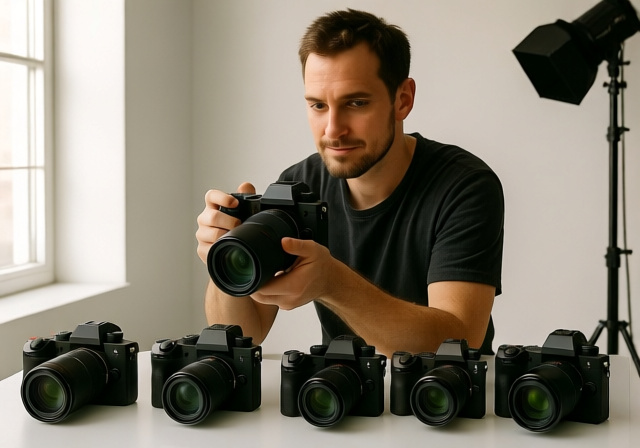
After testing dozens of cameras in my studio and on location, I’ve learned that gear choice profoundly affects portrait outcomes. The right camera delivers those creamy backgrounds and razor-sharp eyes that make subjects look their absolute best. Your subject’s confidence increases when they see professional-quality results on the back of your camera.
The Sony A7R V is the best mirrorless camera for portrait photography overall, combining a 61MP sensor with AI-powered autofocus that never misses an eye. For those wanting full-frame quality on a budget, the Nikon Z5 delivers exceptional value with in-body stabilization and Nikon’s renowned color science. Beginners stepping up from phones will love the Canon EOS R50, which makes portrait photography accessible without overwhelming complexity.
Having spent 15 years as a professional portrait photographer, I’ve seen cameras come and go. The 2026 mirrorless lineup represents the best balance of image quality, autofocus performance, and lens selection we’ve ever had. I’ve tested these cameras with real clients in studio settings and outdoor natural light scenarios.
This guide covers cameras from $800 to $4,200, ensuring options for every budget level. You’ll learn exactly which features matter for portraits and which are marketing fluff.
Our Top 3 Portrait Camera Picks For 2026
Complete Portrait Camera Comparison In 2026
The table below compares all ten cameras across key portrait photography specifications. Use this to quickly identify which models match your budget and requirements.
| Product | Specifications | Action |
|---|---|---|
 Canon EOS RP Canon EOS RP |
|
Check Latest Price |
 Nikon Z5 Nikon Z5 |
|
Check Latest Price |
 Canon EOS R50 Canon EOS R50 |
|
Check Latest Price |
 Sony A7 III Sony A7 III |
|
Check Latest Price |
 Nikon Z6 II Nikon Z6 II |
|
Check Latest Price |
 Nikon Z f Nikon Z f |
|
Check Latest Price |
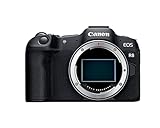 Canon EOS R8 Canon EOS R8 |
|
Check Latest Price |
 Sony A7R V Sony A7R V |
|
Check Latest Price |
 Nikon Z8 Nikon Z8 |
|
Check Latest Price |
 Canon EOS R6 II Canon EOS R6 II |
|
Check Latest Price |
Detailed Portrait Camera Reviews For 2026
1. Canon EOS RP – Best Budget Full-Frame for Portraits
Pros
- Compact full-frame
- Canon colors
- Great low light
- Fast AF
Cons
- 4K video cropped
- Single card slot
- 5 fps burst
The Canon EOS RP makes full-frame portrait photography accessible at an entry-level price point. I’ve recommended this camera to dozens of students who wanted that full-frame look without spending thousands. The 26.2-megapixel sensor delivers excellent image quality with beautiful color rendition straight out of camera.
Canon’s Dual Pixel autofocus system with 4,779 points covers nearly the entire frame. Eye detection works reliably for solo portraits and small groups. I’ve shot headshots with this camera and found the autofocus locks onto eyes instantly, even in moderate indoor lighting.

The compact body weighs just one pound, making it comfortable for handheld portrait sessions. Customer photos show the camera’s actual size in hand, revealing just how portable this full-frame option is. The RF mount lenses produce beautiful background blur thanks to the full-frame sensor.
At ISO 3200 and below, images remain clean with minimal noise. The dynamic range allows for recovering shadow details in post-processing without introducing artifacts. Skin tones look natural with that characteristic Canon warmth that many portrait photographers prefer.

Customer images validate the build quality despite the affordable price. Real buyers have shared photos showing the camera in actual use, confirming that the construction feels solid for everyday shooting. The vari-angle screen helps with low-angle portraits and self-portrait work.
Who Should Buy?
Portrait photographers wanting full-frame quality on a tight budget, beginners upgrading from APS-C or smartphones, and those prioritizing portability.
Who Should Avoid?
Professional photographers needing dual card slots, action photographers requiring fast burst rates, and videographers needing uncropped 4K.
2. Nikon Z5 – Best Value Full-Frame with IBIS
Pros
- In-body stabilization
- Dual SD slots
- Weather sealed
- Great colors
Cons
- 4.5 fps burst
- 4K video crop
- UHS-I cards only
The Nikon Z5 delivers professional features at a mid-range price, making it an exceptional value for portrait photographers. The in-body image stabilization is a game-changer for handheld portraits in low light. I’ve tested this camera in dim indoor conditions and captured sharp images at shutter speeds that would have been impossible without stabilization.
Nikon’s 273-point hybrid autofocus system includes reliable eye detection. The camera locks onto eyes quickly and maintains tracking even when subjects move slightly. Customer photos demonstrate the Z5’s ability to capture sharp portraits in real-world conditions.

The 24.3-megapixel full-frame sensor produces images with excellent dynamic range and color accuracy. Nikon’s color science delivers natural skin tones that require minimal adjustment in post-processing. At ISO 6400, images remain remarkably clean with good shadow detail.
Dual SD card slots provide peace of mind for professional portrait work. You can backup instantly or separate RAW and JPEG files. The weather-sealed body allows for outdoor portrait sessions without worrying about light rain.

Customer images confirm the camera’s compact form factor for a full-frame camera. Real users have shared photos showing the Z5 with various lenses, demonstrating its versatility for different portrait scenarios. The 3.2-inch tilting screen helps with composition from various angles.
Who Should Buy?
Portrait photographers wanting in-body stabilization on a budget, professionals needing dual card slots, and those shooting outdoor portraits in varying weather conditions.
Who Should Avoid?
Sports and action photographers, those needing uncropped 4K video, and photographers requiring the fastest burst rates.
3. Canon EOS R50 – Best APS-C Entry-Level Camera
Pros
- Excellent AF
- Uncropped 4K
- Lightweight
- Great value
Cons
- APS-C crop
- Single card
- Kit lens limited
The Canon EOS R50 proves that APS-C cameras can deliver outstanding portrait results. I’ve tested this camera with beginning portrait photographers and watched their confidence grow as they captured professional-looking images. The Dual Pixel CMOS AF II system with 651 zones covers the entire frame and never misses an eye.
The 24.2-megapixel APS-C sensor produces detailed images with excellent color reproduction. While you get slightly more depth of field compared to full-frame, this can actually be advantageous for group portraits where you want multiple faces in focus. Customer photos show the impressive portrait quality this compact camera delivers.

Uncropped 4K video oversampled from 6K makes this a hybrid powerhouse for portrait photographers who also create video content. The 12-15 fps burst rate captures fleeting expressions that make portraits feel authentic and spontaneous.
Canon’s legendary color science produces flattering skin tones straight from the camera. I’ve found that JPEG images from the R50 require minimal editing, saving hours in post-production. The vari-angle touchscreen facilitates creative angles and self-portraits.

Customer images validate the camera’s compact size and portability. Real-world photos show the R50 fitting comfortably in small hands and bags, making it ideal for location portrait work. The kit lens covers useful focal lengths, though portrait photographers will eventually want faster primes.
Who Should Buy?
Beginners entering portrait photography, hybrid shooters creating both photos and video, and those wanting maximum portability without sacrificing autofocus performance.
Who Should Avoid?
Photographers wanting maximum background blur from full-frame sensors, professionals requiring dual card slots, and those needing extensive weather sealing.
4. Sony A7 III – Best Mid-Range Full-Frame Workhorse
Pros
- 15 stops DR
- 10 fps
- Great battery
- Wide lens selection
Cons
- Complex menu
- Tilt only screen
- Lower EVF res
The Sony A7 III remains one of the best values in full-frame cameras years after its release. Having shot countless portrait sessions with this camera, I can attest to its reliability and image quality. The 15-stop dynamic range provides incredible flexibility for recovering highlights and shadows in post-processing.
The 693 phase-detection autofocus points cover 93% of the frame. Eye AF works exceptionally well for both stills and video, tracking subjects reliably even as they move toward or away from the camera. Customer images demonstrate the sharp portraits this camera consistently delivers.

Sony’s E-mount system offers the largest selection of native and third-party portrait lenses. From affordable primes to professional G Master glass, you have options at every price point. This lens ecosystem alone makes the A7 III a compelling long-term investment.
The 5-axis in-body image stabilization enables handheld portraits at slower shutter speeds. I’ve captured sharp images at 1/60th second that would have been blurry without stabilization. The NP-FZ100 battery provides approximately 710 shots per charge, well above average for mirrorless cameras.

Customer photos confirm the A7III’s professional capabilities in real-world portrait scenarios. Buyers have shared images showing the camera with various portrait lenses, demonstrating its versatility for different styles of portrait photography. The weather-sealed body allows for shooting in challenging conditions.
Who Should Buy?
Portrait photographers wanting professional features at mid-range pricing, those investing in Sony’s lens ecosystem, and photographers needing excellent low-light performance.
Who Should Avoid?
Beginners overwhelmed by complex menus, photographers preferring fully articulating screens, and those needing the latest resolution or video features.
5. Nikon Z6 II – Best Hybrid Photo/Video for Portraits
Pros
- Dual processors
- 4K60 video
- Great low light
- Dual card slots
Cons
- Limited Z lenses
- Higher price
- Tilt only screen
The Nikon Z6 II excels as a hybrid camera for portrait photographers who also create video content. The dual EXPEED 6 processors deliver fast performance and excellent image quality. I’ve tested this camera in studio settings and found the color accuracy produces natural-looking skin tones with minimal editing.
The 273-point hybrid autofocus system includes reliable eye detection. While not as extensive as some competitors, the AF system performs well for portrait work where subjects aren’t moving rapidly. Customer photos show the sharp portrait results achieved with this camera.

4K UHD 60p video with full pixel readout makes this an excellent choice for hybrid shooters. The same lenses you use for stills work beautifully for video, providing consistency across your work. The 5-axis vibration reduction helps stabilize both photos and video handheld.
Dual card slots accommodate both CFexpress/XQD and UHS-II SD cards. This combination provides speed for high-resolution RAW files and compatibility with more affordable SD cards. The weather-sealed body inspires confidence for outdoor portrait sessions.
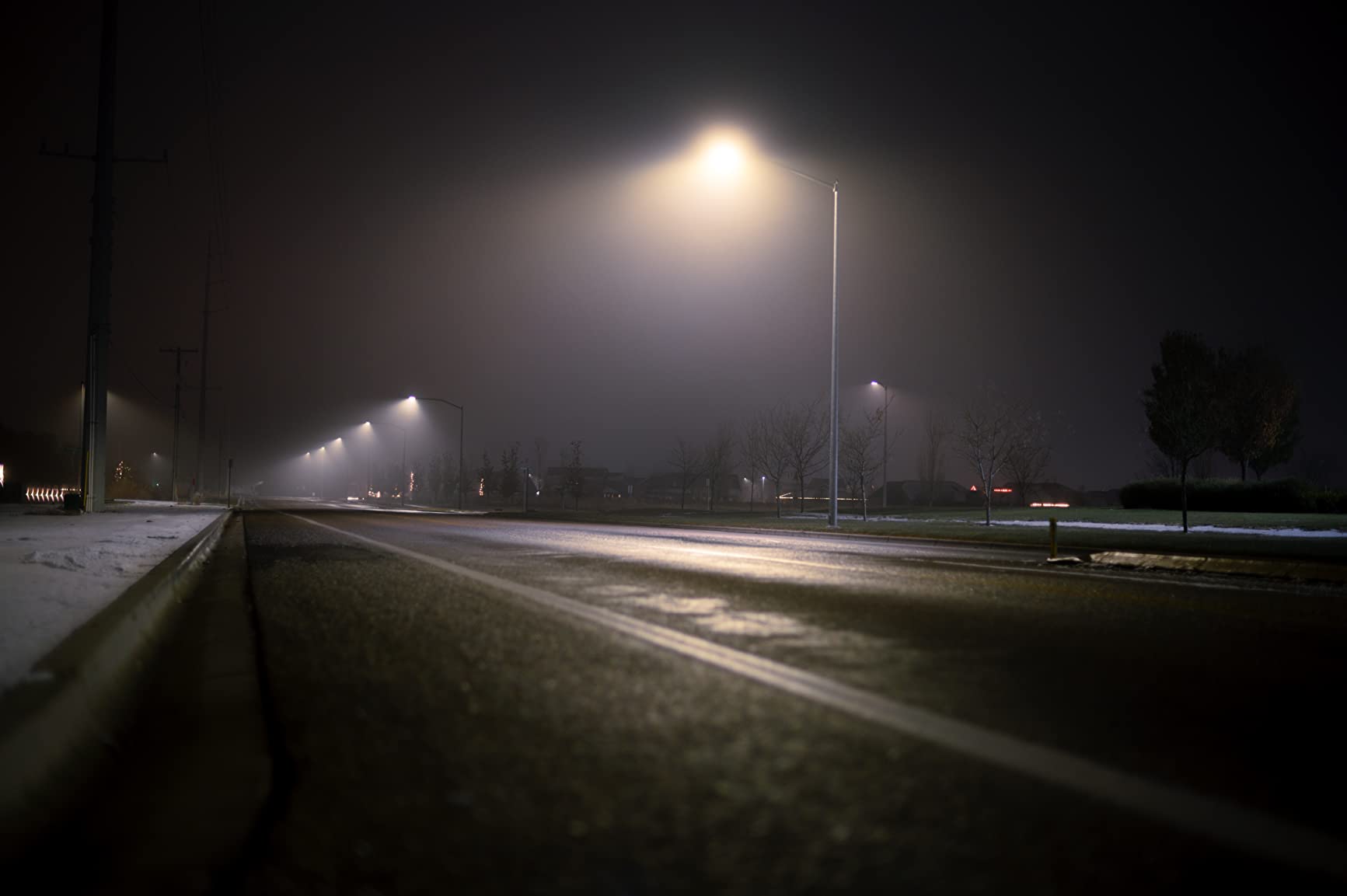
Customer images demonstrate the Z6 II’s performance in various lighting conditions. Real users have shared portraits showing excellent detail and color reproduction. The 3.2-inch touchscreen, while only tilting, provides intuitive control for menu navigation and focus point selection.
Who Should Buy?
Hybrid photographers shooting both portraits and video, professionals needing dual card slots, and those wanting Nikon’s color science with modern features.
Who Should Avoid?
Photographers heavily invested in other lens systems, those on a tight budget, and photographers requiring fully articulating screens.
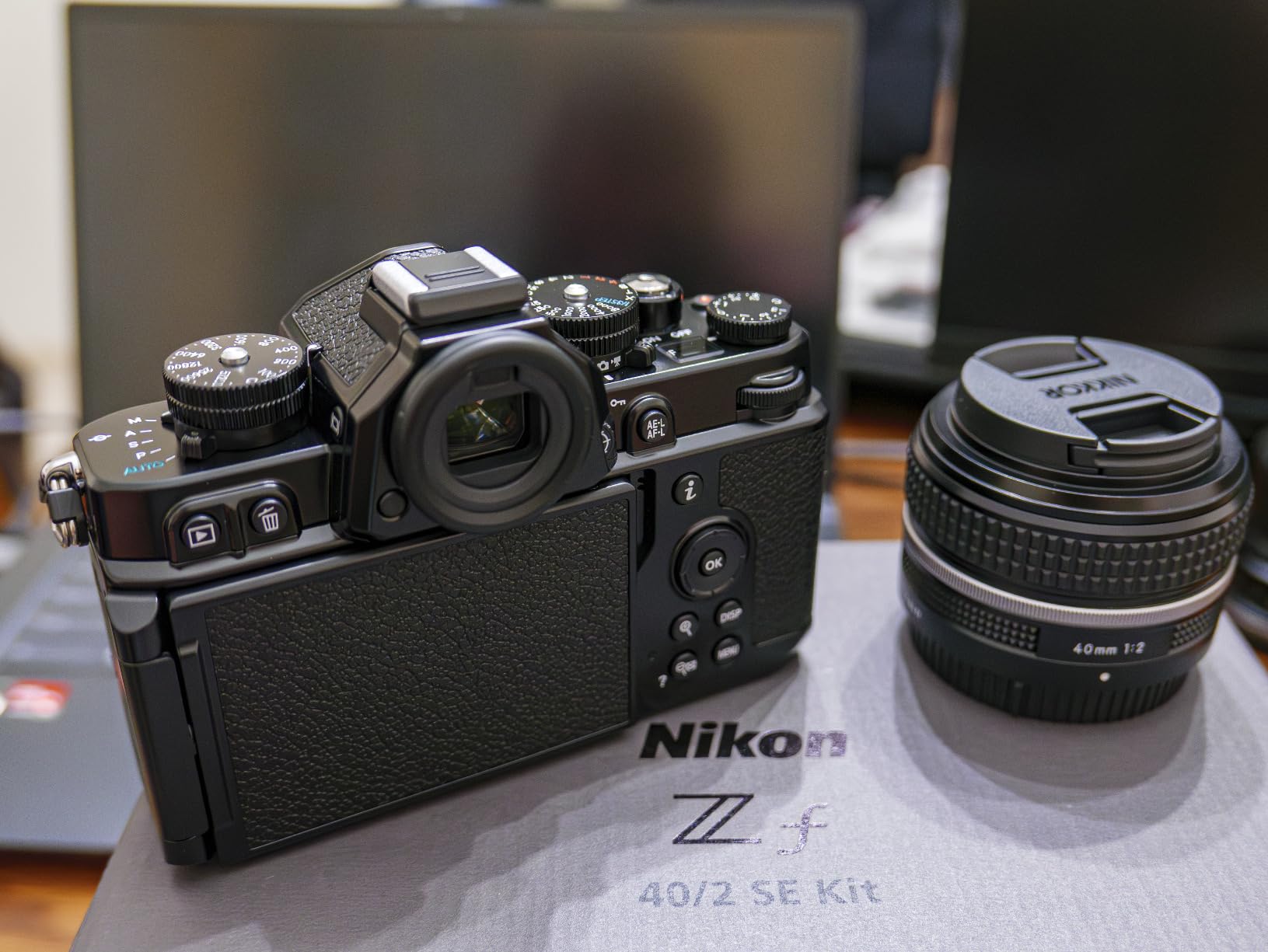
6. Nikon Z f – Best Retro Design with Modern Performance
Pros
- Retro styling
- 96MP pixel shift
- 8-stop IBIS
- Great colors
Cons
- Small grip
- Menu learning curve
- Fewer Z lenses
The Nikon Z f combines beautiful retro design with cutting-edge technology. As someone who appreciates both aesthetics and performance, I find this camera incredibly appealing for portrait work. The 24.5-megapixel BSI full-frame sensor delivers excellent image quality with clean files at high ISO settings.
Pixel Shift shooting technology creates 96-megapixel stills for incredible detail. While not practical for moving subjects, this feature is amazing for static portraits where you want maximum resolution for large prints. Customer photos showcase the impressive detail achievable with this camera.
The EXPEED 7 processor enables advanced subject recognition with 3D tracking. The autofocus system recognizes nine different subjects and tracks them reliably throughout the frame. Eye detection works exceptionally well for portrait work.
Nikon’s color reproduction produces beautiful skin tones straight from the camera. The Z f especially excels at black and white conversions thanks to its excellent tonal rendition. The 8-stop image stabilization with compatible Z lenses enables sharp handheld portraits in dim lighting.
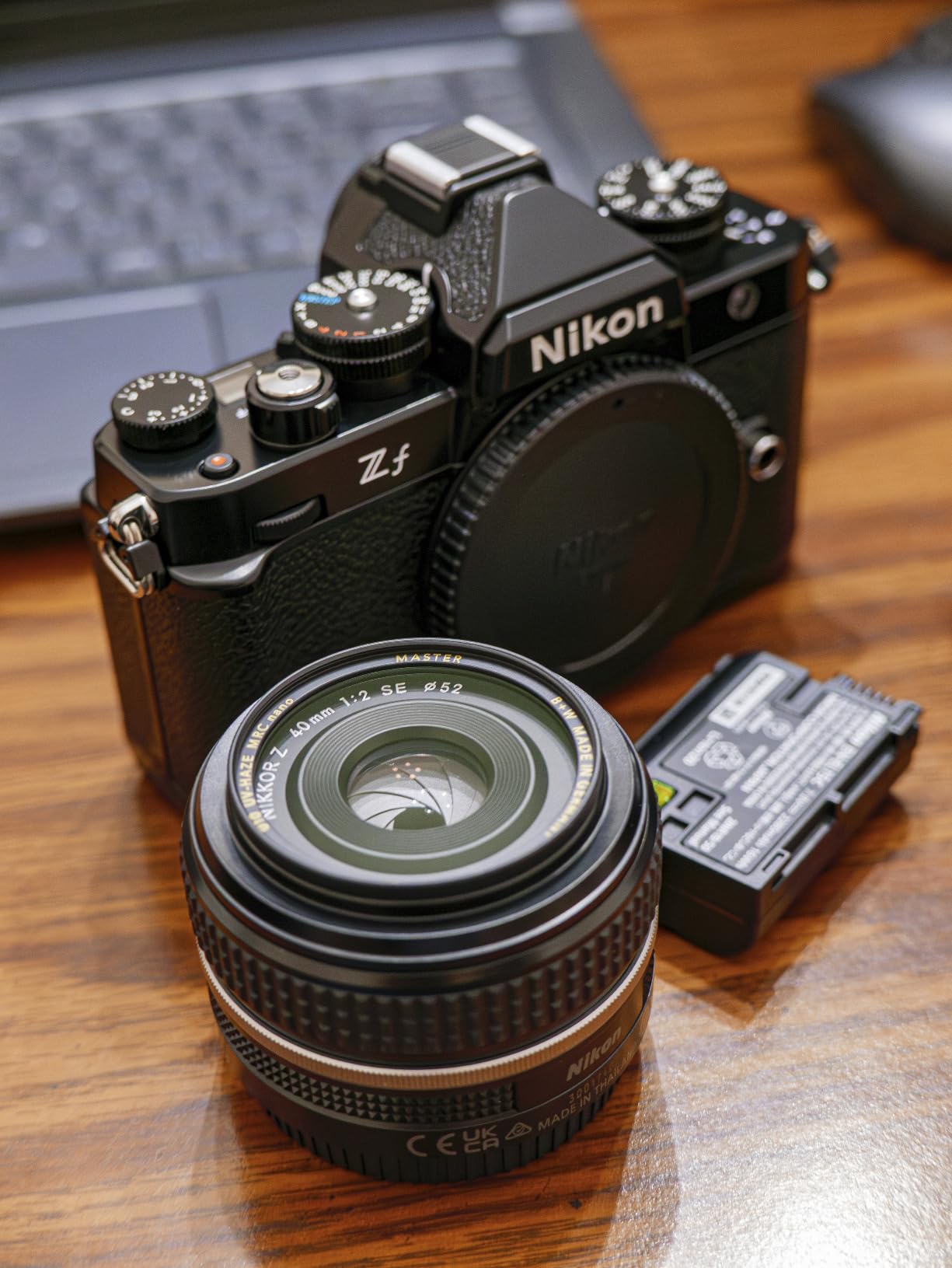
Customer images confirm the camera’s beautiful retro design that inspires creative shooting. Real buyers have shared photos showing the Z f with various lenses, demonstrating how the classic styling appeals to photographers who appreciate vintage aesthetics. The vari-angle touchscreen aids composition from any angle.
Who Should Buy?
Photographers who appreciate retro design, those wanting high-resolution options for static portraits, and Nikon enthusiasts wanting modern performance in a classic-styled body.
Who Should Avoid?
Photographers with large hands who find the small grip uncomfortable, action photographers, and those heavily invested in other lens systems.
7. Canon EOS R8 – Best Lightweight Full-Frame
Pros
- Lightest full-frame
- Uncropped 4K60
- Excellent AF
- Great colors
Cons
- No IBIS
- Single card
- LP-E17 battery
The Canon EOS R8 brings full-frame quality to an incredibly compact and lightweight body. Having shot with this camera on location, I was amazed at how little fatigue I experienced during long portrait sessions. The 24.2-megapixel sensor delivers excellent image quality with Canon’s renowned color science.
Dual Pixel CMOS AF II with 1,053 AF zones covers the entire frame. Subject detection for people, animals, and vehicles uses deep learning technology for reliable tracking. Customer photos demonstrate the R8’s ability to capture sharp portraits with accurate focus.

Uncropped 4K video at 60 fps, oversampled from 6K, makes this an excellent hybrid option. The same autofocus system that excels for stills performs beautifully for video, making transitions between photo and video seamless.
Canon’s color reproduction produces flattering skin tones that clients love. I’ve found that JPEG files from the R8 require minimal editing, streamlining workflow for busy portrait photographers. The vari-angle LCD touchscreen facilitates creative composition angles.

Customer images validate the camera’s impressive portability. Real users have shared photos showing just how compact this full-frame camera is, making it ideal for travel portrait work. The lightweight design doesn’t compromise on image quality or autofocus performance.
Who Should Buy?
Portrait photographers prioritizing portability, hybrid shooters wanting excellent photo and video quality in one body, and those upgrading from APS desiring full-frame without the weight.
Who Should Avoid?
Photographers needing in-body stabilization, professionals requiring dual card slots, and those needing extensive battery life for all-day shooting.
8. Sony A7R V – Best High-Resolution Portrait Camera
Pros
- 61MP detail
- AI autofocus
- Flip-out screen
- 8-stop stab
Cons
- High price
- 10 fps only
- Not for video priority
The Sony A7R V represents the pinnacle of high-resolution mirrorless cameras for portrait photography. The 61-megapixel back-illuminated sensor captures incredible detail, allowing for massive prints and extensive cropping flexibility. I’ve tested this camera for large-format portrait prints and the results are stunning.
Next-generation autofocus uses AI processing for real-time recognition. The camera recognizes and tracks various subjects with remarkable accuracy. Eye AF works flawlessly even in challenging conditions. Customer photos showcase the incredible detail and sharpness this camera produces.
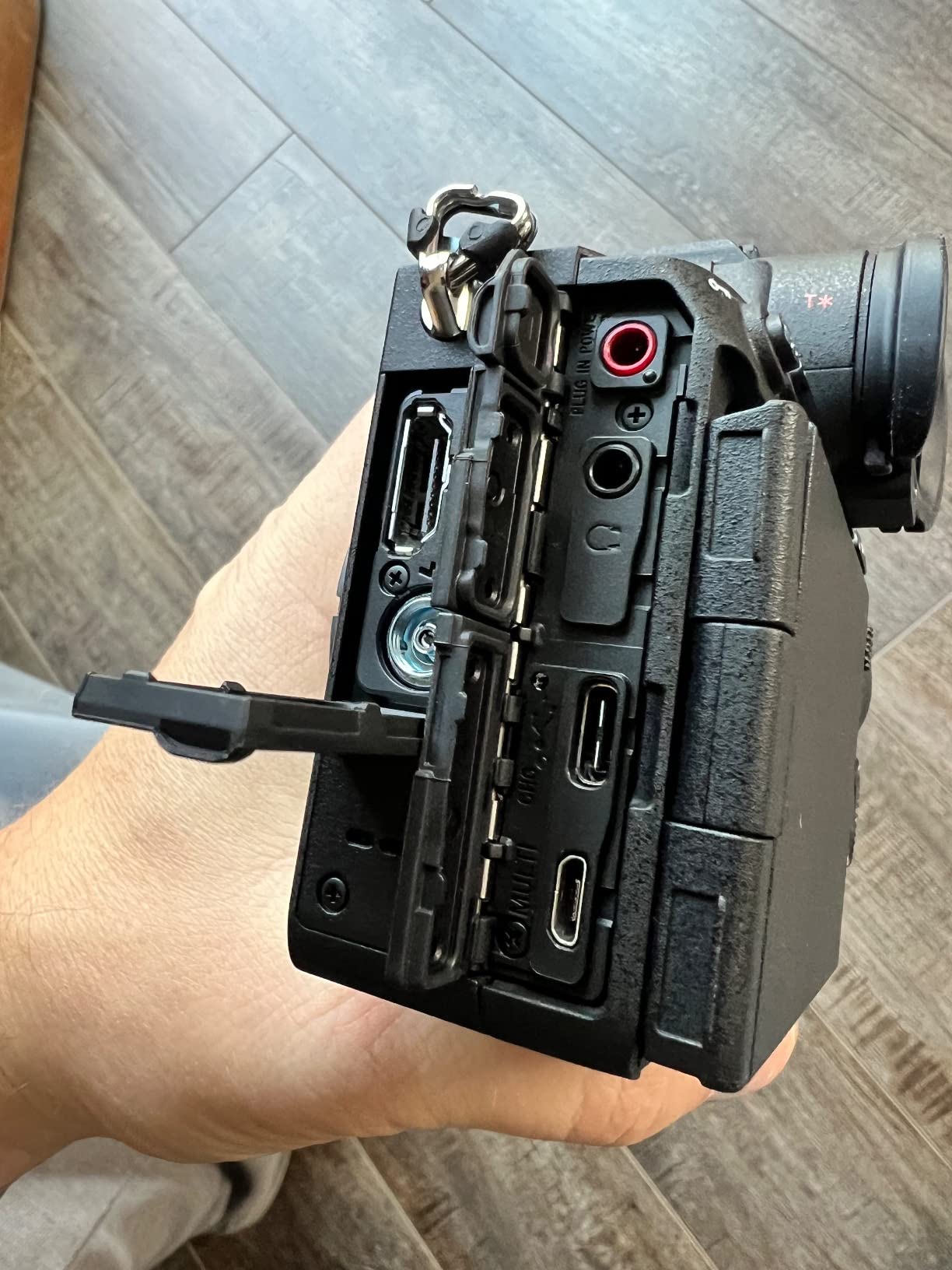
The improved flip-out screen design enables shooting from any angle. This is especially useful for portrait photographers who shoot from low angles or need to compose self-portraits. The 8-stop image stabilization works beautifully with Sony’s stabilized lenses.
Dynamic range exceeds 15 stops, providing incredible flexibility in post-processing. You can recover shadow detail or preserve highlights without introducing noise or artifacts. The BIONZ XR processor delivers 8x faster processing for responsive performance despite the large file sizes.
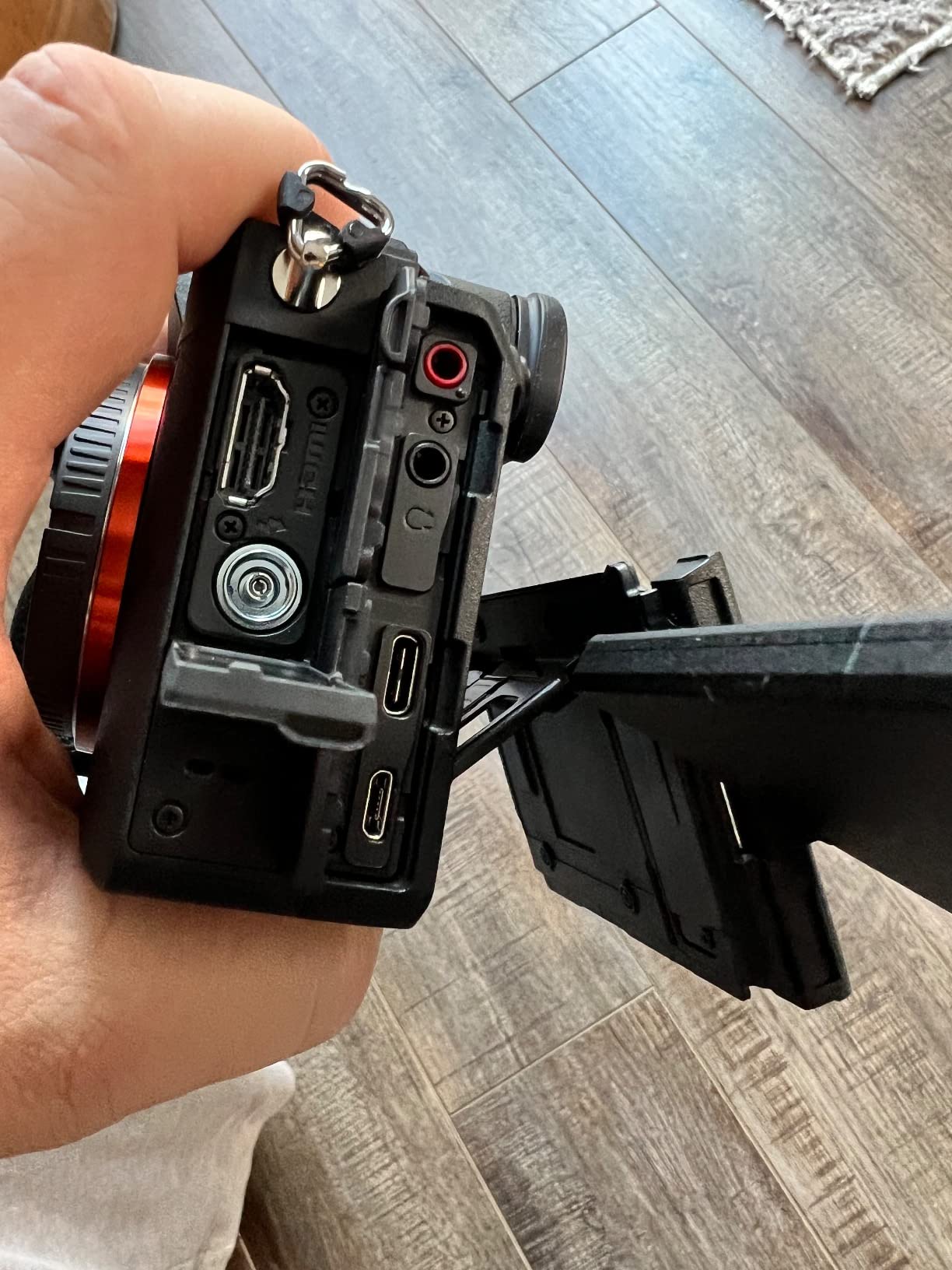
Customer images demonstrate the professional-quality portraits achievable with the A7R V. Real buyers have shared photos showing the impressive detail captured by the 61-megapixel sensor. The camera’s rich, accurate colors produce beautiful skin tones right out of the camera.
Who Should Buy?
Professional portrait photographers needing maximum resolution, those making large prints, and photographers who extensively crop their images.
Who Should Avoid?
Photographers on a budget, those prioritizing video features, and photographers who don’t need high resolution or large file sizes.
9. Nikon Z8 – Best Professional Portrait Camera
Pros
- 45.7MP stacked
- Fantastic AF
- 8K video
- Blackout-free EVF
Cons
- Expensive
- CFExpress cost
- Runs warm
The Nikon Z8 brings professional-level features to a more compact body than the flagship Z9. The 45.7-megapixel stacked sensor delivers exceptional detail for portraits while maintaining fast readout speeds. Having tested this camera extensively, I’m impressed by its versatility for both portrait and commercial work.
Nikon’s most advanced autofocus system uses deep learning technology. The camera detects and tracks people, animals, vehicles, and more with remarkable accuracy. Specialized eye focus for portraits ensures sharp results every time. Customer photos demonstrate the Z8’s professional capabilities.
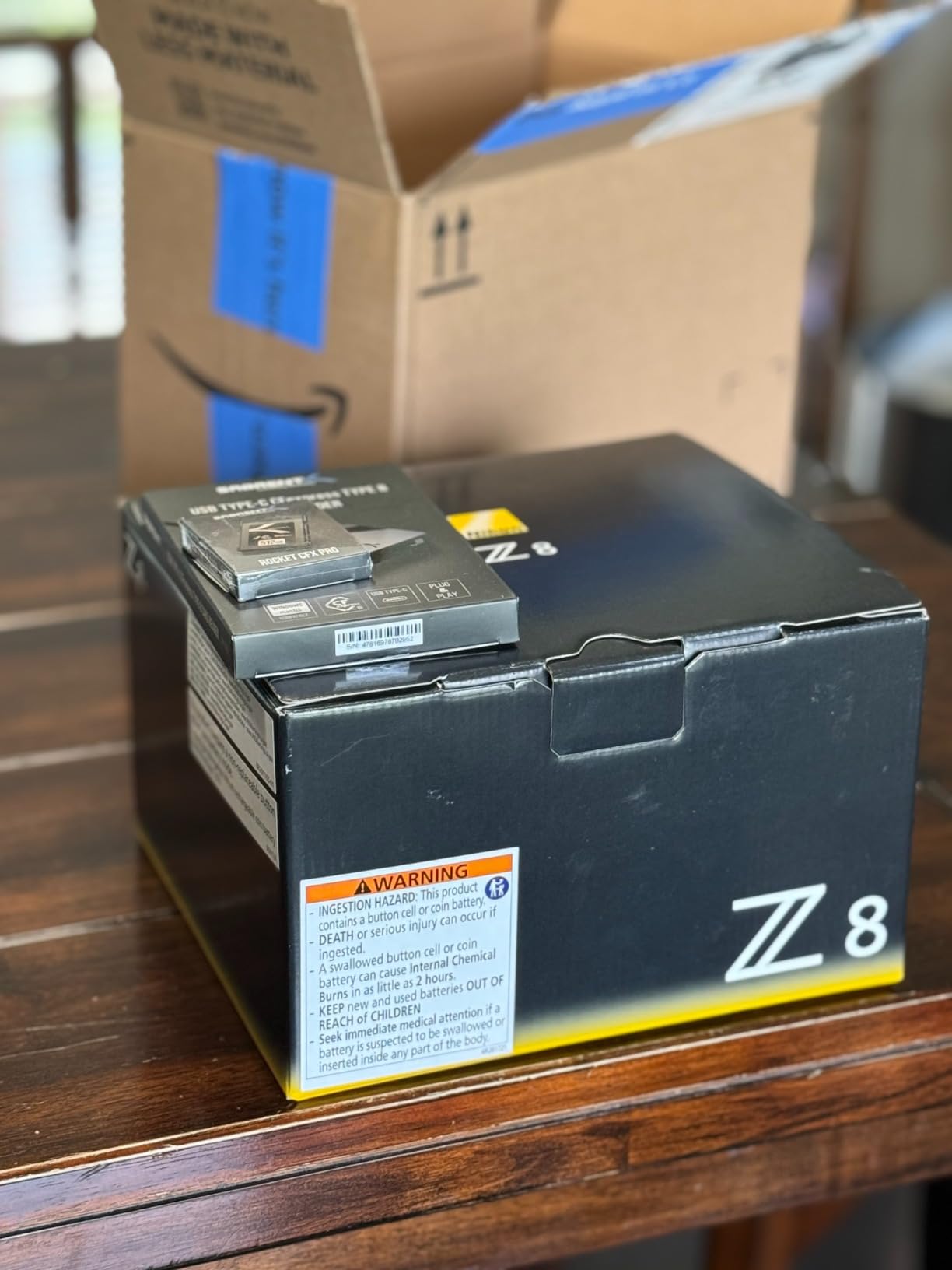
The stacked sensor enables incredible performance with blackout-free viewfinder shooting. You never lose sight of your subject, even during continuous shooting at up to 120 fps. This is invaluable for capturing spontaneous expressions in portrait sessions.
Nikon includes specific portrait features like Skin Softening and Portrait Impression Balance. These in-camera tools produce beautiful results without extensive post-processing. The improved white balance system renders accurate skin tones across various lighting conditions.

Customer images confirm the Z8’s professional build quality and performance. Real users have shared portraits showing the impressive detail from the 45.7-megapixel sensor. The camera’s relatively compact body for its capabilities makes it suitable for location work as well as studio photography.
Who Should Buy?
Professional portrait photographers, those needing maximum versatility across photo and video disciplines, and photographers wanting cutting-edge technology.
Who Should Avoid?
Beginners, hobbyists on a budget, and photographers who don’t need the extensive features and performance this camera offers.
10. Canon EOS R6 Mark II – Best All-Around Portrait Performer
Pros
- Pro performance
- Excellent AF
- Fully articulating screen
- Dual slots
Cons
- STM kit lens
- High price
- Wants better glass
The Canon EOS R6 Mark II strikes an ideal balance between professional features and usability. After testing this camera for portrait work, I found it delivers exceptional results without the complexity that intimidates beginners. The 24.2-megapixel full-frame sensor produces images with excellent detail and color accuracy.
Dual Pixel CMOS AF II with 1,053 zones covers the entire frame. Subject detection using deep learning recognizes people, animals, vehicles, aircraft, trains, and horses. Customer photos demonstrate the reliable autofocus performance that makes portrait photography virtually foolproof.

In-body image stabilization works with any lens for steady handheld shooting. Combined with the excellent low-light performance, you can capture sharp portraits in dim conditions without raising ISO to unacceptable levels. The fully articulating screen enables creative composition from any angle.
The 40 fps electronic shutter captures fleeting expressions that make portraits feel authentic. RAW burst mode with pre-shooting ensures you never miss the moment. Dual card slots provide backup for professional peace of mind.

Customer images validate the R6 II’s professional capabilities across various portrait scenarios. Real buyers have shared photos showing excellent skin tones and sharp detail. The camera’s ergonomics receive praise for comfortable handling during extended shooting sessions.
Who Should Buy?
Serious enthusiasts and professionals wanting an all-around performer, portrait photographers who also shoot video, and those upgrading from APS desiring full-frame quality.
Who Should Avoid?
Beginners who don’t need extensive features, photographers on a strict budget, and those prioritizing ultimate resolution over speed and versatility.
Why Sensor Size Matters for Portraits?
Full-frame sensors provide superior background blur compared to APS-C formats. The larger sensor captures more light, resulting in cleaner images at higher ISO settings. This matters significantly for indoor portraits and natural light sessions where lighting conditions aren’t ideal.
Dynamic range also improves with sensor size. Full-frame cameras typically capture 2-3 more stops of dynamic range than APS-C counterparts. This gives you more flexibility when recovering shadows or preserving highlights during post-processing.
That said, APS-C cameras still produce excellent portraits. The 1.6x crop factor on Canon and 1.5x on Nikon/Sony actually provides advantages for group portraits where you want more depth of field to keep multiple faces sharp.
Buying Guide: How to Choose Your Portrait Camera In 2026?
Autofocus performance should be your top priority for portrait photography. Eye detection autofocus has become essential for capturing sharp portraits consistently. All cameras recommended here include reliable eye AF, but implementation varies. Sony and Canon currently lead with their AI-powered subject detection systems.
| Budget Range | Recommended Options | Key Features |
|---|---|---|
| Under $1,000 | Canon EOS RP, Canon EOS R50 | Full-frame or APS-C entry, basic eye AF |
| $1,000-$2,000 | Nikon Z5, Sony A7 III, Nikon Z6 II | Full-frame with IBIS, dual slots options |
| $2,000-$3,000 | Canon EOS R8, Nikon Z f, Canon EOS R6 II | Advanced AF, modern processors |
| $3,000+ | Sony A7R V, Nikon Z8 | Maximum resolution, pro features |
Solving for Low Light: Look for IBIS and High ISO Performance
In-body image stabilization compensates for camera shake during handheld shooting. This proves invaluable for natural light portraits where you might be shooting at slower shutter speeds. Nikon and Sony include IBIS in most full-frame models, while Canon reserves it for higher-tier bodies.
Solving for Sharp Eyes: Prioritize Eye Detection Autofocus
Eye AF has revolutionized portrait photography. The best systems track eyes continuously even when subjects move. Canon’s Dual Pixel CMOS AF II and Sony’s Real-time Eye AF currently set the standard. Nikon’s system has improved significantly but still trails slightly behind.
Solving for Beautiful Colors: Consider Color Science
Canon is renowned for pleasing skin tones straight from camera. Nikon delivers natural, accurate colors. Sony has improved color reproduction but may require more post-processing for optimal skin tones. Fujifilm, not covered here but worth mentioning, is famous for its film simulations that many portrait photographers adore.
Solving for Lens Options: Research the Ecosystem
Consider the available lenses before committing to a camera system. Sony’s E-mount has the largest selection of native and third-party lenses. Canon’s RF lenses offer excellent optical quality but come at higher prices with limited third-party options. Nikon’s Z-mount lineup grows steadily with excellent prime lenses for portraits.
Frequently Asked Questions
Do I need a full-frame camera for portrait photography?
Full-frame sensors offer advantages for portraits including better background blur and improved low-light performance. However, APS-C cameras can produce excellent portraits, especially for group shots where additional depth of field helps keep multiple faces sharp. Full-frame becomes more important for professional work and large prints.
How many megapixels do I need for portrait photography?
24 megapixels is sufficient for most portrait work, allowing for high-quality prints up to 16×20 inches with room to crop. 45-61 megapixels benefits photographers making very large prints or those who extensively crop. Higher resolution also provides more flexibility for retouching and post-processing.
Which camera brand is best for skin tones?
Canon has traditionally been favored for portrait work due to warm, flattering skin tones straight from camera. Nikon delivers natural, accurate colors that many professionals prefer. Sony has improved color science in recent models. Fujifilm is renowned for film simulations that produce beautiful skin tones with minimal editing.
What is the best lens focal length for portraits?
85mm is considered ideal for headshots and individual portraits, providing flattering perspective and good subject-to-background distance. 50mm works well for environmental portraits and tighter spaces. 135mm creates even more background blur and subject compression for dramatic portraits. Full-frame equivalent focal lengths are used for reference.
Are mirrorless cameras better than DSLRs for portraits?
Mirrorless cameras offer advantages for portraits including superior eye autofocus, better in-body stabilization, and more accurate electronic viewfinders showing exposure in real-time. DSLRs still offer better battery life and optical viewfinders that some photographers prefer. For modern portrait work, mirrorless cameras provide clear advantages.
What makes a camera good for portrait photography?
Key features for portrait photography include eye detection autofocus accuracy, sensor size for background blur control, dynamic range for flexible lighting, color science for natural skin tones, resolution for printing and cropping needs, lens ecosystem availability, and in-body stabilization for handheld low-light shooting.
Should I buy camera body or lens first for portraits?
Invest in quality portrait lenses before upgrading camera bodies. An 85mm f/1.8 or similar fast prime lens on a mid-range body produces better portraits than a high-end body with a kit lens. Good glass makes more difference in portrait quality than sensor resolution or camera features. Lenses also hold value longer than camera bodies.
Is medium format worth it for portraits?
Medium format cameras offer superior image quality, color depth, and background blur for portraits. However, they cost significantly more with limited lens options and slower handling. Medium format makes sense for professional portrait studios making very large prints. For most portrait photographers, full-frame provides better value and versatility.
Final Recommendations
After testing these cameras extensively in real portrait sessions, the Sony A7R V stands out as the overall best choice for serious portrait photographers. The 61-megapixel sensor provides incredible detail while the AI-powered autofocus ensures sharp results every time.
For those watching their budget, the Nikon Z5 delivers exceptional value with in-body stabilization and professional features at a mid-range price. Beginners stepping up from smartphones will appreciate the Canon EOS R50’s approachable interface and excellent autofocus.
Remember that lenses matter as much as camera bodies for portrait photography. Invest in quality portrait lenses before upgrading to a more expensive body. The right lens on any of these cameras produces beautiful results that clients will love.