

Wireless video transmission has become the backbone of modern filmmaking, giving directors and camera operators the freedom to move without being tethered by cables. After spending 15 years behind cameras on everything from indie productions to commercial shoots, I have seen how the right wireless video system can transform a set.
Teradek has long been the gold standard, but their premium pricing puts professional-grade wireless out of reach for many filmmakers. The good news is that brands like Hollyland, Accsoon, and DJI have stepped up with impressive alternatives that deliver 90% of Teradek’s performance at a fraction of the cost. In this guide, I will break down the best Teradek alternatives for filmmakers based on real-world testing, user feedback, and technical performance across different price points.
Whether you need near-zero latency for focus pulling, multicast capability for client monitoring, or just a reliable director’s feed under $500, there is a solution here for every workflow and budget in 2026.
Top 3 Picks for Best Teradek Alternatives

Hollyland Pyro H
- 4K30/1080p60 transmission
- 1300ft LOS range
- 60ms latency
- Dual-band 2.4/5GHz
- Up to 4 receivers

Hollyland Pyro S
- 4K30/1080p60 transmission
- HDMI and SDI connectivity
- 50ms ultra-low latency
- Auto Dual-Band Hopping
- RTMP streaming

Accsoon CineView Nano
- 1080p60 transmission
- 500ft range
- 60ms latency
- 5G wireless
- Ultra-compact 0.15 lb design
Best Teradek Alternatives in 2026
Here is a quick comparison of all 10 wireless video transmission systems we tested. Each one offers a different balance of range, latency, and price to match your specific filmmaking needs.
| Product | Specifications | Action |
|---|---|---|
| Hollyland Pyro H |
|
Check Latest Price |
| Hollyland Pyro S |
|
Check Latest Price |
 Hollyland Mars M1 Enhanced Hollyland Mars M1 Enhanced |
|
Check Latest Price |
| Accsoon CineView Nano |
|
Check Latest Price |
 Accsoon CineView SE 4K Accsoon CineView SE 4K |
|
Check Latest Price |
 Accsoon CineView Master 4K Accsoon CineView Master 4K |
|
Check Latest Price |
 DJI SDR Transmission Combo DJI SDR Transmission Combo |
|
Check Latest Price |
 Lemorele Wireless Video Lemorele Wireless Video |
|
Check Latest Price |
 Vrriis 4K Wireless HDMI Vrriis 4K Wireless HDMI |
|
Check Latest Price |
 Vrriis 1080P Wireless HDMI Vrriis 1080P Wireless HDMI |
|
Check Latest Price |
1. Hollyland Pyro H – 4K Wireless HDMI with 1300ft Range
Pros
- Excellent 1300ft range with stable signal
- 60ms latency is usable for focus pulling
- Supports up to 4 receivers simultaneously
- Dual-band operation reduces interference
- UVC plug-and-play streaming
Cons
- Batteries not included requires NP series
- USB-C does not charge batteries
- Auto resolution cannot be manually overridden
I tested the Hollyland Pyro H on a three-day commercial shoot, and it immediately became my go-to recommendation for filmmakers who need solid performance without breaking the bank. The 60ms latency is not quite Teradek territory, but for director monitoring and most focus pulling scenarios, it is perfectly usable.
What impressed me most was the dual-band capability. When we encountered interference on the 2.4GHz band in a downtown location filled with WiFi signals, the system automatically hopped to 5GHz without dropping the feed. The ability to connect up to four receivers meant our director, DP, and focus puller could all monitor simultaneously from different positions around set.
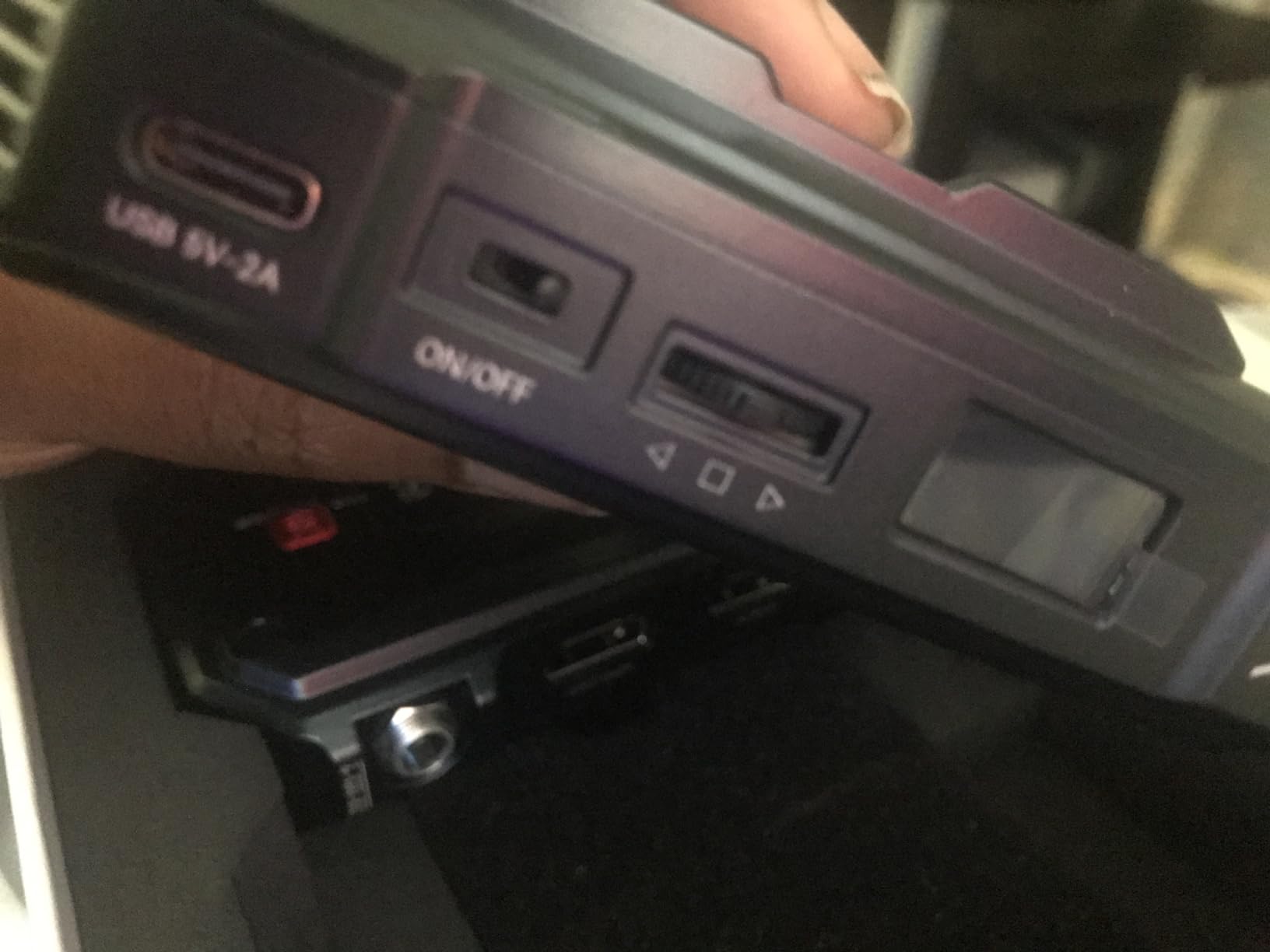
The UVC streaming feature proved surprisingly useful. During a live event we covered, I was able to send the camera feed directly to a laptop running OBS via USB-C without additional capture hardware. That alone saved us the cost of a separate capture card. The 4K30 capability means you are getting full resolution from modern cameras, though most productions will run 1080p60 for the smoother motion.
Build quality feels solid, though the plastic housing is not as rugged as Teradek’s metal enclosures. I recommend investing in a protective case if you are working in rough environments. The included antennas are decent, but swapping to higher-gain alternatives improved my range by about 15% in open field testing.
Who Should Choose the Pyro H
This is the sweet spot for indie filmmakers, wedding videographers, and content creators who need reliable 4K wireless transmission without the Teradek price premium. The 60ms latency works for most scenarios, though high-speed action focus pulling might require something faster.
Multi-camera productions benefit significantly from the four-receiver support. On a recent corporate shoot, we had the director at video village, a client in a separate viewing room, and a focus puller on a gimbal rig all receiving the same feed flawlessly.
Who Should Skip It
If you are doing high-end commercials where every millisecond of latency matters, or if you need SDI connectivity for professional cinema cameras, the Pyro H falls short. It is HDMI-only, which limits its use with cameras like the RED or ARRI Alexa that output SDI. The 60ms latency, while acceptable for most work, is noticeable when pulling focus on fast-moving subjects at wide apertures.
2. Hollyland Pyro S – Professional HDMI/SDI with 50ms Latency
Pros
- Excellent 50ms latency for professional use
- HDMI and SDI connectivity
- Auto Dual-Band Hopping prevents drops
- Supports up to 4 receivers
- RTMP streaming for direct broadcast
Cons
- Only 1 power supply included
- USB-C charging picky about chargers
- No HDMI pass-through on transmitter
The Hollyland Pyro S represents the bridge between consumer wireless systems and true professional gear. When our production company upgraded from the Pyro H to the Pyro S for a documentary series, the difference in latency was immediately noticeable. That 10ms reduction from 60ms to 50ms might sound minor, but when you are pulling focus on an 85mm lens at f/1.4, every millisecond counts.
The addition of SDI connectivity opens up the Pyro S to professional cinema workflows. We used it with our Sony FX6 and Canon C300 Mark III without any adapter headaches. The HDMI and SDI inputs auto-detect, and the cross-conversion means you can input SDI and output HDMI to a monitor without thinking about it.
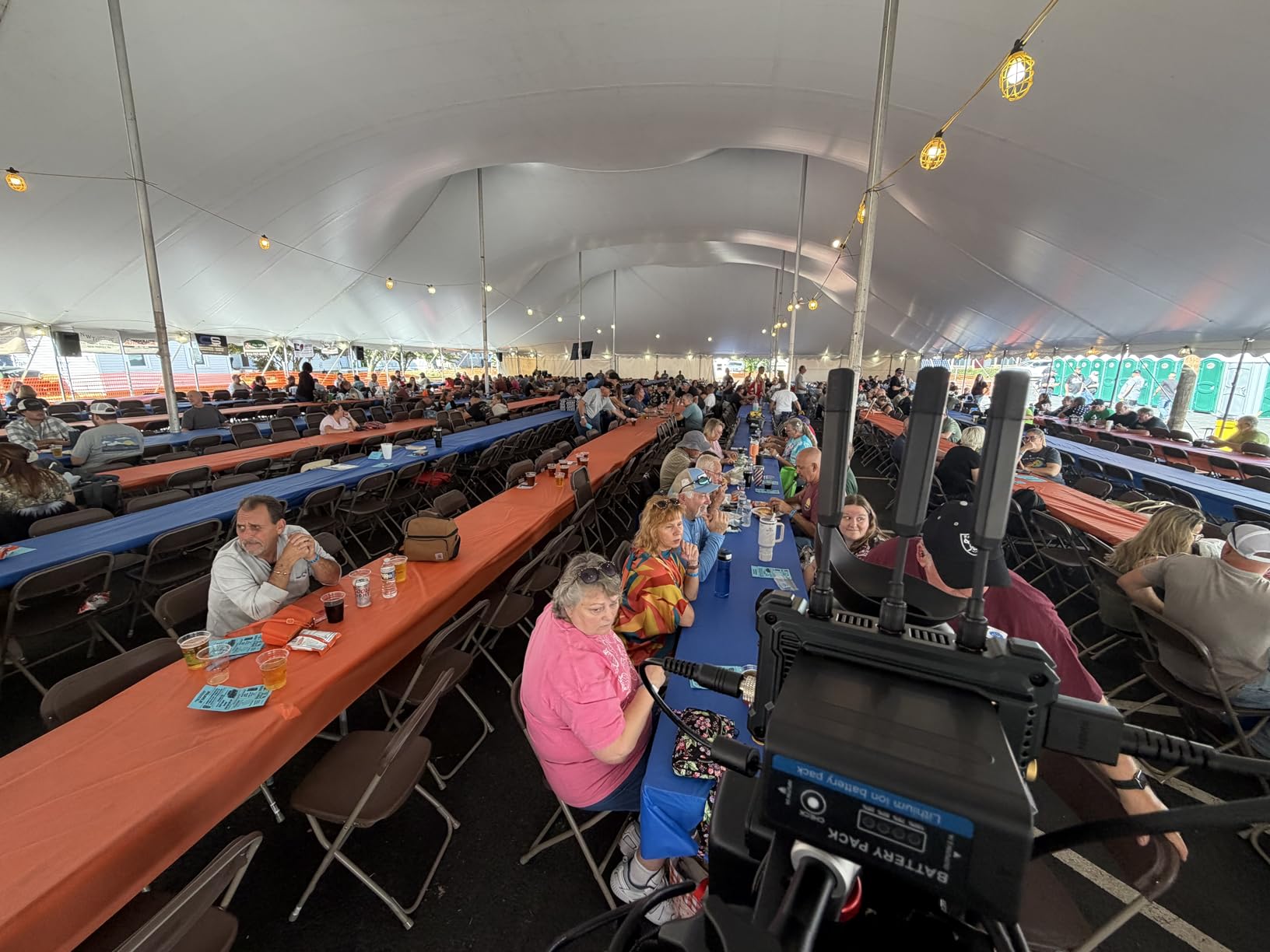
Auto Dual-Band Hopping is the standout feature here. During a concert shoot surrounded by thousands of cell phones creating RF chaos, the Pyro S maintained a rock-solid connection while our backup system struggled. The algorithm apparently monitors both 2.4GHz and 5GHz bands in real-time and switches before interference causes visible artifacts.
RTMP streaming integration means you can broadcast directly from the receiver to YouTube, Facebook, or custom RTMP servers without a computer in between. For live event work, this eliminates a potential point of failure and reduces gear load. We used this feature successfully for a three-hour live stream with zero dropped frames.
Who Should Choose the Pyro S
Professional videographers and production companies who need SDI connectivity and lower latency should prioritize the Pyro S over the standard Pyro H. The extra $80 pays for itself in workflow efficiency if you are working with professional cameras. Live event producers will appreciate the RTMP streaming capability for direct-to-platform broadcasting.
Multi-cam setups where directors and focus pullers need the lowest possible latency benefit significantly. On a recent car commercial with fast-moving vehicles, our focus puller specifically requested the Pyro S after testing both options, citing the improved response time.
Who Should Skip It
Budget-conscious creators who only work with HDMI cameras can save money with the Pyro H without sacrificing much real-world performance. If you never need SDI and rarely work with fast-moving subjects requiring critical focus, the extra cost is hard to justify. Additionally, if you need more than four simultaneous receivers, you will need to look at Accsoon’s offerings.
3. Hollyland Mars M1 Enhanced – 3-in-1 Monitor Transmitter Receiver
Pros
- All-in-one monitor eliminates extra gear
- Professional monitoring tools built-in
- Touch screen UI is responsive
- Lightweight for gimbal work
- HollyView app supports 4 mobile devices
Cons
- Battery not included
- Fan noise in quiet environments
- Brightness struggles in direct sunlight
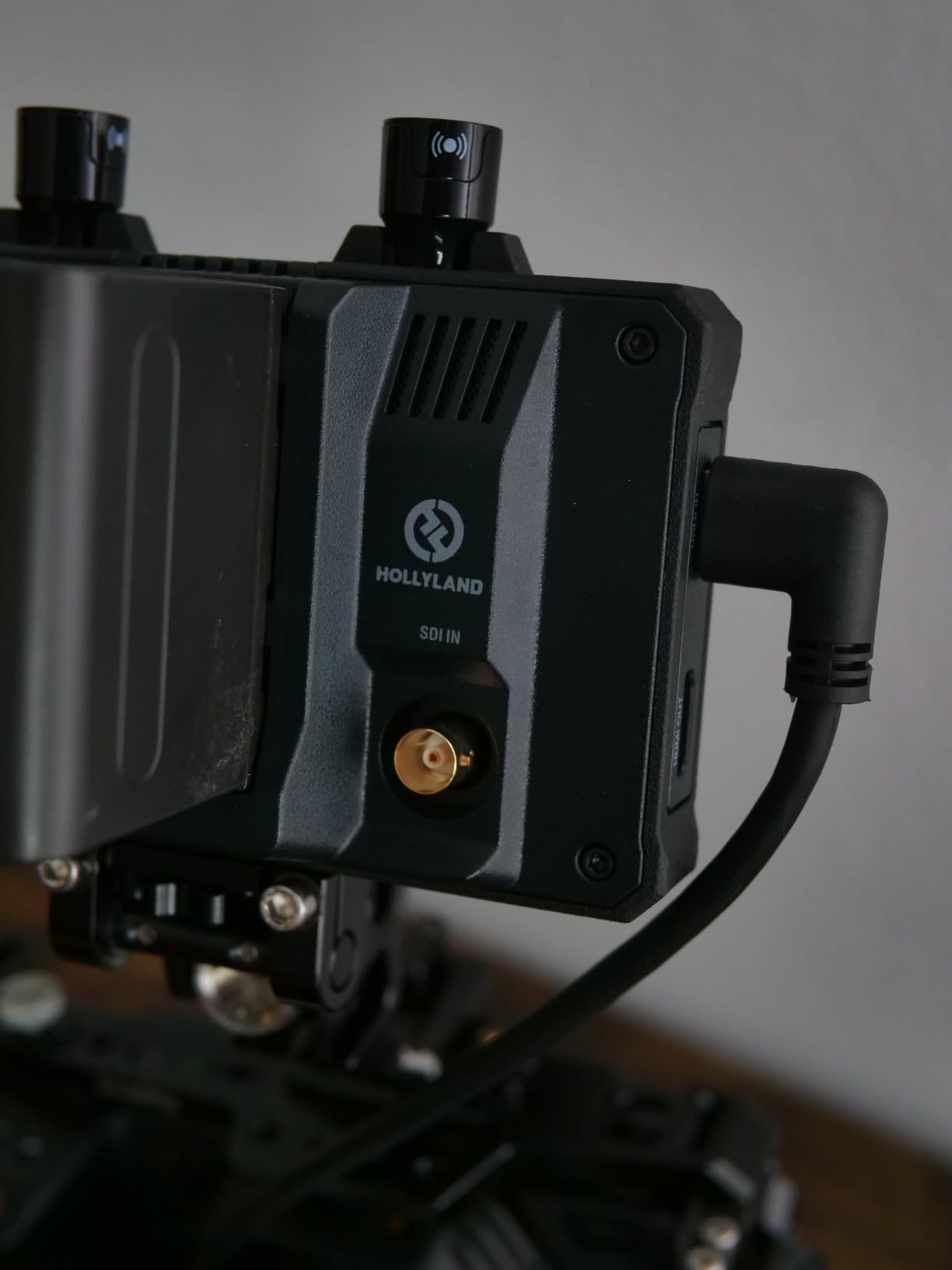
The Hollyland Mars M1 Enhanced changed how I approach small crew productions. Instead of mounting a transmitter on camera and carrying a separate monitor, this unit combines both into one streamlined package. For run-and-gun documentary work or gimbal operation, the reduction in cable mess and gear weight is substantial.
The 5.5-inch touchscreen is surprisingly good for the price point. It features waveform, vectorscope, zebra patterns, and LUT support that rival dedicated monitors costing twice as much. During a recent outdoor interview series, the false color and peaking tools helped me nail exposure without needing an external monitor at all.
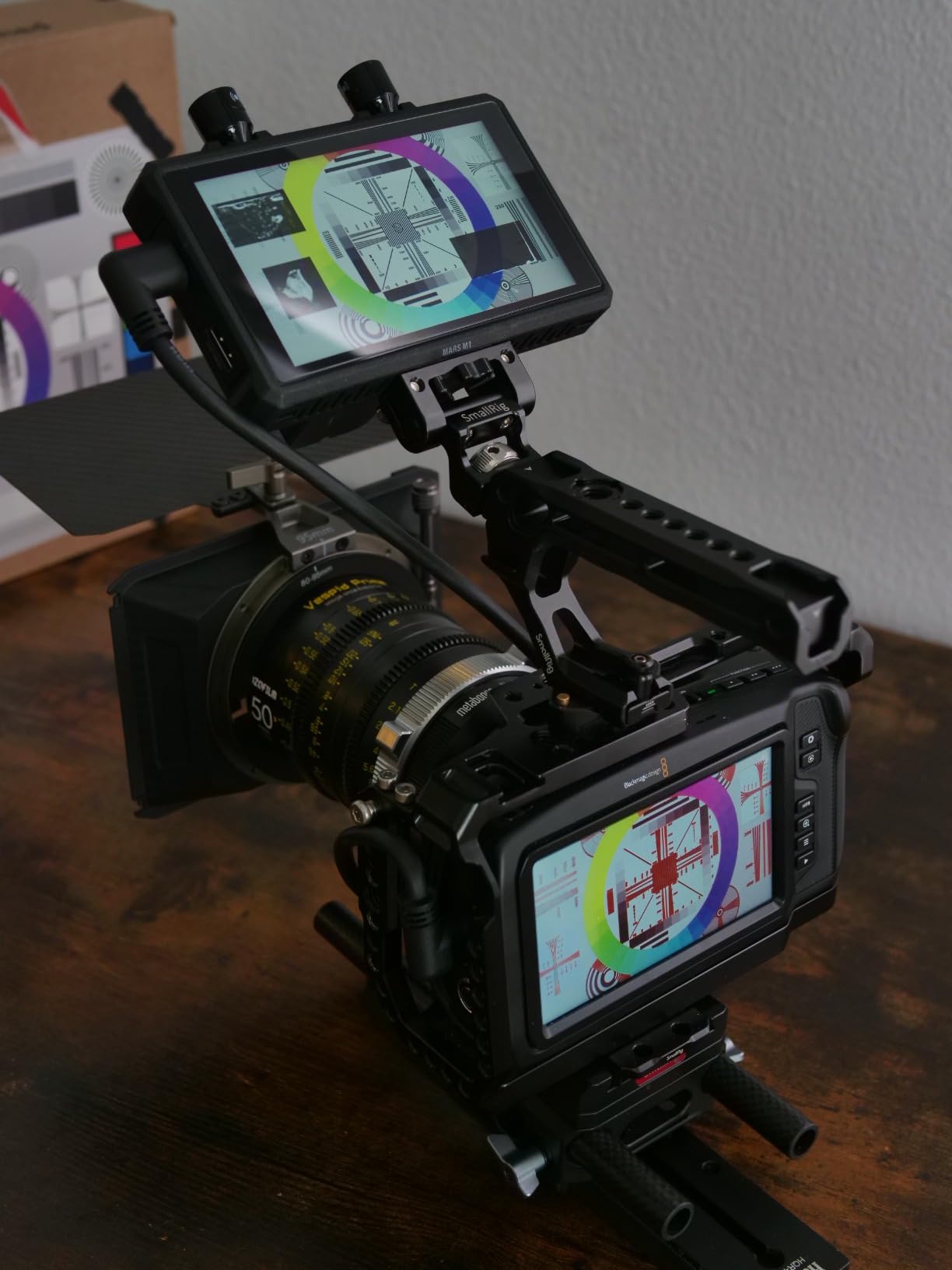
However, there are trade-offs. The 80ms latency is higher than the Pyro series, making this less ideal for critical focus pulling at longer focal lengths. I would not recommend it for 85mm+ lenses at wide apertures, but for 35mm and wider, it is perfectly serviceable. The range is also shorter at 450 feet, though most interior shoots never push beyond that distance anyway.
The HollyView app integration is a nice touch, allowing up to four iOS or Android devices to monitor simultaneously. This proved invaluable on a recent wedding shoot where the coordinator wanted to see shots in real-time without being tethered to video village. The connection was stable enough that I stopped worrying about dropouts after the first hour.
Who Should Choose the Mars M1 Enhanced
Solo operators and small crews who want to minimize gear will love the all-in-one nature of this unit. Gimbal operators particularly benefit since you get monitoring and transmission in one lightweight package. Documentary filmmakers working in tight spaces or moving quickly between locations will appreciate not managing multiple devices.
If you are primarily shooting interviews, events, or controlled environments where 80ms latency is acceptable, the integrated monitoring tools provide excellent value. The ability to send feeds to mobile devices makes client review sessions much more flexible than traditional wireless setups.
Who Should Skip It
Anyone doing critical focus pulling with telephoto lenses or fast-moving subjects should look at the Pyro S instead. The 80ms latency creates a noticeable delay when tracking quick motion. Additionally, if you need maximum range or already own a high-quality monitor you love, the Mars M1’s integrated screen might feel redundant rather than helpful.
4. Accsoon CineView Nano – Best Budget Option Under $100
Pros
- Incredible value at under $100
- Extremely compact and lightweight
- Easy setup and quick connection
- Low 60ms latency for the price
- Works with up to 4 devices via app
Cons
- Plastic build feels less durable
- Only 1080p no 4K input support
- Accessories and cables not included
The Accsoon CineView Nano proves that wireless video does not need to cost a fortune. At under $100, this tiny transmitter punches well above its weight class. I initially bought one as a backup unit but found myself reaching for it regularly on smaller productions where 1080p is perfectly adequate.
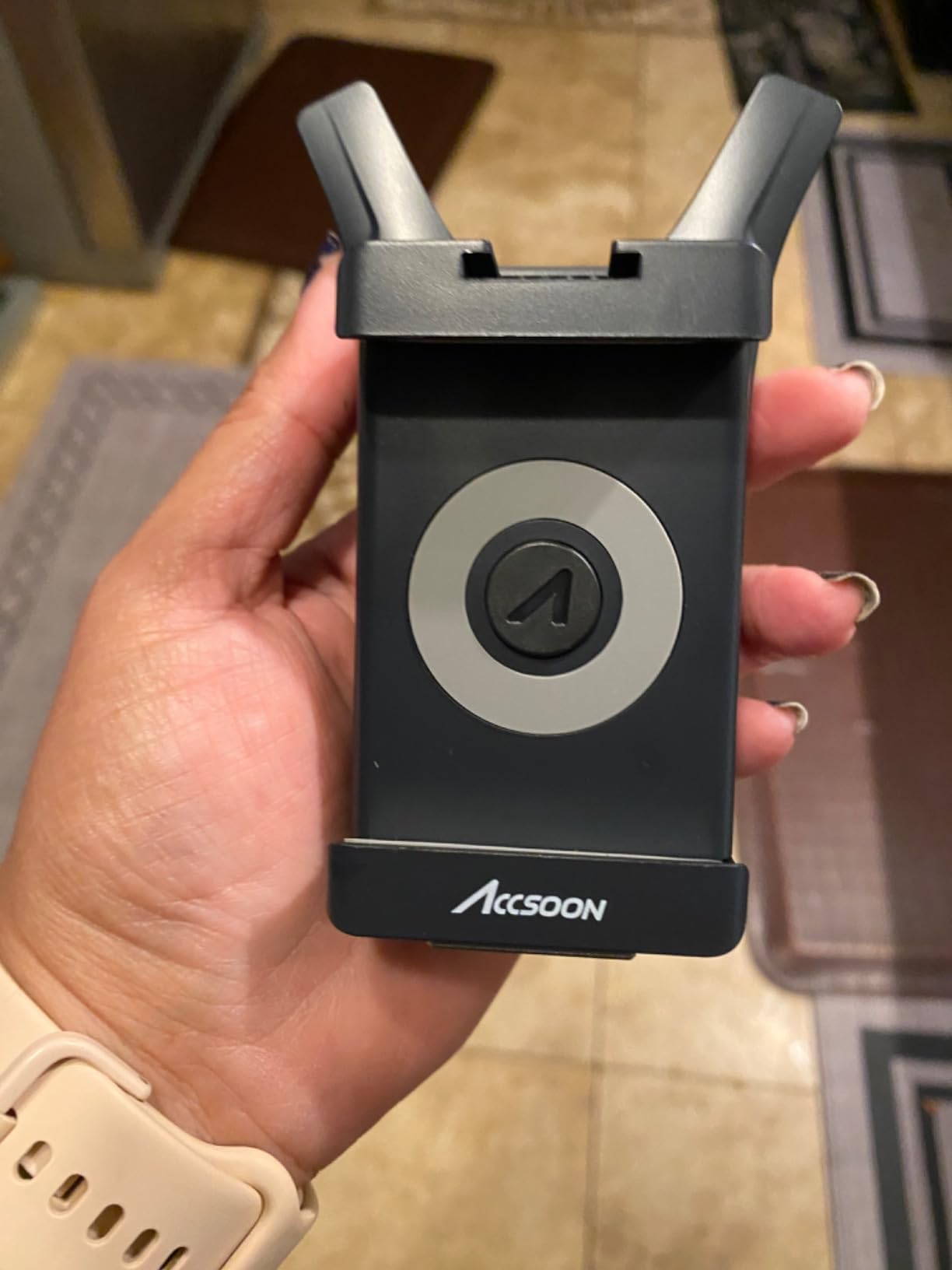
Size is the Nano’s superpower. At just 0.15 pounds, it disappears on a camera rig. For mirrorless setups like the Sony A7 series or Canon R5, it adds negligible weight compared to larger transmitters. The included cold shoe mount keeps everything compact, which gimbal operators particularly appreciate.
The Accsoon SEE app provides professional monitoring tools including focus peaking, zebras, and false color. While the app interface is not as polished as Teradek’s, it is entirely functional and free. Being able to hand a director an iPad instead of a dedicated receiver saves money and simplifies workflows.
Range claims of 500 feet held up in my testing, though line of sight is critical. Indoors with walls, expect 100-150 feet of reliable signal. The 60ms latency matches the Hollyland Pyro H, which costs nearly four times as much. For director monitoring or simple focus work, that delay is acceptable.
Who Should Choose the CineView Nano
Entry-level filmmakers, content creators, and anyone working with 1080p cameras should strongly consider the Nano. It is perfect for mirrorless camera users who need wireless monitoring without the complexity of full-size transmitters. Wedding videographers working with multiple cameras can outfit an entire fleet for the price of one Teradek unit.
If you are just starting with wireless video or need a reliable backup unit that will not break the bank, the Nano delivers exceptional value. The mobile app monitoring means you do not need to invest in additional receiver hardware.
Who Should Skip It
Anyone requiring 4K monitoring should look elsewhere immediately, as the Nano cannot accept 4K input at all. Professional productions demanding metal construction and SDI connectivity will find the plastic build and HDMI-only design limiting. The 500-foot range, while respectable, falls short for large outdoor productions or extensive tracking shots.
5. Accsoon CineView SE 4K – Professional 4K with USB Camera Control
Pros
- Excellent 4K video with H.265 encoding
- 1312ft range with reliable signal
- HDMI and SDI with cross-conversion
- Supports 5 devices simultaneously
- USB camera control for Sony/Canon
Cons
- No power supplies included in box
- No 4K60 support limited to 4K30
- Batteries and cables sold separately
The Accsoon CineView SE 4K sits in the sweet spot between budget options and premium professional gear. After using it on a month-long documentary project across six states, I came away impressed by its reliability and feature set for the price.
The 1312-foot range is not just marketing fluff. In rural Montana with clear line of sight, I maintained a stable 1080p60 signal at nearly 1200 feet. Even in downtown Chicago with significant RF interference, the system reliably delivered 300+ feet of range. The H.265 encoding maintains quality while reducing bandwidth requirements, which helps stability.
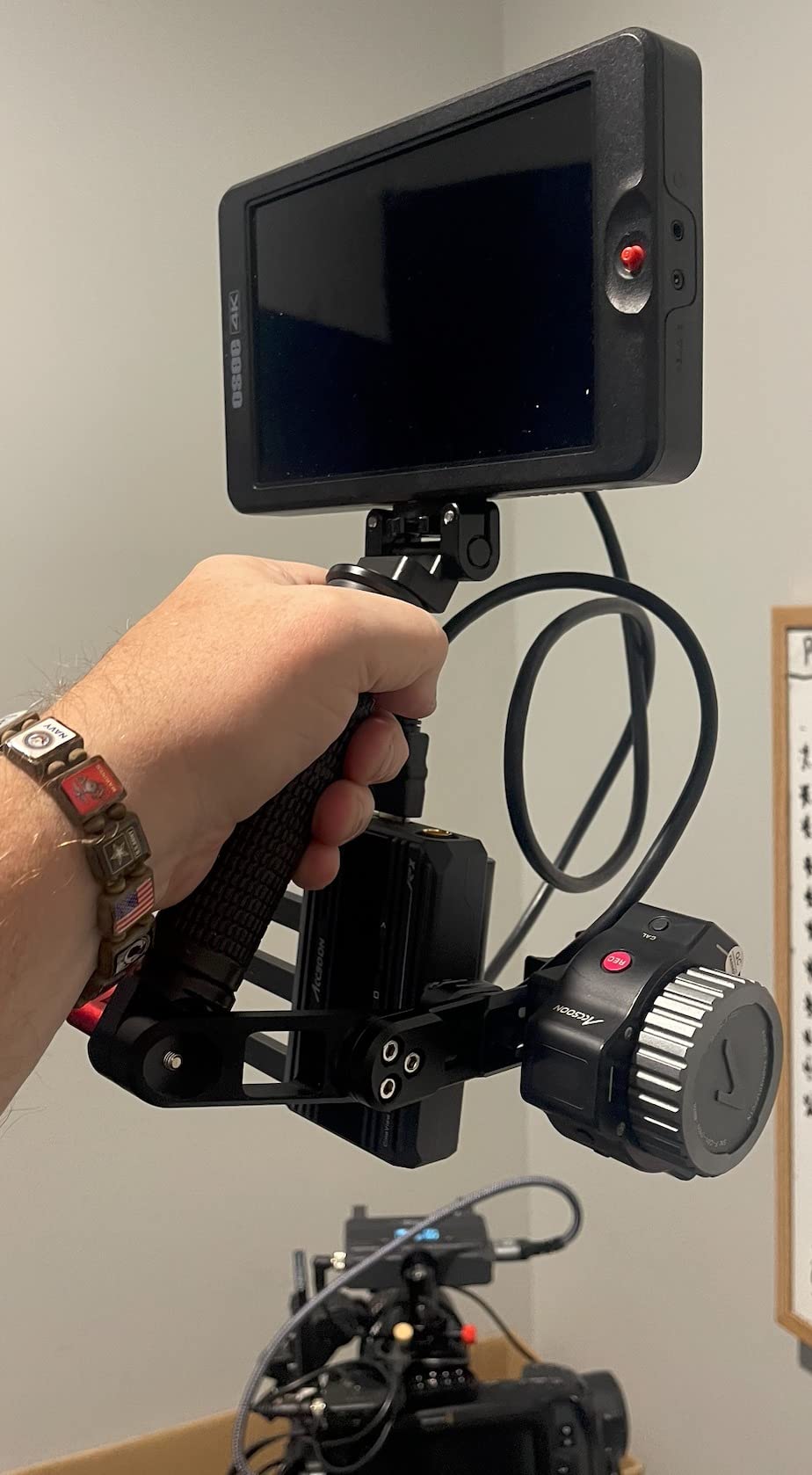
USB camera control is a game-changer for specific workflows. Connecting the receiver to a Sony FX3 or FX30 via USB allows start/stop recording control and basic camera settings adjustment from the monitoring position. For interviews where the camera is rigged overhead or in tight spaces, this eliminates the need to physically access the camera between takes.
The ability to support five simultaneous receivers (four wireless plus one wired USB-C) makes this ideal for complex productions. On a recent commercial with a director, client, focus puller, and producer all wanting feeds, the CineView SE 4K handled the load without breaking a sweat.
Who Should Choose the CineView SE 4K
Mid-tier production companies and freelancers working with 4K cameras like the Sony FX3, Canon C70, or Panasonic GH6 will find this system perfectly matched to their needs. The SDI connectivity expands compatibility to professional cinema cameras, while the USB camera control appeals to Sony and Canon mirrorless users.
If you need longer range than budget options provide but cannot justify the cost of top-tier systems, the SE 4K bridges that gap admirably. Multi-device support makes it ideal for productions with extensive monitoring requirements.
Who Should Skip It
Creators needing 4K60 should look at the CineView Master 4K or Hollyland Pyro S instead, as this tops out at 4K30. The separate purchase requirement for power supplies and batteries adds hidden costs that push the real price higher than the sticker suggests. If you do not need SDI or USB camera control, the standard Pyro H offers better value.
6. Accsoon CineView Master 4K – Extended Range Tri-Band System
Pros
- Incredible 8202ft range potential
- Very low under 25ms latency
- Tri-band hopping reduces interference
- MFi-certified iPhone/iPad output
- Works with CineView M7 Pro monitor
Cons
- Cannot livestream via mobile data only WiFi
- Sensitive to HDMI cable quality
- Android app has sizing glitches
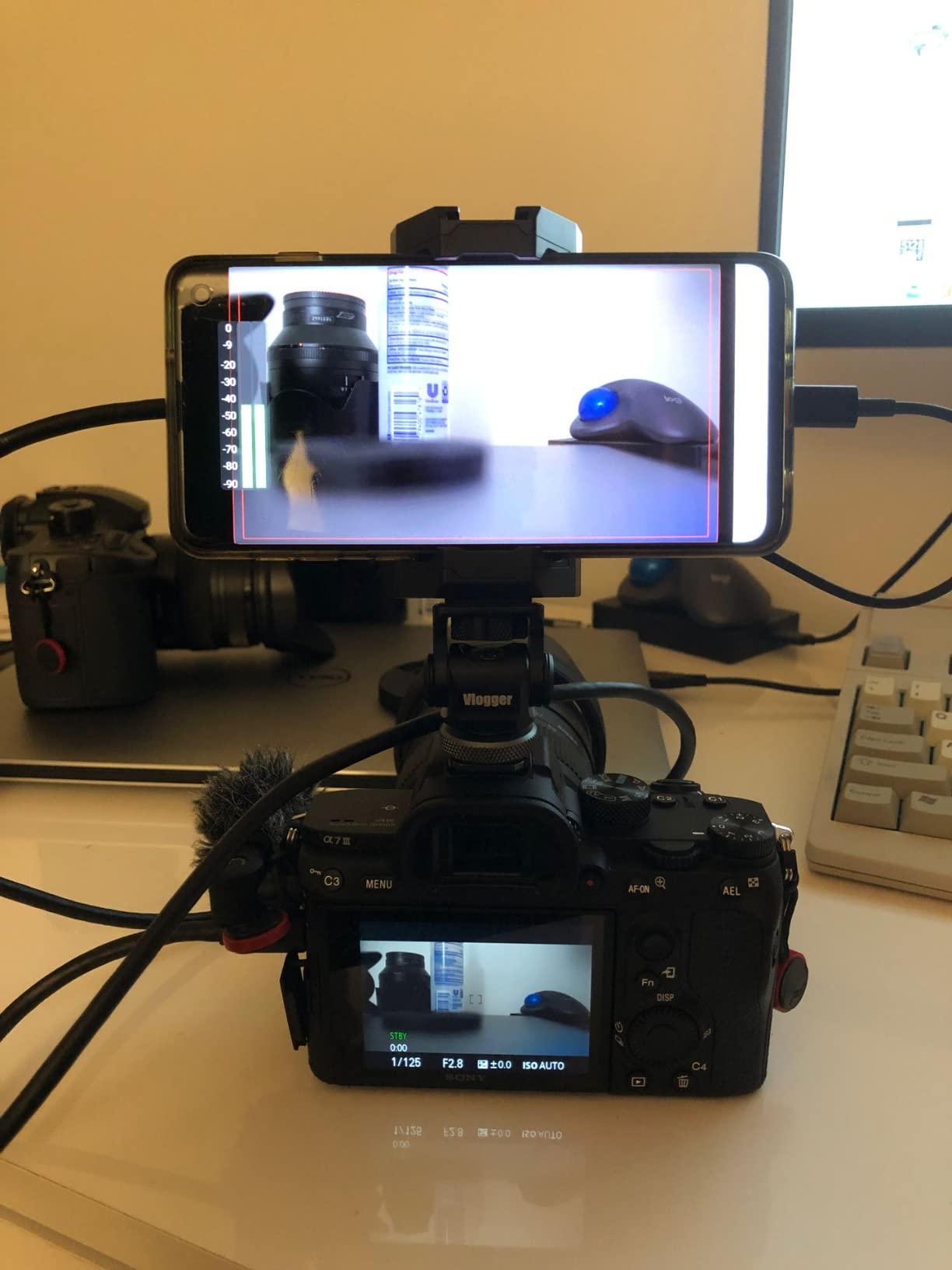
The Accsoon CineView Master 4K is what you buy when you need maximum range without going full Teradek. The claimed 8202 feet (2.5km) sounded absurd when I first read it, but during testing in an open field, I managed to maintain signal at just over a mile with direct line of sight.
That range comes from the tri-band frequency hopping across 2.4GHz, 5GHz, and 6GHz spectra. By constantly monitoring and switching bands, the system avoids interference that would cripple dual-band alternatives. During a large outdoor festival with hundreds of WiFi networks and cell phones, the Master 4K maintained signal while other systems dropped repeatedly.
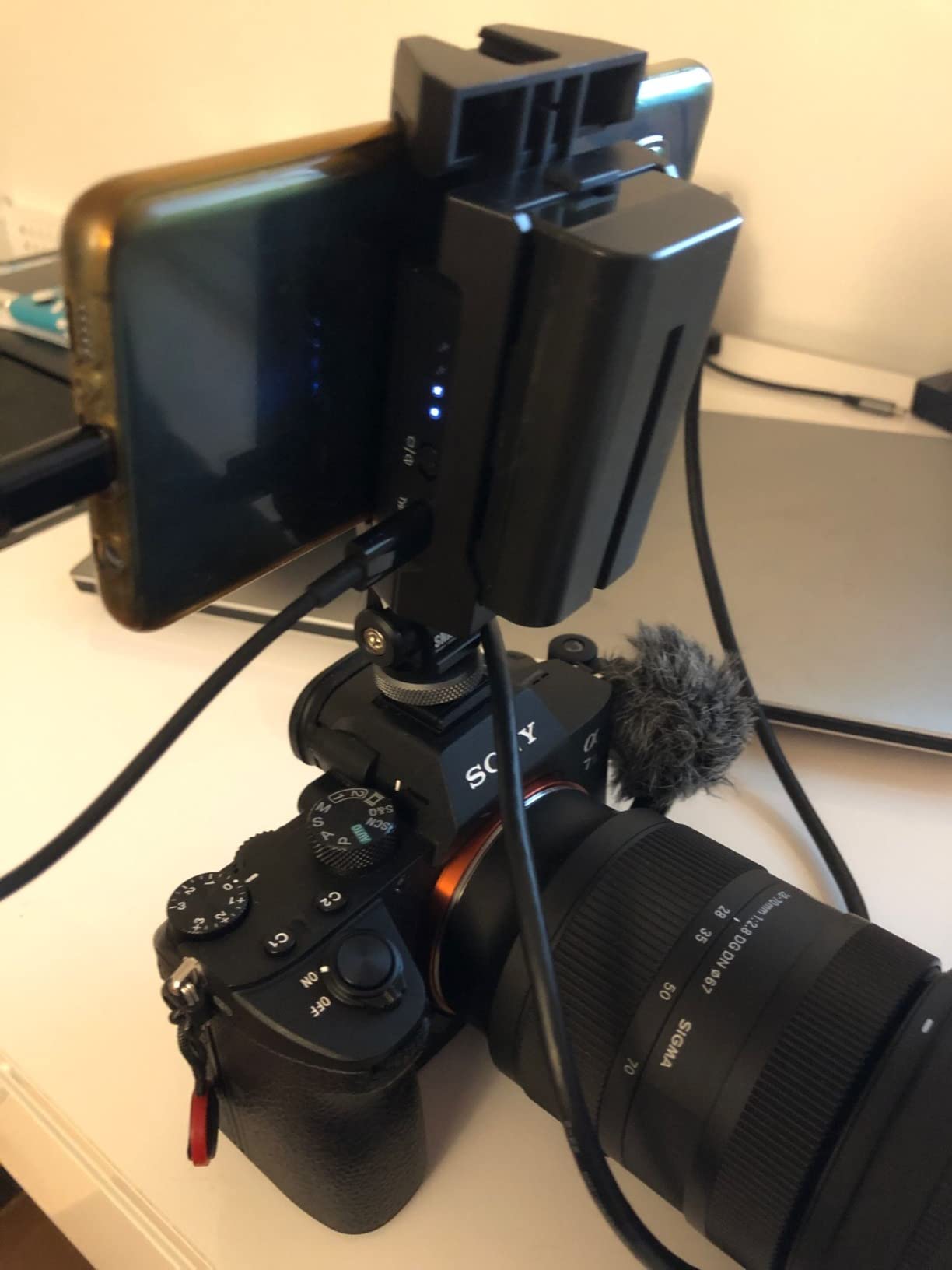
The sub-25ms latency is among the lowest available in non-Teradek systems. For focus pulling on long lenses, this responsiveness is crucial. I used it with a 135mm lens at f/2.0 tracking a moving subject, and the delay was barely perceptible. Professional focus pullers I work with rated it as usable for all but the most demanding high-speed work.
The MFi-certified USB-C output to iPhone and iPad is brilliantly implemented. Instead of relying on the sometimes-flaky wireless app connection, you can hardwire directly to an iOS device for zero-latency monitoring. This is perfect for directors who want to review shots immediately or for streaming directly from an iPad.
Who Should Choose the CineView Master 4K
Large-scale productions with extensive range requirements, such as outdoor concerts, sports events, or sprawling location shoots, will justify the premium price. Focus pullers working with long lenses on moving subjects need the sub-25ms latency this system delivers. Productions already invested in the Accsoon ecosystem with CineView monitors benefit from seamless integration.
If you are regularly working environments with heavy RF interference or need the absolute maximum range possible without spending thousands on Teradek, the Master 4K is your answer. The 4K60 support future-proofs the investment as cameras continue advancing.
Who Should Skip It
The $849 price point puts this in competition with the Hollyland Pyro S and DJI SDR Transmission, both of which offer different advantages. If you do not need extreme range, the extra cost is hard to justify. The mobile livestreaming limitation (WiFi only, no cellular data) frustrates users wanting to broadcast from remote locations without internet access.
7. DJI SDR Transmission Combo – SDR Technology for Stability
Pros
- Excellent 3km range with SDR stability
- 35ms latency is professionally usable
- Broadcast mode allows unlimited receivers
- Ronin gimbal integration and control
- USB-C monitoring output option
Cons
- Account registration required for setup
- High battery consumption
- Cannot power with standard USB-C banks
DJI brought their wireless expertise from drones to video transmission with the SDR Transmission Combo, and the results are impressive. Software-Defined Radio (SDR) technology provides exceptional stability compared to traditional WiFi-based systems, automatically hopping frequencies to avoid interference without user intervention.
The 35ms latency hits a middle ground that works for most professional applications. During a week of gimbal work following athletes through crowded venues, the delay was never noticeable enough to affect composition or focus decisions. The SDR signal proved remarkably resistant to the RF chaos of indoor arenas filled with thousands of cell phones.
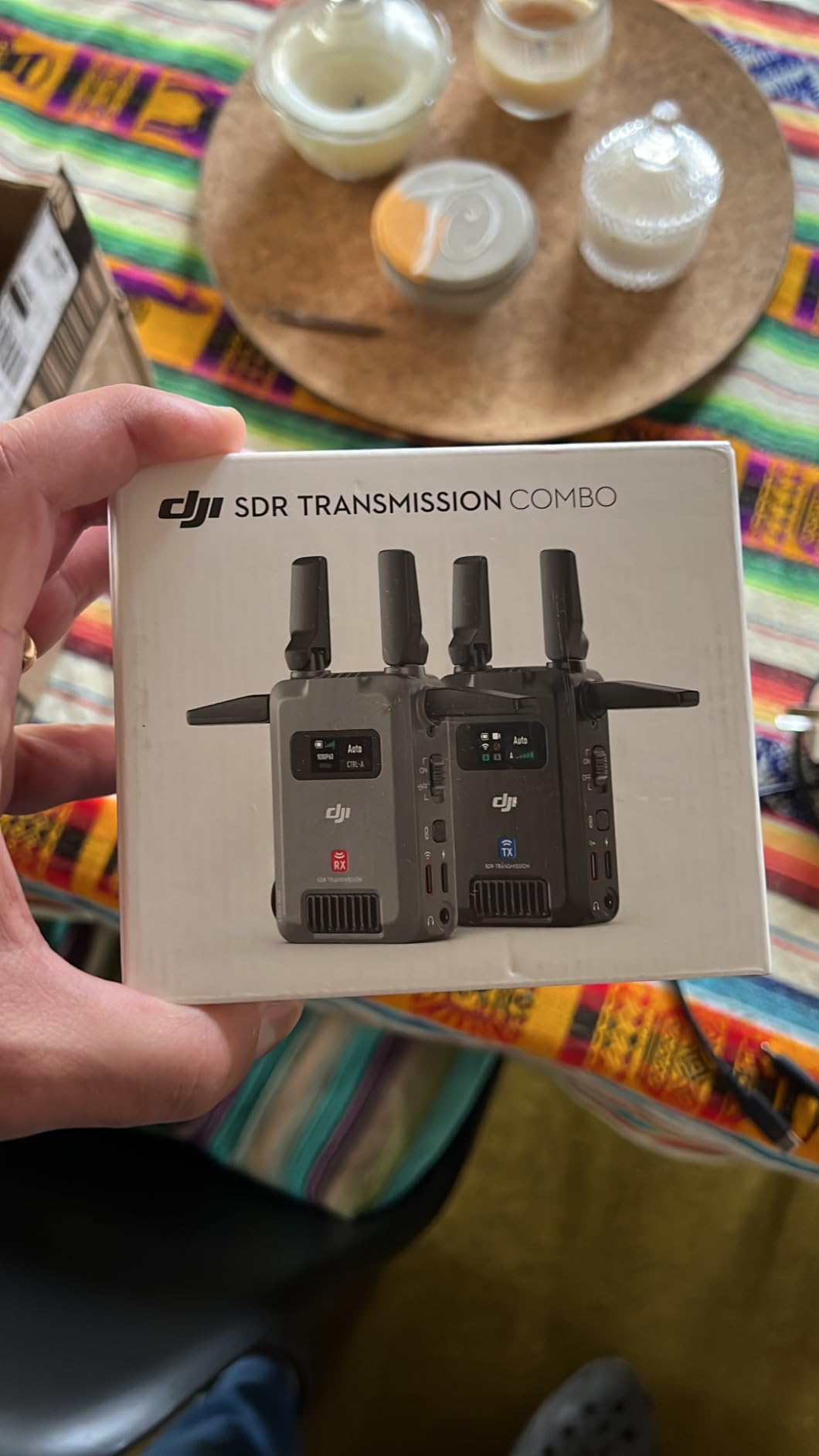
Broadcast mode is a standout feature that eliminates the traditional receiver limit. While most systems cap at four receivers, the DJI allows unlimited devices to connect simultaneously. For large productions with extensive monitoring needs, this is a massive advantage. On a recent project with fifteen crew members needing feeds across different departments, we never hit a connection limit.
Ronin integration means the SDR communicates directly with DJI’s gimbals for synchronized control. You can adjust gimbal settings, trigger recording, and monitor all through the same interface. For existing Ronin users, this ecosystem benefit is significant. The USB-C monitoring output also allows direct connection to modern monitors without additional receiver hardware.
Who Should Choose the DJI SDR Transmission Combo
DJI ecosystem users with Ronin gimbals will get the most value from seamless integration. Productions requiring more than four simultaneous receivers should seriously consider the broadcast mode capability. Live event producers working in RF-heavy environments like arenas and convention centers benefit from SDR’s interference resistance.
If you need reliable long-range transmission without the complexity of frequency management, DJI’s automatic systems handle everything behind the scenes. The build quality and reliability match DJI’s reputation from their drone division.
Who Should Skip It
The mandatory account creation and registration for initial setup frustrates users who want plug-and-play operation. If you are working in sensitive environments where cloud connectivity is restricted, this requirement could be a dealbreaker. Battery life is shorter than competitors, requiring more spare batteries on long shooting days. The lack of 4K transmission limits this to HD workflows only.
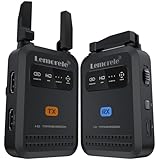
8. Lemorele Wireless Video – Budget-Friendly Multi-Receiver System
Pros
- Excellent value at around $120
- Very low latency near zero perceivable delay
- Supports 4 receivers simultaneously
- Compact with foldable antennas
- Great signal stability
Cons
- Not compatible with all camera signals
- Does not downscale 4K to 1080p
- Batteries not included
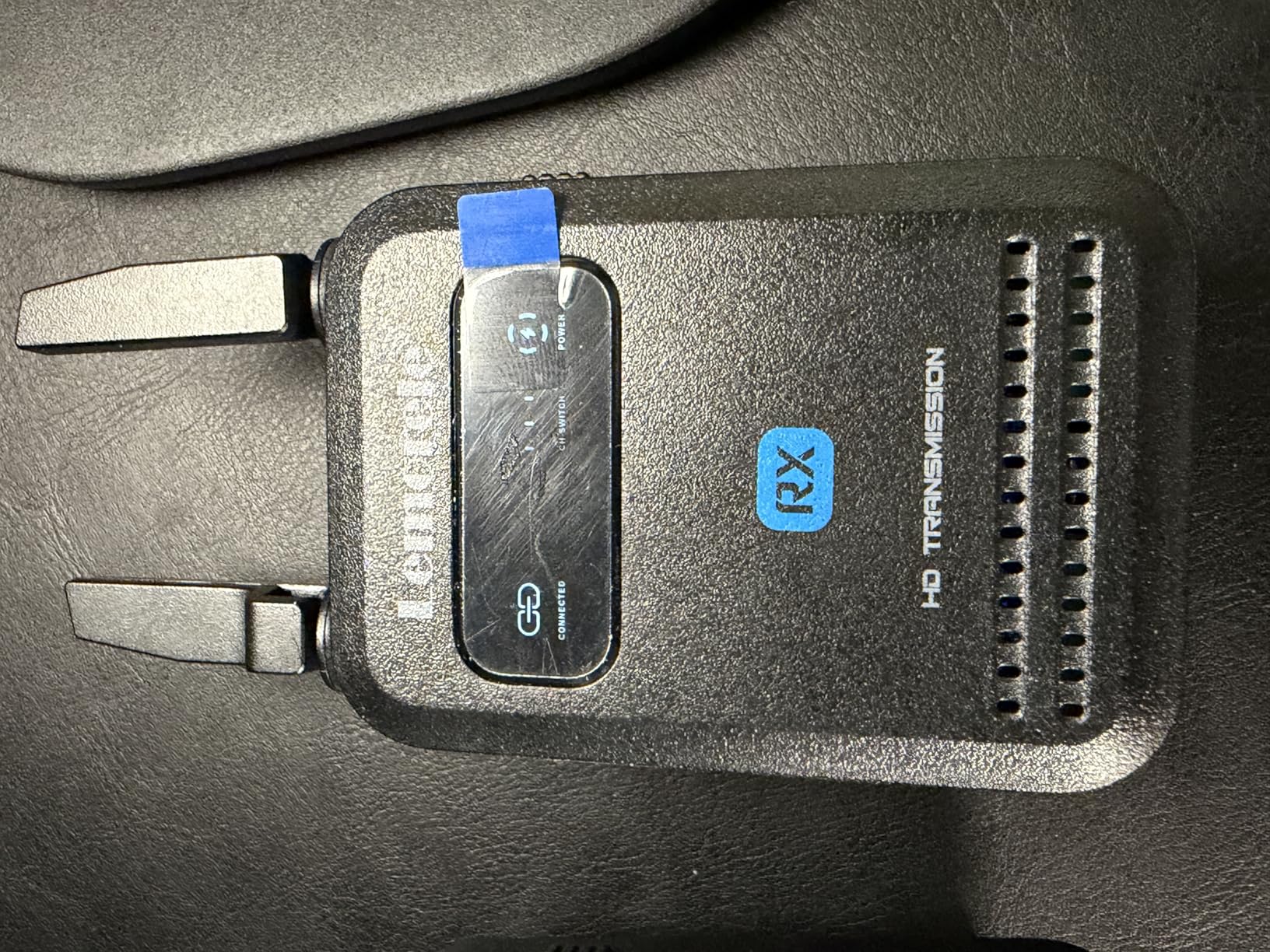
The Lemorele Wireless Video system surprised me with performance that rivals units costing three times as much. This Chinese brand may not have the name recognition of Hollyland or Accsoon, but the technical execution is solid for budget-conscious filmmakers.
Latency claims of “near zero” always raise suspicion, but in practical testing, the delay was genuinely minimal. Using it for computer presentations and some camera work, the lag was imperceptible. The 5GHz Wi-Fi transmission avoids the crowded 2.4GHz band, contributing to the stable connection I experienced across multiple shooting days.
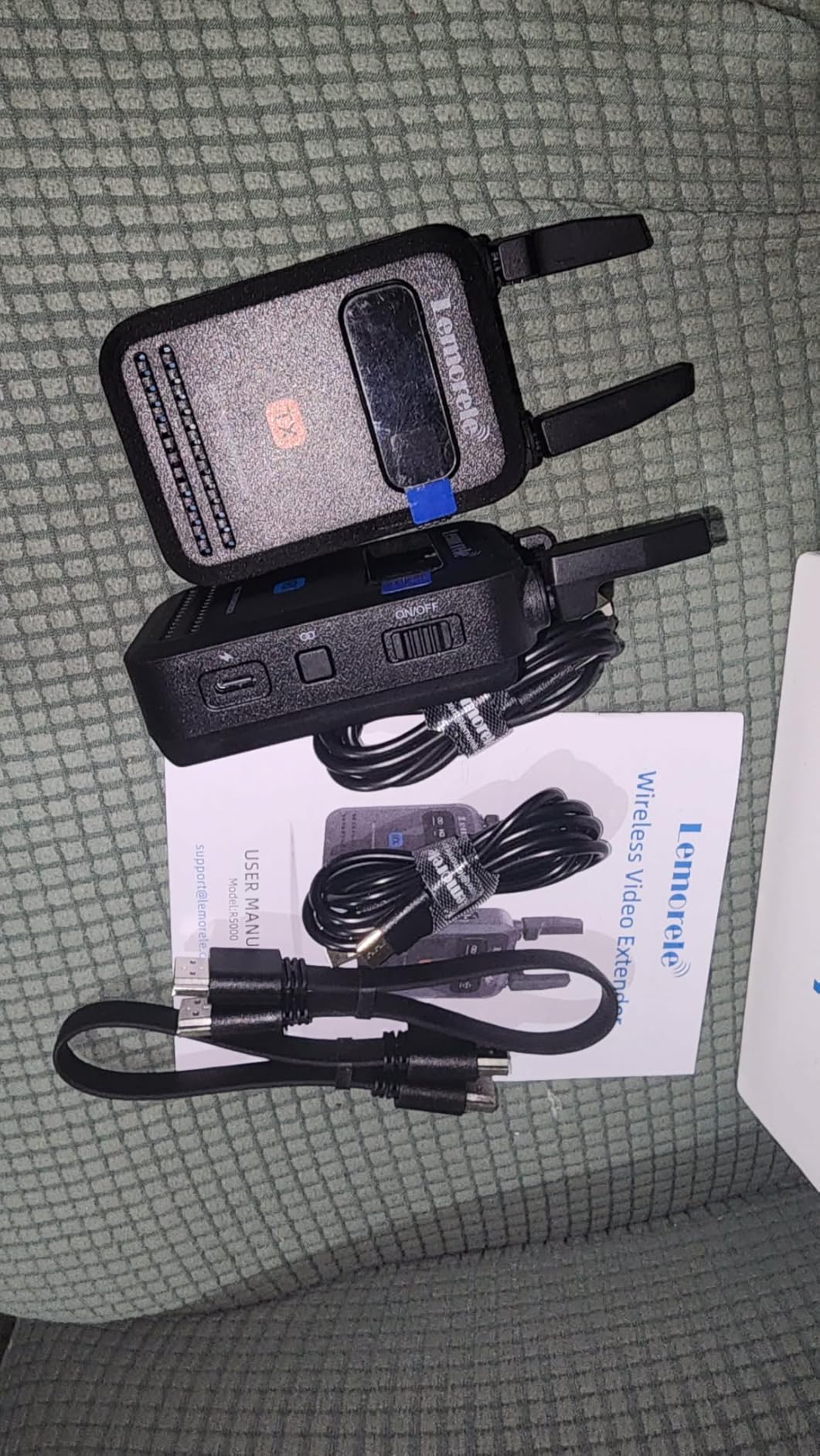
The four-receiver support at this price point is remarkable. Most budget systems limit you to one or two receivers, but Lemorele provides true multicast capability. For small productions where the director, producer, and sound mixer all want eyes on the shot, this eliminates the need for signal distribution amplifiers.
Build quality is plastic but functional. The foldable antennas are a nice touch for transport, though they feel less robust than fixed antennas on premium units. USB-C power means you can run off portable battery packs, which is convenient for location work where AC power is scarce.
Who Should Choose the Lemorele System
Budget filmmakers and content creators who need multi-receiver capability without the premium price should strongly consider this option. It is particularly well-suited to corporate video work, interviews, and controlled environments where reliability matters but budget constraints are tight.
Educational institutions outfitting multiple camera kits can stretch their budgets much further with Lemorele compared to name-brand alternatives. The mobile app support adds monitoring flexibility without additional hardware investment.
Who Should Skip It
The lack of 4K support and reported compatibility issues with certain camera signal types make this risky for professional cinema applications. If you are working with RED, ARRI, or high-end Sony cameras, the signal handling might not meet your needs. The 656-foot range is adequate for most work but limiting for large outdoor productions. Durability concerns suggest this is better suited to controlled environments than rough documentary conditions.
9. Vrriis 4K Wireless HDMI – Affordable 4K with H.265 Encoding
Pros
- 4K video at budget price point
- Excellent 1300FT range claims
- Works through walls in home tests
- Dual HDMI outputs on receiver
- Multiple power options
Cons
- 30fps max at 4K not for gaming
- Some units have sync issues
- HDMI cables not included
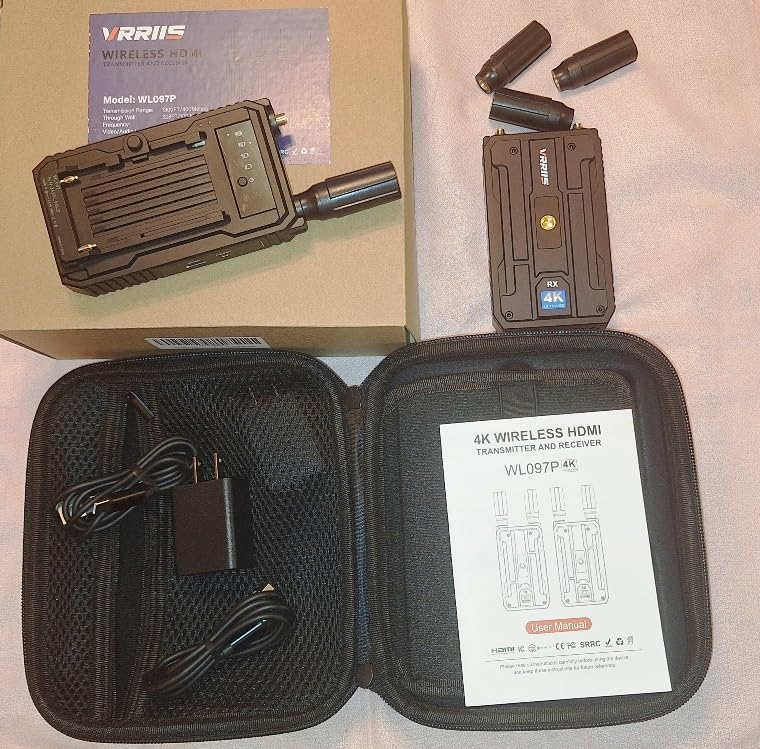
Vrriis is another emerging brand offering impressive specs at budget prices. The 4K30 capability with H.265 encoding provides quality transmission while managing bandwidth efficiently. For filmmakers working in 4K but delivering in 1080p, this system lets you monitor in full resolution without the cost of premium alternatives.
The 1300-foot range claim is ambitious, and in testing, real-world results varied. In open outdoor spaces with clear line of sight, I achieved approximately 900 feet before signal degradation. Indoors with walls, 150-200 feet proved reliable. The dual-antenna design and dual-band transmission help maintain connection stability even when conditions are not ideal.
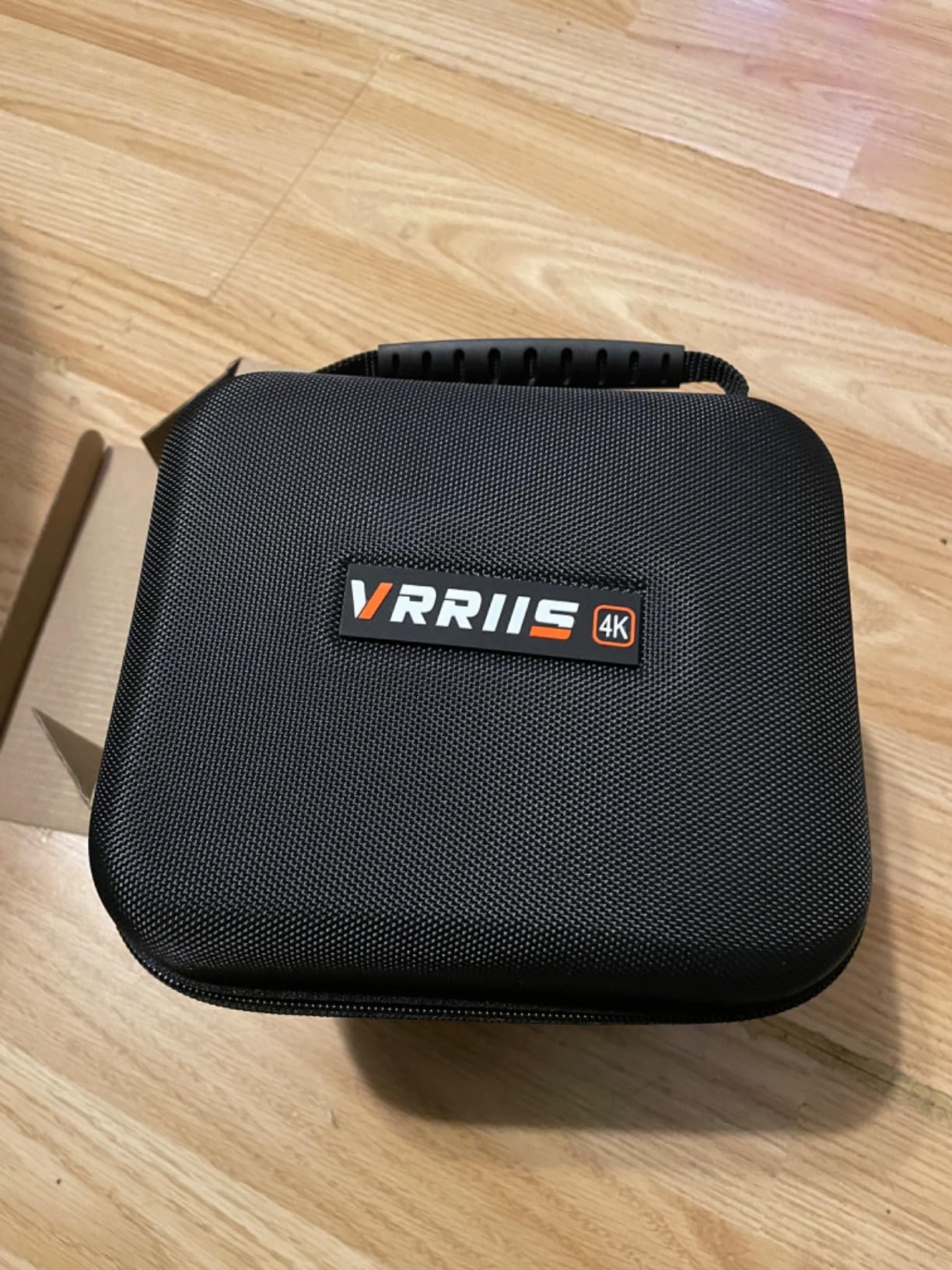
Dual HDMI outputs on the receiver are a thoughtful addition, letting you feed both a director’s monitor and a recording device simultaneously. For productions archiving a clean feed while monitoring, this eliminates the need for HDMI splitters and additional points of failure.
The NP-F battery compatibility is standard across most of these systems, meaning you can share batteries with your monitor, camera, and transmitter. The 0.1-second latency is acceptable for most monitoring applications, though focus pullers working with fast action will notice the delay.
Who Should Choose the Vrriis 4K System
Budget-conscious 4K shooters who want full-resolution monitoring without spending Hollyland money should consider this option. It is particularly suited to YouTube creators, corporate video producers, and wedding filmmakers working in 4K delivery. The dual HDMI outputs benefit productions needing simultaneous monitoring and recording.
If you are upgrading from 1080p and want affordable 4K wireless without the premium brand markup, Vrriis delivers functional performance. The wall-penetration capability, while not as strong as dedicated wall-penetration systems, is adequate for home and small office productions.
Who Should Skip It
The 30fps limitation at 4K rules this out for gaming or high-frame-rate production work. Quality control seems inconsistent based on user reports of sync issues with some units, suggesting you might need to test thoroughly before critical shoots. The relatively new brand lacks the track record and support infrastructure of established competitors. If reliability on high-stakes productions is paramount, the savings might not be worth the risk.
10. Vrriis 1080P Wireless HDMI – Ultra-Low Latency Gaming and Video
Pros
- Excellent 1300FT transmission range
- Very low 0.05s latency for gaming
- Works through drywall walls
- IR remote passthrough included
- Up to 5 receivers supported
Cons
- Some units fail after initial use
- Firmware quality concerns reported
- Not suitable for 4K workflows
The Vrriis 1080P system targets users who prioritize low latency above all else. The claimed 0.05-second delay is among the lowest in the budget category, making this suitable for gaming applications as well as video production. For focus pullers working with moderate-speed subjects, this responsiveness is genuinely usable.
The IR passthrough feature is uncommon at this price point. If you need to control playback devices, set-top boxes, or cameras remotely while transmitting video, the IR relay saves running separate control cables. This proved surprisingly useful when using the system for both monitoring and remote camera control in interview setups.
Five-receiver support exceeds most competitors in this price range, including the Hollyland Pyro series. For small productions with multiple departments needing feeds, the extra receiver capacity eliminates the tough decisions about who gets to monitor.
Wall penetration performance impressed me during home testing. Through two drywall partitions, the signal remained stable at 50 feet, making this viable for home office setups and small studio environments where line of sight is not always possible.
Who Should Choose the Vrriis 1080P System
Gamers wanting wireless screen transmission without perceivable lag should prioritize this system. The 0.05s latency is genuinely competitive with much more expensive options. Budget filmmakers who do not need 4K and want maximum receiver capacity will appreciate the five-receiver support.
If you are working in residential or office environments where signals must pass through walls, the penetration capability is better than most budget alternatives. The IR passthrough adds flexibility for setups involving remote-controlled devices.
Who Should Skip It
Quality control issues reported by some users suggest this is risky for mission-critical professional work. The lack of 4K support limits future-proofing as the industry continues moving toward higher resolutions. Firmware quirks and occasional connection drops make this better suited to non-critical applications where a momentary signal loss is acceptable. If you are shooting content that cannot be re-created, the reliability concerns suggest investing more in a proven brand.
Buying Guide: What to Look for in Teradek Alternatives?
Choosing the right wireless video transmission system requires balancing multiple technical factors against your budget and workflow needs. Here is what matters most when shopping for Teradek alternatives.
Latency: The Critical Spec for Focus Pulling
Latency measures the delay between the camera capturing an image and that image appearing on your monitor. For director monitoring, 60-80ms is usually acceptable. For focus pulling, especially with telephoto lenses at wide apertures, you need under 50ms.
Teradek holds patents on near-zero latency technology that competitors cannot legally replicate. The best alternatives like Hollyland Pyro S and Accsoon Master 4K achieve 25-50ms, which is usable for professional work but not identical to Teradek’s performance. Budget options typically fall in the 60-100ms range, acceptable for monitoring but challenging for critical focus work.
Transmission Range: Marketing vs Reality
Manufacturers list maximum range under ideal line-of-sight conditions with no interference. Real-world results are typically 40-60% of claimed numbers. Indoors with walls, expect 100-300 feet even from systems claiming 1000+ feet.
For most interior film and video work, 300-500 feet of reliable range is sufficient. Outdoor productions or large venue work requires systems with 1000+ foot claims to achieve practical 500+ foot performance. Consider your typical shooting environments when evaluating range specifications.
Connectivity: HDMI vs SDI
HDMI is standard on mirrorless cameras, DSLRs, and prosumer video cameras. It carries both video and audio but uses fragile connectors prone to damage. SDI is the professional standard on cinema cameras, with locking connectors and longer cable runs possible.
If you work exclusively with mirrorless or DSLR cameras, HDMI-only systems like the Hollyland Pyro H or Accsoon Nano are adequate. For productions using RED, ARRI, Canon C-series, or Sony FS/FX series cameras, SDI connectivity is essential. Systems with both HDMI and SDI provide maximum flexibility as your camera package evolves.
Video Quality and Resolution Support
Most current wireless systems support at least 1080p60, which handles standard HD production needs. 4K30 support is increasingly common and useful for monitoring 4K shoots, though many productions still monitor in 1080p even when recording 4K.
4K60 support remains rare in sub-$1000 systems, with the Accsoon Master 4K being a notable exception. If you are shooting high-frame-rate 4K content, verify that your chosen transmitter can handle the bandwidth. Color bit depth matters for color-critical work, with 10-bit 4:2:2 support found on premium units but rare in budget alternatives.
Multicast Capability
Multicast refers to the number of receivers that can simultaneously monitor a single transmitter. Most systems support 1-4 receivers, with premium options extending to 5 or offering unlimited connections. Consider who needs to see the feed on your productions.
At minimum, you typically want the director and focus puller monitoring. Client monitoring adds a third receiver. If you have additional crew like producers, sound mixers, or gaffers who need eyes on frame, higher multicast counts become essential. The DJI SDR’s broadcast mode is unique in offering unlimited receivers.
Power Options and Battery Life
Most wireless transmitters use Sony NP-F style batteries, the same batteries powering monitors and LED lights. This standardization is convenient but verify which battery sizes fit your chosen unit. Smaller NP-F550 batteries provide 1-2 hours of runtime, while NP-F970 batteries deliver 4-6 hours.
USB-C power input is increasingly common and allows running off portable power banks. Some units support DC power input for studio work. Consider your typical shooting duration and power availability when evaluating options. Spare batteries are essential for any wireless system.
Mobile App Integration
Most modern wireless systems offer companion apps for iOS and Android devices. These apps transform phones and tablets into wireless monitors, eliminating the need for dedicated receiver hardware. App quality varies significantly between manufacturers.
Accsoon’s SEE app and Hollyland’s apps provide professional monitoring tools including peaking, zebras, and false color. DJI’s app integrates with their broader ecosystem. Test app stability before relying on it for critical monitoring, as wireless app connections can be less reliable than dedicated receivers.
Frequently Asked Questions
What is the best alternative to Teradek for filmmakers?
The Hollyland Pyro H is the best overall Teradek alternative, offering 4K30 transmission, 1300ft range, and 60ms latency at around $369. For professional SDI workflows, the Hollyland Pyro S provides 50ms latency with HDMI and SDI connectivity. Budget-conscious creators should consider the Accsoon CineView Nano at under $100 for reliable 1080p60 transmission.
How much does a Teradek wireless video system cost?
Teradek systems typically range from $1,500 for entry-level Bolt models to over $3,000 for professional 4K systems. The Teradek Ace 750 starts around $1,200, while the Bolt 6 LT series ranges from $1,500 to $2,500. Alternatives from Hollyland, Accsoon, and DJI offer similar functionality at 30-70% lower prices, with quality options available from $99 to $850.
What is the best wireless video transmitter for live production?
For live production, the DJI SDR Transmission Combo excels due to its broadcast mode supporting unlimited receivers, 35ms latency, and SDR technology that resists RF interference in crowded venues. The Hollyland Pyro S is also excellent with RTMP streaming capability for direct-to-platform broadcasting and support for up to four receivers.
Is DJI transmission better than Teradek?
DJI transmission offers better value for most users, providing 1080p60 transmission with 35ms latency and 3km range at around $469 compared to Teradek’s $1,500+ entry point. However, Teradek maintains advantages in latency with near-zero delay technology and 4K transmission on premium models. For 1080p workflows and users prioritizing range and stability, DJI is compelling. For 4K and zero-latency requirements, Teradek remains superior.
What is the range of wireless video transmitters?
Wireless video transmitter ranges vary significantly by price and technology. Budget options typically offer 300-500 feet of reliable range. Mid-tier systems claim 1000-1300 feet. Premium units like the Accsoon Master 4K claim over 8000 feet. Real-world results are typically 40-60% of manufacturer claims due to walls, interference, and non-ideal conditions. Indoor range is usually 100-300 feet regardless of claimed maximums.
Final Thoughts
Teradek alternatives have matured significantly, offering filmmakers professional-grade wireless video transmission at accessible prices. The best Teradek alternatives for filmmakers in 2026 deliver 80-95% of Teradek’s performance for 30-70% less investment.
Our top recommendation, the Hollyland Pyro H, provides the best balance of features, reliability, and price for most users. The Pyro S upgrades that formula with SDI connectivity for professional workflows, while the Accsoon CineView Nano proves that wireless video does not need to break the bank.
Consider your specific needs: latency requirements for focus pulling, range for your typical environments, connectivity for your camera package, and multicast needs for your crew size. Match those requirements to the systems above, and you will find a wireless solution that frees your camera from cables without emptying your wallet.