
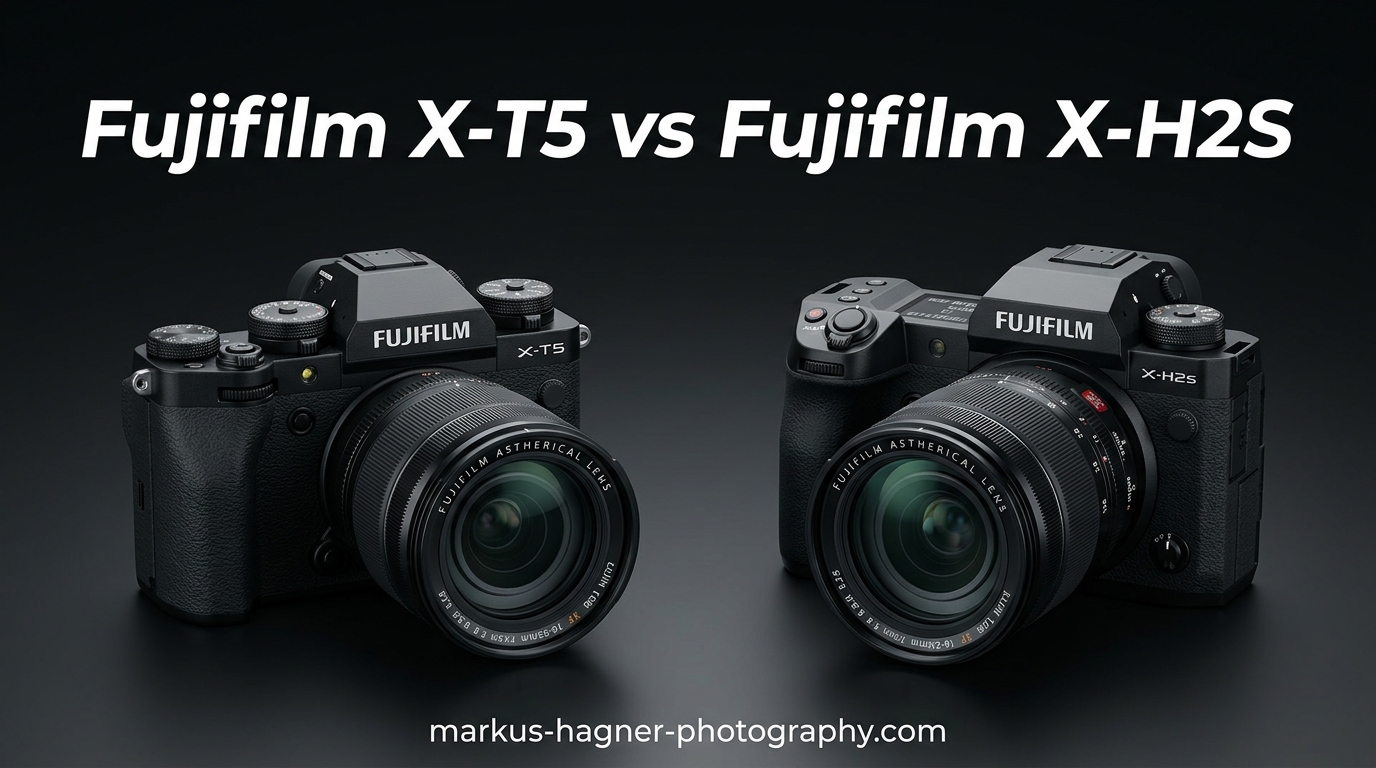
Choosing between two flagship cameras from the same manufacturer is never easy. The Fujifilm X-T5 vs Fujifilm X-H2S debate has been raging since both cameras hit the market, and for good reason. Both represent the pinnacle of Fujifilm’s X Series lineup, but they take very different approaches to what a flagship camera should be.
After spending extensive time with both cameras, I can tell you this isn’t just about specs on paper. The X-T5 and X-H2S serve different masters. One is a resolution monster designed for stills photographers who want maximum detail in a compact, classic body. The other is a speed demon with a stacked sensor built for video production and high-action photography.
The core difference comes down to this: the X-T5 uses a 40.2-megapixel back-illuminated sensor optimized for resolution, while the X-H2S employs a 26.1-megapixel stacked sensor designed for speed and video performance. Both use the same X-Processor 5 engine and feature advanced subject detection autofocus, but that’s where the similarities start to diverge.
So which one is right for you? Let me break down everything you need to know about the Fujifilm X-T5 vs Fujifilm X-H2S comparison.
Fujifilm X-T5 vs Fujifilm X-H2S: Quick Comparison
| Product | Specifications | Action |
|---|---|---|
 Fujifilm X-T5 Fujifilm X-T5 |
|
Check Latest Price |
 Fujifilm X-H2S Fujifilm X-H2S |
|
Check Latest Price |
Fujifilm X-T5: The Resolution King
Pros
- Exceptional 40.2MP resolution
- Classic dial-based controls
- Compact and lightweight body
- Outstanding IBIS system
- Film simulation modes
Cons
- Slower electronic readout speed
- Buffer fills quickly with bursts
- No battery grip available
- Dials can be accidentally moved
The Fujifilm X-T5 represents everything people love about the X Series. It’s a return to form for the X-T line, bringing back the classic dial-based controls that Fujifilm enthusiasts adore while packing in a massive 40.2-megapixel sensor. When I first picked up the X-T5, it felt instantly familiar. The ISO dial on the left, shutter speed dial on top, exposure compensation within easy reach. This is a camera designed for photographers who think in exposure values, not menu systems.
What really sets the X-T5 apart is that 40.2MP X-Trans CMOS 5 HR sensor. It’s a back-side illuminated (BSI) design that delivers incredible detail and dynamic range. I’ve been able to crop into shots heavily while still maintaining printable quality. The color science is pure Fujifilm, with film simulations like Classic Negative and Velvia looking absolutely stunning straight out of camera. For landscape and portrait work, the resolution advantage is significant.

The in-body image stabilization is impressively effective, providing up to 7 stops of shake reduction. I’ve shot handheld at 1/15th second with wide angles and come away with tack-sharp results. The 3.69-million dot electronic viewfinder is crisp and bright, though I wish it had the 120fps refresh rate of the X-H2S. Still, for composing stills, it’s more than adequate.
Autofocus performance has improved dramatically over previous X-T models. The subject detection AF with deep-learning AI does an admirable job tracking birds, animals, cars, and faces. However, it’s not quite as snappy as the X-H2S system, particularly in continuous autofocus for fast-moving subjects. For most still photography scenarios, it’s perfectly capable, but sports and wildlife photographers might notice the difference.
One aspect I genuinely appreciate is the three-way tilting LCD. It’s not fully articulated like the X-H2S screen, but the tilt mechanism is perfect for street photography, low-angle shots, and discrete shooting. You can flip it up for waist-level composition or tilt it down for high angles. The screen feels sturdy and well-damped, not flimsy like some tilt screens I’ve used.
Battery life is rated for approximately 680 frames per charge using the NP-W235 battery. In real-world use, I’ve found this to be fairly accurate when shooting stills with occasional image review. However, the X-T5 does seem to drain battery faster than expected when left idle, so you’ll want to carry a spare for extended shoots. Unfortunately, there’s no battery grip option available, which is a disappointment for photographers who prefer the balance and extended shooting time a grip provides.

The build quality, while weather-sealed and solid, feels like a slight step down from the X-T4. Some dials feel a bit cheaper, and there have been concerns raised about the weather sealing durability given the exposed dial mechanisms. That said, I’ve used the X-T5 in light rain without issues. At 557 grams with battery, it’s noticeably lighter than the X-H2S, making it a more comfortable companion for all-day carry.
For video, the X-T5 is capable but not exceptional. It offers 6.2K/30p recording with 4:2:2 10-bit color internally, along with F-Log2 for those who want to grade their footage. However, the readout speed is slower than the X-H2S, resulting in more noticeable rolling shutter. If video is a secondary concern for you, the X-T5 will get the job done. But if you’re serious about filmmaking, the X-H2S is clearly the better choice.
Fujifilm X-H2S: The Speed and Video Specialist
Pros
- Incredibly fast stacked sensor
- Professional video features
- Excellent autofocus performance
- CFexpress support
- Top LCD panel
Cons
- Higher price point
- Requires expensive CFexpress cards
- F-Log2 has high minimum ISO
- No included battery charger
The Fujifilm X-H2S is a different beast entirely. As the first X Series camera with a stacked sensor, it represents a technological leap forward for Fujifilm. The 26.1-megapixel X-Trans CMOS 5 HS sensor might have fewer pixels than the X-T5, but what it sacrifices in resolution, it more than makes up for in speed and readout performance. This camera feels like a purpose-built tool for professionals who need reliability in demanding conditions.
That stacked sensor changes everything. The electronic readout is so fast that rolling shutter is virtually eliminated. You can shoot silently at 40 frames per second with the electronic shutter and capture action that would be impossible with a mechanical shutter. I’ve used the X-H2S for wildlife photography and been able to capture split-second moments that other cameras would simply miss. The buffer is effectively unlimited when shooting to CFexpress Type B cards, which is a game-changer for burst photography.
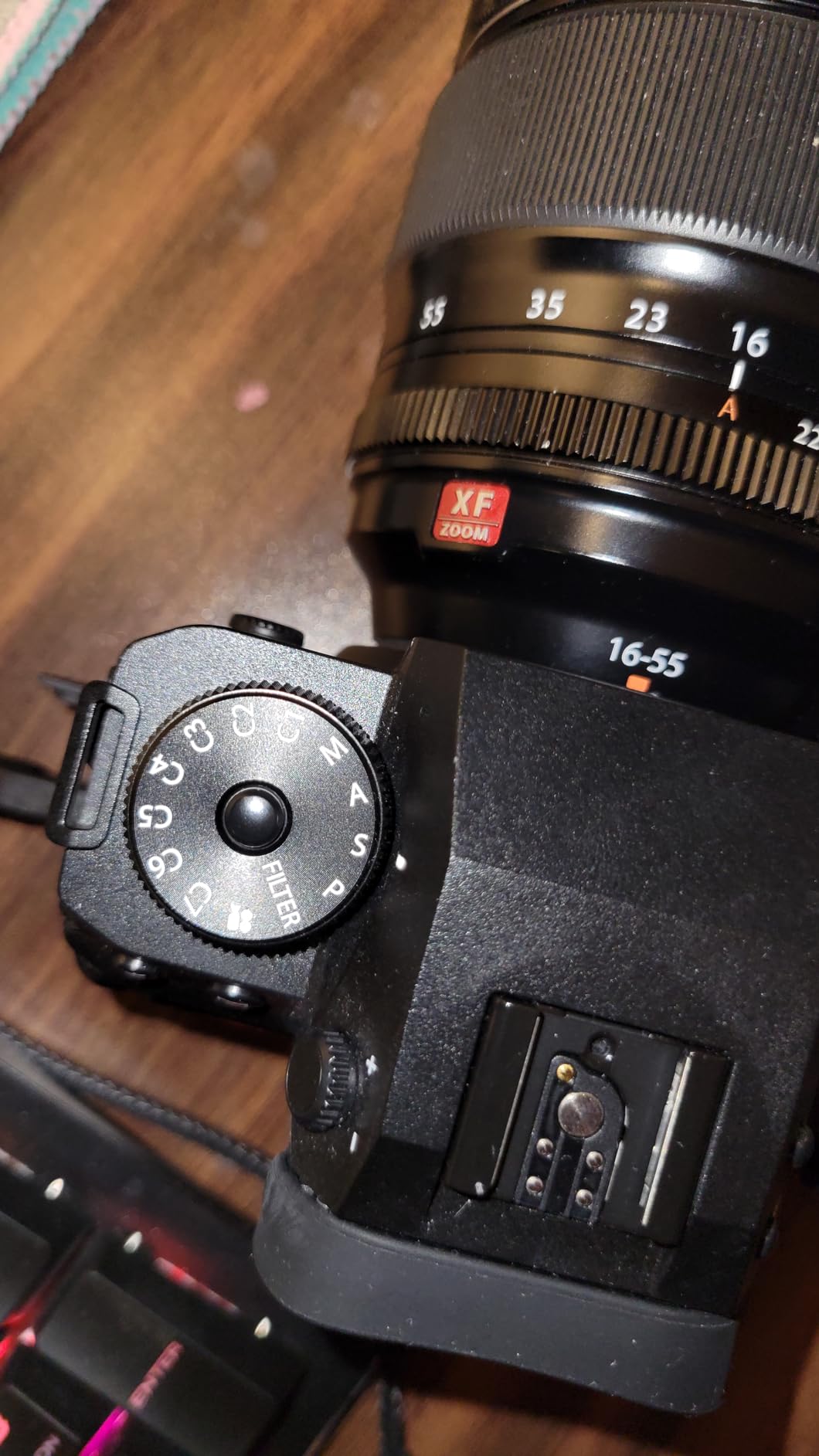
Video is where the X-H2S truly shines. It’s the first Fujifilm camera capable of internal ProRes recording, and the video specs are genuinely impressive. You get 6.2K/30p Open Gate recording in a 3:2 aspect ratio, which provides maximum flexibility for cropping in post. The 4K/120p slow-motion is buttery smooth, and Full HD/240p opens up creative possibilities for super slow-mo. The ability to record 10-bit 4:2:2 ProRes internally to CFexpress cards without an external recorder is a huge advantage for documentary and event videographers.
The autofocus system on the X-H2S feels more responsive than the X-T5, though both use similar subject detection technology. I’ve found that the X-H2S does a better job maintaining focus on fast-moving subjects, and the low-light AF capability down to -7EV is genuinely impressive. When photographing wildlife at dawn or dusk, the X-H2S continues to acquire focus when other cameras start hunting.
Ergonomically, the X-H2S is a different experience. The larger grip fills your hand comfortably, especially when using larger telephoto lenses. I’ve found it significantly easier to hold for extended shooting sessions compared to the X-T5. The top LCD panel is a welcome addition for quickly checking settings without powering up the main screen or viewfinder. This is a feature professionals will appreciate, as it mimics the functionality of high-end DSLRs and mirrorless cameras from other manufacturers.
The fully articulated screen is perfect for video work and self-recording. Whether you’re vlogging, shooting product videos, or monitoring yourself while recording to an external monitor, the articulating screen provides maximum flexibility. However, some still photographers prefer the simpler three-way tilt of the X-T5, as the fully articulated design can be less convenient for quick waist-level composition.
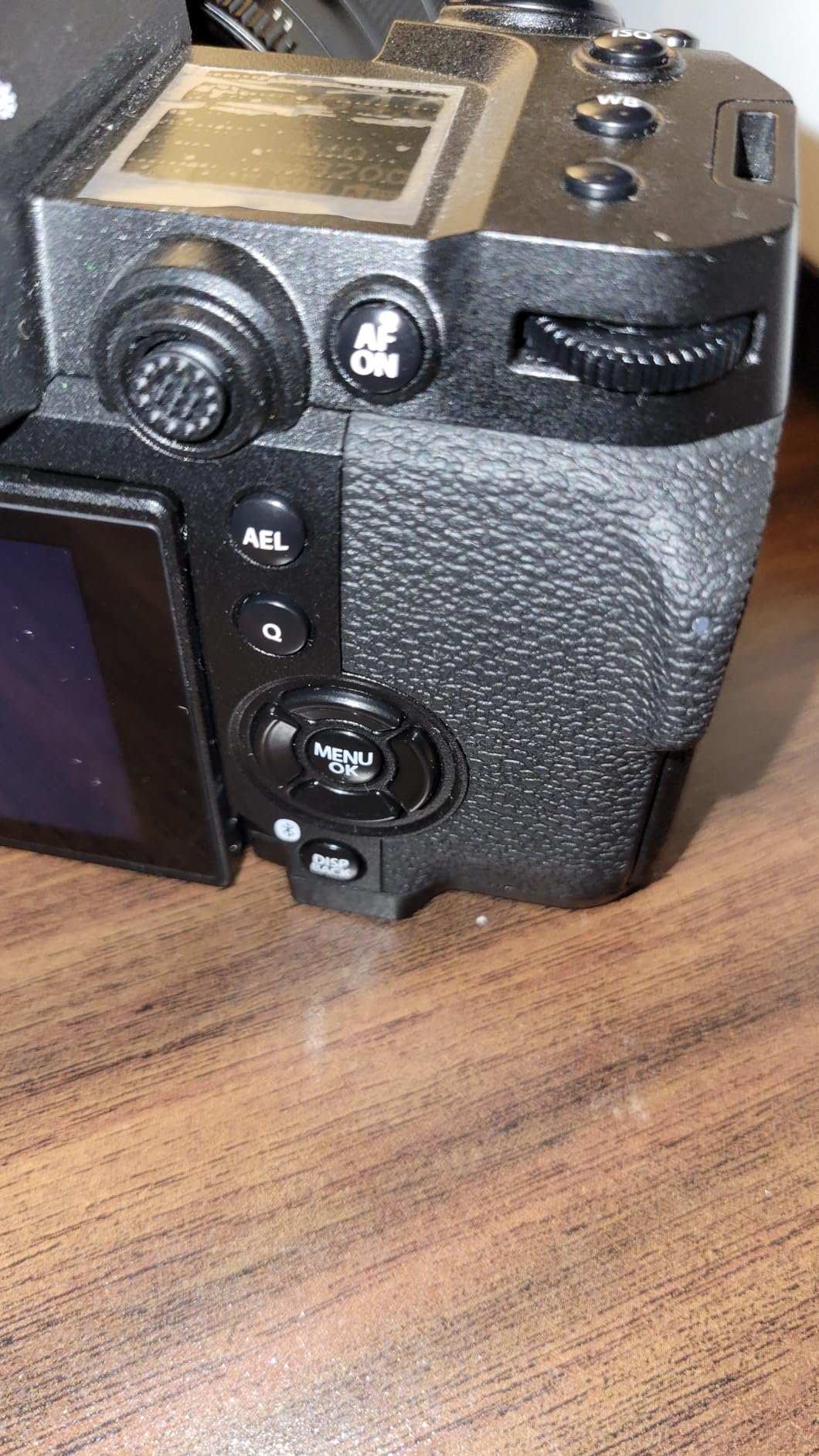
Memory card configuration is a significant differentiator. The X-H2S features one CFexpress Type B slot and one UHS-II SD slot. This dual-slot setup is ideal for hybrid shooters, allowing you to record high-bitrate ProRes to the CFexpress card while backing up JPEGs or lower-resolution footage to SD. However, CFexpress Type B cards are expensive, adding to the already higher cost of the X-H2S system. This is a real consideration if budget is a factor.
Battery life is officially rated the same as the X-T5 at approximately 680 frames, but real-world usage can vary significantly. The stacked sensor and advanced features can be power-hungry, especially when shooting video or using the electronic shutter extensively. I’ve found that having at least two batteries is essential for a full day of shooting. The optional vertical grip (VG-XH) is excellent, providing extended battery life and improved vertical shooting ergonomics, though it adds considerable cost and bulk.
Build quality on the X-H2S feels more substantial than the X-T5. The magnesium alloy body feels premium and durable, with weather sealing that inspires confidence for outdoor shooting. At 660 grams with battery, it’s noticeably heavier than the X-T5, but the weight distribution is excellent. For professional use where reliability is paramount, the X-H2S feels like the more robust option.
Fujifilm X-T5 vs Fujifilm X-H2S: Head-to-Head Comparison
Sensor and Image Quality
The sensor difference between these cameras is the fundamental divide. The X-T5’s 40.2-megapixel X-Trans CMOS 5 HR is a traditional BSI sensor designed for maximum resolution. It delivers outstanding detail that’s perfect for large prints, heavy cropping, and commercial work. If you photograph landscapes, portraits, or products where resolution is paramount, the X-T5 has a clear advantage.
The X-H2S uses a 26.1-megapixel X-Trans CMOS 5 HS stacked sensor. While it has fewer megapixels, the stacked design enables incredibly fast readout speeds. This means less rolling shutter, better electronic shutter performance, and superior video capabilities. For most printing and web use, 26 megapixels is more than sufficient. Unless you regularly make prints larger than 20×30 inches or crop heavily in post, you may not notice the resolution difference in practical use.
Both sensors use Fujifilm’s X-Trans color filter array, which produces that distinctive Fujifilm look. Color reproduction is excellent on both cameras, with rich skin tones and vibrant landscapes. The dynamic range is similar between the two, with both capable of approximately 13+ stops in standard mode and 14+ stops when using F-Log2. For still photography, you won’t see a dramatic difference in dynamic range between the two cameras.
Video Capabilities
This is where the X-H2S clearly wins. While both cameras can record 6.2K/30p video, the X-H2S does it with faster readout speed and less rolling shutter. The X-H2S also offers Open Gate recording in a 3:2 aspect ratio, providing maximum flexibility for cropping to different formats in post-production.
The real video advantage for the X-H2S is internal ProRes recording. Being able to record 10-bit 4:2:2 ProRes directly to the CFexpress card without an external recorder is a huge benefit for solo shooters and documentary filmmakers. The X-T5 requires an external recorder for ProRes RAW, adding complexity and cost to your video setup.
High-frame-rate recording also favors the X-H2S. The 4K/120p and Full HD/240p options provide creative slow-motion possibilities that the X-T5 can’t match. If you’re serious about video production, sports videography, or any application requiring slow motion, the X-H2S is the obvious choice.
Autofocus Performance
Both cameras feature subject detection autofocus with deep-learning AI, capable of识别ing and tracking cars, planes, trains, birds, animals, and faces. In practice, the X-H2S autofocus feels slightly more responsive, particularly in continuous autofocus for moving subjects.
The X-H2S has better low-light autofocus capability, rated down to -7EV compared to the X-T5’s -5EV (when using the electronic shutter). This difference is noticeable in challenging lighting conditions, such as indoor events or wildlife photography at dawn and dusk.
For most still photography applications, both autofocus systems are excellent. You’ll only notice a difference if you’re shooting fast-moving action regularly. For portraits, landscapes, and street photography, the X-T5 autofocus is more than capable. For sports, wildlife, and video work, the X-H2S has the edge.
Body Design and Ergonomics
The design philosophy difference here is stark. The X-T5 embraces traditional camera controls with dedicated dials for ISO, shutter speed, and exposure compensation. If you love analog cameras and tactile controls, the X-T5 will feel like home. The compact, rectangular body is reminiscent of classic rangefinders, and it’s a joy to use for deliberate, thoughtful photography.
The X-H2S takes a more modern approach. The top plate features a monochrome LCD for quickly checking settings, and most controls are accessed via buttons and dials rather than dedicated exposure dials. The larger, deeper grip makes it more comfortable to hold, especially with larger lenses. If you’re coming from a professional DSLR or mirrorless system from another manufacturer, the X-H2S will feel more familiar.
Size and weight are significant considerations. The X-T5 is 557 grams with battery, while the X-H2S is 660 grams. That 100-gram difference might not sound like much, but it’s noticeable during all-day carry. The X-T5 is also slightly smaller in every dimension, making it a better choice for travel and street photography where discretion is valued.
Screen and Viewfinder
The screen difference is personal preference in action. The X-T5 has a three-way tilting LCD that can tilt up, down, and forward. This is perfect for waist-level shooting, low-angle work, and street photography where you don’t want to draw attention to yourself. The mechanism feels sturdy and well-built.
The X-H2S features a fully articulated screen that can flip out to the side. This is ideal for video work, vlogging, self-recording, and shooting from awkward angles. If you shoot video regularly, the fully articulated screen is a significant advantage. For stills photography, the choice depends on your shooting style. Some photographers love the flexibility of articulating screens, while others find them cumbersome for quick shooting.
Both cameras have excellent 3.69-million dot electronic viewfinders with 0.8x magnification. The X-H2S viewfinder has a 120fps refresh rate option for smoother motion, while the X-T5 tops out at 100fps. In practice, both are excellent for composing stills and monitoring video.
Memory Cards and Storage
This is a practical consideration that affects both cost and workflow. The X-T5 has two UHS-II SD card slots. SD cards are affordable and widely available, making it easy to carry multiple cards and keep shooting without breaking the bank.
The X-H2S has one CFexpress Type B slot and one UHS-II SD slot. CFexpress Type B cards are significantly more expensive than SD cards, but they enable the high-bitrate ProRes recording and unlimited burst shooting that are the X-H2S’s main advantages. If you’re buying the X-H2S for its video capabilities, you’ll need to budget for at least one CFexpress card, preferably two for redundancy.
The dual-slot configuration on both cameras allows for backup recording, overflow recording, or separating JPEG and RAW files. Professional users will appreciate the security of dual slots, regardless of card type.
Price and Value
The price difference between these cameras is substantial. The X-T5 typically retails for around $1,700-1,800 for the body only, while the X-H2S commands $2,800-2,900. That $700-800 difference is significant and could be invested in lenses, accessories, or a second body.
However, it’s important to consider total system cost. If you choose the X-H2S for video, you’ll need to factor in the cost of CFexpress Type B cards, which can add $300-600 to your initial investment. The X-H2S also lacks an included battery charger, which is another unexpected expense. Conversely, if you need a vertical grip for extended shooting, the X-H2S has one available while the X-T5 does not.
Value depends on your use case. If you’re primarily a stills photographer who values resolution and portability, the X-T5 offers excellent value. You’re getting a 40-megapixel camera with excellent image quality and classic controls at a reasonable price. If you’re a hybrid shooter or videographer who needs professional video capabilities and fast burst rates, the X-H2S is worth the premium despite the higher total system cost.
Fujifilm X-T5 vs Fujifilm X-H2S: Which Should You Choose?
Choose the Fujifilm X-T5 If:
You’re primarily a stills photographer who loves resolution and classic controls. The X-T5 is perfect for landscape, portrait, street, and travel photography where image quality and portability are paramount. If you value the tactile experience of traditional dials and want a camera that’s fun to use, the X-T5 delivers. It’s also ideal for photographers who print large or crop heavily, as the 40.2-megapixel sensor provides exceptional detail.
Choose the Fujifilm X-H2S If:
You’re a hybrid shooter, videographer, or action photographer who needs speed and professional video features. The X-H2S is the better choice for sports, wildlife, wedding, and event photography where fast burst rates and reliable autofocus are essential. If you shoot video professionally, the internal ProRes recording and Open Gate capability make the X-H2S worth the extra cost. For hybrid shooters who do both stills and video at a high level, the X-H2S is the more versatile tool.
Frequently Asked Questions
Which is better X-T5 or X-H2S?
The X-H2S is better for video and action photography with its stacked sensor, 40fps burst, and internal ProRes recording. The X-T5 is better for stills photography with its 40.2MP resolution, classic controls, and more compact design. Neither is universally better—it depends on your primary use case.
What is the difference between X-T5 and X-H2S?
The core differences are: X-T5 has a 40.2MP BSI sensor for resolution, while X-H2S has a 26.1MP stacked sensor for speed. X-T5 uses traditional dial controls in a compact body, while X-H2S has modern controls with a larger grip. X-H2S supports internal ProRes recording and CFexpress cards, while X-T5 uses dual SD slots. X-H2S costs approximately $700-800 more.
Is X-H2S better for video?
Yes, the X-H2S is significantly better for video. It has a faster stacked sensor with less rolling shutter, supports internal ProRes recording to CFexpress cards, offers 6.2K Open Gate recording, and provides 4K/120p slow motion. The fully articulated screen is also better for video work. The X-T5 is video-capable but not optimized for serious filmmaking.
Does X-T5 have better image quality?
The X-T5 has higher resolution at 40.2MP versus 26.1MP, which provides more detail for large prints and heavy cropping. Color science and dynamic range are similar between both cameras. For most printing and web use, you won’t notice a significant difference in image quality. Choose the X-T5 for maximum resolution or the X-H2S if you prioritize speed and video.
Which camera has better autofocus?
Both cameras use similar subject detection autofocus with AI, but the X-H2S performs slightly better in practice. It has faster low-light AF capability down to -7EV and maintains focus more reliably on fast-moving subjects. For most still photography, both autofocus systems are excellent. The difference is most noticeable for sports, wildlife, and video work.
Is X-T5 good for wildlife photography?
The X-T5 can work for wildlife photography thanks to its 40.2MP resolution and 15fps mechanical burst rate. The high resolution is beneficial for cropping with telephoto lenses. However, the X-H2S is better for wildlife due to its faster 40fps electronic burst, superior autofocus tracking, and unlimited buffer with CFexpress cards. If wildlife is your primary subject, the X-H2S is the stronger choice.
Is X-H2S worth the extra money?
The X-H2S is worth the extra $700-800 if you need its professional video capabilities, stacked sensor performance, or superior burst shooting. Videographers, sports photographers, and wildlife photographers will get value from the X-H2S that justifies its higher cost. However, if you’re primarily a stills photographer who doesn’t need video features or extreme burst rates, the X-T5 offers better value.
What is the sensor difference between X-T5 and X-H2S?
The X-T5 uses a 40.2-megapixel X-Trans CMOS 5 HR sensor, which is a traditional back-side illuminated (BSI) sensor optimized for high resolution. The X-H2S uses a 26.1-megapixel X-Trans CMOS 5 HS sensor, which is a stacked back-illuminated sensor optimized for fast readout speeds. The stacked sensor enables better video performance, faster burst rates, and less rolling shutter.
Fujifilm X-T5 vs Fujifilm X-H2S: Final Verdict
Both cameras are excellent, and you can’t go wrong with either. The X-T5 is more fun to use and produces stunning still images with its high-resolution sensor. The X-H2S is the better workhorse, with faster performance and professional video capabilities that justify its higher price for the right users.
My recommendation? Be honest about your primary use case. If you’re 80% or more focused on stills photography, the X-T5 will serve you well and save you money. If video is a significant part of your work or you photograph fast-moving action regularly, the X-H2S is the smarter long-term investment despite the higher initial cost.