
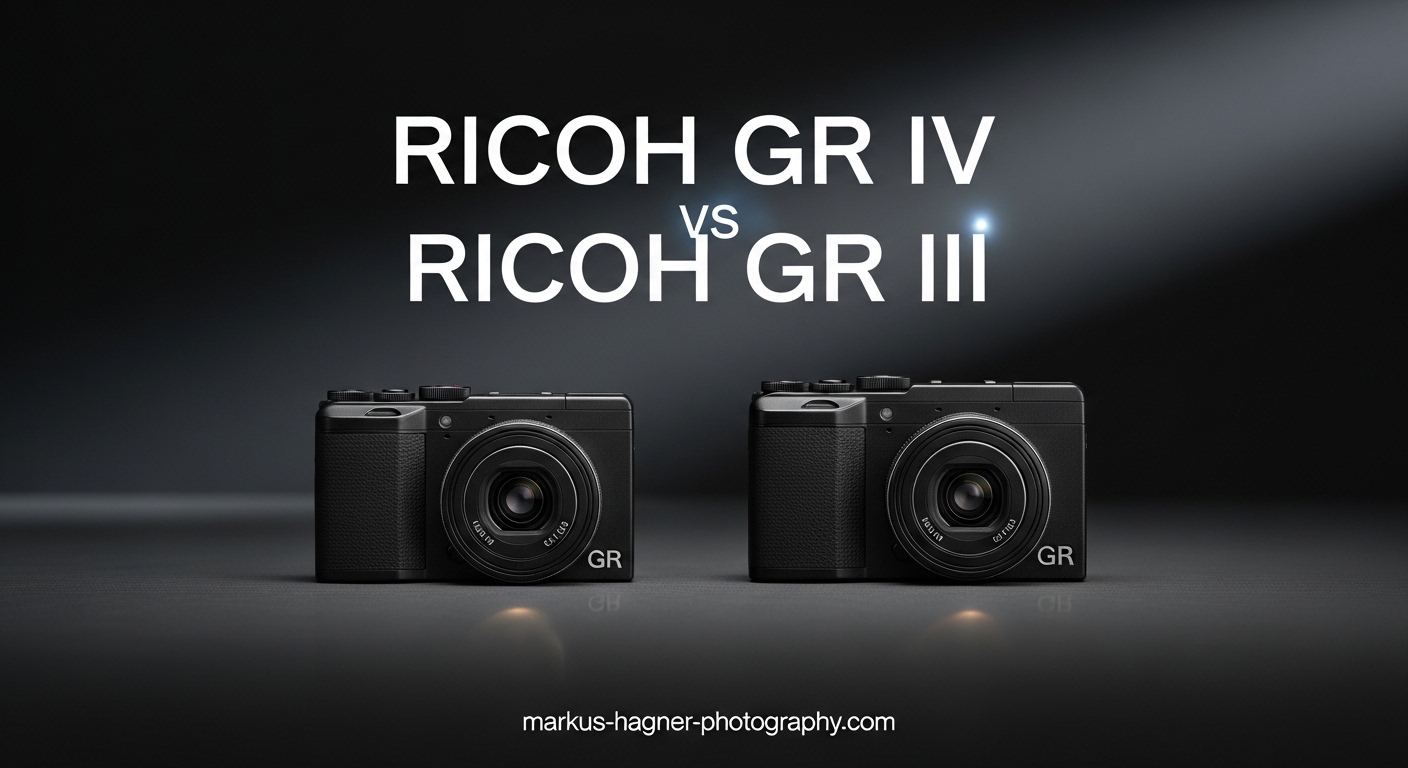
Street photographers have long loved the Ricoh GR series for its unmatched blend of image quality and portability. The Ricoh GR IV vs Ricoh GR III debate has been heating up since the newer model arrived, and for good reason. Both cameras pack APS-C sensors into bodies that slide into your front pocket, but the improvements in the GR IV add up to more than just a spec sheet refresh.
I have spent considerable time with both cameras, and the differences become apparent the moment you start shooting. The GR III earned its legendary status among street photographers for good reason. But the GR IV addresses many of the frustrations users reported with its predecessor.
Here is the quick verdict: If you photograph people, shoot in challenging light, or want better battery life, the GR IV is worth the extra investment. If you are on a tighter budget and primarily shoot static subjects with zone focusing, the GR IIIx still delivers exceptional results.
Let us dive into the details so you can make the right choice for your photography style.
Quick Comparison: Ricoh GR IV vs Ricoh GR III
Before we get into the weeds, here is a side-by-side look at how these two compact cameras stack up against each other.
| Product | Specifications | Action |
|---|---|---|
 Ricoh GR IV HDF
|
|
Check Latest Price |
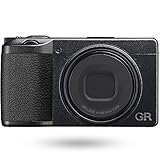 Ricoh GR IIIx
|
|
Check Latest Price |
The comparison above shows the headline differences. The GR IV brings a higher resolution sensor, significantly better image stabilization, dramatically more internal storage, and improved battery life. The GR IIIx counters with a different focal length (40mm vs 28mm) and a much larger library of user reviews proving its reliability.
Ricoh GR IV HDF: The Refined Street Photography Powerhouse
Pros
- Ultra-compact design fits in any pocket
- Built-in Highlight Diffusion Filter for softer light
- Exceptional edge-to-edge lens sharpness
- 53GB internal memory eliminates card anxiety
- Improved 5-axis stabilization
- High ISO performance to 204800
Cons
- Premium price at $1599.95
- Autofocus still slower than mirrorless systems
- No weather sealing
- No tilting screen
- Some reports of overheating
The GR IV HDF represents the most evolved version of Ricoh’s pocketable APS-C camera philosophy. During my time with it, what struck me most was not any single revolutionary feature, but how the incremental improvements compound into a noticeably better shooting experience.
The built-in Highlight Diffusion Filter is genuinely useful for street photography. It softens harsh highlights in a way that would normally require post-processing or a physical filter. For photographers who value getting the shot right in-camera, this feature alone can save hours of editing time.
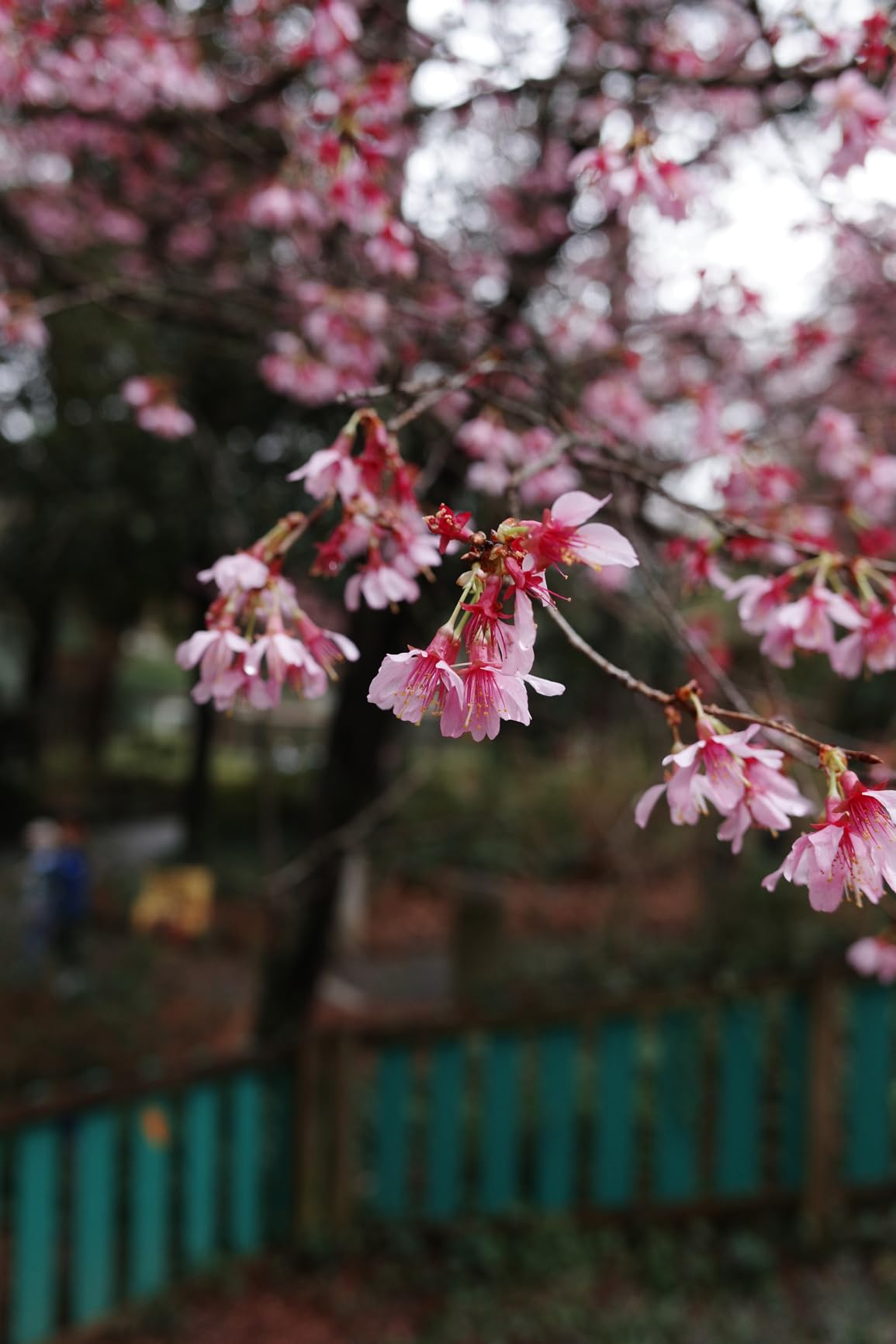
Real-world users on Reddit consistently report that the autofocus improvement is the most meaningful upgrade. Where the GR III struggled with faces and moving subjects, the GR IV locks on with confidence. One user described the difference as “night and day” when photographing their children. The hybrid autofocus system with improved phase detection coverage makes the GR IV viable for people photography in ways the GR III never was.
The 5-axis, 6-stop image stabilization is another game-changer for street photography. You can now shoot at slower shutter speeds handheld, which opens up creative possibilities in low light that were simply not available with the GR III’s 3-axis system. Corner sharpness has also improved noticeably, with the new GR lens delivering edge-to-edge clarity that professional photographers will appreciate.
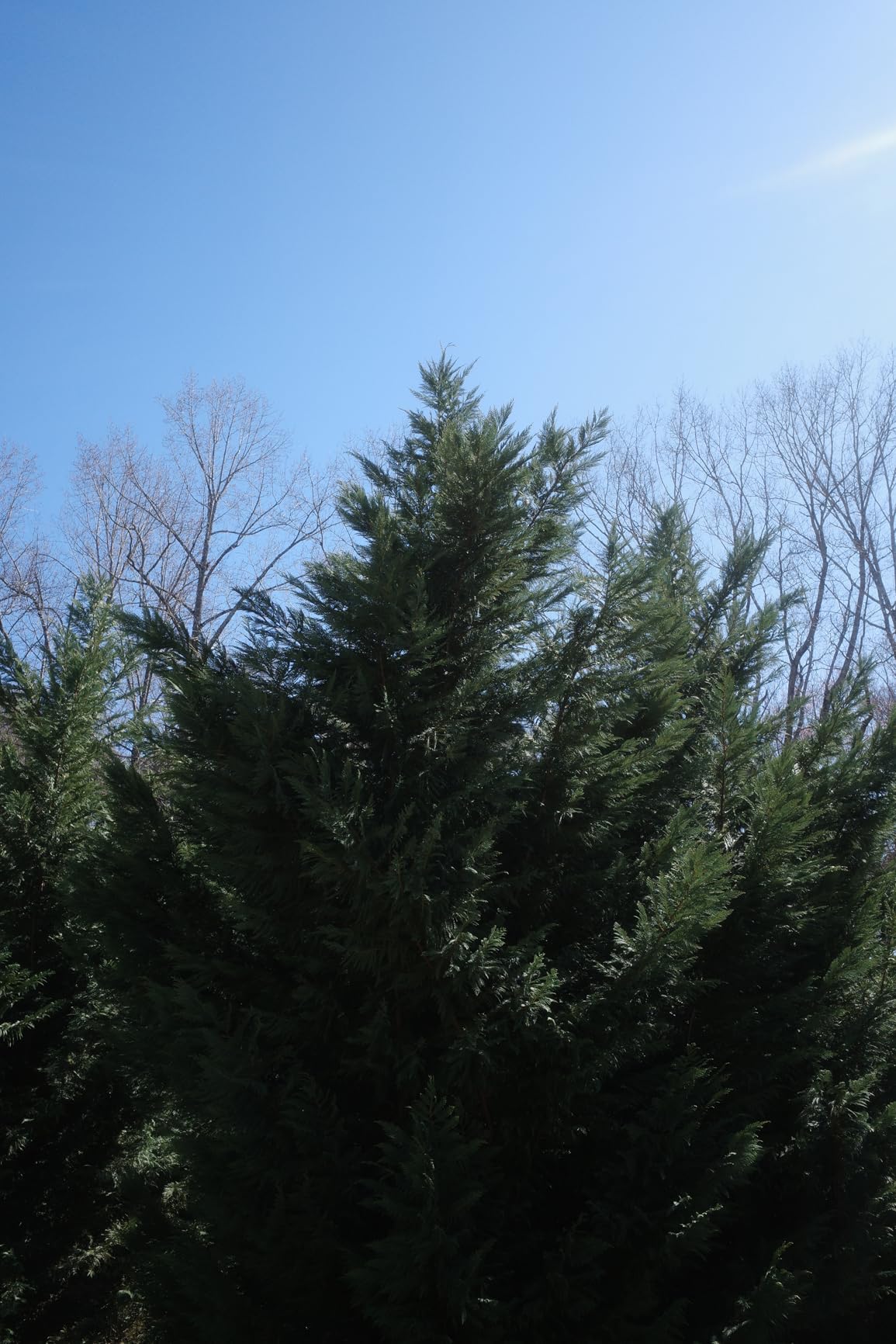
The jump from 2GB to 53GB of internal storage might seem excessive until you forget your SD card and realize you can still shoot all day. It is one of those quality-of-life improvements that you do not appreciate until you need it. Combined with the microSD card slot, storage anxiety becomes a thing of the past.
Battery life sees a 25% improvement to 250 shots (CIPA rating). In real-world use, photographers report getting through a full day of casual shooting without reaching for a spare. The new DB-120 battery is a welcome upgrade over the DB-110 used in the GR III.
Ricoh GR IIIx: The Proven Workhorse with a Different Perspective
Pros
- Exceptionally pocketable design
- Incredibly sharp 40mm lens
- APS-C quality in compact body
- 228 reviews prove reliability
- Strong community and film recipes
- Excellent macro performance
Cons
- Poor battery life needs spare batteries
- Autofocus struggles in low light
- No weather sealing
- No tilting screen
- Limited to 1080p video
The GR IIIx takes a different approach with its 40mm equivalent lens, offering a perspective closer to the human eye than the traditional 28mm street photography focal length. This makes it more versatile for portraits and everyday scenes while still being discrete enough for candid street work.
With 228 Amazon reviews and a 4.4-star rating, the GR IIIx has proven itself in the hands of real photographers. The community around this camera is passionate and supportive, sharing custom film simulation recipes that transform the JPEG output. If you enjoy shooting JPEG and want that film aesthetic straight out of camera, the GR IIIx ecosystem is hard to beat.
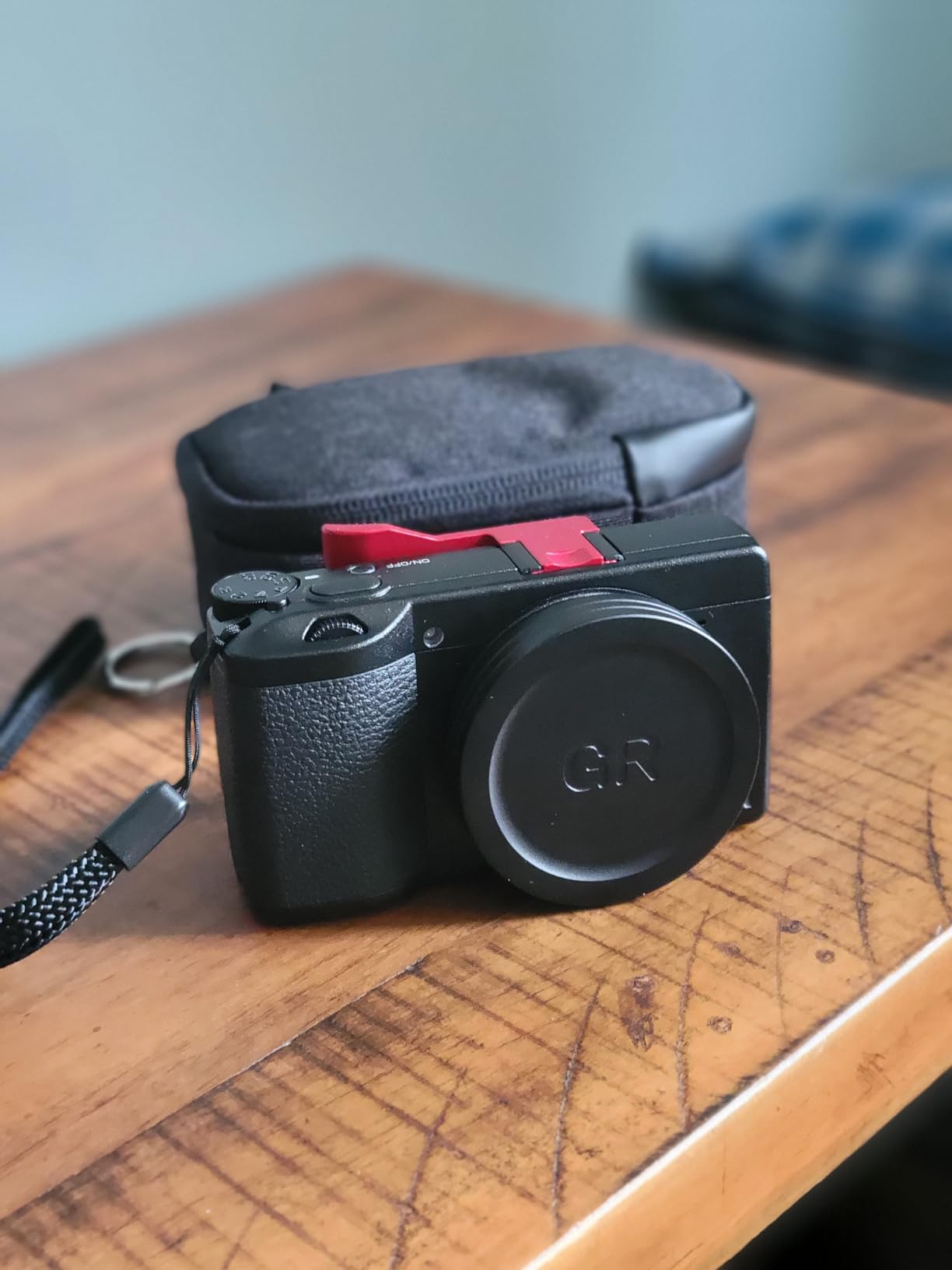
Where the GR IIIx shows its age is in the autofocus department. Users consistently report that AF struggles in low light and cloudy conditions, missing approximately 20% of shots in challenging situations. Face detection is basic compared to modern mirrorless cameras, and there is no eye recognition autofocus at all. For static subjects and zone focusing, this matters less. But if you photograph moving people, the limitations become apparent quickly.
The 3-axis sensor-shift image stabilization provides about 4 stops of correction. It is adequate for most situations but falls short of the GR IV’s 6-stop capability. In dim light, you will need to raise ISO or risk camera shake affecting your images.
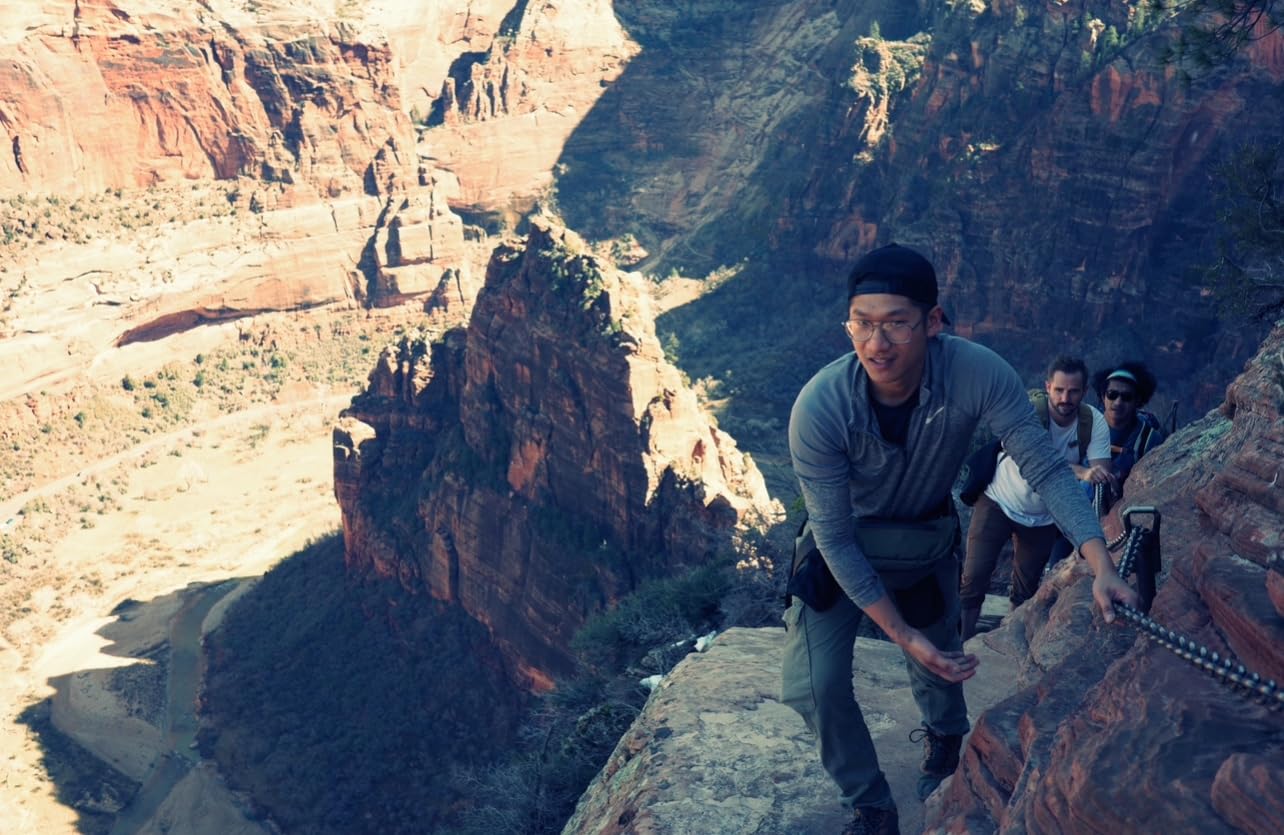
Battery life is the most commonly cited frustration with the GR IIIx. The 200-shot CIPA rating translates to carrying at least two spare batteries for a full day of shooting. Experienced GR IIIx owners treat battery management as part of the camera’s workflow, but it adds friction to the shooting experience.
What the GR IIIx offers in exchange is a focal length many photographers prefer. The 40mm equivalent field of view produces images with natural perspective and pleasing compression. It excels at environmental portraits, street scenes where you want to isolate subjects, and travel photography where the slightly tighter framing helps eliminate distracting elements.
Ricoh GR IV vs Ricoh GR III: Head-to-Head Comparison
Now let us break down the key differences between these cameras category by category. Understanding where each camera excels will help you match the right tool to your photography style.
Sensor and Resolution
Winner: Ricoh GR IV
The GR IV features a 25.74MP back-illuminated APS-C CMOS sensor compared to the GR IIIx’s 24.2MP sensor. While the resolution difference seems small on paper, the newer sensor combined with GR Engine 7 produces cleaner files with better dynamic range. High ISO performance extends to 204800 on the GR IV versus 102400 on the GR IIIx, giving you more flexibility in extremely low light.
In practice, photographers report that GR IV files need less post-processing and show less noise at equivalent ISO settings. The improvement is not revolutionary, but it is noticeable when pushing files in editing.
Image Stabilization
Winner: Ricoh GR IV
This is one of the most significant upgrades. The GR IV’s 5-axis, 6-stop shake reduction system substantially outperforms the GR IIIx’s 3-axis, 4-stop stabilization. For street photography in fading light, this difference is meaningful. You can shoot at 1/4 second handheld with the GR IV in ways that would produce blurry results on the GR IIIx.
The improved IBIS also helps with video recording, though both cameras are limited to 1080p. If you do any video work, the GR IV’s stabilization makes handheld footage much more usable.
Autofocus Performance
Winner: Ricoh GR IV
User feedback consistently identifies autofocus as the GR IV’s most important improvement. The new hybrid AF system with better phase-detection coverage locks onto subjects faster and more reliably. Face and eye detection work well enough for candid people photography, something the GR IIIx struggles with.
GR IIIx owners frequently mention that AF misses about 20% of shots in low light or overcast conditions. The camera simply was not designed for challenging AF scenarios. Zone focusing works around this limitation for static subjects, but it requires practice and limits your shooting style.
Battery Life
Winner: Ricoh GR IV
The 250-shot CIPA rating on the GR IV represents a 25% improvement over the GR IIIx’s 200 shots. In real-world use, this translates to getting through a day of casual shooting versus constantly checking your battery level. The new DB-120 battery in the GR IV is a genuine upgrade.
GR IIIx owners universally recommend carrying at least two spare batteries. The anxiety of running out of power is a consistent theme in user reviews. The GR IV does not eliminate this concern entirely, but it reduces it significantly.
Internal Storage
Winner: Ricoh GR IV
The storage difference is dramatic: 53GB on the GR IV versus 2GB on the GR IIIx. This 26x increase means you can shoot for days without a memory card. It is one of those features you might not think you need until you forget your card or fill it unexpectedly.
The GR IV uses microSD cards while the GR IIIx uses full-size SD cards. MicroSD cards are smaller and sometimes harder to handle, but they are readily available and the massive internal storage reduces reliance on cards anyway.
Lens and Focal Length
Winner: Depends on Your Style
This is where the comparison gets interesting. The GR IV offers a 28mm equivalent focal length, the classic street photography perspective that captures environmental context. The GR IIIx provides a 40mm equivalent, which is closer to how human eyes perceive scenes and better for subject isolation.
Neither lens is inherently better. Your choice depends on what you photograph. If you want wider environmental shots and classic street photography framing, the 28mm GR IV is ideal. If you prefer tighter compositions, portraits, and less distortion, the 40mm GR IIIx may suit you better.
Both lenses are exceptionally sharp. The GR IV’s lens shows improved corner sharpness over its predecessor, but the GR IIIx’s 40mm is legendary in its own right.
Size and Handling
Winner: Tie
Both cameras are nearly identical in size and weight. The GR IV weighs 262g while the GR IIIx comes in at 261g. Dimensions are essentially the same at approximately 109 x 62 x 33mm. Both slide easily into a front pocket.
The GR IV adds dedicated +/- buttons for exposure compensation, replacing the GR III’s mushy rear dial that many users found imprecise. This is a quality-of-life improvement that makes the shooting experience more enjoyable, but it does not fundamentally change how you use the camera.
Build Quality and Weather Sealing
Winner: Neither
Neither camera offers weather sealing. This is a limitation shared by both and a common frustration among users. If you shoot in rain or dusty conditions, you will need to protect either camera carefully. Some users report the GR IV’s USB port cover feels flimsier than the GR III’s, though this is a minor concern.
Both cameras feature magnesium alloy construction that feels solid and premium. They can withstand normal use, but they are not designed for harsh environments.
Display and Interface
Winner: Tie
Both cameras feature 3-inch touchscreens with similar resolution. Neither has a tilting or articulating screen, which is a consistent request from users. The interface and menu system are nearly identical, making it easy to switch between cameras if you own both.
Who Should Buy the Ricoh GR IV?
The GR IV is the right choice if you:
- Photograph people regularly – The improved face and eye detection make candid portraits possible in ways the GR III cannot match.
- Shoot in challenging light – The 6-stop IBIS and better high ISO performance give you more flexibility when the sun goes down.
- Want less battery anxiety – The 25% improvement in battery life means fewer interruptions to swap batteries.
- Value internal storage – 53GB of built-in memory provides peace of mind and backup-free shooting.
- Prefer the classic 28mm perspective – This focal length excels at environmental street photography.
- Want the latest technology – The newer sensor, processor, and AF system represent the current state of the GR line.
The GR IV is available new and will likely receive firmware updates for years to come. It is the future of the GR series.
Who Should Buy the Ricoh GR IIIx?
The GR IIIx makes sense if you:
- Prefer the 40mm focal length – This perspective is ideal for portraits, tighter street compositions, and travel photography.
- Are budget-conscious – At around $350 less than the GR IV, the savings can buy lenses or accessories for another system.
- Shoot primarily static subjects – If you use zone focusing for street photography, the AF limitations matter less.
- Value community resources – The extensive library of film simulation recipes and user knowledge makes the GR IIIx more approachable.
- Want proven reliability – With 228 reviews and years of real-world use, the GR IIIx has established track record.
The GR III is discontinued, but the GR IIIx variant remains available. Used GR III models are also an option if you prefer the 28mm focal length at a lower price point.
Used Market Considerations
If you are considering a used GR III to save money, prices hover around $1,100 on the secondary market. This creates an interesting decision: pay approximately $1,250 for a new GR IIIx or $1,100 for a used GR III with the 28mm lens you might prefer.
The risk with used GR cameras is dust on the sensor, a known issue with the series. Without weather sealing, dust can enter the body over time. A used camera might have accumulated dust that affects image quality. Factor in potential cleaning costs or the risk of a dusty sensor when evaluating used prices.
The GR IV’s new warranty and factory-fresh condition eliminate these concerns, but at a higher price.
Price and Value Assessment
At $1,599.95, the GR IV commands a premium of approximately $350 over the GR IIIx at $1,246.95. Is the upgrade worth it?
For street photographers who shoot people and challenging light, absolutely. The autofocus improvements alone transform the camera’s capabilities. Add in better IBIS, more internal storage, and improved battery life, and the value proposition becomes clear.
For photographers who shoot static subjects with zone focus and prefer the 40mm perspective, the GR IIIx remains excellent value. The core image quality is comparable, and the savings can be substantial.
Frequently Asked Questions
What is the difference between Ricoh GR III and IV?
The Ricoh GR IV offers several key upgrades over the GR III: a 25.7MP sensor (vs 24.2MP), 5-axis 6-stop IBIS (vs 3-axis 4-stop), improved autofocus with better face detection, 53GB internal storage (vs 2GB), and 250-shot battery life (vs 200 shots). The GR IV also uses the newer GR Engine 7 processor and a microSD card slot instead of full-size SD.
Why was the Ricoh GR III discontinued?
The Ricoh GR III was discontinued to make way for the GR IV as the current generation of the GR series. This is standard product lifecycle management where manufacturers phase out older models when successors launch. The GR IIIx variant (40mm lens) remains available for photographers who prefer that focal length.
Is Ricoh GR 4 weather sealed?
No, the Ricoh GR IV is not weather sealed. Like its predecessor, the GR IV lacks any formal weather resistance rating. Photographers should exercise caution when shooting in rain, dust, or humid conditions. A protective case or cover is recommended for challenging environments.
What are the disadvantages of using GR3?
The main disadvantages of the GR III include poor battery life requiring multiple spares, autofocus that struggles in low light and with moving subjects, no weather sealing, no tilting screen, limited 1080p video, and no built-in flash. Some users also report the rear dial feels mushy and imprecise. The camera is also discontinued, making new units harder to find.
Final Verdict: Ricoh GR IV vs Ricoh GR III
After spending time with both cameras and analyzing real user experiences, my recommendation comes down to your photography style and budget.
Buy the Ricoh GR IV if you want the most capable street photography camera that fits in your pocket. The autofocus improvements, better IBIS, and longer battery life address the biggest complaints about the previous generation. If you photograph people or work in challenging light, these upgrades are genuinely transformative.
Buy the Ricoh GR IIIx if you prefer the 40mm perspective or want to save money while still getting exceptional image quality. The GR IIIx remains a brilliant camera with proven reliability and an enthusiastic community. For static subjects and zone-focus street photography, its limitations matter less.
The Ricoh GR IV vs Ricoh GR III comparison ultimately reveals that the GR IV is the better camera for most photographers, but not by a wide enough margin to make the GR IIIx obsolete. Both cameras deliver the core promise of the GR series: professional image quality in a truly pocketable package.