
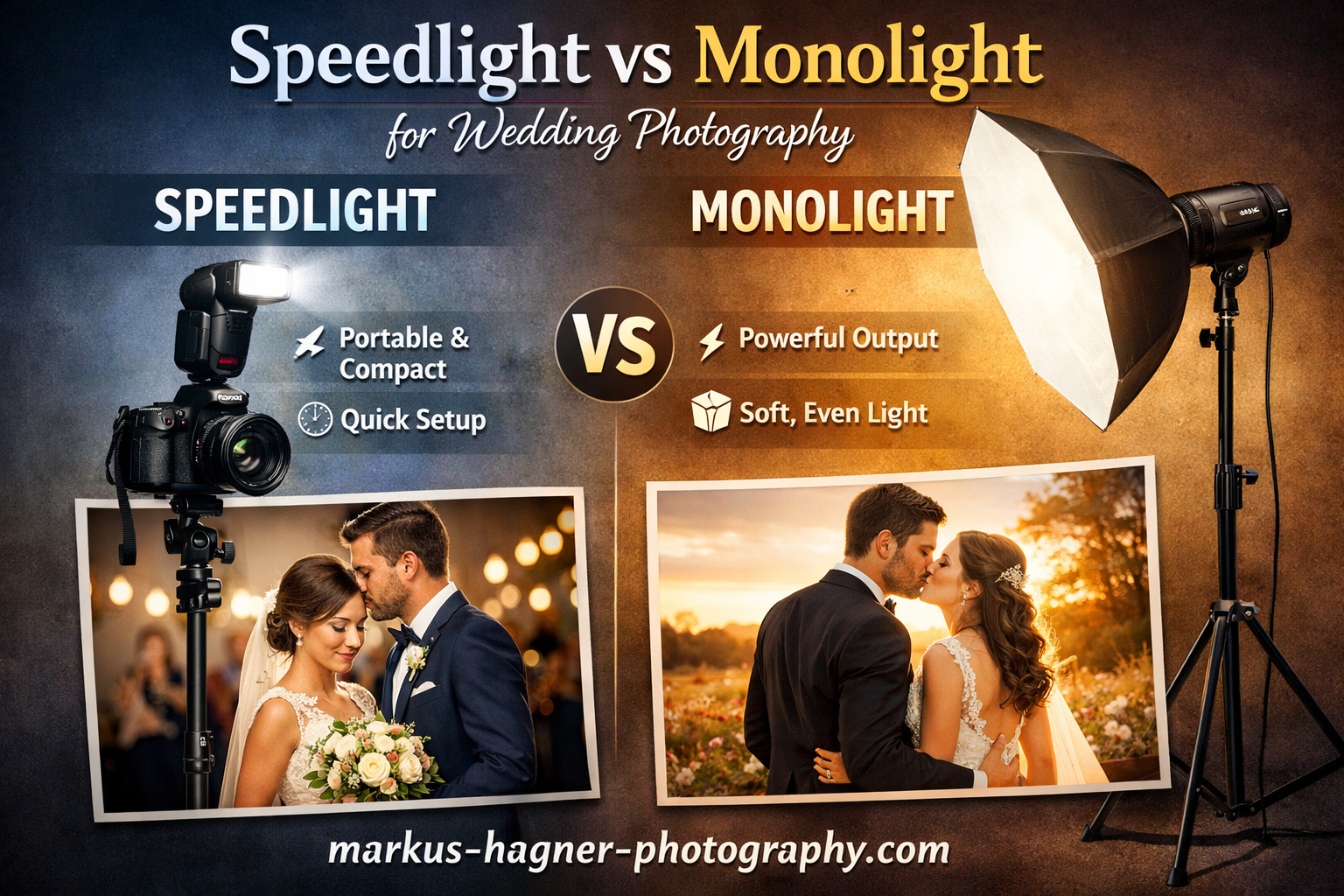
After shooting over 50 weddings across dark churches, sunlit gardens, and dimly lit reception halls, I have learned that lighting can make or break your entire day. The debate over speedlight vs monolight for wedding photography is not just about gear specs. It is about which system lets you capture moments without missing a beat.
Speedlights are compact, battery-powered flash units that mount on your camera or work off-camera. Monolights are larger studio-style strobes with built-in power packs offering significantly more power. Both have their place in wedding photography, but choosing the wrong one can mean missed shots, overheating equipment, or struggling to light a dark reception hall.
Here is my quick verdict after years of real-world testing. Speedlights win for ceremony coverage and multi-venue portability. Monolights dominate reception lighting and formal portraits in dark venues. Most working wedding photographers I know use both systems strategically. Let me break down exactly when each system shines and which products deliver the best results.
Speedlight vs Monolight for Wedding Photography: Quick Comparison
This side-by-side comparison shows how the top speedlight and monolight stack up across the key factors that matter most during wedding coverage.
| Product | Specifications | Action |
|---|---|---|
 Godox V860III-C Speedlight
|
|
Check Latest Price |
 Godox MS300V Monolight
|
|
Check Latest Price |
The speedlight offers portability and battery-powered convenience perfect for run-and-gun wedding coverage. The monolight delivers substantially more power and faster recycle times ideal for reception lighting and formal portraits.
Speedlights for Wedding Photography: Deep Dive
Pros
- Exceptional 480 full-power flashes per charge
- Fast 1.5s recycle with lithium battery
- Dedicated TTL/Manual quick switch
- 10-level LED modeling lamp
- Works as transmitter and receiver
- HSS up to 1/8000s
- USB-C charger included
Cons
- UI could be more intuitive
- Slightly underexposed in TTL for some users
- Heavier than AA-powered alternatives
I have used the Godox V860III-C for three wedding seasons now, and it has become my go-to speedlight for a reason. The dedicated TTL/Manual switch on the side lets me toggle instantly between automatic and manual exposure. During ceremony coverage, I run TTL for quick adjustments as lighting changes. For reception portraits, I switch to manual for consistent output across every shot.
The lithium battery is a game-changer for wedding days. With 480 full-power flashes per charge, I can shoot an entire ceremony and most of the reception without swapping batteries. Compare that to AA-powered speedlights that need fresh batteries every 2-3 hours of heavy use. The 1.5-second recycle time at full power means I rarely miss moments waiting for the flash to recharge.
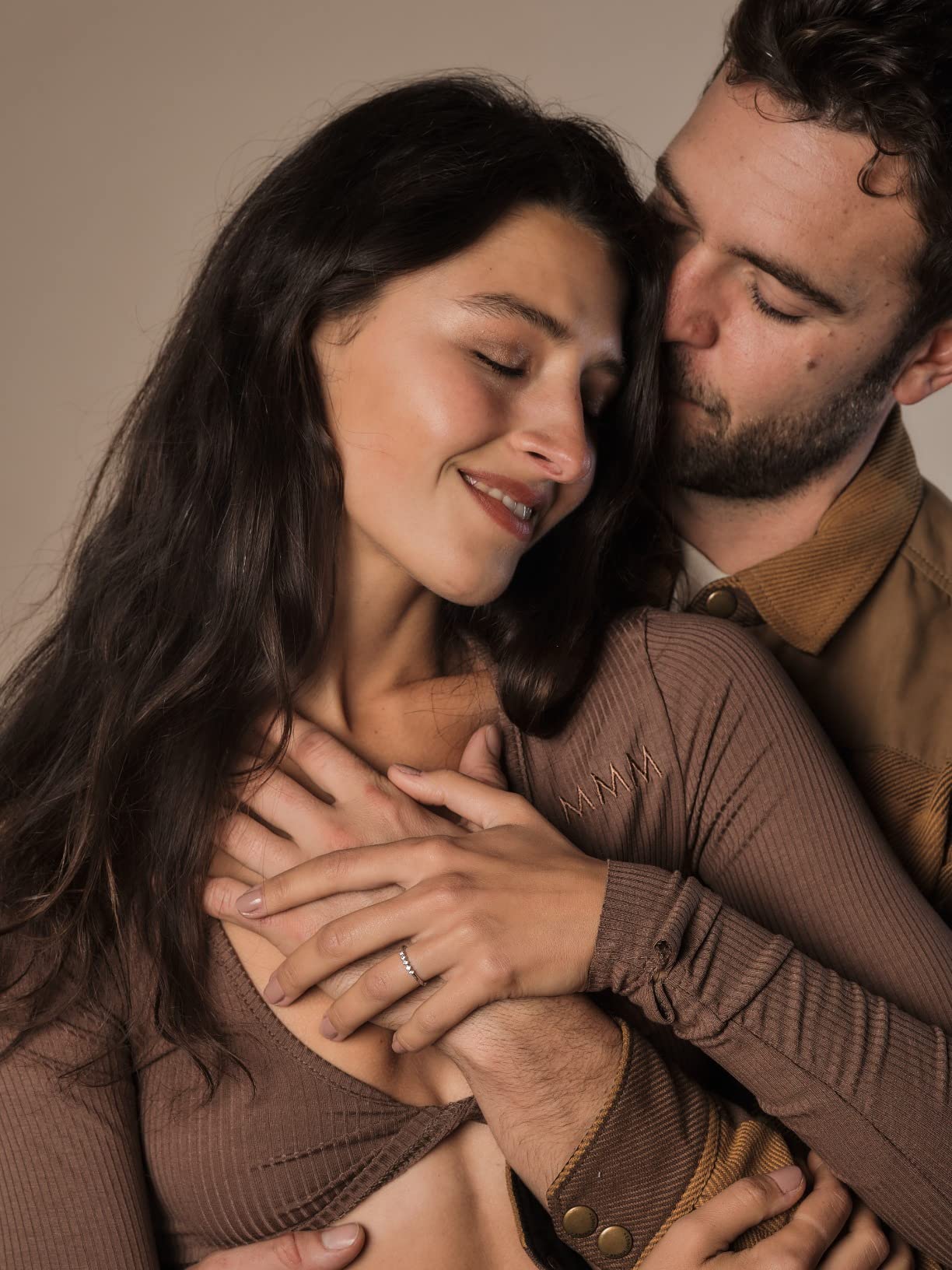
Portability is where speedlights truly excel for wedding photography. I can fit three speedlights in my camera bag alongside my bodies and lenses. Moving between ceremony and reception venues takes seconds, not minutes. There is no need to find power outlets or run extension cords through the venue. This matters enormously when you are shooting a wedding that moves from a church to a garden to a hotel ballroom all in one day.
The thermal performance is decent but not perfect. During rapid shooting at receptions, I have had my V860III-C slow down after about 100 consecutive full-power flashes. The flash automatically reduces power output to prevent overheating. In practice, this means the flash might drop from full power to half power without warning. For most wedding situations, this is manageable. For high-energy dance floor coverage with non-stop shooting, you will want a backup flash or to pace your shooting.
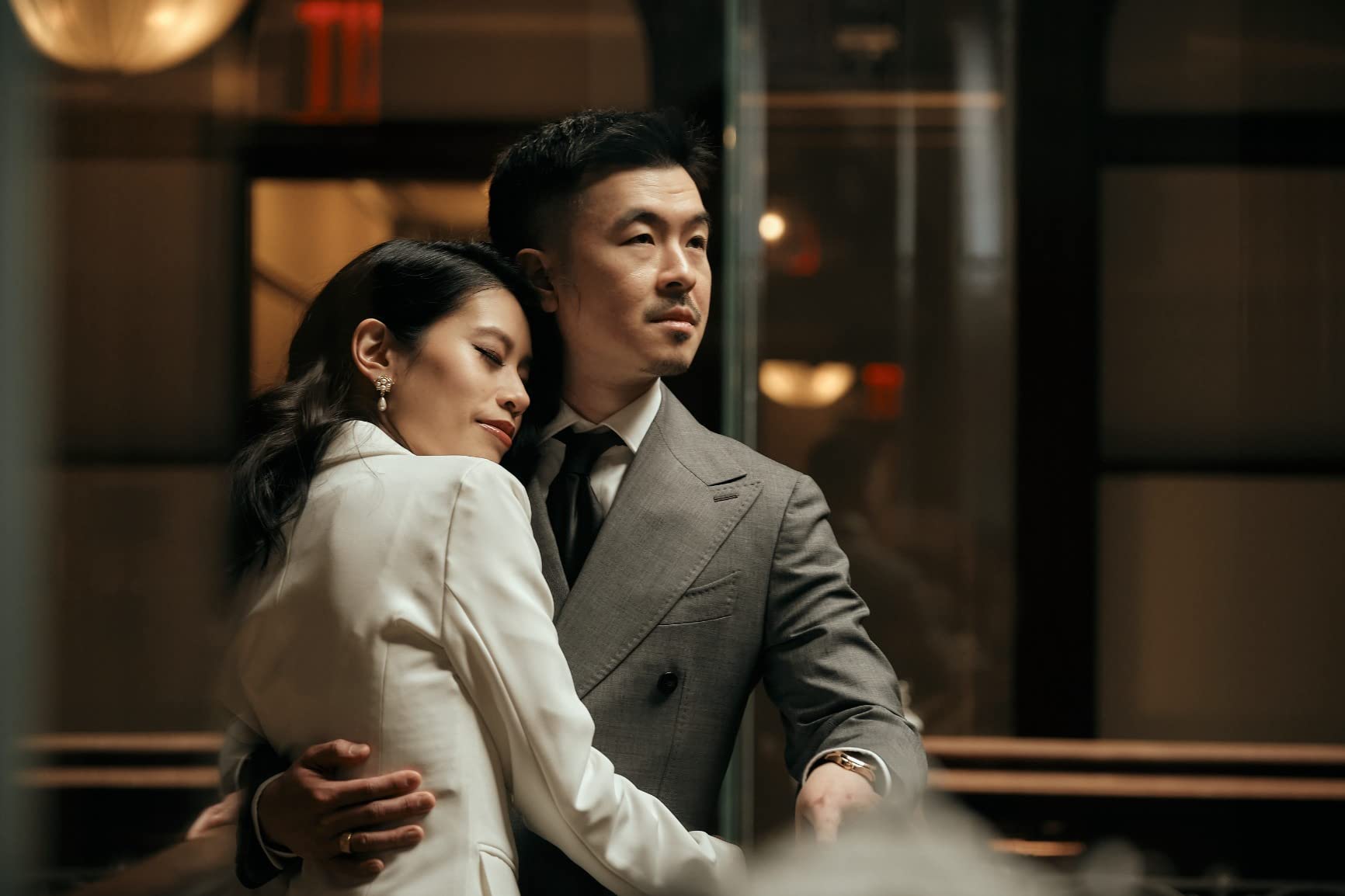
One often overlooked advantage is the silent operation. Speedlights have no cooling fans. During quiet ceremony moments, like vows or ring exchanges, there is zero motor noise to disturb the moment. Monolights with cooling fans can create audible hum that some officiants and venues find disruptive.
Power output is the main limitation. Speedlights typically produce around 60-76 watt-seconds equivalent. That is enough for fill flash outdoors and lighting small to medium reception spaces. In very large venues or extremely dark churches, you may find yourself pushing ISO higher than ideal. This is where monolights enter the conversation.
Monolights for Wedding Photography: Deep Dive
Pros
- Excellent 300W power output
- Fast 0.1-1.8s recycle time
- Powerful 150W LED modeling lamp
- Outstanding power stability within 2%
- Bowens mount for wide modifier compatibility
- Compact and lightweight design
- Silent fan operation
- Great value for money
Cons
- No HSS functionality
- Requires AC power not portable
- Build quality feels plasticky
- Stand and diffuser not included
When I need to light a dark reception hall or create dramatic formal portraits, monolights like the Godox MS300V deliver power that speedlights simply cannot match. The 300W output provides approximately 4-5 times the light of a typical speedlight. This extra power means I can shoot at lower ISOs, use smaller apertures for depth of field control, and light larger spaces with fewer units.
The recycle time advantage is significant for wedding photography. At 0.1 to 1.8 seconds across the power range, the MS300V recycles noticeably faster than most speedlights. During bouquet tosses, garter throws, and high-energy reception moments, this speed difference translates directly to more captured frames. I have photographed entire dance sequences without the flash lagging behind the action.
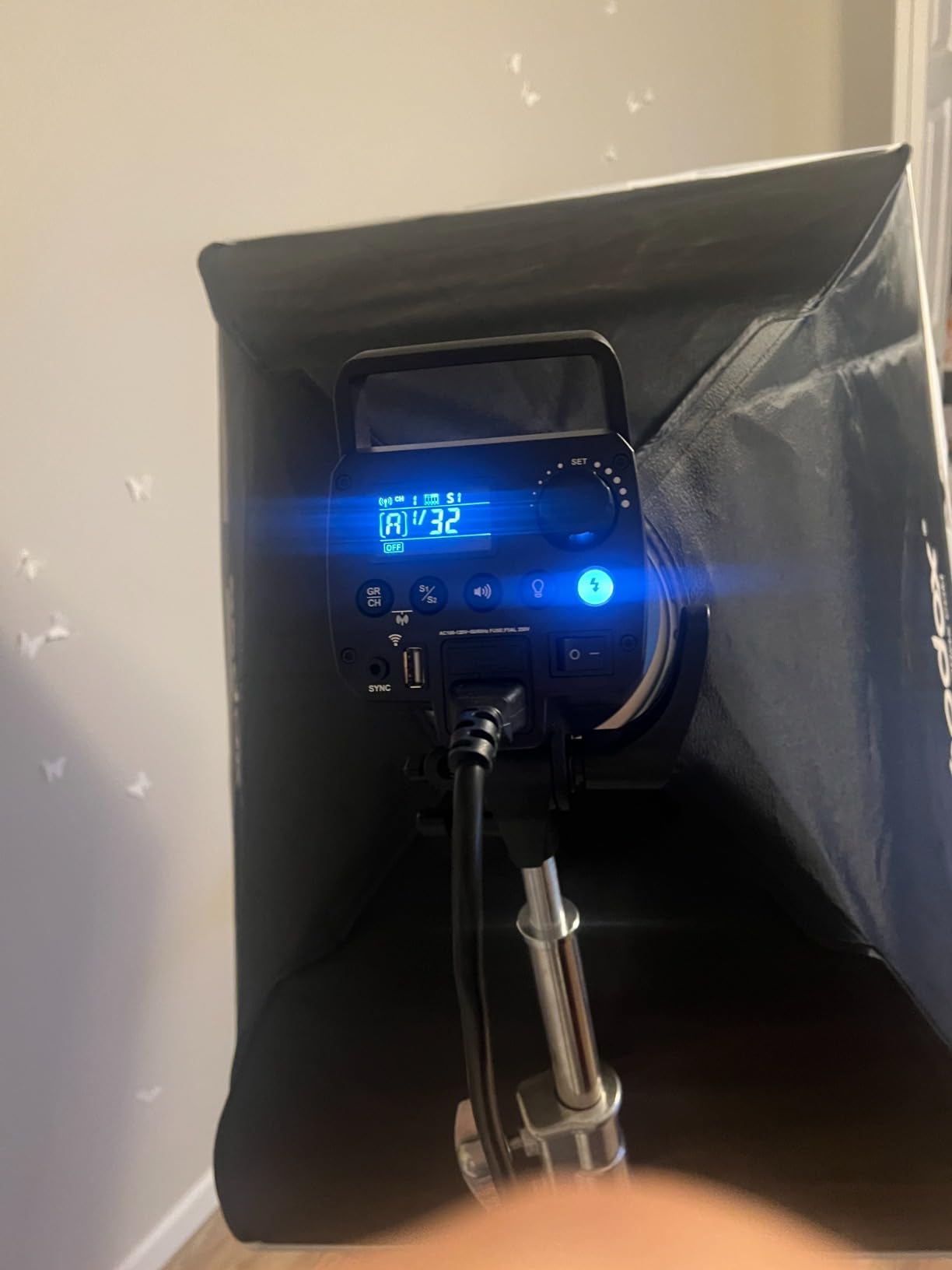
The LED modeling lamp is invaluable for wedding portraits. With 150W of continuous LED output adjustable from 5% to 100%, I can show clients exactly how the final lighting will look before pressing the shutter. This preview capability speeds up portrait sessions significantly. Couples can see lighting adjustments in real-time rather than waiting to review images on the back of the camera.
Bowens mount compatibility opens up a world of modifier options. Softboxes, beauty dishes, umbrellas, and grids designed for the industry-standard Bowens mount all work with this monolight. For wedding photography, I typically pair it with a large softbox for formal portraits or a bounce umbrella for reception fill. The modifier ecosystem around Bowens mount is extensive and affordable.
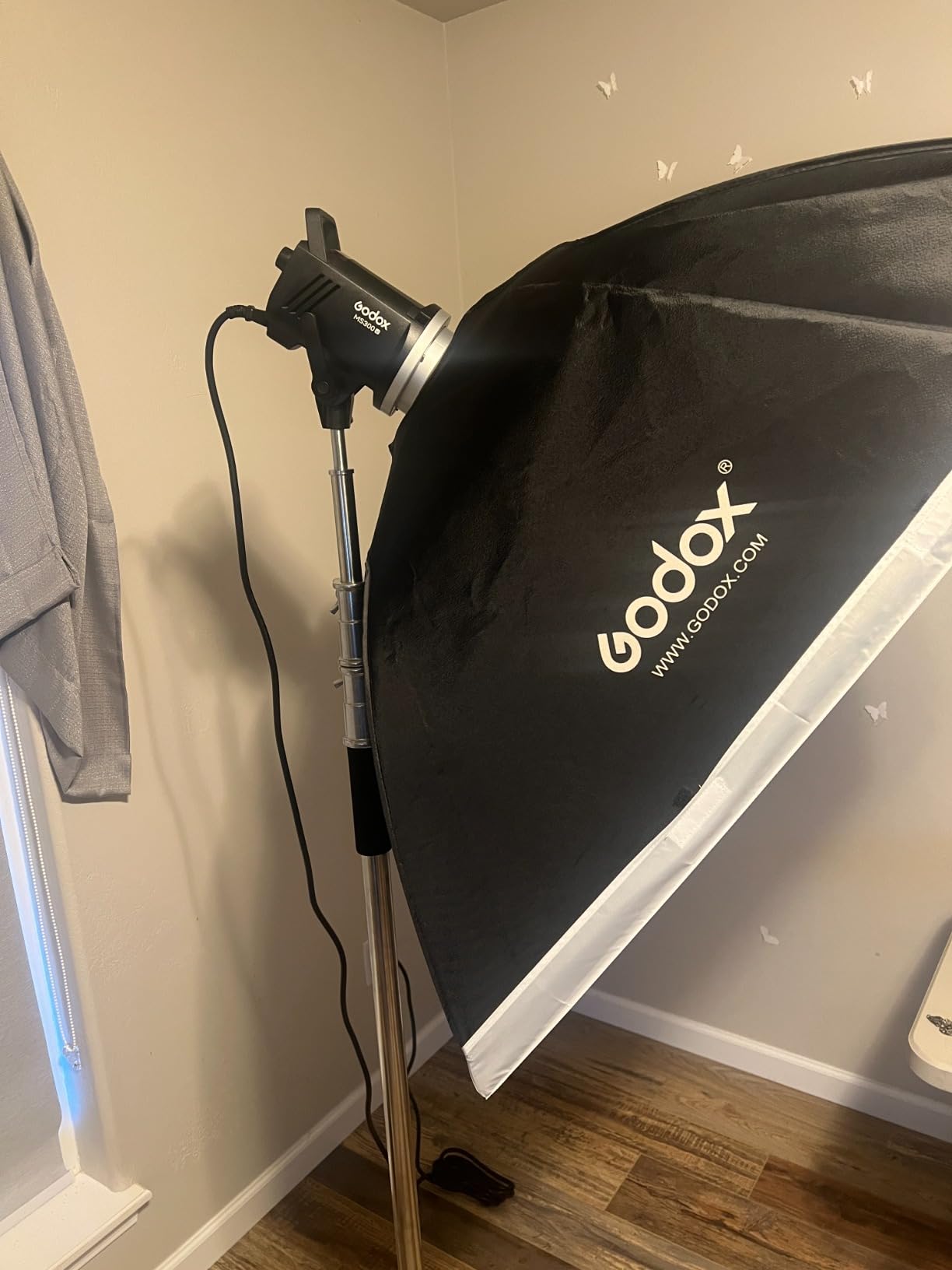
The main trade-off is portability. Monolights require AC power, which means you need access to outlets and potentially extension cords. At older venues with limited electrical infrastructure, this can be challenging. I have learned to always ask about outlet locations during venue walkthroughs. Circuit breakers are another consideration. Plugging multiple high-powered monolights into the same circuit can trip breakers in older buildings.
Fan noise is real but manageable. The MS300V has a silent fan that keeps the unit cool during extended use. In quiet moments, you can hear a low hum. For most reception situations with music and conversation, this is imperceptible. During ceremony coverage in silent churches, I prefer speedlights for their completely silent operation.
Color consistency is excellent with power stability within 2% tolerance. This means skin tones remain accurate across hundreds of shots. Speedlights can sometimes shift color temperature slightly as they heat up during intensive use. The monolight maintains consistent 5600K output throughout long reception coverage.
Speedlight vs Monolight: Head-to-Head Comparison
Power Output
Monolights win decisively. A 300W monolight like the Godox MS300V produces roughly 4-5 times the power of a 76Ws speedlight. For dark venues and large reception halls, this extra power is transformative. You can light entire ballrooms with one or two monolights versus four or more speedlights. Speedlights work fine for fill flash and smaller spaces but struggle in very dark environments.
Winner: Monolight
Recycle Time
Monolights typically recycle faster at equivalent power levels. The MS300V recycles in 0.1-1.8 seconds across its range. Speedlights like the V860III-C take 0.01-1.5 seconds but at much lower power output. When you need consistent, rapid firing for dance floor coverage, monolights maintain pace better without thermal slowdown.
Winner: Monolight (slight edge)
Portability
Speedlights dominate this category completely. Three speedlights fit in a camera bag. They run on batteries with no cords required. Setup and teardown take seconds. Moving between ceremony and reception venues requires zero electrical planning. Monolights need AC power, extension cords, light stands, and significantly more bag space. For photographers covering multiple venues in one day, speedlights are dramatically more practical.
Winner: Speedlight
Noise Level
Speedlights operate completely silently with no cooling fans. Monolights with fans produce audible hum. During quiet ceremony moments like vows and ring exchanges, this difference matters. Some venues and officiants specifically request silent operation. For ceremony coverage, speedlights are the clear choice.
Winner: Speedlight
Thermal Performance
Monolights handle extended heavy use better due to active cooling with fans. Speedlights rely on passive cooling and will thermally throttle after intensive rapid shooting. During long reception coverage with continuous shooting, monolights maintain consistent output while speedlights may reduce power to prevent overheating.
Winner: Monolight
Setup Time
Speedlights set up in under 30 seconds. Mount on stand, attach trigger, and shoot. Monolights require finding outlets, running cords, positioning stands, and attaching modifiers. Budget 5-10 minutes per monolight for proper setup. For fast-paced wedding days with tight timelines, speedlights offer crucial flexibility.
Winner: Speedlight
Battery vs AC Power
Speedlights run on batteries, offering complete freedom of movement. The V860III-C delivers 480 full-power flashes per charge. Monolights require wall outlets, limiting placement options. Some photographers invest in portable power stations for monolights, but this adds weight and complexity. Battery-powered monolights like the Neewer Q300 bridge this gap but at higher cost and weight.
Winner: Speedlight (for mobility), Monolight (for unlimited runtime)
Cost Considerations
Entry-level speedlights start around $65 for manual-only units. Full-featured TTL speedlights like the V860III-C cost around $199. Monolights start around $109 for basic AC-powered units and go up significantly for battery-powered versions. Consider total system cost including batteries, triggers, stands, and modifiers. Speedlights generally offer lower entry cost for multi-light setups.
Winner: Speedlight (for budget builds)
Wedding-Specific Use Cases
For ceremonies, speedlights win due to silent operation and portability. For receptions in dark venues, monolights provide the power needed to light large spaces. For formal portraits, monolights offer better modeling lamps and modifier options. For multi-venue weddings with quick transitions, speedlights are essential.
Winner: Tie (depends on specific moment)
Frequently Asked Questions
Which light is best for wedding photography?
The best light depends on the specific wedding moment. Speedlights excel for ceremony coverage due to portability and silent operation. Monolights dominate reception lighting with superior power and faster recycle times. Most professional wedding photographers use both systems strategically throughout the day.
What flash is best for wedding photography?
For Canon users, the Godox V860III-C offers the best value with TTL, HSS, 480 full-power flashes, and 1.5s recycle time. For Nikon users, the Godox V860III-N provides equivalent features. Budget-conscious photographers can start with the Godox TT600 for manual-only operation at under $70.
Are monolights too loud for wedding ceremonies?
Monolights with cooling fans produce audible hum that may disturb quiet ceremony moments. For vows, ring exchanges, and other silent portions of ceremonies, speedlights are preferable due to their completely silent operation. Some venues specifically require silent equipment during ceremonies.
Can I use speedlights for wedding reception lighting?
Yes, speedlights work well for reception lighting in small to medium venues. Use multiple speedlights in off-camera setups with umbrellas or softboxes for best results. In very large or extremely dark reception halls, you may need the additional power that monolights provide.
How many lights do I need for wedding photography?
I recommend starting with 3-4 speedlights. This gives you one on-camera for fill, two off-camera for ceremonies and portraits, and one backup in case of failure. As you grow, consider adding a monolight for reception lighting. Most experienced photographers use a hybrid system with both types of lights.
Verdict: Which Should You Choose?
After years of wedding photography experience, here is my honest recommendation on the speedlight vs monolight for wedding photography debate.
Choose speedlights if: You shoot multi-venue weddings with quick transitions, cover ceremonies where silent operation is required, work as a solo photographer with limited setup time, or are building your first lighting kit on a budget. The Godox V860III-C offers the best balance of features, power, and reliability for most wedding photographers.
Choose monolights if: You regularly photograph receptions in very dark venues, need maximum power for large ballrooms, prioritize fast recycle times for high-energy moments, or have a dedicated assistant for setup and teardown. The Godox MS300V provides excellent value for photographers ready to add studio-style power to their wedding coverage.
My hybrid approach: I carry two speedlights for ceremony and transitional coverage plus one monolight for reception portraits. This combination handles every situation weddings throw at me. The speedlights provide mobility when I need to move fast. The monolight delivers power when I need to light a dark dance floor. Most experienced wedding photographers I know use a similar hybrid system.
The right choice ultimately depends on your shooting style, typical venues, and budget. Both systems produce professional results when used correctly. Focus on mastering whichever system you choose, and your images will improve regardless of which equipment you select.