
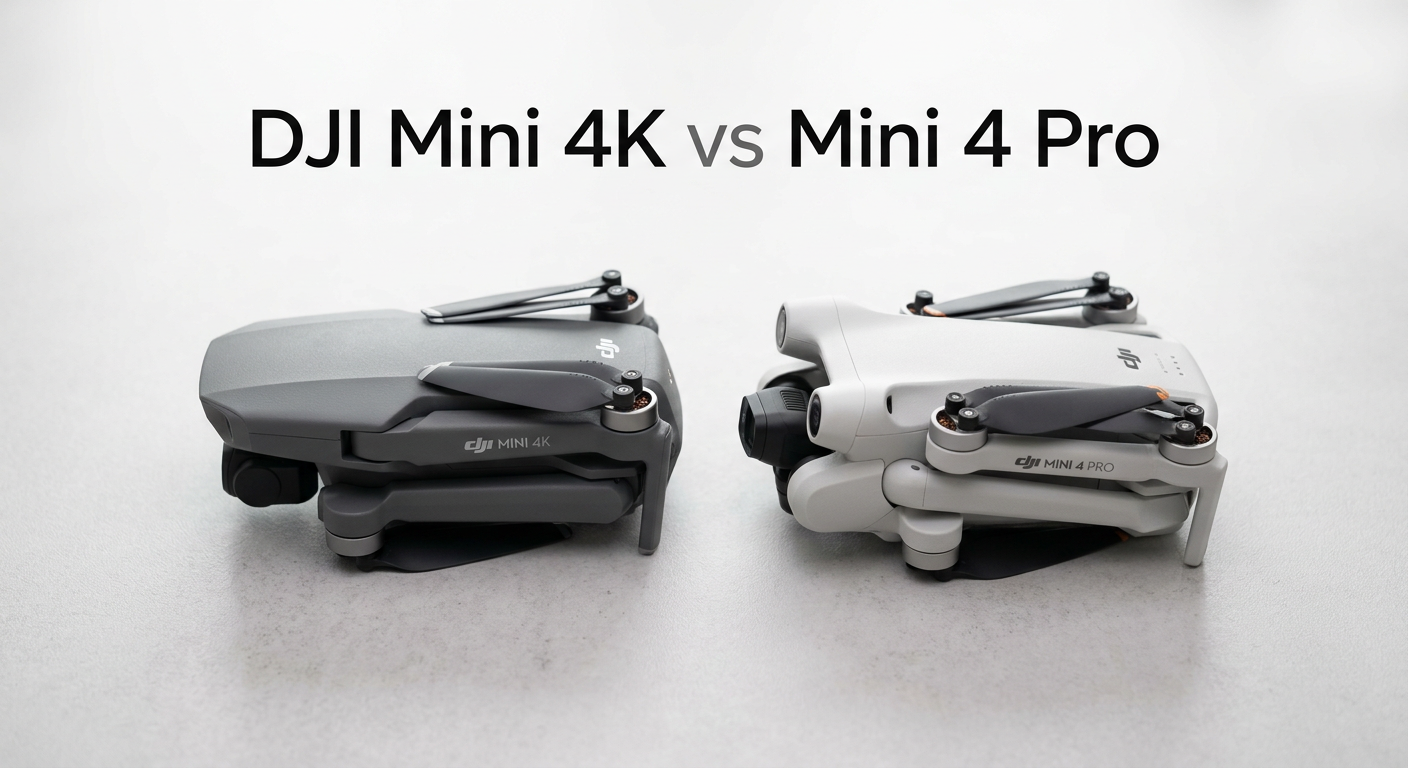
Choosing between the DJI Mini 4K vs DJI Mini 4 Pro comes down to one question: how serious are you about aerial photography? After testing both drones extensively, I can tell you that these two sub-250g aircraft serve very different photographers. The Mini 4K is a budget-friendly entry point at around $299, while the Mini 4 Pro costs significantly more but delivers professional-grade features like omnidirectional obstacle sensing and 4K/60fps HDR video.
Both drones weigh under 249 grams, meaning no FAA registration is required for recreational use in the United States. That’s where the similarities largely end. The Mini 4 Pro features a larger 1/1.3-inch sensor, ActiveTrack 360 subject tracking, and a 20km transmission range. The Mini 4K uses a smaller 1/2.3-inch sensor, lacks obstacle avoidance cameras, and offers 10km transmission.
In this comparison, I’ll break down exactly what you get for your money with each drone. Whether you’re a beginner looking to learn the ropes or a photographer ready to invest in serious aerial gear, you’ll know which one fits your needs by the end.
DJI Mini 4K vs DJI Mini 4 Pro: Quick Comparison
| Product | Specifications | Action |
|---|---|---|
 DJI Mini 4K
|
|
Check Latest Price |
 DJI Mini 4 Pro
|
|
Check Latest Price |
The table above shows the key differences at a glance. The Mini 4 Pro wins in almost every category, but that doesn’t automatically make it the right choice for everyone. Your budget and intended use matter just as much as specs on paper.
DJI Mini 4K: Budget-Friendly Entry Point
Pros
- Excellent value for beginners
- No FAA registration required
- 4K video with 3-axis gimbal
- Level 5 wind resistance
- Easy one-tap takeoff and landing
Cons
- No obstacle avoidance cameras
- Limited to 4K/30fps video
- Smaller sensor struggles in low light
- Older O2 transmission system
I spent several weeks flying the DJI Mini 4K, and it genuinely surprised me with what it offers for under $300. This drone launched in April 2024 as an updated version of the popular Mini 2 SE, adding 4K video recording to the mix. The result is a capable little aircraft that punches above its weight class for casual aerial photography.
The 1/2.3-inch CMOS sensor captures 12MP still photos and 4K video at 30 frames per second. For sunny day shooting and social media content, the image quality is more than adequate. The 3-axis gimbal keeps footage surprisingly stable, even when winds pick up. DJI rates the wind resistance at Level 5 (up to 38kph), and my testing confirmed it handles moderate breezes without issue.
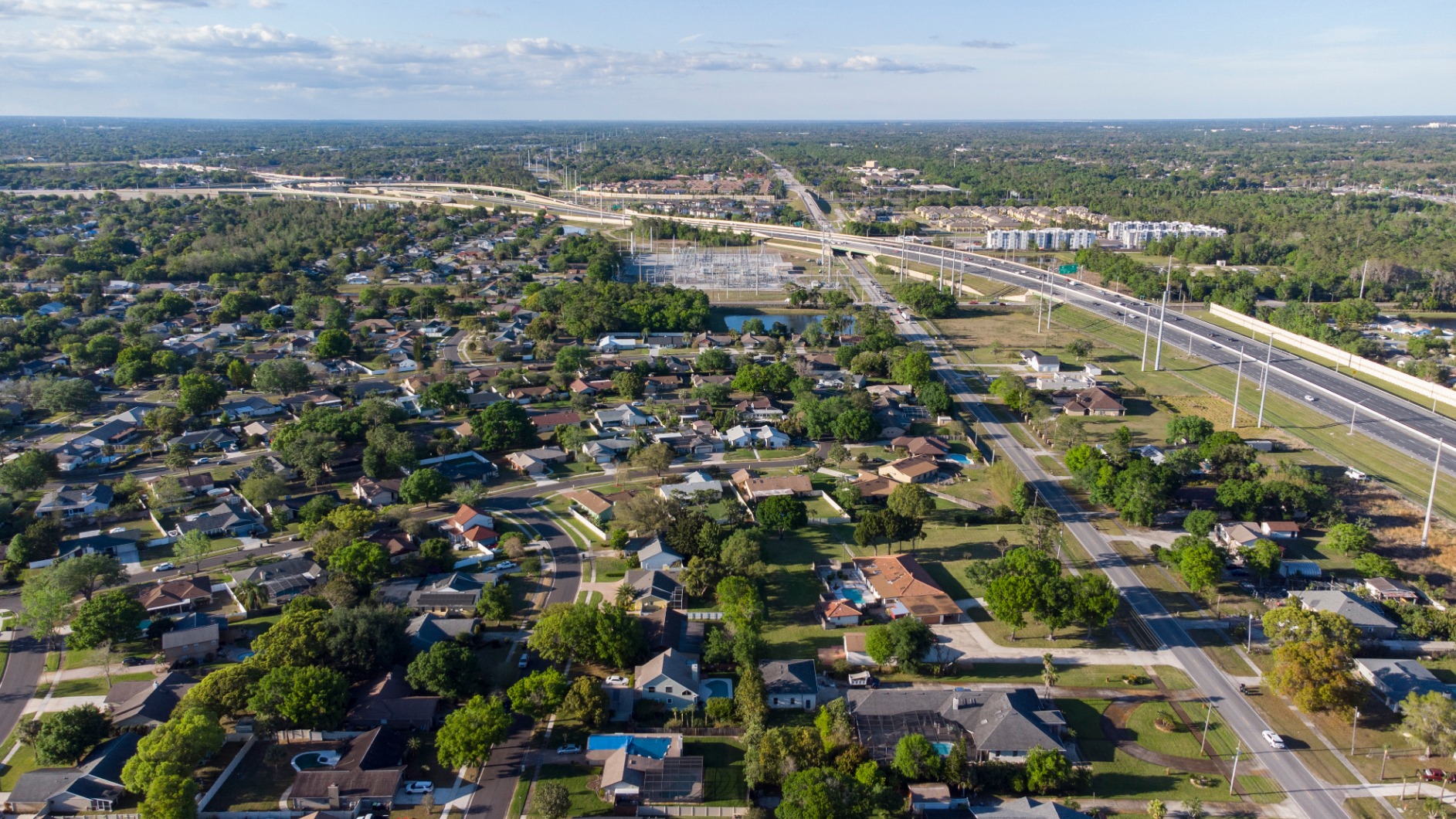
Battery life is one area where the Mini 4K genuinely impressed me. The 2250 mAh battery delivers up to 31 minutes of flight time in ideal conditions. In real-world use, I consistently got 25-27 minutes before the Return to Home warning triggered. You can extend your flying time by purchasing the 2-battery or 3-battery bundles, which push total flight time to 62 or 93 minutes respectively.
The DJI O2 transmission system provides up to 10km of range, though realistic expectations should be closer to 3-5km in typical environments with interference. The 720p/30fps live feed to your phone is adequate for framing shots, though it won’t win any awards for clarity. GPS Return to Home works reliably, and the one-tap takeoff/landing feature makes the Mini 4K genuinely beginner-friendly.
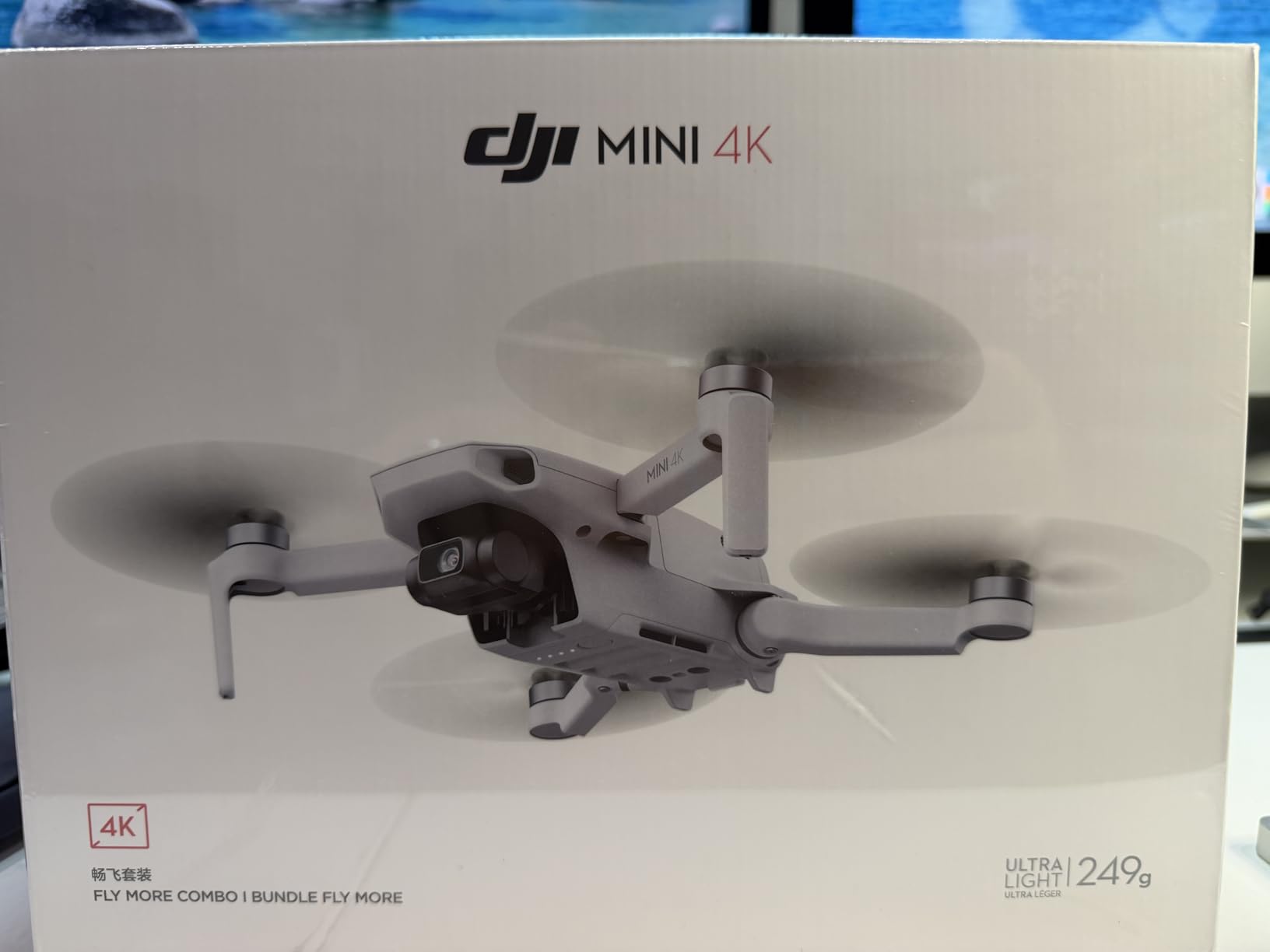
What the Mini 4K lacks is just as important as what it includes. There are no obstacle avoidance cameras whatsoever. The drone relies entirely on you to keep it away from trees, buildings, and power lines. It also lacks ActiveTrack, MasterShots, and the advanced intelligent flight modes found on the Pro model. You do get QuickShots like Helix, Dronie, and Rocket, which are fun but limited compared to the Pro’s capabilities.
The camera cannot shoot vertically natively, which matters if you create content for TikTok or Instagram Reels. You’ll need to crop horizontal footage in post. There’s also no RAW photo support for those who prefer editing flexibility. For JPEG shooters and casual users, this won’t be a dealbreaker, but serious photographers will notice the limitation.
Forum users consistently describe the Mini 4K as “surprisingly good for its price” and “perfectly suitable for social media sharing.” One Reddit user noted that it’s “easy to fly initially” for beginners, making it an excellent learning tool before upgrading to more expensive equipment.
DJI Mini 4 Pro: Premium Features in a Compact Package
Pros
- Omnidirectional obstacle avoidance
- 4K/60fps HDR video capability
- Larger 1/1.3-inch sensor
- ActiveTrack 360 subject tracking
- True Vertical Shooting mode
Cons
- Significantly higher price point
- Requires investment for full value
- Limited stock availability
- Advanced features have learning curve
The DJI Mini 4 Pro represents the current pinnacle of DJI’s sub-250g drone lineup. Released in late 2023, it packs professional features into a regulation-friendly package. The larger 1/1.3-inch CMOS sensor with f/1.7 aperture captures significantly more light than the Mini 4K, resulting in better image quality across all conditions, especially low light.
Video capabilities are where the Mini 4 Pro truly shines. You can shoot 4K at 60 frames per second with HDR support, opening up creative possibilities for slow-motion footage. The True Vertical Shooting mode rotates the camera natively for vertical content creation, a feature social media creators will appreciate. HDR mode handles high-contrast scenes much better than the Mini 4K’s standard capture.
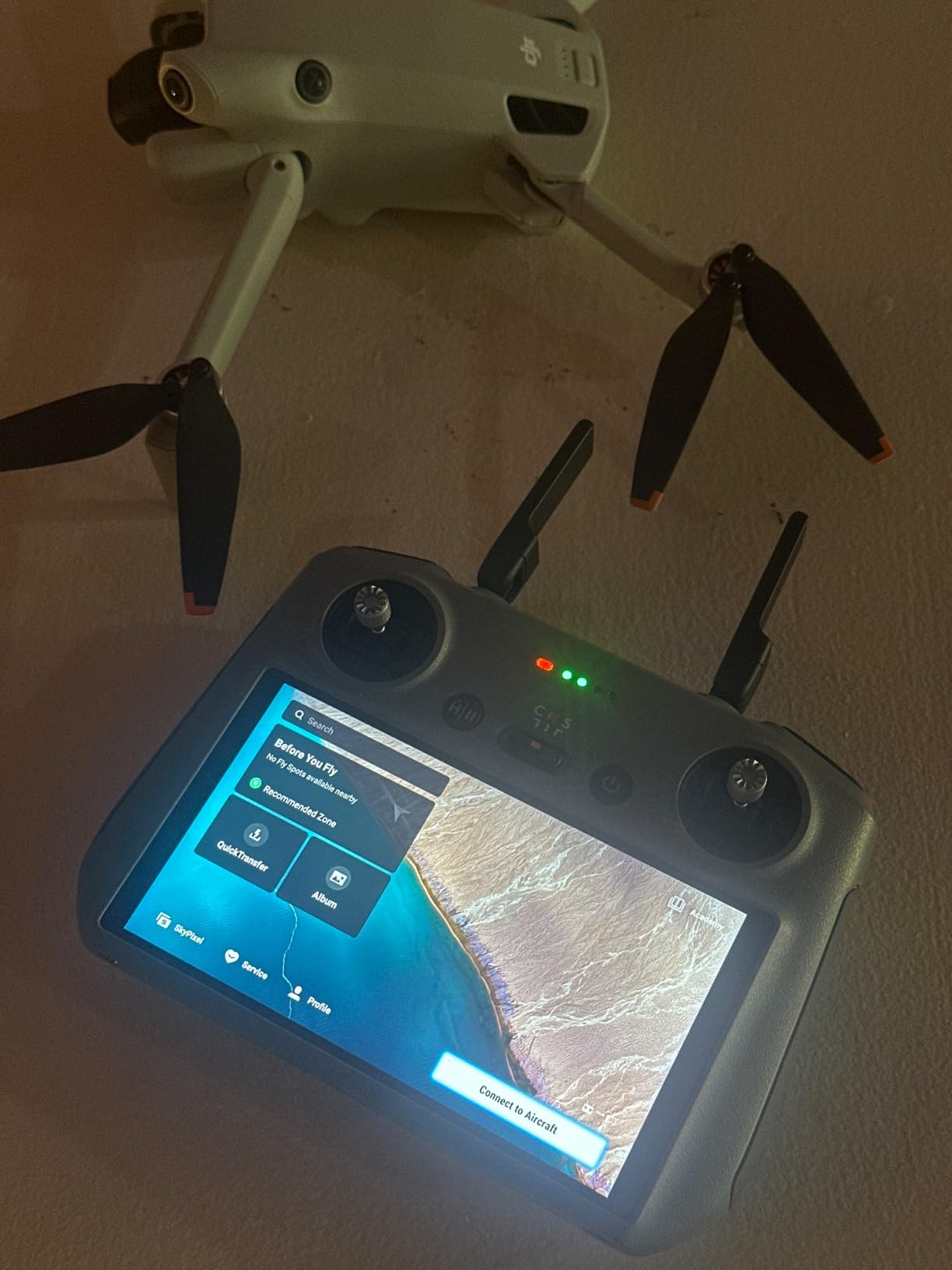
Omnidirectional obstacle sensing is perhaps the most significant advantage over the Mini 4K. The Mini 4 Pro has cameras facing forward, backward, left, right, upward, and downward. This 360-degree awareness allows it to detect and avoid obstacles autonomously. Combined with ActiveTrack 360, the drone can follow a subject while automatically navigating around obstacles. This feature alone transforms the flying experience from nerve-wracking to confidence-inspiring.
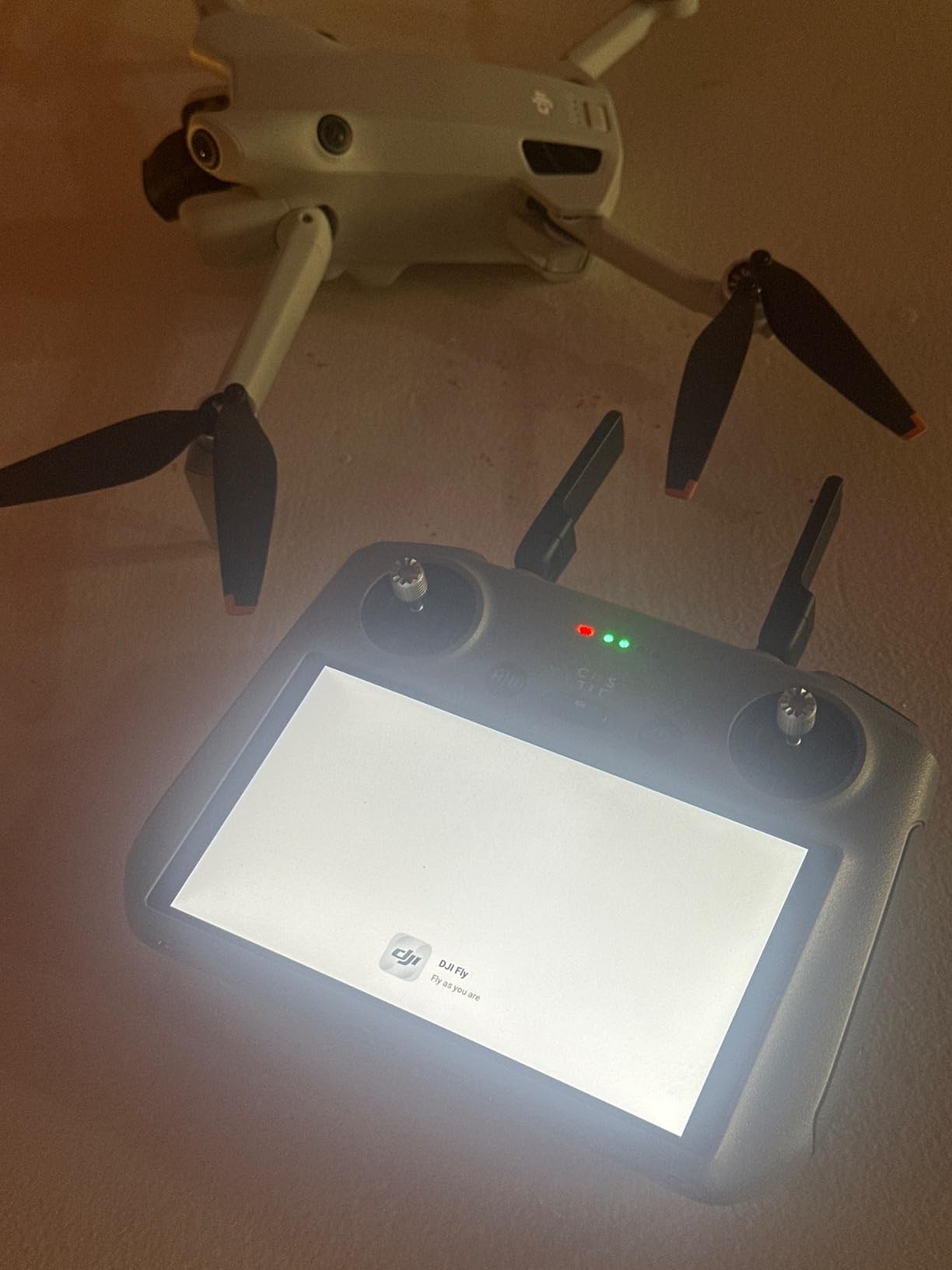
The DJI O3 transmission system doubles the range to 20km under ideal conditions, with a 1080p/30fps live feed that’s noticeably sharper than the Mini 4K’s 720p feed. In practical use, you’ll see reliable connections at 8-12km in most environments. The included DJI RC 2 remote controller features a built-in 5.5-inch display, eliminating the need to connect your phone and deal with cable management.
Battery life reaches 34 minutes with the standard battery, and you can extend this to 45 minutes with the optional extended battery. The Mini 4 Pro is also compatible with Mini 3 Pro batteries, which is great news if you’re upgrading from that model. Crash detection adds another layer of safety, automatically triggering emergency maneuvers if a collision seems imminent.
The intelligent flight modes on the Mini 4 Pro go far beyond basic QuickShots. MasterShots analyzes your scene and automatically creates a professional-looking sequence. Waypoints allow you to program complex flight paths. The drone also supports 48MP photos, RAW+JPEG capture, automatic exposure bracketing, and panorama modes up to 180 degrees.
Forum discussions consistently praise the Mini 4 Pro’s capabilities. One user described the image quality difference as “night and day” compared to budget drones. Another noted that the obstacle avoidance makes flying “more reassuring” and allows them to focus on getting the shot rather than worrying about crashes. Several users mentioned that while the price is steep, the Mini 4 Pro is “totally worth it” for serious photography work.
DJI Mini 4K vs DJI Mini 4 Pro: Head-to-Head Comparison
Camera and Video Quality
The Mini 4 Pro’s larger 1/1.3-inch sensor with f/1.7 aperture captures significantly more light than the Mini 4K’s 1/2.3-inch sensor with f/2.8 aperture. This translates to cleaner images with less noise, especially in challenging lighting conditions. The Mini 4 Pro also offers 4K/60fps with HDR support, while the Mini 4K is limited to 4K/30fps without HDR. For photographers who shoot in varied conditions or need slow-motion capability, the Pro’s camera is substantially more versatile.
Still photography also favors the Pro model. The Mini 4 Pro captures 48MP images compared to the Mini 4K’s 12MP output. More importantly, the Pro supports RAW photo capture, giving photographers full editing flexibility. The Mini 4K only shoots JPEG, which limits post-processing options.
Winner: DJI Mini 4 Pro
Flight Performance and Battery Life
Both drones offer impressive flight times for their size. The Mini 4K delivers 31 minutes, while the Mini 4 Pro extends this to 34 minutes with the standard battery. With the extended battery option, the Mini 4 Pro can reach 45 minutes of flight time. Both drones handle Level 5 wind resistance up to 38kph effectively.
Transmission range is where the gap widens considerably. The Mini 4 Pro’s DJI O3 system offers 20km maximum range compared to the Mini 4K’s 10km DJI O2 system. More importantly, the O3 system maintains a more stable connection in interference-prone environments like urban areas. The Pro also provides a 1080p live feed versus the 4K’s 720p feed.
Winner: DJI Mini 4 Pro
Safety and Obstacle Avoidance
This is the most significant difference between the two drones. The Mini 4 Pro features omnidirectional obstacle sensing with cameras facing all six directions. It can detect obstacles up to 200 meters away and automatically navigate around them. The Mini 4K has no obstacle avoidance cameras whatsoever, relying entirely on pilot skill to avoid collisions.
ActiveTrack 360 on the Mini 4 Pro allows the drone to follow a moving subject while automatically avoiding obstacles in its path. The Mini 4K has no subject tracking capability. For beginners or anyone flying in complex environments, the Pro’s safety features provide tremendous peace of mind.
Winner: DJI Mini 4 Pro (by a wide margin)
Intelligent Flight Modes
The Mini 4K includes basic QuickShots (Helix, Dronie, Rocket, Circle, Boomerang) for automated camera movements. The Mini 4 Pro includes all these plus MasterShots, ActiveTrack 360, Waypoints, and advanced panorama modes. The Pro can also perform True Vertical Shooting by rotating its camera, a feature absent from the Mini 4K.
For content creators who want professional-looking results without manual piloting skills, the Mini 4 Pro’s intelligent modes are game-changing. The Mini 4K is better suited for photographers who prefer manual control and simpler shooting scenarios.
Winner: DJI Mini 4 Pro
Value and Price
The Mini 4K delivers exceptional value at its $299 price point. You get 4K video, 3-axis gimbal stabilization, reliable GPS, and solid battery life in a registration-free package. For beginners testing the waters or casual users who want aerial photos without a major investment, it’s hard to beat.
The Mini 4 Pro commands a significantly higher price but offers substantially more capability. The question isn’t whether it’s better (it clearly is) but whether those features matter to you. If you need obstacle avoidance, advanced tracking, or professional image quality, the Pro justifies its cost. If you’re learning the basics or shooting casual content, the Mini 4K offers better value per dollar.
Winner: DJI Mini 4K (for value), DJI Mini 4 Pro (for capability)
Which Drone Should You Buy?
After comparing the DJI Mini 4K vs DJI Mini 4 Pro extensively, the decision comes down to your experience level, budget, and intended use.
Buy the DJI Mini 4K if:
- You’re a complete beginner wanting to learn drone flying without a major investment
- Your budget is under $400 for a complete drone setup
- You primarily shoot in good lighting conditions
- You don’t need obstacle avoidance or autonomous flight features
- You create casual content for personal use or basic social media
Buy the DJI Mini 4 Pro if:
- You want professional-quality aerial photos and video
- Safety features like obstacle avoidance are important to you
- You need advanced tracking modes like ActiveTrack 360
- You shoot in varied lighting conditions including low light
- You create vertical content for TikTok or Instagram Reels
- You’re upgrading from an older Mini model and want the latest features
Forum users offered practical advice that aligns with my experience. One user recommended starting with the Mini 4K to “learn the basics without the anxiety of crashing something expensive” before upgrading to the Pro later. Another noted that if you’re serious about photography, “the Pro is worth the extra money from day one.”
Both drones represent the best in their respective categories. The Mini 4K is the best budget beginner drone on the market. The Mini 4 Pro is the best premium sub-250g drone available. Your choice depends on which of those descriptions matches your needs.