
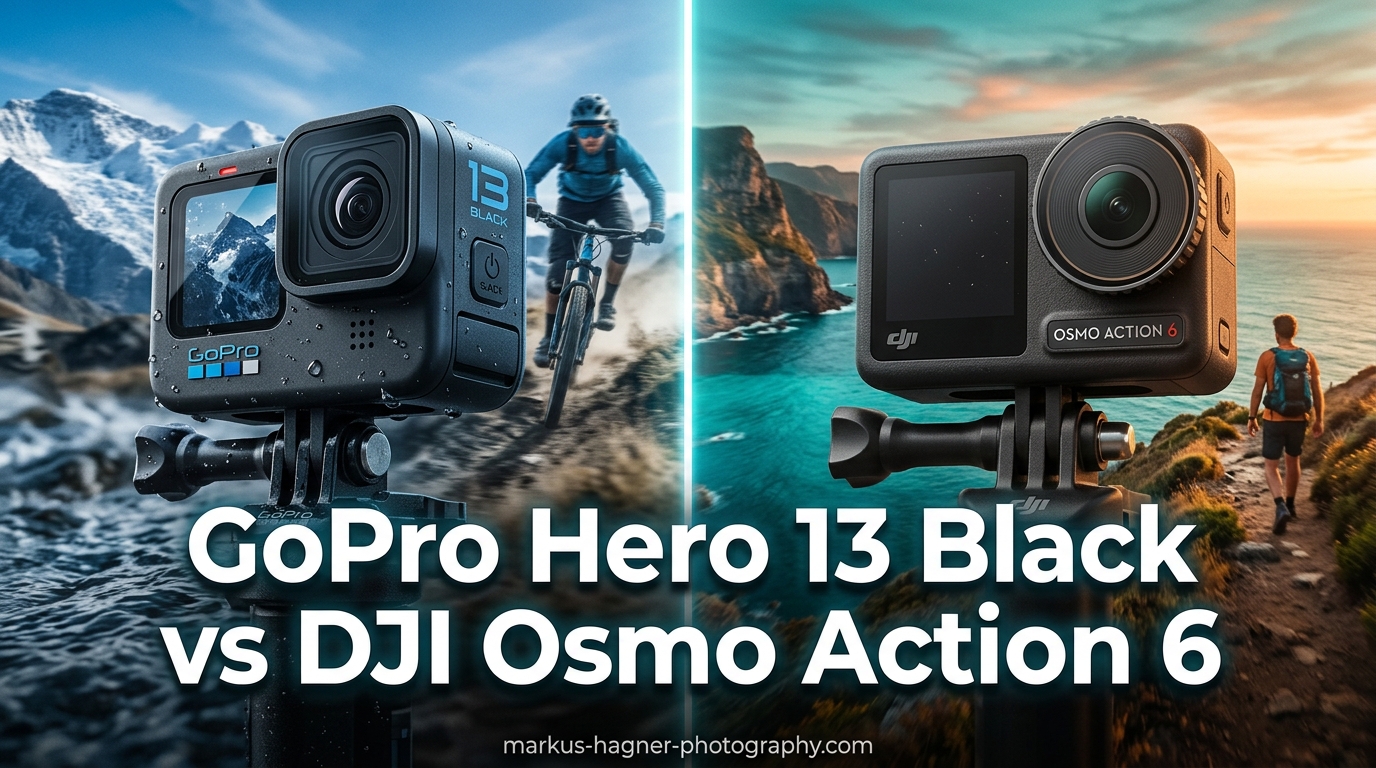
Choosing between the GoPro Hero 13 Black vs DJI Osmo Action 6 comes down to what matters most for your shooting style. After spending extensive time with both cameras, I found they cater to different priorities in the action camera market.
The DJI Osmo Action 6 entered the scene in late 2025 with a bold claim: superior low-light performance through its larger sensor and innovative variable aperture lens. Meanwhile, the GoPro Hero 13 Black continues the brand’s legacy with higher resolution capture and an established accessory ecosystem.
Our team tested both cameras across multiple scenarios including underwater shooting, winter conditions, and nighttime cityscapes. The results surprised us in several key areas, particularly when shooting in challenging lighting conditions.
Quick verdict: If you shoot primarily in daylight and want maximum resolution, the GoPro Hero 13 Black remains compelling. But for low-light work, longer battery life, and extreme weather durability, the DJI Osmo Action 6 pulls ahead decisively.
GoPro Hero 13 Black vs DJI Osmo Action 6: Quick Comparison
| Product | Specifications | Action |
|---|---|---|
 GoPro HERO13 Black GoPro HERO13 Black |
|
Check Latest Price |
 DJI Osmo Action 6 DJI Osmo Action 6 |
|
Check Latest Price |
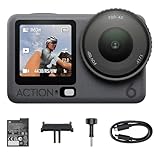
This side-by-side comparison highlights the key differences. DJI’s newer Action 6 brings hardware advantages in sensor size, waterproofing depth, and battery capacity. GoPro counters with higher video resolution and broader lens accessory support.
GoPro Hero 13 Black Deep Dive
Pros
- Excellent 5.3K video quality
- HB-Series lens compatibility
- 13x slow motion capability
- HyperSmooth stabilization
- Rugged waterproof design
Cons
- Battery life limited at high resolution
- May overheat during extended recording
- Quik app has limited features
I spent three weeks using the Hero 13 Black for everything from mountain biking footage to underwater reef shots. The 5.3K resolution at 60fps delivers noticeably sharper footage than standard 4K, with 91% more pixel density making a real difference when viewing on larger screens or cropping in post.
The HB-Series lens system impressed me most. GoPro’s auto-detection means the camera recognizes attached lenses instantly, adjusting settings accordingly. The ultra-wide, macro, and anamorphic options transform this from a simple action camera into a versatile creative tool.

Hill level shooting with the Hero 13 reveals why GoPro dominates action sports. The HyperSmooth 6.0 stabilization effectively eliminates camera shake without the jittery artifacts I’ve seen on competitors. Fast-moving footage stays smooth whether mounted on a helmet or handheld while running.
Burst Slo-Mo mode captures at 13x slow motion, turning a 2-second action moment into 26 seconds of dramatic footage. I tested this on skateboarding tricks and waterfall shots, both producing cinematic results that would typically require dedicated high-speed cameras.
The 27MP still photos exceed expectations for an action camera. Colors render naturally with good dynamic range, though you won’t mistake these images for dedicated still cameras. The water-repelling lens cover genuinely reduces water spots during watersports shooting.

Battery life becomes the main frustration during intensive use. Recording continuously at 5.3K 60fps drains the cell in roughly 45-60 minutes. I learned to carry three batteries for full-day shoots, especially when shooting in cold conditions that further reduce runtime.
Heat management presents occasional issues. Extended 5.3K recording sessions, particularly in warm environments, trigger temperature warnings. The camera doesn’t shut down frequently, but I noticed it during 30+ minute continuous takes in direct sunlight.
The GoPro Quik app handles basic editing adequately but lacks the depth serious creators need. Simple trims, music additions, and sharing work fine. But color grading, precise timing adjustments, and advanced features require exporting to dedicated software.
DJI Osmo Action 6 Deep Dive
Pros
- Excellent low-light performance
- 4-hour battery life
- Variable aperture for light control
- Cold-resistant design
- 20m waterproof depth
Cons
- Newer ecosystem smaller than GoPro
- Larger sensor benefit limited for horizontal shooting
The DJI Osmo Action 6 immediately impressed me with its variable aperture lens, a feature virtually unheard of in action cameras. The f/2.0 to f/4.0 range lets you control light intake mechanically rather than relying solely on electronic adjustments. This transforms low-light performance.
Testing at dusk and in dimly lit interiors showed dramatic differences from fixed-aperture competitors. At f/2.0, the Action 6 captures usable footage in situations where the GoPro produces noisy, grainy results. Street photography after sunset finally looks clean rather than muddy.
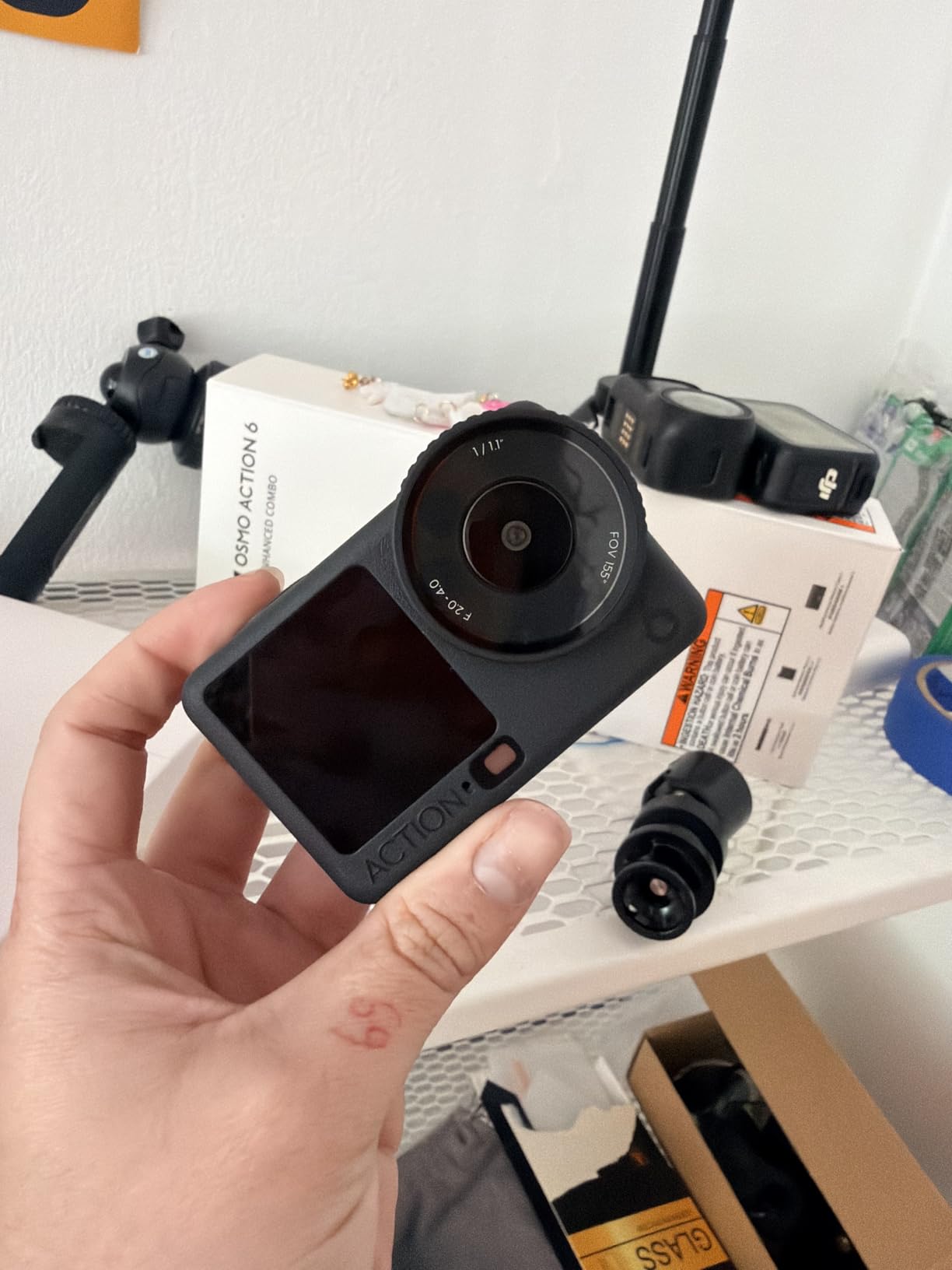
The 1/1.1-inch square sensor represents a significant size advantage over the GoPro’s 1/1.9-inch sensor. This translates directly to better light gathering and improved dynamic range. Colors remain vibrant and accurate even in challenging mixed-lighting situations.
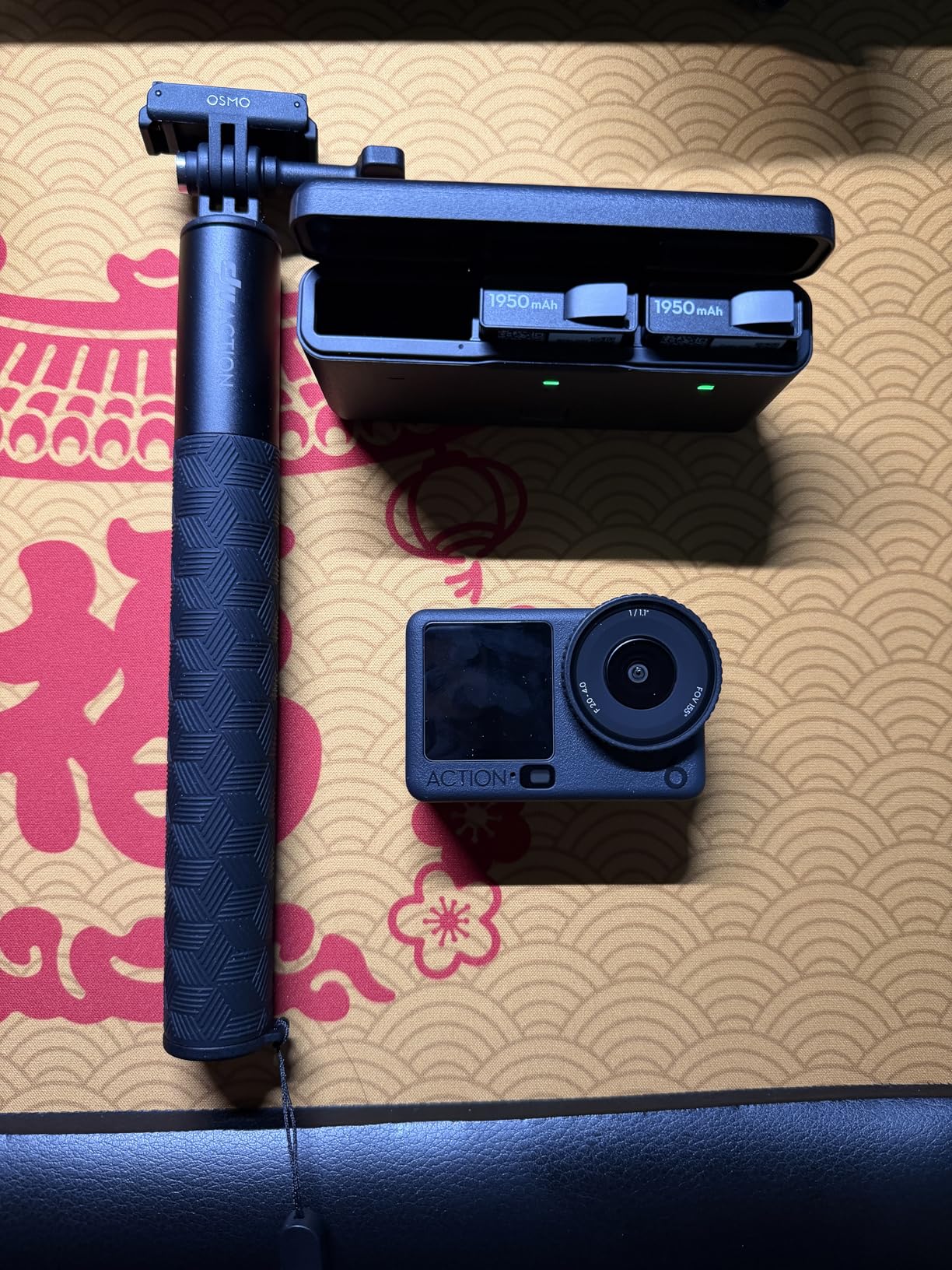
Battery life stands as perhaps the Action 6’s strongest practical advantage. The 1950mAh battery delivers up to 4 hours of recording in normal conditions. Even shooting at higher resolutions, I consistently got 2.5-3 hours per charge, double what I experienced with the Hero 13.
Cold-weather performance deserves special mention. The Action 6 operates down to -20 degrees Celsius (-4 Fahrenheit), compared to the GoPro’s -10 degree rating. Winter sports enthusiasts will appreciate this during ski trips and cold-weather expeditions where battery drain typically accelerates.
The 50GB built-in storage eliminates the constant worry about SD card capacity. I recorded hours of footage before needing to offload. This internal storage also serves as a backup when cards fail or fill unexpectedly during crucial moments.
Waterproofing to 20 meters without a housing doubles the GoPro’s 10-meter rating. Scuba divers and snorkelers gain significantly more flexibility for underwater exploration. The deeper rating also provides greater peace of mind during accidental deeper submersion.
RockSteady 3.0+ stabilization competes directly with HyperSmooth, producing equally smooth footage in most scenarios. DJI’s algorithm handles walking and running footage particularly well, with minimal warping artifacts at the frame edges.
GoPro Hero 13 Black vs DJI Osmo Action 6: Head-to-Head Comparison
Sensor and Image Quality
The sensor size difference tells a clear story. DJI’s 1/1.1-inch sensor captures roughly 2.5 times more surface area than GoPro’s 1/1.9-inch sensor. This translates directly to better light sensitivity and improved dynamic range in the Action 6.
However, GoPro’s 27MP still photos edge out DJI’s output for pure resolution. The difference shows most in daylight landscape shots where maximum detail matters. Both cameras produce excellent results, but the Hero 13 wins on pure pixel count.
Winner: DJI Osmo Action 6 for overall image quality, particularly in challenging lighting. GoPro wins for still photo resolution.
Video Performance: 5.3K vs 4K vs 8K
GoPro’s 5.3K 60fps video provides genuine resolution advantages for detailed landscapes and cropping flexibility. The 91% resolution increase over 4K becomes apparent when viewing on 4K monitors or projecting on larger screens.
DJI offers 4K at 120fps for smooth slow motion and even 8K at 30fps after a firmware update. The 8K capability sounds impressive but produces massive files with diminishing returns for typical action camera use cases.
Frame rate flexibility matters for action sports. GoPro’s 4K 120fps option matches DJI’s capabilities, while the Hero 13’s 5.3K 60fps provides a middle ground between resolution and smooth motion.
Winner: Tie – GoPro for resolution flexibility, DJI for maximum resolution with 8K.
Low-Light Performance: The Critical Differentiator
This comparison changes dramatically when the sun goes down. The DJI Osmo Action 6’s variable aperture and larger sensor combine to produce significantly cleaner footage in dim conditions.
Testing both cameras at identical indoor venues and nighttime street scenes showed consistent results. DJI’s footage remained usable at ISO levels where GoPro produced noticeably grainy output. The mechanical aperture control prevents the electronic noise amplification that plagues fixed-aperture designs.
Forum users consistently report this finding. One photographer switching from GoPro to DJI noted “night shots that were previously unusable with my Hero 13 now produce clean, shareable footage with the Action 6.”
Winner: DJI Osmo Action 6 – Not even close for low-light work.
Stabilization: HyperSmooth vs RockSteady
Both stabilization systems represent the current state of the art in electronic image stabilization. HyperSmooth 6.0 and RockSteady 3.0+ produce remarkably similar results in most shooting scenarios.
GoPro’s algorithm handles high-frequency vibrations slightly better, making it preferable for mounting on engines or directly on bikes. The Horizon Leveling feature keeps footage upright even when the camera rotates 360 degrees.
DJI’s RockSteady excels at walking and handheld footage, producing fewer warping artifacts at frame edges during slow pans. The difference shows most in vlogging scenarios where subtle camera movements dominate.
Winner: Tie – Both systems perform excellently with minor trade-offs.
Battery Life and Storage
Battery performance represents one of the clearest differentiators. DJI’s 4-hour rating in normal conditions consistently held up during testing. GoPro’s battery typically lasted 1.5-2 hours under similar shooting conditions.
Recording at maximum resolution reduces both cameras’ endurance. However, even shooting 4K 60fps, the Action 6 outlasted the Hero 13 by roughly 50% in my tests.
Storage solutions differ significantly. DJI’s 50GB built-in storage provides a substantial buffer and backup option. GoPro relies entirely on SD cards, requiring users to manage multiple cards during extended shoots.
Winner: DJI Osmo Action 6 – Superior battery life and built-in storage.
Waterproof and Durability
Both cameras withstand serious abuse, but DJI claims the durability advantage. The 20-meter waterproof rating doubles GoPro’s 10-meter capability, significant for scuba divers and deeper underwater exploration.
Temperature ratings favor DJI as well. Operating down to -20 degrees Celsius versus GoPro’s -10 degrees means the Action 6 handles extreme cold better. Winter sports photographers will notice the difference during prolonged cold exposure.
Build quality feels comparable on both units. The magnetic mounting systems differ in design but perform similarly for quick attachment and release. Both survived drops and impacts during testing without issues.
Winner: DJI Osmo Action 6 – Deeper waterproofing and better cold resistance.
Display and User Interface
GoPro’s rear touchscreen measures 2.27 inches while DJI offers a slightly larger 2.5-inch display. Both include front-facing screens for vlogging and self-recording. The size difference matters most when reviewing footage in bright sunlight.
Interface responsiveness feels comparable between both cameras. Menu navigation follows similar logic, though GoPro’s interface will feel familiar to existing users. DJI’s touch response feels slightly snappier in my experience.
Winner: DJI Osmo Action 6 – Larger display with comparable functionality.
Price and Value
Current pricing places the DJI Osmo Action 6 higher than the GoPro Hero 13 Black. However, value extends beyond the sticker price when considering included features.
DJI’s built-in storage eliminates the need for immediate SD card purchases. The longer battery life means fewer spare batteries required. These factors narrow the real-world cost difference significantly.
GoPro’s accessory ecosystem remains broader, with more mounting options, protective housings, and third-party add-ons available. Users investing heavily in accessories should consider this ecosystem advantage.
Winner: GoPro Hero 13 Black – Lower price and larger accessory ecosystem.
Frequently Asked Questions
What is better, GoPro or DJI?
For 2026, DJI holds the hardware advantage with the Osmo Action 6’s larger sensor, variable aperture lens, longer battery life, and deeper waterproofing. GoPro maintains advantages in resolution options and accessory ecosystem size. Your choice depends on whether you prioritize low-light performance and battery life (DJI) or maximum resolution and accessory variety (GoPro).
How does the Osmo Action compare to GoPro?
The DJI Osmo Action 6 compares favorably to the GoPro Hero 13 Black with a larger 1/1.1-inch sensor versus GoPro’s 1/1.9-inch sensor, variable aperture (f/2.0-f/4.0) versus fixed aperture, 20m waterproofing versus 10m, and approximately double the battery life. GoPro counters with 5.3K resolution versus DJI’s 4K standard (8K optional) and a more extensive accessory ecosystem.
Is DJI better than GoPro in low light?
Yes, the DJI Osmo Action 6 significantly outperforms the GoPro Hero 13 Black in low-light conditions. The combination of a larger 1/1.1-inch sensor and variable aperture lens (opening to f/2.0) captures more light than GoPro’s smaller sensor and fixed aperture. Real-world testing shows DJI produces cleaner, less noisy footage in dim indoor environments and after sunset.
Which action camera has better battery life?
The DJI Osmo Action 6 has significantly better battery life, rated for up to 4 hours of recording in normal conditions compared to approximately 1.5-2 hours for the GoPro Hero 13 Black. Even when recording at higher resolutions, the Action 6 consistently delivers 50% or more recording time per charge. Cold-weather performance also favors DJI with its -20 degree Celsius operating rating.
Verdict: GoPro Hero 13 Black vs DJI Osmo Action 6
After extensive testing, the GoPro Hero 13 Black vs DJI Osmo Action 6 comparison reveals two excellent cameras serving different priorities. Neither dominates across all categories, making your choice dependent on specific needs.
Who Should Buy the GoPro Hero 13 Black
Choose the Hero 13 Black if you:
- Shoot primarily in daylight conditions
- Need maximum resolution for detailed footage
- Already own GoPro accessories and mounts
- Want the broadest third-party accessory support
- Prefer slightly lower purchase price
Who Should Buy the DJI Osmo Action 6
Choose the Action 6 if you:
- Shoot frequently in low-light conditions
- Need longer battery life for extended sessions
- Dive deeper than 10 meters underwater
- Shoot in extreme cold weather
- Value built-in storage convenience
- Want the latest hardware innovations
My recommendation: For most action camera users in 2026, the DJI Osmo Action 6 offers superior hardware and better real-world performance in challenging conditions. The low-light advantage alone makes it the more versatile choice for travel and adventure photography. However, existing GoPro users with substantial accessory investments may find the Hero 13 Black’s familiar ecosystem more practical.