
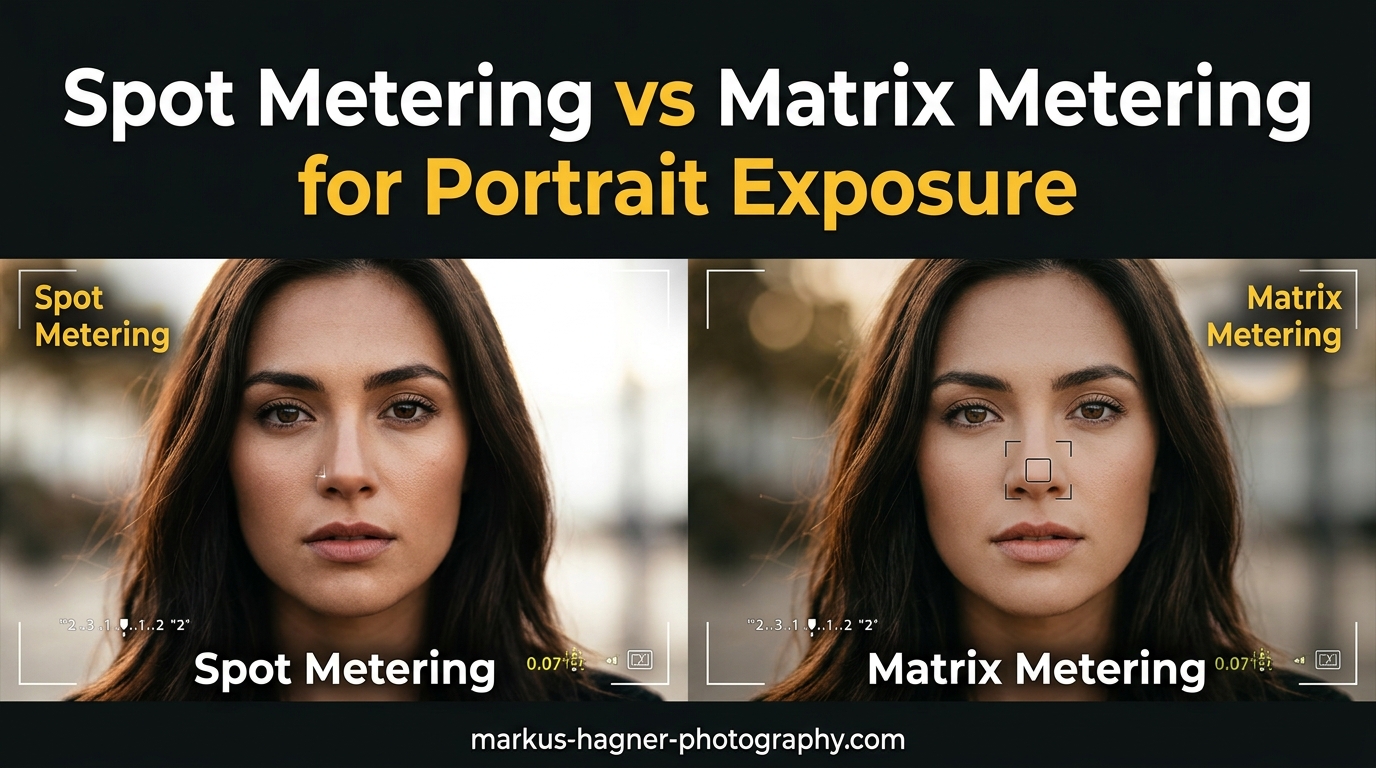
Getting the right exposure in portrait photography comes down to understanding how your camera measures light. The debate between spot metering vs matrix metering for portrait exposure has divided photographers for years, and the answer depends entirely on your shooting situation.
After shooting hundreds of portraits in challenging lighting conditions, I have learned that choosing the wrong metering mode can turn a potential keeper into an underexposed silhouette or a blown-out disappointment. Both modes have their place, but knowing when to switch between them is what separates snapshots from professional portraits.
Spot metering measures light from a tiny area around your focus point, making it ideal for backlit portraits where you need precise control over skin exposure. Matrix metering analyzes the entire frame and uses scene recognition to calculate exposure, which works well for evenly lit situations but can struggle with high-contrast scenes.
In this guide, I will break down exactly when to use each mode for portrait photography, share real-world scenarios from my experience, and help you make confident metering decisions in any lighting situation.
Quick Comparison: Spot Metering vs Matrix Metering
Before diving deep, here is a quick reference to help you understand the core differences between these two metering approaches for portrait work.
| Product | Specifications | Action |
|---|---|---|
 Canon EOS R50 Canon EOS R50 |
|
Check Latest Price |
 Sony Alpha a6400 Sony Alpha a6400 |
|
Check Latest Price |
For most portrait situations, I recommend starting with spot metering when you have challenging light and switching to matrix for casual shooting in consistent conditions.
What Is Spot Metering and How Does It Work for Portraits?
Pros
- Precise spot metering for backlit portraits
- Excellent autofocus for face detection
- Compact and lightweight for location work
- Intuitive controls for beginners
Cons
- Kit lens has limited reach
- RF lenses can be expensive
Spot metering measures reflected light from a very small portion of your frame, typically 1 to 5 percent centered around your active focus point. This concentrated reading gives you precise control over exposure exactly where you need it, which is crucial for portrait work.
When I photograph a backlit subject, spot metering allows me to meter directly off the face and ignore the bright background that would otherwise fool the camera into underexposing. The camera reads only the skin tones and calculates exposure based on that single area, treating everything else as irrelevant to the calculation.
This precision comes with responsibility. Spot metering assumes your target is middle gray (18 percent reflectance), which means you need to apply exposure compensation for skin tones that deviate from this standard. Lighter skin typically requires positive compensation, while darker skin may need negative compensation.

When to Use Spot Metering for Portraits
Spot metering shines in specific scenarios where matrix metering struggles. I reach for spot metering mode when shooting backlit portraits, whether the sun is behind my subject outdoors or when photographing someone standing in front of a bright window indoors.
High contrast scenes with your subject in shadow and bright background elements demand spot metering. The matrix system tries to balance everything, often resulting in a properly exposed background but an underexposed subject. Spot metering lets you prioritize the face every time.
Stage performances and concert photography also benefit from spot metering. The dramatic lighting with dark backgrounds and bright spotlights creates the exact scenario where measuring only your subject gives consistent, predictable results.
I also use spot metering when photographing subjects with very light or very dark skin tones. Matrix metering can be thrown off by these tonal differences, while spot metering with appropriate compensation gives me consistent skin tone reproduction across different subjects.
How to Use Spot Metering Effectively
Using spot metering requires a workflow adjustment. First, select your focus point carefully because that is exactly where your meter will read. I always place my focus point on the eye or cheek of my subject for the most accurate reading.
Second, understand that spot metering targets middle gray. For lighter skin tones, I typically add positive exposure compensation of +0.3 to +0.7 stops. For darker skin tones, I may subtract -0.3 to -0.7 stops. These values vary, so checking your histogram is essential.
Third, remember to switch back to matrix metering when conditions change. One common mistake photographers make is leaving spot metering enabled for general shooting, resulting in erratic exposures when they forget to meter off the right area.
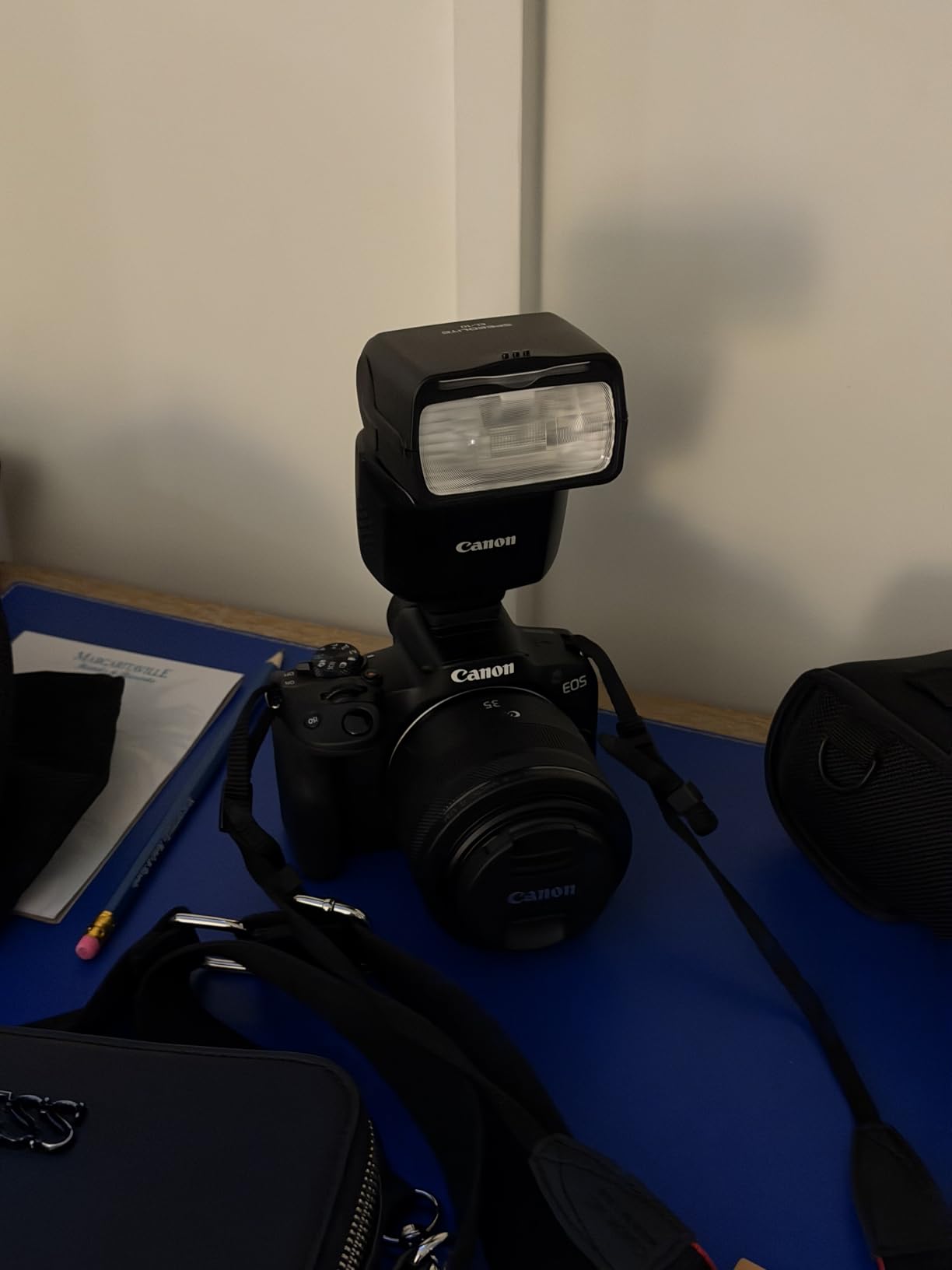
The Canon EOS R50 shown above offers intuitive controls for switching metering modes quickly, making it an excellent choice for photographers learning to master spot metering for portraits.
What Is Matrix Metering and How Does It Work for Portraits?
Pros
- Intelligent matrix metering with scene recognition
- Excellent real-time eye AF
- Compact design for travel portraits
- Good low-light performance
Cons
- Battery life could be better
- Menu system has learning curve
Matrix metering, also called evaluative metering on Canon cameras, divides your entire frame into multiple zones and analyzes the light in each section. The camera then compares this data against a database of thousands of stored images to determine the optimal exposure.
This system considers your focus point position, giving more weight to the area around your subject while still factoring in the overall scene. Modern cameras use advanced algorithms and even artificial intelligence to recognize faces, skies, and other common elements.
For portrait photography, matrix metering works exceptionally well when your subject is evenly lit and the background is relatively uniform in brightness. The camera recognizes the face, understands it should be properly exposed, and balances the overall scene accordingly.
The main advantage of matrix metering is convenience. You can focus on composition and expression without constantly adjusting exposure settings. This speed advantage makes it ideal for event photography, family sessions, and casual portraits where lighting is consistent.

When to Use Matrix Metering for Portraits
Matrix metering excels in evenly lit environments where the dynamic range between your subject and background is manageable. Overcast outdoor conditions provide soft, even light that matrix metering handles beautifully, delivering consistent exposures without intervention.
Studio portraits with controlled lighting are another scenario where matrix metering works well. When your key light, fill light, and background are balanced, the matrix system has no extreme contrast to confuse it, and you get reliable results shot after shot.
I also use matrix metering for environmental portraits where the background tells part of the story. The system balances subject and surroundings, preserving detail in both rather than prioritizing one over the other.
Quick shooting situations like weddings or events benefit from matrix metering because you cannot always recompose and meter for every shot. The automation handles most situations adequately, letting you capture fleeting moments.
Limitations of Matrix Metering for Portraits
Despite its sophistication, matrix metering has significant limitations for portrait work. The system can be fooled by bright backgrounds, causing your subject to appear as a silhouette. I have seen this happen countless times with window light portraits where the camera exposes for the window rather than the person.
Conversely, very dark backgrounds can cause matrix metering to overexpose your subject. The camera tries to lift the dark background to middle gray, which blows out skin tones in the process.
The scene recognition database, while impressive, cannot account for every creative intention. If you want a high-key or low-key portrait, matrix metering will fight against your vision by trying to produce a balanced exposure.
For photographers who want precise control over skin tone reproduction, the variability of matrix metering can be frustrating. Two shots with identical framing but different backgrounds may produce different exposures on the subject.
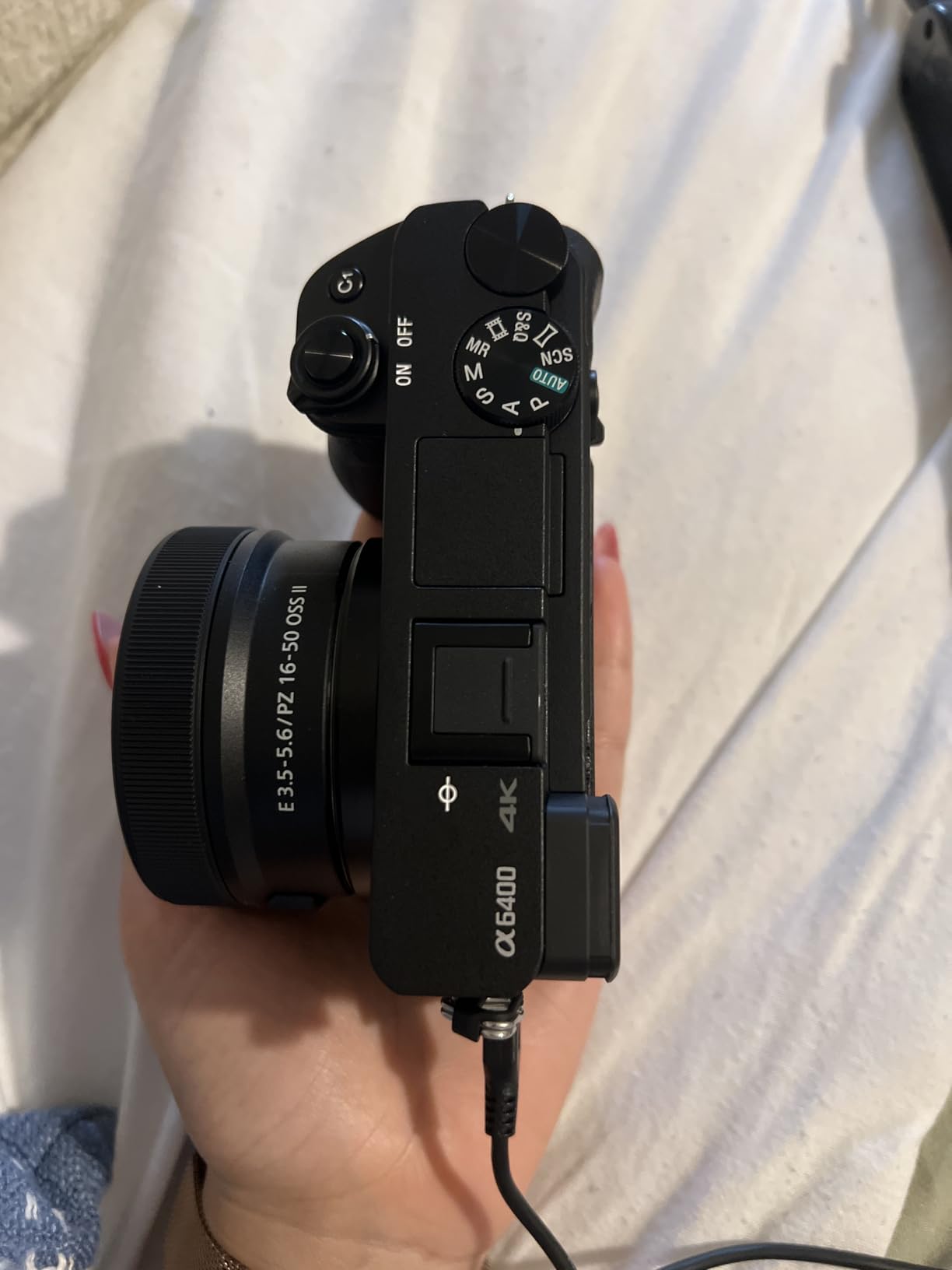
The Sony Alpha a6400 featured above offers multiple metering modes including an intelligent matrix system, making it versatile for portrait photographers who switch between metering approaches based on lighting conditions.
Spot Metering vs Matrix Metering: Head-to-Head Portrait Scenarios
Let me walk you through specific portrait scenarios and show you which metering mode wins in each situation based on my experience in the field.
Backlit Outdoor Portraits
Winner: Spot Metering
When your subject is backlit by the sun or positioned in front of a bright sky, spot metering is essential. I meter directly off the face to ensure proper skin exposure, letting the background blow out if necessary. Matrix metering will almost always underexpose your subject in this scenario because it tries to preserve highlight detail in the bright background.
Window Light Indoor Portraits
Winner: Spot Metering
Strong directional light from a window creates the same challenge as outdoor backlighting. Spot metering on your subject’s face gives consistent results regardless of how bright the window is. I have photographed hundreds of window light portraits, and spot metering with slight positive compensation delivers the most reliable skin tones.
Overcast Outdoor Portraits
Winner: Matrix Metering
Soft, diffused light from an overcast sky creates even illumination across your scene. Matrix metering handles this beautifully, giving you balanced exposures without any manual intervention. The lack of extreme contrast means the system has nothing to confuse it.
Studio Portraits with Strobes
Winner: Matrix Metering (usually)
In a controlled studio environment with balanced lighting, matrix metering works well and saves you from constant adjustments. However, some studio photographers still prefer spot metering for precise control over skin exposure, especially when shooting high-key or low-key setups.
High Contrast Scenes
Winner: Spot Metering
Any scene with extreme contrast between your subject and surroundings demands spot metering. This includes subjects in deep shadow with bright backgrounds, spotlit performers on dark stages, or portraits with dramatic artificial lighting.
Environmental Portraits
Winner: Matrix Metering
When the background matters as much as the subject, matrix metering balances both elements. Environmental portraits often benefit from showing context, and matrix metering preserves detail throughout the scene.
Quick Event Coverage
Winner: Matrix Metering
Weddings, parties, and events require fast shooting without time to recompose and meter. Matrix metering handles the variety of lighting conditions adequately, letting you capture candid moments without missing shots.
Exposure Compensation for Different Skin Tones
One critical aspect of portrait metering that many guides overlook is how skin tone affects your metering decisions. Both spot and matrix metering target middle gray, which means you need to apply compensation for accurate skin reproduction.
Light Skin Tones
For subjects with fair to light skin, I typically add positive exposure compensation between +0.3 and +0.7 stops when using spot metering. The skin reflects more light than middle gray, so without compensation, the camera will underexpose. Matrix metering may require less compensation because it considers the whole scene.
Medium Skin Tones
Subjects with medium skin tones closest to middle gray require minimal to no compensation. This is the baseline your camera expects, so exposures should be accurate with either metering mode.
Dark Skin Tones
For subjects with darker skin, I often apply negative exposure compensation of -0.3 to -0.7 stops with spot metering. The skin reflects less light than middle gray, and without compensation, the camera will overexpose. This is especially important to preserve rich, accurate skin tones rather than washing them out.
Always check your histogram after making these adjustments. The goal is to place skin tones in the proper zone of your tonal range, not to hit a specific numeric target.
Frequently Asked Questions
What metering mode is best for portraits?
For most portrait photography, spot metering provides the best results when you need precise control over skin exposure, especially in backlit or high-contrast situations. Matrix metering works well for evenly lit portraits where you want balanced exposure across the scene without manual adjustments.
When to use spot metering vs matrix metering?
Use spot metering for backlit subjects, high-contrast scenes, stage performances, and when photographing subjects with skin tones significantly lighter or darker than middle gray. Use matrix metering for evenly lit outdoor portraits, studio work with balanced lighting, environmental portraits, and fast-paced event photography where you cannot recompose for each shot.
When to use spot metering mode?
Use spot metering mode whenever your subject is significantly darker or lighter than the background, such as backlit portraits, window light situations, spotlit subjects on dark stages, or any high-contrast scene. Spot metering ensures your subject is properly exposed regardless of the surrounding brightness.
What is the 20-60-20 rule in photography?
The 20-60-20 rule refers to the tonal distribution in a well-exposed image where approximately 20 percent of pixels fall in shadows, 60 percent in midtones, and 20 percent in highlights. This concept relates to metering because your camera targets middle gray, and understanding tonal distribution helps you apply appropriate exposure compensation for different skin tones.
Verdict: Which Metering Mode Should You Choose?
After comparing spot metering vs matrix metering for portrait exposure across countless shooting situations, here is my definitive recommendation.
Choose Spot Metering If:
- You frequently shoot backlit portraits or high-contrast scenes
- You want precise, repeatable control over skin exposure
- You photograph subjects with varied skin tones
- You shoot stage performances or dramatic lighting
- You are comfortable with manual exposure adjustments
- You want consistent results that match your creative vision
Choose Matrix Metering If:
- You shoot mostly evenly lit scenes
- You need fast, responsive shooting without adjustments
- You photograph events where lighting changes constantly
- You want balanced environmental portraits
- You prefer automation over manual control
- You are a beginner learning exposure fundamentals
My personal approach is to default to spot metering for portraits because I prioritize accurate skin exposure above all else. I switch to matrix metering only when lighting is even and I need to work quickly. The key is knowing when to make that switch and having the confidence to trust your metering choice.
For portrait photographers serious about their craft, mastering both modes gives you complete control over your exposures. Start with spot metering in challenging light and gradually build confidence in matrix metering for simpler situations. Over time, you will develop an intuitive sense for which mode serves your creative vision best.