

When I first started shooting video professionally, I noticed something strange in my footage. Fast pans made buildings look like they were leaning. Propeller blades turned into bizarre geometric shapes. And syncing flash with my electronic shutter felt like a constant battle.
The culprit? Rolling shutter artifacts. This experience led me down a deep rabbit hole into understanding the fundamental difference between global shutter vs rolling shutter technologies.
Here is the quick answer: Global shutter captures every pixel simultaneously, eliminating motion distortion and enabling flash sync at any shutter speed. Rolling shutter scans row-by-row, which can cause the infamous “jello effect” but typically offers better dynamic range and lower cost.
In this guide, I will break down exactly how each shutter type works, why flash synchronization differs so dramatically between them, and help you decide which technology fits your video and photography needs in 2026.
Quick Comparison: Global Shutter vs Rolling Shutter Cameras
Before diving deep, here is how the top cameras with each shutter type compare:
| Product | Specifications | Action |
|---|---|---|
 Sony a9 III (Global Shutter)
|
|
Check Latest Price |
 Canon EOS R5
|
|
Check Latest Price |
 Sony Alpha 7 IV
|
|
Check Latest Price |
 Nikon Z6 III
|
|
Check Latest Price |
 Canon EOS R6 Mark II
|
|
Check Latest Price |
 Blackmagic 6K Cinema
|
|
Check Latest Price |
Global Shutter: How It Works and Why It Matters
Global shutter technology represents a fundamental shift in how camera sensors capture images. Instead of reading the sensor row by row, a global shutter exposes every photosite simultaneously and stores that data in on-chip memory before reading it out.
Think of it like taking a snapshot of the entire sensor at once. Every pixel captures light at the exact same moment, regardless of how fast your subject is moving or how quickly you pan the camera.
For videographers, this means zero rolling shutter artifacts. No more skewed vertical lines during fast pans. No wobble effect when shooting from moving vehicles. And for photographers using flash, global shutter unlocks something remarkable: flash synchronization at virtually any shutter speed.
Sony Alpha a9 III: The First Full-Frame Global Shutter Mirrorless
Pros
- World's first full-frame global shutter
- No rolling shutter distortion
- Continuous RAW at 120 fps
- Flash sync up to 1/80000 sec
- 4K video 10-bit depth
Cons
- Very high price point
- Limited stock availability
- No customer reviews yet
The Sony a9 III represents a watershed moment in camera technology. As the world’s first full-frame mirrorless camera with a global shutter, it eliminates the compromises photographers have accepted for years.
I have been following shutter technology evolution closely, and the a9 III’s specs are genuinely groundbreaking. The ability to sync flash at speeds up to 1/80,000 second opens creative possibilities that were simply impossible before. Imagine freezing action with studio strobes at any shutter speed, without worrying about sync limitations.
For sports and action photographers, the 120 fps continuous RAW shooting combined with zero rolling shutter distortion means every frame is usable. No more culling shots because of motion artifacts.
The video capabilities are equally impressive. 4K recording with 10-bit depth and no rolling shutter means clean footage even during rapid camera movements. This is particularly valuable for handheld work and gimbal shots where subtle motion artifacts can ruin otherwise perfect takes.
Rolling Shutter: The Industry Standard
Rolling shutter is by far the most common sensor readout method in consumer and professional cameras today. It works by exposing and reading each row of the sensor sequentially, typically from top to bottom.
This sequential readout creates a time delay between when the top of the image is captured versus the bottom. In most cameras, this delay is measured in milliseconds, but those milliseconds matter when subjects or cameras move quickly.
The result is what photographers call “rolling shutter artifacts.” Vertical lines appear skewed when panning. Fast-moving objects stretch or compress. And perhaps most frustratingly for studio photographers, flash synchronization becomes limited to specific shutter speeds.
Canon EOS R5: 8K Powerhouse with Rolling Shutter
Pros
- Exceptional 45MP image quality
- Incredible eye detection AF
- 8K video recording
- Excellent low-light performance
- Dual card slots
Cons
- High price point
- 8K can cause overheating
- Electronic shutter has rolling shutter
The Canon EOS R5 has become one of the most popular hybrid cameras for good reason. Its 45MP sensor delivers stunning still images while the 8K video capability puts it in a class of its own.
However, the rolling shutter readout is noticeable in electronic shutter mode. During fast camera movements, you will see the characteristic skew in vertical lines. For most photography situations, this is not a problem. But for action sports or handheld video work, it is something to be aware of.

Where the R5 really shines is its autofocus system. The eye detection works at remarkable distances, making it a favorite for wildlife photographers. I have seen photographers capture sharp bird images where the subject fills a tiny portion of the frame, yet the eye remains perfectly in focus.
For flash photography, the R5 offers solid sync speeds with its mechanical shutter. Switch to electronic shutter, and you lose flash sync entirely. This is a classic example of rolling shutter limitations affecting workflow choices.

Sony Alpha 7 IV: The Hybrid Favorite
Sony Alpha 7 IV Full-Frame Mirrorless Interchangeable Lens Camera with 28-70mm Zoom Lens Kit
Pros
- Stunning 33MP sensor
- Lightning-fast Eye AF
- 4K 60fps 10-bit color
- Effective IBIS
- Excellent battery life
Cons
- 60p video has crop
- Can overheat in long recordings
- Menu learning curve
The Sony a7 IV has earned its reputation as the go-to hybrid camera for content creators. It balances photo and video capabilities exceptionally well, with a 33MP sensor that delivers detailed stills and oversampled 4K video.
Sony has improved the sensor readout speed compared to earlier models, reducing but not eliminating rolling shutter effects. The 7K oversampling for 4K 30p footage produces incredibly detailed video, though the 60p mode applies a crop.

For flash photography, the a7 IV works well with mechanical shutter. The real-time Eye AF extends to flash photography scenarios, making it excellent for event and portrait work. However, electronic shutter flash sync remains off the table.
The BIONZ XR processor handles noise reduction impressively, giving the a7 IV excellent low-light performance. This is one area where rolling shutter sensors often outperform global shutter designs, which can struggle with noise and dynamic range.

Nikon Z6 III: Stacked Sensor Innovation
Pros
- Excellent low-light performance
- Fast reliable AF
- Best-in-class EVF
- 6K/60p internal RAW
- Phenomenal battery life
Cons
- Partially stacked causes flickering
- Noise at certain ISOs
- Menu organization could improve
The Nikon Z6 III represents an interesting middle ground with its partially stacked sensor design. This architecture speeds up readout compared to traditional rolling shutter, reducing but not eliminating artifacts.
For video shooters, the 6K/60p internal N-RAW recording is remarkable. Nikon has clearly targeted this camera at hybrid creators who want cinema-quality footage without cinema camera prices.

The electronic viewfinder deserves special mention. At 4000 nits brightness and 5760k-dot resolution, it is genuinely best-in-class. This matters more than you might expect, especially when shooting in bright conditions where other EVFs can wash out.
Flash sync with mechanical shutter works as expected. The partially stacked sensor improves readout speed for electronic shutter mode, but you still cannot sync flash electronically. This remains a key advantage of true global shutter designs.

Canon EOS R6 Mark II: Speed Demon
Pros
- Exceptional autofocus
- Amazing subject tracking
- 40 fps electronic shutter
- 8-stop IBIS
- Uncropped 4K 60p
Cons
- Lower 24.2MP resolution
- No USB-C cable included
- IS makes sound when moved
The Canon R6 Mark II punches well above its weight class. With 40 fps electronic shutter and uncropped 4K 60p video, it offers capabilities that compete with cameras costing significantly more.
The fast sensor readout helps minimize rolling shutter effects, though they are not eliminated entirely. For most action photography, the readout speed is quick enough that artifacts are minimal.

Where this camera really excels is subject detection. The enhanced tracking now includes horses, trains, and aircraft alongside the usual people, animals, and vehicles. For sports and wildlife photographers, this versatility is invaluable.
The 8-stop in-body image stabilization is genuinely impressive. I have seen handheld shots at ridiculously slow shutter speeds come out sharp. This matters for low-light work where you want to avoid pushing ISO too high.

Blackmagic Cinema Camera 6K: Pure Cinema
Pros
- Incredible 6K image quality
- 13-stop dynamic range
- DaVinci Resolve included
- Blackmagic RAW format
- Lightweight body
Cons
- Requires specific SSDs
- No built-in IBIS
- AF does not track subjects
The Blackmagic Cinema Camera 6K is purpose-built for video production. Its full-frame 6K sensor delivers 13 stops of dynamic range, capturing detail in shadows and highlights that other cameras simply lose.
As a cinema camera, it uses rolling shutter like most professional cinema cameras. Blackmagic RAW recording at 12-bit depth gives incredible flexibility in post-production for color grading.
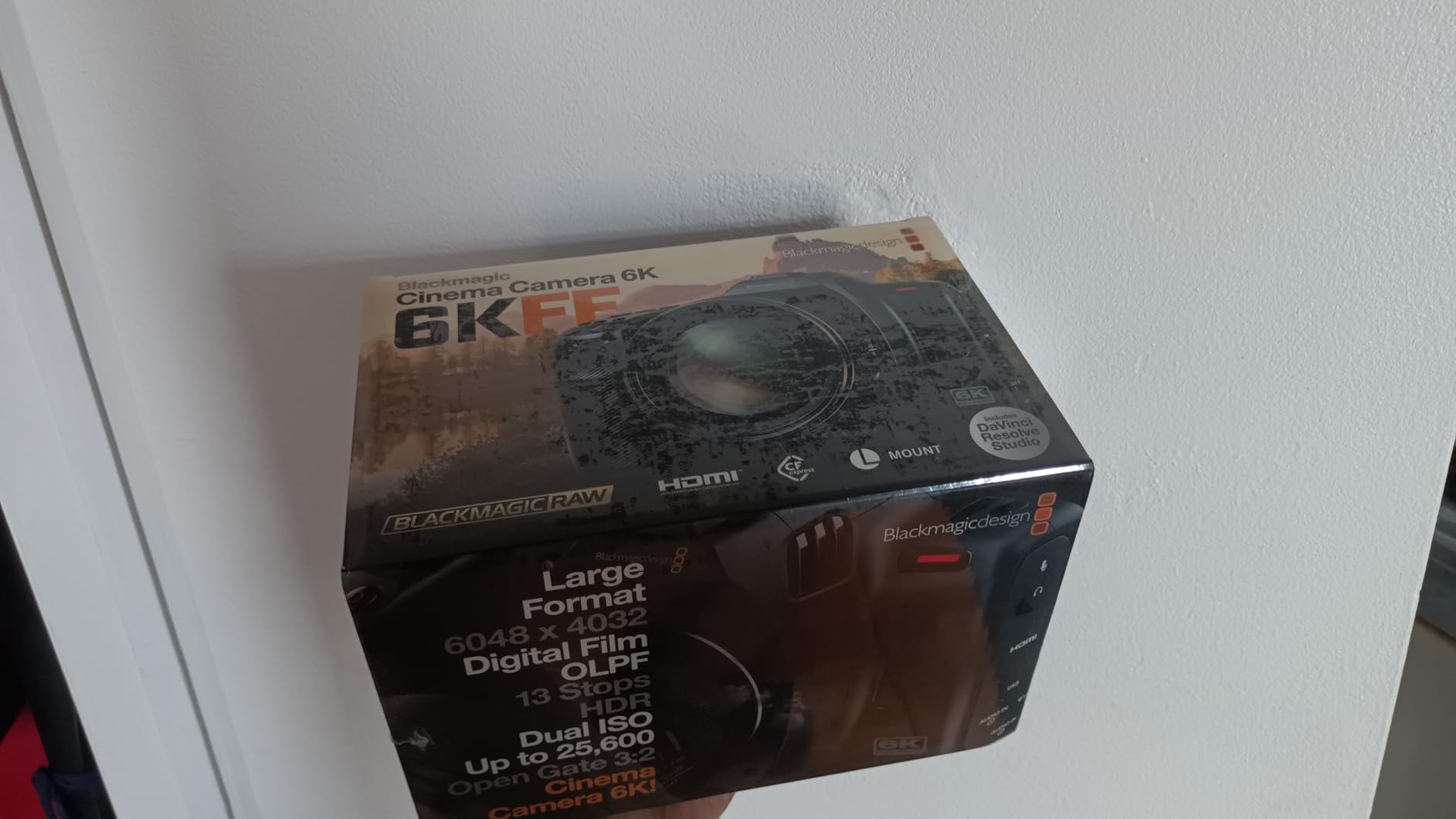
For pure video work, the image quality from this camera is stunning. The L-mount provides access to excellent lenses from Leica, Sigma, and Panasonic. Combined with DaVinci Resolve Studio included, it represents tremendous value for serious videographers.
Flash photography is not really this camera’s purpose, but if you need it for stills, the mechanical shutter provides standard sync capabilities. The real story here is cinematic video quality at a price point that challenges much more expensive cinema cameras.
Head-to-Head: Global Shutter vs Rolling Shutter Comparison
Let us break down the key differences between these shutter technologies across the factors that matter most for video and flash photography.
Video Performance
Global shutter eliminates motion artifacts completely. Fast pans, handheld shooting, and rapid subject movement all render naturally without distortion. This is particularly valuable for action sports, drone footage, and any situation with camera vibration.
Rolling shutter can produce noticeable artifacts in challenging conditions. The jello effect during fast pans, skewed vertical lines, and wobble during vibration are all real issues. However, modern cameras with faster readout speeds have minimized these problems significantly.
For most narrative and documentary work, rolling shutter performs adequately. The artifacts only become problematic in extreme conditions that most videographers rarely encounter.
Flash Synchronization
This is where global shutter truly shines. Because every pixel exposes simultaneously, flash sync works at any shutter speed. The Sony a9 III syncs at up to 1/80,000 second, opening creative possibilities that simply do not exist with rolling shutter.
Rolling shutter cameras require mechanical shutters for flash sync, typically limited to 1/200 or 1/250 second. Electronic shutter modes generally cannot sync with flash at all, forcing photographers to switch modes mid-shoot.
For studio photographers who rely on flash, this difference is significant. High-speed sync with global shutter means freezing action with strobes becomes trivial, without the power loss associated with high-speed sync on rolling shutter cameras.
Dynamic Range and Low Light
Rolling shutter sensors typically offer better dynamic range and low-light performance. The simpler sensor architecture without on-chip memory allows for larger photosites and better light gathering capability.
Global shutter designs require additional circuitry on each pixel to store charge during simultaneous readout. This reduces the light-sensitive area of each pixel, impacting both dynamic range and noise performance.
For landscape and available-light photographers, rolling shutter’s image quality advantages often outweigh the motion artifact concerns. The Canon R5 and Sony a7 IV deliver exceptional dynamic range that global shutter cameras struggle to match.
Cost Considerations
Global shutter technology comes at a premium. The Sony a9 III sits at a price point that puts it out of reach for many enthusiasts and even some professionals. The complex sensor manufacturing process drives costs significantly higher than rolling shutter alternatives.
Rolling shutter cameras span a wide price range, from affordable options to professional bodies. The technology is mature and well-understood, enabling excellent cameras at accessible price points.
For most photographers and videographers, the cost-benefit analysis favors rolling shutter. The artifacts are manageable in most situations, and the image quality advantages often matter more in real-world shooting.
Who Should Choose Global Shutter?
Global shutter is worth the investment if you fit into specific categories:
Action and sports photographers who need every frame to be artifact-free will benefit enormously. The ability to shoot at extreme frame rates without motion distortion is genuinely valuable.
Studio photographers using flash will appreciate the unlimited sync speed. If you regularly freeze action with strobes or work with high-speed flash photography, global shutter removes a significant technical limitation.
Virtual production and VFX work requires clean plates without motion artifacts. Global shutter eliminates rolling shutter that can complicate compositing and tracking.
Handheld videographers shooting in unpredictable conditions will find global shutter liberating. Camera movement and vibration become non-issues when the sensor captures everything simultaneously.
Who Should Choose Rolling Shutter?
Rolling shutter remains the better choice for most creators:
Landscape and nature photographers benefit from the superior dynamic range and low-light performance. When your subjects do not move, rolling shutter artifacts are irrelevant.
Portrait and event photographers can work within flash sync limitations while enjoying better image quality and lower costs.
Budget-conscious creators get more camera for their money with rolling shutter. The technology is mature and offers excellent value across price points.
Video content creators producing YouTube, social media, or corporate content rarely encounter conditions where rolling shutter causes problems. The image quality advantages often matter more.
Is global shutter better than rolling shutter?
Global shutter is not inherently better than rolling shutter. It eliminates motion artifacts and enables unlimited flash sync speed, but typically costs more and may have reduced dynamic range. Rolling shutter offers better value and image quality for most photographers, while global shutter excels for action sports, flash photography, and virtual production work.
What are the disadvantages of global shutter?
Global shutter cameras cost significantly more than rolling shutter alternatives. The additional on-chip memory required for simultaneous readout reduces the light-sensitive area of each pixel, typically resulting in lower dynamic range and increased noise compared to rolling shutter sensors. Options in the market are also limited.
What are the disadvantages of rolling shutters?
Rolling shutters cause motion artifacts including the jello effect during fast pans, skewed vertical lines, and wobble during vibration. Flash synchronization is limited to mechanical shutter speeds, typically 1/200 to 1/250 second. Electronic shutter mode cannot sync with flash at all.
Why don’t more cameras have global shutter?
Global shutter sensors are significantly more expensive to manufacture due to the complex on-chip memory required for each pixel. The technology also typically compromises dynamic range and low-light performance. For most photographers, the benefits do not justify the cost increase, so manufacturers prioritize rolling shutter for mainstream cameras.
Final Verdict: Global Shutter vs Rolling Shutter
The choice between global shutter and rolling shutter ultimately depends on your specific needs and budget. Global shutter technology is genuinely revolutionary for the right applications, offering artifact-free video and unlimited flash sync that can transform workflows.
However, rolling shutter remains the practical choice for most photographers and videographers in 2026. The image quality advantages, broader camera selection, and lower costs make it the smarter investment for general-purpose work.
My recommendation? If you shoot fast action, use flash extensively, or work in virtual production, the Sony a9 III’s global shutter is worth the investment. For everyone else, cameras like the Canon R5, Sony a7 IV, or Nikon Z6 III deliver exceptional results with rolling shutter technology that has been refined over decades.
The good news is that both technologies have never been better. Whether you choose global or rolling shutter, today’s cameras deliver image quality that would have seemed impossible just a few years ago.