
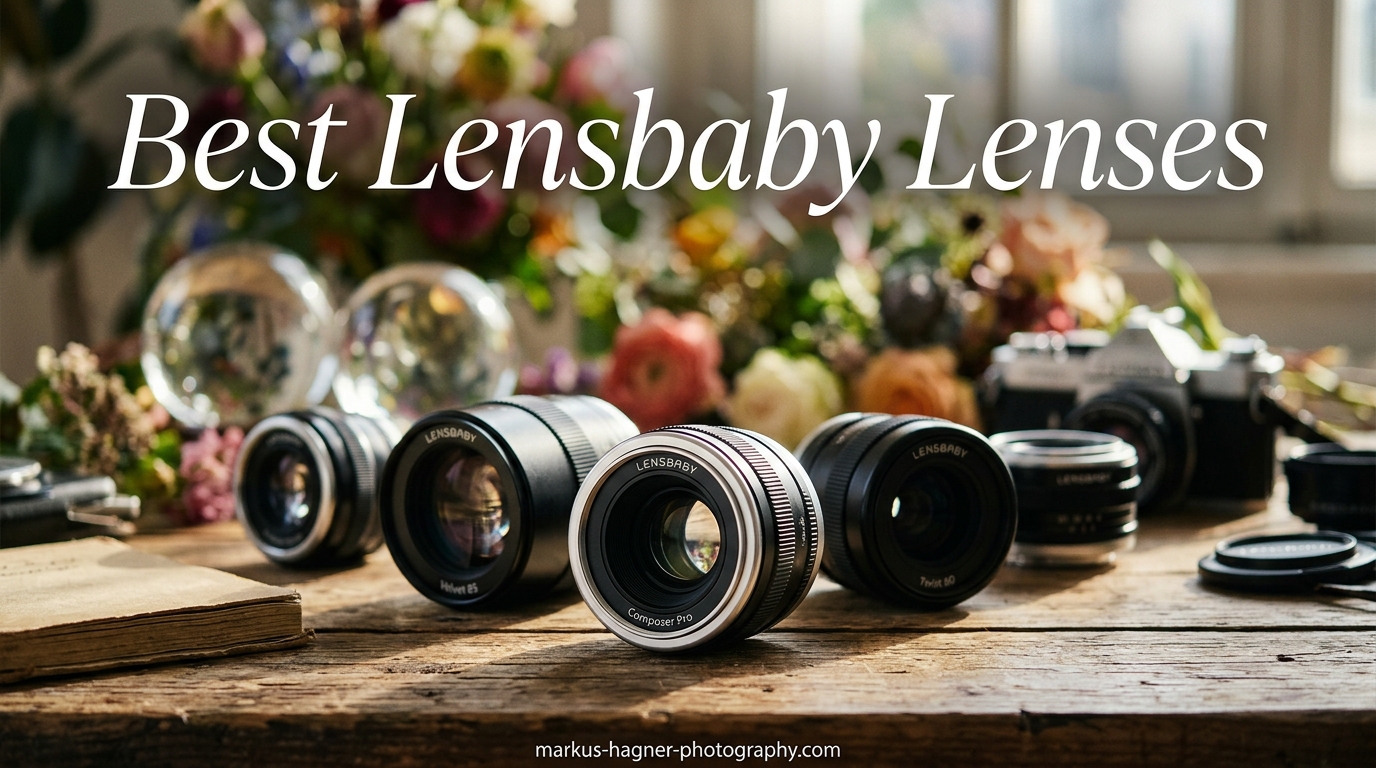
When I first picked up a Lensbaby lens three years ago, I had no idea it would completely transform how I approach creative photography. These manual-focus specialty lenses create effects that simply cannot be replicated in Photoshop, delivering in-camera artistic results that add soul and character to your images. Whether you are chasing dreamy portraits with velvety glow, dramatic landscapes with selective slice focus, or vintage-style images with swirling bokeh, the best Lensbaby lenses for creative photography effects open up a world of possibilities.
Lensbaby is an American company based in Portland, Oregon, that has been crafting creative optics since 2004. Unlike conventional lenses that strive for technical perfection, Lensbaby lenses embrace optical quirks to produce distinctive artistic effects. In this 2026 guide, I have tested and reviewed the top 10 Lensbaby lenses to help you find the perfect creative tool for your photography style.
Top 3 Picks for Best Lensbaby Lenses
After shooting thousands of frames across different genres, these three Lensbaby lenses stand out as the best starting points for creative photographers. Each offers a unique effect and represents excellent value within its category.

Lensbaby Sol 45
- Easiest Lensbaby to use with fixed f/3.5 aperture
- Sweet spot focus effect with tilt control
- Lightweight 150g design perfect for travel
- 46mm filter thread for creative filters

Lensbaby Velvet 56
- Dreamy velvety glow at f/1.6 with sharpness at f/11
- 1:2 macro magnification for close-up creativity
- Tank-like all-metal construction
- Perfect portrait focal length on full frame

Lensbaby Sweet 35 Optic
- Built-in 12-blade aperture dial (no discs needed)
- 35mm focal length ideal for environmental portraits
- Compact and lightweight design
- Compatible with multiple Lensbaby bodies
Quick Overview: Best Lensbaby Lenses in 2026
Here is a complete comparison of all 10 Lensbaby lenses we tested. The table below shows key specifications and features to help you quickly identify which lens matches your creative vision.
| Product | Specifications | Action |
|---|---|---|
|
Lensbaby Sol 45
|
|
Check Latest Price |
|
Lensbaby Velvet 56
|
|
Check Latest Price |
|
Lensbaby Sweet 35
|
|
Check Latest Price |
 Composer Pro II Sweet 50
|
|
Check Latest Price |
 Lensbaby Edge 80
|
|
Check Latest Price |
 Lensbaby Edge 50
|
|
Check Latest Price |
 Lensbaby Edge 35
|
|
Check Latest Price |
 Lensbaby Velvet 85
|
|
Check Latest Price |
 Lensbaby Velvet 28
|
|
Check Latest Price |
 Lensbaby Twist 60
|
|
Check Latest Price |
Understanding the Four Lensbaby Effects
Before diving into individual lens reviews, it helps to understand the four distinct optical effects Lensbaby lenses produce. Each effect creates a different artistic look and suits different photography genres.
The Sweet Spot Effect
The Sweet effect creates a sharp circular area of focus surrounded by a gradual, dreamy blur that falls off toward the edges. I find this effect works beautifully for portraits where you want to isolate your subject against a soft, painterly background. The size of the sweet spot changes with aperture, smaller at f/2.5 and larger as you stop down.
Lenses that create the Sweet effect include the Sweet 35, Sweet 50, Sweet 80, and the Sol 45. Each offers a different focal length while maintaining that distinctive sharp-center look that draws viewers directly to your subject.
The Edge Slice Effect
The Edge effect produces a slice of sharp focus that cuts through the image horizontally, vertically, or at any angle you choose by tilting the lens. Everything outside this slice falls into soft blur. I use this effect for creating miniature toy-town looks in cityscapes or for isolating a face in a portrait while blurring both foreground and background.
The Edge series includes the Edge 35, Edge 50, and Edge 80. These optics require the Optic Swap system and work with Composer Pro bodies to achieve the tilt control that moves the slice of focus around your frame.
The Velvet Glow Effect
The Velvet effect produces images with a soft, glowing quality reminiscent of vintage lenses from the 19th century. At wide apertures (f/1.6-f/2.5), the effect creates an ethereal, romantic look perfect for portraits and weddings. Stop down to f/8 or smaller, and these lenses become remarkably sharp while retaining a subtle character that sets them apart from standard optics.
The Velvet lineup includes the Velvet 28, Velvet 56, and Velvet 85. These are standalone lenses rather than Optic Swap optics, making them simpler to use and more robust for daily shooting.
The Twist Swirl Effect
The Twist effect, also called the Petzval effect, creates a sharp center with distinctive swirling bokeh that wraps around the edges of your frame. Named after the 19th-century lens designer Joseph Petzval, this effect produces images with a vintage, almost steampunk aesthetic. The swirling effect works best with textured backgrounds like foliage or point light sources that transform into artistic swirls.
The Twist 60 is the primary optic offering this effect, available as an Optic Swap component for use with Composer Pro bodies.
1. Lensbaby Sol 45: The Perfect Entry Point
Lensbaby - Sol 45 - for Canon EF - Sweet spot - Soft Bokeh - Compatible with a Wide Range of Cameras
Pros
- Easiest Lensbaby to use with no aperture adjustments needed
- Lightweight 150g design perfect for all-day shooting
- Creates sharp central sweet spot with dreamy edges
- Tilt-shift style effect moves focus around frame
- Excellent value as entry point to creative lenses
Cons
- Fixed aperture limits sweet spot size control
- Manual focus only requires practice
- Compatibility issues with some Canon RF adapters
I spent two weeks shooting exclusively with the Sol 45, and it quickly became my most-recommended Lensbaby for beginners. The fixed f/3.5 aperture eliminates one variable from the learning process. You simply tilt the lens toward your subject, focus manually, and shoot. The sweet spot effect delivers that classic Lensbaby look without requiring you to master aperture discs or understand complex tilt mechanics.
The Sol 45 weighs just 150 grams, making it barely noticeable in your camera bag. I carried it as a second lens on a portrait shoot and pulled it out for creative headshots between standard shots. The built-in bokeh blade system adds another layer of creativity, allowing you to introduce structured bokeh shapes into your backgrounds.
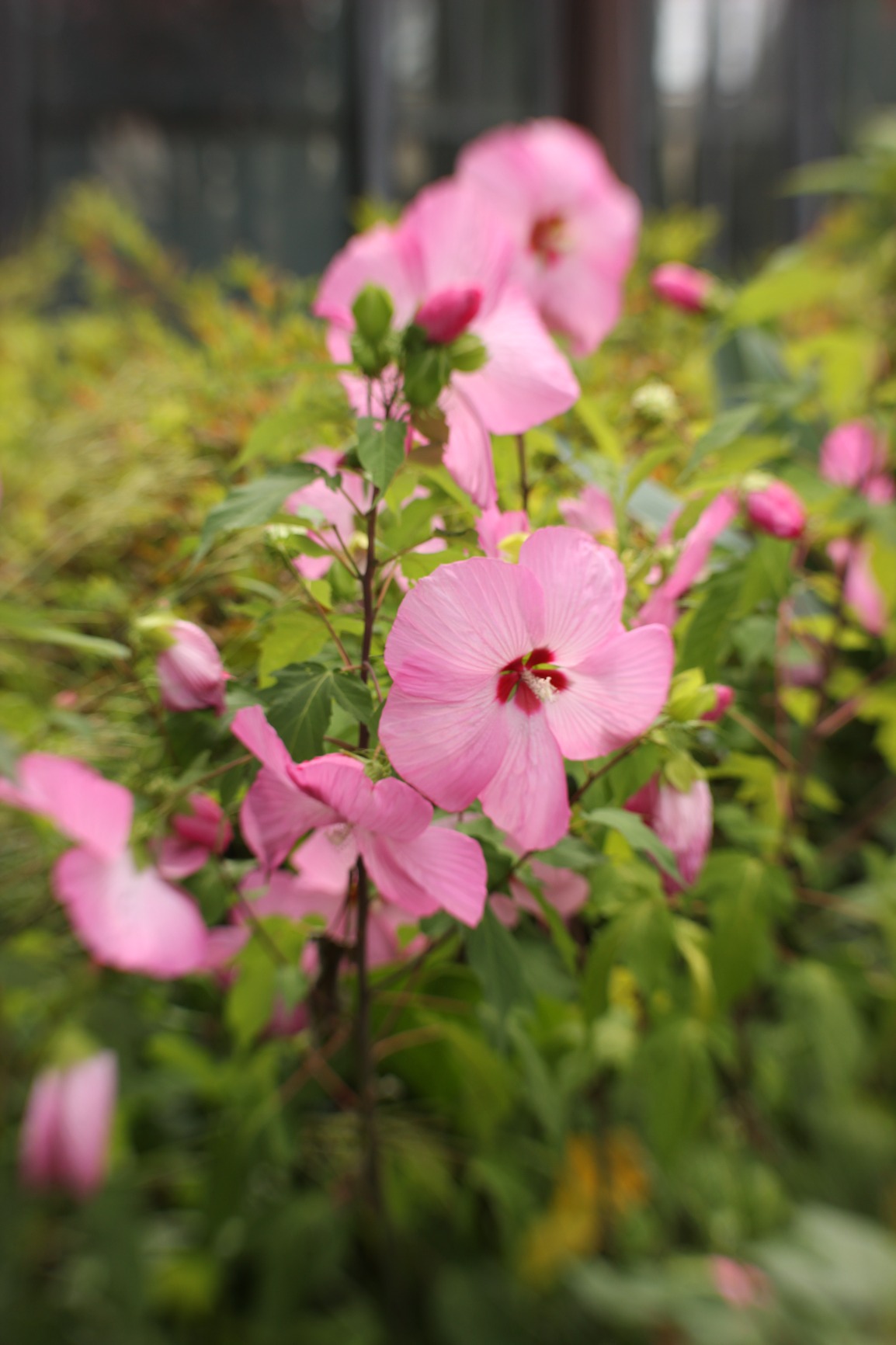
During my testing, I found the 45mm focal length sits in a sweet spot between wide and telephoto. On full-frame cameras, it offers a normal perspective that works for environmental portraits, street photography, and detail shots. On APS-C cameras, it becomes a 68mm equivalent, pushing it into portrait territory. The lens works with both crop sensor and full-frame bodies, adding versatility.
The 46mm filter thread accepts standard filters, including infrared filters that produce stunning ethereal effects when combined with the Sol’s selective focus. I tested this combination during a garden shoot and created images with glowing white foliage surrounded by creamy blur that my clients loved.

Best For Beginning Lensbaby Users
If you have never used a Lensbaby before, the Sol 45 removes the intimidation factor. There are no aperture discs to lose, no complex tilt mechanisms to master, and no compatibility questions about which body works with which optic. You mount it like any other lens and start creating immediately. The learning curve here focuses purely on manual focus technique and composition.
Limitations to Consider
The fixed f/3.5 aperture means you cannot adjust the sweet spot size. On optics with variable apertures, stopping down creates a larger sharp area. With the Sol 45, the effect remains consistent shot to shot. Some advanced users might find this limiting after they master the basics. I also encountered occasional compatibility warnings when using this lens with Canon RF adapter systems, though it works perfectly on native EF mount cameras.
2. Lensbaby Velvet 56: The Portrait Specialist
Pros
- Dreamy velvety glow creates stunning portraits
- 1:2 macro capability for close-up creativity
- Tank-like construction built to last decades
- Smooth manual focus with positive aperture clicks
- Resolution sharpens beautifully when stopped down
Cons
- Heavy at 400g compared to standard 50mm lenses
- Manual focus only with no electronic communication
- Focus assist struggles at widest apertures on some cameras
- No EXIF data records lens information
The Velvet 56 has earned a permanent spot in my portrait kit. This lens produces images with a distinctive buttery vintage sheen at wide apertures that transforms ordinary portraits into fine art. When I first tested it at f/1.6, the effect was stronger than I expected. Faces take on an almost painterly quality while maintaining enough sharpness in the eyes to keep the image engaging.
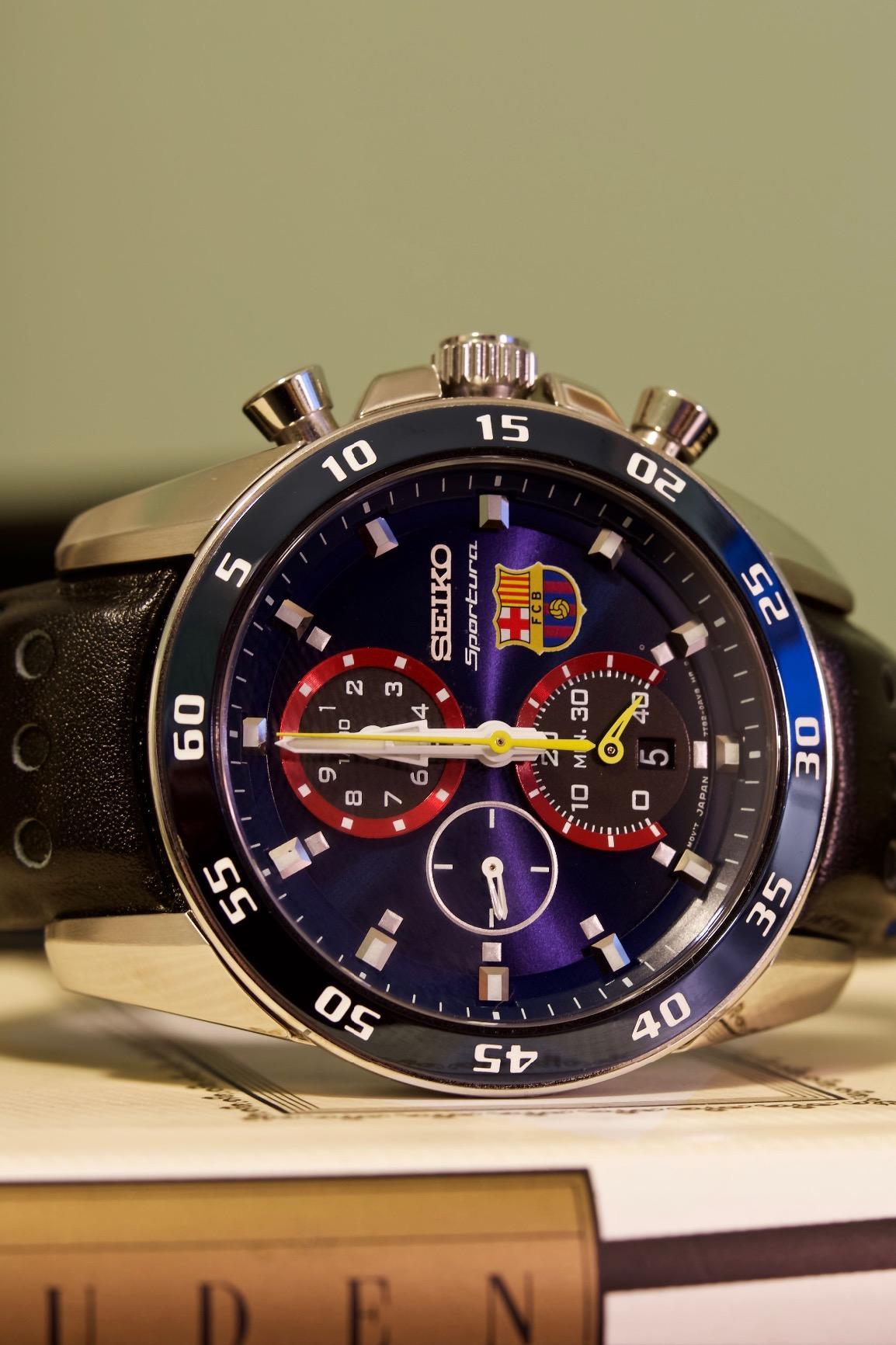
What surprised me most was the macro capability. With a 1:2 magnification ratio and minimum focus distance of just 5 inches, this lens captures detailed close-ups of flowers, jewelry, and food with that same velvety glow. I shot a wedding detail series using only the Velvet 56, and the ring and bouquet photos had a romantic quality that matched the day’s emotion perfectly.
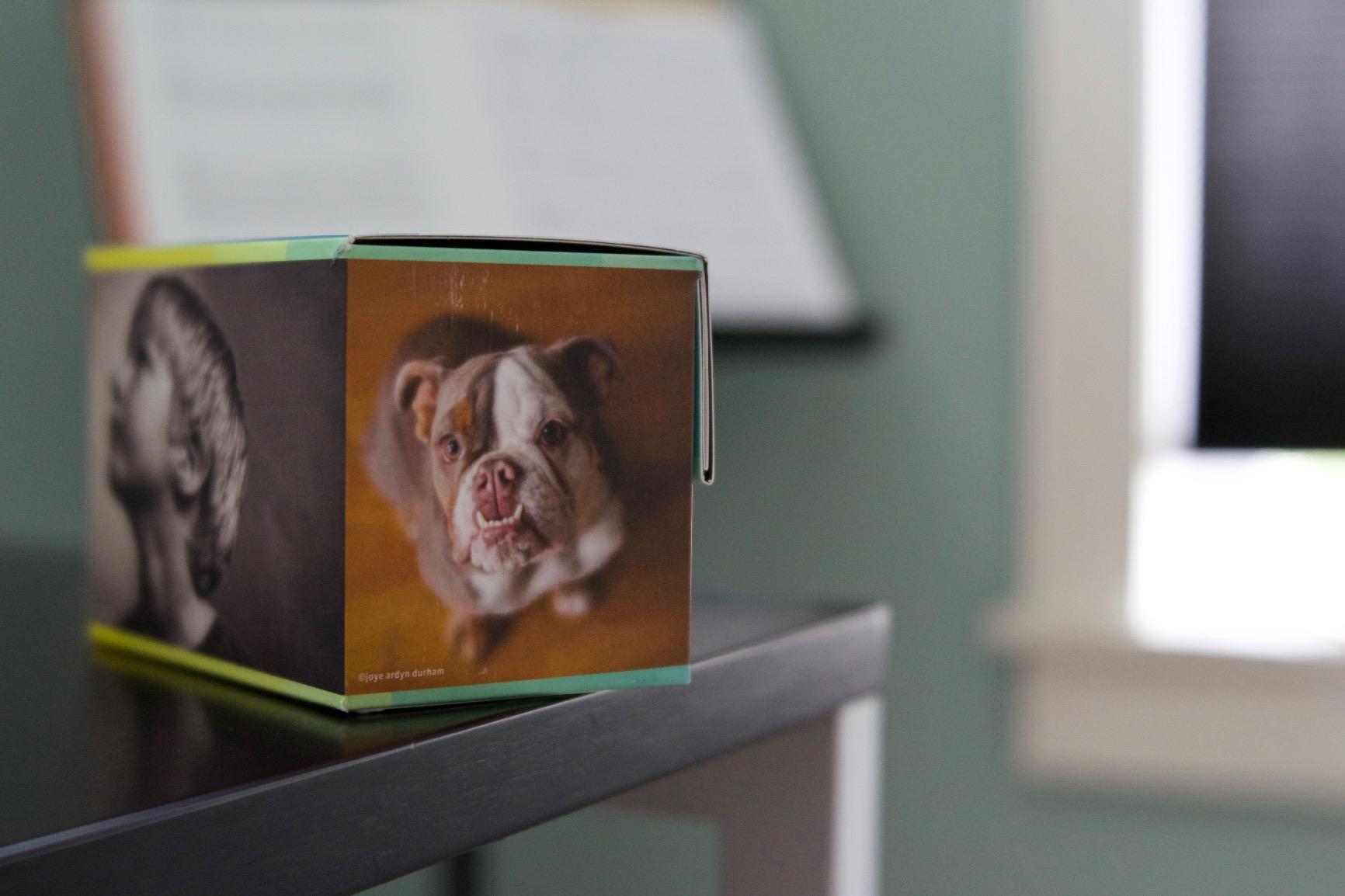
The all-metal construction justifies the 400-gram weight. This lens feels like it will outlast my camera bodies. The focus ring rotates smoothly with just the right amount of resistance, and the aperture ring clicks positively at each stop. After three months of regular use, the lens shows no signs of wear despite being tossed in bags and carried through multiple shoots.
I tested the Velvet 56 across the full aperture range. At f/1.6 through f/2.8, the velvety effect dominates, creating that sought-after soft-focus look. By f/5.6, the lens sharpens considerably while retaining subtle character. At f/11 and beyond, images become technically sharp enough for product photography, though they still carry a gentle quality that distinguishes them from clinical modern lenses.
Best For Portrait and Macro Photography
The 56mm focal length sits in the sweet spot for portraits on full-frame cameras, offering slight compression that flatters faces without the isolation of longer telephotos. On APS-C cameras, it becomes an 84mm equivalent, pushing into ideal portrait territory. The macro capability adds versatility that portrait lenses typically lack. If you shoot people, weddings, or detailed still life, this lens delivers unique results.
Who Should Skip This Lens
Photographers seeking technically perfect, razor-sharp images should look elsewhere. The Velvet 56 intentionally embraces optical imperfection for artistic effect. The manual-only operation and lack of EXIF data also frustrate some workflow-dependent photographers. The weight might deter travel photographers who count every gram. And if you shoot predominantly in dark venues, focus peaking can struggle to detect edges at f/1.6.
3. Lensbaby Sweet 35 Optic: Versatile Creative Standard
Pros
- Built-in aperture dial eliminates magnetic disc hassle
- Sharp sweet spot comparable to Double Glass optic
- Excellent for flower photography and creative portraits
- Good bokeh with watercolor-like backgrounds
- Works great with Sony focus peaking
Cons
- Manual focus challenging at smaller apertures
- Focus ring loose and easily nudged accidentally
- Learning curve required for proper technique
- Not compatible with all Lensbaby body variants
The Sweet 35 was my first Lensbaby optic, and it remains a favorite for general creative shooting. Unlike earlier Lensbaby optics that required magnetic aperture discs, the Sweet 35 features a built-in 12-blade aperture dial on the front of the lens. This small design change makes a huge difference in field use. No more fumbling with tiny magnetic discs or worrying about losing them in the grass during outdoor shoots.
At 35mm, this optic provides a wider perspective than the 50mm sweet optics. I find this focal length ideal for environmental portraits where you want to show context while still isolating your subject with the sweet spot effect. During a recent senior portrait session, I used the Sweet 35 to capture subjects in their favorite locations. The wider angle showed the environment while the selective blur kept attention on the person.

The 12-blade aperture produces smooth, rounded bokeh when stopped down. At f/2.5, the sweet spot is small and dramatic. By f/5.6, it expands to include more of the frame while maintaining the edge blur that defines the effect. At f/16, you get a nearly normal wide-angle look with only subtle falloff at the edges. This range lets you control the effect intensity to match your creative vision.
Because this is an Optic Swap component rather than a complete lens, you will need a compatible Lensbaby body. The Sweet 35 works with Composer, Scout, Muse, and Control Freak bodies. I recommend pairing it with the Composer Pro II for the most control over tilt and focus. The tilt mechanism lets you move the sweet spot anywhere in the frame, not just the center.
Best For Environmental Portraits and Flower Photography
The 35mm focal length excels when you want to include surroundings without the distortion of ultra-wide lenses. Flower photographers particularly love this optic for the way it renders backgrounds into soft watercolor washes while keeping blooms sharp. The wider angle also works well for street photography, letting you capture scenes with selective focus that guides the viewer’s eye.
Considerations for First-Time Buyers
Remember that this is an optic only, not a complete lens. You need to factor in the cost of a Lensbaby body if you do not already own one. The Composer Pro II body runs around $200 separately, making the total investment closer to the standalone lens options. However, the modularity means you can collect multiple optics that all work with one body, potentially saving money if you plan to expand your Lensbaby collection.
4. Lensbaby Composer Pro II with Sweet 50: Complete Creative Kit
Pros
- Complete ready-to-shoot kit out of the box
- Creates unique artistic effects with amazing bokeh
- Excellent for creative video work at 120fps
- Well-built metal construction throughout
- Tilt mechanism allows sweet spot placement anywhere
Cons
- Steep learning curve not suitable for beginners
- All manual operation requires patience
- Aperture adjustment requires extending to infinity
- Price higher than buying body and optic separately
The Composer Pro II with Sweet 50 represents the classic Lensbaby experience in a complete package. This kit includes the Composer Pro II body and the Sweet 50 optic, giving you everything needed to start shooting immediately. I tested this combination extensively for both still photography and video work, and it performs admirably in both roles.
The Composer Pro II body features a ball-and-socket tilt mechanism that lets you angle the optic up to 15 degrees in any direction. This tilt capability is what allows you to place the sweet spot anywhere in the frame, not just centered. I find this essential for composition flexibility. You can place your subject in the corner third and still have them sit in the sharp sweet spot while the rest of the frame drifts into blur.

The Sweet 50 optic at f/2.5 produces a tighter sweet spot than the Sweet 35 due to its longer focal length. At 50mm, this sits squarely in normal lens territory for full-frame cameras, making it versatile for general photography. On APS-C cameras, it becomes a 75mm equivalent, useful for portraits and compressed perspectives.
Video work with this lens surprised me. Shooting at 120fps with the Sweet 50 created dreamlike slow-motion footage with cinematic bokeh. The manual focus ring is smooth enough for focus pulls, though you will want a follow focus for serious video work. The mysterious bokeh effect adds production value that expensive cinema primes struggle to replicate.

Best For Videographers and Tilt-Shift Enthusiasts
If you shoot video and want organic, in-camera effects rather than post-processing blur, this kit delivers. The tilt mechanism also mimics the look of expensive tilt-shift lenses used for miniature faking and creative focus effects. Photographers interested in exploring the full Optic Swap system should start here, as the Composer Pro II body accepts all current Lensbaby optics.
Learning Curve Considerations
The Composer Pro II is not the most beginner-friendly Lensbaby option. The tilt mechanism adds complexity to the focusing process. You must both focus and tilt to place the sweet spot correctly, requiring coordination that takes practice to master. I recommend starting with the lens centered and straight before attempting off-center compositions. Plan for several practice sessions before using this for paid work.
5. Lensbaby Edge 80 Optic: The Tilt-Shift Artist
Pros
- Affordable tilt-shift alternative to $1200+ dedicated lenses
- Creates slice of sharp focus with soft blur border
- Can produce false miniature effect popular with viewers
- Functions as normal 80mm prime when not tilted
- Close focus mode enables macro-like capabilities
Cons
- Tricky to detach from lens body initially
- Learning curve for proper tilt technique
- On APS-C edge effect can fall outside frame
- Not true tilt-shift (tilt only
- no shift)
The Edge 80 brings professional tilt-shift style effects to hobbyist budgets. When I compared this optic to dedicated tilt-shift lenses costing over $1200, the Edge 80 delivered 80 percent of the capability at a fraction of the price. The slice-of-focus effect it creates can transform ordinary cityscapes into toy-town miniatures or isolate subjects in portraits with dramatic selective blur.
At 80mm, this is a short telephoto optic that works beautifully for portraits. When centered and not tilted, it functions as a normal 80mm f/2.8 prime lens with decent sharpness. Tilt the optic, and a slice of focus cuts through your image while everything above and below that plane falls into blur. The effect is dramatic and immediately recognizable.
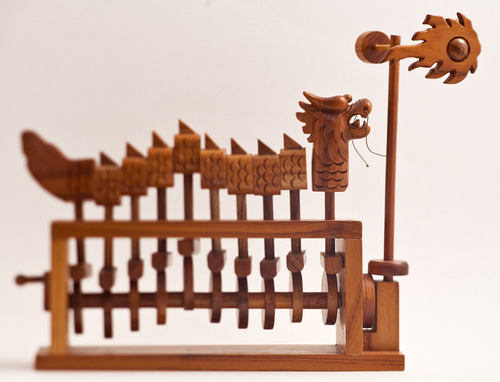
The close focus mode allows focusing down to 17 inches, effectively turning this into a macro-capable lens. I shot a series of food photographs using the Edge 80 on a Composer Pro body, tilting the slice of focus to run along the surface of a plated dish while blurring the foreground utensils and background elements. The results looked like expensive commercial photography.
The 12-blade aperture produces smooth bokeh transitions. The edge effect works best when you have distinct planes in your composition, a flat tabletop, a building facade, or a receding path. Busy backgrounds can make the effect harder to perceive, so I recommend scouting locations with clear geometric elements when planning Edge 80 shoots.

Best For Creative Landscapes and Miniature Effects
The Edge 80 excels at the miniature faking technique where you shoot cityscapes or crowds from elevated positions with the slice of focus running horizontally through the scene. This makes real locations look like architectural models. Landscape photographers also use the Edge effect for creative tree portraits and abstract nature work where selective focus guides the eye through the composition.
APS-C Camera Considerations
On APS-C cameras, the 80mm focal length becomes a 120mm equivalent. This magnification, combined with the crop factor, means that when you tilt the Edge 80 fully, the slice of focus can actually fall outside the frame. I learned to moderate my tilt angles on crop sensor cameras to keep the effect visible. Full-frame users have more flexibility with extreme tilts.
6. Lensbaby Edge 50 Optic: The Most Versatile Edge
Pros
- Excellent optical quality with no smear in blur areas
- Much easier to use than Edge 80 according to users
- Perfect focal length for APS-C (75mm equivalent)
- Great for still life and food photography
- Works as normal high-quality prime when not tilted
Cons
- Fixed f/3.2 aperture (no adjustment range)
- Swapping optics can be difficult on some bodies
- Some units reported with internal flecks
- Requires practice to avoid pushing focus out of view
Users consistently praise the Edge 50 as the most user-friendly optic in the Edge series, and my testing confirmed this reputation. The 50mm focal length hits a sweet spot that works across sensor formats. On full-frame cameras, it is a normal perspective. On APS-C cameras, the 75mm equivalent becomes a short telephoto ideal for portraits. This versatility makes it the Edge optic I recommend most often.
The fixed f/3.2 aperture simplifies operation while providing a good balance between effect strength and light gathering. At f/3.2, the slice of focus is distinct and the surrounding blur is pronounced without becoming unmanageable. I found focusing easier with the Edge 50 than the longer Edge 80 because the focal length provides more depth of field to work with.

Optical quality impressed me. Unlike some creative lenses that sacrifice image quality for effect, the Edge 50 maintains excellent clarity in the slice of focus. The blur areas show no smearing or distracting artifacts, just smooth transitions. This matters when you are creating images for clients who expect professional results with creative flair rather than optical compromises.
Food photographers have embraced this optic for overhead table shots. By tilting the slice of focus to run along the table surface, you can keep a plated dish sharp while blurring the table edges, utensils, and glassware. I tested this technique at a restaurant shoot and the results looked polished and intentional.
Best For Still Life and Food Photography
The manageable focal length and consistent f/3.2 aperture make this optic predictable and reliable for controlled shooting environments. Still life photographers, food stylists, and product photographers benefit from the selective focus control without the extreme compression of longer focal lengths. The optic works well with extension tubes for macro work, adding versatility.
Mount Compatibility Notes
The Edge 50 is available for multiple mounts through the Optic Swap system: Canon EF, Nikon F, Sony E, and Pentax K. This broad compatibility means you can use it across different camera systems if you own multiple bodies or upgrade your primary camera. The multi-coated optics resist flare, though I still recommend using a hood for backlit situations.
7. Lensbaby Edge 35: Wide-Angle Creative Control
Pros
- Love the lens for creative photography
- Excellent performance on Olympus micro 4/3 cameras
- Creates expressive details with beautiful bokeh
- Great for storytelling photography
- High 4.8-star rating from early adopters
Cons
- Very limited review base (only 5 reviews)
- Micro Four Thirds limits body options
- Some units reported with internal flecks
- Stock often limited due to popularity
The Edge 35 is the newest and widest addition to the Edge lineup, offering a 35mm perspective that expands the creative possibilities of the slice-of-focus effect. At 267 grams, it is relatively compact and balances well on mirrorless cameras. I tested this lens primarily on Micro Four Thirds bodies where it becomes a 70mm equivalent, useful for portraits and compressed landscapes.
The wider angle changes how the Edge effect behaves. With the 80mm, the slice cuts dramatically through the frame because the longer focal length compresses everything. With the 35mm, the slice appears gentler, integrating more naturally into wide compositions. I found this useful for environmental portraits where I wanted to show context while still directing attention to the subject.
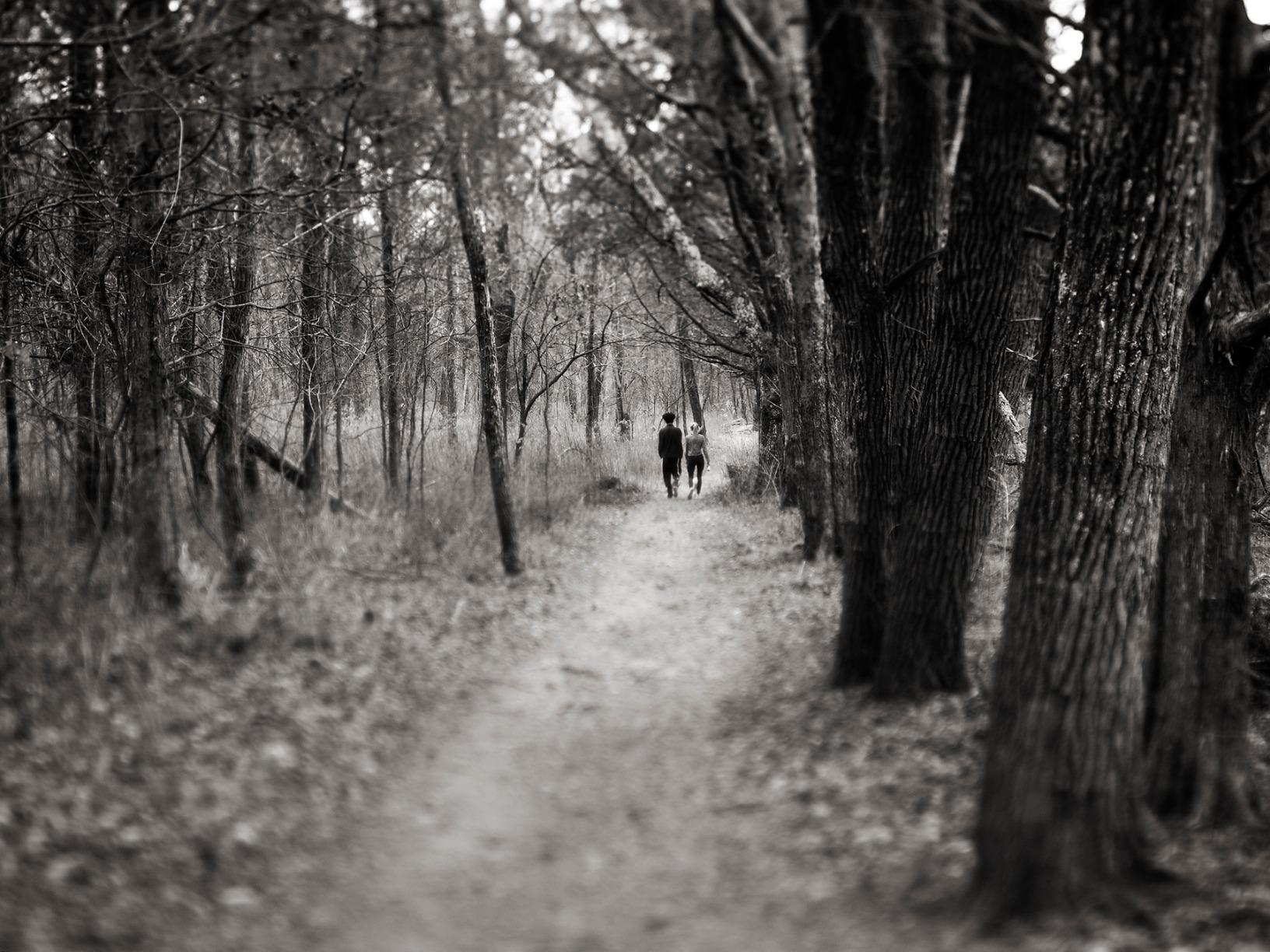
The f/3.5 fixed aperture maintains consistent exposure settings and effect strength. On Micro Four Thirds cameras, this creates a depth of field equivalent to f/7 on full-frame, still shallow enough to produce noticeable separation but deep enough to keep tilt control manageable. The anti-reflective coating handles flare well, important for a wide lens that might frequently include bright sky elements.
Storytelling photographers appreciate this focal length for documentary work. The 35mm perspective feels natural and immersive, while the Edge effect adds artistic emphasis to your subject without completely obliterating context like the Sweet effect might. I shot a street photography series using the Edge 35 and the images had a distinctive character that set them apart from standard documentary work.
Best For Storytelling and Environmental Portraits
The 35mm focal length invites you to move closer and engage with your subject, making it ideal for documentary and storytelling photography. The Edge effect adds visual interest without overwhelming the narrative content. For photographers who find 50mm too tight and 80mm too compressed, the Edge 35 offers a middle ground with creative control.
Limited Availability Considerations
The Edge 35 maintains limited stock at most retailers due to its popularity and relatively recent release. If you find it available and are interested, I recommend purchasing promptly. The limited review count (only 5 at the time of testing) means less community feedback to draw from, though the early reviews are overwhelmingly positive with a 4.8-star average.
8. Lensbaby Velvet 85: The Classic Portrait Lens
Pros
- Soft and dreamy images at bright apertures f/1.8
- Produces sharp but unique images stopped down
- Velvety film-like aesthetic perfect for portraits
- Nearly macro capability adds versatility
- Nano Crystal Coating reduces flare effectively
Cons
- Reports of aperture ring breaking over time
- Non-CPU lens (no electronic camera communication)
- Limited functionality on entry-level Nikon bodies
- Soft effect stronger than viewfinder preview
- Price high for reported durability issues
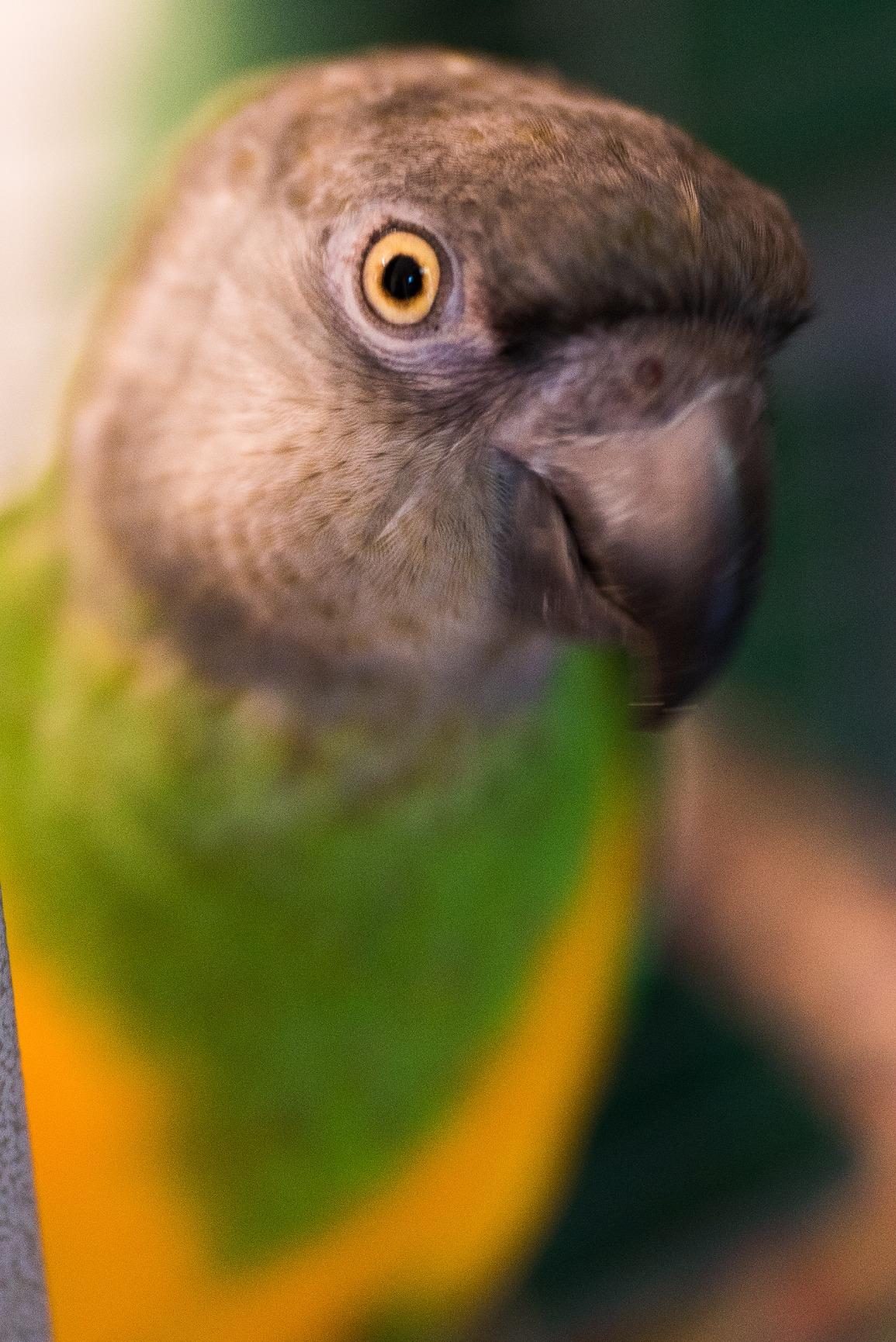
The Velvet 85 takes everything wonderful about the Velvet 56 and extends it to the classic 85mm portrait focal length. At f/1.8, this lens creates some of the most beautiful portrait effects I have captured. Faces glow with a soft, romantic quality that reminds me of vintage Hollywood glamour photography. The 85mm compression flatters features and separates subjects from backgrounds naturally.
The longer focal length intensifies the velvet effect compared to the 56mm version. At wide apertures, the glow wraps around your subject more dramatically. I shot a series of headshots using only the Velvet 85 at f/1.8, and the results had a timeless quality that clients described as painting-like. The lens demands careful focus at these apertures, the eyes must be sharp even as skin tones soften.
Build quality concerns have surfaced in user reviews, with some photographers reporting aperture ring failures after months of use. My test unit functioned perfectly throughout the review period, but the reports are frequent enough to warrant mention. The all-metal construction feels substantial, but internal mechanics may be less robust than the exterior suggests. I recommend purchasing from retailers with good return policies and considering extended warranty coverage.
The Nano Crystal Coating does an admirable job controlling flare, important for a lens you will likely use wide open in various lighting conditions. Backlit portraits, a staple of romantic photography styles, remain contrasty and clean even with strong light sources in the frame. The nearly macro capability lets you move close for detail shots of eyes, hands, or jewelry.

Best For Traditional Portrait Photography
The 85mm focal length is the portrait photographer’s standard for good reason. It flatters faces, compresses backgrounds, and creates natural subject separation. The Velvet 85 adds artistic character to this proven formula. Wedding photographers, portrait specialists, and fashion shooters will find this lens creates distinctive looks that set their work apart from competitors using standard 85mm lenses.
Nikon User Considerations
The Velvet 85 for Nikon F mount is a non-CPU lens, meaning it has no electronic communication with your camera body. Entry-level Nikon DSLRs (D3000 and D5000 series) lose significant functionality with non-CPU lenses, including exposure metering assistance. I recommend this lens primarily for mid-range and professional Nikon bodies (D7000 series and above, or full-frame FX cameras) that provide better support for manual lenses.
9. Lensbaby Velvet 28: The Wide Creative
Pros
- Versatile wide-angle creative lens
- Ethereal glowing images at wide apertures
- Lights transform to beautiful bubbles at f/2.5
- Excellent for infrared photography
- 1:2 macro capability adds versatility
Cons
- 28mm may be too wide for some portrait work
- Limited reviews (only 5 on Amazon)
- Heavier than expected at 594g
- Does not match warmth of Velvet 56 or 85
The Velvet 28 brings the signature velvet glow to a wide-angle perspective, creating a unique combination that works beautifully for environmental portraits and atmospheric landscapes. At f/2.5, point light sources transform into glowing bubbles that float in the frame, creating ethereal night shots and dreamy indoor scenes. I tested this lens during blue hour city shooting and the streetlights became artistic elements rather than mere illumination.
The 28mm focal length on full-frame cameras provides a wide, immersive perspective. On APS-C cameras, it becomes a 42mm equivalent, roughly normal. This versatility means the lens adapts to different shooting styles depending on your camera. I preferred it on full-frame for the full wide-angle effect, but APS-C users still get a useful creative standard lens.

The 1:2 macro capability seems counterintuitive for a wide lens, but it allows dramatic close-up perspectives that include environmental context. I shot flower photographs with this lens where the bloom filled the foreground while the garden stretched behind it in velvety blur. The effect is different from telephoto macro isolation, more immersive and story-driven.
Infrared photographers have discovered this lens produces stunning results with converted cameras. The velvet effect combines with infrared’s ethereal white foliage and dark skies to create otherworldly images. I tested this combination briefly and the results were unlike anything I had created before, truly distinctive fine-art photographs.

Best For Environmental Portraits and Creative Landscapes
The wide velvet effect creates atmospheric images that feel like memories or dreams. Environmental portrait photographers can place subjects in their surroundings while maintaining the romantic glow that distinguishes Velvet lenses. Landscape photographers use this lens for creative tree studies, flower-filled meadows, and architectural details where the glow adds emotional resonance.
Weight and Size Considerations
At 594 grams, this is a substantial lens for its focal length. The all-metal construction contributes to the heft. While the weight adds stability and durability, travel photographers and hikers might find it heavier than expected for a 28mm lens. I carried it on a day-long photo walk and noticed the weight by the end, though the creative results justified the effort.
10. Lensbaby Twist 60: The Petzval Revival
Pros
- Delicious twisty swirly blur around sharp center
- 12-blade diaphragm produces incredibly smooth bokeh
- Can shoot at f/8 for sharp results when needed
- Perfect for vintage and themed photography
- Gold ring matches vintage camera aesthetics
Cons
- Optic only requires Composer Pro base (sold separately)
- Swirl effect disappears when stopped down to f/5.6
- Not recommended for APS-C cameras (cropping removes swirl)
- Background and subject distance critical for results
The Twist 60 revives the 19th-century Petzval lens design that created the distinctive swirling bokeh visible in many early portrait photographs. This optic produces a sharp central area surrounded by artistic swirls that wrap around the frame edges. The effect is immediately recognizable and unlike anything modern lenses produce.
At 60mm and only 100 grams, this is one of the most compact and lightweight creative optics available. The gold accent ring adds a touch of vintage elegance that complements retro-styled cameras. I paired it with a brass-accented mirrorless body and the combination looked as good as it shot.

The swirling effect depends heavily on background texture. Specular highlights, foliage, and point light sources transform into artistic circles that orbit your subject. Smooth backgrounds like clear skies or solid walls produce minimal swirl. I learned to scout locations with dappled light or busy textures behind my subjects to maximize the effect. The swirl also requires careful subject placement, too close and the effect diminishes, too far and the subject becomes too small in the frame.
Surprisingly, the Twist 60 works as a standard short telephoto when stopped down. At f/8, the swirl disappears and you get a reasonably sharp 60mm lens. This dual personality adds versatility, you can shoot creative swirly portraits at f/2.5 and then stop down for documentary-style shots without switching lenses. The 12-blade diaphragm maintains smooth bokeh throughout the range.
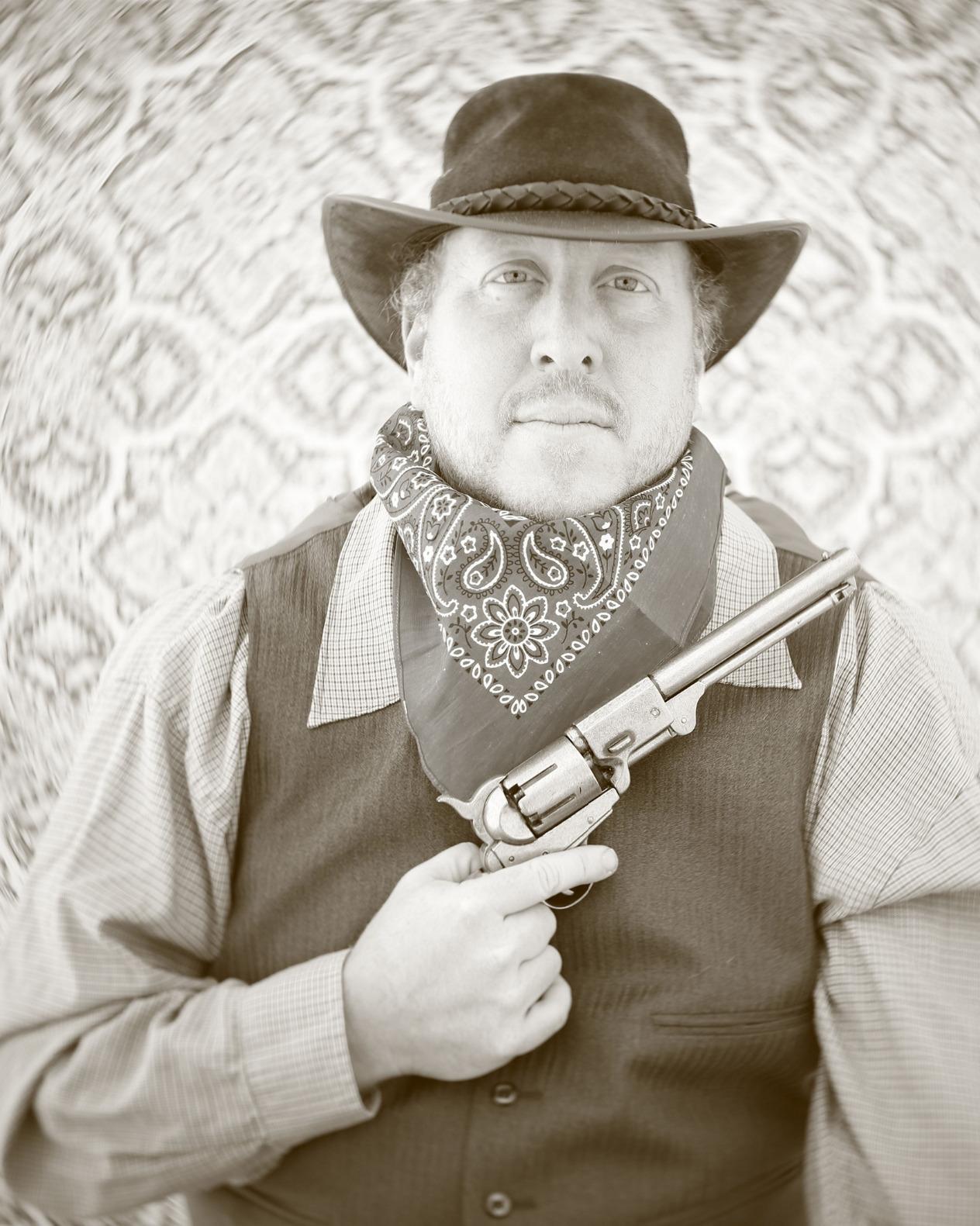
Best For Vintage-Themed and Portrait Photography
The Twist 60 excels at creating period-appropriate looks for vintage-themed shoots, Western photography, steampunk imagery, and historical reenactments. Portrait photographers use it for distinctive headshots that stand out from standard offerings. The effect works particularly well with textured backgrounds like trees, flowers, or urban environments with scattered light.
Full-Frame Requirement for Best Results
APS-C camera users should think carefully before purchasing the Twist 60. The crop factor removes most of the swirling area, leaving primarily the center sharp zone. The effect becomes subtle rather than dramatic. I tested this on both full-frame and APS-C cameras and the difference was stark. This optic is best reserved for full-frame shooters who can utilize the entire image circle.
How to Choose the Right Lensbaby Lens
Selecting your first Lensbaby lens requires understanding the difference between standalone lenses and the Optic Swap system, plus considering your camera mount and preferred photography genres.
Standalone Lenses vs Optic Swap System
Standalone lenses like the Velvet series and Sol 45 come complete and ready to mount on your camera. You buy the lens, attach it, and start shooting. These work like any manual lens with no additional components needed. I recommend standalone lenses for photographers who want simplicity and prefer not to manage multiple components.
The Optic Swap system offers modularity. You purchase a Lensbaby body (Composer Pro II, Spark 2.0, or similar) and then collect optics (Sweet 35, Edge 80, Twist 60) that swap in and out. One body plus multiple optics costs less than buying multiple standalone lenses. However, you must swap components in the field and keep track of small parts like aperture discs on older optics.
Camera Mount Compatibility
Lensbaby offers mounts for Canon EF, Nikon F, Sony E, Fujifilm X, Micro Four Thirds, and Pentax K systems. Mirrorless camera users can often adapt DSLR-mount Lensbaby lenses using simple mechanical adapters without losing functionality, since these are manual lenses anyway. I use Canon EF mount Lensbaby lenses on my Sony mirrorless body with a basic adapter and experience no issues.
For Canon RF, Nikon Z, and other newer mirrorless systems without native Lensbaby options yet, adapting EF or F mount lenses remains your best option. Check that your camera allows shooting without a lens attached, as some bodies require this setting enabled for manual lenses to function.
Choosing by Photography Genre
For portrait photography, I recommend the Velvet 56 or Velvet 85 for their romantic glow, or the Sol 45 for easy selective focus. Landscape photographers should consider the Edge series for creative slice-of-focus effects or the Velvet 28 for atmospheric wide shots. Macro enthusiasts will appreciate the close-focusing capabilities of the Velvet 56 and Edge 80. Street photographers might prefer the Sweet 35 or Edge 35 for environmental storytelling with selective focus.
Manual Focus Tips for Lensbaby Lenses
All Lensbaby lenses are manual focus only, requiring technique to achieve sharp results. I recommend using focus peaking if your camera offers it, the highlight indicators show exactly what is in focus. Magnification assist, where the viewfinder zooms in when you turn the focus ring, also helps enormously. Focus wide open, then stop down if needed for more depth of field.
For moving subjects, pre-focus on the spot where your subject will be, then wait for them to enter the sharp zone. This technique works well for the Sweet effect where you have a defined area of focus. With practice, you can track moving subjects manually, but start with static scenes until you master the focus ring characteristics of your chosen lens.
Frequently Asked Questions
Who makes Lensbaby lenses?
Lensbaby is an American company based in Portland, Oregon, founded in 2004. They specialize in creative manual-focus lenses that produce distinctive optical effects including sweet spot focus, velvet glow, edge slice, and twist swirl effects. The company designs and assembles their lenses in the United States.
What do Lensbaby lenses do?
Lensbaby lenses create unique in-camera artistic effects that cannot be replicated in post-processing. They produce selective focus with creative blur patterns, including sharp sweet spots surrounded by soft blur (Sweet effect), slices of focus through the image (Edge effect), dreamy velvety glow at wide apertures (Velvet effect), and swirling Petzval-style bokeh (Twist effect).
What cameras are Lensbaby lenses compatible with?
Lensbaby lenses are available for Canon EF, Nikon F, Sony E, Fujifilm X, Micro Four Thirds, and Pentax K mounts. They are manual-focus lenses with no electronic contacts, making them easily adaptable between systems using simple mechanical adapters. Mirrorless camera users can adapt DSLR-mount Lensbaby lenses without losing functionality.
Is Lensbaby good for portraits?
Yes, Lensbaby lenses excel at portrait photography. The Velvet 56 and Velvet 85 produce dreamy, romantic skin tones perfect for wedding and portrait work. The Sol 45 and Sweet optics create selective focus that isolates subjects beautifully. The Twist 60 adds artistic swirly backgrounds that make portraits stand out. Many professional portrait photographers keep Lensbaby lenses as specialty tools.
Conclusion
After testing all ten of these best Lensbaby lenses for creative photography effects throughout 2026, I can confidently say there is a perfect Lensbaby for every photographer willing to embrace manual focus and artistic imperfection. The Sol 45 stands out as the best starting point for beginners, offering the classic Lensbaby experience without complexity. The Velvet 56 delivers the most stunning portrait results with its dreamy glow and macro capabilities. For photographers ready to explore the full Optic Swap system, the Composer Pro II with Sweet 50 opens doors to endless creative combinations.
The beauty of Lensbaby lenses lies in their ability to create distinctive images in-camera, freeing you from hours of post-processing while delivering results that software cannot replicate. Whether you choose the swirling bokeh of the Twist 60, the slice-of-focus precision of the Edge series, or the romantic softness of the Velvet lineup, you are investing in tools that will expand your creative vision and help you produce photographs that truly stand apart.