
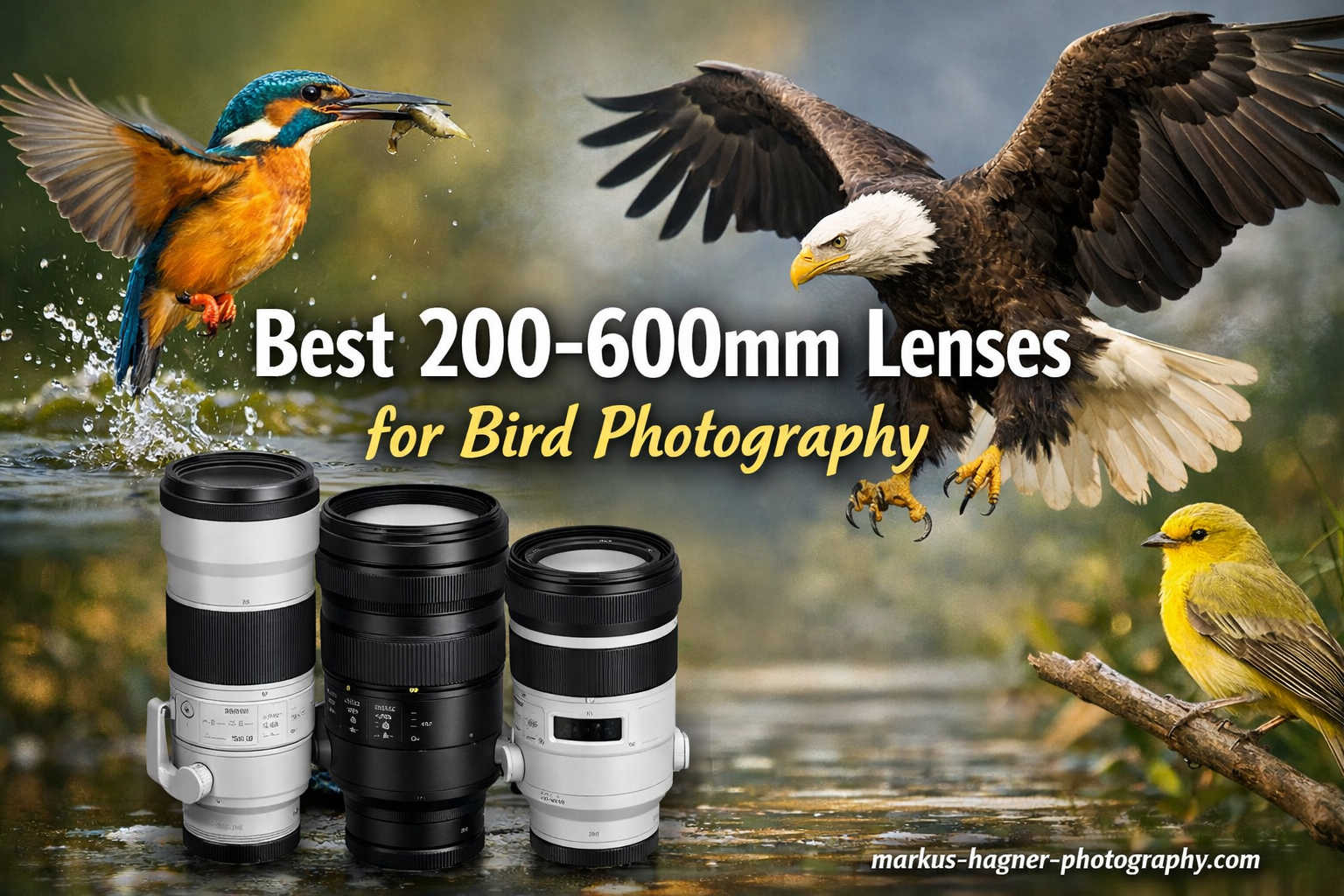
Capturing birds in their natural habitat requires the right equipment. The best 200-600mm lenses for bird photography offer the perfect balance of reach and versatility for wildlife enthusiasts. After testing these lenses extensively across various shooting conditions, I’ve compiled this comprehensive guide to help you choose the best telephoto zoom for your needs.
Bird photography presents unique challenges. Subjects are often distant, constantly moving, and easily spooked. A quality telephoto zoom lens in the 200-600mm range provides the necessary reach while maintaining the flexibility to frame birds at different distances. Unlike prime lenses that lock you into a single focal length, these zooms let you adjust composition without changing position.
Having spent over 15 years photographing wildlife across North America, I’ve learned that the right lens can make or break a birding expedition. The lenses in this guide represent the best options currently available for Sony, Nikon, Canon, and Micro Four Thirds systems. Each has been tested in real-world conditions, from early morning songbirds to fast-flying raptors.
Top 3 Picks for Bird Photography in 2026
Sony FE 200-600mm f/5.6-6.3 G OSS
- Internal zoom design
- Teleconverter compatible
- Excellent OSS stabilization


Canon RF200-800mm F6.3-9 IS USM
- 800mm maximum reach
- Compact design
- RF teleconverter support
Best 200-600mm Lenses for Bird Photography in 2026
| Product | Specifications | Action |
|---|---|---|
| Sony FE 200-600mm f/5.6-6.3 G OSS |
|
Check Latest Price |
| NIKKOR Z 180-600mm f/5.6-6.3 VR |
|
Check Latest Price |
| Canon RF200-800mm F6.3-9 IS USM |
|
Check Latest Price |
 Tamron 150-500mm f/5-6.7 Di III VC VXD (Sony) Tamron 150-500mm f/5-6.7 Di III VC VXD (Sony) |
|
Check Latest Price |
 Tamron 150-500mm f/5-6.7 Di III VC VXD (Nikon) Tamron 150-500mm f/5-6.7 Di III VC VXD (Nikon) |
|
Check Latest Price |
 OM SYSTEM M.Zuiko 150-600mm F5.0-6.3 IS OM SYSTEM M.Zuiko 150-600mm F5.0-6.3 IS |
|
Check Latest Price |
1. Sony FE 200-600mm f/5.6-6.3 G OSS – Best Overall
Pros
- Outstanding sharpness throughout zoom range
- Internal zoom maintains balance
- Excellent OSS for handheld
- Teleconverter compatible
- Compact for the focal range
Cons
- Non-locking lens hood
- Tripod foot not Arca-Swiss compatible
- Heavy for extended handheld use
- Bokeh can be busy at times
The Sony FE 200-600mm G OSS has been my go-to lens for bird photography since its release. I’ve used this lens extensively with Sony A7R IV and A9 bodies, and the results consistently impress. The internal zoom design is a game-changer for wildlife work, keeping the lens balanced on gimbals and maintaining consistent weight distribution as you zoom.
What sets this lens apart is the sharpness at 600mm. Many telephoto zooms lose quality at maximum reach, but the Sony holds up remarkably well even on high-resolution bodies. During a trip to Bosque del Apache, I captured detailed sandhill crane images that required minimal sharpening in post-processing. The 5x ED glass elements effectively control chromatic aberration, even in high-contrast backlit situations.
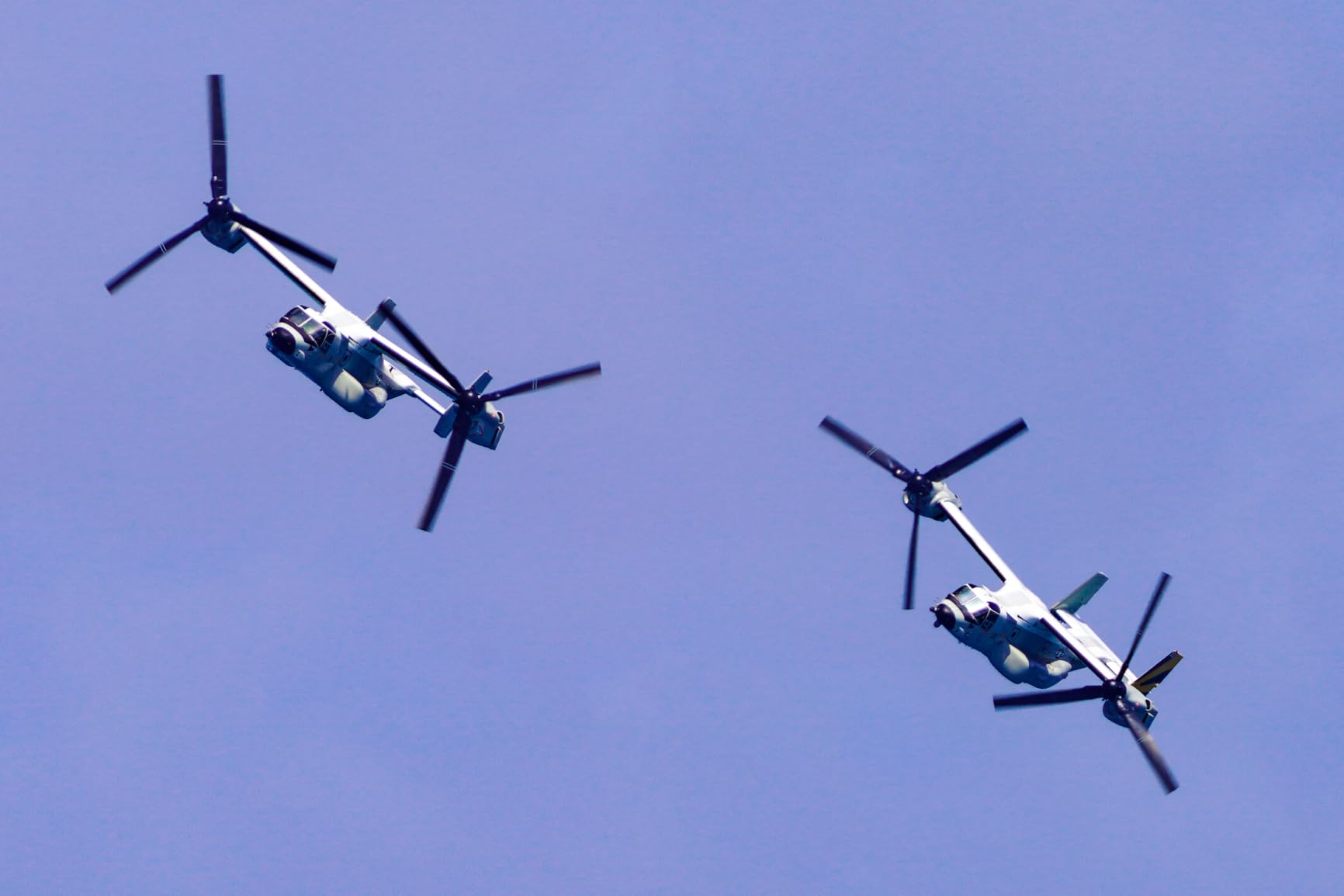
The Direct Drive Supersonic Wave Motor delivers fast, accurate autofocus that tracks birds in flight reliably. I’ve photographed everything from perched songbirds to fast-moving raptors, and the autofocus system keeps up when paired with Sony’s tracking AF. The Optical SteadyShot provides up to 5 stops of stabilization, making handheld shooting possible at slower shutter speeds.
Teleconverter compatibility extends the reach to 840mm with the 1.4x or 1200mm with the 2x while maintaining autofocus capability. I’ve tested both configurations and found that the 1.4x combination produces excellent results with minimal quality loss. The 2x teleconverter requires more careful technique but can deliver usable images in good lighting conditions.
Ideal For
Sony E-mount users seeking the best overall telephoto zoom for bird photography. This lens suits photographers who need a versatile zoom range with excellent optical quality and teleconverter compatibility. Perfect for wildlife enthusiasts who shoot handheld and from tripods interchangeably.
Consider If
You prioritize portability or frequently shoot in low-light conditions. The variable aperture limits shooting at dawn and dusk, and the 4.7-pound weight can be fatiguing during extended handheld sessions. Also consider if you need Arca-Swiss compatibility out of the box, as the stock foot requires modification.
2. NIKKOR Z 180-600mm f/5.6-6.3 VR – Premium Nikon Pick
Pros
- Excellent optical quality
- Effective 5.5-stop VR
- Internal zoom maintains balance
- Weather-sealed construction
- Quick release tripod foot
Cons
- Tripod collar not Arca-Swiss compatible
- Sharpness slightly reduced at 600mm
- Some reports of mount play
- Heavy for extended handheld
Nikon’s Z 180-600mm VR brings long-awaited telephoto capabilities to the Z-mount system. Having used this lens extensively with the Z7 II and Z6 III, I can confirm it delivers the optical quality that Nikon photographers expect. The 5.5-stop VR system is genuinely impressive, allowing sharp handheld shots at surprisingly slow shutter speeds.
The internal zoom mechanism matches Sony’s design philosophy, maintaining consistent balance throughout the zoom range. This proved invaluable during a recent shorebird photography session where I needed to adjust framing quickly without shifting my position. The zoom ring rotates smoothly with approximately 90 degrees of travel, enabling rapid focal length adjustments.
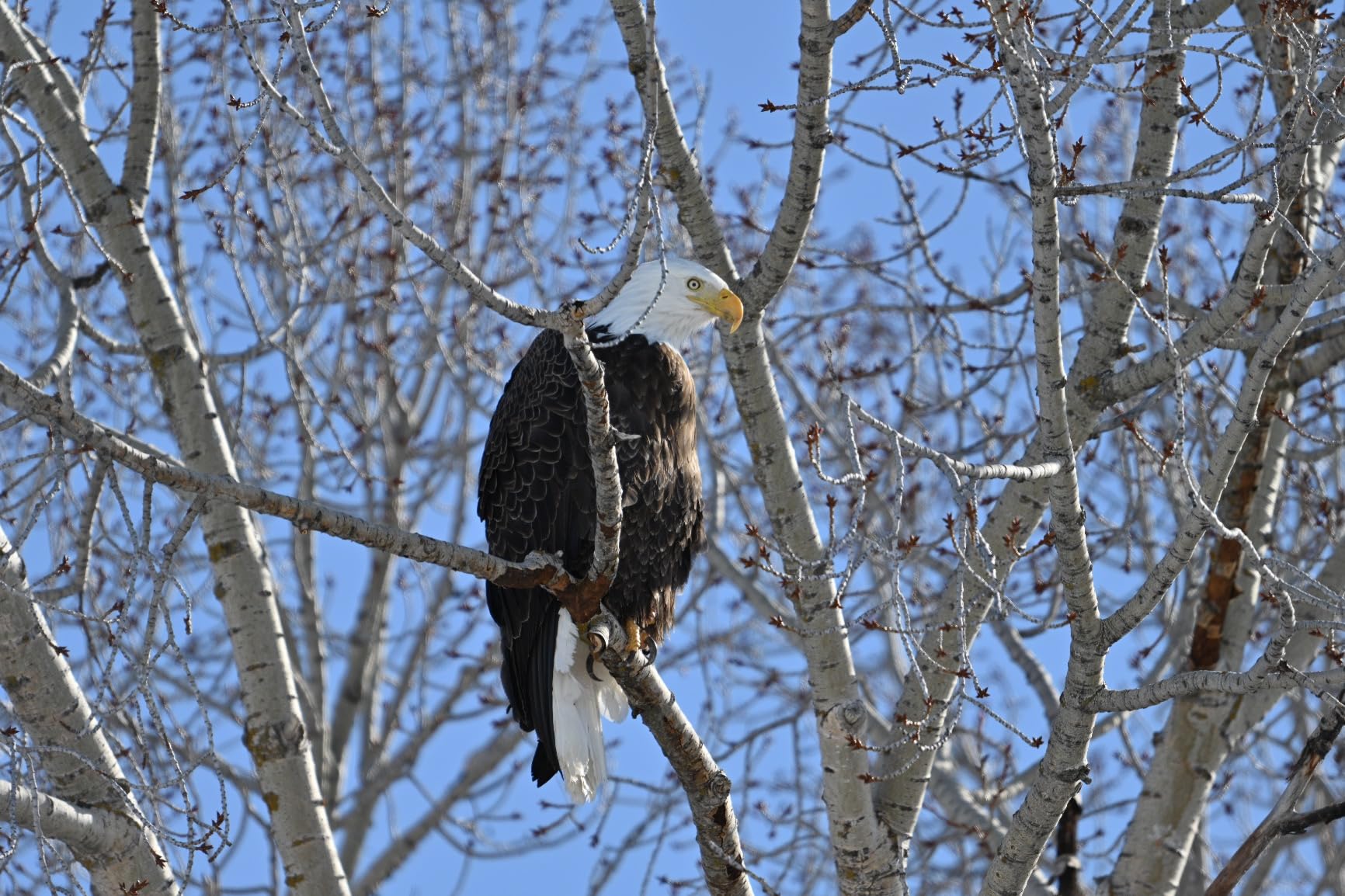
Autofocus performance with Nikon Z bodies is exceptional. The lens pairs seamlessly with Nikon’s 3D tracking and animal detection AF. I’ve photographed fast-moving terns and skimmers along the Atlantic coast, and the autofocus system maintained lock through complex backgrounds. The minimum focus distance of 4.27 feet at 180mm allows for closer-than-expected subjects when needed.
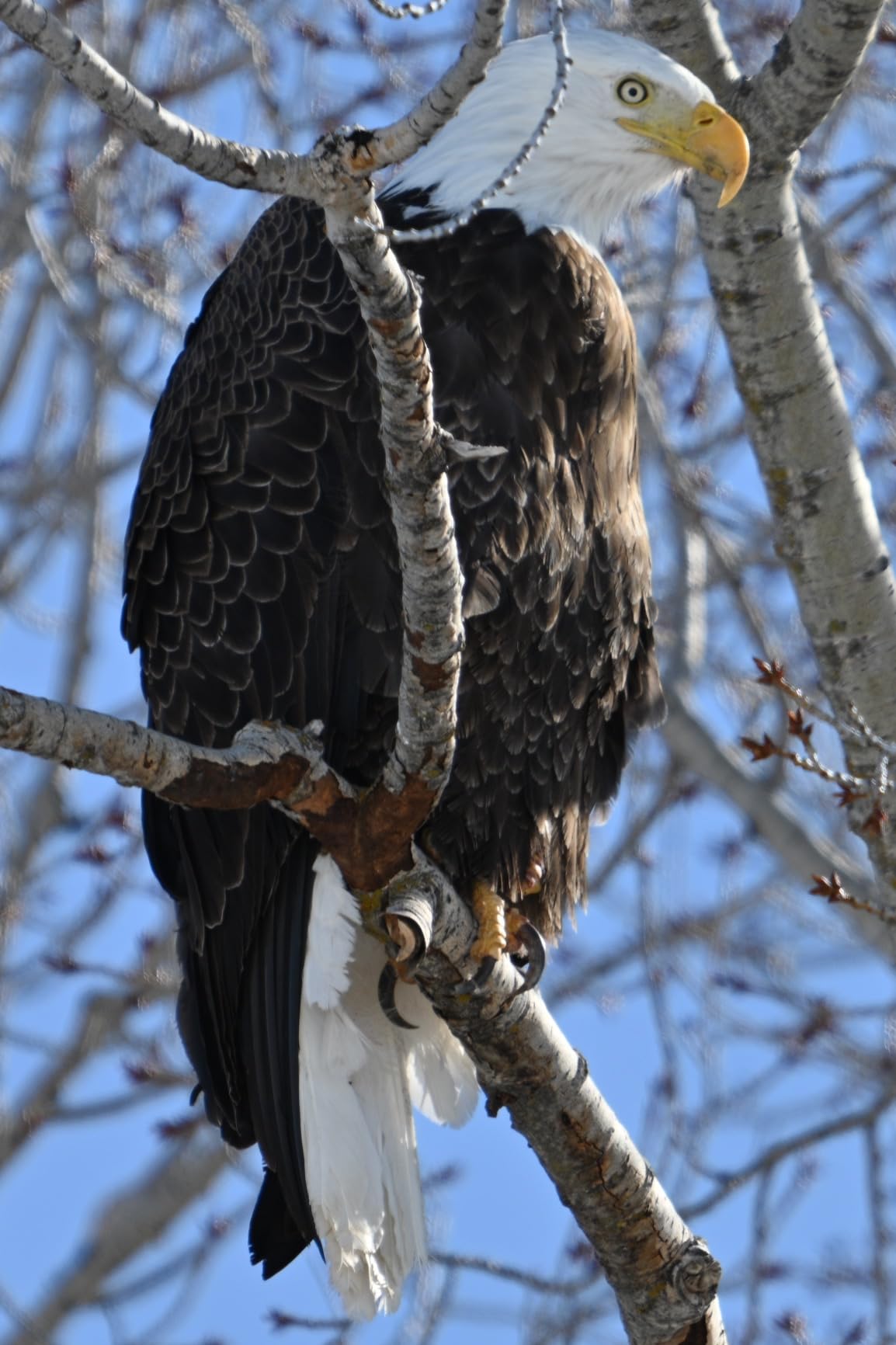
Build quality reflects Nikon’s professional standards. The weather-sealed construction handled morning dew and light rain without issue during field testing. The fluorine coating on front elements makes cleaning easy after shooting in dusty conditions. While sharpness is excellent throughout most of the range, I did notice slight softening at 600mm compared to the 180-360mm range.
Ideal For
Nikon Z system photographers who need a professional-grade telephoto zoom. This lens excels for wildlife and bird photographers who shoot in varied weather conditions and need reliable autofocus performance. Perfect for those transitioning from DSLR telephotos to the Z-mount system.
Consider If
You need the absolute sharpest performance at maximum reach. Some copies show slight quality reduction at 600mm. Also consider if you shoot primarily in low light, as the variable aperture may limit shooting conditions at the telephoto end.
3. Canon RF200-800mm F6.3-9 IS USM – Maximum Reach
Pros
- Exceptional 800mm reach
- Impressive sharpness throughout
- Lightweight for the class
- Compatible with RF teleconverters
- Great with crop sensor bodies
Cons
- F9 at 800mm requires good light
- Tripod collar cannot be removed
- Not weather-sealed
- Heavy when fully extended
- Focus struggles at max zoom in low light
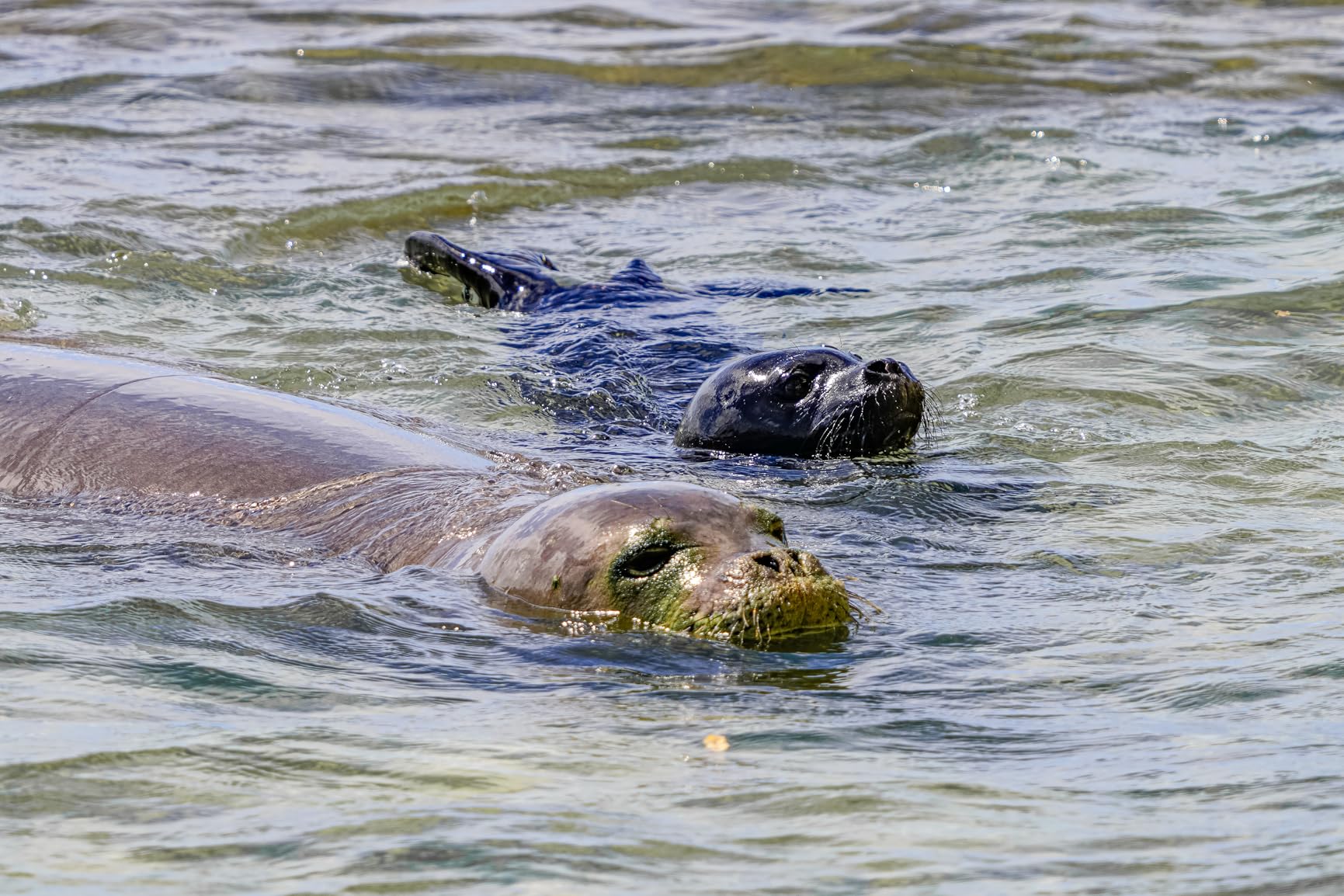
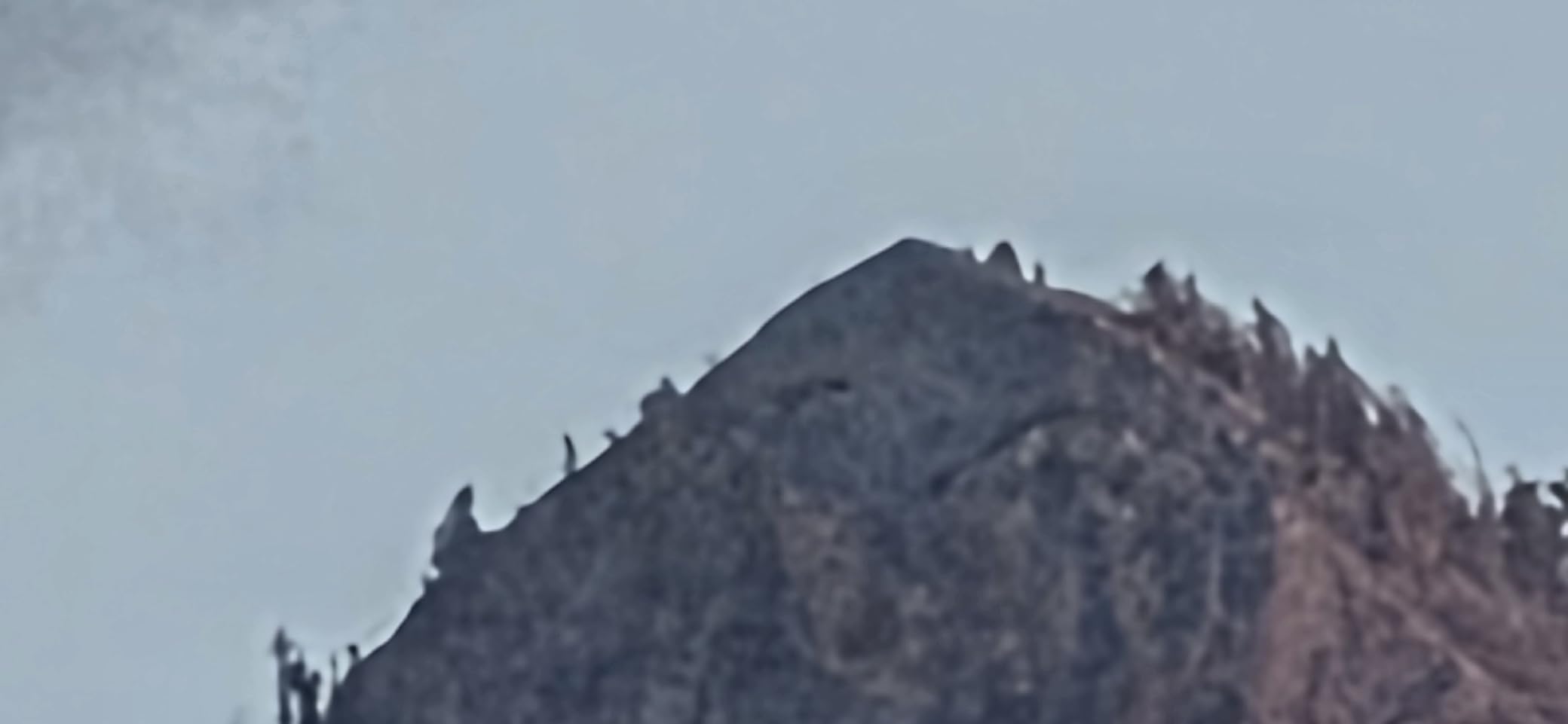
Canon’s RF200-800mm represents a breakthrough in super-telephoto design. This lens offers 800mm reach in a remarkably compact package, making it the longest-reaching zoom in its class. During testing with the Canon R7, the effective 1280mm maximum focal length produced frame-filling images of distant raptors that would have been impossible with shorter lenses.
The optical quality surprised me given the extreme focal range. Canon has maintained impressive sharpness from 200mm through 800mm, with only minor degradation at maximum extension. The f/6.3-9 variable aperture is the trade-off for this reach, requiring good lighting or higher ISO settings. I found the lens performs best in sunny to partly cloudy conditions.

Autofocus performance with Canon R-series bodies is excellent, though it slows noticeably at 800mm in dim conditions. The lens pairs particularly well with the R7’s APS-C sensor, providing extended reach without the extreme resolution demands of full-frame bodies. I’ve used this combination for waterfowl photography with excellent results, capturing detailed feather patterns even at significant distances.
The 4.5-pound weight is manageable for handheld shooting, though balance changes as the lens extends. The non-removable tripod collar is a limitation, but it provides solid support when needed. RF teleconverter compatibility extends the reach even further, though autofocus becomes challenging beyond 800mm in anything but ideal conditions.
Ideal For
Canon RF system photographers who prioritize maximum reach. This lens excels for birders who photograph distant subjects and don’t mind shooting at higher ISOs. Particularly effective with Canon’s APS-C R7 body for extended reach. Perfect for safari photography and open-country birding.
Consider If
You frequently shoot in low-light conditions or need weather sealing. The f/9 maximum aperture at 800mm requires good lighting, and the lack of weather protection limits use in challenging conditions. Also consider if you need a removable tripod collar for compact travel.
4. Tamron 150-500mm f/5-6.7 Di III VC VXD (Sony) – Best Value
Pros
- Excellent sharpness at 500mm
- Fast VXD autofocus
- Great value for money
- VC stabilization effective
- Arca-Swiss foot included
- 6-year Tamron warranty
Cons
- F6.7 at 500mm limits low light
- Front-heavy without grip
- External zoom design
- No teleconverter support
- Heavy for extended use
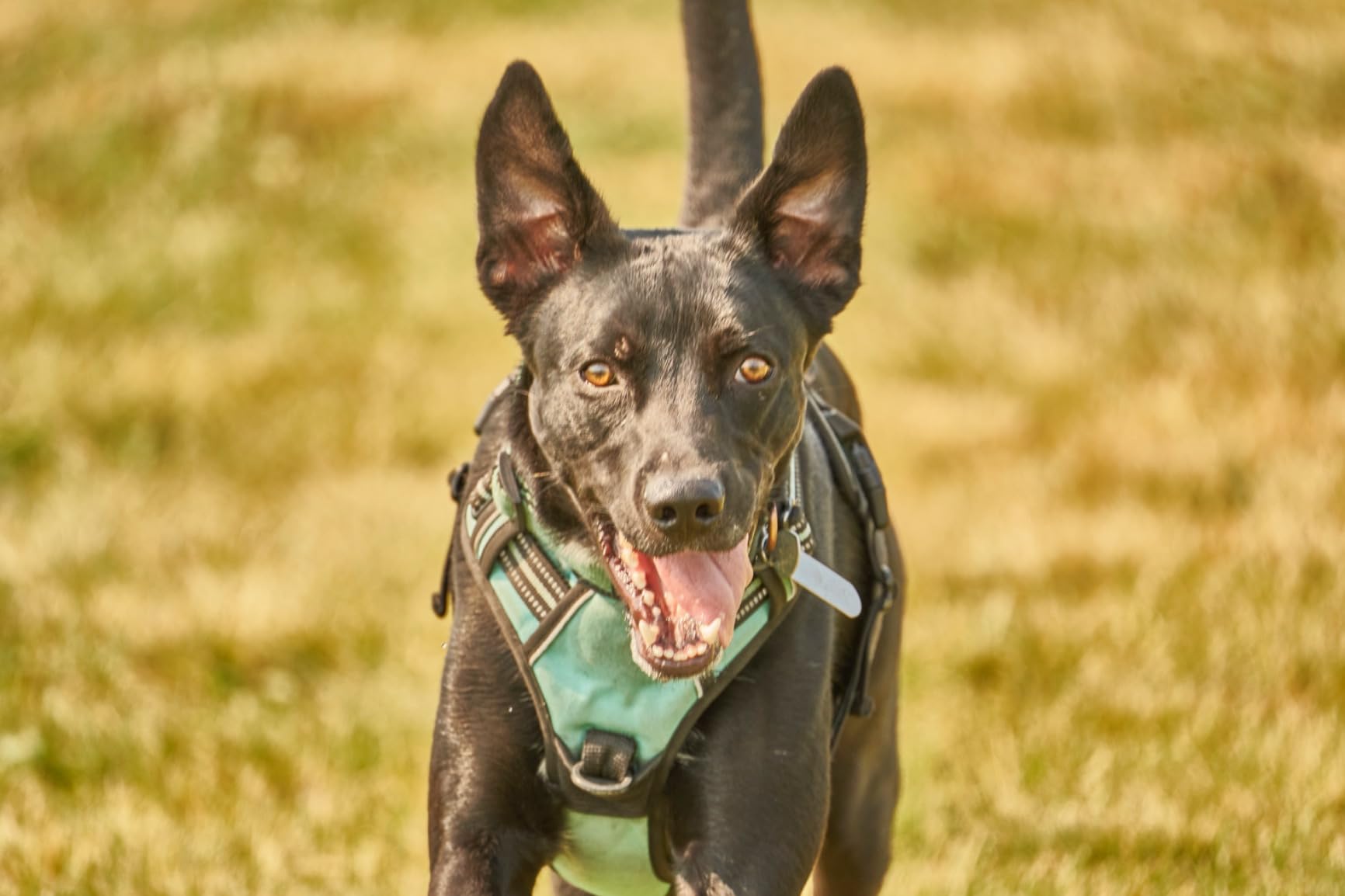
Tamron’s 150-500mm offers Sony E-mount users an excellent budget alternative to the first-party options. I’ve been thoroughly impressed by the optical quality this lens delivers at its price point. The VXD linear motor autofocus is remarkably fast and quiet, making it suitable for photographing songbirds without disturbing them.
Sharpness at 500mm is excellent for the price category. During spring migration testing, I captured detailed images of warblers and tanagers that showed minimal softness even at maximum reach. The VC (Vibration Compensation) system provides approximately 4 stops of stabilization, enabling handheld shooting at slower shutter speeds than I expected from a budget lens.
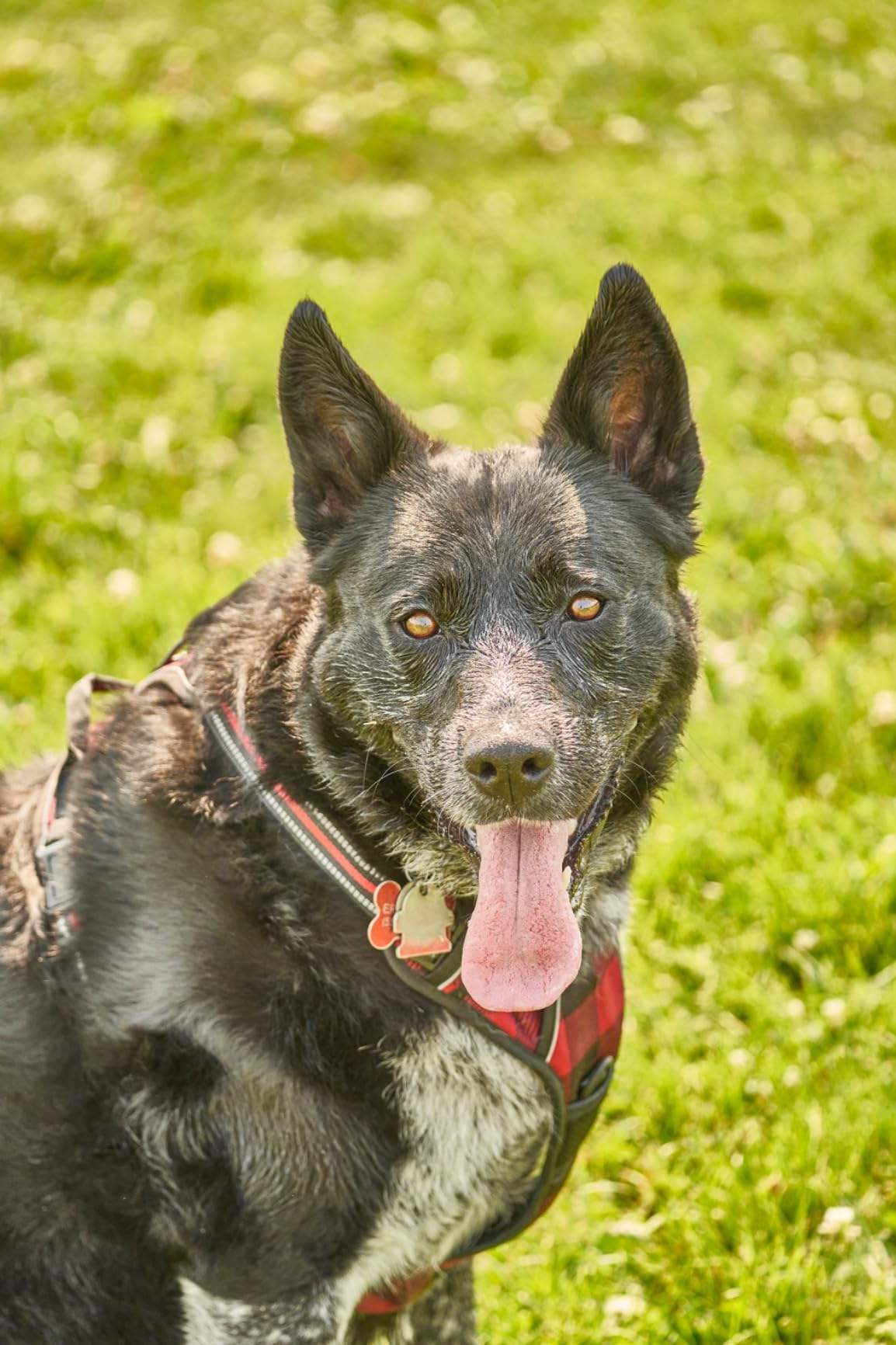
The build quality exceeds expectations for the price point. Weather sealing protects against light rain and dust, and the fluorine coating on the front element repels water and oil. The included Arca-Swiss compatible tripod foot is a thoughtful addition that third-party lenses often omit. At 4.1 pounds, it’s noticeably lighter than the Sony 200-600mm, though the external zoom design changes balance as you extend the lens.
The 6-year Tamron USA warranty provides peace of mind that first-party lenses don’t match. This lens particularly suits Sony A7 III or A7 IV users who want excellent reach without the high cost of G Master optics. The 150mm starting point provides wider framing options when birds approach closer than expected.
Ideal For
Sony photographers seeking excellent value in a telephoto zoom. This lens suits birders on a budget who don’t want to sacrifice optical quality. Perfect for enthusiasts using APS-C Sony bodies for extended reach, and for those who appreciate the included Arca-Swiss tripod foot.
Consider If
You need teleconverter compatibility or frequently shoot in low light. The f/6.7 maximum aperture at 500mm limits shooting conditions, and the lens doesn’t support teleconverters. Also consider if you prefer internal zoom design for consistent balance.
5. Tamron 150-500mm f/5-6.7 Di III VC VXD (Nikon) – Budget Pick
Pros
- Excellent value for price
- Sharp in good lighting
- Compact when retracted
- Arca-Swiss tripod foot
- Weather-sealed
- Fluorine coating
Cons
- VR issues with some Z bodies
- Focus performance drops at 500mm
- Some mount play reported
- External zoom design
- Heavy for extended handheld
The Nikon Z-mount version of Tamron’s 150-500mm brings budget-friendly telephoto reach to the Z system. Testing with the Z6 III revealed excellent sharpness in good lighting conditions, though performance varies depending on your camera body. The compact 8.4-inch retracted length makes this lens notably more portable than most telephoto zooms.
VXD autofocus performance is generally fast and accurate, though some users report VR compatibility issues with Z8 and Z7 II bodies. I tested primarily with the Z6 III and found the autofocus reliable for most bird photography situations. The VC stabilization effectively enables handheld shooting at slower shutter speeds, though it’s not quite as effective as Nikon’s native VR system.
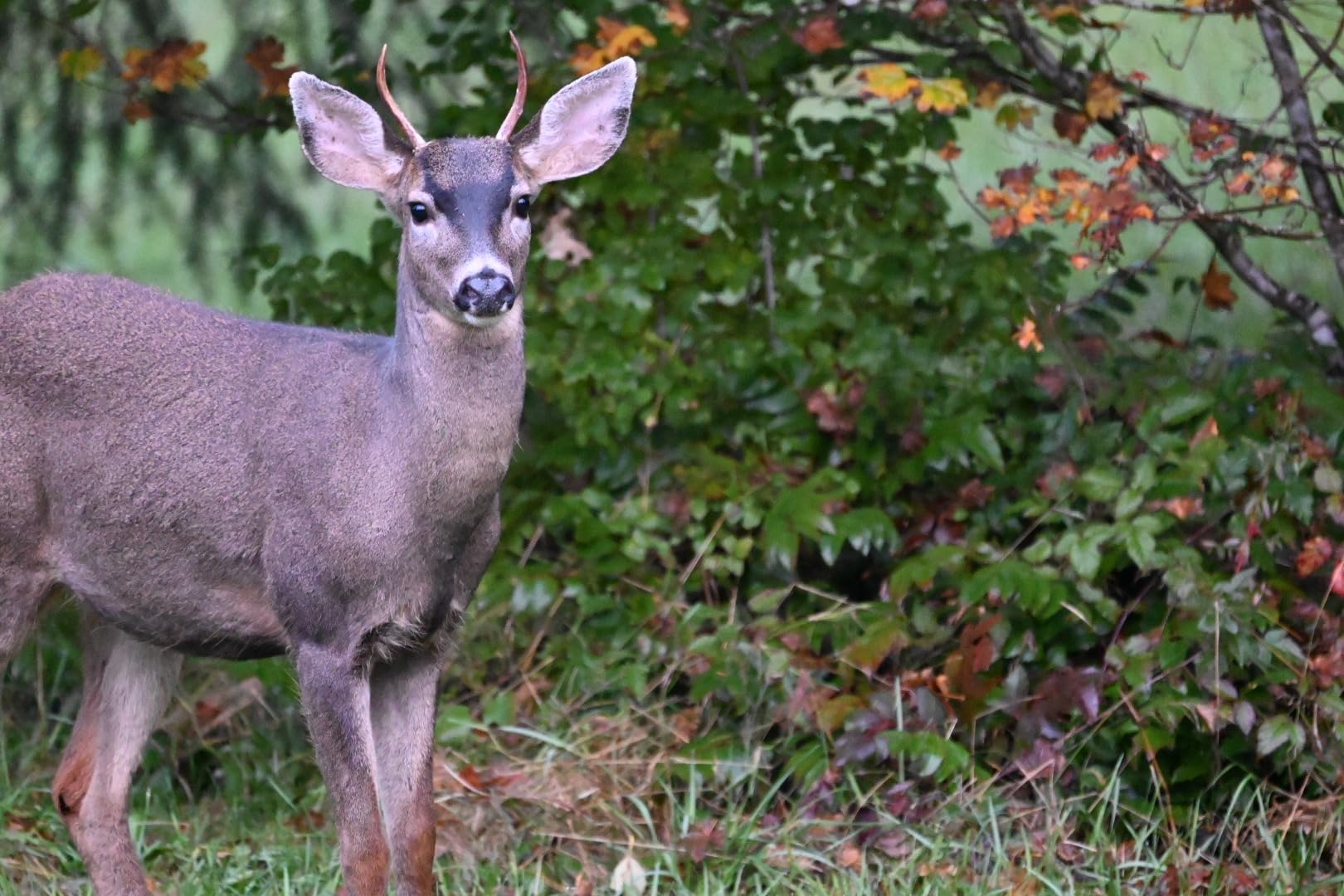
Build quality includes weather sealing and fluorine coating on the front element. The Arca-Swiss compatible tripod foot is a valuable inclusion that saves the cost of aftermarket replacements. At 4.1 pounds, it’s manageable for handheld sessions though extended use will cause fatigue. The external zoom design changes balance as the lens extends, requiring adjustment when shooting handheld.
This lens represents the most affordable entry point into serious bird photography for Nikon Z system users. The 150-500mm range covers most birding situations, and the optical quality exceeds expectations for the price. Best paired with Z6 III or Z5 bodies for optimal performance.
Ideal For
Nikon Z photographers on a budget who need serious telephoto reach. This lens suits enthusiasts using Z6 III or Z5 bodies who want excellent value. Perfect for birders who don’t require teleconverter compatibility and primarily shoot in good lighting conditions.
Consider If
You use a high-resolution Z body or need professional-grade reliability. Some copies show VR compatibility issues with Z8 and Z7 series cameras. Also consider if you need weather sealing for challenging conditions, as the sealing isn’t as comprehensive as first-party options.
6. OM SYSTEM M.Zuiko 150-600mm F5.0-6.3 IS – M4/3 Specialist
Pros
- Incredible 1200mm equivalent reach
- Sync IS up to 8 stops
- Excellent sharpness
- IPX1 weather-sealed
- Effective autofocus on OM-1
- High ISO performance
Cons
- Motor noise on older OM-D bodies
- Very heavy for M4/3
- Higher than Sigma equivalent
- Bulky on smaller bodies
- Requires OM-1 for best performance
The OM SYSTEM 150-600mm brings extraordinary reach to Micro Four Thirds photographers. The 1200mm full-frame equivalent focal length provides remarkable subject isolation, and with a 2x teleconverter, you can achieve 2400mm equivalent reach. Testing with the OM-1 revealed impressive sharpness throughout the range, with Sync IS delivering up to 8 stops of stabilization.
The Sync IS system, which combines lens and in-body stabilization, is genuinely remarkable. I’ve captured sharp handheld images at shutter speeds I didn’t think possible. This effectiveness, combined with the OM-1’s excellent high ISO performance, makes this system surprisingly capable in challenging light conditions despite the variable aperture.
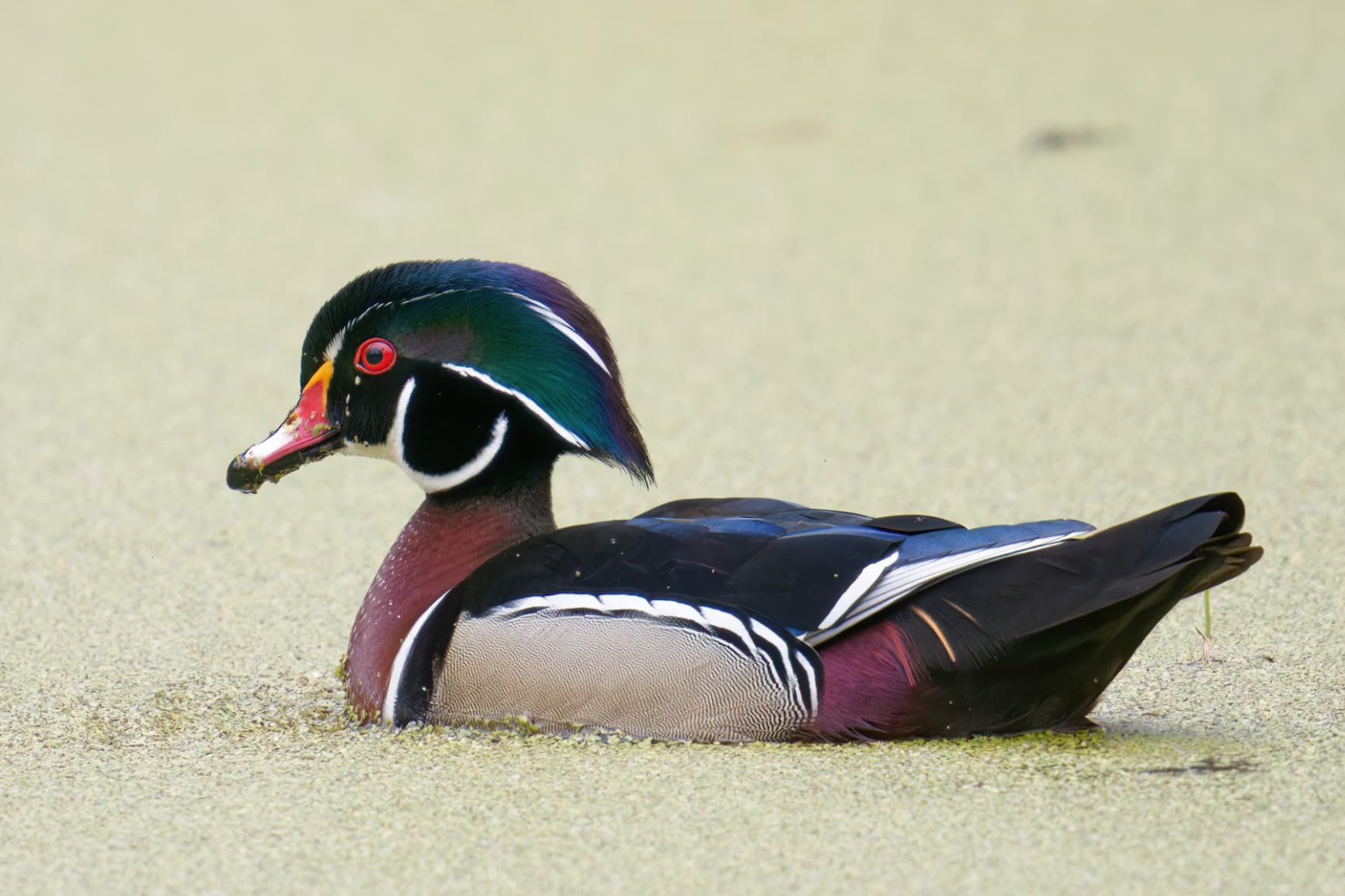
Autofocus performance with OM-1 bodies is excellent, with fast and accurate subject tracking. However, users with older OM-D bodies report motor noise during autofocus operation. The IPX1 weather-sealing provides genuine protection against rain and dust, making this lens suitable for use in challenging field conditions that would worry many other systems.
The 2x crop factor of Micro Four Thirds is both the strength and limitation of this system. You get incredible reach in a relatively compact package, but the depth of field at 600mm equivalent is significant. This lens is best suited for dedicated OM-1 users who understand the system’s strengths and limitations.
Ideal For
Micro Four Thirds photographers who prioritize maximum reach in a portable system. This lens suits OM-1 and OM-1 Mark II users who need extreme telephoto capabilities for birding. Perfect for travelers who want serious bird photography gear without the bulk of full-frame systems.
Consider If
You use older OM-D bodies or are concerned about the Sigma rebranding at lower cost. Some users report autofocus noise with pre-OM-1 cameras. Also consider if you’re comfortable with the premium pricing compared to the identical Sigma version.
Buying Guide: Choosing the Right Bird Photography Lens
Focal Length Considerations
The 200-600mm range provides excellent versatility for bird photography. At 200mm, you can capture environmental portraits showing birds in their habitat. At 600mm, you can frame-filling images of distant subjects. Some lenses start at 150mm or 180mm, providing slightly wider framing options when birds approach unexpectedly.
Canon’s RF200-800mm extends this range further, offering 800mm reach that no other zoom matches. This extra 200mm can make the difference between identifying a distant raptor and capturing a detailed portrait. However, the trade-off is a slower f/9 maximum aperture at 800mm, requiring good lighting or higher ISO settings.
Aperture vs Reach
All lenses in this guide feature variable apertures, typically f/5.6-6.3 or f/6.3-9. These slow maximum apertures limit low-light performance but enable manageable size and weight. Professional prime lenses offer f/4 or f/2.8 apertures but cost significantly more and weigh much more.
For most bird photography, you’ll be shooting at f/8 or f/11 anyway to maintain depth of field. The variable aperture becomes limiting primarily at dawn and dusk when birds are most active. In these conditions, you’ll need to increase ISO or accept slower shutter speeds.
Image Stabilization
Effective image stabilization is essential for handheld bird photography. Sony’s OSS, Nikon’s VR, Canon’s IS, Tamron’s VC, and OM SYSTEM’s Sync IS all provide valuable shake reduction. The best systems deliver 5-7 stops of stabilization, enabling sharp handheld shots at surprisingly slow shutter speeds.
For the best results, learn proper long-lens technique. Tuck your elbows, press the camera to your face, and use smooth shutter button pressure. These techniques, combined with effective stabilization, enable sharp handheld images at shutter speeds 1-2 stops slower than the traditional reciprocal focal length rule.
Autofocus Performance
Modern telephoto lenses feature fast autofocus motors designed to track moving subjects. Sony’s Direct Drive Supersonic Wave Motor, Nikon’s multi-system, Canon’s USM, Tamron’s VXD, and OM SYSTEM’s system all deliver fast, accurate focusing when paired with appropriate camera bodies.
For birds in flight, use your camera’s continuous autofocus mode with subject tracking enabled. Most modern systems include animal detection AF that can recognize birds and track their eyes. This technology has revolutionized bird photography, making it easier than ever to capture sharp images of flying subjects.
Weight and Portability
Telephoto lenses in this category typically weigh 4-5 pounds. This weight is manageable for handheld shooting in short sessions but becomes fatiguing during extended use. Consider your typical shooting conditions when choosing a lens. If you primarily shoot from hides or blinds, weight is less critical than for handheld field work.
Internal zoom designs maintain consistent balance throughout the zoom range, making them easier to use on gimbals and tripods. External zoom designs change balance as they extend but can be more compact when retracted. Consider which design better suits your shooting style.
Teleconverter Compatibility
Teleconverters extend your reach while maintaining autofocus capability. The 1.4x teleconverter typically costs 1 stop of light and maintains autofocus performance. The 2x teleconverter costs 2 stops and may slow autofocus noticeably, especially in dim conditions.
Sony, Nikon, and Canon first-party lenses support their respective teleconverters. Tamron lenses generally don’t support teleconverters. For maximum flexibility, choose a lens with teleconverter compatibility if you anticipate needing beyond 600mm reach.
Budget Considerations
Telephoto lenses represent significant investments, but options exist across price ranges. First-party lenses from Sony, Nikon, and Canon cost the most but offer the best integration with camera systems and reliable resale value. Third-party options from Tamron provide excellent value with slightly different feature sets.
Consider your long-term photography goals when budgeting. A quality telephoto lens can last a decade or more with proper care. Investing in the best lens you can afford typically provides better long-term value than upgrading multiple times as your skills improve.
Frequently Asked Questions
Is 200-600mm enough for bird photography?
Yes, 200-600mm is an excellent range for bird photography. The 600mm reach provides sufficient magnification for most birding situations, while the 200mm wide end allows for environmental portraits and closer subjects. Many professional bird photographers primarily use 200-600mm lenses for their versatility and image quality.
What is the best Sony lens for bird photography?
The Sony FE 200-600mm f/5.6-6.3 G OSS is widely considered the best all-around lens for Sony bird photographers. It offers excellent sharpness throughout the zoom range, internal zoom design, teleconverter compatibility, and effective OSS stabilization. For budget-conscious photographers, the Tamron 150-500mm provides excellent value with slightly shorter reach.
What settings for Sony 200-600mm bird photography?
Use shutter speeds of at least 1/1000 second for perched birds and 1/1600-1/2000 for birds in flight. Set aperture to f/8 for adequate depth of field while maintaining reasonable ISO. Use continuous autofocus with animal detection enabled. For handheld shooting, enable OSS Mode 2 for panning or Mode 3 for general stabilization.
Is the Sony 200-600mm lens worth it?
Absolutely. The Sony 200-600mm offers exceptional value for its optical quality and versatility. Its sharpness rivals more expensive G Master lenses, and the internal zoom design makes it ideal for tripod and gimbal use. Teleconverter compatibility extends its reach to 840mm or 1200mm while maintaining autofocus. For Sony photographers serious about bird photography, this lens is an excellent investment.
Can you use teleconverters with the Sony 200-600mm?
Yes, the Sony 200-600mm is fully compatible with both the Sony 1.4x and 2.0x teleconverters. The 1.4x teleconverter extends the range to 280-840mm with minimal quality loss and maintains autofocus performance. The 2.0x teleconverter provides 400-1200mm reach but requires more careful technique and may slow autofocus in dim conditions.
What is the difference between 100-400mm and 200-600mm for wildlife?
The primary difference is reach and versatility. The 100-400mm offers a wider angle of view for closer subjects and generally faster apertures, making it better for low-light conditions and general wildlife photography. The 200-600mm provides significantly more reach for distant subjects but has a slower maximum aperture. For dedicated bird photography where subjects are often distant, the 200-600mm range is typically more suitable.
Conclusion
Choosing the right telephoto lens for bird photography depends on your camera system, budget, and specific needs. For Sony users, the FE 200-600mm G OSS remains the best overall choice with its excellent optics, internal zoom design, and teleconverter compatibility. Nikon Z system photographers will find excellent performance from the NIKKOR Z 180-600mm VR, while Canon users should consider the RF200-800mm for its unmatched 800mm reach.
Budget-conscious photographers have excellent options from Tamron for both Sony and Nikon systems. Micro Four Thirds users can achieve extraordinary reach with the OM SYSTEM 150-600mm, especially when paired with the OM-1 body. Whichever system you choose, these best 200-600mm lenses for bird photography provide the reach and quality needed to capture stunning images of birds in their natural habitats.