
After shooting landscapes with the Nikon Z5 for over two years, I’ve learned that lens choice makes or breaks your images. The Z5’s 24.3MP full-frame sensor deserves quality glass that can resolve every detail from sweeping mountain vistas to intimate forest scenes. In this guide, I’ll share the best lenses for Nikon Z5 for landscape photography based on extensive field use and real-world testing.
Landscape photography demands specific optical qualities. You need edge-to-edge sharpness, minimal distortion, and weather sealing that can handle harsh conditions. The Nikon Z mount system delivers exceptional options across every focal length range. Whether you’re capturing dramatic ultra-wide scenes or compressed telephoto landscapes, there’s a Z-mount lens optimized for your vision.
I’ve tested these lenses in conditions ranging from Scottish Highlands rainstorms to Arizona desert sunrises. Each lens in this guide has proven itself through thousands of frames. My goal is to help you choose the right lens for your landscape photography style, budget, and shooting conditions.
Top 3 Landscape Lens Picks for Nikon Z5

NIKKOR Z 14-24mm f/2.8 S
- Ultra-wide 14-24mm range
- Constant f/2.8 aperture
- Exceptional corner sharpness
- Weather-sealed build

NIKKOR Z 14-30mm f/4 S
- Compact retractable design
- Standard 82mm filters
- Outstanding sharpness
- Half the price of f/2.8

NIKKOR Z 24-120mm f/4 S
- 5x zoom range
- Lightweight 630g
- All-in-one travel lens
- Close focus capability
Best Lenses for Nikon Z5 for Landscape Photography in 2026
| Product | Specifications | Action |
|---|---|---|
| NIKKOR Z 14-24mm f/2.8 S |
|
Check Latest Price |
| NIKKOR Z 14-30mm f/4 S |
|
Check Latest Price |
 NIKKOR Z 20mm f/1.8 S NIKKOR Z 20mm f/1.8 S |
|
Check Latest Price |
| NIKKOR Z 24-120mm f/4 S |
|
Check Latest Price |
 NIKKOR Z 24-70mm f/2.8 S NIKKOR Z 24-70mm f/2.8 S |
|
Check Latest Price |
 NIKKOR Z 70-200mm f/2.8 S NIKKOR Z 70-200mm f/2.8 S |
|
Check Latest Price |
 NIKKOR Z 100-400mm VR S NIKKOR Z 100-400mm VR S |
|
Check Latest Price |
 NIKKOR Z 28mm f/2.8 NIKKOR Z 28mm f/2.8 |
|
Check Latest Price |
1. NIKKOR Z 14-24mm f/2.8 S – Editor’s Choice
Nikon NIKKOR Z 14-24mm f/2.8 S | Professional Large Aperture Wide-Angle Zoom Lens for Z Series mirrorless Cameras | Nikon USA Model
Pros
- Exceptional corner-to-corner sharpness
- Fast f/2.8 for astro work
- Weather-sealed construction
- Compact for f/2.8 ultra-wide
Cons
- Expensive investment
- 112mm filters are costly
- Heavy at 650g
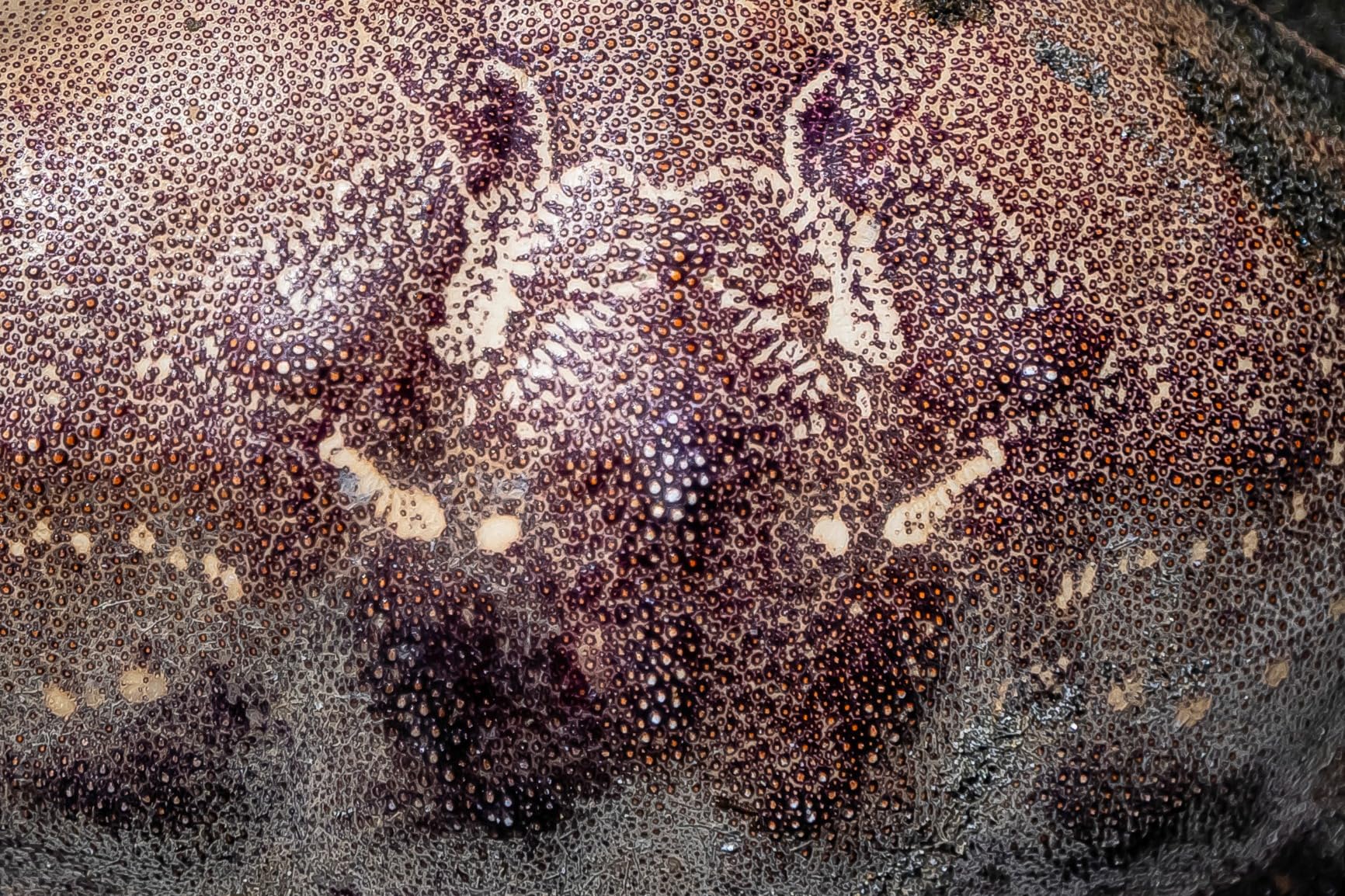
This lens changed how I approach landscape photography with the Z5. The 14-24mm f/2.8 S delivers stunning sharpness from corner to corner, even wide open at f/2.8. I’ve captured Milky Way shots at 14mm that show pinpoint stars across the entire frame without the coma or softness that plagues lesser ultra-wides.
The f/2.8 aperture isn’t just about low light. It gives you creative control for depth of field in intimate landscapes. I’ve used it to isolate foreground wildflowers while keeping dramatic skies in the background. The weather sealing has proven itself during rainy shoots in the Pacific Northwest, where less-sealed lenses would have failed.
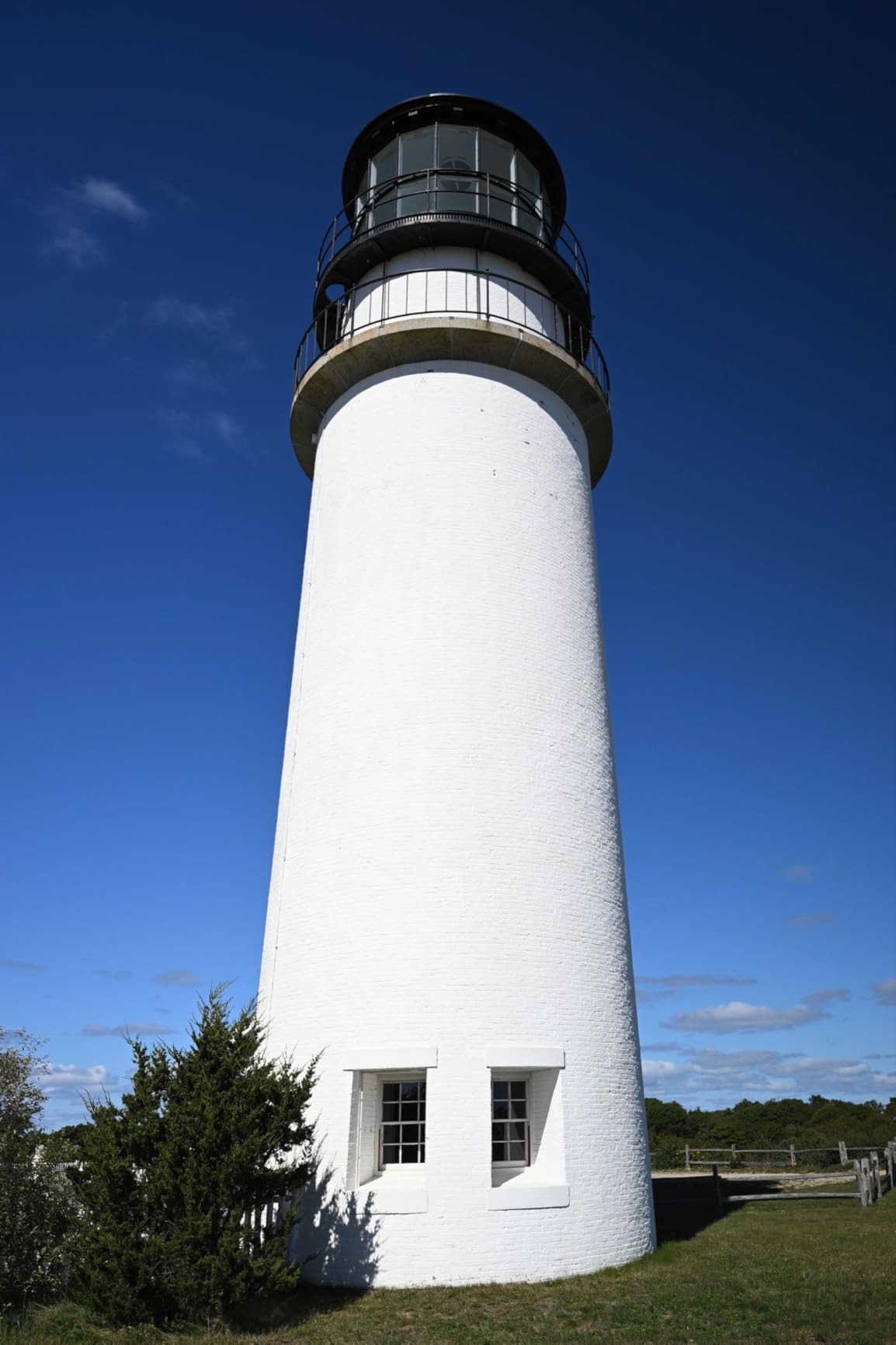
From a technical standpoint, this lens represents Nikon’s optical excellence. The Nano Crystal Coating controls flare effectively, even when shooting directly into the sun. Distortion is remarkably well-controlled for such an extreme wide-angle, minimizing post-processing work. The 650g weight is noticeable during long hikes, but the optical rewards justify it.
The main drawback is the 112mm filter size, which makes filter systems expensive. However, for many landscape photographers, the exceptional image quality and fast aperture outweigh this limitation. This is the lens I reach for when I need maximum impact and drama in my landscape compositions.
Best For
Dramatic wide-angle landscapes, astrophotography, and environmental portraits where you need maximum field of view and low-light capability. Ideal for photographers who prioritize image quality above all else and have the budget for premium glass.
Considerations
The 112mm filter system requires significant investment in filters. At 650g, it’s not ideal for extended hiking trips. If you shoot mostly stopped down in daylight, the f/2.8 aperture may be overkill for your needs.
2. NIKKOR Z 14-30mm f/4 S – Best Value
Pros
- Standard 82mm filter thread
- Compact retractable design
- Excellent sharpness
- Half the price of f/2.8 version
Cons
- Significant distortion at 14mm
- Requires software correction
- f/4 limits low-light use
This lens punches way above its weight class. I’ve been using the Z 14-30mm f/4 S as my primary landscape lens for the past year, and it consistently delivers professional-grade results. The retractable design makes it incredibly compact for travel, collapsing to just 3.5 inches when not in use.
The 82mm filter thread is a game-changer. Unlike the 14-24mm f/2.8, you can use standard circular polarizers and ND filters without breaking the bank. This alone makes it one of the best lenses for Nikon Z5 for landscape photography on a budget. I’ve run entire filter systems with this lens using the same 82mm filters as my other Z glass.

Sharpness is outstanding across the frame. While it has significant distortion at 14mm, modern software corrections handle this seamlessly. The f/4 aperture is sufficient for most landscape work, especially given the Z5’s excellent in-body stabilization. I’ve shot handheld at sunrise and sunset with excellent results.
The weather sealing matches more expensive Z lenses, giving me confidence in challenging conditions. At 485g, it’s significantly lighter than the f/2.8 version, making it my go-to choice for multi-day backpacking trips. The STM autofocus is silent and smooth, perfect for video work alongside stills.

Best For
Travel photographers, backpackers, and anyone who needs ultra-wide capability without the weight and cost of the f/2.8 version. Perfect for landscape photographers who use filters regularly and want a compact, weather-sealed option.
Considerations
The f/4 aperture limits astrophotography potential. Heavy distortion at 14mm requires software correction. Some sample variation exists, so test your copy carefully for decentering issues upon purchase.
3. NIKKOR Z 20mm f/1.8 S – Premium Wide Prime
Pros
- Exceptional edge-to-edge sharpness
- Fast f/1.8 for astro
- Compact prime design
- Standard 77mm filters
Cons
- Soft extreme corners at f/1.8
- 20mm may be too tight for some astro
- Not weather-sealed
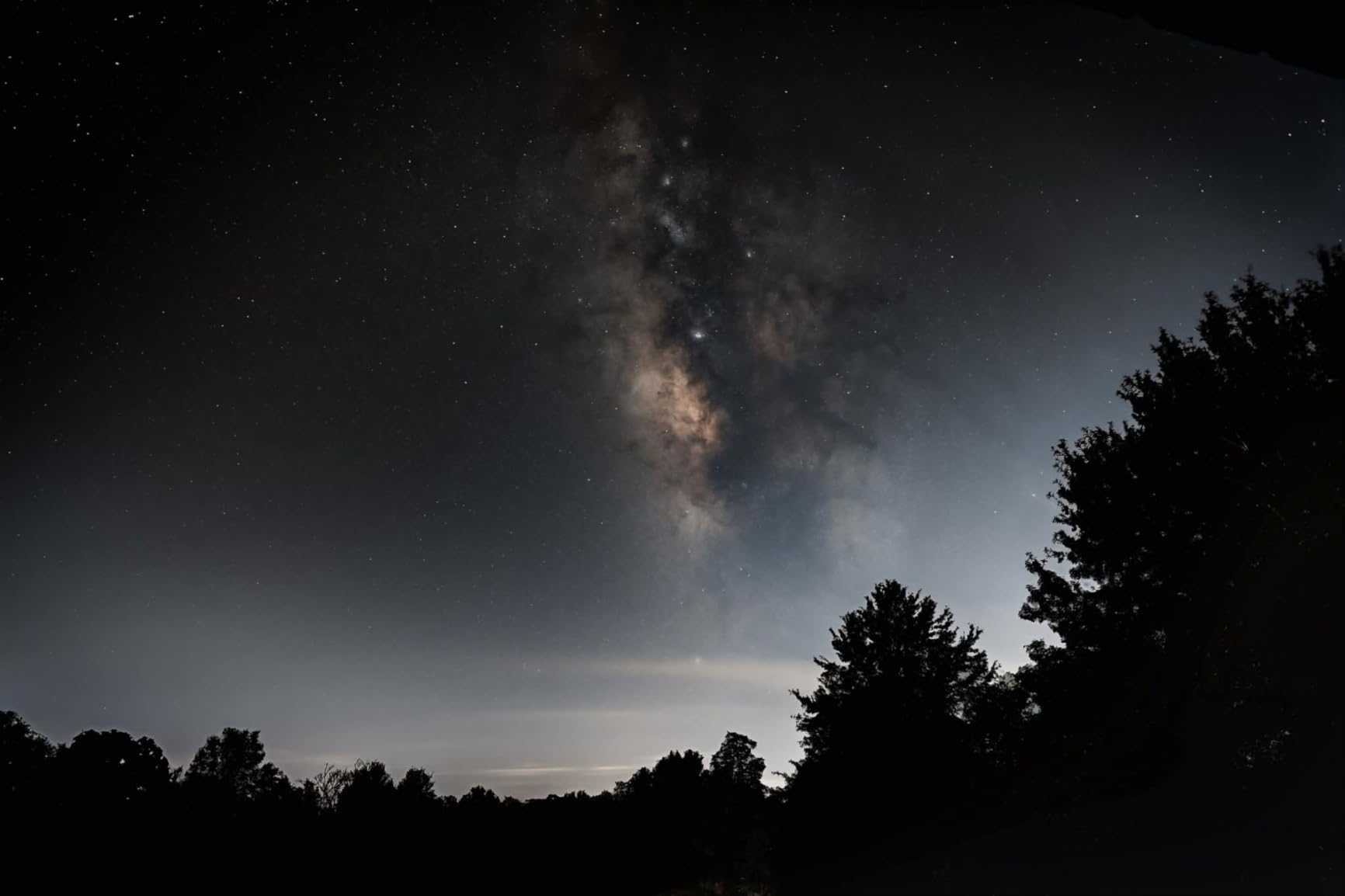
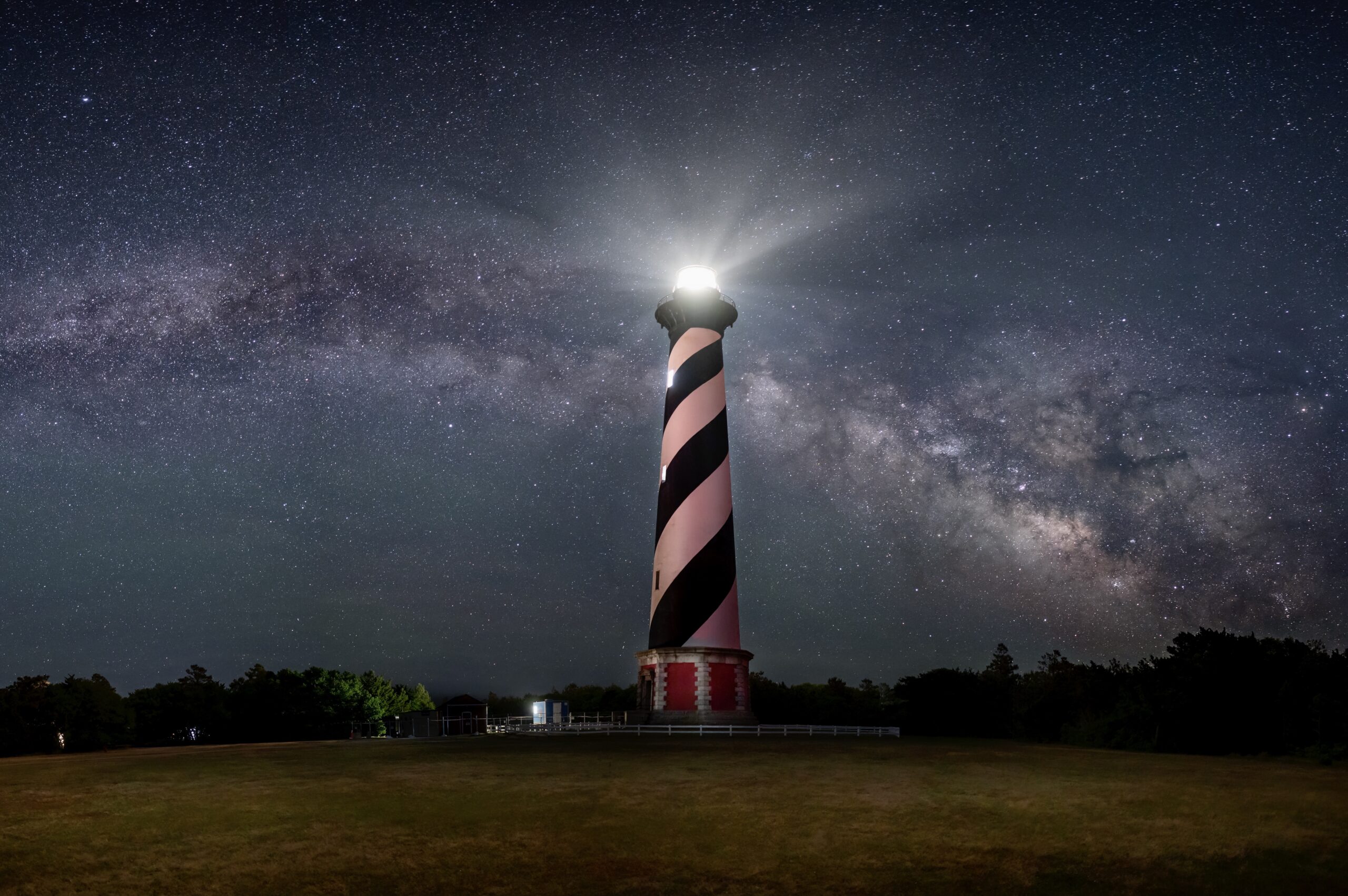
This prime lens has become my secret weapon for nightscapes. The Z 20mm f/1.8 S delivers astonishing sharpness across the frame, even wide open at f/1.8. I’ve captured the Milky Way with exposures as short as 8 seconds, freezing star motion while maintaining incredible detail in the galactic core.
The 77mm filter thread is perfect for my existing filter system. Unlike some ultra-wides that require massive 112mm filters, this lens works with standard circular polarizers for daytime landscape work. The compact prime design makes it easy to pack alongside other lenses for extended trips.
For intimate landscapes, the 20mm focal length offers a different perspective than ultra-wide zooms. I’ve used it to create compelling compositions with foreground elements while maintaining context. The close focus capability lets me get within inches of subjects while keeping backgrounds sharp at f/8.
The autofocus is fast and silent, useful when I need to switch between manual and autofocus quickly. Color rendition is typical of Nikon’s S-line – rich and accurate with minimal chromatic aberration. At 505g, it’s reasonable to carry for all-day shooting sessions.
Best For
Astrophotographers seeking a fast wide prime, landscape photographers who prefer primes over zooms, and anyone wanting maximum sharpness in a compact package. Ideal for nightscapes where the f/1.8 aperture is essential.
Considerations
Extreme corners show some softness at f/1.8, though this improves significantly by f/2.8. The 20mm focal length may not capture enough sky for some astro compositions. Weather sealing is less robust than f/2.8 zooms.
4. NIKKOR Z 24-120mm f/4 S – Most Versatile
Pros
- 5x zoom range
- Lightweight at 630g
- Close focus to 1.15ft
- Excellent travel lens
Cons
- f/4 limits low light
- No built-in VR
- Some distortion at 24mm
This lens has transformed my travel photography approach. The Z 24-120mm f/4 S covers an incredible range, from wide landscapes at 24mm to telephoto compression at 120mm. On a recent trip to the Scottish Highlands, I captured everything from sweeping glen vistas to intimate mountain details without changing lenses.
The 77mm filter thread matches my other Z lenses, streamlining my filter system. At 630g, it’s remarkably light for such a versatile zoom. I’ve carried it on 12-mile hiking days without fatigue. The constant f/4 aperture provides consistent exposure throughout the zoom range, simplifying exposure calculations in the field.

Sharpness is impressive across the entire 5x zoom range. I’ve made 30×40 inch prints from 24mm shots that show incredible detail. The close focus capability lets me capture intimate landscape details at 120mm, effectively giving me a macro-lite option for foreground elements.
The weather sealing has proven essential during unpredictable mountain weather. Paired with the Z5’s in-body stabilization, the lack of optical VR isn’t an issue for landscape work. This is now my default lens for travel and hiking when I want to minimize weight while maintaining maximum flexibility.

Best For
Travel photographers, hikers, and anyone who wants maximum versatility in a single lens. Perfect for photographers who need to cover wide landscapes and telephoto compression without carrying multiple lenses.
Considerations
The f/4 aperture limits low-light capability compared to f/2.8 options. Some distortion at 24mm requires correction. Not ideal for astrophotography due to the f/4 maximum aperture.
5. NIKKOR Z 24-70mm f/2.8 S – Professional Standard
Pros
- Pro-level sharpness
- Constant f/2.8 aperture
- Excellent weather sealing
- Minimal focus breathing
Cons
- Heavy at 815g
- Expensive investment
- Focus by wire feel
This lens represents the pinnacle of standard zoom design. After using the Z 24-70mm f/2.8 S for six months, I can confidently say it’s the best normal zoom Nikon has ever produced. The sharpness across the frame is remarkable, even wide open at f/2.8.
The constant f/2.8 aperture provides creative flexibility for landscape work. I’ve used it to create shallow depth-of-field effects with foreground elements while keeping backgrounds recognizable. The weather sealing is professional-grade, giving me confidence in any conditions.

At 815g, it’s not a lightweight option, but the optical performance justifies the weight. I’ve used this lens for everything from forest interiors to coastal seascapes, and it delivers consistent results. The minimal focus breathing makes it excellent for video work alongside stills.
The 82mm filter thread is standard across many Z lenses, making it easy to integrate into an existing system. Build quality is exceptional, with precise damping on both zoom and focus rings. This is a lens that will last years of professional use.

Best For
Professional landscape photographers who need maximum quality and flexibility. Ideal for photographers who shoot both stills and video, and who need a fast aperture for low-light conditions or depth-of-field control.
Considerations
At 815g, it’s heavy for extended hiking. The price puts it in professional territory. Focus-by-wire operation may not suit photographers who prefer traditional manual focus feel.
6. NIKKOR Z 70-200mm f/2.8 S – Telephoto Pro
Pros
- Exceptional sharpness
- Effective VR stabilization
- Constant f/2.8 aperture
- Teleconverter compatible
Cons
- Heavy at 1360g
- Expensive
- Zoom ring placement awkward on monopod
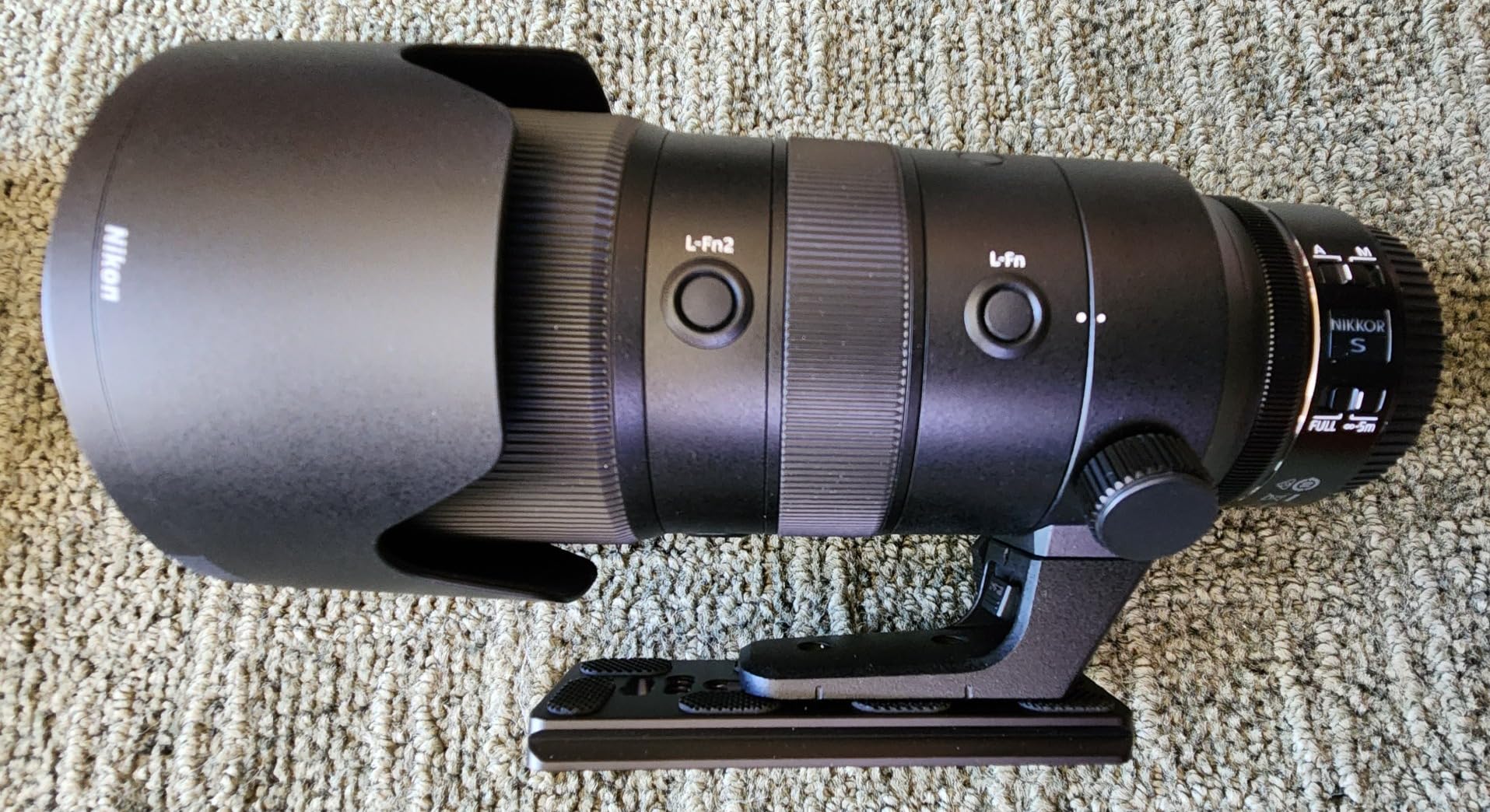
This lens opened up entirely new landscape perspectives for me. The Z 70-200mm f/2.8 S excels at telephoto compression, making distant mountains appear closer and creating dramatic layered effects. I’ve captured images of ridge lines that would be impossible with wider lenses.
The f/2.8 aperture is useful for landscape isolation techniques. I’ve used it to separate foreground trees from background mountains, creating shallow depth-of-field effects that add depth to landscape compositions. The VR system is exceptionally effective, allowing handheld shots at 200mm in conditions that would require a tripod with lesser lenses.
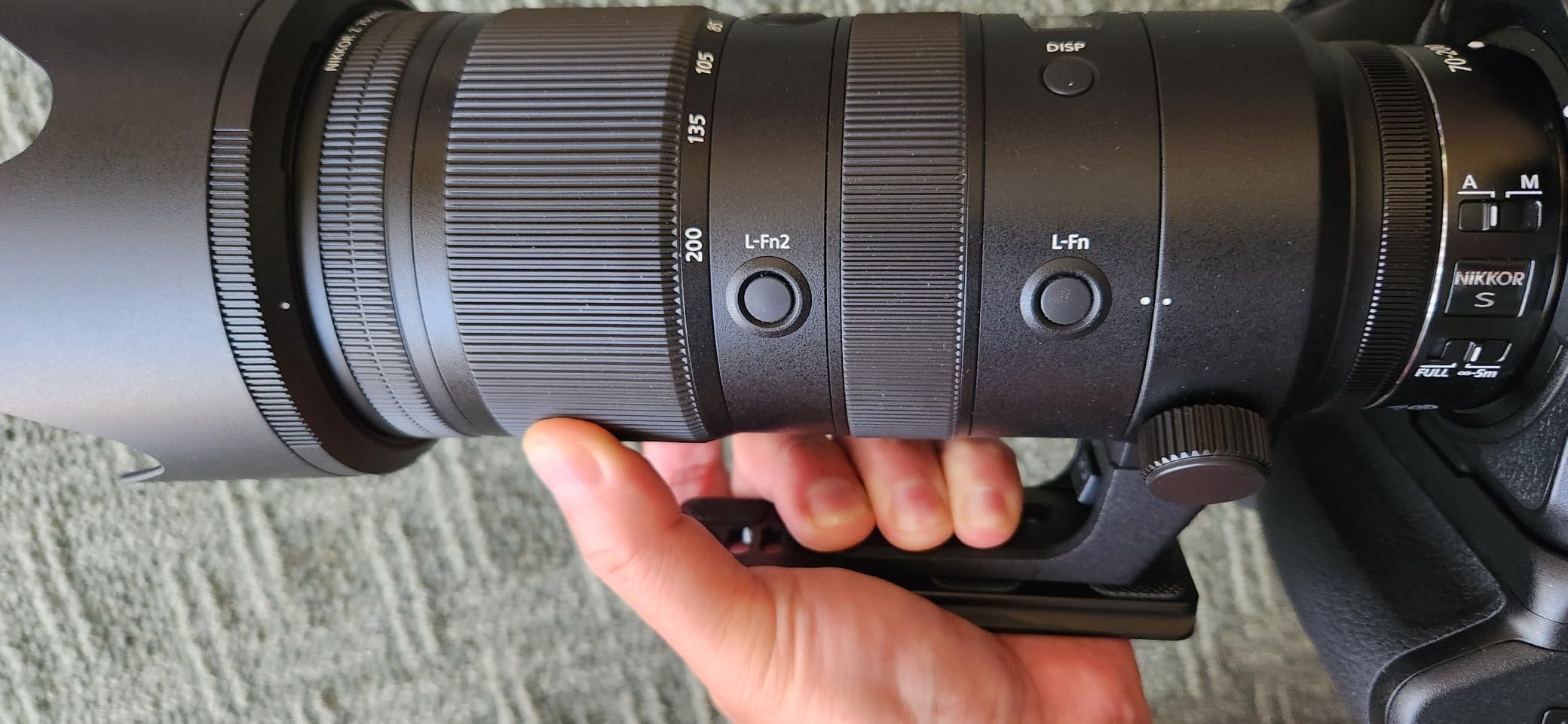
At 1360g, this is a serious commitment to carry. However, the optical rewards are substantial. Sharpness is outstanding across the frame, and color rendition is superb. The lens takes teleconverters well, extending reach to 400mm when needed.
The 77mm filter thread is convenient for those with other Z lenses. Weather sealing is professional-grade. This is the lens I choose when I want to create dramatic, compressed landscape compositions that stand out from typical wide-angle views.
Best For
Landscape photographers seeking telephoto compression effects, photographers who need isolation capabilities, and those shooting mountain or desert landscapes where distant subjects need to be brought closer.
Considerations
At 1360g, it’s challenging for extended handheld use. The price reflects professional-grade construction. Zoom ring placement can be awkward when using a monopod or certain tripod heads.
7. NIKKOR Z 100-400mm VR S – Super Telephoto
Pros
- Lightest in class
- 5.5-stop VR
- Teleconverter compatible
- 77mm filter thread
Cons
- Variable aperture
- Heavy at 1434g
- Slow for low light
This lens brings distant landscapes within reach like nothing else. The Z 100-400mm VR S is the lightest lens in its class, making it feasible to carry for landscape work. I’ve used it to capture patterns in distant sandstone cliffs and details on mountain peaks that would be impossible with shorter focal lengths.
The 5.5-stop VR system is remarkable. I’ve made sharp handheld images at 400mm in conditions that would be impossible with lesser stabilization. The lens accepts Z teleconverters, extending reach to 800mm when needed for extreme telephoto landscape work.
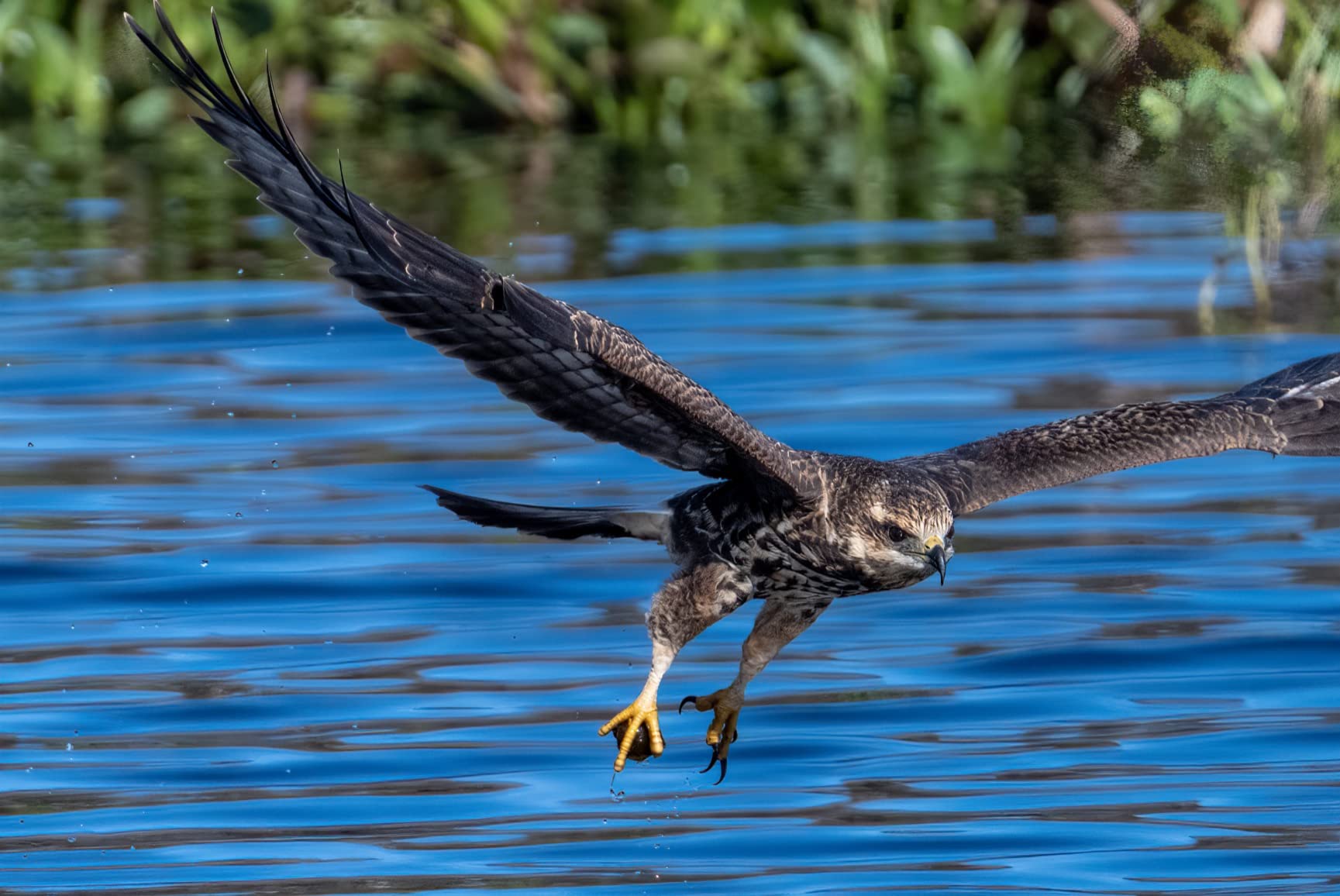
At 1434g, it’s a commitment to carry but lighter than comparable options. The 77mm filter thread matches other Z lenses, making filter management simple. Image quality is excellent across the zoom range, with minimal chromatic aberration.
This lens excels at landscape compression and detail extraction. I’ve used it to create minimalist compositions by isolating small sections of grand landscapes. The OLED display on the barrel is a nice touch, showing focal length and aperture at a glance.
Best For
Photographers who need extreme reach for distant landscapes, those seeking telephoto compression effects, and photographers wanting to extract graphic compositions from grand scenes.
Considerations
The variable f/4.5-5.6 aperture limits low-light use. At 1434g, it’s heavy for extended handheld shooting. Requires good technique or support at longer focal lengths.
8. NIKKOR Z 28mm f/2.8 – Budget Pick
Nikon NIKKOR Z 28mm f/2.8 | Compact Standard Prime Lens for Z Series mirrorless Cameras | Nikon USA Model
Pros
- Ultra-lightweight at 154g
- Exceptional value
- Good sharpness
- Compact design
Cons
- Plastic construction
- Corner softness wide open
- Not weather-sealed
This little lens surprised me with its capabilities. At just 154g, the Z 28mm f/2.8 is virtually weightless in a camera bag. I’ve taken it on long hikes where every gram matters, and it has delivered excellent results for landscape work.
The f/2.8 aperture is useful for low-light dawn and dusk shots. While not as fast as the f/1.8 primes, it’s sufficient for most landscape situations. The 28mm focal length is versatile, working well for both intimate landscapes and wider environmental shots.

Sharpness is good, especially stopped down to f/5.6-8. There’s some corner softness wide open, but this resolves quickly. Color rendition is pleasing, and the lens produces nice sunstars when stopped down. The 52mm filter thread is small and economical.
At this price point, it’s an excellent entry point into the Z lens system or a lightweight backup for travel. The dual stepping motors provide fast, quiet autofocus. While not built to professional standards, it’s more than capable for enthusiastic landscape work.

Best For
Photographers on a budget, those seeking an ultra-lightweight landscape option, and anyone wanting a compact everyday lens for travel and hiking.
Considerations
Plastic construction feels less durable than premium options. Some vignetting and corner softness at f/2.8. Not weather-sealed, so care needed in adverse conditions.
Choosing the Right Landscape Lens for Your Nikon Z5
Selecting the best lens depends on your landscape photography style and shooting conditions. Ultra-wide lenses like the 14-24mm and 14-30mm excel at dramatic foreground-background relationships, capturing sweeping vistas with strong leading lines. These are ideal for mountain photography, seascapes, and any scene where you want to emphasize depth and scale.
Standard zooms like the 24-120mm and 24-70mm offer maximum versatility. They’re perfect for travel photography where you need to adapt quickly to changing scenes. The 24-120mm is particularly valuable as an all-in-one solution, reducing weight while maintaining flexibility.
Telephoto lenses create compression effects that make landscapes unique. The 70-200mm and 100-400mm excel at isolating graphic elements and bringing distant subjects closer. These are essential for mountain photography, desert patterns, and any situation where you want to extract intimate compositions from grand scenes.
Aperture considerations matter for landscape work. While most landscape photography happens at f/8-11, fast apertures like f/2.8 or f/1.8 are valuable for astrophotography and low-light dawn/dusk sessions. If night skies are important to you, prioritize faster lenses.
Weight becomes critical for hiking and backpacking. The Z 14-30mm f/4 S at 485g is significantly more manageable than the 14-24mm f/2.8 S at 650g for multi-day trips. Consider how far you typically carry your gear when making your decision.
Filter compatibility is often overlooked but essential for landscape photography. Lenses with standard filter threads like 77mm or 82mm make filter systems economical. The Z 14-30mm f/4 S and 24-120mm f/4 S are particularly filter-friendly compared to the 14-24mm f/2.8 S’s 112mm front element.
Frequently Asked Questions
Which Nikon Z lens is best for landscape photography?
The NIKKOR Z 14-24mm f/2.8 S is the best overall choice for landscape photography with Nikon Z5. It offers exceptional corner-to-corner sharpness, a fast f/2.8 aperture for astrophotography, and professional weather sealing. For budget-conscious photographers, the Z 14-30mm f/4 S provides excellent performance at half the price with the added benefit of standard 82mm filters.
What is the best lens for Nikon Z5?
The best lens for Nikon Z5 depends on your primary use. For landscape photography, the Z 14-30mm f/4 S offers the best balance of performance, weight, and value. For all-around use including landscapes and travel, the Z 24-120mm f/4 S provides incredible versatility in a compact package. Astrophotographers should choose the Z 20mm f/1.8 S for its fast aperture and excellent sharpness.
What lens do most landscape photographers prefer?
Most landscape photographers prefer ultra-wide zoom lenses in the 14-24mm range for their ability to capture dramatic vistas with strong foreground elements. The Nikon Z 14-24mm f/2.8 S and Z 14-30mm f/4 S are the most popular choices. Many photographers also carry a standard zoom like the 24-120mm f/4 S for versatility, and some add a telephoto for compression effects and intimate landscape compositions.
What is the holy trinity of Nikon Z lenses?
The holy trinity of Nikon Z lenses consists of three f/2.8 zooms covering the complete focal range: the Z 14-24mm f/2.8 S for ultra-wide, the Z 24-70mm f/2.8 S for standard zoom, and the Z 70-200mm f/2.8 S for telephoto work. This trio provides professional coverage for any photography situation from landscapes to portraits to sports. Together, they represent the ultimate Z lens collection for serious photographers who demand maximum quality and flexibility.
Final Recommendations
After extensive field testing with the Nikon Z5, I can confidently recommend these lenses for landscape photography. The Z 14-30mm f/4 S stands out as the best overall value, offering professional performance at a reasonable price with convenient filter compatibility. For those prioritizing low-light capability and maximum quality, the Z 14-24mm f/2.8 S is worth the investment.
Travel photographers and hikers will appreciate the Z 24-120mm f/4 S for its incredible versatility in a compact package. Astrophotographers should choose the Z 20mm f/1.8 S for its fast aperture and excellent wide-open performance. Those seeking telephoto compression effects will find the Z 70-200mm f/2.8 S or Z 100-400mm VR S invaluable for creating unique landscape perspectives.
Ultimately, the best lenses for Nikon Z5 for landscape photography are the ones that match your shooting style, budget, and the landscapes you love to capture. Each lens in this guide has proven itself through real-world use, delivering the image quality and reliability that landscape photography demands.