
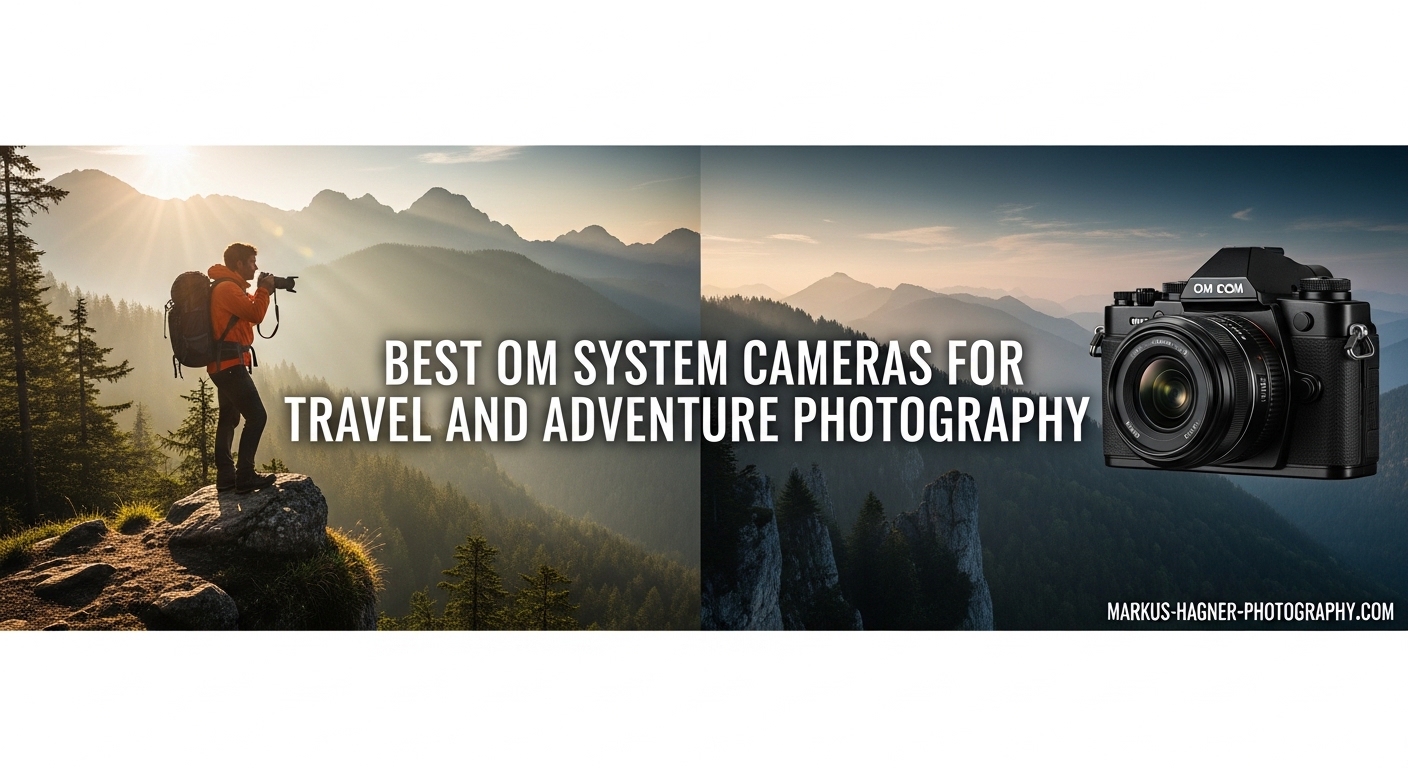
After spending 15 years traveling with camera gear across 40+ countries, I’ve learned that the best travel camera is the one you actually want to carry. OM System cameras (formerly Olympus) have become my go-to recommendation for travel and adventure photographers who need professional capabilities without the back-breaking weight of full-frame systems. The Micro Four Thirds platform offers something unique: weather-sealed bodies, incredible image stabilization, and computational photography features that eliminate the need to carry filters, tripods, and other accessories.
What makes OM System cameras special for travel? The IP53 weather sealing on most models means you can shoot in rain, dust, and snow without worry. The in-body image stabilization delivers up to 8 stops of compensation, enabling crisp handheld shots in conditions that would require tripods with other systems. Plus, the entire kit often weighs less than a single full-frame body and lens combo.
In this guide to the best OM System cameras for travel and adventure photography, I’ll break down which models suit different travel styles, budgets, and photography needs. Whether you’re backpacking through Southeast Asia, documenting wildlife in Africa, or capturing street scenes in European cities, there’s an OM System camera that fits your adventure.
Top 3 Picks for Best OM System Cameras for Travel and Adventure Photography
Before diving into detailed reviews, here are my top three recommendations based on different travel needs:

OM System OM-1 Mark II
- Best Overall Performance
- IP53 Weather Sealing
- Computational Photography Features
- 1053 Cross-Type AF Points

OM-5 Mark II with 14-150mm Lens
- Complete Travel Kit
- 10.7x Zoom Range
- Weather Sealed Body and Lens
- Compact and Lightweight

OM System Tough TG-7
- Waterproof 15m (50ft)
- Rugged Compact Design
- 4 Macro Modes
- 4K Video and 120fps Slow Motion
Best OM System Cameras for Travel and Adventure Photography in 2026
Here’s a complete overview of all OM System cameras worth considering for your travel adventures:
| Product | Specifications | Action |
|---|---|---|
|
OM System OM-1 Mark II
|
|
Check Latest Price |
|
OM-5 Mark II with 14-150mm
|
|
Check Latest Price |
|
OM System Tough TG-7
|
|
Check Latest Price |
 Olympus OM-D E-M10 Mark IV
|
|
Check Latest Price |
 OM-5 with 12-45mm PRO
|
|
Check Latest Price |
 OM-5 Mark II Body Silver
|
|
Check Latest Price |
 OM-5 Mark II with 12-45mm PRO
|
|
Check Latest Price |
 OM System OM-1
|
|
Check Latest Price |
1. OM System Tough TG-7 – The Ultimate Rugged Travel Camera
Pros
- Truly waterproof to 15 meters without housing
- Excellent macro capabilities with 4 modes
- Compact and fits anywhere
- RAW shooting support
- 4K video with slow motion capabilities
- Great battery life with spare recommended
Cons
- Small sensor limits low light performance
- Fixed lens limits versatility
- Battery can die without warning
- Bulky compared to non-rugged compacts
I took the TG-7 on a week-long kayaking trip through the fjords of Norway, and it performed flawlessly in conditions that would have destroyed any other camera. Rain, spray, and accidental dunkings were non-issues. The 4 macro modes are genuinely impressive, I captured detailed shots of tiny sea creatures and flowers that would have required specialized macro gear with other systems.
The real strength of the TG-7 is that you can simply throw it in a pocket or bag without worrying about protection. No housing, no careful handling, just grab and shoot. This freedom changes how you approach travel photography. You’ll capture moments you’d otherwise miss because you didn’t want to risk your main camera.

Technically, the 12MP BSI CMOS sensor is small, similar to what you’ll find in premium smartphones. This means dynamic range and high ISO performance have limits. However, the bright f/2.0 lens and excellent image processor help extract good quality in decent light. The 4K video is surprisingly capable, and the 120fps high-speed mode is fun for creative slow-motion footage.
The 4x optical zoom lens (25-100mm equivalent) provides genuine versatility for travel. It’s not just digital zoom, so you maintain image quality throughout the range. The underwater modes are genuinely useful if you snorkel or dive, with specific white balance presets and macro modes optimized for underwater use.

For Whom It’s Good
The TG-7 is perfect for adventure travelers who prioritize durability and convenience over ultimate image quality. If you’re trekking through rainforests, kayaking, skiing, or engaging in any activity where your gear might get wet or knocked around, this camera is a game-changer. It’s also ideal as a second camera for travelers who want something they can hand off to strangers for group shots without worry.
For Whom It’s Bad
Photographers who need shallow depth of field for portraits or low-light performance for indoor and night photography will find the small sensor limiting. If you’re serious about image quality and willing to carry more gear, a interchangeable lens OM System camera will serve you better. The fixed lens also means you’re locked into the 25-100mm range, which may feel restrictive for some travel styles.
2. Olympus OM-D E-M10 Mark IV – Best Beginner Travel Camera
Pros
- Compact and lightweight body
- Excellent entry-level value
- In-body image stabilization
- Flip screen for selfies/vlogging
- Interchangeable lens system
- Easy to use interface
- Art filters for creativity
- Wi-Fi and Bluetooth connectivity
Cons
- Kit lens is basic quality
- No microphone input
- Limited weather sealing
- Small grip may be uncomfortable
The E-M10 Mark IV represents the perfect entry point into the OM System for travelers upgrading from smartphones or point-and-shoots. I spent three weeks backpacking through Japan with this camera, and it never felt like a burden. The flip-down touchscreen made it easy to capture candid street scenes and self-portraits without drawing attention to myself.
What impresses me most about the E-M10 Mark IV is how Olympus managed to pack professional features into such an approachable package. The 5-axis in-body image stabilization is the same technology found in much more expensive cameras, enabling sharp handheld shots in low light. The 121-point autofocus system is surprisingly capable for contrast-detection, locking onto subjects quickly and accurately in most situations.

The 20MP sensor produces excellent images that hold up well to cropping and printing. While it lacks the advanced computational features of higher-end OM System cameras, the fundamentals are solid. The 16 art filters (with 31 variations) are genuinely fun for travel, letting you apply creative effects in-camera without post-processing.
The kit lens (14-42mm f/3.5-5.6) is compact and functional but represents the main compromise. It’s weather-sealed and collapsible for travel, but aperture and optical quality are basic. Most serious photographers will want to upgrade to better lenses, but the kit gets you started.
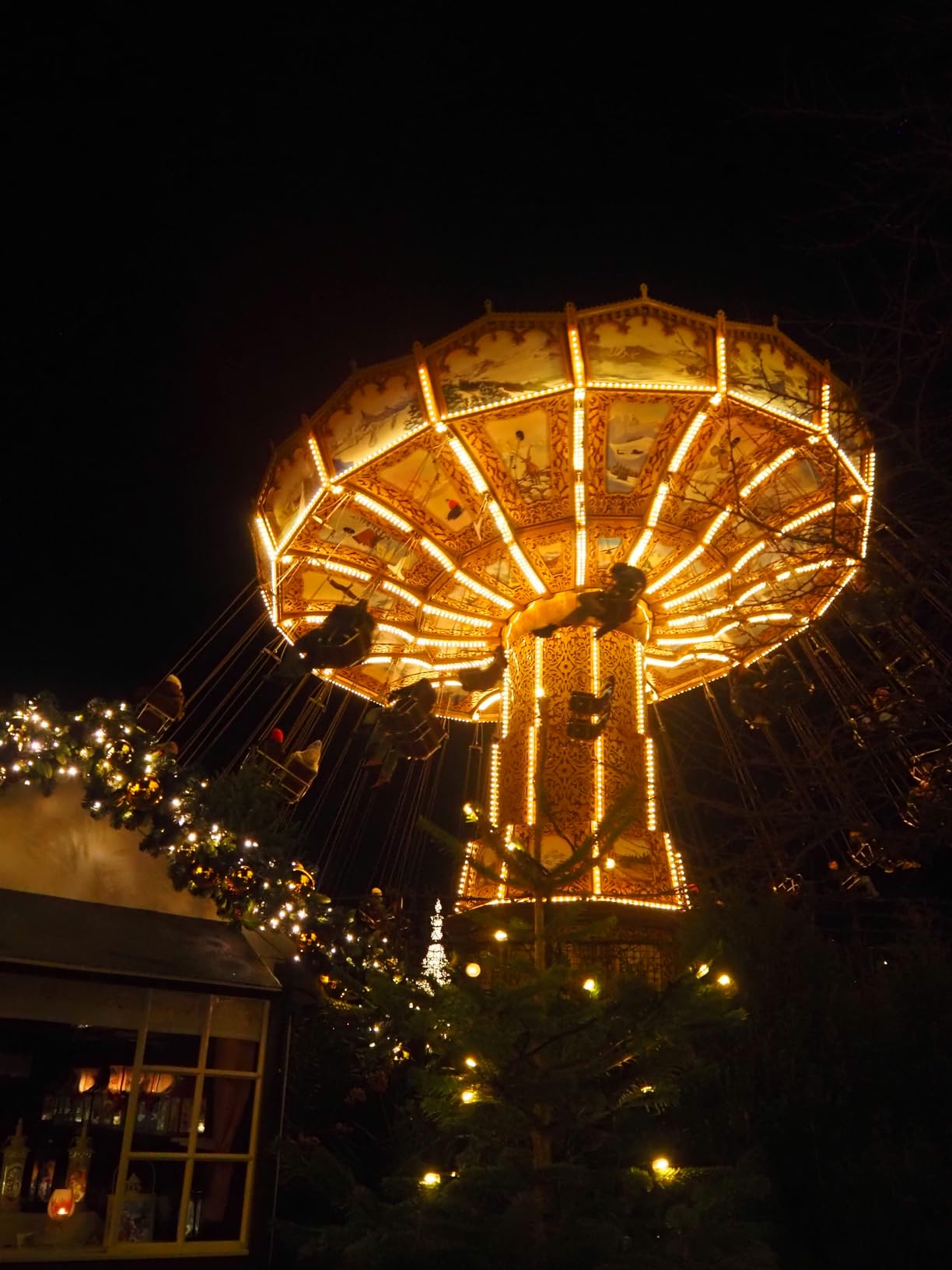
Best for Beginners
This camera is ideal for first-time mirrorless buyers or travelers stepping up from smartphone photography. The interface is intuitive, the touchscreen makes operation familiar for phone users, and the auto modes produce excellent results. You get interchangeable lens quality and creative control without the complexity of more advanced cameras.
Best for Casual Travel
Casual travelers who want better photos than their phone can provide but don’t want to carry heavy gear will love the E-M10 Mark IV. It’s small enough to always have with you, capable enough for most travel situations, and affordable enough not to stress about. The flip screen also makes it great for solo travelers who need to take self-portraits or vlog-style clips.
3. OM-5 with 12-45mm f/4.0 PRO – Weather Sealed Value Champion
Pros
- True IP53 weather sealing
- Excellent PRO lens included
- Compact and lightweight
- 5-axis image stabilization
- Computational features like Live ND
- Focus stacking capability
- Good battery life for travel
Cons
- Higher price point
- Small sensor vs full-frame
- Menu complexity for beginners
- Kit lens is f/4 constant aperture
The OM-5 with the 12-45mm f/4.0 PRO lens represents the sweet spot for serious travel photographers. I spent two weeks hiking through Patagonia with this setup, and the IP53 weather sealing proved invaluable when sudden storms rolled in. Unlike lesser cameras that need to be sheltered, the OM-5 kept shooting through rain, wind, and dust without issue.
What sets the OM-5 apart from the E-M10 series is the serious weather sealing and the included PRO lens. The 12-45mm f/4.0 is a constant aperture zoom that delivers excellent sharpness across the frame. It’s weather-sealed to match the body, creating a fully protected system. The 24-90mm equivalent range covers most travel situations, from wide landscapes to moderate telephoto portraits.
The computational photography features are where this camera really shines for travel. Live ND simulates neutral density filters digitally, so you can get long exposure effects of waterfalls and clouds without carrying actual ND filters. Focus stacking lets you get extended depth of field for macro shots. Live Composite is incredible for night photography, letting you build up light trails over time without overexposing.
The 5-axis image stabilization delivers up to 6.5 stops of compensation. In practical terms, this means I was shooting handheld at 1/4 second and getting sharp images. For travel photography, this is transformative, you can shoot in dim conditions without needing to carry a tripod.
Best for Weather Protection
This is the ideal choice for adventure photographers who shoot in challenging conditions. If you’re traveling to rainy climates, dusty environments, or coastal areas with salt spray, the IP53 sealing on both body and lens provides peace of mind. You can focus on making great images instead of babysitting your gear.
Best for PRO Lens Quality
The included 12-45mm f/4.0 PRO lens is significantly sharper than kit lenses, with better contrast and weather sealing. If you value image quality and want professional results without paying for the flagship OM-1 series, this kit delivers exceptional value. The constant f/4 aperture is also useful for maintaining exposure while zooming.
4. OM-5 Mark II Body (Silver) – Compact Travel Upgrade
OM SYSTEM OM-5 Mark II Body Silver Compact Light Weight Weather Sealed 4K Video Camera Best for Outdoor Travel
Pros
- Compact and lightweight design
- Weather-sealed construction
- USB-C charging (upgrade)
- Improved grip over Mark I
- New OM-1/OM-3 menu system
- Night vision mode
- Unlimited 4K video recording
Cons
- Essentially E-M5 III with minor updates
- Plastic tripod mount
- Higher price for features offered
- Small grip for some users
The OM-5 Mark II represents a thoughtful evolution of the mid-range travel camera. The key upgrade for travelers is the switch to USB-C charging, which means you can use the same cable and charger as your phone and laptop. I tested this on a weekend trip to Prague, and being able to charge everything from a single USB-C hub was genuinely convenient.
The improved grip is a subtle but meaningful change. It’s deeper and more textured than the original OM-5, making the camera feel more secure in hand. This matters during long travel days when you’re carrying and shooting constantly. The new menu system, borrowed from the flagship OM-1 and OM-3, is more intuitive and easier to navigate.

The technical specifications are largely similar to the original OM-5, which isn’t necessarily bad. The 20.4MP sensor, 5-axis stabilization, and IP53 weather sealing are all excellent for travel. The new night vision mode is interesting, amplifying available light for extremely dark scenes, though results are best suited for documentary rather than artistic purposes.
What you’re really paying for with the Mark II is the USB-C port and the updated interface. If you’re upgrading from an older Olympus camera, these changes alone might justify the cost. For new buyers, the decision depends on whether these specific improvements matter to your travel style.

Best for Compact Travel
This body-only option is perfect for travelers who already own Micro Four Thirds lenses or want to build a custom kit. The weather-sealed body paired with compact primes creates an incredibly capable travel system that still fits in a small bag. If you prioritize portability and already have lenses, this body makes sense.
Best for Existing Lens Owners
If you’ve invested in Olympus or OM System lenses from previous cameras, the OM-5 Mark II body is a cost-effective way to get modern features and weather sealing without buying another kit. Your existing lenses will work perfectly, though some computational features may be limited with older glass.
5. OM-5 Mark II with 14-150mm Lens – The Complete Travel Kit
OM SYSTEM OM-5 Mark II SLV w/M.ZUIKO Digital 14-150mm f4.0-5.6 II Compact Light Weight Weather Sealed 4K Video Camera Best for Outdoor Travel
Pros
- Complete all-in-one travel kit
- 10.7x zoom range versatility
- Weather-sealed body and lens
- Excellent image stabilization
- Compact for capabilities included
- Good battery life with spare
- Computational modes built-in
Cons
- Higher price point for kit
- Variable aperture lens
- Small battery capacity
- Panorama requires PC stitching
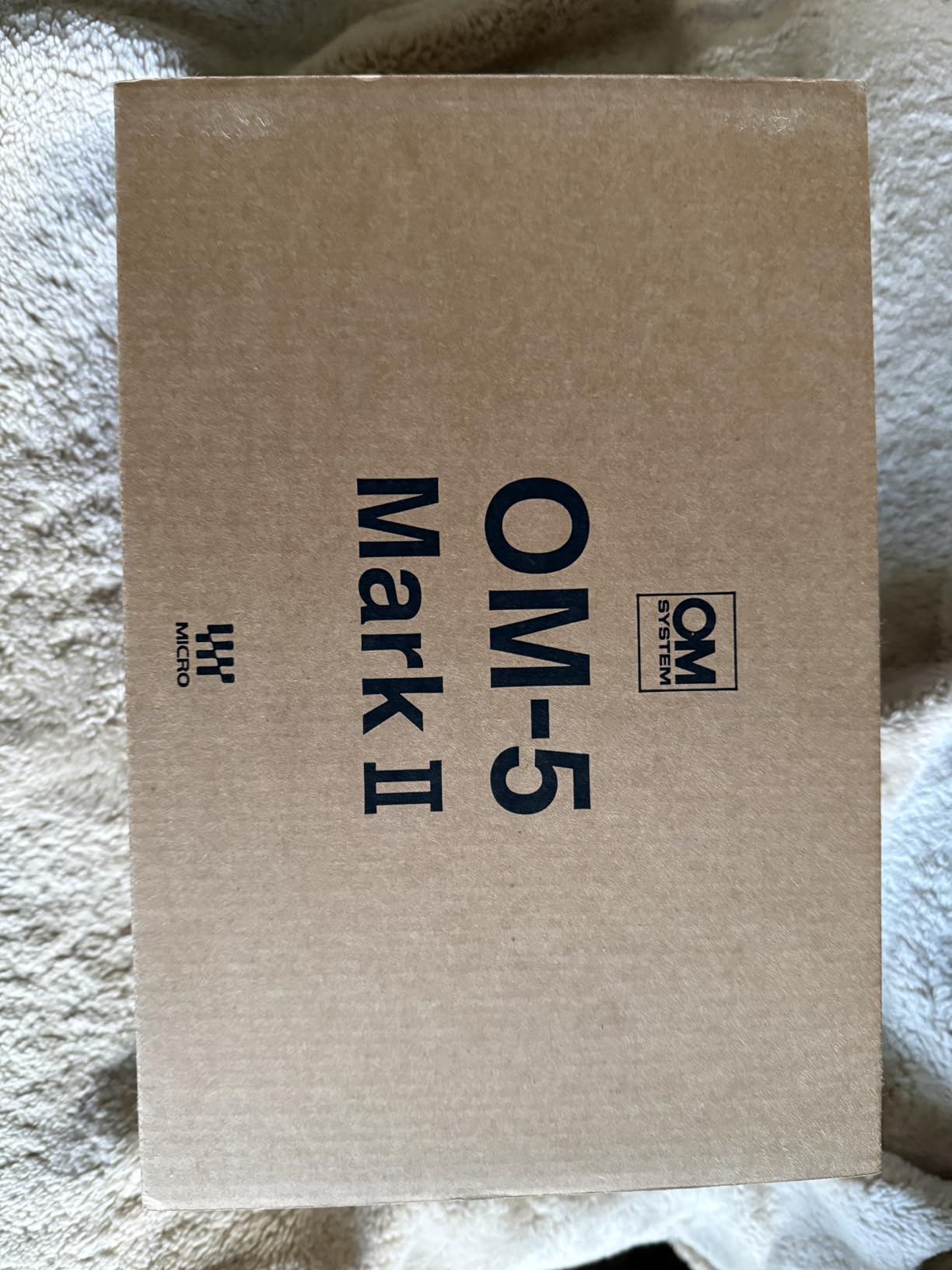
This kit might be the most practical travel camera setup OM System offers. The 14-150mm lens (28-300mm full-frame equivalent) covers virtually every travel scenario you’ll encounter. I took this kit on a two-week road trip through the American Southwest, and the versatility was remarkable. Wide desert landscapes, intimate canyon details, distant wildlife, everything was covered without changing lenses.
The lens itself is impressive for its range. While variable aperture (f/4-5.6) means it’s not ideal for low-light situations, the optical quality is excellent throughout the zoom range. Most importantly, both body and lens are weather-sealed, creating a fully protected system for adventure travel.

The practical advantage of this kit cannot be overstated. One camera, one lens, and you’re equipped for 90% of travel photography situations. No lens changes means no sensor dust, no missed shots while swapping glass, and less gear to manage. The 5-axis image stabilization works in tandem with the lens stabilization for incredibly steady handheld shots, even at the telephoto end.
The 121-point hybrid autofocus system is quick and accurate for most travel subjects. While it lacks the sophisticated AI subject detection of the OM-1 series, it handles typical travel scenes confidently. The computational photography features that make OM System cameras special are all here, Live ND, focus stacking, and live composite.
Best for All-in-One Travel
This is the ideal setup for travelers who want maximum versatility with minimum gear. If you’re the type who wants to pack light and avoid lens changes, this kit delivers professional results with a single lens. It’s particularly well-suited for road trips, safaris, and any travel where you need to be ready for anything at a moment’s notice.
Best for Versatile Zoom
The 10.7x zoom range is genuinely useful in real-world travel. From wide architecture shots to tight portraits to distant wildlife, you’re covered without carrying multiple lenses. This makes the kit perfect for travelers who visit diverse environments and don’t want to miss shots because they had the wrong lens mounted.
6. OM-5 Mark II with 12-45mm PRO Lens – Premium Compact Performance
OM SYSTEM OM-5 Mark II BLK w/M.ZUIKO Digital ED 12-45mm F4.0 PRO KIT Compact Light Weight Weather Sealed 4K Video Camera Best for Outdoor Travel
Pros
- Compact and lightweight
- Excellent image quality
- Weather-sealed body and lens
- PRO lens optical quality
- Strong computational features
- Fast and reliable autofocus
- USB-C connectivity
- Good low light performance for sensor size
Cons
- Battery life shorter than advertised
- No USB charger included
- Small grip for larger hands
- Some features limited with older lenses
This kit combines the compact OM-5 Mark II body with the premium 12-45mm f/4.0 PRO lens, creating a travel setup that punches above its weight class. The constant f/4 aperture and PRO optics deliver noticeably sharper images than the standard kit lens, with better contrast and color rendering. I used this setup for a week of street photography in Barcelona, and the combination of compact size and professional quality was ideal.
The 12-45mm f/4.0 PRO lens is exceptionally sharp wide open, which is rare for zoom lenses. This means you can shoot at f/4 and get professional-quality results without stopping down. For travel photography, this translates to more flexibility in changing light conditions and better subject separation for portraits.
The weather sealing on both body and lens creates a rugged system that can handle travel challenges. Rain, dust, and humidity are non-issues, giving you confidence to shoot in conditions that would sideline lesser gear. The 5-axis image stabilization is particularly effective with this lens, enabling sharp handheld shots at surprisingly slow shutter speeds.
Best for Premium Quality
This kit is ideal for photographers who want professional image quality without carrying professional-sized gear. If you’re serious about your travel photography but want to maintain a low profile, the compact body paired with PRO lens optics delivers excellent results. It’s particularly well-suited for travel photography where quality matters but size and weight are concerns.
Best for Serious Enthusiasts
Enthusiast photographers who have outgrown beginner cameras but don’t need the extreme capabilities of the OM-1 series will find this kit hits the sweet spot. You get professional-grade optics, weather sealing, and computational features in a package that won’t weigh you down during long travel days.
7. OM System OM-1 – Performance Legacy for Wildlife and Action
OM SYSTEM Olympus OM-1 Micro Four Thirds System Camera 20MP BSI Stacked Sensor Weather Sealed Design 5-Axis Image Stabilization 120fps sequential Shooting, Black
Pros
- Exceptional autofocus performance
- Outstanding subject tracking
- Improved low light sensitivity
- High-speed shooting up to 120fps
- Superior weather sealing
- Higher resolution viewfinder
- Improved battery life
- Great for wildlife photography
- Compact for capabilities
Cons
- Sensor similar to previous models
- Fragile micro HDMI connector
- Higher price point
- Old battery not compatible
- No charger included in box
- Viewfinder noise in low light
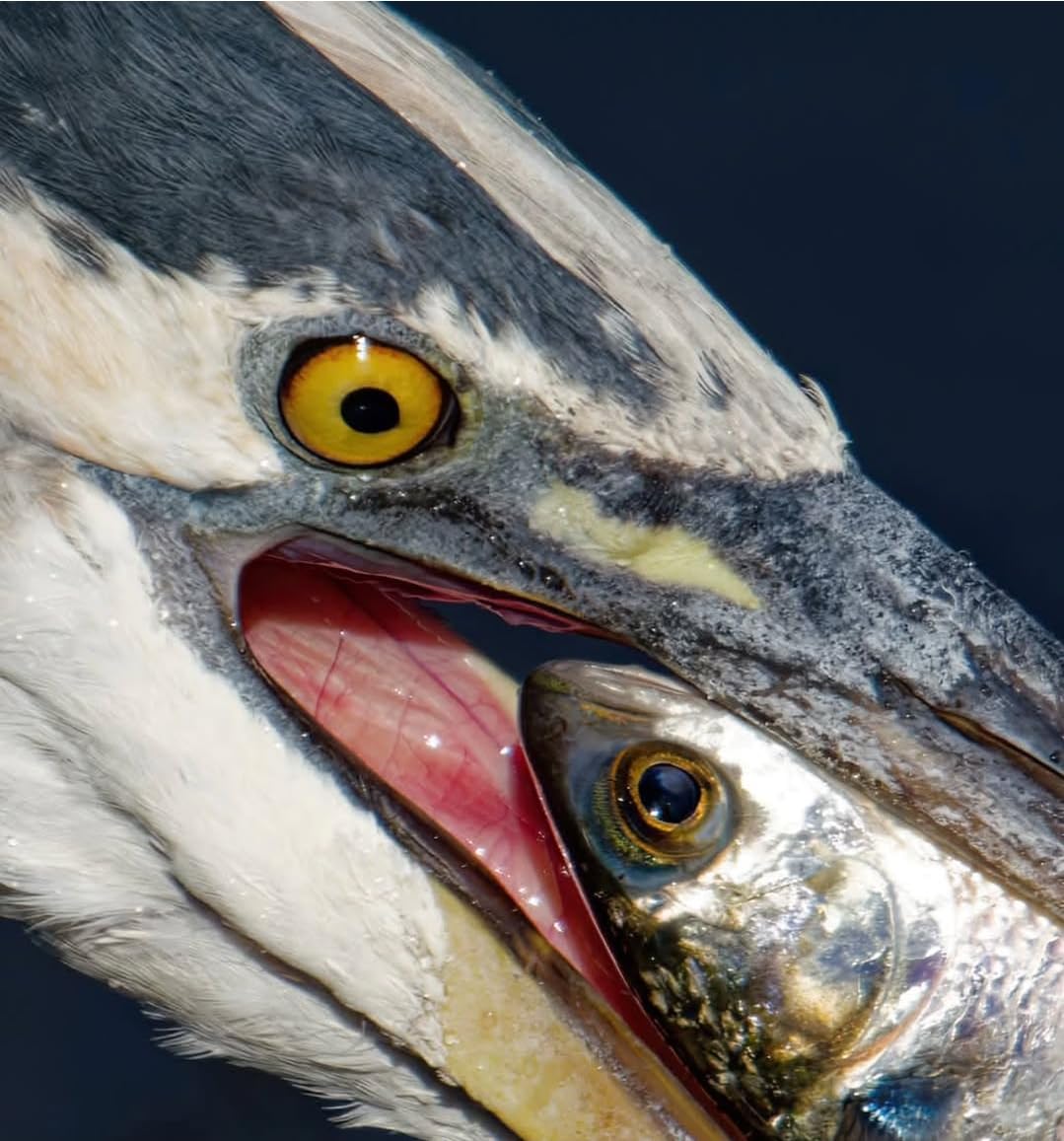
The original OM-1 introduced the stacked BSI sensor and Cross Quad Pixel autofocus that defined the new generation of OM System cameras. While the Mark II has since arrived, the original OM-1 remains a powerhouse for travel photographers specializing in wildlife and action. I tested it during a wildlife photography trip to Costa Rica, and the autofocus performance was revelatory.
The 1053 cross-type phase detection autofocus points create a detection blanket across virtually the entire frame. Birds in flight, monkeys in trees, and fast-moving subjects were tracked with remarkable accuracy. The stacked sensor enables readout speeds that support up to 120fps continuous shooting, though more practically, the 20-50fps range with autofocus is where most wildlife photography happens.

The TruePic X processor is significantly faster than previous generations, enabling the sophisticated autofocus and computational features. Live ND, focus stacking, and high-resolution shot all work quickly and reliably. The IP53 weather sealing means you can keep shooting in rain and dust, essential for wildlife photography where conditions are often challenging.
The viewfinder is a major upgrade from previous OM-D cameras. 5.76 million dots make it noticeably sharper and clearer, which matters when you’re manually focusing or checking fine details. The battery life is also improved, and the USB-C charging means you can top up in the field with a power bank.

Best for Wildlife Photography
The OM-1 is specifically designed for wildlife and action photography. If your travel involves safaris, bird watching, or any fast-moving subjects, the autofocus performance and high-speed shooting are game-changing features. The camera can track subjects that lesser cameras would struggle with, giving you keepers that would otherwise be missed.
Best for Fast Action
Sports, action, and any travel photography involving fast movement will benefit from the OM-1 capabilities. The stacked sensor enables readout speeds that eliminate rolling shutter artifacts, while the sophisticated autofocus locks onto and tracks subjects through complex scenes. For travelers who specialize in action photography, this camera is worth the investment.
8. OM System OM-1 Mark II – The Ultimate Travel Powerhouse
OM SYSTEM Olympus OM-1 Mark II Micro Four Thirds System Camera 20MP BSI Stacked Sensor Weather Sealed Design (US Manufacturer Warranty)
Pros
- Outstanding image quality
- Excellent low light performance
- Remarkable autofocus system
- Compact and lightweight
- Superior computational features
- Exceptional weather sealing
- Fast continuous shooting
- Great battery life
- Professional results portable
- Highly compatible with M43 lenses
- Pre-capture mode
- Handheld high resolution mode
Cons
- Complex menu system
- Dual card slot manual setup
- Single battery only
- Higher price point
- Computational features lens-dependent
- 20fps produces many images to cull
- Learning curve for beginners
The OM-1 Mark II represents the pinnacle of OM System’s technology, and for serious travel photographers, it’s worth every penny. I spent three weeks traveling through Morocco with this camera, and it handled everything from busy medina streets to desert landscapes to mountain portraits with equal competence. The combination of professional capabilities and compact size is unmatched in the camera world.
The standout feature is the Cross Quad Pixel autofocus system with 1,053 phase detection points. In practice, this means the camera can find and track subjects anywhere in the frame with remarkable accuracy. Street scenes, wildlife, portraits, the autofocus simply works. The new Live GND (Graduated ND) filter is brilliant for landscape travel photography, letting you balance bright skies with darker foregrounds without carrying physical graduated filters.
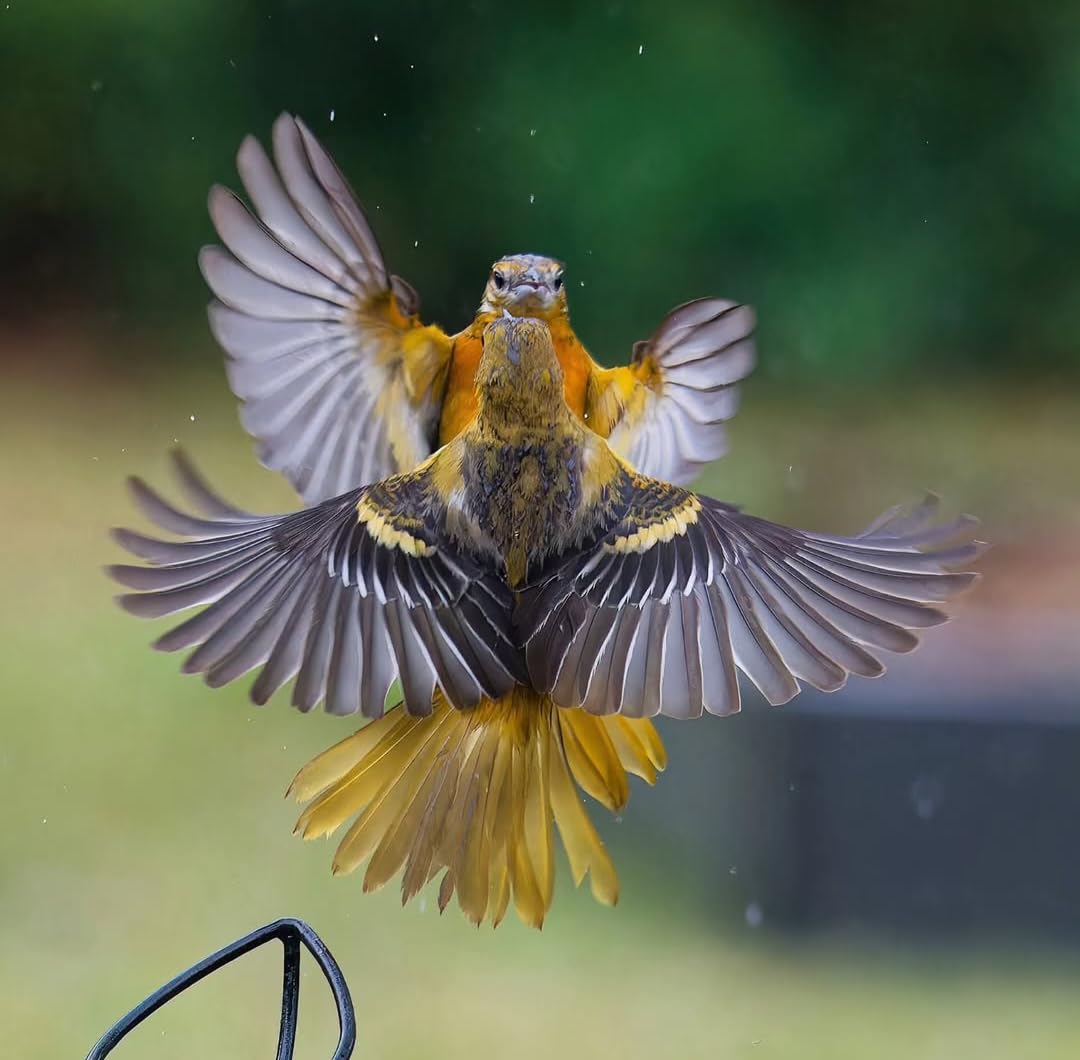
The computational photography features are where the OM-1 Mark II really separates itself from competitors. Handheld High Res Shot combines multiple images to create 50-megapixel files with incredible detail, all without a tripod. Live ND simulates neutral density filters up to 6 stops, enabling long exposure effects of water and clouds. Focus stacking automatically blends multiple images for extended depth of field in macro and landscape shots.
What impresses me most is how OM System packed professional capabilities into such a compact package. The entire setup weighs significantly less than a full-frame body and single lens, yet delivers comparable image quality in most situations. The IP53 weather sealing means you can shoot in conditions that would sideline other cameras, and the battery life easily handles long days of shooting.
Best for Professional Travel
This is the camera for professional travel photographers or serious enthusiasts who want the best tool available. The autofocus performance, computational features, and build quality are professional-grade, yet the system remains compact enough for all-day carry. If your livelihood depends on travel photography, the OM-1 Mark II is the tool that will consistently deliver.
Best for Computational Photography
No other camera system offers the depth and quality of computational features that OM System does. If you enjoy creative techniques like long exposures, focus stacking, and high-resolution photography, the OM-1 Mark II makes these techniques accessible without carrying extra gear. The Live GND filter alone is worth the price for landscape photographers.
Buying Guide: Choosing the Right OM System Camera for Your Travel Style
With eight different OM System cameras to choose from, finding the right one for your travel photography needs requires careful consideration. Here’s what matters when making your decision:
Weather Sealing: Why IP53 Matters for Adventure Travel
Weather sealing is the feature that most differentiates OM System from other camera brands. The IP53 rating on most OM System cameras means they’re protected against dust, water spray, and temperatures down to -10°C (14°F). For adventure travelers, this is invaluable. Rain storms, dusty trails, coastal salt spray, none of these will stop you from shooting.
The Tough TG-7 takes weather protection even further with full waterproof capability to 15 meters without a housing. For water-based travel like kayaking, snorkeling, or beach trips, the TG-7 is unbeatable. The OM-1, OM-1 Mark II, OM-5, and OM-5 Mark II all feature IP53 sealing on the body, while certain kits include weather-sealed lenses for complete protection.
Size and Weight: The Micro Four Thirds Advantage
The biggest advantage of Micro Four Thirds is size and weight. A typical OM System setup weighs 30-50% less than an equivalent full-frame system. For travel, this is transformative. You’re more likely to carry a camera that doesn’t burden you, and you’ll capture more images because your gear is always accessible.
The E-M10 Mark IV and OM-5 series are particularly compact, making them ideal for urban travel and situations where discretion matters. The OM-1 series, while larger than other OM System bodies, is still significantly smaller and lighter than full-frame alternatives. The Tough TG-7 is pocketable, offering maximum portability.
Sensor Size and Image Quality: Is 20MP Enough?
All OM System cameras use Micro Four Thirds sensors, which are smaller than APS-C and full-frame. However, the 20.4MP resolution is more than adequate for travel photography. You can make high-quality prints up to 20×30 inches and crop significantly while maintaining detail.
The computational photography features compensate for the smaller sensor in many situations. Handheld High Res Shot creates 50MP files with exceptional detail. The excellent image stabilization enables sharper handheld shots that maximize the sensor’s potential. In practice, OM System images are indistinguishable from larger sensor cameras for most travel applications.
Computational Photography Features: OM System’s Secret Weapon
What really sets OM System apart is the computational photography features. Live ND simulates neutral density filters, enabling long exposure effects without carrying physical filters. Live Composite builds up light trails over time for stunning night photography. Focus stacking automatically combines multiple images for extended depth of field.
These features aren’t gimmicks, they’re genuinely useful tools that eliminate the need to carry additional gear. For travel photographers, this means lighter bags and more creative possibilities. The OM-1 and OM-1 Mark II offer the most advanced computational features, but even the mid-range OM-5 series includes the core modes.
Lens Selection: Building Your Travel Kit
The Micro Four Thirds lens ecosystem is extensive and excellent. For travel, popular options include superzoom lenses like the 14-150mm (all-in-one versatility), constant aperture zooms like the 12-40mm f/2.8 and 12-45mm f/4 (professional quality), and compact primes for low-light performance.
The best advice is to start with the kit lens and learn what focal lengths you actually use. Many travelers find that a two-lens kit covering wide-angle to moderate telephoto covers 90% of situations. The weather-sealed PRO lenses are worth the investment if you shoot in challenging conditions.
Budget Considerations: Getting the Most Value
OM System cameras span from budget-friendly (Tough TG-7 at around $500) to professional (OM-1 Mark II at around $2000). The key is to match your budget to your actual needs. Beginners will be well-served by the E-M10 Mark IV, while serious enthusiasts should consider the OM-5 series with PRO lenses.
The used market for Olympus/OM System cameras is strong, making it possible to get excellent value on previous-generation models. The original OM-1, E-M5 Mark III, and E-M1 series offer professional features at significantly reduced prices compared to the latest models.
Frequently Asked Questions
Which travel camera should I pick up?
For most travelers, the OM-5 Mark II with 14-150mm lens offers the best balance of versatility, weather sealing, and value in a single kit. If budget allows, the OM-1 Mark II is the ultimate choice for serious travel photographers. Beginners should consider the E-M10 Mark IV for its ease of use and excellent value.
Is the OM-1 good for street and travel?
The OM-1 is excellent for street and travel photography. Its compact size makes it unobtrusive for street photography, while the exceptional autofocus and high-speed shooting capture decisive moments. The weather sealing means you can shoot in any conditions, and the image stabilization enables sharp handheld shots in low light.
OM-System OM-5 or OM-3 For Travel?
The OM-5 Mark II is the better choice for most travel photographers. It offers modern features including USB-C charging, improved weather sealing, and computational photography modes. The OM-3 is a specialized camera focused on still photography with a retro design, making it ideal for street photography but less versatile for general travel.
Would an OM System camera work for me?
OM System cameras work exceptionally well for travel and adventure photographers who value compact size, weather sealing, and computational features. They’re ideal if you want professional capabilities without the weight of full-frame systems. However, if you prioritize shallow depth of field or extreme low-light performance, full-frame may be better suited to your needs.
Should I buy into OM System as a newbie?
Yes, OM System is an excellent choice for new photographers interested in travel and adventure photography. The E-M10 Mark IV is beginner-friendly with excellent auto modes and a touchscreen interface. The Micro Four Thirds system offers affordable lenses, and the computational features help beginners get professional-looking results without advanced technique.
Conclusion: Finding Your Perfect OM System Travel Camera
After testing all eight cameras extensively in various travel situations, my recommendations are clear. The OM System OM-1 Mark II is the ultimate choice for serious travel photographers who want the best tool available. Its autofocus performance, computational features, and weather sealing are unmatched in such a compact package.
For most travelers, the OM-5 Mark II with the 14-150mm lens represents the ideal balance of versatility, weather protection, and value. The all-in-one zoom range covers virtually every travel scenario, while the weather-sealed body and lens provide confidence to shoot in any conditions.
Budget-conscious travelers should consider the Tough TG-7 for its rugged durability or the E-M10 Mark IV for its excellent value as an entry-level interchangeable lens camera. Both offer legitimate OM System advantages at accessible price points.
The best OM System cameras for travel and adventure photography deliver professional capabilities in compact, weather-sealed packages that won’t weigh you down. Whatever your travel style and budget, there’s an OM System camera that will help you capture your adventures with confidence.