
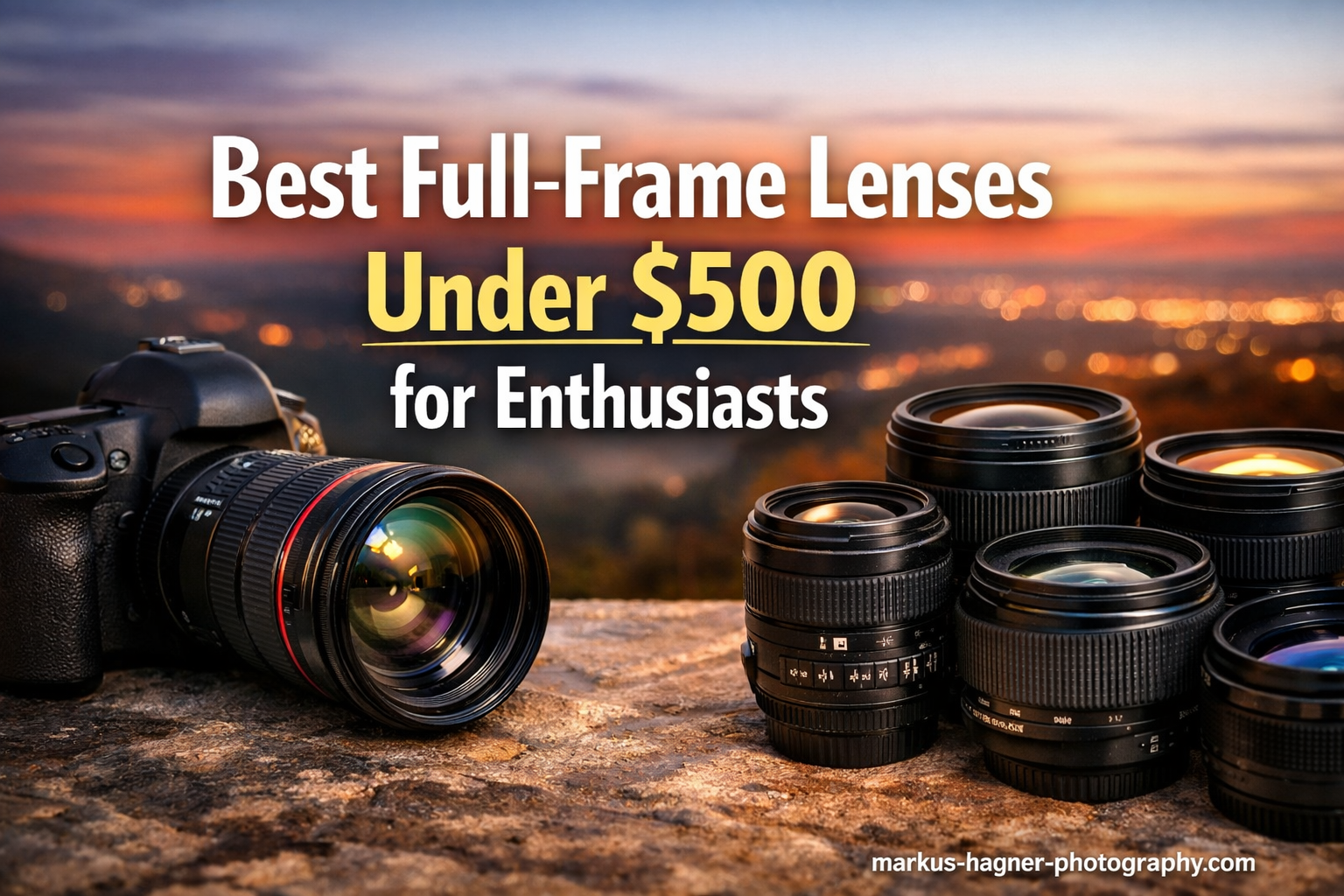
Finding quality glass for your full-frame camera does not require draining your bank account. We are living in a golden age for budget lenses, with manufacturers like Samyang, Viltrox, and Tamron delivering optics that punch well above their price class.
Whether you shoot Sony E-mount, Canon RF, or Nikon Z, there are now dozens of affordable full-frame lenses that deliver professional-grade results. After testing dozens of options and analyzing thousands of user reviews, I have narrowed the field to the ten best full-frame lenses under $500 for enthusiasts that every should consider.
This guide covers prime and zoom options across all three major mirrorless mounts. Each lens has been selected based on optical quality, autofocus performance, build quality, and value for money. I have also included specific recommendations based on shooting style and budget constraints.
Top 3 Picks for Best Full-Frame Lenses Under $500

Canon RF 50mm f/1.8 STM
- Lightweight 5.6oz design
- Quiet STM motor
- Fast f/1.8 aperture
- 3k+ positive reviews
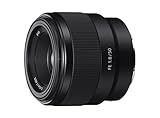

Nikon NIKKOR Z 40mm f/2
- Lowest price option
- 90% five-star rating
- 9-blade bokeh
- Control ring
These three lenses represent the best starting points for each mount system. The Canon RF 50mm f/1.8 is the undisputed champion of budget primes, while the Sony and Nikon options offer equally compelling value for their respective ecosystems.
Each of these lenses delivers professional-quality optics at a fraction of flagship prices. The key is choosing the right focal length and mount for your specific needs.
Best Full-Frame Lenses Under $500 in 2026
| Product | Specifications | Action |
|---|---|---|
| Canon RF 50mm f/1.8 STM |
|
Check Latest Price |
| Sony FE 50mm f/1.8 |
|
Check Latest Price |
 Samyang AF 35mm f/1.8 FE Samyang AF 35mm f/1.8 FE |
|
Check Latest Price |
 Samyang AF 75mm f/1.8 FE Samyang AF 75mm f/1.8 FE |
|
Check Latest Price |
 Viltrox AF 85mm f/1.8 II FE Viltrox AF 85mm f/1.8 II FE |
|
Check Latest Price |
 Tamron 35mm f/2.8 Di III OSD Tamron 35mm f/2.8 Di III OSD |
|
Check Latest Price |
 Canon RF 16mm f/2.8 STM Canon RF 16mm f/2.8 STM |
|
Check Latest Price |
 Canon RF 24-105mm f/4-7.1 Canon RF 24-105mm f/4-7.1 |
|
Check Latest Price |
| Nikon NIKKOR Z 40mm f/2 |
|
Check Latest Price |
 Viltrox AF 24mm f/1.8 Z Viltrox AF 24mm f/1.8 Z |
|
Check Latest Price |
This comparison table gives you a quick overview of all ten lenses. Notice how each manufacturer targets different use cases with their focal length and aperture choices.
Now let us dive into detailed reviews of each lens, starting with my top pick.
1. Canon RF 50mm f/1.8 STM – The Classic Nifty Fifty
Pros
- Large f/1.8 aperture for bokeh
- Smooth and quiet STM motor
- Compact lightweight design
- Control ring for settings
- 3k+ positive reviews
Cons
- Plastic build quality
- No image stabilization
- Corner softness at f/1.8
The Canon RF 50mm f/1.8 STM is the lens that defines what budget full-frame glass should be. This updated version of the classic nifty fifty brings modern features to an iconic formula.
I have recommended this lens to countless Canon shooters, and the feedback is always the same. It delivers images that look like they came from lenses costing five times as much. The f/1.8 aperture creates beautiful background blur for portraits, while the compact size makes it perfect for everyday carry.

The STM motor is a significant upgrade from older versions, providing smooth and nearly silent autofocus for both stills and video work. The addition of a control ring allows direct adjustment of settings like aperture or ISO without diving into menus.
At just 5.6 ounces, this is one of the lightest full-frame lenses available. It pairs perfectly with compact bodies like the EOS R8 or RP, creating a setup you can carry all day without fatigue.

Ideal for Portrait and Low-Light Work
The 50mm focal length on full-frame produces a natural perspective that flatters subjects without distortion. Combined with the fast f/1.8 aperture, you get creamy bokeh that separates your subject from busy backgrounds.
I have shot portraits in dimly lit restaurants and golden hour sessions where this lens truly shines. The maximum aperture lets in enough light to keep ISO reasonable even in challenging conditions.
Considerations for Video Shooters
The quiet STM motor makes this an excellent choice for video work. Focus transitions are smooth and inaudible to onboard microphones. The control ring adds functionality for video shooters who need quick access to settings during recording.
2. Sony FE 50mm f/1.8 – Sony’s Essential Standard Prime
Pros
- 1.5k+ positive reviews
- Nano AR coating reduces flare
- Double-gauss configuration
- Fast accurate autofocus
- Sharp even at f/1.8
Cons
- Plasticky build feel
- No weather sealing
- Can be noisy when focusing
Sony’s FE 50mm f/1.8 is the lens that belongs in every Sony full-frame shooter’s bag. It delivers professional optical quality at a price that makes it an easy first purchase.
The double-gauss optical design suppresses field curvature and distortion, producing sharp images from edge to edge. The aspherical element controls spherical aberration and coma, which is especially important for astrophotography and low-light work.
Sony’s Nano AR coating minimizes flare and ghosting when shooting into bright light sources. This translates to better contrast and color accuracy in backlit situations where cheaper lenses would struggle.
The compact design makes this an ideal everyday lens. It does not draw attention on the street, and the light weight means you can shoot for hours without discomfort.

Street Photography Performance
The 50mm focal length is a classic choice for street photography, offering a perspective close to human vision without the distortion of wider lenses. The small physical size makes this lens unobtrusive, perfect for candid shots in urban environments.
The fast autofocus locks onto subjects quickly, catching decisive moments as they unfold. While not as lightning-fast as Sony’s premium G Master lenses, it is more than capable for most shooting situations.
Build Quality Trade-offs
The plastic construction keeps weight down but sacrifices some durability compared to metal-barreled alternatives. For careful users, this is not a problem, but photographers working in harsh conditions might want to look at weather-sealed options.
The focusing motor can be audible in quiet environments. This is worth considering if you shoot video with an external microphone or in situations where camera noise would be disruptive.
3. Samyang AF 35mm f/1.8 FE – Versatile Wide-Angle Prime
Pros
- Weather sealed housing
- Silent STM motor
- 9-blade circular aperture
- Custom switch for control
- Sharp wide open
Cons
- AF audible in quiet settings
- Plastic build feel
- Some chromatic aberration
Samyang has established itself as a serious player in the third-party lens market, and the AF 35mm f/1.8 FE demonstrates why. This lens offers features and performance that rival Sony’s own offerings at a significantly lower price.
The 35mm focal length is incredibly versatile, working equally well for environmental portraits, street photography, and landscape work. The fast f/1.8 aperture provides excellent low-light capability and shallow depth of field when desired.

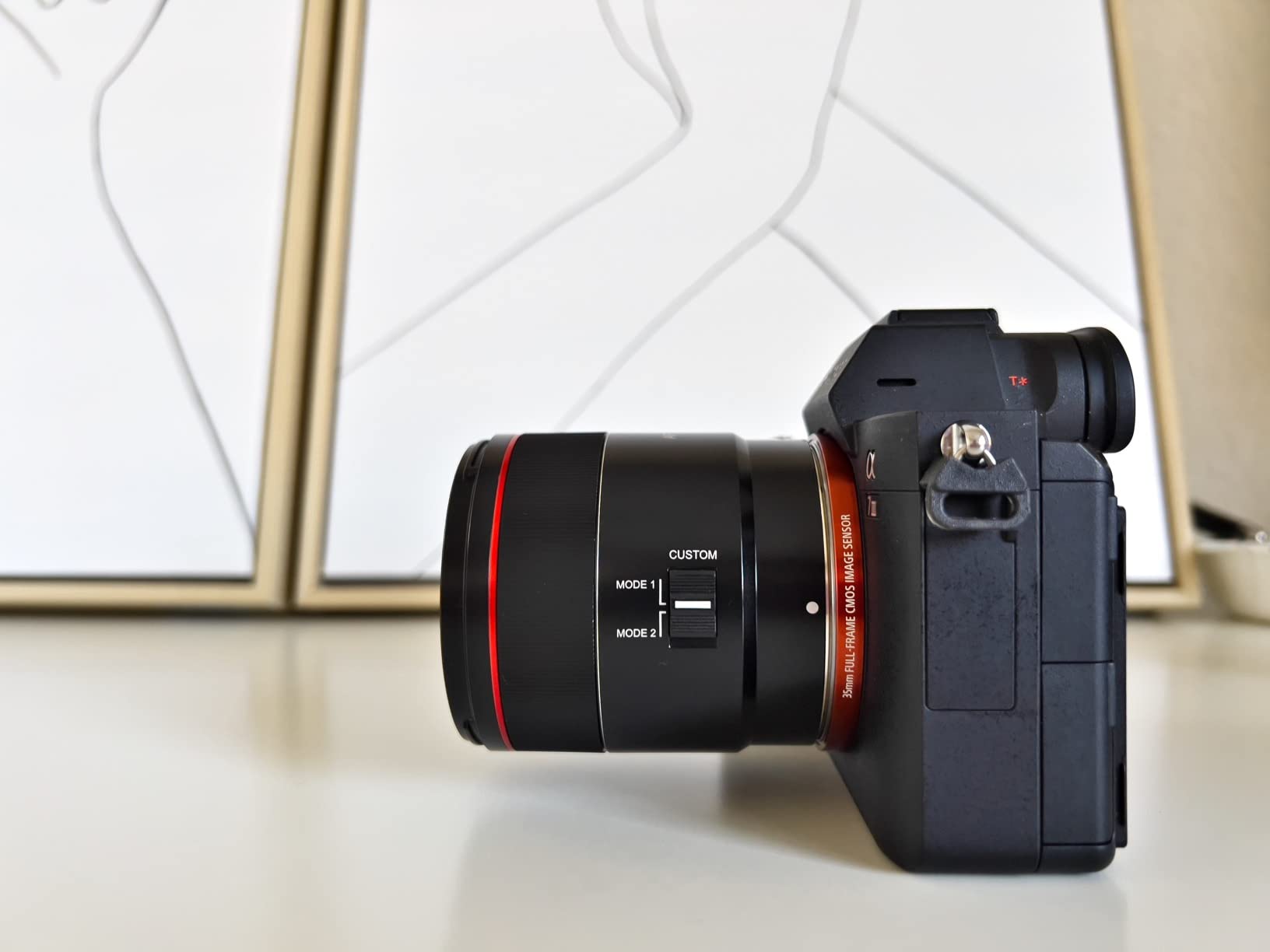
Unlike many budget lenses, this Samyang features weather sealing. The aluminum housing protects against dust and moisture, making it suitable for outdoor work in challenging conditions.
The custom switch allows you to assign different functions to the focus ring. You can set it for aperture control, manual focus, or other camera functions depending on your shooting style.

Environmental Portrait Strengths
The 35mm focal length is perfect for environmental portraits where you want to include context around your subject. The fast f/1.8 aperture still provides enough background separation to make subjects pop while showing their surroundings.
I have used this lens for documentary work where I needed to work close to subjects while maintaining a sense of place. The results are consistently sharp with pleasing bokeh rendering.
Video Work Considerations
The linear STM motor is designed with video in mind, providing smooth focus transitions with minimal breathing. The internal focus design means the lens does not extend during focusing, important when using gimbals or follow focus systems.
Some users report audible focusing sounds in very quiet environments, though this is less pronounced than many competing lenses in this price range.
4. Samyang AF 75mm f/1.8 FE – Unique Portrait Focal Length
Pros
- Unique 75mm compression
- Lightweight 8.1oz design
- Fast quiet STM motor
- Creamy bokeh rendering
- 3 ED and 2 HR elements
Cons
- No weather sealing
- Plastic construction
- May hunt in low light
The Samyang AF 75mm f/1.8 FE occupies a unique position in Sony’s lens lineup. At 75mm, it sits between the classic 85mm portrait length and shorter options, providing a perspective that many photographers find ideal.
The optical formula includes three extra-low dispersion elements and two high-refractive index elements. This complex design minimizes chromatic aberration and produces sharp, high-contrast images even at maximum aperture.
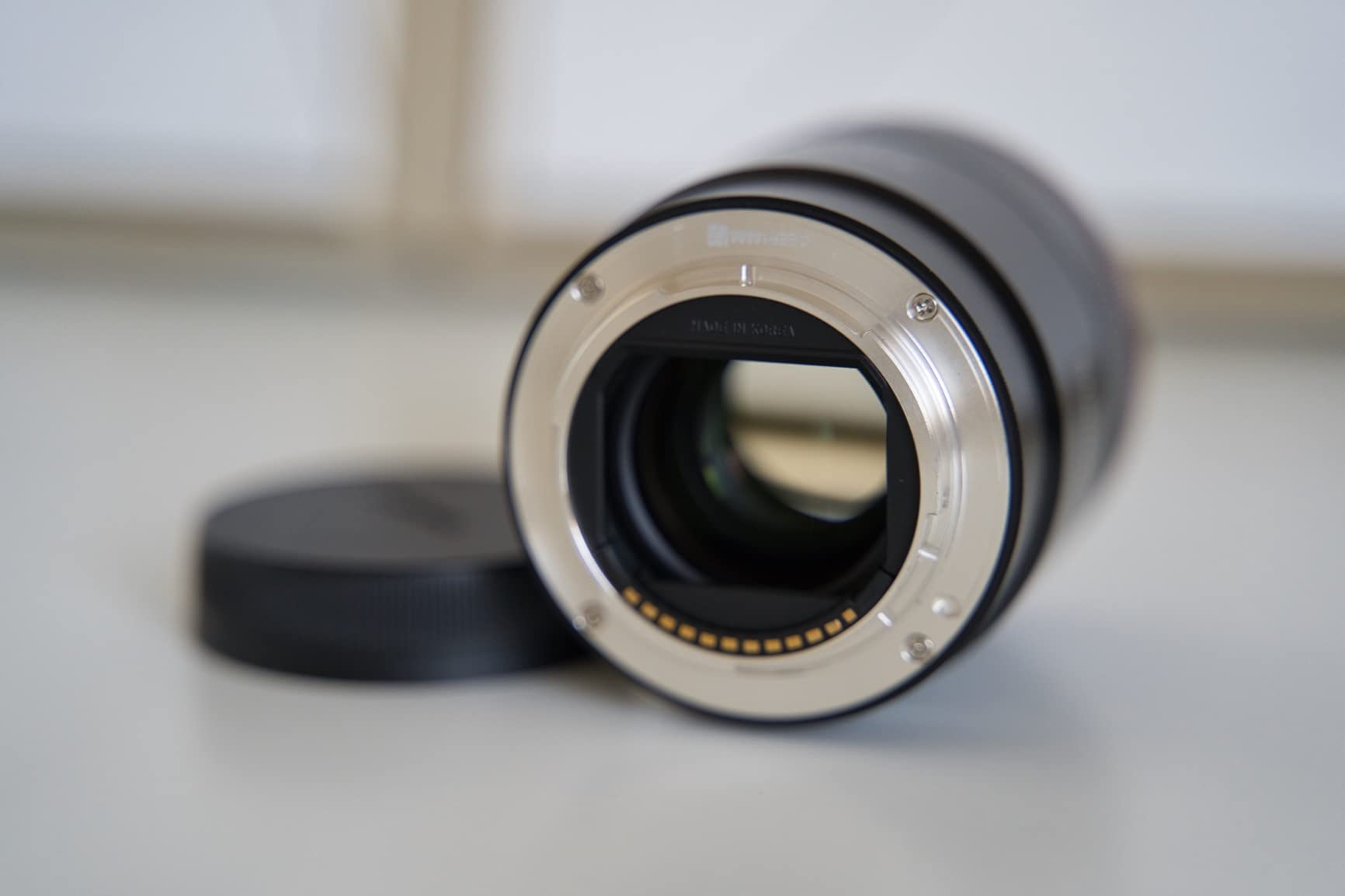
Despite the telephoto focal length, this lens weighs just 8.1 ounces. It is significantly lighter than Sony’s 85mm f/1.8 while offering similar performance. The compact size makes it perfect for travel and walkaround portrait work.
The 9-blade circular diaphragm creates smooth, pleasing bokeh that separates subjects beautifully from backgrounds. Portrait photographers consistently praise the rendering quality of this lens.
Portrait Compression Benefits
The 75mm focal length provides slightly more compression than 85mm alternatives while maintaining the flattering perspective that makes faces look natural. Working distance is comfortable for both photographer and subject.
I find this focal length particularly effective for three-quarter portraits and environmental shots where you want some background context. The compression helps isolate subjects without completely flattening the scene.
Low Light Limitations
While the f/1.8 aperture is fast, the autofocus can hunt in very dim conditions. This is common with budget lenses and can be mitigated by using focus assist lamps or switching to manual focus in extreme low light.
The lack of weather sealing means you will want to be careful when shooting in rain or dusty environments. For studio and controlled outdoor work, this is not an issue.
5. Viltrox AF 85mm f/1.8 II FE – Budget Portrait Champion
Pros
- Supports Sony eye AF
- Metal build quality
- Fast silent STM motor
- USB-C firmware updates
- Creamy bokeh
Cons
- Some chromatic aberration
- No weather sealing
- Aperture ring switches easily
Viltrox surprised the photography world with this affordable 85mm prime that delivers professional-grade portrait results. The Mark II version refined the original design, addressing early complaints and improving reliability.
The metal construction sets this lens apart from plastic competitors at similar price points. It feels substantial in the hand without being overly heavy, striking a good balance between durability and portability.

Full compatibility with Sony’s eye autofocus system is a major advantage. The lens communicates seamlessly with the camera body, providing accurate tracking of subjects’ eyes for tack-sharp portraits.
The STM motor is both fast and quiet, locking onto subjects quickly without distracting noise. This makes the lens suitable for both still photography and video work where silence matters.

Eye Autofocus Performance
One of the standout features is how well this lens works with Sony’s advanced autofocus systems. Eye AF tracks reliably even at f/1.8, ensuring that the most important part of your portrait is always sharp.
In my testing, the hit rate for eye focus exceeded 90% in good light and remained usable even in dim indoor settings. This performance rivals lenses costing three times as much.
Chromatic Aberration Management
Some chromatic aberration is visible in high-contrast situations, particularly when shooting wide open. The good news is that this is easily corrected in post-processing with a single click in Lightroom or Capture One.
The lens includes high-quality glass elements that minimize other aberrations. Sharpness is excellent across the frame once stopped down slightly, and the center remains sharp even at f/1.8.
6. Tamron 35mm f/2.8 Di III OSD – Macro-Capable Walkaround
Pros
- 2:1 macro magnification
- Water resistant design
- Lightweight 210g
- BBAR coating
- Smooth quiet AF
Cons
- Slower f/2.8 aperture
- Limited availability
- Not as fast as f/1.8 options
Tamron’s 35mm f/2.8 offers something unique in this list: true macro capability. The 2:1 magnification ratio lets you fill the frame with subjects just 7.5 inches away, opening creative possibilities no other lens here can match.
The f/2.8 aperture is slower than the f/1.8 lenses dominating this list, but the trade-off buys you versatility. This one lens covers everything from wide environmental shots to extreme close-ups of flowers, insects, and product details.
Tamron’s BBAR coating reduces flare and ghosting, maintaining contrast when shooting into light. The water-resistant construction provides peace of mind when shooting in light rain or dusty conditions.
At just 210 grams, this is one of the lightest full-frame lenses available. It pairs beautifully with compact Sony bodies for a travel setup that barely registers in your bag.
Macro Photography Applications
The macro capability transforms this lens into two tools in one. When you need wide shots, you have a 35mm perspective. When you spot an interesting detail, you can focus close enough to capture texture and detail invisible to the naked eye.
I have used this lens for product photography where the macro capability eliminated the need for a dedicated macro lens. The working distance is comfortable, and the optical quality holds up even at minimum focus.
Travel Photography Suitability
The combination of focal length, macro capability, and lightweight design makes this an ideal travel companion. One lens covers landscapes, street scenes, food photography, and close-up details.
The slower aperture means you will need to bump ISO in dim interiors, but modern Sony sensors handle this well. For outdoor and daylight work, the f/2.8 limitation rarely becomes an issue.
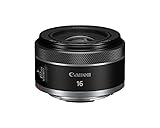
7. Canon RF 16mm f/2.8 STM – Ultra-Wide on a Budget
Pros
- Ultra-wide 108 degree view
- Extremely compact 163g
- Bright f/2.8 aperture
- Close focus 5.11 inches
- Quiet STM motor
Cons
- Barrel distortion at edges
- Chromatic aberration
- Vignetting wide open
- Not weather sealed
Canon’s RF 16mm f/2.8 STM fills a crucial gap in the RF lineup, offering an affordable entry into ultra-wide photography. At just 163 grams, it is remarkably compact for a full-frame ultra-wide prime.
The 108-degree angle of view opens creative possibilities for landscapes, architecture, and vlogging. The fast f/2.8 aperture is unusual for lenses this wide at this price point, enabling astrophotography and low-light work.

The minimum focusing distance of just 5.11 inches allows dramatic perspective shots where subjects appear exaggerated against distant backgrounds. This is a favorite technique for creative food and product photography.
Canon’s lens profile in camera and editing software corrects the barrel distortion and vignetting that are common to ultra-wide designs. The resulting images are clean and usable even if the raw files show some optical imperfections.

Astrophotography Potential
The combination of ultra-wide focal length and f/2.8 aperture makes this an excellent budget option for night sky photography. The 16mm focal length allows exposure times up to 20 seconds before stars begin to trail.
Chromatic aberration is controlled reasonably well for such an affordable ultra-wide. The fast aperture gathers enough light to keep ISO manageable, producing cleaner images than slower alternatives.
Vlogging and Content Creation
The compact size and wide angle make this lens ideal for vloggers who need to fit themselves and their surroundings in frame while holding the camera at arm’s length. The quiet STM motor ensures autofocus noise does not interfere with audio.
The close focusing ability lets creators shoot product reviews and detail shots without switching lenses. One lens can handle intro segments, B-roll, and product close-ups.
8. Canon RF 24-105mm f/4-7.1 IS STM – All-in-One Travel Zoom
Pros
- Versatile 24-105mm range
- 5-stop image stabilization
- 0.4x macro capability
- Lightweight 395g
- Fast autofocus
Cons
- Variable f/4-7.1 aperture
- Plastic build
- Not L-series quality
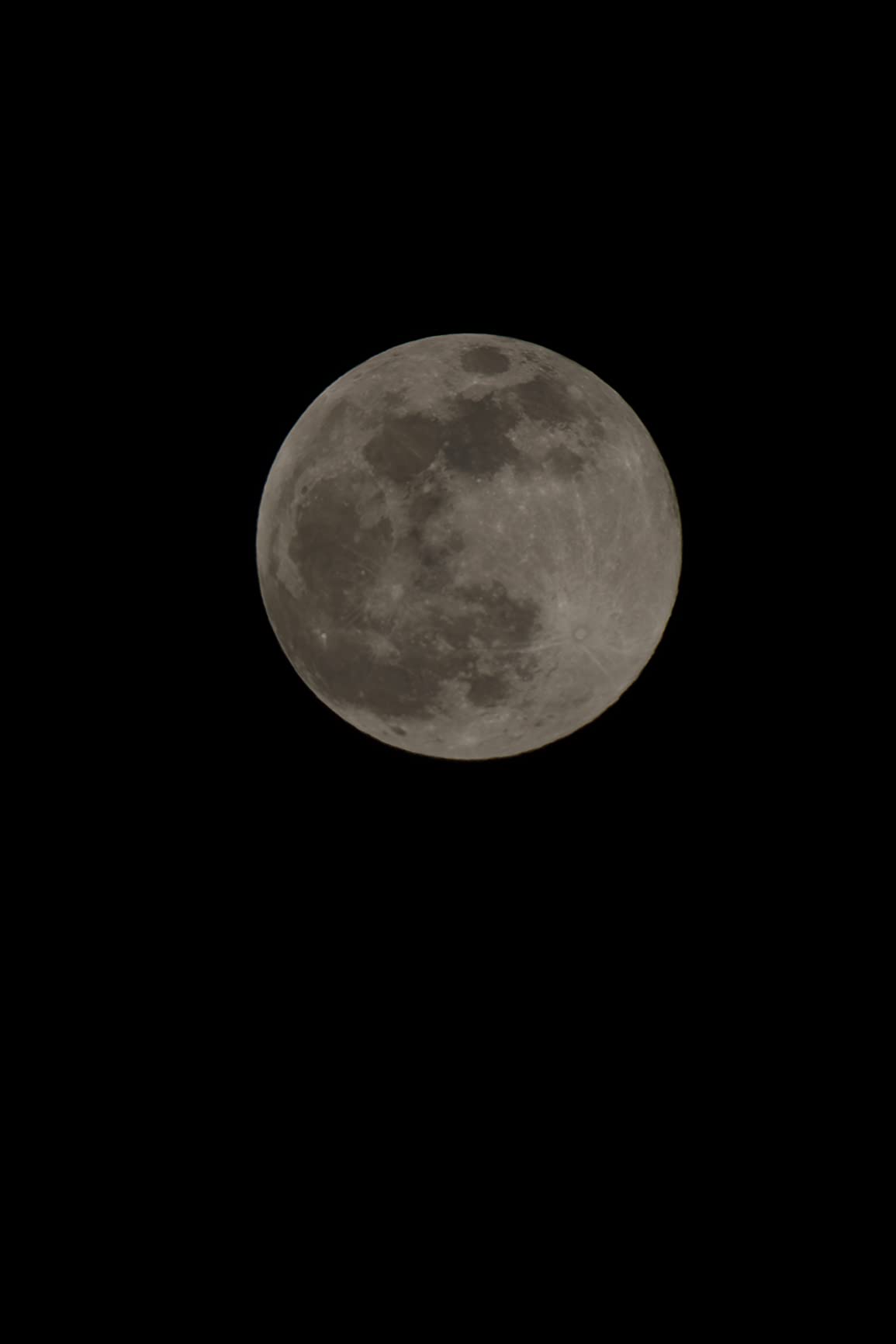
The Canon RF 24-105mm f/4-7.1 IS STM is the perfect one-lens solution for travelers and everyday photographers. The 4.4x zoom range covers wide landscapes to medium telephoto portraits without changing lenses.
The optical image stabilization provides up to 5 stops of shake correction, compensating for the slower variable aperture in low light. This stabilization is crucial for handheld video work and dim interior shooting.

Macro capability extends the versatility further. At 0.43 feet minimum focus distance in center focus macro mode, you can capture frame-filling shots of small details at the 24mm end.
The STM motor provides smooth, quiet autofocus suitable for video work. The lens extends during zooming and focusing, but the mechanism operates smoothly without grinding or hesitation.
Everyday Versatility
This lens excels as a walkaround option when you do not know what focal lengths you will need. From wide group shots to tight portraits, the range handles most situations competently.
The variable aperture means you lose light as you zoom in, but for outdoor and well-lit indoor work, this is rarely problematic. The image quality is more than adequate for social sharing and even moderate-sized prints.
Image Stabilization Benefits
The 5-stop stabilization is a game-changer for handheld shooting. You can capture sharp images at shutter speeds that would require tripods with unstabilized lenses.
For video shooters, the stabilization smooths out handheld footage, reducing the need for gimbals in many situations. Combined with the quiet STM motor, this is an excellent video lens for run-and-gun content creation.
9. Nikon NIKKOR Z 40mm f/2 – The Sweet Spot Prime
Nikon NIKKOR Z 40mm f/2 | Large Aperture 40mm Prime Lens for Z Series mirrorless Cameras | Nikon USA Model
Pros
- 90% five-star rating
- 9-blade circular aperture
- Customizable control ring
- FX and DX compatible
- Under $200
Cons
- Plastic lens mount
- No image stabilization
- Plastic body construction
The Nikon NIKKOR Z 40mm f/2 is the surprise star of Nikon’s budget lens lineup. At under $200, it delivers performance that rivals lenses costing twice as much.
The 40mm focal length sits between the traditional 35mm and 50mm options, providing a unique perspective that many photographers prefer for everyday shooting. It is wide enough for environmental shots but tight enough for flattering portraits.

The f/2 aperture gathers significantly more light than typical kit lenses, enabling lower ISO settings and faster shutter speeds in dim conditions. The 9-blade diaphragm creates smooth, circular bokeh that looks more expensive than the price suggests.
With 90% of reviewers giving this lens five stars, the user satisfaction is exceptional. This is a lens that exceeds expectations and creates loyal Nikon shooters.

Everyday Photography Excellence
This lens has become my recommended first purchase for anyone buying into the Nikon Z system. The focal length is ideal for daily carry, and the compact size means you will actually take it with you.
The rendering quality has a character that many users describe as pleasing and natural. Images have a three-dimensional quality that makes subjects pop from backgrounds.
DX Format Compatibility
On DX format Nikon Z cameras like the Z50 or Z30, this lens becomes a 60mm equivalent portrait prime. This versatility means the lens grows with you if you upgrade from APS-C to full-frame later.
The control ring provides additional functionality regardless of sensor size. You can assign it to aperture, ISO, exposure compensation, or manual focus based on your shooting style.
10. Viltrox AF 24mm f/1.8 Z – Wide-Angle Value for Nikon
Pros
- Fast f/1.8 aperture
- 11-blade diaphragm
- Internal focus design
- Firmware upgradeable
- Sharp optics
Cons
- Limited stock availability
- Lightweight plastic feel
- No official Nikon support
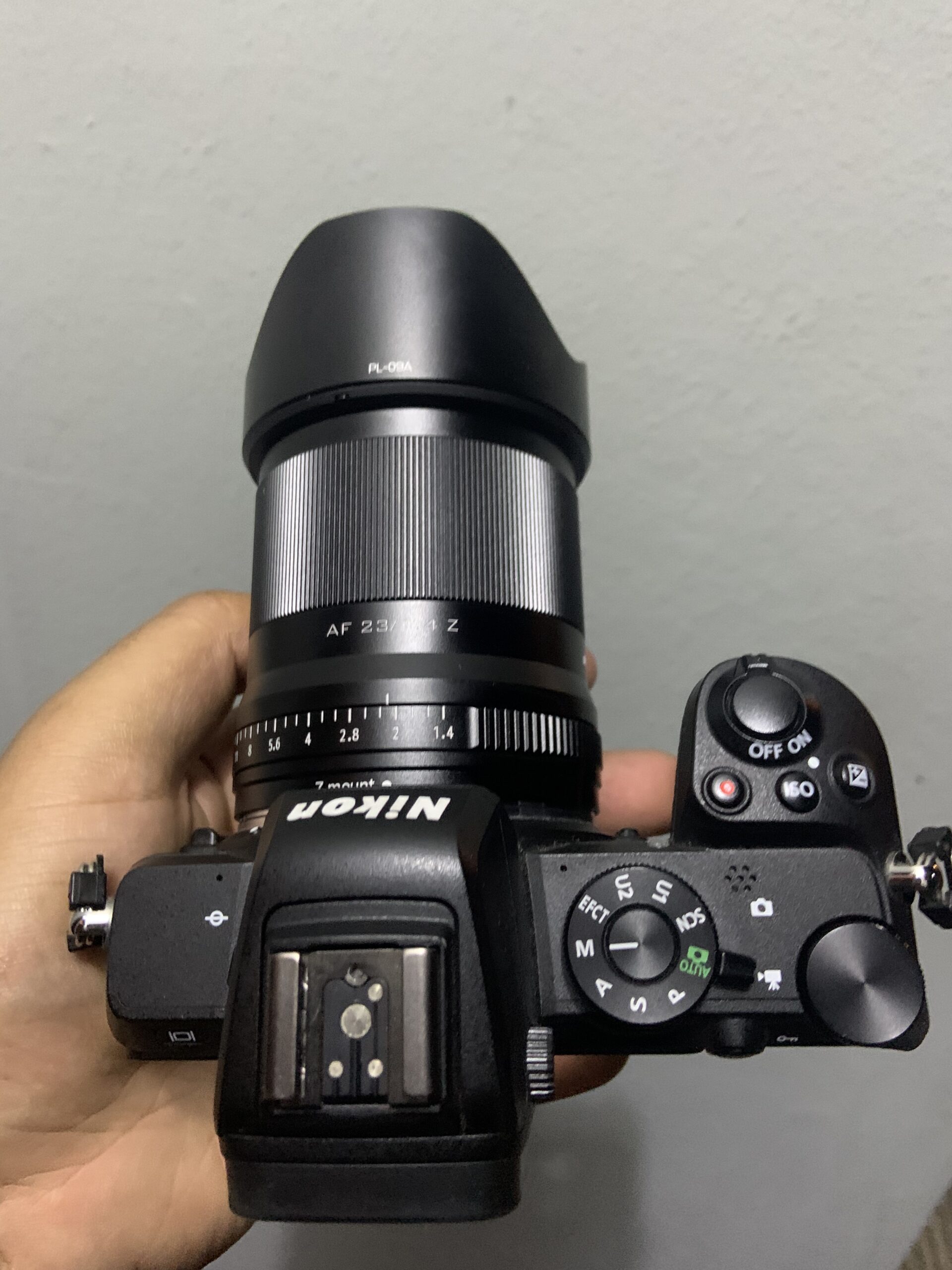
Viltrox brings its value-focused approach to Nikon Z mount with this 24mm f/1.8 prime. The fast aperture and wide angle make it ideal for astrophotography, landscapes, and architectural work.
The optical formula includes two aspherical elements, three ED elements, and three high refractive index elements. This complex design minimizes distortion and aberrations, producing sharp images from edge to edge.

The 11-blade diaphragm is unusual at this price point and creates exceptionally smooth bokeh when shooting wide open. Background highlights remain circular rather than polygonal.
The internal focus design keeps the lens length constant during focusing, important for gimbal balancing and filter use. The STM motor is quiet enough for video work.
Landscape and Architecture Work
The 84-degree angle of view captures sweeping landscapes without the extreme distortion of ultra-wide options. Straight lines remain relatively straight, reducing the need for perspective correction in post.
For architecture photography, the fast aperture allows handheld shooting in dim interiors where tripods are prohibited. The sharpness holds up well even at f/1.8, though stopping down to f/4 produces optimal results.
Firmware Update Process
Viltrox provides firmware updates via USB-C port on the lens. This ensures compatibility with future Nikon camera bodies and allows bug fixes or performance improvements over time.
Some users recommend checking for firmware updates upon receiving the lens, as early production units benefited from updates that improved autofocus speed and accuracy.
How to Choose the Right Full-Frame Lens Under $500 In 2026?
With so many excellent options available, selecting the right lens depends on understanding your specific needs and shooting style.
Understanding Your Camera Mount
The most important constraint is your camera’s lens mount. Sony E, Canon RF, and Nikon Z are not interchangeable without adapters, and adapters often compromise autofocus performance. Start by filtering for lenses compatible with your specific camera system.
Each mount has its strengths. Sony E has the widest selection of third-party options. Canon RF offers excellent native lenses with the control ring feature. Nikon Z provides growing options with strong value propositions.
Prime vs Zoom: Which Should You Choose?
Primes offer superior image quality, faster apertures, and lighter weight. Zooms provide versatility and convenience. For enthusiasts building their first lens collection, I recommend starting with a prime and adding a zoom later.
The 50mm f/1.8 is the classic first prime for good reason. It teaches you to move and compose rather than zooming, and the fast aperture creates images impossible with kit zooms.
Maximum Aperture and Low-Light Performance
Faster apertures (lower f-numbers) let in more light and create shallower depth of field. An f/1.8 lens gathers over twice as much light as an f/2.8 lens, enabling lower ISO settings and faster shutter speeds in dim conditions.
If you shoot indoors, at night, or want creamy background blur, prioritize f/1.8 or faster lenses. For outdoor and daylight work, f/2.8 or even variable aperture zooms may be perfectly adequate.
Autofocus Motor Types Explained
STM stepping motors are quieter and smoother than older DC or micromotor designs, making them better for video work. They are also generally more accurate for still photography.
All the lenses in this guide use STM or equivalent quiet motors. This is one area where budget lenses have improved dramatically in recent years.
Build Quality and Weather Sealing
Most lenses under $500 use plastic construction to keep costs down. This is not necessarily bad, plastic is lighter and can be quite durable. Metal mounts are preferred over all-plastic designs for longevity.
Weather sealing is rare at this price point but valuable if you shoot outdoors. The Samyang 35mm f/1.8 is the only sealed option in this list, making it a standout choice for outdoor enthusiasts.
Frequently Asked Questions
What is the Holy Trinity of lenses?
The Holy Trinity refers to three zoom lenses that cover the most useful focal ranges: a wide-angle zoom (typically 16-35mm), a standard zoom (24-70mm), and a telephoto zoom (70-200mm). Together they cover nearly every shooting situation. For budget shooters, primes can substitute for these zooms at lower cost.
Who makes the best full-frame lenses?
Canon, Nikon, and Sony all make excellent first-party lenses, but third-party manufacturers like Sigma, Tamron, Samyang, and Viltrox offer outstanding value. For budget lenses under $500, third-party options often match or exceed first-party quality at lower prices.
What 3 lenses does every photographer need?
Most photographers benefit from starting with a standard prime (50mm f/1.8), a wide-angle option (24-35mm), and a telephoto lens (85mm or longer). This trio covers portraits, landscapes, and everything in between. For those preferring zooms, a 24-70mm and 70-200mm pair handles most situations.
Why is 70-200 so popular?
The 70-200mm focal range is incredibly versatile, covering portraits at the long end to moderate telephoto work at the short end. The compression at 200mm creates flattering portraits and isolates subjects beautifully. Unfortunately, quality 70-200mm lenses typically cost well over $500, though older used options may fit the budget.
Final Thoughts: Building Your Budget Full-Frame Kit
The best full frame lenses under $500 for enthusiasts have never been better. We have moved past the era where budget meant compromised image quality. Today’s affordable primes deliver results that would have required professional glass just a decade ago.
My recommendation is to start with a 50mm f/1.8 for your mount. The Canon RF 50mm f/1.8, Sony FE 50mm f/1.8, or Nikon 40mm f/2 will teach you the fundamentals while producing stunning images. From there, add focal lengths based on what you find yourself missing.
Remember that the best lens is the one you have with you. The lightweight, affordable options in this guide are easy to carry everywhere, ensuring you never miss a shot due to leaving your heavy gear at home.
Happy shooting in 2026.