
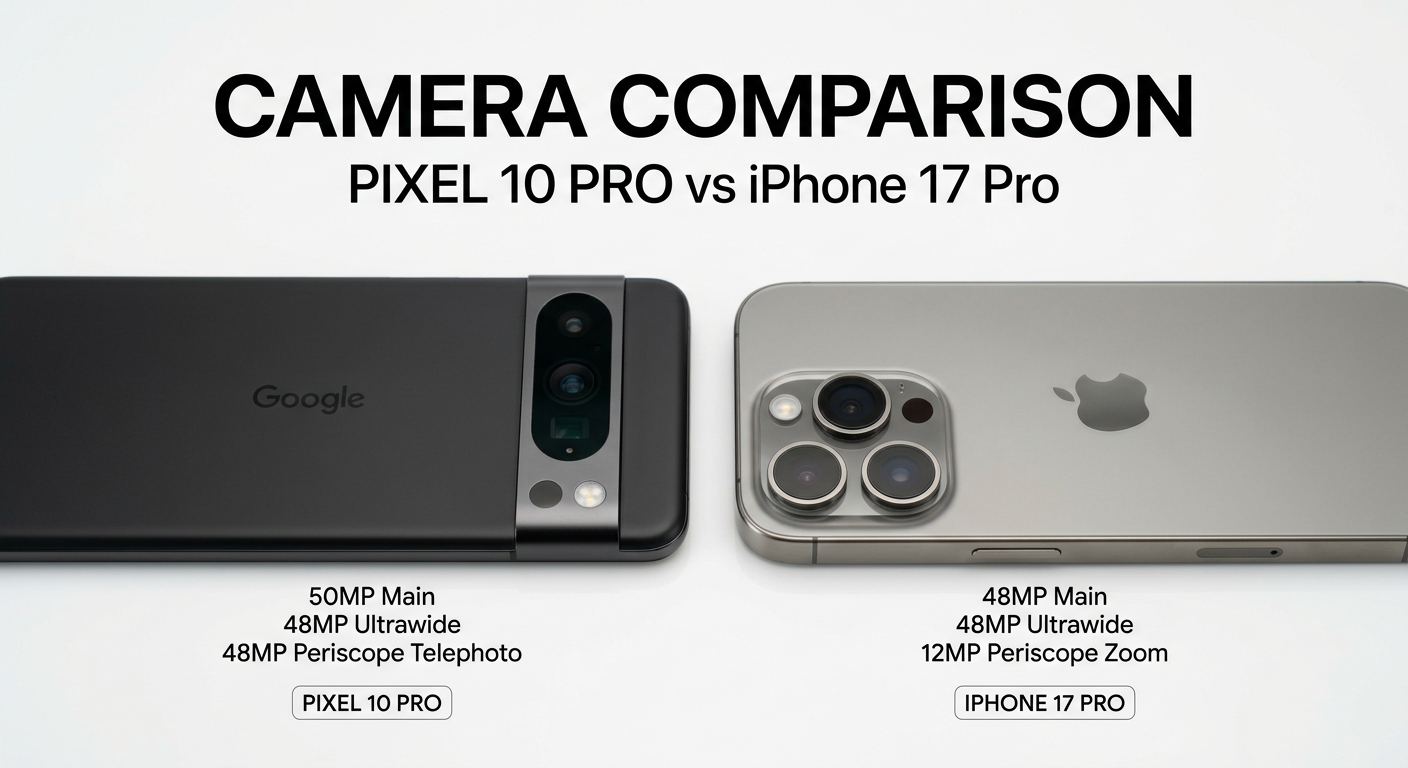
After testing both the Google Pixel 10 Pro and iPhone 17 Pro extensively over several weeks, I can tell you this isn’t a simple win for either phone. Each takes a fundamentally different approach to mobile photography. Google leans hard into AI-powered computational photography with features like 100x Pro Res Zoom and Magic Editor. Apple focuses on delivering natural, consistent results with superior video quality.
The Google Pixel 10 Pro vs iPhone 17 Pro camera quality debate has been one of the most discussed topics in smartphone photography circles this year. Both phones represent the absolute peak of what their respective ecosystems can achieve. The Pixel 10 Pro packs a 50MP main sensor, 48MP ultrawide with Macro Focus, and a 48MP 5x telephoto lens. The iPhone 17 Pro counters with its own 48MP triple-camera system featuring a tetraprism telephoto design.
What makes this comparison particularly interesting is how differently these phones approach the same goal. The Pixel wants every shot to look its best through heavy AI processing. The iPhone prioritizes accuracy and gives photographers more control over the final look. If you’re trying to decide between these two flagship cameras, you’re in the right place.
Quick verdict: The Pixel 10 Pro wins for zoom photography and AI-enhanced features, while the iPhone 17 Pro dominates video recording and produces more natural-looking photos straight out of camera. Your choice depends entirely on what you shoot most often.
Google Pixel 10 Pro vs iPhone 17 Pro: Quick Comparison
| Product | Specifications | Action |
|---|---|---|
 Google Pixel 10 Pro Google Pixel 10 Pro |
|
Check Latest Price |
 Apple iPhone 17 Pro Apple iPhone 17 Pro |
|
Check Latest Price |
Google Pixel 10 Pro Camera Deep Dive
Pros
- Incredible 100x Pro Res Zoom with impressive detail
- Excellent 50MP main sensor for everyday photos
- Super Actua display with 3
- 300-nit brightness
- Advanced AI features including Gemini Live
- Tensor G5 chip for instant processing
- 7 years of software updates
Cons
- Video quality lags behind iPhone
- Heavy AI processing may feel artificial to some
- Over-aggressive sharpening in certain scenes
Using the Pixel 10 Pro as my daily driver for three weeks gave me a real appreciation for what Google has built. The 50MP main sensor captures an incredible amount of detail, and Google’s computational photography extracts every bit of dynamic range from challenging scenes. I found myself reaching for this phone whenever I wanted to capture something far away, thanks to that remarkable 100x Pro Res Zoom.
The Tensor G5 chip deserves special mention. Everything feels instant, from launching the camera app to processing Night Sight shots. Google has optimized its AI models specifically for this hardware, and it shows. Features like Magic Editor and the new Help Me Edit function genuinely save time when you’re trying to fix group photos or remove unwanted objects.
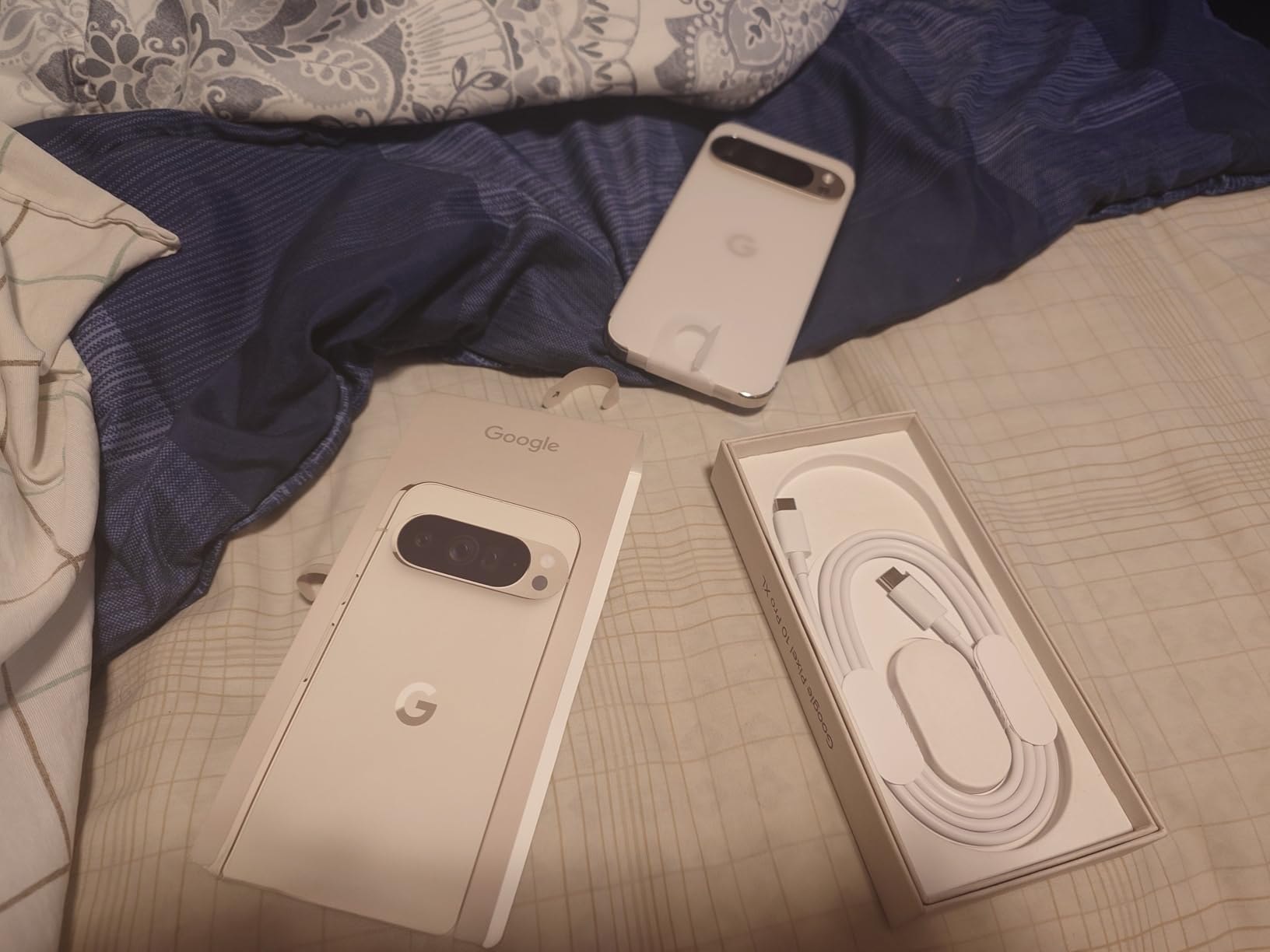
Let’s talk about that zoom system. The 48MP 5x telephoto lens combined with Pro Res Zoom technology produces results I didn’t think were possible from a phone. At 10x zoom, photos remain sharp and usable. Even at 30x, there’s genuine detail preserved. The 100x setting is more of a party trick, but the fact that it works at all is impressive. I captured shots of distant landmarks that would have been impossible with previous smartphones.
The ultrawide camera now matches the telephoto at 48MP and includes Macro Focus capabilities. Close-up shots reveal incredible texture detail. I photographed flowers, insects, and product details with professional-looking results. The Pixel automatically switches to macro mode when you get close, though this can occasionally trigger when unwanted.
Night Sight remains one of Google’s strongest features. The Pixel 10 Pro activates it quickly in dark environments, often before you even realize you need it. Astrophotography mode continues to impress for anyone willing to hold their phone steady for several seconds. I captured starry skies that rivaled dedicated cameras.
The 42MP selfie camera produces sharp, detailed self-portraits. Google’s skin tone processing has improved significantly, though some users still report occasional magenta color casts in certain artificial lighting conditions. The wide field of view fits more people in group selfies without distortion.
Battery life held up well during my testing, even with heavy camera use. The 4870mAh battery easily lasted through full days of shooting. However, using Pro Res Zoom extensively or recording 8K video does drain the battery faster than normal shooting.
Apple iPhone 17 Pro Camera Deep Dive
Pros
- Industry-leading video quality with ProRes
- Consistent natural color reproduction
- Superior skin tone accuracy
- Photographic Styles for customization
- Excellent video stabilization
- Professional video features including GenLock
Cons
- Lower resolution selfie camera
- Less aggressive zoom than Pixel
- Some users report cold/blue color tendency
Switching to the iPhone 17 Pro after using the Pixel was an adjustment, but not a disappointment. Apple takes a fundamentally different approach to photography, one that prioritizes consistency and natural results over AI enhancement. The photos from this phone look like what your eyes actually saw, not a computationally enhanced version of reality.
The 48MP main sensor produces excellent results, with Apple’s image processing delivering balanced exposures and accurate colors. Deep Fusion technology analyzes and optimizes every pixel, resulting in photos with remarkable texture detail. I particularly appreciated how the iPhone handles high-contrast scenes, preserving both shadow and highlight detail without the HDR look appearing artificial.
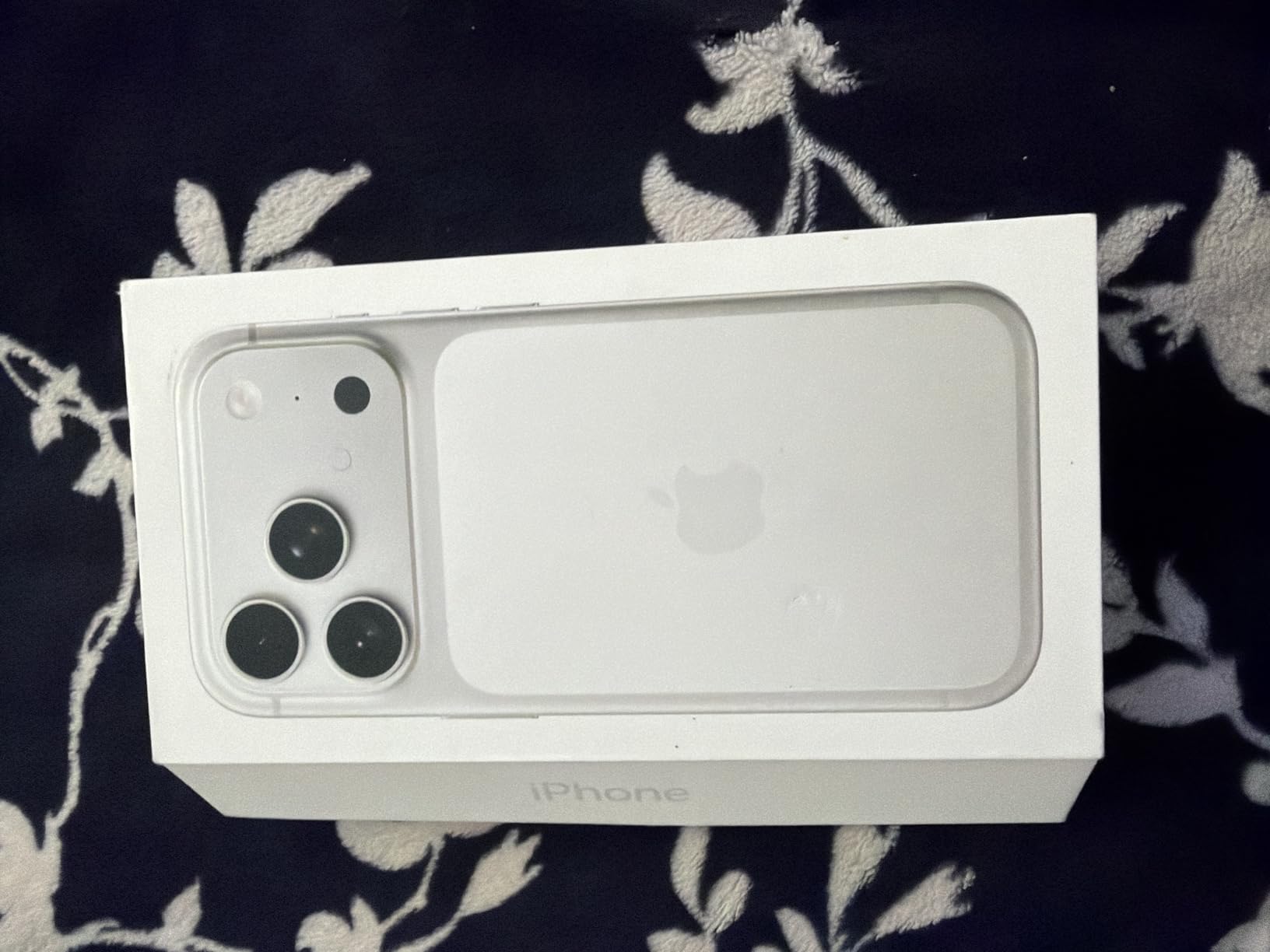
Where the iPhone 17 Pro really shines is video. Apple has dominated smartphone videography for years, and this model extends that lead. Recording at 4K 120fps opens creative possibilities for slow-motion footage that simply aren’t available on the Pixel. ProRes recording gives video professionals the flexibility they need for color grading and post-production.
The new GenLock feature allows multiple iPhones to synchronize recording, which is a game-changer for multi-camera shoots. Combined with Apple LOG 2 recording, the iPhone 17 Pro becomes a legitimate tool for professional video production. Action Mode provides incredibly smooth footage even when walking or running, reducing the need for a gimbal in many situations.
The tetraprism telephoto design enables 5x optical zoom that produces sharp, natural-looking results. While the Pixel offers higher maximum zoom, the iPhone’s telephoto photos often look more natural and less processed. At 5x and 10x zoom, both phones produce excellent results, but the iPhone maintains a slight edge in color accuracy and natural texture reproduction.
Portrait mode on the iPhone continues to set the standard for smartphone background blur. Edge detection handles complex subjects like hair and glasses with impressive accuracy. The 24MP front camera captures detailed selfies, though Pixel’s 42MP sensor technically offers more resolution. What matters more is the iPhone’s superior skin tone reproduction, which produces more flattering results for most subjects.
Photographic Styles let you customize how the iPhone processes photos without completely overriding its natural approach. You can warm up or cool down images, increase or decrease contrast, and adjust saturation to match your preferences. These adjustments apply consistently across all your photos, creating a cohesive look.
Google Pixel 10 Pro vs iPhone 17 Pro Camera Quality: Head-to-Head Comparison
Main Sensor and Primary Camera Performance
The battle between the Pixel’s 50MP main sensor and iPhone’s 48MP main camera comes down to processing philosophy. Google’s approach emphasizes detail extraction and dynamic range optimization through heavy computational processing. Apple prioritizes natural color reproduction and consistency across different shooting scenarios.
In bright daylight, both phones produce stunning results that will satisfy even demanding photographers. The Pixel captures slightly more detail thanks to its higher resolution sensor and Google’s super-resolution techniques. However, some users find the Pixel’s processing a bit aggressive, with sharpening that can make photos appear artificial when viewed at full size.
The iPhone takes a more restrained approach. Colors look natural, skin tones appear accurate, and the overall aesthetic feels authentic. For everyday snapshots and social media sharing, many users prefer the iPhone’s straight-out-of-camera results. The Pixel requires less editing to achieve a dramatic look, but that look may not suit every subject.
Winner: Tie – The Pixel wins for detail and dynamic range, while the iPhone wins for natural color accuracy and consistency.
Zoom Capabilities Comparison
This is where the Pixel 10 Pro establishes a clear advantage. The 100x Pro Res Zoom isn’t just marketing hype. Google’s computational photography combines multiple frames and uses AI to reconstruct detail at extreme zoom levels. The results at 10x and 30x genuinely impressed me during testing.
The iPhone 17 Pro’s 5x optical zoom delivers excellent quality within its range, and digital zoom up to about 10x remains usable. Beyond that, the Pixel pulls ahead significantly. If you frequently photograph distant subjects like wildlife, sports, or architecture details, the Pixel offers capabilities the iPhone simply cannot match.
That said, the iPhone’s zoom photos often look more natural. The Pixel’s AI reconstruction can sometimes create artifacts or unnatural-looking textures at extreme zoom. For most everyday use, both phones perform admirably at moderate zoom levels.
Winner: Google Pixel 10 Pro – The 100x Pro Res Zoom capability is genuinely useful and unmatched by the iPhone.
Low Light and Night Mode Performance
Both phones excel in low light, but they handle challenging illumination differently. The Pixel’s Night Sight activates quickly and produces bright, detailed images from extremely dark scenes. Google’s astrophotography mode captures stars and the Milky Way with remarkable clarity for a smartphone.
The iPhone’s Night Mode takes a more measured approach, preserving the natural ambiance of low-light scenes rather than brightening everything to daylight levels. Some photographers prefer this authentic representation, while others appreciate the Pixel’s ability to extract detail from darkness.
In very dark conditions, the Pixel generally produces brighter, more detailed results. In moderately low light with mixed lighting sources, the iPhone often delivers more accurate colors and natural-looking results. Both phones handle noise reduction well, though the Pixel’s aggressive processing can sometimes smooth over fine texture detail.
Winner: Tie – Pixel wins for extreme low light and astrophotography, iPhone wins for natural low-light ambiance.
Portrait Mode and Selfie Camera Quality
Portrait mode has become a flagship differentiator, and both phones deliver excellent results. The iPhone’s edge detection remains the benchmark, handling complex subjects like flyaway hair, glasses, and jewelry with impressive accuracy. Skin tones look natural and flattering across diverse skin tones.
The Pixel’s portrait mode produces dramatic bokeh effects with excellent subject isolation. However, some users report inconsistent edge detection, particularly with backlit subjects or fine hair details. Google’s skin tone processing has improved, but occasional color casts still appear in certain artificial lighting.
For selfies, the Pixel’s 42MP front camera offers more resolution, but the iPhone’s 24MP sensor with Deep Fusion produces smoother, more natural-looking results. The iPhone’s skin tone accuracy gives it an edge for portrait photography where subject appearance matters most.
Winner: iPhone 17 Pro – Superior edge detection and skin tone accuracy make it the better choice for portrait photography.
Video Quality Comparison
This category has a clear winner. The iPhone 17 Pro dominates smartphone videography, offering 4K recording at 120fps, ProRes support, Apple LOG 2 for professional color grading, and GenLock for multi-camera synchronization. Action Mode provides gimbal-like stabilization without additional equipment.
The Pixel 10 Pro supports 8K video recording, which sounds impressive on paper. However, 8K on a smartphone has limited practical applications due to file sizes and display limitations. More importantly, the Pixel’s video processing lacks the sophistication of Apple’s approach. Colors can shift during recording, stabilization isn’t quite as smooth, and the overall look lacks the cinematic quality iPhone achieves.
Forum discussions consistently highlight video quality as the Pixel’s biggest weakness compared to iPhone. Users switching from iPhone to Pixel often express disappointment with video performance. If you create video content regularly, the iPhone 17 Pro is the obvious choice.
Winner: iPhone 17 Pro – Industry-leading video features, quality, and stabilization make this a decisive victory.
AI Features and Computational Photography
Google has built its camera reputation on computational photography, and the Pixel 10 Pro showcases this expertise. Features like Magic Editor let you reposition subjects, expand images, and remove unwanted objects with impressive results. The new Camera Coach provides real-time shooting advice to help you capture better photos.
Help Me Edit uses Gemini AI to understand natural language editing requests. You can say “make the sky bluer” or “remove the person in the background” and watch the AI execute your commands. These features genuinely save time and enable creative possibilities that weren’t possible before.
Apple’s AI approach is more subtle. Photographic Styles let you customize processing preferences, and the Clean Up tool removes unwanted objects from photos. However, Apple’s features feel less aggressive and transformative than Google’s. The company seems committed to preserving photographic authenticity while still offering helpful tools.
Winner: Google Pixel 10 Pro – More ambitious AI features that genuinely enhance the photography experience.
Frequently Asked Questions
Are Google Pixel cameras as good as iPhone?
Yes, Google Pixel cameras match or exceed iPhone quality in specific areas like zoom photography and AI-powered features. The Pixel 10 Pro offers superior zoom with 100x Pro Res Zoom and more aggressive computational photography. However, iPhone maintains advantages in video quality, color accuracy, and consistency. For still photos alone, both phones produce excellent results with different processing philosophies.
Is the iPhone 17 Pro camera much better than Pixel 10 Pro?
The iPhone 17 Pro camera isn’t universally better, but it excels in video recording and natural color reproduction. For video content creators, the iPhone offers 4K 120fps, ProRes, and superior stabilization that the Pixel cannot match. For still photography, the differences are more nuanced, with each phone excelling in different scenarios.
Does the Pixel 10 Pro have better zoom than iPhone 17 Pro?
Yes, the Pixel 10 Pro has significantly better zoom capabilities than the iPhone 17 Pro. Google’s 100x Pro Res Zoom combines optical and computational zoom to capture usable images at distances the iPhone cannot reach. At 10x and 30x zoom, the Pixel produces sharper, more detailed results while the iPhone’s telephoto is limited to 5x optical zoom.
Which phone is better for video: iPhone or Pixel?
The iPhone 17 Pro is significantly better for video recording than the Pixel 10 Pro. Apple offers 4K 120fps recording, ProRes support, Apple LOG 2 for professional color grading, GenLock multi-camera sync, and superior stabilization. The Pixel supports 8K recording but lacks the sophisticated video processing and professional features that make iPhone the choice of content creators.
What is the difference between Night Sight and Night Mode?
Night Sight is Google’s low-light photography feature that brightens extremely dark scenes through computational processing, often making night photos appear brighter than reality. Apple’s Night Mode preserves the natural ambiance of low-light scenes while enhancing detail. Night Sight produces brighter results in near-total darkness, while Night Mode maintains more authentic low-light atmosphere.
Final Verdict: Which Camera Phone Should You Buy?
After this comprehensive Google Pixel 10 Pro vs iPhone 17 Pro camera quality comparison, the right choice depends entirely on your photography priorities.
Buy the Google Pixel 10 Pro if:
- You frequently photograph distant subjects and need serious zoom capability
- You enjoy AI-powered editing features that transform your photos
- You shoot mostly still photos and rarely record video
- You want the latest computational photography tricks like Magic Editor
- You prefer photos with more dramatic processing straight out of camera
Buy the Apple iPhone 17 Pro if:
- You record video regularly or create video content
- You prefer natural-looking photos that accurately represent reality
- Portrait photography with accurate skin tones is important to you
- You value consistency across different shooting scenarios
- You need professional video features like ProRes and GenLock
For most users, the iPhone 17 Pro offers a more well-rounded camera experience. Its video superiority alone makes it the better choice for content creators. However, photographers who prioritize zoom capabilities and AI features will find the Pixel 10 Pro more compelling. Both phones take excellent photos, so you can’t go wrong with either choice.