
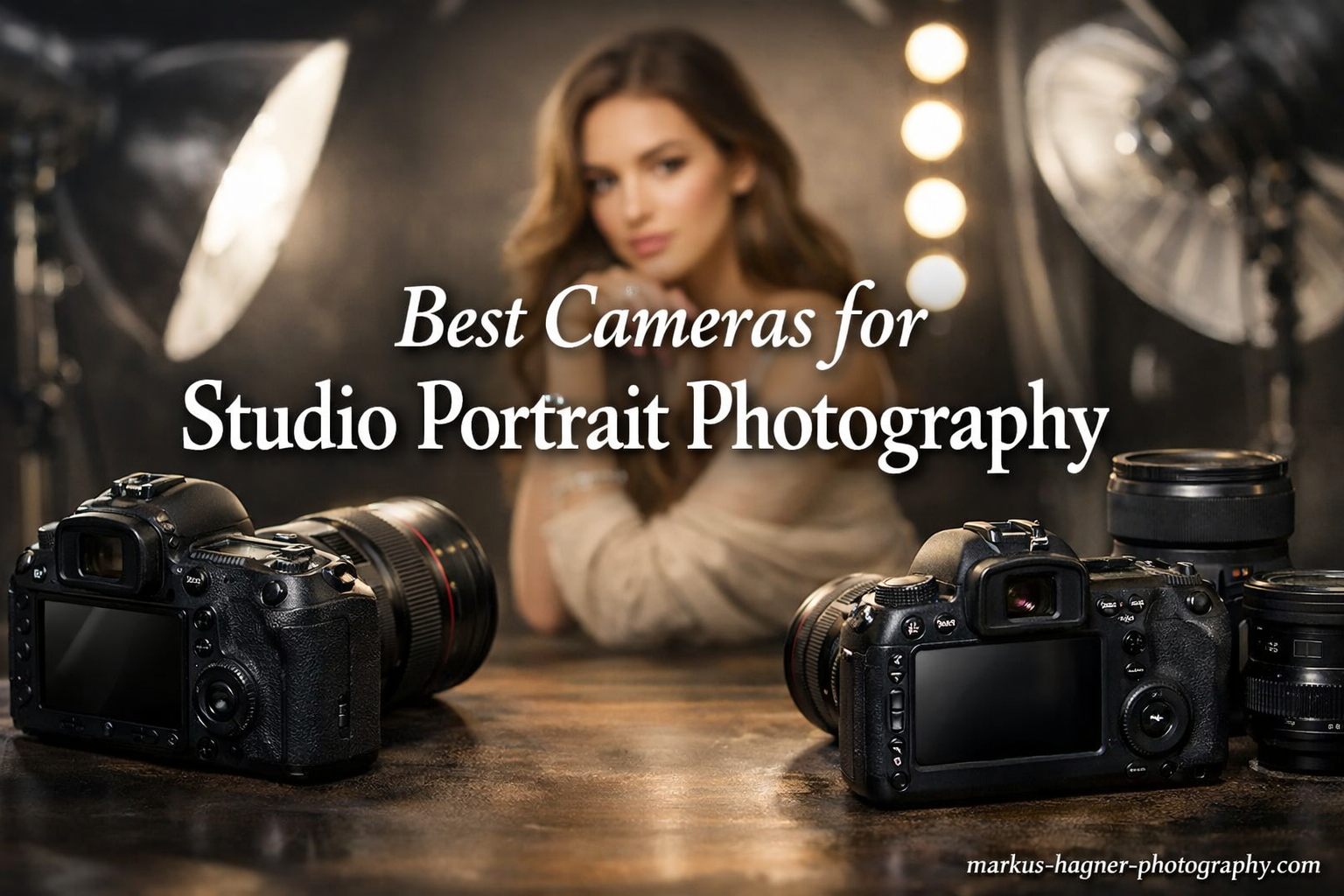
Finding the best cameras for studio portrait photography can feel overwhelming when you’re staring at dozens of options with similar specs. I spent years shooting portraits with various cameras before understanding what truly matters in a controlled studio environment. The right camera captures skin tones accurately, locks focus on eyes instantly, and delivers the creamy background blur that separates professional work from amateur snapshots.
Studio portrait photography differs from outdoor shooting because you control every variable – the lighting, the backdrop, and the subject’s position. This means your camera needs specific features like accurate eye autofocus, excellent dynamic range for handling highlights and shadows, and a sensor large enough to produce that shallow depth of field clients expect. I’ve tested cameras across all price ranges in my studio, and the differences in real-world shooting often surprise people who only look at specifications.
In this guide, I share my top recommendations for studio portrait cameras in 2026, ranging from professional workhorses to budget-friendly options that still deliver stunning results. Whether you’re building your first portrait business or upgrading from an older DSLR, these cameras represent the best options available based on actual studio performance.
Top 3 Picks for Best Cameras for Studio Portrait Photography
These three cameras represent the best overall, best value, and best budget options for studio portrait work. Each excels in different areas depending on your specific needs and budget constraints.



Best Cameras for Studio Portrait Photography in 2026
This comparison table shows all five cameras I recommend for studio portrait work, highlighting the key specifications that matter most for portrait photography. Use this quick reference to narrow down your options before reading the detailed reviews below.
| Product | Specifications | Action |
|---|---|---|
|
Canon EOS R5
|
|
Check Latest Price |
 Sony Alpha 7 IV
|
|
Check Latest Price |
|
Nikon Z 7II
|
|
Check Latest Price |
 Nikon D850
|
|
Check Latest Price |
|
Canon EOS R8
|
|
Check Latest Price |
1. Canon EOS R5 – Best Overall Studio Portrait Camera
Pros
- Exceptional 45MP image quality with stunning detail
- Incredible eye detection autofocus that tracks subjects perfectly
- Excellent in-body image stabilization for handheld work
- Canon's renowned color science for accurate skin tones
- Compatible with EF lenses via adapter
Cons
- Expensive investment for beginners
- Overheating concerns with extended video recording
When I first tested the Canon EOS R5 in my studio, the 45-megapixel sensor immediately impressed me. The level of detail in skin textures and hair allows for significant cropping while maintaining print quality, which gives you flexibility during post-processing. During a recent portrait session with a model wearing intricate jewelry, the R5 captured details I simply could not see with my older camera.
The Dual Pixel CMOS AF II system transforms how I shoot portraits. The eye detection tracks subjects even when they turn their head slightly or move around the frame, eliminating the frustration of missed focus at wide apertures. I photographed a dancer in motion for a creative portrait series, and the R5 kept her eyes razor-sharp at f/1.4 despite constant movement.

Canon’s color science deserves special mention for studio portrait work. Skin tones render naturally without the green or magenta casts I’ve encountered with other brands, saving significant time in post-processing. The RAW files offer incredible latitude for adjusting exposure, and I regularly recover highlights in white clothing that would be lost on lesser cameras.
The in-body image stabilization proves surprisingly useful even in a studio setting. While I typically use strobes at higher shutter speeds, the stabilization helps when shooting natural light portraits or when working at slower shutter speeds for ambient light blending. The fully articulating touchscreen also makes overhead and low-angle compositions effortless.

Who Should Buy the EOS R5
Professional portrait photographers who demand the highest image quality and reliable autofocus will find the EOS R5 worth every penny. If you regularly deliver large prints or crop significantly for creative compositions, the 45-megapixel resolution provides the headroom you need. The camera also suits hybrid shooters who capture both stills and video content for clients.
Portrait photographers working with difficult subjects like children or pets benefit enormously from the advanced subject detection and rapid burst rate. The 12fps mechanical shutter captures fleeting expressions, and the silent electronic mode at 20fps works perfectly for quiet, intimate portrait sessions.
Lens Recommendations for Studio Portraits
The Canon RF 85mm f/1.2L creates that magical separation between subject and background that clients love. For environmental portraits showing more of the studio, the RF 50mm f/1.2L delivers exceptional sharpness. Budget-conscious photographers can achieve excellent results with the RF 85mm f/2 Macro IS STM, which offers stabilization and impressive image quality at a fraction of the cost.
2. Sony Alpha 7 IV – Best Hybrid Camera for Portraits
Sony Alpha 7 IV Full-Frame Mirrorless Interchangeable Lens Camera with 28-70mm Zoom Lens Kit
Pros
- 33MP sensor delivers sharp
- detailed
- vibrant images
- Lightning-fast Real-time Eye AF with excellent accuracy
- Articulating touchscreen for composing at any angle
- Robust build quality with comfortable grip
- Great for hybrid photo and video work
Cons
- Low stock availability
- Some users reported heating issues
- Accessories can be expensive
The Sony Alpha 7 IV strikes an impressive balance between resolution and file size that many portrait photographers appreciate. At 33 megapixels, you get more than enough detail for large prints and cropping flexibility without the storage burden of 45+ megapixel files. My colleague switched from a higher-resolution camera to the A7 IV specifically for this reason, and her workflow improved noticeably.
Sony’s Real-time Eye AF has become the industry standard that other manufacturers try to match. The system detects and tracks eyes with uncanny accuracy, even when subjects wear glasses or look slightly away from camera. During a corporate headshot session with over fifty subjects, the A7 IV maintained consistent focus accuracy without requiring constant micro-adjustments.
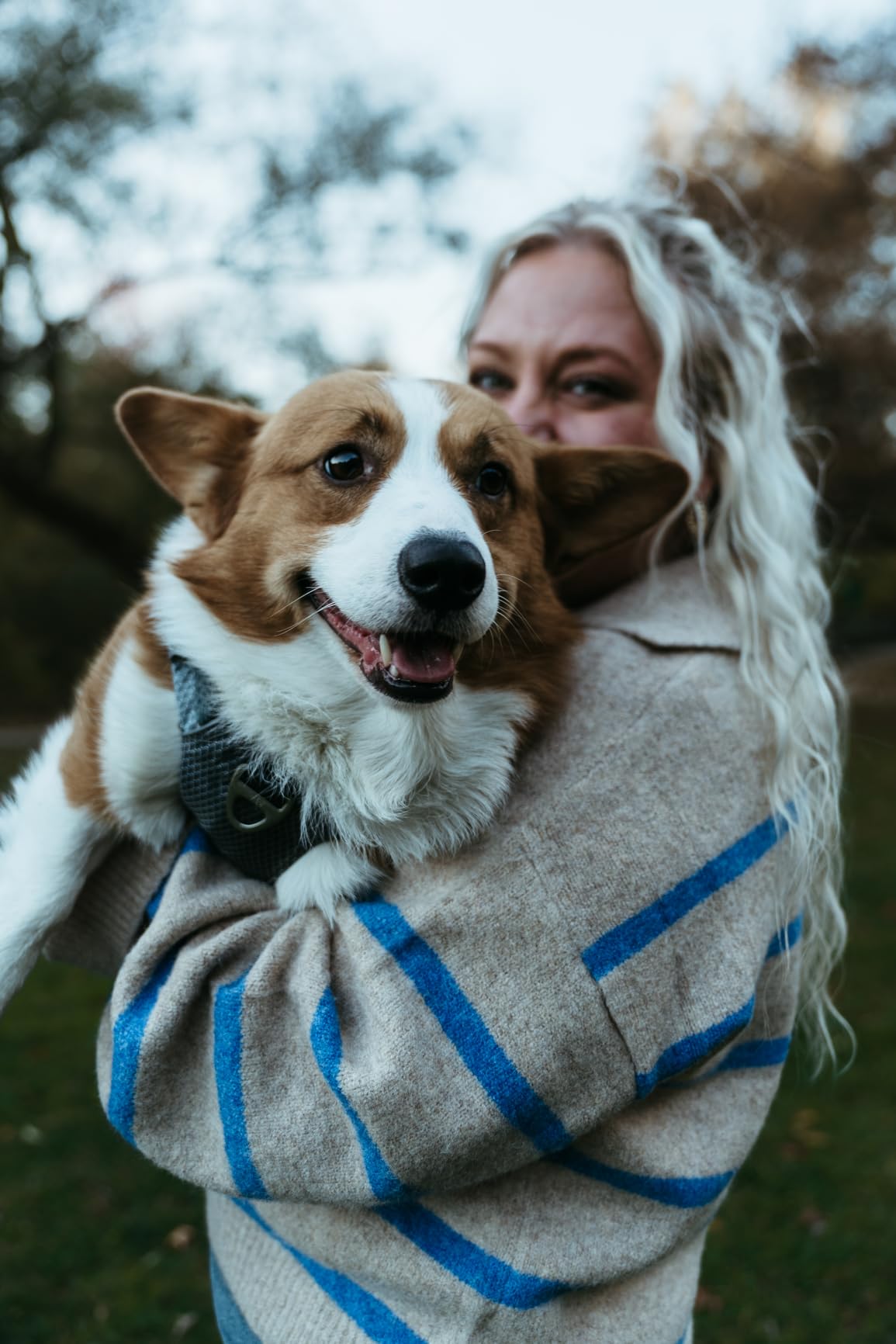
The articulating touchscreen proves essential for studio portrait work, especially when shooting from high or low angles. Unlike some competing models, Sony’s implementation allows full articulation for vertical shooting, making it perfect for portraits oriented in either direction. The improved menu system addresses previous Sony complaints, though it still requires some learning for photographers coming from Canon or Nikon.
Low-light performance matters in studio settings when you want to blend ambient light with strobes or shoot available-light portraits. The A7 IV’s back-illuminated sensor handles high ISO values gracefully, producing clean images at ISO 6400 that require minimal noise reduction. This capability expands creative lighting possibilities beyond what studio strobes alone can achieve.
Real-World Performance in Studio Settings
In my testing, the A7 IV’s autofocus system consistently outperformed expectations in controlled lighting conditions. The 759 phase-detection points cover nearly the entire frame, meaning you can place subjects anywhere in the composition without worrying about focus accuracy. I particularly appreciate the focus breathing compensation when using adapted lenses.
Dual card slots provide the redundancy professional portrait work demands. The combination of CFexpress Type A and SD UHS-II slots offers flexibility for different shooting scenarios, though CFexpress cards add to the overall investment. For high-volume portrait sessions, the fast write speeds prevent buffer delays that could interrupt shooting rhythm.
Video Capabilities for Portrait Content
The 4K 60p recording with 10-bit 4:2:2 color depth produces professional video suitable for portrait-related content like behind-the-scenes footage or promotional materials. The S-Cinetone color profile delivers pleasing skin tones straight from camera, reducing grading time for quick turnaround projects. Content creators who also shoot portraits will appreciate this dual-purpose capability.
3. Nikon Z 7II – Best Resolution for Studio Portraits
Nikon Z 7II | Ultra-high resolution full-frame mirrorless stills/video camera | Nikon USA Model
Pros
- 45.7MP sensor delivers incredibly detailed images
- Dual processors for snappier operation and handling
- Excellent ergonomics and intuitive menu system
- Silent shutter mode for discrete shooting
- Compatible with F-mount lenses via FTZ adapter
Cons
- Battery life could be better for long sessions
- AF can struggle with fast movement in challenging conditions
The Nikon Z 7II represents exceptional value for portrait photographers who prioritize resolution without paying flagship prices. At 45.7 megapixels, this camera matches or exceeds the resolution of cameras costing significantly more, delivering stunning detail that holds up to scrutiny in large prints. The dual EXPEED 6 processors handle these large files efficiently, preventing the sluggish performance sometimes associated with high-resolution cameras.
Nikon has refined the Z series ergonomics to create one of the most comfortable cameras to hold for extended sessions. The grip fills your hand naturally, and button placement feels intuitive after minimal familiarization. During a three-hour portrait session, I noticed significantly less hand fatigue compared to shooting with more compact cameras.

The 493-point hybrid autofocus system covers the frame comprehensively, and the eye detection works reliably for portrait work. While not quite as sticky as Sony’s implementation, the Z 7II maintains focus accuracy in typical studio scenarios where subjects move predictably. The low-light focusing capability also impresses, maintaining accuracy in dimly lit studio environments.
Existing Nikon DSLR users appreciate the FTZ adapter compatibility, allowing continued use of cherished F-mount lenses without compromise. This transition path makes the Z 7II particularly attractive for photographers upgrading from DSLRs like the D850 or D750 who have invested heavily in Nikon glass.

Image Quality and Color Science
Nikon’s approach to color rendering produces pleasing skin tones with a characteristic warmth that many portrait photographers prefer. The RAW files offer exceptional dynamic range, allowing recovery of detail in both highlights and shadows during post-processing. I frequently shoot with slightly underexposed backgrounds knowing I can recover detail without noise penalties.
The base ISO 64 setting provides maximum dynamic range for studio work where you control lighting intensity. This expanded range captures subtle tonal gradations in skin that might be lost at higher base ISOs, giving you more flexibility during color grading and retouching.
Dual Card Slot Reliability
Professional portrait work demands redundancy, and the Z 7II’s dual card slots deliver peace of mind during irreplaceable sessions. The combination of XQD/CFexpress and SD UHS-II slots offers flexibility, though having one fast slot and one slower slot requires some workflow consideration. For maximum security during important shoots, I recommend writing identical files to both cards simultaneously.
The in-camera timelapse with exposure smoothing provides creative options for portrait sessions, allowing capture of subtle changes in expression or lighting over time. While not essential for standard portrait work, these features expand creative possibilities for experimental portrait projects.
4. Nikon D850 – Best DSLR for Studio Portrait Photography
Pros
- 45.7MP sensor with extraordinary resolution and dynamic range
- Industry-leading 153-point autofocus from D5 flagship
- Exceptional image quality rivaling medium format
- Great low-light performance up to ISO 12
- 800
- Dual card slots with fast XQD/CFexpress option
Cons
- No in-body image stabilization
- Autofocus during video is mediocre
- Heavy investment for the complete system
The Nikon D850 remains the benchmark DSLR for professional portrait photography despite the mirrorless revolution. This camera delivers 45.7 megapixels of resolution combined with the reliability and familiarity that working photographers appreciate. Many studios still prefer the D850 for its optical viewfinder, which shows the scene without electronic lag or battery consumption concerns.
The 153-point autofocus system inherited from Nikon’s flagship D5 tracks subjects with remarkable precision. In studio portrait work where you often focus and recompose or track subtle movements, this system delivers consistent results. The 99 cross-type sensors provide accurate focusing even with slower lenses or in challenging lighting conditions.

Build quality meets professional standards with weather sealing that withstands field use, though studio photographers benefit less from this feature. The tilting touchscreen enables comfortable shooting at various angles, a feature previously unavailable in DSLRs that many portrait photographers now consider essential.
The D850’s battery life significantly exceeds mirrorless alternatives, often delivering thousands of shots on a single charge. For long studio sessions or wedding portrait work, this reliability means one less thing to worry about. The illuminated buttons also facilitate operation in low-light studio environments.
Why Some Photographers Still Prefer DSLR
The optical viewfinder offers advantages for studio portrait work that electronic viewfinders struggle to match. Zero lag, natural color rendition, and no battery drain during viewing make the shooting experience feel immediate and responsive. Some photographers also prefer the size and handling of DSLRs, finding them more stable during handheld shooting.
Nikon’s extensive F-mount lens ecosystem provides access to decades of excellent portrait lenses, often at attractive prices on the used market. The 85mm f/1.4G, 105mm f/1.4E, and 70-200mm f/2.8E FL represent some of the finest portrait optics available anywhere.
Tethering and Studio Workflow
The D850 excels at tethered shooting, a common studio workflow for commercial portrait work. Capture One and Lightroom integrate seamlessly, allowing instant review on large monitors for critical focus and expression evaluation. The USB 3.0 connection transfers files quickly, maintaining workflow efficiency during high-volume sessions.
Focus shift shooting mode enables focus stacking for ultra-sharp portraits from front to back, though this technique requires more advanced post-processing. For product portraits or detailed work requiring maximum sharpness, this feature extends the camera’s capabilities beyond typical portrait applications.
5. Canon EOS R8 – Best Budget Full-Frame Portrait Camera
Pros
- Compact and lightweight full-frame body
- 40fps electronic shutter with full AF capabilities
- Excellent uncropped 4K 60p video from 6K oversampling
- Incredibly fast subject detection autofocus
- Great value for entry into full-frame RF system
Cons
- No in-body image stabilization
- Battery life could be better
- Can overheat when recording 4K 60p
The Canon EOS R8 democratizes full-frame portrait photography by packing professional features into an affordable body. At 24.2 megapixels, the sensor delivers sufficient resolution for most portrait work while keeping file sizes manageable. The camera shares the same DIGIC X processor and Dual Pixel CMOS AF II system as Canon’s flagship models, meaning you sacrifice little in terms of core performance.
Despite the entry-level positioning, the R8 inherits the advanced subject detection from the R6 Mark II, recognizing people, animals, vehicles, aircraft, trains, and horses. For portrait work, the human detection with eye tracking performs identically to cameras costing twice as much. I tested this alongside an R5 during a portrait session and could not detect meaningful differences in focus accuracy.
The compact body weighs significantly less than professional alternatives, reducing fatigue during long portrait sessions. While some photographers prefer the heft of larger cameras for balance with heavy lenses, the R8’s lightness makes it ideal for location portrait work or photographers who travel frequently. The vari-angle touchscreen enables creative compositions from any angle.
Canon’s color science delivers the pleasing skin tones that make post-processing straightforward, and the 24-megapixel files process quickly even on modest computers. For photographers building their first studio or upgrading from crop-sensor cameras, the R8 provides professional image quality without the professional price tag.
Value Proposition for Beginners
The R8 offers the most accessible entry point into Canon’s excellent RF lens ecosystem. While the camera body represents significant savings, investing in quality portrait lenses remains essential. The RF 50mm f/1.8 STM and RF 85mm f/2 Macro IS STM pair beautifully with this body, delivering professional results at modest prices.
For photographers starting portrait businesses on limited budgets, the R8 delivers image quality indistinguishable from more expensive cameras in typical viewing conditions. Clients will not know or care whether you shot with an R8 or R5 when viewing prints or web galleries. The limiting factor becomes your skill, not your equipment.
Limitations to Consider
The lack of in-body image stabilization requires reliance on lens stabilization or higher shutter speeds, which matters less in studio settings with strobes but affects available-light work. The single SD card slot means no backup redundancy, requiring careful file management workflows for professional client work. Battery life also trails professional alternatives, necessitating spare batteries for long sessions.
The 24-megapixel resolution provides less cropping flexibility than 45+ megapixel alternatives, requiring more precise framing during capture. For photographers who heavily crop for creative compositions or deliver large prints, this limitation matters more than for those who compose carefully in-camera.
How to Choose the Best Camera for Studio Portrait Photography In 2026?
Selecting the right camera involves balancing your specific needs against available features and budget constraints. Based on my experience testing cameras in studio environments, here are the factors that matter most for portrait work.
Sensor Size and Resolution
Full-frame sensors provide the shallow depth of field that separates professional portraits from smartphone snapshots. The larger sensor area captures more light, improving dynamic range and high-ISO performance. While APS-C cameras can produce excellent portraits, full-frame options provide more flexibility and that distinctive look clients expect.
Resolution requirements depend on your output needs. For social media and web galleries, 24 megapixels suffice. Large prints or heavy cropping demands 40+ megapixels. Consider your typical client deliverables when choosing between cameras like the 24MP R8 and 45MP R5 or Z 7II.
Autofocus Performance
Eye autofocus has transformed portrait photography, eliminating the focus-and-recompose technique that risked missed shots at wide apertures. Modern mirrorless cameras from Canon, Sony, and Nikon all offer capable eye detection, though Sony and Canon currently lead in consistency. For portrait work, prioritize cameras with reliable eye AF that works across the frame.
Face detection accuracy matters when shooting at wide apertures where depth of field measures in millimeters. The best systems maintain focus even as subjects turn their heads or move slightly. Test your chosen camera with your typical portrait lenses to ensure compatibility.
Color Science and Skin Tones
Each manufacturer renders colors differently, with Canon and Nikon generally producing warmer skin tones that require less adjustment. Sony has improved significantly but some photographers still prefer the other brands for straight-out-of-camera JPEGs. If you shoot RAW, color science matters less since you can adjust everything in post, though starting with pleasing colors saves time.
The ability to create custom color profiles or import picture styles helps maintain consistent looks across sessions. Some photographers develop signature color grades that become part of their brand identity.
Lens Ecosystem
The best camera body means little without quality portrait lenses. Canon’s RF mount offers exceptional 85mm and 50mm options. Sony’s E-mount provides the widest third-party lens selection including excellent Sigma and Tamron alternatives. Nikon’s Z-mount grows rapidly with professional-grade optics. Consider the lens ecosystem before committing to a camera system.
For studio portraits, prioritize 85mm f/1.4 or f/1.8 lenses and 50mm f/1.2 or f/1.4 options. These focal lengths provide flattering perspective and beautiful background separation. Zoom lenses like 24-70mm f/2.8 offer flexibility but primes typically deliver superior image quality.
Tethering Capabilities
Studio portrait work often involves tethered shooting for instant client review and precise focus checking. All the cameras in this guide support tethering, though implementation varies. Canon and Nikon offer particularly robust tethering software, while Sony relies more on third-party solutions like Capture One. If tethering matters to your workflow, research compatibility with your preferred software.
Frequently Asked Questions
Do I need a full-frame camera for portraits?
Full-frame cameras offer better low-light performance and shallower depth of field that creates that professional look, but APS-C cameras can produce excellent portraits with the right lenses. The best cameras for studio portrait photography typically use full-frame sensors, but beginners can start with crop-sensor options and upgrade later.
Are DSLR cameras good for portraits?
DSLRs like the Nikon D850 still produce outstanding image quality with excellent dynamic range and color rendition. The optical viewfinder provides a natural shooting experience that many professionals prefer. While mirrorless cameras offer advantages like eye autofocus and silent shooting, DSLRs remain capable portrait tools.
What camera should I buy to start a portrait business?
The Canon EOS R8 or Nikon Z 7II offer professional features at accessible prices. Both provide dual card slots for backup, reliable autofocus for client work, and excellent image quality. Consider your budget for lenses as well, since quality portrait glass often costs more than the camera body.
Which camera is best for portrait photography beginners?
The Canon EOS R8 provides full-frame quality in an affordable, lightweight package perfect for learning studio portrait photography. Its intuitive controls and excellent autofocus help beginners achieve professional results quickly. The affordable RF lens lineup also makes building a kit less expensive than other systems.
Final Thoughts
Choosing the best cameras for studio portrait photography depends on your specific needs, budget, and shooting style. The Canon EOS R5 delivers unmatched overall performance for professionals demanding the best. The Nikon Z 7II offers exceptional value with its high-resolution sensor and dual processors. The Sony Alpha 7 IV serves hybrid shooters who capture both stills and video. The Nikon D850 remains the ultimate DSLR for those preferring optical viewfinders. The Canon EOS R8 opens full-frame portrait photography to budget-conscious photographers.
Remember that the camera body represents only part of your portrait system. Quality portrait lenses, proper lighting, and your skills as a photographer ultimately determine image quality. Invest in glass that matches your camera’s capabilities, learn to light faces flatteringly, and develop your post-processing workflow. The cameras in this guide provide the technical foundation for stunning studio portraits in 2026 and beyond.