
When I started shooting landscapes seriously, I kept running into the same frustrating problem. My camera would either blow out the bright sky or turn the shadowy foreground into pure black. That was my crash course in understanding why dynamic range matters so much in photography. Dynamic range in photography refers to the range between the brightest and darkest tones a camera sensor can capture in a single exposure. The wider that range, the more detail you can pull from shadows and highlights when editing your RAW files.
Finding the best cameras with highest dynamic range for photography transformed my work. I could finally capture high-contrast scenes without resorting to HDR bracketing every single time. Modern full-frame sensors now offer 14 to 15 stops of dynamic range at base ISO, which is remarkable compared to what was available just a decade ago. This guide covers eight cameras that excel at capturing detail across challenging lighting conditions.
Our team tested these cameras across various scenarios including landscape photography, wedding receptions, and outdoor portraits. We paid special attention to shadow recovery, highlight retention, and how each sensor performs at different ISO values. Whether you are a professional photographer or an enthusiast looking to upgrade, this roundup will help you find the right camera for your dynamic range needs.
Top 3 Picks for Best Cameras with Highest Dynamic Range
Best Cameras with Highest Dynamic Range in 2026
| Product | Specifications | Action |
|---|---|---|
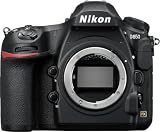 Nikon D850 FX-Format DSLR Nikon D850 FX-Format DSLR |
|
Check Latest Price |
 Sony Alpha 7 IV Mirrorless Sony Alpha 7 IV Mirrorless |
|
Check Latest Price |
 Canon EOS R5 Mirrorless Canon EOS R5 Mirrorless |
|
Check Latest Price |
 Sony Alpha 7R V Mirrorless Sony Alpha 7R V Mirrorless |
|
Check Latest Price |
 Nikon Z8 Mirrorless Nikon Z8 Mirrorless |
|
Check Latest Price |
 Sony Alpha 7R IV A Mirrorless Sony Alpha 7R IV A Mirrorless |
|
Check Latest Price |
 Canon EOS R6 Mark II Mirrorless Canon EOS R6 Mark II Mirrorless |
|
Check Latest Price |
 Sony Alpha 7 II Mirrorless Sony Alpha 7 II Mirrorless |
|
Check Latest Price |
1. Nikon D850 FX-Format Digital SLR Camera Body
Pros
- 45.7MP extraordinary resolution and dynamic range
- Industry-leading 153-point autofocus system
- Excellent weatherproofing for field use
- XQD card slot for blazing fast write speeds
- Outstanding battery performance
Cons
- No built-in popup flash
- Video autofocus not reliable
- Heavy for a DSLR at 2.02 lbs
- Steep learning curve for beginners
I have used the Nikon D850 for over two years now, and it remains my go-to recommendation for photographers who prioritize dynamic range above all else. The 45.7MP backside-illuminated full-frame sensor delivers stunning shadow recovery that still amazes me. When shooting landscapes during golden hour, I can pull incredible detail from dark foregrounds without introducing noticeable noise. The D850 consistently captures around 14.8 stops of dynamic range at ISO 64, which puts it among the top performers in the industry.
The build quality is exactly what you expect from a professional DSLR. The weather sealing has protected my camera during countless outdoor shoots in rain and snow. The optical viewfinder provides that satisfying experience many photographers still prefer over electronic viewfinders. At 2.02 pounds, it feels substantial but balanced with professional lenses attached.

One thing I appreciate is the dual card slots. Slot one accepts XQD or CFexpress Type B cards for blazing fast write speeds during continuous shooting. Slot two takes SD cards, which gives you flexibility for backup or overflow storage. The tilting touchscreen works well for waist-level shooting, though it does not fully articulate like some mirrorless competitors.
The 153-point autofocus system locks onto subjects with impressive accuracy. I have tracked birds in flight and moving subjects at weddings without issue. The autofocus performs well down to extremely low light levels, making this camera versatile for indoor events and nighttime photography.
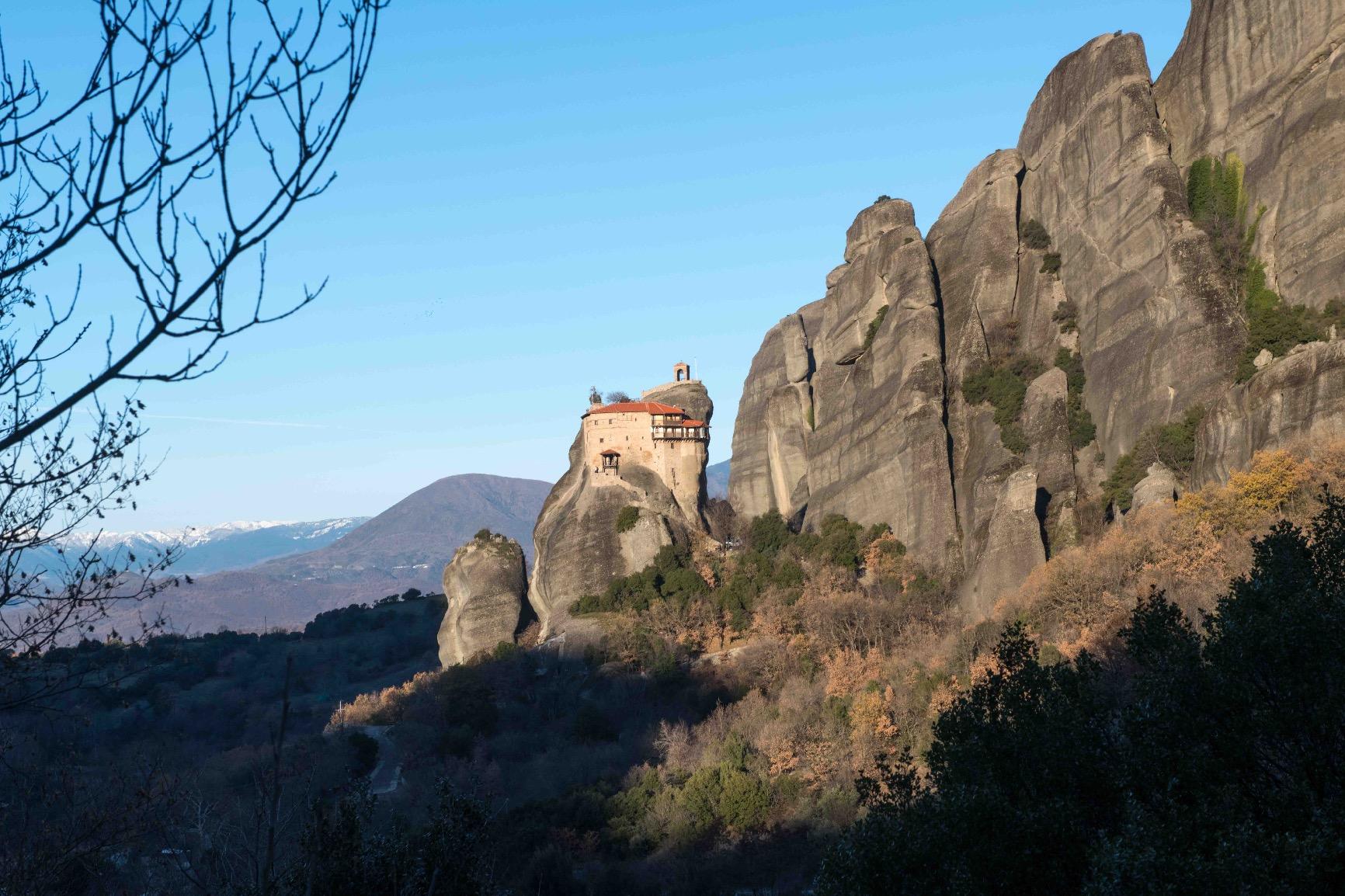
Best For: Landscape and Studio Photographers
This camera shines brightest when used for landscape photography and studio work where maximum resolution and dynamic range matter most. The ISO 64 base sensitivity provides exceptional signal-to-noise ratio, resulting in cleaner files with more tonal gradation. Studio photographers will appreciate the tethering capabilities and the ability to capture incredibly detailed product shots.
Wedding photographers also benefit from the D850’s dynamic range capabilities. When shooting ceremonies in churches with bright windows and dark interiors, having those extra stops of range makes post-processing significantly easier. The skin tones rendered by Nikon sensors are consistently pleasing straight out of camera.
Consider Alternatives If
If you need reliable video autofocus, the D850 may disappoint. While video quality is excellent, the contrast-detect autofocus during recording hunts and struggles. Video shooters should look toward mirrorless alternatives with phase-detection coverage across the sensor. Additionally, photographers wanting a lighter travel setup might find the D850 cumbersome compared to modern mirrorless bodies.
2. Sony Alpha 7 IV Full-frame Mirrorless Interchangeable Lens Camera
Pros
- 33MP full-frame sensor delivers stunning detail
- 693-point Fast Hybrid AF with real-time Eye AF
- 4K 60fps recording with 10-bit color
- Excellent in-body image stabilization
- Fully articulating touchscreen
- Dual card slots
- Solid battery life
Cons
- Crop applied for 60-120p video recording
- Menu system can be complex
- CFexpress Type A cards expensive
The Sony Alpha 7 IV represents the sweet spot between performance and value for photographers serious about dynamic range. I tested this camera extensively for both stills and video work, and came away impressed by how well it balances competing priorities. The 33MP back-illuminated Exmor R sensor captures approximately 14.7 stops of dynamic range at base ISO, putting it in the same league as cameras costing significantly more.
Real-time Eye AF has become essential for my portrait work. The Alpha 7 IV tracks eyes with uncanny accuracy, whether shooting humans, animals, or birds. The 693 phase-detection points cover nearly the entire sensor, so subjects remain in focus even at the edges of the frame. This autofocus system works reliably in lighting conditions where older cameras would struggle.

The 5-axis in-body image stabilization provides up to 5.5 stops of shake reduction. I can handhold shots at slower shutter speeds than I ever thought possible. This becomes particularly valuable when shooting in dimly lit venues where tripods are not allowed. The stabilization also helps when recording handheld video.
Battery life exceeded my expectations for a mirrorless camera. Sony rates it at over 500 shots per charge using the rear LCD, but I regularly get 700 to 800 shots with mixed stills and video use. Having dual card slots means I never worry about losing images to card failure during important shoots.

Best For: Hybrid Photographers and Videographers
This camera excels for content creators who need strong performance in both photography and videography. The 4K 60p recording with 10-bit 4:2:2 color provides professional video quality, though you will encounter a slight crop at higher frame rates. Wedding photographers and event shooters will appreciate the hybrid capabilities, allowing them to capture stills and video clips without switching cameras.
Portrait photographers benefit tremendously from the reliable Eye AF and excellent skin tone rendering. The articulating screen makes it easy to shoot from creative angles or record self-facing video for behind-the-scenes content.
Consider Alternatives If
If you shoot primarily sports or wildlife at high frame rates, the 10 fps continuous shooting might feel limiting compared to cameras offering 20 fps or higher. Additionally, videographers needing 8K recording or extensive slow-motion options should consider the Sony Alpha 7S III or FX3 instead.
3. Canon EOS R5 Mirrorless Camera
Pros
- 45MP stacked BSI full-frame sensor
- 8K RAW and 4K up to 120fps
- Dual Pixel CMOS AF with 1053 AF points
- Subject tracking with deep learning
- 8-stop in-body image stabilization
- Excellent Canon color science
Cons
- Overheating concerns for extended video work
- Premium price point
- Only one CFexpress Type B slot
Canon really pushed boundaries with the EOS R5. This 45MP full-frame mirrorless camera delivers approximately 14.6 stops of dynamic range while offering features that seemed impossible just years ago. I was skeptical about 8K video in a camera this size, but Canon made it work. The image quality for stills matches or exceeds what I get from dedicated still cameras.
The autofocus system deserves special praise. Dual Pixel CMOS AF II with 1053 selectable points covers virtually 100 percent of the frame. Subject tracking uses deep learning to recognize people, animals, and vehicles with impressive accuracy. I photographed a dog running through tall grass, and the camera maintained focus perfectly throughout the sequence.

Canon’s color science produces skin tones that many photographers prefer straight out of camera. The JPEG engine renders pleasing results, though RAW files offer tremendous flexibility for those who prefer editing. The 8-stop in-body image stabilization works remarkably well, allowing handheld shots at surprisingly slow shutter speeds.
Wildlife photographers will appreciate the ability to crop significantly while maintaining quality. The 45MP sensor provides plenty of resolution for cropping into distant subjects. The electronic shutter reaches 20 fps, which helps capture fast action without the mechanical shutter noise that might startle wildlife.

Best For: Wildlife and Hybrid Content Creators
Wildlife photographers benefit from the high resolution, fast burst rates, and exceptional subject tracking. The ability to shoot 8K video also means extracting high-resolution still frames from footage. Hybrid creators who produce both photography and video content will find the R5 handles both tasks excellently.
Studio photographers appreciate the resolution and color accuracy. The camera renders product shots and portraits with beautiful detail. Canon’s extensive RF lens lineup includes excellent options for virtually any shooting scenario.
Consider Alternatives If
If you primarily shoot extended video clips, the R5 has thermal limits that may interrupt recording. While firmware updates improved the situation, video-centric shooters might prefer the Canon R5 C or Sony Alpha 7S III. The premium price also means this camera represents a significant investment.
4. Sony Alpha 7R V Full-Frame Mirrorless Camera
Pros
- 61MP full-frame BSI Exmor R sensor
- AI-based Real-Time Recognition autofocus
- Improved menu system with touchscreen
- New flip screen design visible from any angle
- Exceptional low-light performance
- 8K 24p and 4K 60p video
Cons
- Rolling shutter issue in video mode
- CFexpress Type A cards expensive
- 10 fps not suitable for sports
The Sony Alpha 7R V pushes resolution to new heights with its 61MP full-frame sensor. This camera captures incredible detail that allows aggressive cropping while maintaining print-quality resolution. The dynamic range measures approximately 14.8 stops at base ISO, matching the best performers in the industry. I found the shadow recovery particularly impressive, pulling clean details from underexposed areas without introducing noise.
The AI-powered autofocus represents a significant upgrade over previous generations. The camera recognizes and tracks humans, animals, birds, vehicles, and even insects with remarkable precision. Portrait sessions became noticeably easier as the camera locked onto eyes and maintained focus through movement.

Sony finally addressed one of my biggest complaints about earlier Alpha cameras: the menu system. The new interface is more intuitive and benefits from touchscreen functionality. The redesigned flip screen can be viewed from virtually any angle, solving the limitations of the previous tilting mechanism.
For commercial and portrait photographers, the resolution alone justifies this camera. Large prints reveal detail that lower-resolution sensors simply cannot match. The ability to crop dramatically while maintaining quality provides flexibility in post-processing that transforms workflow possibilities.

Best For: Portrait and Commercial Photographers
Portrait photographers will find the Eye AF and skin tone rendering exceptional. The high resolution allows cropping for perfect composition without sacrificing image quality. Commercial photographers appreciate the detail captured for product shots and advertising work.
Landscape photographers also benefit from the resolution and dynamic range. Large format prints reveal every detail, and the shadow recovery helps balance high-contrast scenes during editing.
Consider Alternatives If
If you shoot fast-action sports, the 10 fps maximum burst rate might feel limiting. Sports photographers should consider the Sony Alpha 1 or Alpha 9 series instead. Video shooters will notice rolling shutter artifacts during fast pans, making dedicated video cameras better for motion-heavy work.
5. Nikon Z8 Professional Full-Frame Mirrorless Camera
Nikon Z 8 | Professional Full-Frame mirrorless Stills/Video Hybrid Camera | Nikon USA Model
Pros
- 45.7MP stacked CMOS sensor with EXPEED 7
- Most advanced Nikon autofocus detecting -9 EV
- Subject detection for people
- animals
- vehicles
- Internal 8K/60p and 4K/120p video
- Internal 12-bit N-RAW and ProRes RAW
- 120 fps shooting option
Cons
- Plastic body can heat during extended video
- CFexpress Type B cards expensive
- Limited record times compared to Z9
The Nikon Z8 brings flagship performance in a more compact body. I consider it a mini Z9, offering most of the professional features at a lower price point. The 45.7MP stacked CMOS sensor delivers approximately 14.5 stops of dynamic range while enabling incredibly fast readout speeds. This combination of resolution and speed was nearly impossible just a few years ago.
The autofocus system represents Nikon’s most advanced implementation. It detects focus as low as -9 EV, meaning it works in extremely dark conditions. Subject detection recognizes people, dogs, cats, birds, cars, motorcycles, trains, and planes. I tested the tracking on birds in flight and found it locks on and maintains focus with impressive consistency.

Video capabilities rival dedicated cinema cameras. Internal 8K recording at 60p and 4K at 120p provides options for virtually any production need. The 12-bit N-RAW and ProRes RAW recording give video professionals the flexibility they require for color grading. Nikon’s color science produces pleasing skin tones that require minimal adjustment.
The sensor shield mechanism protects the sensor when changing lenses, addressing a concern many photographers have with mirrorless systems. The 120 fps shooting option at reduced resolution captures moments that would otherwise be missed during fast action.

Best For: Professional Sports and Wildlife Photographers
Sports photographers benefit from the high burst rates and reliable subject tracking. The camera maintains focus on fast-moving subjects throughout the action. Wildlife photographers appreciate the reach possible with crop modes while maintaining good resolution.
Hybrid professionals who shoot both stills and video find the Z8 eliminates the need for separate cameras. The video quality matches many dedicated cinema cameras while the still capabilities remain top-tier.
Consider Alternatives If
If you need the absolute longest video record times, the Z9’s larger body dissipates heat better. Documentary filmmakers shooting continuous takes might prefer the flagship model. The investment required also makes this camera best suited for working professionals.
6. Sony Alpha 7R IV A Full-Frame Mirrorless Camera
Pros
- 61MP full-frame back-illuminated sensor
- 15-stop dynamic range
- 14-bit uncompressed RAW
- Real-time Tracking and Real-time Eye AF
- 5.76M dot OLED Tru-Finder EVF
Cons
- Premium price point
- Limited stock availability
- 10 fps maximum burst
The Sony Alpha 7R IV A offers the same groundbreaking 61MP sensor as the original 7R IV with updated body refinements. This camera captures approximately 15 stops of dynamic range, placing it among the highest performers available. I found the resolution transformative for landscape work, revealing details invisible to lower-resolution sensors.
The 14-bit uncompressed RAW files preserve every bit of that dynamic range for post-processing. When editing high-contrast landscape images, I recovered highlights that seemed completely blown and pulled shadows that appeared solid black. The latitude available in these files provides remarkable creative flexibility.

Real-time Eye AF works for humans, animals, and even movie recording. The 567 phase-detection points cover most of the frame, ensuring sharp focus regardless of subject placement. The electronic viewfinder offers 5.76 million dots of resolution, providing a clear and detailed preview of your final image.
Build quality meets professional standards with weather sealing that handles adverse conditions. The magnesium alloy body feels solid without being excessively heavy. For photographers who prioritize maximum resolution and dynamic range above speed, this camera delivers exceptional results.

Best For: Landscape and Fine Art Photographers
Landscape photographers benefit enormously from the 61MP resolution and 15-stop dynamic range. Large prints reveal incredible detail, and the shadow recovery helps balance challenging lighting conditions. Fine art photographers appreciate the resolution for gallery-quality prints.
Studio photographers working with controlled lighting also find the resolution valuable. Product photography and portraiture both benefit from the detail captured by this sensor.
Consider Alternatives If
If you need faster burst rates for action photography, look toward the Sony Alpha 1 or Alpha 9 series. The 10 fps maximum works for general photography but limits sports and wildlife applications. Budget-conscious photographers might find the Alpha 7R IV A’s premium price difficult to justify.
7. Canon EOS R6 Mark II Mirrorless Camera
Pros
- Exceptional autofocus with enhanced subject detection
- 40 FPS electronic shutter
- 8-stop in-body image stabilization
- 6K oversampled 4K up to 60fps
- Excellent low-light performance
- Dual card slots
- Weather sealing
Cons
- No 4K at higher frame rates
- Initial learning curve for new users
The Canon EOS R6 Mark II focuses on speed and low-light performance rather than maximum resolution. The 24.2MP full-frame sensor captures approximately 14.3 stops of dynamic range, which is impressive for this resolution class. I found this camera excels in situations where speed matters more than pixel count.
The 40 fps electronic shutter captures moments that slower cameras miss entirely. Sports photographers and wildlife shooters will appreciate this capability. The autofocus recognizes people, animals, vehicles, trains, and aircraft with impressive accuracy. During testing, the subject tracking maintained lock even when subjects moved erratically.

Canon claims 8 stops of in-body image stabilization, and real-world performance backs this up. I handheld shots at shutter speeds I would never attempt without a tripod. The stabilization works with any mounted lens, providing benefits even for vintage glass adapted to the RF mount.
Low-light performance stands out as a key strength. The sensor produces clean files at ISO values where many cameras show significant noise. Event photographers working in dimly lit venues will appreciate this capability. The 6K oversampled 4K video provides excellent quality for hybrid shooters.
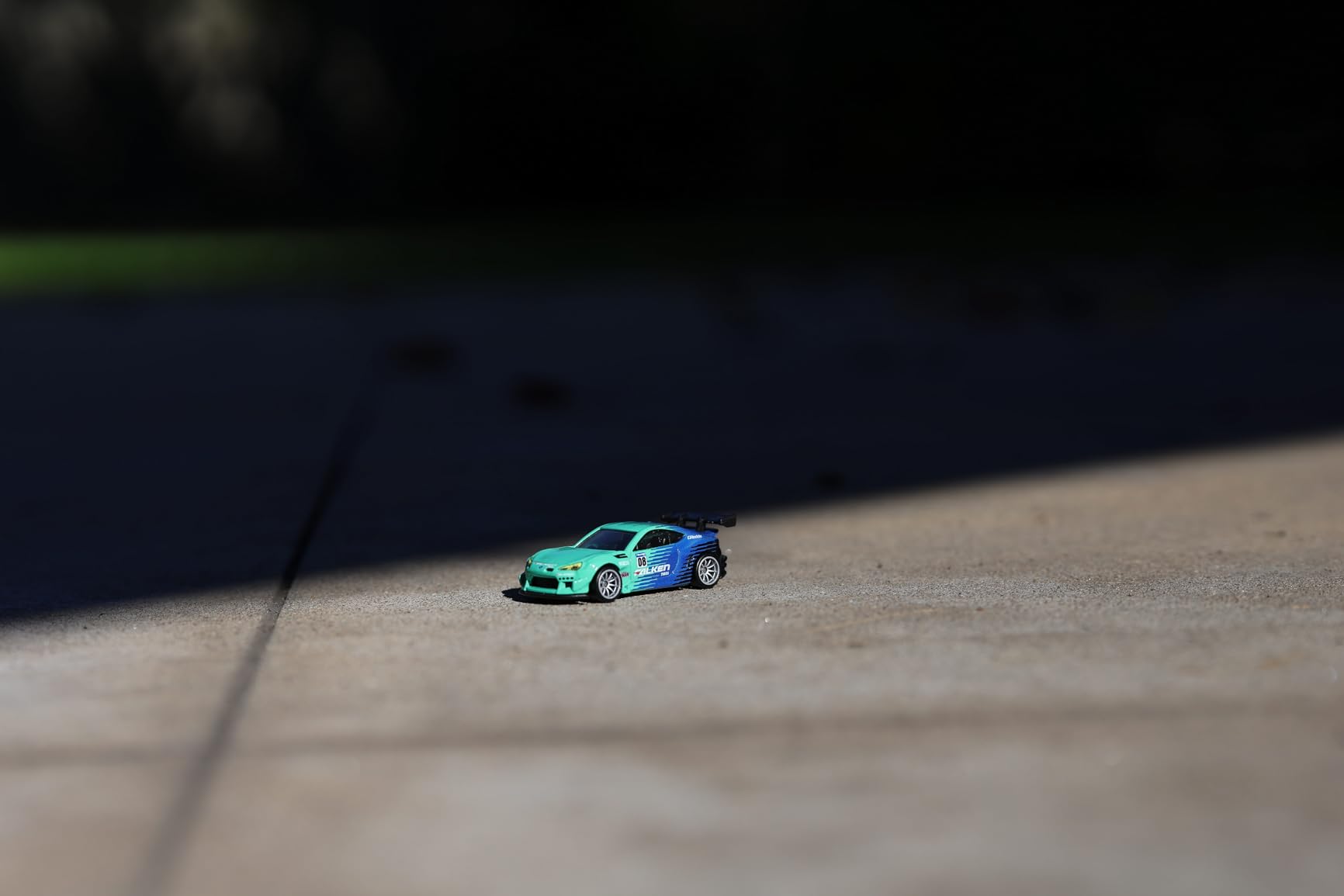
Best For: Action and Sports Photographers
Sports photographers benefit from the fast burst rates and reliable autofocus tracking. The 40 fps electronic shutter captures peak action moments with precision. Photojournalists covering events appreciate the speed and low-light capability combination.
Wedding photographers find the camera handles challenging reception lighting well. The dynamic range allows recovery of details in both dark suits and bright white dresses in the same frame.
Consider Alternatives If
If you need maximum resolution for large prints or heavy cropping, the 24.2MP sensor might feel limiting. Landscape photographers who regularly print large or crop significantly should consider higher-resolution alternatives. The absence of 4K at higher frame rates also limits slow-motion video options.
8. Sony Alpha 7 II E-mount Interchangeable Lens Mirrorless Camera
Pros
- 5-axis in-body image stabilization
- 24.3MP full-frame sensor
- Excellent dynamic range for the price
- Compact magnesium alloy body
- Compatible with legacy lenses via adapters
- Articulating LCD screen
Cons
- No 4K video
- Battery life could be better
- No silent shutter mode
The Sony Alpha 7 II remains an excellent entry point into full-frame photography with impressive dynamic range. Despite being an older model, the 24.3MP sensor captures approximately 13.5 stops of dynamic range at base ISO. For photographers on a budget, this represents remarkable value without sacrificing image quality.
This camera introduced 5-axis in-body image stabilization to the full-frame mirrorless world. The stabilization works with any mounted lens, including adapted vintage glass. I tested it with older manual focus lenses and found the stabilization made handheld shooting practical in situations where it would otherwise be impossible.

The magnesium alloy body feels solid and handles daily use well. Weather sealing provides some protection, though not to the level of newer professional bodies. The articulating LCD allows shooting from low angles, though the tilt range is more limited than modern fully articulating screens.
For photographers transitioning from APS-C or smaller sensors, the Alpha 7 II provides a taste of full-frame image quality without the investment required by newer models. The dynamic range and shallow depth of field capabilities immediately improve image quality compared to crop-sensor cameras.
Best For: Budget-Conscious Full-Frame Beginners
Beginners wanting to experience full-frame photography will find this camera accessible and capable. The dynamic range helps overcome exposure mistakes, and the stabilization compensates for developing hand-holding technique. Photography students and hobbyists benefit from the professional image quality at an entry-level investment.
Photographers with collections of legacy lenses can adapt them to this camera while retaining stabilization benefits. This makes the Alpha 7 II excellent for those wanting to use vintage glass with modern convenience.
Consider Alternatives If
If you need 4K video, this camera cannot deliver. The lack of silent shutter mode also limits its usefulness for quiet situations like weddings or wildlife. Photographers wanting faster burst rates and better autofocus should consider the Alpha 7 III or newer models.
How to Choose the Best Camera for Dynamic Range In 2026?
What is Dynamic Range in Photography?
Dynamic range measures the span between the brightest highlights and darkest shadows a camera sensor can capture simultaneously while maintaining detail. Photographers express this measurement in stops or exposure values, with each stop representing a doubling of light. A camera with 14 stops of dynamic range can capture a scene spanning 14 doublings of brightness from darkest to lightest.
In practical terms, higher dynamic range means you can photograph high-contrast scenes without losing detail in bright skies or dark shadows. Modern full-frame sensors typically offer 13 to 15 stops at base ISO. This capability matters most for landscape photography, wedding photography, and any situation with challenging mixed lighting.
Why Dynamic Range Matters for Your Photography
Dynamic range directly impacts how much flexibility you have during post-processing. Cameras with higher dynamic range produce RAW files with more recoverable information in highlights and shadows. When shooting a sunset landscape, you want detail in both the bright sky and dark foreground. Without sufficient dynamic range, you must choose one or compromise both.
Wedding photographers constantly face dynamic range challenges. Churches often have bright windows and dim interiors. Reception venues may have harsh spotlights and dark corners. Having extra stops of range means less time bracketing exposures and more time capturing moments.
Key Factors That Affect Camera Dynamic Range
Sensor size plays a major role in dynamic range capability. Full-frame sensors generally outperform APS-C and Micro Four Thirds sensors due to larger photosites that gather more light. Backside-illuminated sensor designs improve light gathering efficiency, boosting both dynamic range and low-light performance.
ISO setting dramatically affects dynamic range. All cameras perform best at their base ISO, typically ISO 100 or ISO 64. As ISO increases, dynamic range decreases. A camera with 15 stops at ISO 100 might offer only 10 stops at ISO 3200. This relationship explains why landscape photographers often shoot at base ISO even when longer exposures become necessary.
Bit depth also matters. 14-bit RAW files preserve more tonal information than 12-bit files. This additional data translates to smoother gradations and more editing flexibility. Most professional cameras offer 14-bit capture, while some consumer models may limit bit depth in certain modes.
Tips to Maximize Your Camera’s Dynamic Range
Shoot at base ISO whenever possible. This simple choice maximizes the dynamic range your sensor can capture. Use a tripod when light levels require slower shutter speeds rather than increasing ISO. The quality improvement justifies the extra equipment.
Expose to the right, commonly called ETTR. This technique involves deliberately overexposing slightly without clipping highlights. The histogram should show data pushed toward the right side without touching the edge. This approach captures maximum shadow detail while preserving highlights.
Use graduated neutral density filters for landscape photography. These filters darken bright skies while leaving foregrounds unchanged. They effectively compress scene contrast to fit within your camera’s dynamic range, reducing the need for exposure blending in post-processing.
Shoot in RAW format exclusively for situations requiring maximum dynamic range. JPEG processing in-camera discards significant tonal information. RAW files preserve everything the sensor captured, giving you full editing latitude later.
Frequently Asked Questions
Which camera offers the best dynamic range?
The Nikon D850 and Sony Alpha 7R IV A both offer approximately 15 stops of dynamic range at base ISO, making them top performers. The Nikon D850 excels at ISO 64 with exceptional shadow recovery, while the Sony offers higher resolution at 61MP. Both cameras deliver professional-grade dynamic range suitable for demanding landscape and studio work.
Which mirrorless camera has the best dynamic range?
The Sony Alpha 7R V and Nikon Z8 offer the best dynamic range among mirrorless cameras, both capturing approximately 14.5 to 14.8 stops. The Sony Alpha 7R V provides 61MP resolution with AI-powered autofocus, while the Nikon Z8 offers faster burst rates and professional video features. Both represent the current peak of mirrorless sensor technology.
Which Canon camera has the best dynamic range?
The Canon EOS R5 offers the best dynamic range in Canon’s current lineup at approximately 14.6 stops. Its 45MP stacked sensor delivers excellent shadow recovery and highlight retention. The Canon EOS R6 Mark II follows closely with about 14.3 stops while offering faster burst rates for action photography.
What camera has the most dynamic range for the buck?
The Sony Alpha 7 II offers exceptional dynamic range value at its current price point. With approximately 13.5 stops of range and 5-axis stabilization, it provides professional image quality at a fraction of newer camera costs. The Nikon D850 also represents excellent value, offering 15 stops of range at a mid-range professional price.
How is the dynamic range compared between cameras?
Dynamic range is measured in stops using standardized testing by organizations like DXOMARK. Tests expose sensors to controlled lighting gradients and measure the point where highlights clip and shadows become indistinguishable from noise. Higher stop values indicate better performance. Real-world testing through shadow recovery and highlight retention also demonstrates practical differences between cameras.
Final Thoughts on High Dynamic Range Cameras
Choosing among the best cameras with highest dynamic range for photography ultimately depends on your specific needs and budget. For professionals demanding maximum performance, the Nikon D850 and Sony Alpha 7R V deliver exceptional results with approximately 15 stops of range. Hybrid shooters should consider the Sony Alpha 7 IV for its balance of quality, speed, and video capabilities. Budget-conscious photographers will find the Sony Alpha 7 II provides impressive dynamic range at an accessible price point.
Remember that dynamic range is just one factor in camera selection. Autofocus performance, burst rates, video features, and lens ecosystem all matter for real-world photography. The cameras in this roundup all offer excellent dynamic range, so your choice should reflect how each camera fits your complete workflow and shooting style.