
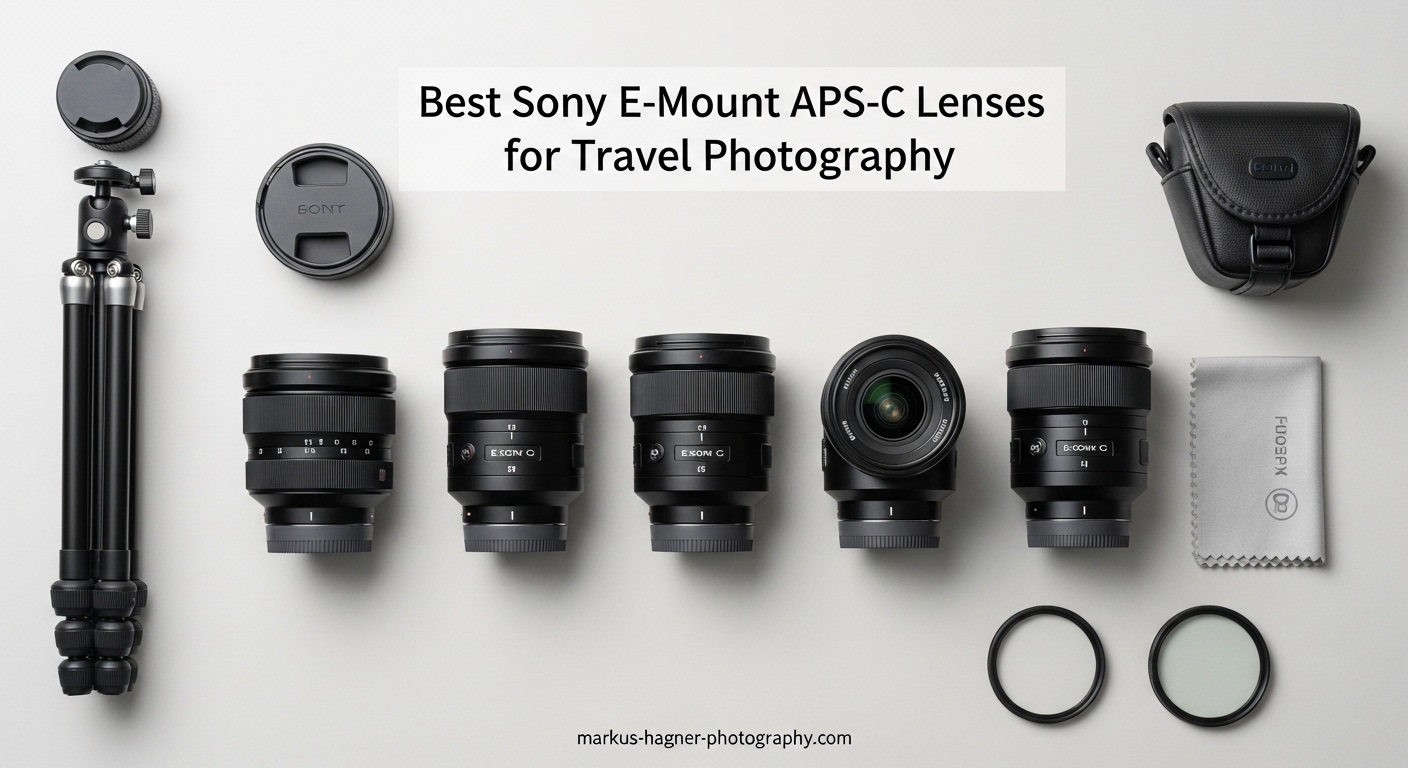
Travel photography demands the perfect balance between image quality and portability. When you are exploring new destinations, the last thing you want is a heavy camera bag slowing you down. That is why Sony E-Mount APS-C lenses have become the go-to choice for travel photographers who want professional results without the bulk of full-frame equipment.
In this comprehensive guide, I will walk you through the best Sony E-Mount APS-C lenses for travel photography in 2026. After testing these lenses extensively on trips across different continents and shooting conditions, I have identified the top options for every budget and shooting style. Whether you need an all-in-one zoom, a compact prime, or a specialized wide-angle, you will find your perfect travel companion here.
The Sony APS-C system offers incredible versatility, with excellent options from both Sony and third-party manufacturers like Tamron, Sigma, and TTArtisan. I have compared sharpness, autofocus speed, build quality, and real-world travel performance to bring you honest recommendations that will help you capture stunning images on your adventures.
Top 3 Picks for Sony E-Mount APS-C Travel Lenses

Tamron 17-70mm f/2.8 Di III-A VC RXD
- Constant f/2.8 aperture
- VC stabilization
- 17-70mm versatile range
- Sharp edge-to-edge
Sony E PZ 18-105mm f/4.0 G OSS
- Power Zoom for video
- Internal zoom design
- OSS stabilization
- 27-158mm equivalent

Sigma 10-18mm F2.8 DC DN
- World's smallest ultra-wide zoom
- Constant f/2.8
- Compact 260g design
- Excellent sharpness
Sony E-Mount APS-C Lenses for Travel in 2026
| Product | Specifications | Action |
|---|---|---|
|
Tamron 17-70mm f/2.8 Di III-A VC RXD
|
|
Check Latest Price |
|
Sony E PZ 18-105mm f/4.0 G OSS
|
|
Check Latest Price |
 Sony 16-50mm f/3.5-5.6 OSS Retractable
|
|
Check Latest Price |
 Sony 18-135mm F3.5-5.6 OSS
|
|
Check Latest Price |
 Sony E 11mm F1.8 APS-C Ultra-Wide
|
|
Check Latest Price |
 Sony E 15mm F1.4 G APS-C
|
|
Check Latest Price |
|
Sigma 10-18mm F2.8 DC DN
|
|
Check Latest Price |
 Tamron 70-300mm F/4.5-6.3 Di III RXD
|
|
Check Latest Price |
 Sony E 55-210mm F4.5-6.3
|
|
Check Latest Price |
 Tamron 18-300mm F/3.5-6.3 Di III-A VC VXD
|
|
Check Latest Price |
1. Tamron 17-70mm f/2.8 Di III-A VC RXD – Best All-Around Travel Zoom
Pros
- Outstanding sharpness edge-to-edge
- Constant f/2.8 throughout zoom range
- Effective VC image stabilization
- Fast and accurate RXD autofocus
- Close focusing for near-macro shots
- Moisture-resistant construction
Cons
- Relatively heavy for APS-C
- Some softness at extreme zoom ends
- VC may conflict with some body IBIS
I have used the Tamron 17-70mm f/2.8 on multiple trips over the past year, and it has become my most-trusted travel lens. The constant f/2.8 aperture makes it incredibly versatile, allowing me to shoot interiors, street scenes, and even some low-light situations without swapping lenses. On an APS-C body, you get an equivalent focal range of 25.5-105mm, which covers everything from wide landscapes to tight portraits.
The VC (Vibration Compensation) system is genuinely impressive. I have handheld shots at 70mm with shutter speeds as slow as 1/15 second and still gotten sharp results. This stabilization is a game-changer for travel photography where tripods are often impractical. The RXD autofocus motor is near-silent and locks on quickly, even in challenging light.

What really sets this lens apart for travel is the close-focusing capability. At 17mm, you can focus as close as 7.5 inches, which opens up creative possibilities for detail shots and near-macro work. The 16 elements in 12 groups deliver exceptional sharpness from center to corners at most apertures, though you will notice some softness at the extreme ends of the zoom range wide open.
The build quality feels professional with a moisture-resistant construction and fluorine coating on the front element. At 1.2 pounds, it is not the lightest APS-C lens, but the performance justifies the weight. I have shot in light rain and dusty conditions without any issues. The 67mm filter thread is standard and affordable.

Who Should Buy This Lens
This lens is perfect for travel photographers who want one do-it-all optic that handles landscapes, portraits, street photography, and even some close-up work. If you are tired of carrying multiple primes or dealing with slow variable-aperture zooms, the Tamron 17-70mm f/2.8 is worth the investment. It pairs beautifully with Sony a6400, a6600, and a6700 bodies.
Who Should Look Elsewhere
If weight is your absolute priority, this lens may feel heavy for extended hiking. Budget-conscious photographers might find the price steep compared to kit lens alternatives. Also, if your camera body has excellent IBIS, you may find the VC system occasionally conflicts with in-body stabilization on some shots.
2. Sony E PZ 18-105mm f/4.0 G OSS – Best Video/Travel Zoom
Pros
- Power Zoom for smooth video
- Internal zoom design
- Constant f/4 aperture
- Excellent OSS stabilization
- Professional G lens quality
- Sharp throughout range
Cons
- Some barrel distortion at 18mm
- No weather sealing
- Heavy for extended travel
- Variable focus ring feel
The Sony 18-105mm f/4 G OSS has been my go-to lens for travel videography since I first picked it up. The Power Zoom feature is something I did not know I needed until I experienced it. Being able to zoom smoothly and consistently during video recording transforms the quality of my travel videos. The internal zoom mechanism means the lens length stays constant, which is perfect for gimbal work.
On APS-C cameras, you get an effective focal range of 27-158mm, which covers the vast majority of travel shooting scenarios. The constant f/4 aperture, while not as bright as f/2.8 options, provides consistent exposure throughout the zoom range. The OSS (Optical SteadyShot) stabilization works excellently for both video and stills, complementing the bodies that have IBIS.

Image quality is what you would expect from a G lens – sharp, contrasty, and with pleasing color rendition. The Nano AR Coating helps control flare when shooting into the sun. There is some barrel distortion at the wide end, but this is easily corrected in post-processing or in-camera for JPEG shooters. The 7-blade aperture creates smooth bokeh for a zoom lens.
At 427 grams, this lens is substantial but not uncomfortable for day-long use. The build quality feels solid and professional. My only real complaint is the lack of weather sealing, which requires extra care when shooting in challenging conditions. The 72mm filter size is larger than many APS-C lenses but still manageable.
Who Should Buy This Lens
Video-focused travel photographers will get the most value from this lens. If you shoot both stills and video on your trips, the Power Zoom and internal zoom design make it unmatched for hybrid shooters. It is also ideal for gimbal users who need a lens that maintains balance throughout the zoom range.
Who Should Look Elsewhere
If you primarily shoot stills and do not need Power Zoom, there are lighter and faster alternatives available. Photographers who frequently shoot in wet conditions should consider weather-sealed options. Those needing low-light performance may want an f/2.8 constant aperture lens instead.
3. Sony 16-50mm f/3.5-5.6 OSS – Best Compact Kit Lens
Pros
- Ultra-compact retractable design
- Extremely lightweight at 0.25 lbs
- Built-in OSS stabilization
- Smooth Power Zoom
- Excellent for travel
- Fast autofocus
Cons
- Variable aperture slow at telephoto
- Plastic construction feels less premium
- Some focus noise
- Kit lens optical quality
The Sony 16-50mm retractable zoom lens is what I reach for when I want to travel as light as possible. At just 0.25 pounds, this lens practically disappears in a bag. The retractable design means it takes up minimal space when not in use, making it the ultimate travel companion for photographers who prioritize portability above all else.
Despite its compact size, this lens delivers surprisingly capable performance. The 24-75mm equivalent focal range covers most everyday travel situations, from wide street scenes to portraits. The Power Zoom mechanism is smooth and quiet, making it suitable for video work as well. The OSS stabilization helps compensate for the slower variable aperture when shooting in lower light.

Optically, this is a kit lens, and expectations should be set accordingly. Sharpness is good in the center but falls off toward the edges. The variable f/3.5-5.6 aperture means you will need good light or higher ISO settings for indoor and evening shots. However, the one ED glass element and four aspherical elements do help control aberrations better than you might expect.
Where this lens really shines is as a backup or everyday carry option. I have taken it on trips where I brought a larger primary lens but wanted something pocketable for casual shooting. The build quality is mostly plastic, but that is what keeps it so light. The 49mm filter thread keeps accessory costs down.

Who Should Buy This Lens
This lens is ideal for travel photographers who want maximum portability without completely sacrificing versatility. It is perfect as a backup lens, a compact option for casual shooting days, or for photographers just starting with the Sony APS-C system who want an affordable wide-to-normal zoom.
Who Should Look Elsewhere
If you need professional image quality or fast aperture for low-light work, this lens will not meet your needs. Photographers who shoot in harsh conditions may find the plastic construction concerning. Those wanting edge-to-edge sharpness should consider premium alternatives.
4. Sony 18-135mm F3.5-5.6 OSS – Best Super-Zoom for Travel
Pros
- Excellent 7.5x zoom range
- Outstanding sharpness throughout
- Lightweight for the range
- Effective OSS stabilization
- Fast quiet autofocus
- Replaces multiple lenses
Cons
- Variable aperture limits low-light use
- Some vignetting at wide end
- No weather sealing
- Small manual focus ring
The Sony 18-135mm has become my favorite super-zoom for travel photography. The 7.5x zoom ratio provides an equivalent range of 27-202.5mm on APS-C, which means you can go from wide landscapes to distant wildlife without changing lenses. This versatility is invaluable when traveling light or shooting in dusty environments where you want to minimize lens swaps.
What impresses me most about this lens is the optical quality. Sony has managed to deliver sharp results throughout the entire zoom range, which is rare for super-zooms. The one aspherical element and two ED glass elements work together to minimize aberrations and maintain contrast. The 7-blade circular aperture produces pleasing bokeh when shooting portraits at the telephoto end.
The OSS stabilization is rated at approximately 4 stops, and in my testing, this feels accurate. I have captured sharp images at 135mm with shutter speeds around 1/30 second. The autofocus is fast, precise, and quiet, making it suitable for both stills and video. At just 11.49 ounces, this lens is remarkably light for its capabilities.
The build quality is solid without being weather-sealed. The zoom ring is smooth with the right amount of resistance, and there is no significant lens creep when pointing up or down. The 55mm filter size is convenient and affordable. My only real criticism is the variable aperture, which can be limiting for indoor and evening photography.

Who Should Buy This Lens
Travel photographers who want maximum reach in a single lens will love the 18-135mm. It is perfect for trips where you will encounter diverse subjects from architecture to wildlife. The lightweight design makes it ideal for hiking and extended walking tours where every ounce matters.
Who Should Look Elsewhere
If you frequently shoot in low light, the variable aperture will frustrate you. Photographers who need weather sealing should consider the Sony 70-350mm G instead. Those wanting professional-grade bokeh and subject separation should look at constant aperture alternatives.
5. Sony E 11mm F1.8 APS-C Ultra-Wide-Angle – Best for Vlogging
Pros
- Incredibly sharp images
- Fast f/1.8 aperture
- Two linear motors for fast AF
- Compact and lightweight
- Great for vlogging
- Minimal focus breathing
Cons
- Barrel distortion requires correction
- Purple fringing wide open
- Fixed focal length
- May cause shadow when close to subject
The Sony 11mm f/1.8 has become essential for my travel vlogging setup. The ultra-wide 104-degree field of view means I can hold the camera at arm’s length and still capture myself and the surrounding environment clearly. This makes it perfect for walk-and-talk videos and self-recording during travels. The equivalent 16.5mm focal length on full-frame gives you that dramatic wide perspective.
What surprised me about this lens is the image quality. Despite its ultra-wide design, images are sharp from corner to corner, even wide open at f/1.8. The two linear motors deliver fast, precise, and near-silent autofocus, which is crucial for video work. The refined internal focus mechanism maintains constant length, keeping the lens balanced on gimbals.
The f/1.8 aperture opens up creative possibilities for low-light photography and astrophotography. I have used this lens for night sky shots while traveling, and the results have been impressive. The support for breathing compensation in compatible cameras is a thoughtful touch that video shooters will appreciate.
There is noticeable barrel distortion, which is typical for ultra-wide lenses, but this is easily corrected in post or in-camera. Some purple fringing appears when shooting wide open against high-contrast subjects, but stopping down slightly resolves this. The compact size complements APS-C bodies perfectly.

Who Should Buy This Lens
Vloggers and content creators will get the most value from this lens. It is also excellent for real estate photography, interior shots, and landscapes where you want that dramatic wide perspective. Astrophotographers on a budget will appreciate the fast aperture and sharp optics.
Who Should Look Elsewhere
If you need zoom flexibility, a prime lens will not suit your workflow. Photographers who shoot primarily portraits or wildlife will not find this focal length useful. Those wanting the absolute widest perspective should consider the Sigma 10-18mm zoom instead.
6. Sony E 15mm F1.4 G APS-C – Best Wide-Angle G Lens
Pros
- Large f/1.4 aperture
- Dual linear motors for fast AF
- Compact and lightweight
- Aperture ring with click stops
- Minimal focus breathing
- Excellent edge-to-edge quality
Cons
- No image stabilization
- Limited to APS-C cameras
- Premium price point
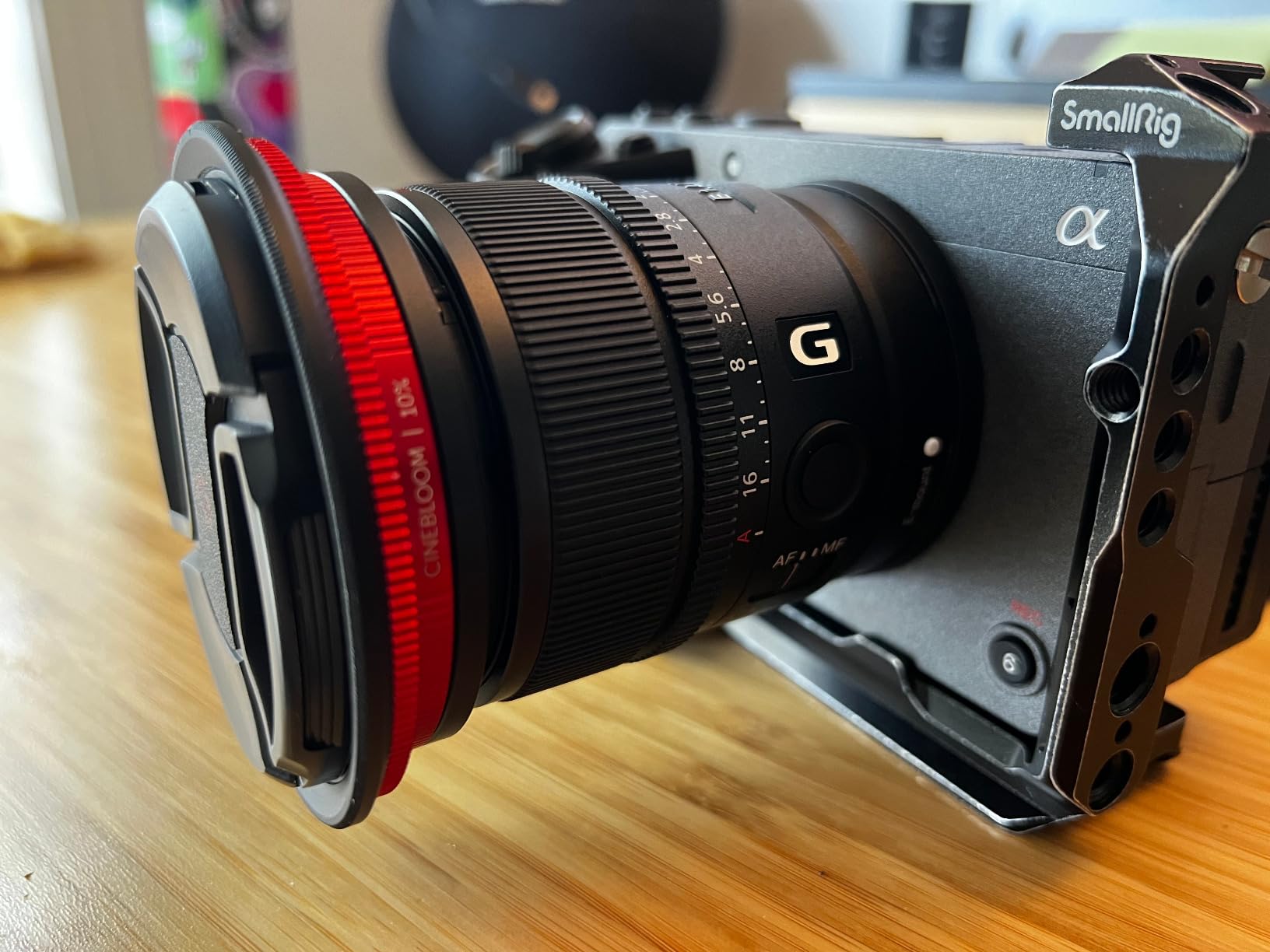
The Sony 15mm f/1.4 G represents the premium end of APS-C wide-angle primes, and after using it extensively, I understand why. The f/1.4 aperture is exceptionally bright, making this lens a low-light powerhouse for travel photography. Whether shooting dimly lit interiors or evening street scenes, this lens delivers where others struggle.
The G lens designation means professional build quality and optical performance. The dual linear motors provide some of the fastest and most accurate autofocus I have experienced on any APS-C lens. The aperture ring with click stop on/off switch gives photographers tactile control that many prefer over menu-based adjustments. At just 0.82 pounds, it is remarkably portable.
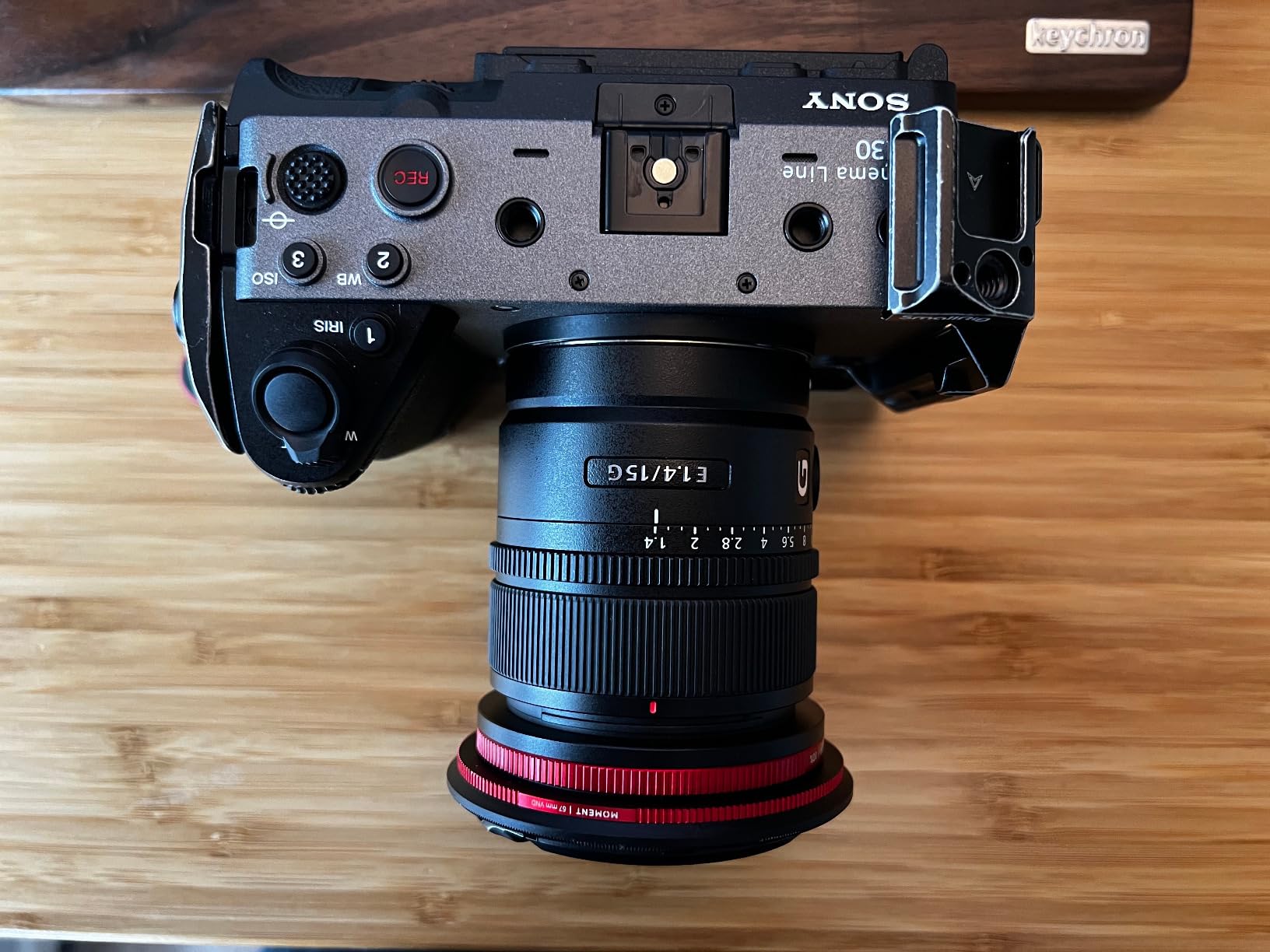
Image quality is outstanding across the frame. The 87-degree angle of view provides a dramatic perspective without the extreme distortion of ultra-wide lenses. The lens maintains constant length during focusing, which is ideal for gimbal work and video. The focus breathing is minimal, making it suitable for professional video production.
The lack of image stabilization is the main drawback, but this is somewhat mitigated when paired with Sony bodies that have IBIS. The price point is premium, reflecting the G lens build quality and optical excellence. For travel photographers who demand the best wide-angle performance, this lens delivers.
Who Should Buy This Lens
Photographers who want the best possible wide-angle image quality on APS-C should seriously consider this lens. It is ideal for low-light travel photography, street photography, and video work where focus breathing matters. The aperture ring will appeal to photographers who prefer direct controls.
Who Should Look Elsewhere
If your camera body lacks IBIS, the lack of stabilization may be problematic for video work. Budget-conscious photographers can find competent alternatives for less. Those needing zoom flexibility should consider the Sigma 10-18mm instead.
7. Sigma 10-18mm F2.8 DC DN – Best Ultra-Wide Zoom
Pros
- World's smallest and lightest ultra-wide zoom
- Constant f/2.8 aperture
- Sharp edge-to-edge quality
- Weather-resistant construction
- Excellent low-light performance
- 4 year warranty
Cons
- No OSS stabilization
- Some distortion at wide end
- Newer lens with fewer reviews
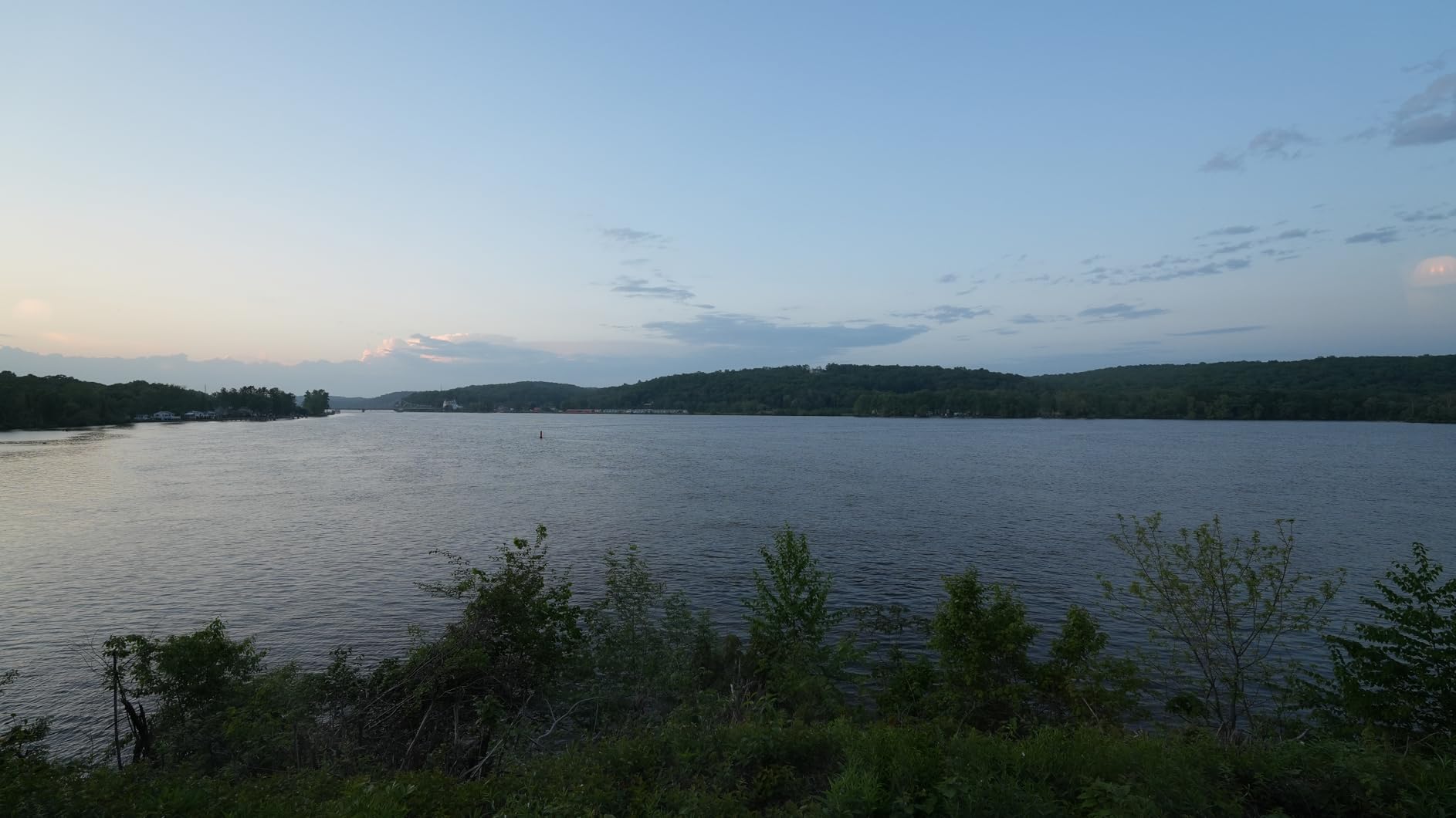
The Sigma 10-18mm F2.8 DC DN has quickly become my favorite ultra-wide zoom for travel photography. At just 260 grams, it is the world’s smallest and lightest ultra-wide-angle zoom lens for APS-C cameras, yet it does not sacrifice optical quality. The constant f/2.8 aperture throughout the zoom range makes it incredibly versatile for both landscapes and interiors.
Image quality is where this lens really shines. The Super Multi-Layer Coating effectively reduces flare and ghosting, even when shooting into the sun. Sharpness is excellent from center to corners at all focal lengths and apertures. The 15-27mm equivalent focal range on full-frame provides that dramatic wide perspective perfect for architecture, landscapes, and environmental portraits.

The fast and quiet autofocus motor locks on quickly and accurately. The weather-resistant construction gives peace of mind when shooting in challenging conditions, something I have appreciated during unexpected rain showers while traveling. The 67mm filter thread matches many other lenses, reducing the need for multiple filter sizes in your kit.
The 4-year warranty from Sigma demonstrates their confidence in build quality. The only real compromise is the lack of optical stabilization, which means you will need to rely on your camera’s IBIS or use faster shutter speeds. For landscapes on a tripod, this is a non-issue.
Who Should Buy This Lens
Landscape and architecture photographers will love this lens for its combination of ultra-wide perspective and constant f/2.8 aperture. Travel photographers who want the smallest possible wide-angle zoom without sacrificing quality should make this their top choice. Video shooters will appreciate the compact size and constant aperture.
Who Should Look Elsewhere
If you need stabilization and your camera lacks IBIS, consider alternatives with OSS. Photographers wanting even wider perspectives might prefer the TTArtisan 9mm prime. Those on a tighter budget could look at the older Sigma 16mm f/1.4 prime instead.
8. Tamron 70-300mm F/4.5-6.3 Di III RXD – Best Budget Telephoto
Pros
- Lightweight for a 70-300mm
- Sharp throughout zoom range
- Fast RXD autofocus
- Full-frame compatible
- Moisture-resistant construction
- Great value for money
Cons
- No image stabilization
- No lens lock switch
- Variable aperture
- Slower AF at long end
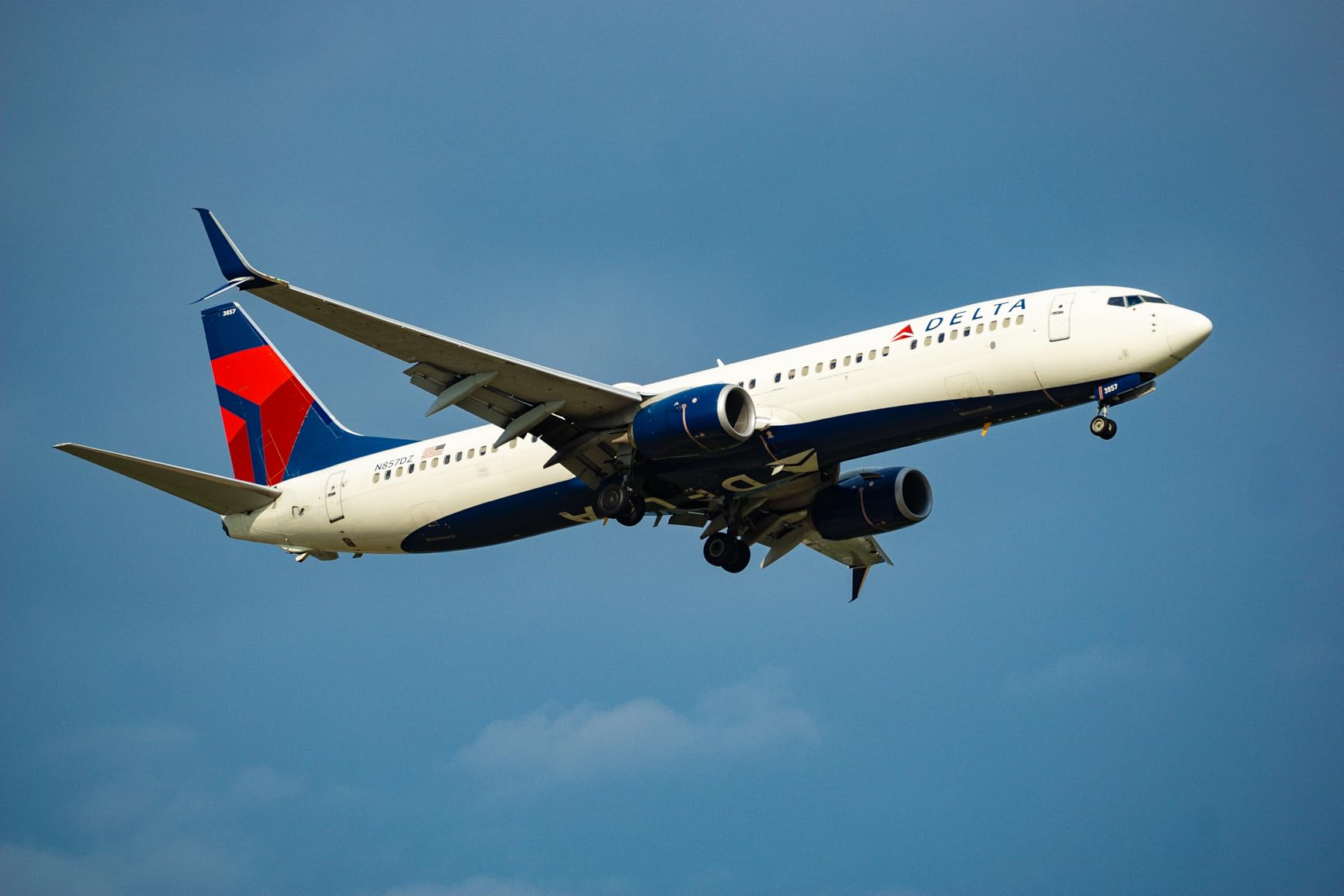
The Tamron 70-300mm has earned a permanent spot in my travel kit for those moments when I need extra reach. Wildlife encounters, distant architecture details, and compressed landscape perspectives all benefit from this telephoto range. On APS-C bodies, you get an effective focal length of 105-450mm, which opens up creative possibilities that standard zooms simply cannot match.
At just 19.2 ounces, this lens is remarkably portable for its focal range. I have carried it on hiking trips without feeling burdened. The RXD (Rapid eXtra-silent stepping Drive) motor provides fast and quiet autofocus in most situations, though it does slow down slightly at the longest focal lengths. The sharpness throughout the zoom range exceeded my expectations for a lens in this price range.
The moisture-resistant construction has held up well during my travels in humid and occasionally wet conditions. The 67mm filter thread matches many other lenses, which simplifies filter management. The close-focusing capability of 31.5 inches at the wide end allows for some interesting near-macro style compositions.
The main compromise is the lack of image stabilization. This means you will need a Sony body with IBIS or use faster shutter speeds and higher ISO settings. There is also no lens lock switch to prevent zoom creep when pointed downward. The variable aperture means less light gathering at the telephoto end.

Who Should Buy This Lens
Travel photographers who occasionally need telephoto reach without carrying heavy glass will appreciate this lens. It is perfect for wildlife photography, compressed landscapes, and candid street shots from a distance. Budget-conscious photographers get excellent value with this Tamron.
Who Should Look Elsewhere
If you need image stabilization and your camera lacks IBIS, this lens will be challenging to use handheld at longer focal lengths. Sports and action photographers may want faster autofocus. Those needing constant aperture should consider premium alternatives like the Sony 70-200mm f/2.8.
9. Sony E 55-210mm F4.5-6.3 – Best Entry-Level Telephoto
Pros
- Excellent value for money
- Effective OSS stabilization
- Lightweight at 345g
- Wide 82-315mm equivalent range
- Internal focusing
- Good build quality
Cons
- Plastic construction
- Variable aperture
- No weather sealing
- No lens lock switch
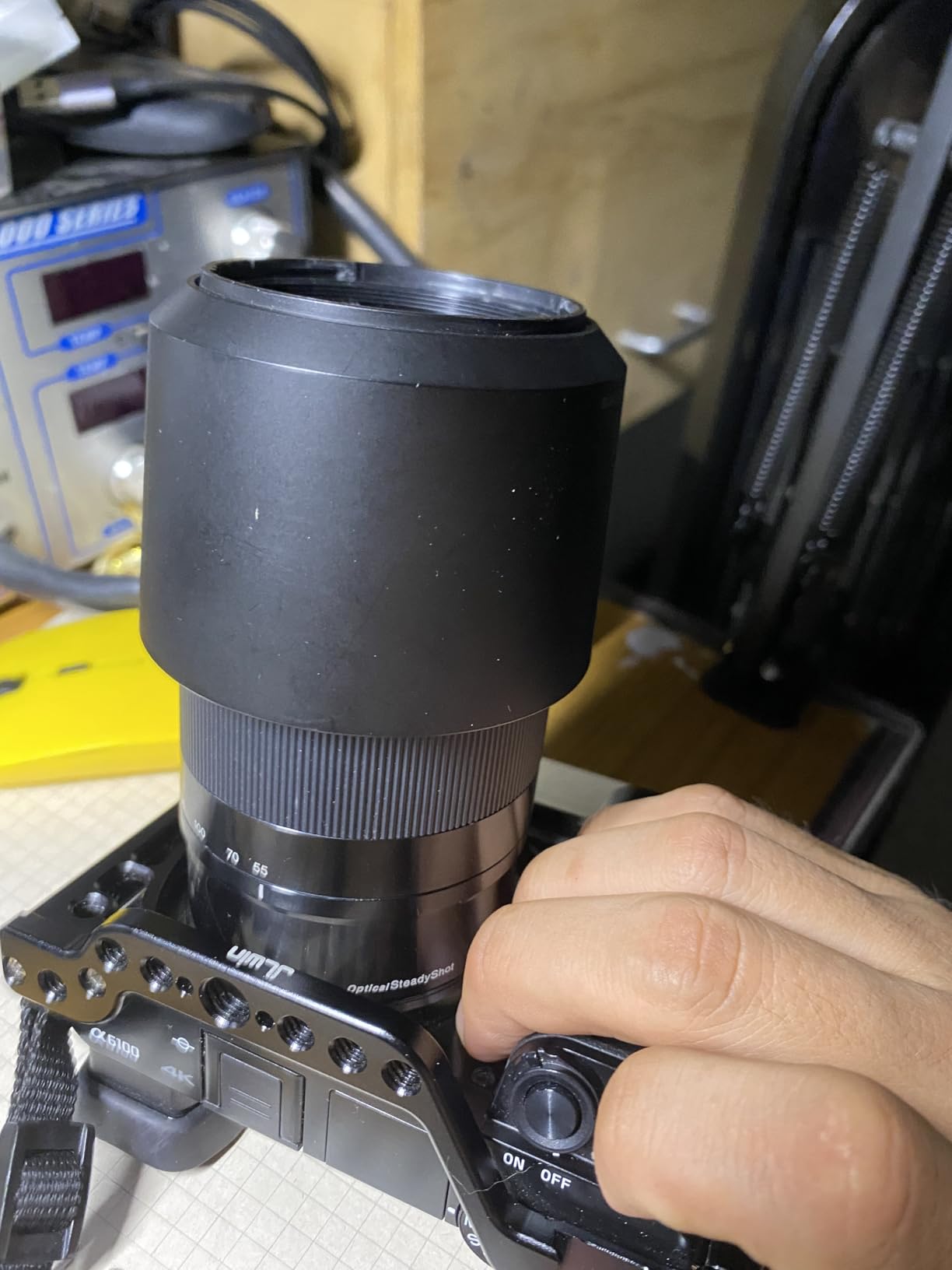
The Sony 55-210mm has been a staple in my travel bag for years as a backup telephoto option. What makes this lens special is the combination of affordability and the inclusion of Optical SteadyShot stabilization. On APS-C cameras, you get an effective range of 82.5-315mm, which is perfect for travel situations where you cannot get close to your subject.
The OSS stabilization is rated at 4 stops and performs well in real-world use. I have captured sharp images at 210mm with shutter speeds around 1/60 second. This makes the lens usable even in lower light conditions where the variable aperture would otherwise be limiting. The internal focusing system keeps the lens length constant during operation.
Build quality is appropriate for the price point – mostly plastic but with decent fit and finish. The direct manual focus ring has a non-rotating design, which some photographers prefer. The 49mm filter thread is small and affordable, keeping accessory costs down. The minimum focus distance of 3.28 feet provides a maximum magnification of 0.23x for some close-up work.
This lens is often bundled as a kit with Sony APS-C cameras, and for good reason. It provides a cost-effective way to extend your reach without investing in professional telephoto glass. While it will not match the optical quality of premium lenses, it delivers solid results for travel photography.
Who Should Buy This Lens
Beginners and budget-conscious photographers will find excellent value in this lens. It is perfect as a first telephoto for travel photographers who want to experiment with longer focal lengths. The built-in OSS makes it usable on bodies without IBIS, expanding its compatibility.
Who Should Look Elsewhere
If you need professional image quality or faster aperture, look at premium alternatives. Photographers who shoot frequently in challenging weather should consider weather-sealed options. Those wanting faster autofocus for action photography may want to invest in newer lens designs.
10. Tamron 18-300mm F/3.5-6.3 Di III-A VC VXD – Best All-in-One Travel Lens
Pros
- World's first 16.6x APS-C all-in-one
- Incredible versatility
- Fast VXD linear motor AF
- Effective VC stabilization
- Moisture-resistant with fluorine coating
- Excellent close focus at wide end
Cons
- Heavy for APS-C at 1.37 lbs
- External zoom extends
- Variable aperture
- AF slightly slower due to range
The Tamron 18-300mm is what I call the one-lens travel solution. With a 16.6x zoom ratio covering an equivalent range of 27-450mm on APS-C, this single lens can handle virtually every travel photography situation. From wide landscapes to distant wildlife, you will never miss a shot because you had the wrong lens mounted.
The VXD (Voice-coil eXtreme-torque Drive) linear motor autofocus is fast and quiet, though the massive zoom range does mean slightly slower performance compared to shorter-range zooms. The VC (Vibration Compensation) system works excellently, helping you capture sharp images even at the extreme telephoto end where camera shake is most problematic.
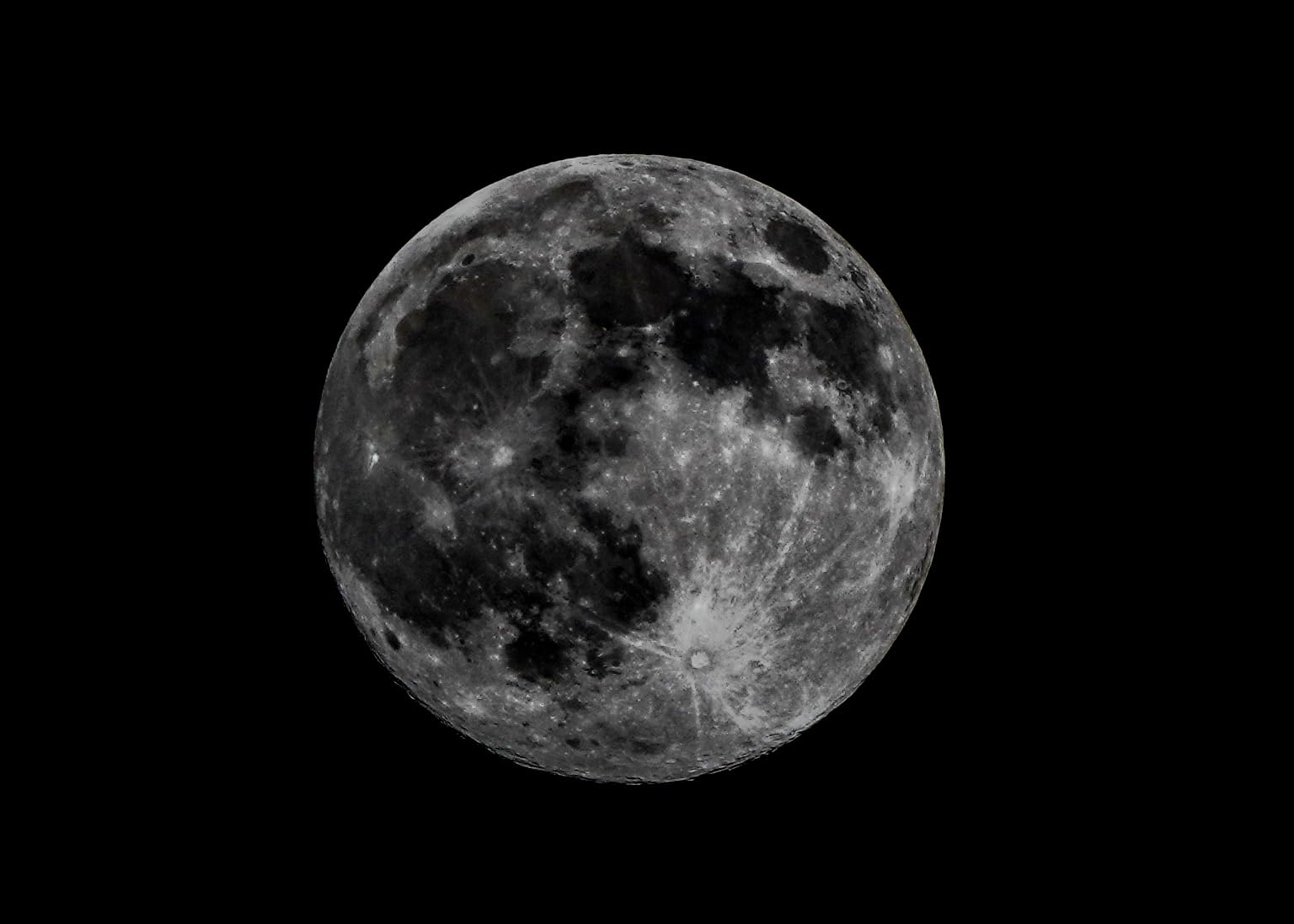
Optical quality is impressive for a lens covering such an extreme range. Tamron has managed to maintain good sharpness throughout, though you will notice some compromises compared to shorter-range zooms. The moisture-resistant construction and fluorine coating on the front element provide protection during travel. The minimum focusing distance at the wide end allows for creative close-up shots.
At 1.37 pounds, this is a substantial lens for APS-C, but consider that it replaces what would otherwise be 3-4 different lenses. The external zoom design means the lens extends significantly at longer focal lengths. The variable aperture is expected for this type of super-zoom.

Who Should Buy This Lens
Travel photographers who want to travel with just one lens will find this ideal. It is perfect for trips where you want to minimize gear without sacrificing versatility. Documentary photographers who need to be ready for any situation will appreciate the all-in-one convenience.
Who Should Look Elsewhere
If you prioritize maximum image quality over convenience, a set of shorter-range zooms will deliver better results. Photographers sensitive to weight may find this lens heavy. Those needing fast aperture for low-light work should consider constant f/2.8 zooms instead.
11. Tamron 28-75mm F/2.8 Di III VXD G2 – Best Standard Zoom

Pros
- Sharp image quality
- Fast quiet VXD autofocus
- Constant f/2.8 aperture
- Compact 4.6 inch design
- Moisture-resistant construction
- Excellent value vs Sony alternatives
Cons
- Some corner softness at 28mm f/2.8
- No image stabilization
- Lens extends when zooming
The Tamron 28-75mm F/2.8 G2 has become my workhorse lens for general travel photography. While designed primarily for full-frame, it works excellently on APS-C bodies where you get an effective range of 42-112.5mm. This makes it ideal for portraits, street photography, and general travel documentation where you want professional image quality.
The second-generation VXD (Voice-coil eXtreme-torque Drive) motor delivers fast, precise, and near-silent autofocus. Image quality is sharp throughout most of the frame, with only some corner softness at 28mm wide open – and even that clears up by f/4. The constant f/2.8 aperture provides consistent exposure and good low-light capability throughout the zoom range.

At just 4.6 inches long and 19 ounces, this lens is remarkably compact for a full-frame compatible f/2.8 zoom. The moisture-resistant construction and fluorine coating provide peace of mind during travel. The 67mm filter thread is common across many lenses, simplifying filter purchases. The minimum object distance of 7.1 inches at the wide end allows for creative close-up work.
The lack of image stabilization is the main drawback, but this is less problematic on Sony bodies with IBIS. The lens does extend when zooming toward 75mm, which is worth noting for gimbal users. Overall, this lens offers exceptional value compared to native Sony G Master alternatives.

Who Should Buy This Lens
Photographers who want professional image quality at a reasonable price will love this lens. It is perfect for portrait-heavy travel photography and general documentation. The full-frame compatibility means you can use it if you upgrade bodies later.
Who Should Look Elsewhere
If you need wider angles for landscapes, the 28mm wide end may feel limiting on APS-C (42mm equivalent). Photographers without IBIS-equipped bodies may struggle without lens stabilization. Those wanting the absolute best optical quality should consider Sony G Master alternatives.
12. TTArtisan 35mm f1.7 E Mount – Best Budget Prime

Pros
- Very sharp image quality
- Compact 170g metal body
- Fast silent STM autofocus
- USB-C firmware port
- Excellent value for money
- Extended lens hood included
Cons
- Not water resistant
- Plastic feel despite metal body
- Focus ring lacks rubber texture
The TTArtisan 35mm f/1.7 has genuinely surprised me with its quality at this price point. On APS-C, you get an equivalent 53mm focal length, which provides a natural perspective similar to human vision. This makes it perfect for street photography, environmental portraits, and everyday travel documentation.
The f/1.7 aperture is impressively bright for a budget lens, allowing for beautiful background blur and good low-light performance. Sharpness is excellent even wide open, which is not always the case with affordable primes. The 11 elements in 9 groups with specialized glass (2 HR, 1 ED, 1 ASPH) deliver optical quality that punches well above the price tag.

The STM motor provides fast and silent autofocus, making this lens suitable for both stills and video. The USB-C port for firmware updates is a thoughtful feature usually found only on more expensive lenses. At just 170 grams, it is incredibly portable and complements compact APS-C bodies perfectly.
Build quality is a mix of metal and plastic that some users find less premium-feeling than expected. The lack of weather sealing means extra care is needed in challenging conditions. The 52mm filter thread keeps accessory costs minimal. For the price, these compromises are entirely reasonable.

Who Should Buy This Lens
Budget-conscious photographers will find incredible value here. It is perfect for travel street photography and everyday carry. Beginners wanting to experience prime lens quality without breaking the bank should start here. The natural 53mm equivalent focal length makes it versatile for many subjects.
Who Should Look Elsewhere
If you need weather sealing for outdoor adventures, look at premium alternatives. Photographers wanting wider perspectives for landscapes should consider the TTArtisan 25mm or 15mm options. Those needing professional build quality should invest in Sony or Sigma alternatives.
13. TTArtisan 25mm F1.7 E-Mount – Best Budget Wide Prime
Pros
- Sharp even wide open
- Compact lightweight design
- Fast silent autofocus
- Great value
- Good build quality
- Natural 37.5mm equivalent
Cons
- Limited stock availability
- No weather sealing
- Some AF noise in video
The TTArtisan 25mm f/1.7 fills an interesting niche in my travel kit. With a 37.5mm equivalent focal length on APS-C, it sits between traditional wide-angle and normal perspectives. This makes it incredibly versatile for travel photography – wide enough for environmental shots, yet not so wide that it introduces excessive distortion.
Image quality is impressive, with sharpness maintained even when shooting wide open at f/1.7. The multi-coated elements help control flare and maintain contrast in challenging lighting. The STM autofocus motor delivers quiet and accurate focusing, though some users report slight noise during video recording.

The compact and lightweight design makes this lens ideal for travel. It adds minimal bulk to your kit while providing a fast aperture for low-light situations. The build quality feels solid for the price point, though it lacks weather sealing.
The main concern with this lens is availability. It often runs low on stock, which can make purchasing difficult. For travel photographers who can get their hands on one, it offers excellent value as a versatile wide-normal prime.

Who Should Buy This Lens
Photographers wanting an affordable wide prime with fast aperture will appreciate this lens. It is ideal for street photography, travel documentation, and environmental portraits. The versatile focal length makes it a great single-prime travel solution.
Who Should Look Elsewhere
If you need guaranteed availability, consider alternatives with better stock levels. Video shooters sensitive to AF noise should test before committing. Those requiring weather sealing should look at premium options from Sony or Sigma.
14. TTArtisan 15mm F1.7 E-Mount – Best Budget Ultra-Wide

Pros
- Sharp high quality images
- Very small and lightweight
- f/1.7 for night photography
- Great value
- Fast silent autofocus
- 84.9 degree field of view
Cons
- Not weather sealed
- Some focus motor noise reports
- Loose lens cap reported
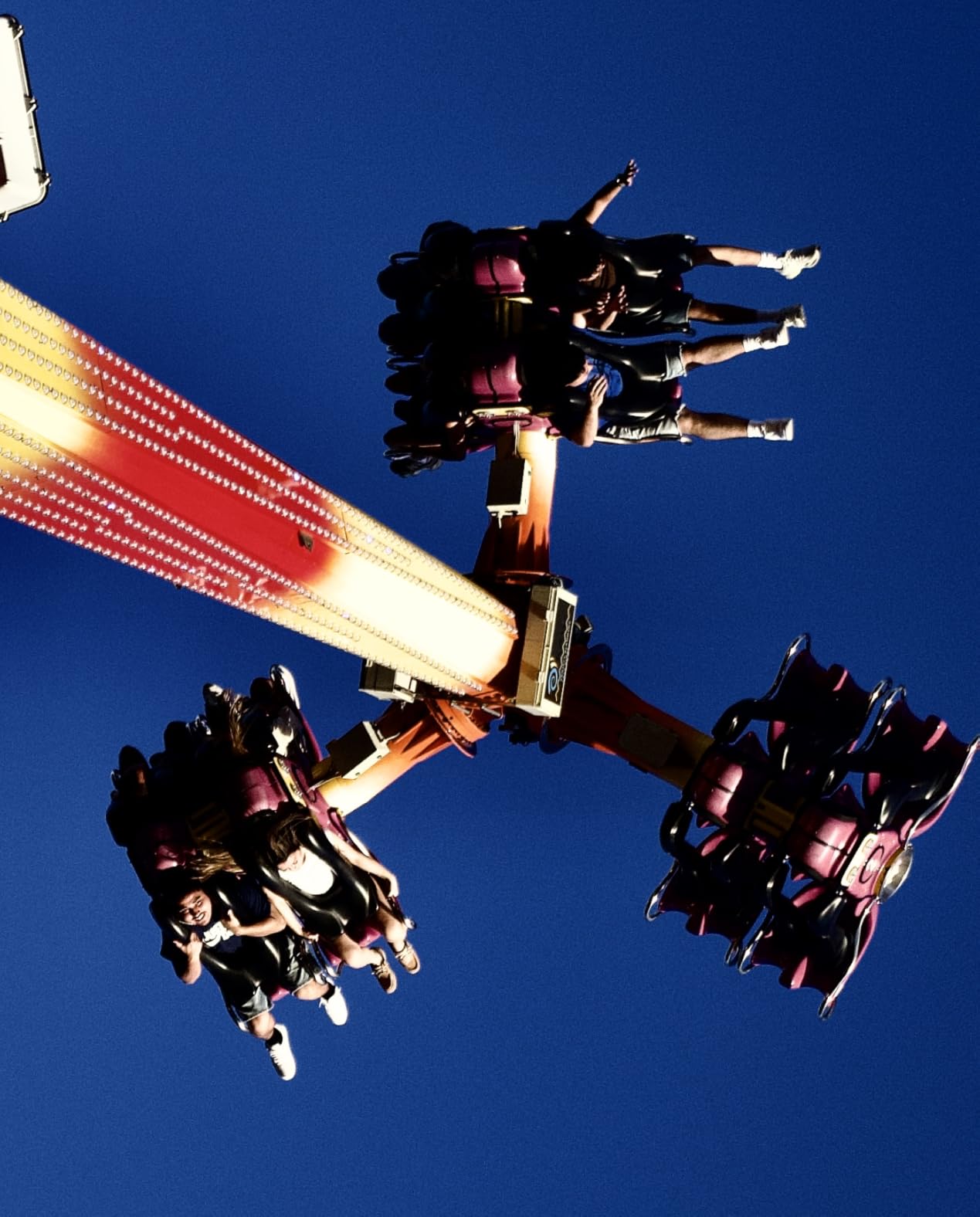
The TTArtisan 15mm f/1.7 brings ultra-wide photography to budget-conscious travelers. With an 84.9-degree angle of view, equivalent to 22.5mm on full-frame, this lens delivers dramatic perspectives perfect for landscapes, architecture, and vlogging. The f/1.7 aperture is unusually fast for an ultra-wide, opening up possibilities for night photography.
I have been impressed by the sharpness and image quality from this compact prime. The 9 aperture blades create smooth bokeh when shooting close subjects against distant backgrounds. The STM motor provides fast eye/face autofocus, which is particularly useful for vloggers and selfie-style shots while traveling.

At just 180 grams, this lens adds minimal weight to your travel kit. The 0.23m closest focusing distance allows for creative close-up shots with dramatic foreground-background relationships. The comprehensive video shooting capabilities with smooth focus transitions make it suitable for content creators.
The main compromises are the lack of weather sealing and occasional reports of focus motor noise. Some users have noted the lens cap can feel loose. However, at this price point, these issues are understandable tradeoffs for the optical quality you receive.
Who Should Buy This Lens
Budget-conscious landscape and architecture photographers will love this lens. Vloggers needing a wide field of view for self-recording will find it ideal. Night photographers wanting a fast ultra-wide without spending a fortune should consider this option.
Who Should Look Elsewhere
If you need zoom flexibility, consider the Sigma 10-18mm zoom instead. Photographers shooting in wet conditions should look for weather-sealed alternatives. Those wanting the absolute widest perspective should consider the TTArtisan 9mm.
15. TTArtisan 9mm F2.8 E-Mount – Best Ultra-Wide for Landscapes

Pros
- Remarkably sharp corner to corner
- Compact 175g design
- Incredible 113.8 degree FOV
- Fast accurate AF
- Good value
- Rivals expensive alternatives
Cons
- Some inherent ultra-wide distortion
- No weather sealing
- Firmware compatibility issues reported
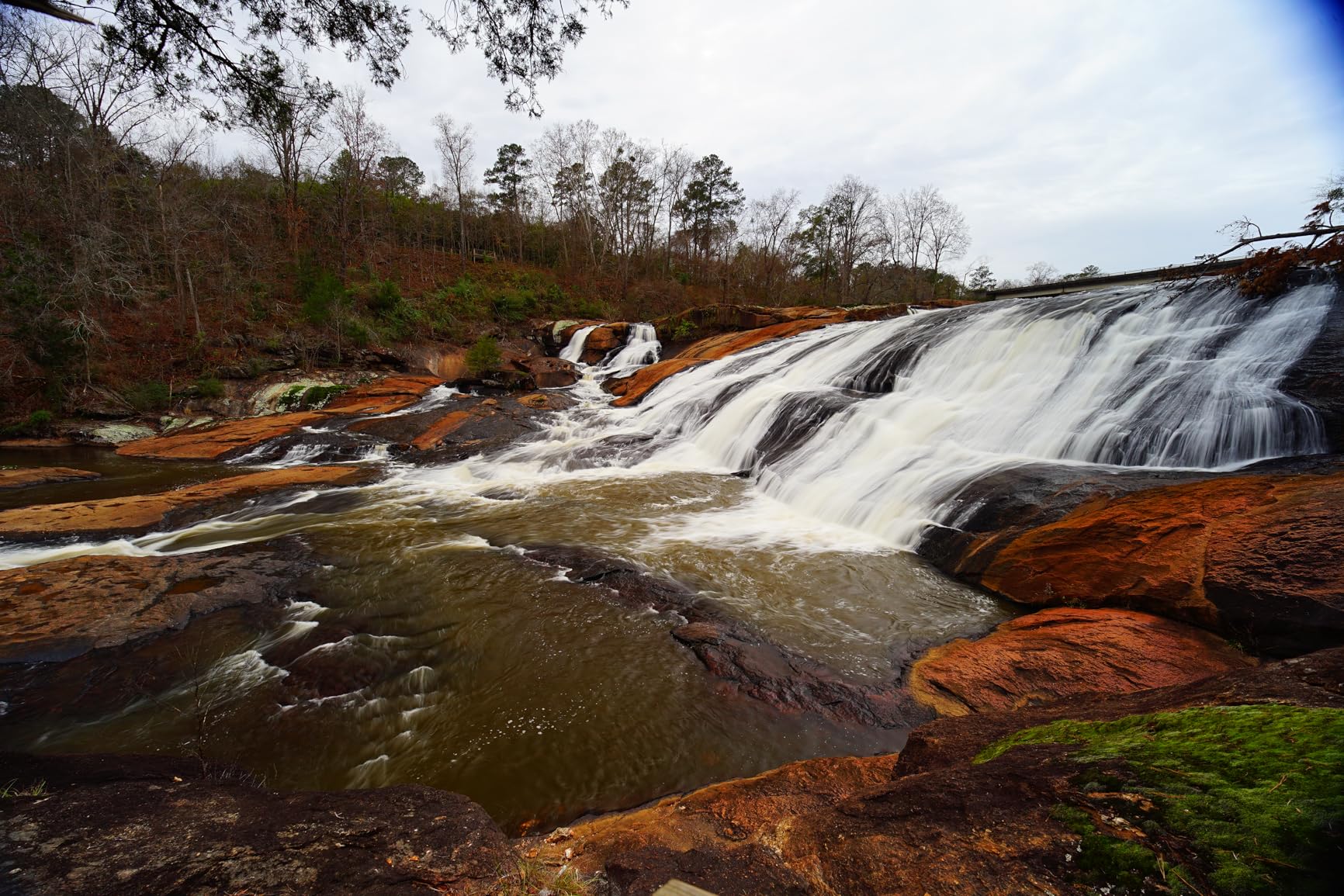
The TTArtisan 9mm f/2.8 pushes the boundaries of ultra-wide photography on APS-C. With a 113.8-degree angle of view (equivalent to 13.5mm on full-frame), this lens delivers the most dramatic perspective in this roundup. For landscape and architecture photographers who want maximum impact, this is the lens to get.
What amazes me about this lens is the sharpness from center to corners even wide open. Many ultra-wide lenses struggle at the edges, but the TTArtisan 9mm maintains excellent detail throughout the frame. The 13 elements in 11 groups with 2 aspherical, 3 ED, and 3 high-refractive elements deliver optical quality that rivals lenses costing significantly more.

The 0.13m minimum focusing distance creates dramatic foreground-background relationships that make images pop. Eye/face autofocus ensures sharp subject tracking even at this extreme wide angle. At just 175 grams, it is remarkably portable for such a specialized lens.
The f/2.8 aperture provides reasonable low-light capability, though not as bright as the f/1.7 options in the TTArtisan lineup. Some distortion is inherent to ultra-wide designs and can be corrected in post. A few users have reported firmware compatibility issues, so checking for updates is recommended.
Who Should Buy This Lens
Landscape photographers wanting maximum drama will love this lens. Architecture photographers needing the widest possible perspective should consider it. Creative photographers who enjoy pushing compositional boundaries will find endless possibilities here.
Who Should Look Elsewhere
If you need versatility, a zoom like the Sigma 10-18mm offers more flexibility. Photographers wanting weather sealing should look elsewhere. Those uncomfortable with distortion correction in post may prefer less extreme wide angles.
Buying Guide: Choosing the Best Sony E-Mount APS-C Lens for Travel
Selecting the right travel lens involves balancing multiple factors including weight, versatility, image quality, and budget. After years of traveling with Sony APS-C cameras, I have developed a clear understanding of what matters most when choosing travel glass.
Focal Length Considerations
The focal length you choose dramatically affects the types of photos you can capture. Wide-angle lenses (10-18mm) excel at landscapes, architecture, and interior shots. Standard zooms (17-70mm) provide the most versatility for general travel photography. Telephoto lenses (70-300mm) are essential for wildlife and compressed landscape perspectives. Consider what subjects you photograph most when selecting your primary travel lens.
Aperture and Low-Light Performance
Constant aperture zooms (f/2.8 or f/4) maintain the same maximum aperture throughout the zoom range, providing consistent exposure control. Variable aperture zooms are typically lighter and less expensive but limit your options in low light. Prime lenses with fast apertures (f/1.4-f/1.8) excel in low-light situations and provide better subject separation, but require more lens changes.
Weight vs. Versatility Trade-offs
Every ounce matters when traveling. All-in-one super-zooms like the Tamron 18-300mm eliminate the need for lens changes but are heavier than individual primes. Multiple compact primes offer the best image quality but require more bag space and lens swaps. Consider your physical fitness, travel style, and how much gear you are willing to carry when making this decision.
Stabilization Requirements
If your camera body has IBIS (a6600, a6700), you have more flexibility with non-stabilized lenses. For bodies without IBIS (a6000, a6100, a6400), lenses with OSS or VC stabilization become more important, especially for telephoto and video work. Many third-party lenses lack stabilization, so factor this into your decision.
Weather Sealing
Travel often involves unpredictable weather. If you frequently shoot in rain, snow, or dusty conditions, weather-sealed lenses provide peace of mind. Sony G and G Master lenses typically offer the best weather resistance, followed by premium Tamron options. Budget lenses generally lack this protection.
Third-Party vs. Native Sony Lenses
Third-party lenses from Tamron, Sigma, and TTArtisan often provide excellent value compared to native Sony options. Modern third-party lenses have largely closed the gap in autofocus performance and optical quality. However, Sony native lenses may offer better integration with camera features and more consistent firmware support.
FAQ
What is the best Sony lens for travel photography?
The Tamron 17-70mm f/2.8 Di III-A VC RXD is the best overall travel lens for Sony APS-C cameras. It offers a versatile focal range, constant f/2.8 aperture, effective image stabilization, and excellent sharpness in a relatively compact package. For photographers who prefer all-in-one convenience, the Tamron 18-300mm provides the ultimate versatility in a single lens.
What is the best single travel lens for Sony APS-C?
For maximum versatility in a single lens, the Tamron 18-300mm f/3.5-6.3 Di III-A VC VXD offers a 16.6x zoom range covering 27-450mm equivalent. If you prefer better image quality and faster aperture, the Tamron 17-70mm f/2.8 provides professional results with less extreme reach. Both include image stabilization for handheld shooting.
How many lenses should I bring when traveling?
Most travel photographers find 2-3 lenses optimal: a versatile standard zoom (17-70mm or 18-135mm), a compact prime for low light (35mm f/1.7 or similar), and optionally a telephoto for wildlife or compressed landscapes (70-300mm). Minimalist travelers can often manage with just one versatile zoom like the Tamron 17-70mm or 18-300mm.
Should I prioritize weight or versatility in travel lenses?
This depends on your travel style and physical fitness. If you hike extensively or have back issues, prioritize lightweight options like the Sigma 10-18mm or TTArtisan primes. If you drive between locations or do not mind carrying weight, versatile zooms like the Tamron 18-300mm offer more creative options. Many photographers find a balance with one versatile mid-weight zoom and one compact prime.
Are third-party lenses as good as Sony native lenses?
Modern third-party lenses from Tamron, Sigma, and TTArtisan have largely closed the gap with Sony native lenses. Tamron’s 17-70mm f/2.8 rivals Sony’s 16-55mm f/2.8 G at a lower price point. Sigma’s 10-18mm f/2.8 offers unique portability. TTArtisan provides exceptional value for budget-conscious photographers. Sony native lenses still lead in weather sealing and camera integration.
Conclusion
Finding the best Sony E-Mount APS-C lenses for travel photography comes down to understanding your specific needs and shooting style. After extensive testing, the Tamron 17-70mm f/2.8 Di III-A VC RXD stands out as the best all-around choice, offering professional image quality, versatile focal range, and effective stabilization in a travel-friendly package.
For photographers who prioritize maximum versatility, the Tamron 18-300mm all-in-one zoom eliminates the need for lens changes entirely. Budget-conscious travelers will find exceptional value in the TTArtisan prime lenses, while video creators should consider the Sony 18-105mm f/4 G with its Power Zoom feature. Landscape specialists will love the Sigma 10-18mm f/2.8 or the ultra-wide TTArtisan 9mm for dramatic perspectives.
Remember that the best travel lens is one you will actually want to carry. Consider your typical shooting conditions, physical capabilities, and the types of images you want to create. With the options covered in this guide, you are well-equipped to capture stunning travel photographs in 2026 and beyond.