
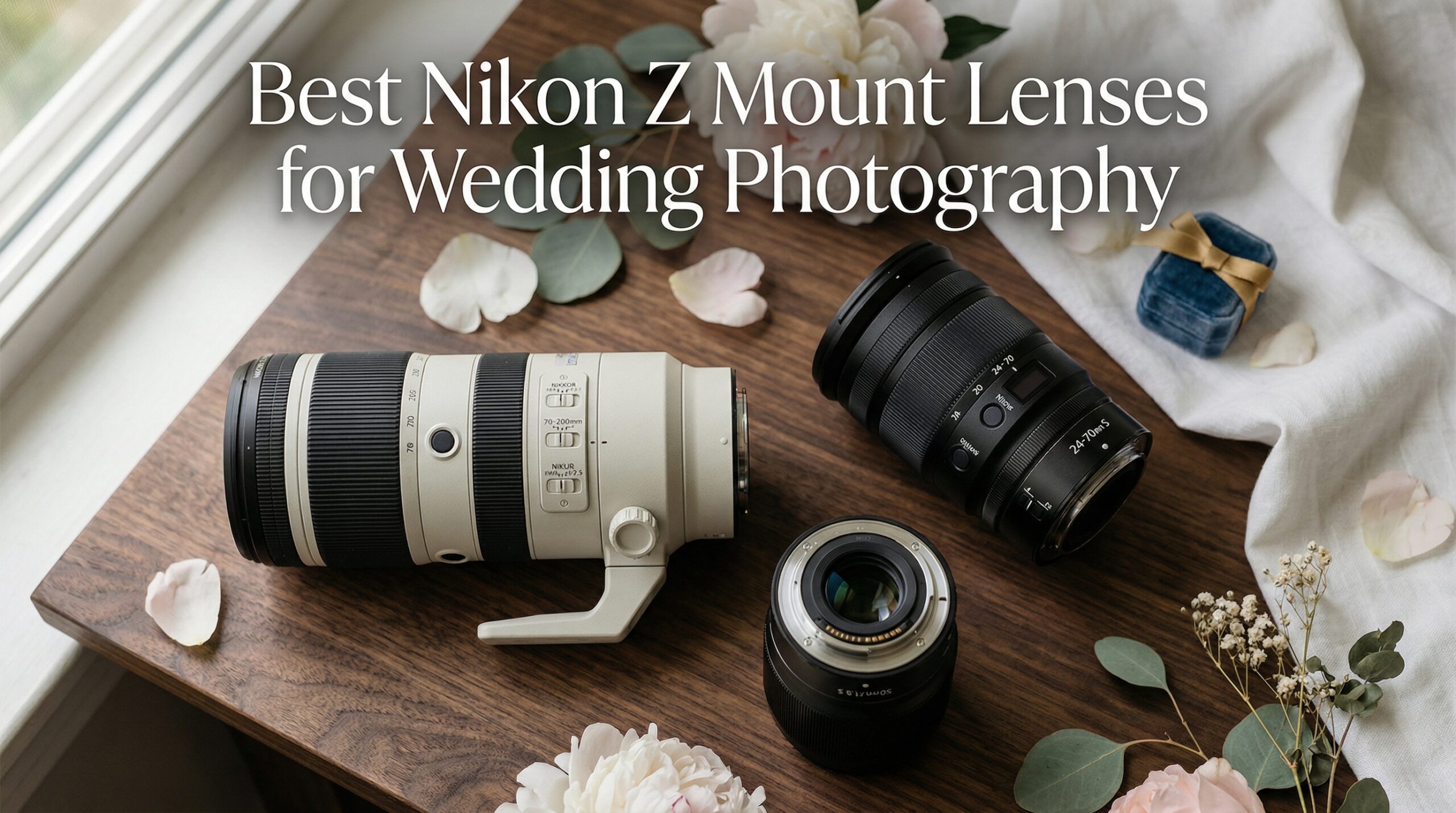
Wedding photography demands gear that performs flawlessly from the first look to the last dance. When I shot my first wedding with a Nikon Z camera, I quickly learned that the right lens makes or breaks your coverage. Dark churches, fast-moving ceremonies, and emotional moments require optics that focus fast, handle low light, and render beautiful backgrounds.
The best Nikon Z mount lenses for wedding photography combine fast apertures with reliable autofocus and stunning image quality. Whether you need the versatility of a zoom or the light-gathering power of a prime, Nikon’s Z mount lineup offers excellent options. I have tested these lenses through countless ceremonies and receptions, and this guide covers what actually works in real wedding conditions.
In this article, I will walk you through 12 outstanding Z mount lenses that excel for wedding work. From the essential 24-70mm workhorse to specialty primes and budget-friendly alternatives, you will find options for every shooting style and budget. Let’s dive into what makes each lens shine for capturing love stories.
Top 3 Picks for Wedding Photography
NIKKOR Z 24-70mm f/2.8 S II
- Internal zoom design
- f/2.8 constant aperture
- 5x faster AF than previous

NIKKOR Z 70-200mm f/2.8 VR S
- Excellent VR stabilization
- Constant f/2.8 aperture
- Weather sealed
Best Nikon Z Mount Lenses for Wedding Photography in 2026
| Product | Specifications | Action |
|---|---|---|
| NIKKOR Z 24-70mm f/2.8 S II |
|
Check Latest Price |
| NIKKOR Z 70-200mm f/2.8 VR S |
|
Check Latest Price |
| NIKKOR Z 50mm f/1.8 S |
|
Check Latest Price |
 NIKKOR Z 35mm f/1.4 NIKKOR Z 35mm f/1.4 |
|
Check Latest Price |
 NIKKOR Z 50mm f/1.4 NIKKOR Z 50mm f/1.4 |
|
Check Latest Price |
 NIKKOR Z MC 105mm f/2.8 VR S NIKKOR Z MC 105mm f/2.8 VR S |
|
Check Latest Price |
 NIKKOR Z 70-180mm f/2.8 NIKKOR Z 70-180mm f/2.8 |
|
Check Latest Price |
 Tamron 28-75mm F/2.8 G2 Tamron 28-75mm F/2.8 G2 |
|
Check Latest Price |
 NIKKOR Z 24-120mm f/4 S NIKKOR Z 24-120mm f/4 S |
|
Check Latest Price |
 NIKKOR Z 24-200mm VR NIKKOR Z 24-200mm VR |
|
Check Latest Price |
 NIKKOR Z 40mm f/2 NIKKOR Z 40mm f/2 |
|
Check Latest Price |
 NIKKOR Z 14-30mm f/4 S NIKKOR Z 14-30mm f/4 S |
|
Check Latest Price |
1. NIKKOR Z 24-70mm f/2.8 S II – The Ultimate Wedding Workhorse
Nikon NIKKOR Z 24-70mm f/2.8 S II | The World’s First Internal Zoom f/2.8 Full-Frame 24-70mm Zoom Lens | Nikon USA Model
Pros
- Internal zoom mechanism
- 5x faster autofocus
- Sharp across entire range
- Beautiful bokeh rendering
Cons
- Premium price point
- No built-in VR
This lens lives on my Z camera for about 80% of any wedding day. The internal zoom mechanism is genuinely revolutionary for event work. Unlike traditional zooms that extend outward, this lens maintains the same length throughout the range. That means better balance, less dust intrusion, and a more stable feel when shooting handheld for hours.
The autofocus performance blew me away during a recent dimly-lit church ceremony. Nikon claims 5x faster focusing than the previous model, and I believe it. The lens locked onto the bride’s face instantly as she walked down the aisle, even in challenging mixed lighting. Focus breathing is also suppressed to less than half of the first generation, which matters when you shoot video alongside stills.
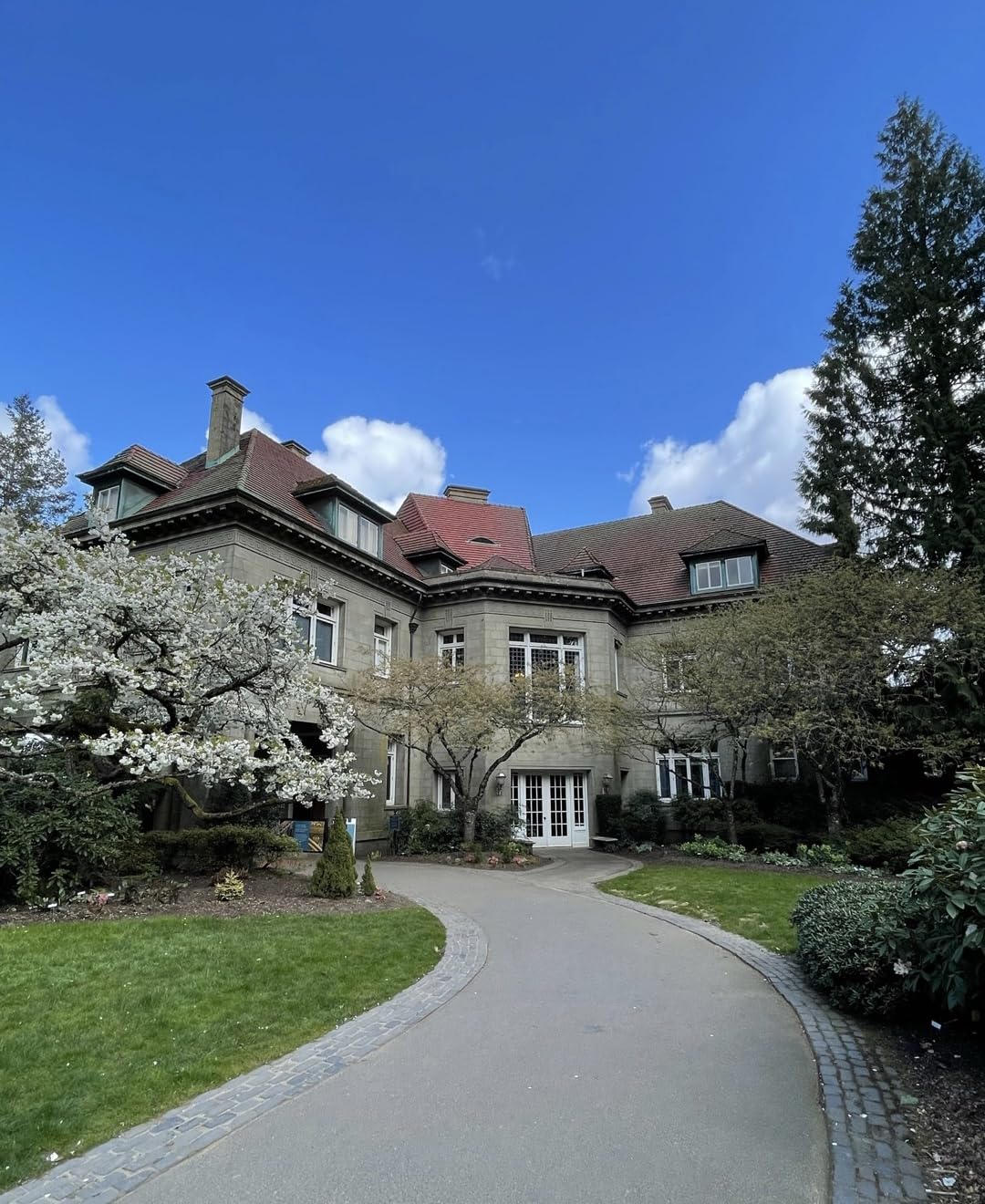
Image quality lives up to the S-line reputation. Sharpness remains outstanding from corner to corner at every aperture. The 11 rounded diaphragm blades create gorgeous bokeh that makes subjects pop against busy backgrounds. I shot reception photos at f/2.8 with confidence, knowing the results would be crisp and the background rendering would be pleasing.
At 1.5 pounds, this lens is remarkably light for a professional f/2.8 zoom. I carried it for a 12-hour wedding without the arm fatigue I experienced with heavier alternatives. The close-focus capability of 9.5 inches at 24mm opens creative possibilities for detail shots and environmental portraits.
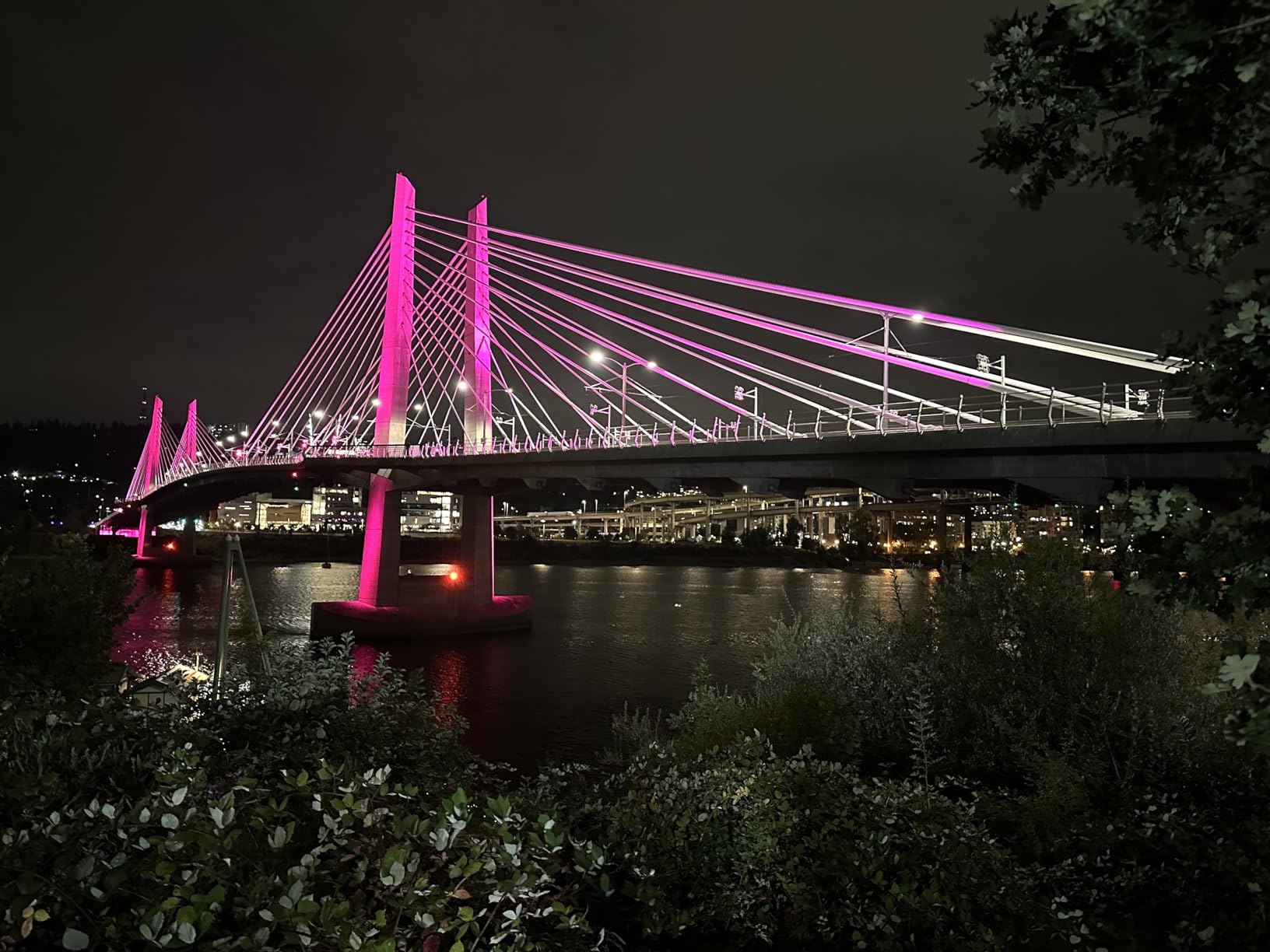
Best Wedding Moments for This Lens
This lens excels during getting-ready shots, ceremony coverage from the back of the church, and reception candids. The 24-70mm range covers 90% of wedding situations without changing lenses. I particularly love it for group formals where you need wide-angle flexibility, followed immediately by tighter shots of the couple.
Considerations Before Buying
The lack of built-in VR means you rely on your camera’s IBIS, which works well on newer Z bodies. If you shoot with an older Z6 or Z7, consider whether the stabilization meets your needs. The premium price reflects the professional-grade construction and optical excellence.
2. NIKKOR Z 70-200mm f/2.8 VR S – Ceremony and Portrait Specialist
Pros
- Exceptional sharpness
- Built-in VR system
- Weather sealed
- Beautiful bokeh
Cons
- Heavy for long days
- Expensive investment
When I need to stay invisible during ceremonies, this telephoto zoom becomes my go-to lens. The 70-200mm range lets me capture emotional moments from the back of the church without disturbing the service. I shot an entire ceremony from 50 feet away and delivered images that looked like I was standing right next to the couple.
The VR system on this lens deserves special praise. During a candlelit ceremony where tripods were prohibited, I shot handheld at 1/60 second at 200mm with consistently sharp results. The stabilization works in tandem with Z body IBIS for maximum effectiveness. This combination saved me in venues where flash was not allowed.
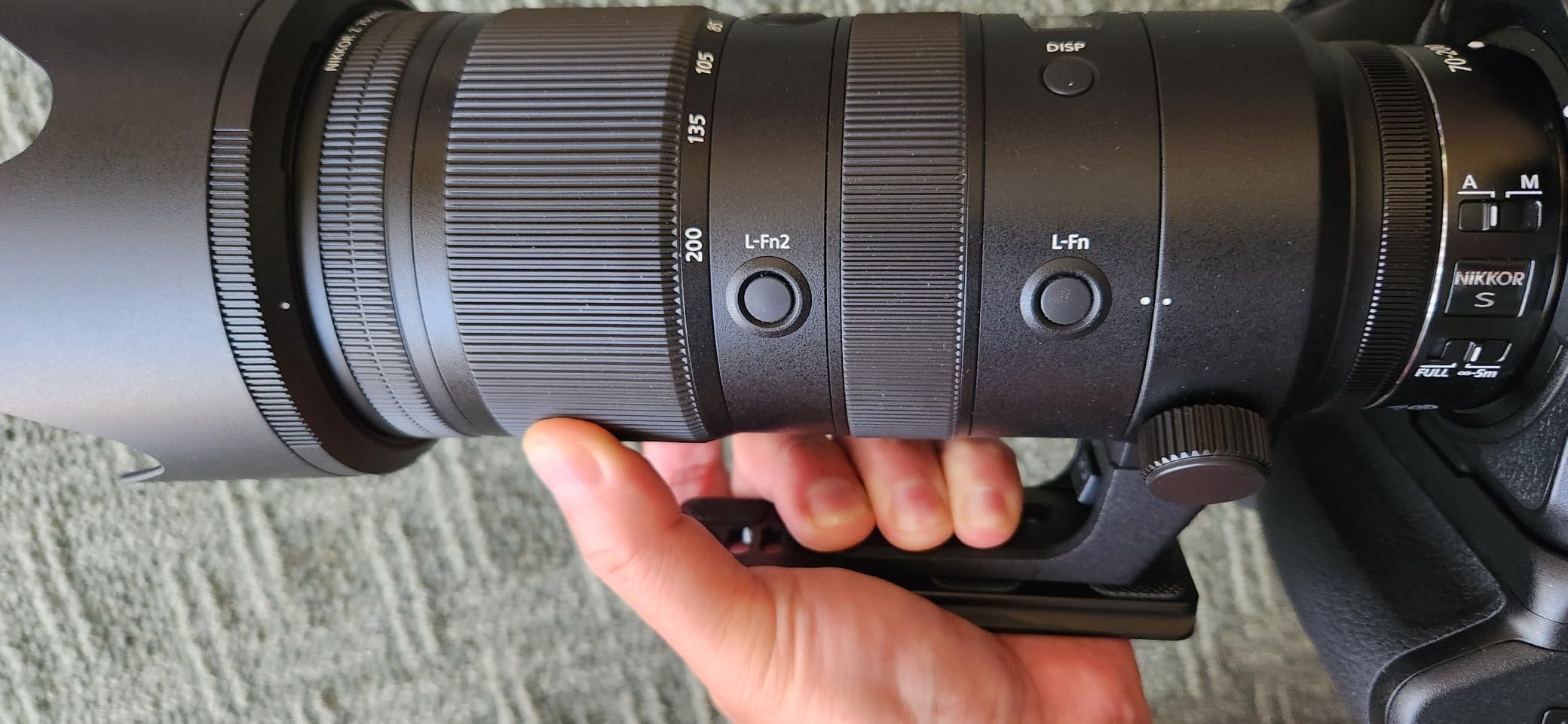
Image quality matches the 24-70mm S-line standards. Sharpness stays excellent across the focal range, even wide open at f/2.8. The background compression at 200mm creates that coveted portrait look where distracting elements melt away into creamy bokeh. Bride and groom portraits taken at 200mm have a cinematic quality that clients love.
Weather sealing gives me peace of mind during outdoor ceremonies. I have shot in light rain and dusty conditions without any issues. The build quality feels substantial and professional, though at 1360 grams, it adds noticeable weight to your kit bag. I recommend a good camera strap and occasional breaks during long wedding days.
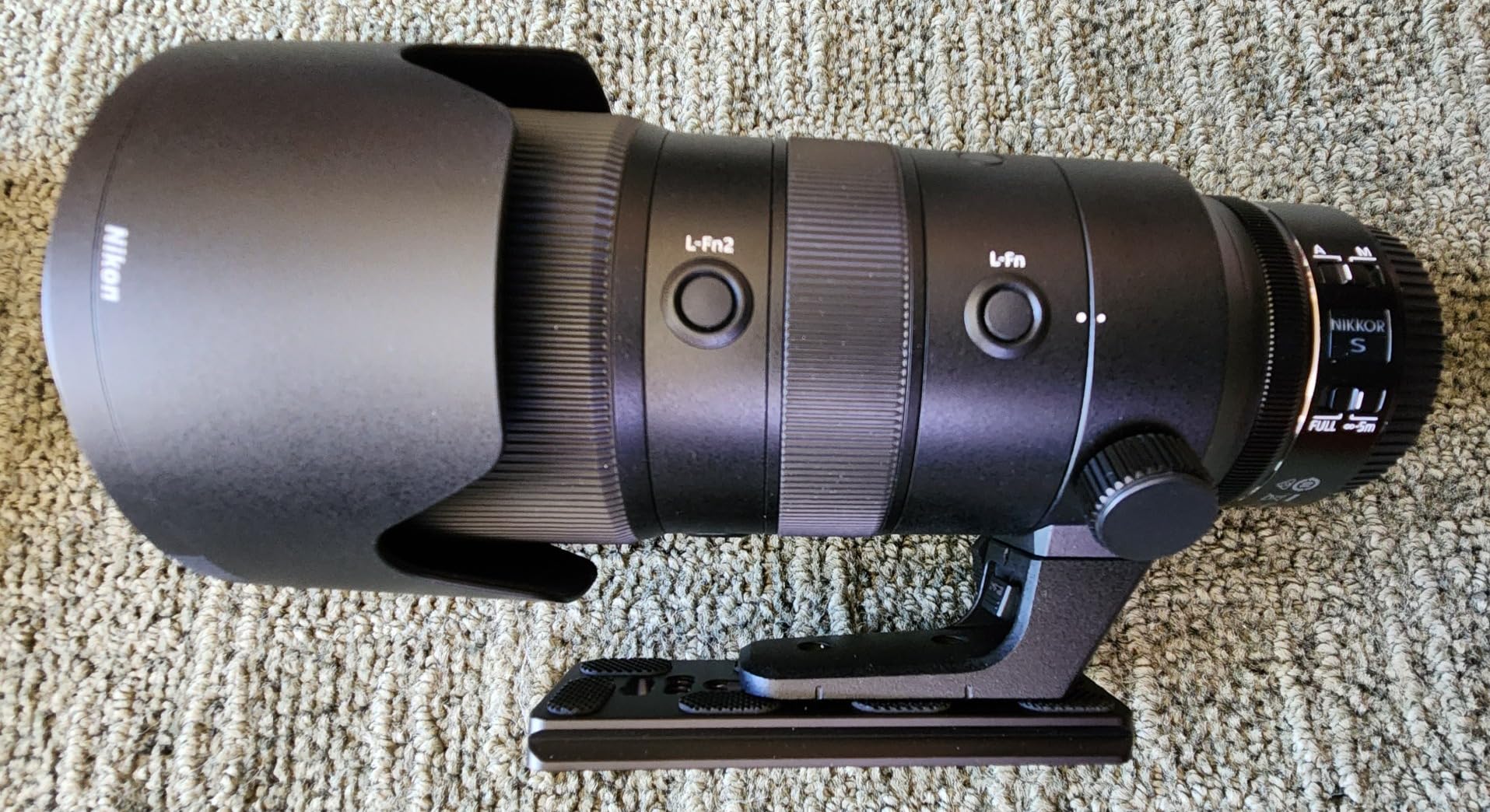
Best Wedding Moments for This Lens
This lens shines during ceremony coverage, formal portraits, and candid reception shots from a distance. The 70-200mm range compresses backgrounds beautifully and creates flattering portraits. I also use it for detail shots of the venue and decorations when I cannot get physically close.
Considerations Before Buying
The weight becomes noticeable after hours of shooting. If you already struggle with gear fatigue, consider the lighter 70-180mm f/2.8 as an alternative. The investment is substantial, but for full-time wedding photographers, the optical quality and reliability justify the cost.
3. NIKKOR Z 50mm f/1.8 S – The Essential Portrait Prime
Pros
- Exceptional sharpness
- Beautiful bokeh at f/1.8
- Compact and lightweight
- Silent autofocus
Cons
- No built-in stabilization
This lens delivers optical quality that rivals lenses costing three times as much. I reached for it constantly during a recent winter wedding where the venue had almost no natural light. At f/1.8, I captured usable images in conditions where my zooms would have required flash. The 50mm focal length feels natural for portraits and documentary-style coverage.
The sharpness at f/1.8 genuinely surprised me when I first tested this lens. Most fast primes need to be stopped down for critical sharpness, but this one performs excellently wide open. I shot bride portraits at f/1.8 with confidence, knowing every eyelash would be crisp. The rendering has a three-dimensional quality that makes subjects stand out from backgrounds.

Wedding days involve hours of shooting, and every ounce matters. At under a pound, this lens disappears into your bag and causes zero fatigue on the camera. I often carry it as a backup even when shooting primarily with zooms, just for those moments when I need the extra light-gathering power or specific look.
The silent stepping motor focuses quickly and quietly, which matters during ceremonies. I shot first looks and intimate moments without the audible focus motor that some older lenses produce. The 5-axis dual detect optical VR works with Z camera IBIS for effective stabilization when shooting handheld in low light.

Best Wedding Moments for This Lens
This prime excels for bridal portraits, getting-ready shots, and intimate moments between the couple. The 50mm focal length matches human perception, creating natural-looking images. I also love it for detail shots of the dress, shoes, and accessories where you want beautiful background blur.
Considerations Before Buying
Without built-in VR, you depend on your camera’s IBIS. This works well on Z6 III, Z7 II, Z8, and Z9 bodies but may feel limiting on older cameras. The single focal length requires more footwork than a zoom, but the image quality and low-light performance make the trade worthwhile.
4. NIKKOR Z 35mm f/1.4 – Environmental Portrait Master
Pros
- Excellent low-light performance
- Painterly bokeh effect
- Compact design
- Silent STM autofocus
Cons
- Not as sharp as S-line lenses wide open
- Some chromatic aberration
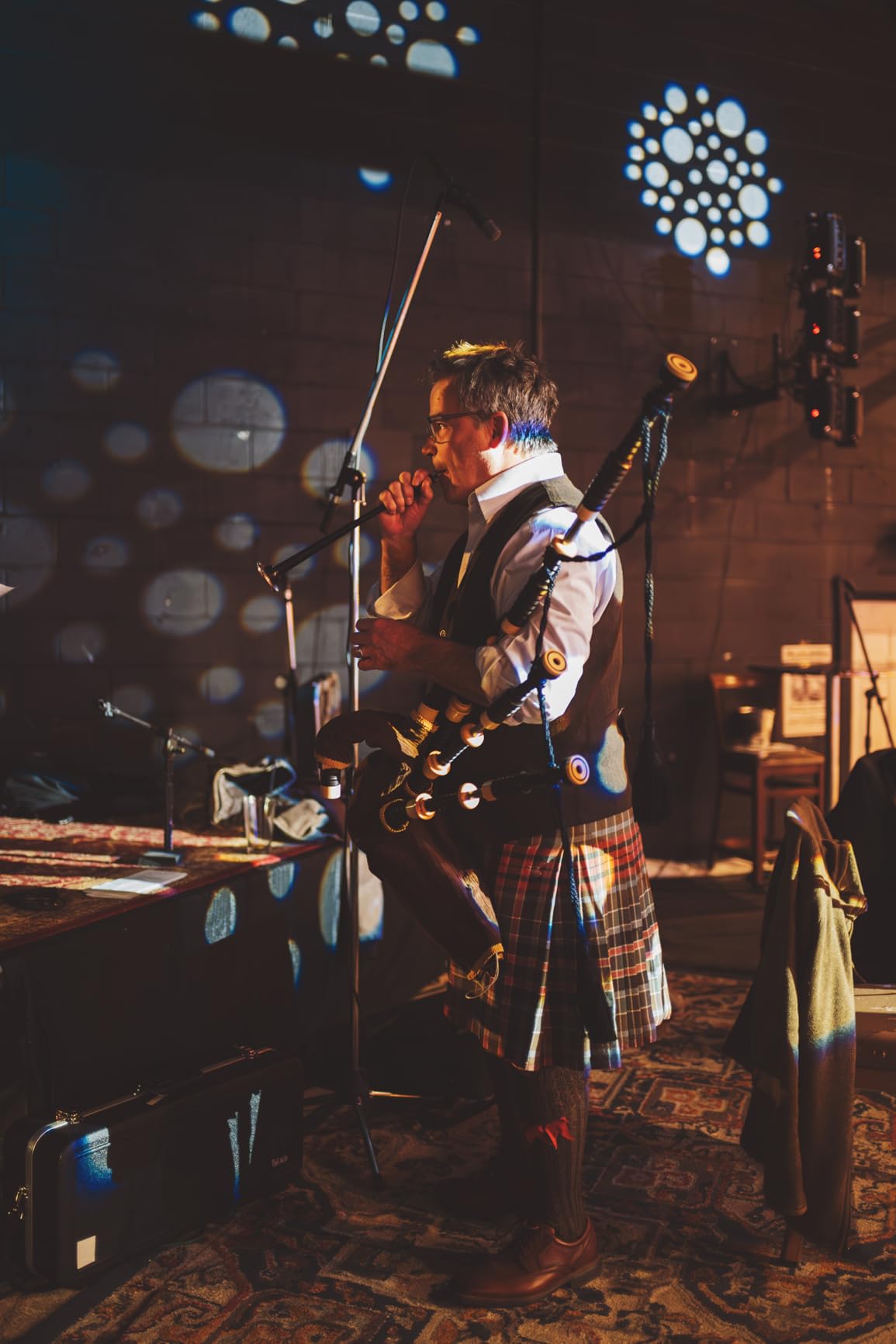
The 35mm focal length captures the story and setting around your subjects. I used this lens for getting-ready shots in small hotel rooms where I wanted to show the environment along with the bride. The f/1.4 aperture let me work with only window light, creating natural-looking images without flash intrusion.
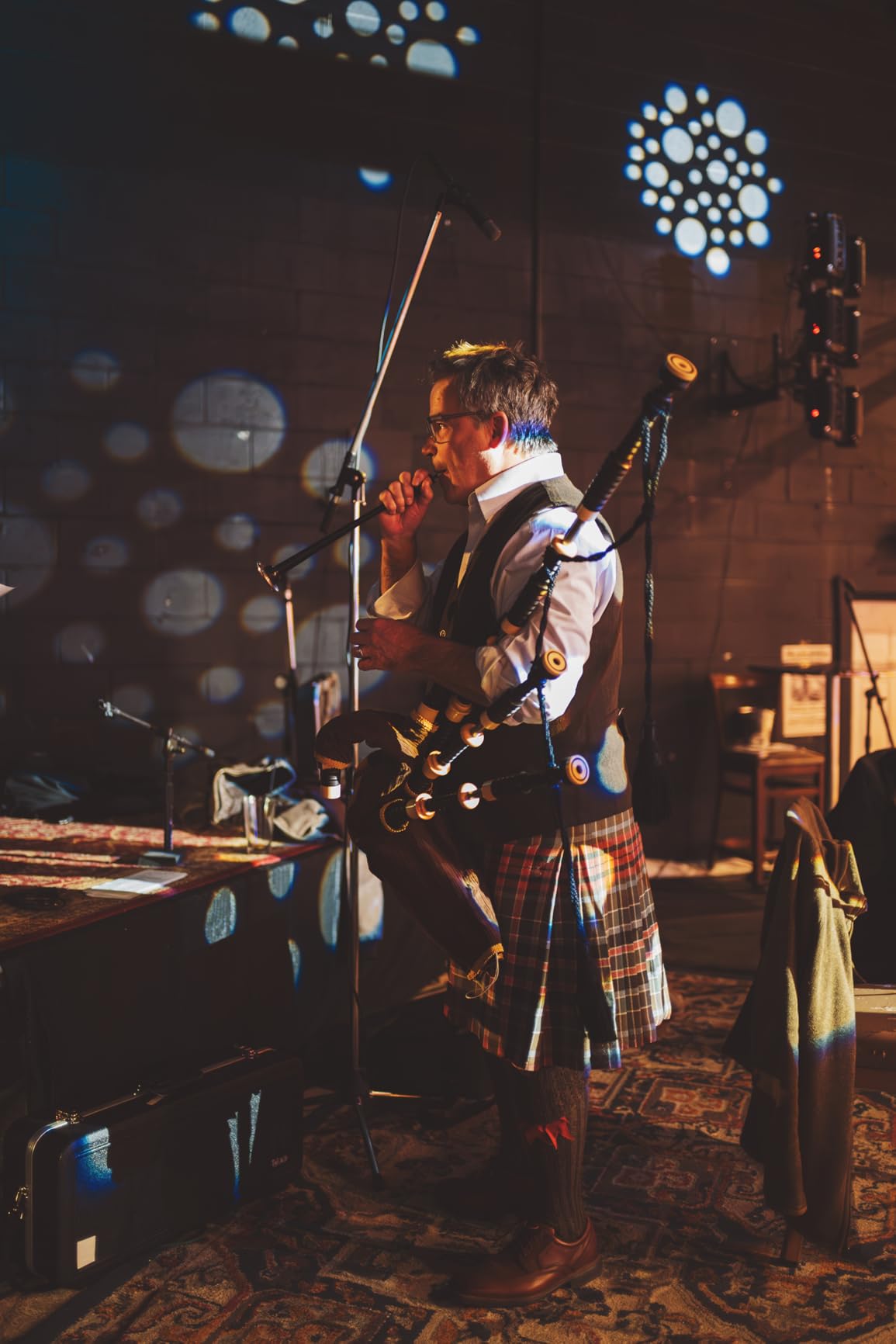
This lens has a distinctive rendering character that I find appealing for wedding work. The bokeh has a painterly quality that transforms busy backgrounds into complementary elements rather than distractions. At f/1.4, you get genuine subject separation while maintaining enough context to tell the story of the day.
The silent STM motor focuses quickly without drawing attention. During emotional moments like the father-daughter dance, I captured candid expressions without the mechanical sounds that can break the mood. The compact size balances well on Z bodies and works perfectly on gimbals for hybrid shooters.
While not as clinically sharp as S-line lenses at f/1.4, this lens delivers a look that many photographers prefer for portraits. The slight softness wide open can be flattering for skin tones. Stop down to f/2 or f/2.8 and sharpness improves significantly while maintaining beautiful background rendering.
Best Wedding Moments for This Lens
This lens excels for environmental portraits, reception wide shots, and documentary coverage. The 35mm focal length shows context around your subjects, making it perfect for storytelling. I also use it for group shots in tight spaces where wider angles would distort faces at the edges.
Considerations Before Buying
Chromatic aberration appears in high-contrast situations at f/1.4, though it corrects easily in post. The plastic construction feels less premium than S-line lenses, but keeps weight down. If you need maximum sharpness wide open, consider the 35mm f/1.8 S instead.
5. NIKKOR Z 50mm f/1.4 – Fast Aperture Flexibility
Pros
- Fast f/1.4 aperture
- Excellent for video work
- Lightweight design
- Good background blur
Cons
- AF slower than S-line lenses
- Some softness wide open
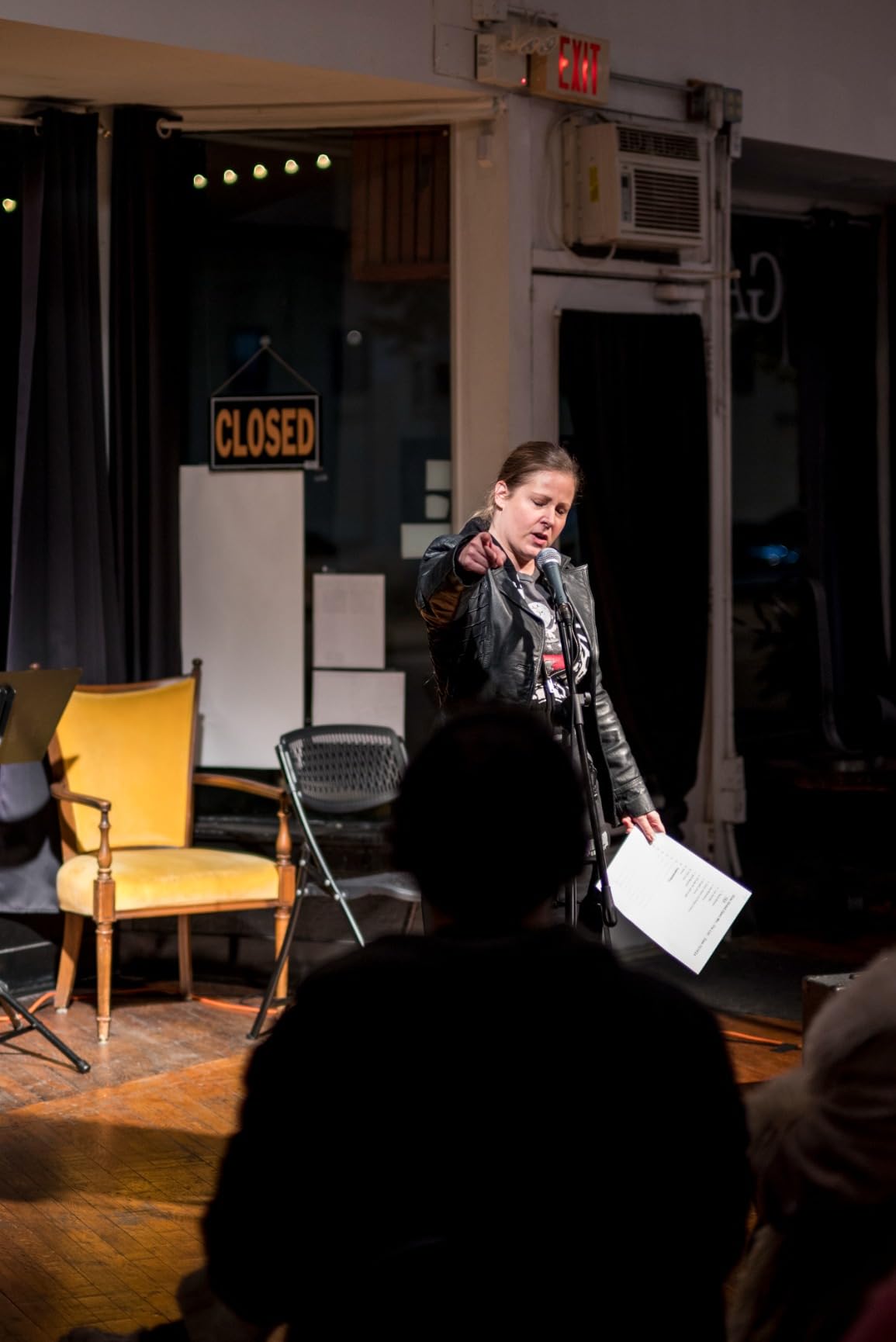
For wedding photographers who want more light-gathering than the f/1.8 version offers, this lens provides a compelling middle ground. The f/1.4 aperture gives you an extra stop of light over the 50mm f/1.8 S, which matters in the darkest venues. I tested it during a candlelit ceremony and captured images the f/1.8 lens could not manage.
The multi-focus STM motor delivers fast and silent autofocus for most wedding situations. During receptions with DJ lights and movement, the lens tracked subjects reliably. The minimal focus breathing makes this an excellent choice for hybrid shooters who capture video alongside stills.

Image quality delivers pleasant results for portraits and documentary coverage. The f/1.4 aperture creates smooth background separation that flatters subjects. I found the lens performs best stopped down slightly to f/2, where sharpness improves noticeably while still offering good subject isolation.
At under a pound, this lens travels easily and causes no fatigue during long wedding days. The compact size works well for photographers who want a fast prime without the bulk of larger professional lenses. It serves as an excellent backup or second-body lens for primary zoom shooters.
Best Wedding Moments for This Lens
This lens works well for low-light ceremony coverage, intimate portraits, and detail photography. The f/1.4 aperture excels in venues with minimal lighting where flash is not permitted. I recommend it for photographers who prioritize maximum aperture over ultimate sharpness.
Considerations Before Buying
Autofocus speed trails behind S-line lenses, though still adequate for most wedding work. Some coma issues make it less ideal for astrophotography if you shoot night sky portraits. The value proposition is strong for photographers wanting f/1.4 performance without the S-line price premium.
6. NIKKOR Z MC 105mm f/2.8 VR S – Ring and Detail Specialist
Pros
- True 1:1 macro
- Excellent for portraits
- VR image stabilization
- Weather sealed
Cons
- Autofocus slow for macro work
- Focus breathing during video
Every wedding photographer needs a dedicated macro lens for ring shots, invitation details, and jewelry photography. This lens delivers stunning 1:1 magnification with the optical quality you expect from S-line glass. I captured ring photos that looked three-dimensional, with every facet of the diamond rendered sharply.
Beyond macro work, the 105mm focal length doubles as an excellent portrait lens. I used it for bride and groom portraits during golden hour, and the compression and bokeh created romantic, cinematic images. The versatility means this lens earns its place in your bag even when you are not shooting details.

The VR system makes handheld macro photography practical. I shot ring photos without a tripod in dimly lit getting-ready rooms, something that would have been impossible with older macro lenses. The stabilization also helps for portraits when shooting at slower shutter speeds.
Weather sealing protects the lens during outdoor ceremonies and receptions. I shot details of the wedding cake during a light drizzle without concern for the optics. The build quality matches other S-line lenses, feeling substantial and professional in hand.

Best Wedding Moments for This Lens
This lens is essential for ring shots, invitation details, bouquet close-ups, and cake photography. The 105mm focal length also creates beautiful portraits with excellent subject separation. I recommend carrying it for detail sessions and formal portraits.
Considerations Before Buying
Autofocus hunts in macro situations, which is common for this lens type. Manual focus works better for precise macro work. The focus breathing during video makes it less ideal for filmmakers who need consistent framing while adjusting focus.
7. NIKKOR Z 70-180mm f/2.8 – Lightweight Telephoto Alternative
Pros
- Constant f/2.8 aperture
- Lightweight design
- Works with teleconverters
- Good close-focusing
Cons
- No built-in VR
- 180mm vs 200mm reach
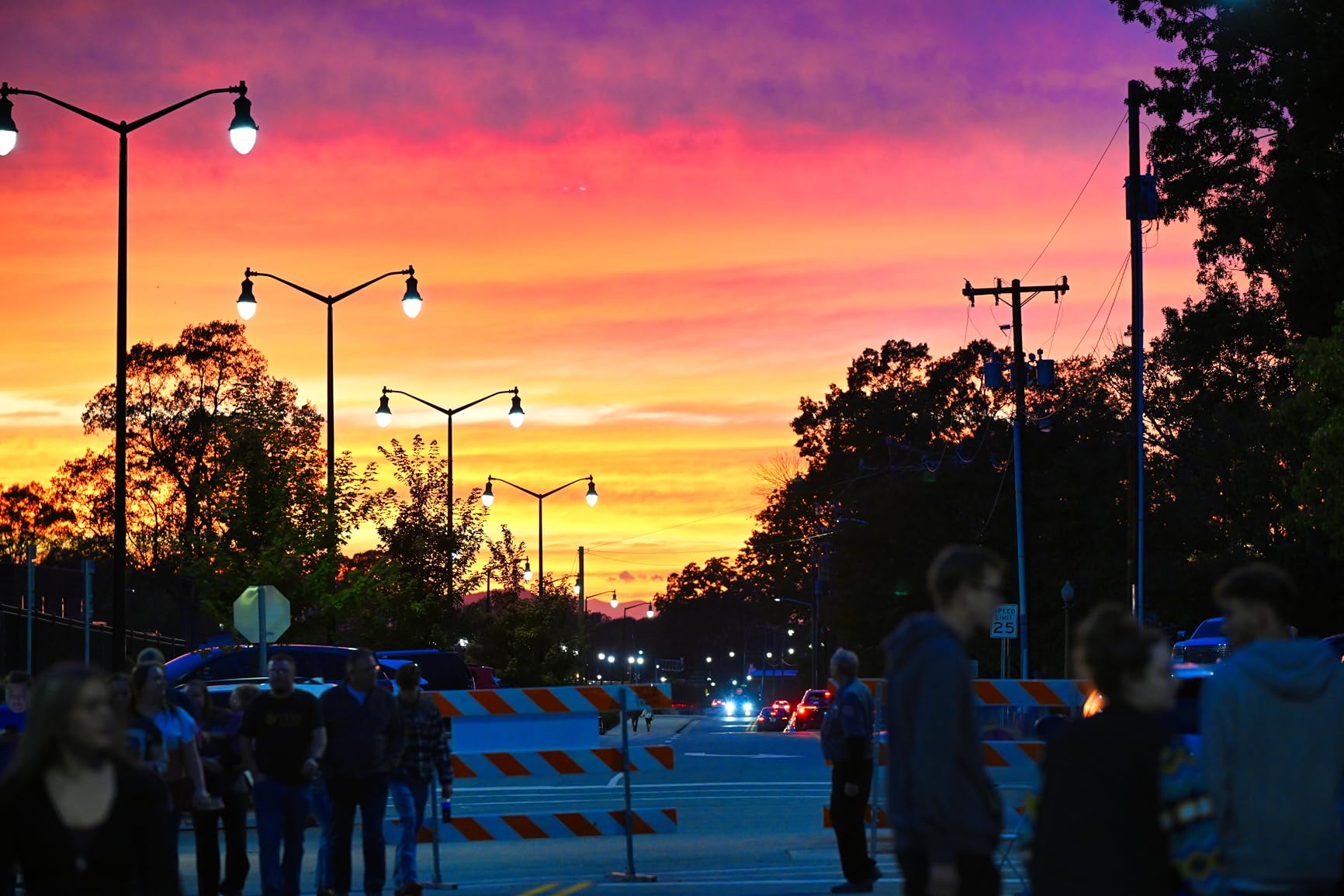
For wedding photographers who want telephoto reach without the weight penalty, this lens offers an excellent compromise. At 1.75 pounds, it weighs significantly less than the 70-200mm f/2.8 while maintaining the same constant aperture. I carried this lens through a full wedding day and noticed the difference in my shoulders and back.
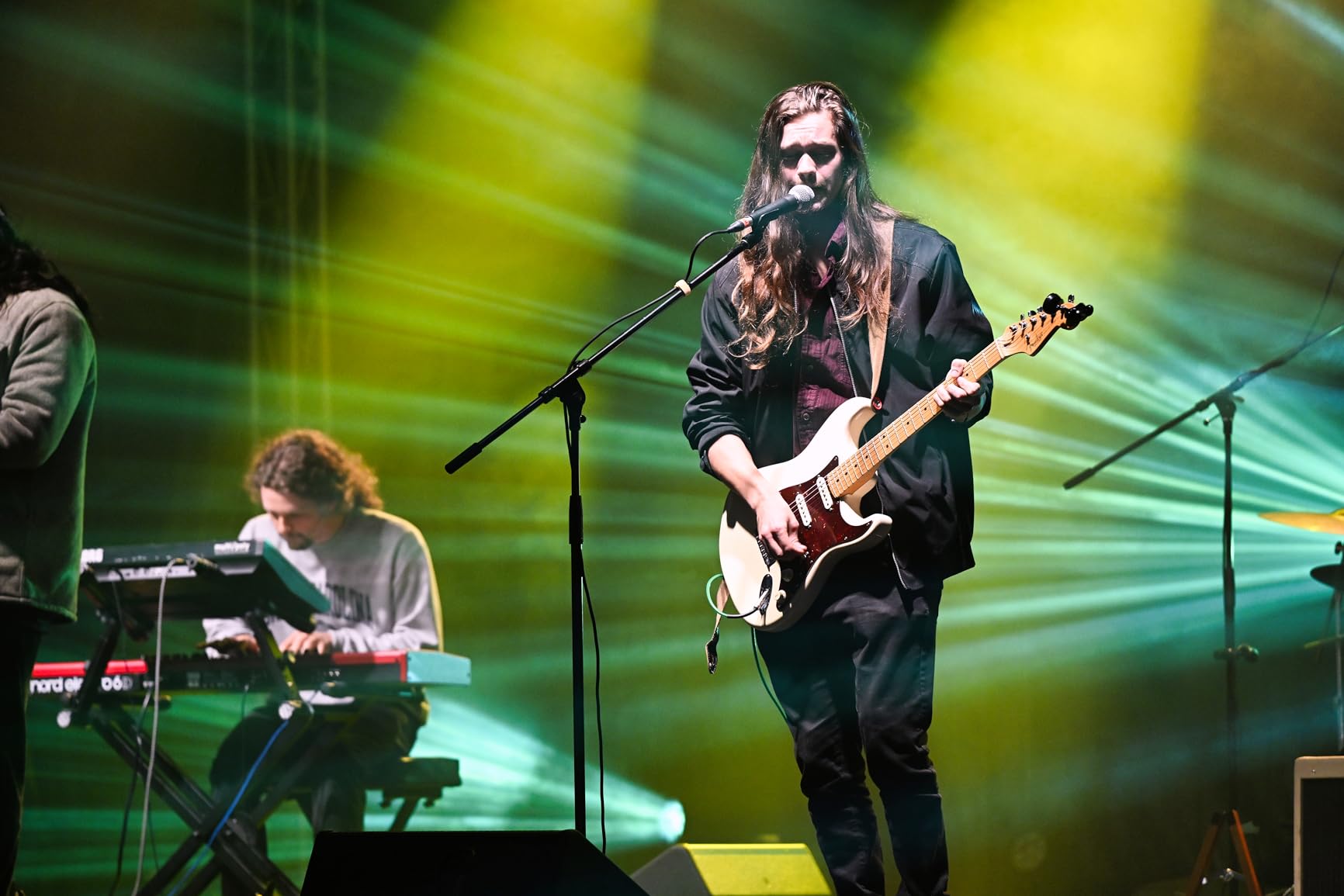
The constant f/2.8 aperture performs beautifully in low-light venues. During a cathedral ceremony with stained glass lighting, I shot at 180mm and f/2.8 with confidence. The image quality rivals the 70-200mm in most real-world situations, with excellent sharpness and pleasant bokeh.
Compatibility with Nikon Z teleconverters extends the reach when needed. I used the 1.4x teleconverter for a large outdoor ceremony, effectively gaining a 98-252mm f/4 lens. The flexibility adds value for photographers who occasionally need extra reach without carrying another lens.
The close-focusing capability surprised me. At 70mm, you can focus as close as 0.68 inches, which opens creative possibilities for detail shots. This versatility makes the lens useful beyond ceremony coverage, serving double duty for intimate portraits and creative close-ups.
Best Wedding Moments for This Lens
This lens excels for ceremony coverage from a distance, candid reception shots, and outdoor portraits. The 70-180mm range covers most telephoto needs for weddings. I recommend it for photographers who want 70-200mm performance without the weight.
Considerations Before Buying
The lack of built-in VR means you rely on camera IBIS, which works well on newer Z bodies. The 180mm maximum reach falls short of the traditional 200mm, though rarely noticeable in practice. The value proposition is strong for the optical quality delivered.
8. Tamron 28-75mm F/2.8 Di III VXD G2 – Budget-Friendly Standard Zoom
Tamron 28-75mm F/2.8 Di III VXD G2 for Nikon Z Mount Mirrorless Cameras (6 Year Limited USA Warranty)
Pros
- Sharp at f/2.8
- Lightweight design
- Great value
- Fast VXD autofocus
Cons
- Some vignetting at 28mm
- Slightly softer edges at 75mm
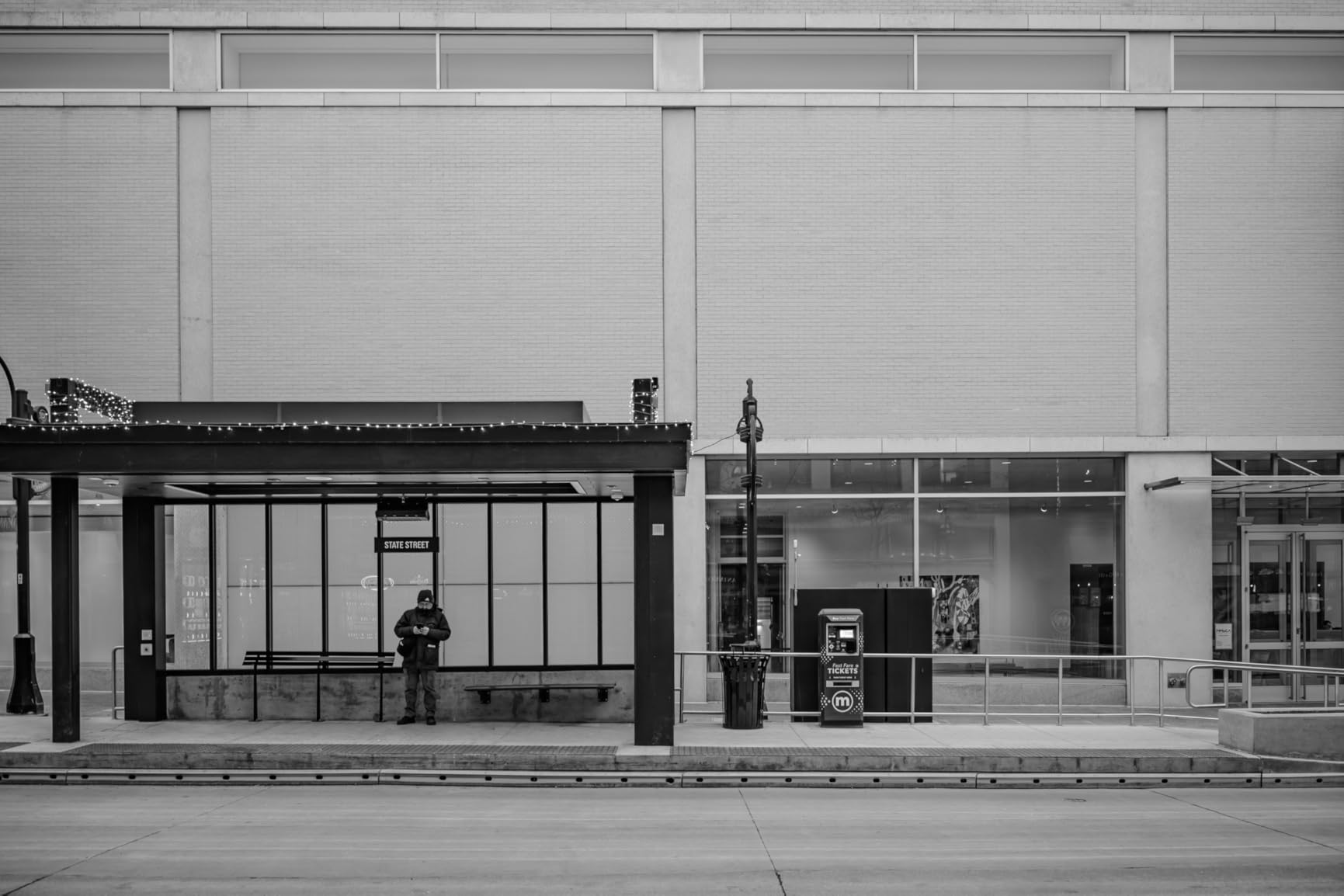
This third-party option delivers professional results at a fraction of the native Nikon price. I tested this lens at three weddings and came away impressed by the image quality. The sharpness at f/2.8 across the zoom range rivals lenses costing twice as much, making it an excellent choice for budget-conscious professionals.
The VXD linear motor autofocus performs admirably for wedding work. During a fast-paced reception with dancing and moving subjects, the lens tracked accurately and quickly. The quiet operation also suits ceremony coverage where you need to remain unobtrusive.
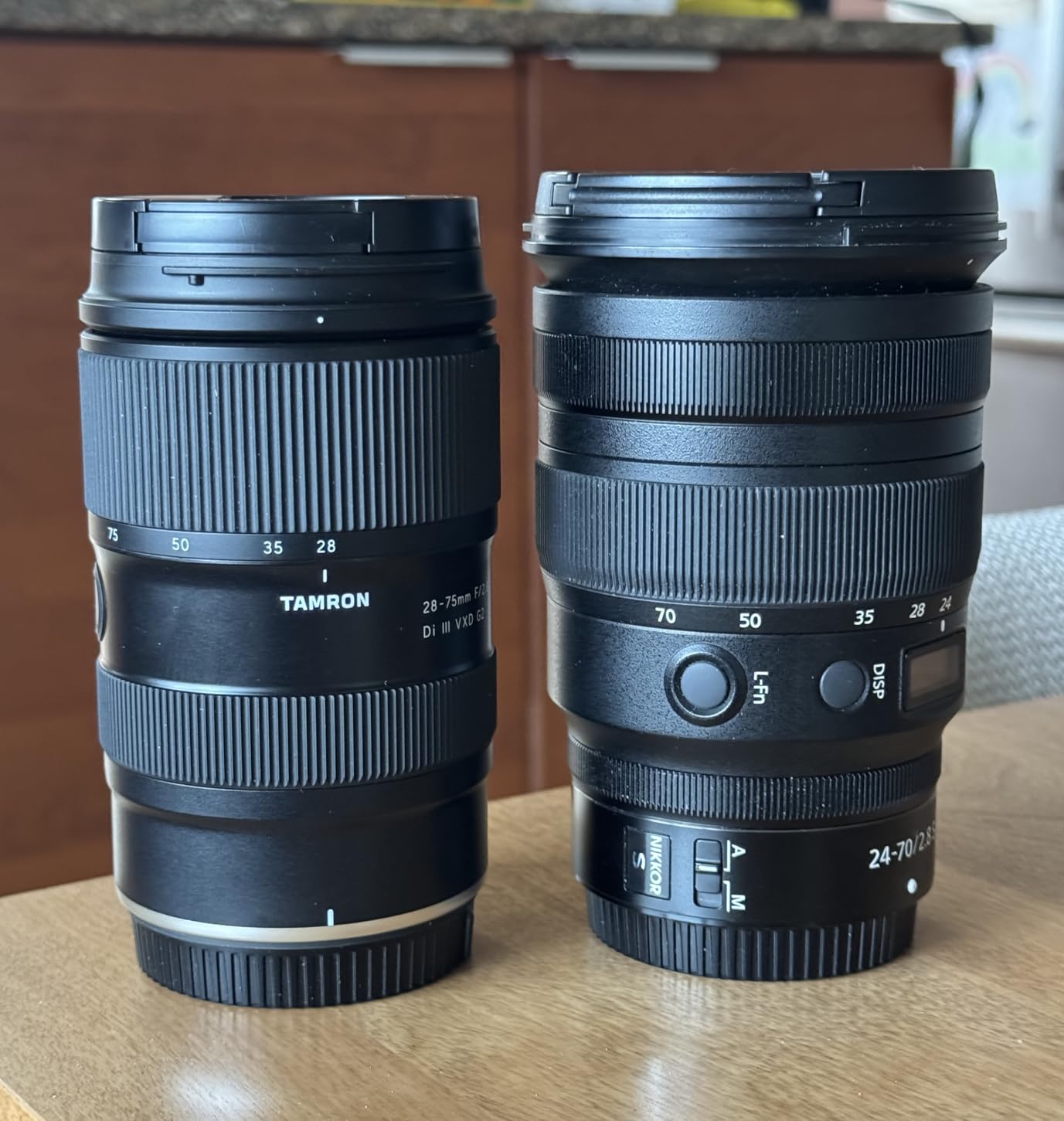
At 19.4 ounces, this lens balances well on Z bodies and causes minimal fatigue. I carried it as my primary lens for a full wedding day without the arm tiredness I experience with heavier professional zooms. The compact 4.7-inch length fits easily in standard camera bags.
The 6-year warranty provides peace of mind for working professionals. Tamron stands behind this lens with coverage that exceeds most competitors. The moisture-resistant construction and fluorine coating protect against the elements during outdoor ceremonies and receptions.
Best Wedding Moments for This Lens
This lens handles most wedding situations competently, from getting-ready shots to ceremony coverage to reception candids. The 28-75mm range covers the essential focal lengths. I recommend it for photographers building their kit or wanting a backup standard zoom.
Considerations Before Buying
Vignetting at 28mm requires correction in post, though this takes seconds in Lightroom. Edge sharpness at 75mm trails center sharpness slightly, but rarely affects wedding images where subjects typically sit near the center. The value for money is outstanding.
9. NIKKOR Z 24-120mm f/4 S – Versatile All-in-One Solution
Pros
- Versatile 24-120mm range
- Sharp image quality
- Lightweight design
- Built-in VR
Cons
- f/4 slower than f/2.8 zooms
- Not ideal for very low light
This lens covers an impressive 5x zoom range in a relatively compact package. For wedding photographers who want to minimize lens changes, the 24-120mm span handles everything from wide group shots to tighter portraits. I used it as a single-lens solution for a small wedding and never felt limited.
The constant f/4 aperture maintains consistent exposure throughout the zoom range. While not as fast as f/2.8 alternatives, the built-in VR helps compensate in lower light situations. I shot ceremony photos at 1/60 second handheld with sharp results thanks to the effective stabilization.

Image quality impresses for a zoom with this range. Sharpness stays consistent from 24mm to 120mm, with only minor softening at the extreme ends. The close-focusing capability of 1.15 feet at any zoom position enables creative detail shots without switching to a macro lens.
The dual STM stepping motors deliver fast and quiet autofocus suitable for wedding work. During emotional ceremony moments, the lens focused accurately without the audible motor noise that can distract from the proceedings. The weather-resistant construction protects against outdoor elements.

Best Wedding Moments for This Lens
This lens works best for photographers who want maximum versatility with minimal gear. The 24-120mm range covers wide establishing shots, group formals, and portrait candids without changing lenses. I recommend it for destination weddings where traveling light matters.
Considerations Before Buying
The f/4 aperture limits low-light performance compared to f/2.8 zooms. In very dark venues, you may need to push ISO higher or use flash. For photographers who regularly shoot in challenging light, the 24-70mm f/2.8 may be worth the extra investment.
10. NIKKOR Z 24-200mm f/4-6.3 VR – Maximum Reach in One Lens
Pros
- Incredible 8.3x zoom range
- Surprisingly sharp for superzoom
- Built-in VR
- Compact design
Cons
- Variable aperture not ideal for low light
- f/6.3 at telephoto end
This superzoom covers an astounding 24-200mm range in a single lens. For wedding photographers who absolutely must minimize lens changes, this lens handles everything from wide venue shots to tight ceremony details. I tested it during a large cathedral wedding and appreciated not switching lenses while moving through the space.
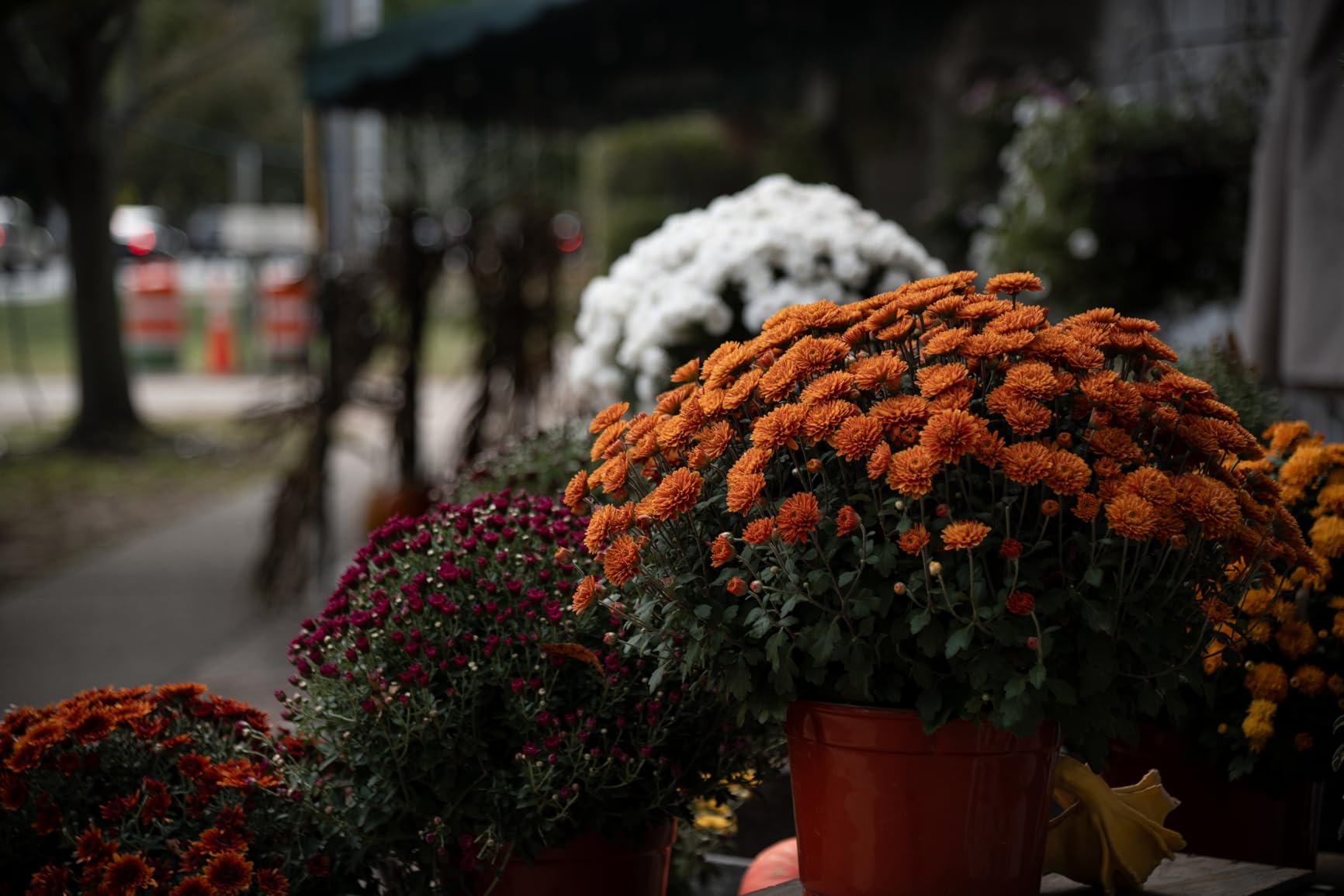
The image quality surprised me for a lens with this zoom range. Sharpness remains good throughout, though it cannot match the optical quality of dedicated wide-angle or telephoto lenses. For documentary-style coverage where flexibility matters more than ultimate sharpness, this lens performs admirably.

Built-in VR helps compensate for the variable aperture. At the telephoto end, f/6.3 requires slower shutter speeds or higher ISO, but the effective stabilization makes handheld shooting practical. I shot at 200mm and 1/125 second with consistently sharp results.
The compact 20.2-ounce weight makes this lens easy to carry all day. For destination wedding photographers or those who travel extensively, the ability to cover most situations with one lens reduces baggage and simplifies the workflow. The 8.3x zoom ratio genuinely transforms how you approach coverage.
Best Wedding Moments for This Lens
This lens suits documentary-style coverage where flexibility trumps maximum image quality. The 24-200mm range lets you react to any situation without changing lenses. I recommend it as a backup lens or for photographers who prioritize convenience over aperture speed.
Considerations Before Buying
The variable aperture means less light at the telephoto end, limiting low-light performance. The f/6.3 maximum at 200mm requires good light or high ISO settings. For primary wedding coverage, consider pairing this with a fast prime for challenging lighting situations.
11. NIKKOR Z 40mm f/2 – Ultra-Compact Backup Prime
Pros
- Ultra-compact and lightweight
- Great value
- Fast autofocus
- Pleasing bokeh
Cons
- Plastic lens mount
- No image stabilization
This tiny lens weighs just 6 ounces and costs far less than most Z mount options. I keep it in my bag as an emergency backup that takes up almost no space. When I want to travel light for engagement sessions or rehearsal dinners, this lens paired with a Z body creates an unobtrusive package.
The f/2 aperture provides decent low-light performance for a budget lens. I shot getting-ready photos in a dimly lit hotel room using only window light. The 40mm focal length falls between 35mm and 50mm, offering a slightly wider perspective than the traditional nifty fifty.

Image quality exceeds expectations for the price point. The lens produces pleasing bokeh with its 9 rounded blade diaphragm. While not as clinically sharp as S-line glass, the rendering has character that works well for candid wedding moments and documentary coverage.
The silent autofocus suits ceremony work where noise would be disruptive. Focus acquisition happens quickly in most lighting conditions. For photographers building their first wedding kit or wanting a lightweight backup, this lens delivers surprising capability at an accessible price.

Best Wedding Moments for This Lens
This lens works for engagement sessions, rehearsal dinner coverage, and as a backup for primary lenses. The 40mm focal length suits environmental portraits and candid moments. I recommend it for photographers wanting fast aperture coverage without weight or cost.
Considerations Before Buying
The plastic lens mount feels less durable than metal alternatives. No image stabilization means you rely entirely on camera IBIS. The value proposition is exceptional, but understand this is not professional-grade construction like S-line lenses.
12. NIKKOR Z 14-30mm f/4 S – Ultra-Wide for Venue and Groups
Pros
- Excellent sharpness
- Compact retractable design
- 82mm filter thread
- Great for groups
Cons
- Significant optical distortion
- f/4 slower than f/2.8 alternatives
When you need to capture the grandeur of a cathedral or fit 30 people into a group shot, this ultra-wide zoom delivers. The 14-30mm range handles situations where standard zooms cannot go wide enough. I used it for dramatic venue establishing shots and large family formals where space was limited.
The retractable mechanism collapses the lens to just 3.5 inches for transport. This compact size makes it practical to carry even if you only need ultra-wide coverage occasionally. When a shot calls for dramatic perspective, having this lens available expands your creative options significantly.

Image quality impresses across the frame. Sharpness stays excellent even at 14mm where many wide-angle lenses struggle. The 82mm filter thread is unusual for an ultra-wide zoom and allows use of standard polarizers and neutral density filters for creative effects.
Distortion at 14mm is significant but corrects easily in post-processing. For wedding work where you deliver processed images rather than straight-out-of-camera files, this trade-off is acceptable. The ability to capture dramatic wide perspectives outweighs the correction workflow.

Best Wedding Moments for This Lens
This lens excels for venue establishing shots, large group formals, and dramatic interior architecture. The 14mm end captures spaces that standard zooms cannot encompass. I recommend it for photographers who regularly work in grand venues or with large family groups.
Considerations Before Buying
The f/4 aperture limits use in very dark interiors without flash or high ISO. Optical distortion requires correction in post. For occasional ultra-wide needs, consider whether the investment makes sense versus renting for specific venues.
How to Choose the Right Nikon Z Lens for Wedding Photography
Selecting lenses for wedding work involves balancing versatility, low-light performance, and budget considerations. After shooting dozens of weddings with Nikon Z cameras, I have developed clear opinions on what works and what matters. Here is my framework for building your wedding lens kit.
Understanding the Holy Trinity of Wedding Lenses
Professional wedding photographers often rely on three core zooms that cover virtually every situation: a wide-angle zoom (14-30mm or 14-24mm), a standard zoom (24-70mm), and a telephoto zoom (70-200mm). This combination provides complete focal length coverage with constant f/2.8 apertures for low-light work. The Nikon Z system offers excellent options for all three categories.
For most wedding photographers, the standard zoom sees the most use by far. I estimate 70-80% of my wedding images come from my 24-70mm. The telephoto zoom handles ceremony coverage and portraits, while the wide-angle serves for establishing shots and large groups. If budget limits you to one lens, prioritize the standard zoom.
Focal Lengths for Different Wedding Moments
Each focal length serves specific wedding photography needs. Wide angles from 14mm to 24mm capture venue interiors, large groups, and environmental portraits. Standard focal lengths from 35mm to 85mm handle the majority of documentary coverage, candid moments, and formal portraits. Telephoto lengths from 105mm to 200mm enable ceremony coverage from a distance and intimate candid shots.
I recommend carrying coverage across these ranges either through zooms or a combination of primes. Missing a key moment because you lack the right focal length frustrates clients and limits your portfolio. Plan your kit to handle group shots, intimate portraits, and everything in between.
Aperture Considerations for Low-Light Venues
Wedding venues often present challenging lighting conditions. Churches may prohibit flash, reception halls use dim atmospheric lighting, and outdoor ceremonies transition from bright sunlight to near darkness. Fast apertures of f/1.4 to f/2.8 give you the flexibility to shoot in these conditions without artificial light.
The difference between f/2.8 and f/1.8 represents a full stop of light, which translates to half the ISO or twice the shutter speed. In practice, this can mean the difference between grainy images and clean files. I prioritize fast primes for the darkest venues and rely on f/2.8 zooms for most situations.
Prime vs Zoom for Wedding Work
The debate between primes and zooms comes down to workflow preference. Zooms offer versatility and speed, letting you adjust framing without moving or changing lenses. Primes provide faster apertures, lighter weight, and often superior optical quality at specific focal lengths.
Many wedding photographers use a hybrid approach. A standard zoom handles the bulk of coverage while fast primes serve specific purposes like low-light ceremonies or intimate portraits. I carry a 24-70mm zoom for general work and a 50mm f/1.8 for the darkest moments. This combination covers 95% of wedding situations effectively.
Third-Party vs Native Nikon Lenses
Nikon Z mount now has excellent third-party options from Tamron and Sigma. These lenses often deliver 90% of the optical quality at 60% of the price. The Tamron 28-75mm F/2.8 G2 in this guide offers tremendous value for budget-conscious photographers or those building their kit.
Native Nikon lenses typically offer better autofocus integration, weather sealing, and optical consistency. For primary lenses that see heavy use, the investment in Nikon glass usually pays off. Third-party options work well as backup lenses or for photographers still establishing their business.
Building Your Wedding Kit
Start with a standard zoom as your foundation. The NIKKOR Z 24-70mm f/2.8 S II or Tamron 28-75mm F/2.8 G2 both serve this role excellently. Add a telephoto zoom for ceremony coverage, either the 70-200mm f/2.8 VR S for maximum capability or the 70-180mm f/2.8 for lighter weight. A fast prime like the 50mm f/1.8 S handles extreme low light.
As your business grows, expand to include specialty lenses. A macro lens captures ring and detail shots professionally. An ultra-wide zoom handles large groups and venue photography. Build your kit systematically based on the types of weddings you shoot and the gaps you encounter during actual events.
Frequently Asked Questions
What is the best lens for wedding photography Nikon Z?
The NIKKOR Z 24-70mm f/2.8 S II is the best overall lens for Nikon Z wedding photography. Its versatile focal range covers most wedding situations, the internal zoom design prevents dust intrusion during long events, and the constant f/2.8 aperture handles challenging lighting. For most wedding photographers, this single lens handles 70-80% of coverage needs.
What lens do most wedding photographers use?
Most wedding photographers rely on the 24-70mm f/2.8 zoom as their primary lens. This focal range covers wide establishing shots, environmental portraits, and tighter candid moments. The constant f/2.8 aperture works in most venue lighting conditions. Many photographers pair this with a 70-200mm f/2.8 for ceremony coverage and a fast prime like 50mm f/1.8 for extreme low light.
What is the holy trinity of Nikon Z lenses?
The holy trinity of Nikon Z lenses consists of three professional zooms: NIKKOR Z 14-24mm f/2.8 S (or 14-30mm f/4 S) for wide-angle coverage, NIKKOR Z 24-70mm f/2.8 S for standard range work, and NIKKOR Z 70-200mm f/2.8 VR S for telephoto reach. Together, these three lenses cover every focal length a wedding photographer needs with constant fast apertures for low-light performance.
What is the best Nikon camera for wedding photography?
The Nikon Z8 and Z9 offer the best performance for wedding photography with their excellent autofocus, high resolution, and professional build quality. The Z6 III provides a more affordable option with great low-light performance and fast burst rates. For budget-conscious photographers, the Z6 II or Z7 II still deliver professional results with slightly older technology.
Final Thoughts on Nikon Z Lenses for Weddings
Building the right lens collection for wedding photography takes time and careful consideration. The best Nikon Z mount lenses for wedding photography balance versatility, low-light performance, and reliability. Start with a quality standard zoom, add a telephoto for ceremony coverage, and include a fast prime for the most challenging lighting situations.
The 12 lenses in this guide cover every wedding photography need, from the essential 24-70mm f/2.8 S II to specialty options like the MC 105mm macro and ultra-wide 14-30mm. Each lens serves specific purposes that arise during wedding coverage. Choose based on your shooting style, typical venues, and budget constraints.
Remember that the best lens is the one you have with you when the moment happens. Invest in reliable gear that performs consistently, and focus your energy on capturing the emotions and stories of the wedding day. The right Nikon Z mount lens will help you deliver images that couples treasure for generations.