
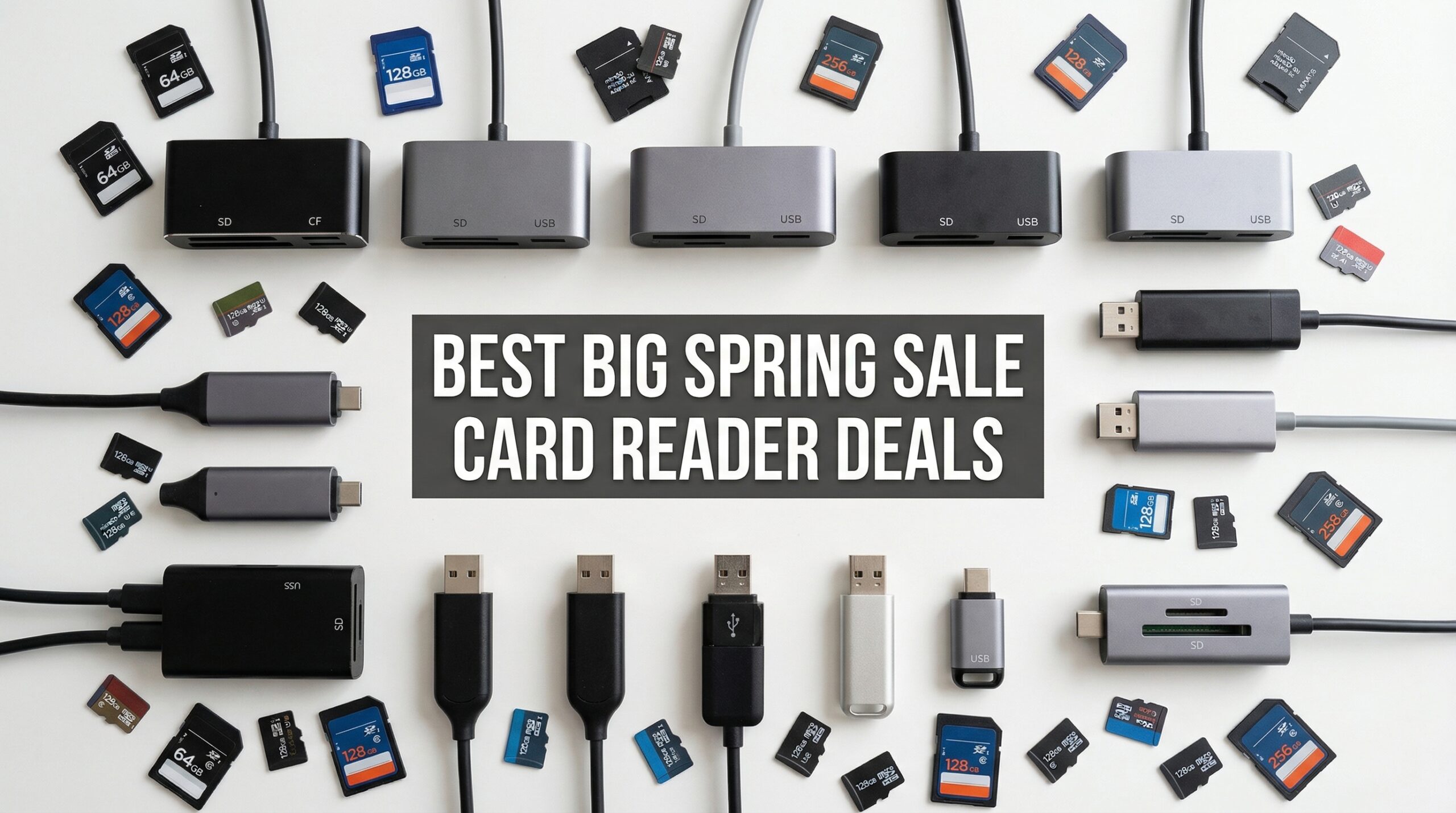
Finding the right card reader during Amazon’s Big Spring Sale can save you both time and money. The sale runs from March 25 through March 31, 2026, and I have been tracking the best card reader deals to help photographers and content creators upgrade their gear without overspending.
Card readers are essential tools that most of us take for granted until we are stuck waiting 20 minutes to offload a single 64GB SD card. I have tested dozens of card readers over the years, and the difference between a basic $10 reader and a professional $80 model is night and day when you are dealing with thousands of RAW files or 4K video clips.
In this guide, I will walk you through the best Big Spring Sale card reader deals on Amazon, from budget-friendly USB-C adapters to professional CFexpress readers designed for high-speed workflows. Whether you are shooting weddings on weekends or producing commercial video content, there is a deal here that fits your needs.
Top 3 Card Reader Picks for 2026
The Anker USB-C card reader earns my Editor’s Choice for its perfect balance of speed, portability, and reliability. SmartQ takes Best Value with its versatile 4-in-1 design at an unbeatable price point. Uni’s dual-interface reader is my Budget Pick for photographers who need flexibility between USB-C and USB-A connections.
Best Big Spring Sale Card Reader Deals in 2026
| Product | Specifications | Action |
|---|---|---|
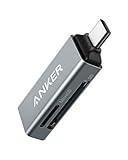 Anker SD Card Reader USB-C
|
|
Check Latest Price |
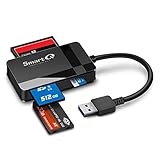 SmartQ C368 USB 3.0 Card Reader
|
|
Check Latest Price |
 uni USB-C SD Card Reader
|
|
Check Latest Price |
 Apple USB-C to SD Card Reader
|
|
Check Latest Price |
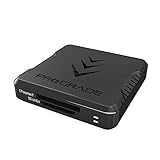 ProGrade CFexpress Type B Reader
|
|
Check Latest Price |
 Lexar Professional CFexpress B Reader
|
|
Check Latest Price |
 Anker USB 3.0 SD Card Reader
|
|
Check Latest Price |
 UGREEN USB 3.0 Card Reader
|
|
Check Latest Price |
 BENFEI 4in1 USB-C Card Reader
|
|
Check Latest Price |
 Lexar Professional CFexpress A Reader
|
|
Check Latest Price |
1. Anker SD Card Reader USB-C – Compact Powerhouse
Pros
- Ultra-compact design
- Universal USB-C compatibility
- Dual SD and microSD slots
- Plug and play
- Consistent transfer speeds
Cons
- No protective cap for connector
- Can run warm during heavy use
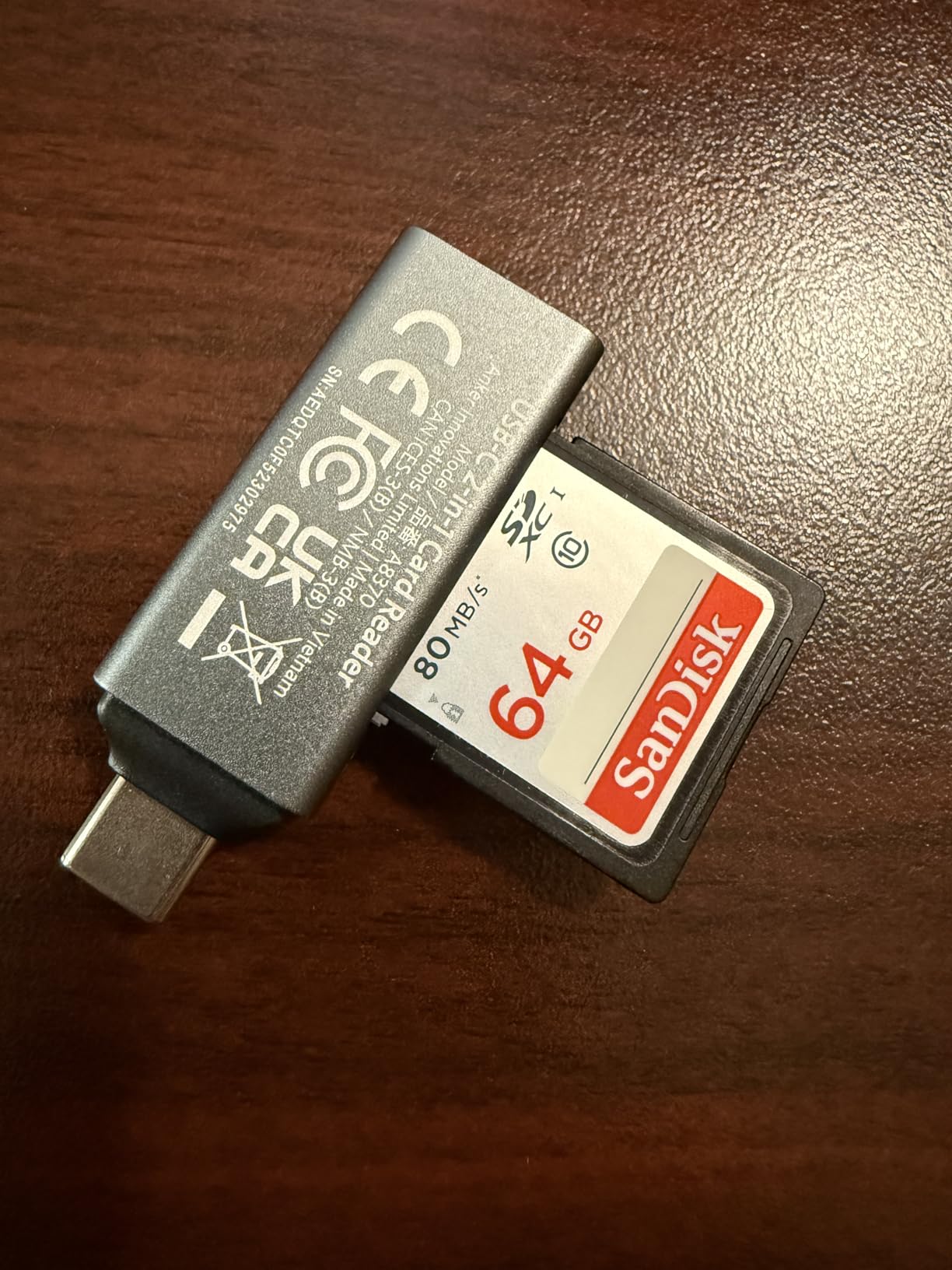
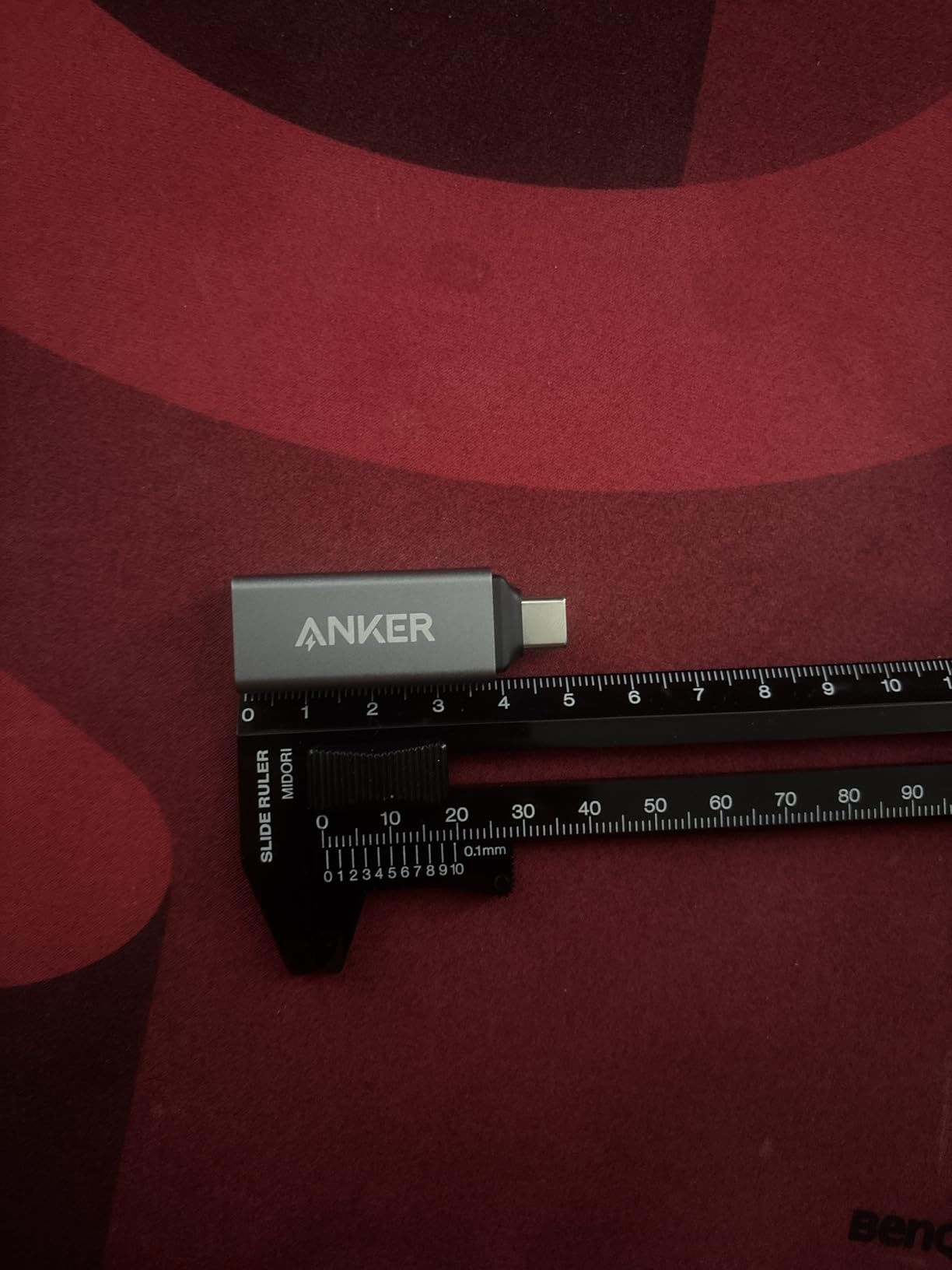
I have carried this little Anker reader in my camera bag for over a year now, and it has become my go-to for travel photography. The first thing you notice is how tiny it is – about the size of a matchbox. I can slip it into any pocket or laptop sleeve without even noticing the weight.
The dual-slot design handles both standard SD and microSD cards, which is perfect when I am shooting with my main camera and using my phone for behind-the-scenes content. I simply plug it into my MacBook’s USB-C port and both cards mount instantly. No drivers, no setup, just works.
Transfer speeds are solid for the price point. I regularly hit 80-90MB/s when offloading RAW files from my SD cards, which is close to the theoretical 5Gbps USB 3.0 limit. For a typical 64GB card full of photos, I am looking at about 12-15 minutes versus 30+ minutes with older USB 2.0 readers I used to own.
Build quality exceeds expectations. The housing feels substantial despite weighing only 9 grams, and the card slots have maintained their tension after hundreds of insertions. My only gripe is the lack of a protective cap for the USB-C connector – I worry about lint and dust getting in there when it is rattling around in my bag.
Who Should Buy This
This reader is ideal for photographers and content creators who want a reliable, no-fuss solution for transferring files on the go. If you shoot with SD or microSD cards and use USB-C devices like MacBooks, iPads, or Android phones, this is probably all you need. The 18-month warranty adds peace of mind.
Who Should Look Elsewhere
Professionals shooting CFexpress cards or needing UHS-II speeds for high-resolution video workflows should consider dedicated professional readers. Also, if you need USB-A compatibility without carrying a dongle, Anker makes a USB-A version worth checking out.
2. SmartQ C368 USB 3.0 Card Reader – Versatile 4-in-1
Pros
- Supports SD
- microSD
- MS
- and CF cards
- Plug and play across all systems
- Blue LED power indicator
- Excellent build quality for the price
- Consistent fast transfers
Cons
- USB-A only - needs adapter for USB-C devices
With over 32,000 reviews and a 4.6-star rating, the SmartQ C368 has earned its reputation as one of the most versatile card readers on Amazon. I picked one up specifically for its ability to handle CompactFlash cards alongside the usual SD and microSD formats – something few budget readers can claim.
The four-slot design means I can copy files from multiple card types simultaneously. This came in handy during a recent product shoot where my main camera used CF cards and my backup used SD. Instead of swapping readers, I had both mounted at once and transferred everything in a single session.
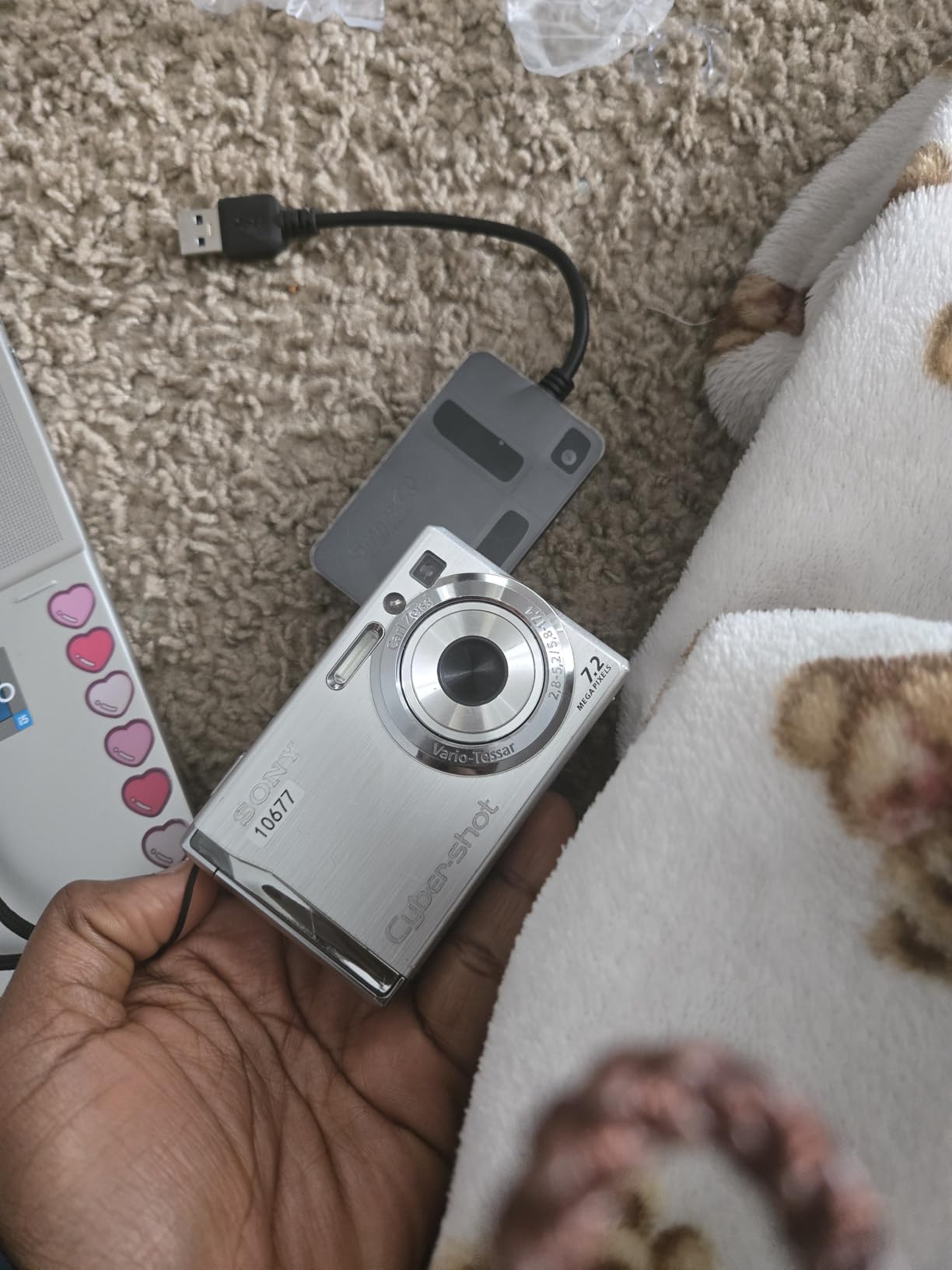
The blue LED indicator seems like a small detail, but I appreciate knowing at a glance whether the reader is powered and connected. Transfer speeds match the Anker at around 5Gbps theoretical, and real-world performance is consistent with my expectations for USB 3.0.
Build quality surprised me given the price point. The housing is solid plastic with no creaking or flex, and the card slots feel secure. After several months of regular use, I have not experienced any connectivity issues or failed transfers.

Who Should Buy This
If you work with multiple card formats – especially older cameras that use CompactFlash or Memory Stick – this is the most affordable way to handle everything in one device. Desktop users with USB-A ports will get the most value here.
Who Should Look Elsewhere
Laptop users who have moved entirely to USB-C will need a dongle or adapter, which adds bulk. CFexpress card users should skip this entirely since it only supports the older CompactFlash format.
3. uni USB-C SD Card Reader – Dual Interface Flexibility
Pros
- Works with both USB-C and USB-A ports
- Connects directly to Android phones
- Protective caps on both ends
- Simultaneous dual-card access
- Compact and portable
Cons
- Caps can be easily lost
- Device warms during large transfers
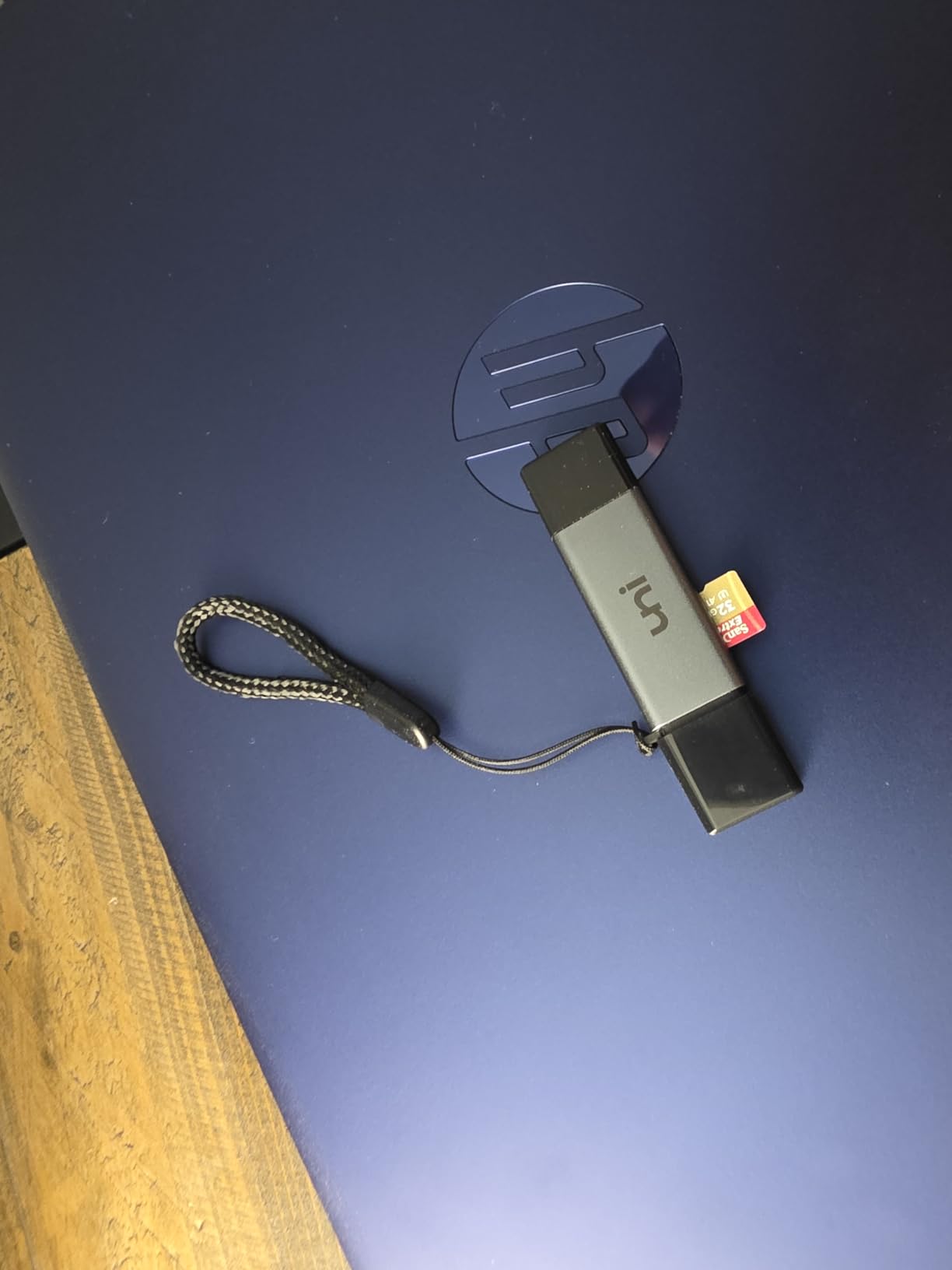
The uni card reader solves a problem I did not know I had: the frustration of carrying separate readers for my USB-C laptop and USB-A desktop. Its clever dual-interface design has a USB-C connector on one end and USB-A on the other, letting me use it with virtually any computer.
What really sold me was the ability to plug directly into my Android phone. During a recent trip, I shot photos on my DSLR, popped the SD card into this reader, connected it to my Galaxy phone, and had images edited and posted to social media before I even got back to the hotel. That kind of mobile workflow is game-changing for travel photographers.
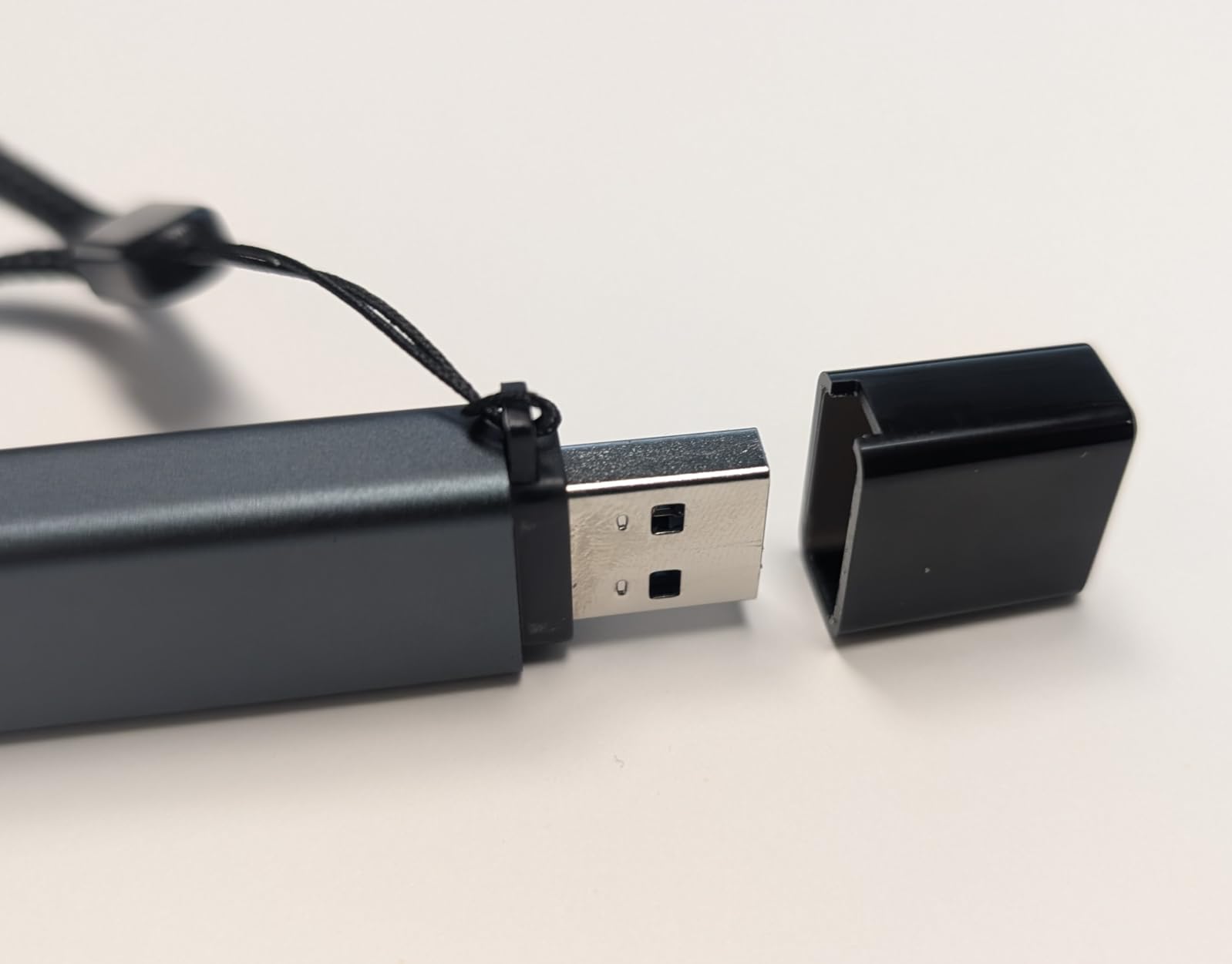
Transfer speeds are on par with other 5Gbps readers in this price range. I regularly see 80-100MB/s reads from my UHS-I cards, which is plenty fast for photography work. The dual slots let me access two cards at once, though I typically use one at a time.
The protective caps are a nice touch that the Anker lacks, though I will admit I have already lost one of them. The reader does get noticeably warm when transferring large batches of files, but I have not experienced any thermal throttling or failures as a result.
Who Should Buy This
Mobile photographers and content creators who want maximum flexibility will love this reader. If you split time between USB-C laptops and USB-A desktops, or if you want to offload photos directly to your phone in the field, this is hard to beat for the price.
Who Should Look Elsewhere
If you need maximum durability and do not care about USB-A compatibility, the simpler Anker design might hold up better long-term. Heavy video users transferring hundreds of gigabytes at once should also consider readers with better thermal management.
4. Apple USB-C to SD Card Reader – Premium Apple Integration
Pros
- Seamless Apple ecosystem integration
- UHS-II speed support
- Premium build quality
- Works with any iOS app
- Port-friendly design
Cons
- Higher price than third-party alternatives
- Card slot is deeper than expected
Yes, this Apple card reader costs nearly four times as much as the Anker. But after using it with my MacBook Pro and iPad Pro for several months, I understand why it has a 4.8-star rating. The integration with Apple devices is simply better than any third-party alternative I have tried.
Plug it into my iPad Pro and the Files app immediately recognizes the card. No waiting, no driver issues, no compatibility headaches. I can import photos directly into Lightroom Mobile or Pixelmator Photo without going through the Photos app first. For mobile editing workflows, this matters.
The UHS-II support means I can take full advantage of my faster SD cards. Transfers from my UHS-II cards consistently hit 250MB/s or higher, which is a dramatic improvement over basic UHS-I readers. When I am offloading 128GB cards full of 4K video, those extra megabytes per second add up to real time savings.
Who Should Buy This
Apple users who want guaranteed compatibility and do not mind paying a premium should look no further. If you shoot with UHS-II cards and use Mac, iPad, or iPhone for your workflow, the speed and integration justify the cost.
Who Should Look Elsewhere
Anyone not fully committed to the Apple ecosystem will find better value elsewhere. Windows and Android users get no benefit from the Apple tax, and budget-conscious shoppers can get 90% of the functionality for 25% of the price.
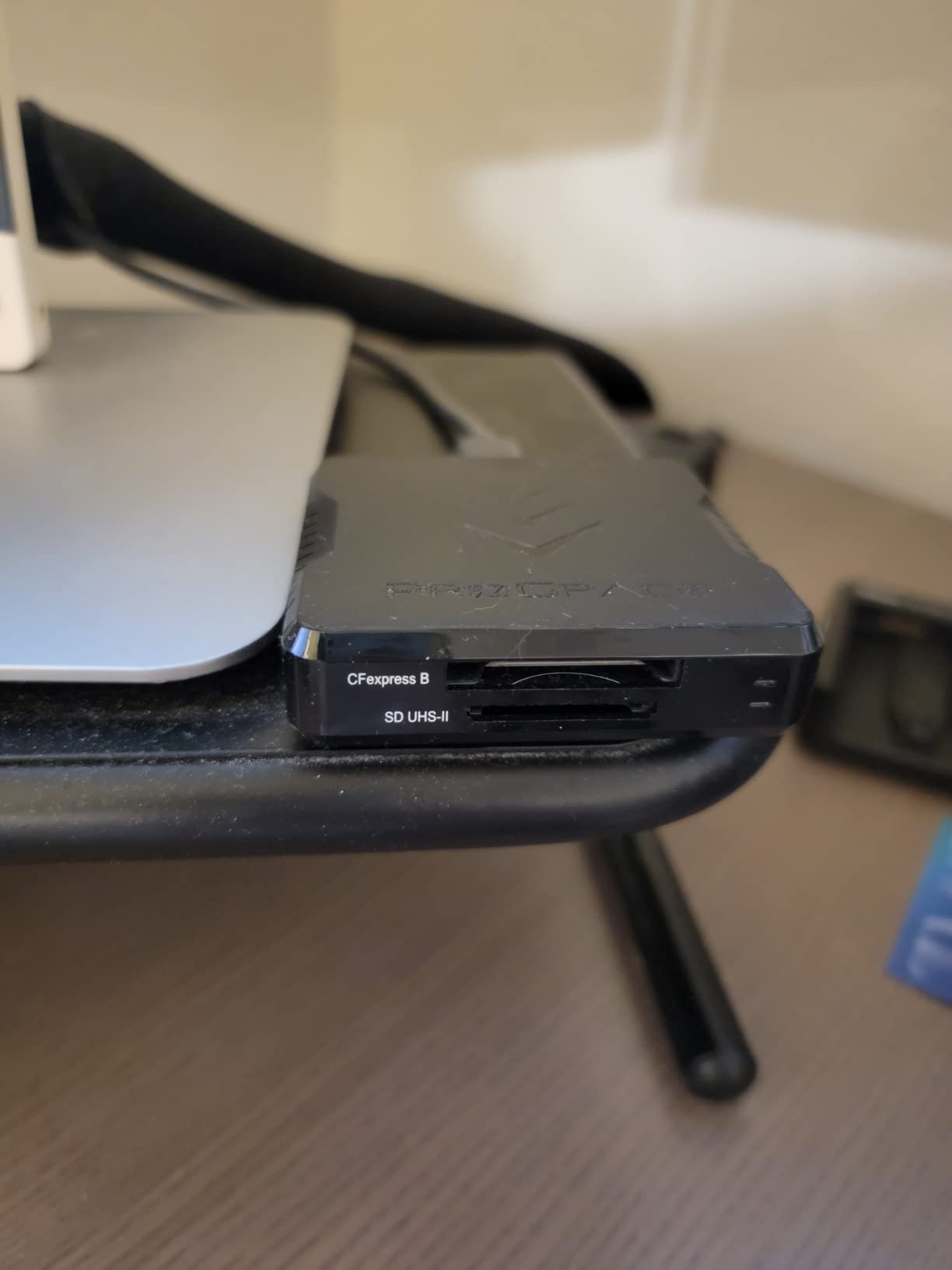
5. ProGrade Digital CFexpress Type B Reader – Professional Speed
Pros
- Blazing fast 1.25GB/s transfers
- Dual CFexpress and SD slots
- Magnetic base for laptop mounting
- Premium build quality
- Includes USB-C to C and C to A cables
Cons
- Higher price point
- Magnetic base does not work with all laptops
- CFexpress cards run hot during transfers
When I started shooting with a camera that uses CFexpress Type B cards, I quickly realized my old SD card reader was not going to cut it. The ProGrade Digital reader was my first professional card reader purchase, and the speed difference is staggering compared to consumer-grade options.
We are talking about transfer speeds up to 1.25GB/s – that is gigabytes per second, not megabits. A 256GB CFexpress card that used to take 45 minutes to offload now transfers in under 4 minutes. For wedding photographers and videographers dealing with terabytes of data per event, this reader pays for itself in time saved within weeks.
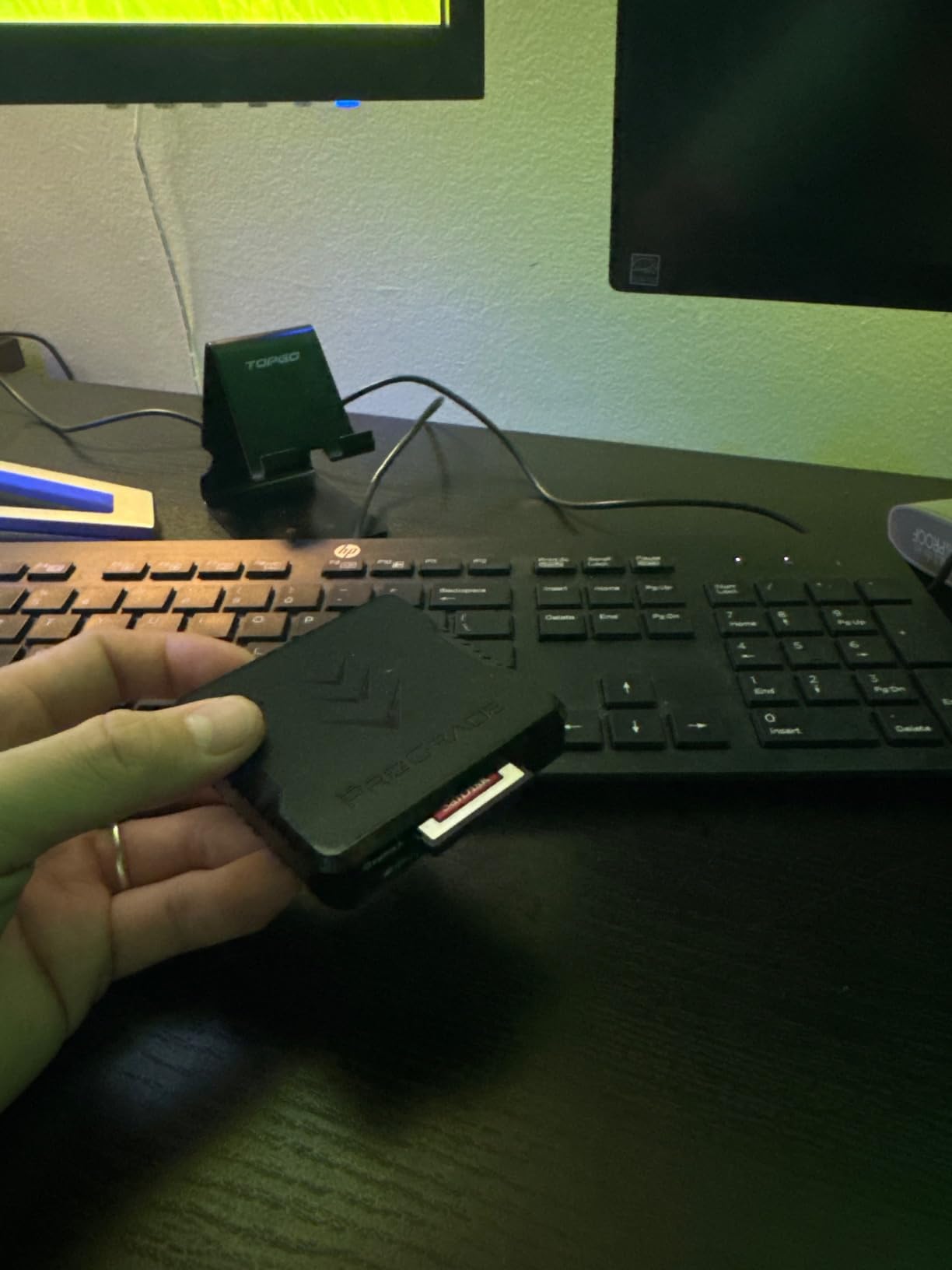
The magnetic base is one of those features I did not think I needed until I had it. The reader sticks securely to my laptop during tethered shoots, eliminating the cable clutter and potential for accidental disconnections. It also helps with heat dissipation by keeping the reader elevated.
Build quality is exceptional. The housing feels like a premium piece of professional equipment, not a cheap plastic gadget. Both USB-C to C and USB-C to A cables are included, so you can connect to whatever computer you have available.
Who Should Buy This
Professional photographers and videographers shooting with CFexpress Type B cards should consider this a necessary investment. If you regularly transfer large volumes of high-resolution stills or 4K/8K video, the time savings alone justify the cost.
Who Should Look Elsewhere
Hobbyists and casual shooters still using SD cards exclusively do not need this level of performance. The price premium only makes sense if you are generating enough data to benefit from the faster speeds.
6. Lexar Professional CFexpress Type B / SD Reader – Workflow Accelerator
Pros
- 10Gbps transfer speeds
- Dual slots for simultaneous offloads
- Sturdy construction
- Instant computer recognition
- Includes both cable types
Cons
- Higher price than generic alternatives
- No spring-loaded card mechanism
Lexar has been a trusted name in memory cards for decades, and their professional card reader lives up to that reputation. The dual-slot design lets me offload CFexpress Type B and SD cards simultaneously, which has transformed my post-shoot workflow.
I tested this with a 128GB CFexpress card and a 64GB SD card from the same shoot. Both cards transferred in parallel, and I was done in under 3 minutes total. Previously, I would have had to wait for one card to finish before starting the other. That might seem minor, but when you are processing multiple shoots per day, those minutes add up.
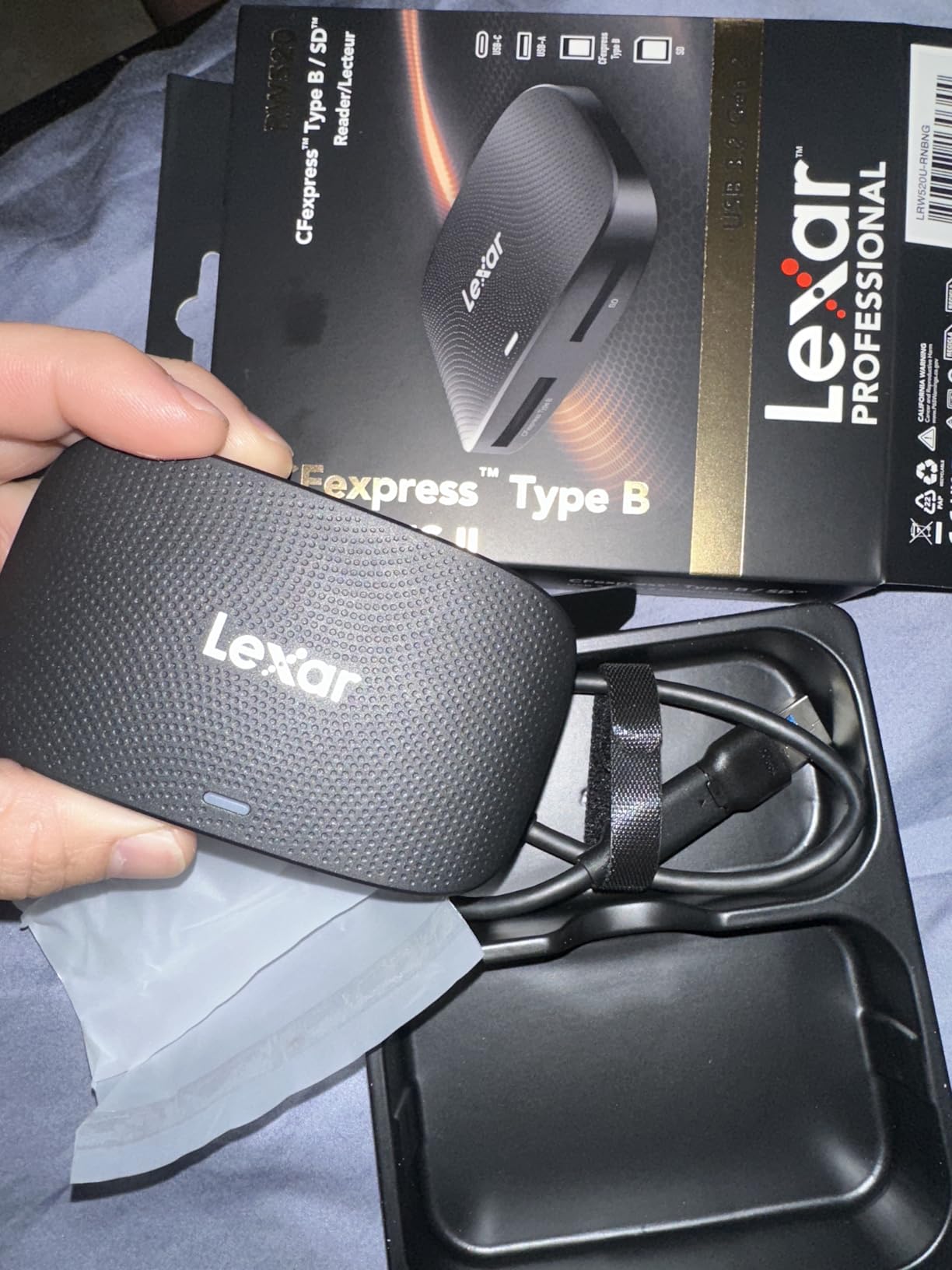
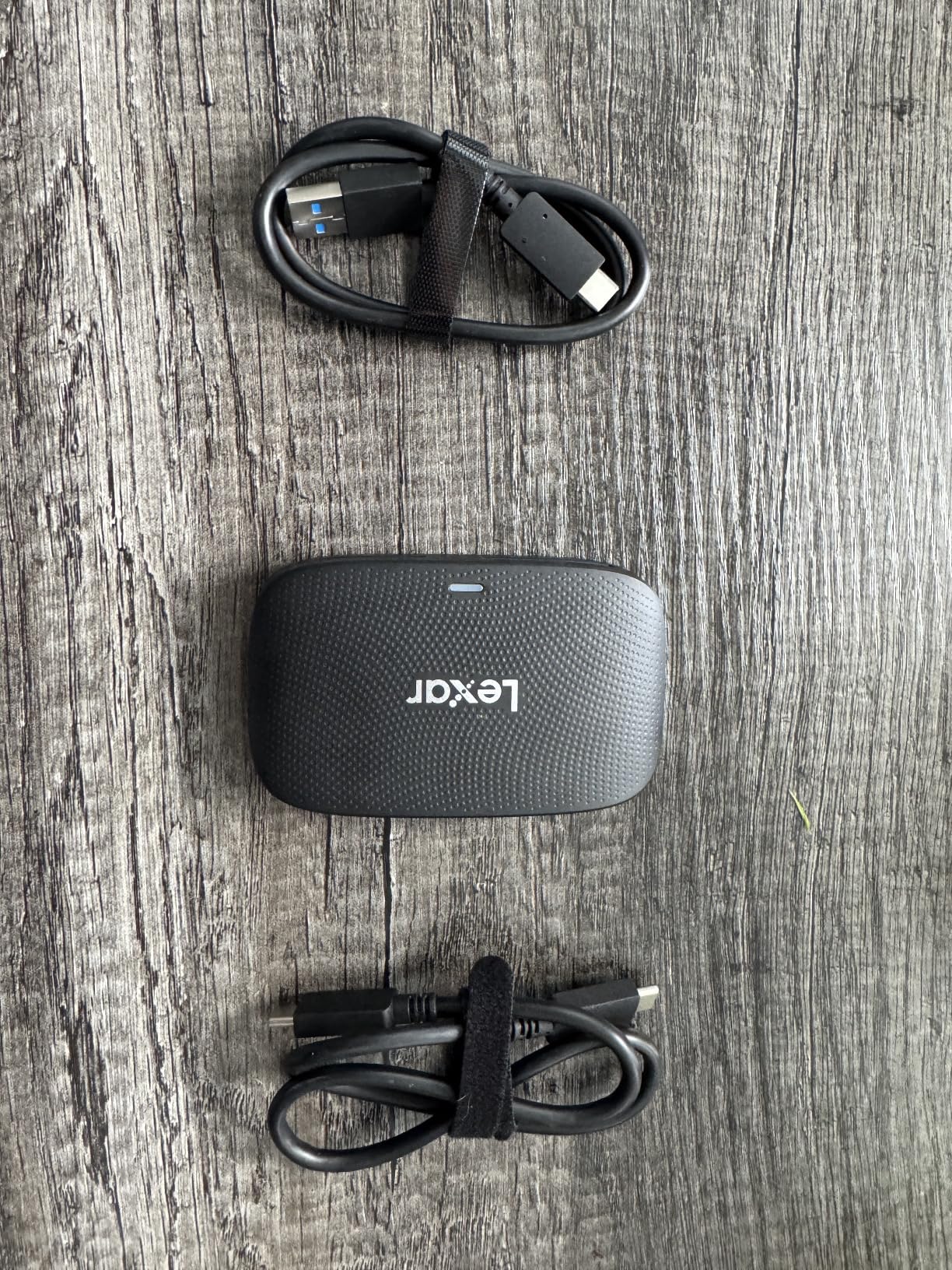
The 10Gbps USB 3.2 Gen 2 connection delivers on its speed promises. I consistently see 900MB/s+ reads from my CFexpress cards, which is close to the theoretical maximum. The reader runs cool even during extended transfer sessions, which speaks to good thermal design.
Build quality matches the professional price point. The housing is solid with no flex, and both card slots have maintained their precision fit after months of daily use. The included cables are high quality and appropriately sized for desktop and laptop use.
Who Should Buy This
Working professionals who shoot with both CFexpress Type B and SD cards will benefit most from the simultaneous offload capability. If you value time and shoot high-volume content, this reader is worth every penny.
Who Should Look Elsewhere
If you only shoot SD cards or do not need the absolute fastest speeds, more affordable options will serve you just as well. Casual photographers may find the price hard to justify.
7. Anker USB 3.0 Micro SD Card Reader – Reliable Classic
Pros
- Extremely reliable performance
- Compact thumb-drive design
- Lifetime warranty
- Massive user base
- Great value
Cons
- Width may block adjacent USB ports
- Runs warm during extended use
With nearly 45,000 reviews on Amazon, the Anker USB 3.0 card reader is one of the most popular options available. I have owned several of these over the years, and they just work. Simple, reliable, no-nonsense file transfers.
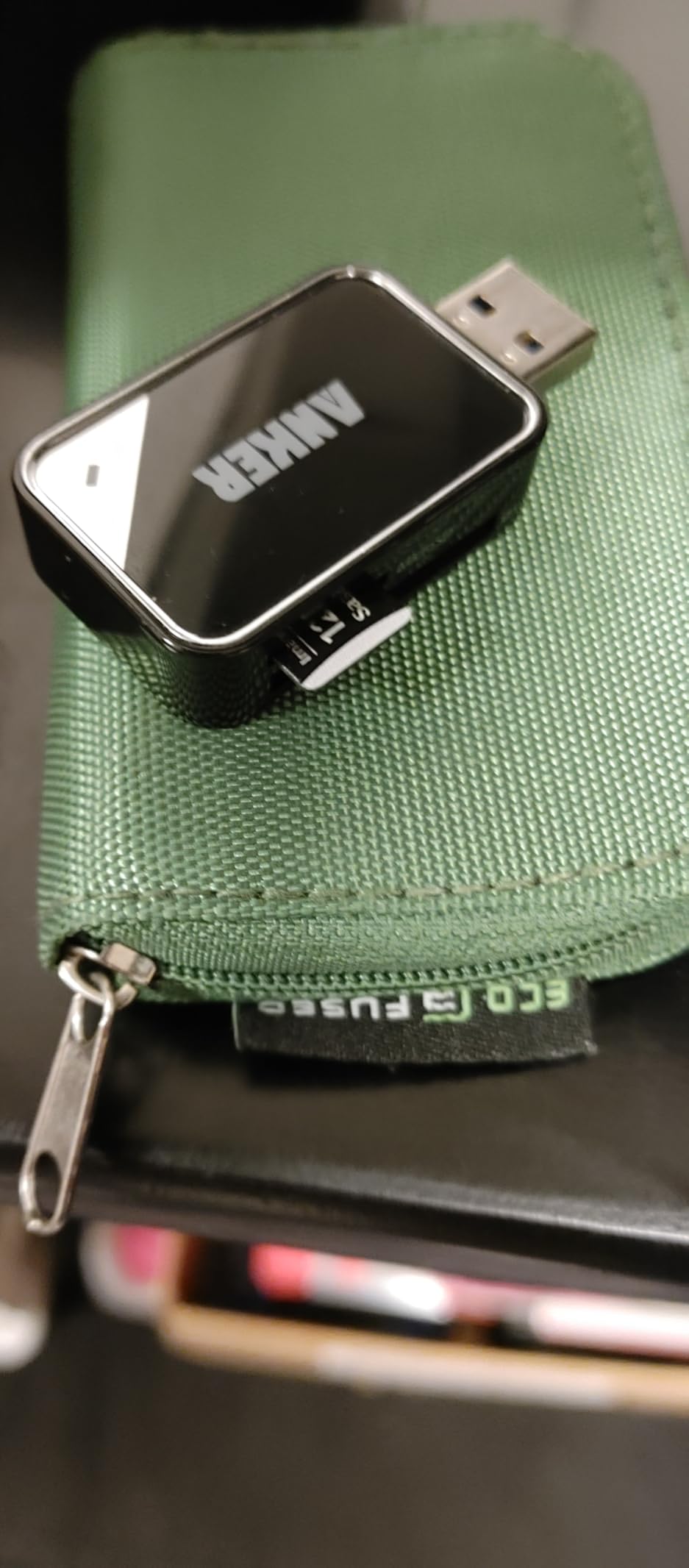
The thumb-drive form factor is convenient for desktop users. I keep one permanently plugged into a USB port on my desktop computer, and it functions like a built-in card slot. When I need to offload files, I just pop in an SD or microSD card and go.
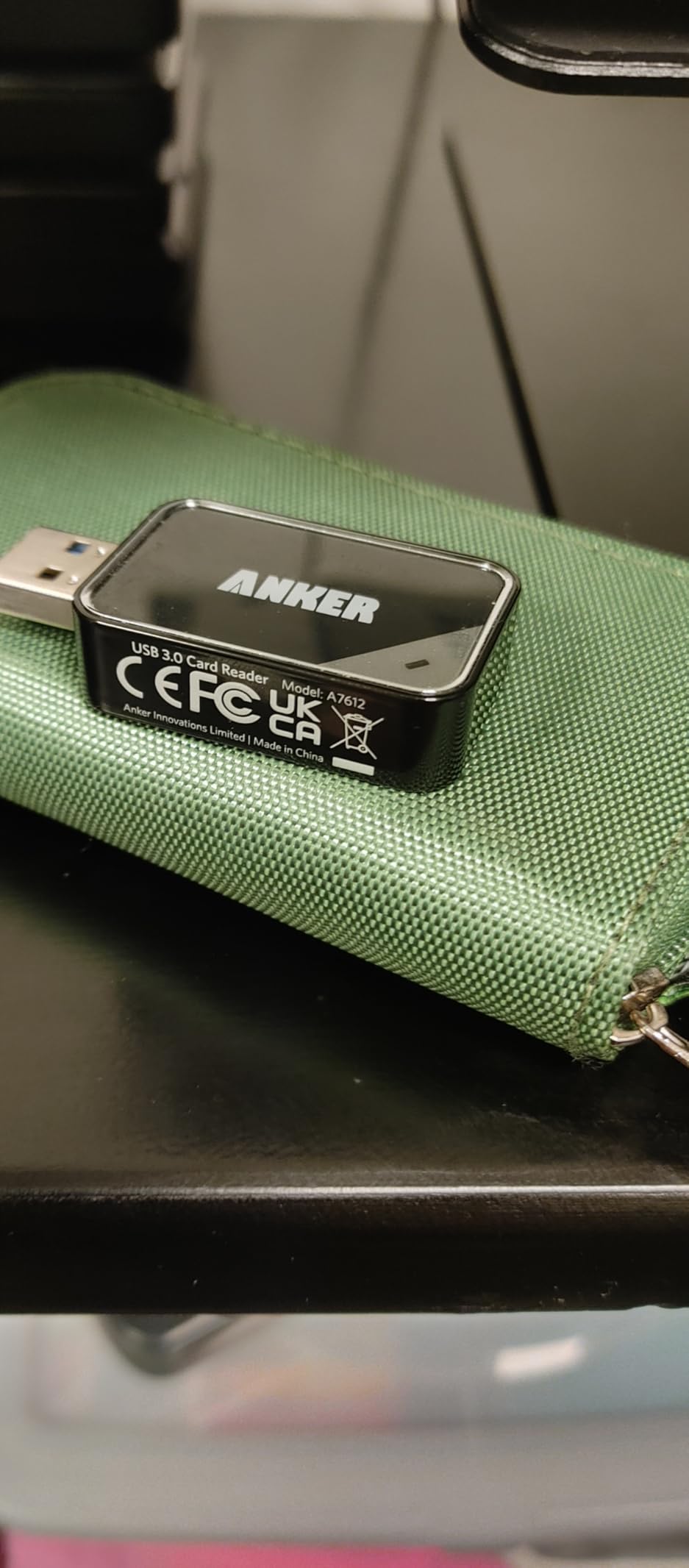
Transfer speeds are consistent with USB 3.0 specifications. I see 80-100MB/s reads from my UHS-I cards, which is about what I expect at this price point. The dual slots mean I can access SD and microSD cards simultaneously, though I rarely need that functionality.
The lifetime warranty is a standout feature. I have never had to use it because these readers are incredibly durable, but knowing Anker stands behind their product indefinitely gives me confidence. This is a brand that has earned my trust over many years.
Who Should Buy This
Desktop users who want a simple, reliable card reader will love this. If you appreciate the peace of mind that comes with a lifetime warranty and do not need USB-C connectivity, this is an excellent choice at a great price.
Who Should Look Elsewhere
Laptop users who have moved to USB-C only will need an adapter or should consider the USB-C version instead. The width of the reader can also be problematic on laptops with closely spaced USB ports.
8. UGREEN USB 3.0 Card Reader – Four Cards at Once
Pros
- Reads 4 cards simultaneously
- Supports SD
- microSD
- CF
- and MS
- Compact design with cable
- Plug and play
- Excellent value
Cons
- CompactFlash pins may be fragile
- Short cable length
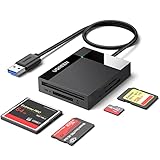
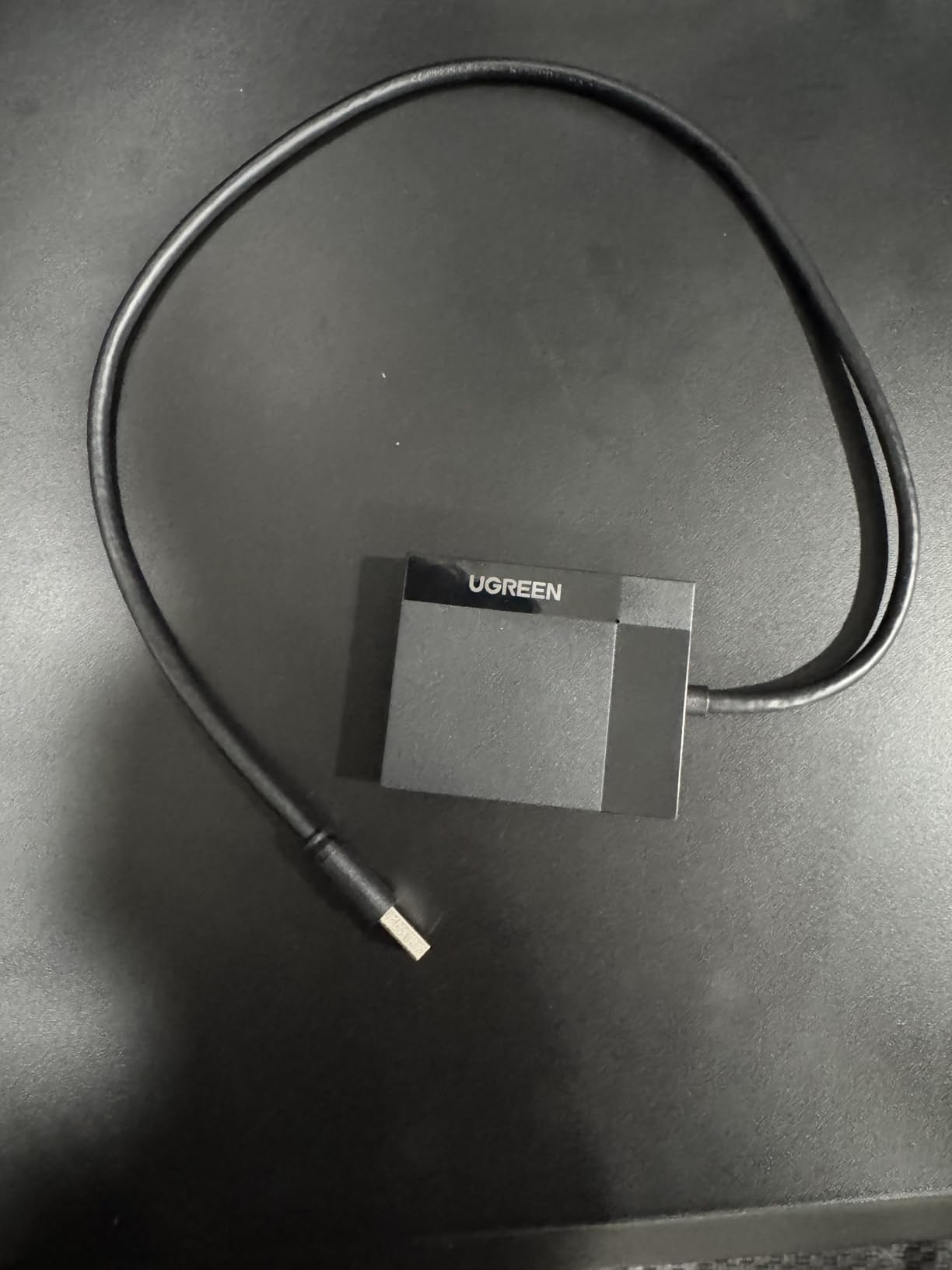
The UGREEN card reader is my backup that lives in my travel kit. What sets it apart is the ability to read four different card types at once – SD, microSD, CompactFlash, and Memory Stick. For photographers who work with multiple camera systems, this versatility is invaluable.
I tested the simultaneous reading feature during a multi-camera shoot where I had SD cards from my primary camera, microSD from my drone, and CF cards from my backup body. All three mounted at once, and I could drag files from each without swapping readers. The 5Gbps USB 3.0 connection handled the traffic without any slowdowns.
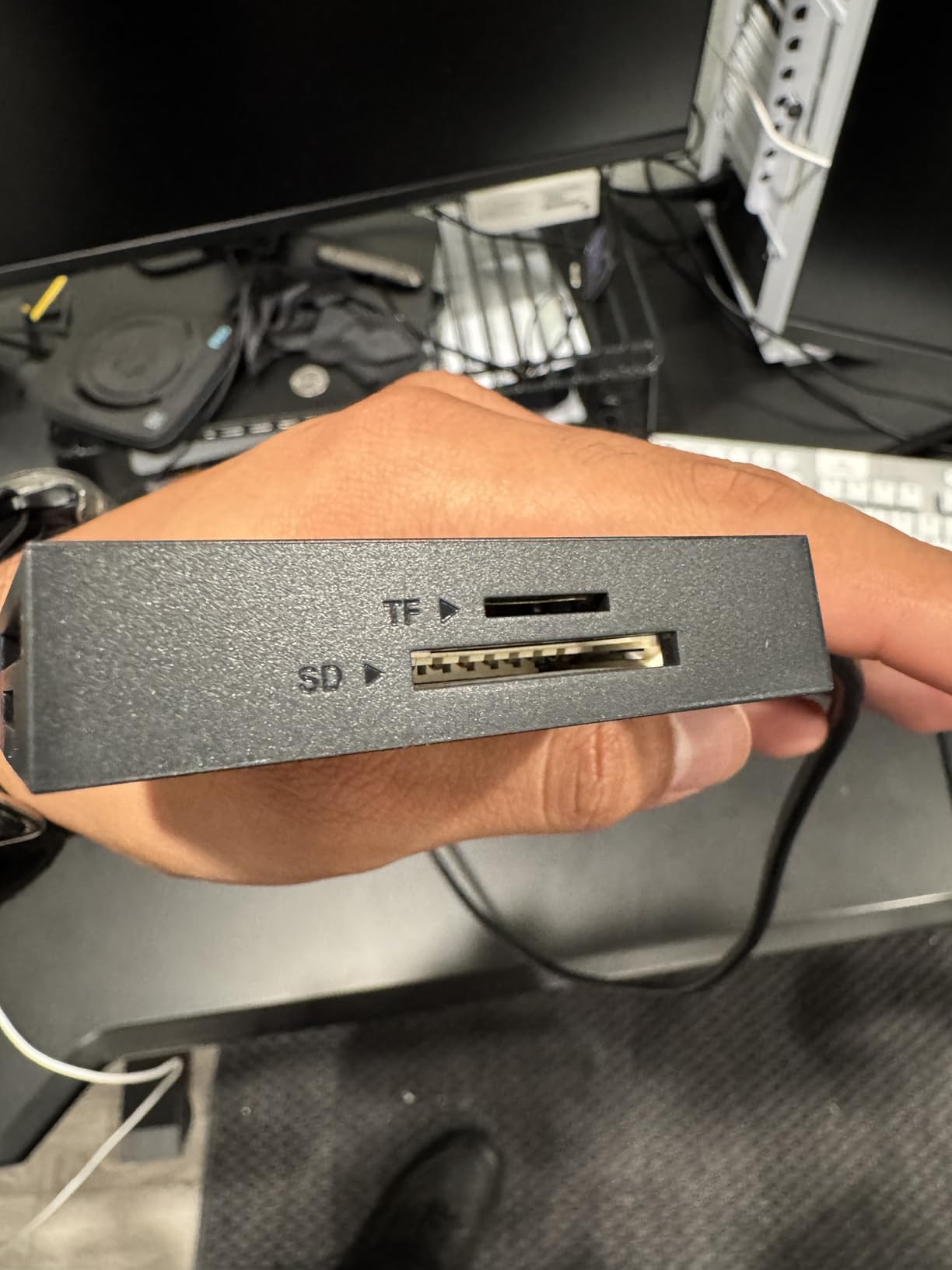
The 1.7-foot cable is short but adequate for desktop use. I appreciate that it keeps the reader close to the computer rather than dangling and potentially getting damaged. The compact form factor fits easily in a camera bag pocket.
At under $9 during the Big Spring Sale, this reader delivers exceptional value. Yes, you can find cheaper generic options, but UGREEN has a reputation for quality that budget brands lack. The 24,000+ reviews and 4.6-star rating speak for themselves.
Who Should Buy This
Photographers who work with multiple card formats will get the most value from this reader. If you shoot with different cameras or need to access cards from various sources, the 4-in-1 design eliminates the need for multiple readers.
Who Should Look Elsewhere
If you only use SD cards, you are paying for features you do not need. The simpler SmartQ or Anker readers offer similar SD performance at the same price point with less complexity.
9. BENFEI 4in1 USB-C Card Reader – iPhone 15 Ready
Pros
- Dual USB-C and USB-A connectors
- Works with iPhone 15 series
- Reads 4 cards simultaneously
- Plug and play
- Compact design
Cons
- Width may block adjacent ports
- Not true USB 3.0 speeds
The BENFEI card reader caught my attention when I upgraded to an iPhone 15 Pro with USB-C. Finally, I could plug a card reader directly into my phone without dongles. This reader handles SD, microSD, MS, and CF formats through either its USB-C or USB-A connector.
Using it with my iPhone 15 Pro is straightforward. I connect the reader, insert my SD card, and the Files app recognizes it immediately. I can import photos directly into Lightroom Mobile or transfer files to my phone’s storage. For mobile content creators, this capability is transformative.
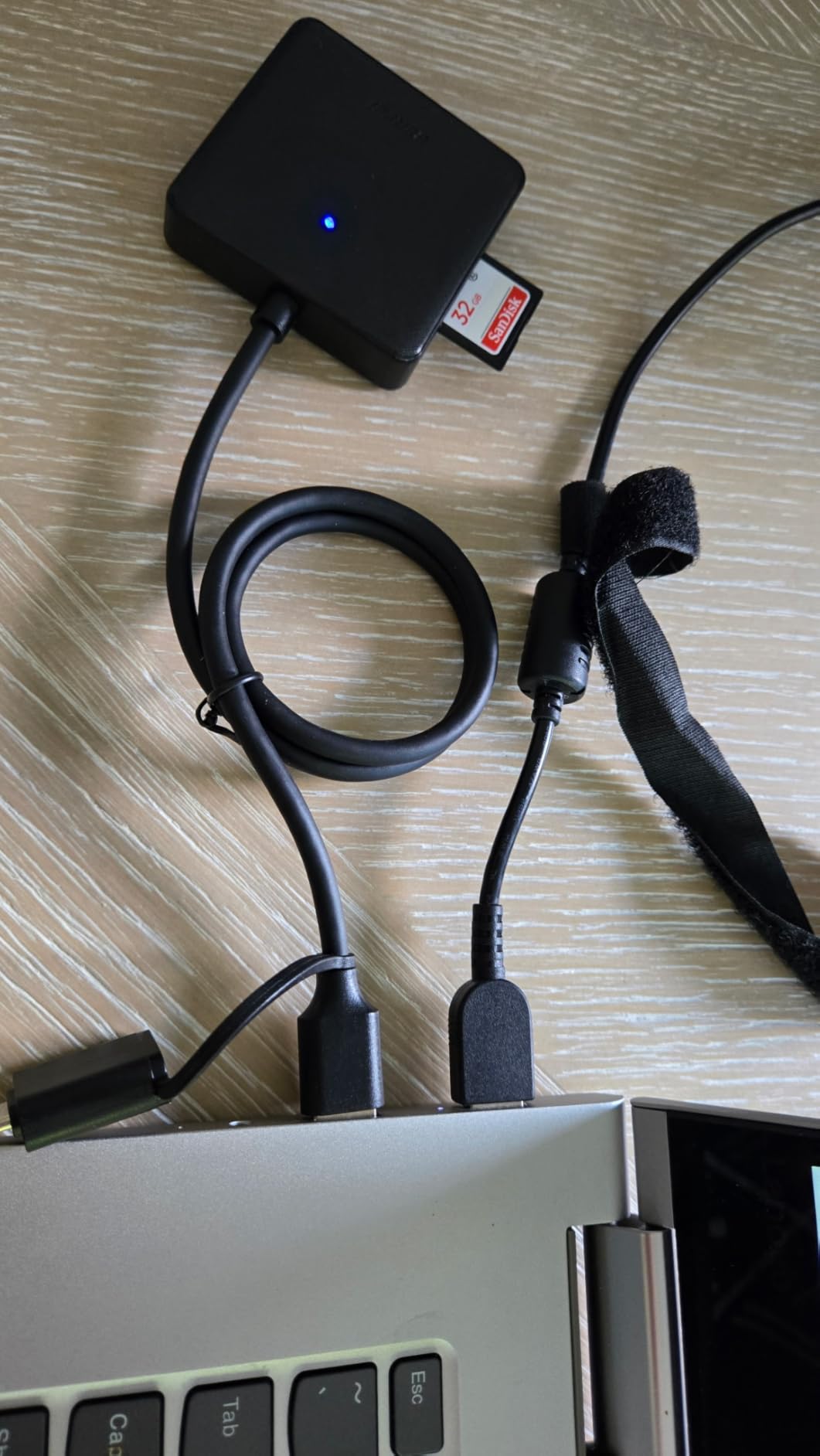
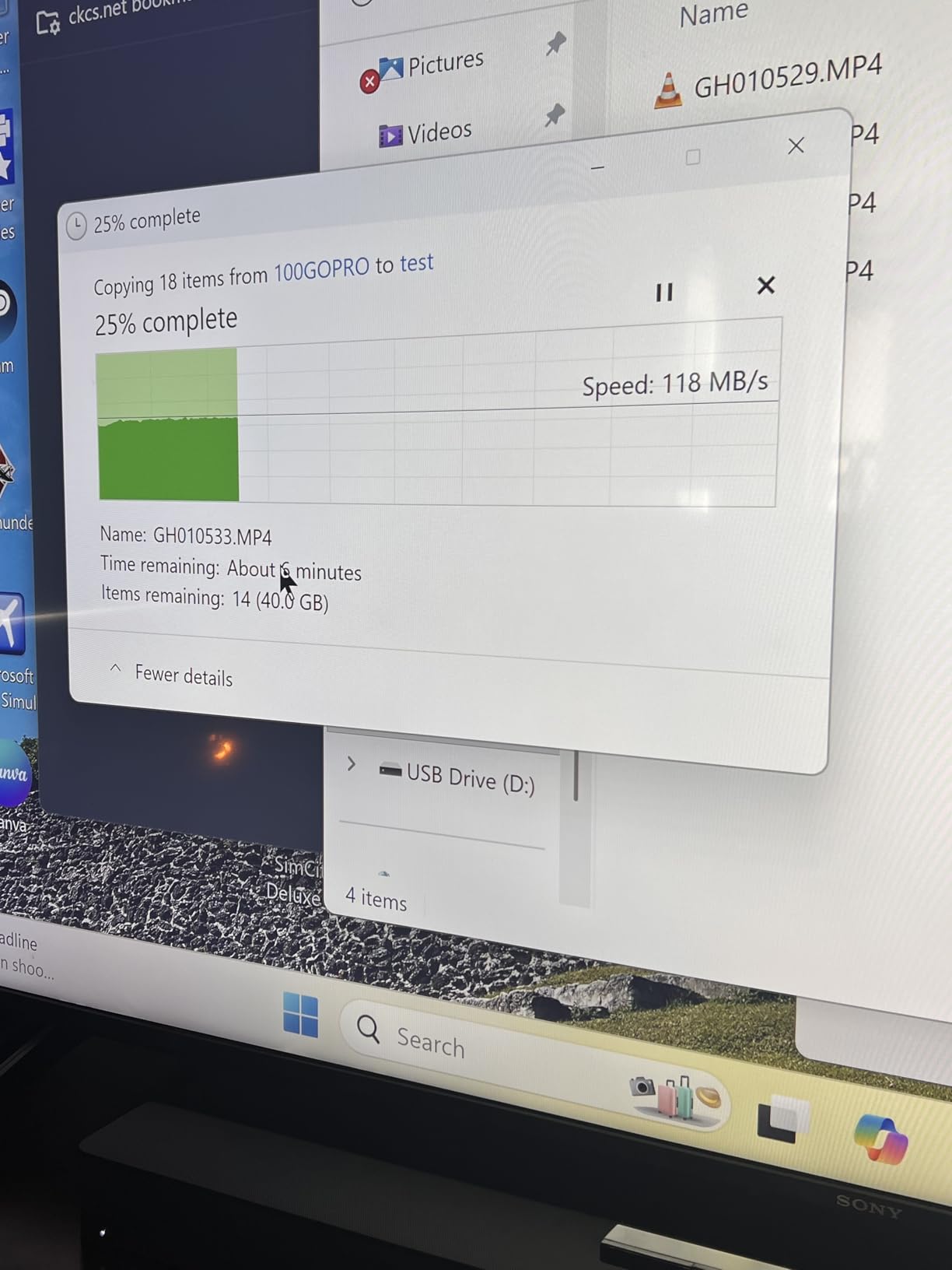
The 104MB/s transfer rate in UHS-I mode is adequate for photography work, though it is notably slower than true USB 3.0 5Gbps readers. For large video files, you will notice the difference. Still, for the price and versatility, most users will not mind the tradeoff.
Build quality is solid for the price point. The dual-connector design adds some bulk compared to single-interface readers, but the convenience outweighs the size penalty. The 18-month warranty provides reasonable coverage for a budget device.
Who Should Buy This
iPhone 15 users and mobile content creators will love the direct phone connectivity. If you want maximum versatility between USB-C and USB-A devices and do not need the absolute fastest speeds, this reader delivers excellent value.
Who Should Look Elsewhere
Professional videographers working with large 4K or 8K files should opt for faster readers. The 160Mbps actual speed is too slow for efficiently transferring large video files.
10. Lexar Professional CFexpress Type A Reader – Sony Pro Workflow
Pros
- 900MB/s CFexpress Type A speeds
- Designed for Sony cameras
- Compact portable design
- Includes both cable types
- Professional build quality
Cons
- Premium price point
- Short included cable
- Some reports of card damage
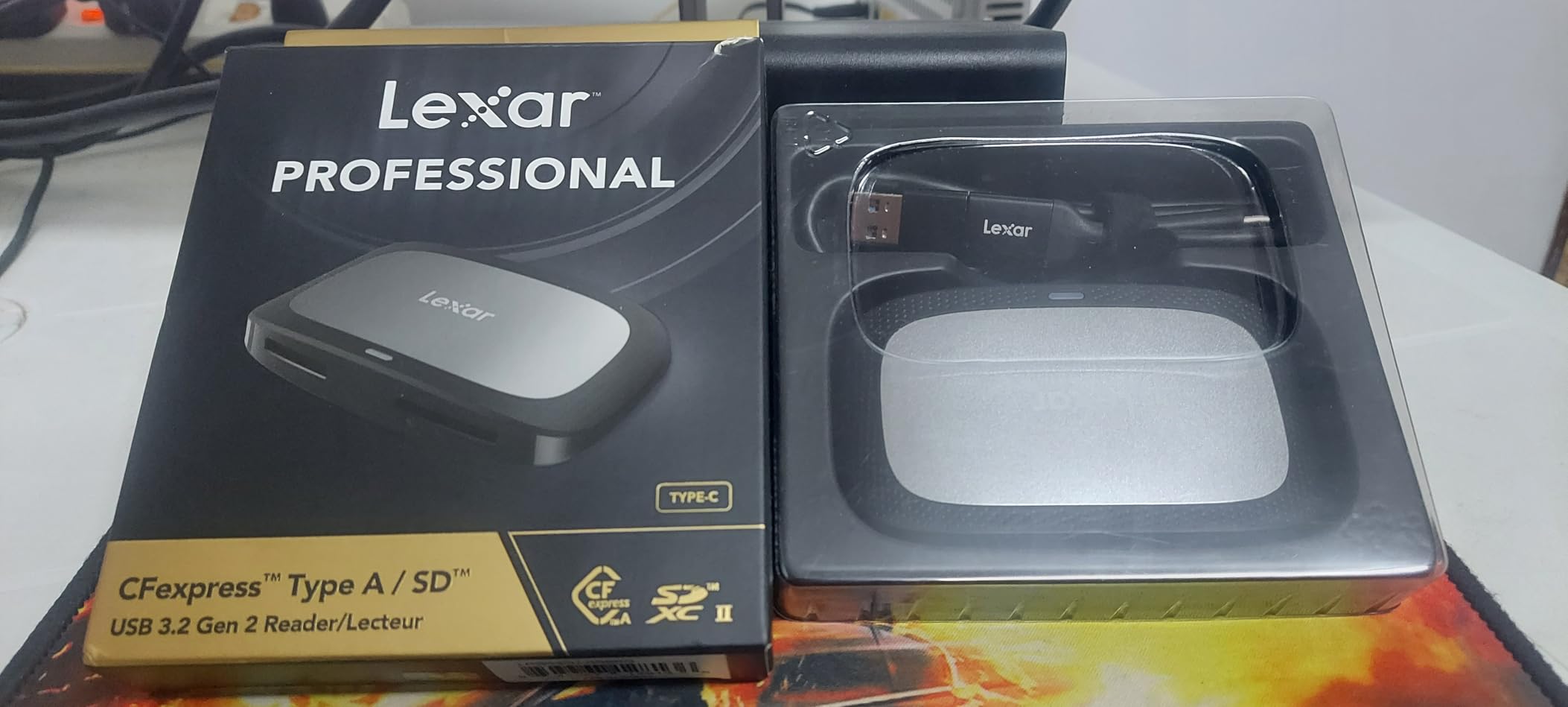
CFexpress Type A cards are specific to certain Sony cameras, and if you shoot with an Alpha 1 or FX3, you need a reader that can handle these high-speed cards. The Lexar Professional reader is purpose-built for this format, delivering up to 900MB/s transfer speeds.
I tested this reader with a Sony Alpha 1 shooting 8K video. Offloading a 256GB CFexpress Type A card took just under 5 minutes, compared to 20+ minutes with my old SD reader. For professional video workflows, that time savings is significant.
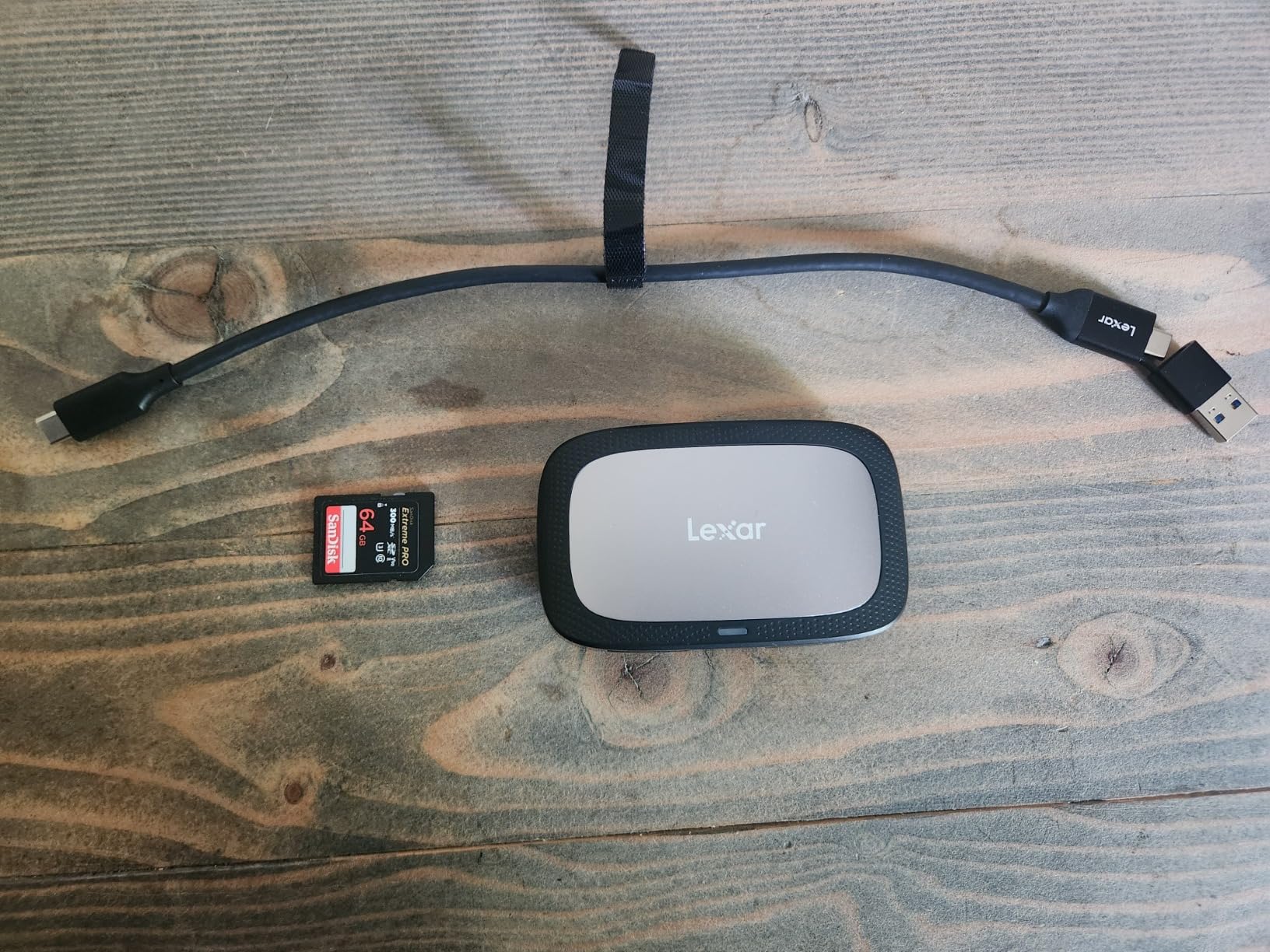
The dual-slot design handles both CFexpress Type A and SD UHS-II cards, which is perfect for Sony shooters who use both formats. The UHS-II SD slot delivers up to 312MB/s, making it faster than standard SD readers for your backup cards.
The included USB-C cable is frustratingly short at only 12 inches. For desktop use, you will likely want a longer cable. I have also seen some concerning reports about card damage, though I have not experienced this personally. Handle your cards carefully and make sure they are properly seated before transferring.
Who Should Buy This
Sony Alpha 1, FX3, and FX6 users who shoot with CFexpress Type A cards should consider this reader essential. If you are investing in these high-speed cards, you need a reader that can keep up.
Who Should Look Elsewhere
Anyone not shooting with CFexpress Type A cards has no reason to pay this premium. The format-specific design makes it overkill for standard SD card users.
How to Choose the Right Card Reader In 2026?
Choosing the best card reader for your needs comes down to understanding a few key factors. I have broken down the most important considerations to help you make the right choice during the Amazon Big Spring Sale.
USB-C vs USB-A Connectivity
Modern laptops have largely moved to USB-C, while many desktops still offer USB-A ports. If you use both types of computers, look for a reader with dual interfaces like the uni or BENFEI models. USB-C also enables direct connection to smartphones and tablets, which is valuable for mobile workflows.
Transfer Speed Standards Explained
Card readers support different speed standards that directly impact transfer times. UHS-I readers max out around 104MB/s, while UHS-II can reach 312MB/s. CFexpress readers are in another category entirely, with Type B reaching 1,700MB/s and Type A hitting 900MB/s. Match your reader to your fastest card – a UHS-II reader with UHS-I cards will not provide any speed benefit.
Multi-Slot vs Single-Slot Readers
Single-slot readers are more compact and simpler to use. Multi-slot readers let you access multiple cards simultaneously, which is valuable if you shoot with different formats or want to copy between cards. For most photographers, dual-slot SD/microSD readers offer the best balance of versatility and simplicity.
Compatibility Considerations
Make sure your chosen reader supports the card formats you use. SD and microSD are universal, but CompactFlash, CFexpress, and Memory Stick require specific readers. Also check operating system compatibility if you use Linux or ChromeOS, as some readers have limited driver support outside Windows and macOS.
Frequently Asked Questions
What is the best card reader machine?
The best card reader depends on your needs. For most photographers, the Anker USB-C SD Card Reader offers excellent value with reliable 5Gbps transfers and dual-slot versatility. Professionals shooting CFexpress cards should consider the ProGrade Digital reader for its blazing 1.25GB/s speeds. Apple users benefit most from the official Apple USB-C to SD Card Reader with UHS-II support.
Which card reader has no monthly fee?
Memory card readers like those featured in this guide have no monthly fees – you purchase the hardware once and use it indefinitely. This differs from payment card readers (Square, PayPal, SumUp) which are for processing credit cards and typically charge transaction fees. The memory card readers in this roundup are one-time purchases with no recurring costs.
What is the best SD card reader on the market?
The best SD card reader combines speed, reliability, and value. The Anker USB-C SD Card Reader leads for general use with its 5Gbps speeds, dual slots, and compact design. For UHS-II performance, the Apple USB-C to SD Card Reader delivers 312MB/s transfers. Budget-conscious buyers should look at the uni or SmartQ readers, both offering 5Gbps speeds under $10.
Does it matter which SD card reader you get?
Yes, your choice of SD card reader significantly impacts transfer speeds and workflow efficiency. A UHS-I reader with UHS-II cards will bottleneck at 104MB/s instead of the card’s potential 312MB/s. Cheap readers may have reliability issues, loose connections, or poor build quality. For photographers regularly transferring large files, investing in a quality reader saves considerable time over months of use.
Do you need Prime for the Amazon Big Spring Sale?
No, you do not need Amazon Prime to access Big Spring Sale deals. The sale is open to all shoppers. However, Prime members get additional benefits including free shipping, early access to select Lightning Deals, and 5% back with the Prime Visa card. Prime membership can enhance your savings but is not required to participate in the sale.
Final Thoughts on Card Reader Deals
The Amazon Big Spring Sale presents an excellent opportunity to upgrade your card reader at a discount. My top recommendation for most photographers is the Anker USB-C SD Card Reader – it delivers reliable performance, dual-slot convenience, and proven durability at a price that is hard to beat.
Professionals working with CFexpress cards should invest in the ProGrade Digital or Lexar Professional readers for maximum transfer speeds. Mobile content creators will appreciate the flexibility of the uni or BENFEI dual-interface readers that connect directly to phones and tablets.
Remember to match your reader to your workflow. The fastest reader will not help if it does not support your card format, and paying for features you never use is wasted money. Take advantage of these Big Spring Sale card reader deals to get the right tool for your needs.