

There’s something magical about holding a physical photo moments after taking it. I discovered this on a trip to Japan when I brought my first instant camera along. Instead of scrolling through hundreds of digital shots on my phone, I had a handful of tangible memories to share with new friends I met along the way.
Finding the best instant cameras for travel photography changed how I document my adventures. These cameras offer something smartphones cannot: immediate physical prints you can hand to locals, stick in your journal, or frame when you get home. They force you to be more intentional with each shot since every photo costs money.
In this guide, I have tested and compared 10 instant cameras specifically for travel use. I considered portability, battery life, film costs, and real-world performance on the road. Whether you want a hybrid camera that saves digital copies or a pure analog experience, I have found options that fit different budgets and travel styles.
Top 3 Picks for Travel Instant Cameras

Fujifilm Instax Mini Evo
- Hybrid digital-instant
- 100 effects
- Bluetooth printing
- USB rechargeable


Best Instant Cameras for Travel Photography in 2026
| Product | Specifications | Action |
|---|---|---|
|
Fujifilm Instax Mini Evo
|
|
Check Latest Price |
|
Fujifilm Instax Mini 12
|
|
Check Latest Price |
 Fujifilm Instax Wide 400
|
|
Check Latest Price |
 Fujifilm Instax Square SQ40
|
|
Check Latest Price |
|
Fujifilm Instax Mini LiPlay+
|
|
Check Latest Price |
 Polaroid Now+ Gen 2
|
|
Check Latest Price |
 Kodak Printomatic
|
|
Check Latest Price |
 Polaroid Now 3rd Gen
|
|
Check Latest Price |
 Fujifilm Instax Mini 41
|
|
Check Latest Price |
 Fujifilm Instax Wide Evo
|
|
Check Latest Price |
1. Fujifilm Instax Mini Evo – Best Hybrid Camera for Travelers
Pros
- Hybrid design saves film
- Bluetooth smartphone printing
- 100 creative effects
- Dual shutter buttons
- USB rechargeable
Cons
- Plastic build feels cheap
- LCD hard to see in sunlight
- Menu system dated
I took the Instax Mini Evo on a two-week trip through Portugal, and it quickly became my favorite travel companion. The hybrid design means I can shoot freely without worrying about wasting film. I took dozens of digital shots, previewed them on the LCD screen, and only printed the ones I really wanted to keep.
The 100 effect combinations (10 lens effects times 10 film effects) let me get creative without carrying extra filters. I loved using the vintage film effect for shots of old Lisbon buildings and the cross-process effect for beach sunsets. Each print has a unique character that looks nothing like a smartphone photo.

Bluetooth connectivity was a game-changer for travel. I could print photos from my phone, which meant I could edit shots in Lightroom first or print digital photos I took with my main camera. The Instax Mini Evo app works smoothly and lets you add custom frames and text before printing.
The dual shutter buttons are cleverly designed. One is positioned for portrait shots, another for landscape. No more awkward hand positioning when you want to take a vertical photo. The built-in selfie mirror helps frame self-portraits accurately.

Best for travelers who want control
This camera suits travelers who want the flexibility of digital with the charm of instant prints. If you like editing your photos or want to share prints of your best smartphone shots, the Mini Evo delivers. It is perfect for content creators and photography enthusiasts who travel.
Not ideal for minimalists
If you want the simplest possible experience without menus, settings, or decisions, this camera might feel overwhelming. The plastic body also does not feel as premium as the price suggests, though it held up fine during my travels.
2. Fujifilm Instax Mini 12 – Most Affordable Option
Pros
- Very affordable price
- Simple to use
- Compact and lightweight
- Auto exposure works well
- Long battery life
Cons
- No digital preview
- Film cost adds up
- No self-timer
- Fixed shooting modes
The Instax Mini 12 is what I recommend to friends who want to try instant photography without a big investment. I brought one to a music festival last summer, and it performed beautifully in challenging lighting conditions. The automatic exposure handled everything from bright outdoor stages to dim evening sets.
Operation could not be simpler. Twist the lens to turn on, point, and press the shutter. That is it. No settings to fiddle with, no menus to navigate. This simplicity means you can hand the camera to anyone and they will figure it out instantly. Perfect for getting photos with new friends while traveling.
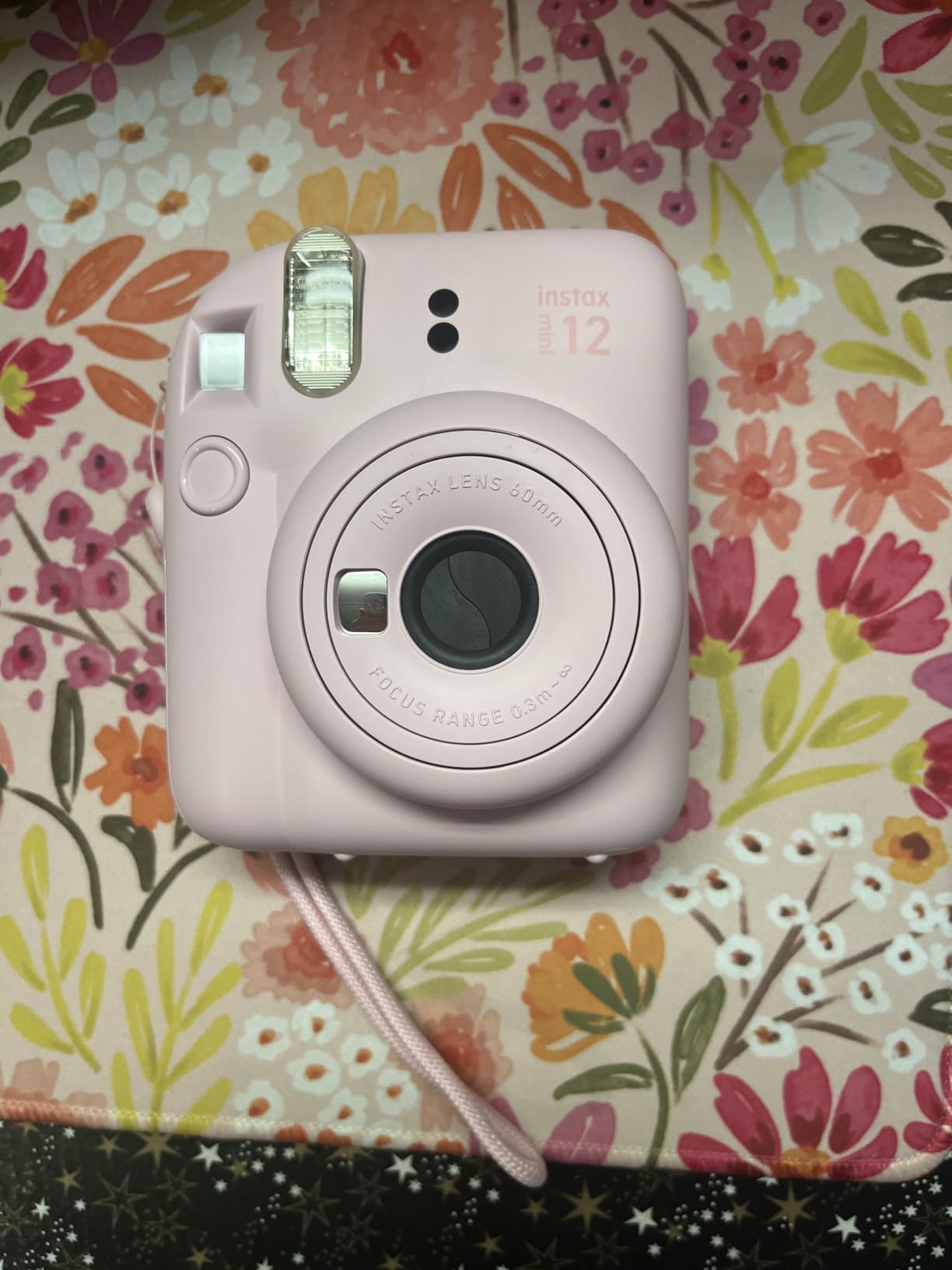
The compact size makes it easy to slip into a day bag or even a large jacket pocket. At just 16 ounces with batteries, you barely notice the weight. The AA batteries are easy to find anywhere in the world, which is a huge advantage for international travel.
The built-in selfie mirror and close-up mode with parallax correction make this more versatile than you might expect. I captured some surprisingly good portraits and detail shots during my trip. The photos develop in about 90 seconds, fast enough to hand someone a print before you part ways.
Perfect for first-time instant camera users
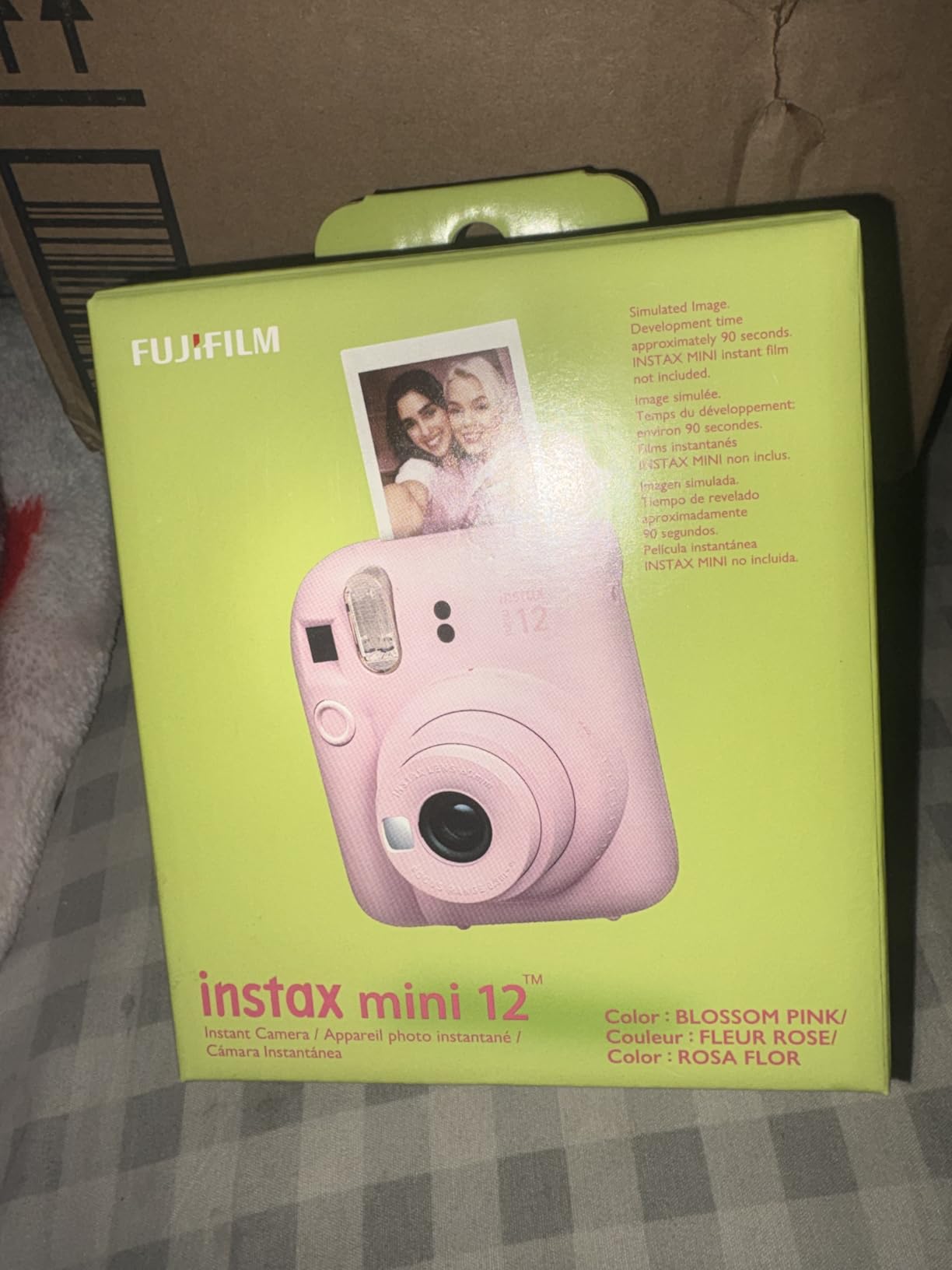
If you have never used an instant camera before, the Mini 12 is the ideal starting point. It delivers consistent results with zero learning curve. The low upfront cost means you can spend more on film, which is where your real investment goes.
Not for control freaks
Photographers who want manual control over their images should look elsewhere. The Mini 12 does everything automatically, and you cannot override its decisions. You also cannot preview photos before printing, so every shot uses film.
3. Fujifilm Instax Wide 400 – Perfect for Group Travel Photos
Pros
- Largest instant print format
- Great for groups and landscapes
- Self-timer included
- Close-up lens included
- Easy to use
Cons
- Bulky for travel
- Film feeding issues reported
- Limited accessories available
- Longer flash recharge time
The Wide 400 became my go-to camera for group trips. The wide format prints are nearly twice the size of Mini prints, making them perfect for group shots with travel buddies or sweeping landscape scenes. I used it extensively during a road trip through the American Southwest.
Having the self-timer with LED countdown was incredibly useful for getting myself into group photos. The camera angle adjustment accessory that comes in the box let me prop it up on rocks and tables for stable shots without a tripod.
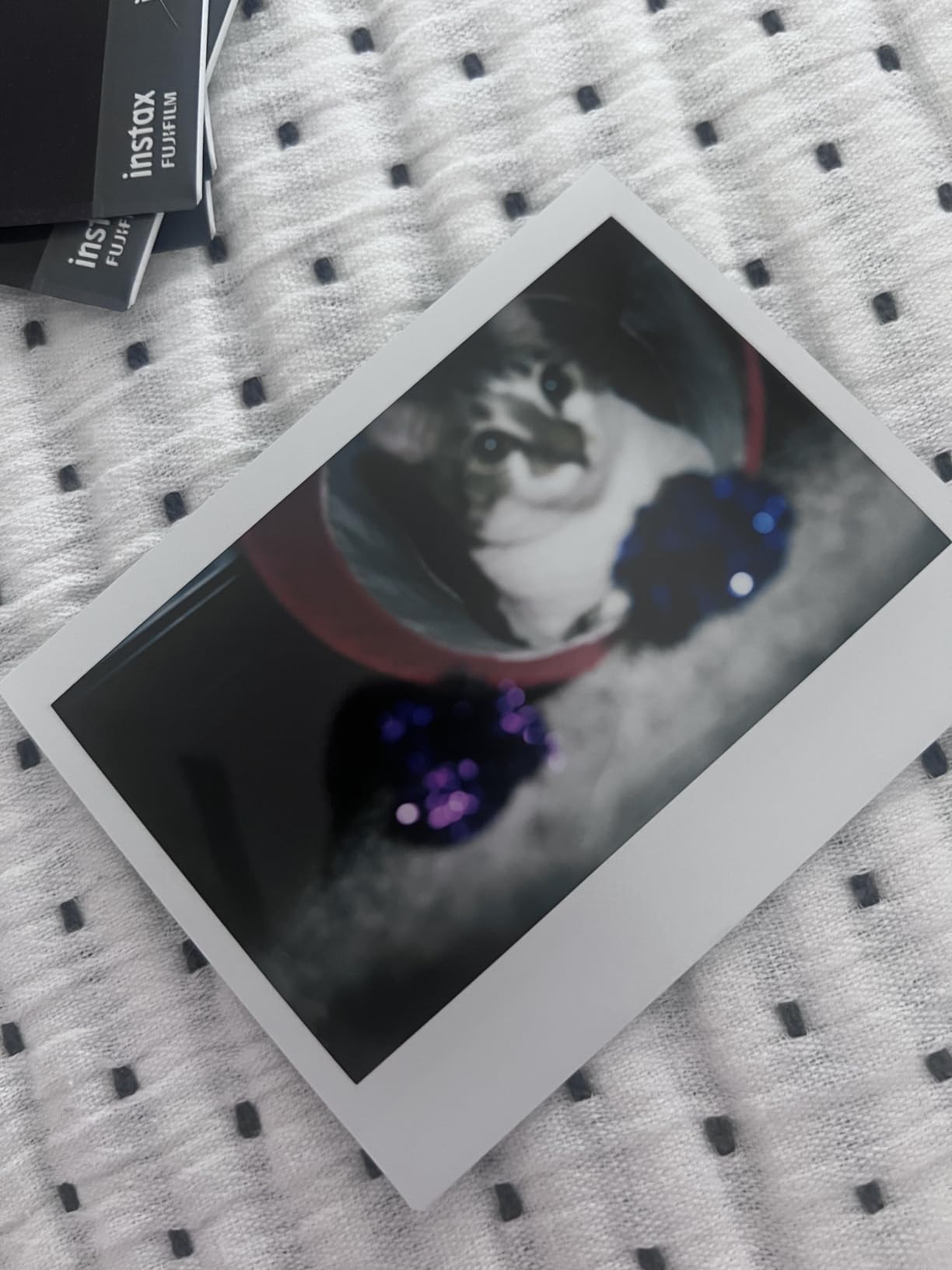
The three focus modes (Normal, Landscape, and Macro) give you more control than basic instant cameras. The included close-up lens attaches to the front for detailed shots of flowers, food, or small objects. I captured some beautiful macro shots of desert wildflowers.
Be aware that this camera is bulkier than Mini format cameras. It takes up more space in your luggage and is harder to carry all day. The trade-off is those gorgeous wide prints that make stunning displays when you return home.
Ideal for travel groups and families
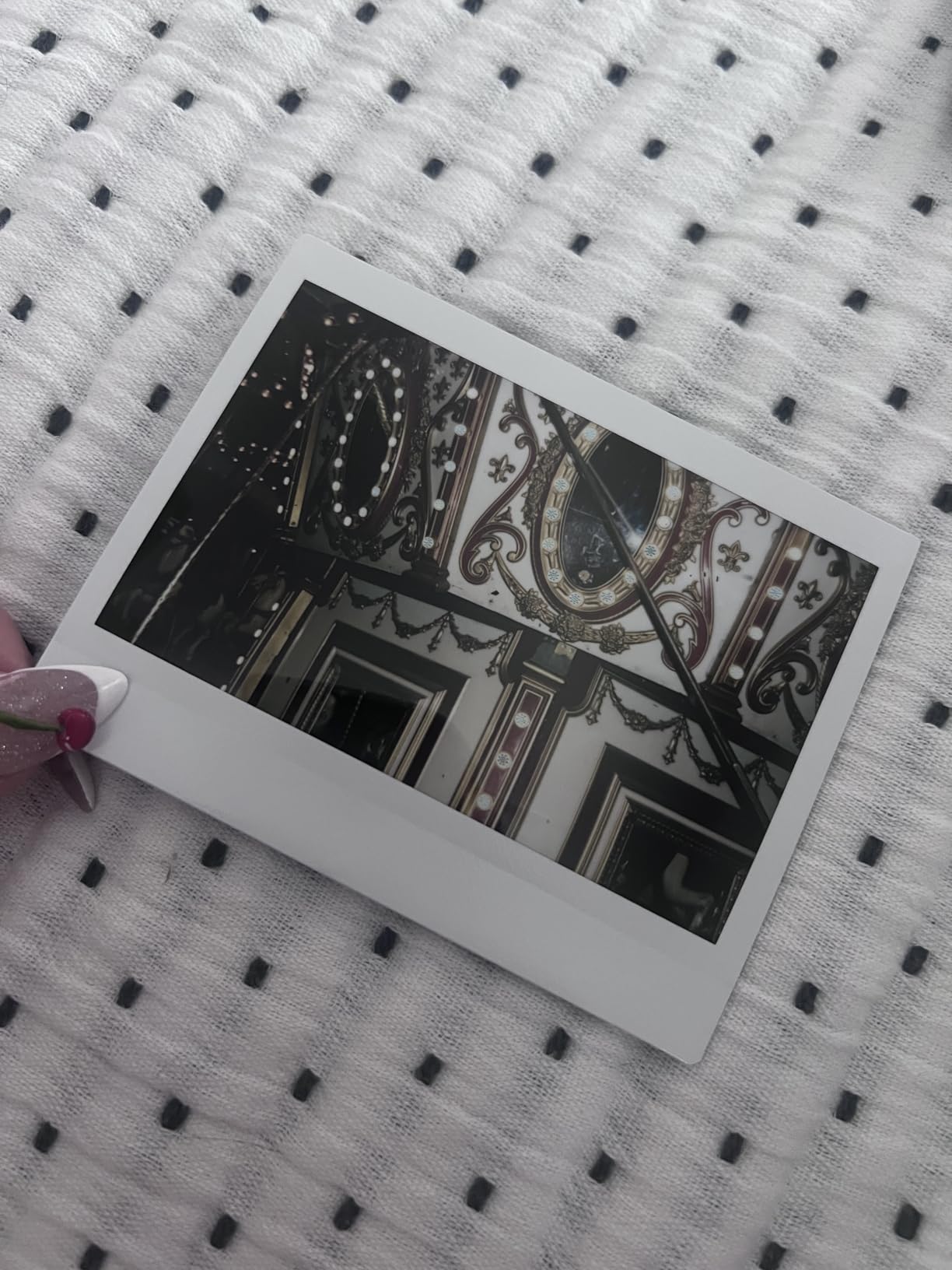
If you travel with friends or family and want photos everyone can fit into, the Wide 400 excels. The large prints are impressive to look at and make great gifts for travel companions. The self-timer makes it easy to get everyone in the shot.
Consider alternatives if you pack light
Backpackers and solo travelers who count every ounce might find the Wide 400 too bulky. The wide format film is also more expensive per shot than Mini format. Some users have reported film feeding issues, so test yours before a big trip.
4. Fujifilm Instax Square SQ40 – Instagram-Style Square Prints
Pros
- Instagram-style square format
- Sophisticated design
- Simple twist operation
- Built-in selfie lens
- Quality build
Cons
- Expensive for the features
- Photo quality can be soft
- Auto exposure not always accurate
- Film is pricey
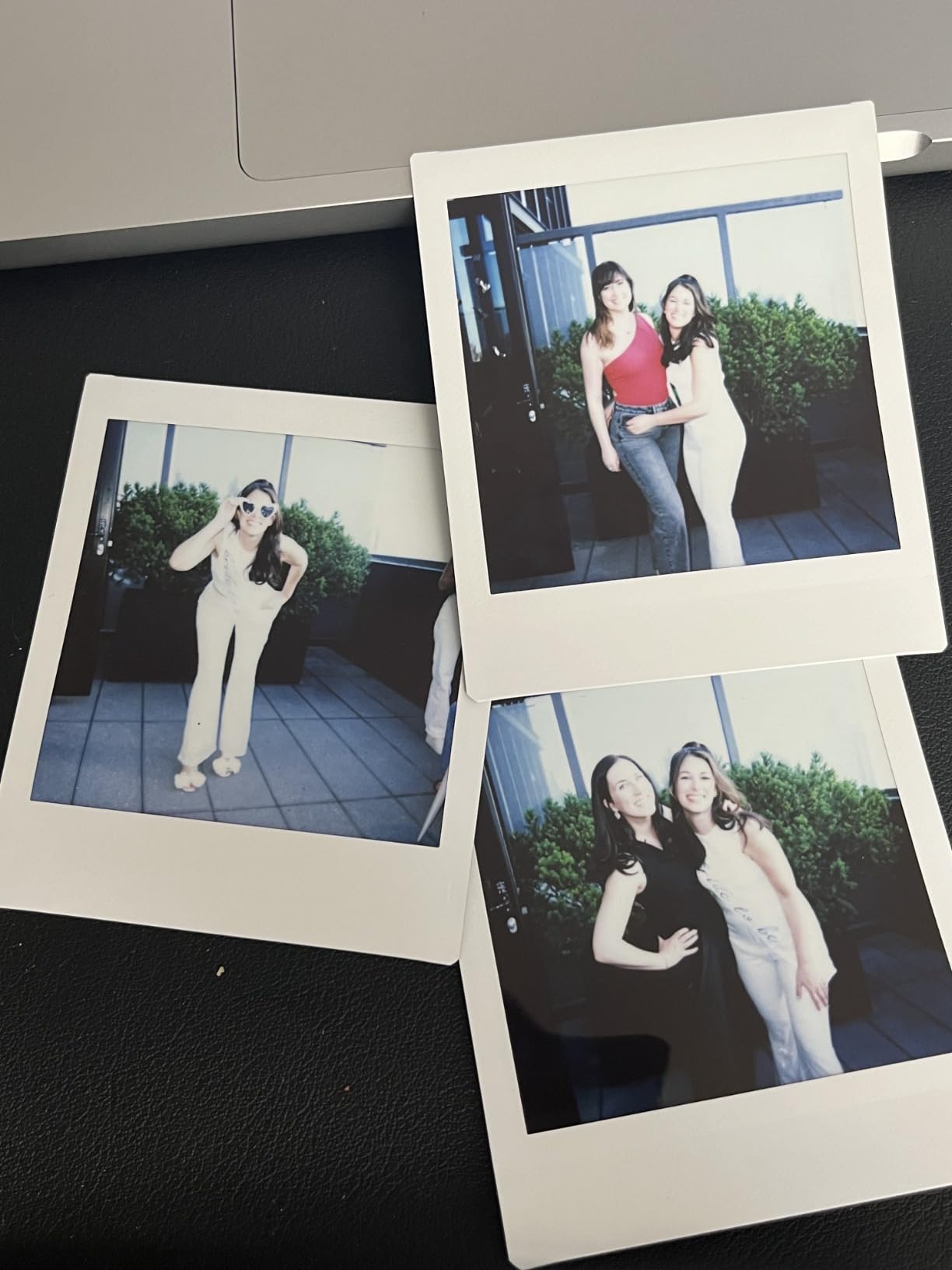
The SQ40 hits a sweet spot between Mini and Wide formats with its square prints. I find the 3.39 x 2.83 inch size perfect for framing and displaying. The format matches Instagram’s aesthetic, making these photos feel familiar and shareable even though they are physical prints.
The black textured finish gives this camera a sophisticated, premium look. It feels more like a classic camera than a toy, which I appreciated when using it at weddings and formal events while traveling. The simple twist-to-on operation keeps things straightforward.
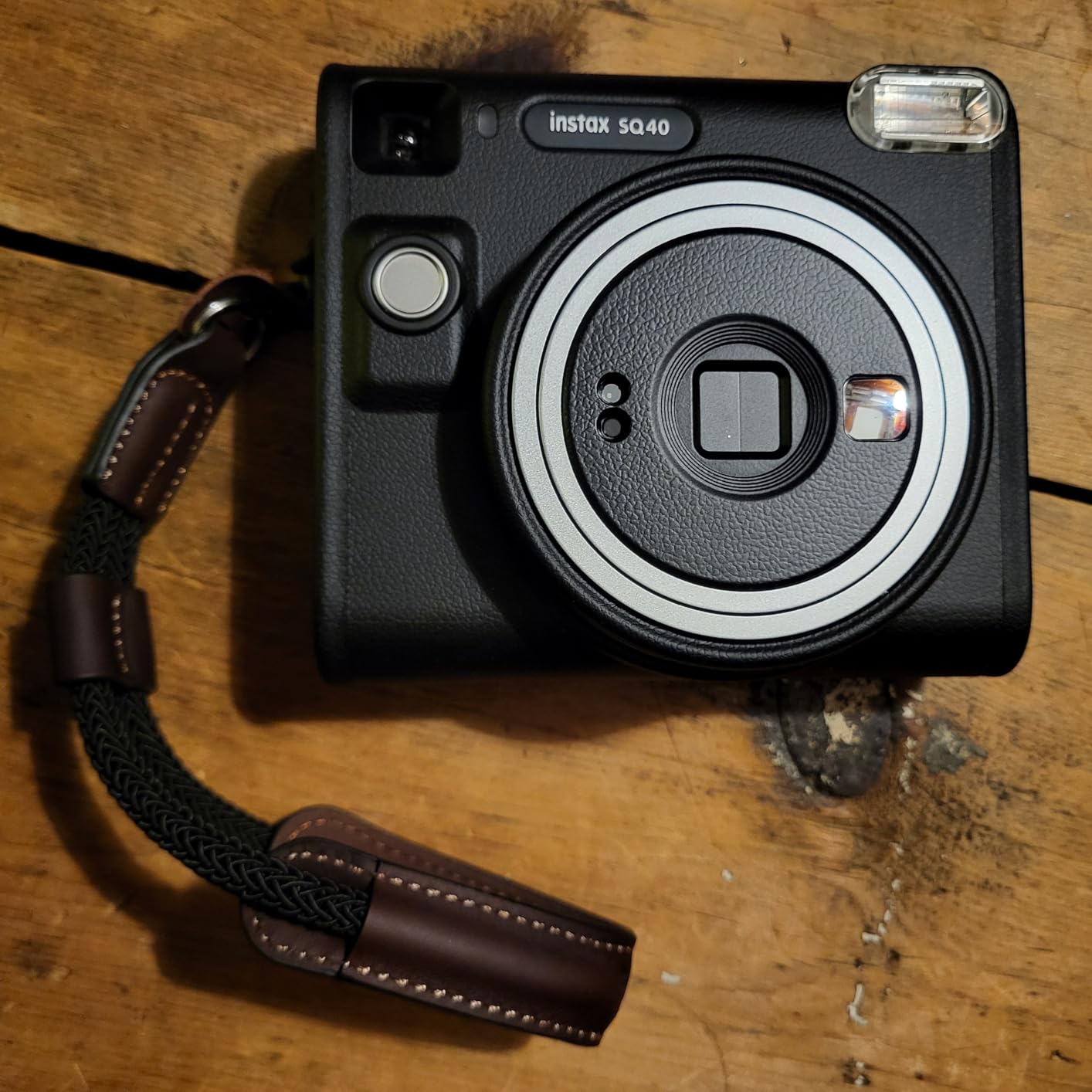
The one-touch selfie lens extends automatically when you want to take close-ups or self-portraits. Combined with the built-in selfie mirror, framing shots is accurate and easy. I used this feature constantly during solo travel to document my journey.
Square format film produces prints that look great displayed together. I created a grid of SQ40 photos from my trip to Barcelona that now hangs in my office. The consistent format creates a cohesive collection.
Great for travelers who display their photos
If you like framing your travel photos or creating gallery walls, the square format is ideal. The photos look intentional and artistic. This camera suits travelers who care about aesthetics and want prints that look like they belong in a frame.
May disappoint photographers expecting sharpness
Some users report soft focus and inconsistent exposure. This is an analog instant camera, not a precision instrument. If you want razor-sharp photos with perfect color accuracy, you might be disappointed. Embrace the imperfect, vintage character.
5. Fujifilm Instax Mini LiPlay+ – Compact Hybrid with Sound Feature
Pros
- Compact and lightweight
- Print from smartphone
- Unique sound feature
- LCD preview screen
- USB-C charging
Cons
- Initial charge takes long time
- Shutter button awkward
- Photos print brighter than screen
- App learning curve
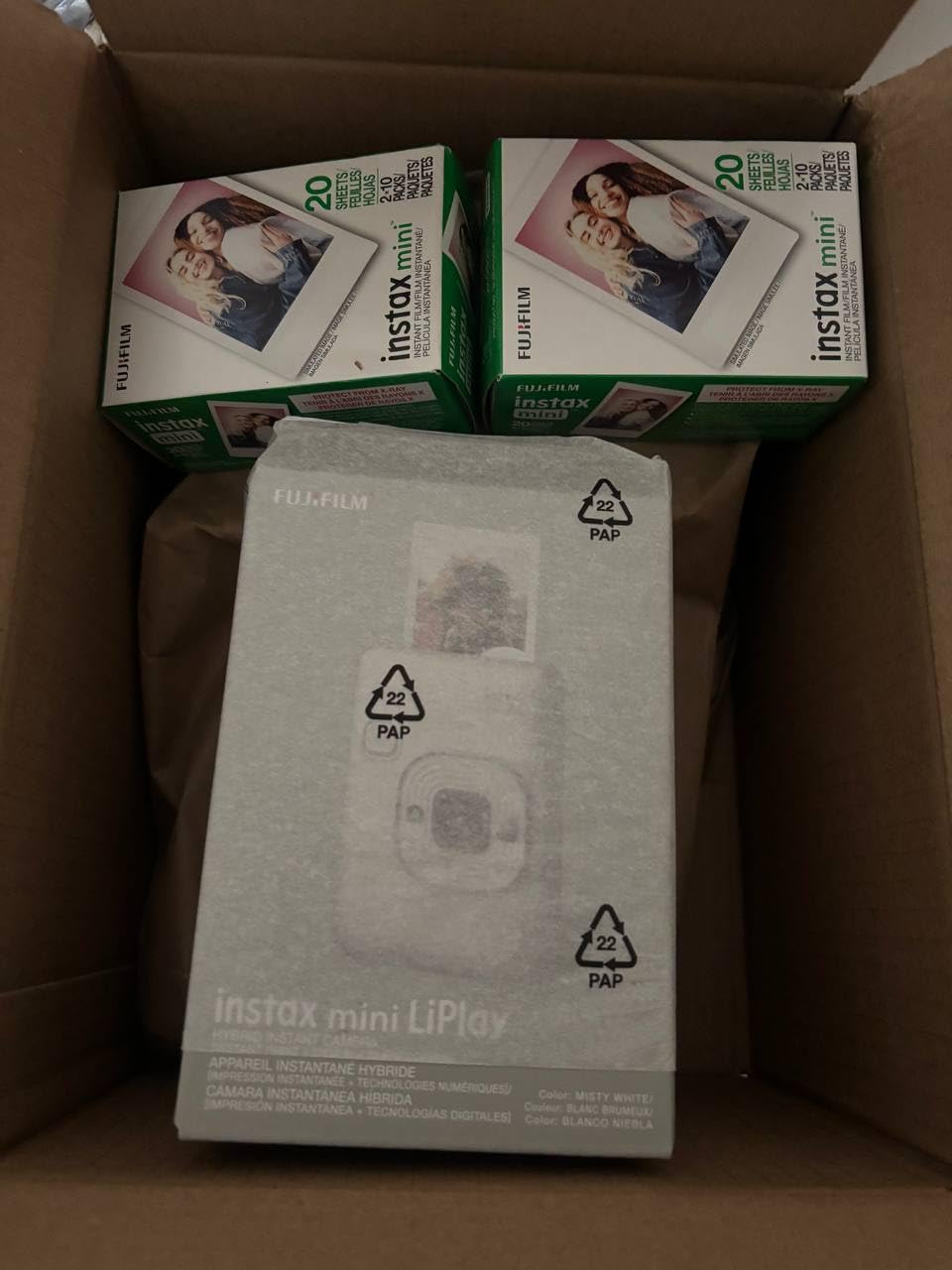
The LiPlay+ packs impressive features into the most compact hybrid body in the Instax lineup. At just 9.1 ounces, I barely noticed it in my bag during a recent trip to Iceland. The ability to preview photos on the LCD before printing saved me from wasting film on blurry aurora shots.
The standout feature is the sound mode. You can add audio recordings to your photos via QR codes printed on the film. I recorded the sound of geysers erupting, waves crashing on black sand beaches, and local musicians I met along the way. Scanning the QR code later brings those sounds back.

Bluetooth connectivity lets you print photos directly from your smartphone. This means you can take high-quality photos with your phone camera, edit them, then print the best ones on instant film. The custom border feature adds personalization options.
The three shortcut buttons on the front let you save favorite settings for quick access. I programmed one for bright outdoor scenes, one for indoor shots, and one for close-ups. Switching between them was instant and intuitive.
Perfect for tech-savvy travelers
If you love gadgets and want the most feature-packed compact instant camera, the LiPlay+ delivers. The sound feature adds a dimension no other instant camera offers. USB-C charging means one less cable to carry.
Not for patient photographers
The initial charge takes several hours, and some users find the shutter button placement awkward. Photos tend to print brighter than they appear on the LCD screen, which takes some getting used to. The app has a learning curve.
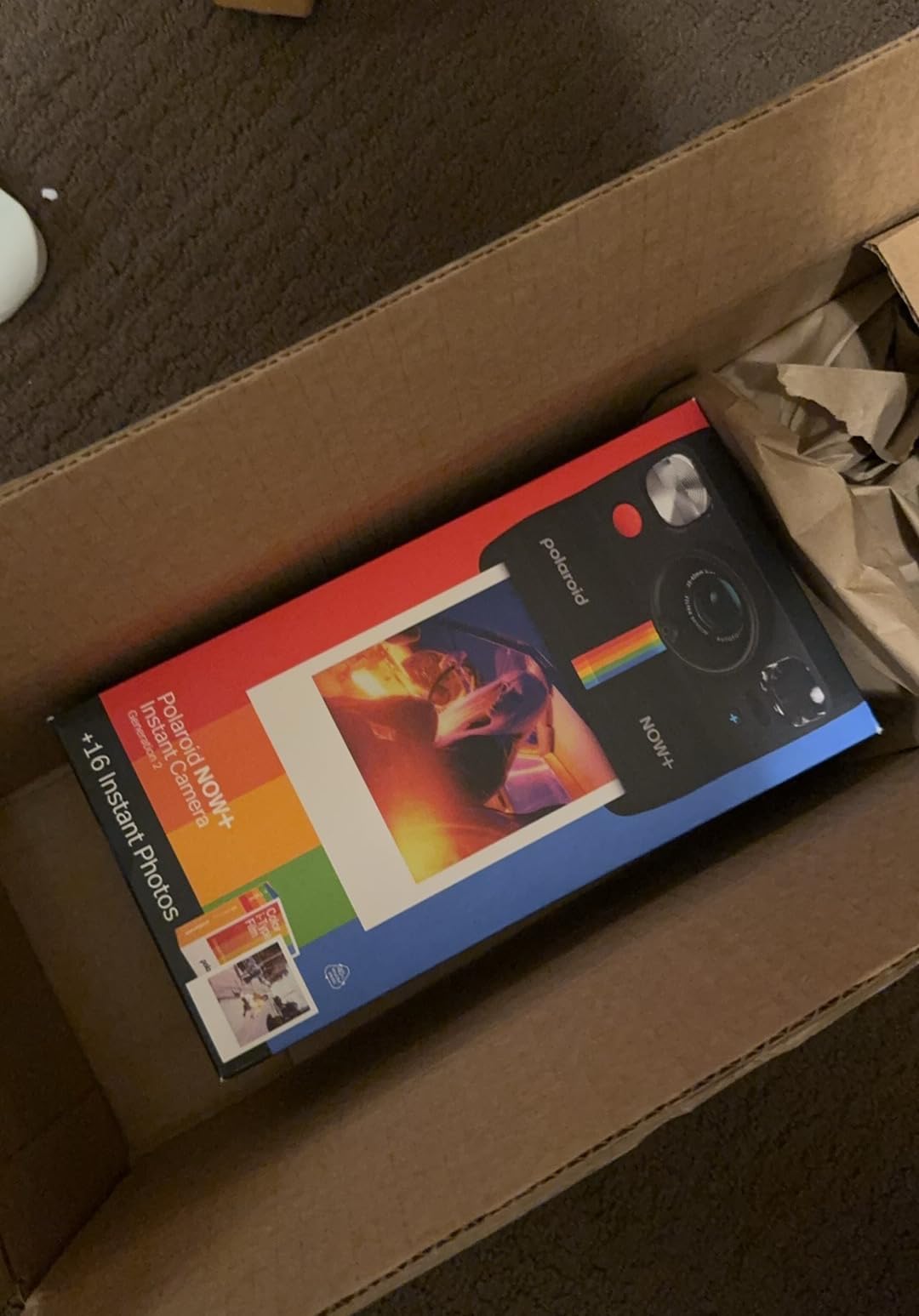
6. Polaroid Now+ Gen 2 – Full Manual Control with App
Pros
- Full manual control via app
- 5 creative lens filters
- Double exposure mode
- Light painting mode
- Rechargeable battery
Cons
- Requires app for advanced features
- Film very expensive
- Learning curve for beginners
- Inconsistent indoor results
The Polaroid Now+ Gen 2 is the choice for photographers who want creative control. The Bluetooth-connected app gives you manual control over aperture, shutter speed, and focus. I used it for long-exposure night shots during a trip to Tokyo that would be impossible with basic instant cameras.
The five included lens filters (Starburst, Red Vignette, Orange, Yellow, Blue) let you create artistic effects without post-processing. I had fun experimenting with the starburst filter on city lights and the colored filters for creative portraits.
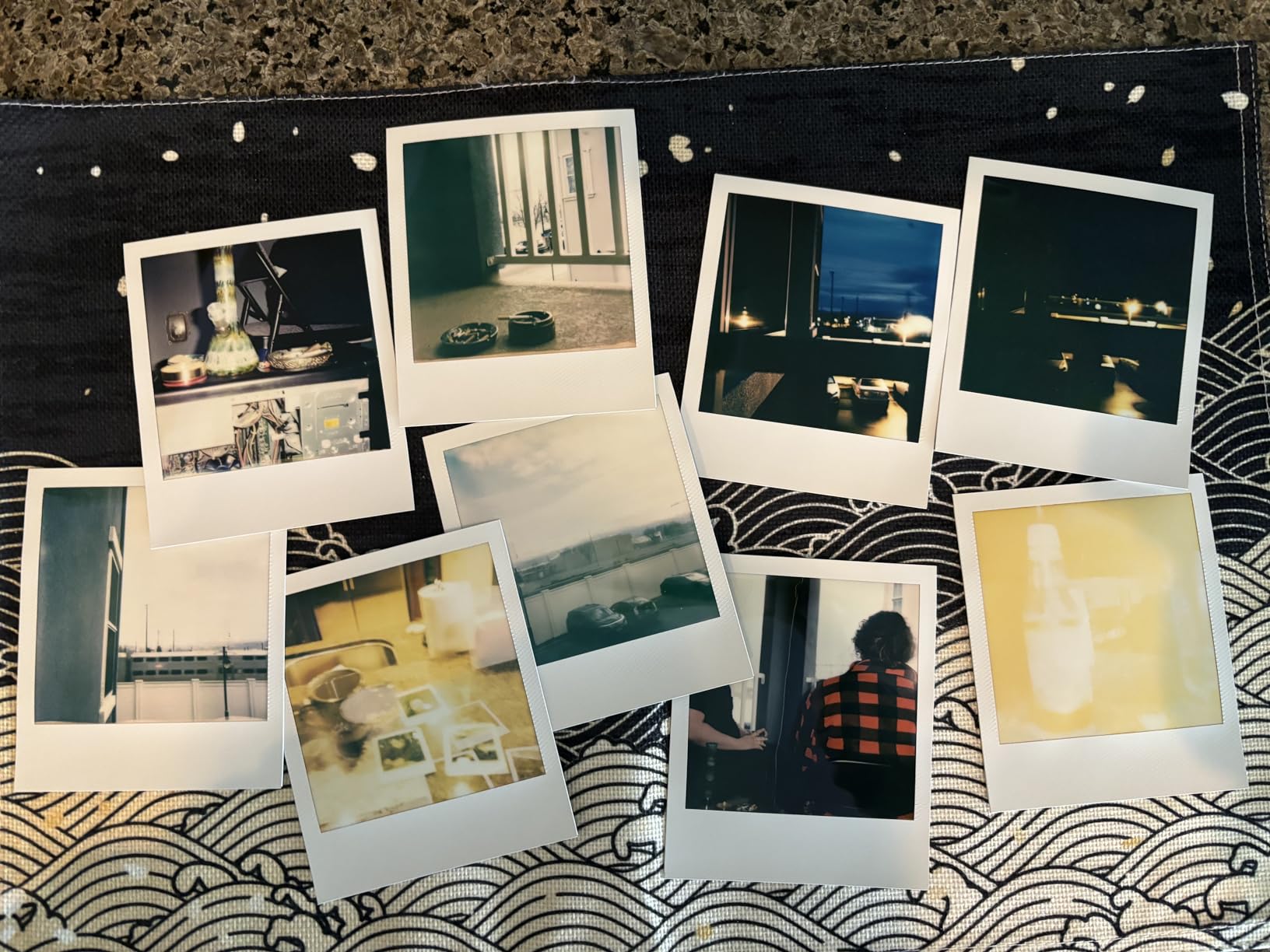
The dual-lens autofocus system with close-up and standard zones produces sharper images than older Polaroid cameras. Double exposure and light painting modes open creative possibilities that basic instant cameras cannot match. The tripod mount is essential for these long-exposure techniques.
Made with 40 percent recycled plastic, this camera appeals to environmentally conscious travelers. The USB-C rechargeable battery eliminates the need for disposable batteries, and it lasts through multiple film packs.
Best for creative photographers
If you understand photography basics and want to create artistic instant photos, this is your camera. The manual controls and creative modes reward experimentation. Perfect for travelers who want unique, expressive photos.
Challenging for beginners
This camera requires photography knowledge to get the best results. Indoor and low-light shots can be frustratingly inconsistent. The film is among the most expensive per shot, so mistakes hurt your wallet. Not ideal for first-time instant camera users.
7. Kodak Printomatic – No Film Needed Budget Option
Pros
- Very affordable
- No film cartridges needed
- Photos have sticky backing
- Saves to MicroSD
- Shoot while printing
Cons
- Photo quality poor
- Viewfinder inaccurate
- Colors washed out
- No manual controls
- Overexposed flash photos
The Kodak Printomatic takes a completely different approach. Instead of expensive instant film, it uses Zink (Zero Ink) paper that costs significantly less per print. This makes it the most economical option for high-volume shooting during travel.
Zink prints are water-resistant, tear-resistant, and smudge-free. The sticky backing lets you turn photos into stickers instantly. I used this camera for a scrapbooking project during a long train journey across Europe, sticking photos directly into my journal.
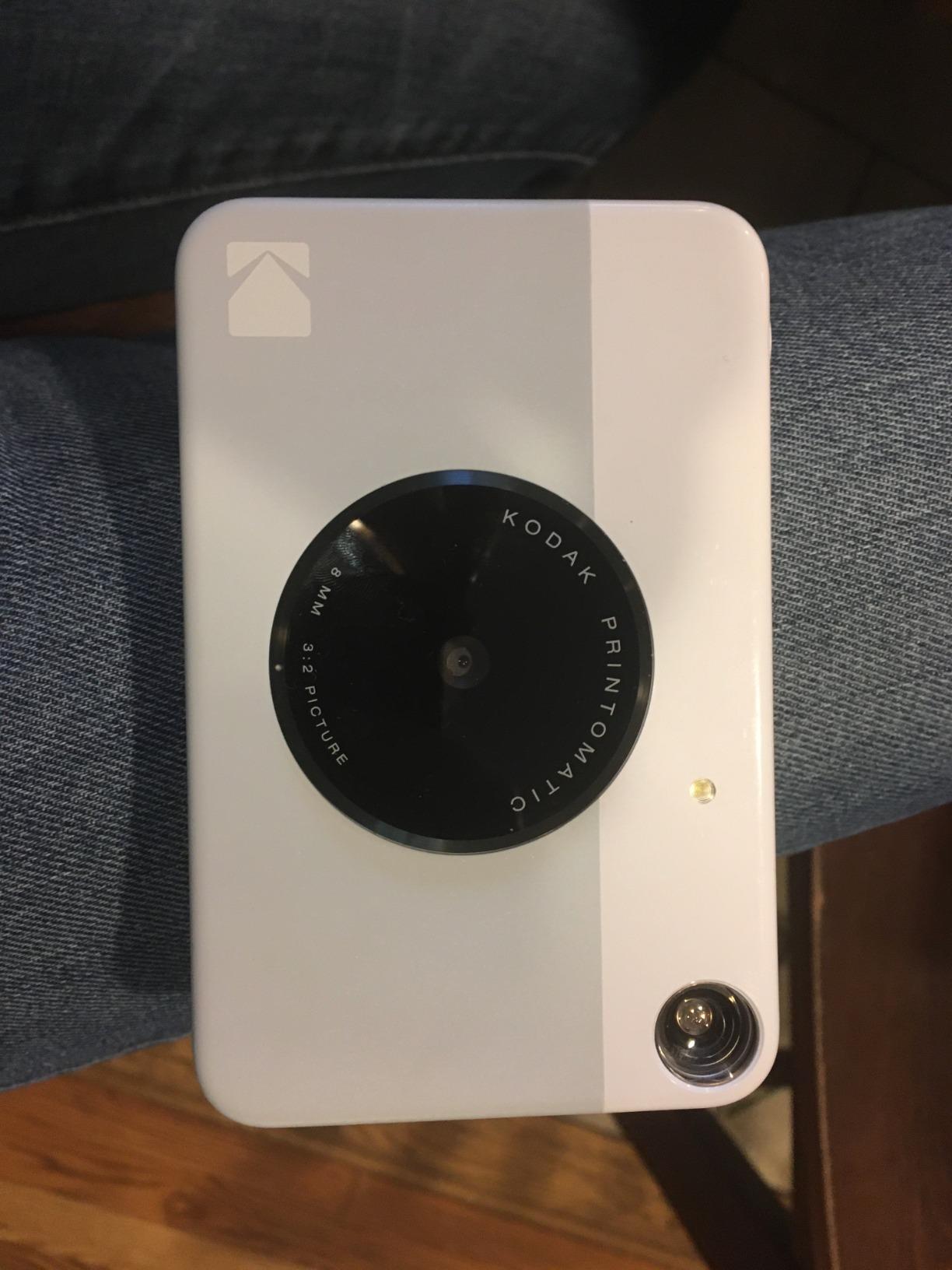
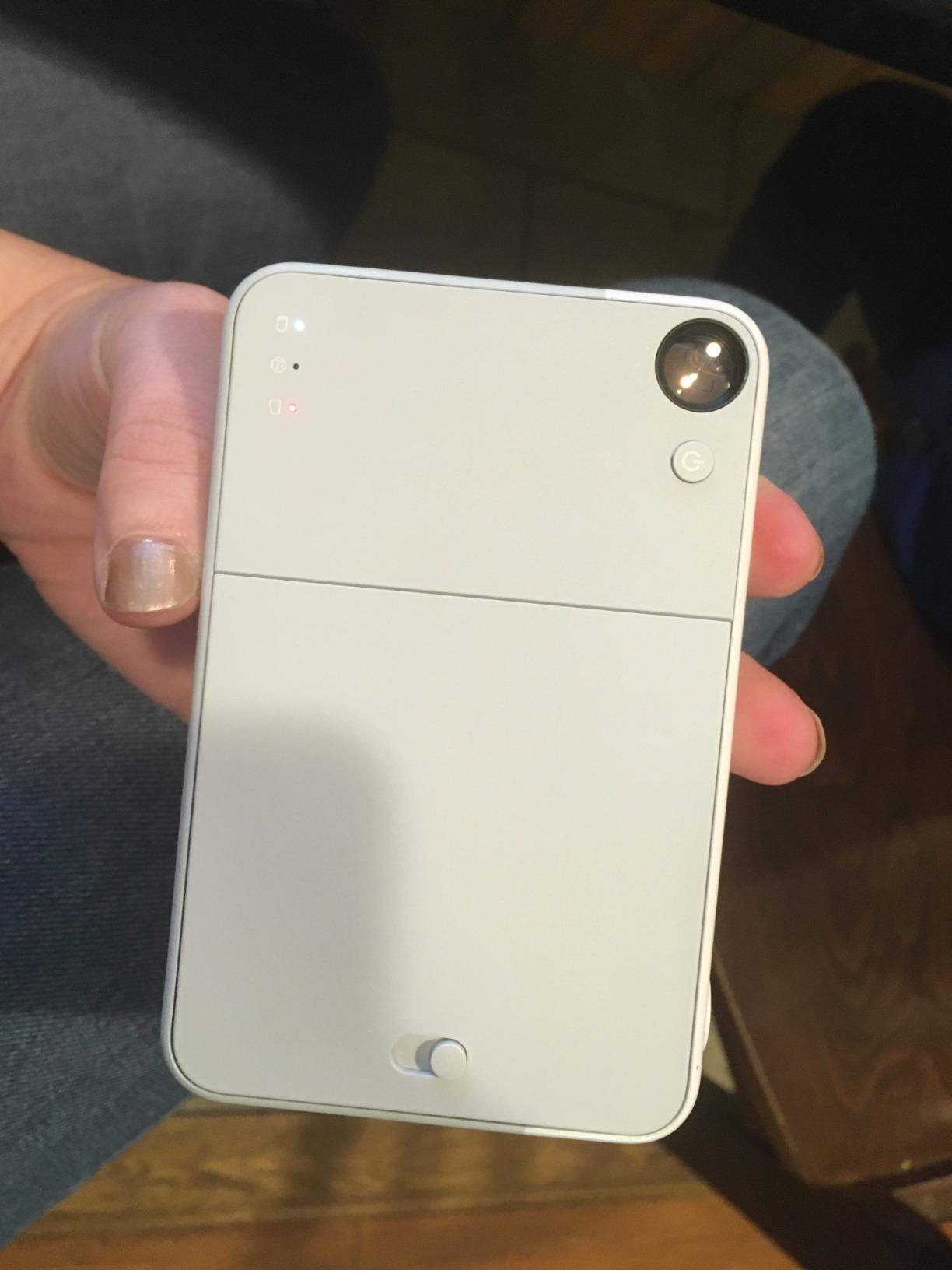
The 5MP sensor saves digital copies to a MicroSD card while printing. This means you get both a physical print and a digital file, unlike traditional instant cameras. You can shoot while the printer is working, which speeds up the process significantly.
Be realistic about photo quality. The images resemble early 2000s digital cameras: acceptable but not impressive. Colors are washed out, and details are soft. Think of this as a fun novelty camera rather than a serious photography tool.
Good for casual fun and kids
If you want instant prints for scrapbooking, journaling, or giving to kids without worrying about expensive film, the Printomatic works. The low cost per print means you can shoot freely without anxiety about wasting money.
Not for quality-conscious photographers
If you care about image quality, look elsewhere. The photos are blurry, colors are inaccurate, and the auto flash overexposes everything. The viewfinder does not accurately represent what the camera captures. Serious photographers will be disappointed.
8. Polaroid Now 3rd Generation – Authentic Polaroid Experience
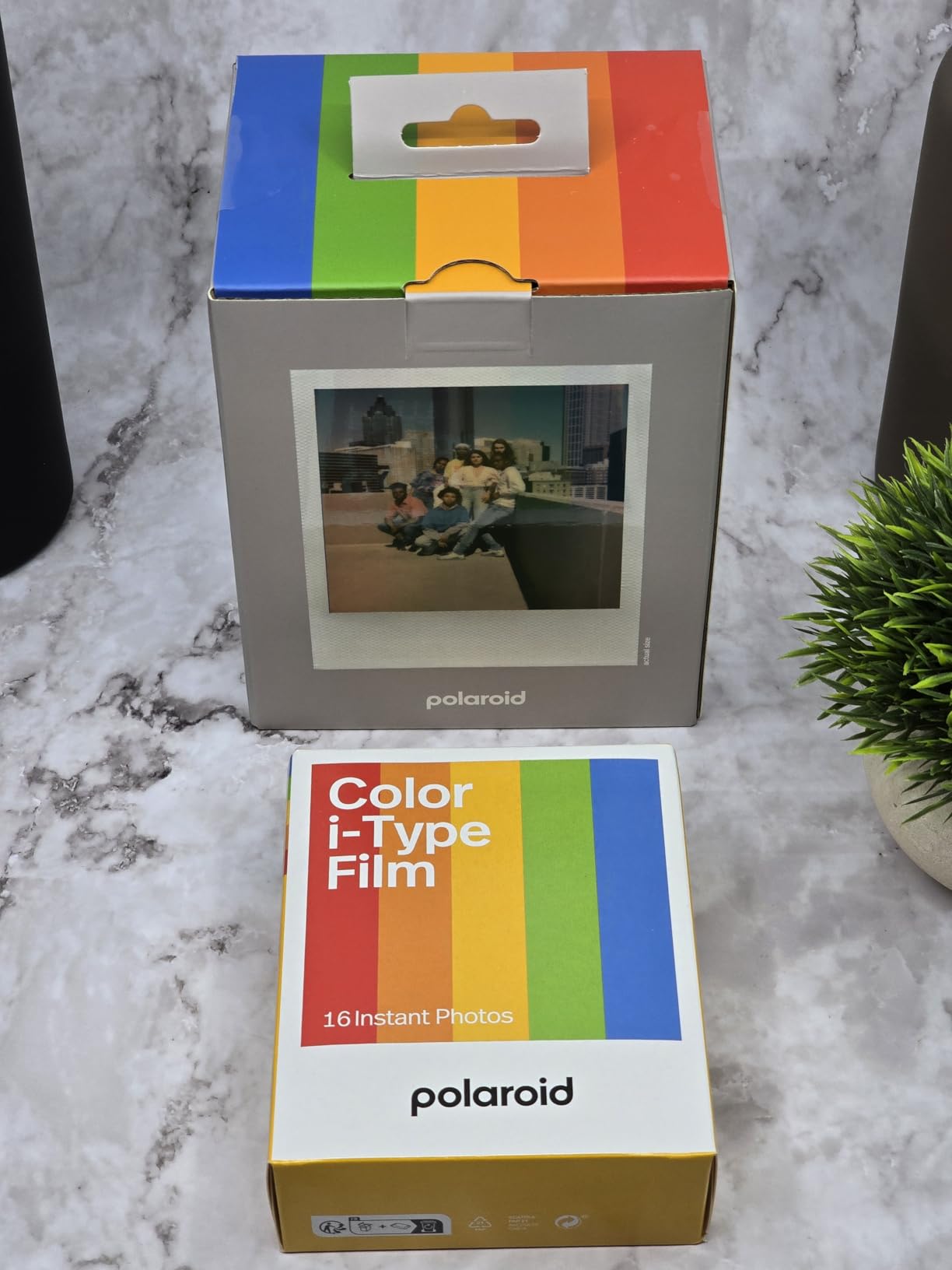
Polaroid Now 3rd Generation I-Type Instant Camera + Film Bundle - Now Black Camera + 16 Color Photos (6560)
Pros
- Classic Polaroid aesthetic
- Autofocus system
- Double exposure mode
- Self-timer
- Rechargeable battery
Cons
- Film very expensive
- Inconsistent results
- Some blank photos reported
- Greenish tint issues
- Quality control concerns
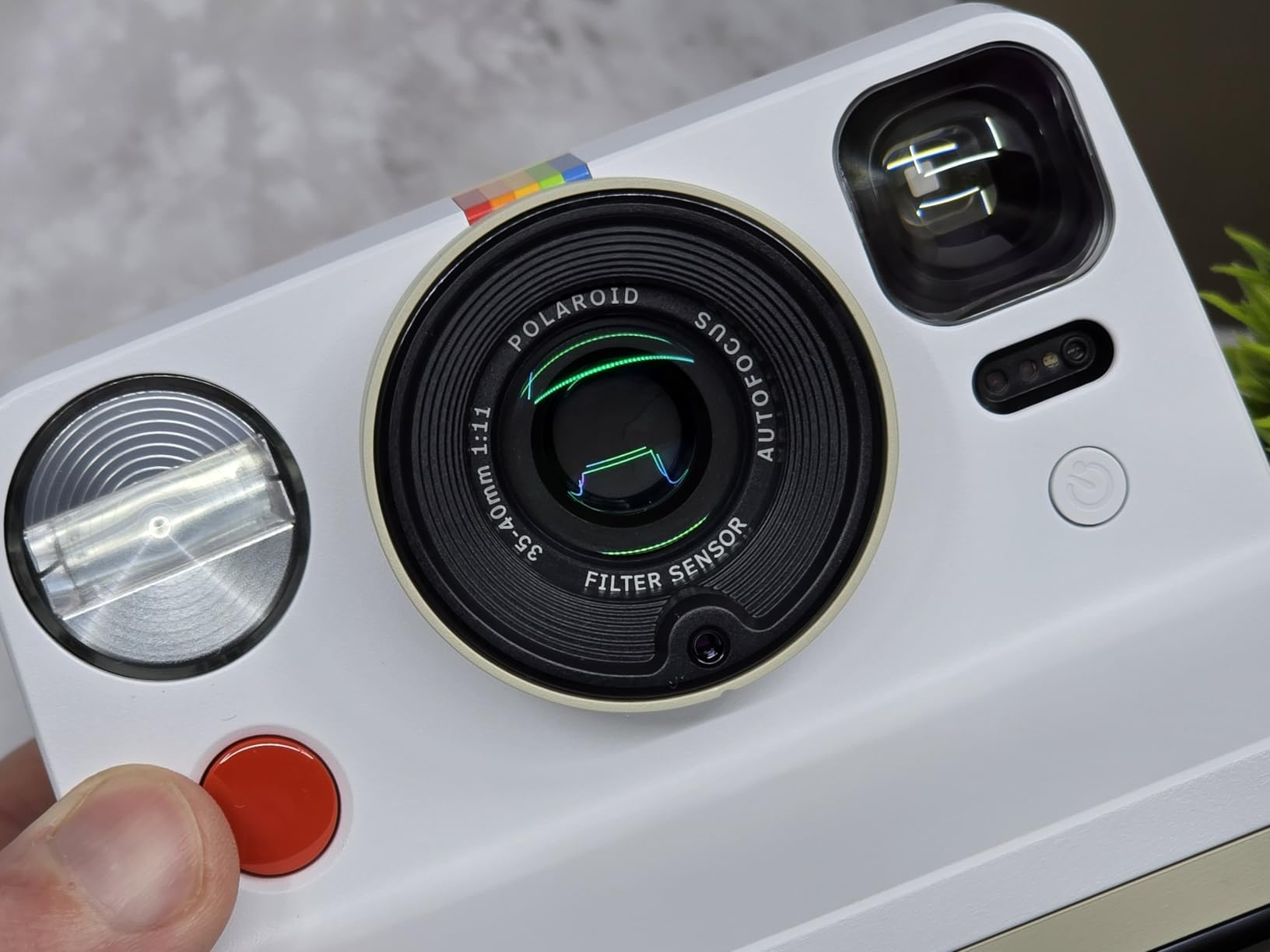
The Polaroid Now 3rd Generation delivers the authentic Polaroid experience that made the brand famous. The iconic white border and square-ish format are instantly recognizable. Using this camera feels like participating in photographic history.
The twin-lens autofocus system is a significant improvement over older Polaroid cameras. It automatically chooses between close-up and standard lenses, producing sharper images than previous generations. The autofocus actually works reliably in most situations.
Creative features like double exposure and self-timer add versatility. I used the double exposure mode to create dreamy, layered images of architectural details in Prague. The self-timer helped me get into group shots with new friends.
The USB-C rechargeable battery lasts through 15 or more film packs, eliminating the need for expensive replacement batteries. This is a practical improvement for travelers who cannot easily find Polaroid batteries abroad.
For Polaroid enthusiasts and romantics
If you grew up with Polaroid cameras or love the iconic white-border aesthetic, nothing else will satisfy you. The photos have a unique character that Instax cannot replicate. This camera is for travelers who want the genuine Polaroid experience.
Frustrating for consistency-seekers
Polaroid film is notoriously inconsistent. Some photos come out blank, others develop with greenish tints, and results vary wildly based on temperature. The film is also among the most expensive per shot. Not recommended for those who want reliable, predictable results.
9. Fujifilm Instax Mini 41 – Simple and Reliable
Pros
- Excellent value
- Simpler operation than Mini 12
- Bright strong flash
- Quiet mechanism
- Low cost per photo
Cons
- Flash cannot be disabled
- Exposure tends bright
- Limited manual controls
- Some mechanical issues reported
The Instax Mini 41 sits between the Mini 12 and higher-end models in terms of price and features. I found it to be an excellent middle-ground option that offers more refinement than the entry-level while keeping costs reasonable. The quiet mechanism is noticeably better than older Mini models.
Operation is dead simple: twist the lens to power on, then shoot. The automatic exposure and flash control handle most situations well. The built-in selfie mirror and close-up mode with parallax correction make this more versatile than its price suggests.

The flash is powerful and works well in low light, producing bright, sharp photos indoors and at night. This makes it great for evening travel moments: night markets, restaurant dinners, and evening strolls through illuminated streets.
At around $1.20 to $1.35 per photo, Mini format film is the most economical option in the Instax lineup. For travelers planning to shoot a lot, this lower per-shot cost adds up to significant savings over Wide or Square formats.

Perfect balance of price and performance
If you want something nicer than the entry-level Mini 12 but do not need hybrid features, the Mini 41 hits the sweet spot. It offers refined operation and better build quality while keeping film costs low. Great for frequent travelers.
Not for flash-averse photographers
The flash cannot be turned off, which means it fires even when you might prefer natural light. Photos tend to come out slightly overexposed. If you prefer subtle, moody photos, the always-on flash will frustrate you.
10. Fujifilm Instax Wide Evo – Large Format Hybrid
Pros
- Digital preview saves film
- Wide format impressive
- 20 creative effects
- Bluetooth smartphone printing
- High print quality
Cons
- Very expensive
- Poor battery life
- Quality control issues
- Software bugs reported
- Memory card not included
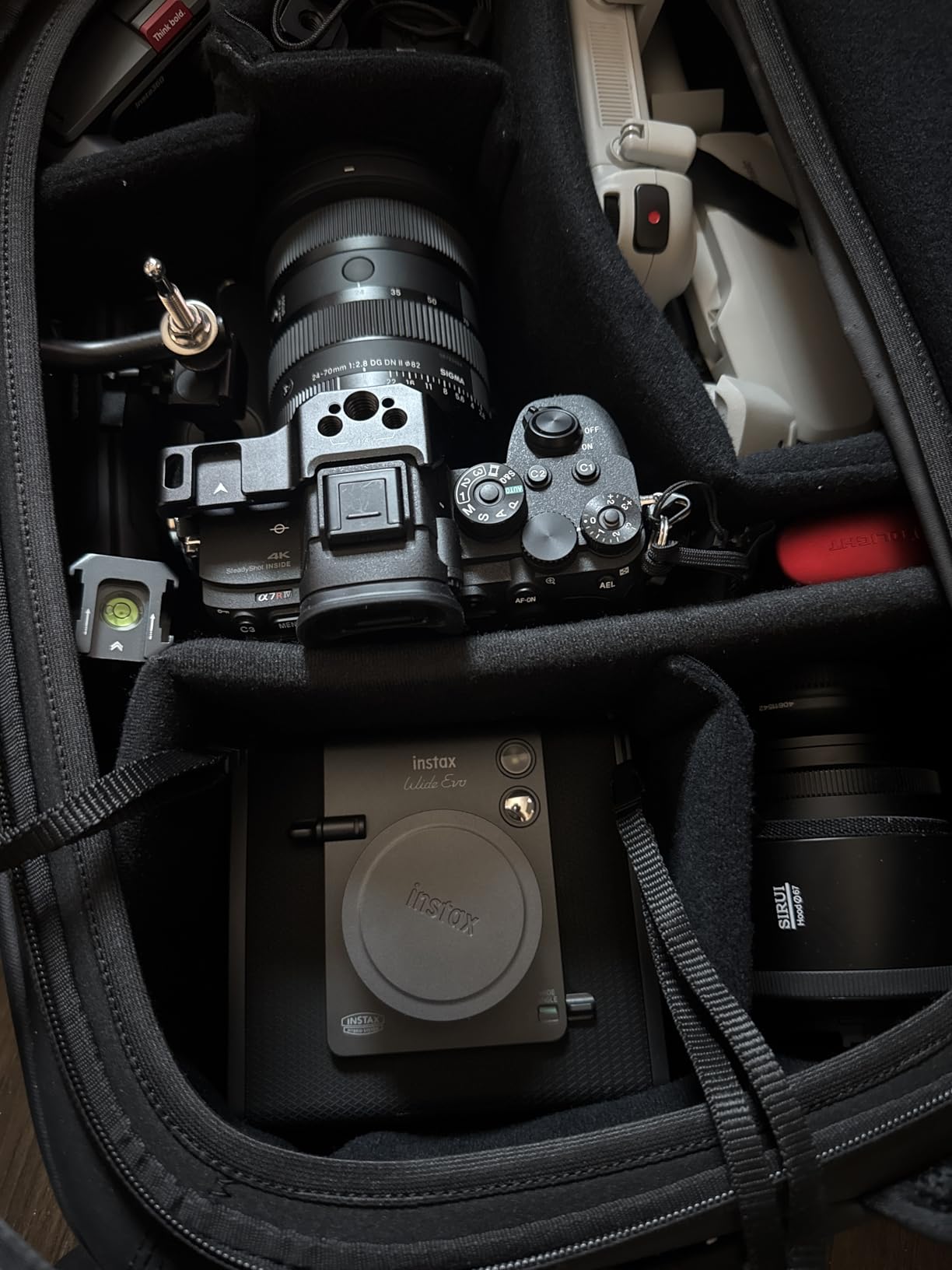
The Instax Wide Evo combines everything great about hybrid cameras with the impressive wide format. The 16MP digital sensor captures detailed images that you can preview on the large 3.5 inch LCD before committing to print. I used this for a special anniversary trip and the results were stunning.
The degree control dial lets you adjust the intensity of the 5 creative film styles. Combined with 10 lens effects and 10 film effects, you have 100 combinations plus adjustable intensity. This level of creative control is unmatched in the instant camera world.
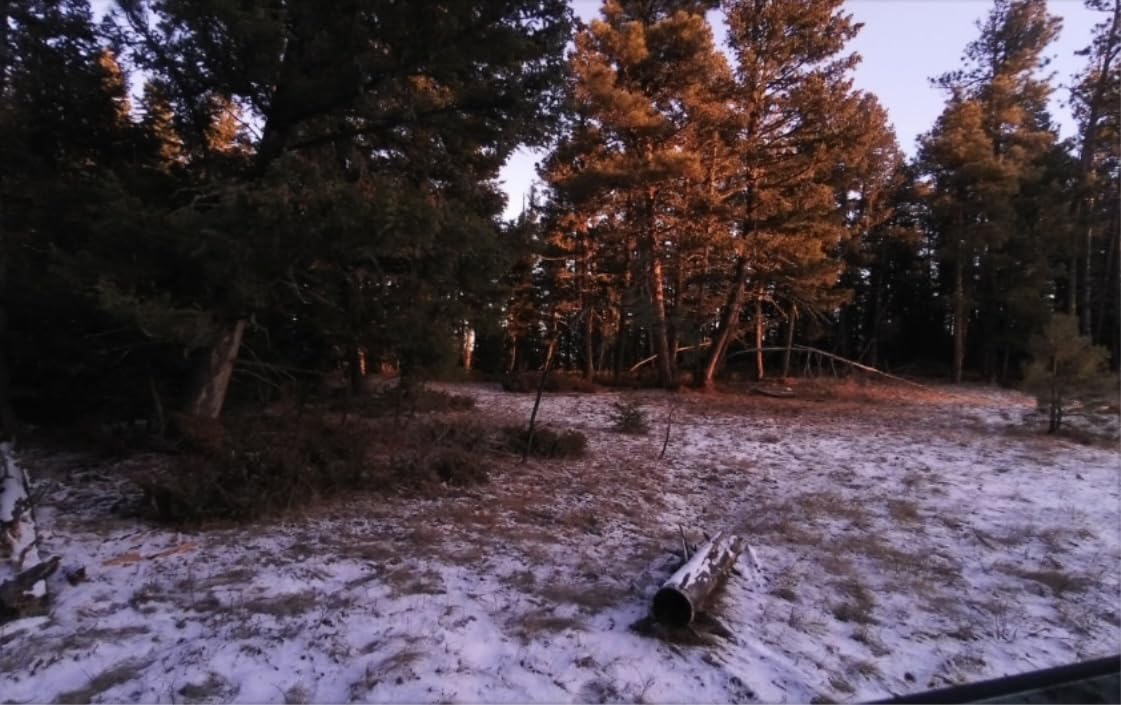
Bluetooth connectivity means you can print photos from your smartphone onto wide format film. This opens possibilities for printing your best travel photos from any camera onto impressive 3 x 5 inch instant prints. The print quality at 318 DPI is excellent.
The wide format prints are genuinely impressive. They command attention in a way that smaller prints cannot. If you want your travel photos to make a statement when displayed, the Wide Evo delivers.
For serious instant photography enthusiasts
If you want the ultimate hybrid instant camera and budget is not a concern, the Wide Evo is the pinnacle. The combination of digital preview, creative effects, and large format prints creates something genuinely special. Perfect for milestone trips.
Not for budget-conscious travelers
At over $370, this is a significant investment. Battery life disappoints with intensive use. Some users report quality control issues including card reader errors and dead pixels. The high price makes these problems harder to forgive.
How to Choose the Best Instant Camera for Travel In 2026?
Selecting the right instant camera for travel comes down to understanding your priorities. I have used all the major formats and types, and each serves different travel styles. Here is what to consider before making your decision.
Hybrid vs Analog Instant Cameras
Hybrid cameras like the Instax Mini Evo and Wide Evo let you preview photos before printing. This saves film and gives you more control. You can also print photos from your smartphone, which is incredibly useful for travel.
Analog cameras like the Instax Mini 12 and Polaroid Now offer a pure experience. Every shot uses film, which forces you to be more intentional. There is something authentic about not knowing exactly how your photo will turn out until it develops.
For travel, I prefer hybrids. The ability to take practice shots without wasting film is valuable when you are still learning to use the camera. Being able to print smartphone photos means you can share your best shots from any camera.
Film Format Comparison
Instax Mini produces 2 x 3 inch prints that are credit-card sized. This format is the most portable and affordable. Film costs around $1 per shot, and cartridges are easy to find worldwide. Best for frequent shooting and journaling.
Instax Wide produces 3 x 5 inch prints that are twice the size. These are impressive for group photos and landscapes. Film costs around $1.50 per shot. The larger camera body takes up more luggage space. Best for special occasions.
Instax Square produces 2.83 x 3.39 inch prints in the classic Instagram ratio. This format looks great framed and displayed. Film costs around $1.30 per shot. Best for photographers who care about presentation.
Polaroid i-Type produces approximately 3 x 4 inch prints with the iconic white border. Film costs around $2 per shot, making it the most expensive. The unique aesthetic is worth it for enthusiasts, but costs add up quickly.
Portability and Size Considerations
For backpacking and carry-on-only travel, Mini format cameras are the obvious choice. The cameras are smaller, and the film cartridges take up less space. You can fit several film packs in the space of one Wide format pack.
For road trips and destinations where luggage weight does not matter, Wide and Square format cameras become viable. The larger prints make more of an impact, which is great for special trips you want to remember.
Consider how you will carry the camera during the day. Mini cameras fit in jacket pockets and small bags. Wide cameras need a dedicated camera bag or backpack compartment.
Battery Life and Power Options
Cameras with AA batteries (Instax Mini 12, Mini 41) are traveler-friendly because you can buy replacements anywhere. The downside is carrying spare batteries and the environmental impact of disposables.
Rechargeable cameras (Mini Evo, LiPlay+, Wide Evo, Polaroid Now+) are more convenient and environmentally friendly. However, if you run out of power in a remote location, you cannot just pop in store-bought batteries. Bring a power bank.
For long trips, I recommend cameras with AA batteries or excellent rechargeable battery life. The Polaroid Now 3rd Gen lasts through 15 or more film packs on a single charge, which is impressive.
Film Cost Analysis for Travel
Planning your film budget is essential. At 10 shots per cartridge, a week-long trip might use 2 to 4 packs depending on how liberally you shoot. Here is a rough cost breakdown per format:
Instax Mini film costs approximately $0.80 to $1.00 per shot in twin packs. For a two-week trip shooting 50 photos, budget around $50 for film. This is the most economical format.
Instax Wide film costs approximately $1.40 to $1.60 per shot. That same 50-photo trip would cost around $75 in film. The larger prints justify the higher cost for many travelers.
Polaroid i-Type film costs approximately $1.80 to $2.20 per shot. A 50-photo trip could cost $100 or more in film alone. This format is for enthusiasts who value the unique aesthetic over cost efficiency.
Travel-Specific Features to Look For
Self-timer is invaluable for getting yourself into photos when traveling solo. The Instax Wide 400 and Polaroid Now cameras include this feature.
Selfie mirrors help frame close-up portraits accurately. Most Instax cameras include these, but Polaroid cameras typically do not.
Bluetooth connectivity lets you print smartphone photos, which is incredibly useful for sharing your best travel shots on instant film.
USB charging is more convenient than replaceable batteries for most travelers, as long as you carry a power bank.
Airport Security Tips for Instant Cameras and Film
This is something most guides ignore, but it matters for traveling photographers. Instant film is sensitive to X-rays, which can cause fogging or damage.
Always request hand inspection for instant film at airport security. Most security personnel are familiar with this request for photographic film. Keep film in its original packaging or a clear bag for easy inspection.
Do not put instant film in checked luggage. Checked bags go through more powerful X-ray machines that will damage film. Carry all film in your carry-on bag.
The TSA in the United States allows hand inspection requests for film under 800 ISO. Instax film is rated at ISO 800, which is right at the threshold. Request hand inspection to be safe.
International airports vary in their policies. In my experience, being polite and explaining that instant film is light-sensitive usually results in cooperation. Arrive at security with extra time for this process.
Frequently Asked Questions
What is the best instant camera for travel?
The Fujifilm Instax Mini Evo is the best instant camera for travel due to its hybrid design that lets you preview photos before printing, Bluetooth smartphone connectivity, and compact size. It saves film by allowing digital-only shooting and gives you creative control with 100 effect combinations.
Are instant cameras good for travel photography?
Yes, instant cameras are excellent for travel photography because they create tangible memories you can share with people you meet, force intentional shooting, and work without relying on digital storage or battery-intensive screens. They are perfect for documenting special moments and creating physical souvenirs.
Which Instax camera is best for travel?
The Instax Mini Evo is the best Instax camera for travel due to its hybrid capabilities and film-saving preview feature. For budget travelers, the Instax Mini 12 offers excellent value and reliability. For group travel, the Instax Wide 400 produces impressive large prints perfect for group photos.
Can you bring instant cameras on airplanes?
Yes, you can bring instant cameras on airplanes in your carry-on luggage. However, instant film is sensitive to X-rays and should never go in checked baggage. Request hand inspection for your film at security checkpoints to prevent potential damage from scanning equipment.
What is the difference between Instax and Polaroid?
Instax uses modern instant film technology with consistent results, faster development time, and lower cost per shot. Polaroid uses traditional instant film with the iconic white border aesthetic, longer development time, higher cost, and more variable results. Instax is more reliable for travel while Polaroid offers a more authentic vintage experience.
Is instant film expensive for travel use?
Instant film costs range from $0.80 to $2.20 per shot depending on format. Instax Mini is most economical at around $1 per shot. For a two-week trip shooting 50 photos, budget $50 to $100 for film depending on your chosen format. The cost encourages intentional, thoughtful photography.
Final Thoughts on Travel Instant Cameras
The best instant cameras for travel photography depends on your style and priorities. For most travelers, I recommend the Fujifilm Instax Mini Evo as the best overall choice. Its hybrid design saves film, the Bluetooth feature lets you print smartphone photos, and the compact size works for any trip.
Budget-conscious travelers should consider the Fujifilm Instax Mini 12. It delivers the classic instant photo experience at an affordable price with reliable results. The low film cost means you can shoot freely without anxiety about wasting money.
For special trips where you want impressive prints, the Fujifilm Instax Wide Evo creates stunning large-format photos that command attention. The investment is significant, but the results are genuinely special.
Whatever camera you choose, remember that instant photography is about the experience, not technical perfection. Embrace the unpredictability, share photos with people you meet, and create tangible memories that will outlast any digital file. Your future self will thank you for those physical souvenirs from your adventures.