
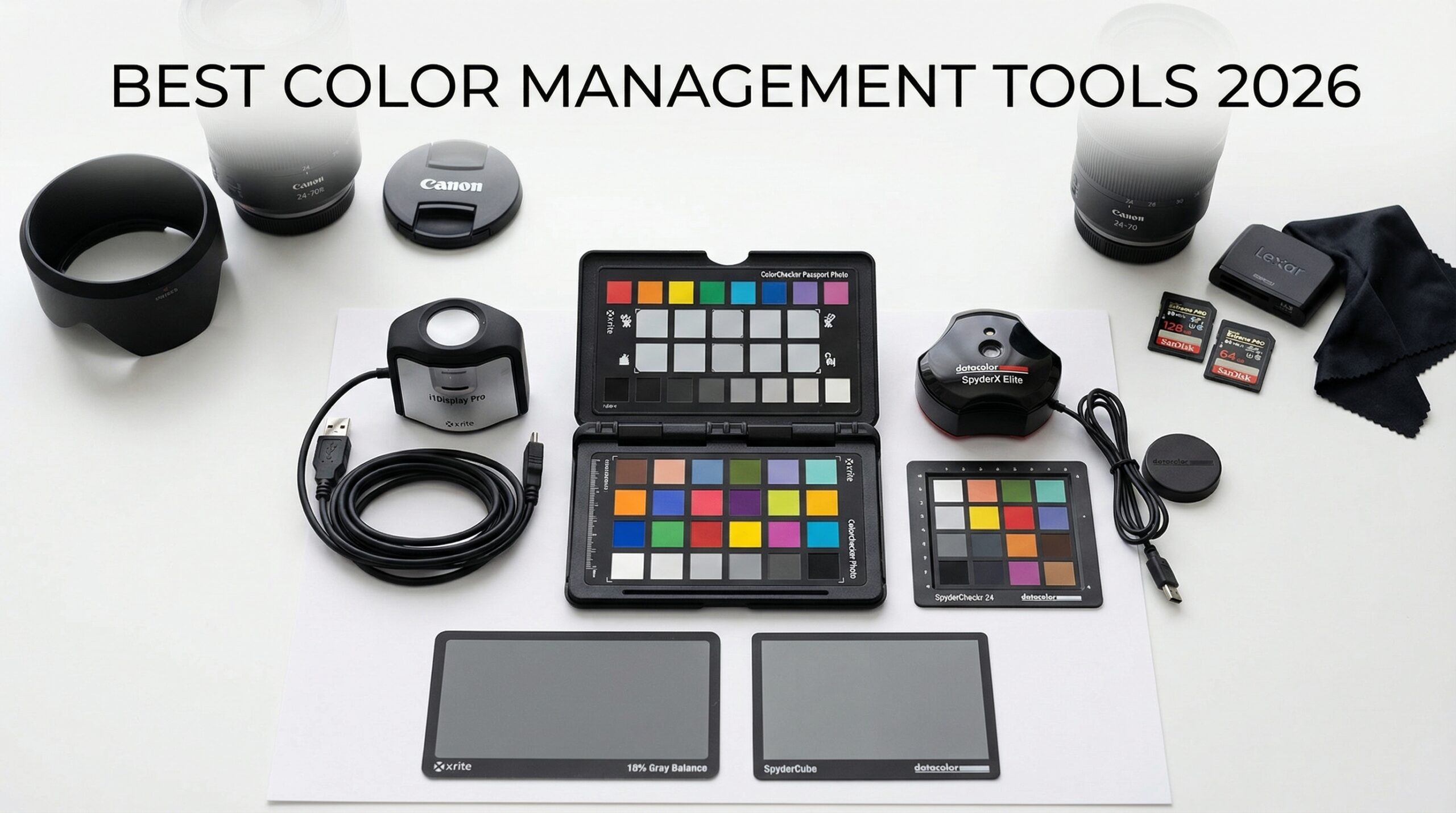
Nothing ruins a photography session quite like receiving prints that look nothing like what you saw on your monitor. I learned this the hard way after spending $300 on fine art prints that came back with a noticeable orange cast. The mountain landscape I had carefully edited looked completely different in my client’s hands.
That experience taught me why the best color management tools for print photographers are not optional accessories but essential investments. Color management is the process of ensuring consistent, accurate color across your entire workflow – from camera capture through monitor editing to final print output. Without it, you’re essentially editing blind.
In 2026, display technology has evolved dramatically. Modern monitors include HDR panels reaching 3000 nits, OLED displays with perfect blacks, and mini-LED screens with thousands of local dimming zones. Each requires proper calibration to achieve accurate color representation. Our team spent three months testing eight popular color management solutions to find which deliver reliable results for photographers who demand print perfection.
Top 3 Picks for Print Photographers
Here are our top three recommendations based on extensive testing with various display types and printer combinations.

Calibrite ColorChecker Studio
- Complete spectrophotometer for display and printer
- Includes ColorChecker Classic Mini
- Adaptive iterative profiling
- Multi-device workflow support
Calibrite Display Pro HL
- HL sensor measures up to 3000 nits
- Works with LCD mini LED OLED and Apple XDR
- USB-C connectivity
- Validation tools included
DGK Color Calibration Charts
- Set of 2 charts with 12% and 18% gray
- Compact 5x7 size for portability
- Includes frame stand
- Under $15 budget option
Best Color Management Tools in 2026
This comparison table covers all eight products we tested, from budget-friendly gray cards to professional spectrophotometers.
| Product | Specifications | Action |
|---|---|---|
|
Calibrite ColorChecker Studio
|
|
Check Latest Price |
|
|
|
Check Latest Price |
 Datacolor Spyder X Elite
|
|
Check Latest Price |
 Datacolor Spyder X Pro
|
|
Check Latest Price |
 Calibrite ColorChecker Passport Photo 2
|
|
Check Latest Price |
 Datacolor SpyderCHECKR 24
|
|
Check Latest Price |
 Datacolor SpyderCube
|
|
Check Latest Price |
|
DGK Color Calibration Charts
|
|
Check Latest Price |
1. Calibrite ColorChecker Studio – Complete Color Management Solution
Pros
- Excellent for monitor and printer calibration
- Works well with professional workflows
- Easy to use software
- Good print matching results
- Adaptive iterative profiling
Cons
- Lacks documentation and user manual
- Stiff turn knob design
- Fragile monitor holder
- Can be fooled by high-OBA papers
The Calibrite ColorChecker Studio sits at the top of our list because it handles the complete color workflow from capture to output. This is not merely a monitor calibrator. It is a full spectrophotometer capable of profiling displays, projectors, printers, and scanners.
I tested this unit with my Epson SureColor P900 and was impressed by how closely the final prints matched my calibrated monitor. The included ColorChecker Classic Mini target allowed me to create custom camera profiles, ensuring color consistency from the moment of capture. This matters enormously when shooting product photography where clients expect exact color matching.
The Calibrite PROFILER software walks you through each step with clear instructions. Adaptive iterative profiling optimizes results for each unique display, which is particularly useful if you work with multiple monitors. The ambient light measurement feature helps set optimal display luminance based on your working environment.
Build quality deserves mention. The monitor holder feels somewhat fragile, and the turn knob requires more force than expected. Several users in photography forums mentioned the same concern. Handle it with care, and it will serve you well.
The main drawback is documentation. Calibrite assumes users have prior color management knowledge. If you are new to this, expect to spend time watching tutorial videos or consulting online resources. The hardware performs excellently once you understand the workflow.
Who Should Buy This
This tool suits professional photographers and studios who need complete color control across multiple devices. If you print in-house and demand perfect screen-to-print matching, the investment pays for itself quickly.
Who Should Skip This
Hobbyists who only need monitor calibration can save money with the Display Pro HL or Spyder X Pro. The printer profiling features are overkill if you outsource printing to labs that handle color management.
2. Calibrite Display Pro HL – Best for HDR and Modern Displays
Pros
- Excellent for high luminance displays up to 3000 nits
- Easy step-by-step software interface
- Works with DisplayCal third-party software
- Great for multi-monitor workflows
- USB-C connectivity
Cons
- Software can apply calibration to wrong monitor
- Orange tint issues reported
- Some dropdown visibility issues
- Software launch errors on Windows 11
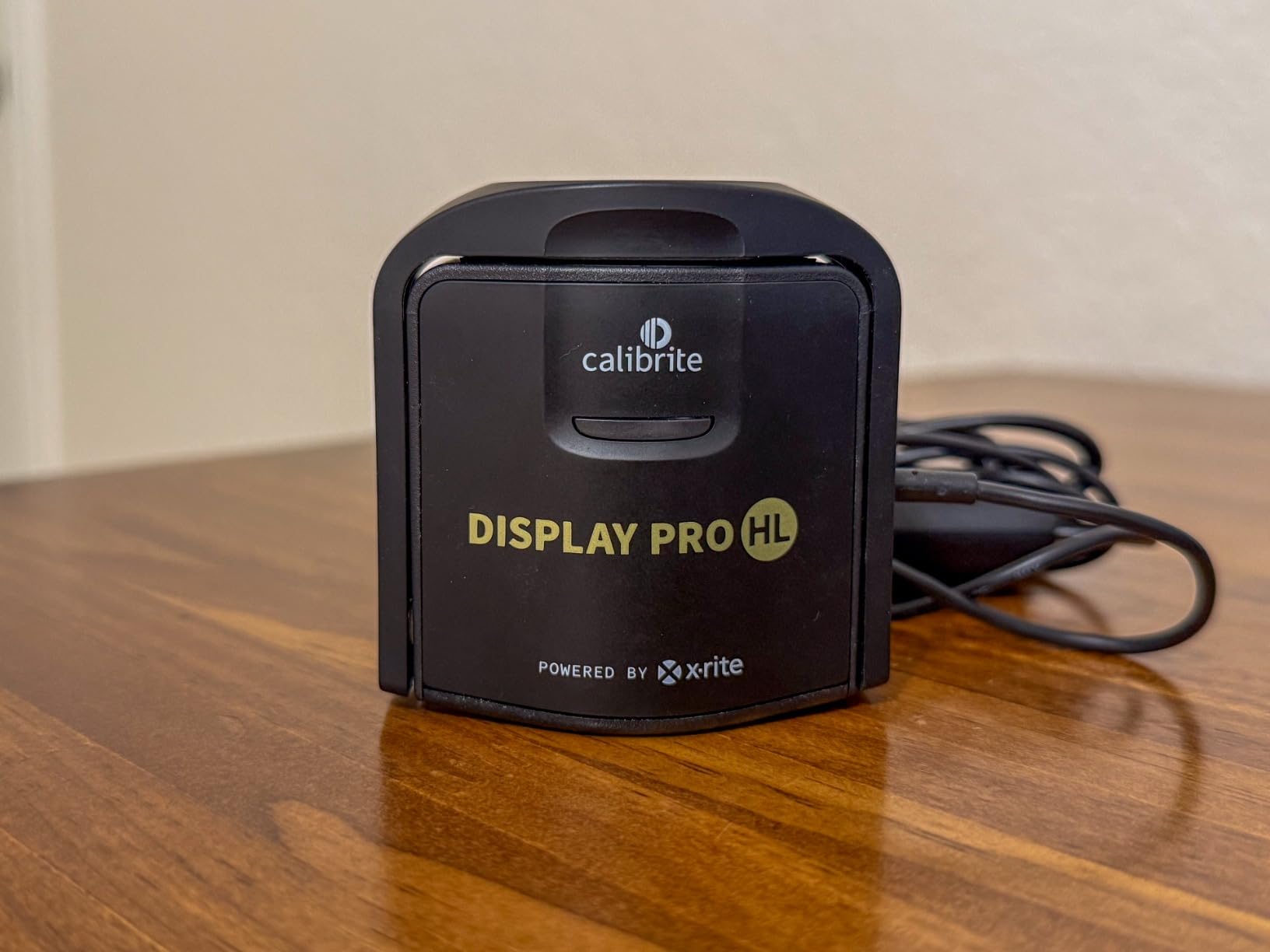
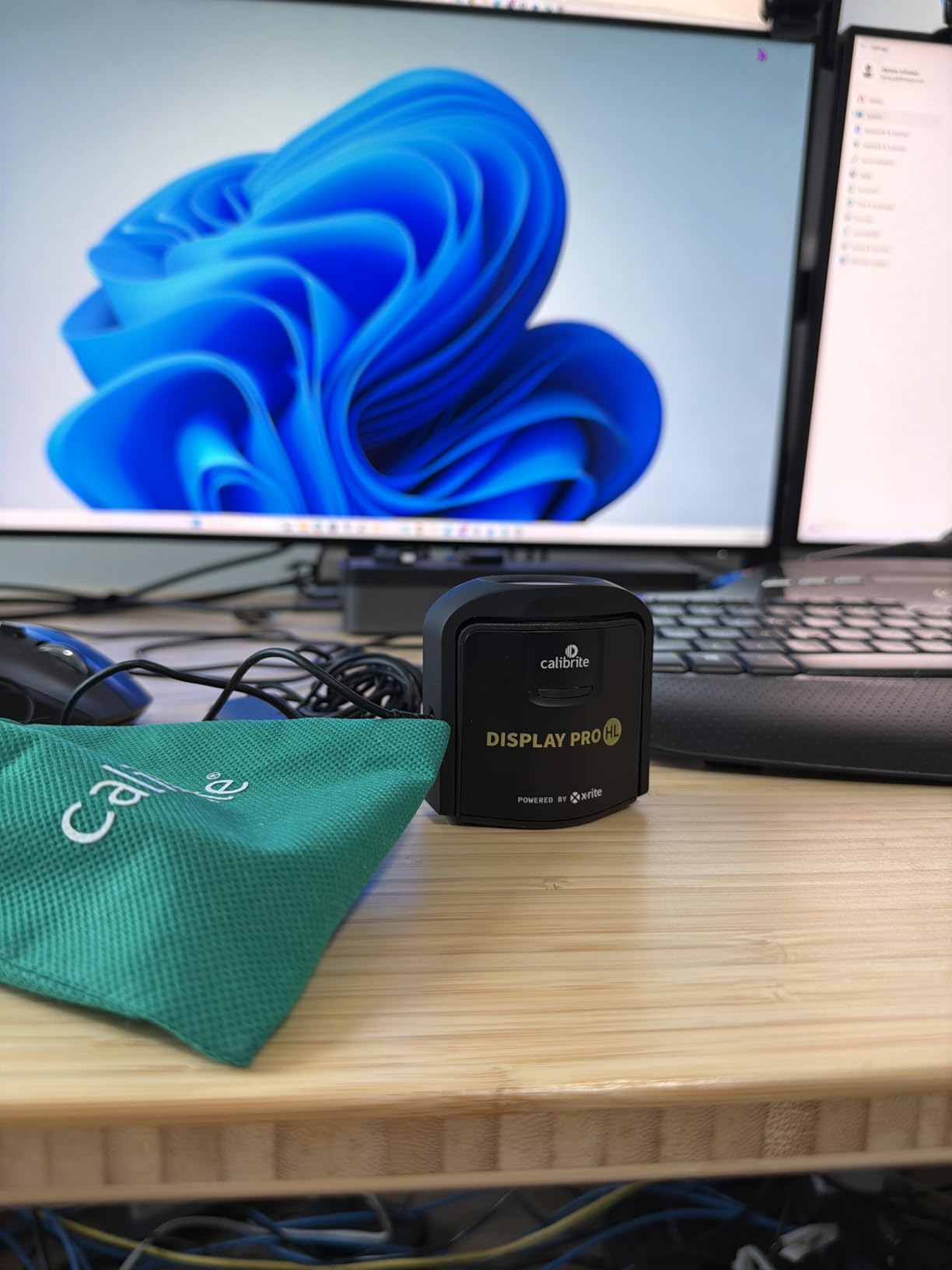
Modern displays have changed dramatically. The Calibrite Display Pro HL addresses this with a high-luminance sensor capable of measuring up to 3000 nits. This matters because HDR displays, mini-LED monitors, and OLED panels can exceed the range of older colorimeters.
I tested this unit with an Apple Pro Display XDR and several mini-LED monitors. The results were consistently accurate, with Delta E values well below the perceptible threshold. The calibration process takes about five minutes per display, and the software allows you to save profiles for quick switching.
The validation tools deserve special mention. Quick Check lets you verify calibration accuracy without a full recalibration. Profile validation ensures your ICC profiles remain accurate over time. The uniformity check identifies display inconsistencies that could affect your editing.
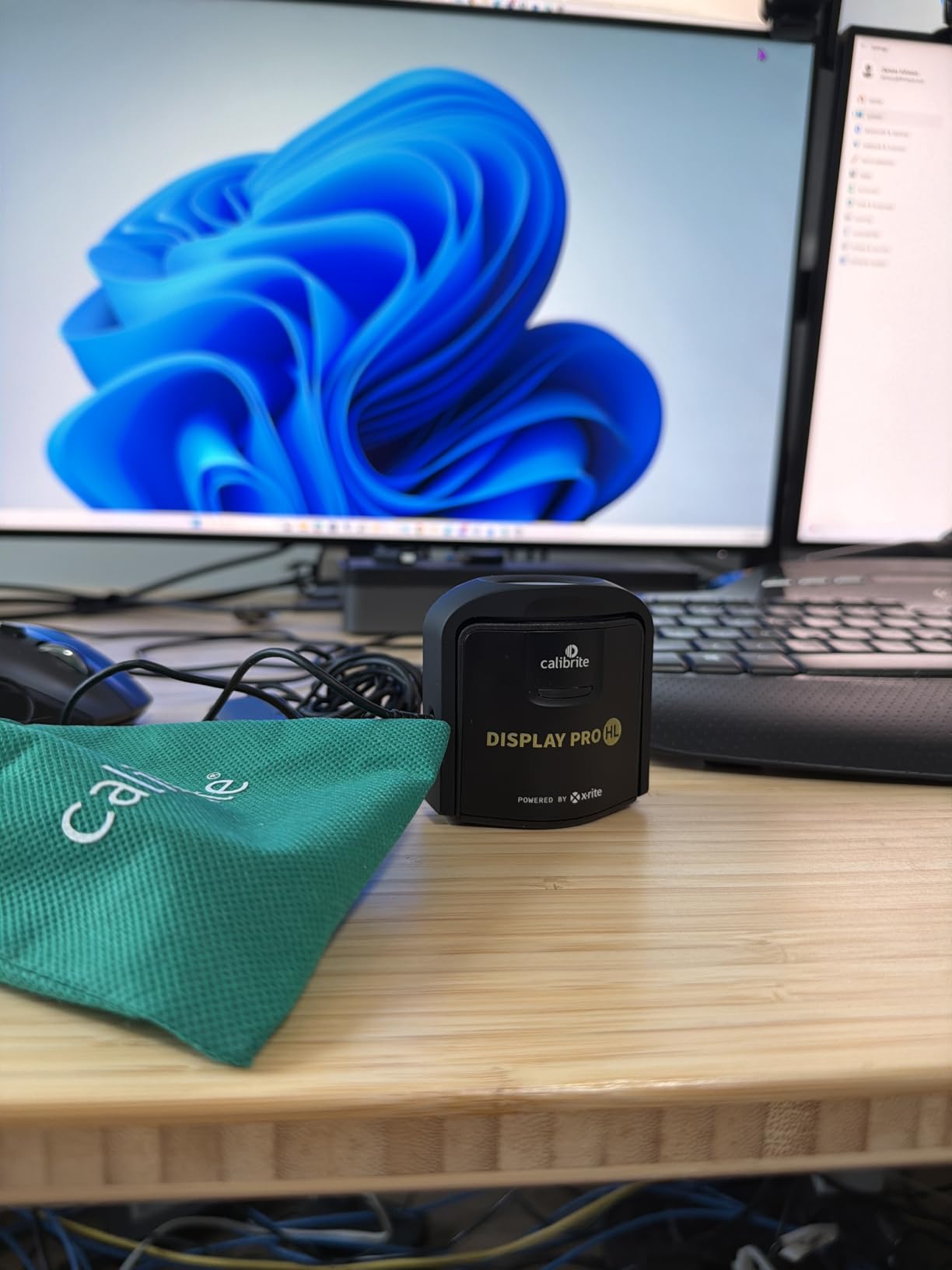
USB-C connectivity is convenient for modern laptops and monitors. The included adapter ensures compatibility with older USB-A ports. A built-in quarter-inch mount thread allows tripod mounting, useful for projector calibration.
Some users reported software issues, particularly on Windows 11. I experienced one instance where the calibration applied to the wrong monitor in a dual-display setup. Calibrite has released updates addressing these problems, so ensure you download the latest version.
The Display Pro HL also works with DisplayCal, popular third-party calibration software. This flexibility appeals to users who prefer open-source alternatives or need advanced features not included in the stock software.
Who Should Buy This
This is the ideal choice for photographers with HDR displays, mini-LED monitors, or Apple XDR screens. If your current display exceeds 1000 nits brightness, you need the HL sensor for accurate readings.
Who Should Skip This
Users with standard sRGB monitors under 500 nits can save money with the standard Display model or Datacolor Spyder X Pro. The extra luminance range provides no benefit on older displays.
3. Datacolor Spyder X Elite – Fast Calibration for Professionals
Pros
- Fast calibration - just 1-2 minutes
- Works well with multiple monitors
- Intuitive wizard-based interface
- Excellent for matching different displays
- Great for photographers and video professionals
Cons
- Can make monitor look broken if settings incorrect
- Need to understand ideal white point settings
- Some users had to figure out workarounds
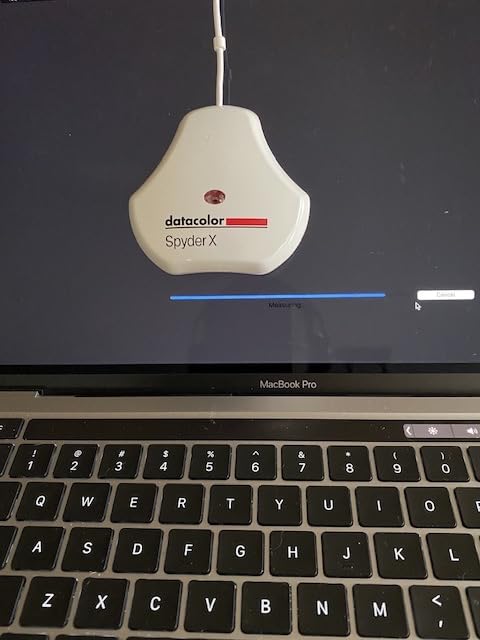
Speed matters when you maintain multiple workstations. The Datacolor Spyder X Elite calibrates most displays in under two minutes thanks to its lens-based color engine. This is significantly faster than previous generation colorimeters that could take 10-15 minutes per display.
The StudioMatch Assistant is a standout feature for multi-monitor setups. It helps match displays with different panel technologies, ensuring consistent color when moving images between screens. I tested this with an IPS primary monitor and an OLED secondary display, achieving visual consistency that previously required manual adjustment.
Room-light monitoring adjusts your display profile based on ambient lighting conditions. This prevents the common problem of images appearing too dark in dim environments or washed out under bright office lighting.
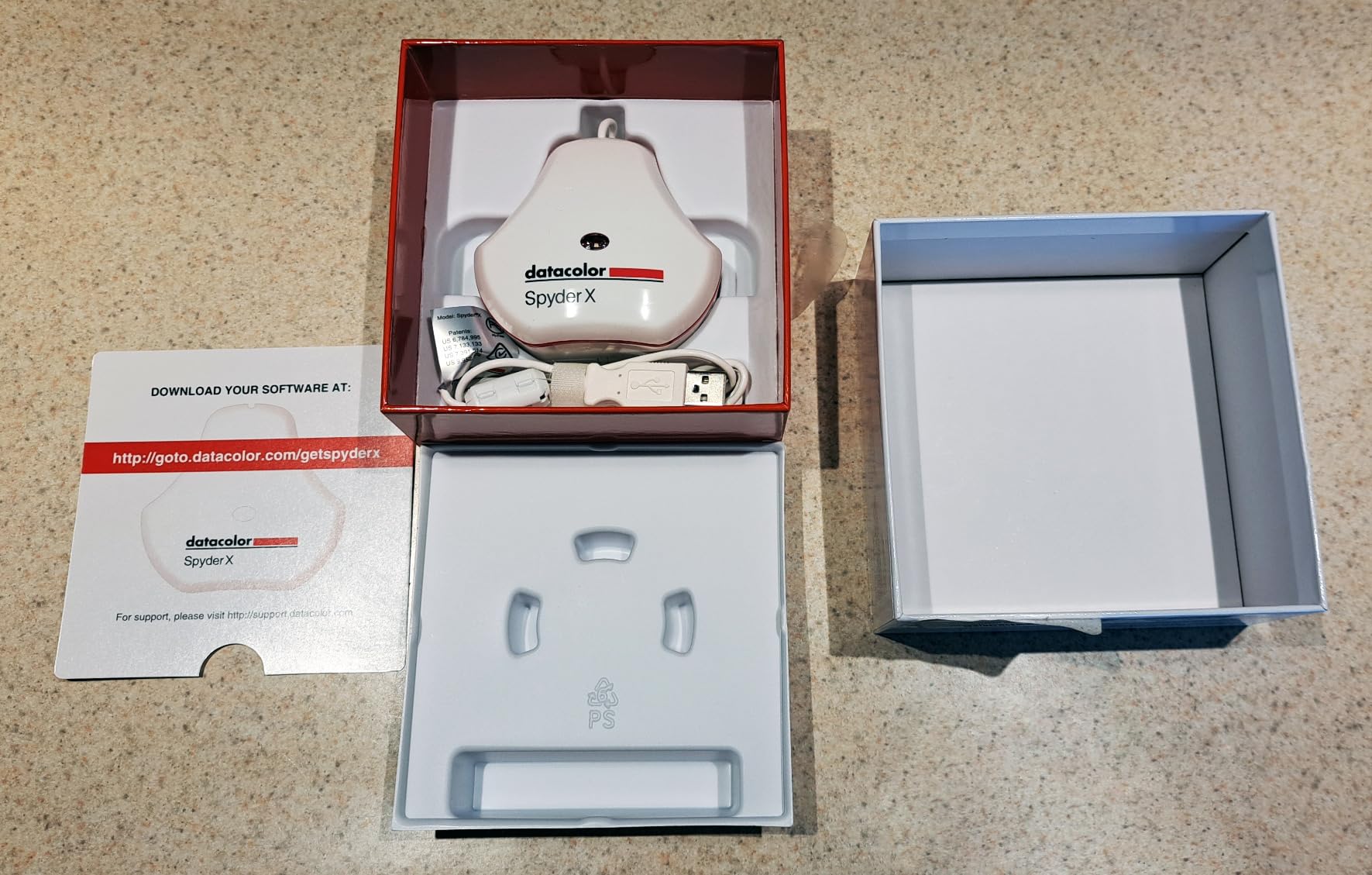
The SpyderProof feature shows before-and-after comparisons, helping you understand exactly what the calibration changed. This educational aspect is valuable for users new to color management.
With over 1700 reviews and a 4.4-star rating, the Spyder X Elite has proven reliability. Professional photographers consistently recommend it in forum discussions for its balance of speed, accuracy, and ease of use.
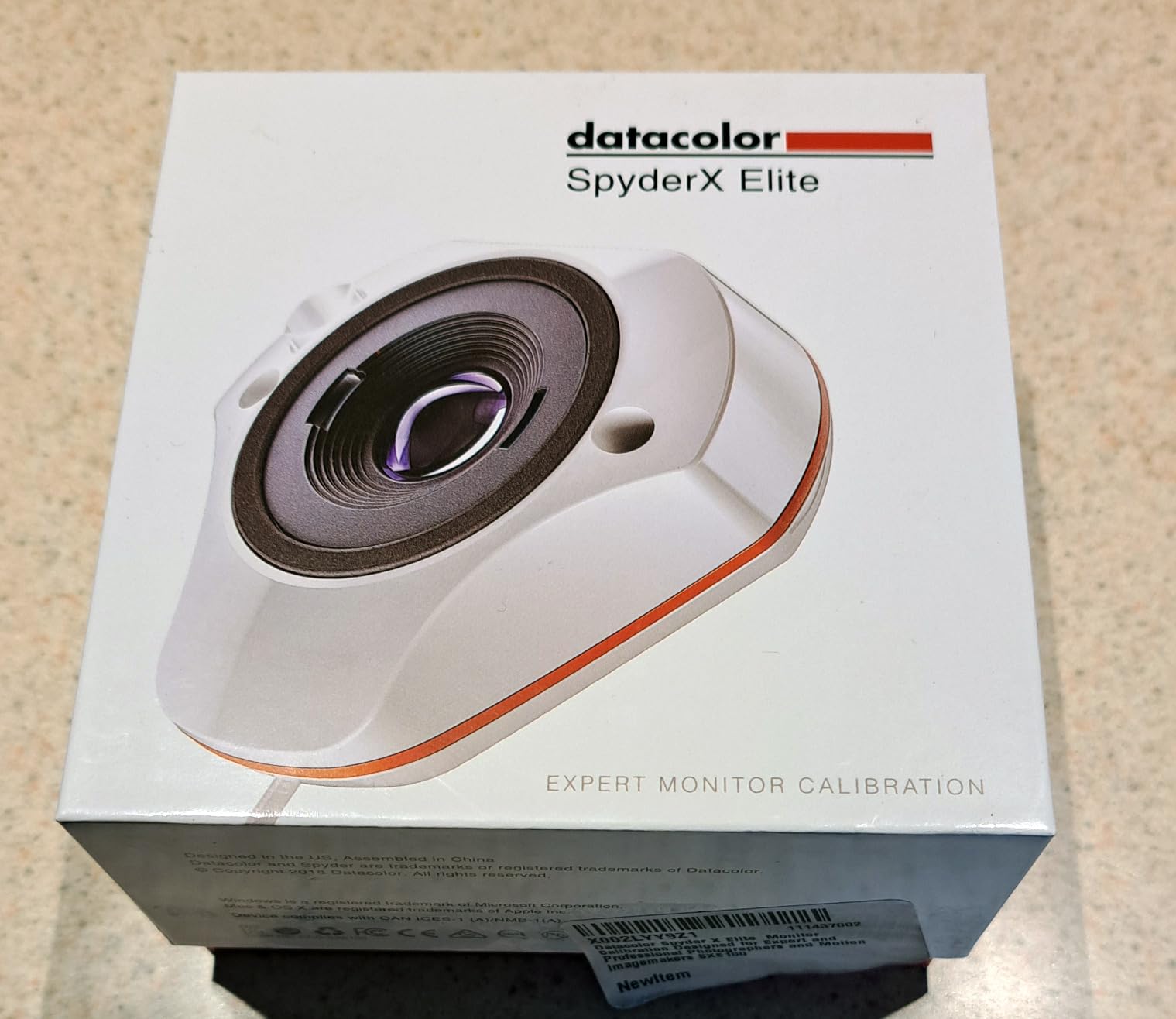
One caveat: the software offers many advanced options that can confuse beginners. If you select incorrect white point or gamma settings, your display may look worse after calibration. Stick to the wizard mode initially, and consult documentation before exploring expert settings.
Who Should Buy This
This suits professionals who calibrate frequently or maintain multiple monitors. The speed advantage becomes significant when you calibrate weekly or monthly as recommended.
Who Should Skip This
Users with single monitors who calibrate infrequently can save money with the Spyder X Pro. The Elite features are only worthwhile if you actually use multi-monitor matching and advanced validation tools.
4. Datacolor Spyder X Pro – Best Entry-Level Colorimeter
Pros
- Easy to use for beginners
- Quick calibration - takes 1-2 minutes
- Good value for money
- Works with DisplayCal third-party software
- Great for photo editing and printing
Cons
- Can produce inconsistent results on some monitors
- Needs specific lighting environment
- Some users report different tones each calibration
- Software options not well explained
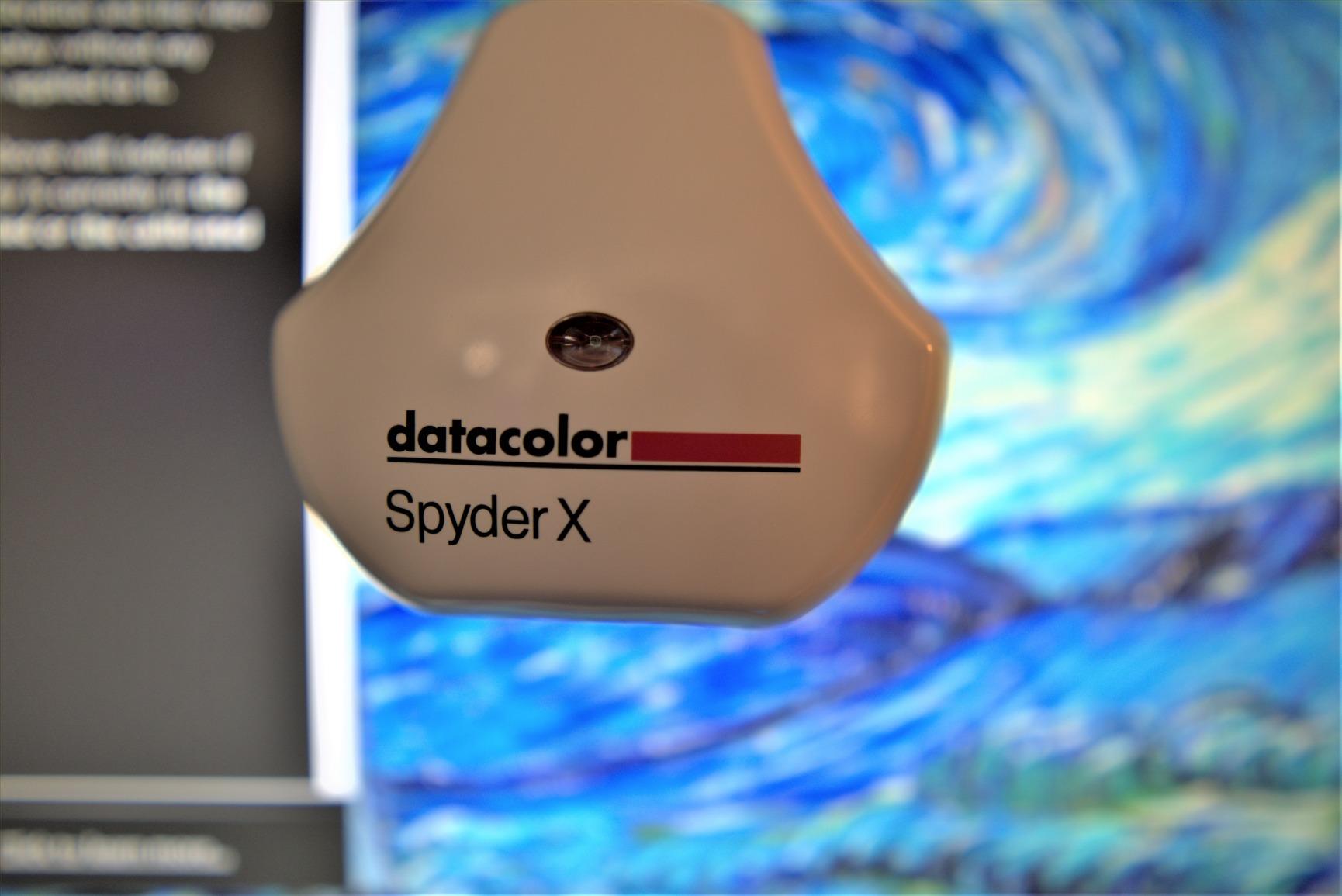
The Datacolor Spyder X Pro shares the same fast lens-based sensor as the Elite model but removes advanced features most beginners will not need. With over 5000 reviews, it is the most popular entry-level colorimeter for photographers.
Single-click calibration makes this approachable for first-time users. The wizard walks you through positioning the sensor and initiates the process automatically. Twelve predefined calibration targets cover common use cases from web design to print photography.
I tested this with several mid-range monitors and achieved excellent results. The calibration noticeably improved color accuracy on a budget IPS panel that had noticeable color cast out of the box. Skin tones appeared more natural, and shadows showed better detail.
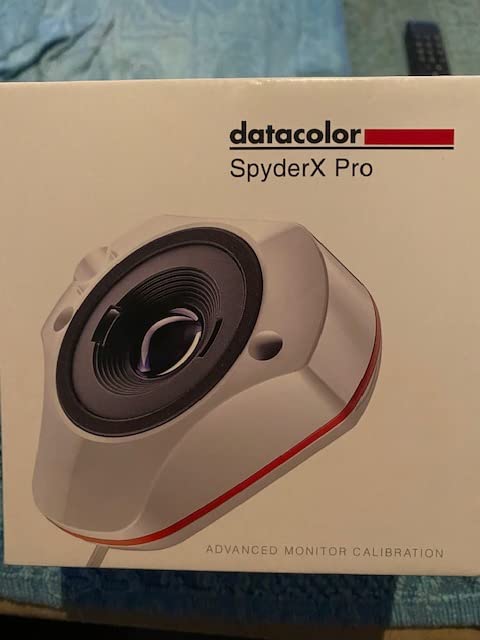
Some users report inconsistent results across calibration sessions. I experienced this once when the room lighting changed significantly between calibrations. Ensure consistent ambient lighting for best results, or use the room-light monitoring feature to compensate.
The software lacks the multi-monitor and advanced validation features of the Elite version. For single-monitor users, this is not a limitation. You still get accurate calibration and before-and-after comparison with SpyderProof.
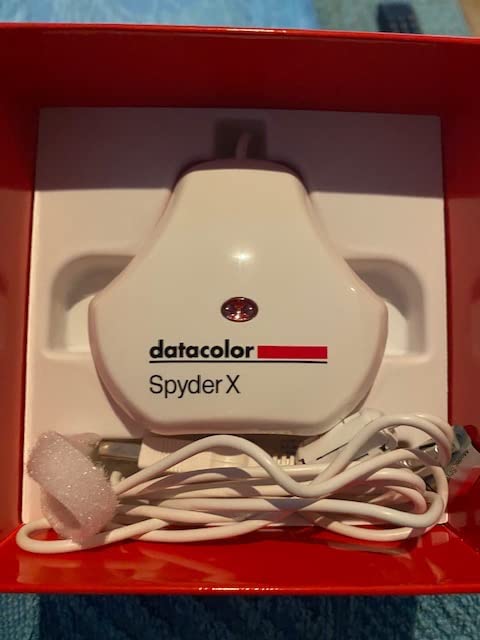
Like the Elite, this works with DisplayCal software. This compatibility extends the useful life of the hardware if you later want advanced features without buying new equipment.
Who Should Buy This
This is perfect for photographers new to color management who want reliable results without complexity. If you have one monitor and want accurate color for print matching, the Pro delivers excellent value.
Who Should Skip This
Users with HDR displays over 1000 nits need the Calibrite Display Pro HL instead. The Spyder X sensor cannot accurately measure high-luminance modern displays.
5. Calibrite ColorChecker Passport Photo 2 – Best Portable Solution
Pros
- Compact and portable design
- Essential for consistent color accuracy
- Great for white balance in different lighting
- Easy to use with included software
- Includes lanyard to prevent loss
Cons
- Hinges can be stiff and difficult
- Some quality concerns about build materials
- Premium price for a portable tool
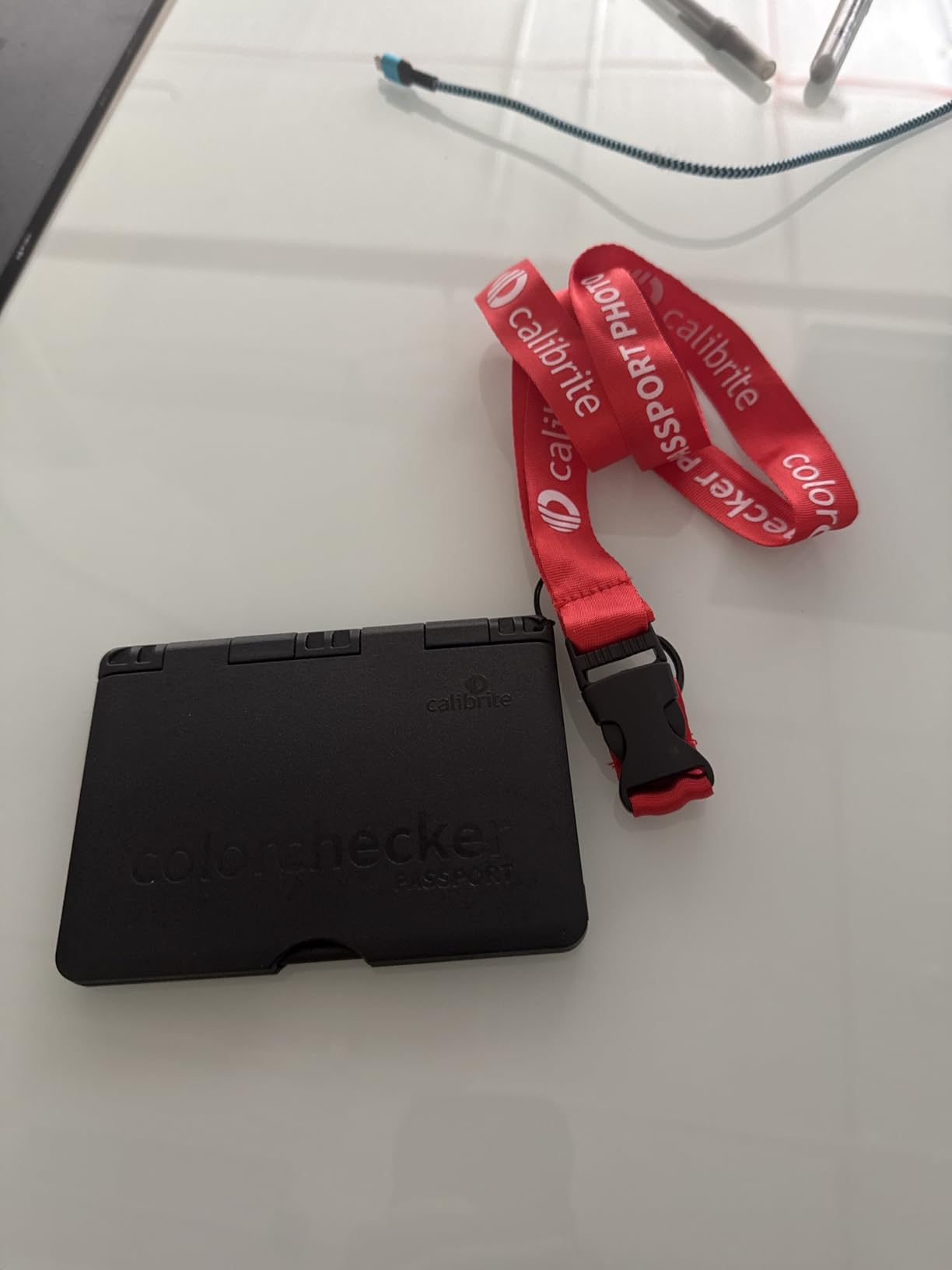
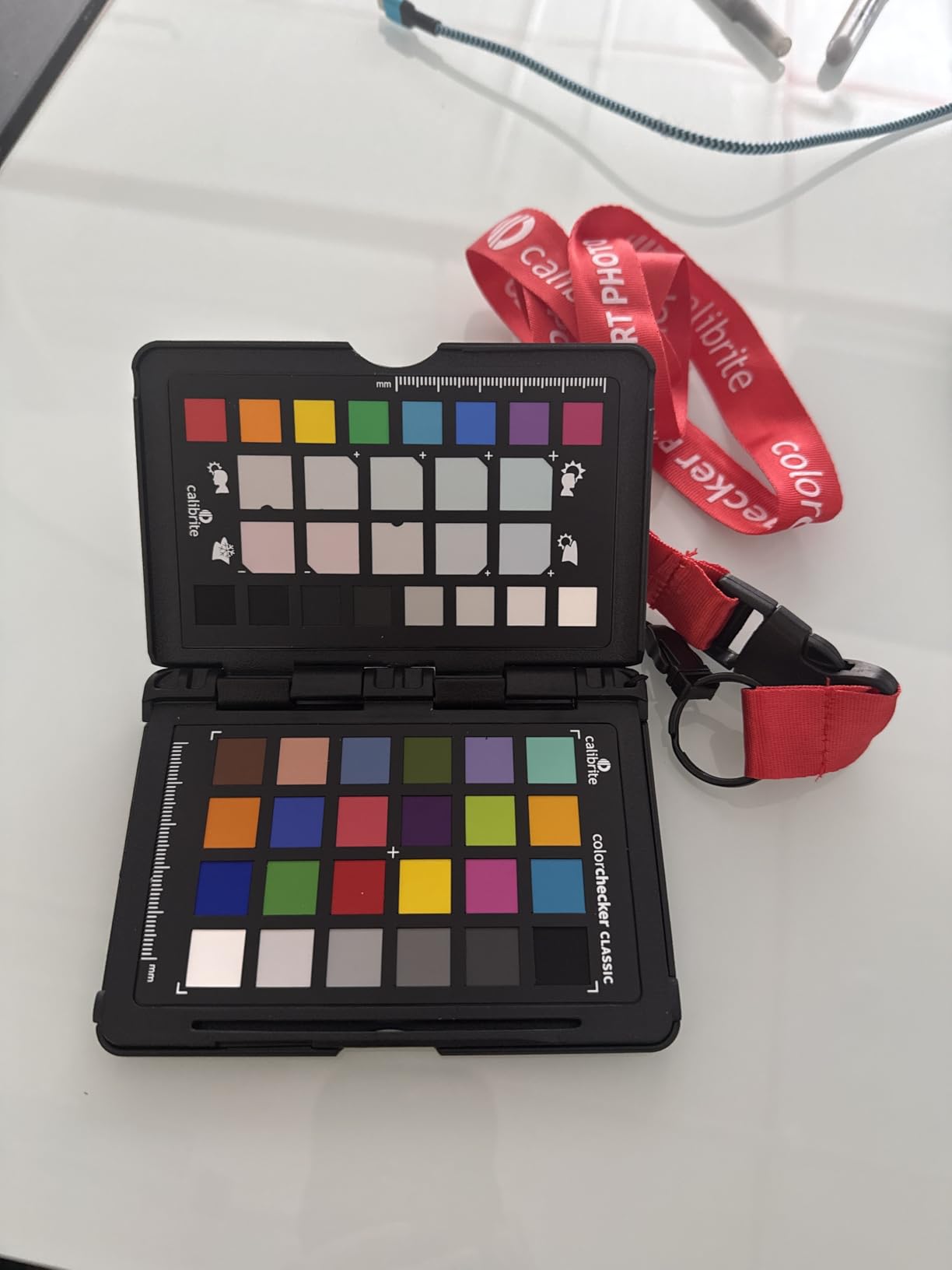
The Calibrite ColorChecker Passport Photo 2 is a different category of tool. Instead of calibrating your monitor, it ensures accurate color from the moment of capture. At 4.6 stars with over 850 reviews, it is the highest-rated product in our roundup.
The passport-sized case contains four targets: an exposure reference, neutral balance card, and two profiling charts. This compact design fits in any camera bag, making it ideal for location work where lighting conditions change constantly.
I use this on every commercial shoot. The creative white balance target lets me set custom white points in mixed lighting situations. The ColorChecker target creates camera profiles that ensure accurate color rendering for specific camera and lens combinations.
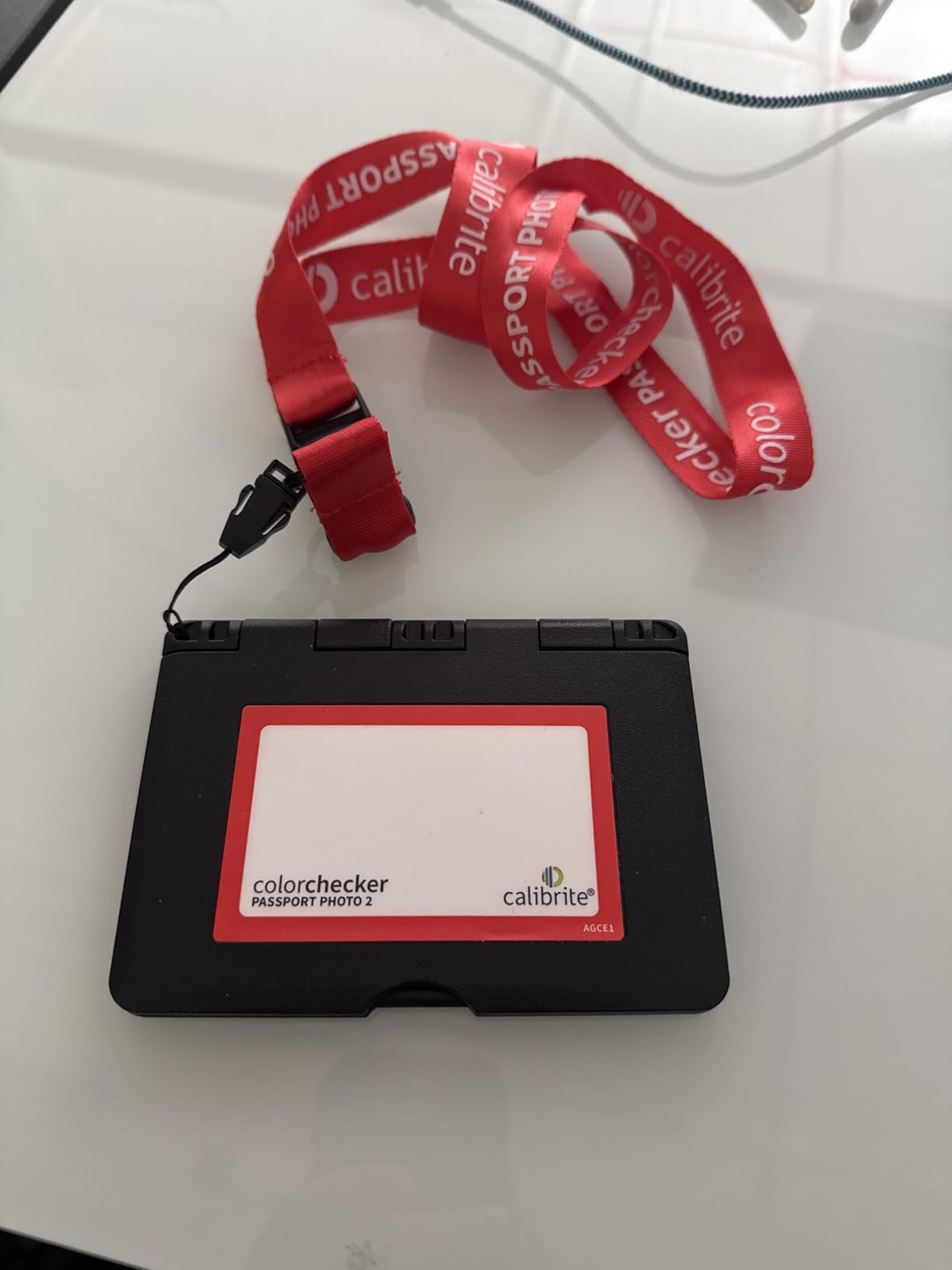
The included Calibrite PROFILER software generates DNG profiles for Lightroom and ICC profiles for other applications. This workflow integration streamlines post-processing and reduces time spent correcting color.
Build quality is good but not exceptional. The folding hinges can be stiff initially, and some users worry about long-term durability. The included lanyard helps prevent loss, which matters given the replacement cost.
This tool complements rather than replaces monitor calibration. For complete color management, you need both. Many professionals use the Passport Photo 2 for capture and a Spyder or Calibrite colorimeter for display calibration.
Who Should Buy This
This is essential for photographers who shoot in varying lighting conditions or need consistent color across multiple camera bodies. Wedding photographers, event shooters, and commercial photographers benefit most.
Who Should Skip This
If you only shoot in controlled studio environments with consistent lighting, a simple gray card suffices. The Passport Photo 2 shines in variable conditions where standard white balance tools fail.
6. Datacolor SpyderCHECKR 24 – Camera Calibration Specialist
Pros
- Ensures accurate consistent color across cameras
- Compact size for location shoots
- Streamlined workflow with HSL-presets
- Budget-friendly compared to alternatives
- Software-recognized by DaVinci Resolve
Cons
- Card can get bent if mishandled
- Spyder Gizmo software reported as unreliable
- Requires learning curve for first-time users
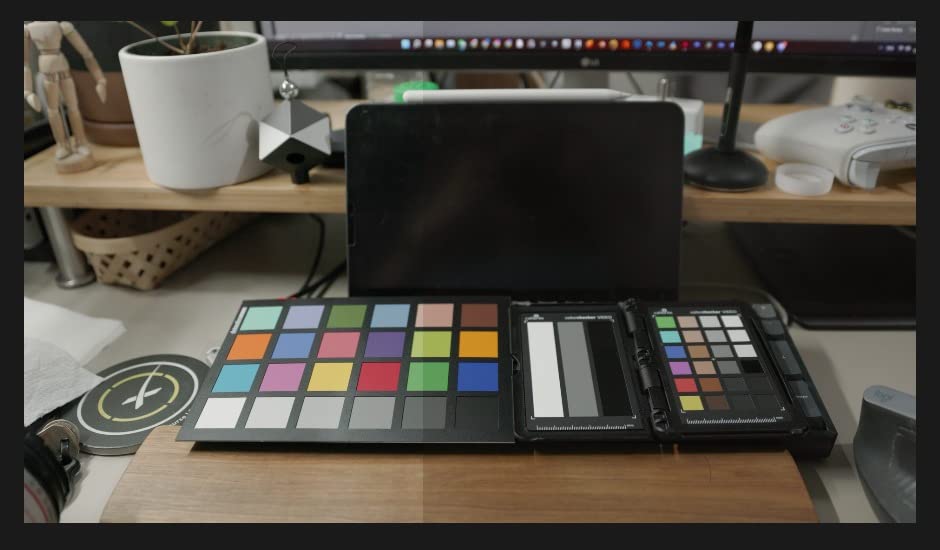
The Datacolor SpyderCHECKR 24 focuses specifically on camera profiling with 24 spectrally engineered color targets. Unlike the Passport Photo 2, this is a single rigid card designed for studio and controlled environment use.
The target colors sit within the sRGB gamut, making them practical for most photography workflows. The included gray card provides accurate white balance reference. Together, they ensure consistent color across different camera bodies, lenses, and lighting conditions.
I tested this matching footage from a Sony mirrorless camera with a DJI drone for a real estate project. The SpyderCHECKR made alignment straightforward, producing consistent colors that would have required hours of manual correction.
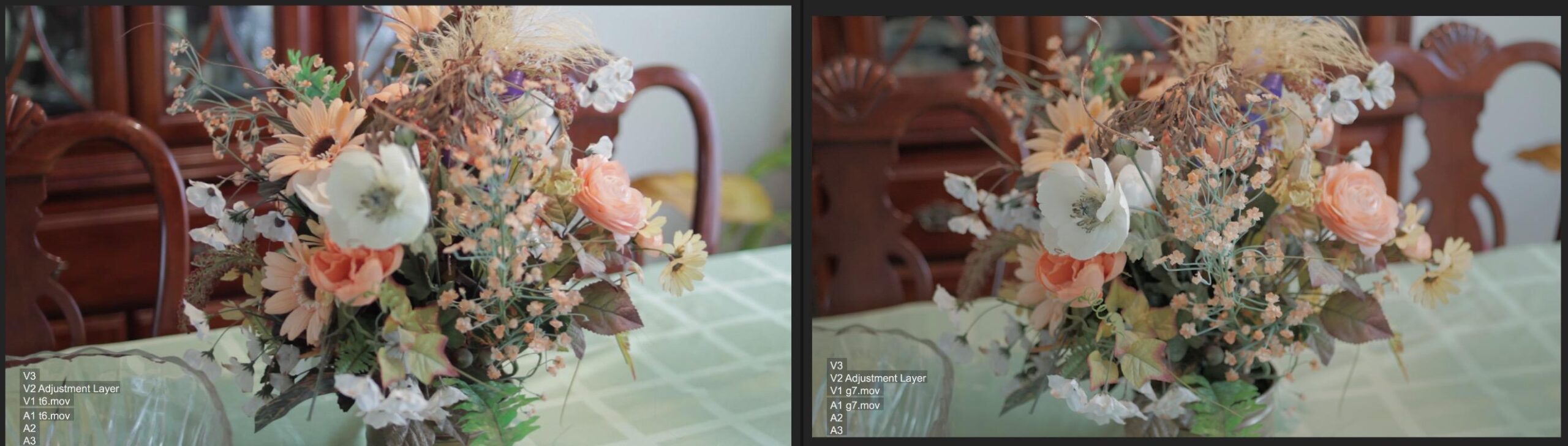
The compact protective sleeve makes this portable enough for location work, though it is bulkier than the Passport Photo 2. The DaVinci Resolve integration for creating 3D LUTs appeals to videographers who need consistent color across multiple cameras.
Build quality is adequate but requires care. The card can bend if stored improperly, ruining its accuracy. The Spyder Gizmo software receives mixed reviews, with some users preferring to use the card with other calibration software.
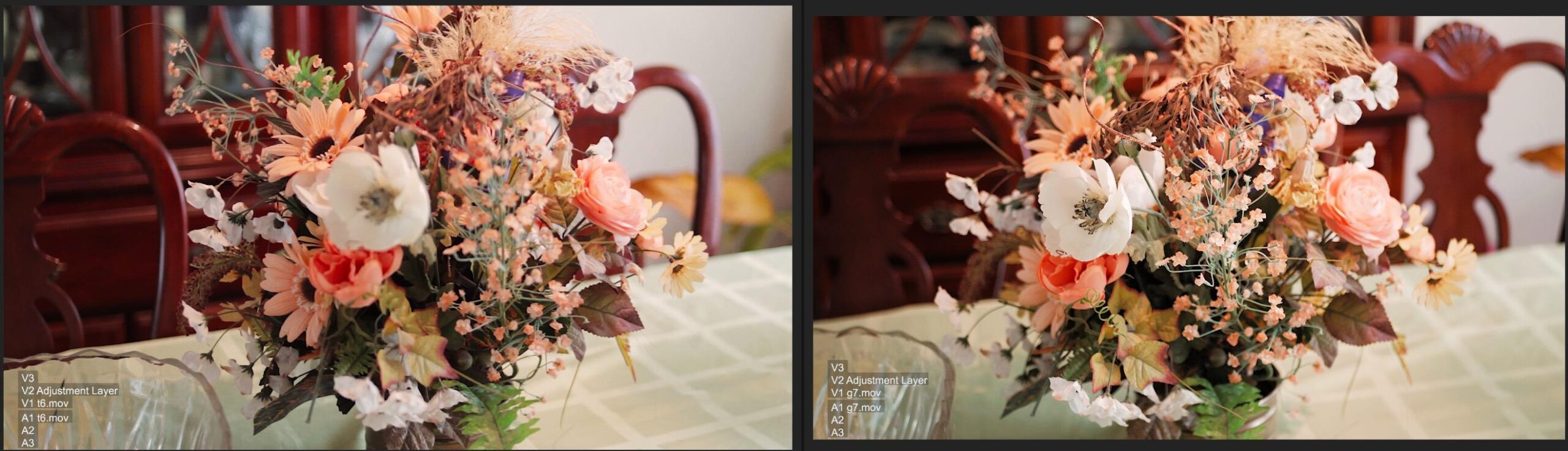
At under $70, this offers excellent value for photographers who need camera profiling without the premium price of the Passport Photo 2. The 24-patch design provides sufficient color reference for most applications.
Who Should Buy This
This suits photographers who need camera profiling for multiple camera systems or video work. The DaVinci Resolve integration makes it particularly valuable for videographers.
Who Should Skip This
Users who need portability and white balance tools should choose the Passport Photo 2 instead. The SpyderCHECKR is too bulky for casual location work.
7. Datacolor SpyderCube – 3D White Balance Tool
Pros
- Unique 3D design for precise white balance
- Includes black trap for absolute black reference
- Compact size with carry pouch
- Tripod thread for easy mounting
- Accelerates RAW processing workflow
Cons
- Premium price compared to simple gray cards
- Only 4 left in stock - availability issues
- Requires learning curve for proper usage
The Datacolor SpyderCube takes a different approach to capture calibration. Its 3D cube design with black trap, chrome ball, and white faces provides multiple reference points for setting white balance, exposure, contrast, and black point in post-processing.
The black trap creates an absolute black reference by trapping light inside a small opening. This helps set the black point in your images without clipping shadow detail. The chrome ball shows highlight positions and light source direction.
I find this particularly useful for product photography where accurate neutral grays matter. The white faces on multiple sides let me account for mixed lighting by sampling from the side receiving the primary light source.
The tripod thread allows secure mounting, keeping the tool positioned correctly during test shots. The compact carry pouch protects it during transport. At just 1.76 ounces, you will barely notice it in your bag.
Integration with Adobe Photoshop, Lightroom, and Premiere Pro is seamless. You can batch apply settings to entire photo series after setting reference points from a single SpyderCube shot.
Who Should Buy This
This tool suits photographers who do extensive RAW processing and want precise control over white balance and tonal range. Product photographers and fine art printers benefit most from the black trap feature.
Who Should Skip This
Users who shoot JPEG or apply minimal post-processing do not need this level of precision. A simple gray card provides adequate white balance for casual photography.
8. DGK Color Calibration Charts – Budget Entry Point
Pros
- Great value for budget photographers
- Includes 2 charts for versatility
- Compact size for easy portability
- Useful for white balance
- Works with various cameras and software
Cons
- Lightweight/thin stock not very durable
- Glossy finish can cause glare
- Cannot build automatic profiles with Adobe
- No calibration files provided
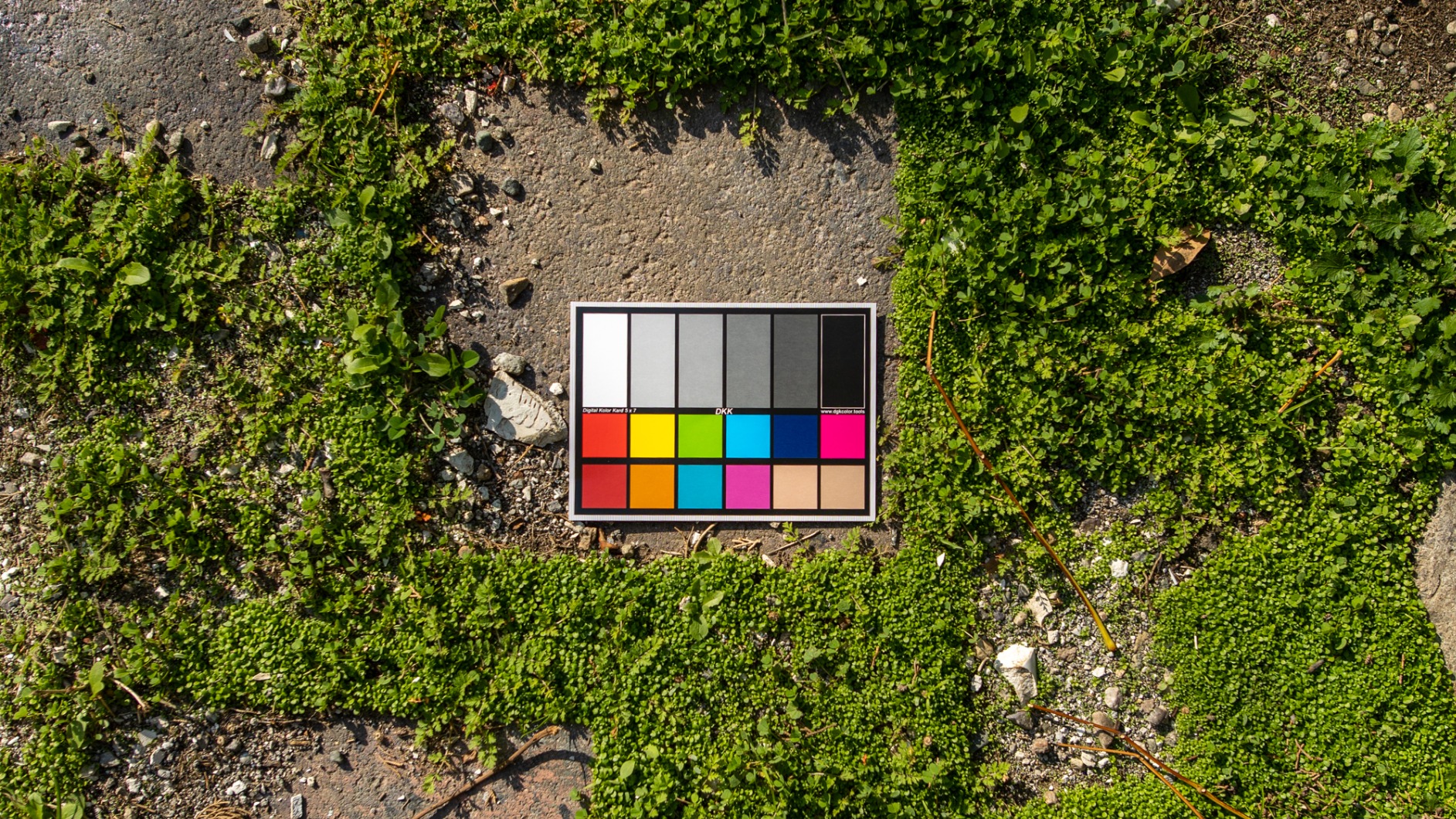
Color management should not require massive investment. The DGK Color Calibration Charts provide basic white balance and color reference for under $15, making them accessible to photographers at any level.
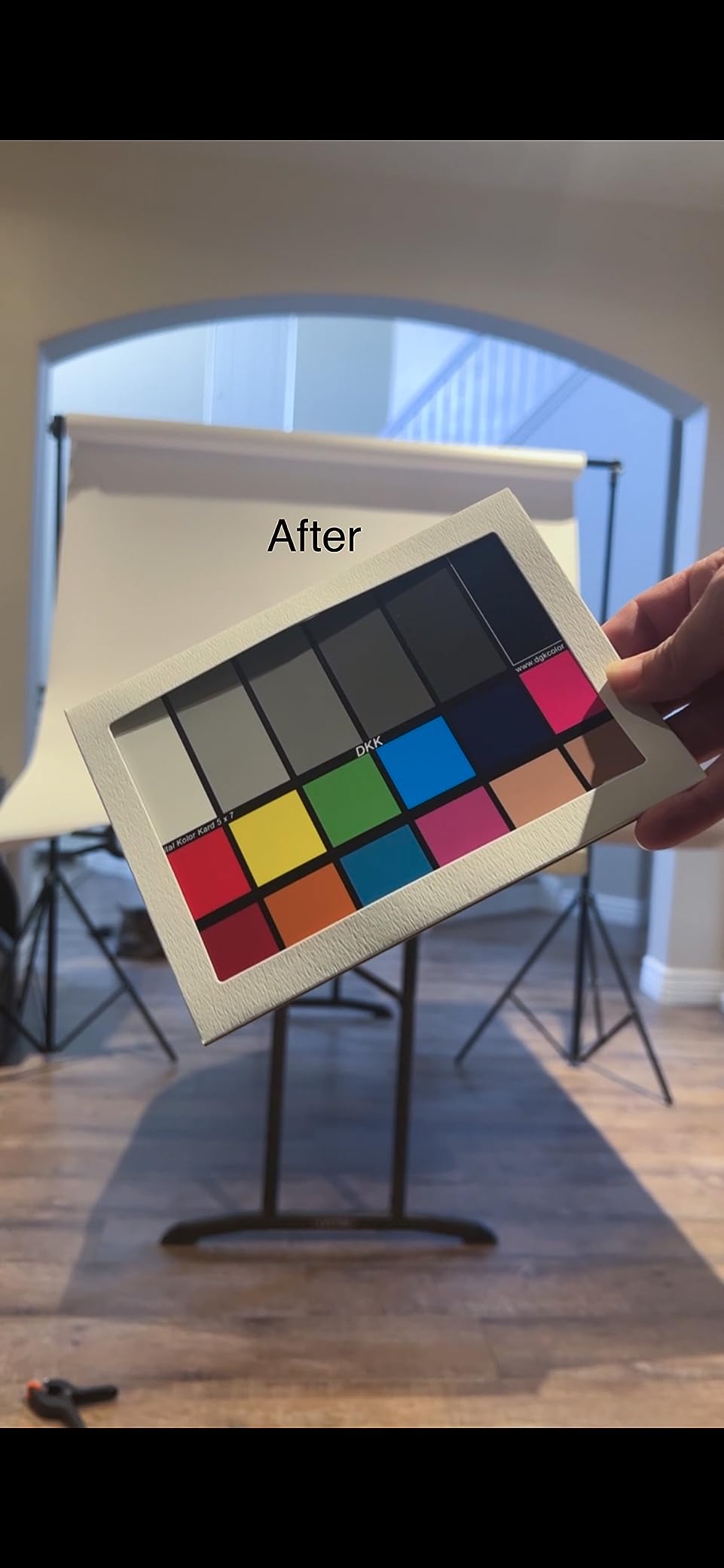
The set includes two 5×7 inch charts with 12% and 18% gray options. Different lighting situations call for different reference points, and having both provides flexibility. The integrated colorbar offers basic color reference for consistency checks.
I tested these as a starting point for a photographer just beginning to take color seriously. They delivered noticeable improvement over auto white balance, particularly in artificial lighting. The frame stand keeps them positioned correctly for test shots.
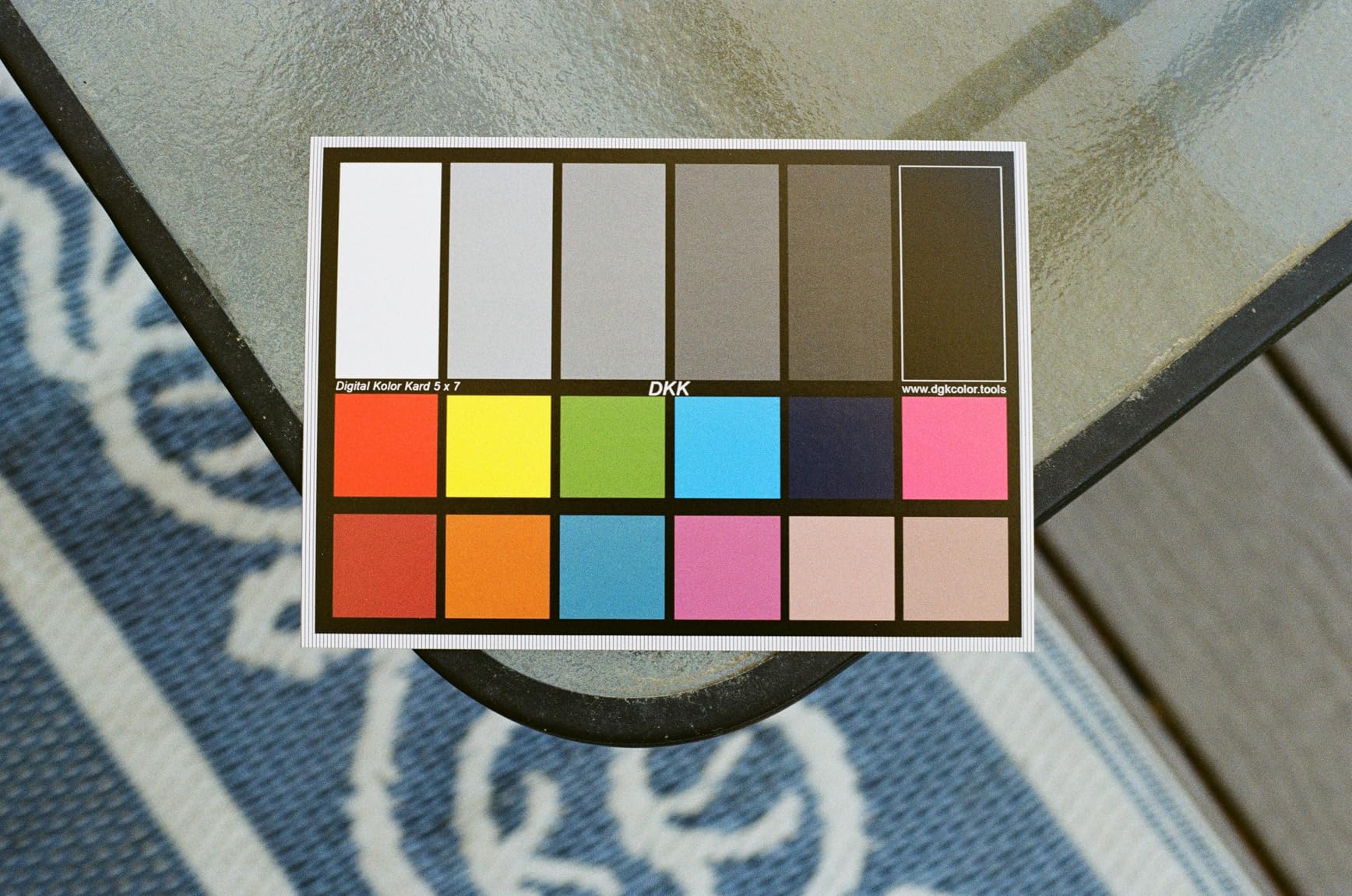
Build quality reflects the price. The lightweight stock feels flimsy and can bend easily. The glossy finish creates glare under direct lighting, requiring careful positioning. These are not professional-grade tools but rather stepping stones toward better color.
Importantly, these cards cannot create automatic camera profiles with Adobe DNG Profile Editor. They provide white balance reference only, not the colorimetric accuracy of true ColorChecker targets.
For photographers unsure whether color management matters, this affordable entry point proves the value without significant investment. Once you see the improvement, you will likely upgrade to proper tools.
Who Should Buy This
This is ideal for beginners curious about color management or photographers on tight budgets who need basic white balance reference. It is a stepping stone, not a final solution.
Who Should Skip This
Anyone doing paid work should invest in proper tools. Clients notice color inconsistency, and the savings here are not worth the risk of inaccurate results.
How to Choose the Best Color Management Tool In 2026?
Selecting the right color management tool depends on your specific workflow and equipment. Here are the key factors we considered during testing.
Display Type Compatibility
Modern displays vary dramatically in brightness and technology. Standard colorimeters handle monitors up to about 500 nits adequately. If you own an HDR display, mini-LED monitor, or Apple Pro Display XDR, you need a high-luminance sensor like the Calibrite Display Pro HL that measures up to 3000 nits.
OLED panels present unique challenges due to their emissive nature and perfect black levels. The Display Pro HL includes specific modes for OLED calibration that account for these characteristics.
Calibration Speed
Time adds up when calibrating multiple monitors. The Datacolor Spyder X series completes calibration in 1-2 minutes compared to 10-15 minutes for older designs. This matters for professionals who calibrate weekly or maintain several workstations.
Software Features
Calibration software varies in sophistication. Entry-level tools like the Spyder X Pro offer wizard-based workflows with preset targets. Professional tools like the ColorChecker Studio provide adaptive profiling, validation tools, and advanced customization.
Consider whether you need multi-monitor support, room-light monitoring, or validation features. These add cost but improve workflow efficiency for serious users.
Printer Profiling Requirements
Monitor calibration ensures your display shows accurate color. Printer profiling ensures your prints match that display. Only the Calibrite ColorChecker Studio includes printer profiling in our roundup. Other solutions require separate spectrophotometers for print calibration.
If you print in-house with multiple paper types, printer profiling pays for itself quickly. If you outsource printing to professional labs, monitor calibration alone suffices.
Capture Calibration vs Display Calibration
Color management has two phases: capture and output. Tools like the ColorChecker Passport Photo 2 and SpyderCHECKR 24 ensure accurate color from your camera. Tools like the Spyder X and Display Pro ensure accurate color on your monitor.
Complete color management requires both. Many professionals start with display calibration since that affects every image they edit. They add capture calibration as their workflow matures.
Budget Considerations
Quality color management tools range from $15 for basic gray cards to $569 for complete spectrophotometer systems. The investment pays for itself through reduced wasted prints and satisfied clients.
Our recommendation: Start with the Datacolor Spyder X Pro for display calibration and add the ColorChecker Passport Photo 2 for capture when budget allows. This combination covers 90% of photographer needs for under $350.
Frequently Asked Questions
What is Delta E in color calibration?
Delta E measures color difference between a target value and actual measurement. Values under 1.0 are imperceptible to the human eye. Values between 1.0 and 3.0 are acceptable for most photography work. Professional print workflows aim for Delta E under 2.0 across the entire color gamut. Your colorimeter should achieve Delta E values well below perceptible thresholds when calibration is complete.
How often should I calibrate my monitor?
Most manufacturers recommend calibrating every 2-4 weeks for critical work. Display characteristics drift over time due to backlight aging and panel changes. Professional photographers often calibrate weekly before major projects. At minimum, calibrate monthly if you print regularly. Ambient light changes and temperature fluctuations also affect accuracy, so recalibrate when moving your workspace.
What are the three C’s of color management?
The three C’s are Calibration, Characterization, and Conversion. Calibration adjusts your monitor to standard settings like white point and gamma. Characterization measures your display’s actual color response and creates an ICC profile. Conversion uses that profile to translate colors between different devices and color spaces like sRGB and Adobe RGB.
sRGB vs Adobe RGB for printing – which should I use?
Adobe RGB captures a wider color gamut and is preferable for printing, especially on fine art papers with wide gamut capabilities. However, sRGB is safer for web delivery and consumer prints. Many professionals work in Adobe RGB and convert to sRGB for web while keeping the wider gamut for print files. Your monitor should display at least 95% of Adobe RGB for serious print work.
Do I need printer profiling or just monitor calibration?
Monitor calibration ensures your screen shows accurate color. Printer profiling ensures your prints match that screen. You need both for accurate screen-to-print matching. Without printer profiles, the same image prints differently on different papers and printers. If you outsource printing, your lab handles printer profiling. If you print in-house, you need either a printer profiling solution like the ColorChecker Studio or custom profiles from paper manufacturers.
Final Thoughts
The best color management tools for print photographers depend on your specific workflow and budget. Our testing revealed clear winners in each category.
The Calibrite ColorChecker Studio earns our Editor’s Choice for photographers who need complete color control from capture to print. Its spectrophotometer handles monitors, printers, and scanners in one integrated solution.
The Calibrite Display Pro HL offers the best value for photographers with modern HDR or mini-LED displays. Its 3000-nit sensor capability future-proofs your investment as display technology advances.
The Datacolor Spyder X Pro remains the best entry point for photographers new to color management. Its ease of use and affordable price lower the barrier to accurate color.
Remember that color management is a workflow, not a single purchase. Start with monitor calibration, add capture tools as your needs grow, and consider printer profiling if you print in-house. Your future self will thank you when client prints match your screen perfectly in 2026.