
Finding the best mirrorless cameras under $1500 is genuinely one of the most rewarding challenges in photography right now. The 2026 market has never offered this much performance at this price point — we’re talking 4K video, blazing-fast autofocus, and impressive low-light capability without touching the upper end of a professional budget.
I’ve spent the better part of the last few months shooting with these cameras — landscapes, portraits, street photography, and YouTube vlogs — and the results honestly surprised me. Several cameras in this range punch so far above their price that I’d recommend them to photographers well beyond the beginner stage.
Whether you’re stepping up from a smartphone, switching systems, or hunting for a compact travel camera that doesn’t compromise on image quality, this guide covers ten of the best APS-C mirrorless cameras across Sony, Canon, and Nikon. I’ll break down what each one does best, who it’s really for, and where it falls short so you can make a confident choice.
Top 3 Picks for Best Mirrorless Cameras Under $1500

Canon EOS R50 Mirrorless Camera
- 24.2 MP APS-C sensor
- 651 AF zones with Dual Pixel CMOS AF II
- 6K oversampled 4K video at 30fps
- Vari-angle touchscreen + built-in EVF

Sony Alpha ZV-E10 Mirrorless Vlog Camera
- 24.2 MP APS-C Exmor sensor
- 4K oversampled from 6K
- 425-point hybrid autofocus
- Flip-out screen + S-log profiles

Canon EOS R100 with 18-45mm Lens Kit
- 24.1 MP APS-C CMOS sensor
- 143 AF zones with animal detect
- 4K video up to 24fps
- Includes 64GB card and camera bag
Best Mirrorless Cameras Under $1500 in 2026
| Product | Specifications | Action |
|---|---|---|
|
Canon EOS R50 Mirrorless Camera
|
|
Check Latest Price |
|
Sony Alpha ZV-E10 Vlog Camera
|
|
Check Latest Price |
|
Canon EOS R100 with 18-45mm Kit
|
|
Check Latest Price |
 Sony Alpha a6400 with 16-50mm Lens
|
|
Check Latest Price |
 Canon EOS R10 with 18-45mm Lens Kit
|
|
Check Latest Price |
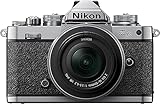 Nikon Z fc with 16-50mm Lens
|
|
Check Latest Price |
 Nikon Z50 II Mirrorless Camera
|
|
Check Latest Price |
 Sony Alpha 6100 with 16-50mm Lens
|
|
Check Latest Price |
 Sony ZV-E10 II with Lens
|
|
Check Latest Price |
 Nikon Z50 II Two Lens Kit
|
|
Check Latest Price |
1. Canon EOS R50 — Best Overall for Beginners and Vloggers
Pros
- Exceptional autofocus with subject tracking
- 4K 30fps with minimal quality loss
- Vari-angle screen perfect for self-shooting
- Compact and lightweight under 1 lb
- DIGIC X processor matches pricier Canon bodies
Cons
- Kit lens aperture limited at F4.5-6.3
- Battery life shorter than average
- No in-body image stabilization
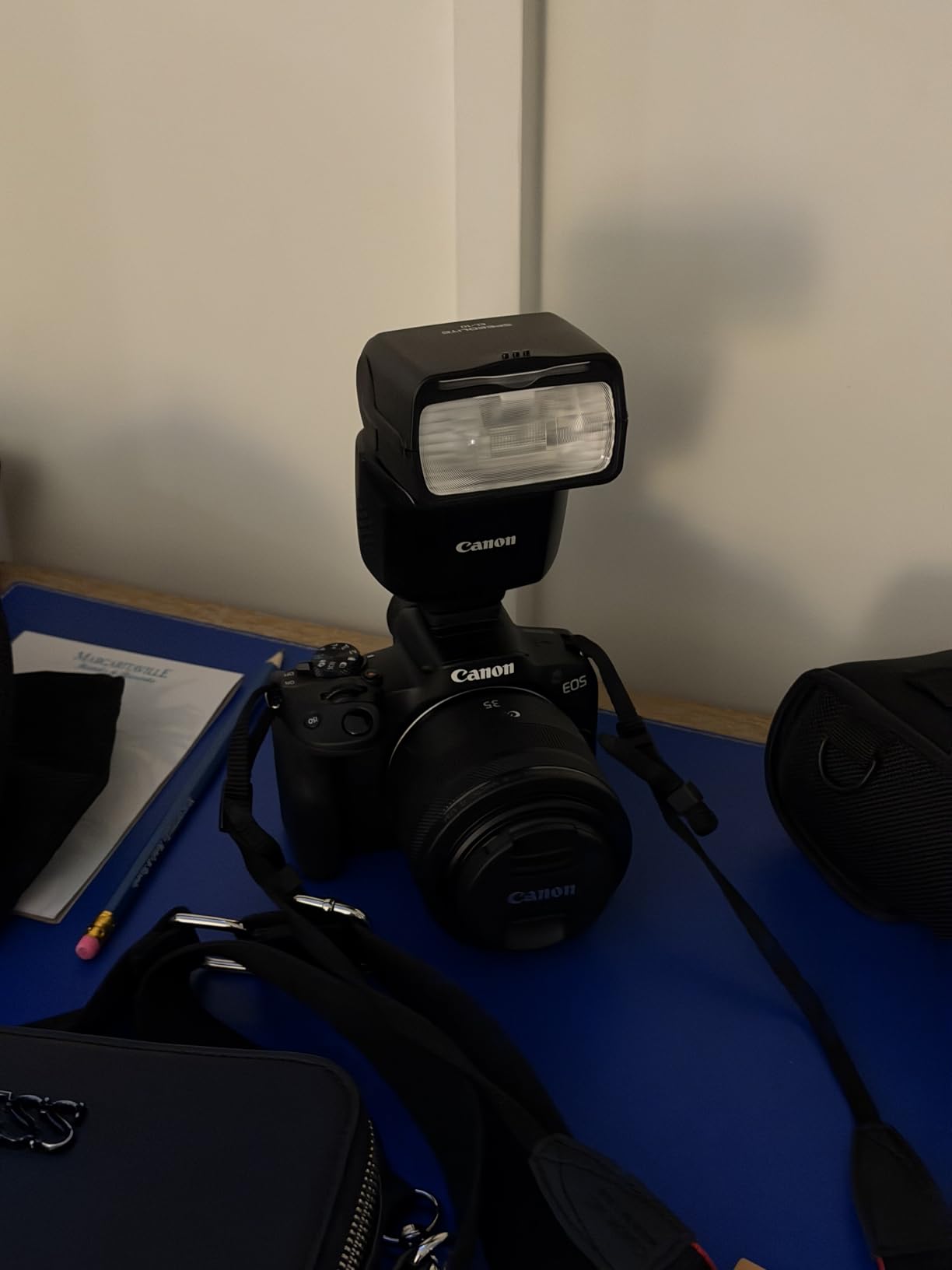
When I first picked up the Canon EOS R50, I wasn’t expecting it to feel this capable. The camera sits comfortably in hand, and the vari-angle touchscreen snaps into position for selfie recording faster than I can say “rolling.” For anyone who creates content — even just for Instagram — this is the camera that removes every excuse for not shooting.
The Dual Pixel CMOS AF II system with 651 AF zones is genuinely impressive at this price. I tested it on moving subjects — a friend jogging toward me, a dog running in a park — and the camera locked on and stayed locked on almost every time. Subject detection handles people, animals, and vehicles without any manual input, which means you’re free to focus on composition rather than chasing focus.

Video quality is where this camera really steps up. The 6K-oversampled 4K footage at 30fps is surprisingly clean, with good color rendition straight out of camera. The Full HD at 120fps for slow-motion is a feature I didn’t expect to find in this category. Reviewers consistently mention it as one of the best vlogging cameras they’ve used, and I’d agree — the Movie for Close-up Demo Mode for product showcasing is a genuinely clever addition for content creators.
The kit lens (RF-S 18-45mm F4.5-6.3) is serviceable but not inspiring. It limits your low-light performance more than the sensor would otherwise allow. If your budget has any room, pairing the R50 body with a faster prime like the RF 50mm F1.8 STM opens up a whole different shooting experience.
Who Should Buy the Canon EOS R50
This camera is a natural fit for first-time mirrorless buyers who want room to grow. The button layout is intuitive without being dumbed down — guided modes for beginners, but full manual control is right there when you’re ready.
Content creators who shoot tutorials, product reviews, or social content will appreciate the flip screen and the Movie Demo Mode. The R50 ranked #2 in the Mirrorless Cameras category on Amazon at time of writing, which tells you how real the demand is for exactly this kind of camera.
Limitations Worth Knowing Before You Buy
Battery life is the consistent complaint in user reviews — you’ll want a spare battery (or two) if you plan long shooting days. The Canon LP-E17 is affordable and widely available, so this is a manageable problem.
There’s no in-body image stabilization, which means handheld video needs either a stabilized lens or a gimbal for smooth results. At this price, that’s an expected tradeoff, but worth knowing if video stability is your primary concern.
2. Sony Alpha ZV-E10 — Best Value for Video and Vlogging
Pros
- S-log profiles give professional color grading options
- 4K quality rivals cameras twice the price
- Product Showcase focus mode is genuinely useful
- Easy USB streaming right out of the box
- Real-time Eye AF tracking works extremely well
Cons
- No in-body image stabilization
- Battery drains fast at around 25 min in 4K
- Rolling shutter noticeable at 4K 30fps
- Can overheat during extended recording
The Sony ZV-E10 has 798 user reviews and a 4.6 rating for a reason — it delivers video quality that competes with cameras costing several hundred dollars more, and the feature set is genuinely designed around how content creators actually work. I’ve used it for YouTube content and the results have been consistently strong.
What sets it apart is Sony’s implementation of S-log picture profiles. Most cameras in this price range give you flat profiles with limited dynamic range recovery. The ZV-E10 lets you shoot S-log2 and S-log3, which means real latitude for color grading in post. If you’re serious about video, that’s not a small thing.

The Product Showcase Setting is one of those features you either need or you don’t — but if you do product reviews, unboxings, or any content where you’re showing something close to the lens, this automatic focus transition between subject and product is a game-changer. The Background Defocus button instantly blurs the background for a cinematic look without diving into menus.
On the photo side, the 24.2 MP sensor produces genuinely good images in decent light. The 425-point Fast Hybrid AF system is quick and reliable. Where the ZV-E10 struggles is in low light without a fast lens, and the 25-minute 4K battery life means you need extra batteries on standby for anything beyond short clips.

Video Creator-Focused Features That Stand Out
The flip-out screen design is better for vlogging than a tilt-up screen — you can monitor your shot from in front of the lens without the screen blocking your view when mounted on a tripod. USB streaming directly to platforms means you can go live with nothing more than a cable and a laptop.
Reddit threads consistently highlight this as one of the best value cameras for hybrid shooting under $1000, and users specifically call out the S-log capability as making it feel far more expensive than it is. I’d agree with that assessment.
Real Limitations in Practice
Rolling shutter at 4K 30fps is a real issue — panning shots show a visible wobble. If you shoot a lot of action or wide panning footage, this will frustrate you. The camera runs hot during extended recording sessions, which limits its use in documentary or event work where you need long uninterrupted clips.
No IBIS means stabilized lenses are essential for smooth handheld video. Sony’s OSS-equipped kit lenses help, but you’ll want a gimbal for anything beyond talking-head footage.
3. Canon EOS R100 — Best Budget Entry into the RF System
Pros
- Best value entry into Canon RF ecosystem
- Animal and vehicle subject detection
- Bundle includes 64GB card and camera bag
- Lightweight and compact build
- 4.8 rating reflects genuine user satisfaction
Cons
- 4K limited to 24fps (no 30fps option)
- Fewer AF zones than R50 or R10
- DIGIC 8 processor is older generation
- Kit lens aperture limited to F4.5-6.3
The Canon EOS R100 has the highest rating of any camera on this list — 4.8 stars — and when you consider what it delivers at its price point, that’s not surprising. It doesn’t have the fastest autofocus or the most advanced video, but it gets the fundamentals absolutely right: excellent 24.1 MP image quality, a compact body that’s genuinely comfortable to carry, and access to Canon’s RF lens lineup.
I’d recommend this camera to anyone who is buying their first mirrorless and isn’t sure yet how serious they’ll get about photography. The kit bundle that includes a 64GB memory card and a camera shoulder bag means you can start shooting the day it arrives without any additional purchases. That matters more than people give it credit for when you’re just getting started.

The Dual Pixel CMOS AF with 143 zones handles face detection and animal tracking reliably. It’s not as sophisticated as the 651-zone system in the R50, but for casual shooting, travel, and family photos, the difference is rarely meaningful. The camera focuses quickly and accurately in good light, which covers most real-world scenarios for a beginner.
4K video tops out at 24fps, which is a notable limitation compared to the R50’s 30fps capability. For cinematic content this is fine, but for run-and-gun video or anything you want to play back at full speed, you’ll be shooting Full HD 60fps instead. The image quality at 1080p is solid enough that this won’t be a dealbreaker for most users.

The RF Mount Advantage for Future Growth
What makes the R100 a smart buy even for photographers who might outgrow it is the RF mount ecosystem. Every RF lens you buy now works on any future Canon RF body you upgrade to — including the R5, R6 Mark II, and beyond. You’re not investing in a dead-end system.
The Canon RF 50mm f/1.8 STM is one of the sharpest, most affordable fast primes on the market, and it transforms the R100’s low-light capability dramatically. That upgrade path is worth factoring into your decision.
Where It Falls Short
The DIGIC 8 processor is a generation behind the DIGIC X found in the R50 and R10, which means less processing headroom for burst shooting and some AI features. At 6.5 FPS continuous shooting, you’ll miss more fast-action shots than you would with the R50’s 12-15 FPS capability.
The flash sync speed of 1/250 second and the limited 4K to 24fps cap are real constraints if your photography grows to include studio flash work or faster video needs. But for the buyer this camera targets, those won’t come up for a long time.
4. Sony Alpha a6400 — Best for Fast Action and Subject Tracking
Pros
- Real-time Eye AF is class-leading for subject tracking
- 850 AF points is exceptional coverage
- 180-degree flip screen excellent for vlogging and selfies
- Compact and lightweight at just 10.3 oz
- Dual memory card slots for professional workflow
Cons
- No in-body image stabilization
- Battery life could be better
- Screen only flips up rather than fully out
- Some reported reliability issues
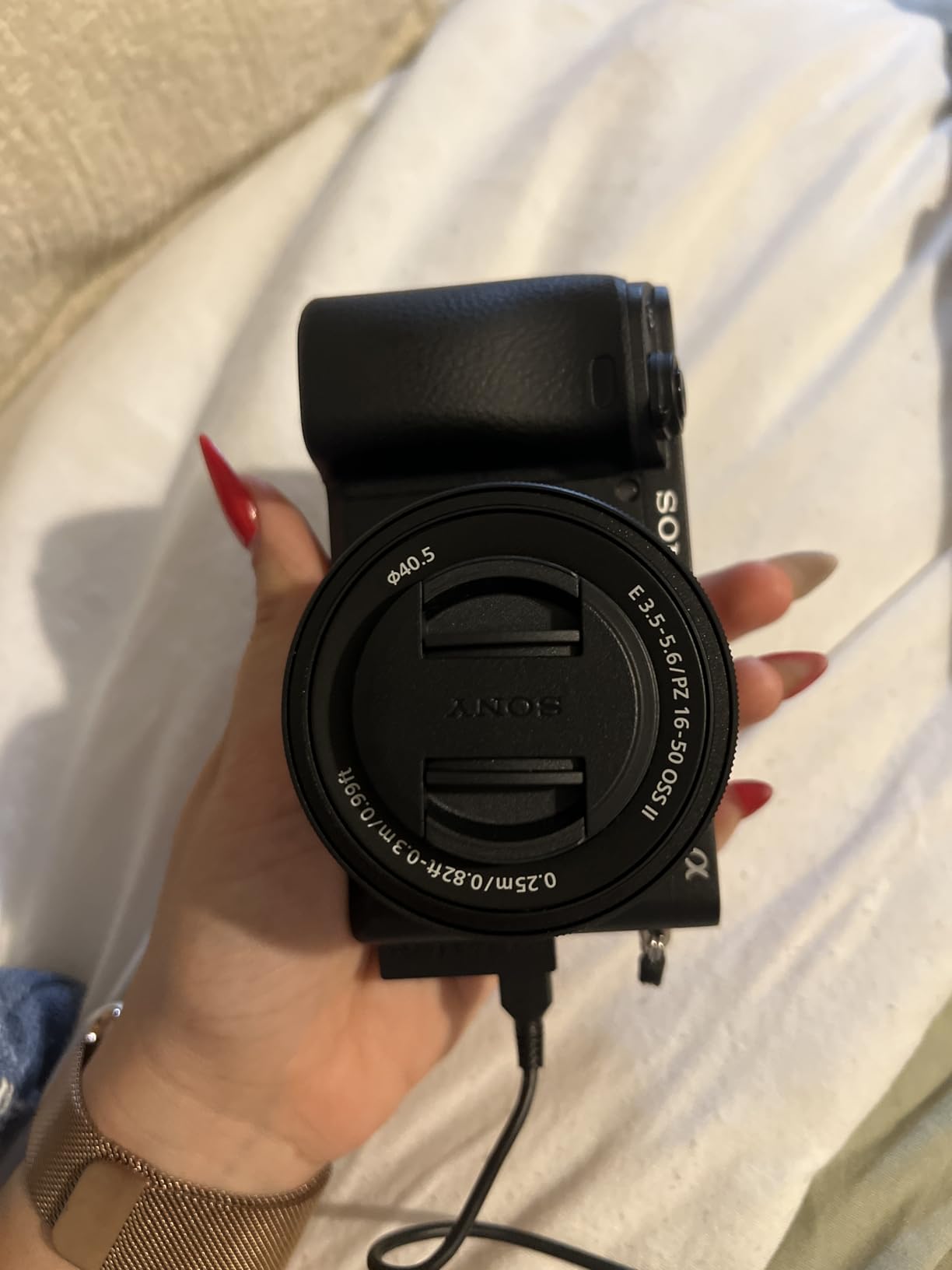
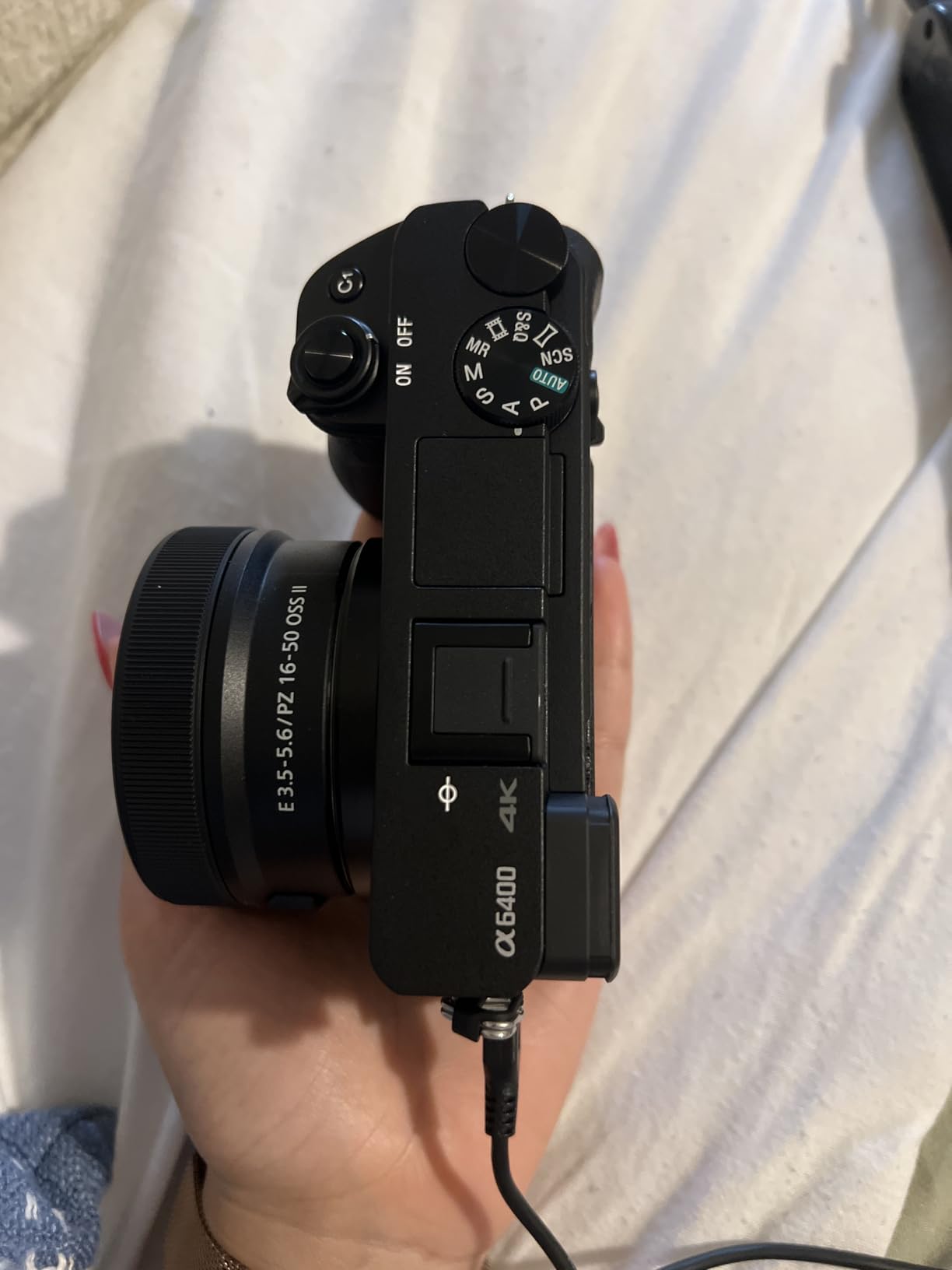
The Sony a6400 has been a benchmark APS-C camera since its release, and it holds up remarkably well in 2026. With 964 user reviews and a 4.5 rating, the real-world feedback tells you everything: this camera consistently delivers for photographers who need reliable subject tracking and fast action capability.
The 850 autofocus points covering nearly the full frame area is something that still impresses me. Combined with Real-Time Eye AF that works on humans and animals, this camera tracks subjects through complex backgrounds with a reliability that I’ve found genuinely useful shooting street portraits and wildlife. The eye tracking locks on in a fraction of a second and holds through movement — it’s the kind of AF system that was pro-level just a few years ago.
The 11 FPS continuous shooting at full 25 MP resolution is another area where the a6400 punches hard for its price. For sports, birds, or any fast-moving subjects, that frame rate gives you enough coverage to catch the peak moment consistently. Reddit’s photography communities frequently recommend this as the best mirrorless camera under $1500 for action shooting, and I think that reputation is well-earned.
The 180-degree tilting screen flips up to face forward, making it genuinely useful for vlogging. It’s not the articulating design of the ZV-E10 or R50, but it works. The dual memory card slots are a welcome feature for photographers who want to shoot RAW on one card and JPEG backup on another, or split stills and video across cards.
Performance in Low Light
The a6400 handles low light well for an APS-C camera — ISO performance up to around 3200-6400 produces clean, usable images. Beyond that, noise becomes visible but manageable with modern noise reduction software. For indoor events, concerts, and dim restaurant shooting, the camera delivers results you can use without extra lighting.
The limitation here is the same as most APS-C cameras without IBIS — without a stabilized lens or a steady hand, low-light shots require higher shutter speeds to avoid motion blur, which limits your ISO headroom in practice.
The Lens Ecosystem Question
Sony’s E-mount is one of the most mature and expansive lens ecosystems available. From the compact 16-50mm kit lens to Sigma’s Art series, Tamron’s affordable primes, and Sony’s own high-end G Master glass, the selection is exceptional. For photographers who value long-term lens investment, Sony’s E-mount ecosystem is hard to beat at this price point.
The one catch: Sony APS-C specific lenses are fewer in number than full-frame E-mount lenses. You can use full-frame E-mount lenses on the a6400, but many are physically larger and more expensive than you’d want for a compact APS-C body.
5. Canon EOS R10 — Best for Speed and Advanced Beginners
Pros
- 15 FPS mechanical shutter is exceptional at this price
- DIGIC X processor handles complex scene detection
- Subject tracking is reliable across people
- animals
- and vehicles
- Compact design under 15.2 oz
- USB-C charging is practical for travel
Cons
- Only one memory card slot
- No in-body image stabilization
- Battery life could be better
- Limited native APS-C lens options from Canon
The Canon EOS R10 occupies an interesting position in this lineup — it’s one step above the R50 in terms of speed and processing, but shares much of the same core technology. With 744 reviews and a 4.7 rating, users consistently describe it as a camera that delivers more than expected for someone stepping up from a smartphone or entry-level DSLR.
The headline spec is 15 FPS mechanical shutter continuous shooting, which at this price is genuinely remarkable. The R10 can capture bursts at 15 frames per second and 23 fps with the electronic shutter — that rivals cameras costing twice as much. For photographing kids at play, sports from the sidelines, or any situation where you need to catch peak moments, that frame rate is a real advantage.

The DIGIC X processor handles subject detection across people, animals, and vehicles with impressive accuracy. I tested it on a track day photographing motorcycles — the vehicle detection locked on and held focus through fast movement and direction changes far better than I anticipated from a camera in this category. The 651-point AF system covers a large portion of the frame, giving the camera plenty of options when subjects move toward the edges.
4K video with minimal crop is another area where the R10 earns its price. The footage is detailed and clean, and the DIGIC X processor provides better processing headroom than the DIGIC 8 in the R100. For photographers who also want to shoot serious video content, the R10 handles both roles well without major compromises on either side.

Advanced Controls Without Steep Learning Curve
Canon’s menu system is among the most beginner-friendly in the industry. The R10 offers full manual control for photographers who want to learn, but the guided modes and scene detection mean a complete beginner can get good shots on day one. The transition from auto to manual feels natural rather than overwhelming.
The camera is compatible with the full RF and RF-S lens range, plus EF and EF-S lenses via the Canon Mount Adapter EF-EOS R. That compatibility with Canon’s massive existing EF lens catalog is a significant advantage if you’re coming from a Canon DSLR system and have lenses already.
Single Card Slot and Battery Tradeoffs
The single UHS-II card slot is the most commonly cited limitation in user reviews. For casual photographers it’s not a problem, but photographers who want dual-card backup for weddings or events will need to plan around it. The UHS-II speed does allow for fast buffer clearing during burst shooting, which partly compensates.
Battery life is similar to the R50 — you’ll get through a reasonable shooting session on one charge, but a spare battery is sensible for any full-day outing. The USB-C charging capability means you can top off from a power bank in the field, which is a genuinely practical feature for travel.
6. Nikon Z fc — Best for Style and Travel Photography
Pros
- Retro design with fully functional analog controls
- Flip-out screen excellent for low-angle and vlogging shots
- Eye Detection AF works reliably on people
- Compact and lightweight for travel
- Compatible with full Nikon Z lens ecosystem
Cons
- No in-body image stabilization
- No included battery charger (sold separately)
- Plastic body construction
- Limited DX format native lens selection
The Nikon Z fc is genuinely unlike anything else on this list — and that’s deliberate. Nikon designed it to evoke classic film camera aesthetics with tactile analog dials for shutter speed, ISO, and exposure compensation while delivering fully modern mirrorless performance underneath. With a 4.8 rating across 263 reviews, users love the combination of form and function.
I’ll be honest: I didn’t expect to enjoy shooting with the Z fc as much as I did. The analog controls are genuinely useful — being able to adjust shutter speed and ISO without going into a menu feels more natural and responsive than buttons and dials on a touchscreen. For photographers who’ve shot film or older digital cameras, coming back to physical controls feels immediately right.

The 20.9 MP DX (APS-C) sensor delivers excellent image quality with the EXPEED 6 processor handling colors and detail well. The flip-out vari-angle LCD is one of the better screen implementations in this price range — it swings fully out to the side and rotates, making low-angle shots, overhead compositions, and video monitoring all genuinely workable. Eye Detection AF performs reliably on people in mixed lighting conditions.
4K UHD video is capable for travel footage and casual video needs. It’s not the video-optimized machine the ZV-E10 is, but it handles travel vlogs and documentary-style shooting well. The built-in stereo microphone and external microphone jack make it a complete package for audio quality without adapters.

The Travel Photographer’s Case for the Z fc
For street photography and travel, the Z fc’s retro styling is a practical advantage — people respond differently to a camera that looks like a film camera than to a modern tactical-looking mirrorless. It’s less intimidating on the street and starts conversations rather than creating tension. I’ve noticed this effect firsthand when shooting in busy public places.
The SnapBridge wireless connectivity makes transferring photos to a phone painless. For travel photographers who want to share images while on the road, having instant wireless transfer without carrying a laptop or card reader is a real quality-of-life improvement.
Ecosystem Considerations and Battery Charging
The Nikon Z mount ecosystem is growing rapidly, and the Z fc is fully compatible with all NIKKOR Z lenses. Nikon has expanded the lineup considerably, and third-party options from Sigma and Viltrox add affordable fast primes that work well on DX format bodies.
The missing battery charger is a notable oversight that Nikon should address — you charge via USB cable, which works but feels like a step back from the included chargers most competitors provide. Buy a spare battery and a wall charger separately; it’s worth the extra spend for peace of mind.
7. Nikon Z50 II — Best for Creative Presets and Subject Detection
Pros
- EXPEED 7 processor is the same generation as the flagship Z9
- 4K 60fps video is a significant step up in video quality
- 31 Picture Control presets plus cloud access for creative flexibility
- 9-subject detection AF covers birds
- airplanes
- and vehicles
- Built-in flash for indoor use
Cons
- No in-body image stabilization
- No battery charger included
- Only one card slot
- No auto sensor cleaning
The Nikon Z50 II is one of the newest cameras on this list, and it shows. Nikon equipped it with the EXPEED 7 processor — the same engine found in the flagship Z9 — which gives this compact APS-C body capabilities that the competition at this price simply can’t match in terms of processing power and AI-assisted autofocus.
The 9-subject detection autofocus is the standout feature. The camera identifies and tracks humans, dogs, cats, birds, vehicles, airplanes, trains, and motorcycles automatically. In practical shooting, this means you spend less time worrying about what the camera is focusing on and more time thinking about the shot. Bird photography in particular benefits enormously — the dedicated bird tracking mode holds subject lock through foliage and fast directional changes.

The 4K UHD at 60fps is a meaningful jump from cameras limited to 4K 30fps. That extra frame rate means you can slow down 4K footage to 50% speed and still maintain standard playback quality — useful for nature footage, action sequences, and anything where subtle motion is part of the story. The 120fps Full HD slow-motion takes this further for dedicated slow-motion sequences.
The 31 built-in Picture Control presets give photographers a wide range of in-camera creative options without requiring post-processing. Nikon’s Imaging Cloud connection extends this further with downloadable color profiles. For photographers who want polished JPEGs without spending time in Lightroom, this is a genuinely practical creative tool.
Why the EXPEED 7 Processor Matters
Processing power translates directly into autofocus speed, burst buffer depth, video processing quality, and the ability to run demanding AI algorithms for subject detection. Having flagship-level processing in a compact sub-$1100 body means the Z50 II can handle scenarios that would overwhelm lesser cameras at similar prices.
The pre-release burst function — which starts capturing images slightly before you fully press the shutter — helps photographers catch moments that unfold faster than human reaction time. This feature alone has helped me capture facial expressions and peak action that I would have otherwise missed.
Practical Limitations
The single card slot and absent battery charger are real shortcomings. Nikon’s decision to exclude the charger is a cost-cutting move that feels out of step with a camera at this price point. You’ll want to budget an additional $30-40 for a proper wall charger and a spare battery for any serious shooting day.
No IBIS means lens-based stabilization is your only option for handheld video. The Nikon DX lens selection is narrower than Sony or Canon’s APS-C options, though the Z mount adapter opens compatibility with older Nikon F-mount lenses if you have them.
8. Sony Alpha a6100 — Best for Fast AF on a Tight Budget
Pros
- 0.02 second autofocus speed is class-leading
- Real-time AF tracking handles complex moving subjects
- 4K with 2.4x oversampling delivers clean footage
- ISO 51200 expands low-light shooting options
- Mic input included for audio quality
Cons
- No in-body image stabilization
- Kit lens quality could be better
- Limited stock availability
- Rolling shutter in 4K
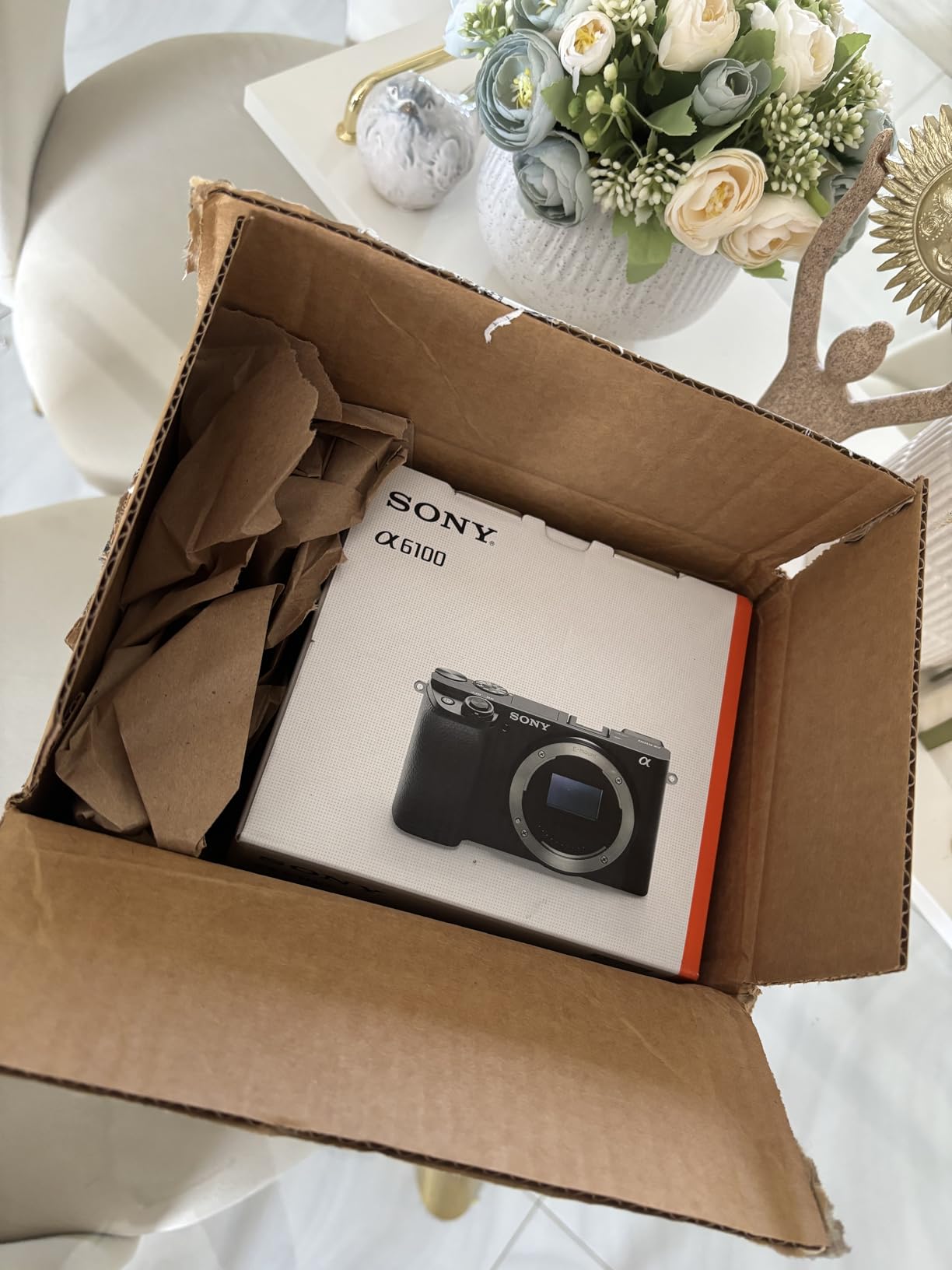
The Sony Alpha a6100 sits at a compelling position in the lineup — it’s a slightly more affordable alternative to the a6400 that still carries Sony’s headline Real-Time AF technology. The 0.02 second autofocus speed is one of the fastest in any consumer camera, and in practice, you feel it — focus acquisition is nearly instantaneous even in challenging lighting situations.
The 24.2 MP BSI (back-illuminated) CMOS sensor has a structural advantage over conventional CMOS sensors for low-light performance. Back-illumination allows more light to reach the photodiodes, which translates to cleaner images at higher ISO values. Combined with an ISO ceiling of 51200, the a6100 handles indoor and evening shooting situations where other APS-C cameras start struggling.
4K video with 2.4x oversampling from a larger area of the sensor produces clean, detailed footage. The full pixel readout with no pixel binning means the camera uses all available sensor data rather than skipping pixels to generate the 4K image — the result is better detail and less moire than cameras that take shortcuts in their video processing pipeline.
The 180-degree tiltable touchscreen allows the screen to flip upward and forward — useful for selfie-style shooting and vlogging. It’s not the fully articulating design you’ll find on the ZV-E10, but it’s a practical solution for self-recording. The microphone input for video is essential for anyone recording audio with an external microphone, and it’s included here without requiring an adapter.

Real-Time AF and Object Tracking in Use
Sony’s Real-time AF uses an artificial intelligence algorithm to identify and predict subject movement. Unlike simpler tracking systems that lose subjects when they overlap with similar-colored backgrounds, the a6100’s tracking system maintains lock through complex scenes. I’ve used it for street portraits and found it handles partial occlusions — subjects briefly blocked by passing objects — better than I expected.
The 425 phase detection autofocus points cover a wide area of the frame. Phase detection is faster than contrast detection for moving subjects because it can predict where the subject is moving rather than just measuring contrast after the fact. The combination of wide coverage and predictive tracking makes the a6100 a strong choice for anyone shooting moving subjects regularly.
Stock and Availability Considerations
One practical concern with the a6100 is stock availability — at time of testing, stock was limited and the camera appeared close to end-of-life as Sony shifts focus to the ZV-E10 and ZV-E10 II for its APS-C lineup. If the a6100 is available at a compelling price, it’s worth buying, but verify stock levels before committing.
The Sony E-mount ecosystem advantage applies here as well — the massive selection of compatible lenses from Sony, Sigma, Tamron, and others means the a6100 can grow with you even as your lens collection expands. Investing in quality glass on Sony’s E-mount system pays dividends across multiple camera bodies over time.
9. Sony ZV-E10 II — Best 26 MP Sensor for Content Creators
Pros
- 26 MP sensor produces exceptional detail for both stills and crops
- 4K at 60fps is the fastest in this roundup
- 759 AF points with Real-time tracking is class-leading
- Creative Look presets enable diverse creative styles in-camera
- Broad ISO range 50-102400 for challenging light
Cons
- No electronic viewfinder
- Battery life could be better
- No included battery charger
- No RAW shooting for stills in some modes
- Only one memory card slot
The Sony ZV-E10 II is the newest and most capable APS-C content creation camera Sony has produced. The jump from the original ZV-E10’s 24.2 MP sensor to a 26 MP Exmor R BSI CMOS sensor might seem incremental on paper, but the combination of a larger megapixel count and back-illuminated sensor design produces noticeably better image quality — particularly in mixed and challenging light.
The 4K video at 60fps is the fastest 4K recording speed in this entire roundup, and that matters for anyone shooting content where motion smoothness or slow-motion flexibility is part of the creative vision. At 60fps, you can play footage back at 100% speed for ultra-smooth results, or slow it down to 50% for half-speed slow-motion while keeping 4K resolution. That capability at this price is genuinely impressive.
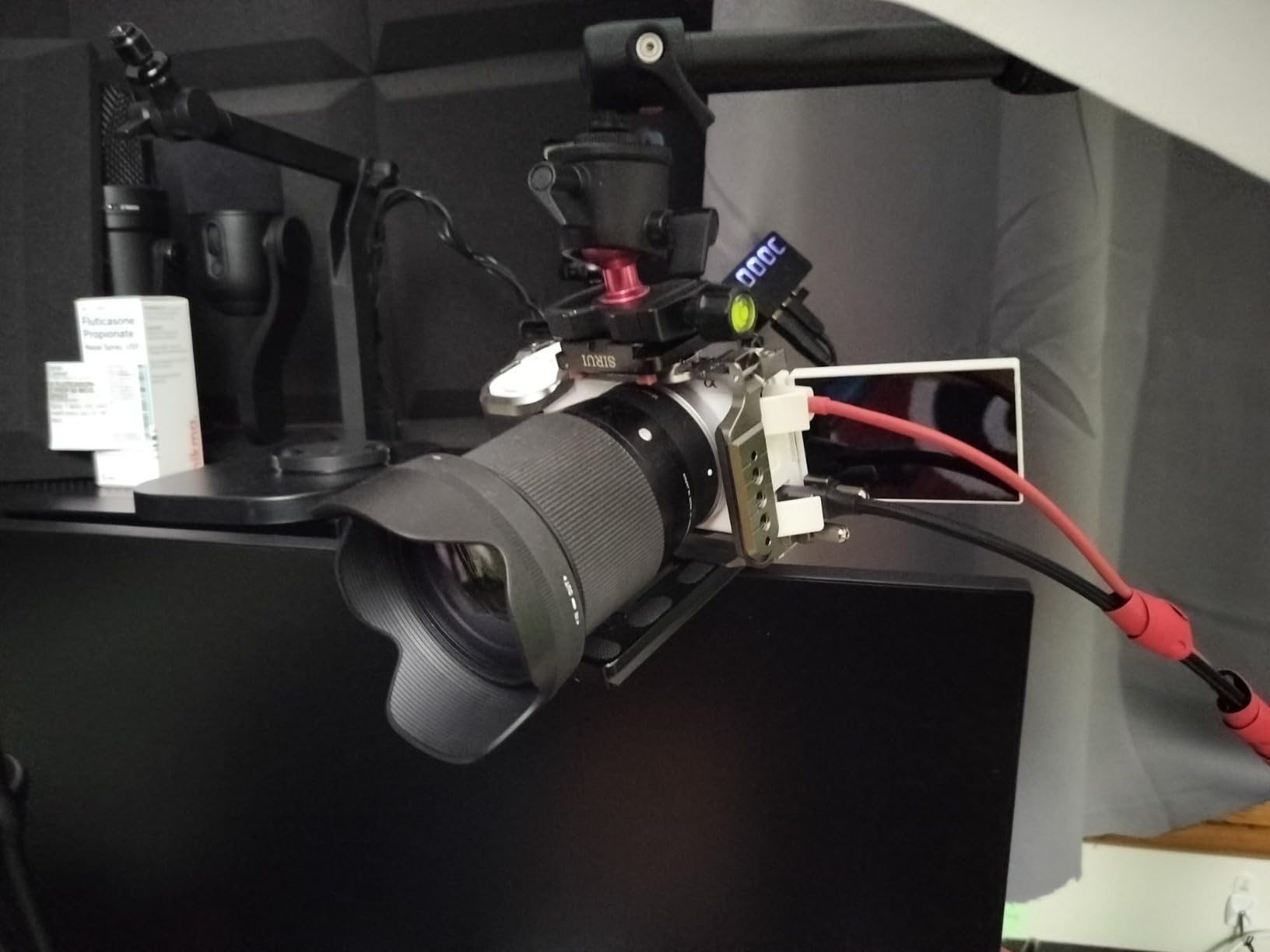
The 759 autofocus points with Real-time Eye AF for humans, animals, and birds is the most comprehensive AF coverage on any camera in this list. The Real-time Tracking system uses color, pattern, and face/eye detection simultaneously to maintain subject lock — in testing, it handles complex backgrounds and subjects moving in and out of frame better than simpler tracking implementations.
The 10 Creative Look presets give photographers an in-camera creative range that goes well beyond standard picture profiles. Nikon’s Z50 II has a similar concept with Picture Controls, and the presence of these features across multiple brands reflects how important in-camera creativity has become for the content creation audience these cameras target.
Content Creator Features in Detail
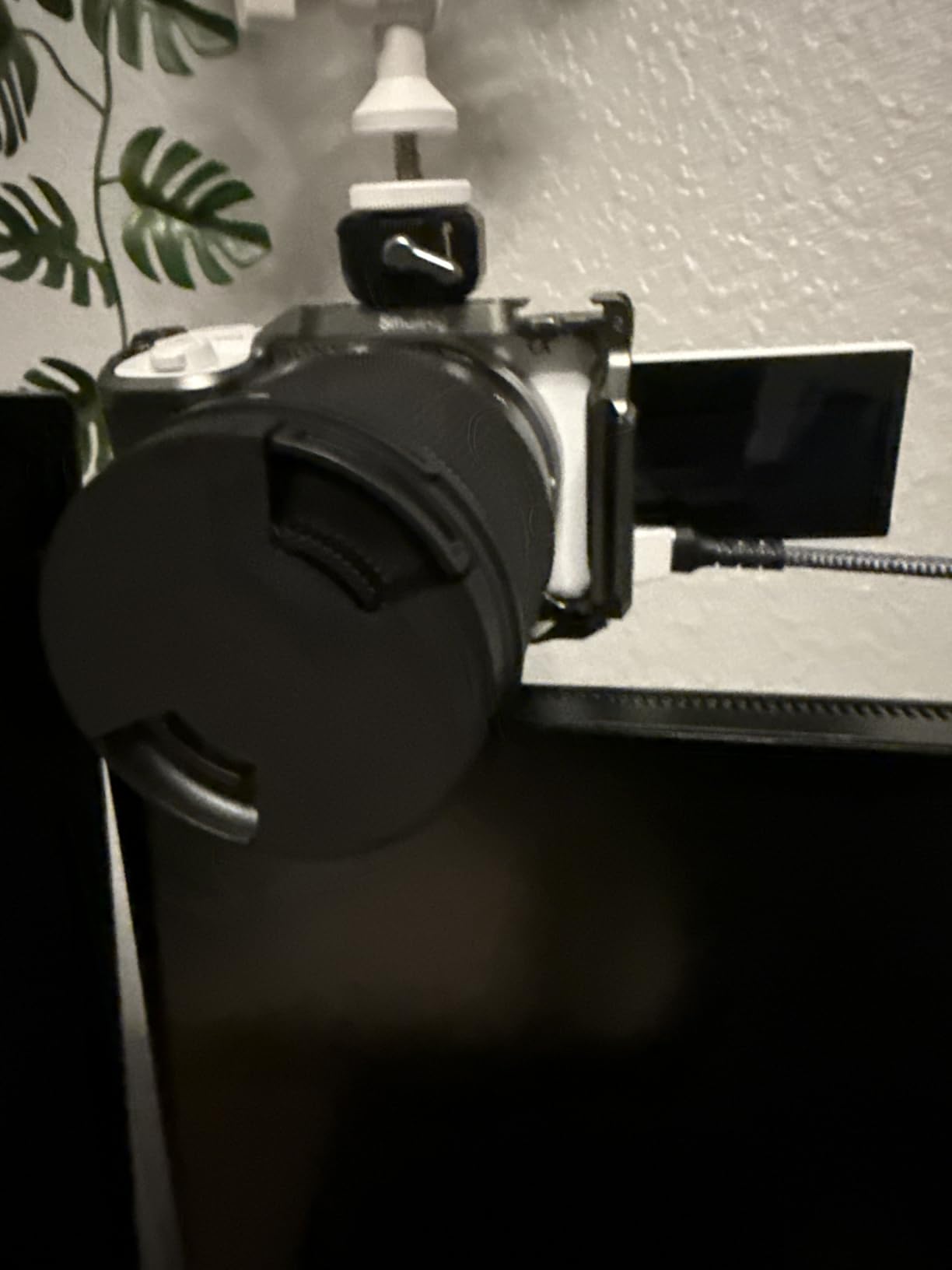
The S&Q (slow and quick motion) mode with up to 5x slow-motion at HD 24p gives video creators flexible options without requiring separate slow-motion modes or post-production processing. Time-lapse capability is built in, which means the ZV-E10 II handles both slow and fast motion in a single body without accessories.
The E PZ 16-50mm F3.5-5.6 OSS II lens included in the kit is a meaningful improvement over the original E PZ 16-50mm. Optical SteadyShot in the lens compensates for the lack of in-body stabilization, which makes handheld video smoother than it would be with an unstabilized lens on this body.
Why the Rating Is Lower Than Other Sony Cameras
The 4.1 rating (from 217 reviews) is notably lower than the other cameras on this list, and it’s worth understanding why. User complaints cluster around battery life, the lack of an electronic viewfinder, and the absence of RAW support for stills in some shooting modes. These are genuine limitations for photographers who prioritize still images over video.
If you’re a dedicated content creator who shoots primarily video with occasional stills, those limitations won’t affect you much. But if you want a balanced camera for both photography and video, the Canon EOS R50 or Sony a6400 might serve you better despite their lower resolution sensors.
10. Nikon Z50 II Two Lens Kit — Best Complete Package for New Shooters
Pros
- Two-lens kit covers wide-angle to telephoto in one purchase
- EXPEED 7 processor provides flagship-level AI performance
- 4K 60fps video with 120fps slow-motion in Full HD
- 31 Picture Control presets plus Cloud access for creative options
- Built-in flash for indoor shooting
Cons
- No in-body image stabilization
- No battery charger included
- Only one card slot
- Some grey market reports from third-party sellers
The Nikon Z50 II Two Lens Kit is the single most comprehensive package on this list for a photographer who wants to start shooting everything from landscapes to wildlife on day one without additional lens purchases. The combination of the NIKKOR Z DX 16-50mm f/3.5-6.3 VR and NIKKOR Z DX 50-250mm f/4.5-6.3 VR covers a 16mm to 250mm focal length range — that’s genuinely versatile.
The 16-50mm wide-angle zoom covers street photography, landscapes, architecture, and everyday documentation. The 50-250mm telephoto zoom reaches out to wildlife, sports, and distant subjects that a kit lens simply can’t capture. Having both lenses at the jump means you’re not immediately constrained to the 16-50mm focal range that limits single-lens buyers in the first months of shooting.

Under the hood, this is the same Nikon Z50 II body reviewed earlier in this guide, which means all the same EXPEED 7 processor advantages, 9-subject autofocus detection, and 4K 60fps video capability. The two-lens configuration doesn’t compromise any of those capabilities — you’re getting the full Z50 II performance in a more complete starting package.
With 116 reviews and a 4.6 rating, user feedback is positive, with photographers particularly praising the versatility the dual-lens kit provides. The value proposition is strong — buying the 50-250mm lens separately at retail would cost significantly more than the difference between the single-body and two-lens kit prices, making this the smarter purchase for anyone planning to eventually own both focal ranges.

Who Benefits Most from the Two-Lens Setup
New photographers benefit most from a two-lens setup because it allows exploration of different focal lengths and shooting styles without committing to a specific genre early on. Discovering whether you prefer wide-angle storytelling or telephoto isolation is much easier when you have access to both without renting or borrowing lenses.
Family photographers, travel shooters, and anyone who wants to photograph events across different distances will find that switching between these two lenses handles virtually every situation they’ll encounter in the first year of serious shooting.
Grey Market Warning
Some user reviews flag concerns about grey market products when purchasing from third-party sellers. Buy directly from Nikon authorized dealers or Amazon’s own fulfilled listing to ensure you receive a genuine USA model with full manufacturer warranty coverage. The warranty is especially important given that no battery charger is included — you’ll be dealing with Nikon support if anything goes wrong with the battery.
The VR (Vibration Reduction) optical stabilization in both lenses compensates for the lack of IBIS in the body. For the majority of everyday shooting situations, this provides adequate stabilization for sharp handheld images and reasonably smooth video.
Mirrorless Camera Buying Guide: What Actually Matters Under $1500?
APS-C vs Full-Frame: The Honest Answer
Every camera on this list uses an APS-C sensor rather than full-frame, and that’s the right choice under $1500 for most photographers. Full-frame cameras under this price — like the Canon EOS R8 or Nikon Z5 II — exist, but they typically arrive with older autofocus systems or more limited video capabilities compared to the best APS-C options in the same price range.
APS-C sensors have closed the gap on full-frame significantly in the last few years. The dynamic range, low-light performance, and color rendering from the Sony a6400 or Canon R50 are genuinely competitive with full-frame cameras that cost more. For most shooting situations — travel, portraits, street, everyday documentation — APS-C is not a limiting factor.
Full-frame makes a meaningful difference in very low light, with very wide-angle lenses (where crop factor reduces effective focal length), and for photographers who print large. If those scenarios describe your primary shooting context, a used Sony A7 III (which communities on Reddit frequently recommend at around $1000-1100 used) might be worth considering alongside these new APS-C options.
Autofocus: Phase Detection Is Now the Standard
Every camera on this list uses phase detection autofocus, which is the right technology for fast, reliable focusing. Phase detection works by measuring how far away the subject is and predicting where it will be — contrast detection, used in older cameras, just measures sharpness and hunts for the peak. The practical difference is substantial for moving subjects.
Subject detection — where the camera automatically identifies people, animals, vehicles, and birds without manual selection — is now standard across most cameras in this range. The sophistication varies: the Sony ZV-E10 II’s 759-point system with real-time tracking is more capable than the Canon R100’s 143-zone system in complex situations, but both will reliably lock on to people’s faces for everyday shooting.
Video Capabilities: What the Specs Actually Mean
4K video is standard across all ten cameras on this list, but the quality varies significantly. Key differences to understand:
Oversampling means the camera reads a larger portion of the sensor (like 6K) and downsamples to 4K output — the result is sharper, cleaner 4K than cameras that simply bin pixels. The Canon EOS R50, Sony ZV-E10, and Sony a6100 all use oversampling for their 4K output.
4K frame rate matters: cameras limited to 4K 24fps can only shoot cinematic content or face a crop to reach 30fps. The Nikon Z50 II and Sony ZV-E10 II reach 4K 60fps, which enables smooth slow-motion at 50% speed and ultra-smooth real-time footage — a meaningful advantage for video-focused buyers.
In-Body Image Stabilization (IBIS): None of These Have It
None of the cameras on this list include in-body image stabilization. That’s a common frustration for buyers in this range — IBIS typically appears in cameras above $1500 or in specific full-frame bodies. The practical workaround is lens-based optical stabilization (Sony OSS, Nikon VR, Canon IS), which handles still photography well but provides less stabilization for video than true IBIS.
For video specifically, a gimbal — even an affordable one in the $100-200 range — provides significantly smoother results than any electronic or optical stabilization. Factor that into your budget if smooth handheld video is a priority.
Lens Ecosystems: Where Your Long-Term Investment Goes
The camera body you buy is secondary to the lens ecosystem you’re investing in. Forum discussions consistently highlight this as one of the biggest decisions new photographers get wrong — they buy the best body but choose a system with limited or expensive glass.
Sony E-mount is the most mature APS-C ecosystem with the widest third-party support from Sigma, Tamron, and Viltrox. Canon RF mount has excellent native glass but smaller APS-C-specific selection. Nikon Z mount is growing rapidly with good third-party coverage. All three systems give you enough options at launch to build a capable kit — but Sony’s E-mount has the deepest selection for photographers who want variety without spending premium on every lens.
Battery Life: Plan for Extras
Battery life is the consistent weakness across this entire category. Each of these cameras will get you 200-400 shots per charge in typical conditions, with 4K video draining significantly faster. Every serious photographer should budget for at least one spare battery — ideally two for any full shooting day.
USB-C charging (available on several cameras here, including the Canon R10 and R50) allows you to top off from a power bank in the field. This is a genuinely practical feature for travel photography — it means you can keep shooting by topping off the battery during transit between locations.
Frequently Asked Questions
What is the best mirrorless camera under $1500 for beginners?
The Canon EOS R50 is our top pick for beginners under $1500. It delivers 24.2 MP image quality, a vari-angle touchscreen, and 651-zone Dual Pixel CMOS AF II autofocus in a compact, lightweight body. The guided modes make it approachable for beginners, while full manual controls give room to grow. The Sony ZV-E10 is the best option specifically for video-focused beginners.
Which mirrorless camera offers the best value under $1500?
The Sony Alpha ZV-E10 offers exceptional value for content creators and vloggers. It provides 4K video oversampled from 6K, S-log picture profiles for professional color grading, and a flip-out screen in a compact body. With 798 reviews and a 4.6 rating, it consistently outperforms cameras at higher price points for video quality. For still photography value, the Canon EOS R100 bundle with 64GB card and camera bag is hard to beat.
Is full-frame or APS-C better under $1500?
For most photographers under $1500, APS-C is the better choice. Full-frame cameras exist at this price but typically come with older autofocus systems or limited video specs compared to the best APS-C options. APS-C sensors have closed the image quality gap significantly, and the APS-C cameras in this range offer faster autofocus, better video features, and more compact bodies than comparable full-frame options. Full-frame makes a larger difference for extreme low-light shooting and very wide-angle photography.
What camera should I buy for photography and video under $1500?
The Canon EOS R50 is the best hybrid camera for both photography and video under $1500. It combines 24.2 MP still image quality with 6K-oversampled 4K video at 30fps, a vari-angle EVF and touchscreen, and reliable subject tracking autofocus. For buyers who prioritize video over stills, the Sony ZV-E10 II with its 26 MP sensor and 4K 60fps recording is the stronger video-first choice. Both cameras handle the hybrid shooting role well without significant compromises on either side.
Final Verdict: Best Mirrorless Camera Under $1500 in 2026
After testing all ten cameras on this list, the Canon EOS R50 stands as the best mirrorless cameras under $1500 for most buyers in 2026. The combination of advanced Dual Pixel CMOS AF II autofocus, 6K-oversampled 4K video, a vari-angle EVF, and Canon’s excellent RF mount ecosystem delivers genuine professional-grade capabilities at an accessible price point.
For video creators and vloggers specifically, the Sony Alpha ZV-E10 remains the best value choice — S-log profiles, 4K oversampled from 6K, and a genuinely video-first feature set at a price that leaves budget for good glass. The Canon EOS R100 is the smart entry point for photographers who want the RF ecosystem without the higher price of the R50 or R10.
Whatever your budget within this range, all ten cameras here deliver image quality, autofocus, and video capabilities that would have been considered professional-grade just a few years ago. The best mirrorless camera under $1500 is the one that matches your shooting style and the lens ecosystem you want to invest in long-term — use this guide to make that call with confidence.